



 March 9, 2023
 Phil Good, DVM
What is Diabetes Mellitus in Cats?
This content was prepared with AI assistance and reviewed by a licensed professional for accuracy.
Introduction
If you are wondering, “what is diabetes mellitus in cats?”, it is critical to understand that this is one of the most frequently diagnosed and highly complex endocrine disorders in veterinary medicine today. Diabetes mellitus occurs when a feline doesn’t produce enough blood-sugar hormone, or when its body becomes physiologically resistant to the blood-sugar hormone it does manage to produce. This vital hormone is secreted by the beta cells of the pancreas and is responsible for strictly regulating the amount of glucose (sugar) circulating in the blood. In a healthy feline, this hormone acts like a biological key, unlocking the body’s cellular doors so that glucose can enter the tissues and be utilized for cellular energy. When this fundamental metabolic mechanism fails, diabetes in cats develops, leading to a dangerous cascade of systemic derangements.[1]
Without adequate hormone activity, glucose accumulates rapidly in the bloodstream, resulting in a state of persistent hyperglycemia. The starving cells, unable to access the abundant sugar floating around them, send desperate signals to the brain to break down stored fat and muscle tissue for alternative energy sources. This catabolic state leads to rapid and severe weight loss, even while the cat exhibits a ravenously increased appetite. Over time, these consistently elevated blood sugar levels begin to exert severe toxic effects on multiple organ systems, a pathological phenomenon known as glucose toxicity. Furthermore, when blood sugar concentrations exceed the kidneys’ anatomical ability to retain it, glucose aggressively spills over into the urine, acting as an osmotic diuretic and dragging massive volumes of body water with it. This directly causes the classic, hallmark signs of excessive urination and compensatory, unquenchable thirst.[2]
Feline diabetes is a chronic, lifelong condition that requires dedicated and meticulous management, but it is highly treatable. With early detection, appropriate veterinary intervention, and modern therapeutic options—including breakthrough oral medications, advanced synthetic diabetes medications, and targeted nutritional therapies—many cats can achieve excellent glycemic control. In fact, a uniquely fascinating aspect of feline endocrinology is that a significant percentage of aggressively treated diabetic cats can achieve a state of true diabetic remission. In this state, the exhausted pancreas heals enough that the cat no longer requires daily medication to maintain perfectly normal blood sugar levels. Understanding the deep pathophysiology of this disease is the critical first step for any pet owner navigating the stress of a new metabolic diagnosis.
Two Types of Diabetes Mellitus in Felines
In the field of veterinary endocrinology, diabetes mellitus is broadly categorized into two primary types based entirely on the underlying physiological cause of the hormone deficiency. While the overt clinical presentation of both types may appear completely identical to the observant pet owner, understanding the specific cellular classification is absolutely crucial for the veterinary team when formulating an effective, long-term treatment and monitoring plan. This diagnostic classification mirrors the system traditionally used in human medicine, though the epidemiological prevalence of each type differs drastically within the feline population.[7]
Type 1 Diabetes Mellitus
Type 1 diabetes mellitus is characterized by an absolute and irreversible deficiency of blood-sugar hormone due to the complete or near-complete destruction of the hormone-producing beta cells within the pancreatic islets of Langerhans. In humans and in canines, this is by far the most common form of the disease, typically resulting from an insidious, immune-mediated, or autoimmune process where the body’s own immune system erroneously identifies the pancreatic tissue as foreign and attacks it. However, true Type 1 diabetes is exceptionally rare in domestic cats.[1]
When a cat does tragically suffer from Type 1 diabetes, it is almost always the consequence of severe, chronic, end-stage pancreatitis rather than an autoimmune disease. In these severe cases, widespread pancreatic inflammation and enzymatic autodigestion physically destroy both the exocrine tissue (responsible for secreting digestive enzymes into the gut) and the delicate endocrine tissue. Other rare pathological causes include congenital pancreatic hypoplasia or extensive, invasive pancreatic neoplasia (cancer) that obliterates the normal glandular architecture. Because the hormone-producing beta cells are permanently destroyed and replaced by useless fibrotic scar tissue, a cat with Type 1 diabetes has zero residual capacity to secrete native blood-sugar hormone. Consequently, these felines will absolutely require lifelong, twice-daily exogenous diabetes medication therapy just to survive. There is absolutely no possibility of diabetic remission for a cat with true Type 1 diabetes, as the fundamental cellular machinery required to manufacture the hormone has been permanently eradicated.
Type 2 Diabetes Mellitus
Type 2 diabetes mellitus is unequivocally the most prevalent form of the disease in the global feline population, accounting for an estimated 80% to 95% of all officially diagnosed veterinary cases. The underlying pathophysiology of feline Type 2 diabetes is highly complex and reliably involves two concurrent, overlapping metabolic defects: severe hormone resistance located in the peripheral tissues (specifically the liver, skeletal muscle, and adipose tissue) and a relative, progressive failure of the pancreatic beta cells to secrete sufficient quantities of blood-sugar hormone to overcome this massive cellular resistance.[8]
In the earliest, preclinical stages of Type 2 diabetes, the cat’s body requires significantly more blood-sugar hormone than normal simply to move baseline glucose into the cells. The pancreas attempts to heroically compensate by pumping out massive, abnormal amounts of blood-sugar hormone. However, this extreme state of hypersecretion cannot be biologically sustained indefinitely. Over time, the overworked and highly stressed beta cells become exhausted, damaged, and increasingly dysfunctional. A uniquely defining histopathological feature found during the biopsy of most Type 2 diabetic cats is the widespread deposition of islet amyloid polypeptide (IAPP), frequently referred to as amylin. This specific protein is biologically co-secreted with the blood-sugar hormone, and in persistent states of severe hormone resistance, excessive, toxic amounts of amylin are produced. The amylin misfolds and forms destructive, insoluble amyloid plaques directly within the pancreas, physically suffocating and destroying the surviving beta cells, which leads to a catastrophic decline in hormone production.[10]
Unlike Type 1 diabetes, the profound beta-cell dysfunction observed in early Type 2 diabetes can sometimes be dramatically reversed. If the underlying causes of the peripheral hormone resistance are rapidly identified and addressed—and the toxic blood glucose levels are swiftly brought back into a normal physiological range, thereby alleviating the suppressive, paralyzing effects of “glucose toxicity”—the surviving, dormant beta cells can successfully heal and resume adequate native hormone production. This remarkable potential for physiological reversibility makes early, hyper-aggressive management of feline Type 2 diabetes incredibly rewarding for both dedicated veterinarians and compliant pet owners.
Causes of Diabetes Mellitus in Cats
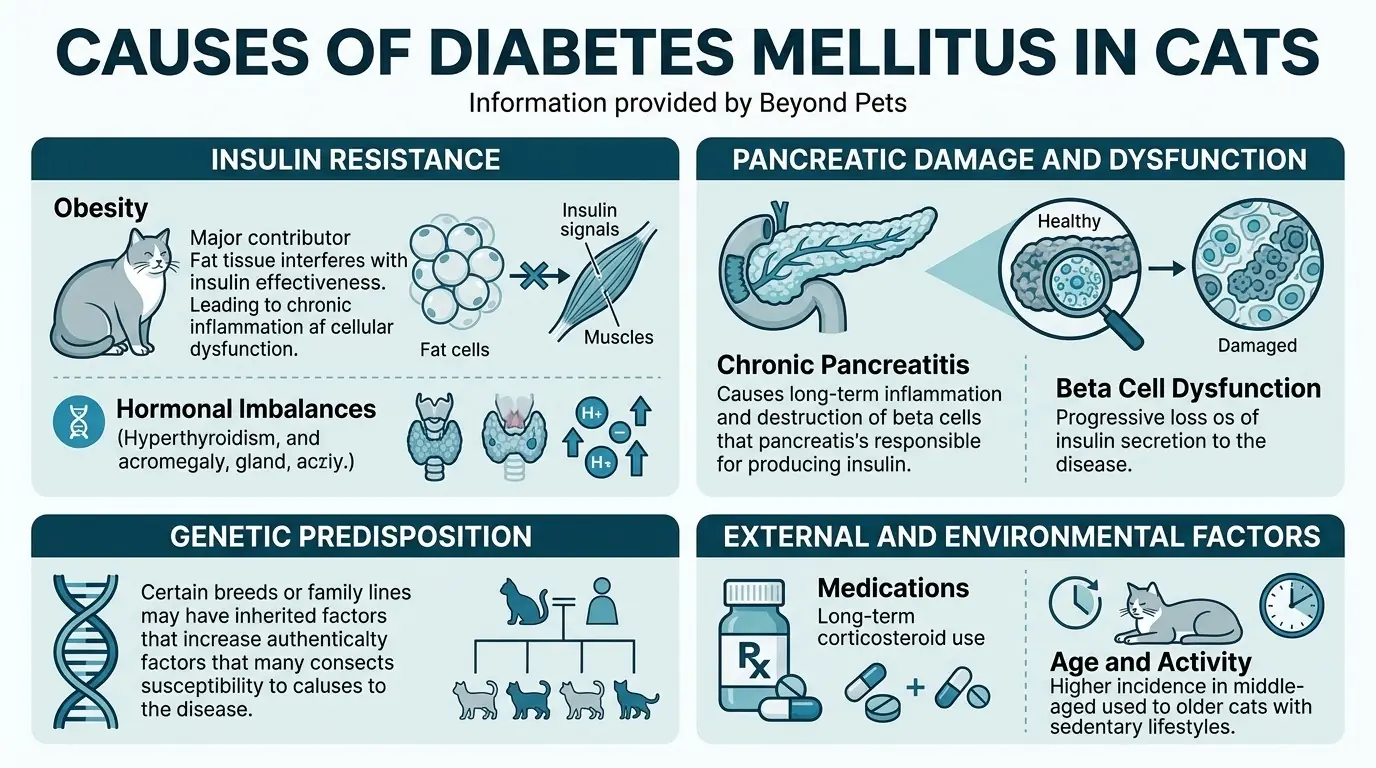
The clinical development of feline diabetes is heavily multifactorial, meaning the disease arises from a complex, intertwined combination of inherent genetic predispositions, specific environmental factors, and various concurrent medical conditions. Thoroughly understanding these diverse risk factors is absolutely essential for proactive veterinary screening and long-term disease prevention.
One of the single most critical, dangerous, and completely modifiable risk factors is excessive body weight. A significant risk factor for developing diabetes in cats is obesity. Adipose (fat) tissue is not merely a passive, inert biological storage depot; it is a highly active, disruptive endocrine organ that constantly secretes a wide array of inflammatory cytokines and hormones collectively known as adipokines. In markedly obese cats, these potent substances aggressively interfere with normal hormone receptor signaling pathways, causing severe, systemic peripheral hormone resistance. An indoor, sedentary lifestyle, devoid of adequate environmental enrichment or hunting behaviors, often severely compounds this underlying metabolic problem, directly leading to rapid weight gain and obesity and drastically amplifying the statistical risk of catastrophic beta-cell exhaustion.[8]
Nutritional composition and dietary history also play a remarkably substantial role in pathogenesis. Domestic cats are obligate carnivores, anatomically and physiologically adapted over millennia to metabolize prey-based diets that are exceptionally high in animal protein and incredibly low in dietary carbohydrates. Commercial dry cat foods (kibble) are typically extruded using very high levels of carbohydrates, starches, and grain binders to maintain their shape. Chronic, daily consumption of these high-carbohydrate diets leads to sustained, unnatural postprandial blood glucose spikes, forcing the feline pancreas to work overtime at maximum capacity, year after year.
Age and gender are highly significant demographic risk factors recognized by epidemiological studies. Diabetes is overwhelmingly a disease of middle-aged to senior felines, with the vast majority of new clinical diagnoses occurring in cats well over the age of seven. Furthermore, castrated (neutered) male cats are statistically much more likely to develop diabetes than intact males or female cats, largely due to a well-documented hormonal propensity for developing dangerous central adiposity (visceral belly fat). Genetics also heavily dictate individual susceptibility; certain purebred lines, particularly Burmese, Tonkinese, and Russian Blue cats, possess inherited genetic anomalies that severely predispose their beta cells to early failure.[1]
Secondary diabetes can also rapidly occur as a direct result of other underlying, undetected endocrinopathies. Hypersomatotropism, more commonly known as feline acromegaly, is an increasingly recognized cause of intractable diabetes. This severe condition is triggered by a benign tumor (macroadenoma) located on the pituitary gland that constantly secretes excessive growth hormone, which unfortunately acts as a highly potent, system-wide hormone antagonist. Similarly, undiagnosed hyperthyroidism and hyperadrenocorticism (feline Cushing’s disease) cause profound metabolic and hormonal shifts that induce severe, unbreakable hormone resistance. Finally, iatrogenic diabetes can easily be triggered by routine veterinary treatments. The long-term, high-dose administration of known diabetogenic medications, particularly potent glucocorticoids (steroids like anti-inflammatory steroids) and synthetic progestins, can induce severe chemical hormone resistance and swiftly precipitate clinical diabetes in otherwise vulnerable, borderline cats.
Clinical Signs of Diabetes Mellitus in Cats
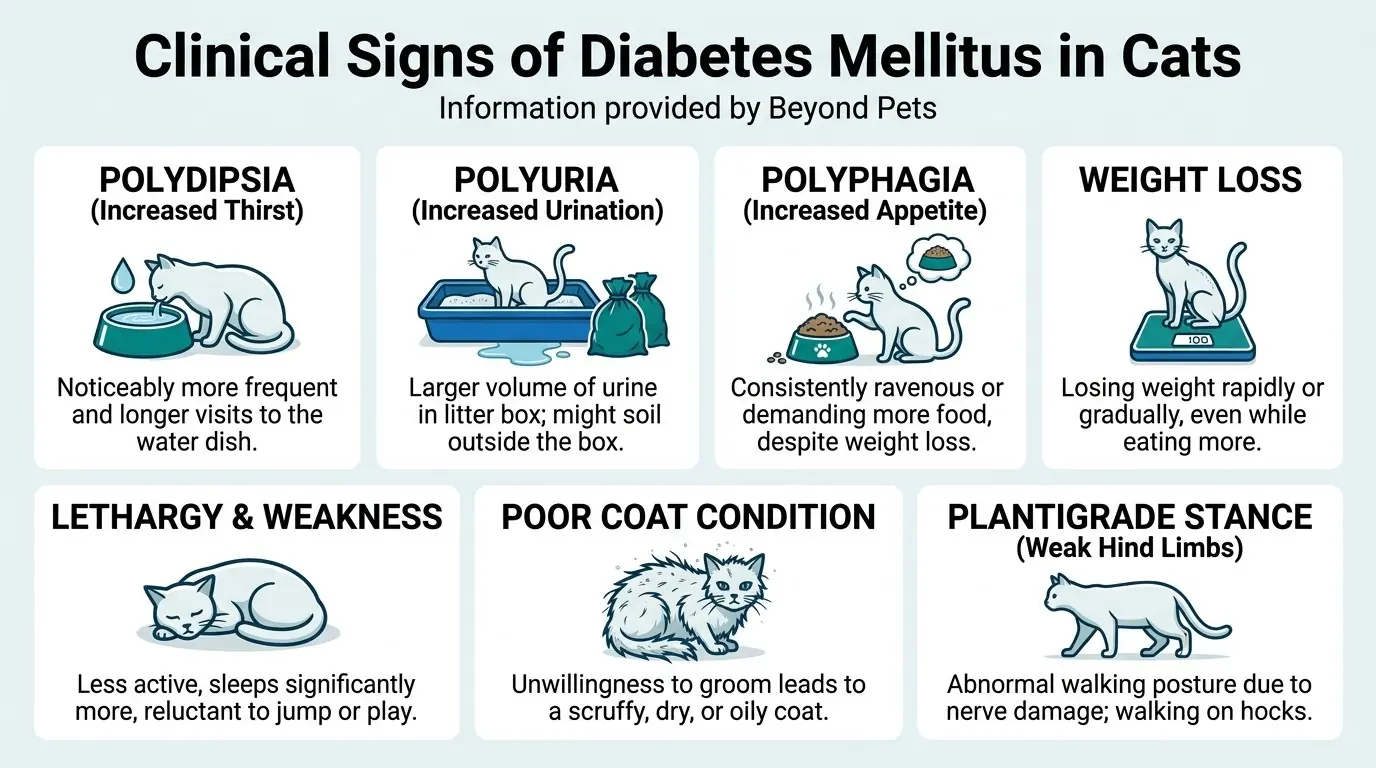
The observable clinical signs of diabetes mellitus in cats are directly and entirely attributable to the profound metabolic chaos caused by uncontrolled hyperglycemia and the systemic inability of starving cells to successfully utilize circulating glucose. Recognizing these subtle, early symptoms is absolutely vital for initiating life-saving treatment before severe, life-threatening internal complications arise. The classic clinical presentation universally includes a specific constellation of four main symptoms: severe polyuria, polydipsia, polyphagia, and rapid weight loss.[7]
Polyuria, or the production of excessive volumes of urine, occurs because the feline kidney has a very specific physiological threshold for glucose reabsorption, generally hovering around 250 to 280 mg/dL. When peripheral blood glucose concentrations drastically exceed this strict renal threshold, the proximal tubules within the kidney can no longer physically reclaim all the filtered sugar. The excess glucose heavily spills into the urine, where it acts as a powerful osmotic diuretic, physically dragging massive, dangerous volumes of precious body water out of the circulatory system. To physiologically compensate for this profound, constant fluid loss and to desperately prevent fatal systemic dehydration, the diabetic cat develops extreme polydipsia, or excessive thirst, and will begin drinking water constantly from water bowls, dripping sinks, shower floors, or even toilets.
Paradoxically, severely diabetic cats also exhibit profound polyphagia, a ravenous, seemingly insatiable increase in daily appetite, closely combined with alarmingly rapid weight loss. Because the blood-sugar hormone is strictly required to successfully transport glucose across the blood-brain barrier and into the satiety centers of the hypothalamus, the absolute lack of hormone signaling tragically tricks the feline brain into believing the physical body is starving to death. The cat eats continuously, begging for food, yet its body cannot biochemically utilize any of the calories derived from its meals. Consequently, the liver immediately triggers aggressive catabolic survival pathways, breaking down the cat’s own skeletal muscle mass and peripheral fat stores to generate vital energy, leading to pronounced, visible muscle wasting and drastic weight loss, especially palpable along the dorsal spine, scapulae, and hindquarters.[5]
In significantly more advanced, untreated cases, cats may develop diabetic neuropathy, a highly specific type of irreversible peripheral nerve damage caused directly by chronic, toxic hyperglycemia, the accumulation of advanced glycation end-products, and severe oxidative stress on the peripheral nervous system. This debilitating condition primarily affects the sciatic nerve and reliably results in a characteristic, painful “plantigrade stance,” where the cat walks completely flat on its hocks (ankles) rather than gracefully on its toes, often accompanied by severe hind limb weakness, muscle tremors, and a total inability to jump onto standard furniture. Furthermore, diabetic cats frequently present to the clinic with an incredibly unkempt, dull, matted, or severe dandruff-ridden hair coat due to poor, lethargic grooming habits and a generalized, debilitating state of chronic catabolism.
If the underlying diabetes remains entirely untreated, the cat will inevitably progress into Diabetic Ketoacidosis (DKA), an acute, highly complex, and rapidly life-threatening medical emergency. In the complete absence of any utilizable cellular glucose, the liver rapidly and aggressively oxidizes peripheral fat to produce massive quantities of ketone bodies as an emergency alternative fuel source for the brain. Ketones are highly acidic molecules, and their rapid accumulation in the bloodstream causes severe, deadly metabolic acidosis. Clinical signs of impending DKA include severe, unrousable lethargy, profound weakness, total anorexia, intractable vomiting, explosive diarrhea, altered mentation, and a distinct “sweet,” fruity, or nail-polish-remover (acetone) odor to the breath. A cat actively suffering from DKA requires immediate, intensive care unit hospitalization, intravenous fluid therapy, and continuous diabetes medication infusions to survive.
Diagnosis of Diabetes Mellitus in Cats
Accurately diagnosing diabetes mellitus in cats requires a highly methodical, multifaceted medical approach, as a single, isolated elevated blood sugar reading on a glucometer is legally and medically insufficient to definitively confirm the disease. The comprehensive diagnostic process aims to definitively prove the simultaneous presence of persistent, chronic hyperglycemia and concurrent urinary glucosuria, while aggressively ruling out other serious internal conditions that can perfectly mimic the clinical signs of diabetes.[9]
Clinical Examination
The diagnostic journey always begins with a thorough, hands-on clinical examination and a highly detailed, chronological review of the cat’s recent medical history. The veterinarian will closely and meticulously evaluate the feline patient for the hallmark physical signs of the disease. This specifically includes formally assessing the Body Condition Score (BCS) on a 9-point scale and the Muscle Condition Score (MCS) to accurately quantify any recent, dangerous weight loss or severe muscle wasting. The veterinarian will deeply palpate the abdomen to check for the presence of hepatomegaly (liver enlargement), which is remarkably common in unregulated diabetic cats due to secondary hepatic lipid accumulation (feline fatty liver disease). A careful neurologic assessment will be systematically performed to detect early, subtle signs of diabetic neuropathy, specifically observing the cat’s walking gait for any slight drop in the hocks. The veterinarian will also look closely for clinical evidence of hidden secondary infections, such as severe periodontal disease, skin pyoderma, or anal gland abscesses, which can drastically exacerbate severe hormone resistance and immensely complicate any future treatment plans. Interestingly, while diabetic cataracts are the leading cause of sudden blindness in diabetic dogs, they are exceedingly rare in cats due to species-specific differences in lens aldose reductase activity.
Blood Glucose Testing
The absolute cornerstone of biochemical veterinary diagnosis is accurate blood glucose testing. In a healthy, appropriately fasting cat, the normal peripheral blood glucose concentration typically ranges from a tight 70 to 120 mg/dL. In a clinically diabetic cat, fasting blood glucose routinely and dangerously exceeds 300 to 400 mg/dL. However, feline medicine presents a highly unique, deeply frustrating diagnostic challenge known medically as “stress hyperglycemia.” When a typical cat becomes stressed, highly fearful, or physically agitated during a routine veterinary clinic visit, its sympathetic nervous system violently releases a massive surge of catecholamines (like adrenaline/epinephrine) and stress cortisol. This immediate “fight or flight” neuro-response triggers rapid, massive hepatic glycogenolysis, temporarily and artificially spiking the cat’s circulating blood glucose to astronomical levels that perfectly, biochemically mimic severe diabetes, sometimes easily exceeding 350 mg/dL within minutes. Because of this well-documented physiological phenomenon, a single high blood glucose reading taken in a loud veterinary clinic can easily lead to a disastrous misdiagnosis. Therefore, the attending veterinarian must carefully correlate the blood glucose reading with the actual presence of home clinical signs and the definitive results of additional, long-term confirmatory laboratory tests.[5]
Urine Glucose Testing
To definitively help differentiate between a transient, harmless spike of stress hyperglycemia and true, pathological diabetes mellitus, the veterinarian will seamlessly perform a comprehensive urinalysis, specifically looking closely for heavy urine glucose (glucosuria). In a healthy feline, the kidneys incredibly efficiently resorb 100% of all filtered glucose back into the bloodstream, leaving the voided urine completely free of any detectable sugar. As previously discussed, the absolute feline renal threshold for glucose spillage is approximately 250 to 280 mg/dL. If systemic blood glucose remains persistently and chronically above this specific level, massive amounts of glucose will reliably appear in the urine. While severe, acute clinic stress hyperglycemia can occasionally cause very mild, highly transient glucosuria, heavy, persistent, strongly positive glucosuria on a dipstick is highly and definitively indicative of underlying diabetes. The urinalysis is also critically essential for safely detecting ketonuria (the dangerous presence of ketones), which violently warns of impending, deadly diabetic ketoacidosis, and for accurately identifying hidden, silent urinary tract infections (UTIs). The warm, highly sugary urine of a diabetic cat serves as a biologically perfect culture medium for invasive bacteria, making ascending UTIs a remarkably frequent, painful, and dangerous complication that drives up hormone resistance.
Fructosamine Test
The serum fructosamine test is universally and widely considered the absolute gold standard diagnostic tool for confirming a diagnosis of feline diabetes mellitus, neatly bypassing the pitfalls of stress. Fructosamine is a stable, biochemical compound formed when circulating glucose molecules permanently, non-enzymatically bind (glycate) to specific serum proteins, predominantly circulating albumin. Because the biological half-life of these specific plasma proteins is roughly one to three weeks, the measured fructosamine concentration provides a highly accurate, retrospective, and un-fakeable snapshot of the cat’s average overall blood glucose control over the preceding 14 to 21 days. If a cat simply has a transiently high blood sugar due to the acute stress of the terrifying car ride to the clinic, its serum fructosamine level will remain completely and reassuringly normal. Conversely, if the cat has unfortunately been suffering from persistent, undetected hyperglycemia for several weeks due to active, untreated diabetes, the serum fructosamine level will be markedly and undeniably elevated. This specific test not only elegantly confirms the initial diagnosis but also serves as an absolutely invaluable, long-term monitoring tool for judging the ongoing clinical effectiveness of recommended diabetes medication treatment or dietary changes over time.[9]
Glycosylated Hemoglobin Test
Another highly specialized diagnostic tool occasionally available to advanced veterinary professionals is the glycosylated hemoglobin (HbA1c) test. Biochemically similar to fructosamine, this specific test measures the irreversible, permanent binding of free glucose to hemoglobin molecules physically located inside the circulating red blood cells. Because feline erythrocytes (red blood cells) have a distinctly shorter average lifespan of about 70 days compared to humans, the feline HbA1c test reflects the cat’s total glycemic control over an extended two- to three-month period. While the HbA1c test is the absolute primary standard of care in human diabetes diagnosis and management, it is markedly less frequently utilized in everyday general feline practice compared to the faster fructosamine test. This is partially due to specific laboratory assay availability, higher costs, and the clinical reality that a two-to-three-week monitoring window (provided by fructosamine) is often vastly more clinically relevant and actionable for a veterinarian needing to adjust potentially dangerous diabetes medication dosages rapidly, rather than waiting to analyze a two-month historical window. Nevertheless, in complex, difficult-to-diagnose cases, it remains a highly valid, scientifically accurate method for definitively differentiating chronic, pathological diabetes from acute, recurring stress responses.
Treatment of Diabetes Mellitus in Felines
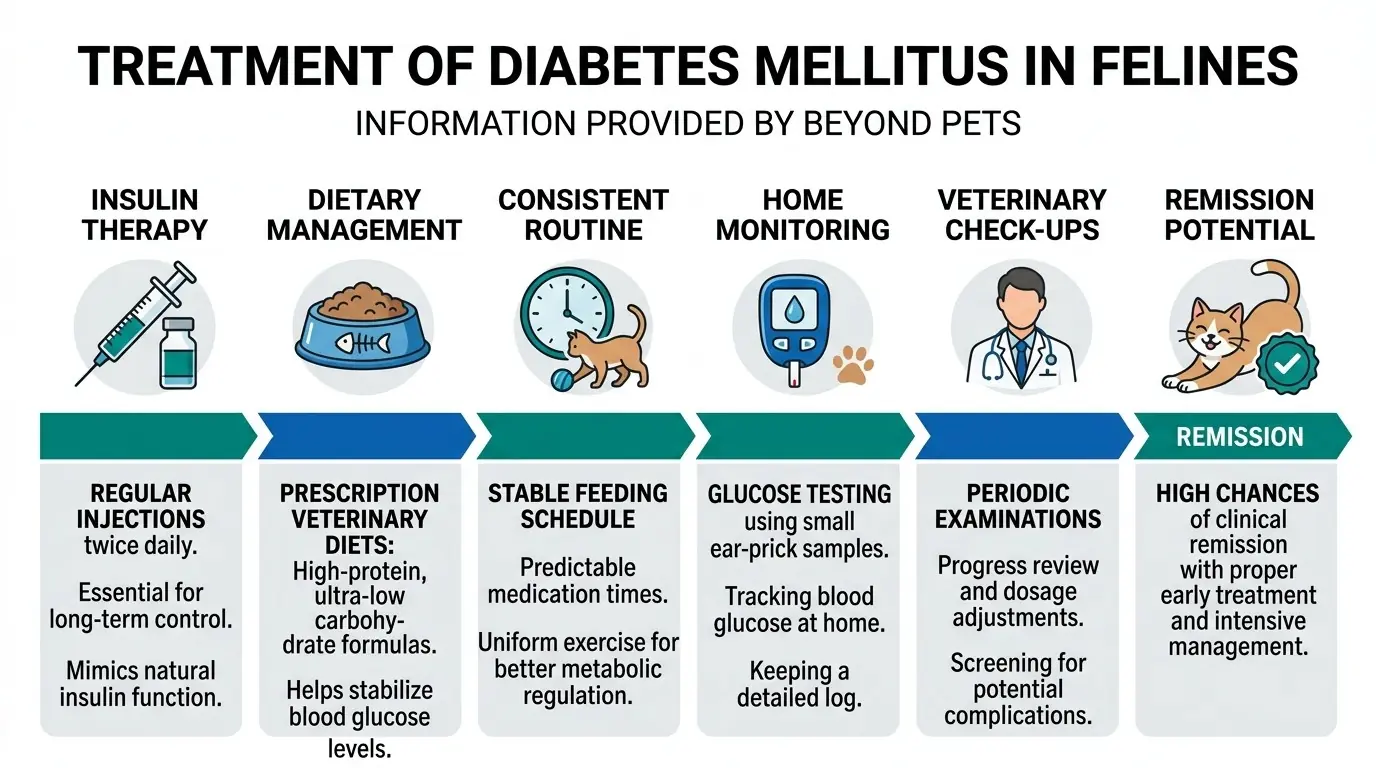
The successful, long-term treatment of feline diabetes mellitus requires a significant emotional, temporal, and financial commitment from the pet owner, but it is highly effective when executed properly. The primary medical goals of daily therapy are to completely resolve the devastating clinical signs (halting weight loss and rapidly normalizing extreme thirst and urination), stringently prevent dangerous, expensive emergencies like diabetic ketoacidosis, strictly avoid potentially fatal, iatrogenic hypoglycemia (low blood sugar), and, whenever physiologically possible, aggressively guide the feline patient into total diabetic remission. Achieving these lofty goals requires a carefully customized, multimodal, and adaptable medical approach.[5]
Diabetes Medication Therapy
For several decades, injectable diabetes medication therapy has been the undisputed, absolute cornerstone of diabetes management in cats, and it strictly remains the primary, life-saving treatment of choice for completely diabetes medication-dependent felines or those actively presenting with deadly ketoacidosis. Because the deeply damaged diabetic feline pancreas cannot produce adequate endogenous blood-sugar hormone, exogenous (bottled) diabetes medication must be carefully administered via a subcutaneous injection, typically given exactly twice a day, roughly 12 hours apart. While the very thought of manually injecting a beloved pet is initially often highly terrifying and daunting for owners, the medical syringes used feature microscopically thin, lubricated needles, and the vast majority of cats tolerate the quick process incredibly well, often associating it positively with mealtime.
Veterinary endocrinologists generally strongly prefer ultra-long-acting diabetes medication formulations for feline patients due to their unique metabolic clearance rates. Certain long-acting diabetes medications (commercially marketed under various brand names) are highly engineered, synthetic human hormone analogs that uniquely form delayed-release micro-precipitates under the skin, releasing the diabetes medication slowly, smoothly, and predictably over many hours. These specific, “peakless” diabetes medications are highly favored in the veterinary community because they are scientifically associated with the absolute highest statistical rates of diabetic remission in newly diagnosed cats. Another excellent, FDA-approved veterinary-specific option is a zinc-based diabetes medication, which utilizes added zinc and protamine molecules to safely delay the systemic absorption of recombinant human blood-sugar hormone. Porcine-based diabetes medication is also frequently utilized, though its inherently shorter duration of action sometimes requires more rigid dosing schedules.[4]
It is absolutely, fundamentally crucial to use the exact correct syringe for the specific type of recommended diabetes medication. Medical diabetes medications are manufactured and concentrated differently; potent human-formulated diabetes medications are typically U-100 (containing exactly 100 active units per milliliter), mandating a specific U-100 syringe with an orange cap. Veterinary-specific diabetes medications are U-40 (containing 40 units per milliliter) and strictly mandate a specific U-40 syringe with a red cap. Using the wrong syringe will instantly result in a massive, fatal overdose or a severe, ineffective underdose. The precise dosage is meticulously calculated based on the cat’s lean (not obese) body weight and is adjusted very gradually by the veterinarian based entirely on rigorous, evidence-based monitoring.
Furthermore, veterinarians must be highly vigilant regarding the Somogyi effect. If too much diabetes medication is accidentally administered, the cat’s blood glucose can drop to dangerously low, life-threatening levels. The cat’s stressed body responds by instantly releasing massive amounts of counter-regulatory hormones like glucagon, epinephrine, and cortisol. These emergency hormones rapidly mobilize stored liver glycogen, causing a massive, immediate rebound spike in blood glucose known as the Somogyi effect. If a veterinarian sees a highly elevated morning blood glucose reading, they must carefully analyze a full, 12-hour glucose curve to ensure that the high reading isn’t actually a paradoxical rebound response to a terrifying, hidden overnight hypoglycemic event.
Dietary Management
Strict dietary modification is an equally critical, non-negotiable pillar of long-term diabetes management. Nutritional therapy alone can sometimes drastically and rapidly reduce a cat’s daily diabetes medication requirements, and it is very often the defining determining factor in successfully achieving full diabetic remission. The optimal, scientifically proven feline diabetic diet is exceptionally high in high-quality, digestible animal protein and extremely low in simple carbohydrates (ideally representing far less than 10% to 12% of total metabolizable energy).[5]
Because domestic cats are strict, obligate carnivores, they evolutionarily lack salivary amylase and possess heavily reduced hepatic glucokinase activity, making their metabolic systems highly inefficient at processing and utilizing dietary starches. When a diabetic cat inadvertently consumes a high-carbohydrate, extruded kibble, it experiences a massive, uncontrollable postprandial glucose spike that even the most potent injected diabetes medication struggles to safely control. By permanently switching the diabetic cat to a low-carbohydrate canned (wet) food diet, the intestinal absorption of glucose is rendered slow, blunted, and exceptionally steady, perfectly mirroring the slow, basal release of modern long-acting diabetes medications. Furthermore, high-quality wet food automatically provides essential, life-saving systemic hydration, vastly protecting the delicate kidneys of a cat that may have been suffering from chronic, damaging polyuria for months. Portion control is also strictly and mathematically enforced to promote slow, gradual weight loss in obese patients, which directly and significantly reduces stubborn peripheral hormone resistance. Daily meals should ideally be precisely timed to coincide with the twice-daily diabetes medication injections to ensure fresh glucose is actively entering the bloodstream just as the injected diabetes medication begins to reach its systemic peak effect.
Regular Monitoring
The successful, safe management of feline diabetes hinges entirely on regular, meticulous, and highly accurate monitoring. Initially, the attending veterinarian will need to evaluate the feline patient frequently to carefully fine-tune the starting diabetes medication dose. Traditionally, this complex task is done via a full blood glucose curve performed inside the clinic, where a tiny drop of blood is drawn every two hours over a grueling 12-to-24-hour period to accurately plot the diabetes medication’s time of onset, its peak effect (the nadir), and its total duration of action in the body. However, because profound fear and stress inside the clinical setting can vastly and falsely elevate these crucial readings (stress hyperglycemia), many leading veterinarians now strongly encourage and heavily rely upon home blood glucose monitoring.[6]
Using an affordable, pet-specific handheld glucometer (such as an AlphaTrak), owners are taught how to easily and painlessly obtain a tiny, microscopic drop of blood from the cat’s marginal ear vein or paw pad to accurately test glucose levels in the completely stress-free, calm environment of their own home. Recently, the veterinary adaptation and widespread use of continuous glucose monitors (CGMs), such as the Abbott Freestyle Libre system, has absolutely revolutionized modern veterinary diabetes care. A small, lightweight sensor is painlessly attached to the shaved skin on the cat’s neck, measuring interstitial tissue glucose continuously, 24 hours a day, for up to 14 consecutive days. This incredible technology provides the veterinarian with thousands of invaluable data points, instantly revealing highly dangerous, hidden nocturnal hypoglycemic events or massive post-meal spikes that a single, isolated blood test would entirely miss. Owners are also extensively educated to closely monitor for the subtle clinical signs of dangerous hypoglycemia, such as staggering, extreme unresponsiveness, severe muscle twitching, or grand mal seizures, and are instructed to immediately administer oral Karo corn syrup or pure honey onto the cat’s gums if these terrifying signs ever occur.
Oral Medications
In a truly groundbreaking, historic advancement for veterinary internal medicine, the FDA has recently approved a brand-new class of oral medications specifically for the treatment of feline diabetes, fundamentally and forever changing the therapeutic landscape. These revolutionary drugs, scientifically known as sodium-glucose cotransporter 2 (SGLT2) inhibitors, actively include specific advanced oral medications.[3]
Unlike traditional diabetes medication therapy, which actively drives circulating glucose into the starving cells, or older, highly flawed oral hypoglycemic drugs (like certain early medications) that artificially forced exhausted, dying beta cells to secrete even more blood-sugar hormone, SGLT2 inhibitors work entirely independently of the blood-sugar hormone within the kidneys. They aggressively and selectively block the proximal renal reabsorption of filtered glucose, intentionally causing the diabetic cat to safely excrete massive amounts of excess sugar directly into the urine. This brilliantly and effectively lowers systemic blood glucose levels back to normal without the daunting need for twice-daily needle injections. One type of these medications is easily administered as a once-daily flavored tablet, while another is conveniently provided as a once-daily liquid oral solution.
However, these incredibly innovative medications are absolutely not suitable for every single diabetic cat. They are strictly and legally indicated only for cats that are entirely diabetes medication-naïve (meaning they have never, ever been treated with injected diabetes medication in their life) and who still possess sufficient, functioning endogenous hormone production. They must never, under any circumstances, be used in cats diagnosed with true Type 1 diabetes, cats previously treated with exogenous diabetes medication, or cats who are actively sick, highly lethargic, or severely dehydrated. Using an SGLT2 inhibitor in a completely diabetes medication-dependent cat carries an extreme, nearly fatal risk of instantly precipitating euglycemic diabetic ketoacidosis (eDKA), an incredibly deadly, highly deceptive condition where the cat goes into full-blown metabolic ketoacidosis despite having completely normal, reassuring blood sugar levels on a meter. Extensive, rigorous veterinary laboratory screening is absolutely mandatory before safely recommending these oral therapies.
Management of Concurrent Diseases
In the complex world of feline internal medicine, an older diabetic cat is rarely dealing with just one isolated health problem. Effective, long-term diabetes management is frequently and frustratingly derailed by the insidious presence of concurrent inflammatory, neoplastic, or infectious diseases, all of which violently trigger massive systemic hormone resistance. If a previously stable cat’s diabetes medication requirements suddenly spike, or if a previously well-regulated cat unexpectedly begins showing signs of diabetes again, the vigilant veterinarian must immediately embark on a thorough diagnostic hunt for an underlying concurrent illness.[1]
Highly common, disruptive culprits include severe periodontal disease (hidden dental root infections), chronic or acute pancreatitis, urinary tract infections (UTIs), and chronic feline kidney disease. Untreated UTIs are particularly insidious and common, as the pathogenic bacteria aggressively thrive and rapidly multiply in the highly glucose-rich urine, triggering a massive, body-wide inflammatory immune response. Feline pancreatitis is another notoriously difficult condition to manage; when the pancreas is inflamed, leaking exocrine enzymes can further damage the fragile endocrine beta cells, while acute flare-ups cause sudden, massive hormone resistance. Endocrine disorders, particularly hyperthyroidism (an overactive thyroid gland) and acromegaly, must also be actively and repeatedly screened for, especially in senior cats or those inexplicably requiring unusually high, massive doses of diabetes medication. A truly comprehensive, successful treatment plan will actively incorporate targeted broad-spectrum antibiotics for any identified infections, thorough surgical dental cleanings for painful oral disease, and specific, advanced therapies aimed directly at managing any identified secondary conditions. By treating the whole cat systemically, rather than just chasing a blood sugar number, veterinarians can drastically improve the chances of long-term survival and permanent diabetic remission.
Prevention of Feline Diabetes Mellitus
While unavoidable genetics and certain uncontrollable biological factors certainly play a role, Type 2 diabetes mellitus in cats is widely considered by veterinary professionals to be a highly preventable metabolic disease. The absolute cornerstone of lifelong prevention lies deeply rooted in meticulous environmental management and proactive, biologically appropriate nutritional care throughout the entirety of the cat’s life.[9]
The single most remarkably effective preventative measure a dedicated owner can take is strictly maintaining their cat at an ideal, lean, athletic body condition score from kittenhood through their senior years. Because clinical obesity is the primary, overarching catalyst for severe hormone resistance, preventing excess visceral fat accumulation effectively and completely removes the biggest physiological trigger for beta-cell exhaustion. This requires immense discipline, strict daily portion control, and the absolute avoidance of free-feeding (the common practice of leaving a massive bowl of highly palatable dry food out all day). Utilizing interactive food puzzles, engaging wand toys, and structured, daily aerobic play sessions encourages vital physical activity, builds protective lean muscle mass, and naturally and safely enhances peripheral hormone sensitivity.
Everyday dietary choices also significantly and profoundly influence preventative care. Proactively transitioning cats—especially high-risk neutered males and those with highly sedentary indoor lifestyles—to a diet primarily composed of high-protein, exceptionally low-carbohydrate canned food closely mimics their strict evolutionary dietary requirements. Drastically minimizing the daily intake of highly processed, carbohydrate-heavy dry kibbles completely prevents the repetitive, dangerous pancreatic stress of massive hormone surges after every single meal.
Furthermore, routine, scheduled veterinary check-ups are absolutely non-negotiable. Annual or bi-annual comprehensive wellness exams, complete with full chemistry blood panels and urinalysis, can actively detect the earliest, silent warning signs of impaired fasting glucose, slight glucosuria, or creeping, dangerous weight gain long before full-blown, symptomatic diabetes develops. Finally, it is crucial to work very closely with your veterinarian to heavily minimize the long-term, systemic use of diabetogenic drugs. If a cat unfortunately requires potent medications like corticosteroids for managing severe conditions such as feline asthma or inflammatory bowel disease, the absolute lowest effective dose should always be used, and alternative, steroid-sparing therapies (like inhalers or targeted immunosuppressants) should be aggressively explored whenever possible. Always consult your veterinarian before making any changes to your pet’s care, diet, or medication regimens to ensure you are safely prioritizing their long-term metabolic health.
Frequently Asked Questions
How long can a cat live with diabetes on medication?
With highly diligent management, appropriate, tailored diabetes medication therapy, and strict dietary control, a diagnosed diabetic cat can have a completely normal, healthy life expectancy. Many cats live for many years after their initial diagnosis, enjoying a remarkably high quality of life that is visually indistinguishable from non-diabetic felines. The true key to longevity is actively preventing extreme, dangerous fluctuations in daily blood sugar, rigidly maintaining a healthy, lean body weight, and scheduling regular, comprehensive veterinary check-ups to immediately catch and treat any concurrent infections or systemic diseases early.[7]
What are the side effects of diabetes medication in cats?
The single most significant and acutely dangerous side effect of veterinary diabetes medication therapy is clinical hypoglycemia (abnormally, dangerously low blood sugar). This terrifying event can occur if the administered diabetes medication dose is too high, if the cat refuses to eat its meal after an injection, or if the cat’s healing pancreas suddenly resumes producing its own blood-sugar hormone (entering diabetic remission). Overt signs of hypoglycemia include profound, unrousable lethargy, severe muscle weakness, facial twitching, staggering (ataxia), and in severe, untreated cases, grand mal seizures or a fatal coma. Additionally, some highly sensitive cats may experience mild skin irritation or localized allergic reactions at the repeated injection site. This is exactly why close daily monitoring and never adjusting the diabetes medication dose without explicit veterinary guidance is so absolutely critical.
What is the best food to feed a diabetic cat?
The scientifically preferred, optimal diet for a diabetic cat is a commercially formulated, exceptionally high-protein, ultra-low-carbohydrate wet (canned) food. Because domestic cats are obligate carnivores, feeding diets containing less than 10% to 12% carbohydrates helps entirely prevent the massive post-meal spikes in blood glucose that completely overwhelm the struggling pancreas. Wet food is heavily favored over dry kibble because it typically contains far fewer carbohydrate-based structural binders and provides crucial, life-saving dietary moisture, which deeply protects the overworked kidneys and helps maintain proper, vital systemic hydration. Your veterinarian can recommend specific, highly regulated therapeutic diabetic diets perfectly optimized for maximum glycemic control.
References
- Merck Veterinary Manual. “Diabetes Mellitus in Dogs and Cats.” Merck & Co., Inc., 2023.
- American Veterinary Medical Association. “Diabetes in Pets.” AVMA, 2023.
- U.S. Food and Drug Administration. “FDA Approves First Oral Treatment for Cats with Diabetes Mellitus.” FDA, 2022.
- Marshall, R.D., Rand, J.S., Morton, J.M. “Treatment of Newly Diagnosed Diabetic Cats with Diabetes Medication Improves Glycaemic Control and Results in Higher Probability of Remission.” Journal of Feline Medicine and Surgery, 2009.
- Sparkes, A.H., et al. “ISFM Consensus Guidelines on the Practical Management of Diabetes Mellitus in Cats.” Journal of Feline Medicine and Surgery, 2015.
- Gilor, C., et al. “Continuous glucose monitoring in cats with diabetes.” Journal of Veterinary Internal Medicine, 2010.
- VCA Animal Hospitals. “Diabetes Mellitus in Cats.” VCA, 2023.
- O’Neill, D.G., et al. “Epidemiology of Diabetes Mellitus among Cats in Primary Care.” Journal of Veterinary Internal Medicine, 2016.
- Behrend, E., et al. “2018 AAHA Diabetes Management Guidelines for Dogs and Cats.” Journal of the American Animal Hospital Association, 2018.
- Zini, E., et al. “Islet amyloid polypeptide and feline diabetes.” Veterinary Clinics of North America: Small Animal Practice, 2013.