




 February 28, 2023
 Phil Good, DVM
What is Cancer in Dogs?
This content was prepared with AI assistance and reviewed by a licensed professional for accuracy.
Introduction
A diagnosis of cancer in dogs is one of the most frightening and emotionally devastating events a pet owner can experience. When an owner discovers a new lump, observes unexplained weight loss, or notices a sudden decline in a previously energetic companion, the immediate fear is often that a malignant tumor is to blame. Cancer in dogs refers to a vast category of diseases characterized by the uncontrolled, unregulated division and growth of abnormal cells within the body. Under normal, healthy conditions, cellular growth and division are tightly controlled by complex genetic signals; cells grow, divide, and undergo programmed death (apoptosis) in a highly orchestrated cycle. However, when genetic mutations occur within the cellular DNA, these regulatory mechanisms fail. The mutant cells begin to proliferate endlessly, evading the immune system and often forming a localized mass or spreading systemically through the bloodstream and lymphatic vessels.[1]
Canine oncology is a complex and rapidly evolving field of veterinary medicine. Dogs, much like humans, are living longer lives due to advancements in nutrition, preventative medicine, and veterinary care. Unfortunately, this increased longevity directly correlates with a higher incidence of neoplastic diseases. It is currently estimated that approximately one in four dogs will develop some form of neoplasia during their lifetime, and staggering statistics suggest that nearly fifty percent of all dogs over the age of ten will be diagnosed with cancer.[2] The term “cancer” is not a single disease, but rather an umbrella term encompassing dozens of unique conditions, each with its own specific pathophysiology, biological behavior, and prognostic outlook. A malignant tumor in one organ system may behave entirely differently than a tumor of the same cell type in another anatomical location.
The progression of cancer within a dog’s body can manifest in two primary ways: local invasion and systemic metastasis. Locally invasive tumors grow aggressively into surrounding tissues, destroying healthy muscle, bone, and connective tissue, which causes significant pain and dysfunction. Metastatic cancers, on the other hand, shed microscopic cells into the circulatory or lymphatic systems, taking root in distant organs such as the lungs, liver, spleen, or regional lymph nodes.[3] Because of this vast variability, understanding the specific type of cancer, its grade, and its clinical stage is absolutely critical. While some tumors may be slow-growing and highly amenable to simple surgical excision, others are incredibly aggressive, requiring a coordinated, multimodal approach involving surgery, systemic chemotherapy, and radiation therapy. Although the word cancer understandably incites fear, it is imperative to recognize that modern veterinary oncology focuses heavily on maintaining an excellent quality of life. Many forms of canine cancer are highly treatable, and with prompt, aggressive intervention, dogs can often achieve extended periods of comfortable, high-quality remission.
Types Of Cancer In Dogs
Lymphoma
Canine lymphoma, also referred to as lymphosarcoma, is one of the most frequently diagnosed malignant conditions in veterinary oncology, accounting for up to 24 percent of all canine neoplasms.[4] This systemic cancer originates in the lymphocytes—specialized white blood cells that serve as the foundation of the immune system. Because lymphocytes and lymphatic vessels are distributed throughout the entire body, lymphoma is rarely localized. The most common presentation is multicentric lymphoma, characterized by the rapid, painless enlargement of the peripheral lymph nodes, such as those located under the jaw (mandibular), in front of the shoulders (prescapular), and behind the knees (popliteal). Owners often discover these firm, rubbery swellings seemingly overnight while petting their dog.[5]
Beyond the multicentric form, lymphoma can also manifest as alimentary (affecting the gastrointestinal tract), mediastinal (causing fluid accumulation and respiratory distress in the chest), or extranodal (involving the skin, eyes, or central nervous system). A critical component of diagnosing and prognosticating canine lymphoma is determining its immunophenotype, which identifies whether the cancer originated from B-cells or T-cells. In canine oncology, the general rule of thumb is that B-cell lymphomas respond more favorably to standard chemotherapy protocols and carry a longer median survival time, whereas T-cell lymphomas are generally more resistant to treatment and carry a poorer prognosis.[6]
The standard of care for treating systemic lymphoma is a multi-agent chemotherapy protocol known as CHOP, which utilizes a combination of prescription chemotherapy medications. Because lymphoma is highly responsive to chemotherapy, the primary goal is not necessarily an outright cure, but rather the induction of a durable clinical remission. During remission, the dog exhibits no outward signs of cancer and enjoys a normal quality of life. Without treatment, the survival time for a dog with multicentric lymphoma is typically only four to six weeks; however, with aggressive CHOP therapy, many dogs can achieve remission times spanning 12 to 14 months, with some surviving well beyond two years.[7]
Hemangiosarcoma
Hemangiosarcoma is an incredibly aggressive, fast-growing, and highly malignant tumor that originates from the endothelial cells, which are the specialized cells that line the interior surface of blood vessels. Because it arises from the vascular system, hemangiosarcoma has access to the bloodstream from its very inception, making it notorious for early and widespread microscopic metastasis. This cancer most frequently develops in highly vascularized organs, with the spleen being the primary site, followed closely by the right atrium of the heart, the liver, and the subcutaneous tissues of the skin.[8]
The clinical presentation of splenic hemangiosarcoma is often sudden and catastrophic. As the tumor grows within the spleen, it forms fragile, blood-filled cavities that are highly prone to rupture. When a rupture occurs, the dog experiences massive internal hemorrhage into the abdominal cavity (hemoabdomen), leading to acute hypovolemic shock. Owners typically report a sudden onset of profound weakness, collapse, pale or white gums, a rapid heart rate, and an extended, tense abdomen. In many cases, there are absolutely no prior warning signs that the dog was harboring a malignant tumor until the catastrophic bleeding episode occurs.[9]
Immediate emergency surgery, specifically a complete splenectomy, is required to stop the life-threatening hemorrhage. However, surgery alone is purely palliative in the context of hemangiosarcoma. Because micrometastasis is almost always present at the time of diagnosis, the median survival time with surgery alone is a mere one to three months. To extend the dog’s life, systemic chemotherapy using an advanced prescription chemotherapy medication is strongly recommended post-operatively. Even with the integration of aggressive surgical and medical interventions, the long-term prognosis for visceral hemangiosarcoma remains heavily guarded, with most dogs surviving six to eight months, and less than ten percent surviving beyond one year.[10]
Mast Cell Tumors
Mast cell tumors (MCTs) are the most common malignant skin tumors in dogs, accounting for roughly 20 percent of all cutaneous malignancies. Mast cells are specialized immune cells heavily involved in allergic responses and defense against parasitic infections. They are packed with intracytoplasmic granules containing powerful bioactive chemicals, primarily histamine and heparin. When a mast cell tumor is manipulated, bumped, or even vigorously petted, these granules can be released in a process known as degranulation. This release triggers an inflammatory cascade resulting in a localized reaction known as Darier’s sign, where the tumor suddenly becomes red, swollen, and intensely itchy.[11]
The biological behavior of MCTs is notoriously erratic and unpredictable. Some mast cell tumors present as small, hairless, slow-growing nodules that remain benign in their behavior for years, while others manifest as massive, ulcerated, rapidly expanding lesions that quickly metastasize to the regional lymph nodes, liver, and spleen. Because of this vast variability, veterinary oncologists rely heavily on histopathological grading systems, primarily the Patnaik system (Grades I, II, and III) and the Kiupel system (Low Grade vs. High Grade), to predict the tumor’s behavior. High-grade tumors possess a high mitotic index, indicating rapid cellular division, and are significantly more likely to spread systemically.[12]
Systemic effects from massive histamine release are a major clinical concern with MCTs. The excessive histamine binds to H2 receptors in the stomach lining, causing an overproduction of gastric acid. This frequently leads to severe gastrointestinal ulceration, vomiting, melena (digested blood in the stool), and profound anorexia. Treatment of MCTs requires a comprehensive approach. Wide surgical excision with generous margins (often two to three centimeters of healthy tissue in all directions) is the cornerstone of therapy for local control. For high-grade tumors, incomplete margins, or cases with lymph node involvement, adjunctive therapies such as radiation, systemic chemotherapy, or targeted prescription medications are utilized.[13]
Osteosarcoma
Osteosarcoma (OSA) is the most common primary bone tumor in dogs, representing up to 85 percent of all skeletal malignancies. This devastating cancer predominantly affects the appendicular skeleton (the limbs) of large and giant breed dogs, including Great Danes, Irish Wolfhounds, Rottweilers, and Greyhounds. The classic clinical presentation involves the metaphysis of the long bones, strictly adhering to the veterinary mnemonic “away from the elbow, and towards the knee.” Specifically, the distal radius, proximal humerus, distal femur, and proximal tibia are the most frequently targeted anatomical sites.[14]
The localized disease process of osteosarcoma is characterized by the aggressive destruction of normal cortical bone (osteolysis) combined with the disorganized, haphazard production of new, abnormal bone (osteoproliferation). This simultaneous destruction and erratic rebuilding cause microfractures within the bone architecture, resulting in excruciating, unremitting bone pain. Dogs typically present with severe lameness, a noticeable firm swelling over the affected bone, and a marked reluctance to bear weight on the limb. Osteosarcoma severely weakens the structural integrity of the affected bone, which can lead to pathologic fractures even from minor injuries or normal weight-bearing activities. These pathologic fractures are uniquely devastating as they will not heal and cause immense suffering.[15]
Osteosarcoma is a highly malignant tumor with an aggressive metastatic rate. At the time a diagnosis is made based on clinical signs and radiography, it is clinically presumed that over 90 percent of patients already have microscopic metastasis to the lungs, even if standard chest X-rays appear completely clear. Because of the profound pain associated with the primary bone lesion, the gold standard for immediate local control and pain relief is the surgical amputation of the affected limb. While owners are often hesitant, most large breed dogs adapt remarkably well to life on three legs, often walking independently within 24 hours of surgery. However, amputation must be followed by platinum-based chemotherapy administered by your veterinary oncologist to delay the progression of the inevitable pulmonary metastasis.[16]
Mammary Gland Tumors
Canine mammary gland tumors represent the most common type of tumor found in intact (unspayed) female dogs. The mammary chain in dogs consists of five pairs of glands extending from the chest to the groin. Unlike humans, where breast cancer is predominantly malignant, canine mammary tumors adhere generally to the “50/50 rule,” meaning that approximately 50 percent of the tumors will be benign (such as fibroadenomas or simple adenomas) and 50 percent will be malignant (such as adenocarcinomas, solid carcinomas, or highly aggressive inflammatory mammary carcinomas). Because a single dog can have multiple tumors of varying types and histological grades simultaneously, every individual mass must be thoroughly evaluated.[17]
The development of mammary gland tumors is heavily driven by reproductive hormones, specifically estrogen and progesterone. The risk of a female dog developing a mammary tumor is intrinsically linked to the timing of her ovariohysterectomy (spay surgery). The protective benefits of early spaying are well-documented and profound: dogs spayed before their first estrus cycle have less than a 0.5 percent lifetime risk of developing mammary cancer. If spayed after their first heat cycle, the risk elevates to 8 percent, and if delayed until after their second heat cycle, the risk spikes to 26 percent. Spaying a female dog after she is two and a half years old provides minimal protective benefit against the future development of mammary tumors.[18]
The primary treatment for mammary neoplasia is surgical excision. The extent of the surgery depends heavily on the size of the tumor, its clinical stage, and the complex lymphatic drainage patterns of the mammary glands. Surgical options range from a simple lumpectomy for very small, localized masses, to a regional mastectomy (removing multiple adjacent glands), or a complete unilateral or bilateral radical chain mastectomy, which involves the removal of the entire line of mammary tissue and associated regional lymph nodes. For malignant tumors, particularly those that are high-grade or exhibit lymphatic invasion, systemic chemotherapy may be recommended as an adjunctive treatment to delay metastatic spread to the lungs.[19]
Melanoma
Melanomas are neoplasms arising from melanocytes, the specialized cells responsible for producing melanin, the pigment that gives color to the skin, hair, and eyes. Melanomas are cancerous growths that typically arise from pigmented cells in the skin, but in dogs, they exhibit vastly different biological behaviors depending on their anatomical location. Cutaneous melanomas—those developing on areas of the body heavily covered in hair—are generally benign, acting as localized, well-circumscribed growths that can be cured with simple surgical removal. These are clinically referred to as melanocytomas.[20]
Conversely, melanomas arising in the oral cavity (the gums, lips, palate, or tongue) or at the mucocutaneous junctions (the nail bed or the footpad) are highly aggressive and definitively malignant. Oral malignant melanoma is the most common oral tumor in dogs. It is characterized by deep, aggressive local tissue invasion, frequently destroying the underlying bone of the jaw, causing severe pain, halitosis, bloody saliva, and an inability to chew food. In addition to their brutal local effects, malignant melanomas boast an extremely high rate of metastasis, rapidly spreading to the mandibular lymph nodes and the lungs early in the disease process. Interestingly, a subset of these tumors, known as amelanotic melanomas, lack any dark pigmentation, making them difficult to diagnose visually without advanced histopathology.[21]
Because cancer can affect virtually any organ system, it can mimic various symptoms and health problems in dogs, making vigilant monitoring essential. The treatment for malignant melanoma typically begins with aggressive surgical intervention, which may necessitate a maxillectomy or mandibulectomy (removal of a portion of the jawbone) to achieve clean margins. For digital melanomas, a toe amputation is required. Following surgery, veterinary oncologists often utilize a specialized canine melanoma vaccine, a revolutionary DNA-based immunotherapy. The vaccine introduces human tyrosinase DNA into the dog, stimulating the dog’s immune system to attack the melanoma cells, thereby significantly extending survival times in cases of stage II or III oral melanoma.[22]
Causes of Cancer in Dogs
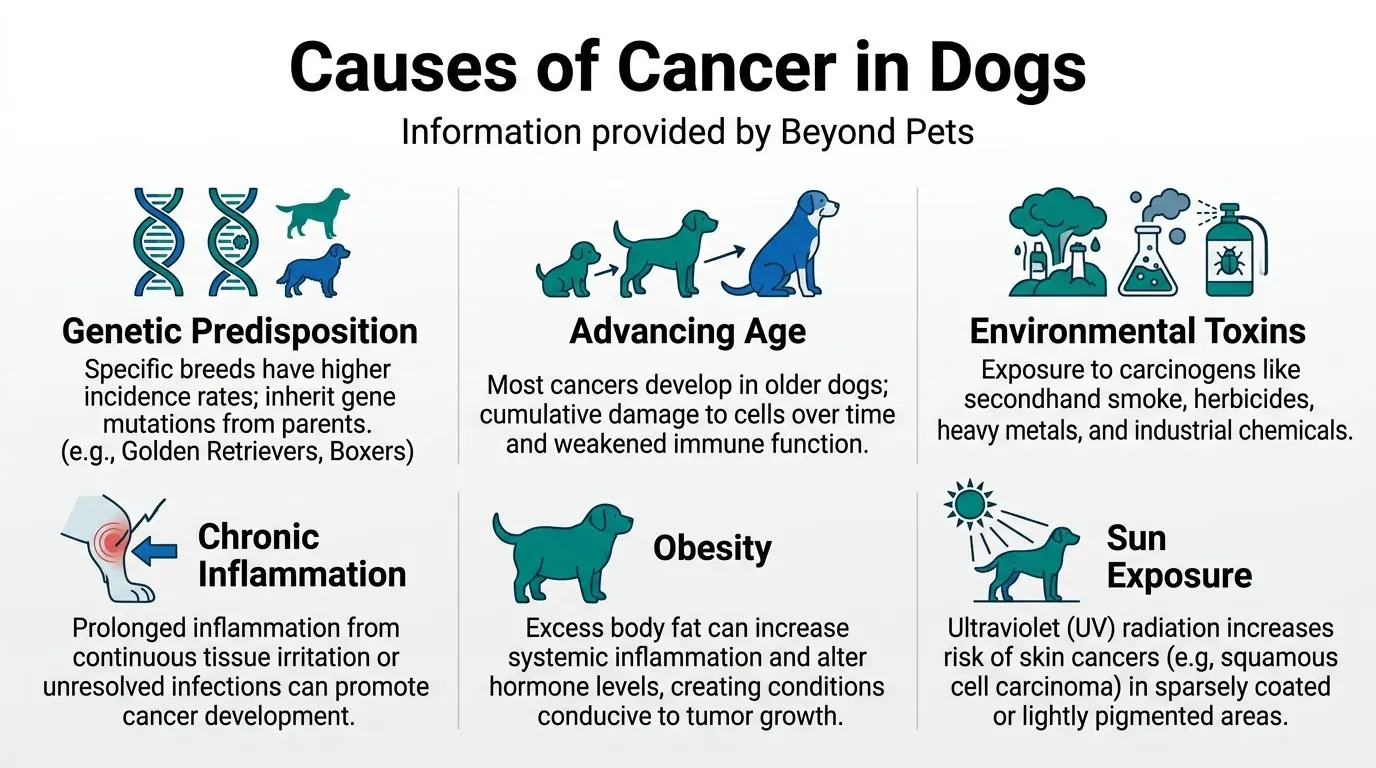
The exact etiology of cancer in dogs is rarely attributed to a single, isolated event. Instead, tumorigenesis is a complex, multifactorial process heavily influenced by a combination of intrinsic genetic predispositions, advancing age, environmental exposures, and lifestyle factors. In veterinary oncology, the “two-hit hypothesis” is frequently cited to explain tumor development. This theory posits that a dog may inherit a genetic mutation that predisposes them to cancer (the first hit), but the cancer only fully develops when an acquired mutation (the second hit) occurs as a result of an environmental trigger or natural cellular aging. Understanding these underlying mechanisms is crucial for developing targeted prevention strategies and screening protocols for high-risk patients.[23]
Genetics play an overwhelmingly significant role in the incidence of canine cancer. Decades of selective breeding have inadvertently concentrated specific genetic mutations—such as alterations in tumor suppressor genes like p53 or BRCA variants—within specific purebred populations. This genetic concentration is why certain breeds are vastly overrepresented in oncology clinics. Golden Retrievers, for instance, have an exceptionally high incidence of both lymphoma and hemangiosarcoma. Boxers and Boston Terriers are highly prone to developing mast cell tumors, while Scottish Terriers have an 18 to 20-fold increased risk of developing transitional cell carcinoma (TCC) of the bladder. Bernese Mountain Dogs are uniquely predisposed to an extremely aggressive cancer known as histiocytic sarcoma. When evaluating a patient, a veterinarian will heavily weigh the dog’s breed to tailor their diagnostic index of suspicion.[24]
Environmental toxins and external carcinogens are also major catalysts for cellular mutation in dogs. Unlike humans, dogs constantly interact closely with their environment—sniffing the ground, walking through chemically treated grass, and grooming toxins off their coats. Prolonged exposure to specific phenoxy herbicides, notably 2,4-dichlorophenoxyacetic acid (2,4-D), has been epidemiologically linked to an increased risk of transitional cell carcinoma and malignant lymphoma. Furthermore, exposure to second-hand tobacco smoke has been strongly associated with the development of nasal tumors in dogs, particularly in long-nosed (dolichocephalic) breeds. The elongated nasal passages of these dogs effectively act as air filters, trapping inhaled carcinogenic particulate matter against the nasal mucosa for prolonged periods. Conversely, short-nosed (brachycephalic) breeds exposed to second-hand smoke have a higher incidence of lung cancer, as the carcinogens bypass the nasal filters and enter the lungs directly.[25]
In addition to genetics and chemicals, chronic inflammation, viral infections, and hormonal status significantly impact cancer risk. Chronic, unresolved inflammatory states force constant cellular turnover and regeneration, increasing the statistical likelihood of a DNA replication error that leads to a malignant transformation. While rare, specific viruses such as the canine papillomavirus can, in immunocompromised individuals, progress from benign warts to invasive squamous cell carcinomas. Hormonal influence is starkly apparent in the development of mammary gland tumors in intact females, as well as perianal gland adenomas in intact male dogs, which are driven by systemic testosterone levels. Ultimately, age remains the single most dominant risk factor. As dogs age, the protective telomeres on their chromosomes shorten, and cumulative DNA damage from oxidative stress overwhelms the cellular repair mechanisms, leading directly to the onset of neoplastic disease.[26]
Symptoms of Cancer in Canine
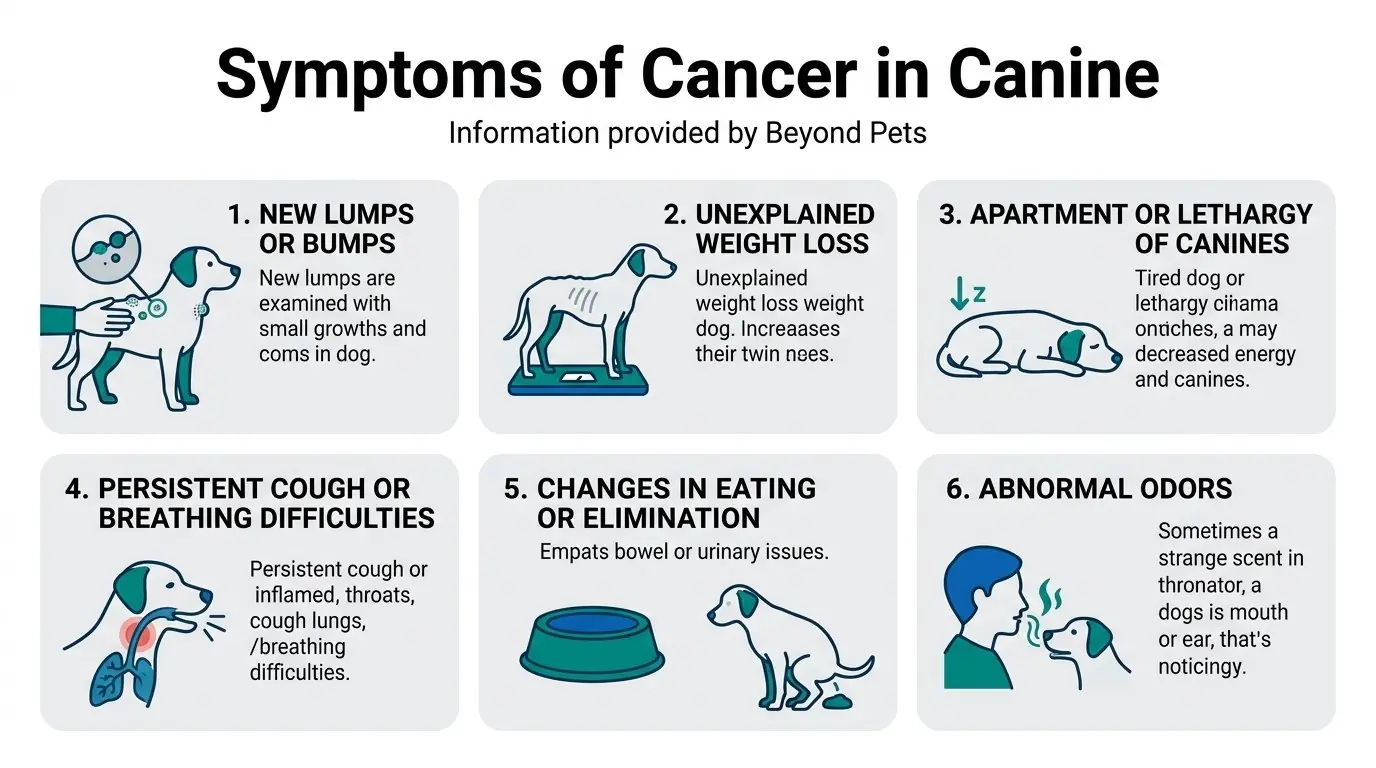
The clinical presentation of cancer in dogs is exceptionally diverse, heavily dependent on the organ system involved, the tumor’s biological grade, and whether the disease has metastasized. In early stages, neoplastic disease may be entirely asymptomatic, hiding insidiously until the tumor load is significant enough to disrupt normal physiological functions. Because dogs cannot verbally articulate their discomfort or internal symptoms, veterinarians rely on observant pet owners to recognize subtle behavioral and physical changes. The American Veterinary Medical Association (AVMA) has established a standard set of warning signs that should prompt immediate veterinary evaluation. These include the discovery of abnormal swellings that persist or continue to grow, sores that fail to heal, and a sudden, unexplained loss of weight despite maintaining a normal appetite.[27]
As cancer progresses, systemic clinical signs often become far more pronounced. Lethargy, a marked decrease in stamina, and an overall reluctance to exercise are frequent complaints. These symptoms can be attributed to several factors: the massive energy demands of the proliferating tumor cells stealing nutrients from the host (cancer cachexia), secondary anemia caused by blood loss or bone marrow suppression, or the sheer physical burden of a large internal mass. A dog may also experience profound anorexia or difficulty eating and swallowing, particularly if they are suffering from an oral melanoma, squamous cell carcinoma, or a tumor causing an obstruction within the esophagus or gastrointestinal tract. Unexplained bleeding or discharge from any bodily orifice—such as epistaxis (nosebleeds), hematuria (blood in the urine), or hemorrhagic diarrhea—is a critical red flag that warrants emergency diagnostics.[28]
Furthermore, dogs with cancer frequently suffer from “paraneoplastic syndromes.” These are systemic disease processes caused not by the physical presence of the tumor itself, but by hormones, cytokines, or other chemical mediators secreted by the malignant cells. A classic example is hypercalcemia of malignancy, commonly seen in dogs with anal sac adenocarcinomas or lymphoma. The tumor secretes a parathyroid hormone-related protein (PTHrP) that artificially drives up the calcium levels in the dog’s blood, leading to excessive drinking (polydipsia), excessive urination (polyuria), vomiting, severe lethargy, and eventually, life-threatening acute kidney injury if left unchecked. Another severe paraneoplastic syndrome is hypoglycemia (critically low blood sugar) caused by an insulinoma, a tumor of the pancreas that secretes excessive insulin, leading to extreme weakness, muscle fasciculations, and massive neurological seizures. Recognizing these complex secondary syndromes is vital for a comprehensive diagnosis and intervention strategy.[29]
Diagnosis of Dog Cancer
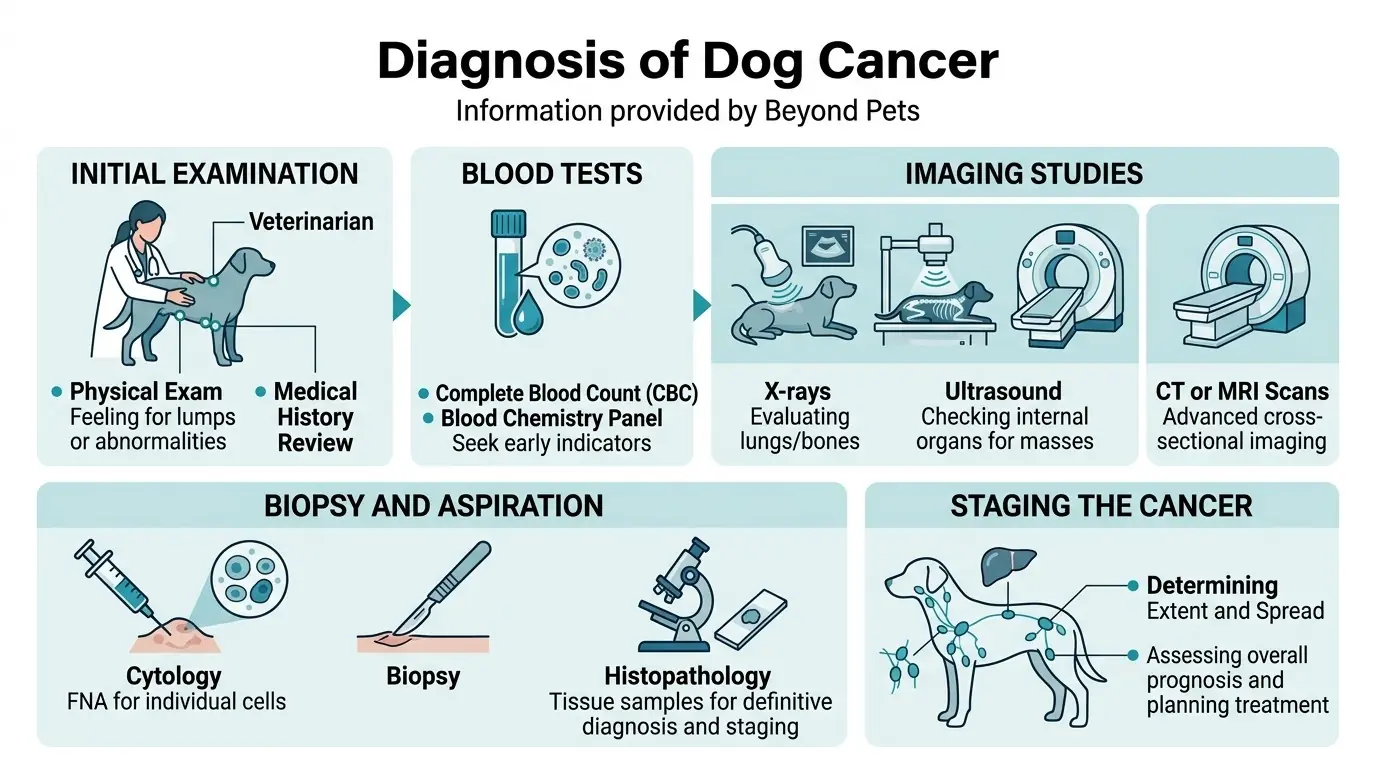
Diagnosing cancer in a veterinary setting requires a meticulous, step-by-step methodology to not only identify the presence of malignant cells but also to determine the full systemic extent of the disease. The diagnostic workup always begins with an exhaustive physical examination. A veterinarian will carefully palpate the entire body, paying special attention to the superficial lymph nodes, conducting a thorough oral examination to check for hidden masses, and performing a digital rectal examination to evaluate the prostate and anal glands. During this exam, any cutaneous or subcutaneous masses are meticulously measured with calipers, and their exact anatomical location is mapped in the patient’s medical record to track their growth over time.[30]
Once a suspicious mass or systemic irregularity is identified, laboratory diagnostics are essential. A comprehensive baseline minimum database includes a Complete Blood Count (CBC), a Serum Biochemistry Profile, and a Urinalysis. While these tests rarely diagnose cancer outright, they provide vital clues. The CBC can reveal severe anemia (suggestive of a bleeding splenic mass), thrombocytopenia (low platelets), or circulating atypical lymphocytes (indicative of leukemia or advanced lymphoma). The biochemistry profile assesses major organ function, checking liver and kidney enzymes, and acts as a screening tool for paraneoplastic syndromes like hypercalcemia or hypoglycemia. The urinalysis can detect abnormal cellular shedding in the bladder, protein loss, or concentrated blood that might point toward a transitional cell carcinoma.[31]
To achieve a definitive tissue diagnosis, the clinician must obtain a cellular sample. The least invasive and most common initial step is a Fine Needle Aspirate (FNA). Using a standard syringe and needle, the veterinarian extracts a small cluster of cells from the mass and applies them to a glass slide for microscopic evaluation (cytology). While FNA is excellent for diagnosing round cell tumors like lymphoma or mast cell tumors, it often yields insufficient architecture for complex sarcomas or carcinomas. If the FNA is inconclusive, a surgical biopsy is mandated. Depending on the tumor’s size and location, the surgeon may perform a punch biopsy, a Tru-Cut core biopsy, an incisional biopsy (removing a small wedge of the mass), or an excisional biopsy (attempting to remove the entire mass). The acquired tissue is preserved in formalin and sent to a board-certified veterinary pathologist for histopathology, which provides a definitive diagnosis, details the tumor grade, and determines whether the surgical margins are free of cancer cells.[32]
Once the specific type of cancer is identified, clinical staging must be performed to determine if the disease has spread to the regional lymph nodes or distant organs. Staging protocol traditionally involves three-view thoracic radiographs (chest X-rays) to screen for pulmonary metastasis, and a comprehensive abdominal ultrasound to evaluate the internal organs for hidden nodules or lymphadenopathy. In modern veterinary oncology, advanced cross-sectional imaging modalities such as Computed Tomography (CT) scans and Magnetic Resonance Imaging (MRI) have become the gold standard, particularly for surgical planning. A CT scan is invaluable for determining the exact three-dimensional invasiveness of complex tumors, such as nasal carcinomas or soft tissue sarcomas on a limb, while MRI is unparalleled in the diagnosis and mapping of brain tumors and spinal cord lesions. Furthermore, cutting-edge molecular diagnostics and liquid biopsies, such as the CADET BRAF mutation assay for bladder cancer or the Nu.Q blood test for systemic nucleosomes, are rapidly changing the landscape of early cancer detection in dogs.[33]
Treatment for Dogs with Cancer
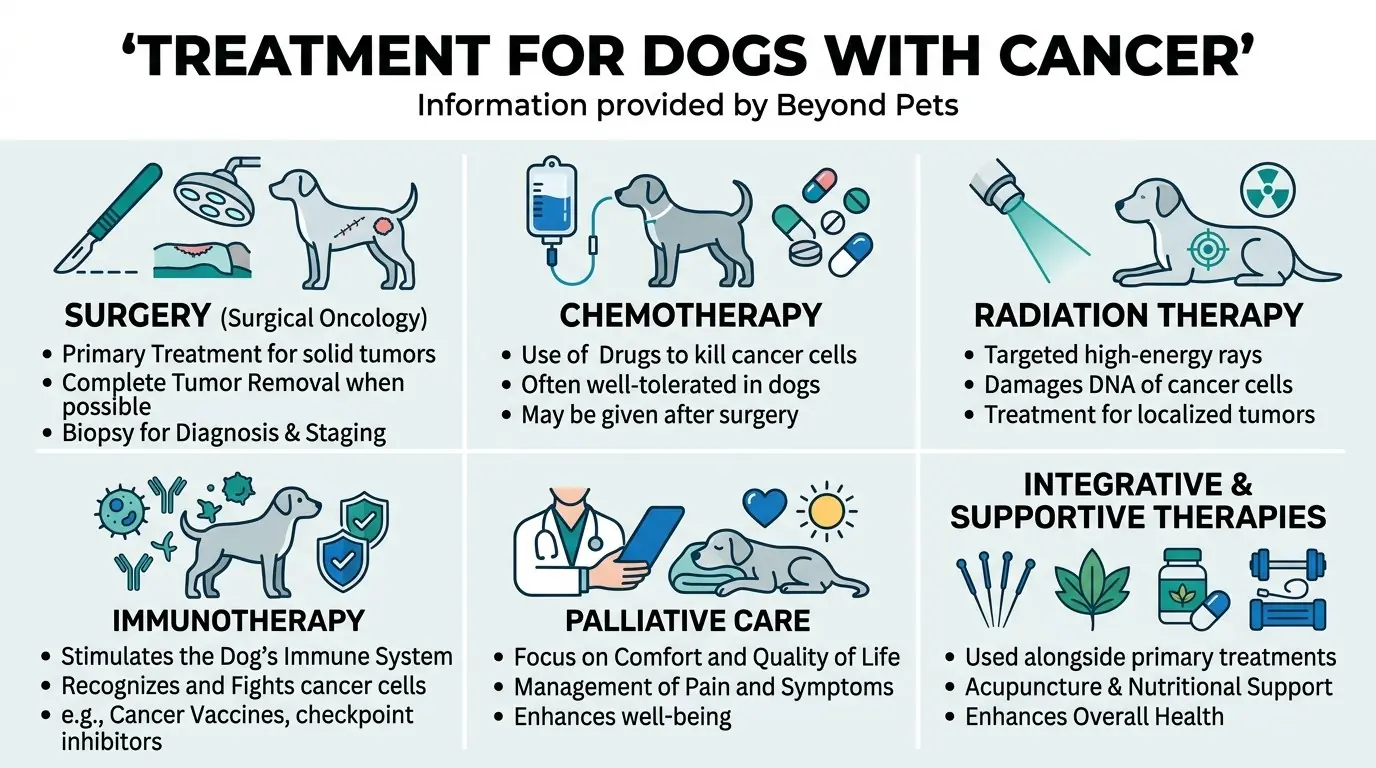
Treating cancer in dogs is a highly individualized process that prioritizes the patient’s quality of life above all else. Unlike human oncology, where the ultimate goal is often curative at the expense of severe, debilitating toxicity, veterinary oncology focuses on effectively controlling the disease while ensuring the dog feels comfortable, active, and happy. Treatment protocols are meticulously tailored by a board-certified veterinary oncologist based on the tumor’s specific histological type, its clinical stage, the presence of paraneoplastic syndromes, the dog’s age and concurrent medical conditions, and the owner’s logistical and financial capabilities. Most effective treatment plans rely on a multimodal approach, combining localized treatments like surgery or radiation with systemic treatments like chemotherapy or immunotherapy.[34]
Surgery
Surgical oncology is the oldest and most effective treatment modality for localized solid tumors. The primary objective is the complete macroscopic and microscopic excision of the neoplastic tissue with wide, clean margins. A clean margin means that the pathologist observes a continuous perimeter of completely healthy, cancer-free tissue surrounding the excised tumor, ensuring that no microscopic tendrils of cancer cells were left behind in the surgical bed. To achieve this, surgeons must frequently employ radical procedures, excising not only the visible mass but also three to five centimeters of normal-appearing skin and at least one deep fascial plane of underlying muscle. In cases involving highly invasive tumors of the limbs, such as osteosarcoma, or deep soft tissue sarcomas where achieving a clean margin is anatomically impossible, a complete limb amputation is often the most compassionate and effective surgical option. When performed correctly, surgical excision offers the highest potential for a definitive cure in non-metastatic, low-grade tumors.[35]
Chemotherapy
When a cancer is systemic (like lymphoma) or has a high probability of microscopic metastasis (like hemangiosarcoma or osteosarcoma), local surgery is insufficient, and systemic chemotherapy must be implemented. Chemotherapy involves the administration of cytotoxic pharmaceutical agents specifically designed to target and destroy rapidly dividing cells. Veterinary chemotherapy is generally administered at the Maximum Tolerated Dose (MTD), which is carefully calculated to kill cancer cells without inducing the severe, life-altering toxicities seen in human medicine. Because dogs receive relatively lower doses, they tolerate chemotherapy remarkably well. They rarely lose their hair (with the exception of breeds with continuously growing coats like Poodles and Old English Sheepdogs), and less than 20 percent experience significant gastrointestinal side effects such as nausea or vomiting. Furthermore, oncologists sometimes employ metronomic chemotherapy, which involves administering low, continuous oral doses of drugs to inhibit the tumor’s ability to grow new blood vessels (anti-angiogenesis) and suppress regulatory T-cells, rather than directly killing the tumor cells.[36]
Radiation Therapy
Radiation therapy (radiotherapy) is a highly specialized, localized treatment utilizing high-energy ionizing radiation (such as X-rays or electron beams) to irreparably damage the DNA of cancer cells, preventing their replication and triggering cell death. It is primarily utilized for invasive tumors where complete surgical excision is impossible due to anatomical constraints, such as brain tumors, nasal carcinomas, or massive soft tissue sarcomas on the distal limbs. Radiation can be administered with definitive (curative) intent, requiring daily treatments under general anesthesia for several weeks to eradicate microscopic disease left behind after surgery. Alternatively, it can be used for palliative care, delivering a few large doses of radiation specifically to relieve severe pain and reduce the size of an inoperable mass, greatly improving the dog’s comfort. Advanced technologies, such as Stereotactic Body Radiation Therapy (SBRT), allow oncologists to deliver massively targeted, destructive doses of radiation to a tumor in just one to three sessions while sparing the surrounding healthy tissue.[37]
Immunotherapy
Immunotherapy represents the most exciting and rapidly advancing frontier in veterinary oncology. This burgeoning field encompasses cancer vaccines, checkpoint inhibitors, and adoptive T-cell therapies. The fundamental principle is to break the tumor’s ability to hide from the host’s immune system, artificially stimulating the dog’s own white blood cells to recognize, attack, and destroy the malignant cells. A prominent example currently utilized in clinical practice is a specialized canine melanoma vaccine. This unique therapeutic vaccine utilizes human tyrosinase DNA to provoke a robust immune response against the dog’s melanoma cells, significantly increasing the survival time for dogs suffering from aggressive oral malignant melanoma. Furthermore, monoclonal antibody therapies are being continuously developed to target specific receptors on canine lymphoma cells, mirroring the highly successful immunotherapies used in human oncology.[38]
Targeted Therapies
Targeted therapies are molecular drugs designed to interfere with specific cellular pathways or mutated proteins that are directly responsible for tumor growth and survival, rather than indiscriminately killing all rapidly dividing cells like traditional chemotherapy. In veterinary medicine, highly utilized targeted therapies include Tyrosine Kinase Inhibitors (TKIs). TKIs work by blocking the activity of specific mutated cellular receptors, most notably the c-KIT receptor, which is frequently overexpressed or mutated in high-grade canine mast cell tumors. By shutting down this receptor, the drug effectively starves the tumor by halting its cellular division and cutting off its blood supply. Targeted therapies are administered orally at home and are generally well-tolerated, though careful veterinary monitoring is required to manage potential side effects such as protein-losing nephropathy or gastrointestinal distress.[39]
Palliative Care
When a cure is unattainable, or when aggressive treatments are declined due to advanced age or other medical comorbidities, palliative care becomes the central focus. Palliative oncology is a dedicated medical discipline focused entirely on minimizing pain, alleviating distressing clinical symptoms, and maximizing the dog’s quality of life for the time they have remaining. A robust palliative care plan relies on a multimodal approach to pain management, combining prescription non-steroidal anti-inflammatory drugs and advanced prescription pain medications to control the severe pain associated with bone destruction or massive tissue inflammation. It also includes the use of potent prescription anti-nausea medications, prescription appetite stimulants, and specialized nutritional support to combat cancer cachexia. Veterinary professionals work closely with owners to utilize Quality of Life scales (such as the HHHHHMM Scale) to objectively monitor the dog’s comfort and determine when humane euthanasia is the most compassionate choice.[40]
Clinical Trials
Veterinary clinical trials serve an essential dual purpose: they provide patients access to cutting-edge, experimental therapies that are not yet commercially available, while simultaneously advancing the broader scientific understanding of both canine and human cancer. Through the discipline of comparative oncology, researchers study naturally occurring cancers in dogs, which share remarkable biological, genetic, and physiological similarities to human cancers. Organizations like the National Cancer Institute’s Comparative Oncology Trials Consortium (COTC) and the Veterinary Cancer Society frequently enroll dogs with specific types of tumors, such as osteosarcoma or lymphoma, into clinical trials testing novel targeted therapies, advanced immunotherapies, or new radiation protocols. Participation in a trial can offer renewed hope for dogs who have failed standard treatments, while directly contributing to breakthroughs that may eventually save both canine and human lives. Always consult your veterinarian before making any changes to your pet’s care or electing to enroll them in an experimental treatment protocol.[41]
Preventing Cancer in Dogs
While the genetic origins of many canine cancers make absolute prevention impossible, pet owners can take several proactive, scientifically supported steps to significantly reduce their dog’s risk profile and catch neoplastic diseases in their earliest, most treatable stages. Primary prevention begins with careful consideration of reproductive status. The decision of when, or if, to spay or neuter a dog involves complex biological trade-offs. Early ovariohysterectomy dramatically reduces the risk of mammary gland tumors and completely eliminates the risk of ovarian and uterine cancer. Conversely, emerging orthopedic and oncologic research suggests that delaying spaying or neutering in specific large and giant breed dogs may decrease their risk of developing osteosarcoma and hemangiosarcoma later in life. This decision must be made in close consultation with a veterinarian, factoring in the dog’s specific breed, sex, and lifestyle.[42]
Environmental management and nutritional optimization are equally vital defensive strategies. Dogs should be shielded from known carcinogens; owners must strictly avoid the use of phenoxy herbicides and chemical pesticides on lawns where the dog plays, and dogs should never be exposed to second-hand tobacco smoke or harsh industrial chemicals. Nutrition plays a fundamental role in maintaining a robust, vigilant immune system capable of identifying and destroying mutant cells. While some risk factors are unavoidable, regular exercise and portion control can keep your dog at a healthy weight, thereby reducing the obesity-related chronic inflammation that promotes tumor growth. Adipose (fat) tissue is not biologically inert; it secretes inflammatory cytokines that have been linked to a heightened risk of various malignancies. Maintaining a lean body condition score throughout the dog’s life is one of the most effective preventative health measures an owner can implement.[43]
Secondary prevention focuses on early detection. The prognosis for almost every type of canine cancer improves exponentially when the disease is caught early, before it has deeply invaded local tissues or metastasized to distant organs. Pet owners should perform routine, monthly at-home examinations, running their hands over their dog’s entire body to feel for new cutaneous or subcutaneous lumps, checking inside the mouth for oral masses, and monitoring for any subtle changes in weight, appetite, or energy levels. Furthermore, biannual comprehensive veterinary examinations, complete with routine blood panels and urinalysis for senior dogs, are indispensable. These exams allow a veterinarian to establish a baseline of normal health and identify microscopic or chemical changes long before overt clinical symptoms manifest.[44]
Frequently Asked Questions
Is cancer painful for dogs?
Yes, cancer can be profoundly painful for dogs, though the degree of pain is highly dependent on the type of tumor, its anatomical location, and the extent of tissue invasion. Tumors that invade the central nervous system, stretch the capsules of internal organs, or, like osteosarcoma, aggressively destroy the structural matrix of the bone, cause excruciating, unremitting pain. Furthermore, localized inflammation, ulceration of skin tumors, or paraneoplastic syndromes can cause significant systemic discomfort. Because dogs instinctually mask signs of weakness, they often hide their pain until it becomes severe. Therefore, implementing aggressive, multimodal pain management—utilizing a tailored combination of prescription anti-inflammatory and pain medications—is a foundational requirement in veterinary oncology to ensure the patient maintains an acceptable quality of life.[45]
Can cancer in dogs cause gastrointestinal signs like diarrhea?
Yes, cancer and its associated treatments can frequently cause severe gastrointestinal distress. Tumors affecting the gastrointestinal tract, or systemic treatments like chemotherapy, can disrupt normal digestion and trigger diarrhea in dogs. Primary alimentary lymphoma, intestinal adenocarcinomas, or tumors causing physical obstructions will directly interfere with nutrient absorption and bowel motility. Additionally, mast cell tumors release massive quantities of systemic histamine, which strongly binds to stomach receptors and causes severe gastric ulceration, leading to vomiting, melena, and diarrhea. Even if the cancer itself does not involve the GI tract, the cytotoxic effects of systemic chemotherapy can temporarily damage the rapidly dividing epithelial cells lining the intestines, resulting in acute, though usually transient, gastrointestinal upset.[46]
Are there systemic complications of canine cancer, such as organ failure?
Absolutely. Cancer frequently causes devastating secondary systemic complications that can lead to multiorgan failure. Paraneoplastic syndromes, such as the hypercalcemia of malignancy caused by lymphoma or anal gland tumors, force the kidneys to work in a state of extreme stress. Furthermore, specific cancers or the toxicity of certain chemotherapeutic agents in dogs can sometimes lead to kidney failure if not carefully managed. Cancers like hemangiosarcoma can trigger Disseminated Intravascular Coagulation (DIC), a catastrophic failure of the blood’s clotting mechanisms. Additionally, direct tumor infiltration into organs like the liver or kidneys physically destroys the normal cellular architecture, preventing the organ from filtering toxins or producing necessary proteins, ultimately culminating in terminal organ failure.[47]
Schedule a Veterinary Appointment
If you notice any unusual lumps, changes in behavior, or other warning signs in your dog, early detection is crucial. Please contact your veterinarian to schedule an appointment and discuss any concerns you have regarding your pet’s health or cancer screening.
References
- American Veterinary Medical Association (AVMA). Cancer in Pets. AVMA, 2023.
- Schiffman, J. D., & Breen, M. Comparative oncology: what dogs are telling us about cancer. Animal Genetics, 2015.
- Merck Veterinary Manual. Overview of Cancer and Tumors in Dogs and Cats. Merck & Co., 2022.
- VCA Animal Hospitals. Lymphoma in Dogs. VCA Hospitals, 2022.
- Merck Veterinary Manual. Canine Lymphoma. Merck & Co., 2023.
- Ponce, F., et al. A morphological study of 608 cases of canine malignant lymphoma in France with a focus on comparative similarities between canine and human lymphoma morphology. Veterinary Pathology, 2010.
- Zandvliet, M. Canine lymphoma: a review. Veterinary Quarterly, 2016.
- American College of Veterinary Internal Medicine (ACVIM). Canine Hemangiosarcoma. ACVIM, 2022.
- VCA Animal Hospitals. Hemangiosarcoma in Dogs. VCA Hospitals, 2023.
- Mullin, C., & Clifford, C. A. Hemangiosarcoma in Dogs: Treatment Options and Survival. Veterinary Medicine, 2015.
- Merck Veterinary Manual. Mast Cell Tumors in Dogs. Merck & Co., 2023.
- Kiupel, M., et al. Proposal of a 2-tier histologic grading system for canine cutaneous mast cell tumors to more accurately predict biological behavior. Veterinary Pathology, 2011.
- London, C. A., et al. Multi-center, placebo-controlled, double-blind, randomized study of oral toceranib phosphate (SU11654), a receptor tyrosine kinase inhibitor, for the treatment of dogs with recurrent (either local or distant) mast cell tumors following surgery. Clinical Cancer Research, 2009.
- VCA Animal Hospitals. Osteosarcoma in Dogs. VCA Hospitals, 2022.
- Ehrhart, N. P., et al. Retrospective assessment of indications, complications, and outcomes of dogs undergoing partial pancreatectomy or limb-sparing surgery. Journal of the American Veterinary Medical Association, 2013.
- Colorado State University Flint Animal Cancer Center. Osteosarcoma. CSU, 2023.
- Merck Veterinary Manual. Mammary Tumors in Dogs. Merck & Co., 2022.
- Overley, B., et al. Association between ovariohysterectomy and feline mammary carcinoma. Journal of Veterinary Internal Medicine, 2005. (Includes canine comparative data).
- VCA Animal Hospitals. Mammary Tumors in Dogs. VCA Hospitals, 2023.
- Merck Veterinary Manual. Melanocytic Tumors in Dogs. Merck & Co., 2022.
- Bergman, P. J., et al. Long-term survival of dogs with advanced malignant melanoma after DNA vaccination with xenogeneic human tyrosinase: a phase I trial. Clinical Cancer Research, 2003.
- VCA Animal Hospitals. Melanoma and the Melanoma Vaccine in Dogs. VCA Hospitals, 2023.
- Pinho, S. S., et al. Canine tumors: a comparative model for human cancer. Frontiers in Bioscience, 2012.
- AKC Canine Health Foundation. Genetics of Cancer in Dogs. AKC CHF, 2022.
- Glickman, L. T., et al. Epidemiologic study of insecticide exposures, obesity, and risk of bladder cancer in Scottish Terriers. Journal of Veterinary Internal Medicine, 2004.
- Withrow, S. J., & Vail, D. M. Withrow and MacEwen’s Small Animal Clinical Oncology. Saunders Elsevier, 2012.
- American Veterinary Medical Association (AVMA). 10 Warning Signs of Cancer in Pets. AVMA, 2023.
- VCA Animal Hospitals. Testing for Cancer in Dogs. VCA Hospitals, 2022.
- Merck Veterinary Manual. Paraneoplastic Syndromes in Dogs. Merck & Co., 2023.
- Ettinger, S. N. Principles of Cancer Diagnosis. Veterinary Medicine, 2015.
- Cornell University College of Veterinary Medicine. Clinical Pathology and Cancer Detection. Cornell CVM, 2023.
- Ghisleni, G., et al. Correlation between cytology and histopathology in the diagnosis of canine tumors. Veterinary Clinical Pathology, 2001.
- Penn Vet. Oncology diagnostics and imaging. University of Pennsylvania, 2023.
- American College of Veterinary Internal Medicine (ACVIM). Cancer Treatments in Veterinary Medicine. ACVIM, 2022.
- Ehrhart, N. P. Principles of Surgical Oncology. In Small Animal Clinical Oncology. Saunders, 2012.
- Biller, B., et al. Use of metronomic chemotherapy in veterinary oncology. Veterinary and Comparative Oncology, 2011.
- Colorado State University Flint Animal Cancer Center. Radiation Therapy for Pets. CSU, 2023.
- Klingemann, H. Immunotherapy for Dogs: Running Behind Humans. Frontiers in Immunology, 2015.
- London, C. A., et al. Oral toceranib phosphate (SU11654) for the treatment of mast cell tumors. Clinical Cancer Research, 2009.
- VCA Animal Hospitals. Palliative Care and Hospice for Dogs. VCA Hospitals, 2023.
- National Cancer Institute. Comparative Oncology Program. NCI, 2023.
- Torres de la Riva, G., et al. Neutering dogs: effects on joint disorders and cancers in Golden Retrievers. PLoS One, 2013.
- Weeth, L. P. Other risks: Obesity and Cancer. Veterinary Clinics of North America: Small Animal Practice, 2016.
- American Animal Hospital Association (AAHA). Canine Life Stage Guidelines: Senior Care. AAHA, 2019.
- Merck Veterinary Manual. Analgesics and Pain Management in Dogs. Merck & Co., 2022.
- Vail, D. M. Managing gastrointestinal toxicity associated with oncology treatments. Journal of Veterinary Internal Medicine, 2014.
- Merck Veterinary Manual. Complications of Cancer in Dogs. Merck & Co., 2022.