




 March 2, 2023
 Phil Good, DVM
What is Chronic Kidney Disease in Dogs?
This content was prepared with AI assistance and reviewed by a licensed professional for accuracy.
Introduction
Understanding the complexities of chronic kidney disease in dogs,kidney disease,kidney failure,renal failure can be one of the most daunting challenges a pet parent will ever face. When a trusted veterinarian delivers this diagnosis, it often brings a wave of fear, confusion, and overwhelming questions about the future. For many families, dogs are not just pets; they are deeply loved members of the household, companions who have shared years of joy, loyalty, and unconditional love. The realization that their vital organs are beginning to fail is a heavy burden. However, veterinary medicine has made incredible strides in recent years. Today, an early and accurate diagnosis, combined with a comprehensive, medically sound management plan, can significantly extend a dog’s life while maintaining a high quality of daily living. It is entirely possible for a dog to live comfortably for months or even years after their initial diagnosis, provided their care is meticulously managed and tailored to their specific physiological needs.[1]
At its core, this condition is characterized by a gradual, progressive, and irreversible decline in the functional capacity of the kidneys. Unlike a sudden illness or injury that can be cured with a course of antibiotics or a surgical procedure, chronic renal decline is a long-term degenerative process. The kidneys are remarkable, complex organs that perform a multitude of life-sustaining tasks every single second of the day. When managing Kidney Disease in dogs, pet parents must understand that the primary goal shifts from achieving a cure to effectively managing the symptoms, slowing the progression of the tissue damage, and fiercely protecting the healthy kidney tissue that remains. This requires a dedicated partnership between the veterinary medical team and the family at home.[2]
Statistically, this insidious condition is incredibly common, particularly as our canine companions enter their golden years. Veterinary epidemiological studies estimate that up to one in ten dogs will develop some form of renal impairment over the course of their lifetime. The prevalence increases exponentially with age, making it one of the most frequently diagnosed metabolic conditions in senior dogs. However, age is not the only factor; genetics, environmental exposures, previous infections, and underlying systemic diseases all play significant roles in the development of the disease. Because the kidneys have a massive functional reserve—meaning they can continue to do their job even when significantly damaged—the disease often remains entirely silent and hidden from view until roughly two-thirds to three-quarters of the organ’s functional capacity has been permanently destroyed.[3]
This massive functional reserve is a double-edged sword. On one hand, it protects the dog from experiencing immediate illness when minor kidney damage occurs. On the other hand, it means that by the time clinical symptoms such as increased thirst, increased urination, weight loss, or lethargy become obvious to the owner, the disease is already quite advanced. This delayed onset of visible symptoms highlights the absolute critical importance of proactive, routine veterinary screening, especially for dogs entering their senior years. Routine blood panels and urinalysis can detect subtle biochemical changes long before the dog begins to act sick, offering a precious window of opportunity for early intervention.[4]
As we delve deeper into the mechanics of this disease, it is essential to approach the topic with a balance of clinical realism and hopeful pragmatism. The journey ahead will involve learning new medical terminology, adapting to new dietary regimens, and perhaps mastering the administration of at-home medical treatments. There will be good days and challenging days. Yet, armed with accurate, up-to-date, and authoritative veterinary knowledge, you can become your dog’s most powerful advocate. By understanding exactly what the kidneys do, how the disease damages them, and the vast array of modern treatment options available, you can work hand-in-hand with your veterinary internal medicine specialist to navigate this journey with confidence and profound compassion.[5]
Types of Kidney Disease in Dogs
To fully grasp the complexities of renal health, it is essential to distinguish between the two primary classifications of kidney dysfunction: Acute Kidney Injury (AKI) and Chronic Kidney Disease (CKD). While both conditions ultimately result in the impairment of renal function and the dangerous accumulation of toxic waste products within the bloodstream, they differ drastically in their origins, their speed of onset, their underlying cellular pathology, and, most importantly, their long-term prognosis and treatment strategies. Understanding these distinctions is fundamental to formulating an appropriate medical response.[6]
Acute Kidney Injury (AKI), which was historically referred to as acute renal failure, is a medical emergency characterized by a sudden, catastrophic, and rapid decline in kidney function. This devastating collapse can occur over a matter of hours or days. AKI is typically precipitated by a specific, identifiable trigger. Common culprits include the ingestion of highly nephrotoxic substances such as ethylene glycol (commonly found in automotive antifreeze), massive overdoses of certain human medications like non-steroidal anti-inflammatory drugs (NSAIDs) like ibuprofen or naproxen, or the consumption of highly toxic foods such as grapes and raisins. Furthermore, severe systemic infections like Leptospirosis, or sudden and profound drops in blood pressure (hypotension) due to massive trauma or severe dehydration, can essentially starve the kidneys of oxygen, leading to acute tubular necrosis. The hallmarks of AKI are its suddenness and its severity. However, because the damage occurs so rapidly, if the underlying cause is identified immediately and aggressive, intensive veterinary intervention (often including continuous intravenous fluid diuresis or even dialysis) is instituted without delay, the remaining kidney tissue may possess the remarkable ability to heal and regenerate. In some fortuitous cases, AKI can be partially or even entirely reversed, though many dogs who survive a severe acute episode are left with residual scarring that eventually transitions into chronic disease.[7]
In stark contrast, Chronic Kidney Disease (CKD) is an insidious, progressive, and relentlessly slow deterioration of renal function that occurs over a timeline of months or, more commonly, years. CKD is characterized by the irreversible death of individual nephrons—the microscopic, functional filtering units within the kidney. As these nephrons die off due to aging, chronic inflammation, or accumulated micro-injuries, they are replaced by non-functional, rigid scar tissue in a process known as renal fibrosis. Because the dead nephrons cannot be regenerated, the surviving nephrons are forced to work harder to pick up the slack. They undergo a process called compensatory hypertrophy, where they physically enlarge to filter more blood. While this heroic compensation keeps the dog alive and outwardly asymptomatic for a long period, the chronic overwork eventually damages these remaining hyper-filtering nephrons, causing them to burn out and die as well. This creates a self-perpetuating downward spiral of progressive nephron loss. CKD cannot be cured; the architectural damage to the organ is permanent. The clinical objective shifts entirely to slowing the rate of this ongoing decline, mitigating the systemic symptoms of toxic buildup, and preserving the maximum possible quality of life.[8]
To standardize the diagnosis, treatment, and communication regarding CKD globally, veterinary medicine relies upon the highly detailed staging guidelines established by the International Renal Interest Society (IRIS). The IRIS staging system is the gold standard for evaluating the severity of the disease and provides a crucial roadmap for therapeutic intervention. The primary staging is based on two key blood biomarkers measured while the dog is in a stable, fully hydrated state: serum creatinine concentrations and symmetric dimethylarginine (SDMA) levels. Creatinine is a standard waste product of muscle metabolism, while SDMA is a more sensitive, newer biomarker that detects declines in kidney function much earlier than creatinine alone.[9]
The IRIS system divides CKD into four distinct stages. Stage 1 represents the earliest, preclinical phase of the disease. In Stage 1, the dog’s blood creatinine levels are completely normal, and they show absolutely no outward signs of illness. However, subtle hints of kidney damage are present, such as a slightly elevated SDMA, persistent protein loss in the urine, abnormal kidney appearance on a specialized ultrasound, or an inability to properly concentrate their urine. This stage is usually only discovered incidentally during proactive senior blood screening. Stage 2 indicates mild renal failure. Here, the blood creatinine is mildly elevated, and SDMA is moderately elevated, indicating that approximately 66% to 75% of the functional kidney mass has been lost. Some dogs may begin to exhibit very subtle signs, such as a slight increase in water consumption or a slightly pickier appetite, but many remain outwardly normal.[10]
As the disease relentlessly progresses, the dog enters Stage 3, representing moderate renal failure. The blood levels of creatinine and SDMA are now significantly elevated. At this juncture, the remaining nephrons are struggling to maintain balance, and clinical symptoms usually become impossible to ignore. Dogs in Stage 3 routinely display significant polyuria (excessive urination) and polydipsia (excessive drinking), noticeable weight loss, intermittent episodes of vomiting, a dull coat, and general lethargy. Finally, Stage 4 represents severe, end-stage renal failure. The kidneys have lost almost all functional capacity. The toxic waste products in the blood reach critically high levels, a state known as severe uremia. Dogs in Stage 4 are profoundly ill, suffering from severe nausea, total loss of appetite (anorexia), severe dehydration, profound weakness, painful mouth ulcers, and systemic collapse. At this tragic stage, treatment is strictly palliative, focused entirely on minimizing acute suffering.[11]
Beyond the four primary stages, the IRIS guidelines mandate that every dog must also be “sub-staged” based on two critical, independent risk factors that dramatically accelerate the progression of the disease: proteinuria and hypertension. Proteinuria is the abnormal, excessive leakage of vital proteins from the blood into the urine, which acts like a toxic acid wash on the delicate renal tubules, causing massive inflammation and scarring. Hypertension, or high blood pressure, acts like a physical battering ram against the tiny, fragile blood vessels inside the kidneys, physically destroying the nephrons. A dog with Stage 2 CKD who has severe proteinuria and uncontrolled high blood pressure may actually have a much shorter life expectancy than a dog with stable Stage 3 CKD who does not have these complicating factors. Therefore, meticulous evaluation and aggressive management of these sub-stages are absolutely critical components of comprehensive veterinary care.[12]
Dog’s Kidney – What Do They Do?
To truly comprehend the profound, full-body devastation that occurs when chronic kidney disease takes hold, one must first appreciate the staggering biological complexity and the vital, multifaceted roles that healthy kidneys perform every moment of a dog’s life. Far from being simple biological plumbing fixtures that just produce urine, the kidneys are highly advanced, dynamic, computational chemical laboratories. They are master regulators of the body’s internal environment, constantly monitoring, adjusting, and maintaining a delicate state of physiological equilibrium known as homeostasis. When the kidneys fail, the ripple effects are catastrophic, disrupting virtually every other organ system in the dog’s body.[13]
The fundamental functional unit of the kidney is a microscopic structure called the nephron. A healthy, medium-sized dog has hundreds of thousands of these nephrons intricately packed into each kidney. Every single nephron is a self-contained filtration and processing plant. The process begins at the glomerulus, a tiny, high-pressure tuft of specialized capillaries. As blood rushes through the glomerulus under systemic pressure, water, electrolytes, and small waste molecules are physically forced out through a microscopic, porous membrane, creating a fluid known as the initial filtrate. This delicate membrane is incredibly precise; it allows small, toxic waste products to pass through while strictly retaining essential, large molecules like red blood cells and vital circulating proteins like albumin. One of the earliest structural failures in CKD is the breakdown of this glomerular membrane, causing the body to leak life-sustaining protein into the urine.[14]
The most widely recognized, and arguably the most crucial, function of the kidneys is the continuous, relentless elimination of metabolic waste products and systemic toxins from the circulating bloodstream. The primary offenders are nitrogenous wastes—specifically blood urea nitrogen (BUN) and creatinine. Urea is a toxic byproduct created when the liver breaks down dietary proteins for energy. Creatinine is a steady, continuous byproduct of normal, daily muscle metabolism. In a healthy dog, the nephrons efficiently extract these circulating toxins and flush them out of the body via the urine. However, as CKD destroys nephrons, the filtration capacity plummets. These toxic substances begin to accumulate rapidly in the bloodstream. This toxic buildup creates a complex, systemic poisoning syndrome known clinically as uremia. Uremia is responsible for the profound nausea, the devastating gastrointestinal ulcerations, the severe neurological depression, and the agonizing general malaise that characterizes the late stages of kidney failure. The dog is, quite literally, being poisoned from the inside by their own metabolic waste.[15]
Beyond merely acting as a waste filter, the kidneys are the ultimate, uncompromising regulators of the body’s fluid balance and electrolyte concentrations. As the initial filtrate travels through the long, twisting tubules of the nephron (including the proximal tubule, the Loop of Henle, and the distal tubule), the kidney performs a miraculous feat of chemical engineering. It meticulously reabsorbs precisely the right amount of water, sodium, potassium, chloride, and bicarbonate back into the bloodstream, while actively secreting excess amounts of these substances into the urine for elimination. This dynamic balancing act ensures that the dog’s cells are bathed in a perfectly calibrated fluid environment. In a healthy state, if a dog drinks excess water, the kidneys excrete dilute, watery urine. If the dog is dehydrated, the kidneys concentrate the urine, intensely conserving water to protect the body. In CKD, the damaged tubules lose this vital ability to concentrate urine. They cannot reabsorb water properly, leading to the massive, obligatory production of dilute urine (polyuria). Consequently, to avoid catastrophic, life-threatening dehydration, the dog is forced to drink massive quantities of water (polydipsia) to keep up with the constant urinary loss.[16]
The kidneys also play an absolutely critical, life-or-death role in the regulation of systemic blood pressure. They achieve this via a highly complex hormonal cascade known as the renin-angiotensin-aldosterone system (RAAS). The kidneys possess specialized sensors that constantly monitor the volume and pressure of the blood flowing into them. If they detect a drop in pressure, they immediately release a potent enzyme called renin into the bloodstream. Renin triggers a chain reaction that produces angiotensin II, a powerful chemical that causes the body’s blood vessels to constrict and signals the adrenal glands to release aldosterone, prompting the kidneys to retain sodium and water. This brilliantly designed system raises blood pressure back to normal levels. However, in CKD, the scarred, inflamed kidney tissue often becomes profoundly ischemic (starved of oxygen). This local oxygen starvation tricks the diseased kidneys into falsely believing the dog’s systemic blood pressure is dangerously low. In response, they inappropriately and continuously dump massive amounts of renin into the bloodstream. This results in severe, sustained, and highly destructive systemic hypertension, which further physically damages the fragile remaining nephrons and can cause catastrophic blowouts in other vulnerable organs, such as acute retinal detachment leading to sudden blindness.[17]
Furthermore, the kidneys are vital endocrine organs, functioning as essential hormonal factories. One of their most important endocrine functions is the production of a hormone called erythropoietin (EPO). EPO is the chemical messenger that travels to the bone marrow and commands it to manufacture new red blood cells. Red blood cells are the vehicles that deliver life-sustaining oxygen to every tissue in the body. As the kidney tissue dies off in advanced CKD, the production of EPO drops precipitously. Without this signal, the bone marrow shuts down red blood cell production, leading to a profound, debilitating condition known as non-regenerative anemia. This lack of oxygen-carrying capacity causes severe lethargy, extreme weakness, and visibly pale gums. Additionally, the kidneys are responsible for the final, essential step in the activation of Vitamin D into its potent, functional form, calcitriol. Calcitriol is absolutely required for the intestines to absorb dietary calcium. In severe kidney disease, the lack of calcitriol leads to plummeting blood calcium levels, which in turn triggers a secondary condition called renal secondary hyperparathyroidism. This causes the body to ruthlessly strip calcium away from the dog’s own skeleton, leading to severely weakened, rubbery bones and painful calcification of soft tissues. The kidneys are, without a doubt, the silent, indispensable guardians of the dog’s total physiological health.[18]
Causes of Chronic Kidney Disease in Dogs
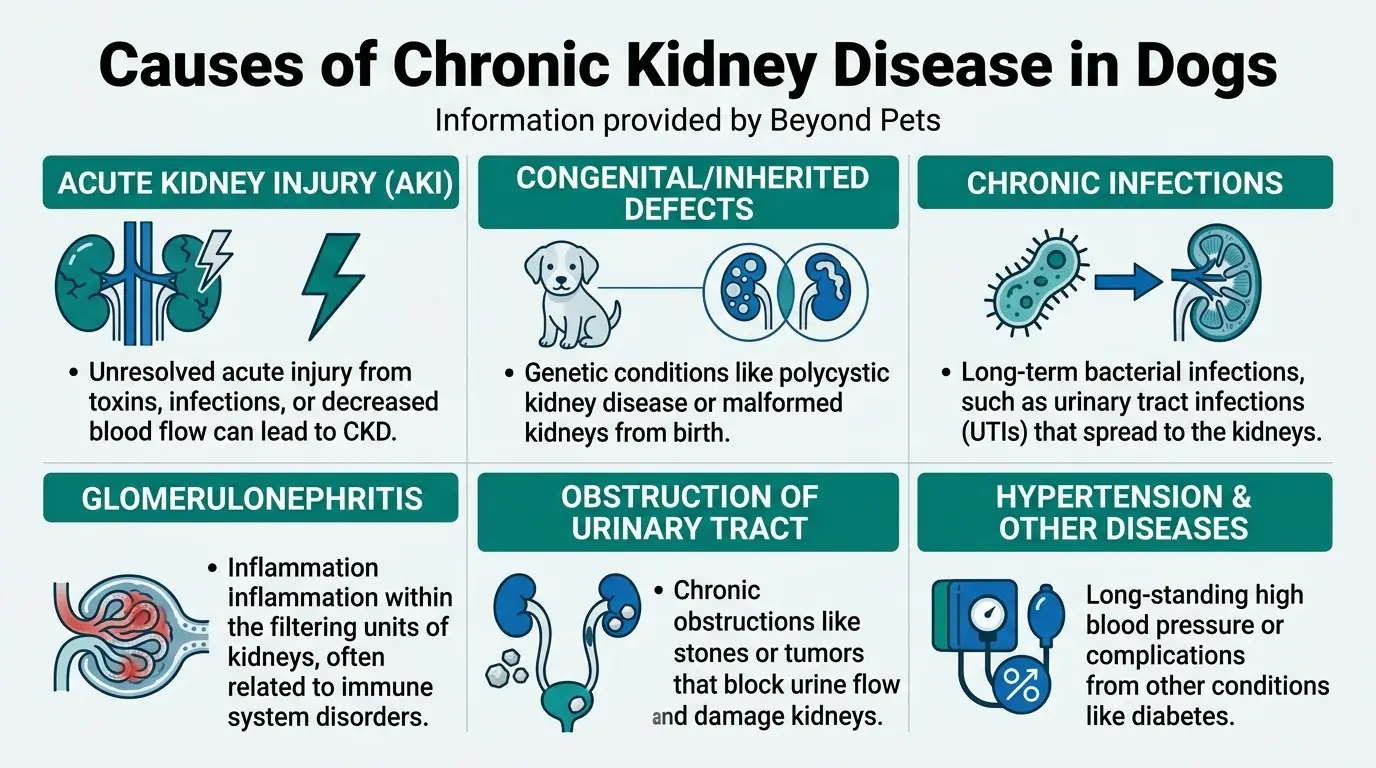
The origins of Chronic Kidney Disease (CKD) in dogs are as complex and varied as the functions of the kidneys themselves. CKD is rarely a condition with a single, easily identifiable trigger; rather, it is most often the culmination of multiple factors over time. Veterinarians often describe CKD as a “final common pathway.” This means that regardless of whether the initial insult was a toxin, a bacterial infection, a genetic anomaly, or an autoimmune attack, the ultimate result is the same: the irreversible death of nephrons, the progressive scarring of renal tissue, and the gradual collapse of kidney function. Unraveling the specific underlying cause, while sometimes medically challenging, is crucial, as it can occasionally offer targeted therapeutic options that may slow the disease’s relentless progression.[19]
Without question, the most statistically prominent risk factor for the development of naturally occurring CKD is advanced age. As a dog progresses into its senior and geriatric years, the kidneys, like all bodily tissues, undergo a process of natural senescence. Decades of constantly filtering massive volumes of blood, processing complex metabolic waste, and managing minor physiological insults take a cumulative toll. The microscopic structures of the nephrons experience chronic oxidative stress, gradual cellular telomere shortening, and progressive micro-vascular sclerosis (hardening of the tiny blood vessels). This slow, age-related wear and tear eventually leads to a generalized condition known as chronic interstitial nephritis, a broad term indicating widespread inflammation and scarring within the supportive tissue of the kidney. While aging itself is inevitable, the speed at which this age-related decline occurs can be heavily influenced by diet, genetics, and lifetime environmental exposures.[20]
Genetics and breed dispositions play an undeniable and powerful role in the landscape of canine kidney disease. Certain purebred lines carry distinct, inherited genetic mutations that program the kidneys for premature failure. For example, breeds such as the Shih Tzu, Lhasa Apso, and Golden Retriever are known to be genetically predisposed to a developmental condition called renal dysplasia. In renal dysplasia, the kidneys simply fail to mature properly while the puppy is still developing in the womb, leaving the dog with structurally abnormal, highly inefficient kidneys that inevitably fail at a young age, often before the dog reaches three years old. Other breeds, such as the Bull Terrier and the English Cocker Spaniel, are tragically prone to hereditary nephritis (also known as familial nephropathy), a genetic defect in the actual collagen that forms the delicate glomerular filtration membrane, causing massive protein leakage and rapid renal scarring. Additionally, breeds like the Cairn Terrier and the Beagle carry genetic risks for polycystic kidney disease (PKD), a relentless condition where normal kidney tissue is slowly crushed and replaced by multiple, growing, fluid-filled cysts.[21]
Severe bacterial infections represent another massive, often preventable, cause of chronic renal damage. A common, yet highly destructive, pathogen is Leptospira, a spiral-shaped bacterium found worldwide in stagnant water, damp soil, and the urine of infected wildlife such as raccoons, rodents, and deer. When a dog drinks contaminated water or wades through an infected puddle with a small cut on their paw, the bacteria enter the bloodstream and actively invade the kidney tissue, causing a severe, acute interstitial nephritis known as Leptospirosis. Even if the dog survives the acute, life-threatening infection through aggressive antibiotic therapy and intensive care, the resulting massive inflammatory response often leaves behind extensive, permanent scar tissue that silently transitions into advanced CKD months or years later. Similarly, chronic, undetected bacterial infections that travel up the urinary tract from the bladder into the kidneys—a condition known as pyelonephritis—can cause smoldering, continuous, irreversible destruction of the renal pelvis and delicate tubules over a long period. Furthermore, vector-borne diseases transmitted by ticks, most notably Lyme disease (Borrelia burgdorferi), can trigger a devastating, specific autoimmune reaction in the kidneys known as Lyme nephritis, which rapidly destroys the glomerular filters and is notoriously difficult to treat.[22]
The immune system, designed to protect the dog, can sometimes become confused and attack the kidneys directly. This group of conditions is broadly referred to as immune-mediated glomerulonephritis. This occurs when the dog’s immune system creates antigen-antibody complexes in response to a chronic, persistent trigger somewhere else in the body—such as severe, untreated dental disease, chronic skin infections, heartworm disease, or even certain underlying cancers. These large, sticky immune complexes circulate in the bloodstream and become physically trapped in the microscopic filters of the glomerulus. Their presence triggers a massive, localized inflammatory response, attracting destructive white blood cells that mistakenly attack and obliterate the delicate filtration membrane. This leads to massive, life-threatening loss of protein in the urine and rapid, severe progression to terminal kidney failure.[23]
Finally, we must acknowledge the profound role of chronic toxic exposures and certain pharmacological interventions. The kidneys receive a massive 20% of the dog’s total cardiac output, meaning they are disproportionately exposed to any toxins circulating in the blood. Chronic, long-term administration of certain medications, particularly nonsteroidal anti-inflammatory drugs (NSAIDs) heavily relied upon for managing osteoarthritis in senior dogs, carries a significant, calculated risk. NSAIDs work by blocking specific enzymes (cyclooxygenases) that cause pain and inflammation. However, these same enzymes are absolutely necessary to produce prostaglandins, which are specialized chemicals that keep the tiny blood vessels in the kidneys dilated and open. When NSAIDs block these prostaglandins, the blood vessels constrict. During periods of mild dehydration or low blood pressure (such as during general anesthesia for a dental cleaning), this constriction can literally starve the inner, highly vulnerable areas of the kidney (the renal papillae) of oxygen, leading to localized tissue death (papillary necrosis) and permanent, chronic scarring. Additionally, historical, unnoticed exposures to acute toxins, such as a dog eating a few grapes or raisins, or chewing on a toxic houseplant like a lily, can cause immediate, sub-clinical nephron death that permanently lowers the dog’s renal reserve, setting them up for early-onset CKD later in life.[24]
Symptoms of Chronic Renal Failure in Dogs
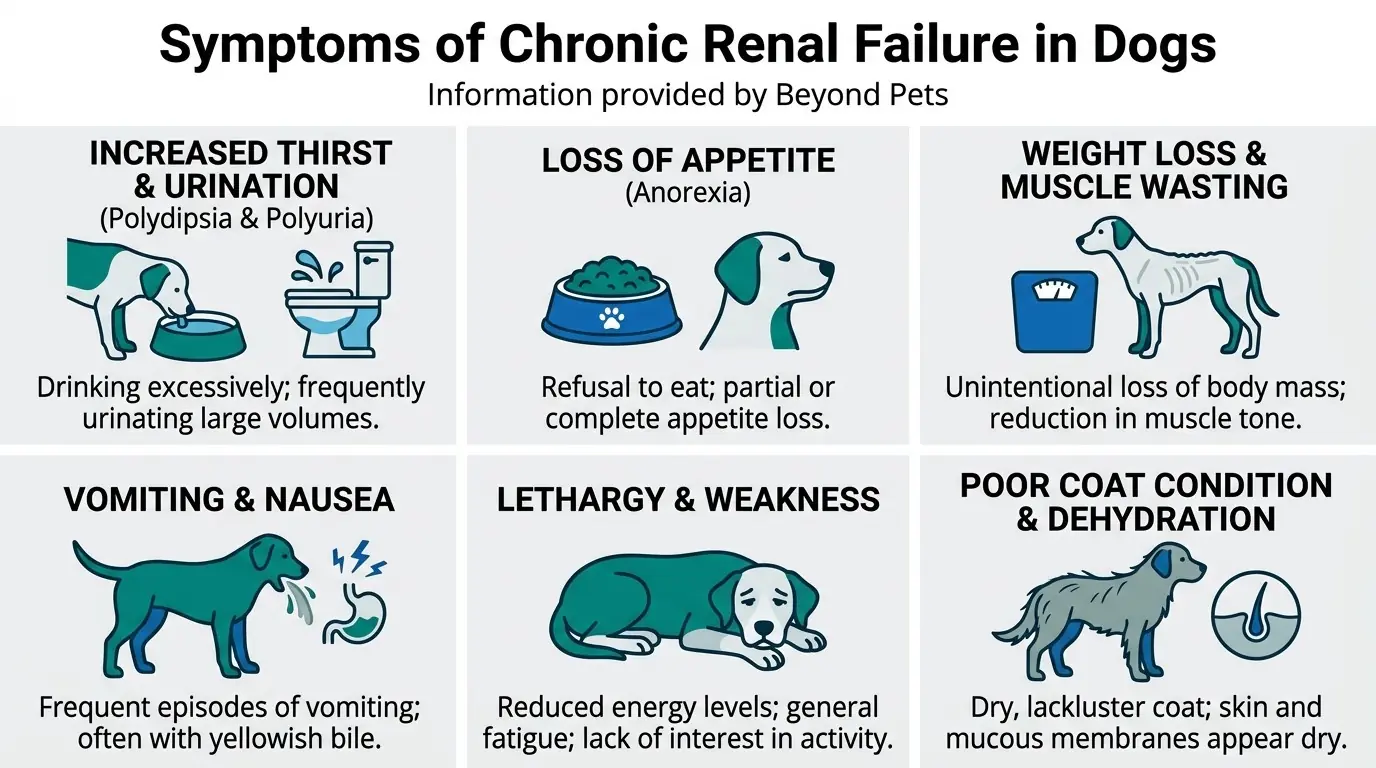
The clinical manifestation of chronic kidney disease in dogs is notoriously deceptive. Because the kidneys possess such a massive, redundant functional reserve, the organ can silently sustain immense, irreversible architectural damage without the dog displaying a single outward sign of distress. It is only when the disease progresses to the point where more than two-thirds of the total nephron mass has been permanently obliterated that the body’s compensatory mechanisms finally fail, and clinical symptoms become undeniably apparent. By the time a pet parent notices that something is wrong and brings their dog to the veterinary clinic, the disease is already deeply entrenched in its advanced stages. Recognizing the subtle, early warning signs is the absolute key to early intervention.[25]
The most consistent, hallmark early symptoms of advancing CKD—and often the very first signs a vigilant owner will notice—are profound polyuria (excessive, voluminous urination) and corresponding polydipsia (excessive, unquenchable thirst). This is not merely a behavioral change; it is the result of a catastrophic breakdown in the kidneys’ fluid management system. Healthy kidneys act as master water conservationists; when the body is slightly dehydrated, the kidneys concentrate the urine, producing a small volume of dark, highly concentrated fluid, thereby saving precious water. However, as the delicate tubules of the nephrons are destroyed by fibrosis and scarring, they permanently lose this ability to actively reabsorb water back into the bloodstream. The damaged kidneys begin to leak massive amounts of dilute, water-like urine, regardless of the dog’s actual hydration status. To avoid acute, life-threatening dehydration from this relentless fluid loss, the dog’s brain triggers an overwhelming, insatiable thirst drive. Pet owners will often notice their dog draining the water bowl far more frequently, seeking out alternative water sources like toilets or puddles, and needing to go outside to urinate in the middle of the night, or tragically, having massive urinary accidents in the house after years of being perfectly housetrained.[26]
As the disease slowly progresses and the filtration capacity continues its downward trajectory, the dangerous nitrogenous waste products (BUN and creatinine) and other toxic uremic compounds begin to rapidly accumulate in the circulating bloodstream. This state of severe blood toxicity, known as uremia, causes a cascade of debilitating systemic symptoms. One of the most heartbreaking signs is a slow, steady, and often dramatic decline in appetite, leading to severe, generalized weight loss and severe muscle wasting (cachexia). The dog may initially become highly selective, refusing their normal kibble but accepting high-value human foods, before eventually progressing to total anorexia, refusing to eat anything at all. This loss of appetite is multifaceted; it is driven by profound, central nervous system nausea caused directly by the circulating toxins acting on the brain, as well as painful, localized inflammation in the gastrointestinal tract.[27]
The uremic toxins are incredibly harsh and caustic to the delicate mucous membranes lining the entire digestive system. Consequently, dogs with moderate to severe CKD frequently suffer from chronic, severe, and distressing episodes of vomiting. This vomiting often contains bile and sometimes traces of digested blood, looking like dark coffee grounds, which is a dire sign of active bleeding ulcers within the stomach lining. The toxins also cause severe, painful ulcerations in the mouth, particularly on the edges of the tongue and the inner cheeks. These oral ulcers cause the dog to drool excessively, paw at their mouth in pain, and actively avoid eating dry, hard food. Accompanying these oral ulcers is a highly distinct, foul-smelling breath, commonly referred to as “uremic halitosis.” This breath smells strongly of harsh chemicals, ammonia, or urine, as the urea in the saliva is broken down into raw ammonia gas by the bacteria living in the dog’s mouth.[28]
In the later stages of the disease, the secondary systemic complications become prominent and life-threatening. The failure of the kidneys to produce the crucial hormone erythropoietin (EPO) leads to a severe lack of red blood cells, a condition called non-regenerative anemia. Without adequate red blood cells to transport life-sustaining oxygen, the dog becomes profoundly lethargic, weak, and easily exhausted by even minimal exertion. A simple walk down the driveway may require them to stop and rest. If you gently lift the dog’s lip, you will notice that their normally vibrant, healthy pink gums have become shockingly pale, almost white or a dull, muddy grey. Additionally, the severe, uncontrolled high blood pressure (hypertension) that frequently accompanies advanced CKD can act as a silent, invisible killer. The massive pressure can cause the tiny, fragile blood vessels in the back of the eye to burst, leading to catastrophic, sudden retinal detachment and acute, permanent, and terrifying blindness. The dog may suddenly start bumping into walls or become terrified to move. These severe, systemic symptoms underscore the reality that chronic kidney disease is not merely a localized problem with the urinary tract, but a profound, devastating failure of the body’s entire physiological control system.[29]
Diagnosis of Chronic Kidney Disease in Dogs
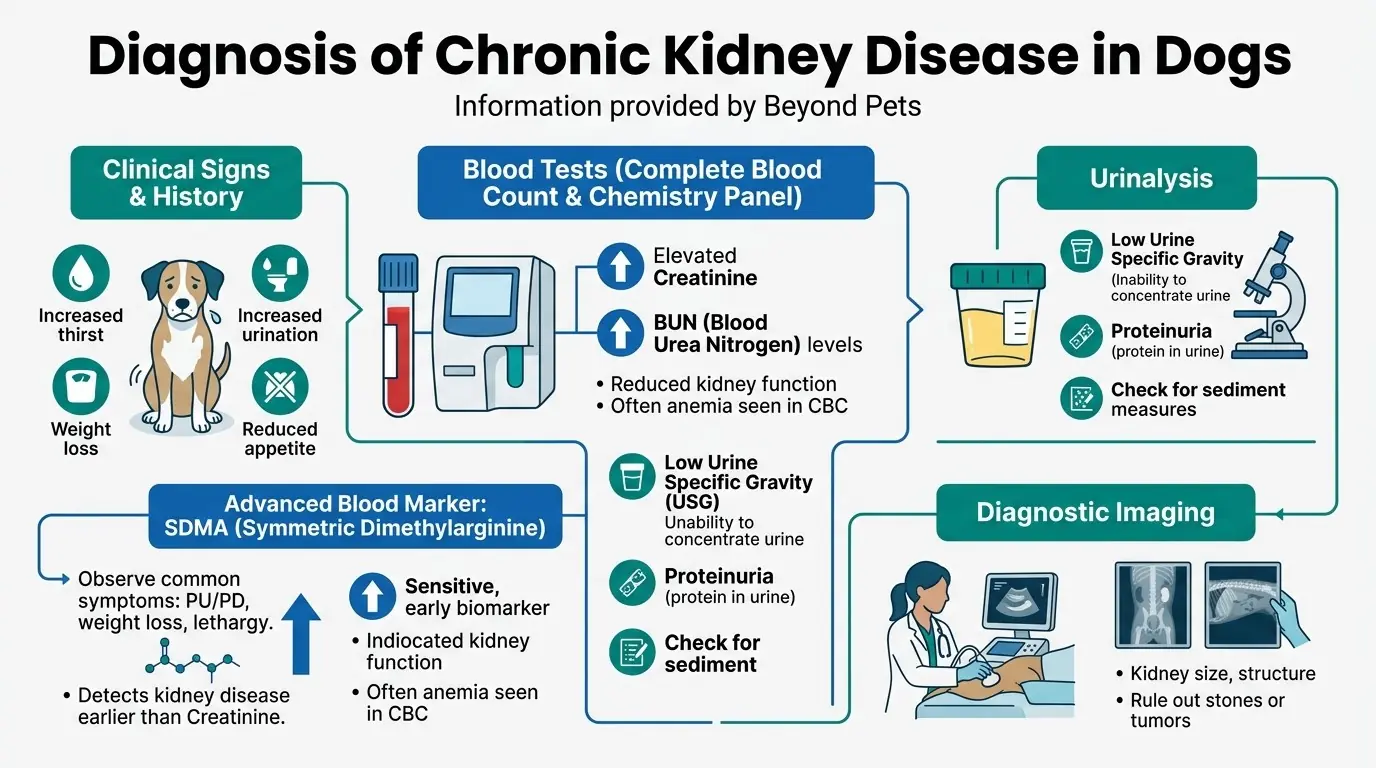
The definitive diagnosis of chronic kidney disease requires a meticulously structured, multi-tiered investigative approach. Because the clinical signs of CKD (such as vomiting, weight loss, and increased thirst) are entirely non-specific and can mimic dozens of other serious canine diseases—such as diabetes mellitus, Cushing’s disease, severe liver failure, or even gastrointestinal cancer—veterinarians cannot rely on physical symptoms alone. They must employ a comprehensive battery of advanced diagnostic tests. The goal is not merely to confirm the presence of kidney failure, but to accurately stage the severity of the disease according to IRIS guidelines, identify the presence of accelerating factors like proteinuria or hypertension, and vigorously hunt for any underlying, potentially treatable causes like bacterial infections or obstructing kidney stones.[30]
Blood Tests
Comprehensive blood chemistry panels and complete blood counts (CBC) form the absolute foundational cornerstone of kidney disease diagnosis. When a veterinarian suspects renal impairment, they focus intensely on the biochemical markers of waste filtration. The two most critical traditional markers are Blood Urea Nitrogen (BUN) and serum Creatinine. BUN is a byproduct of dietary protein breakdown in the liver, while creatinine is a steady byproduct of normal muscle metabolism. In a dog with healthy, fully functional kidneys, these toxins are efficiently filtered from the blood and dumped into the urine. When the nephrons fail, the kidneys lose this ability, and the blood concentrations of BUN and creatinine skyrocket, a toxic state clinically referred to as azotemia. However, creatinine is notoriously insensitive; it does not rise above normal limits until a staggering 75% of the total kidney mass has been irreversibly destroyed. Therefore, modern veterinary medicine increasingly relies on a revolutionary new biomarker called Symmetric Dimethylarginine (SDMA). SDMA is an amino acid byproduct that is filtered almost exclusively by the kidneys. Crucially, SDMA levels become elevated much, much earlier in the disease process—often when only 25% to 40% of kidney function has been lost. This allows veterinarians to detect the disease months or even years earlier than traditional creatinine testing, providing a vital window for early intervention.[31]
Beyond waste products, the blood chemistry panel is essential for evaluating the dog’s critical, life-sustaining electrolyte and mineral balance. The veterinarian will closely scrutinize the blood phosphorus levels. Damaged kidneys lose the ability to excrete phosphorus, leading to hyperphosphatemia, a dangerous condition that drives further calcification and destruction of the remaining healthy kidney tissue. They will also check calcium levels, looking for signs of renal secondary hyperparathyroidism. Finally, a Complete Blood Count (CBC) is performed to assess the red and white blood cells. A hallmark finding in advanced CKD is a profound, non-regenerative anemia, indicating that the dying kidneys have stopped producing the vital hormone erythropoietin, starving the bone marrow of the signal needed to create new, oxygen-carrying red blood cells.[32]
Urinalysis
A blood test alone is never sufficient to diagnose kidney disease; it must always, without exception, be paired with a comprehensive urinalysis. The urinalysis provides a direct, literal window into the real-time functional capacity of the nephrons. The single most important measurement in the urinalysis is the Urine Specific Gravity (USG), which quantifies the urine’s exact concentration. A healthy dog on a normal day should produce concentrated urine with a USG well above 1.030. In a dog with failing kidneys, the damaged tubules have permanently lost their ability to reabsorb water. As a result, the dog produces weak, dilute, watery urine, typically exhibiting a USG persistently fixed between 1.008 and 1.012, a state known as isosthenuria. The discovery of dilute urine occurring simultaneously with elevated blood creatinine is the absolute, definitive hallmark of chronic kidney failure.[33]
The urinalysis is also vital for detecting complications. A chemical dipstick and a microscopic sediment examination will search for the presence of blood, inflammatory white blood cells, or sloughed-off kidney cells (casts). Because dilute urine is a perfect breeding ground for bacteria, veterinarians will frequently perform a sterile urine culture to check for silent, occult urinary tract infections or dangerous pyelonephritis (kidney infection) that could be accelerating the kidney damage. Furthermore, the urine must be evaluated for abnormal protein leakage. If protein is detected, a specialized test called the Urine Protein:Creatinine (UPC) ratio is performed to exactly quantify the severity of the loss. Severe proteinuria indicates severe glomerular damage and necessitates aggressive, targeted medical intervention to stop the protein from burning through the renal tubules.[34]
Ultrasound
Diagnostic imaging, specifically a high-resolution abdominal ultrasound, is a powerful, non-invasive, and absolutely essential tool in the workup of a dog with suspected CKD. While blood and urine tests reveal how the kidneys are functioning chemically, the ultrasound allows the veterinarian to visually inspect the exact physical architecture, shape, size, and internal structure of the organs in real-time. This is critical for differentiating between an acute, potentially reversible kidney injury (where the kidneys are often swollen, enlarged, and inflamed) and chronic, end-stage kidney disease. In advanced CKD, the classic ultrasound findings reveal kidneys that are severely shrunken, small, lumpy, irregular in shape, and hyperechoic (appearing too bright and white on the screen due to dense, heavy scar tissue and fibrosis).[35]
Moreover, the ultrasound is crucial for identifying underlying, potentially correctable structural causes of kidney failure. The sonographer will look for the presence of destructive cysts characteristic of polycystic kidney disease, obstructive kidney stones (nephroliths) blocking the flow of urine out of the renal pelvis, tumors or masses invading the kidney tissue, or signs of chronic pyelonephritis (such as a dilated, fluid-filled renal pelvis). By mapping the exact physical state of the organs, the ultrasound provides invaluable prognostic information, helping the veterinary team understand the true extent of the irreversible damage and guiding the formulation of a realistic, compassionate treatment plan.[36]
X-rays
While an abdominal ultrasound provides unparalleled, highly detailed views of the soft tissue architecture within the kidneys, traditional digital radiographs (X-rays) still hold a highly valuable, complementary place in the comprehensive diagnostic evaluation. X-rays are exceptionally good at providing a broad, sweeping overview of the entire abdominal cavity, allowing the veterinarian to assess the general size and exact anatomical position of the kidneys in relation to other major organs. While a healthy kidney is difficult to see perfectly on a plain X-ray, chronically diseased, fibrotic, end-stage kidneys often appear significantly smaller than normal, lacking their smooth, bean-like contour.[37]
The primary, most crucial benefit of radiography lies in its exquisite sensitivity to dense, mineralized structures. X-rays are the absolute gold standard for detecting specific types of radiopaque kidney stones, particularly calcium oxalate or struvite nephroliths, which show up as stark, bright white shapes against the darker soft tissues. These stones can cause chronic, smoldering inflammation, or worse, they can slip into the tiny ureter tubes, causing a catastrophic, life-threatening acute obstruction. Furthermore, X-rays can reveal calcification of the soft tissues or blood vessels, a secondary complication of the severe calcium-phosphorus imbalances caused by advanced uremia. While X-rays are not highly specific for diagnosing the cellular type of kidney disease, they are a fast, vital screening tool to rule out massive tumors, large obstructive stones, and other severe concurrent abdominal pathologies.[38]
Biopsy
A renal biopsy represents the most advanced, invasive, and definitive diagnostic procedure available, though it is utilized relatively infrequently in standard veterinary practice. The procedure involves inserting a specialized, hollow needle through the dog’s flank directly into the kidney, often guided by real-time ultrasound, to extract a microscopic core of actual renal tissue. This precious sample is then sent to a specialized veterinary pathologist who examines the cells under a high-powered microscope. The biopsy provides the absolute, definitive cellular diagnosis, revealing the exact type and extent of the pathology—whether it is severe glomerular disease, immune-mediated nephritis, renal dysplasia, amyloidosis, or widespread, end-stage fibrosis. It can differentiate between active, treatable inflammation and permanent, dead scar tissue.[39]
However, because the kidney is a highly vascular, high-pressure organ, a biopsy carries significant, non-trivial risks, most notably the risk of severe, uncontrolled internal bleeding (hemorrhage) following the procedure. For this reason, a biopsy is rarely performed on dogs with advanced, small, shrunken end-stage kidneys, as the diagnosis of permanent failure is already obvious and the biopsy would not alter the supportive treatment plan. Biopsies are typically reserved for specific, carefully selected cases: usually younger dogs presenting with sudden, severe, unexplained protein loss in the urine (suggesting active, potentially treatable immune-mediated glomerular disease), or cases where an acute, reversible injury is suspected but not responding to therapy. In these specific scenarios, the specific cellular diagnosis obtained from the biopsy is absolutely essential for guiding the use of powerful, targeted immunosuppressive medications.[40]
Blood Pressure Monitoring
Routine, meticulous blood pressure monitoring is not merely an optional add-on; it is an absolutely mandatory, life-saving component of the diagnostic workup and ongoing management of any dog with kidney disease. As previously discussed, the kidneys play a central role in regulating systemic blood pressure via the renin-angiotensin-aldosterone system. When the kidneys are damaged and starved of oxygen due to scarring, they inappropriately trigger a massive, continuous increase in blood pressure. This severe systemic hypertension is incredibly common in dogs with CKD. If left undetected and uncontrolled, this high-pressure battering ram causes catastrophic “target organ damage.” It literally shreds the delicate capillaries in the brain, heart, eyes, and the remaining healthy nephrons in the kidneys themselves, rapidly accelerating the progression of the disease and leading to sudden, devastating events like strokes, heart failure, or acute retinal detachment causing irreversible blindness. Recognizing the early diagnosis can significantly influence the treatment approach and the dog’s long-term health outcome.[41]
Measuring a dog’s blood pressure requires specialized veterinary equipment, most commonly a high-definition Doppler ultrasound machine or a specialized high-definition oscillometric cuff system designed specifically for the unique shape of canine limbs. The process must be performed carefully in a quiet, calm environment to avoid artificially high readings caused by fear or stress (the “white coat” effect). The IRIS guidelines explicitly categorize blood pressure into specific risk sub-stages, ranging from normotensive (minimal risk) to severe hypertension (high risk of imminent organ damage). If hypertension is detected, the implementation of aggressive, targeted anti-hypertensive medication is absolutely essential to protect the dog’s remaining vision, neurological function, and the precious, surviving kidney tissue.[42]
Treatment for Canine Kidney Failure
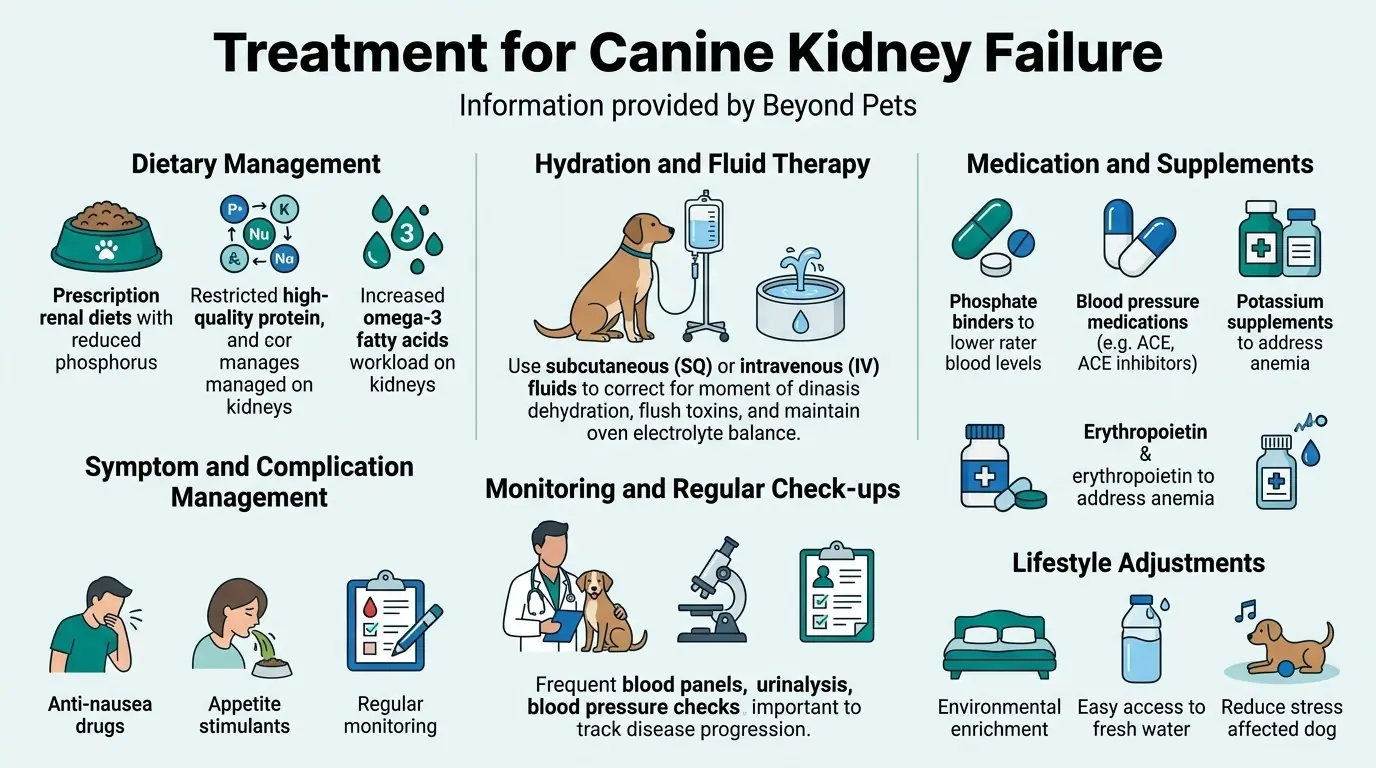
When approaching the treatment of chronic kidney disease, it is vital to remember that there is no magic pill, no single surgical cure, and no way to reverse the structural damage that has already been inflicted upon the renal tissue. The nephrons that have died are gone forever. Therefore, the entire philosophy of veterinary treatment shifts from seeking a cure to providing meticulous, comprehensive, supportive management. The clinical goals are incredibly specific: to ruthlessly slow the progression of the disease, to protect the remaining functional nephrons from further damage, to correct the severe, life-threatening metabolic and electrolyte imbalances, and above all, to maximize the dog’s comfort and daily quality of life. The treatment plan is never a “one-size-fits-all” approach; it must be highly individualized, constantly adjusted, and tailored to the specific IRIS stage of the disease, the presence of complications like proteinuria, and the dog’s unique response to therapy. Please note, always consult your veterinarian before making any changes to your pet’s care. The variety of treatment options for chronic kidney disease (CKD) in dogs largely depends on the root cause. For instance, if diabetes mellitus is the primary issue, dietary management may suffice to control the underlying trigger, but advanced CKD will always require a multifaceted approach.[43]
Dietary Modification
Without exception, the single most powerful, statistically proven, and fundamental medical intervention for managing chronic kidney disease in dogs is a highly specific, carefully formulated clinical dietary modification. Studies have unequivocally demonstrated that dogs transitioned to a proper therapeutic renal diet live significantly longer, experience far fewer uremic crises, and maintain a higher quality of life compared to dogs fed standard maintenance diets. These therapeutic diets are not simply low-quality foods; they are complex, scientifically engineered nutritional therapies designed specifically to minimize the workload on the failing nephrons and correct the profound metabolic derangements caused by uremia.[44]
The cornerstone of a renal diet is severe, precise phosphorus restriction. As the kidneys fail, they lose the ability to excrete phosphorus into the urine. The resulting buildup of phosphorus in the blood is highly toxic; it binds with calcium, calcifies the soft tissues, destroys the remaining kidney tissue, and triggers devastating hormonal imbalances. Restricting dietary phosphorus is absolutely crucial for slowing disease progression. Secondly, renal diets feature moderate restriction of high-quality proteins. Because the liver breaks down protein into toxic urea (which the failing kidneys cannot excrete), feeding massive amounts of protein causes severe uremia, leading to profound nausea and vomiting. By providing a restricted amount of highly digestible, extremely high-quality protein (like eggs or specific meats), the diet minimizes the production of toxic urea waste while still providing the essential amino acids the dog needs to prevent severe muscle wasting.[45]
Furthermore, therapeutic renal diets are typically enriched with massive, therapeutic doses of Omega-3 fatty acids (specifically EPA and DHA derived from marine oils). These specialized fats act as potent, natural anti-inflammatories, actively reducing the swelling and scarring within the microscopic kidney filters and improving blood flow. The diets are also moderately sodium-restricted to help combat the severe systemic hypertension that frequently accompanies the disease. Finally, because failing kidneys cause the dog’s blood to become dangerously acidic (metabolic acidosis), these diets are specifically formulated with alkalinizing agents (like potassium citrate) to buffer the blood, neutralize the acid, and prevent severe muscle breakdown. Because the transition to a new food can be difficult for a nauseous, uremic dog, veterinarians often recommend incredibly slow, patient transitions, sometimes utilizing appetite stimulants to ensure the dog accepts the life-saving new diet.[46]
Fluid Therapy
As chronic kidney disease ravages the delicate tubules of the nephrons, the dog permanently loses the ability to concentrate their urine and conserve water. They become a literal sieve, constantly leaking massive volumes of dilute fluid, regardless of how much they drink. This obligatory polyuria places the dog in a constant, precarious state of borderline dehydration. When they inevitably fall behind on their water intake—due to nausea, lethargy, or simply sleeping through the night—they plunge into a severe state of dehydration and uremic poisoning. Fluid therapy is the critical, life-saving intervention used to flush out the accumulated toxins, restore blood volume, and correct the hydration deficit.[47]
During an acute, severe uremic crisis—often characterized by collapse, severe vomiting, and total refusal to eat or drink—the dog must be hospitalized for intensive, continuous intravenous (IV) fluid therapy. A catheter is placed directly into a vein, and massive volumes of precisely balanced, sterile electrolyte solutions are pumped directly into the bloodstream. This aggressive “fluid diuresis” acts like a power washer for the blood, mechanically flushing the massive buildup of BUN and creatinine out through the damaged kidneys, while simultaneously correcting severe acid-base imbalances. Intravenous therapy is intensive and requires round-the-clock veterinary monitoring, but it is often the only way to pull a dog out of a critical, life-threatening uremic crash.[48]
For long-term, daily management at home, veterinarians frequently prescribe subcutaneous (SC) fluid therapy. This involves the pet parent learning to administer sterile fluids via a needle directly into the loose space under the dog’s skin, usually over the shoulders or back. The body slowly absorbs this fluid pocket over several hours, providing a constant, gentle supplement to the dog’s oral water intake. Subcutaneous fluids are an absolute game-changer in the management of advanced CKD. By providing this daily or every-other-day hydration boost, owners can proactively prevent the dog from becoming dehydrated, continuously flush out a mild amount of daily toxins, significantly reduce nausea, dramatically improve appetite, and profoundly elevate the dog’s daily energy levels and quality of life. While the idea of using needles at home initially terrifies many owners, the vast majority quickly learn the technique and find that their dogs tolerate the procedure exceptionally well, often associating it with feeling vastly better afterward.[49]
Medications
While diet and hydration form the foundation of CKD management, a complex, highly targeted array of pharmacological interventions is almost always required to manage the devastating, systemic secondary complications of the disease. The specific combination of drugs prescribed will depend entirely on the dog’s specific IRIS stage, their bloodwork results, and their unique clinical symptoms. Medication management in CKD is a delicate, constantly shifting balancing act, requiring frequent veterinary monitoring and precise dose adjustments. The goal of these medications is not to heal the kidney, but to treat the symptoms of the failure and protect the remaining tissue from further assault.[50]
- Phosphate Binders: Despite feeding a strictly phosphorus-restricted renal diet, dogs in advanced stages of CKD will inevitably develop dangerous hyperphosphatemia. To combat this, veterinarians prescribe oral phosphate binders, such as aluminum hydroxide, sevelamer, or lanthanum carbonate. These medications must be given strictly with meals. They work by chemically binding to the phosphorus present in the food while it is still in the gastrointestinal tract, forming large, insoluble complexes that the body cannot absorb. The phosphorus is then safely excreted in the feces, preventing it from entering the bloodstream and causing further renal calcification.
- ACE Inhibitors and ARBs: To combat the destructive effects of severe protein leakage (proteinuria) and systemic high blood pressure, veterinarians heavily utilize Angiotensin-Converting Enzyme (ACE) inhibitors, such as benazepril or enalapril, or newer, more targeted Angiotensin Receptor Blockers (ARBs), such as telmisartan. These powerful medications act by dilating the specific blood vessels exiting the glomerulus (the efferent arterioles). This precise dilation dramatically reduces the crushing pressure inside the delicate kidney filters, significantly slowing the rate of physical scarring and drastically reducing the amount of toxic protein leaking into the urine.
- Antihypertensives: If the dog suffers from severe, life-threatening systemic hypertension that does not respond to ACE inhibitors alone, additional, potent blood pressure medications are required. The most commonly used drug in this class is amlodipine, a calcium channel blocker that powerfully relaxes and dilates the blood vessels throughout the entire body, dropping the systemic blood pressure and protecting the dog from catastrophic events like strokes or acute retinal detachment.
- Antiemetics and Gastroprotectants: The accumulation of uremic toxins causes profound, debilitating nausea and severe vomiting, which in turn leads to anorexia and life-threatening dehydration. To combat this, veterinarians routinely prescribe powerful, central-acting anti-nausea medications, most notably maropitant (Cerenia) or ondansetron. These drugs block the specific neurotransmitters in the brain that trigger the vomiting reflex, providing massive relief and allowing the dog to eat. Additionally, if gastrointestinal ulceration is suspected, gastroprotectants like omeprazole (a proton pump inhibitor) or sucralfate (which creates a physical bandage over active stomach ulcers) may be employed, though their long-term efficacy in CKD is a subject of ongoing veterinary debate.
- Appetite Stimulants: Maintaining adequate caloric intake is a massive daily battle in dogs with advanced CKD. To combat the severe weight loss and anorexia, newer, highly effective appetite stimulants are frequently utilized. Drugs like capromorelin act as ghrelin-receptor agonists, mimicking the body’s natural hunger hormone and powerfully stimulating the dog’s desire to eat, which is crucial for maintaining muscle mass and energy.
- Erythropoiesis-Stimulating Agents (ESAs): When the dying kidneys stop producing the hormone erythropoietin, the dog develops severe, debilitating, non-regenerative anemia. To correct this, veterinarians can administer synthetic, injectable forms of the hormone, such as darbepoetin alfa. These highly specialized injections travel to the bone marrow and artificially stimulate the production of new red blood cells. While extremely effective at correcting the anemia and restoring the dog’s energy levels, these drugs are expensive, require careful monitoring, and carry a risk of the dog eventually developing antibodies against the synthetic hormone, rendering it ineffective over time.
Dialysis
When the massive functional reserve of the kidneys has been entirely exhausted, and intensive intravenous fluid therapy combined with maximum medical management can no longer prevent the toxic accumulation of uremic waste in the bloodstream, the dog faces imminent, unavoidable death. In these most extreme, critical scenarios, dialysis represents the absolute highest echelon of advanced veterinary intervention. Dialysis is a highly invasive, incredibly complex, and profoundly expensive artificial life-support procedure. It utilizes sophisticated technology to artificially replicate the primary filtration functions of the failed kidneys, physically stripping the deadly toxins, excess water, and dangerous electrolytes from the dog’s circulating blood.[51]
It is crucial to understand that in veterinary medicine, unlike in human medicine, dialysis is very rarely utilized as a permanent, lifelong maintenance therapy for chronic, end-stage kidney disease. The sheer logistical burden, the requirement for constant, specialized hospital visits, the massive financial cost (often running into the tens of thousands of dollars), and the significant toll on the animal’s quality of life make long-term dialysis impractical and ethically complex for most pets. Instead, dialysis is primarily utilized in two specific scenarios: first, to keep a dog alive who has suffered a catastrophic, acute kidney injury (such as antifreeze poisoning) while the veterinary team waits to see if the damaged kidney tissue has the capacity to heal and regenerate; and second, to temporarily stabilize a critically uremic dog prior to a planned kidney transplant surgery. There are two distinct modalities of dialysis available in advanced veterinary specialty centers.[52]
- Hemodialysis: This is the most potent, aggressive, and commonly utilized form of dialysis in critical care veterinary medicine. It requires surgically implanting a massive, specialized, dual-lumen catheter directly into the dog’s jugular vein. The dog is connected to an incredibly complex, computerized dialysis machine. A powerful pump continuously draws the dog’s toxic blood out of their body and pushes it through a highly advanced, synthetic filter called a dialyzer (the “artificial kidney”). Inside the dialyzer, the blood flows past a specialized microscopic membrane, allowing the toxic uremic waste products and excess electrolytes to be drawn out of the blood and washed away. The newly purified, cleansed blood is then warmed and pumped back into the dog’s vein. A single hemodialysis session typically lasts for four to six hours, during which the dog must remain perfectly still, often requiring mild sedation. In an acute crisis, this exhausting procedure may need to be repeated daily or several times a week. Hemodialysis is only available at a handful of elite university teaching hospitals and large, specialized private referral centers.
- Peritoneal Dialysis: This is a significantly different, lower-tech, but equally intensive modality. Instead of using a machine to filter the blood outside the body, peritoneal dialysis utilizes the dog’s own natural anatomy—specifically the peritoneum, the rich, highly vascular membrane that lines the entire inside of the abdominal cavity. A specialized, permanent catheter is surgically implanted through the abdominal wall. The veterinary team (or a highly trained owner at home) infuses a large volume of a specially formulated, sterile dialysis fluid directly into the dog’s belly. The fluid is left inside the abdomen for several hours. During this “dwell time,” the toxic waste products in the blood naturally diffuse across the peritoneal membrane and into the clean fluid. Afterward, the toxic, waste-filled fluid is physically drained out of the abdomen through the catheter and discarded. This cycle must be repeated continuously, often every four to six hours around the clock. While peritoneal dialysis can theoretically be managed at home, it requires an absolutely sterile, meticulous technique, as any contamination of the catheter will lead to peritonitis, a massive, agonizing, and almost always fatal bacterial infection of the entire abdominal cavity.
Kidney Transplant
For dogs suffering from irreversible, terminal, end-stage chronic kidney disease, where medical management has totally failed and long-term dialysis is not an option, a renal allograft (kidney transplant) represents the only theoretical potential for a true, long-term cure. The procedure involves the highly complex, delicate surgical implantation of a healthy, functioning kidney harvested from a compatible donor dog. The diseased, failing kidneys are typically left in place, while the new kidney is meticulously plumbed into the blood vessels and bladder in the lower abdomen. If the surgery is successful, the new, healthy kidney immediately begins filtering the blood, reversing the uremia, and restoring a totally normal quality of life.[53]
However, while kidney transplants are somewhat common and highly successful in feline veterinary medicine, canine kidney transplants are exceedingly rare, incredibly fraught with complications, and exist at the absolute bleeding edge of experimental veterinary surgery. The primary barrier is the highly aggressive, complex nature of the canine immune system. Dogs reject transplanted organs with far more violence and speed than cats or humans. To prevent the dog’s immune system from immediately attacking and destroying the new kidney, the patient must be placed on a massive, punishing regimen of powerful immunosuppressive drugs (such as cyclosporine and mycophenolate) for the rest of their natural life. These drugs are profoundly expensive, require intense, lifelong monitoring, and severely suppress the dog’s ability to fight off normal, everyday infections, leaving them highly vulnerable to fatal pneumonias or systemic sepsis. Furthermore, the ethical dilemmas surrounding the sourcing of a healthy donor dog are massive. Because dogs cannot consent to donating an organ, veterinary transplant centers require the adoptive family to adopt the donor dog, taking on the care of two animals. Due to the staggering costs, the high rate of fatal rejection, and the profound ethical complexities, canine kidney transplantation is performed at only a tiny handful of academic institutions worldwide and is considered an option of absolute last resort for a very small fraction of pet owners.[54]
How to Prevent Chronic Kidney Disease in Dogs
While we cannot halt the relentless march of time or entirely rewrite a dog’s genetic code, it is absolutely incorrect to assume that chronic kidney disease is entirely inevitable or completely beyond our control. Through diligent, proactive, preventative veterinary care and meticulous attention to daily lifestyle factors, pet owners hold immense power to protect their dog’s delicate renal architecture, minimize cumulative damage, and significantly delay the onset of clinical kidney failure. Prevention is an active, lifelong process that must begin long before the dog enters its senior years.[55]
The absolute cornerstone of renal protection is maintaining perfect, continuous hydration. Water is the solvent that the kidneys use to flush toxins from the body. If a dog is chronically under-hydrated, the kidneys are forced to produce highly concentrated urine, forcing the microscopic tubules to work harder and increasing the concentration of caustic minerals and toxins passing through them. Owners must ensure that multiple bowls of fresh, clean water are available at all times, located in various accessible spots around the home. For dogs that are naturally poor drinkers, owners should aggressively encourage fluid intake by adding warm water or low-sodium chicken broth directly to their kibble, utilizing continuously flowing pet water fountains to stimulate interest, or transitioning the dog partially or entirely to a high-moisture canned food diet. The goal is to keep the kidneys continuously flushed and the urine relatively dilute.[56]
Nutritional management plays a massive role in lifelong preventative health. You can ensure optimal health by managing your dog’s weight with a nutritious diet and regular exercise. Obesity is a profound, systemic inflammatory state that forces the heart to work harder, driving up systemic blood pressure, which in turn physically damages the delicate glomerular filters in the kidneys. Feeding a high-quality, perfectly balanced, life-stage-appropriate diet prevents the massive influx of excess, low-quality proteins and dangerous levels of phosphorus that force the kidneys to work overtime. Furthermore, meticulous, uncompromising dental care is one of the most under-appreciated yet powerful ways to prevent chronic internal organ damage. Severe periodontal disease creates a massive, festering reservoir of aggressive bacteria in the dog’s mouth. Every time the dog chews, microscopic showers of these dangerous bacteria are pushed directly into the bloodstream, where they travel to the highly vascular kidneys, causing chronic, smoldering micro-infections and severe, destructive immune-complex reactions. Daily tooth brushing and regular, professional veterinary dental cleanings under anesthesia are absolutely vital for long-term kidney protection.[57]
Finally, pet owners must be hyper-vigilant regarding toxic exposures and proactive medical screening. Human medications, particularly NSAIDs (like ibuprofen or naproxen), are highly nephrotoxic and must be locked away. Even veterinary-prescribed NSAIDs for arthritis must be used with extreme caution, requiring regular blood screening to ensure the kidneys are tolerating the medication. Dogs must be strictly prevented from accessing known renal toxins, such as antifreeze (ethylene glycol), grapes, raisins, and certain toxic plants. Crucially, as the dog enters their senior years (typically around age 7 for large breeds and age 9 for small breeds), the pet parent must demand comprehensive, annual or bi-annual preventative blood and urine screening from their veterinarian. These proactive panels, including the sensitive SDMA biomarker, are the only way to detect the silent, hidden stages of kidney disease early enough to implement life-prolonging interventions before massive, irreversible damage has occurred.[58]
Frequently Asked Questions
What is the life expectancy of a dog with kidney disease?
The life expectancy of a dog diagnosed with chronic kidney disease varies wildly and depends entirely on the specific IRIS stage at the exact time of diagnosis, the underlying cause, and how aggressively the disease is medically managed. If the disease is caught very early in Stage 1 or Stage 2, and the owner is deeply committed to transitioning the dog to a strict therapeutic renal diet and attending regular veterinary monitoring appointments, the dog can often live comfortably for several years with a very high quality of life. However, if the disease is not detected until it has silently progressed to Stage 3 or severe Stage 4, where the dog is already suffering from severe uremic poisoning, profound anemia, and systemic collapse, the prognosis becomes exceedingly poor, and the survival time may be measured in only weeks or a few short months, despite aggressive medical intervention.
What foods help repair kidneys in dogs?
It is a vital medical reality that there are no foods, supplements, or medications that can “repair” or regenerate dead kidney tissue in dogs; the structural scarring of chronic kidney disease is completely irreversible. However, highly specific, scientifically formulated veterinary therapeutic renal diets are absolutely critical for managing the disease and slowing its progression. These diets do not fix the damage; rather, they dramatically reduce the workload on the remaining healthy kidney tissue. They achieve this through severe, precise restriction of phosphorus (which prevents toxic calcification), moderate restriction of high-quality protein (which minimizes the buildup of toxic urea in the blood, reducing nausea), and the addition of massive, therapeutic doses of Omega-3 fatty acids to reduce ongoing inflammation. A home-cooked diet should never be attempted without the direct, specific recipe guidance of a board-certified veterinary nutritionist, as incorrect mineral balancing can rapidly destroy the remaining kidney tissue.
Can kidney failure cause sudden death in dogs?
While chronic kidney disease is inherently a slow, progressive, degenerative condition that plays out over months or years, it can absolutely trigger sudden, catastrophic, and fatal medical events if it is not meticulously managed. The failing kidneys lose their ability to regulate vital electrolytes, most notably potassium. If blood potassium levels rise to critical extremes (a condition called severe hyperkalemia), it alters the electrical conductivity of the heart, leading to fatal cardiac arrhythmias and sudden cardiac arrest. Furthermore, the severe, uncontrolled systemic high blood pressure (hypertension) commonly caused by damaged kidneys can suddenly blow out a major blood vessel, causing a massive, fatal stroke or a catastrophic internal hemorrhage. Finally, a sudden, acute worsening of the chronic disease (an “acute-on-chronic” crisis) triggered by a mild infection or dehydration can cause a rapid, fatal buildup of uremic toxins, leading to severe seizures, coma, and sudden death. Constant, vigilant veterinary monitoring is essential to prevent these sudden crises.
References
- American Veterinary Medical Association (AVMA). Kidney Disease in Pets. AVMA Pet Care Guidelines, 2023.
- Merck Veterinary Manual. Chronic Kidney Disease in Dogs and Cats. Merck & Co., 2022.
- O’Neill, D.G. et al. Prevalence of Disorders Recorded in Dogs Attending Primary-Care Veterinary Practices. PLoS One, 2014.
- International Renal Interest Society (IRIS). IRIS Staging of CKD. IRIS Guidelines, 2023.
- VCA Animal Hospitals. Chronic Kidney Failure in Dogs. VCA Medical Articles, 2021.
- Cowgill, L.D. Acute Kidney Injury: Current Concepts. Veterinary Clinics of North America, 2016.
- ASPCA Animal Poison Control. Toxic Substances and Acute Renal Failure. ASPCA Guidelines, 2023.
- Polzin, D.J. Chronic Kidney Disease in Small Animals. Veterinary Clinics of North America, 2011.
- IDEXX Laboratories. Symmetric Dimethylarginine (SDMA) as a Biomarker for Renal Function. IDEXX Medical Resources, 2022.
- International Renal Interest Society (IRIS). Treatment Recommendations for CKD. IRIS Guidelines, 2023.
- Roura, X. et al. Clinical Staging of Canine Chronic Kidney Disease. Journal of Veterinary Internal Medicine, 2017.
- Lees, G.E. et al. Assessment and Management of Proteinuria in Dogs. Journal of Veterinary Internal Medicine, 2005.
- Merck Veterinary Manual. Overview of the Urinary System. Merck & Co., 2022.
- Brown, S.A. Renal Physiology for the Clinician. Veterinary Clinics of North America, 2015.
- VCA Animal Hospitals. Uremia and Toxemia in Dogs. VCA Medical Articles, 2020.
- DiBartola, S.P. Fluid Therapy in Renal Disease. Fluid, Electrolyte, and Acid-Base Disorders in Small Animal Practice, 2012.
- Stepien, R.L. et al. Systemic Hypertension in Dogs with CKD. Journal of Veterinary Internal Medicine, 2007.
- Cortadellas, O. et al. Calcium and Phosphorus Metabolism in CKD. Veterinary Clinics of North America, 2011.
- Merck Veterinary Manual. Etiology of Chronic Kidney Disease. Merck & Co., 2022.
- Pelander, L. et al. Incidence of and Mortality from Kidney Disease in Over 600,000 Insured Swedish Dogs. Veterinary Record, 2015.
- Cornell University College of Veterinary Medicine. Genetics of Canine Renal Disease. Baker Institute for Animal Health, 2021.
- American Veterinary Medical Association (AVMA). Leptospirosis in Dogs. AVMA Infectious Disease Guidelines, 2022.
- Littman, M.P. et al. Immune-Mediated Glomerulonephritis in Dogs. Journal of Veterinary Internal Medicine, 2013.
- VCA Animal Hospitals. NSAIDs and Renal Toxicity. VCA Medical Guidelines, 2021.
- Syme, H.M. Clinical Signs and Diagnosis of CKD. Veterinary Clinics of North America, 2016.
- Merck Veterinary Manual. Clinical Findings of Chronic Kidney Disease. Merck & Co., 2022.
- Elliott, J. et al. Gastrointestinal Complications of Uremia. Journal of Veterinary Internal Medicine, 2017.
- VCA Animal Hospitals. Halitosis and Oral Manifestations of Systemic Disease. VCA Medical Articles, 2020.
- Brown, S. et al. Management of Systemic Hypertension in Dogs and Cats. Journal of Veterinary Internal Medicine, 2007.
- Nabity, M.B. Diagnostic Approach to Kidney Disease. Veterinary Clinics of North America, 2016.
- IDEXX Laboratories. SDMA Clinical Significance and Interpretation. IDEXX Medical Resources, 2022.
- Merck Veterinary Manual. Blood Chemistry Testing. Merck & Co., 2022.
- Pressler, B.M. Clinical Urinalysis in Renal Disease. Veterinary Clinics of North America, 2011.
- VCA Animal Hospitals. Urine Protein Creatinine Ratio (UPC) in Dogs. VCA Medical Guidelines, 2021.
- d’Anjou, M.A. Ultrasonography of the Urinary Tract. Veterinary Clinics of North America, 2016.
- Merck Veterinary Manual. Diagnostic Ultrasonography in Small Animals. Merck & Co., 2022.
- Hecht, S. Radiography of the Urinary System. Veterinary Clinics of North America, 2014.
- VCA Animal Hospitals. Radiography for Abdominal Diagnostics. VCA Medical Articles, 2020.
- Cianciolo, R.E. et al. Renal Biopsy for Diagnosis of Glomerular Disease. Journal of Veterinary Internal Medicine, 2013.
- American Veterinary Medical Association (AVMA). Indications for Renal Biopsy in Pets. AVMA Clinical Guidelines, 2021.
- Acierno, M.J. et al. ACVIM Consensus Statement: Guidelines for the Identification, Evaluation, and Management of Systemic Hypertension in Dogs and Cats. Journal of Veterinary Internal Medicine, 2018.
- International Renal Interest Society (IRIS). Blood Pressure Staging and Treatment. IRIS Guidelines, 2023.
- Merck Veterinary Manual. Treatment of Chronic Kidney Disease. Merck & Co., 2022.
- Jacob, F. et al. Clinical Evaluation of Dietary Modification for Treatment of Spontaneous Chronic Renal Failure in Dogs. Journal of the American Veterinary Medical Association, 2002.
- VCA Animal Hospitals. Nutritional Management of Canine Renal Disease. VCA Medical Guidelines, 2021.
- Plantinga, E.A. et al. Retrospective Study of the Survival of Dogs with CKD Fed Therapeutic Diets. Veterinary Record, 2013.
- Lulich, J.P. Fluid Therapy in Dogs with Renal Failure. Veterinary Clinics of North America, 2008.
- Veterinary Information Network (VIN). Intravenous Fluid Diuresis in Acute and Chronic Uremia. VIN Medical Resources, 2020.
- VCA Animal Hospitals. Subcutaneous Fluid Administration at Home. VCA Medical Articles, 2021.
- Roudebush, P. Pharmacologic Management of Chronic Kidney Disease. Journal of Veterinary Internal Medicine, 2014.
- Penn Vet. Extracorporeal Therapies and Hemodialysis in Small Animals. University of Pennsylvania, 2023.
- Ross, L. Extracorporeal Blood Purification and Dialysis in Veterinary Medicine. Veterinary Clinics of North America, 2011.
- UC Davis Veterinary Medicine. Renal Transplantation in Dogs and Cats. UC Davis Academic Publications, 2022.
- Gregory, C.R. Immunosuppressive Protocols for Canine Renal Transplantation. Veterinary Surgery, 2008.
- American Veterinary Medical Association (AVMA). Preventative Care and Senior Health. AVMA Pet Care, 2023.
- VCA Animal Hospitals. Ensuring Adequate Hydration in Senior Dogs. VCA Medical Articles, 2021.
- Glickman, L.T. et al. Epidemiologic Study of the Relationship Between Periodontal Disease and Internal Organ Pathology. Journal of the American Veterinary Medical Association, 2001.
- IDEXX Laboratories. The Importance of Annual Preventative Screening. IDEXX Medical Guidelines, 2022.