




 March 2, 2023
 Phil Good, DVM
Coughing in Dogs: Common Causes and Treatment Options
This content was prepared with AI assistance and reviewed by a licensed professional for accuracy.
Introduction
Coughing in dogs is one of the most frequent clinical presentations observed by veterinarians in daily practice, serving as a critical protective reflex and a hallmark symptom of numerous respiratory and systemic ailments. At its core, a cough is a powerful physiological mechanism designed to expel foreign material, excess secretions, cellular debris, and inflammatory exudates from the upper and lower respiratory tracts. By maintaining airway patency, the cough reflex safeguards the delicate tissues of the lungs from severe injury and infection. However, when a cough shifts from a transient, protective response to a persistent or debilitating clinical sign, it signals a significant underlying pathological process that requires immediate and thorough medical investigation.[1]
The neuroanatomy of a cough is highly complex. It begins with the stimulation of specialized mechanoreceptors and chemoreceptors located throughout the mucosal lining of the larynx, trachea, and major bronchi. When these receptors are triggered by irritants—such as dust, smoke, inflammatory mediators, or mechanical compression—afferent nerve impulses are sent via the vagus nerve directly to the “cough center” located within the medulla oblongata of the brainstem. The brain then orchestrates a coordinated efferent response involving the diaphragm, intercostal muscles, and abdominal musculature, resulting in a sudden, forceful expiration of air against a closed glottis, which then abruptly opens to release the pressurized air. Understanding this intricate pathway helps veterinarians pinpoint exactly where the respiratory system is compromised.[2]
While an occasional cough is a normal part of life for any canine, persistent coughing is never normal. A dog’s cough can originate from a vast array of conditions, ranging from highly contagious viral infections and environmental allergies to life-threatening emergencies like congestive heart failure, severe bronchopneumonia, or advanced neoplasia. Because the respiratory and cardiovascular systems are intimately linked, a cough can be just as much a cardiac symptom as a respiratory one. Consequently, dog owners must monitor the specific characteristics of the cough—its frequency, duration, sound, and associated triggers—as these clues are invaluable in guiding the diagnostic process. Prompt veterinary intervention is essential to prevent chronic airway remodeling, progressive lung damage, and severe declines in the patient’s quality of life.[3]
Common Types of Coughing in Dogs
Acute Cough
An acute cough is defined as a sudden, rapid onset of coughing that has been present for less than two to three weeks. In the clinical setting, acute coughing is typically the direct result of a sudden insult to the respiratory tract, most commonly an infectious pathogen, an inhaled environmental irritant, or a sudden mechanical obstruction. Because the onset is swift, acute coughs can be highly distressing to both the dog and the owner, often developing seemingly overnight in a previously healthy animal. The suddenness of the symptom indicates active, acute inflammation or irritation of the airway mucosa, triggering the immediate neurogenic cough reflex.[4]
The most ubiquitous cause of an acute cough in a highly social dog is Canine Infectious Respiratory Disease Complex (CIRDC), colloquially known as kennel cough. Dogs that have recently visited a boarding facility, dog park, or grooming salon are at a remarkably high risk of contracting the viral and bacterial agents responsible for this acute tracheobronchitis. However, not all acute coughs are infectious. Sudden exposure to caustic chemicals, heavy smoke, or aerosolized toxins can strip the epithelial lining of the trachea, resulting in an acute, hacking cough. Furthermore, if a dog abruptly begins coughing violently after chewing on a stick or bone, an acute airway obstruction must be suspected immediately. Due to the wide spectrum of potential causes—ranging from a self-limiting viral infection to an acute airway emergency—any dog presenting with a sudden, severe acute cough should be evaluated by a veterinarian without delay to rule out life-threatening respiratory distress.[5]
Chronic Cough
A chronic cough is clinically defined as a persistent, daily or near-daily cough that lasts for an extended period, typically exceeding two months in duration. Unlike acute coughing, which is often tied to a transient infection or sudden irritation, chronic coughing is a strong indicator of a long-standing, progressive, and often permanent disease process affecting the lower airways, the pulmonary parenchyma, or the cardiovascular system. Chronic coughing rarely resolves without targeted medical intervention, and over time, the constant forceful expulsions can lead to irreversible structural damage within the lungs, known as airway remodeling.[6]
In older, small-breed dogs, chronic coughing is frequently associated with Canine Chronic Bronchitis, a condition characterized by daily coughing and excessive mucus production not attributed to other specific causes. The chronic inflammation leads to hypertrophy of the mucous glands and a dangerous decrease in the efficacy of the mucociliary escalator, the lung’s primary defense mechanism. Similarly, chronic coughing can be the primary clinical sign of slowly progressive structural diseases, such as tracheal collapse or pulmonary fibrosis. Chronic coughing may also wax and wane; an owner might notice the cough worsens during periods of high humidity, cold weather, or increased exercise. Because chronic coughing significantly diminishes a dog’s quality of life and can lead to secondary complications such as pulmonary hypertension or secondary bacterial infections, establishing a definitive diagnosis and a long-term management plan is absolutely critical.[7]
Dry or Non-Productive Cough
A dry or non-productive cough is characterized by a harsh, grating, hacking sound that does not result in the expulsion of any mucus, phlegm, or respiratory exudate. This type of cough is typically the result of intense irritation, inflammation, or mechanical compression of the upper airways—specifically the larynx, trachea, and primary bronchi—rather than the deeper lung tissues. When these upper airway structures become inflamed, their mucosal surfaces dry out and become highly sensitive, triggering a repetitive, forceful cough reflex that can be quite exhausting for the dog.[8]
The classic example of a dry, non-productive cough is the hallmark symptom of early-stage infectious tracheobronchitis (kennel cough). However, a dry cough is also a key indicator of mechanical issues within the airway. For instance, extraluminal compression of the trachea due to an enlarged left atrium—a consequence of advanced mitral valve disease—can mechanically stimulate the tracheal cough receptors, producing a dry, hacking cough. Additionally, acute dry coughing spasms can occur when a dog inhales physical irritants or when there is an immediate physical obstruction. In some cases, partial airway occlusions from objects like grass awns or small toys can present as an unrelenting dry hack, which is why veterinarians always consider the possibility of foreign bodies. Since non-productive coughing serves no physiological benefit (as there is no material to expel), it primarily causes airway trauma and discomfort, making veterinary diagnosis and the judicious use of a prescription cough suppressant from your veterinarian highly beneficial in these specific scenarios.[9]
Wet or Productive Cough
In contrast to a dry hack, a wet or productive cough sounds moist, muffled, and “rattling.” It indicates the presence of excessive fluid, mucus, or cellular exudate within the deeper portions of the respiratory tract, such as the lower bronchi, bronchioles, and alveoli. A productive cough is generally a beneficial, life-saving mechanism; it is the body’s primary method of clearing dangerous fluid and inflammatory debris from the lungs to prevent asphyxiation and systemic hypoxia. Owners will often notice their dog swallowing immediately after a wet coughing fit, which is the dog swallowing the phlegm that has been expectorated from the lungs into the pharynx.[10]
A wet cough strongly suggests an active infectious, inflammatory, or fluid-accumulating process. Bacterial bronchopneumonia is a classic cause of a productive cough, as the immune system floods the lung spaces with neutrophils and purulent exudate to fight the infection. Alternatively, a wet cough can be a sign of cardiogenic pulmonary edema, a severe condition where left-sided congestive heart failure causes a backup of hydrostatic pressure in the pulmonary veins, forcing fluid to leak directly into the alveoli. Dogs experiencing a wet cough related to heart failure often exhibit a frothy, sometimes pink-tinged expectorant. Due to the high risk of life-threatening respiratory compromise, any dog presenting with a wet, productive cough requires an immediate veterinary evaluation, complete with thoracic radiographs and careful thoracic auscultation. Suppressing a productive cough is generally contraindicated, as keeping the fluid trapped within the lungs can worsen the underlying disease.[11]
Soft Cough
A soft cough in dogs is distinct due to its muted, gentle, and sometimes almost imperceptible acoustic profile. Unlike the loud, booming honk of a collapsed trachea or the harsh hack of kennel cough, a soft cough often sounds like a mild clearing of the throat, a quiet “huff,” or a series of rapid, low-volume exhalations. While it may seem less alarming to an owner, a soft cough can be a sinister clinical sign pointing to profound weakness, neuromuscular dysfunction, or diseases affecting the pleural space (the area between the lungs and the chest wall).[12]
One primary reason for a soft cough is an inability to generate the high intrathoracic pressures needed for a forceful cough. Conditions such as laryngeal paralysis, myasthenia gravis, or severe systemic debility can prevent the dog from closing the glottis tightly or contracting the abdominal muscles strongly enough to produce a loud cough. Additionally, a soft cough is frequently observed in cases of early-stage pulmonary edema, pleural effusion (fluid surrounding the lungs), or mild laryngeal irritation. Because the subtlety of the cough can cause owners to underestimate the severity of the dog’s illness, close attention must be paid to concurrent signs such as lethargy, changes in respiratory rate, or altered vocalization. Comprehensive diagnostic testing, including an evaluation of laryngeal function, is often necessary when a dog presents with a weak or soft cough.[13]
Gagging or Retching
Gagging and retching are complex reflex actions that are intimately related to, yet physiologically distinct from, a true cough. While a cough originates from the lower airways or trachea to expel material outward, gagging is a pharyngeal reflex triggered by irritation at the back of the throat, the base of the tongue, or the soft palate. Retching, on the other hand, involves the spasmodic contraction of the diaphragm and abdominal muscles, creating negative intrathoracic pressure in an attempt to expel the contents of the stomach or proximal esophagus. In dogs, however, the lines between coughing, gagging, and retching are frequently blurred, leading to confusion during clinical triage.[14]
A highly common phenomenon in veterinary medicine is the “terminal retch,” which occurs at the very end of a severe coughing fit. The dog coughs forcefully multiple times, propelling thick mucus from the lungs into the pharynx. The presence of this sticky phlegm in the back of the throat triggers an immediate gag reflex, causing the dog to retch and sometimes expel a small puddle of white, foamy mucus. Owners frequently mistake this terminal retch for gastrointestinal illness, reporting that their dog is vomiting. Distinguishing between a respiratory-induced terminal retch and actual gastrointestinal Vomiting or issues related to the digestive tract is a critical first step in diagnosis. Gagging can also be a primary sign of laryngeal diseases, pharyngeal polyps, or severe tonsillitis. Therefore, taking a careful history and observing a video of the episode can drastically aid the veterinarian in differentiating a respiratory gag from a gastrointestinal issue.[15]
Honking Cough
The “goose honk” cough is one of the most recognizable and pathognomonic sounds in veterinary medicine. It is a loud, resonant, resonant, and incredibly harsh cough that perfectly mimics the honk of a frightened goose. This specific acoustic phenomenon is almost exclusively tied to a severe structural abnormality of the airway: tracheal collapse. The honking sound is physically generated when the weakened, flaccid cartilage rings of the trachea flatten out during the respiratory cycle. As air is forcefully pushed through this narrowed, collapsing tube, the loose dorsal tracheal membrane vibrates rapidly against the tracheal rings, creating the distinctive honking vibration.[16]
Tracheal collapse and its associated honking cough are overwhelmingly seen in toy and miniature dog breeds, such as Yorkshire Terriers, Pomeranians, Pugs, Chihuahuas, and Miniature Poodles. The condition is often exacerbated by excitement, exercise, heat, pulling on a neck collar, or drinking water. A honking cough tends to occur in paroxysmal fits, which can cause severe distress and anxiety for the dog, further increasing the respiratory rate and worsening the collapse in a vicious cycle. If left unmanaged, the chronic friction within the collapsing airway causes severe mucosal inflammation, squamous metaplasia, and eventual loss of airway cilia, predisposing the dog to secondary infections. Identifying a honking cough early allows veterinarians to intervene with weight management, harness use, and specialized veterinary treatments before the tracheal cartilage completely fails.[17]
Common Causes of Coughing in Dogs
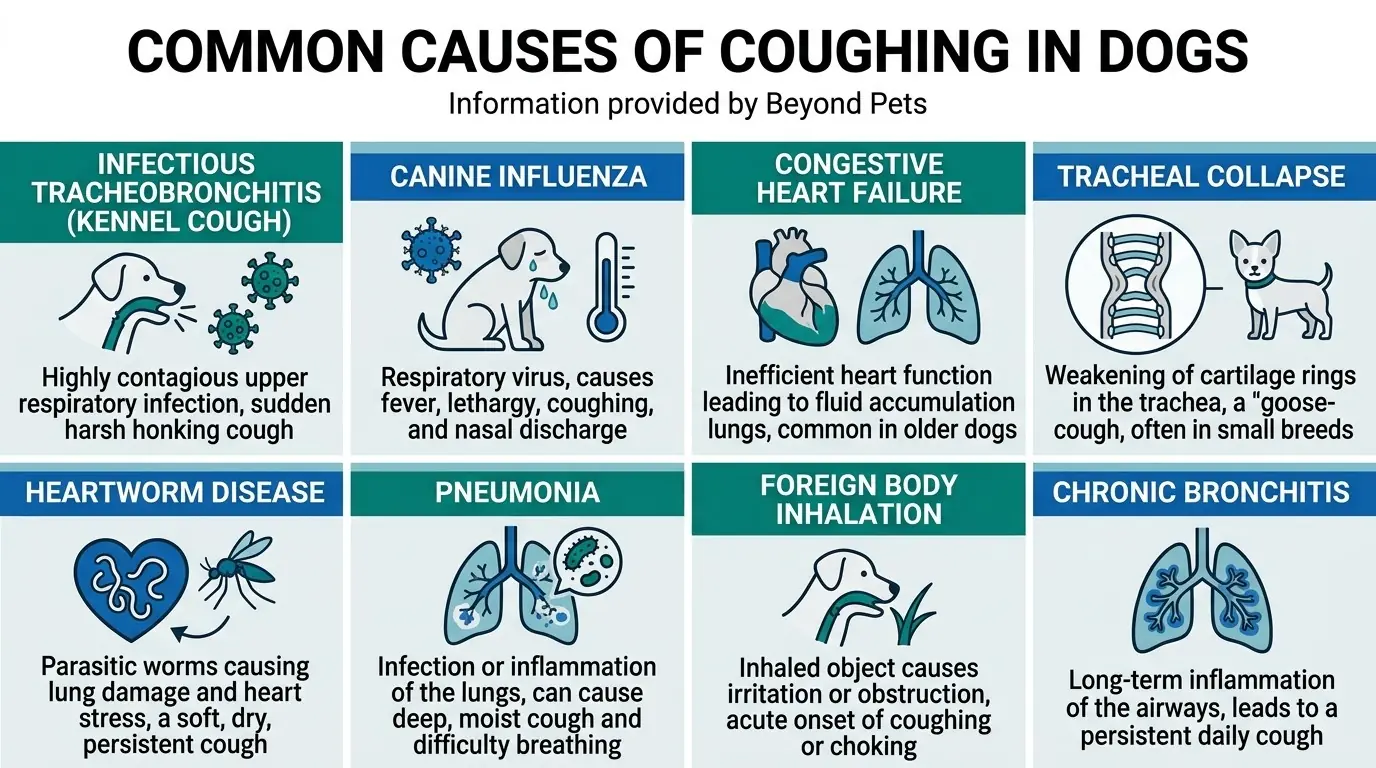
The etiology of a canine cough spans a massive spectrum of infectious agents, structural deformities, inflammatory diseases, and cardiovascular conditions. Pinpointing the exact cause requires an understanding of the dog’s age, breed, environment, and precise clinical presentation. The most frequently diagnosed causes of coughing in general veterinary practice include the following.
- Canine Infectious Respiratory Disease Complex (CIRDC) / Kennel Cough: This is a highly contagious, multifactorial disease syndrome caused by a variety of interacting viral and bacterial pathogens. The primary culprits include the bacterium Bordetella bronchiseptica, the canine parainfluenza virus, and canine adenovirus type 2. Dogs contract these pathogens via aerosolized droplets in high-density environments. The infection causes severe inflammation of the mucosal lining of the trachea and bronchi, resulting in a classic, persistent, dry, hacking cough that easily spreads to other canines.[18]
- Canine Influenza Virus (CIV): Commonly referred to as the dog flu, CIV (primarily strains H3N8 and H3N2) is a highly contagious viral infection that attacks the respiratory epithelium. Unlike standard kennel cough, which is often self-limiting, canine influenza can rapidly progress to severe pneumonia. Dogs with CIV typically exhibit a soft, moist cough, high fever, lethargy, and purulent nasal discharge. Because the virus is relatively new to the canine population, many dogs lack natural immunity, making outbreaks severe.[19]
- Heartworm Disease: Heartworm Disease is a potentially lethal disease caused by heartworms (Dirofilaria immitis), a parasitic nematode transmitted by mosquitoes. The adult worms reside in the pulmonary arteries and right ventricle of the heart, causing massive endothelial damage, vascular resistance, and severe eosinophilic inflammation in the lungs. As the disease progresses, it leads to pulmonary hypertension and right-sided congestive heart failure. A persistent, chronic cough, accompanied by exercise intolerance and weight loss, is one of the primary hallmark indicators of advancing heartworm infection.[20]
- Canine Chronic Bronchitis: This is an inflammatory condition defined by the presence of a chronic daily cough lasting for more than two consecutive months, with no other identifiable underlying cause. It primarily affects middle-aged to older dogs, resulting in the hypersecretion of mucus, mucosal edema, and progressive bronchospasm. The exact trigger is often idiopathic, though long-term exposure to environmental pollutants may play a role. The resulting cough is harsh, unyielding, and significantly impacts the dog’s quality of life.[21]
- Tracheal Collapse: A congenital or acquired progressive condition where the C-shaped rings of hyaline cartilage supporting the trachea lose their rigidity, becoming flattened and flaccid. When the dog breathes in or out rapidly, the negative or positive pressures cause the trachea to collapse inward, narrowing the airway. This mechanical obstruction triggers intense coughing, and in severe cases, the dog might experience difficulty breathing, rapid breathing, or shallow breaths that can escalate to a life-threatening cyanotic crisis.[22]
Less Common Causes of Coughing
Beyond the typical respiratory infections and structural defects, several less frequent but highly significant pathological processes can incite a persistent cough. These diagnoses are often reached after primary causes have been ruled out via diagnostics.
- Pneumonia: Inflammation and consolidation of the pulmonary parenchyma can be caused by bacterial overgrowth, severe viral infections (such as canine distemper), or deep systemic fungal organisms like Blastomyces or Histoplasma. Pneumonia fills the alveoli with inflammatory exudate, severely compromising gas exchange. The result is a deep, moist, productive cough, frequently accompanied by systemic signs such as high fever, profound lethargy, and anorexia.[23]
- Neoplasia (Lung Tumors): Primary pulmonary neoplasia, such as bronchoalveolar carcinoma, or metastatic cancers spreading from the mammary glands, bone (osteosarcoma), or hemangiosarcoma can invade the lung tissues. As the tumors grow, they compress airways, incite localized inflammation, and cause pleural effusions, all of which trigger a chronic, unyielding cough that does not respond to standard antibiotic or supportive therapies.[24]
- Aspiration Pneumonia: This dangerous condition occurs when a dog inadvertently inhales foreign material—such as food, vomit, or gastric acid—directly into the lungs. The acidic contents cause immediate, severe chemical burns to the delicate respiratory epithelium, rapidly followed by a massive secondary bacterial infection. Dogs with laryngeal paralysis, megaesophagus, or those recovering from heavy sedation are at exceptionally high risk. The resulting cough is sudden, wet, and accompanied by acute respiratory distress.[25]
- Lungworm Infection: Parasites such as Angiostrongylus vasorum (French heartworm), Crenosoma vulpis, or Oslerus osleri specifically target the canine respiratory and pulmonary vascular systems. Dogs become infected by ingesting intermediate hosts like snails or slugs. The presence of the worms and their migrating larvae in the lungs triggers an intense eosinophilic and granulomatous inflammatory response, leading to a chronic, hacking cough and potential bleeding disorders.[26]
- Pulmonary Fibrosis: An idiopathic interstitial lung disease characterized by the progressive, irreversible deposition of collagen and scar tissue within the lung interstitium. This condition destroys the normal architecture of the lungs, rendering them stiff and incapable of proper oxygen diffusion. It is highly overrepresented in West Highland White Terriers (“Westie lung disease”). Dogs exhibit a chronic cough, severe exercise intolerance, and distinctly loud, “Velcro-like” crackles upon thoracic auscultation.[27]
Symptoms of Dog Cough
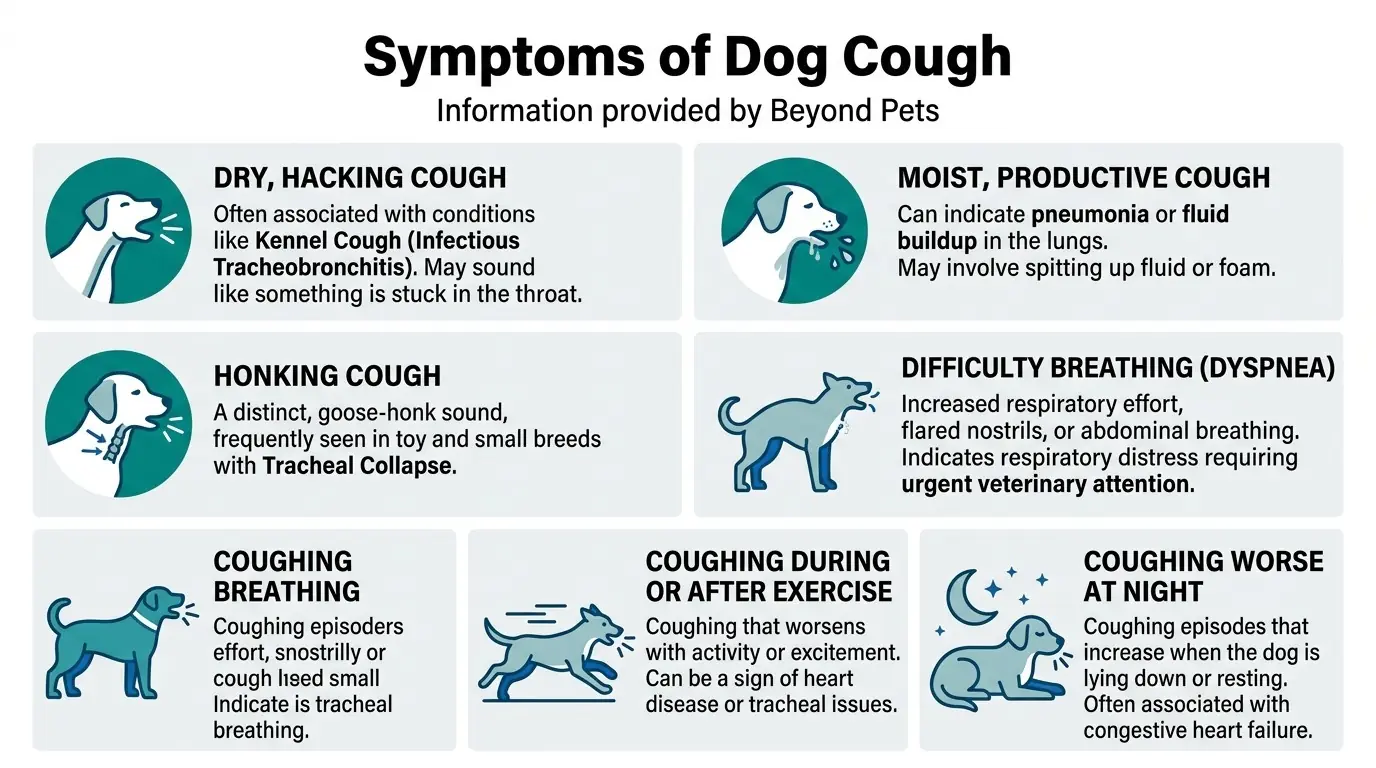
Because a cough is a symptom of an underlying disease rather than a disease itself, it rarely occurs in isolation. Observing the constellation of clinical signs that accompany the cough provides crucial diagnostic clues regarding the severity and origin of the illness. Typical clinical manifestations accompanying a dog’s cough can incorporate the following extensive signs:
- Persistent Coughing: The cadence, rhythm, and persistence of the cough are fundamental. A cough may present as a continual, unrelenting spasm, or it may occur sporadically, such as only upon waking or exclusively during exercise. The character of the cough—whether it is a dry, grating hack or a wet, productive expectoration generating mucus—points directly to the physiological mechanism at play.[28]
- Distinctive Sound: The acoustic signature of the cough is highly diagnostic. A high-pitched, resonant honking sound resembling a goose is strongly correlated with tracheal collapse. Conversely, a deep, moist, rattling cough suggests alveolar fluid accumulation, as seen in pneumonia or congestive heart failure. A dry, raspy cough typically indicates upper airway inflammation, such as infectious tracheobronchitis.
- Gagging or Retching: Due to the anatomical proximity of the respiratory and gastrointestinal tracts, dogs suffering from intense coughing fits often display terminal retching or gagging motions. As the cough propels thick, sticky mucus up the mucociliary escalator and into the pharynx, it stimulates the glossopharyngeal nerve, inducing a gag reflex as the dog attempts to clear its throat or swallow the exudate.
- Breathing Difficulty (Dyspnea): In cases where the respiratory system is severely compromised—such as in pulmonary edema, advanced pneumonia, or airway obstruction—the dog will exhibit overt respiratory distress. This can present as tachypnea (rapid breathing), orthopnea (standing with the neck extended and elbows abducted to maximize lung expansion), shallow breaths, or an exaggerated abdominal effort to push air out of the lungs.
- Lethargy and Exercise Intolerance: Dogs with chronic respiratory or cardiac conditions suffer from systemic hypoxia. The lack of adequate oxygen delivery to the tissues results in profound lethargy, a significant decrease in daily activity levels, and an unwillingness or inability to engage in normal exercise routines.
- Decreased Appetite (Anorexia): The physical exhaustion resulting from chronic coughing, combined with the loss of olfactory function (due to nasal congestion) and systemic malaise, frequently leads to a loss of appetite. Swallowing can also become painful if the pharynx and tonsils are severely inflamed from constant coughing.
- Nasal and Ocular Discharge: If the cough is driven by an infectious upper respiratory pathogen, it is often accompanied by bilateral nasal discharge (which may be clear and serous, or thick and mucopurulent) and conjunctivitis. These signs are classic indicators of viral infections like canine distemper or influenza.
- Fever (Pyrexia): An elevated body temperature (above 102.5°F or 39.2°C) is a strong systemic indicator of an active infectious process. A high fever accompanying a wet cough points heavily toward bacterial bronchopneumonia or a severe systemic viral infection, necessitating immediate medical and pharmacological intervention.
Please note that these symptoms are not mutually exclusive and can overlap significantly depending on the underlying pathology. A dog exhibiting multiple concerning symptoms—especially dyspnea, cyanosis (blue-tinged gums indicating severe oxygen deprivation), or syncope (fainting)—is experiencing a true medical emergency. For instance, any cough associated with a heart murmur or an enlarged heart muscle must be evaluated immediately to prevent catastrophic heart failure. Do not delay in seeking comprehensive veterinary diagnostics.[29]
Diagnosis of Cough in Dogs
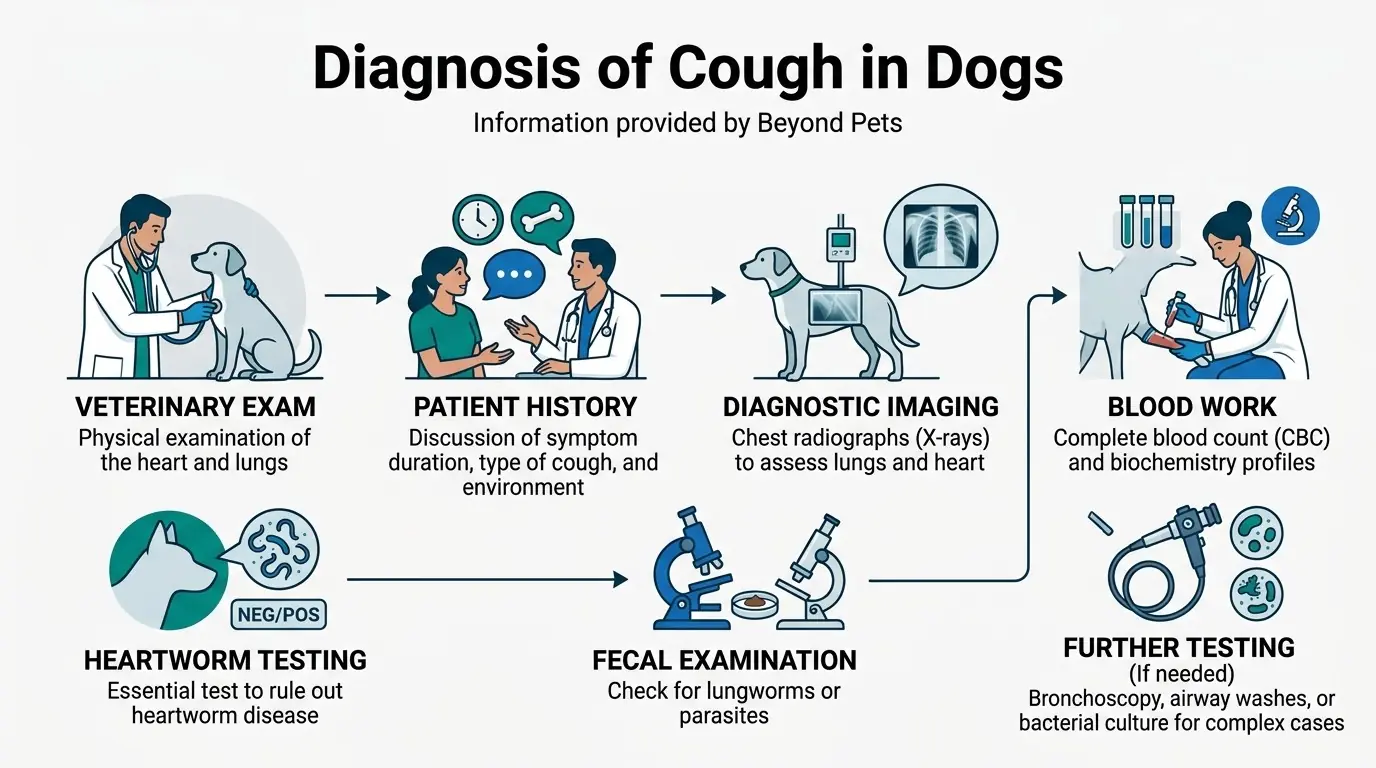
When a canine patient presenting with a persistent or severe cough enters the veterinary clinic, the diagnostic protocol must be meticulous, systematic, and comprehensive. The diagnostic journey begins long before any machines are turned on; it starts with a detailed, exhaustive anamnesis. The veterinarian must acquire a comprehensive understanding of the dog’s health history, including travel history, boarding frequency, vaccination status, and administration of heartworm preventatives. They will inquire deeply into the precise inception, temporal pattern, duration, and specific triggers of the cough (e.g., does it happen only at night, during excitement, or after drinking water?). Identifying associated signs like weight loss, lethargy, or changes in bark tone provides invaluable context.[30]
Following the history, a rigorous physical examination is conducted. The veterinarian will carefully auscultate the thorax using a high-quality stethoscope, meticulously listening to all lung fields and cardiac valves. They are listening for abnormal respiratory sounds: crackles (indicating fluid popping in the alveoli, common in pneumonia or edema), wheezes (indicating narrowed airways, common in bronchitis or asthma), or absence of lung sounds (indicating pleural effusion). A thorough cardiac auscultation will check for murmurs, arrhythmias, or gallop rhythms that suggest a cardiogenic origin for the cough. The vet will also perform a tracheal pinch test—applying gentle pressure to the trachea to see if it elicits an exaggerated, paroxysmal coughing fit, a classic sign of tracheitis or tracheal collapse. Palpation of peripheral lymph nodes and examination of the oral cavity and larynx complete the initial physical assessment.[31]
Dependent on the preliminary findings from the medical history and physical examination, the veterinarian will mandate a series of advanced diagnostic modalities to definitively isolate the underlying cause of the cough. A multi-tiered diagnostic approach is often necessary, incorporating the following essential tests:
- Thoracic Radiographs (Chest X-rays): Radiography is the absolute cornerstone of respiratory diagnostics. Orthogonal views (right lateral, left lateral, and ventrodorsal or dorsoventral) are required to properly visualize the entire thoracic cavity. Radiographs allow the veterinarian to assess the size and shape of the cardiac silhouette (identifying cardiomegaly), evaluate the lung parenchyma for specific disease patterns (alveolar, bronchial, interstitial, or vascular patterns), detect the presence of pulmonary masses or metastatic nodules, and identify structural abnormalities like tracheal collapse or mainstem bronchial compression.[32]
- Complete Blood Count (CBC) and Serum Biochemistry: These foundational blood tests are utilized to screen for systemic signs of infection, inflammation, or metabolic dysfunction. A CBC may reveal a neutrophilic leukocytosis (indicating bacterial infection), eosinophilia (suggesting parasitic infections like heartworm, or severe allergic disease), or anemia. The biochemistry panel helps evaluate overall organ function, which is critical before prescribing potent medications or sedating the dog for advanced imaging.
- Infectious Disease PCR Panels: Swabs of the deep pharynx, conjunctiva, or nasal passages can be submitted for Polymerase Chain Reaction (PCR) testing. These advanced molecular panels can rapidly detect the specific DNA or RNA of common respiratory pathogens, including Bordetella bronchiseptica, Canine Influenza, Canine Adenovirus, and Mycoplasma cynos, allowing for highly targeted antimicrobial therapy.
- Heartworm Antigen and Microfilariae Testing: Given the severe pulmonary implications of heartworm disease, a blood test to detect the antigen produced by adult female Dirofilaria immitis is executed to definitively rule out or confirm heartworm disease as the primary cause of the cough, particularly in endemic regions or in dogs with a lapsed preventative history.
- Tracheal wash or bronchoalveolar lavage (BAL): In cases of chronic, treatment-resistant coughing, obtaining a direct sample from the lower airways is necessary. While under deep sedation or general anesthesia, sterile saline is flushed into the airways and immediately retrieved. The recovered fluid is then submitted for microscopic cytological analysis to identify the specific type of cellular inflammation (neutrophilic, eosinophilic, or macrophagic) and for aerobic and mycoplasma bacterial cultures to guide precise antibiotic selection.[33]
- Laryngoscopy, Bronchoscopy, and Fluoroscopy: For the ultimate visual diagnosis, a rigid or flexible endoscope is passed down the dog’s airway while under anesthesia. This allows the veterinarian to directly visualize the mucosal lining, identify structural abnormalities, locate deep foreign bodies, observe dynamic airway collapse, and take targeted tissue biopsies. Fluoroscopy, a moving x-ray, is the gold standard for diagnosing dynamic tracheal or bronchial collapse that might be missed on static radiographs.
Once the veterinary team has compiled, analyzed, and synthesized all the necessary diagnostic information, they will establish a definitive diagnosis and propose an appropriate, tailored treatment regimen. The complexity of the treatment will depend entirely on the underlying cause. It may range from simple, short-term management to extensive lifestyle changes, chronic therapies, or highly invasive surgical interventions. This comprehensive diagnostic pathway is particularly relevant for obese dogs or brachycephalic breeds, who are inherently more susceptible to severe, compounded cough-related ailments and rapid respiratory decompensation. Please ensure to schedule consistent vet check-ups for your dog to promptly identify and tackle potential health problems before they escalate into chronic states.[34]
Treatment for Coughing in Dogs
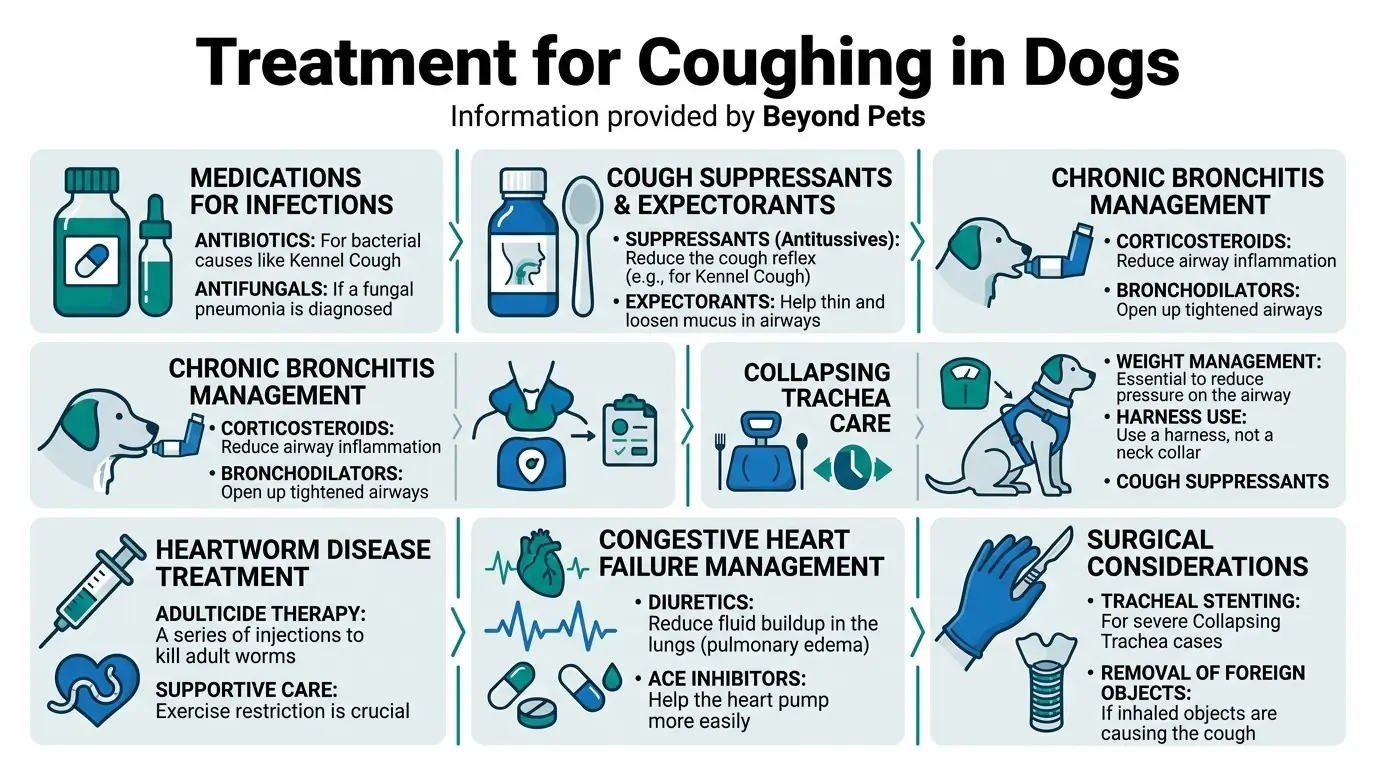
The approach to managing and resolving a dog’s cough hinges completely on accurately identifying the root cause, assessing the clinical seriousness of the condition, and evaluating the dog’s overall systemic health status. Because a cough can stem from a mild viral irritant or a terminal cardiac failure, treatment is never a “one-size-fits-all” scenario. Implementing the wrong treatment—such as suppressing a productive cough caused by pneumonia—can be fatal. The plethora of causes and comprehensive treatment options include the following detailed pharmacological and medical interventions:
Antibiotics
Antibiotics are highly specific pharmacological agents utilized exclusively to manage and eradicate bacterial infections that could trigger or exacerbate coughing in dogs. It is a critical tenet of veterinary medicine that antibiotics only target bacterial organisms; they are completely ineffective and will not relieve coughs instigated by viruses, fungal pathogens, environmental allergies, or cardiovascular diseases. Overprescribing antibiotics for viral kennel cough is strongly discouraged to prevent the rise of multi-drug resistant superbugs. However, when bacterial pneumonia, secondary bacterial tracheobronchitis, or mycoplasma infections are confirmed via culture or strongly suspected based on clinical signs (e.g., high fever, purulent discharge, leukocytosis), prescription antibiotics are life-saving. Below are some frequently employed antibiotics in veterinary respiratory medicine:[35]
- Primary Broad-Spectrum Antibiotics: This class of highly lipophilic antibiotics prescribed by your veterinarian is frequently the first-line defense used to manage respiratory infections in dogs, including those leading to infectious coughing. It has excellent tissue penetration into the respiratory mucosa and is highly effective against primary respiratory pathogens. Furthermore, these medications possess mild anti-inflammatory properties and can effectively counter numerous bacteria and treat other concurrent conditions.
- Combination Prescription Antibiotics: This class of prescription medication pairs a primary antibiotic with an inhibitor, making it a robust, broad-spectrum option that can manage various resilient bacterial infections, including secondary bacterial invasions in the respiratory system. It successfully prevents the bacteria from bypassing common bacterial resistance mechanisms. It is frequently prescribed for community-acquired pneumonias.
- Advanced Prescription Antibiotics: Belonging to a highly potent class of antimicrobials, these bactericidal prescription antibiotics are usually employed to handle severe, deep-seated bacterial infections, including life-threatening bronchopneumonia. They rapidly kill a broad range of bacteria. However, they are reserved for severe cases and should be cautiously administered under strict veterinary supervision.[36]
- Long-Acting Prescription Antibiotics: This class of prescription antibiotics is often employed in managing chronic, stubborn respiratory infections, including those brought about by intracellular bacteria lacking a cell wall that can be notoriously challenging to eliminate. Its long tissue half-life allows for convenient administration schedules, which aids in owner compliance during extended treatment periods.
It is absolutely essential to remember that strictly adhering to the entire course of antibiotics as prescribed by your vet is vital, even if your dog shows rapid improvement and stops coughing before the medication is finished. Non-adherence and premature cessation of the drug leave the strongest, surviving bacteria to replicate, which can directly lead to dangerous antibiotic resistance, heavily complicating the treatment of future infections. Always consult your veterinarian for the most prudent course of action if your dog is coughing. This holds especially true if multiple dogs are affected, as certain highly contagious respiratory diseases in dogs can quickly spread like wildfire in a multi-pet household or boarding facility.
Cough Suppressants
Cough suppressants, medically termed antitussives, are pharmacological agents that can help control, diminish, or completely alleviate the act of coughing in dogs. These medications work primarily on the central nervous system by depressing the cough center located in the medulla oblongata, thereby raising the threshold required to trigger the cough reflex. Suppressants provide massive relief, particularly in cases where the cough is severe, dry, non-productive, and causes immense physical exhaustion, tracheal trauma, or an inability to sleep. However, they are strictly contraindicated in cases of productive coughing (like pneumonia), where the body must clear the lungs of fluid and pus.[37]
- Potent Prescription Cough Suppressants: These highly effective, centrally acting prescription medications are considered the gold standard for effectively suppressing chronic, severe coughing in dogs. They are commonly used as a long-term management tool in chronic, incurable conditions such as severe chronic bronchitis or advanced tracheal collapse. While highly effective and usually well-tolerated, they require careful monitoring to prevent tolerance or sedation.
- Specialized Prescription Cough Suppressants: These are other powerful, centrally acting prescription cough suppressants utilized extensively in veterinary medicine. They are often used for severe, acute, or chronic coughs, such as those associated with severe upper airway irritation, lung cancer, or sudden paroxysms in tracheal collapse. They are available in rapidly acting clinical options for emergency relief, as well as take-home options for ongoing management.[38]
- Advanced Prescription Cough Suppressants: Originally developed and widely known as powerful anti-emetics to stop vomiting, recent clinical applications have shown that these specific prescription medications can also act as effective cough suppressants in certain dogs. By blocking key neurotransmitters involved in the neurokinin pathways of the cough reflex, they can provide significant relief for chronic coughing without the sedating side effects of stronger therapies.
- Over-The-Counter Human Cough Suppressants: These are common over-the-counter medications utilized in human medicine that can help control non-productive coughing. They work on the central nervous system but are significantly less powerful than veterinary prescriptions. Most importantly, a strictly safe, dog-specific formulation is essential, as many human cough formulas contain highly toxic, lethal ingredients like artificial sweeteners, dangerous human decongestants, and human pain relievers. Never give human cough medication to a dog without explicit veterinary direction.
It is crucial to remember that potent cough suppressants should strictly be used under the direct, ongoing guidance of a veterinarian. They are almost always used as part of a broader, comprehensive treatment plan, and it is essential to rigorously identify and address the underlying pathological cause of the cough rather than simply masking the symptom by suppressing it. Again, suppressants must not be used in any cases where a wet, productive cough is actively helping to clear the delicate airways of purulent mucus, edema fluid, or other debris. Always explicitly consult with your vet before administering any new medication to your dog.
Anti-Inflammatory Medications
Anti-inflammatory medications play an instrumental, often life-saving role in treating coughing in dogs, mainly when the coughing is primarily driven by hyper-reactivity, immune-mediated responses, or intense inflammation within the respiratory airways. These drugs forcefully reduce tissue swelling, decrease mucus gland hypersecretion, and alleviate the intense cellular irritation that acts to trigger the cough reflex. Controlling airway inflammation is the cornerstone of treating diseases like chronic bronchitis and allergic airway disease. Here are some commonly used anti-inflammatory therapies in veterinary pulmonary medicine:[39]
- Systemic Prescription Steroids: Systemic prescription steroids are incredibly powerful, broad-spectrum anti-inflammatory and immunosuppressive medications frequently used in veterinary medicine. By inhibiting the arachidonic acid cascade, they can rapidly and effectively reduce profound inflammation and swelling within the lower airways, helping dramatically alleviate coughing fits associated with chronic bronchitis or severe allergic asthma. However, systemic steroids have significant physiological impacts; their long-term use can lead to adverse side effects such as severe polyuria (increased urination), polydipsia (increased thirst), polyphagia (increased appetite), weight gain, and iatrogenic Cushing’s disease. Therefore, they are typically used in carefully adjusted treatment schedules for short-term relief or carefully titrated for chronic conditions under stringent veterinary supervision.
- Inhaled Prescription Steroids: To bypass the systemic side effects of systemic steroids, specialized prescription inhaled steroids represent a highly advanced, localized steroid treatment. Delivered via a specialized canine respiratory device and face mask, the microscopic medication particles are inhaled directly into the lungs. This treats the inflammation precisely at the site of the disease within the airways. This targeted method of administration results in high local efficacy with drastically fewer systemic side effects, making it ideal for the lifelong management of chronic airway inflammatory diseases.[40]
- Veterinary-Prescribed Anti-Inflammatories: Veterinary-prescribed nonsteroidal anti-inflammatory medications can also help reduce mild to moderate tissue inflammation by inhibiting COX enzymes. While these drugs are usually used for orthopedic pain relief or post-surgical analgesia, they can occasionally help in specific cases of upper respiratory inflammation, such as severe tracheitis. However, they are vastly inferior to steroids for managing lung inflammation. Furthermore, they must never be combined with systemic steroids due to the extreme risk of fatal gastrointestinal ulceration. They should be used cautiously, particularly in older dogs with compromised kidney or liver function.
- Veterinary-Recommended Antihistamines: If an acute hypersensitivity or allergic reaction is identified as the primary cause causing the coughing (such as inhaling heavy pollen or dust mites), veterinary-recommended antihistamines can competitively block the H1 receptors, halting the histamine-driven inflammatory response. These therapies can help to alleviate coughing and sneezing due to environmental allergies. While generally safe, they can cause mild sedation and are often not potent enough to stop established, severe airway inflammation on their own.
Bronchodilators
Bronchodilators are a specific class of respiratory medication used to manage coughing and relieve respiratory distress in dogs, especially when the cough fundamentally results from a condition that causes pathologic narrowing, bronchospasm, or constriction of the lower airways. Diseases such as severe chronic bronchitis, allergic airway disease, or the intrathoracic compressive phases of tracheal collapse benefit immensely from these drugs. These medications work directly on the cellular receptors of the airways, relaxing the smooth muscle bands that wrap around the bronchi and widening the air passages deep in the lungs. This drastic widening decreases airway resistance, making breathing significantly easier for the dog, improving oxygen exchange, and passively reducing the stretch-receptor triggering of the coughing reflex.[41]
There are a few distinct pharmacological classes of bronchodilators utilized in veterinary medicine:
- Systemic Airway Relaxants: This class of legacy prescription bronchodilators works primarily by inhibiting the enzyme phosphodiesterase, which leads to increased intracellular cAMP, ultimately relaxing the smooth muscles around the airways in the lungs, allowing them to dilate and remain open. These medications also possess mild anti-inflammatory properties and can actually increase the contractility and strength of the diaphragm muscle, further aiding dogs in respiratory distress. However, they require careful administration to avoid side effects like elevated heart rate, extreme central nervous system excitation, and gastrointestinal upset.
- Fast-Acting Airway Relaxants: These powerful prescription medications act rapidly to open airways. They work by directly stimulating specific adrenergic receptors located predominantly in the smooth muscle lining of the airways. This stimulation mimics the sympathetic nervous system’s “fight or flight” response, causing immediate, profound smooth muscle relaxation and airways to open up rapidly. Short-acting options are frequently delivered via a respiratory device during acute respiratory crises, while longer-acting options can be administered systemically.
- Targeted Airway Modulators: Specific prescription inhaled medications work via a different mechanism, acting as muscarinic receptor antagonists. By blocking certain parasympathetic nerve impulses that normally command the airways to constrict and produce mucus, these drugs lead to passive relaxation, widening of the airways, and a reduction in airway secretions.
It is essential to note that these potent medications should strictly be administered under the direct guidance of a veterinarian, as they can have significant cardiovascular side effects (such as elevated heart rate or arrhythmias) and may not be suitable for all dogs, especially those with concurrent heart disease. Furthermore, while bronchodilators can dramatically help manage coughing and improve airflow, they do not treat or cure the underlying inflammatory or infectious cause of the disease. Therefore, it’s absolutely crucial to work closely with your vet to determine and comprehensively address the true root cause of the coughing, often combining bronchodilators with prescription steroids for maximum effect.
Antiviral Medications
While the vast majority of viral respiratory infections in dogs are managed with supportive care while the dog’s immune system clears the pathogen, antiviral medications can occasionally be utilized to treat severe coughing in dogs when the confirmed cause is a specific, aggressive viral infection, such as highly virulent strains of canine influenza or severe canine distemper. These specialized medications work at the molecular level by inhibiting the virus’s ability to replicate its genetic material or assemble new viral particles, which can significantly reduce the overall viral load, limit tissue destruction, and reduce the severity and duration of the clinical symptoms.[42]
The use of antiviral drugs in veterinary medicine is still highly limited and often considered off-label, but some utilized agents include:
- Specialized Antiviral Medications: These prescription medications are primarily designed to treat severe viral respiratory infections. However, they have been used off-label by veterinarians to treat dogs severely affected by canine influenza or canine parvovirus. They work by binding to and inhibiting key viral enzymes, which the viruses rely on to cleave themselves away from the host cell and spread to infect healthy cells. By trapping the virus, they limit the spread of the infection within the respiratory tract.
- Targeted Antiviral Therapies: Typically used to treat specific severe viral infections, these prescription antivirals have been used occasionally in dogs to treat severe manifestations of canine viral outbreaks, though their pharmacokinetic efficacy and absorption in canines are not well-established in the literature.
- Broad-Spectrum Antiviral Medications: These are comprehensive, synthetic prescription antiviral medications used to treat various severe viral infections. However, their use in small animal medicine is highly restricted. They should be used with extreme caution in dogs due to potentially severe toxic side effects, including severe hemolytic anemia and bone marrow suppression.
It is crucially important for pet owners to note that antiviral medications do not completely cure the infection; they merely suppress viral replication to help manage the symptoms and buy the immune system time to mount a proper defense. Furthermore, they should absolutely only be used under the strict, direct guidance of a veterinary specialist, as improper use can lead to viral resistance or severe toxicity. In addition, these medications can have significant gastrointestinal and hematological side effects, so it’s crucial for dogs receiving these intensive treatments to be closely monitored with serial blood work. Lastly, to have any significant clinical effect, antiviral medications are overwhelmingly most effective when started extremely early in the course of the illness, typically within the first 48 hours of symptom onset.
Fluid Therapy and Oxygen Supplementation
When coughing is a symptom of a massive systemic illness, pharmacological intervention alone is insufficient. Intensive supportive care is often the crucial bridge between life and death in severe respiratory cases.
- Fluid Therapy: Severe, persistent coughing, accompanied by tachypnea, fever, and reduced water intake, rapidly leads to systemic dehydration. Dehydration severely exacerbates coughing in dogs because the mucosal surfaces of the respiratory tract become dry, and the mucous secretions become thick, highly viscous, and impossible for the mucociliary escalator to clear. Systemic fluid therapy involves the precise administration of intravenous fluids to correct hydration deficits, maintain organ perfusion, and support overall systemic health. This fluid therapy must be administered in a veterinary hospital setting under strict monitoring. It rehydrates the respiratory secretions, making them thinner and easier for the dog to expectorate. Venous access also provides a life-saving portal to deliver emergency medications, broad-spectrum antibiotics, and vital electrolytes directly into the bloodstream.[43]
- Oxygen Supplementation (Oxygen Therapy): Oxygen supplementation is arguably the most critical, life-saving part of treatment for dogs suffering from severe coughing due to a compromising respiratory condition such as acute bacterial pneumonia, severe chronic bronchitis, pulmonary edema, or end-stage heart disease. If a dog’s lungs are so compromised that gas exchange fails, their blood oxygen levels plummet (hypoxemia). Supplemental oxygen can rapidly increase the fraction of inspired oxygen (FiO2), helping to ensure the body’s vital organs and tissues receive enough life-sustaining oxygen. This intensive treatment strictly requires veterinary hospitalization. Oxygen may be delivered through a specialized, climate-controlled oxygen cage (the least stressful method), a nasal oxygen cannula, or an emergency flow-by mask. Oxygen therapy can drastically ease the work of breathing, reduce the frantic, hypoxic drive that triggers coughing, and rapidly improve the dog’s comfort and physiological condition while other medical treatments take effect.
Surgery
While the vast majority of coughs are managed medically, surgery for treating coughing in dogs is the definitive, necessary intervention when a distinct physical obstruction, anatomical defect, or structural anomaly is the root cause of the cough. This could include emergency endoscopic or surgical retrieval of choking in dogs caused by foreign bodies lodged deeply in the pharynx, larynx, or lower airway. Surgery is also mandated for the excision of primary lung tumors via a highly invasive procedure known as a lung lobectomy, or for addressing severe structural abnormalities like laryngeal paralysis (via an arytenoid lateralization “tie-back” surgery). In advanced, medically refractory cases of collapsing trachea, specialized surgical intervention is required. Veterinary surgeons can place extraluminal prosthetic rings around the cervical trachea to hold it open, or an interventional specialist can deploy an intraluminal, self-expanding nitinol stent directly inside the airway using fluoroscopic guidance to physically hold the collapsing windpipe open. In some cases, major cardiovascular surgical intervention (such as patent ductus arteriosus ligation or mitral valve repair) might be needed to address the underlying cardiac issue if the severe cough is a primary symptom of a progressive, severe heart condition. The specific type, risk profile, and complexity of the surgery will depend entirely on the specific root cause and exact anatomical location of the problem. It is paramount to discuss all available options, associated financial costs, inherent risks, and long-term benefits thoroughly with your primary veterinarian or a board-certified veterinary surgeon to make the best, most informed decision for your dog’s health and ultimate quality of life.
Prevention for Dry Cough in Dogs
The ultimate cornerstone of deterring infectious and environmental dry coughs in dogs involves maintaining an incredibly robust immune system, prioritizing optimal systemic health, and rigorously minimizing contact with potential airborne irritants and highly contagious infection carriers. Preventing a disease is always safer, more comfortable for the pet, and less expensive than treating a full-blown clinical illness. Here are some extensive, highly effective strategies to avert dry coughs and respiratory distress in your beloved pet:
- Routine veterinary examinations: Preventive medicine is paramount. Organize consistent vet check-ups for your dog to promptly identify and tackle potential health problems, including subtle early signs of heart disease or airway abnormalities that may ultimately result in severe coughing later in life. Annual thoracic auscultation by a professional can detect murmurs and early respiratory changes before the dog ever exhibits a cough.
- Avoid sick dogs and high-density environments: Infectious respiratory pathogens are highly concentrated where many dogs gather. Keep your dog strictly away from other dogs showing any signs of respiratory illness, coughing, or nasal discharge. Pathogens can rapidly spread through aerosolized droplets, easily inducing severe coughing in your pet. Exercise extreme caution in dog parks, communal water bowls, and large boarding facilities.
- Maintain pristine environmental hygiene: Regularly and thoroughly clean your dog’s primary living areas. Wash their bedding, soft toys, and food/water dishes with pet-safe, veterinary-approved disinfectants. This protocol helps to minimize chronic contact with accumulated environmental irritants, dust mites, and harmful lingering microorganisms that can trigger airway reactivity.
- Use of environmental humidifiers: A severely dry indoor atmosphere, particularly during the winter months when central heating is utilized, can desiccate the delicate respiratory mucosa and massively intensify a dry cough. Utilizing a humidifier in the rooms where your dog sleeps can significantly aid in maintaining ideal ambient humidity levels, keeping the airways moist, and actively prevent irritation and the development of a chronic cough in your dog.
- Steer entirely clear of airborne irritants: The canine respiratory tract is exceptionally sensitive to chemical particulates. Shield your dog entirely from second-hand cigarette smoke, harsh aerosolized cleaning sprays, strong perfumes, diffusers with essential oils, and other noxious airborne irritants that could directly chemically incite a severe coughing spasm or trigger chronic bronchitis.
- Manage systemic allergies: If your dog is known to suffer from atopy or environmental allergies, it is imperative to coordinate closely with your vet to design a comprehensive, long-term management plan. This may include anti-inflammatory therapies, highly specific hypoallergenic dietary modifications, and drastic environmental alterations (like utilizing HEPA air purifiers) to prevent allergic airway disease from manifesting as a chronic cough.
- Maintain a highly balanced, lean body weight: Obesity is a severe compounding factor in respiratory disease. Excess adipose tissue around the chest wall and within the abdomen can exert massive physical pressure on your dog’s respiratory system and diaphragm, making them drastically more prone to airway collapse, restricted breathing, and chronic coughing. Ensure your dog maintains a healthy weight with a balanced diet and regular exercise, as weight loss alone can drastically reduce coughing in dogs with tracheal collapse or bronchitis.
- Strict parasite prevention: Administer highly consistent, year-round, veterinary-prescribed heartworm preventative medication. This is the only way to reliably guard your dog against the devastating effects of heartworm disease, a primary, lethal, and entirely preventable cause of severe chronic coughing and cardiopulmonary failure.
- Mitigate chronic stress: Chronic stressful circumstances and anxiety can severely debilitate your dog’s systemic immune system, drastically increasing cortisol levels and making them significantly more vulnerable to opportunistic respiratory sickness. Lessen environmental stress by ensuring a highly comfortable, safe, enriched environment and a steady, predictable daily routine.
- Comprehensive Vaccinations: Your dog’s specific, customized vaccination protocol will rely heavily on their age, lifestyle, underlying health condition, and the localized geographic prevalence of infectious diseases. Always collaborate extensively with your vet to establish and maintain the optimal, highly protective vaccination schedule for your pet to prevent infectious respiratory outbreaks.
In highly concentrated places where dogs regularly congregate, like busy dog parks, grooming salons, or boarding kennels, it is an absolute necessity to ensure that your pet is adequately vaccinated to actively prevent the high-risk transmission of kennel cough and canine influenza. Remember, rigorous prevention always trumps reactive treatment for keeping your dog from getting sick and suffering through a painful illness. However, if your dog suddenly starts coughing despite your best, most diligent preventive efforts, do not delay—promptly take your dog to the vet for a thorough further evaluation and an appropriate, targeted course of treatment. It’s unequivocally vital to heed these meticulous steps to keep your dog vibrantly healthy and diminish the probability of a debilitating dry cough developing. As always, consult your veterinarian before making any changes to your pet’s care, diet, or medication regimen to ensure maximum safety and efficacy.
Vaccination for Coughing in Dogs
Vaccination is critical in preventing certain types of infectious coughs in dogs, particularly those severe, highly contagious outbreaks caused by Bordetella bronchiseptica (the primary bacterial agent of kennel cough), the canine parainfluenza virus, and the highly virulent canine influenza virus. Maintaining robust herd immunity through vaccination protects not only your dog but vulnerable puppies and immunocompromised seniors in the community.
- Bordetella Vaccination: The bacterium Bordetella bronchiseptica is a ubiquitous, highly common cause of respiratory disease (often grouped under the umbrella of kennel cough) in dogs. It is wildly contagious, binding directly to the respiratory cilia and paralyzing them, which causes a relentless, harsh, dry, hacking cough. The Bordetella vaccine actively helps to prevent this debilitating condition or massively reduce the severity of clinical signs if exposure occurs. This vital preventative treatment can be administered by your veterinarian through several routes, including mucosal application. The mucosal routes are often preferred because they stimulate rapid, localized IgA immunity directly at the site where the bacteria attempts to enter the body. Typically, vets highly recommend this vaccine to be updated every 6 to 12 months for dogs that frequently visit boarding facilities, dog parks, busy grooming salons, training classes, or any public place where they are directly exposed to many other dogs.
- Canine Parainfluenza Vaccination: Parainfluenza Vaccination: Canine parainfluenza virus is another common cause of the highly contagious kennel cough complex. This virus attacks the epithelial lining of the upper respiratory tract. Protection against this specific virus is conveniently included in the standard combination core respiratory and systemic vaccine, which is considered an absolute core vaccine that all dogs must receive regardless of their lifestyle. It’s typically given in a tightly scheduled series of immunizations to young puppies to overcome maternal antibodies, and then subsequently administered to adult dogs every 1 to 3 years based on modern immunological guidelines.
- Canine Influenza Vaccination: Canine influenza (the dog flu) is a relatively novel, highly aggressive viral pathogen that can cause explosive coughing outbreaks in dogs, along with high fevers and other severe respiratory symptoms that frequently progress to bacterial pneumonia. There are two primary strains of the dog flu virus actively circulating globally (H3N8, which originated from horses, and H3N2, which originated from birds). Highly effective bivalent vaccines are available that protect against both dangerous strains simultaneously. Because it is a non-core, lifestyle-dependent vaccine, these immunizations are generally strongly recommended and given to dogs at a high risk of exposure to the virus, such as those that are frequently boarded, attend high-volume doggy daycare, are shown in competitive dog shows, or travel extensively to areas with known, active viral outbreaks.
Frequently Asked Questions
Is canine cough the same as kennel cough?
Yes, the terms “canine cough,” “kennel cough,” and “Canine Infectious Respiratory Disease Complex (CIRDC)” are essentially interchangeable terms used within both the public and veterinary spheres to describe the exact same highly contagious clinical condition. Kennel cough refers to a broad, multifactorial respiratory infection syndrome that deeply affects the upper airways (trachea and bronchi) of dogs. The moniker “kennel cough” originated because the infection is notoriously, rapidly spread in high-density environments where dogs are kept in close, stressful confinement with poor ventilation, such as large boarding kennels, rescue shelters, or crowded dog parks. The condition is overwhelmingly characterized by a sudden, harsh, dry, persistent cough that owners frequently describe as sounding like a honking goose or a severe choking hack. It is critical to understand that kennel cough is not caused by a single, solitary pathogen; rather, it is a complex syndrome triggered by a synergistic combination of multiple infectious agents. The most prominent bacterial culprit is Bordetella bronchiseptica, which actively paralyzes the respiratory cilia, while the primary viral instigators include the canine parainfluenza virus, canine adenovirus type 2, and canine respiratory coronavirus. Due to its multifactorial nature, preventing and treating canine cough requires a comprehensive approach involving proper hygiene, targeted vaccinations, and prompt veterinary diagnostics.
What if the kennel cough isn’t treated?
If a dog suffering from kennel cough is left entirely untreated, the infection can rapidly progress from a mild, self-limiting upper airway irritation to a severe, life-threatening lower respiratory complication, significantly prolonging the immense discomfort and physical exhaustion for the affected dog. While mild cases of viral kennel cough can sometimes be self-limiting and resolve strictly on their own within two to three weeks with intense rest and immune support, veterinary treatment is incredibly vital to alleviate severe symptoms, drastically reduce the brutal severity of the coughing spasms (which can tear tracheal tissue), and most importantly, actively prevent catastrophic secondary bacterial infections. Without immediate and appropriate veterinary treatment, the initial primary viral or bacterial infection severely strips and weakens the mucosal lining of the respiratory system, completely disabling the mucociliary escalator. This leaves the deep lungs completely exposed and highly susceptible to massive secondary bacterial invasions, which can rapidly culminate in severe, life-threatening bacterial bronchopneumonia. Furthermore, untreated kennel cough causes persistent, violent coughing that completely disrupts the dog’s ability to sleep, eat, or drink, leading to rapid dehydration and profound lethargy. An untreated dog remains a highly contagious biological shedding hazard, silently spreading the potent infection to every other vulnerable dog they encounter in their environment. Ultimately, chronic, unmanaged respiratory inflammation can lead to permanent, irreversible lung damage and chronic airway remodeling, permanently reducing the dog’s lifetime respiratory function. Therefore, veterinary intervention is strictly required to ensure accurate diagnosis and the deployment of necessary medical therapies.
Why is my dog coughing and choking?
A dog that is simultaneously exhibiting intense coughing and severe choking behaviors is experiencing a complex, multifaceted respiratory or pharyngeal reflex response, which can stem from a wide variety of serious, potentially life-threatening physiological or anatomical abnormalities. One highly common reason is the presence of an acute, severe respiratory infection, such as advanced kennel cough or severe bacterial pneumonia, where massive amounts of thick, sticky, purulent mucus are forcefully coughed up from the deep lungs into the pharynx, triggering a violent gagging and choking reflex as the dog frantically attempts to swallow or expectorate the overwhelming volume of fluid. Another critical, emergency-level cause is the acute ingestion or inhalation of a physical foreign object—such as a fragmented bone, a piece of a shattered toy, a sharp grass awn, or a tightly lodged stick—which creates a direct mechanical obstruction in the larynx or trachea, triggering an unrelenting, desperate combination of coughing and choking as the body violently attempts to clear the blocked airway to prevent asphyxiation. Additionally, severe structural airway deformities, particularly end-stage collapsing trachea seen frequently in toy breeds, cause the windpipe to physically flatten and snap shut during excitement or exercise, leading to profound coughing and a terrifying sensation of choking due to absolute oxygen starvation. Finally, advanced cardiovascular conditions, such as severe congestive heart failure, result in cardiomegaly (a massively enlarged heart) that physically crushes the mainstem bronchi from the outside, while simultaneously flooding the delicate alveoli with fluid (pulmonary edema), causing the dog to cough deeply and choke on its own bodily fluids. Due to the high potential for fatal airway obstruction or sudden cardiac collapse, any dog exhibiting combined coughing and choking must be transported to a veterinary emergency hospital immediately for rapid stabilization, life-saving oxygen therapy, and comprehensive diagnostics.
Schedule a Veterinary Appointment
If your dog is experiencing a persistent, severe, or worsening cough, do not wait for the symptoms to escalate. Early diagnosis and intervention are critical for a successful recovery. Contact your primary care veterinarian today to schedule a comprehensive respiratory evaluation and protect your pet’s health.
References
- Merck Veterinary Manual. Coughing in Animals. Merck & Co., Inc., 2022.
- Mazzaferro, E. M. Pathophysiology and management of the cough reflex. Journal of Veterinary Emergency and Critical Care, 2011.
- VCA Animal Hospitals. Coughing in Dogs. VCA, 2023.
- American Veterinary Medical Association. Canine Infectious Respiratory Disease Complex. AVMA, 2021.
- Veterinary Information Network (VIN). Kennel Cough in Dogs. Veterinary Partner, 2020.
- Johnson, L. R., et al. Chronic Bronchitis in Dogs. Veterinary Clinics of North America: Small Animal Practice, 2019.
- ACVIM. Consensus Statement on the Management of Canine Chronic Bronchitis. American College of Veterinary Internal Medicine, 2020.
- Merck Veterinary Manual. Tracheal Collapse in Dogs. Merck & Co., Inc., 2022.
- VCA Animal Hospitals. Tracheal Collapse in Dogs. VCA, 2023.
- Dear, J. D. Bacterial Pneumonia in Dogs and Cats. Veterinary Clinics of North America, 2015.
- American Veterinary Medical Association. Heart Disease in Pets. AVMA, 2022.
- Veterinary Information Network (VIN). Laryngeal Paralysis in Dogs. Veterinary Partner, 2021.
- Merck Veterinary Manual. Pleural Effusion in Dogs. Merck & Co., Inc., 2022.
- Hawkins, E. C. Disorders of the pharynx and larynx. Textbook of Veterinary Internal Medicine, 2005.
- VCA Animal Hospitals. Gagging and Retching in Dogs. VCA, 2023.
- Tappin, S. W. Canine tracheal collapse. Journal of Small Animal Practice, 2016.
- American College of Veterinary Surgeons. Tracheal Collapse. ACVS, 2020.
- American Veterinary Medical Association. Canine Infectious Respiratory Disease Complex. AVMA, 2023.
- Centers for Disease Control and Prevention. Key Facts about Canine Influenza (Dog Flu). CDC, 2023.
- American Heartworm Society. Current Canine Guidelines for the Diagnosis, Prevention, and Management of Heartworm Infection. AHS, 2020.
- Bexfield, N., et al. Canine idiopathic chronic bronchitis. Veterinary Clinics of North America, 2019.
- Veterinary Information Network (VIN). Tracheal Collapse. Veterinary Partner, 2021.
- Merck Veterinary Manual. Pneumonia in Dogs. Merck & Co., Inc., 2022.
- VCA Animal Hospitals. Lung Tumors in Dogs. VCA, 2023.
- Kogan, D. A., et al. Aspiration pneumonia in dogs. Compendium on Continuing Education for the Practicing Veterinarian, 2008.
- Companion Animal Parasite Council. Lungworm Guidelines. CAPC, 2022.
- Heikkila, H. P., et al. Canine idiopathic pulmonary fibrosis in West Highland white terriers. Veterinary Clinics of North America, 2014.
- Merck Veterinary Manual. Physical Examination of the Respiratory System. Merck & Co., Inc., 2022.
- VCA Animal Hospitals. Respiratory Distress in Dogs. VCA, 2023.
- Cohn, L. A. The Diagnostic Approach to Coughing Dogs. Veterinary Clinics of North America: Small Animal Practice, 2018.
- Veterinary Information Network (VIN). Auscultation of the Chest. Veterinary Partner, 2020.
- Mantis, P. Thoracic radiography in the dog and cat. In Practice, 2006.
- Merck Veterinary Manual. Bronchoalveolar Lavage. Merck & Co., Inc., 2022.
- American College of Veterinary Surgeons. Brachycephalic Syndrome. ACVS, 2021.
- American Veterinary Medical Association. Antimicrobial Use and Resistance. AVMA, 2023.
- Papich, M. G. Antimicrobial therapy for respiratory infections. Veterinary Clinics of North America, 2011.
- Merck Veterinary Manual. Antitussives. Merck & Co., Inc., 2022.
- VCA Animal Hospitals. a prescription cough suppressant. VCA, 2023.
- Carey, S. A. Anti-inflammatory therapies for respiratory disease. Veterinary Clinics of North America, 2018.
- Veterinary Information Network (VIN). Inhalant Therapy for Respiratory Disease. Veterinary Partner, 2021.
- Merck Veterinary Manual. Bronchodilators. Merck & Co., Inc., 2022.
- Sykes, J. E. Antiviral therapy in veterinary medicine. Veterinary Clinics of North America, 2014.
- VCA Animal Hospitals. Fluid Therapy in Pets. VCA, 2023.