


 April 24, 2023
 Phil Good, DVM
Canine Distemper: Causes, Symptoms, Treatment & Prevention
This content was prepared with AI assistance and reviewed by a licensed professional for accuracy.
As a veterinarian, I frequently encounter conditions that challenge both our medical resources and the emotional resilience of pet owners, but few diseases are as devastating as canine distemper. This highly contagious, multisystemic viral disease has threatened the global canine population for more than a century. Despite the widespread availability of highly effective vaccines, canine distemper remains a profound clinical threat. The disease primarily targets the respiratory, gastrointestinal, and central nervous systems, leading to a complex array of symptoms that can rapidly deteriorate a dog’s health. Understanding the intricate nature of this virus, from its transmission pathways to its cellular pathogenesis, is vital for every pet owner, shelter worker, and veterinary professional. Canine distemper is entirely preventable, yet outbreaks continue to occur, particularly among unvaccinated dogs, young puppies, and highly concentrated animal populations.[1]
The history of canine distemper provides critical context for why it remains such a feared illness today. First isolated in the early 20th century by French researcher Henri Carré, the virus was responsible for staggering mortality rates among domestic dogs before the advent of modern veterinary immunology. Prior to the development of the first modified live vaccines in the 1950s, distemper was the leading infectious cause of death in dogs worldwide. Today, while widespread vaccination has drastically reduced its prevalence in domestic pets, the virus circulates continuously within wildlife reservoirs. This ecological persistence means that the threat of exposure is always present, even in urban and suburban environments. Unvaccinated domestic dogs who encounter infected wildlife or venture into contaminated environments are at profound risk. The disease is characterized by an agonizingly high mortality rate; adult dogs that contract the virus face a mortality rate of up to 50 percent, while in young puppies, the fatality rate can tragically exceed 80 percent.[2]
The clinical progression of canine distemper is notably complex and biphasic, meaning it often presents in two distinct waves of illness. This unique disease trajectory frequently confounds early diagnosis, as the initial symptoms can closely mimic a variety of common, less severe respiratory or gastrointestinal infections. By the time the virus breaches the central nervous system to cause irreversible neurological damage, therapeutic interventions are largely supportive and palliative. To navigate the dangers of this virus, we must engage in a comprehensive exploration of its etiology, its systemic assault on the canine body, the nuanced diagnostic tools required for its detection, and the intensive nursing care necessary for treatment. Furthermore, we must prioritize community-wide vaccination efforts to protect vulnerable populations. We will systematically break down every aspect of canine distemper to equip you with the highest standard of veterinary knowledge.[3]
What Causes Distemper in Dogs?
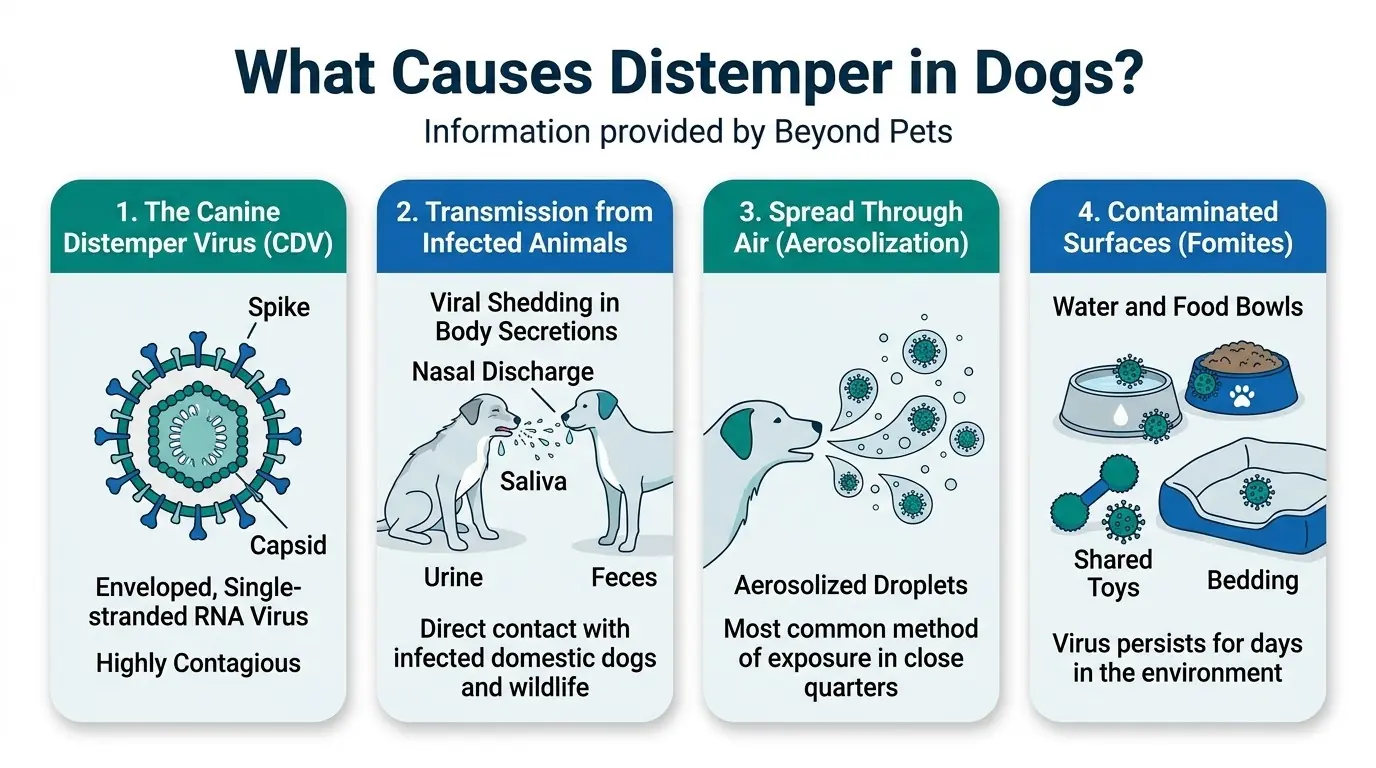
Canine distemper is caused by the Canine Distemper Virus (CDV), a highly pathogenic, single-stranded, negative-sense RNA virus. Taxonomically, CDV is classified within the genus Morbillivirus, which belongs to the larger family Paramyxoviridae. If the term “morbillivirus” sounds familiar, it is because this genus also includes the human measles virus and the rinderpest virus that historically affected cattle. These viruses share a common genetic architecture and evoke similar pathological mechanisms within their respective host species. However, it is important to understand that CDV is uniquely adapted to specific animal hosts and is highly specialized in how it infiltrates and subverts the canine immune system. The virus is enveloped in a delicate lipoprotein layer, a structural characteristic that heavily influences its survival outside the host’s body.[4]
Because of this fragile lipid envelope, the canine distemper virus is remarkably unstable in the open environment. Unlike hardy, non-enveloped pathogens such as canine parvovirus—which can survive in soil for months or even years—CDV is easily destroyed by environmental elements. The virus is rapidly inactivated by ultraviolet radiation from sunlight, heat, drying, and routine hospital-grade disinfectants. At room temperature, the virus typically survives for only a few hours. However, in near-freezing or freezing temperatures, CDV can persist in the environment for several weeks, which explains why seasonal spikes in distemper outbreaks are frequently observed during the cold winter months. Despite its environmental fragility, the virus compensates through extraordinary transmissibility during direct animal-to-animal contact.[5]
The primary route of CDV transmission is through the aerosolization of respiratory exudates. When an infected dog coughs, sneezes, or even pants heavily, microscopic droplets containing thousands of viral particles are expelled into the surrounding air. If a susceptible dog inhales these infectious droplets, the virus immediately begins colonizing the lymphatic tissue of the upper respiratory tract. Beyond aerosol transmission, the virus is heavily shed in all bodily secretions and excretions of an infected animal. This includes saliva, ocular discharge, nasal mucus, urine, and feces. Consequently, indirect transmission can occur via contaminated fomites—inanimate objects such as shared food and water bowls, kennel surfaces, bedding, and even the hands and clothing of human caretakers. While fomite transmission is less common than direct respiratory spread, it remains a critical concern in high-density housing situations like animal shelters and breeding facilities. Furthermore, transplacental transmission can occur; if a pregnant female becomes infected, the virus can cross the placental barrier, leading to abortion, stillbirth, or the birth of profoundly compromised, persistently infected puppies.[6]
The epizootiology of canine distemper is significantly complicated by the vast array of wildlife species that serve as natural reservoirs for the virus. Canine distemper is not strictly a disease of domestic dogs. The virus seamlessly infects a wide variety of wild carnivores, including raccoons, gray foxes, red foxes, coyotes, wolves, skunks, minks, badgers, and ferrets. In recent decades, viral spillover events have even caused devastating distemper outbreaks in exotic big cats, notably decimating lion populations in the Serengeti ecosystem, as well as threatening endangered species like the African wild dog and the black-footed ferret. In North America, the raccoon population serves as one of the most prolific reservoirs for CDV. Raccoons frequently forage in suburban neighborhoods, crossing paths with domestic dogs and leaving behind highly infectious bodily fluids. Because we cannot vaccinate or control the wildlife population at large, these sylvatic reservoirs ensure that the canine distemper virus remains a perpetual environmental hazard, constantly threatening domestic dogs whose immunity has lapsed.[7]
Once the virus enters a susceptible dog, its cellular invasion is swift and devastating. CDV initially targets macrophages—specialized immune cells that patrol the mucosal surfaces of the respiratory tract. Ironically, the very cells designed to destroy invading pathogens are hijacked by the virus. The infected macrophages act as Trojan horses, transporting the replicating virus to the local tonsils and bronchial lymph nodes. From here, the virus enters the bloodstream, resulting in a primary viremia that distributes the pathogen throughout the entire lymphatic system, including the spleen, thymus, and bone marrow. This massive viral replication causes profound immunosuppression, rendering the dog highly vulnerable to opportunistic bacterial and fungal infections. Following this initial immunosuppressive phase, the virus launches a secondary viremia, spreading aggressively to the epithelial tissues of the lungs, gastrointestinal tract, skin, and, most disastrously, the central nervous system. This systemic dissemination sets the stage for the severe, multi-organ clinical symptoms that characterize the disease.[8]
Symptoms of Canine Distemper
The clinical manifestation of canine distemper is notoriously variable, and the severity of symptoms largely depends on the viral strain, the age of the dog, and the competency of the individual dog’s cellular immune response. The incubation period—the time between initial exposure to the virus and the onset of clinical signs—typically ranges from one to four weeks. During this hidden phase, the virus is silently amplifying within the lymphatic system, destroying white blood cells and dismantling the dog’s immune defenses. Because the symptoms evolve as the virus travels through different organ systems, canine distemper is often described as a progressive, multisystemic disease. It rarely presents with all its classic signs simultaneously; instead, it unfolds in a deceptive, staged manner.[9]
One of the earliest and most easily missed physiological indicators of a canine distemper infection is the biphasic fever. Approximately three to six days after exposure, the infected dog will experience an initial temperature spike, often reaching between 103°F and 105°F (39.4°C to 40.5°C). During this first febrile episode, the dog may appear mildly lethargic or exhibit a transient loss of appetite, but distinct localized symptoms are usually absent. Because this initial fever typically resolves on its own within a few days, pet owners rarely seek veterinary care at this stage, assuming the dog simply had a minor, passing ailment. However, this silent period is accompanied by severe leukopenia—a dangerous drop in white blood cells—which leaves the dog immunologically defenseless. Several days to a week later, a second, more severe fever emerges, and it is during this secondary febrile phase that the overt, devastating clinical symptoms of distemper explode.[10]
The sheer variety of symptoms caused by CDV can mimic numerous other canine illnesses. Because the virus infects epithelial cells across multiple organ systems, the clinical picture often resembles a combination of a severe respiratory infection, an acute gastrointestinal crisis, and a progressive neurological degenerative disorder. It is this multisystemic assault that makes distemper so challenging to treat and so frequently fatal. To understand the clinical progression of the disease, veterinary medicine broadly divides the symptomatology into two distinct phases: the acute mucosal (first stage) symptoms, which affect the epithelial linings of the eyes, lungs, and gut, and the subsequent neurological (second stage) symptoms, which result from the viral invasion of the brain and spinal cord.[11]
First Stage Symptoms:
The first stage of canine distemper is characterized by the virus’s violent assault on the mucosal and epithelial tissues of the body. Because the virus targets the respiratory system early in its pathogenesis, the initial clinical presentation often mimics severe kennel cough or canine infectious respiratory disease complex (CIRDC). The most consistent early sign is copious, thick discharge from the eyes and nose. Initially, this discharge may be clear and serous, but as secondary bacterial invaders colonize the compromised mucous membranes, the discharge rapidly becomes thick, yellow, green, and highly purulent. The conjunctiva of the eyes becomes intensely inflamed (conjunctivitis), and the virus can attack the lacrimal glands, leading to keratoconjunctivitis sicca (dry eye), which can cause painful corneal ulcerations and permanent scarring.[12]
As the viral infection descends deeper into the lower respiratory tract, it causes severe damage to the ciliated epithelial cells lining the trachea and bronchi. These cells are responsible for sweeping mucus and debris out of the lungs; their destruction paralyzes the respiratory clearance system. This leads to a harsh, persistent, and often productive cough. The primary viral pneumonia quickly paves the way for secondary bacterial pneumonia, caused by opportunistic pathogens such as Bordetella bronchiseptica, Mycoplasma species, and Streptococcus zooepidemicus. This secondary bacterial infection drastically exacerbates the clinical picture, leading to labored breathing (dyspnea), rapid breathing (tachypnea), severe lethargy, and potentially fatal hypoxemia. Many dogs in this stage are misdiagnosed with standard kennel cough until their symptoms fail to respond to routine prescription therapies and begin to systematically worsen.[13]
Simultaneously, the virus ruthlessly attacks the epithelial cells lining the stomach and intestines. The invasion of the dog’s gastrointestinal tract results in widespread cell death, villous atrophy, and an inability to absorb nutrients and water. This manifests clinically as profound anorexia, intractable vomiting, and severe diarrhea. The diarrhea is often watery and foul-smelling, and as the intestinal lining sloughs away, it frequently becomes hemorrhagic (bloody). The combination of high fever, vomiting, and diarrhea rapidly leads to critical dehydration, electrolyte imbalances, and hypovolemic shock. Furthermore, the intense gastrointestinal inflammation increases the risk of intussusception—a life-threatening condition where a segment of the intestine telescopes into an adjacent segment, causing a complete bowel obstruction.[14]
In addition to the respiratory and gastrointestinal manifestations, the first stage of distemper often includes distinct dermatological signs. Many infected puppies will develop a pustular dermatitis, characterized by the eruption of small, pus-filled blisters on the hairless areas of the ventral abdomen. While these skin lesions are generally not life-threatening and usually resolve as the immune system attempts to fight the virus, they are an important clinical clue for veterinarians attempting to differentiate distemper from other common puppyhood illnesses. Throughout this entire first stage, the dog’s survival hinges entirely on aggressive supportive care. If the dog’s immune system mounts a rapid and robust neutralizing antibody response, the virus may be cleared from the epithelial tissues, and the dog may slowly recover. However, if the immune response is delayed or insufficient, the virus relentlessly breaches the blood-brain barrier, ushering in the catastrophic second stage of the disease.[15]
Second Stage Symptoms:
The second stage of canine distemper is defined by the profound and often irreversible damage the virus inflicts upon the central nervous system (CNS). This neurological phase can develop concurrently with the respiratory and gastrointestinal symptoms, or it can appear deceptively late—weeks or even months after the dog appears to have fully recovered from the initial mucosal phase. The virus enters the brain through the cerebrospinal fluid and directly infects astrocytes and microglial cells, which are the supportive structures of the nervous system. This triggers a catastrophic cascade of viral-induced damage and subsequent immune-mediated inflammation, leading to non-suppurative encephalomyelitis. The resulting neurological disorders are diverse, terrifying, and frequently permanent.[16]
Seizures are one of the most common and distressing hallmarks of the neurological phase. These can range from localized focal seizures to massive, generalized tonic-clonic (grand mal) seizures. A highly specific seizure pattern unique to canine distemper is the “chewing gum fit.” During this type of focal motor seizure, the dog involuntarily snaps its jaw and repeatedly chomps its teeth together, as if aggressively chewing a sticky piece of gum, often accompanied by excessive salivation and a blank, distant stare. As the virus spreads through the cortex and the brainstem, seizures can become more frequent, potentially culminating in status epilepticus—a continuous state of seizing that rapidly leads to fatal hyperthermia and irreversible brain damage if not immediately interrupted with powerful veterinary interventions.[17]
Beyond seizures, the virus strips the protective myelin sheath away from nerve fibers—a process known as demyelination. This disrupts the transmission of electrical signals from the brain to the muscles, resulting in profound movement disorders. Dogs often exhibit severe ataxia (drunken, uncoordinated walking), circling, head pressing against walls, and nystagmus (involuntary, rapid eye movements). As the spinal cord becomes increasingly demyelinated, the dog may suffer from progressive paresis (weakness) that rapidly evolves into complete, irreversible paralysis of the hind limbs or all four legs. One of the most pathognomonic (classic) signs of canine distemper is myoclonus—a rhythmic, involuntary twitching or jerking of a specific muscle group, such as the temporalis muscle on the head, the shoulder, or a limb. Crucially, myoclonus persists even when the dog is asleep, and it often remains as a permanent neurological tic in the rare dogs that manage to survive the infection.[18]
Another classic manifestation of the later stages of distemper is hyperkeratosis, historically referred to as “Hard Pad Disease.” The virus alters the normal growth patterns of keratinocytes, leading to an abnormal proliferation and extreme thickening of the keratin layer on the dog’s footpads and nasal planum (the nose). The footpads become incredibly thick, hard, calloused, and deeply fissured, causing severe pain and lameness when the dog attempts to walk. This hyperkeratotic change is often a strong clinical indicator that the virus has reached the neurological stage, carrying a grave prognosis. In young puppies whose permanent teeth are still developing, the virus directly attacks and destroys the ameloblasts—the cells responsible for producing tooth enamel. If the puppy survives, its permanent teeth will erupt with severe enamel hypoplasia. These teeth are permanently discolored, pitted, highly fragile, and extremely prone to rapid decay and painful dental fractures later in life. Finally, an incredibly rare manifestation known as “Old Dog Encephalitis” (ODE) can occur years after a subclinical distemper infection. In ODE, a defective, non-infectious form of the virus persists in the brain for years, eventually triggering a chronic, progressive, and fatal inflammatory disease characterized by profound cognitive decline, blindness, and compulsive pacing.[19]
Diagnosis of Canine Distemper
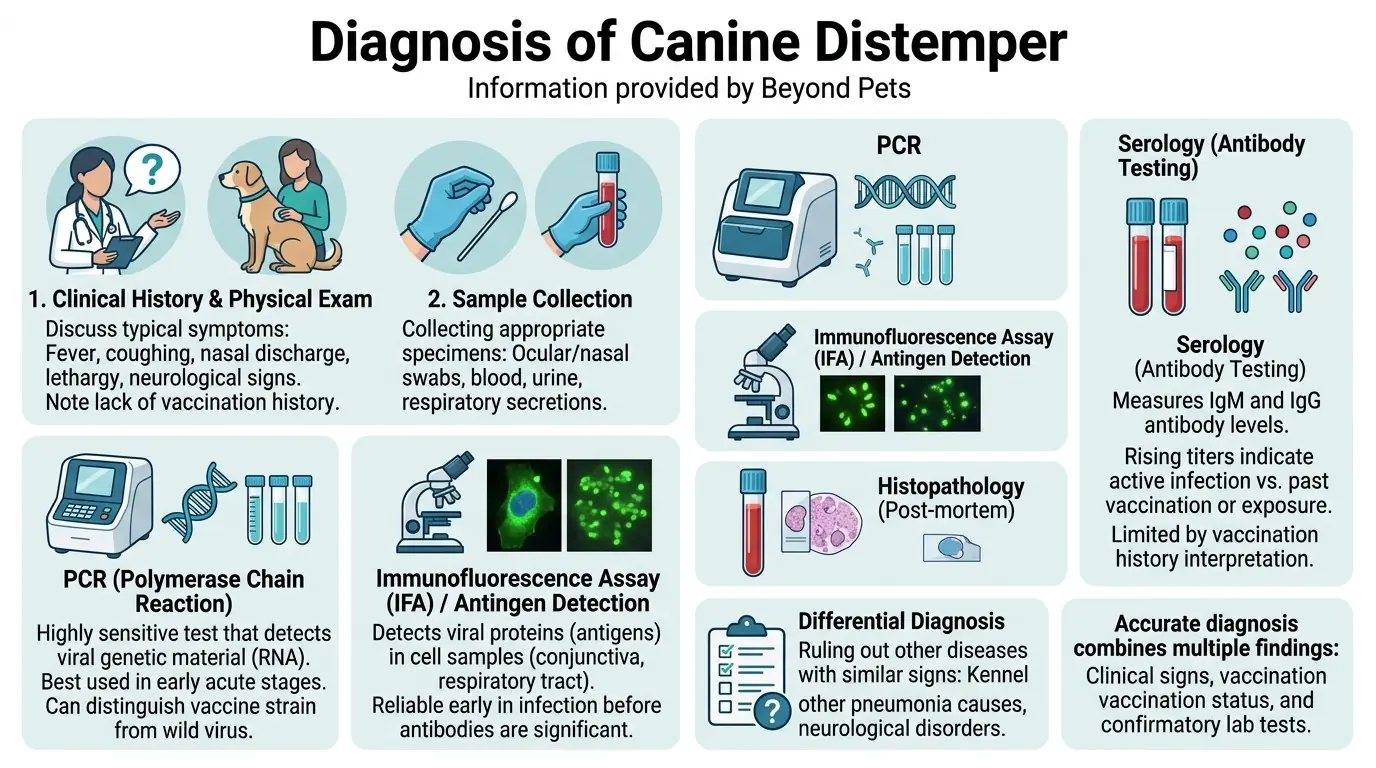
Securing a definitive diagnosis for canine distemper is notoriously challenging in veterinary medicine. Because the clinical signs of the disease are so varied and unfold in a staged manner over several weeks, distemper can masquerade as a host of other common conditions. In the early stages, it looks like a routine upper respiratory infection; later, it resembles severe parvovirus or a bacterial gastroenteritis; in the final stages, it mimics primary neurological diseases like epilepsy, rabies, lead poisoning, or inflammatory brain diseases such as meningoencephalitis of unknown etiology (MUE). Veterinarians must rely on a high index of clinical suspicion—particularly when evaluating a young, unvaccinated, or incompletely vaccinated dog presenting with a combination of fever, respiratory, gastrointestinal, and neurological signs. However, relying solely on clinical signs is insufficient; a battery of laboratory and diagnostic tests is required to confirm the presence of the Canine Distemper Virus and to assess the extent of systemic damage.[20]
The initial diagnostic workup typically begins with a complete blood count (CBC) and a serum biochemistry profile. In the acute phase of distemper, the most consistent CBC finding is profound lymphopenia—an abnormally low number of lymphocytes, which are the white blood cells responsible for adaptive immunity. The virus actively destroys these cells as it replicates within the lymphatic tissue. Additionally, the CBC may reveal thrombocytopenia (low platelets) and a regenerative or non-regenerative anemia. The biochemistry profile often shows signs of systemic stress and dehydration, including elevated blood urea nitrogen (BUN), hypoalbuminemia, and elevated liver enzymes if the virus has compromised hepatic function. Thoracic radiographs (chest X-rays) are critically important for evaluating the respiratory system. Dogs with the respiratory form of distemper typically exhibit an interstitial lung pattern that rapidly progresses to an alveolar pattern as secondary bacterial pneumonia sets in and the lungs fill with fluid and inflammatory exudate.[21]
To definitively identify the virus, veterinarians utilize advanced molecular diagnostics, the gold standard of which is the Reverse Transcription Polymerase Chain Reaction (RT-PCR) test. RT-PCR is an incredibly sensitive laboratory technique that detects the specific genetic material (RNA) of the canine distemper virus. Samples are typically collected by aggressively swabbing the conjunctiva of the eyes, the deep nasal passages, and the pharynx. Because the virus is shed systemically, PCR can also be performed on whole blood, urine, and cerebrospinal fluid. However, interpreting PCR results requires clinical nuance. A major limitation of RT-PCR is vaccine interference; if a dog has received a modified live distemper vaccine within the past two to three weeks, the PCR test may yield a false positive by detecting the harmless vaccine strain rather than the wild pathogenic virus. Furthermore, false negatives can occur if the test is run late in the disease process. During the neurological phase, the virus may have already been cleared from the blood and respiratory tract by the immune system, leaving it sequestered exclusively within the brain tissue where standard swabs cannot reach it.[22]
When PCR testing is inconclusive, serological testing and immunofluorescence assays (IFA) become vital diagnostic tools. Serology measures the levels of distemper-specific antibodies in the dog’s blood. The presence of Immunoglobulin M (IgM), which is the body’s first response to a new infection, strongly suggests an active, recent exposure to the wild virus, as IgM levels remain elevated for only a few months. In contrast, high levels of Immunoglobulin G (IgG) indicate long-term immunity, which could be the result of a past infection or a successful vaccination history. Therefore, paired serum titers—measuring IgG levels two to three weeks apart to look for a massive, rising antibody response—are sometimes necessary to confirm an active infection. Additionally, veterinarians may submit conjunctival, tonsillar, or tracheal scrapings for IFA testing. This technique uses fluorescent-labeled antibodies to light up viral antigens under a specialized microscope, specifically looking for viral inclusion bodies (Lentz bodies) inside the epithelial cells. In advanced neurological cases, the most definitive—though highly invasive—diagnostic step is a cerebrospinal fluid (CSF) tap. Analysis of the CSF in a distemper patient will typically reveal an elevated protein concentration, an abnormal increase in mononuclear white blood cells (pleocytosis), and the presence of CDV-specific antibodies, confirming that the virus has breached the central nervous system.[23]
Treatment for Canine Distemper
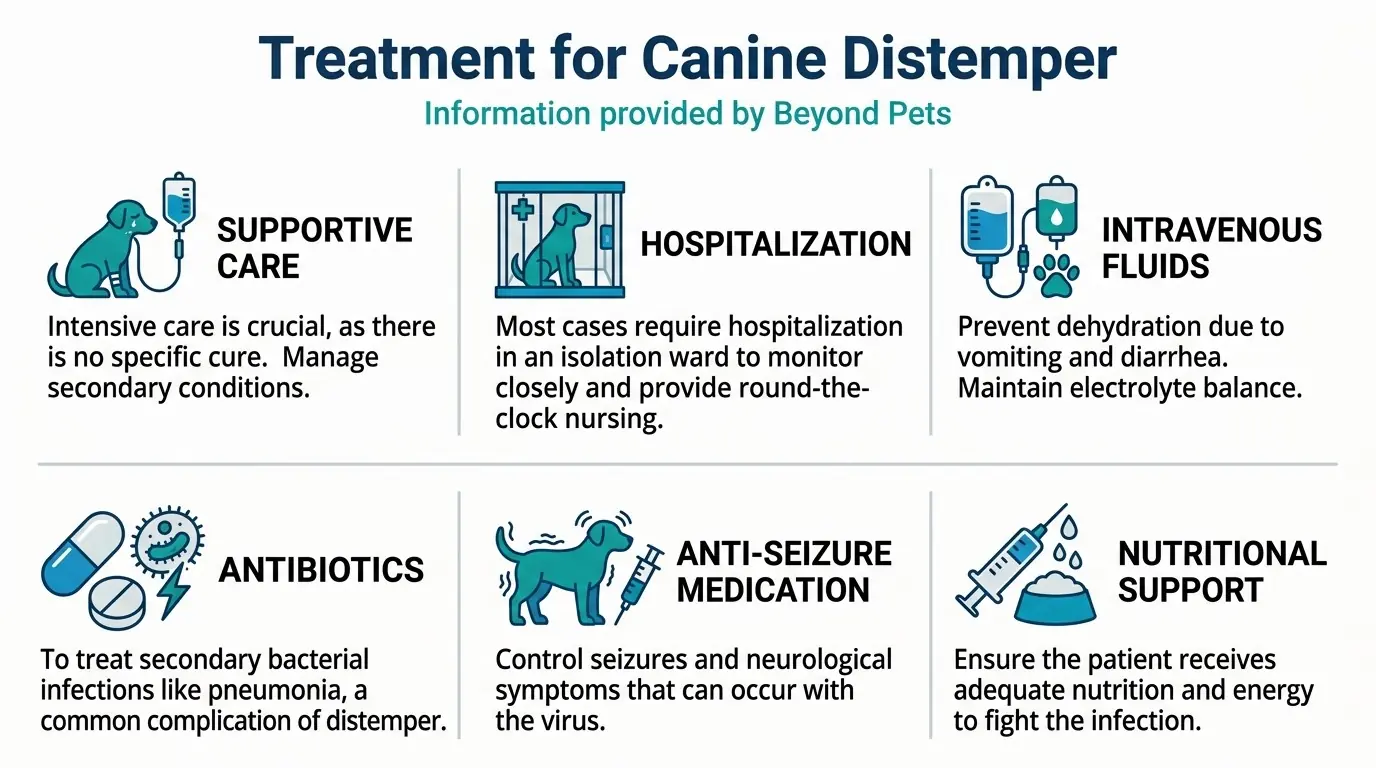
Despite decades of intense veterinary research, there is currently no specific, targeted antiviral medication capable of curing or eradicating the canine distemper virus once an infection is established. Consequently, the treatment for canine distemper is entirely symptomatic and focuses on aggressive, intensive supportive care. The fundamental goals of therapy are to manage the catastrophic clinical symptoms, maintain the dog’s hydration and nutritional status, combat opportunistic secondary bacterial infections, and provide the patient’s immune system with the time and physiological support it desperately needs to mount a neutralizing antibody response. Because the virus is exceptionally contagious and poses a massive threat to other patients in a veterinary hospital, dogs suspected of having distemper must be hospitalized in strict, specialized isolation wards. Veterinary staff must adhere to rigorous biosecurity protocols, utilizing full personal protective equipment (PPE)—including gowns, gloves, masks, and dedicated footwear—to prevent the accidental fomite transmission of the virus to other areas of the clinic.[24]
The cornerstone of supportive care is rigorous fluid therapy. The profound vomiting, hemorrhagic diarrhea, and high fevers associated with the acute mucosal phase of distemper cause rapid, life-threatening dehydration and severe electrolyte derangements. Veterinarians typically administer balanced, isotonic intravenous fluids via a dedicated intravenous (IV) catheter. The fluid rate is carefully calculated to correct existing dehydration deficits, provide daily maintenance requirements, and offset ongoing losses from gastrointestinal fluid shedding. Because the distemper virus aggressively targets and destroys white blood cells, the dog is left in a state of severe immunosuppression. To prevent the dog from succumbing to secondary bacterial pneumonia or overwhelming bacterial sepsis originating from the compromised gut, aggressive broad-spectrum antibiotic therapy is absolutely critical. While antibiotics have zero effect on the distemper virus itself, prescription intravenous antibiotics are deployed to fight off opportunistic pathogens like Bordetella and Mycoplasma. Respiratory therapies, including oxygen supplementation, nebulization with sterile saline to loosen airway secretions, and gentle coupage (chest physiotherapy), are frequently utilized to help the dog clear infectious debris from the lungs.[25]
Managing the gastrointestinal and nutritional aspects of the disease requires a multifaceted pharmacological approach. To combat intractable vomiting and nausea, veterinarians rely on powerful prescription anti-nausea medications. Prescription gastrointestinal protectants are administered to soothe the inflamed mucosal lining of the stomach and prevent ulceration. Nutritional support is a major hurdle in treating distemper. Because infected dogs are profoundly anorexic and their bodies are burning through massive amounts of energy to fight the virus, severe weight loss and muscle wasting occur rapidly. If a dog refuses or is unable to eat for more than 48 hours, enteral feeding becomes mandatory. Veterinarians will often place a nasoesophageal or esophagostomy feeding tube, allowing specialized, highly digestible, liquid recovery diets to be directly infused into the stomach, bypassing the dog’s reluctance to eat and ensuring the delivery of crucial calories and amino acids required for immune function. Always consult your veterinarian before making any changes to your pet’s care, especially when dealing with complex medications and feeding protocols.[26]
When the distemper virus breaches the central nervous system, the treatment paradigm shifts toward neurological stabilization, and the overall prognosis plummets to grave. Seizure management becomes the most pressing emergency. For dogs presenting in status epilepticus, emergency anti-seizure medication is administered intravenously to immediately halt the seizure activity. However, because the virus continues to cause active brain inflammation, long-term seizure control is usually required. Veterinarians must initiate anticonvulsant therapy with a long-acting anti-seizure medication your vet will prescribe. In some clinical scenarios, high doses of prescription corticosteroids may be cautiously utilized in a desperate attempt to suppress the devastating immune-mediated inflammation causing the demyelination of the spinal cord and optic neuritis. Unfortunately, if a dog develops severe, progressive neurological signs—such as uncontrollable cluster seizures, complete paralysis, or profound cognitive deterioration—humane euthanasia is frequently the most compassionate option to prevent further suffering, as the neurological damage inflicted by the canine distemper virus is almost always permanent and degenerative.[27]
How to Prevent Canine Distemper
Because there is no definitive cure for canine distemper and the clinical outcomes are so frequently tragic, rigorous prevention is the absolute foundation of veterinary medicine’s approach to this disease. The canine distemper virus is entirely preventable through proper immunization. The distemper vaccine is universally classified by the American Animal Hospital Association (AAHA) and the World Small Animal Veterinary Association (WSAVA) as a “core” vaccine. This means it is medically essential for every single dog, regardless of their geographical location, lifestyle, or perceived risk of exposure. The vaccine is most commonly administered as part of a combination injection known as the DA2PP or DHPP vaccine, which simultaneously protects against Distemper, Adenovirus (Hepatitis), Parainfluenza, and Parvovirus. It is the responsibility of every pet owner to ensure that dogs receive their initial vaccinations and regular booster shots to maintain a robust, protective antibody titer throughout their entire lives.[28]
The vaccination schedule for young puppies is critically important due to a complex immunological phenomenon involving maternally derived antibodies (MDA). When a puppy nurses from an immune mother during the first 24 hours of life, it ingests colostrum, a specialized milk packed with the mother’s antibodies. These maternal antibodies enter the puppy’s bloodstream and provide immediate, temporary protection against distemper and other diseases. However, these same maternal antibodies will actively attack and neutralize any vaccine injected into the puppy, rendering the vaccine useless. As the puppy grows, the level of maternal antibodies slowly degrades over several weeks. Because we cannot easily predict the exact day the maternal antibodies drop low enough for a vaccine to work, but high enough to leave the puppy unprotected against the wild virus—a perilous timeframe known as the “window of susceptibility”—we must administer a series of vaccines. AAHA guidelines dictate that the core vaccine series should begin when the puppy is between 6 and 8 weeks of age, with strict booster injections given every 3 to 4 weeks until the puppy reaches at least 16 to 20 weeks of age. This repetitive schedule ensures that at least one of the vaccines will successfully stimulate the puppy’s own immune system to produce long-lasting, active immunity.[29]
For adult dogs with an unknown vaccination history, the protocol typically involves an initial core vaccine followed by a single booster administered three to four weeks later. Once the initial puppy series or adult catch-up series is complete, a booster is required one year later. Following that one-year booster, AAHA guidelines recommend that the core DA2PP vaccine be administered every three years for the remainder of the dog’s life. Alternatively, owners can opt to have their veterinarian perform a vaccine titer test—a blood test that measures the exact level of circulating distemper antibodies—to confirm that the dog remains protected without the need for an immediate booster injection. Modern veterinary medicine utilizes highly effective Modified Live Vaccines (MLV) for distemper, which utilize an attenuated, harmless version of the virus to provoke a massive immune response. Additionally, recombinant canarypox-vectored distemper vaccines are available; these are incredibly safe and cannot revert to a disease-causing state, making them the preferred choice for vaccinating pregnant dogs, highly immunosuppressed dogs, and exotic wildlife species like ferrets.[30]
Beyond the syringe, preventing canine distemper requires strict environmental management and biosecurity, particularly in multi-dog environments such as shelters, breeding kennels, and dog daycare facilities. Because young puppies are exceptionally vulnerable until their vaccination series is complete at 16 to 20 weeks of age, they should be strictly isolated from unknown dogs and public areas where sick dogs or wildlife may have shed the virus. Owners should avoid bringing incomplete vaccinated puppies to dog parks, pet stores, or high-traffic walking trails. In the event of an outbreak within a facility, immediate quarantine of sick and exposed animals is mandatory. Because the distemper virus is enveloped, it is highly susceptible to proper sanitation protocols. Thorough cleaning to remove organic matter, followed by the application of hospital-grade disinfectants such as accelerated hydrogen peroxide, sodium hypochlorite (bleach) diluted at 1:30, or quaternary ammonium compounds, will effectively destroy the virus in the environment. Finally, managing the interface between domestic pets and wildlife is crucial. Pet owners should secure outdoor garbage cans, avoid leaving pet food outside, and prevent their dogs from interacting with wild raccoons, skunks, and foxes, thereby severing the transmission chain between the sylvatic reservoirs and our beloved companions.[31]
Frequently Asked Questions
Can canine distemper spread to humans?
While canine distemper is an incredibly destructive virus for dogs and a variety of wild carnivores, it is strictly species-specific. The canine distemper virus cannot infect humans, and there is no scientific evidence to suggest any zoonotic potential. The virus requires specific cellular receptors on the surface of host cells to gain entry, and human cells do not possess the necessary receptors for the canine Morbillivirus. However, the virus belongs to the same family as the human measles virus. While you cannot catch distemper from your dog, maintaining good hygiene and understanding how to spread to humans other canine zoonotic diseases, such as leptospirosis or ringworm, is always recommended when handling a sick pet.
Can a vaccinated dog still contract distemper?
Yes, though it is exceptionally rare. No vaccine in human or veterinary medicine provides a 100 percent guarantee of immunity. A vaccinated dog may still contract the virus if they experience a “vaccine failure.” This can occur due to interference from maternal antibodies in puppies, improper storage or administration of the vaccine, or if the dog has a severely compromised immune system that fails to respond to the vaccine. Furthermore, if a dog is exposed to a massive, overwhelming viral load—such as being housed in a small, poorly ventilated cage with an actively shedding, highly infectious dog—the intense viral challenge can sometimes override the protection provided by the vaccine. However, vaccinated dogs that do contract the virus typically experience a much milder form of the disease and have a significantly higher survival rate.
How long does the distemper virus survive in the environment?
Unlike hardier viruses such as canine parvovirus, the canine distemper virus is highly fragile outside of the host’s body due to its delicate lipid envelope. At standard room temperatures, the virus will typically die within a few hours. It is highly susceptible to destruction by ultraviolet sunlight, heat, drying, and routine household and hospital disinfectants. However, the virus can survive much longer in cold environments. In near-freezing temperatures, the virus can persist in the environment, on surfaces, or in organic material for several weeks. This extended survival in cold weather explains why distemper outbreaks in shelters and wildlife populations are frequently more common during the winter months.
Is Your Dog Protected?
Canine distemper is a severe and often fatal disease, but it is highly preventable. If you are unsure about your dog’s vaccination status, or if your pet is showing any signs of illness, please don’t wait. Contact us today to schedule an appointment with a veterinarian to keep your best friend safe.
References
- American Veterinary Medical Association (AVMA). Canine Distemper Overview. AVMA PetCare, 2023.
- Greene, C.E., et al. “Epidemiology and History of Canine Distemper.” Journal of Veterinary Internal Medicine, 2011.
- Merck Veterinary Manual. Canine Distemper. Merck & Co., Inc., 2022.
- VCA Animal Hospitals. Distemper in Dogs. VCA Hospitals, 2023.
- ASPCA. Canine Distemper: Prevention and Care. ASPCA Pet Care, 2022.
- Cornell University College of Veterinary Medicine. Canine Distemper Virus. Baker Institute for Animal Health, 2023.
- Appel, M.J.G. “Morbillivirus Infections in Wildlife Populations.” Emerging Infectious Diseases, 2014.
- World Health Organization. Morbillivirus Characteristics and Viral Pathogenesis. WHO, 2023.
- Beineke, A., et al. “Pathogenesis and Immunopathology of Systemic and Nervous Canine Distemper.” Veterinary Immunology and Immunopathology, 2009.
- Centers for Disease Control and Prevention. Paramyxoviridae Viral Structure. CDC, 2022.
- Tipold, A., et al. “Biphasic Fever and Clinical Progression in Canine Distemper Virus Infection.” Journal of Small Animal Practice, 2011.
- Merck Veterinary Manual. Ocular Manifestations of Canine Distemper. Merck & Co., Inc., 2022.
- Radtke, D., et al. “Secondary Bacterial Pneumonia in CDV Immunocompromised Dogs.” Veterinary Microbiology, 2015.
- Veterinary Information Network (VIN). Gastrointestinal Manifestations of Distemper. VIN Veterinary Partner, 2021.
- Vandevelde, M., et al. “Dermatological and Epithelial Signs of Early CDV Infection.” Veterinary Dermatology, 2002.
- Vandevelde, M., and Zurbriggen, A. “Demyelination in Canine Distemper Virus Infection: A Review.” Acta Neuropathologica, 2005.
- Summers, B.A., et al. “Neurological Sequelae and Seizure Genesis in Canine Distemper.” Veterinary Pathology, 2001.
- Koutinas, A.F., et al. “Myoclonus and Hard Pad Disease in CDV Epizootics.” Journal of Veterinary Internal Medicine, 2009.
- Dubielzig, R.R. “Enamel Hypoplasia and Odontogenesis Disruption by Canine Distemper Virus.” Veterinary Pathology, 1999.
- Frisk, A.L., et al. “Diagnostic Challenges in Differentiating CDV from Other Infectious Encephalitides.” Veterinary Record, 2006.
- Elia, G., et al. “Hematological and Biochemical Profiles in Acute Canine Distemper.” Journal of Veterinary Diagnostic Investigation, 2008.
- Kim, Y.H., et al. “RT-PCR Detection of Canine Distemper Virus in Clinical Samples.” Journal of Clinical Microbiology, 2010.
- Gemma, T., et al. “CSF Analysis and Serology in the Diagnosis of Neurological Canine Distemper.” Veterinary Immunology, 2004.
- Veterinary Information Network (VIN). Isolation and Nursing Care for Distemper Patients. VIN Veterinary Partner, 2021.
- Couto, C.G., et al. “Fluid Therapy and Antibiosis in Severe Systemic Viral Infections in Dogs.” Journal of Veterinary Emergency and Critical Care, 2009.
- Marks, S.L. “Enteral Nutritional Support in the Critical Small Animal Patient.” Veterinary Clinics of North America, 2011.
- Thomas, W.B. “Anticonvulsant Therapy in Inflammatory Central Nervous System Disease.” Journal of Veterinary Internal Medicine, 2013.
- American Animal Hospital Association (AAHA). 2022 AAHA Canine Vaccination Guidelines. AAHA, 2022.
- Day, M.J., et al. “Maternally Derived Antibodies and the Window of Susceptibility.” Veterinary Immunology and Immunopathology, 2010.
- Pardo, M.C., et al. “Efficacy of Recombinant Canarypox-Vectored Distemper Vaccine.” American Journal of Veterinary Research, 2001.
- Kennedy, M.A., et al. “Environmental Decontamination and Biosecurity for Canine Paramyxoviruses.” Veterinary Clinics: Small Animal Practice, 2012.