



 March 3, 2023
 Phil Good, DVM
What are Food Allergies in Dogs?
This content was prepared with AI assistance and reviewed by a licensed professional for accuracy.
Introduction
Every dedicated pet owner wants to provide the very best for their canine companion, carefully selecting premium diets and wholesome treats. However, even the most meticulously chosen meals can sometimes be the source of chronic discomfort. Food Allergies in Dogs represent a complex and often frustrating condition where the animal’s immune system erroneously identifies a normal dietary component—usually a protein—as a dangerous foreign invader. This hypersensitivity triggers an inflammatory cascade that can severely impact a dog’s quality of life. Unlike humans, who frequently experience acute and life-threatening anaphylaxis from food allergies (such as peanut allergies), dogs typically manifest their allergic reactions through chronic, relentless skin itching and recurrent gastrointestinal distress. Understanding the nuanced pathophysiology of an allergic reaction to food is the first critical step in providing long-term relief for an afflicted dog.[1]
To fully grasp the scope of a food allergy, it is essential to distinguish it from a food intolerance. A food intolerance is a non-immunologic adverse reaction to food. For example, a dog that lacks the digestive enzyme lactase will experience diarrhea after consuming milk; this is a mechanical digestive failure, not an immune response. In contrast, a true food allergy involves the immune system actively producing antibodies, such as Immunoglobulin E (IgE), or utilizing sensitized T-cells to attack the specific food antigen. When the dog ingests the offending ingredient, these immune components release massive amounts of histamine and other inflammatory mediators into the tissues. This profound inflammatory response is what leads to the visible clinical signs that drive pet owners to seek veterinary care.[2]
The systemic nature of this immune response means that the clinical manifestations can be remarkably diverse. While the skin is the most common target organ—resulting in severe scratching, biting, and chewing—the inflammation frequently extends internally. This inflammatory burden can significantly impact the gastrointestinal systems, resulting in gastrointestinal issues in dogs that mimic infectious or parasitic diseases. Vomiting, chronic diarrhea, excessive flatulence, and significant weight loss can all occur when the gut lining is chronically inflamed by allergenic proteins. Furthermore, the constant immune activation can drain the dog’s energy, leading to lethargy, behavioral changes, and a generalized failure to thrive.[3]
Despite how frequently they are discussed in the pet care community, true canine food allergies are relatively uncommon compared to other forms of allergic disease. Veterinary dermatologists estimate that cutaneous adverse food reactions (CAFR) account for only about 10 to 15 percent of all allergic skin diseases in dogs, falling far behind environmental allergies (atopic dermatitis) and flea allergy dermatitis. However, because food allergies are non-seasonal and notoriously difficult to manage without strict dietary compliance, they command a significant amount of diagnostic focus. The journey to accurately identify and manage a dog’s food allergy requires immense patience, rigorous dietary trials, and a strong partnership with a trusted veterinarian. A collaborative, evidence-based approach is the only definitive way to restore a dog’s comfort and vitality.[4]
In the evolving landscape of veterinary medicine, diagnosing and managing these dietary hypersensitivities has become a refined science. Advancements in clinical nutrition, including the development of advanced hydrolyzed protein diets and carefully formulated novel protein options, have revolutionized our therapeutic approach. Yet, the foundation of successful treatment remains rooted in owner education. Recognizing the subtle early signs, understanding the common culprits, and committing to strict, long-term dietary modifications are essential responsibilities for the pet owner. By delving into the scientific mechanisms of these allergies, owners can transform from frustrated observers into empowered advocates for their pet’s health.[5]
Common Dog Food Allergens and Intolerances
When an allergic reaction to food occurs, the culprit is almost exclusively a glycoprotein—a molecule consisting of a protein bound to a carbohydrate. The canine immune system is most likely to react to proteins that fall within a specific molecular weight range, typically between 10,000 and 70,000 Daltons. Because modern commercial dog foods are highly complex mixtures of various plant and animal ingredients, identifying the specific protein that has triggered the hypersensitivity can be a daunting clinical challenge. Extensive veterinary research has consistently shown that the most common allergens in dogs are ingredients that have been staples of the canine diet for decades. This is because a dog must be repeatedly exposed to a protein over time to become sensitized to it; a dog cannot be allergic to a protein it has never eaten.[6]
Beef is the undisputed leading cause of food allergies in dogs. Numerous retrospective studies have demonstrated that beef proteins account for over one-third of all confirmed canine food allergy cases. Beef is a ubiquitous ingredient, found not only in kibble and canned foods but also in widespread commercial treats, rawhides, and flavored medications. The complex structure of bovine muscle and organ tissue contains multiple antigenic epitopes that readily trigger a reactive immune cascade in genetically predisposed dogs. Furthermore, due to a phenomenon known as cross-reactivity, dogs that are highly allergic to beef may also demonstrate allergic reactions to closely related proteins, such as venison or bison, complicating the selection of an appropriate alternative diet.[7]
Dairy products represent the second most common trigger for adverse dietary reactions, though they blur the line between true allergies and intolerances. Cow’s milk contains highly immunogenic proteins, such as casein and whey, which can induce severe IgE-mediated allergic dermatitis and systemic inflammation. However, dairy is also the primary cause of non-immunologic food intolerance. Most adult dogs lack sufficient levels of lactase, the digestive enzyme required to break down lactose sugars. When a lactose-intolerant dog consumes cheese, yogurt, or milk, the undigested sugars ferment in the large intestine, drawing in water and producing gas. This leads to explosive osmotic diarrhea and profound cramping, independent of any immune system involvement. Distinguishing between a dairy allergy and a dairy intolerance is a vital step in clinical management.[8]
Chicken is another highly prevalent allergen, ranking closely behind beef and dairy. As one of the most cost-effective and heavily utilized protein sources in the global pet food industry, chicken provides ample opportunity for immune sensitization. Pet owners often mistakenly believe that switching from a chicken-based kibble to a home-cooked chicken breast diet will resolve their dog’s issues; however, if the dog is truly allergic to the avian protein, the method of preparation will not prevent the allergic reaction. Furthermore, dogs with chicken allergies frequently react to other poultry proteins, including turkey and duck, due to shared evolutionary protein sequences. Even chicken fat, if not perfectly purified, can contain trace amounts of allergenic protein sufficient to trigger a severe flare-up in an exquisitely sensitive dog.[9]
Wheat and other gluten-containing grains frequently take the blame in popular pet culture for various health issues, but true, immunologically mediated wheat allergies are far less common than meat protein allergies. While conditions like gluten-sensitive enteropathy do exist—most famously documented in the Irish Setter breed—they are relatively rare. When a dog does develop a wheat allergy, it is reacting to the gluten or gliadin protein fractions within the grain. It is important to note that the recent trend toward grain-free diets has been driven more by consumer marketing than by veterinary science. Most dogs digest cooked grains with excellent efficiency, and true grain allergies account for a very small minority of adverse food reactions. Unnecessary avoidance of grains can sometimes lead to unbalanced diets and has recently been scrutinized for potential links to canine dilated cardiomyopathy (DCM).[10]
Other notable allergens include soy, lamb, fish, and eggs. Soy is frequently used as a primary protein source or a binding agent in commercial diets and is highly immunogenic. Lamb, which was historically marketed as a “hypoallergenic” alternative because it was rarely used in standard dog foods during the 1980s and 1990s, is now a common mainstream ingredient; consequently, lamb allergies are now frequently diagnosed. Fish and eggs contain highly specific proteins that can easily breach the intestinal barrier and trigger sensitization. Finally, artificial additives, coloring agents, and synthetic preservatives (like BHA, BHT, and ethoxyquin) are frequently suspected by owners as causes of allergies. While these chemicals can occasionally cause localized gastrointestinal irritation or intolerance, true immunologic allergies to synthetic food additives are considered exceedingly rare in veterinary dermatology.[11]
Causes of Food Allergies in Dogs
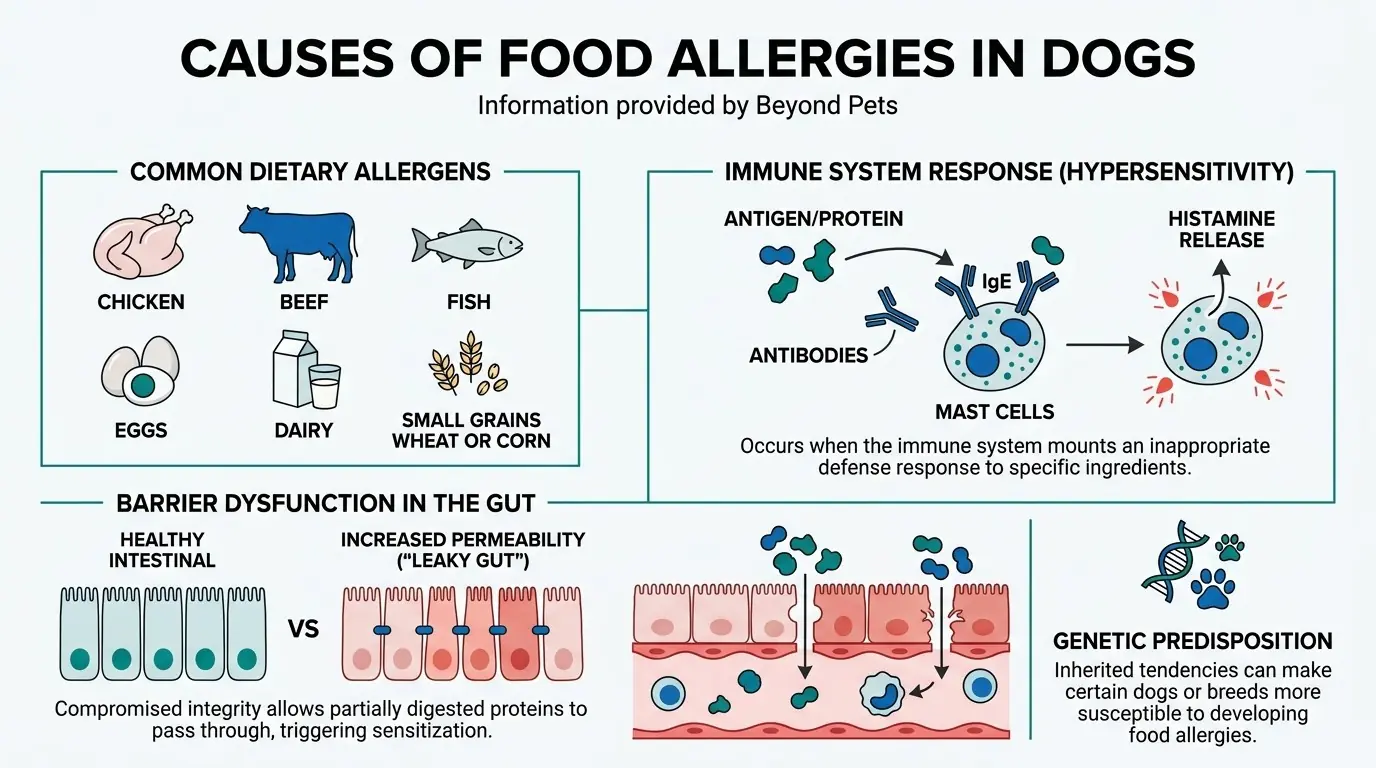
The exact etiology of food allergies in dogs is a multifaceted puzzle involving genetics, immunology, gastrointestinal physiology, and environmental exposure. At its core, an allergy is a failure of “oral tolerance.” Under normal circumstances, the gut-associated lymphoid tissue (GALT)—a vast network of immune cells lining the intestinal tract—samples the proteins passing through the digestive system and identifies them as harmless nutrients. Oral tolerance is the active immune suppression that prevents the body from attacking every meal. When a dog develops a food allergy, this tolerance breaks down. The immune system mistakenly tags a harmless dietary protein as a severe threat, producing antigen-specific antibodies and memory T-cells that lie in wait for the next exposure.[12]
Genetics play an undeniable and powerful role in the breakdown of oral tolerance. Certain dog breeds possess inherited immunological profiles that make them vastly more susceptible to developing hypersensitivity disorders. Veterinary dermatologists frequently diagnose severe food allergies in breeds such as the French Bulldog, West Highland White Terrier, Boxer, Golden Retriever, Labrador Retriever, German Shepherd, and Cocker Spaniel. This strong breed predilection strongly suggests that the tendency to produce excessive IgE antibodies in response to normal stimuli—a state known as atopy—is passed down genetically. In these predisposed dogs, the immune system is essentially “trigger-happy,” requiring very little environmental prompting to launch a full-scale inflammatory response against their daily diet.[13]
The integrity of the gastrointestinal mucosal barrier is another critical factor in the development of food allergies. The intestines are lined with a single layer of epithelial cells joined by “tight junctions.” This barrier is designed to allow small, fully digested amino acids to pass into the bloodstream while keeping larger, complex proteins and bacteria inside the gut. If this barrier is compromised—a condition informally known as “leaky gut syndrome”—large, undigested protein macromolecules can slip between the cells and directly encounter the underlying immune tissue. This breach can be caused by severe viral infections (such as Parvovirus), heavy parasite burdens, chronic stress, or disruptions in the normal gut flora (dysbiosis) caused by frequent antibiotic use. Once these large proteins cross the barrier, the immune system treats them as invading pathogens, leading to rapid sensitization.[14]
Furthermore, prior and prolonged exposure to a specific ingredient is an absolute prerequisite for the development of a food allergy. A dog’s immune system requires time to map the structural epitopes of a protein and build an antibody arsenal against it. Therefore, a dog that has been eating the exact same chicken and rice kibble happily for five years can suddenly develop a severe allergy to it in its sixth year. This sudden onset often bewilders pet owners, who mistakenly believe that a newly developed reaction must be caused by a recent change in diet. In reality, the chronic, repetitive exposure to the same limited set of antigens over years is precisely what gradually overrides the dog’s oral tolerance, eventually tipping the scales from tolerance to hypersensitivity.[15]
Finally, the concept of the “pruritic threshold” is essential to understanding the clinical manifestation of food allergies. The pruritic (itch) threshold dictates that an animal can tolerate a certain amount of allergic stimulation without showing clinical signs. A dog might have a mild, sub-clinical food allergy that causes no visible itching. However, if that same dog is suddenly exposed to a heavy flea burden, seasonal tree pollen, or a stressful environmental change, the combined inflammatory load pushes the dog over its pruritic threshold. The dog will suddenly begin scratching intensely. In these cases, the food allergy was not the sole cause of the sudden flare-up, but it provided the underlying baseline of inflammation that made the dog exquisitely vulnerable to other environmental triggers.[16]
Food Allergy Symptoms in Dogs
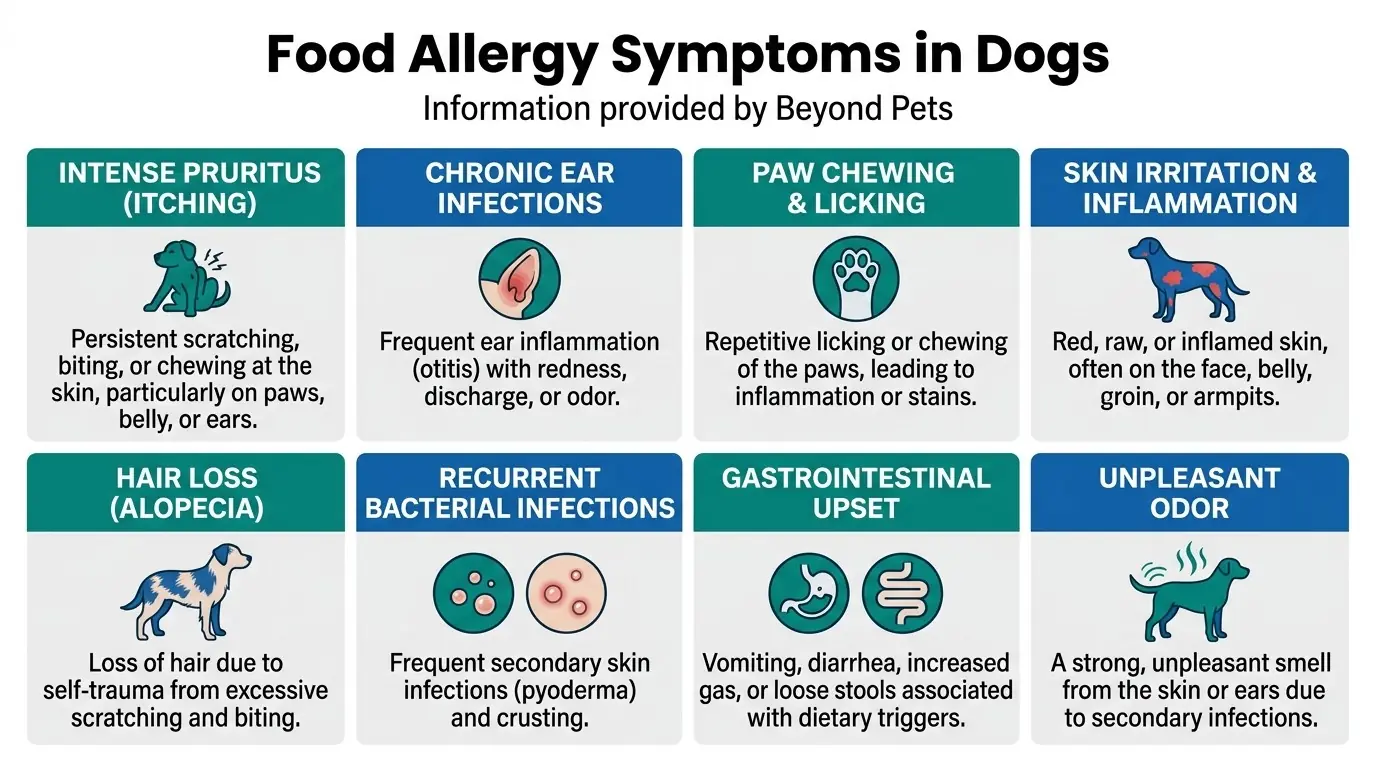
The clinical presentation of a canine food allergy is remarkably variable, making it one of the most challenging conditions to differentiate from other medical issues. The hallmark symptom, occurring in virtually all affected dogs, is severe, non-seasonal pruritus (itching). Unlike environmental allergies (atopy) which may flare up only during the spring or fall pollen seasons, food allergies typically cause relentless year-round discomfort. The itching can be generalized across the entire body, but it most frequently targets specific anatomical zones, playfully referred to by veterinarians as the “ears and rears” presentation. Affected dogs will obsessively lick, chew, scratch, and rub these areas against furniture or carpets, trying to find relief from the burning pruritus.[17]
The dermatologic consequences of this constant self-trauma are profound. The skin often becomes severely erythematous (red and inflamed), hot to the touch, and excoriated from the dog’s nails. Over time, chronic inflammation leads to alopecia (hair loss), hyperpigmentation (darkening of the skin), and lichenification (a severe thickening of the skin that resembles elephant hide). The persistent moisture from obsessive licking provides an ideal breeding ground for opportunistic pathogens. Consequently, dogs with food allergies almost universally suffer from secondary infections. Bacterial pyoderma caused by Staphylococcus pseudintermedius and yeast dermatitis caused by Malassezia pachydermatis are rampant in these patients, exacerbating the itch and creating a foul, musty odor that permeates the dog’s coat.[18]
The ears are particularly vulnerable to the systemic inflammation caused by food hypersensitivities. The lining of the ear canal is an extension of the skin, and when the body is allergic to a dietary protein, the ear canals become inflamed, swollen, and overproduce wax. This altered microenvironment inevitably leads to chronic ear problems or ear infections (otitis externa). An allergic dog may present to the clinic with violently red, painful ears that are filled with dark brown, malodorous exudate. In many cases, recurrent ear infections in a young dog, particularly if they occur in both ears simultaneously (bilateral otitis) and persist outside of standard allergy seasons, are the very first clinical indicator of an underlying food allergy.[19]
While dermatologic signs dominate the clinical picture, gastrointestinal symptoms are also significantly represented. Approximately 10 to 30 percent of dogs with confirmed food allergies will exhibit concurrent digestive distress. The chronic inflammation of the intestinal mucosa can manifest as intermittent vomiting, chronic soft stools, persistent flatulence, and loud borborygmi (stomach rumbling). A very characteristic sign of a dietary hypersensitivity is an increased frequency of defecation; an allergic dog may need to move its bowels four or five times a day, often producing voluminous or poorly formed feces. In severe cases, the inflammation can trigger a localized colitis, resulting in mucous-laden stools that are frequently streaked with bright red blood (hematochezia).[20]
Beyond the skin and the gut, systemic allergic inflammation can occasionally spill over into other organ systems. While canine asthma is virtually nonexistent, severe systemic inflammation can cause minor mucosal swelling in the airways; thus, some dogs may exhibit Symptoms similar to respiratory problems, including reverse sneezing, a chronic dry cough, or mild wheezing, although these are considered rare manifestations. Furthermore, the tissues surrounding the eye are highly vascular and sensitive. Systemic histamine release in dogs can sometimes cause eye problems, such as bilateral conjunctivitis, excessive tearing (epiphora), periocular swelling, and intense rubbing of the face. Finally, the relentless discomfort of a food allergy takes a heavy psychological toll; affected dogs often exhibit behavioral changes, including severe lethargy, irritability, restlessness, and a diminished desire to play or exercise due to chronic sleep deprivation caused by nighttime itching.[21]
Diagnosis of Food Intolerance in Dogs
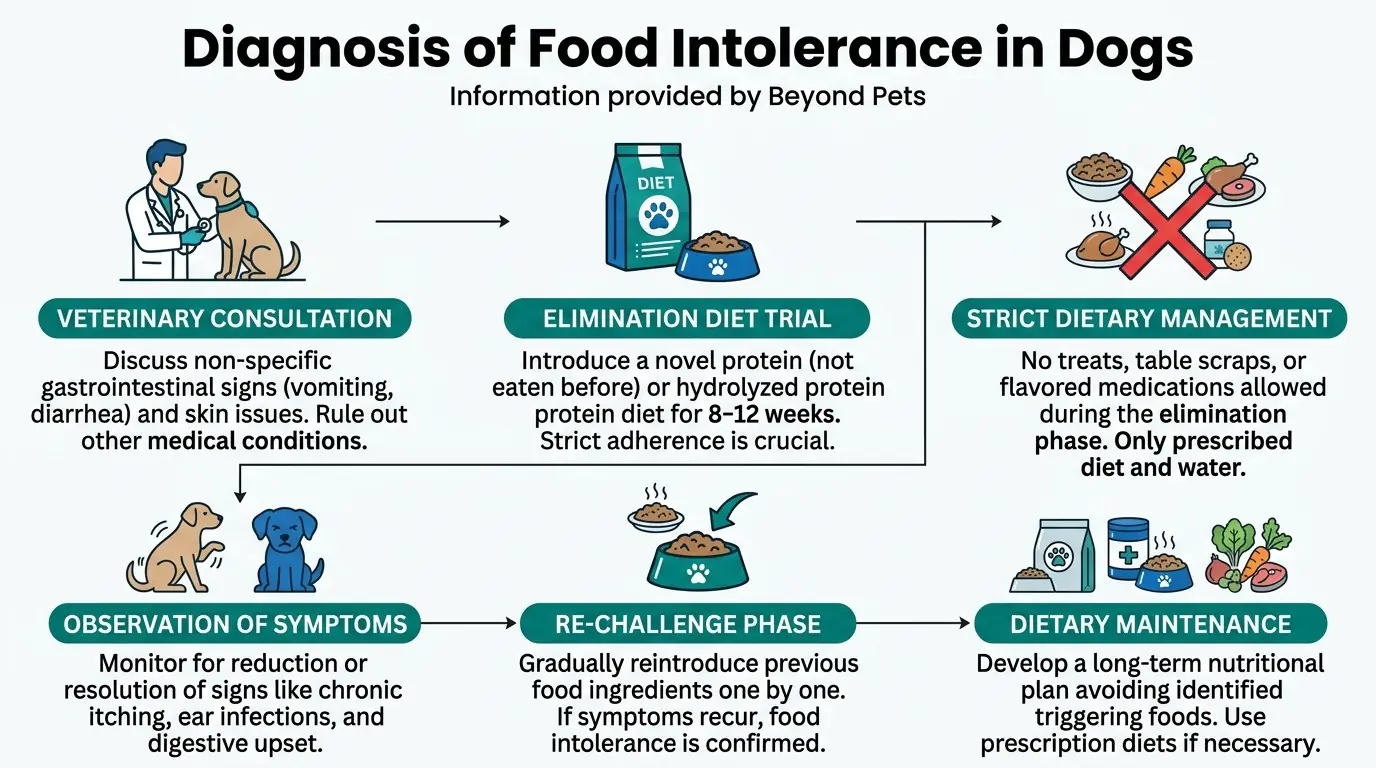
Achieving a definitive diagnosis for a food allergy or severe food intolerance is one of the most rigorous undertakings in veterinary dermatology. There are no shortcuts, no quick blood tests, and no simple clinical signs that point definitively to a specific dietary culprit. Because the clinical presentation of a food allergy is virtually identical to that of environmental atopy, flea allergy dermatitis, and various parasitic infestations (such as Sarcoptic mange), the diagnostic process must be methodical and exclusionary. The veterinarian must first perform skin scrapings, cytology, and perhaps fungal cultures to rule out or treat secondary infections and parasites. Once the baseline is established, the only scientifically validated method to diagnose a food allergy is the strict execution of an Elimination Diet Trial (EDT).[22]
An Elimination Diet Trial involves completely removing the dog’s current food and replacing it entirely with a specialized diet that the dog’s immune system has never encountered, or one that is formulated to evade immune detection. There are two primary categories of diagnostic diets. The first is a Novel Protein diet, which utilizes highly unconventional ingredients such as kangaroo and oats, venison and potato, or rabbit and peas. The theory is that if the immune system has never seen kangaroo meat, it cannot have pre-existing IgE antibodies against it, and therefore no allergic reaction will occur. However, as novel proteins become increasingly common in over-the-counter boutique pet foods, finding a truly “novel” diet for a specific dog has become increasingly difficult.[23]
To bypass the challenge of finding a novel protein, veterinary medicine has heavily embraced Hydrolyzed Protein diets. Through a complex manufacturing process involving enzymatic hydrolysis, the intact animal proteins (usually soy or chicken liver) are shattered into microscopic peptide fragments. These fragments are so remarkably small—typically well below the 10,000 Dalton threshold—that the dog’s immune system physically cannot recognize them or bridge the gap between antibodies to initiate an inflammatory cascade. Hydrolyzed diets are considered the gold standard for diagnostic trials because they virtually eliminate the risk of cross-reactivity and provide a highly controlled baseline to evaluate the reduction in clinical symptoms.[24]
The execution of the Elimination Diet Trial is where most diagnostic failures occur, almost entirely due to a lack of strict owner compliance. The trial must last a minimum of 8 to 12 consecutive weeks. During this period, the dog must consume nothing except the prescription diet and plain water. This means absolutely no commercial treats, no table scraps, no rawhides, no flavored chewable medications (like standard heartworm preventatives), and no access to the cat’s food or debris dropped by toddlers. Even a single instance of ingesting a tiny fragment of an offending allergen—such as licking an empty yogurt container—can trigger a massive inflammatory flare-up that resets the 12-week clock back to day one. The entire household must be fiercely dedicated to the trial’s parameters for it to yield accurate diagnostic results.[25]
If the dog’s clinical signs—such as severe pruritus and gastrointestinal upset—resolve entirely during the 12-week trial, a preliminary diagnosis of an adverse food reaction is highly suspected. However, the final, undeniable proof requires the “Challenge Phase.” The owner must intentionally reintroduce the dog’s original diet. If a true food allergy exists, the clinical symptoms will violently return, usually within hours to 14 days of the dietary challenge. Once the diagnosis is confirmed via relapse, the dog is immediately returned to the therapeutic diet to achieve remission. It is critical for pet owners to understand that commercial blood, saliva, and hair testing kits heavily marketed for diagnosing pet food allergies have been repeatedly proven in double-blind veterinary studies to be highly inaccurate, generating massive false-positive results. The elimination diet trial remains the only reliable diagnostic tool.[26]
Ways to Treat Food Allergies in Dogs
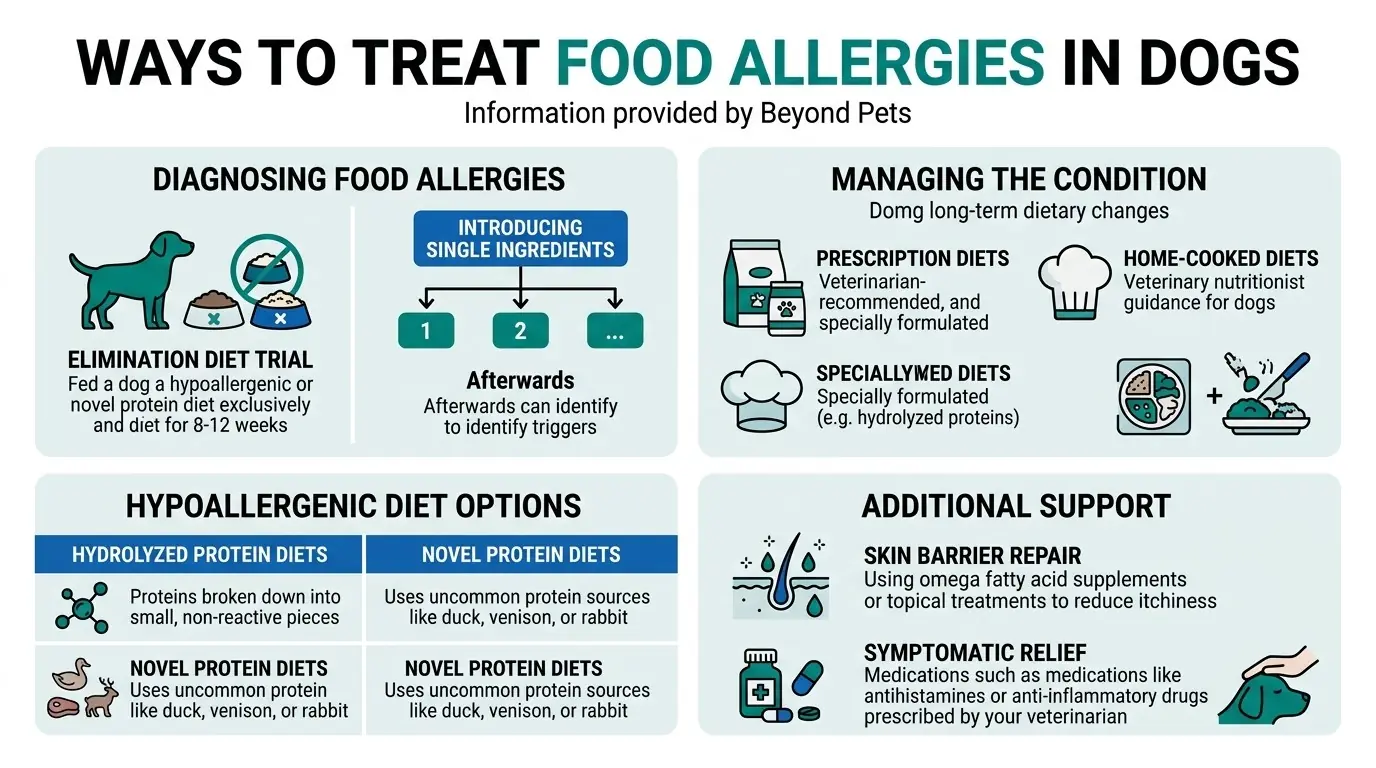
Once a definitive diagnosis of a food allergy has been established, the focus shifts to long-term management. It is vital to establish realistic expectations: a true food allergy is a chronic, lifelong immune dysregulation. There is no magic injection or surgical procedure that will permanently “cure” the animal’s hypersensitivity to a specific protein. However, with meticulous care, the condition can be exquisitely managed, allowing the dog to live a completely normal, itch-free life. The treatment strategy is broadly categorized into two branches: preventative treatments, which aim to stop the inflammatory cascade before it begins, and curative treatments, which are employed to aggressively suppress active flare-ups and heal secondary tissue damage. A successful management plan requires seamless integration of both approaches.[27]
Preventative Treatments
The absolute cornerstone of preventative therapy for a dog with a food allergy is total, lifelong dietary avoidance of the offending allergens. This requires transitioning the dog onto a maintenance diet that is carefully formulated and strictly controlled. Many owners choose to maintain their dogs on the successful prescription hydrolyzed or novel protein diet used during the diagnostic trial. While these veterinary-exclusive diets are more expensive, they undergo rigorous manufacturing protocols, including dedicated equipment lines and frequent DNA testing, to guarantee that no cross-contamination with common allergens occurs. Over-the-counter “limited ingredient” diets, while appealing, are frequently manufactured in facilities that process beef and chicken, leading to trace contamination that can easily trigger a sensitive dog.[28]
Beyond strict antigen avoidance, preventative care focuses heavily on fortifying the body’s natural defense barriers. Because the intestinal mucosa is the front line of dietary immune interaction, many veterinarians recommend the daily administration of high-quality canine-specific probiotics and prebiotics. These supplements help to stabilize the gut microbiome, enhance local mucosal immunity, and decrease overall intestinal permeability. By fostering a robust population of beneficial gut flora, the immune system is modulated, and systemic inflammation is naturally down-regulated. Additionally, dietary supplementation with high-dose Omega-3 essential fatty acids (specifically EPA and DHA sourced from cold-water marine fish or algae) provides powerful, natural anti-inflammatory support while helping to rebuild the lipid barrier of the dog’s skin, making it more resilient to environmental stressors.[29]
Strict parasite control is another vital pillar of preventative management. Because allergic dogs have a lower pruritic threshold, even a single flea bite can trigger an exaggerated immune response that cascades into massive, generalized itching. Maintaining the allergic dog on premium, year-round prescription flea and tick preventatives ensures that parasitic triggers are completely eliminated from the equation. Furthermore, routine bathing with non-medicated, soothing oatmeal or ceramide-infused shampoos helps to physically remove environmental allergens (like pollen and dust) from the coat, reducing the total allergic burden on the dog’s immune system and preventing the “spillover” effect that often leads to severe dermatologic flare-ups.[30]
Curative Treatments
Despite the best preventative efforts, accidental dietary indiscretions occur—a dropped piece of cheese, a well-meaning neighbor offering a beef treat, or the dog scavenging garbage during a walk. When these exposures happen, the resulting allergic flare-up must be treated rapidly and curatively to prevent severe self-trauma. In modern veterinary dermatology, there are highly targeted immunomodulatory medications available to break the itch cycle. Oclacitinib (Apoquel) is a rapid-acting oral Janus kinase (JAK) inhibitor that effectively blocks the neurological pathways responsible for the sensation of itch, providing profound relief within hours. Alternatively, Lokivetmab (Cytopoint) is a therapeutic monoclonal antibody administered via subcutaneous injection. It specifically targets and neutralizes Interleukin-31 (IL-31), a key cytokine driving allergic itch in dogs, providing highly safe, systemic relief for four to eight weeks per dose.[31]
In cases of exceptionally severe or acute inflammatory crises, traditional pharmacological interventions may be necessary. Corticosteroids, such as oral prednisone or dexamethasone, are potent, broad-spectrum anti-inflammatory drugs that rapidly suppress the entire immune response, resolving both severe skin inflammation and gastrointestinal swelling. However, due to significant long-term side effects (including liver stress, immune suppression, and muscle wasting), corticosteroids are typically reserved for short-term “rescue” therapy rather than long-term management. Cyclosporine (Atopica) is another potent systemic immunosuppressant that can be highly effective for severe, refractory allergic dermatitis, though it requires weeks to reach full clinical efficacy and necessitates careful blood monitoring.[32]
Curative treatment is rarely complete without aggressively addressing the secondary microbial infections that inevitably plague the allergic dog’s compromised skin. Cytological examination of the skin and ear exudate is required to identify the specific pathogens involved. Severe Staphylococcal bacterial pyoderma requires extended courses of systemic, culture-appropriate antibiotics (such as cephalexin or amoxicillin-clavulanate) lasting three to four weeks. Concurrent Malassezia yeast overgrowth is treated with systemic antifungals (like ketoconazole or fluconazole). To minimize systemic drug use, veterinarians heavily rely on topical antimicrobial therapies, utilizing prescription shampoos, mousses, and wipes containing 4% chlorhexidine and miconazole to directly sanitize the skin surface, strip away infectious biofilms, and promote rapid healing of the excoriated epidermal tissues. Always consult your veterinarian before making any changes to your pet’s care, as inappropriate medication use can lead to dangerous antibiotic resistance.[33]
Prevention of Food Allergies in Dogs
The concept of proactively preventing the development of food allergies in dogs is an area of intense ongoing veterinary research. Because genetics heavily dictate an individual dog’s predisposition to hypersensitivity disorders, completely preventing an allergy in a highly susceptible dog may not be entirely possible. However, understanding how the immune system develops and interacts with environmental and dietary antigens allows pet owners to implement strategies that may significantly reduce the risk or delay the onset of severe allergic disease. A primary focus of modern preventative strategy revolves around the careful management of the puppy’s developing gastrointestinal microbiome and mucosal immune system during the critical first year of life.[34]
One increasingly debated topic is the early dietary rotational strategy. Historically, pet owners were advised to select a single, high-quality kibble and feed it exclusively for the dog’s entire life to prevent gastrointestinal upset. However, chronic, uninterrupted exposure to a single set of proteins (e.g., exclusively chicken and rice) over several years is precisely the mechanism that often leads to the breakdown of oral tolerance. Some veterinary nutritionists now advocate for a carefully planned rotational diet, where the dog is exposed to a variety of different, high-quality protein sources (such as transitioning between beef, fish, and poultry formulations) every few months. This varied exposure may help maintain a more robust, versatile, and tolerant gut immune profile, preventing the hyper-sensitization that occurs with monotonous diets.[35]
However, rotational feeding must be balanced against the need to preserve “novel” proteins. If an owner feeds a puppy a diet containing venison, duck, salmon, and kangaroo all in the first year of life, they will have virtually no truly novel proteins left to utilize for an Elimination Diet Trial if the dog develops an allergy later in life. Therefore, a prudent approach is to feed a varied diet of common commercial proteins (beef, chicken, turkey, standard fish) while strictly keeping exotic proteins (kangaroo, rabbit, alligator) completely out of the dog’s diet, holding them in reserve as powerful diagnostic and therapeutic tools for the future.[36]
Protecting the integrity of the gastrointestinal barrier is another crucial preventative measure. The indiscriminate use of broad-spectrum antibiotics, particularly in young puppies, rapidly decimates the beneficial bacterial populations in the gut. This dysbiosis leads to increased intestinal permeability, allowing large dietary antigens to directly stimulate the underlying immune tissue and trigger allergic sensitization. Pet owners should work closely with their veterinarians to ensure that antibiotics are prescribed only when absolutely clinically necessary and are accompanied by high-quality, multi-strain probiotics to rapidly reseed the gut biome. By maintaining excellent overall health, providing a balanced, complete nutritional profile, and treating gastrointestinal illnesses promptly to prevent chronic mucosal damage, owners can optimize their dog’s immune function and minimize the likelihood of adverse food reactions.[37]
Frequently Asked Questions
Can food allergies in dogs cause ear infections?
Yes, food allergies are a very common and frequently overlooked underlying cause of recurrent ear infections in dogs. The tissues lining a dog’s ear canals are an extension of their skin. When the dog’s immune system mounts an inflammatory response against a dietary allergen, that widespread inflammation heavily affects the ears, causing them to swell, turn red, and overproduce wax. This hot, moist, and inflamed microenvironment is completely unequipped to defend itself, allowing naturally occurring yeast and bacteria to rapidly overgrow and establish an infection. If a dog suffers from chronic ear infections outside of typical pollen seasons, a food allergy is highly suspected.
What is the best dog food to stop itching?
There is no single “best” dog food that universally cures itching, because the optimal diet depends entirely on what specific protein your dog is allergic to. However, the most clinically effective diets for resolving severe allergic pruritus are veterinary-prescribed Hydrolyzed Protein diets. In these sophisticated diets, the proteins have been chemically broken down into microscopic pieces so tiny that the dog’s immune system cannot detect them, thereby preventing the allergic reaction entirely. If you prefer intact ingredients, a true Novel Protein diet—utilizing a single, exotic protein source your dog has never eaten before, like kangaroo or rabbit—is the next best option, provided it is manufactured on clean, cross-contamination-free equipment.
Are at-home food allergy tests for dogs accurate?
No, commercially available at-home food allergy testing kits—which typically analyze your dog’s saliva, hair clippings, or blood for specific antibodies—are notoriously inaccurate and not recommended by veterinary dermatologists. Numerous independent, peer-reviewed studies have demonstrated that these kits produce massive amounts of false positives, often identifying healthy dogs, and even fake samples like plain water or stuffed animal fur, as being “highly allergic” to multiple proteins. The results from these tests frequently lead owners to needlessly restrict their dog’s diet. The only scientifically validated method to accurately identify a food allergy in a dog is to perform a strict, 8 to 12-week Elimination Diet Trial under the direct supervision of a veterinarian.
References
- Merck Veterinary Manual. Allergies in Dogs. Merck & Co., Inc., 2023.
- Verlinden A, Hesta M, Millet S, Janssens GP. Food allergy in dogs and cats: a review. Crit Rev Food Sci Nutr., 2006.
- American Veterinary Medical Association (AVMA). Allergies in Dogs and Cats. AVMA.org, 2023.
- Olivry T, Mueller RS. Critically appraised topic on adverse food reactions of companion animals: prevalence. Vet Dermatol., 2017.
- VCA Animal Hospitals. Food Allergies in Dogs. VCAhospitals.com, 2022.
- Mueller RS, Olivry T, Prélaud P. Critically appraised topic on adverse food reactions of companion animals: common food allergen sources. BMC Vet Res., 2016.
- Veterinary Information Network (VIN). Food Allergy in Dogs and Cats. VeterinaryPartner, 2021.
- Gaschen FP, Merchant SR. Adverse food reactions in dogs and cats. Vet Clin North Am Small Anim Pract., 2011.
- Merck Veterinary Manual. Cutaneous Adverse Food Reactions. Merck & Co., Inc., 2023.
- AVMA. Diet-associated heart disease in dogs. JAVMA News, 2021.
- VCA Animal Hospitals. Adverse Food Reactions in Dogs. VCAhospitals.com, 2023.
- Day MJ. The canine gastrointestinal tract: a unique immunological environment. Vet Immunol Immunopathol., 2013.
- Picco F, et al. A prospective study on canine atopic dermatitis and food-induced allergic dermatitis in Switzerland. Vet Dermatol., 2008.
- UC Davis School of Veterinary Medicine. Animal Health Topics: Allergies. UC Davis, 2022.
- Johansen C, et al. Characterization of the immunological cross-reactivity of animal proteins. Vet Immunol Immunopathol., 2015.
- Merck Veterinary Manual. Canine Atopic Dermatitis. Merck & Co., Inc., 2023.
- VCA Animal Hospitals. Pruritus: Itching and Scratching in Dogs. VCAhospitals.com, 2022.
- Hill PB, et al. Diagnostics and therapy of allergic skin diseases in dogs. Vet Rec., 2012.
- Cornell University College of Veterinary Medicine. Ear Infections in Dogs. Riney Canine Health Center, 2023.
- Roudebush P. Ingredients associated with adverse food reactions in dogs and cats. Adv Small Anim Med Surg., 2002.
- ASPCA. Compulsive Behavior in Dogs. ASPCA.org, 2023.
- Olivry T, et al. Critically appraised topic on adverse food reactions of companion animals: evaluation of diagnostic tests. Vet Dermatol., 2017.
- VCA Animal Hospitals. Elimination Diet Trials in Dogs. VCAhospitals.com, 2022.
- Cave NJ. Hydrolyzed protein diets for dogs and cats. Vet Clin North Am Small Anim Pract., 2006.
- Veterinary Information Network. Diagnostic Diet Trials for Food Allergy. VeterinaryPartner, 2021.
- Coyner K, Schick A. Hair and saliva test fails to identify allergies in dogs. J Small Anim Pract., 2019.
- Merck Veterinary Manual. Antipruritic Drugs in Animals. Merck & Co., Inc., 2023.
- Raditic LE, et al. ELISA testing for common food antigens in four over-the-counter diet formulations. J Anim Physiol Anim Nutr., 2011.
- Logas D, Kunkle GA. Double-blinded crossover study with marine oil supplementation containing high-dose eicosapentaenoic acid for the treatment of canine pruritic skin disease. Vet Dermatol., 1994.
- Washington State University College of Veterinary Medicine. Pet Health Topics: Allergies. WSU.edu, 2023.
- Cosgrove SB, et al. Efficacy and safety of oclacitinib for the control of pruritus and associated skin lesions in dogs with canine allergic dermatitis. Vet Dermatol., 2013.
- Steffan J, et al. A systematic review and meta-analysis of the efficacy and safety of cyclosporin for the treatment of atopic dermatitis in dogs. Vet Dermatol., 2006.
- Beco L, et al. Suggested guidelines for using systemic antimicrobials in bacterial skin infections: part 2. Vet Rec., 2013.
- AVMA. Antimicrobial use in canine and feline pyoderma. AVMA Guidelines, 2022.
- Jackson HA. Food allergy in dogs and cats; current perspectives on etiology, diagnosis, and management. J Am Vet Med Assoc., 2023.
- Merck Veterinary Manual. Nutritional Management of Diseases in Small Animals. Merck & Co., Inc., 2023.
- Suchodolski JS. Diagnosis and interpretation of intestinal dysbiosis in dogs and cats. Vet J., 2016.