



 March 2, 2023
 Phil Good, DVM
Pneumothorax in Dogs: Causes, Symptoms, and Treatment Explained
This content was prepared with AI assistance and reviewed by a licensed professional for accuracy.
Introduction
When a vibrant, active pet suddenly begins gasping for air, the situation requires immediate and decisive veterinary intervention. One of the most critical and life-threatening respiratory emergencies a veterinarian can encounter in clinical practice is pneumothorax in dogs. To understand this condition, one must first understand the fundamental anatomy and physiology of the canine respiratory system. The canine chest, or thoracic cavity, is a highly complex, meticulously balanced environment designed to facilitate the seamless exchange of oxygen and carbon dioxide. The lungs are housed within this cavity, surrounded by a thin, continuous membrane known as the pleura. The pleura consists of two distinct layers: the visceral pleura, which tightly covers the outer surface of the lungs, and the parietal pleura, which lines the inner surface of the chest wall, the diaphragm, and the mediastinum. Between these two delicate layers lies the pleural space, a “potential space” that, in a healthy dog, contains only a microscopic amount of lubricating pleural fluid. This fluid allows the lungs to glide smoothly against the chest wall during the continuous mechanical cycle of inhalation and exhalation.[1]
Crucially, the pleural space normally maintains a state of negative pressure—a vacuum relative to the atmospheric pressure outside the body. This negative intrapleural pressure is the primary physical force that keeps the elastic lungs expanded and tethered to the expanding chest wall during inspiration. When the dog’s diaphragm contracts and moves caudally (toward the tail), and the intercostal muscles expand the rib cage outward, the volume of the thoracic cavity increases. According to Boyle’s Law of physics, this increase in volume causes a further drop in intrapleural pressure, which subsequently pulls the lungs outward, drawing fresh, oxygen-rich air down the trachea and into the millions of tiny alveolar sacs where gas exchange occurs. Without this unbroken vacuum, normal respiration is physically impossible.[2]
Pneumothorax fundamentally disrupts this elegant physiological mechanism. The term itself is derived from the Greek words “pneumo” (meaning air or breath) and “thorax” (meaning chest). It is defined as the abnormal and pathological accumulation of free air or gas within the pleural space. When air enters this space—whether it leaks from a ruptured lung internally or enters through a defect in the chest wall externally—the essential negative pressure is immediately compromised. The vacuum seal is broken, and the elastic recoil of the pulmonary tissue takes over. As the atmospheric or alveolar pressure equals or exceeds the intrapleural pressure, the affected lung lobes recoil inward and collapse away from the chest wall. This collapse, known clinically as atelectasis, drastically reduces the total surface area available for alveolar gas exchange. The dog is suddenly rendered incapable of oxygenating its blood effectively, leading to a state of profound systemic hypoxemia.[3]
The severity of the cardiovascular and respiratory compromise depends on the volume of air that has accumulated, the rate at which the air continues to leak, and the underlying cardiovascular health of the patient. A small, self-limiting accumulation of air might only cause mild lethargy or slight tachypnea (rapid breathing), whereas a massive, rapidly expanding pneumothorax can trigger catastrophic cardiopulmonary collapse within minutes. The un-oxygenated blood circulating through the collapsed lung tissue creates a physiological right-to-left intrapulmonary shunt, meaning blood returns to the left side of the heart and is pumped to the systemic circulation without ever receiving fresh oxygen. This manifests as severe cyanosis, cellular hypoxia, and eventually, if left untreated, multiple organ dysfunction syndrome (MODS) and death. Due to the high mortality rate associated with untreated pleural space disease, any suspicion of pneumothorax must be treated as a strict “code red” emergency requiring immediate stabilization, diagnostic imaging, and often, invasive surgical or medical intervention.[4]
In this comprehensive guide, we will explore the nuanced pathophysiology of the various types of pneumothorax, the myriad underlying conditions and traumatic events that can trigger them, the precise clinical signs that dog owners and veterinary professionals must watch for, and the sophisticated diagnostic modalities used to confirm the condition. Furthermore, we will delve deeply into the modern veterinary treatment options available, ranging from life-saving emergency thoracocentesis to advanced video-assisted thoracoscopic surgery, and outline the meticulous intensive care required to ensure a dog’s full recovery and return to a high quality of life.
Types of Pneumothorax in Dogs
Spontaneous Pneumothorax
Spontaneous pneumothorax is defined by the accumulation of air within the pleural cavity without any preceding history of blunt or penetrating trauma, and without any iatrogenic (medically induced) intervention. This category is particularly insidious because it often strikes dogs that appeared perfectly healthy only moments prior. Spontaneous pneumothorax represents a significant diagnostic and therapeutic challenge in veterinary medicine because the source of the air leak is entirely internal, typically originating from a structural failure within the delicate architecture of the lung parenchyma itself. Based on the underlying pathophysiology, spontaneous pneumothorax is clinically subdivided into two distinct classifications: primary and secondary. Both subcategories require a completely different approach regarding diagnostic imaging and long-term prognosis.[5]
Primary spontaneous pneumothorax occurs in the absence of any generalized, clinically apparent underlying pulmonary disease. It is almost exclusively the result of the spontaneous rupture of small, air-filled, blister-like cystic spaces known as pulmonary blebs or larger air pockets called pulmonary bullae. Blebs are subpleural accumulations of air located between the visceral pleura and the underlying lung parenchyma, typically resulting from the localized rupture of individual alveoli. Bullae are larger, confluent, air-filled spaces measuring more than one centimeter in diameter, formed by the destruction and coalescing of multiple adjacent alveolar walls. These weakened structures typically form at the absolute periphery of the lung lobes, most commonly at the apical (cranial) margins. When the fragile wall of a bleb or bulla finally gives way—often during normal physical exertion, barking, or even while the dog is resting—alveolar air rushes directly into the pleural space. Primary spontaneous pneumothorax exhibits a strong, well-documented breed predisposition, disproportionately affecting deep-chested, large-breed dogs. The Siberian Husky is by far the most overrepresented breed in veterinary literature regarding this condition, suggesting a potential, though not fully elucidated, hereditary or congenital connective tissue weakness within the pulmonary parenchyma of these specific dogs.[6]
Secondary spontaneous pneumothorax, in contrast, arises as a direct complication of a pre-existing, identifiable underlying pathological process within the lungs. In these cases, the pulmonary tissue has been structurally degraded, necroticized, or mechanically compromised by chronic disease, rendering it highly susceptible to tearing or rupture. The list of underlying etiologies for secondary spontaneous pneumothorax is extensive and diverse. Severe bacterial pneumonias, particularly those caused by abscess-forming organisms like Pasteurella or Staphylococcus, can lead to necrotizing lung lesions that erode through the visceral pleura. Granulomatous diseases, such as advanced dirofilariasis (heartworm disease) or systemic fungal infections like blastomycosis and coccidioidomycosis, can create dense, non-compliant nodules within the lung tissue that shear and tear during the mechanical stress of breathing. Furthermore, primary or metastatic pulmonary neoplasia (cancer)—such as pulmonary adenocarcinoma or metastatic osteosarcoma—can cause aggressive tissue necrosis, leading to a massive and sudden air leak. The prognosis for secondary spontaneous pneumothorax is heavily contingent upon the treatability of the underlying disease process, making thorough systemic diagnostics absolutely imperative.[7]
Traumatic Pneumothorax
Traumatic pneumothorax is the most frequently encountered presentation of pleural space disease in small animal emergency rooms. As the name explicitly implies, this condition results from a direct external physical insult to the dog’s thorax. Traumatic pneumothorax is broadly categorized into two distinct mechanistic types: open and closed. The distinction between the two is vital, as it dictates the immediate triage protocol and the specific pathophysiological challenges the emergency veterinary team must address upon the patient’s arrival. Both forms are associated with high-impact kinetic energy transfer and often present alongside a myriad of concurrent injuries, collectively referred to as polytrauma.[8]
Closed traumatic pneumothorax occurs without any breach of the chest wall’s integrity. The skin and intercostal musculature remain intact, but the profound blunt force trauma applied to the exterior of the chest translates through the ribs and into the delicate pulmonary tissue. This is most commonly seen in dogs that have been struck by motor vehicles (hit-by-car or HBC incidents) or those that have suffered a severe fall from a significant height. The primary mechanism of injury is often referred to clinically as the “paper bag effect.” If a dog’s glottis (the opening between the vocal cords) is closed at the exact moment of high-velocity impact, the rapid, forceful compression of the chest wall dramatically spikes the pressure within the air-filled lungs. Unable to escape up the trachea, this extreme pressure causes the fragile alveoli and small bronchioles to burst outward, tearing the visceral pleura and venting massive quantities of air into the pleural space. Additionally, blunt force trauma frequently causes multiple rib fractures. The jagged, sheer edges of broken ribs can be driven inward during the impact, physically lacerating the underlying lung tissue and creating a persistent internal air leak, even if the external skin remains unpenetrated.[9]
Open traumatic pneumothorax, conversely, involves a full-thickness penetrating injury that completely breaches the thoracic wall, creating a direct, abnormal communication between the sterile pleural space and the external environment. This creates a highly dangerous situation colloquially known as a “sucking chest wound.” Because the intrapleural pressure is normally negative compared to atmospheric pressure, air is actively sucked into the chest cavity through the open wound during every single inspiratory effort. The air bypasses the natural upper respiratory tract, completely failing to enter the lungs, and instead fills the pleural space, causing immediate and profound lung collapse. Common causes include severe bite wounds from larger animals (which often cause a massive “iceberg effect”—a small external skin puncture hiding extensive, devastating tearing of the underlying intercostal muscles and pleura), gunshot wounds, or impalement on sharp objects such as fence posts or stray branches. Open pneumothorax not only causes acute respiratory failure but also introduces massive amounts of external debris, bacteria, and foreign material directly into the pleural cavity, making life-threatening pyothorax (purulent infection of the chest) a near-certain secondary complication if surgical debridement and aggressive antimicrobial therapy are not immediately initiated.[10]
Iatrogenic Pneumothorax
Iatrogenic pneumothorax is an accumulation of air in the pleural space that occurs as an unintended, direct complication of a veterinary medical or surgical procedure. While veterinarians adhere to the highest standards of care and utilize advanced imaging guidance to minimize patient risk, the inherent complexities and anatomical proximity of delicate thoracic structures mean that adverse events can, on rare occasions, occur. The term “iatrogenic” translates roughly to “brought forth by the healer,” and it necessitates immediate recognition and corrective action by the attending medical team to prevent patient destabilization. The onset of iatrogenic pneumothorax can be acute and immediately obvious, or it can develop insidiously over several hours following a procedure.[11]
One of the most common causes of iatrogenic pneumothorax is diagnostic sampling of the thoracic cavity or the lungs themselves. Procedures such as removing fluid or air from the chest carry a minor but documented risk of accidentally lacerating the visceral pleura if the lung expands unexpectedly or if the dog struggles during the needle insertion. Similarly, needle aspirations or biopsies of suspected pulmonary masses or mediastinal lymph nodes—even when meticulously guided by real-time ultrasound or computed tomography (CT)—involve purposefully passing a sharp instrument through the lung tissue. If the puncture tract fails to seal rapidly via the body’s natural coagulation cascade, air will track backward along the path of the needle and pool in the pleural space.[12]
Furthermore, iatrogenic pneumothorax can be a devastating complication of anesthetic management and mechanical ventilation. During general anesthesia, if a patient is receiving intermittent positive pressure ventilation (IPPV), the anesthetist must carefully monitor the peak inspiratory pressure (PIP). If the pressure exceeds the elastic limits of the pulmonary tissue—a phenomenon known as pulmonary barotrauma—the alveoli can over-distend and rupture. This is particularly high-risk if the adjustable pressure-limiting (APL) valve, commonly known as the “pop-off valve,” on the anesthetic machine is accidentally left in the closed position. With the valve closed, the fresh gas flow continues to build pressure within the closed breathing circuit, inflating the dog’s lungs continuously until catastrophic alveolar rupture occurs, flooding the pleural space with anesthetic gases. Finally, the placement of advanced critical care monitoring devices, such as central venous catheters in the jugular vein, can occasionally result in the inadvertent puncture of the cranial thoracic cavity if the introducer needle is advanced too far ventrally and caudally.[13]
Tension Pneumothorax
Tension pneumothorax represents the absolute zenith of respiratory emergencies—a true, immediate threat to life where seconds dictate survival or cardiovascular collapse. It is not necessarily a separate “cause” of pneumothorax, but rather a catastrophic physiological progression that can complicate any of the previously mentioned types (spontaneous, traumatic, or iatrogenic). Tension pneumothorax occurs when the site of the air leak—whether a ruptured bulla, a lacerated lung lobe, or a penetrating chest wound—acts as a functional one-way “flap valve.” During inspiration, as the chest expands and intrapleural pressure drops, the defect opens, allowing air to rush into the pleural space. However, during exhalation, the positive pressure within the chest forces the tissue defect to slam shut, trapping the air inside. With every single breath the dog takes, more air is forcibly sequestered into the pleural cavity, with absolutely no mechanism for escape.[14]
This unidirectional flow causes the intrapleural pressure to rise exponentially, shifting from the normal negative physiological state to a massive, crushing positive pressure. The immediate consequence is the total, irreversible collapse of the lungs, but the fatal blow of tension pneumothorax is largely cardiovascular. As the pressure within the enclosed thoracic vault continues to build, it begins to physically compress the great vessels returning deoxygenated blood to the heart—specifically the cranial and caudal vena cava. When these massive veins are pinched shut by the ambient thoracic pressure, venous return (preload) plummets to near zero. Without blood filling the right atrium, the right ventricle has nothing to pump to the lungs, and subsequently, the left ventricle has no oxygenated blood to pump to the rest of the body. Cardiac output drops precipitously, leading immediately to profound systemic hypotension, inadequate tissue perfusion, and severe cardiogenic/obstructive shock.[15]
This life-threatening phenomenon can be caused by any of the factors mentioned above but is considered a medical emergency due to its rapid and severe impact on the dog’s cardiovascular and respiratory systems, requiring instantaneous intervention. The physical pressure can even become so great that it pushes the entire mediastinum (the central compartment of the chest containing the heart and trachea) to the opposite side of the chest, a phenomenon identifiable on radiographs as a mediastinal shift. If a veterinarian suspects a tension pneumothorax based on rapidly declining vital signs and extreme barrel-chested distension, they will not wait for diagnostic imaging; they will perform an immediate, life-saving emergency chest tap to vent the trapped pressurized air and restore venous return before fatal cardiac arrest occurs.[16]
Causes of Pneumothorax in Dogs
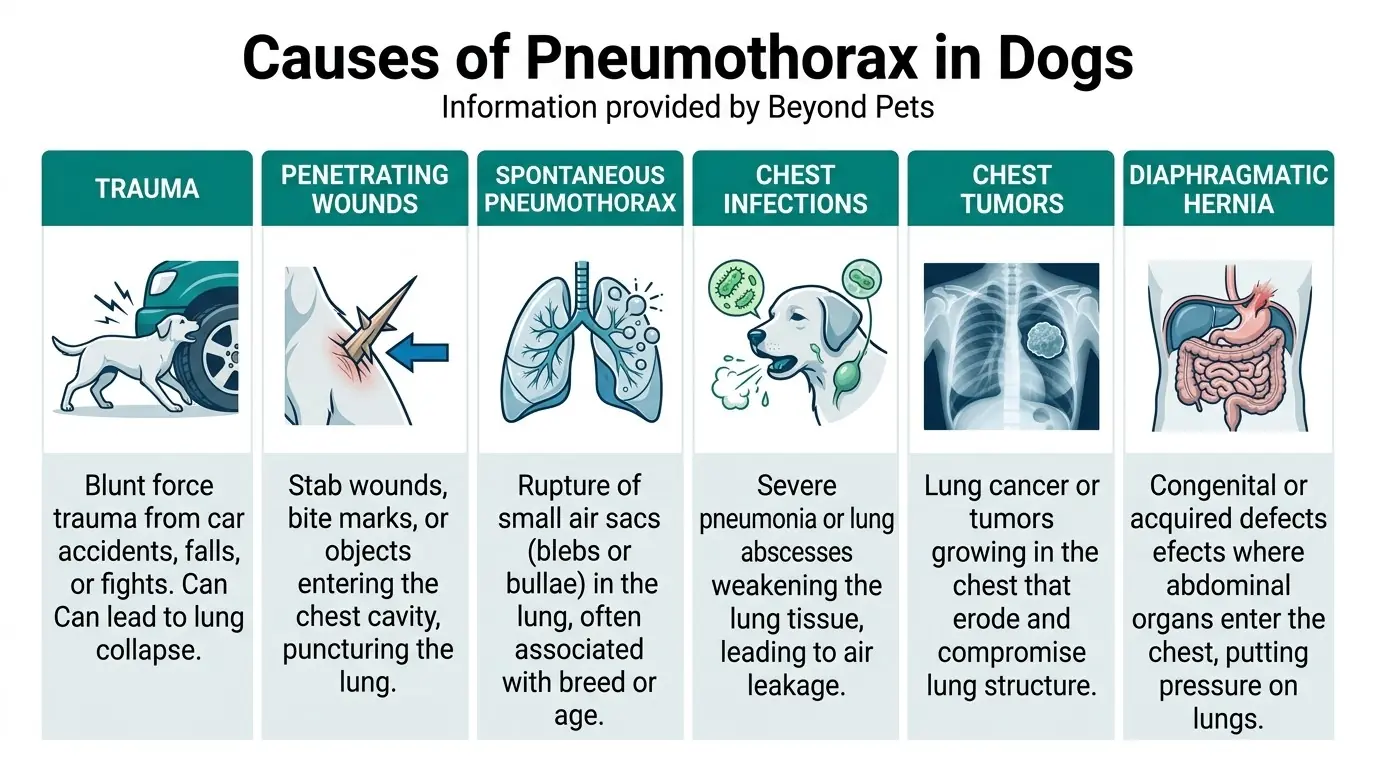
The etiology of pneumothorax in dogs is multifaceted, spanning severe environmental trauma, genetic predispositions, and complex internal disease processes. Thoroughly identifying the specific cause is paramount, as the underlying trigger dictates not only the immediate stabilization protocol but also the necessity of surgical intervention and the long-term prognosis. Veterinarians rely on extensive historical gathering, physical examinations, and advanced diagnostic imaging to isolate the root cause from a vast list of differential diagnoses. The causes are systematically broken down based on the type of pneumothorax presented.
Traumatic Pneumothorax
Trauma remains the leading overarching cause of air accumulation in the canine pleural space. The modern environment, whether urban or rural, poses numerous kinetic hazards to active dogs. The causes of traumatic pneumothorax are generally defined by the nature of the kinetic energy transfer to the thoracic wall.
- Motor Vehicle Accidents (HBC): Being struck by a car is the most common cause of closed traumatic pneumothorax. The extreme, blunt-force compression of the thorax can cause alveolar rupture due to the “paper bag effect,” or it can fracture ribs that subsequently lacerate the pulmonary parenchyma. These patients frequently present with concurrent injuries, including traumatic brain injuries, pelvic fractures, and diaphragmatic hernias.
- High-Velocity Falls: Dogs that jump or fall from significant heights (such as balconies, open windows, or retaining walls) experience profound deceleration injuries upon impact. The sudden stop compresses the chest violently against the ground, causing internal shearing forces that can tear the visceral pleura away from the lung tissue.
- Animal Encomiast and Bite Wounds: Dog fights or attacks by wild animals (like coyotes) frequently result in open pneumothorax. Canine teeth are designed to puncture and tear. A bite to the chest may leave only a small, innocent-looking puncture wound on the skin, but the tearing forces applied to the underlying intercostal muscles can open a direct conduit into the pleural space. This introduces air, saliva, and aggressive anaerobic bacteria into the chest.
- Penetrating Foreign Objects: Dogs running at high speeds through wooded areas or brush can become impaled on sharp sticks, low-hanging branches, or wire fencing. If the object penetrates the intercostal space, it creates an open, sucking chest wound. Removing the object in the field is highly discouraged, as the object itself may be acting as a temporary plug, preventing further massive air ingress or fatal hemorrhage from a lacerated intercostal artery.
- Gunshot or Projectile Wounds: While less common in household pets, hunting dogs or dogs in rural environments may suffer ballistic injuries. The kinetic shockwave of a bullet passing through or near the thoracic cavity causes massive cavitational damage to the lung tissue, leading to acute and severe pneumothorax accompanied by hemothorax (blood in the chest).
Spontaneous Pneumothorax
When trauma is ruled out, the veterinary team must pivot to internal, spontaneous causes. Spontaneous pneumothorax implies a structural failure within the lung itself, and the diagnostic challenge lies in determining whether this failure is due to a primary congenital weakness or a secondary disease process destroying the tissue from the inside out.
- Primary Pulmonary Blebs and Bullae: These are the culprits behind primary spontaneous pneumothorax. Bullae are essentially emphysematous, air-filled cysts that form on the margins of the lung lobes. Over time, the walls of these cysts thin out until they spontaneously rupture. Certain breeds, particularly Siberian Huskies, Alaskan Malamutes, and other deep-chested breeds, have a highly documented genetic predisposition to forming these weak structural anomalies. There is often no warning prior to rupture.
- Pulmonary Neoplasia (Cancer): Tumors growing within the lung tissue—whether primary lung tumors like bronchoalveolar carcinoma, or metastatic cancers spreading from other organs (such as hemangiosarcoma or osteosarcoma)—can outgrow their blood supply. This leads to central necrosis (death) of the tumor mass. If this necrotic core connects an airway directly to the pleural surface, it creates an unsealable pathway for air to leak continuously into the chest cavity.
- Severe Bacterial Pneumonia and Abscessation: Chronic, severe lower respiratory tract infections can cause localized tissue death. If a consolidated, purulent lung abscess ruptures through the visceral pleura, it dumps not only massive quantities of infectious pus into the chest (causing pyothorax) but also allows air to escape, resulting in a complex and highly fatal condition known as pyopneumothorax.
- Parasitic Infections: Certain parasites have a direct lifecycle predilection for the canine lungs. Paragonimus kellicotti, the North American lung fluke, forms cystic cavities within the lung tissue of dogs that ingest infected intermediate hosts (like crayfish). When these cysts rupture, they cause spontaneous pneumothorax. Similarly, severe heartworm disease (Dirofilaria immitis) causes profound thromboembolic showering of the lungs, leading to infarctions, tissue death, and subsequent air leaks.
- Fungal Pneumonias: Systemic mycoses, such as Blastomycosis, Histoplasmosis, or Coccidioidomycosis, cause severe, diffuse pyogranulomatous inflammation throughout the pulmonary parenchyma. This intense inflammatory response stiffens the lungs, reducing their compliance and making them brittle and prone to tearing during the normal mechanical effort of breathing.
- Asthma and Feline-like Lower Airway Disease: Though less common in dogs than in cats, chronic inflammatory bronchitis can cause air trapping within the lower airways. The chronic over-inflation of alveoli can eventually lead to their rupture and the gradual development of a pneumothorax.
Iatrogenic Pneumothorax
These causes are directly linked to necessary veterinary interventions. While statistically rare, the inherent risks of invasive procedures make iatrogenic pneumothorax a known and closely monitored potential complication in intensive care settings.
- Procedure Complications: The very procedure used to treat pleural space disease can paradoxically cause it. If a needle is inserted to drain fluid (like chyle or blood), and the dog unexpectedly gasps or jumps, the sharp tip of the needle can easily slice the expanding lung tissue, introducing a fresh air leak.
- Transthoracic Sampling: When attempting to diagnose a lung mass, a veterinarian may use imaging guidance to pass a long needle through the chest wall and into the tumor. The tract created by the needle usually seals with a small blood clot; however, if the tissue is highly diseased or if the dog is experiencing clotting issues, the hole may remain patent, allowing air to escape.
- Mechanical Ventilation Barotrauma: Dogs in critical respiratory failure may require life support via a mechanical ventilator. If the machine settings deliver too high a tidal volume, or if the Positive End-Expiratory Pressure (PEEP) is set excessively high, the alveoli can be stretched beyond their elastic limit, resulting in macroscopic tearing and pneumothorax.
- Anesthetic Circuit Errors: As previously mentioned, leaving the pop-off valve closed on an anesthetic machine prevents exhaled gases from scavenging. The pressure in the dog’s lungs builds with every breath delivered by the machine, leading to catastrophic, bilateral alveolar rupture within minutes.
- Surgical Dehiscence: Following a major thoracic surgery, such as a lung lobectomy, the surgical staples or sutures used to seal the remaining bronchial stump can fail. This dehiscence opens a massive, direct conduit from the major airways into the pleural space, representing an acute surgical emergency.
Tension Pneumothorax
Tension pneumothorax is not defined by a unique underlying etiology, but rather by the mechanical behavior of the injury site. Any of the causes listed above—a traumatic laceration, a ruptured congenital bulla, or a surgical dehiscence—can progress into a tension pneumothorax if the anatomical defect functions as a one-way valve. The tissue acts as a flap, opening under the negative pressure of inhalation to draw air into the chest, but closing under the positive pressure of exhalation to trap it. This leads to a rapid, fatal accumulation of positive pressure within the thoracic cavity, crushing the heart and lungs. It is the most extreme expression of pneumothorax pathophysiology and mandates immediate, aggressive decompression to prevent cardiovascular collapse.
Symptoms of Pneumothorax in Dogs
The clinical presentation of a dog suffering from pneumothorax is heavily dictated by the volume of air that has accumulated, the rate at which the accumulation is occurring, and the baseline cardiopulmonary health of the patient. Because the primary pathophysiological consequence of pneumothorax is the collapse of lung lobes and the subsequent inability to oxygenate blood, the majority of symptoms revolve around respiratory distress and the body’s desperate, systemic attempts to compensate for profound hypoxia. Recognizing these signs early is the absolute key to a successful veterinary outcome.[17]
The earliest and most universal sign of pneumothorax is an alteration in the dog’s breathing pattern. Owners will often first notice an uncharacteristically increased respiratory rate, known clinically as tachypnea. A normal resting dog breathes between 15 and 30 times per minute; a dog with pneumothorax may pant excessively or breathe at rates exceeding 60 to 80 breaths per minute, even in cool environments and at complete rest. As the volume of trapped air increases and more lung tissue collapses, tachypnea progresses to frank dyspnea—labored, difficult, and visibly distressing breathing. The dog will exhibit exaggerated movements of the chest wall, and often, paradoxical abdominal breathing, where the abdominal muscles forcefully contract during exhalation in a desperate attempt to push air out of the compromised lungs.[18]
To maximize their airway diameter and utilize every accessory muscle of respiration, dogs will frequently adopt a classic orthopneic posture. They will refuse to lie down, choosing instead to stand or sit upright with their front legs spread wide apart (abducted elbows) and their neck extended straight out. This posture straightens the trachea and reduces mechanical resistance to airflow. If the dog is forced to lie down, they will vehemently resist lying on their side (lateral recumbency), as this position compresses the dependent lung and exacerbates the feeling of suffocation.[19]
As systemic oxygen levels plummet, the visible mucous membranes—most notably the gums, inner lips, and tongue—will undergo dramatic color changes. Initially, they may appear brick red as the body attempts to maximize blood flow to the tissues, but as hypoxia sets in, they will transition to a pale, ashen grey, and finally to a stark, bluish-purple hue known as cyanosis. Cyanosis is a late-stage, highly alarming symptom indicating that a massive percentage of the dog’s hemoglobin is completely devoid of oxygen. Concurrently, the lack of oxygen reaching the brain will cause profound behavioral changes. The dog will exhibit severe restlessness, generalized anxiety, and an inability to settle. The dog’s eyes may appear wide and panicked. If the hypoxia is not rapidly corrected, this anxiety will transition into severe lethargy, profound weakness, and eventually, sudden collapse or syncope (fainting).[20]
In cases of traumatic pneumothorax, these respiratory signs are frequently accompanied by evidence of external trauma, such as lacerations, bruising, or bleeding from the mouth or nose. Additionally, trauma can cause air to leak not only into the chest cavity but also into the tissues just beneath the skin—a condition called subcutaneous emphysema. When a veterinarian or owner touches the skin over the dog’s chest, neck, or shoulders, it will feel exactly like popping bubble wrap, accompanied by a distinct crackling sound. This is a hallmark sign of a massive airway tear.
Finally, cardiovascular symptoms will rapidly manifest, particularly if the condition is progressing toward a tension pneumothorax. The dog’s heart rate will skyrocket (tachycardia) as the heart desperately tries to circulate what little oxygen remains in the blood. However, as the rising pressure inside the chest begins to crush the vena cava and restrict blood flow back to the heart, the peripheral pulses will become incredibly weak and thready. The dog’s extremities may feel cold to the touch due to poor perfusion. At this stage, the dog is in profound obstructive shock and is merely minutes away from fatal cardiac arrest without immediate decompression.
Diagnosis of Pneumothorax in Dogs
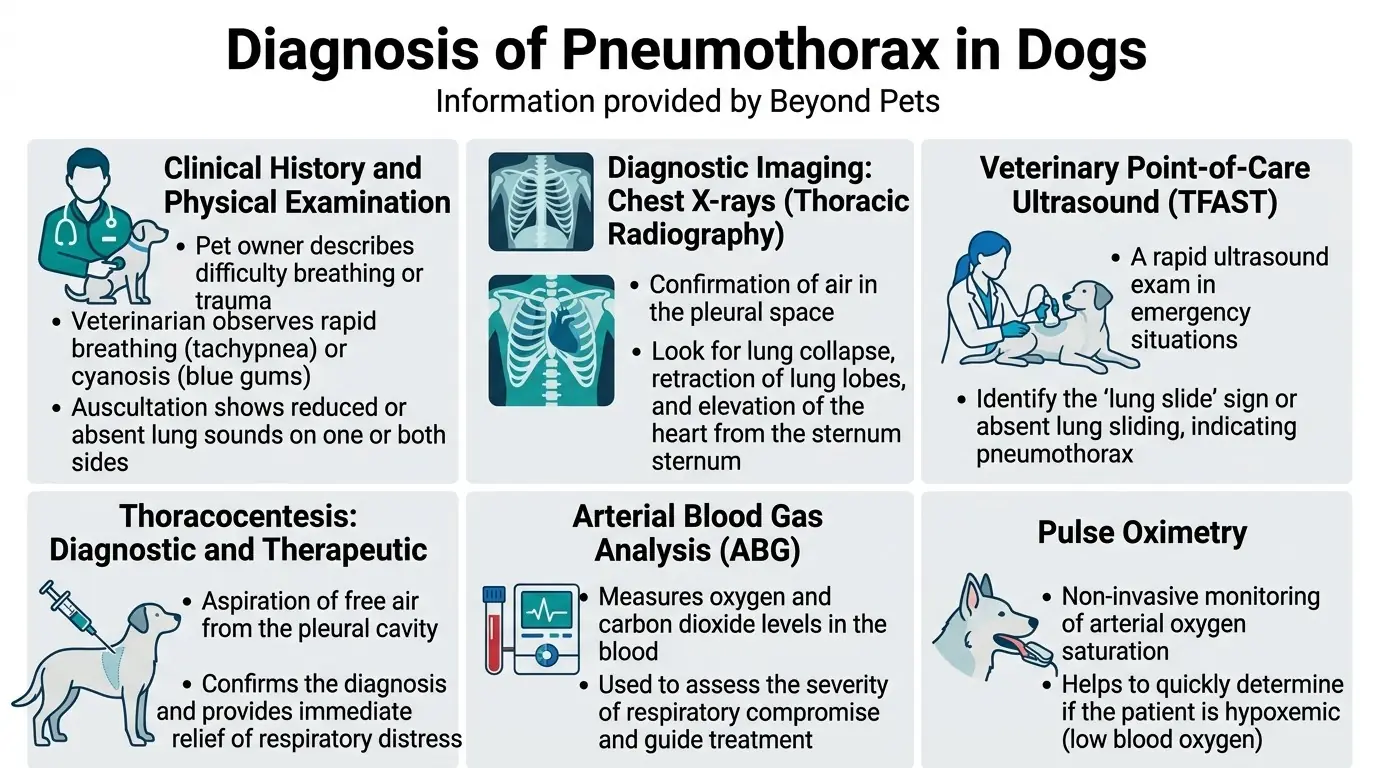
Diagnosing pneumothorax in a veterinary emergency room requires a delicate, high-stakes balance between gathering necessary diagnostic information and avoiding the fatal destabilization of an already fragile, hypoxic patient. The diagnostic process is rarely linear; veterinarians often must perform life-saving empirical treatments simultaneously with their diagnostic investigations. The phrase “triage supersedes diagnostics” is the guiding philosophy when a dog presents in acute respiratory distress.[21]
Physical Examination and Auscultation: The diagnostic process begins the moment the dog enters the clinic. The veterinarian will visually assess the breathing pattern, mucous membrane color, and overall mentation. The most critical initial diagnostic tool is the stethoscope. When listening to a normal dog’s chest, clear, crisp breath sounds should be heard uniformly across all lung fields. In a dog with pneumothorax, the layer of free air trapped in the pleural space acts as an acoustic insulator, physically separating the lung tissue from the chest wall. Consequently, lung sounds will be dramatically muffled, distant, or completely absent, particularly in the dorsal (upper) regions of the chest, as free air naturally rises to the highest point in the thoracic cavity. Additionally, percussion—tapping sharply on the chest wall—will yield a hollow, drum-like, hyper-resonant sound, confirming the presence of a large, air-filled void rather than solid tissue.[22]
TFAST (Thoracic Focused Assessment with Sonography for Trauma): Before moving a highly unstable patient to the radiology suite, many modern veterinary emergency rooms utilize point-of-care ultrasound. The TFAST protocol is a rapid, minimally invasive ultrasound exam performed right on the triage table while the dog receives supplemental oxygen. The veterinarian will place the ultrasound probe on specific points of the chest wall to look for the “glide sign.” In a normal dog, the visceral and parietal pleura can be seen sliding against each other with every breath. In a pneumothorax, the air completely disrupts this interface, resulting in an absent glide sign. TFAST is exceptionally sensitive for detecting even small volumes of pleural air and can be completed in less than two minutes without stressing the patient.[23]
Thoracic Radiography (X-rays): Radiographs remain the cornerstone diagnostic imaging modality for confirming pneumothorax and evaluating the extent of the lung collapse. However, positioning a severely dyspneic dog for x-rays is incredibly dangerous. Struggling on a radiology table can increase oxygen demand beyond what the dog can supply, leading to fatal cardiac arrest. Therefore, veterinarians will often only take a dorsoventral (DV) view—where the dog is lying comfortably on its stomach—rather than forcing the dog onto its back for a ventrodorsal (VD) view. The classic radiographic hallmarks of pneumothorax include an apparent elevation of the cardiac silhouette (the heart appears to float above the sternum because air is lifting it), retraction of the lung lobe margins away from the chest wall, and vast, radiolucent (black) spaces in the periphery of the chest that are completely devoid of the normal white, branching pulmonary blood vessels. Radiographs can also reveal concurrent traumatic injuries, such as rib fractures, diaphragmatic hernias, or pulmonary contusions.[24]
Computed Tomography (CT) Scans: While radiographs confirm the presence of free air, they are notoriously poor at identifying the specific source of the leak, particularly in cases of spontaneous pneumothorax. The superimposition of anatomical structures on a 2D x-ray makes tiny, ruptured bullae virtually impossible to see. A CT scan, which provides highly detailed, 3-dimensional, cross-sectional images of the entire thoracic cavity, is considered the absolute gold standard for diagnosing primary and secondary spontaneous pneumothorax. CT allows the veterinary radiologist to map the exact location, size, and number of pulmonary bullae, identify hidden lung tumors, and assess the health of the remaining lung lobes. This detailed mapping is an absolute prerequisite for any surgeon planning a lung lobectomy, as it dictates the surgical approach. However, CT scans require the dog to be placed under general anesthesia, meaning the patient must be medically stabilized with chest tubes prior to the scan.[25]
Arterial Blood Gas Analysis: To objectively quantify the severity of the respiratory failure, the veterinarian may draw a sample of arterial blood—usually from the dorsal pedal artery on the dog’s hind paw. A blood gas analyzer measures the exact partial pressures of oxygen (PaO2) and carbon dioxide (PaCO2) circulating in the arterial system. Dogs with severe pneumothorax will exhibit profound hypoxemia (low PaO2) and, as they fatigue and begin to hypoventilate, hypercapnia (high PaCO2). This data helps guide the intensity of the necessary oxygen therapy and alerts the team if mechanical ventilation is required.
Treatment Options for Pneumothorax in Dogs
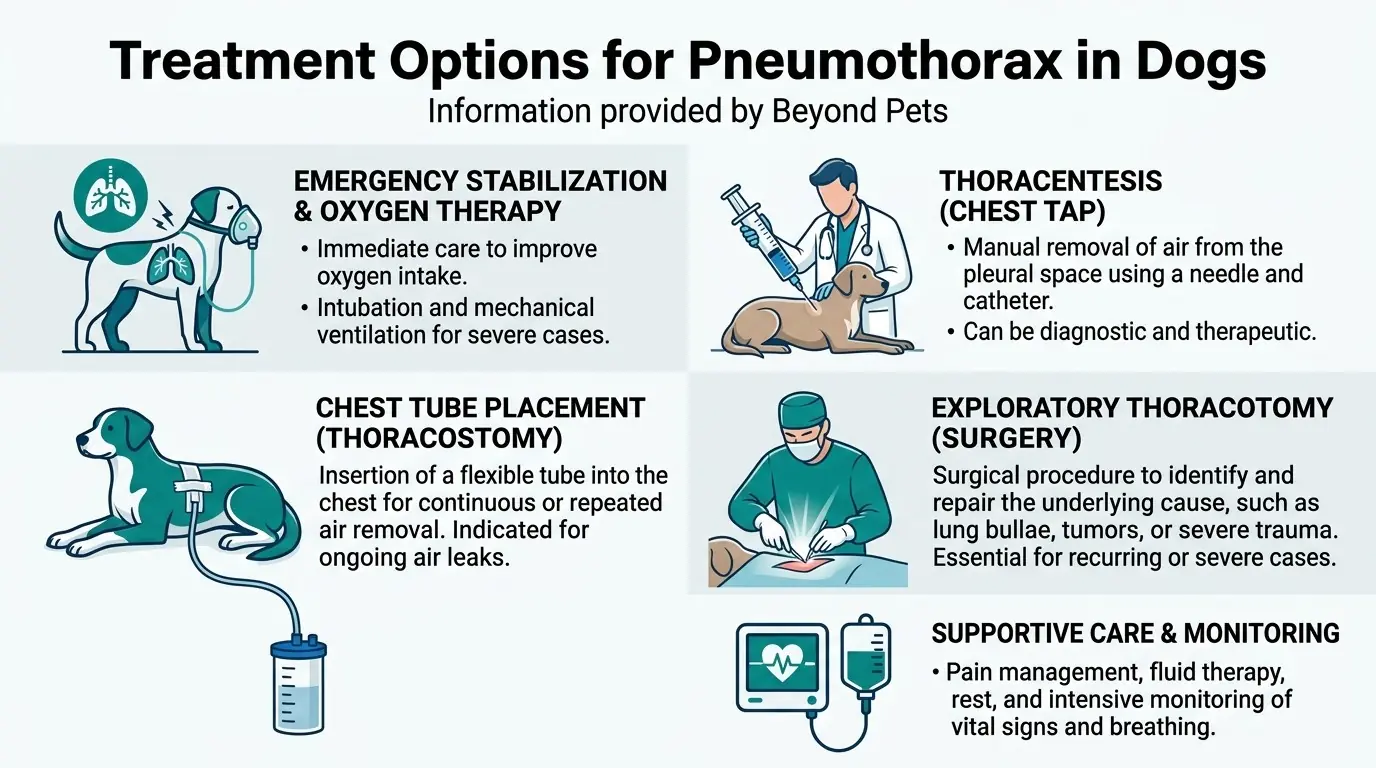
The therapeutic approach to canine pneumothorax is highly dynamic, often escalating from non-invasive emergency stabilization to aggressive surgical intervention depending on the patient’s real-time response to therapy. The ultimate goals of treatment are threefold: first, to immediately evacuate the trapped air and re-expand the collapsed lungs to restore oxygenation; second, to definitively seal the source of the air leak to prevent recurrence; and third, to treat any underlying systemic diseases or traumatic injuries contributing to the patient’s critical state. A multi-modal, highly intensive care strategy is universally required.
Emergency Stabilization
When a dog arrives in acute respiratory distress, diagnostics are paused, and emergency stabilization protocols are immediately initiated. The absolute priority is to maximize the delivery of oxygen to the starving tissues. Oxygen therapy is implemented instantaneously. Depending on the dog’s tolerance, this can be achieved via “flow-by” oxygen (holding a tube delivering supplemental oxygen close to the dog’s nose), securing an oxygen mask over the muzzle, placing bilateral nasal oxygen cannulas, or placing the dog inside a specialized, climate-controlled oxygen cage that maintains a precise fraction of inspired oxygen (FiO2) between 40% and 60%.
Simultaneously, an intravenous (IV) catheter is rapidly placed to facilitate the administration of life-saving medications and fluid resuscitation. Many dogs with pneumothorax, particularly those suffering from tension pneumothorax or severe trauma, are in a state of hypovolemic or obstructive shock. Their blood pressure is dangerously low, and tissue perfusion is failing. The veterinary team will administer rapid intravenous fluid therapy utilizing prescription isotonic crystalloid fluids to expand the intravascular blood volume, increase venous return to the heart, and push cardiac output back into a survivable range.
If cardiovascular instability is profound, the administration of powerful cardiovascular support drugs may be necessary to support the failing heart and constrict peripheral blood vessels to maintain blood pressure. These potent medications, administered continuously intravenously, include:
- Primary Inotropic Medications: These cardiovascular support drugs stimulate specific adrenergic receptors to act as powerful inotropes, significantly increasing the strength of the heart’s muscular contractions and boosting cardiac output.
- Targeted Beta-Agonists: These highly selective agents enhance myocardial contractility and increase stroke volume without causing the extreme increases in heart rate or peripheral vascular resistance that can stress an already damaged heart.
- Emergency Resuscitation Agents: Reserved for the most dire emergencies or impending cardiac arrest, these potent medications cause massive peripheral vasoconstriction to shunt blood to the brain and heart, while simultaneously maximizing heart rate and contractility.
- Potent Vasopressors: These powerful agents are used to correct severe, refractory hypotension by aggressively constricting the peripheral arterial vasculature, thereby driving blood pressure upward.
These vasoactive medications possess incredibly narrow therapeutic indices and can trigger fatal arrhythmias if mismanaged. They are strictly titrated by highly trained emergency veterinarians utilizing continuous direct arterial blood pressure monitoring via an arterial catheter.
Thoracic Cavity Decompression
If oxygen therapy and fluid resuscitation are insufficient, or if the clinical signs strongly point toward a massive or tension pneumothorax, the veterinarian will immediately perform a life-saving procedure to decompress the chest. This procedure physically removes the trapped air from the pleural space, instantly breaking the negative pressure seal, allowing the collapsed lung lobes to re-expand, and relieving the crushing pressure on the vena cava to restore cardiovascular stability.
The technical execution of this decompression is meticulous. First, the dog is typically kept in sternal recumbency (resting on its chest), allowing the free air to rise naturally to the dorsal aspects of the thoracic cavity. Providing the dog is stable enough, mild sedation may be administered to reduce anxiety and prevent sudden movements. The veterinarian identifies the optimal anatomical landmark, typically between the 7th and 9th ribs, in the dorsal third of the chest. The skin over this area is widely clipped of fur and scrubbed with veterinary-grade surgical antiseptics to ensure strict surgical sterility.
A specialized, sterile apparatus is assembled consisting of a catheter or needle, high-pressure extension tubing, a three-way stopcock, and a large medical syringe. The veterinarian carefully advances the needle through the skin and intercostal musculature. A critical anatomical consideration is that the intercostal artery, vein, and nerve run immediately caudal (behind) the trailing edge of each rib. Therefore, the needle must always be purposefully inserted immediately cranial (in front of) the leading edge of a rib to prevent massive iatrogenic hemorrhage or severe nerve pain. Once the pleural space is breached, the veterinarian applies negative pressure via the syringe. If a pneumothorax is present, massive volumes of air will be rapidly aspirated. The three-way stopcock allows the clinician to continuously evacuate the air, empty the syringe into the room, and pull more air without ever breaking the closed system. The procedure continues until negative pressure is firmly re-established in the chest cavity, indicating the lung is fully expanded and pressed against the chest wall. The volume of air removed is meticulously recorded.
Chest Tube Placement
While needle decompression is an excellent emergency rescue maneuver, it is merely a point-in-time fix. If the underlying tear in the lung parenchyma is large, or if a ruptured bulla continues to leak, the pleural space will rapidly fill with air again the moment the needle is withdrawn. If a dog requires repeated decompression procedures within a short period, or if negative pressure can never be achieved during the initial procedure (indicating a massive, continuous air leak), the placement of an indwelling thoracostomy tube, or chest tube, becomes absolutely mandatory.
Chest tube placement allows for the continuous, uninterrupted drainage of air and fluid from the pleural cavity, keeping the lungs expanded while the body attempts to seal the internal leak. The procedure requires specialized sedation or brief general anesthesia. The veterinary surgeon will make a small incision in the skin, typically around the 10th intercostal space, and tunnel the tube forward under the skin before aggressively pushing it through the intercostal muscles and into the pleural space at the 7th or 8th intercostal space. This subcutaneous tunnel creates a natural tissue seal, preventing room air from leaking into the chest around the tube. The tube is then heavily secured to the dog’s chest wall using specialized surgical friction knots (such as a Chinese finger trap suture pattern) and wrapped in sterile, bulky bandages.
Once secured, the external end of the chest tube is connected to a closed, sterile evacuation system. For slow leaks, the tube may be capped with a 3-way stopcock and manually aspirated by a veterinary nurse every hour. However, for massive, continuous leaks, the tube is hooked to a continuous active suction system (such as a mechanical suction pump). These systems maintain a constant, low-grade negative pressure on the pleural space, continuously vacuuming the leaking air away faster than it can accumulate, ensuring the lung remains fully inflated against the chest wall at all times. A dog with a chest tube requires 24/7, round-the-clock intensive care monitoring, as premature dislodgement or chewing of the tube by the dog will instantly result in a massive, open pneumothorax.
Thoracic Surgery
For many dogs, particularly those suffering from primary spontaneous pneumothorax due to ruptured bullae, conservative medical management with a chest tube will ultimately fail. The delicate, necrotic tissue of a ruptured bulla rarely heals on its own. In these scenarios, or in cases of severe penetrating trauma where massive lung lacerations exist, thoracic surgery becomes the definitive, life-saving treatment option. The primary objective of surgery is to visually locate the source of the air leak and physically remove the damaged, leaking section of lung tissue.
The surgical approaches available are complex and highly invasive. The traditional approach is a median sternotomy, where the veterinary surgeon utilizes an oscillating bone saw to split the dog’s sternum (breastbone) directly down the middle. While incredibly invasive, this approach provides the surgeon with unparalleled, bilateral access to every single lung lobe on both the right and left sides of the chest. This is crucial when dealing with spontaneous pneumothorax, as bullae are frequently bilateral (present on both sides). Alternatively, if advanced imaging (like a CT scan) has definitively isolated the lesion to a single, specific lung lobe, the surgeon may opt for an intercostal thoracotomy, spreading the ribs on only one side of the chest. This approach is significantly less painful post-operatively but offers limited visibility.
More recently, specialized veterinary referral centers offer Video-Assisted Thoracoscopic Surgery (VATS). This is a state-of-the-art, minimally invasive approach where the surgeon makes tiny, 5-to-10-millimeter incisions and inserts a high-definition fiber-optic camera and specialized long-handled instruments into the chest. VATS dramatically reduces post-operative pain, limits tissue trauma, and results in a much faster recovery compared to traditional open chest surgery, though it requires highly specialized training and expensive equipment.
Regardless of the approach, once the leaking lung lobe is identified, the surgeon performs a lung lobectomy—the complete surgical removal of the affected lobe. This is most safely and efficiently accomplished using a surgical stapling device. The surgeon clamps the stapler across the thick bronchus and major blood vessels at the base (hilum) of the lung lobe. When fired, the device deploys multiple, staggered rows of microscopic titanium staples that instantly crush, seal, and cut the tissue, leaving an incredibly secure, airtight, and watertight seal that prevents any future leaks. In addition to the lobectomy, the surgeon may perform a pleurodesis, mechanically abrading the inner lining of the chest wall with a dry surgical sponge to induce profound inflammation. As this inflammation heals, it creates dense scar tissue that physically glues the remaining lung lobes to the chest wall, obliterating the pleural space and drastically reducing the mathematical probability of a recurrent pneumothorax in the future.
Pain Management
The thorax is one of the most densely innervated, neurologically sensitive regions in the entire canine body. The pain associated with broken ribs, severe blunt trauma, chest tube insertion, and massive surgical incisions like a sternotomy is excruciating. If a dog is in severe pain, they will instinctively refuse to take deep breaths (a condition known as chest wall splinting). This shallow breathing leads to alveolar collapse, hypoventilation, pneumonia, and a dangerous drop in oxygenation. Therefore, aggressive, preemptive, and multi-modal pain management is not merely an issue of animal welfare; it is a critical physiological necessity for survival and recovery.
Veterinary criticalists employ a sophisticated arsenal of analgesic medications targeting various different pain pathways simultaneously, allowing for maximum pain relief while minimizing the toxic side effects of any single drug. The cornerstone of thoracic analgesia involves potent prescription pain medications. These advanced analgesics are often administered continuously directly into the intravenous line, providing a constant, unwavering plane of deep, systemic pain relief without the peaks and valleys associated with intermittent injections.
In addition to systemic pain relief, the use of local anesthetics is heavily utilized to provide targeted, regional numbness directly to the surgical site or injured ribs. The surgeon may perform intercostal nerve blocks, injecting a long-acting local anesthetic directly around the nerves running along the ribs prior to making an incision. Recently, the advent of extended-release local anesthetics has revolutionized thoracic surgery. When injected into the muscle layers during the closure of a thoracotomy, the advanced formulation slowly degrades, releasing a continuous stream of numbing medication directly into the incision site, providing profound, localized pain relief for up to 72 hours post-operatively.
As the dog stabilizes and the risk of internal bleeding subsides, prescription nonsteroidal anti-inflammatory medications (NSAIDs) are introduced. NSAIDs are crucial for reducing the profound localized tissue inflammation and swelling that other pain medications cannot address. Furthermore, continuous intravenous administration of specialized nerve-pain medication is frequently utilized to prevent the nervous system from becoming hyper-sensitized to pain (a phenomenon known as “wind-up”), ensuring that the dog remains comfortable, calm, and able to breathe deeply during their critical recovery window.
Mechanical Ventilation
In the most catastrophic manifestations of pneumothorax—such as when massive pulmonary contusions completely destroy the lung’s ability to transfer oxygen, or when the dog’s respiratory muscles become utterly exhausted from struggling to breathe against a collapsed lung—spontaneous breathing fails. In these dire scenarios, the veterinary critical care team must initiate Mechanical Ventilation. The dog is placed under heavy, continuous intravenous anesthesia, chemically paralyzed with generalized nerve-blocking agents, intubated, and connected to a highly advanced life-support ventilator.
The ventilator assumes total control of the patient’s respiratory drive. It forcibly pushes a precise tidal volume of oxygen-rich air into the lungs at a set respiratory rate. Crucially, the machine applies Positive End-Expiratory Pressure (PEEP). PEEP acts as an invisible, pneumatic stent; it maintains a constant, low level of positive pressure within the airways even at the absolute end of exhalation. This pressure prevents the damaged, heavy, fluid-filled alveoli from collapsing completely, keeping them open and available for gas exchange. Mechanical ventilation provides the dog’s exhausted body with the ultimate rest, buying critical time for severe pulmonary trauma to heal, antibiotics to clear rampant infections, and surgical sites to seal. However, ventilation requires one-on-one, 24-hour nursing care in a specialized tertiary intensive care unit and carries its own significant risks, including ventilator-associated pneumonia (VAP) and cardiovascular depression.
Recovery of Pneumothorax in Dogs
Surviving the acute crisis of a pneumothorax is a monumental achievement, but the subsequent recovery period is equally critical and requires meticulous, ongoing veterinary oversight. The timeline for recovery is highly variable. A dog that suffered a minor traumatic pneumothorax that resolved with emergency decompression may be discharged within 48 hours. Conversely, a dog that underwent a bilateral median sternotomy and lung lobectomy for ruptured bullae will face a grueling, multi-week recovery process involving extensive hospitalization.
In the immediate post-operative or post-stabilization period, the dog will remain hospitalized in the intensive care unit. The veterinary nursing staff will conduct rigorous, round-the-clock monitoring of the dog’s vital parameters, including continuous electrocardiogram (ECG) telemetry to detect trauma-induced cardiac arrhythmias, pulse oximetry to ensure oxygen saturation remains above 95%, and direct arterial blood pressure monitoring. If a chest tube remains in place, the nurses will aspirate it at strict intervals, meticulously recording the volume of air and fluid retrieved. The absolute criteria for chest tube removal require the tube to produce negative pressure (no air) and minimal fluid (less than 2 mL/kg/day) for at least 12 to 24 consecutive hours. Premature removal of the tube guarantees a relapse.
Surgical incisions must be monitored daily for any signs of dehiscence, severe swelling, or purulent discharge indicating an incisional infection. The dog will be discharged with a comprehensive pharmaceutical regimen. This typically includes a tapering course of comprehensive prescription pain and anti-inflammatory medications for pain control, and, depending on the underlying cause, a targeted course of broad-spectrum prescription antibiotics to combat or prevent secondary bacterial pneumonia.
Nutritional support is an often-overlooked but utterly vital component of recovery. The physical act of struggling to breathe, coupled with the massive metabolic demands of healing a major thoracic injury, burns thousands of calories. Yet, many dogs are profoundly anorexic due to pain, nausea from medications, and the stress of hospitalization. The veterinary team will aggressively implement enteral feeding protocols, offering highly palatable, calorically dense recovery diets. If the dog refuses to eat voluntarily, the placement of a temporary feeding tube ensures the patient receives the exact macronutrient and caloric requirements necessary to fuel cellular repair and immune function.
Upon discharge, the owner assumes the role of primary caregiver. Strict, uncompromising activity restriction is the most important directive. The dog must be confined to a small room or a comfortable, oversized crate for a minimum of 4 to 6 weeks. Any sudden spikes in heart rate or blood pressure, or any deep, forceful panting associated with running, jumping on furniture, or playing with other pets, can cause the fragile, healing lung tissue to tear open again. The dog must only be taken outside on a short leash for essential bathroom breaks. The owner must become highly proficient at monitoring the dog’s resting respiratory rate (RRR) while the dog is fast asleep; a sustained RRR climbing above 30 breaths per minute is often the very first, subtle indicator that the pneumothorax is recurring, warranting an immediate emergency re-evaluation.
Living and Management
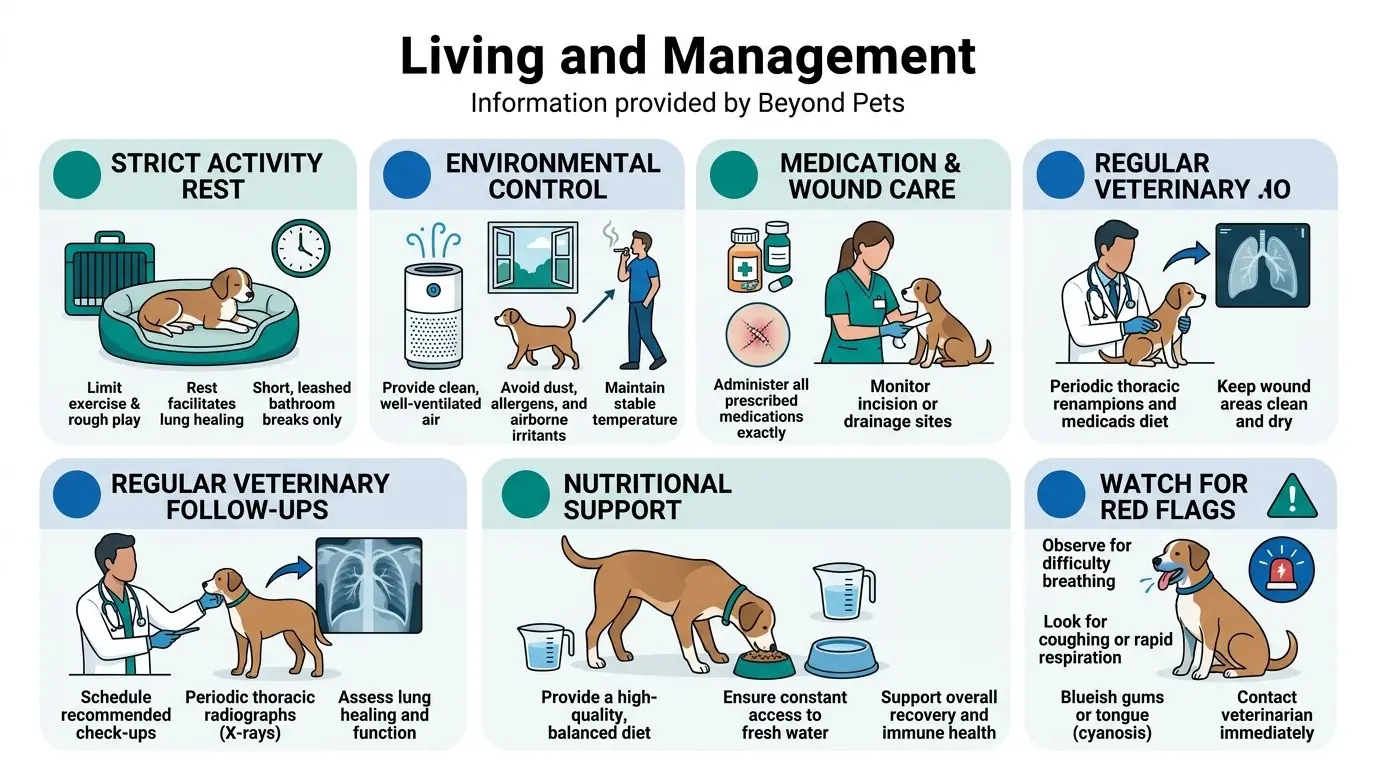
Once the initial recovery period has passed and the surgical sites have fully healed, integrating the dog back into their normal lifestyle requires thoughtful, permanent adjustments. While many dogs go on to live completely normal, vibrant lives, owners of dogs who have suffered a pneumothorax—especially a spontaneous one—must remain ever-vigilant, as the risk of recurrence is a lifelong reality.
The cornerstone of long-term management is minimizing sheer mechanical stress on the respiratory system. Owners must permanently transition the dog from a traditional neck collar to a well-fitted, padded body harness. A collar places direct pressure against the trachea and lower neck when the dog pulls, which dramatically spikes intrathoracic pressure and can potentially rupture weakened pulmonary bullae. A harness distributes kinetic forces safely across the sturdy bones of the shoulders and chest wall. Furthermore, highly demanding cardiovascular activities—such as intense agility training, prolonged games of fetch, or running alongside a bicycle—should be permanently retired in favor of moderate, low-impact exercise like controlled, steady-state walking.
Maintaining a healthy weight is essential for dogs with a history of pleural space disease. Obesity places a massive, continuous physical burden on the respiratory system. Excess intra-abdominal fat physically pushes the diaphragm forward into the chest cavity, chronically reducing the total volume of air the lungs can inspire. This drastically lowers the dog’s respiratory reserve capacity, meaning that if a small pneumothorax does recur, an overweight dog will decompensate and enter hypoxic crisis much faster than a lean, well-muscled counterpart. Strict portion control and the use of prescription weight-management diets may be recommended by the attending veterinarian.
Environmental management is also crucial. The home environment must be kept meticulously free of airborne irritants that could trigger violent coughing fits or chronic bronchial inflammation. Owners must absolutely refrain from smoking indoors. The use of strong chemical aerosols, heavily scented diffusers, and dusty cat litters should be minimized or eliminated. The goal is to keep the lower airways as calm, clear, and uninflamed as possible. Additionally, owners of dogs with a history of severe bullous disease should consult with their veterinarian before taking their dogs to high-altitude destinations or traveling with them in the unpressurized cargo holds of certain aircraft, as significant drops in ambient barometric pressure can cause existing blebs to rapidly expand and rupture.
Routine, proactive veterinary care becomes more important than ever. Biannual physical examinations, complete with thorough cardiac and pulmonary auscultation, are highly recommended. For dogs managed medically for primary spontaneous pneumothorax, the veterinarian may recommend serial surveillance thoracic radiographs every 6 to 12 months to monitor the progression of known bullae or detect the formation of new ones before they rupture. Managing a dog post-pneumothorax is a collaborative, ongoing effort, and it is imperative that owners consult your veterinarian before making any changes to your pet’s care, exercise routine, or dietary regimen.
Frequently Asked Questions
Does Your Dog Need Immediate Care?
If your pet is showing any signs of respiratory distress or you suspect they may be suffering from a pneumothorax, every second counts. Don’t wait to get them the help they need.
References
- Merck Veterinary Manual. Pleural Effusion and Pneumothorax in Dogs and Cats. Merck & Co., 2022.
- Epstein, S. Respiratory Physiology and Pathophysiology. Vet Clin North Am Small Anim Pract, 2017.
- VCA Animal Hospitals. Pneumothorax in Dogs. VCA Hospitals, 2021.
- American Veterinary Medical Association (AVMA). Respiratory Emergencies in Pets. AVMA, 2023.
- Puerto, D.A., et al. Surgical and Medical Management of Spontaneous Pneumothorax in Dogs. JAVMA, 2012.
- American College of Veterinary Surgeons (ACVS). Spontaneous Pneumothorax. ACVS, 2020.
- Mooney, E.T., et al. Secondary Spontaneous Pneumothorax in Dogs. Journal of Veterinary Internal Medicine, 2018.
- Sigrist, N.E., et al. Thoracic Trauma in Dogs and Cats. Journal of Veterinary Emergency and Critical Care, 2017.
- Veterinary Information Network (VIN). Pathophysiology of Blunt Thoracic Trauma. VIN, 2019.
- Boyle, T.E., et al. Management of Penetrating Thoracic Wounds in Dogs. Vet Surg, 2015.
- Smith, J. Iatrogenic Complications in Small Animal Thoracic Medicine. Vet Clin North Am Small Anim Pract, 2015.
- Patterson, C., et al. Complications of Ultrasound-Guided Fine-Needle Aspiration in Dogs. JAVMA, 2011.
- Hopper, K. Mechanical Ventilation and Pulmonary Barotrauma in Dogs. JVECC, 2016.
- Merck Veterinary Manual. Tension Pneumothorax. Merck & Co., 2021.
- Waddell, L.S. Cardiovascular Consequences of Tension Pneumothorax. Vet Clin North Am Small Anim Pract, 2019.
- Veterinary Information Network (VIN). Emergency Triage of the Dyspneic Dog. VIN, 2020.
- Boysen, S.R., et al. Clinical Presentation of Pleural Space Disease in Dogs. JAVMA, 2018.
- VCA Animal Hospitals. Dyspnea and Tachypnea in Dogs. VCA Hospitals, 2022.
- Silverstein, D.C. Orthopnea and Respiratory Distress in the Emergency Room. JVECC, 2014.
- Mandell, D.C. Hypoxemia and Cyanosis in Veterinary Critical Care. Vet Clin North Am Small Anim Pract, 2018.
- American Veterinary Medical Association (AVMA). Veterinary Emergency Triage. AVMA, 2021.
- Rozanski, E.A. Physical Examination of the Respiratory System. Vet Clin North Am Small Anim Pract, 2017.
- Lisciandro, G.R., et al. TFAST for the Detection of Pneumothorax in Dogs. Journal of Veterinary Emergency and Critical Care, 2008.
- Thrall, D.E. Radiographic Signs of Pleural Space Disease. Veterinary Radiology & Ultrasound, 2011.
- Reetz, J.A., et al. CT vs Radiography for the Detection of Pulmonary Bullae in Dogs. Veterinary Radiology & Ultrasound, 2013.