




 March 1, 2023
 Phil Good, DVM
What is Dilated Cardiomyopathy in Dogs?
This content was prepared with AI assistance and reviewed by a licensed professional for accuracy.
Introduction
For years, Jenna and her exceptionally energetic Doberman Pinscher, Rocky, had been virtually inseparable. They spent countless hours exploring the great outdoors, hiking challenging trails, and enjoying long evening walks together. Rocky was the picture of canine athleticism, characterized by his deep chest, powerful stride, and boundless endurance. However, as Rocky approached his seventh birthday, Jenna began to notice a troubling, insidious shift in his overall stamina and behavior. Initially, he merely lagged behind during their usual uphill climbs. Within a few weeks, Rocky was becoming increasingly lethargic and distinctly short of breath after even short, leisurely walks around the neighborhood block. Concerned about her beloved companion’s declining well-being, Jenna took Rocky to her local veterinarian for a comprehensive examination. Following a series of advanced cardiac diagnostics, the veterinarian delivered a heavy diagnosis: Rocky was suffering from Dilated Cardiomyopathy in Dogs (DCM), a highly serious, progressive heart muscle condition that profoundly alters the mechanical and electrical functions of the canine heart.[1]
To fully grasp what Rocky and countless other dogs face, we must deeply explore the physiology of the canine cardiovascular system. The heart is essentially an extraordinarily complex, tireless biological pump composed of four primary chambers: the right atrium, the right ventricle, the left atrium, and the left ventricle. In a healthy dog, the heart muscle, known as the myocardium, contracts with a forceful, synchronized rhythm during a phase called systole, propelling oxygen-rich blood out to the vital organs and tissues. During the relaxation phase, known as diastole, the heart chambers expand to fill with incoming blood. Dilated Cardiomyopathy in dogs fundamentally disrupts this delicate biomechanical balance. It is defined as a primary disease of the cardiac muscle characterized by marked structural dilation (enlargement) of the ventricular chambers, accompanied by a devastating decrease in systolic contractile force. In simpler terms, the heart muscle walls become progressively thinned, stretched out, and profoundly weak, rendering the heart incapable of pumping blood forward efficiently.[2]
The progression of this disease is heavily reliant on compensatory mechanisms that ultimately fail. When the heart initially loses its pumping strength, the body detects a drop in systemic blood pressure and cardiac output. In response, the sympathetic nervous system and the kidneys trigger cascades to retain sodium and water, attempting to boost blood volume and stretch the heart muscle to induce a stronger contraction—a concept known in cardiac physiology as the Frank-Starling mechanism.[3] While this provides a temporary fix, the constant stretching eventually overwhelms the muscle fibers. The left ventricle, which bears the immense burden of pumping blood to the entire body, typically dilates first, expanding like a tired, over-inflated balloon. Over time, the right side of the heart may also undergo similar pathological remodeling. As per data from the Veterinary Medical Database covering thousands of cases, DCM historically accounted for a significant percentage of canine cardiac disease, disproportionately affecting large and giant breeds.[4] Left unmanaged, the condition inevitably devolves into profound congestive heart failure (CHF) and, tragically, threatens the life of the dog through sudden catastrophic arrhythmias or complete circulatory collapse.[5]
Historically, veterinary medicine considered canine DCM to be primarily a genetic affliction of specific large and giant breeds, such as Doberman Pinschers, Great Danes, Irish Wolfhounds, and Boxers. These breeds demonstrate undeniable genetic predispositions, suffering from hereditary forms of the disease that are passed down through distinct familial bloodlines. However, in recent years, the veterinary community and the United States Food and Drug Administration (FDA) have observed a concerning, sharp uptick in DCM cases among breeds with no historical, genetic predisposition to the disease. This paradigm shift prompted massive clinical investigations into potential nutritional causes, specifically exploring the link between certain boutique, exotic, and grain-free dog foods and the onset of acquired secondary DCM. As our understanding of this multifaceted disease expands, the veterinary community continuously refines its approaches to diagnostic screening, nutritional management, and pharmacological intervention to give affected dogs the highest possible quality of life.[6]
Types of Cardiomyopathy in Dogs
In veterinary cardiology, the term “cardiomyopathy” encompasses a diverse group of primary diseases that intrinsically afflict the heart muscle (the myocardium) itself, rather than being caused by external structural defects like leaky heart valves or congenital vascular malformations. While these conditions all eventually lead to reduced cardiac performance, they differ drastically in their cellular pathology, structural presentation, and hemodynamic consequences. To accurately treat a dog with a heart condition, a veterinarian must precisely classify the specific type of cardiomyopathy present.[7] There are several recognized types of cardiomyopathy in dogs, each with distinct echocardiographic characteristics, underlying genetic or nutritional triggers, and long-term prognoses:
1. Dilated Cardiomyopathy (DCM)
Dilated Cardiomyopathy is by far the most prevalent and clinically significant form of primary myocardial disease encountered in canine patients. This phenotype is characterized by profound eccentric hypertrophy, meaning the heart chambers undergo massive volumetric enlargement while the muscular walls themselves become disproportionately thin, weak, and flaccid. The defining hallmark of DCM is primary systolic dysfunction. The actin and myosin protein filaments within the myocardial cells fail to slide and contract with adequate force, severely reducing the heart’s ejection fraction—the percentage of blood pumped out with each beat. Because the heart cannot empty itself properly, residual blood pools within the chambers, increasing internal pressure and forcing the chambers to stretch even further.[8]
Clinically, DCM in dogs progresses through two distinct phases. The first is the “occult” or preclinical phase. During this hidden stage, the dog appears entirely healthy, energetic, and free of symptoms to the naked eye. However, beneath the surface, the heart is silently dilating, and dangerous electrical misfires (arrhythmias) may begin to occur. This occult phase can persist for several years, particularly in Doberman Pinschers and Great Danes. The second phase is the “overt” or clinical phase. This occurs when the heart’s compensatory mechanisms finally fail, and the dog begins exhibiting outward signs of devastating congestive heart failure. Because of the sheer physical size of the dilated heart, the structures supporting the mitral and tricuspid valves (the annulus) also stretch out, preventing the valve leaflets from closing properly. This results in secondary valvular regurgitation, further compounding the volume overload and accelerating the dog’s clinical decline. Early screening in susceptible breeds is paramount to detecting DCM during the occult phase when intervention is most effective.[9]
2. Hypertrophic Cardiomyopathy (HCM)
Hypertrophic Cardiomyopathy represents almost the exact structural opposite of DCM. Instead of a thinned, balloon-like heart, HCM is characterized by severe, inappropriate thickening (concentric hypertrophy) of the ventricular walls, particularly the left ventricle and the interventricular septum. This immense thickening occurs without an obvious underlying cause, such as systemic hypertension or aortic stenosis, which can also cause secondary muscle thickening. In HCM, the massive overgrowth of the heart muscle makes the ventricular walls incredibly stiff and non-compliant. Consequently, the primary problem in HCM is diastolic dysfunction—the heart muscle is so bulky and rigid that it cannot relax and stretch to allow an adequate volume of blood to fill the chamber between beats.[10]
While HCM is the most common form of heart disease in domestic cats, it is considered exceptionally rare in dogs. When it does occur in the canine population, it is typically diagnosed in young to middle-aged male dogs, with anecdotal reports suggesting a slightly higher prevalence in certain breeds like the German Shepherd, Rottweiler, and Dalmatian. Because the thickened heart muscle demands a massive amount of oxygen but compresses its own internal blood supply, dogs with HCM are highly susceptible to myocardial ischemia (oxygen starvation of the heart tissue). This ischemia can trigger lethal ventricular arrhythmias, making sudden, unexpected death a very real and tragic risk for affected dogs, even before overt signs of congestive heart failure manifest.[11]
3. Restrictive Cardiomyopathy (RCM)
Restrictive Cardiomyopathy is a remarkably complex, albeit exceptionally rare, form of myocardial disease in the canine species. It is primarily characterized by the severe stiffening and loss of elasticity in the ventricular walls, much like HCM. However, unlike HCM, the heart walls in RCM are typically normal in thickness or only mildly thickened. The stiffness in RCM arises from insidious infiltrative processes occurring within the microscopic tissue architecture of the heart. The healthy, flexible muscle fibers are progressively replaced by dense, inflexible scar tissue (endomyocardial fibrosis), or occasionally by abnormal protein deposits (such as in amyloidosis). This severe fibrosis creates an unyielding cardiac chamber that vehemently resists expansion during the relaxation phase.[12]
Because the rigid ventricles cannot adequately fill with blood, the pressure inside the upper chambers (the atria) skyrockets as blood returning from the lungs and the body meets a mechanical roadblock. This immense back-pressure forces the atria to balloon to massive sizes, a condition known as severe biatrial enlargement. Despite the extreme diastolic filling impairment, the overall systolic pumping function of the heart frequently remains relatively normal until the very end stages of the disease. Due to the high pressures, RCM almost universally leads to severe, intractable congestive heart failure and has a notoriously poor long-term prognosis. RCM can also severely disrupt the heart’s electrical conduction system, as the dense scar tissue acts as a physical barrier to the smooth transmission of electrical impulses, predisposing the dog to chaotic heart rhythms.[13]
4. Arrhythmogenic Right Ventricular Cardiomyopathy (ARVC)
Arrhythmogenic Right Ventricular Cardiomyopathy, historically known within the veterinary community as “Boxer Cardiomyopathy” due to its overwhelming prevalence in the Boxer breed, is a highly unique and incredibly dangerous myocardial disorder. ARVC is characterized by a bizarre, pathological process wherein the normal, healthy cardiac muscle cells of the right ventricle undergo spontaneous death (apoptosis) and are progressively replaced by extensive tracts of useless fatty and fibrous scar tissue. This fibrofatty infiltration brutally compromises the structural integrity of the right ventricle, but more importantly, it absolutely wreaks havoc on the heart’s internal electrical wiring. The islands of scar tissue interspersed with normal muscle create the perfect physiological environment for dangerous electrical short-circuits to develop.[14]
The clinical hallmark of ARVC is the frequent occurrence of severe ventricular arrhythmias, most notably Ventricular Premature Complexes (VPCs) and runs of Ventricular Tachycardia (V-tach). Many dogs afflicted with ARVC will display completely normal heart size and pumping function on a standard echocardiogram, making the disease incredibly difficult to detect without specialized electrical monitoring. Affected dogs frequently suffer from sudden episodes of syncope (fainting) as the rapid, chaotic heartbeats temporarily stop blood flow to the brain. Tragically, in many cases, the very first and only symptom of ARVC is sudden cardiac death, as the heart unexpectedly spirals into a fatal electrical storm known as ventricular fibrillation. In a smaller subset of Boxers, the disease will progress to cause severe dilation and contractile failure of the right, and eventually left, ventricles, mimicking the classic presentation of standard DCM.[15]
What Causes Dilated Cardiomyopathy in Dogs?
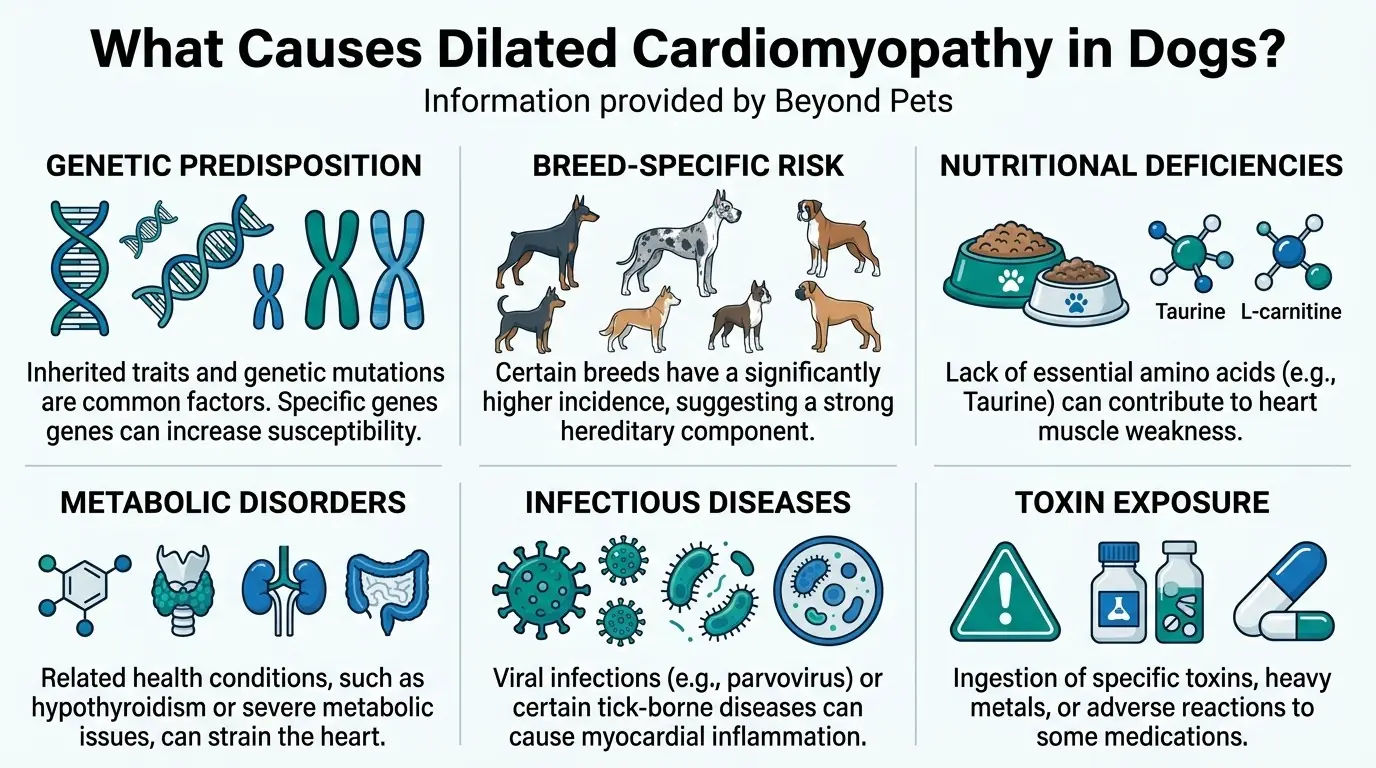
The definitive etiology of Dilated Cardiomyopathy in dogs is extraordinarily complex, multifactorial, and frequently frustrating for both pet owners and veterinarians. While extensive research has illuminated several critical causative pathways, many cases remain classified as “idiopathic,” meaning the precise origin eludes definitive identification despite exhaustive diagnostic testing. The scientific consensus firmly categorizes canine DCM into primary (genetic/familial) and secondary (acquired) forms. Understanding these diverse triggers is absolutely essential for implementing effective prevention strategies, selecting appropriate screening protocols, and formulating targeted treatment plans that address the root cause of the cardiac dysfunction whenever possible.[16]
It is well-documented that primary DCM is a genetically linked disease in some breeds of dogs, passed down through familial lines with varying degrees of penetrance. The Doberman Pinscher is the poster child for familial DCM, suffering from a staggering incidence rate where up to 50% of the breed may develop the disease in their lifetime. Veterinary geneticists have successfully identified at least two distinct genetic mutations heavily implicated in Doberman DCM. The first involves a mutation in the PDK4 (Pyruvate Dehydrogenase Kinase 4) gene, a critical enzyme responsible for regulating the heart muscle’s energy metabolism. The second is a mutation in the Titin (TTN) gene, which codes for the largest protein in the mammalian body—a giant, spring-like molecule essential for the structural integrity and elasticity of the cardiac sarcomere. Great Danes, Irish Wolfhounds, Newfoundlands, and Standard Schnauzers also possess well-documented genetic predispositions, though their exact modes of inheritance vary from autosomal dominant traits to complex X-linked polygenic pathways.[17]
Beyond immutable genetics, severe nutritional deficiencies have emerged as a critical, highly modifiable cause of secondary DCM. Historically, absolute deficiencies in taurine—a sulfur-containing amino acid crucial for regulating cellular calcium flux and antioxidant defense within the myocardium—were linked to DCM in specific breeds like the American Cocker Spaniel and the Golden Retriever. These breeds appear to harbor genetic idiosyncrasies in how they synthesize or recycle dietary taurine. Furthermore, L-carnitine, an essential compound required to shuttle long-chain fatty acids into the mitochondria for energy production, has also been implicated; Boxers and Cocker Spaniels with low myocardial carnitine levels frequently develop dilated phenotypes. Correcting these specific, isolated amino acid deficiencies through targeted oral supplementation can sometimes miraculously reverse the heart disease, restoring completely normal systolic function over several months.[18]
In recent years, the veterinary landscape was rocked by investigations initiated by the U.S. Food and Drug Administration (FDA) regarding a dramatic spike in non-hereditary DCM cases strongly associated with the consumption of specific commercial dog foods. The investigation centered intensely on “boutique, exotic, and grain-free” (BEG) diets. These diets frequently utilize extremely high concentrations of legumes (such as peas, lentils, and chickpeas) or potatoes as primary carbohydrate sources, entirely replacing traditional, time-tested grains. Researchers postulate several complex mechanisms by which these diets cause myocardial failure. Hypotheses include the presence of unknown cardiotoxic antinutritional factors within the legumes, complex ingredient interactions that drastically reduce the bioavailability of essential amino acids like taurine during the extrusion cooking process, or diet-induced shifts in the dog’s intestinal microbiome that alter bile acid metabolism. While the exact biochemical mechanism remains under rigorous, ongoing scientific investigation, clinical evidence overwhelmingly proves that transitioning these dogs onto traditional, grain-inclusive, large-manufacturer diets can halt and often significantly reverse the cardiac dilation, saving the dog’s life.[19]
Infectious agents represent another critical, albeit less common, pathway to acquired DCM. Severe systemic infections caused by hostile bacteria, highly virulent viruses, or insidious protozoan parasites can directly invade the cardiac tissue, causing a condition known as acute myocarditis. For instance, the Canine Parvovirus, notorious for causing severe gastrointestinal disease in puppies, can also attack the rapidly dividing cells of the neonatal heart, resulting in sudden death or severe dilated cardiomyopathy that manifests months or years later in survivors. In certain geographic regions, notably the southern United States and Central America, Chagas disease—caused by the protozoan parasite Trypanosoma cruzi and transmitted by the “kissing bug”—is a prominent infectious cause. The parasite invades the heart muscle, triggering intense, destructive inflammation that ultimately leads to widespread myocardial necrosis, scarring, and severe chamber dilation.[20]
Exposure to specific, highly potent toxins and powerful pharmaceuticals can also inflict irreversible damage on the cardiac muscle cells, precipitating a toxic form of DCM. The most well-documented culprit in veterinary medicine is a specific chemotherapy medication utilized to treat various aggressive canine cancers, including lymphoma and hemangiosarcoma. This chemotherapy medication generates massive quantities of destructive free radicals that overwhelm the heart’s antioxidant defenses, causing cumulative, dose-dependent, and permanent myocardial necrosis. Once a specific cumulative threshold of this chemotherapy medication is reached, the dog is at a high risk of developing untreatable dilated cardiomyopathy. For this reason, veterinary oncologists meticulously track lifetime cumulative dosages and heavily rely on pre-chemotherapy echocardiographic screening to ensure the heart can withstand the treatment. Finally, chronic, uncontrolled fast heart rates—a condition known as tachycardia-induced cardiomyopathy—can also cause the heart muscle to weaken and dilate simply from prolonged, relentless physical exhaustion, a state that is completely reversible if the underlying arrhythmia is medically corrected.[21]
Dilated Cardiomyopathy in Dogs May Cause Other Diseases
The cardiovascular system does not operate in isolation; it is the vital, life-sustaining infrastructure that perfuses every single organ, tissue, and microscopic cell within the dog’s body. Therefore, the profound failure of the heart pump secondary to Dilated Cardiomyopathy acts as a catastrophic domino effect, precipitating a wide array of severe secondary diseases and systemic complications that drastically complicate veterinary management.
- Congestive Heart Failure (CHF): As DCM relentlessly reduces the left ventricle’s ability to pump blood forward into the systemic circulation, blood pressure within the left atrium and pulmonary veins skyrockets. This immense hydrostatic back-pressure literally forces fluid out of the blood vessels and into the delicate air sacs of the lungs. This terrifying condition, known as pulmonary edema, severely impairs oxygen exchange. If the right side of the heart fails, fluid backs up into the systemic venous circulation, weeping into the abdominal cavity to cause severe, uncomfortable distension known as ascites, or into the chest cavity (pleural effusion), both hallmarks of right-sided congestive heart failure.[22]
- Severe Cardiac Arrhythmias: The extreme physical stretching and progressive scarring of the cardiac muscle severely disrupt the microscopic, electrical pathways that dictate the heart’s rhythmic beating. DCM frequently causes highly dangerous irregular heartbeats. Atrial fibrillation, characterized by a rapid, chaotic quivering of the upper chambers, is extremely common in giant breeds with massive atrial enlargement. Ventricular premature complexes (VPCs) and sustained ventricular tachycardia can cause drastic drops in blood pressure, leading to syncope (fainting) or precipitating sudden, unexpected cardiac death.
- Cardiorenal Syndrome: The profound decrease in forward cardiac output characteristic of DCM significantly starves the kidneys of the critical blood flow required for proper filtration. The kidneys, sensing this perceived volume depletion, maliciously activate the Renin-Angiotensin-Aldosterone System (RAAS) to retain water, inadvertently worsening the heart’s volume overload. This devastating, cyclical cross-talk between the failing heart and the oxygen-starved kidneys results in a progressive decline in renal filtration capability, eventually causing chronic kidney disease or even kidney failure, complicating the use of life-saving diuretic medications.[23]
- Cardiac Cachexia: Dogs suffering from advanced stages of DCM frequently experience a severe, unintentional loss of lean muscle mass, a highly complex metabolic syndrome known as cardiac cachexia. This wasting occurs despite the dog consuming seemingly adequate calories. It is driven by the heart failure-induced overproduction of aggressive inflammatory cytokines, primarily Tumor Necrosis Factor-alpha (TNF-alpha) and Interleukin-1 (IL-1). These circulating cytokines fundamentally alter the dog’s metabolism, breaking down healthy muscle tissue to supply energy to the failing heart, leading to profound systemic weakness and frailty.
- Hepatic Congestion and Dysfunction: When the right ventricle dilates and fails, the resulting venous back-pressure transmits directly into the caudal vena cava and, consequently, into the liver. The liver becomes severely engorged with stagnant, poorly oxygenated blood, a condition pathologically termed “nutmeg liver” due to its mottled appearance. This chronic hepatic congestion leads to the death of liver cells (hepatocellular hypoxia), significant elevations in liver enzymes on blood tests, and can eventually culminate in clinical liver dysfunction or failure, impairing the dog’s ability to metabolize crucial cardiac medications.[24]
- Thromboembolic Disease: The massive dilation of the heart chambers creates areas where blood flow becomes incredibly sluggish and turbulent, violating one of the primary rules of hemostasis. This extreme blood pooling drastically increases the risk of coagulation. Spontaneous blood clots (thrombi) can form within the left atrium or ventricle. If a fragment of this clot breaks off (embolizes), it will travel through the arterial system until it lodges in a narrower vessel, catastrophically blocking blood flow to vital organs. While less common in dogs than in cats, dogs with DCM can suffer from devastating arterial thromboembolism, including clots to the brain (stroke), the hind legs (saddle thrombus), or the lungs (pulmonary thromboembolism).
Symptoms of Dilated Cardiomyopathy in Dogs
The clinical presentation of Dilated Cardiomyopathy in dogs is notoriously deceptive and highly variable, heavily dependent on the specific stage of the disease, the particular breed affected, and whether the heart is failing primarily on the left side, the right side, or globally. During the prolonged “occult” or preclinical phase of the disease, the heart undergoes massive internal remodeling and dilation, yet the dog may appear entirely asymptomatic to the owner. It is only when the heart’s vast compensatory mechanisms are finally exhausted that the dog rapidly transitions into the “overt” phase, manifesting a wide array of distressing clinical signs related to poor forward blood flow (low cardiac output) and backward fluid accumulation (congestive heart failure). Recognizing these symptoms early is critical for intervention.[25]
Signs related to poor forward cardiac output are often the first, albeit subtle, indicators that something is amiss. Owners typically report a marked, uncharacteristic decrease in their dog’s activity level and general enthusiasm. A previously vibrant dog may become profoundly lethargic, sleeping far more than usual and exhibiting severe exercise intolerance, refusing to walk their normal distances or struggling to climb a simple flight of stairs. Because the failing heart cannot deliver adequate, oxygen-rich blood to the skeletal muscles, the dog experiences profound peripheral weakness. Upon veterinary physical examination, the dog may exhibit abnormally cold extremities (paws and ears) and pale or distinctly bluish mucous membranes (the gums and inside of the lips), clinically termed cyanosis, which strongly signals poor tissue oxygenation and dangerously compromised peripheral perfusion.[26]
As the disease aggressively progresses into left-sided congestive heart failure, fluid begins to back up and flood the delicate alveolar air spaces within the lungs, leading to acute respiratory distress. Respiratory problems such as rapid or difficult breathing, known clinically as tachypnea and dyspnea, become highly apparent. The dog may exhibit labored, open-mouth breathing even while completely at rest. Furthermore, the massive physical enlargement of the left atrium can mechanically compress the mainstem bronchi (the large airways leading into the lungs). Because of this extreme physical compression and the irritating presence of fluid within the lung tissue itself, Dogs with advanced CHF may have a persistent and worsening cough. This cough is frequently described by owners as a harsh, gagging, or honking sound, often mistaken for a common respiratory infection like kennel cough. In severe, acute crises, the dog may assume an orthopneic posture—standing with elbows splayed wide and neck extended—in a desperate, terrifying attempt to maximize airway expansion because lying down causes the fluid to spread out, making breathing physically impossible.
If the right side of the heart is also failing, the symptoms shift toward systemic venous congestion. Fluid weeping from the engorged veins into the peritoneal space will cause the abdomen to become massively, uncomfortably distended, a condition known as ascites. The dog may look deceptively as though they are gaining fat, when in reality, they are retaining liters of heavy, restrictive fluid. Concurrently, due to the severe metabolic demands of the failing heart and the aggressive inflammatory cytokine cascade, the dog may suffer from cardiac cachexia, experiencing massive muscle wasting along the spine and hindquarters. While it is important to address their nutritional needs, owners must work closely with their veterinarian to ensure the dog can safely gain weight without exacerbating the heart’s workload through excessive sodium intake. Finally, the chaotic electrical disturbances inherent to DCM frequently cause brief episodes of cerebral hypoxia, resulting in syncope (sudden fainting spells), collapse, or, tragically, sudden and entirely unpredictable cardiac death, which is a notorious hallmark of the disease in Doberman Pinschers.
Diagnosing Dilated Cardiomyopathy in Dogs
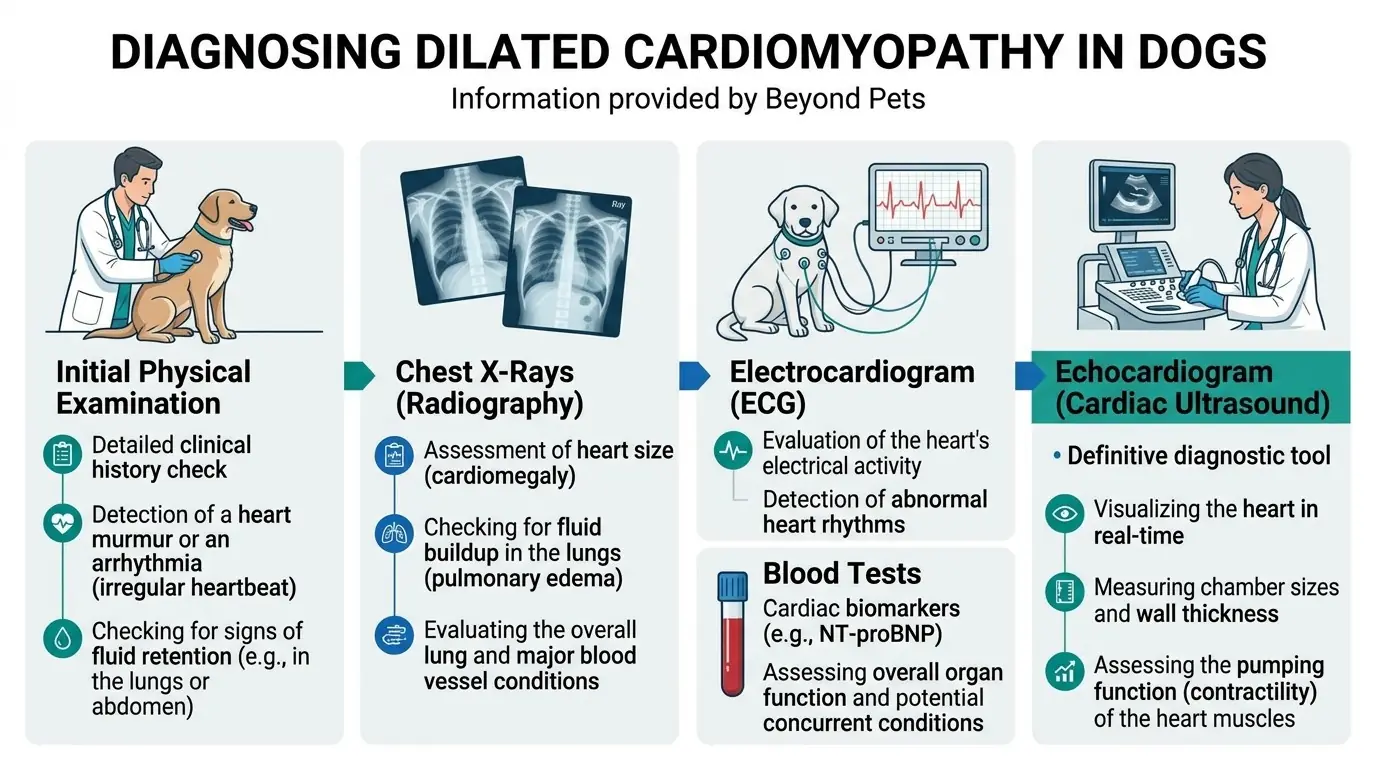
Diagnosing Dilated Cardiomyopathy in dogs is a highly complex, meticulous, and multi-faceted investigative process that requires the integration of numerous advanced diagnostic modalities. Because the clinical signs of DCM can closely mimic severe primary respiratory diseases, such as chronic bronchitis or pneumonia, a veterinarian must systematically employ a battery of specific cardiothoracic tests. Each diagnostic tool offers unique, vital insights into the heart’s structural anatomy, its rhythmic electrical activity, and its overall mechanical efficiency, allowing the clinician to definitively confirm the presence of DCM, accurately stage the severity of the heart failure, and tailor an aggressive, highly specific therapeutic intervention plan.[27]
Detailed Medical History
The diagnostic journey for DCM always initiates with an exhaustive, detailed medical history. The veterinarian will interrogate the owner regarding the exact onset, duration, and progressive severity of the clinical symptoms. Recognizing subtle shifts in behavior is essential; thus, focusing on the early detection of potential health abnormalities during routine conversations can provide invaluable clues. A meticulous dietary history is now considered absolutely mandatory, specifically querying whether the dog is consuming a boutique, exotic, or grain-free commercial diet, or a specialized home-prepared meal that may be deficient in critical amino acids. Furthermore, the veterinarian will carefully review the dog’s genetic lineage and breed background, as breeds like the Doberman Pinscher or Great Dane inherently carry a massive index of suspicion for familial DCM.[28]
Physical Examination
During the comprehensive physical evaluation, the veterinarian will utilize a high-quality stethoscope to perform meticulous thoracic auscultation, carefully listening to the nuanced sounds of the heart and lungs. In dogs with DCM, the clinician will frequently detect a soft, low-grade systolic heart murmur localized over the mitral or tricuspid valve areas, generated by blood regurgitating backward through valves that have been physically stretched apart by the massive dilation of the chambers. An extra heart sound, often described as an S3 gallop rhythm, may be heard, indicative of a stiff, failing left ventricle struggling to accept rapid blood inflow. Auscultation of the lungs may reveal harsh crackles or muffled breath sounds, definitively signaling the presence of pulmonary edema or pleural effusion. The veterinarian will also simultaneously palpate the femoral pulses while listening to the heart, checking for distinct pulse deficits—where a heartbeat is heard but no corresponding pulse wave is felt—which is a classic indicator of dangerous arrhythmias like atrial fibrillation.[29]
Radiographs (X-rays)
Thoracic radiographs (chest X-rays) remain an absolutely critical, foundational diagnostic tool for evaluating the overall silhouette of the heart and definitively diagnosing the presence of congestive heart failure within the lungs. In a dog afflicted with DCM, the heart frequently appears massively, globally enlarged, taking on a characteristic, rounded, “basketball-like” appearance on the film. Veterinarians utilize objective measurement systems, such as the Vertebral Heart Scale (VHS) and the Vertebral Left Atrial Size (VLAS), to precisely quantify the degree of cardiomegaly against the length of the dog’s thoracic vertebrae. Crucially, radiographs are the only definitive way to visualize the lung fields to confirm if the dog is actively drowning in pulmonary fluid. The veterinarian will look for pathognomonic signs such as severely dilated, tortuous pulmonary veins and an interstitial or alveolar lung pattern spreading from the perihilar region, which confirms left-sided congestive heart failure.[30]
Electrocardiogram (ECG or EKG)
An Electrocardiogram (ECG) is a completely non-invasive test that records the complex electrical impulses generated by the heart muscle as they travel through the specialized conduction system. Because the massive physical stretching and microscopic scarring of the myocardium severely disrupt these electrical pathways, an ECG is absolutely essential for identifying the dangerous, chaotic arrhythmias that are a hallmark of DCM. The ECG trace may reveal tall R waves and wide QRS complexes, which are electrical indicators of severe left ventricular enlargement. More importantly, the ECG is critical for diagnosing immediate, life-threatening rhythm disturbances, such as frequent Ventricular Premature Complexes (VPCs), dangerous runs of Ventricular Tachycardia, or the chaotic baseline characteristic of Atrial Fibrillation, dictating the immediate need for potent antiarrhythmic medications to prevent sudden cardiac death.[31]
Holter Monitor
Because many highly dangerous arrhythmias occur intermittently or only during periods of sleep or exercise, a standard two-minute ECG recorded in a stressful clinic environment is often entirely inadequate for fully capturing the scope of the electrical disease. To overcome this limitation, veterinary cardiologists heavily rely on a Holter monitor—a specialized, portable digital ECG device housed in a vest that the dog wears continuously for 24 to 48 hours in the comfort of their home environment. The Holter monitor continuously records every single heartbeat, allowing the cardiologist to objectively quantify the total burden of abnormal beats over a full day. Holter monitoring is considered the absolute gold-standard screening test for detecting the “occult” or hidden phase of DCM in heavily predisposed breeds like the Doberman Pinscher and the Boxer, often identifying the disease years before physical structural changes become apparent on an ultrasound.
Echocardiogram
An echocardiogram, which is a highly sophisticated, real-time cardiac ultrasound, represents the definitive, absolutely conclusive test for formally diagnosing Dilated Cardiomyopathy. By utilizing high-frequency sound waves, a board-certified veterinary cardiologist can non-invasively visualize the internal chambers, the muscular walls, and the moving valve leaflets of the beating heart with astonishing clarity. The cardiologist will take meticulous, standardized measurements to document the classic signatures of DCM: severely thinned ventricular walls and massively dilated chamber dimensions, particularly the Left Ventricular Internal Dimension in Diastole (LVIDd) and Systole (LVIDs). The true diagnostic hallmark, however, is demonstrating profound systolic dysfunction. The cardiologist will calculate the Fractional Shortening (FS) and Ejection Fraction (EF)—percentages that represent the heart’s pumping efficiency. While a normal dog has a fractional shortening above 30%, a dog with DCM frequently presents with an incredibly weak, fluttering contraction measuring below 20%, or even lower in end-stage disease. Additionally, Doppler ultrasound technology is utilized to precisely map the velocity and direction of blood flow, quantifying the severity of secondary mitral or tricuspid valve regurgitation.[32]
Blood Tests
While blood tests cannot structurally image the heart, they are absolutely crucial for assessing the dog’s holistic, systemic health and for detecting specific biomarkers of cardiac injury. A complete blood count (CBC) and comprehensive serum biochemistry profile are performed to evaluate the function of the kidneys and liver, ensuring these vital organs can safely metabolize potent cardiac medications. Specific cardiac biomarkers have revolutionized the early detection of DCM. The NT-proBNP (N-terminal pro-B-type natriuretic peptide) test measures a specific hormone released directly by the heart muscle cells when they are subjected to excessive physical stretch and pressure overload; drastically elevated levels strongly indicate severe cardiac disease and active heart failure. Additionally, measuring Cardiac Troponin I (cTnI) levels can quantify ongoing microscopic myocyte injury and cell death. Finally, if a nutritional cause is suspected, particularly in Golden Retrievers or dogs on boutique diets, the veterinarian will submit a specialized whole-blood taurine assay to definitively confirm or rule out an underlying, highly treatable taurine deficiency.
Treatment for Dogs with Dilated Cardiomyopathy
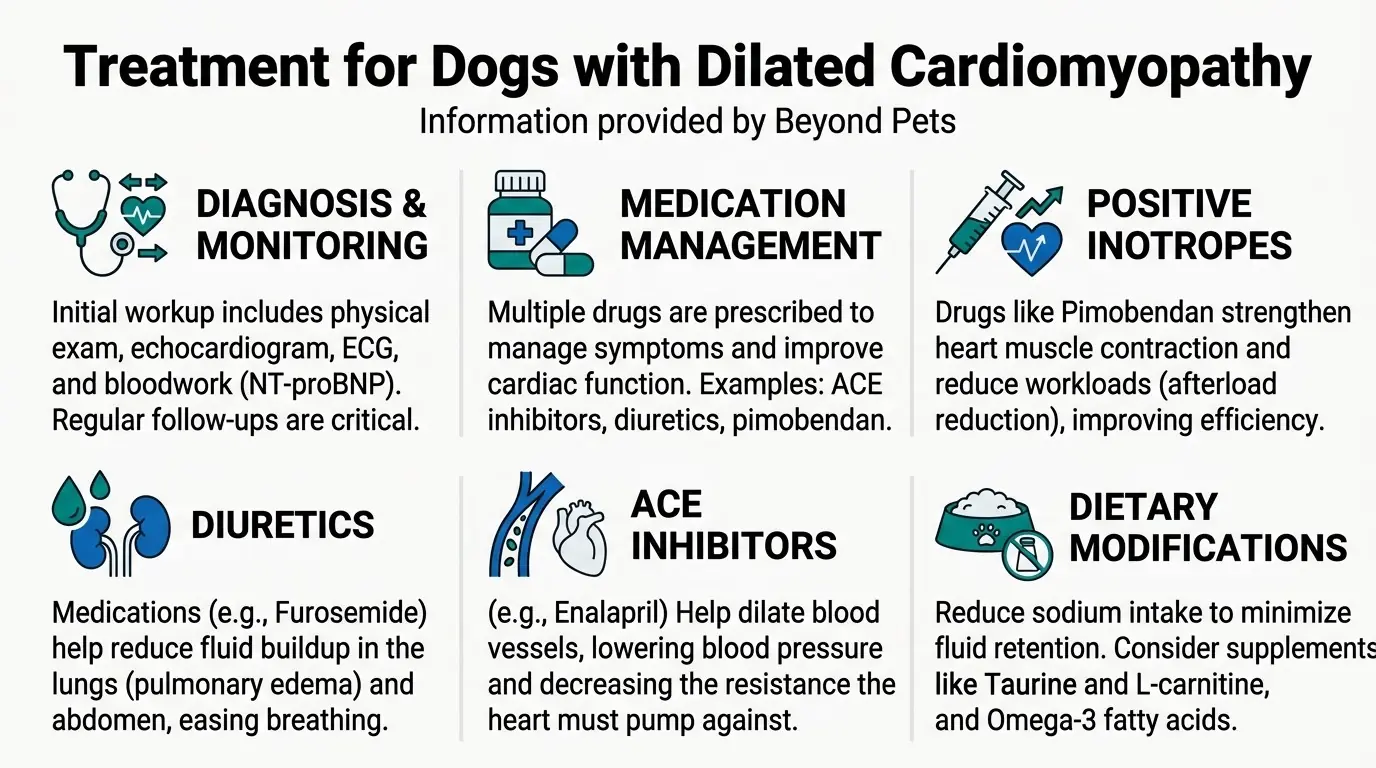
If your dog has been formally diagnosed with Dilated Cardiomyopathy, navigating the subsequent medical journey requires a highly aggressive, deeply committed, and multifaceted treatment approach. While primary, genetic DCM is currently an incurable, relentlessly progressive disease, sophisticated veterinary management can remarkably enhance heart function, dramatically alleviate the distressing symptoms of congestive heart failure, and significantly extend the dog’s lifespan with a high quality of life. The comprehensive treatment protocol almost always encompasses a complex polypharmacy of potent medications, rigorous dietary modifications, and, in highly specific, rare instances, advanced surgical interventions. Because the trajectory of DCM can be incredibly unpredictable, owners must monitor their dogs with extreme vigilance at home, tracking resting respiratory rates daily, and maintaining frequent, structured recheck appointments with their veterinary cardiologist to continually adjust the therapeutic regimen.
Medications
Pharmaceutical intervention forms the absolute bedrock of managing canine Dilated Cardiomyopathy. The primary therapeutic goals are to artificially strengthen the heart’s weak contraction, ruthlessly eliminate fluid build-up in the lungs and abdomen, drastically reduce the mechanical resistance the heart pumps against, and suppress chaotic, life-threatening arrhythmias. Due to the complex, multi-systemic nature of heart failure, dogs with DCM typically require a carefully balanced “cocktail” of several interacting drugs.
- Inodilators: A heart medication has fundamentally revolutionized the treatment of canine DCM and is considered the single most important medication in the cardiologist’s arsenal. It functions through a brilliant dual mechanism. First, it acts as a powerful positive inotrope by directly sensitizing the myocardial contractile proteins to calcium, significantly increasing the strength of the heart’s contraction without simultaneously skyrocketing the heart muscle’s dangerous oxygen demand. Second, it acts as a potent vasodilator by inhibiting phosphodiesterase III within the blood vessels, forcing the arteries to relax and dilate. This drastically reduces the systemic vascular resistance (afterload), making it mechanically vastly easier for the failing, weakened left ventricle to push blood forward into the body. Landmark clinical trials, such as the PROTECT study, have conclusively proven that initiating a heart medication during the occult phase of Doberman DCM drastically delays the onset of heart failure and significantly extends overall survival time.
- Angiotensin-Converting Enzyme (ACE) Inhibitors: Medications such as an ACE inhibitor and related medications are crucial for blocking the detrimental neurohormonal cascades triggered by heart failure. As cardiac output plummets, the kidneys desperately activate the Renin-Angiotensin-Aldosterone System (RAAS), creating a vicious cycle of systemic vasoconstriction and sodium retention that severely overloads the already failing heart. ACE inhibitors surgically block the conversion of angiotensin I into angiotensin II, a potent vasoconstrictor. This targeted blockade successfully relaxes the blood vessels, lowers the dog’s blood pressure, and reduces the cardiac workload. Furthermore, they suppress the subsequent release of aldosterone, helping to mitigate the retention of dangerous fluid.
- Diuretics: For dogs exhibiting active signs of congestive heart failure, powerful diuretics—frequently referred to as “water pills”—are absolutely life-saving. The cornerstone loop diuretic, a diuretic medication, acts directly on the loop of Henle within the kidneys to aggressively force the excretion of sodium, chloride, and massive volumes of excess water into the urine. This action rapidly drains the life-threatening fluid accumulating in the lungs (pulmonary edema) and abdomen (ascites), allowing the dog to breathe comfortably again. In advanced, refractory cases where resistance to a diuretic medication develops, veterinarians may escalate therapy to a more potent medication, a vastly more potent loop diuretic, or incorporate a diuretic medication, a specialized potassium-sparing diuretic that also uniquely blocks the fibrotic effects of aldosterone on the heart muscle itself.
- Antiarrhythmic Medications: If the Holter monitor or ECG reveals significant, dangerous electrical disturbances, highly specific antiarrhythmic drugs must be deployed to stabilize the heart’s rhythm and prevent sudden death. Specific antiarrhythmic medications are frequently utilized, either alone or in combination, to suppress frequent ventricular premature complexes and halt runs of ventricular tachycardia, particularly in Boxers and Dobermans. If the dog has developed rapid atrial fibrillation, medications like a specific medication (a calcium channel blocker) or another cardiac medication are recommended not to cure the rhythm, but to strictly control the heart rate, slowing it down to allow the ventricles adequate time to fill between beats.
Dietary Modifications
Precision nutritional management is a profoundly important, yet frequently overlooked, pillar of holistic cardiovascular care. Implementing targeted dietary modifications is critical for supporting the dog’s failing metabolic state, addressing potentially reversible nutritional deficiencies, and actively managing the systemic complications of advanced heart failure.
First and foremost, if a dog is diagnosed with DCM while consuming a boutique, exotic, or grain-free diet—especially those heavily reliant on peas, lentils, chickpeas, or potatoes—the current consensus among veterinary cardiologists strongly mandates an immediate, careful transition to a traditional, grain-inclusive diet manufactured by a company with extensive, peer-reviewed nutritional research. If whole-blood taurine assays reveal a deficiency, aggressive oral supplementation of taurine and L-carnitine must be initiated immediately; in these specific instances, profound reversal of the cardiac dilation can be witnessed over a period of three to six months. Furthermore, carefully managing caloric intake and portion sizes so that the dog’s activity level aid in maintaining optimal weight is paramount. Obesity places an immense, completely unnecessary mechanical burden on a heart that is already struggling to function. Conversely, if the dog is suffering from severe cardiac cachexia, the veterinarian may recommend highly palatable, calorie-dense formulations to combat pathological muscle wasting. Finally, the strategic integration of high-quality Omega-3 fatty acid supplements (specifically EPA and DHA derived from marine fish oils) has been scientifically shown to reduce aggressive systemic inflammation, improve the dog’s appetite, and potentially exert a stabilizing, antiarrhythmic effect on the diseased myocardium. While severe sodium restriction is completely unnecessary in the early, occult stages of the disease, moderate to strict sodium restriction becomes vital once the dog enters overt congestive heart failure, as it severely limits the body’s physiological ability to retain excess, congestive water.
Surgical Procedures
While the overwhelming majority of canine DCM cases are strictly managed via complex medical polypharmacy, there are a few highly specialized, advanced interventional procedures that board-certified veterinary cardiologists or specialized soft-tissue surgeons might consider in exceptional, highly specific clinical scenarios.
- Pacemaker Implantation: In rare instances where the structural remodeling of the DCM heart completely destroys the specialized sinus or atrioventricular nodes, the dog may develop severe, life-threatening bradycardia (an exceptionally slow heart rate) or third-degree AV block. In these specific cases, a permanent artificial pacemaker can be surgically implanted, usually routing a specialized pacing lead through the jugular vein directly into the right ventricle, to electronically regulate and guarantee an adequate heart rate, thereby restoring life-sustaining cardiac output.
- Implantable Cardioverter Defibrillator (ICD): Although exceptionally rare, incredibly cost-prohibitive, and largely relegated to academic veterinary research settings, ICDs have been successfully implanted in highly valuable breeding dogs suffering from severe ARVC or familial DCM. These highly sophisticated devices continuously monitor the heart rhythm and will automatically deliver a massive, life-saving electrical shock directly to the heart muscle if it detects the onset of fatal ventricular fibrillation.
- Therapeutic Centesis: In the acute, emergency management of severe right-sided or biventricular heart failure, the sheer volume of fluid accumulating in the body cavities can physically crush the internal organs. Veterinarians frequently perform life-saving physical drainage procedures. Thoracocentesis involves passing a needle through the chest wall to actively suction out liters of suffocating fluid surrounding the lungs (pleural effusion), providing instantaneous respiratory relief. Similarly, abdominocentesis involves tapping the abdominal cavity to drain massive volumes of ascitic fluid, relieving immense pressure on the diaphragm and allowing the dog to breathe and eat far more comfortably.
Because the management of advanced heart disease is incredibly complex, highly individualized, and fraught with potential drug interactions, it is imperative that you always consult your veterinarian before making any changes to your pet’s care, medications, or dietary regimen.
Frequently Asked Questions
What is the life expectancy of a dog diagnosed with dilated cardiomyopathy?
The life expectancy of a dog diagnosed with DCM is highly variable and depends entirely on the underlying cause, the specific breed, and the stage of the disease at the exact moment of diagnosis. If the DCM is secondary to a nutritional deficiency (such as taurine) and is caught early, aggressive dietary correction can potentially reverse the damage, allowing the dog to live a completely normal, full lifespan. However, for dogs with primary, genetic DCM, the prognosis is significantly more guarded. In breeds like the Doberman Pinscher, the disease is notoriously aggressive; once they enter overt congestive heart failure, average survival times despite maximal medical therapy often range from merely a few months to roughly one year. Conversely, if the disease is detected early during the occult phase via Holter monitoring or echocardiography, and life-prolonging medications like a heart medication are initiated promptly, survival times can be significantly extended, often affording the dog several years of high-quality life before heart failure inevitably develops.
Can a grain-free diet actually cause dilated cardiomyopathy in dogs?
Extensive clinical data and massive ongoing investigations by the FDA and veterinary cardiologists strongly indicate a highly significant correlation between the consumption of specific “boutique, exotic, and grain-free” (BEG) diets and the development of severe, non-hereditary dilated cardiomyopathy in dogs. The diets of highest concern are those that heavily utilize legumes—such as peas, lentils, and chickpeas—or potatoes as primary ingredients high up on the ingredient list. While the exact, specific biochemical mechanism remains under intense scientific scrutiny (whether it involves unknown antinutritional factors, impaired bioavailability of essential amino acids like taurine, or detrimental shifts in the gut microbiome), the clinical reality is undeniable. Numerous dogs belonging to breeds with zero historical genetic predisposition to DCM have developed catastrophic heart failure on these diets. Furthermore, many of these dogs show remarkable, life-saving improvements in their cardiac pumping function when their diet is transitioned back to a traditional, grain-inclusive formula manufactured by a company with strict, peer-reviewed nutritional testing protocols.
What are the final stages of congestive heart failure caused by DCM?
As dilated cardiomyopathy reaches its terminal, end-stage phase, the immense structural damage to the myocardium becomes so profound that it becomes entirely refractory to all known medical therapies. In the final stages of congestive heart failure, the dog’s quality of life dramatically and rapidly declines. You will typically observe severe, unremitting respiratory distress; the dog may struggle to breathe even while completely at rest, constantly panting or assuming a wide-stanced posture to desperately maximize oxygen intake. They often develop a chronic, hacking, and thoroughly exhausting cough due to fluid continuously flooding the lungs. Profound weakness, complete exercise intolerance, and severe lethargy become the norm, with the dog refusing to move or engage in any normal activities. Additionally, end-stage dogs frequently experience complete anorexia, refusing all food, which, coupled with the metabolic toll of the disease, leads to severe cardiac cachexia (extreme, visible muscle wasting). When a dog reaches this refractory stage and is suffering from unmanageable respiratory distress or pain, humane euthanasia is often the most compassionate, loving decision an owner can make to prevent further suffering.
References
- American Veterinary Medical Association (AVMA). Heart Disease in Dogs. AVMA, 2022.
- Merck Veterinary Manual. Dilated Cardiomyopathy in Dogs and Cats. Merck & Co., 2023.
- Sisson, D., et al. Retrospective study of dilated cardiomyopathy in dogs. Journal of Veterinary Internal Medicine, 2000.
- Keene, B.W., et al. ACVIM consensus guidelines for the diagnosis and treatment of myxomatous mitral valve disease in dogs. JVIM, 2019.
- VCA Animal Hospitals. Dilated Cardiomyopathy in Dogs. VCA, 2023.
- U.S. Food and Drug Administration (FDA). Questions & Answers: FDA’s Work on Potential Causes of Non-Hereditary DCM in Dogs. FDA, 2022.
- Cornell University College of Veterinary Medicine. Hypertrophic Cardiomyopathy. Cornell, 2021.
- Summerfield, N.J., et al. Efficacy of a heart medication in the Prevention of Congestive Heart Failure or Sudden Death in Doberman Pinschers with Preclinical Dilated Cardiomyopathy (The PROTECT Study). JVIM, 2012.
- Boswood, A., et al. Effect of a heart medication in Dogs with Preclinical Myxomatous Mitral Valve Disease and Cardiomegaly: The EPIC Study—A Randomized Clinical Trial. JVIM, 2016.
- Meurs, K.M., et al. A splice site mutation in a gene encoding for PDK4, a mitochondrial protein, is associated with the development of dilated cardiomyopathy in the Doberman pinscher. Human Genetics, 2012.
- Meurs, K.M., et al. A missense mutation in the titin gene (TTN) is associated with the development of dilated cardiomyopathy in the Doberman pinscher. PLOS One, 2019.
- Kaplan, J.L., et al. Taurine deficiency and dilated cardiomyopathy in golden retrievers fed commercial diets. PLOS One, 2018.
- Freeman, L.M., et al. Diet-associated dilated cardiomyopathy in dogs: what do we know? Journal of the American Veterinary Medical Association, 2018.
- Meurs, K.M. Arrhythmogenic right ventricular cardiomyopathy in the Boxer dog: an update. Veterinary Clinics of North America: Small Animal Practice, 2013.
- Meurs, K.M., et al. A deletion mutation in the striatin gene in Boxer dogs with arrhythmogenic right ventricular cardiomyopathy. Human Genetics, 2010.
- ASPCA. Common Dog Diseases: Heart Disease. ASPCA, 2023.
- Vollmar, A.C. The prevalence of cardiomyopathy in the Irish wolfhound: a clinical study of 500 dogs. Journal of the American Animal Hospital Association, 2000.
- Kittleson, M.D., et al. Results of the multicenter spaniel trial (MUST): taurine- and carnitine-responsive dilated cardiomyopathy in American cocker spaniels with decreased plasma taurine concentration. JVIM, 1997.
- Pouchelon, J.L., et al. Cardiovascular-renal axis disorders in the domestic dog and cat: a veterinary consensus statement. Journal of Small Animal Practice, 2015.
- Wess, G., et al. Reliability of ECG, Holter monitoring, and echocardiography for the diagnosis of occult dilated cardiomyopathy in Doberman Pinschers. JVIM, 2010.
- Oyama, M.A., et al. Assessment of serum N-terminal pro-B-type natriuretic peptide concentration for differentiation of congestive heart failure from primary respiratory tract disease as the cause of respiratory signs in dogs. JAVMA, 2009.
- Wess, G., et al. Assessment of Troponin I as a Biomarker of Myocardial Injury in Doberman Pinschers with Dilated Cardiomyopathy. JVIM, 2015.
- MacGregor, J.M., et al. Use of a heart medication in dogs with congestive heart failure. JVIM, 2005.
- COVE Study Group. Controlled clinical evaluation of an ACE inhibitor in dogs with heart failure: results of the Cooperative Veterinary ACE inhibitor Study Group. JVIM, 1995.
- Adin, D., et al. A specific medication and a diuretic medication in dogs with congestive heart failure. JVIM, 2017.
- Thomason, J.D., et al. The use of a diuretic medication for the treatment of heart failure in dogs. Veterinary Medicine, 2010.
- Freeman, L.M. Cachexia and sarcopenia: emerging syndromes of importance in dogs and cats. JVIM, 2012.
- Freeman, L.M., et al. Nutritional alterations and the effect of fish oil supplementation in dogs with heart failure. JVIM, 1998.
- Sleeper, M.M., et al. Clinical efficacy and echocardiographic evaluation of pacemaker implantation in dogs. JAVMA, 2000.
- Gordon, S.G., et al. Retrospective review of chemotherapy medication toxicity in dogs. JVIM, 2013.
- Veterinary Information Network (VIN). Cardiology Guidelines and Consensus. VIN, 2024.
- Borgarelli, M., et al. Epidemiological features of dogs with dilated cardiomyopathy: a multi-institutional study. JVIM, 2014.