



 March 1, 2023
 Phil Good, DVM
Canine Uveitis: Causes, Symptoms, Diagnosis, and Treatment of Anterior Uveitis and Posterior Uveitis
This content was prepared with AI assistance and reviewed by a licensed professional for accuracy.
Introduction
When it comes to safeguarding the ocular health of our beloved companions, few conditions demand as much immediate attention as uveitis, a potentially devastating inflammatory disease. Understanding the nuances of Anterior Uveitis, Posterior uveitis, and overall Canine Uveitis is an essential responsibility for any dedicated pet owner. As a veterinarian, I often see dogs present with what owners assume is just a minor irritation or a simple allergy, only to discover a complex inflammatory cascade occurring deep within the eye. Uveitis is not merely a single disease; rather, it is a clinical sign of severe intraocular inflammation that can originate from an isolated eye problem or, more commonly, serve as a red flag for a serious systemic illness. By the time a dog begins squinting or showing a noticeable change in eye color, the internal structures of the eye are already battling significant cellular damage. Prompt intervention is critical because the inflammatory mediators released during this process can rapidly permanently alter the delicate architecture of the eye.[1]
To fully grasp the impact of canine uveitis, one must first understand the anatomy of the eye, specifically the uveal tract. The uvea is the highly vascular, deeply pigmented middle layer of the eye, sandwiched between the tough outer fibrous tunic (cornea and sclera) and the delicate inner nervous tunic (the retina). It is composed of three distinct but continuous structures: the iris, the ciliary body, and the choroid. The iris is the visible colored portion of the eye that acts as a dynamic diaphragm, controlling the amount of light that enters through the pupil. Just behind the iris lies the ciliary body, a muscular ring responsible for altering the shape of the lens for focusing, and crucially, for producing the aqueous humor—the clear fluid that nourishes the front of the eye and maintains its shape. Further back, lining the entire rear portion of the globe, is the choroid, a dense network of blood vessels that supplies oxygen and vital nutrients to the overlying retina. Because the uveal tract is so rich in blood vessels, any infection, immune response, or inflammatory trigger circulating in the dog’s bloodstream can easily take root here, turning the eye into a visible window into the patient’s overall internal health.[2]
Under normal, healthy conditions, the eye is protected by a strict physiological gatekeeper known as the blood-aqueous barrier. This barrier consists of tightly joined cells that prevent large molecules, proteins, and white blood cells from leaking out of the bloodstream and into the clear fluids of the eye. However, when canine uveitis strikes, this barrier breaks down. Inflammatory mediators such as prostaglandins and leukotrienes cause the local blood vessels to dilate and become excessively permeable. As a result, blood proteins, inflammatory cells, and sometimes even red blood cells spill into the clear aqueous humor. This leakage turns the normally pristine fluid cloudy, an effect that veterinarians can visualize during an examination. This cloudiness is not just a visual obstruction; the proteins and cells act like debris, clogging the microscopic drainage angles of the eye. If left untreated, this plumbing disaster leads to a dangerous buildup of pressure within the eye, a secondary condition that is excruciatingly painful and highly destructive to the optic nerve.[3]
The progression of uveitis can be rapid and unforgiving. While some breeds may have a genetic predisposition to specific types of ocular inflammation—such as the Golden Retriever, which is uniquely prone to a chronic, low-grade form known as pigmentary uveitis—any dog, regardless of age, breed, or sex, can fall victim to the condition. It is a highly variable disease that might present as a sudden, acute attack in one eye following trauma, or as a slow, insidious, bilateral decline in vision due to an underlying autoimmune disorder. Because the uvea is intrinsically linked to every other structure in the eye, inflammation here does not stay contained. It spreads forward to the cornea, causing painful swelling and ulceration, and backward to the lens and retina, triggering cataract formation and retinal detachment. Consequently, canine uveitis is widely considered one of the leading causes of preventable blindness in veterinary medicine, making early detection and aggressive therapeutic intervention absolute necessities.[4]
Types of Uveitis in Dogs
Because the uveal tract is a continuous layer spanning the entire inside of the globe, inflammation can be localized to the front, the back, or encompass the entirety of the eye. Furthermore, veterinarians classify canine uveitis not only by its anatomical location but also by the specific types of inflammatory cells involved and whether the root cause is infectious or non-infectious. This precise categorization is vital because the anatomical location and cellular makeup of the inflammation provide crucial clues that guide our diagnostic testing and dictate our therapeutic approach. Treating a mild anterior inflammation requires a vastly different protocol than managing a severe, whole-eye infectious granulomatous response.[5]
Anterior Uveitis
Anterior uveitis is the most frequently diagnosed form of the condition in general veterinary practice. Anatomically, it refers to inflammation that is strictly confined to the front portion of the uveal tract—namely, the iris and the ciliary body. When the iris is primarily involved, the condition is termed iritis; when both the iris and ciliary body are inflamed, it is known as iridocyclitis. In clinical terms, anterior uveitis is characterized by the breakdown of the blood-aqueous barrier in the anterior chamber, which is the fluid-filled space between the clear cornea and the iris. This segment of the eye is highly sensitive and dense with pain receptors, making anterior uveitis an incredibly uncomfortable condition for the dog. The ciliary muscle often goes into a state of severe spasm, which is a primary source of the deep, throbbing ache that causes affected dogs to squint tightly and avoid bright lights.[6]
The hallmark of anterior uveitis is the presence of “aqueous flare.” In a healthy eye, the aqueous humor is completely transparent, like pure water. However, as the inflamed blood vessels in the ciliary body leak protein and white blood cells, the fluid becomes turbid. When a veterinarian shines a focused beam of light into the eye, these floating particles scatter the light—much like headlights illuminating a thick fog. This is known as the Tyndall effect. As the inflammation worsens, inflammatory cells can clump together and stick to the back surface of the cornea, forming what are known as keratic precipitates. These precipitates often look like tiny, greasy flecks of mutton fat scattered across the lower half of the cornea. If the leakage is severe enough, a visible layer of white pus (hypopyon) or blood (hyphema) may settle at the bottom of the anterior chamber, completely obscuring the lower half of the iris.[7]
If anterior uveitis is not aggressively controlled, it quickly leads to devastating structural changes. The sticky, protein-rich fluid in the anterior chamber can act like an adhesive, causing the inflamed iris to glue itself to the lens behind it (posterior synechiae) or to the cornea in front of it (anterior synechiae). Once the iris is stuck to the lens, the normal flow of aqueous fluid from the ciliary body through the pupil is physically blocked. This causes the fluid to build up behind the iris, bowing it forward like a balloon—a condition called iris bombé. This rapidly closes off the drainage angle of the eye, causing intraocular pressure to skyrocket. Furthermore, the persistent inflammation alters the metabolism of the lens, which relies entirely on healthy aqueous humor for its nutrients. The lens fibers begin to break down, rapidly accelerating the formation of cataracts, which further complicates the dog’s vision and perpetuates the inflammatory cycle.[8]
Posterior Uveitis
Posterior uveitis refers to inflammation that targets the back portion of the uveal tract, specifically the choroid. Because the choroid is anatomically bonded to the overlying retina, inflammation in this area almost never occurs in isolation; it almost invariably spreads to the retinal tissues, creating a combined condition known as chorioretinitis. Unlike the intensely painful anterior uveitis, isolated posterior uveitis is often silent and painless. The back of the eye lacks the dense sensory pain innervation found in the cornea and ciliary body. As a result, owners typically do not notice the classic signs of a red, painful, squinting eye. Instead, the primary symptom of posterior uveitis is a painless, progressive loss of vision. A dog might start bumping into furniture in dim light, hesitating at the top of stairs, or failing to catch a gently tossed treat. By the time visual deficits are obvious to the owner, the retinal damage is often extensive.[9]
The choroid’s primary job is to act as a massive vascular supply line for the outer layers of the retina, which have an incredibly high metabolic demand. When the choroid becomes inflamed, its blood vessels leak fluid, inflammatory cells, and proteins directly under the retina. This fluid accumulation can act like a wedge, physically separating the delicate neural layers of the retina from their underlying support structure, resulting in an exudative retinal detachment. A detached retina is instantly non-functional, leading to sudden blindness in the affected area. During a specialized ophthalmic exam, a veterinarian looking through the pupil to the back of the eye (the fundus) might see areas of edema, hemorrhage, or cellular infiltrates that appear as fuzzy, poorly defined gray or white patches obscuring the normal reflective layer (the tapetum).[10]
Because the choroid is a major vascular filter for the entire body, posterior uveitis is highly correlated with systemic infectious diseases or metastatic cancers. Fungal organisms, tick-borne bacteria, and migrating parasite larvae traveling through the bloodstream often become trapped in the dense capillary beds of the choroid, where they set up a local inflammatory response. Treating posterior uveitis is notoriously difficult because many systemically administered medications struggle to cross the blood-retina barrier in high enough concentrations to be effective. The prognosis for retaining vision largely depends on how quickly the underlying systemic disease is identified and how much irreversible damage to the neural retina has occurred before treatment is initiated. Even if the inflammation is successfully quieted, the dog is often left with permanent, inactive scars on the retina that represent permanent blind spots in their visual field.[11]
Panuveitis
Panuveitis is the most severe and globally destructive form of intraocular inflammation, involving the simultaneous inflammation of all three segments of the uveal tract: the iris, the ciliary body, and the choroid. When a dog presents with panuveitis, the entire inner environment of the eye is in a state of chaotic inflammatory breakdown. The clinical picture is a dramatic combination of both anterior and posterior symptoms. The eye is typically violently red, extremely painful, and the cornea is often clouded with dense edema. Inside, the anterior chamber is filled with inflammatory debris, while the back of the eye is simultaneously suffering from choroidal leakage and retinal detachment. This widespread breakdown of the ocular barriers indicates a massive systemic assault, and the risk of complete, irreversible loss of the eye is incredibly high.[12]
The progression of panuveitis often leads to a condition known as phthisis bulbi, which is the end-stage death of the eye. Because the ciliary body is under severe, unrelenting attack, it eventually loses its ability to produce aqueous humor entirely. Without this internal fluid pressure, the eye begins to physically shrink, collapse, and permanently lose its spherical shape. A phthisical eye is blind, chronically shrunken, and often completely scarred over. Panuveitis requires emergency, aggressive, multi-modal therapy. Veterinarians must utilize potent systemic immunosuppressives or antimicrobials alongside topical treatments to attack the inflammation from both the outside in and the inside out. Diagnostic testing must be exhaustive, as panuveitis is rarely a primary eye problem; it is almost always the manifestation of a life-threatening, whole-body disease such as a massive fungal infection, widespread lymphoma, or severe autoimmune polyarthritis.[13]
Granulomatous Uveitis
Granulomatous uveitis is defined by the specific type of inflammatory cells that infiltrate the eye. In a normal, acute inflammatory response, the first responders are usually neutrophils. However, in granulomatous uveitis, the predominant cells are macrophages, epithelioid cells, and multinucleated giant cells. These cells cluster together to form distinct nodules or masses called granulomas. This type of cellular response indicates a chronic, smoldering battle between the immune system and an invader that the body is struggling to clear. The immune system, unable to quickly destroy the pathogen or the offending material, attempts to wall it off and contain it within these granulomatous clusters. Clinically, a veterinarian might observe large, distinct, fleshy pink or white nodules growing on the surface of the iris, which can sometimes be mistaken for intraocular tumors.[14]
The presence of granulomatous uveitis is a massive red flag for specific types of systemic diseases, particularly deep fungal infections. Organisms such as Blastomyces, Coccidioides, Histoplasma, and Cryptococcus are notorious for inciting a severe granulomatous response in the canine eye. These fungal spores are typically inhaled from the environment, establish an infection in the lungs, and then spread via the bloodstream to highly vascular organs like the uveal tract. Aside from fungal pathogens, higher-order bacteria, certain parasitic migrations, and immune-mediated diseases such as Vogt-Koyanagi-Harada-like syndrome (which attacks the melanocytes, or pigment-producing cells, in the eye and skin) can also cause this pattern. Managing granulomatous uveitis requires a long-term commitment, often involving months or even years of targeted systemic therapy to eradicate the deeply entrenched underlying cause.[15]
Non-granulomatous Uveitis
Non-granulomatous uveitis is typically characterized by an acute, sudden onset of inflammation driven primarily by lymphocytes, plasma cells, and neutrophils, rather than the nodule-forming macrophages seen in the granulomatous form. This type of uveitis tends to strike fast and hard, presenting with a suddenly painful, weeping, and cloudy eye. The inflammatory exudate is usually more fluid and less cellularly dense than its granulomatous counterpart, leading to a prominent aqueous flare but without the large, fleshy masses on the iris. Non-granulomatous inflammation is the classic response to acute blunt trauma, such as a dog being struck in the eye by a tennis ball or running into a low-hanging branch. The physical shock to the globe causes an immediate breakdown of the blood-aqueous barrier, flooding the eye with inflammatory mediators in a matter of minutes.[16]
Beyond physical trauma, non-granulomatous uveitis is highly associated with immune-mediated conditions and acute bacterial infections. In many cases, it represents a hypersensitivity reaction within the eye. For example, circulating immune complexes (clusters of antibodies bound to antigens) from a systemic infection elsewhere in the body can become trapped in the uveal blood vessels, triggering an intense, localized inflammatory cascade without the actual pathogen ever entering the eye itself. This is often the mechanism behind uveitis secondary to a severe uterine infection (pyometra) or an abscessed tooth. Because the onset is so rapid, immediate veterinary intervention with potent topical anti-inflammatories can often quiet the non-granulomatous response before it causes permanent structural damage, provided the inciting trigger is quickly neutralized.[17]
Infectious Uveitis
Infectious uveitis is not defined by its anatomical location, but rather by its direct cause: the invasion of the uveal tissues by a living, replicating pathogen. Because the eye is a closed, immune-privileged system, pathogens rarely enter from the outside environment unless there is a penetrating wound, such as a cat scratch that pierces the cornea. Instead, infectious uveitis almost universally results from hematogenous spread—meaning the bacteria, viruses, fungi, or parasites travel through the dog’s bloodstream from a primary site of infection and colonize the dense vascular beds of the uvea. Once established inside the eye, these microorganisms multiply, releasing toxins that destroy local tissues and triggering a massive immune response that often causes more collateral damage to the eye than the pathogen itself.[18]
Diagnosing infectious uveitis requires an incredibly thorough medical history, including the dog’s travel history, vaccination status, and environmental exposure. A dog that frequently hunts in wooded areas is at higher risk for tick-borne bacterial infections, while a dog living in the Ohio River Valley might be exposed to specific environmental fungi. The clinical signs can range from a mild, chronic anterior flare to a devastating, acute panuveitis with hemorrhage and retinal detachment. Crucially, the treatment for infectious uveitis must be perfectly tailored to the specific organism. Utilizing powerful immunosuppressive steroids—which are the standard treatment for immune-mediated uveitis—can be disastrous in an infectious case, as suppressing the local immune system will allow the pathogen to multiply unchecked, rapidly leading to the destruction of the eye and potentially fatal systemic spread.[19]
Causes of Uveitis in Dogs
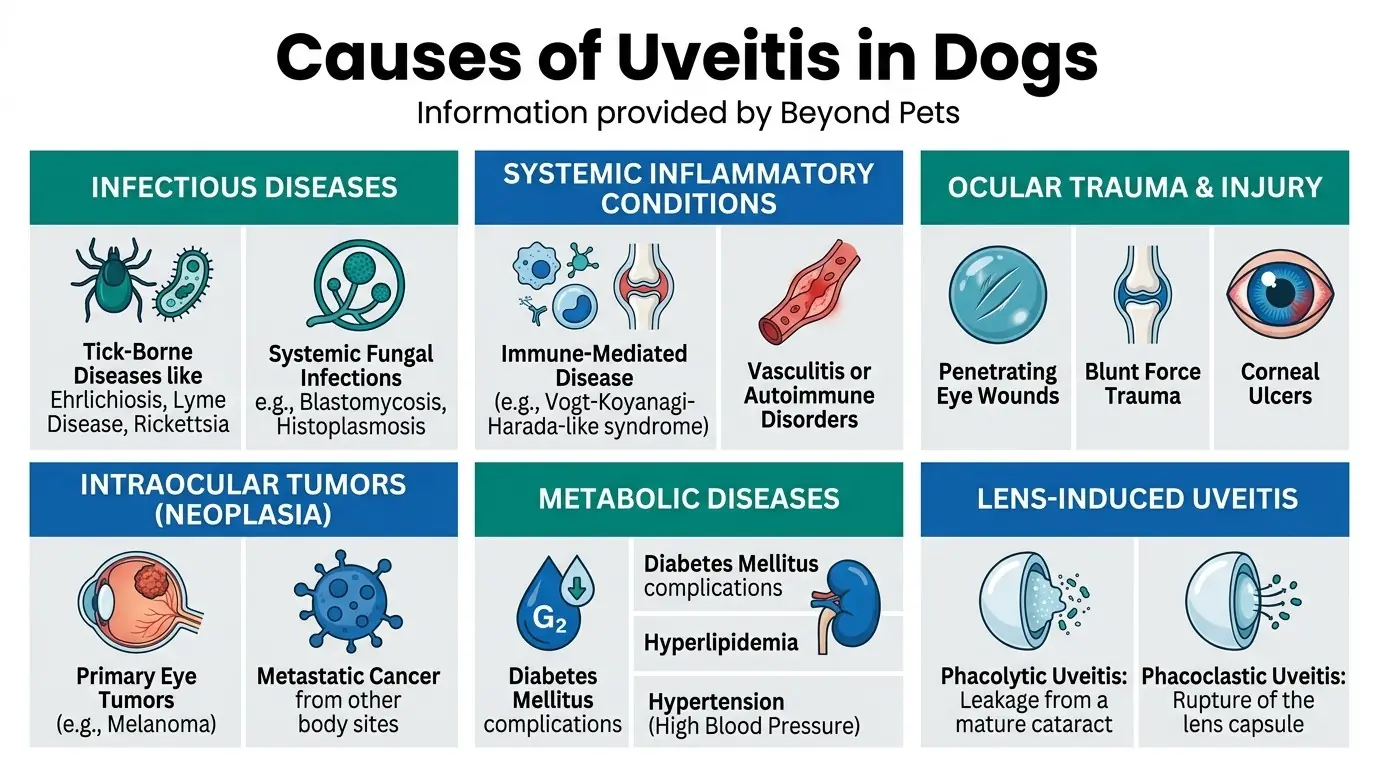
As a clinician, I approach every case of canine uveitis as a medical mystery. The eye is essentially an alarm bell for the rest of the body. While a small percentage of cases are truly isolated to the globe, the vast majority are secondary to complex systemic diseases. Therefore, identifying the exact cause requires a wide lens. The list of potential culprits is extensive, and missing a systemic diagnosis can have life-threatening consequences for the patient. The blood vessels of the uvea act like a sieve, catching circulating pathogens, malignant cells, and rogue immune complexes, making it a common repository for generalized disease processes. Let us delve deeply into the primary categories that trigger this severe ocular inflammation.[20]
Infectious Diseases: Bacterial, viral, fungal, and tick-borne pathogens are among the most common triggers for secondary uveitis. Bacterial diseases such as leptospirosis—a disease contracted through water contaminated with wildlife urine—can cause severe systemic illness alongside robust intraocular inflammation. Tick-borne rickettsial diseases are notoriously harsh on the eyes; conditions like Lyme disease, and ehrlichiosis frequently present with acute uveitis, often accompanied by hyphema (bleeding into the eye) due to tick-induced platelet destruction. Viral agents also play a significant role. The virus responsible for canine distemper attacks the nervous system and the optic pathways, frequently resulting in devastating chorioretinitis. Additionally, infectious canine hepatitis (adenovirus type 1) is famous for causing “blue eye,” a severe anterior uveitis with profound corneal edema. Systemic fungal infections, such as blastomycosis, histoplasmosis, and coccidioidomycosis, send spores circulating through the blood that lodge in the choroid, causing massive granulomatous inflammation and blinding retinal detachments.[21]
Immune-Mediated Diseases: The immune system is designed to protect the body, but when it misfires, the consequences are severe. Autoimmune uveitis occurs when the dog’s immune cells fail to recognize the eye’s tissues as “self” and mount a destructive attack against them. This can occur as a primary, isolated ocular condition, or as part of a broader systemic autoimmune crisis, such as systemic lupus erythematosus or immune-mediated polyarthritis. In these scenarios, circulating immune complexes deposit within the uveal blood vessels, triggering a cascade of destructive enzymes that break down the blood-aqueous barrier. Another highly specific immune condition is Uveodermatologic Syndrome, an autoimmune disease similar to human Vogt-Koyanagi-Harada syndrome, where the body actively destroys its own melanocytes (pigment cells), leading to profound panuveitis alongside depigmentation of the skin, particularly on the nose and lips.[22]
Neoplasia (Cancer): Ocular inflammation can frequently result from neoplasia or cancer. Primary intraocular tumors, such as uveal melanomas or ciliary body adenomas, grow directly within the uveal tract. As these tumors expand, they physically disrupt the local architecture, causing necrosis, bleeding, and severe secondary inflammation. More concerning are secondary, or metastatic, cancers. Canine lymphoma, a systemic cancer of the white blood cells, is infamous for infiltrating the eye. Lymphoma cells will literally pack into the uveal tract and anterior chamber, mimicking the appearance of a severe, thick hypopyon (pus). Any older dog presenting with unexplained, sudden uveitis must be rigorously screened for systemic cancer, as the eye may be the very first location where the malignancy becomes clinically apparent.[23]
Trauma: Traumatic injuries to the face and head are direct and frequent causes of acute non-granulomatous uveitis. Blunt trauma, such as a kick from a horse, a car accident, or even vigorous play with larger dogs, sends a concussive shockwave through the fluid-filled globe. This shockwave instantly ruptures the fragile capillaries of the ciliary body and iris, resulting in an immediate breakdown of the blood-aqueous barrier, severe pain, and often intraocular bleeding. Penetrating trauma, such as a cat scratch or a thorn puncturing the cornea, is even more dangerous. Not only does the physical tear cause immediate uveitis, but it also physically breaches the eye’s sterile environment, directly inoculating the inner chambers with aggressive environmental bacteria, requiring immediate surgical and aggressive medical management.[24]
Metabolic Disorders: Systemic metabolic imbalances frequently take a toll on ocular health. While the underlying mechanism can vary, dogs suffering from uncontrolled diabetes mellitus frequently develop rapidly progressing cataracts. These diabetic cataracts can swell rapidly, leading to secondary lens-induced uveitis. Other metabolic conditions, such as severe hyperlipidemia (abnormally high fat levels in the blood), can alter the lipid composition of the aqueous humor, leading to lipid-laden fluid entering the eye and inciting a mild, chronic inflammatory response. Additionally, endocrine disorders like Cushing’s disease can suppress the body’s natural immune response, indirectly making the eye more susceptible to opportunistic infections that subsequently cause uveitis.[25]
Lens-Induced Uveitis: The lens of the eye is a unique structure; its proteins are encased in a capsule early in fetal development, meaning the dog’s immune system has never “seen” them. If the lens capsule becomes leaky (often due to hypermature, degenerating cataracts) or physically ruptures (due to trauma or a rapidly swelling diabetic cataract), these isolated lens proteins spill into the anterior chamber. The immune system reacts violently to these foreign proteins, launching a massive attack known as lens-induced uveitis. A slow leak causes a milder phacolytic uveitis, while a catastrophic rupture causes a severe, blinding phacoclastic uveitis. This condition is a leading cause of secondary glaucoma, as the thick lens proteins and resulting white blood cells completely clog the eye’s drainage angles.[26]
Symptoms of Anterior Uveitis in Dogs
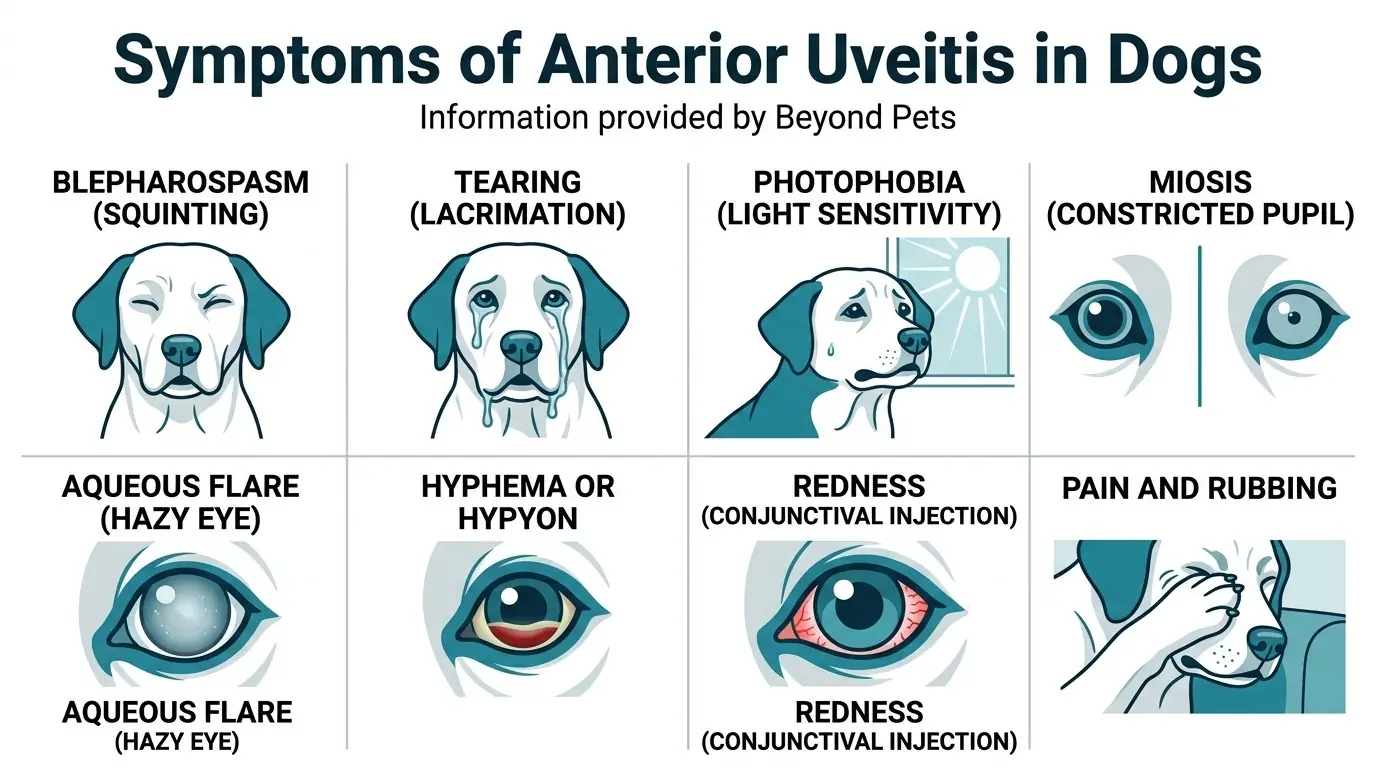
Recognizing the clinical signs of anterior uveitis is paramount for any pet owner, as the window for preventing permanent vision loss is often measured in hours, not days. Unlike the silent progression of posterior uveitis, anterior inflammation is highly symptomatic and profoundly uncomfortable for the patient. Because dogs are exceptionally stoic animals, they often mask systemic pain. However, ocular pain is incredibly difficult to hide due to the dense concentration of nerve endings in the cornea and ciliary body. When the ciliary muscle goes into a severe, inflammatory spasm, it generates a deep, radiating headache-like pain that fundamentally alters the dog’s behavior. An owner might first notice that their previously energetic dog is lethargic, hiding in dark closets, or refusing to eat hard kibble, as the physical act of chewing exacerbates the pressure and pain in the adjacent eye structures.[27]
The most immediate and visible symptom is a profoundly red eye. This redness is not simply a mild irritation of the surface tissues; it is termed “episcleral injection.” The deep, straight blood vessels that run along the white part of the eye (the sclera) become massive, engorged, and angry-looking as they attempt to rush inflammatory cells to the site of the crisis. Accompanying this redness is severe blepharospasm, the medical term for involuntary, tight squinting. The eye becomes exquisitely sensitive to light (photophobia), leading the dog to forcibly shut the eye when taken outside into the sunshine. Additionally, the pain causes the eye to pull back into the socket (enophthalmos), which passively pushes the third eyelid up and over the cornea, making it look as though a white film is covering the eye. Copious, watery tearing (epiphora) is constantly present as the eye attempts to flush away perceived irritants.[28]
When you look closely past the squinting lids, the architectural changes to the eye become apparent. The hallmark neurological response to anterior uveitis is miosis, or a tightly constricted pupil. The inflammatory prostaglandins released in the eye act directly on the sphincter muscle of the iris, locking it down into a tiny pinpoint. This pinpoint pupil will not dilate even in a completely dark room. Furthermore, the normally clear, bright appearance of the eye becomes dull and cloudy. This cloudiness is a combination of corneal edema (fluid logging the clear windshield of the eye) and aqueous flare (the leakage of thick proteins into the fluid chamber). In advanced cases, the owner might observe a stark change in eye color; a normally brown iris might look muddy, swollen, or reddish as the tissues become waterlogged and inflamed. If the condition is severe, visible blood (hyphema) or yellow pus (hypopyon) will pool at the bottom of the colored part of the eye, a definitive sign that a severe breakdown of the ocular barriers has occurred.[29]
Diagnosis of Uveitis in Dogs
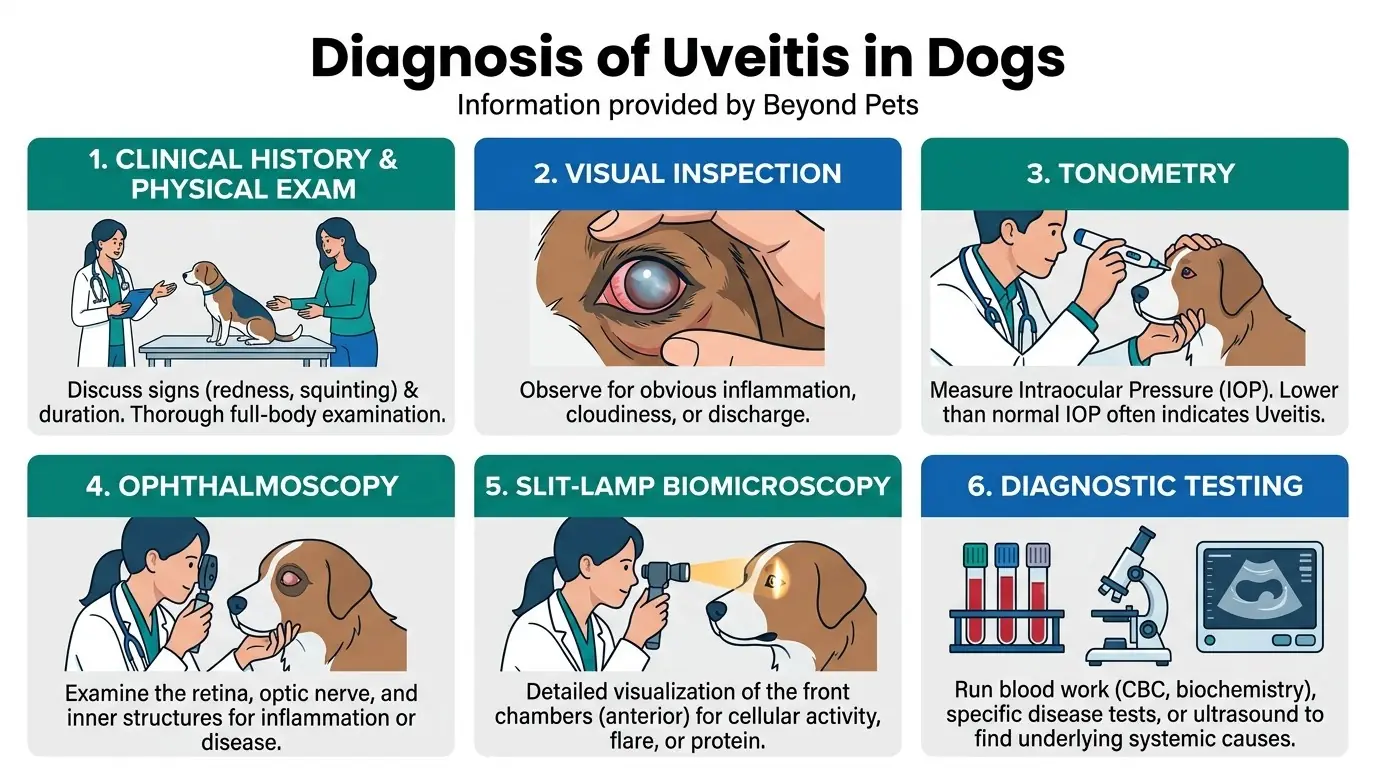
Diagnosing uveitis goes far beyond a simple glance with a flashlight. Because uveitis is a manifestation of potentially lethal systemic diseases, veterinarians approach the diagnostic workup with a rigorous, step-by-step methodology. We must answer three crucial questions: First, is uveitis definitively present? Second, what is the extent of the structural damage to the eye? And third, what is the underlying, systemic trigger causing the immune system to attack the globe? This comprehensive process requires specialized ophthalmic equipment and a deep understanding of internal medicine. As we always advocate, scheduling routine visits allows for the early detection and treatment of any health issues, and this is especially true for subclinical, smoldering uveitis.[30]
Eye Assessment
The diagnostic journey begins with a hands-off neuro-ophthalmic examination in the exam room. Before the dog is stressed or restrained, the veterinarian observes how the patient navigates the space, assessing their functional vision in both bright and dim light. We perform a menace response test, moving a hand quickly toward the eye to see if the dog blinks, which confirms the visual pathways to the brain are intact. We evaluate the pupillary light reflexes (PLR) by shining a bright focal light into the eyes. In a dog with anterior uveitis, the pupil is often already miotic (constricted) and may react sluggishly or painfully to the light. The veterinarian will closely inspect the external eyelids, conjunctiva, and sclera to differentiate deep episcleral injection from superficial conjunctivitis, noting any discharge, swelling, or anatomical abnormalities that might point toward trauma or foreign bodies.[31]
Slit-lamp Biomicroscopy
The definitive tool for diagnosing anterior uveitis is the slit-lamp biomicroscope. This highly specialized, handheld instrument projects a brilliant, microscopic slit of light that optically slices through the transparent structures of the eye. By looking through the magnifying lenses, the veterinarian can assess the cornea layer by layer, checking for deep ulcers or microscopic punctures. Most importantly, the slit-lamp allows the clinician to visualize the anterior chamber fluid. By focusing the slit beam in the dark space between the cornea and the iris, the veterinarian looks for the Tyndall effect. If the aqueous humor is healthy, the space is black and optically empty. If uveitis is present, the beam illuminates millions of suspended proteins and white blood cells floating in the fluid, confirming the diagnosis of aqueous flare. The slit-lamp also reveals keratic precipitates stuck to the inner cornea and delicate strands of fibrin attempting to glue the iris to the lens.[32]
Measurement of Intraocular Pressure
Tonometry, the measurement of intraocular pressure (IOP), is an absolutely mandatory step in evaluating any red, painful eye. Veterinarians use a device called a tonometer—typically a rebound tonometer like a TonoVet or an applanation tonometer like a Tono-Pen—which gently taps or touches the anesthetized surface of the cornea to calculate the internal fluid pressure. In a healthy dog, normal IOP ranges from 10 to 25 mmHg. A hallmark physiological consequence of uncomplicated uveitis is a significant drop in intraocular pressure, often falling below 10 mmHg. This occurs because the inflamed ciliary body essentially shuts down and stops producing normal amounts of aqueous fluid, and the inflammatory mediators increase the unconventional drainage pathways out of the eye. However, if the sticky inflammatory debris clogs the conventional drainage angles, the pressure can suddenly violently spike, indicating the devastating complication of secondary glaucoma. Therefore, tracking IOP is vital for monitoring the success or failure of the treatment plan.[33]
Ophthalmoscopy
Once the anterior segment is evaluated, the veterinarian must examine the posterior segment—the vitreous, retina, and optic nerve. This is achieved using direct and indirect ophthalmoscopy. Often, a dilating drop is required to open the pupil wide enough for a good view, though this must be done cautiously if secondary glaucoma is suspected. Using a specialized headset and a condensing lens, the veterinarian projects a bright light to the back of the eye, generating a wide-field view of the fundus. In cases of posterior uveitis or panuveitis, the normally sharp, reflective vessels of the retina may appear blurry, tortuous, or obscured by inflammatory cellular infiltrates. The clinician meticulously scans the retina for signs of hemorrhage, focal granulomas, or the gray, billowy appearance of an exudative retinal detachment, which signifies severe choroidal leakage.[34]
Blood Analysis
Because the vast majority of severe uveitis cases are driven by systemic disease, a comprehensive blood analysis is non-negotiable. The eye is simply the victim of a whole-body war. A complete blood count (CBC) evaluates the red and white blood cells, looking for signs of profound systemic infection, anemia, or cancerous leukemias. A serum biochemistry panel assesses the health of the kidneys and liver, screening for metabolic triggers like diabetes mellitus or profound hyperlipidemia. Beyond the baseline bloodwork, the veterinarian will often recommend specialized infectious disease titers. Depending on the geographical location and travel history of the dog, blood will be sent to external laboratories to test for antibodies against tick-borne pathogens (Lyme, Ehrlichia, Anaplasma, Rocky Mountain Spotted Fever), leptospirosis, toxoplasmosis, and deep systemic fungal organisms. Finding the exact systemic trigger in the blood is often the key to saving the eye.[35]
Ocular Ultrasound
In many severe cases of panuveitis, the front of the eye becomes so swollen, cloudy, or filled with blood and pus that the veterinarian cannot physically see through the pupil to examine the lens and retina. When the clear ocular media is completely opacified, an ocular ultrasound (specifically a B-scan) becomes an invaluable diagnostic tool. Using a specialized high-frequency ultrasound probe gently placed against the anesthetized surface of the eye, the veterinarian can image the deep structures using sound waves. The ultrasound reveals the exact position of the lens, confirming whether it has ruptured or luxated. It accurately maps the back of the eye, definitively diagnosing retinal detachments, dense vitreal hemorrhages, or the presence of hidden intraocular tumors growing out of the ciliary body or choroid that are completely obscured from visual examination.[36]
Biopsy or Cytology
When bloodwork is inconclusive and the uveitis is severe, non-responsive, or highly suspicious for cancer or a localized infection, the veterinarian may recommend obtaining a direct sample from the eye itself. Aqueous paracentesis is a delicate procedure where a fine needle is inserted through the cornea to withdraw a tiny sample of the aqueous humor from the anterior chamber. Alternatively, a vitreal tap samples the thick gel from the back of the eye. This fluid is then smeared onto a slide and examined under a microscope by a veterinary pathologist. Cytology can reveal the exact types of inflammatory cells present—confirming granulomatous versus non-granulomatous disease—and can identify circulating lymphoma cells or free-floating fungal spores. If an intraocular mass is present, and the eye is permanently blind and painful, surgical removal of the globe (enucleation) allows for a full histopathological biopsy, providing a definitive answer that might save the dog’s life if a systemic cancer is found.[37]
Treatment of Uveitis in Dogs
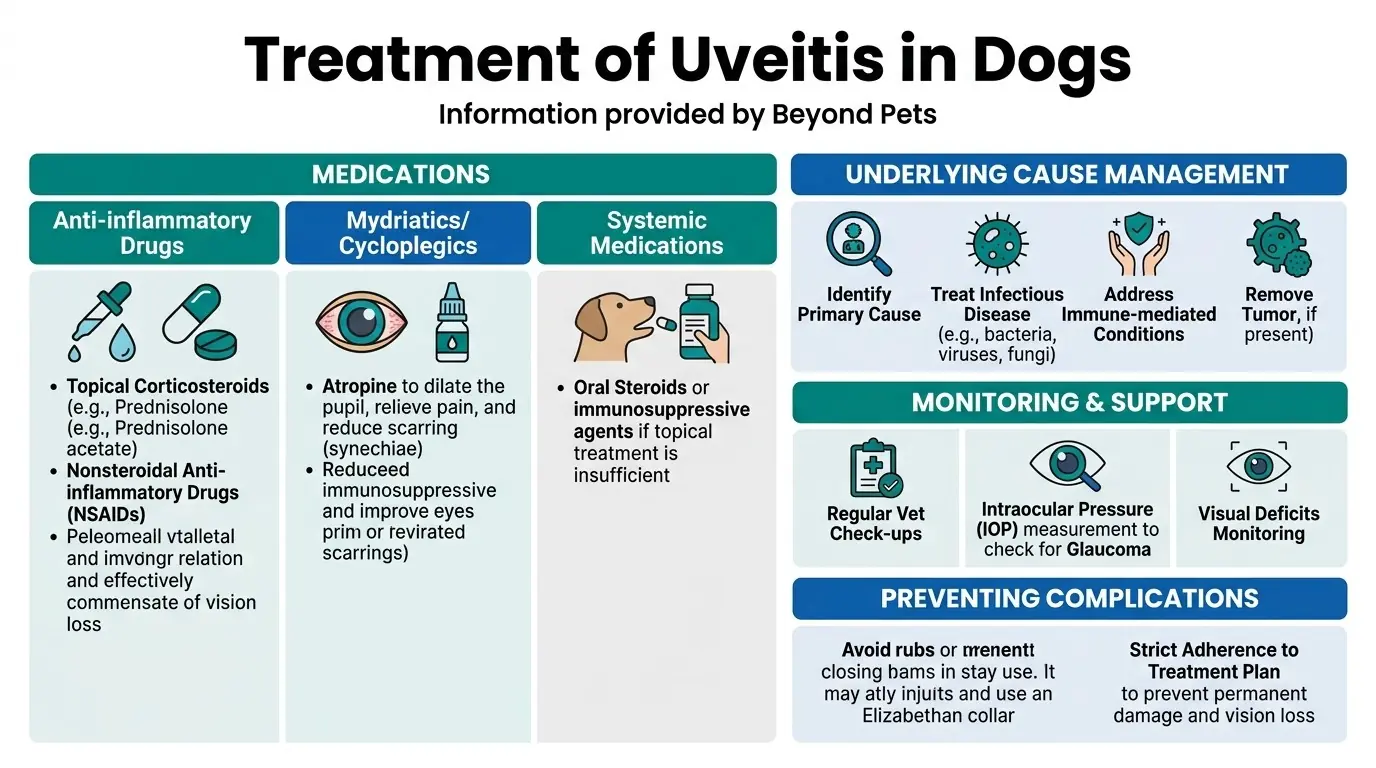
The therapeutic approach to canine uveitis is a highly complex, multi-pronged strategy. The primary goal is aggressive and immediate: we must halt the inflammatory cascade to prevent irreversible anatomical damage, such as synechiae formation and secondary glaucoma. Simultaneously, we must provide profound pain relief, as the ciliary spasms are agonizing for the patient. Finally, and most importantly, we must identify and treat the underlying systemic cause. Treating the eye without addressing the systemic trigger is akin to bailing water out of a sinking boat without plugging the hole. It is imperative to remember that you should always consult your veterinarian before making any changes to your pet’s care, as the wrong medication—such as using steroids on an infectious ulcer—can rapidly cause the eye to rupture.[38]
Medications
The cornerstone of managing the ocular inflammation itself relies heavily on targeted medical therapy, utilizing both topical drops applied directly to the eye and systemic oral medications. The specific combination is carefully curated by the veterinarian based on the severity of the flare, the health of the cornea, and the underlying diagnosis. Topical corticosteroids, such as 1% prednisolone acetate or 0.1% dexamethasone, are the most potent weapons for shutting down the local immune response within the anterior chamber. Prednisolone acetate is highly lipophilic, meaning it excellently penetrates an intact cornea to reach the inflamed uveal tissues inside. However, these potent topical steroids are strictly contraindicated if the slit-lamp exam reveals any scratch or ulcer on the cornea, as steroids completely suppress the cornea’s ability to heal and encourage rapid bacterial melting.[39]
When topical steroids are unsafe due to a corneal ulcer, or when an additional layer of anti-inflammatory power is needed, topical Non-Steroidal Anti-Inflammatory Drugs (NSAIDs) such as flurbiprofen or diclofenac are employed. These drugs block the cyclooxygenase pathway, preventing the production of prostaglandins, which are the primary mediators driving the breakdown of the blood-aqueous barrier. In addition to topical drops, systemic medications are vital, especially since topical drops cannot reach the back of the eye to treat posterior uveitis. Oral systemic NSAIDs, such as carprofen or meloxicam, are frequently prescribed to provide whole-body pain relief and reduce intraocular inflammation from the inside out. In cases of severe, immune-mediated panuveitis, aggressive systemic immunosuppression with high doses of oral prednisone, cyclosporine, or azathioprine may be required to force the rogue immune system into remission. It is critical to note that systemic NSAIDs and systemic steroids must never be given together, as the combination predictably causes fatal gastrointestinal ulceration.[40]
Dilating Agents
One of the most critical, yet frequently misunderstood, classes of medication used in treating anterior uveitis is the topical parasympatholytic, or dilating agent. The absolute gold standard in this category is 1% atropine sulfate drops or ointment. Atropine serves two indispensable functions that no anti-inflammatory drop can accomplish. First, it paralyzes the sphincter muscle of the iris and the ciliary body muscle. Since the intense pain of uveitis is largely driven by the relentless, cramping spasm of these internal muscles, paralyzing them provides profound, almost immediate pain relief for the dog. Second, atropine forces the pupil to dilate widely (mydriasis). By pulling the iris tissue away from the central axis of the eye, it physically prevents the inflamed, sticky iris from resting against the lens. This eliminates the risk of posterior synechiae formation, ensuring that the pupil does not become glued shut, which would otherwise lead to a catastrophic spike in intraocular pressure and secondary glaucoma.[41]
While atropine is a lifesaver for the uveitic eye, it must be used with precision. The drug is extremely bitter, and since eye drops drain through the nasolacrimal duct into the back of the dog’s throat, excessive drooling is a common and harmless side effect. However, the wide dilation of the pupil means the dog cannot regulate light entering the eye, making them intensely sensitive to bright sunlight. Owners must keep atropine-treated dogs in dimly lit rooms or provide protective eyewear when outdoors. Most critically, atropine is strictly contraindicated if the intraocular pressure is already elevated (glaucoma), as dilating the pupil crowds the drainage angle and can push the pressure even higher. Therefore, veterinarians meticulously monitor eye pressures before and during atropine therapy. Once the inflammation begins to subside and the risk of synechiae has passed, the frequency of the dilating drops is slowly tapered off.[42]
Treatment of Underlying Conditions
No matter how aggressively the local ocular inflammation is treated with steroids and dilators, the uveitis will never truly resolve—and will likely aggressively rebound—if the systemic trigger is ignored. Identifying and neutralizing the root cause is the ultimate key to a successful outcome. Because the uvea is heavily vascularized, systemic medications delivered via the bloodstream are highly effective at reaching the deeply embedded pathogens or managing the widespread metabolic issues causing the localized eye crisis. If the diagnostic workup reveals an underlying systemic condition, the treatment plan instantly pivots to address that specific disease.[43]
If the bloodwork confirms a tick-borne bacterial infection like Ehrlichia or Lyme disease, a prolonged course of specific antibiotics, typically oral doxycycline for 28 days, is initiated to eradicate the organism from the bloodstream. For systemic fungal infections like blastomycosis, which cause severe granulomatous uveitis, the dog will require months of expensive, potent systemic antifungal therapy, such as itraconazole or fluconazole. These drugs slowly kill the deep-seated fungal spores, eventually halting the immune system’s destructive reaction in the choroid. If the uveitis is a secondary complication of poorly regulated diabetes mellitus, the dog’s insulin regimen must be rigorously adjusted to stabilize their blood glucose, slowing the progression of the diabetic cataracts that are leaking proteins into the eye. In scenarios where a systemic autoimmune disease is diagnosed, life-long management with heavy immunosuppressive chemotherapeutics is required to suppress the bone marrow from producing the rogue antibodies attacking the uveal tract. In every scenario, treating the whole patient is the only pathway to saving the eye.[44]
Surgery
While the vast majority of uveitis cases are managed strictly through intensive medical therapy, there are critical junctures where surgical intervention by a board-certified veterinary ophthalmologist becomes the only viable option to preserve vision or to relieve intractable suffering. One of the most common surgical indications is severe lens-induced uveitis. If a hypermature cataract has begun to leak heavily, or if a diabetic lens rapidly swells and ruptures the capsule, no amount of medical therapy will quiet the eye because the inciting antigen—the lens protein—is still present in massive quantities. In these cases, emergency phacoemulsification (cataract surgery) is performed. The surgeon uses ultrasonic waves to break up and completely vacuum out the offending lens material, immediately removing the source of the inflammation and allowing the uveitis to resolve.[45]
Surgical intervention is also necessary when uveitis results in end-stage complications. If the persistent inflammation has caused extensive synechiae that permanently block the fluid drainage angles, the dog will develop refractory, painful secondary glaucoma. Surgical procedures such as the implantation of a gonioimplant (a small drainage tube that shunts fluid out of the eye) or cyclophotocoagulation (using a laser to destroy a portion of the ciliary body so it produces less fluid) may be attempted to control the pressure. However, if the eye is permanently blind, structurally ruined, and chronically painful despite maximal medical and surgical efforts, enucleation—the complete surgical removal of the globe—is the most humane option. While emotionally difficult for the owner, removing a blind, painful eye instantly cures the dog’s suffering, allowing them to return to a happy, pain-free life, often with the placement of a cosmetic silicone prosthesis in the socket to maintain a normal facial appearance.[46]
Prevention of Canine Uveitis
Given the complex, often systemic nature of canine uveitis, absolute prevention is impossible. We cannot entirely shield our dogs from every genetic predisposition, random autoimmune misfire, or aggressive cancer. However, because infectious diseases and preventable systemic health failures drive a massive percentage of uveitis cases, proactive and diligent veterinary care can drastically reduce your dog’s risk profile. The goal of prevention is not just protecting the eye, but fortifying the dog’s entire systemic health infrastructure, ensuring that opportunistic pathogens cannot establish a foothold that eventually leads to the vascular beds of the uveal tract.[47]
The absolute baseline of defense is strict adherence to core and lifestyle vaccinations. Ensuring your dog’s vaccinations are current can guard against infections like canine adenovirus and distemper, which have a high affinity for destroying ocular tissues. Furthermore, if you live in an area where wildlife is prevalent, vaccinating against leptospirosis is crucial to prevent the severe systemic disease and accompanying uveitis it causes. Equally vital is rigorous, year-round parasite prevention. Maintaining a strict schedule with tick preventatives is the only way to shield your dog from the rickettsial bacteria that frequently cause blinding acute uveitis. Additionally, ensuring broad-spectrum internal parasite control, since heartworm preventatives can shield your dog from wandering larval migrations, protects the delicate choroidal tissues from parasitic granulomas.[48]
Beyond infectious disease control, daily observation and safety management play a critical role. If your dog frequently hunts or runs through dense brush, equipping them with protective canine goggles can physically prevent the blunt and penetrating traumas that instantly trigger acute non-granulomatous uveitis. Finally, nothing replaces the value of comprehensive, annual, or bi-annual veterinary wellness exams. Routine bloodwork can detect early, subclinical metabolic shifts—such as rising blood glucose or subtle liver enzyme elevations—long before they cascade into diabetic cataracts or systemic immune failure. By partnering closely with your veterinarian for proactive screening, you ensure the early detection and management of systemic diseases, thereby providing the strongest possible shield for your dog’s precious vision.[49]
Frequently Asked Questions
How long does it take for uveitis to heal in dogs?
The timeline for healing depends entirely on the underlying cause and the severity of the inflammation at the time of diagnosis. Mild cases of acute, traumatic non-granulomatous uveitis may resolve completely within a few days to two weeks with aggressive topical anti-inflammatory therapy and atropine. However, if the uveitis is driven by a deep systemic fungal infection, an autoimmune disorder, or chronic pigmentary changes, the healing process can take months, and in many instances, the condition is never “cured.” Instead, it requires lifelong medical management to keep the smoldering inflammation suppressed and prevent blinding flare-ups.
How can I reduce a dog’s eye inflammation at home?
You cannot safely or effectively treat intraocular inflammation at home without prescription veterinary medications. Uveitis occurs deep within the globe, and over-the-counter human eye drops or holistic remedies will not penetrate the cornea to reach the inflamed uveal tract, nor will they address the potentially fatal systemic diseases causing the flare. Attempting to manage a red, painful eye without a proper ophthalmic exam can result in a ruptured globe or irreversible blindness within days. If you notice squinting, cloudiness, or redness, the only appropriate action is an immediate emergency visit to your veterinarian for accurate diagnostics and specific prescription therapy.
Is uveitis in dogs always an emergency?
Yes, absolutely. Any clinical sign pointing toward uveitis—such as acute redness, severe squinting, a constricted pupil, or a cloudy eye—must be treated as a medical emergency. The inflammatory mediators inside the eye work incredibly fast to permanently alter the delicate internal structures. Delaying veterinary care by even 24 to 48 hours gives the sticky inflammatory proteins time to glue the iris to the lens, forming posterior synechiae. This can rapidly trigger secondary glaucoma, a condition that kills the optic nerve and causes permanent blindness in a matter of hours, making immediate veterinary intervention essential.
References
- Merck Veterinary Manual. Anterior Uveitis in Dogs and Cats. Merck & Co., Inc., 2023.
- Merck Veterinary Manual. Ocular Anatomy of Animals. Merck & Co., Inc., 2023.
- VCA Hospitals. Uveitis in Dogs. VCA Animal Hospitals, 2023.
- Townsend WM. Canine Pigmentary Uveitis. Vet Clin North Am Small Anim Pract, 2015.
- Veterinary Information Network (VIN). Classification and Diagnosis of Uveitis. VIN, 2022.
- American Veterinary Medical Association (AVMA). Eye Conditions in Dogs and Cats. AVMA, 2023.
- Massa KL, et al. Causes of uveitis in dogs: 102 cases (1989-2000). Vet Ophthalmol, 2002.
- Merck Veterinary Manual. Glaucoma in Animals. Merck & Co., Inc., 2023.
- VCA Hospitals. Chorioretinitis in Dogs. VCA Animal Hospitals, 2023.
- Grahn BH, Sandmeyer L. Canine chorioretinitis and posterior uveitis. Vet Clin North Am Small Anim Pract, 2008.
- Veterinary Information Network (VIN). Posterior Segment Inflammation. VIN, 2021.
- Hendrix DV. Diseases and surgery of the canine anterior uvea. Veterinary Ophthalmology, 2013.
- Merck Veterinary Manual. Phthisis Bulbi in Animals. Merck & Co., Inc., 2023.
- Pumphrey SA. Canine systemic infectious diseases and their ocular manifestations. Vet Clin North Am Small Anim Pract, 2013.
- Cornell University College of Veterinary Medicine. Blastomycosis in Dogs. Cornell CVM, 2023.
- VCA Hospitals. Eye Injuries in Dogs. VCA Animal Hospitals, 2023.
- Gilger BC. Ocular manifestations of systemic infectious diseases. Vet Clin North Am Small Anim Pract, 2004.
- Centers for Disease Control and Prevention (CDC). Leptospirosis in Pets. CDC, 2022.
- American Veterinary Medical Association (AVMA). Lyme Disease: A Pet Owner’s Guide. AVMA, 2023.
- Krohne SG. Canine systemic diseases with ocular manifestations. Vet Clin North Am Small Anim Pract, 2008.
- Merck Veterinary Manual. Canine Distemper. Merck & Co., Inc., 2023.
- VCA Hospitals. Uveodermatologic Syndrome in Dogs. VCA Animal Hospitals, 2023.
- Willis AM. Ocular oncology. Clin Tech Small Anim Pract, 2001.
- American College of Veterinary Ophthalmologists (ACVO). Corneal Ulcers. ACVO, 2023.
- Merck Veterinary Manual. Diabetes Mellitus in Dogs and Cats. Merck & Co., Inc., 2023.
- van der Woerdt A. Lens-induced uveitis. Vet Med, 2000.
- Veterinary Information Network (VIN). Recognizing Ocular Pain. VIN, 2020.
- VCA Hospitals. Conjunctivitis versus Episcleral Injection in Dogs. VCA Animal Hospitals, 2023.
- Peiffer RL Jr. Pathophysiology of the uveal tract. Vet Clin North Am Small Anim Pract, 1990.
- Merck Veterinary Manual. Ophthalmologic Examination in Animals. Merck & Co., Inc., 2023.
- University of Florida College of Veterinary Medicine. Ophthalmic Exam Procedures. UF CVM, 2023.
- Martin HL. Diagnostic techniques in veterinary ophthalmology. Vet Clin North Am Small Anim Pract, 2011.
- Knickelbein KE, et al. Tonometry in dogs and cats. J Small Anim Pract, 2006.
- American College of Veterinary Ophthalmologists (ACVO). Retinal Disease. ACVO, 2023.
- VCA Hospitals. Testing for Infectious Diseases in Dogs. VCA Animal Hospitals, 2023.
- Boroffka SA. Ocular ultrasound in small animals. Vet Radiol Ultrasound, 2009.
- Merck Veterinary Manual. Cytology of the Eye. Merck & Co., Inc., 2023.
- American Veterinary Medical Association (AVMA). Safe Use of Medicines for Your Pet. AVMA, 2023.
- Giuliano EA. Topical ophthalmic corticosteroids: a review. Vet Clin North Am Small Anim Pract, 2004.
- VCA Hospitals. NSAIDs for Dogs. VCA Animal Hospitals, 2023.
- Merck Veterinary Manual. Ophthalmic Autonomic Drugs. Merck & Co., Inc., 2023.
- Rubin LF. Mydriatic and cycloplegic drugs in veterinary ophthalmology. Vet Ophthalmol, 2002.
- Veterinary Information Network (VIN). Medical Management of Uveitis. VIN, 2022.
- Cornell University College of Veterinary Medicine. Lyme Disease in Dogs. Cornell CVM, 2023.
- American College of Veterinary Ophthalmologists (ACVO). Cataracts and Surgery. ACVO, 2023.
- Maggs DJ. Enucleation and exenteration. Veterinary Ophthalmology, 2013.
- American Veterinary Medical Association (AVMA). Disease Risks for Dogs. AVMA, 2023.
- Companion Animal Parasite Council (CAPC). Parasite Control Guidelines. CAPC, 2023.
- American Animal Hospital Association (AAHA). Canine Wellness Testing Guidelines. AAHA, 2019.