



 March 9, 2023
 Phil Good, DVM
What is Diarrhea in Cats?
This content was prepared with AI assistance and reviewed by a licensed professional for accuracy.
Introduction
When dealing with Diarrhea in Cats, it is crucial for pet parents to understand exactly what is happening within their feline companion’s gastrointestinal tract. Medically speaking, diarrhea is not a disease in and of itself, but rather a prominent clinical symptom indicating an underlying disruption in the normal digestive process. It is characterized by the frequent, uncontrolled expulsion of loose, watery fluid, or otherwise unformed stools. Experiencing loose stool in cats is one of the most common reasons pet owners seek veterinary intervention, as it can escalate from a mild inconvenience to a life-threatening crisis if left unmanaged.[1] Understanding the mechanisms behind this symptom is the first step in helping your cat return to optimal health.
To fully grasp what causes a cat to develop abnormal bowel movements, we must look at the physiology of the feline digestive tract. Under normal circumstances, the stomach and small intestines break down food and absorb vital nutrients, while the large intestine (the colon) is primarily responsible for absorbing water and electrolytes, transforming the remaining waste into a firm, well-formed stool. When this delicate physiological balance is disrupted—whether by rapid transit time, inflammation, infection, or the presence of unabsorbable osmotic substances—the colon is unable to extract enough moisture. The result is the expulsion of excess fluid alongside the fecal matter. This failure of water absorption is the foundational mechanism behind all forms of diarrhea.[2]
There are four primary pathophysiological mechanisms that lead to this condition: osmotic, secretory, exudative, and dysmotility. Osmotic diarrhea occurs when unabsorbed nutrients draw excess water into the intestinal lumen. Secretory diarrhea happens when bacterial toxins or severe inflammation force the intestinal cells to secrete large volumes of fluid and electrolytes into the gut. Exudative diarrhea is the result of severe mucosal damage, leading to the leakage of blood, serum proteins, and pus into the intestinal tract. Finally, dysmotility refers to abnormal intestinal contractions—either too fast, preventing adequate time for water absorption, or too slow, which can promote bacterial overgrowth.[3] By determining which mechanism is at play, veterinarians can tailor their diagnostic and treatment approach effectively.
As a responsible cat owner, monitoring your pet’s litter box habits is a daily necessity. While a single episode of soft stool might just be a reaction to a stolen piece of human food or minor stress, persistent, profuse, or bloody diarrhea warrants immediate medical evaluation. Chronic fluid loss through the gastrointestinal tract rapidly leads to severe dehydration, acid-base imbalances, and dangerous electrolyte depletion, particularly in vulnerable populations like young kittens or senior cats. If your cat’s condition continues or deteriorates, prompt veterinary assessment is absolutely essential to prevent life-threatening complications.[4]
Types of Diarrhea in Cats
Veterinarians categorize diarrhea based on several factors, including its duration, the specific region of the gastrointestinal tract affected, and the underlying pathological process. Understanding these classifications helps narrow down the list of potential causes and directs the diagnostic workup. The primary distinction is based on the timeline of the symptoms.
Acute Diarrhea is defined as an episode that occurs suddenly and resolves within a relatively short period, typically lasting from a few days up to two weeks. It is frequently self-limiting or highly responsive to simple symptomatic therapy. Common culprits for acute presentations include dietary indiscretion, sudden changes in pet food, ingestion of spoiled material, or transient viral and bacterial infections. Most acute cases are mild, provided the cat remains well-hydrated and active. However, acute diarrhea can become an emergency if it is accompanied by profuse vomiting, lethargy, or massive fluid loss.[5]
Chronic Diarrhea, on the other hand, persists for longer than three to four weeks, or it may present as recurrent, episodic bouts over several months. Chronic cases are rarely simple and almost never resolve on their own without medical intervention. The diagnostic process for chronic diarrhea is far more extensive, as the underlying causes are often complex, systemic, or immune-mediated. Conditions such as inflammatory bowel disease (IBD), endocrine disorders, chronic parasitic infestations, food allergies, and gastrointestinal neoplasia (cancer) are the typical primary suspects in these prolonged cases.[6]
In addition to the duration, veterinarians must distinguish between Small Bowel Diarrhea and Large Bowel Diarrhea, as these originate from entirely different sections of the digestive tract and feature completely different clinical signs. Small bowel diarrhea originates in the duodenum, jejunum, or ileum. Because this is the region where the vast majority of nutrient absorption occurs, cats with small bowel issues often exhibit concurrent weight loss, lethargy, and a poor hair coat. The stool volume is typically very large, the frequency is only mildly increased (two to three times a day), and the feces may contain digested blood (melena), which appears dark and tarry. Straining to defecate is generally absent.[7]
Conversely, large bowel diarrhea originates in the colon or rectum. The colon’s main job is water absorption and fecal storage. Therefore, when the large intestine is inflamed (colitis), the cat will exhibit a high frequency of bowel movements—sometimes visiting the litter box ten or more times a day—but only producing a tiny volume of stool each time. A hallmark sign of large bowel diarrhea is tenesmus, which is severe straining that can easily be mistaken for constipation or a urinary blockage. The stool often contains heavy amounts of clear or jelly-like mucus and fresh red blood (hematochezia). Because nutrient absorption happens higher up in the digestive tract, cats with strictly large bowel diarrhea rarely lose weight.[8]
Beyond location and duration, the condition is also classified by its driving pathology: Infectious Diarrhea implies the presence of an active pathogen, such as a virus, bacteria, or parasite actively attacking the gut lining. Inflammatory Diarrhea points to an inappropriate immune response, such as severe allergies or autoimmune enteropathies, where the body’s own immune system attacks the intestinal walls, leading to thickening, cellular infiltration, and a loss of normal absorptive architecture. Proper diagnosis by a qualified veterinarian is the only way to accurately differentiate between these complex subtypes.
What Causes of Cat Diarrhea?

The list of potential triggers for gastrointestinal upset in felines is incredibly extensive, ranging from entirely benign, transient environmental factors to severe, life-threatening systemic diseases. To reach an accurate diagnosis and implement effective therapy, veterinarians systematically evaluate the most common to the least common causes. Below is an in-depth exploration of the primary etiologies responsible for feline diarrhea.
Dietary Changes and Food Intolerance
The feline gastrointestinal tract relies on a highly adapted, stable microbiome—a complex ecosystem of beneficial bacteria that aid in digestion and immune regulation. Any sudden alteration in a cat’s diet can violently disrupt this delicate microbial balance, leading to a rapid onset of loose stools. Dietary indiscretion, often referred to colloquially as “garbage gut,” occurs when a cat consumes spoiled food, rich human table scraps, or non-digestible organic matter. Even transitioning from one high-quality commercial cat food to another without a proper, gradual weaning period can irritate the intestinal lining and cause acute osmotic diarrhea.[9]
Beyond simple indiscretion, true dietary hypersensitivities play a massive role in chronic gastrointestinal distress. It is a well-documented clinical reality that adult cats may have a food allergy that develops spontaneously, even if they have been consuming the exact same brand and flavor of food for several years. Feline food allergies are almost exclusively triggered by the protein source in the diet, with chicken, beef, fish, and dairy being the most frequent offenders. The cat’s immune system mistakenly identifies these dietary proteins as hostile invaders, launching an inflammatory attack against the gut wall.[10]
Distinct from a true immune-mediated allergy, food intolerances are non-immunologic adverse reactions to certain food components. The most classic example is lactose intolerance. While the image of a cat happily lapping up a saucer of milk is deeply ingrained in popular culture, the reality is that the vast majority of adult cats lack the enzyme lactase, which is required to break down the sugars in cow’s milk. When a cat consumes dairy, these undigested sugars remain in the intestinal lumen, drawing in massive amounts of water via osmosis and providing fuel for gas-producing bacteria, resulting in explosive diarrhea and painful abdominal bloating.
Infections
Infectious agents are a leading cause of both acute and chronic diarrhea, particularly in young kittens, unvaccinated adults, and cats living in high-density populations like shelters or catteries. Viral infections can be particularly devastating. Feline Panleukopenia Virus (FPV), closely related to the canine parvovirus, attacks the rapidly dividing cells of the intestinal crypts, causing profound sloughing of the gut lining, bloody diarrhea, severe leukopenia, and high mortality rates if aggressive supportive care is not instituted immediately. Another significant viral pathogen is the Feline Coronavirus (FCoV), which commonly causes mild, transient diarrhea in kittens but can occasionally mutate into the fatal disease known as Feline Infectious Peritonitis (FIP).[11]
Bacterial pathogens also play a heavy role in gastrointestinal disease. Salmonella species, often contracted from consuming raw meat diets, scavenging infected wildlife, or drinking contaminated water, can cause severe secretory and exudative diarrhea accompanied by high fevers and systemic sepsis. Campylobacter is another major bacterial threat, often causing severe, mucus-laden bloody diarrhea; it is notable for its zoonotic potential, meaning it can be transmitted from cats to humans. Clostridium perfringens is a spore-forming bacterium normally found in the feline gut, but under conditions of stress or dietary change, it can overgrow and release specific enterotoxins that severely damage the intestinal lining.[1]
Fungal infections, while less common overall, represent a severe threat in certain geographical regions. Histoplasmosis, caused by the inhalation or ingestion of the fungus *Histoplasma capsulatum* (often found in bird or bat droppings in the Ohio and Mississippi River valleys), can disseminate systemically and heavily infiltrate the intestinal tract of cats. This results in severe, intractable large bowel diarrhea, weight loss, and marked thickening of the colon walls that can easily be mistaken for advanced cancer or severe inflammatory bowel disease upon initial ultrasound examination.
Parasites
Gastrointestinal parasitism is an extraordinarily common finding in feline veterinary medicine, and it must be ruled out in every single case of diarrhea. Internal parasites like roundworms, hookworms, and tapeworms can cause digestive issues, and their presence is not always obvious to the naked eye. Roundworms (Toxocara cati) are particularly prevalent in kittens, who can acquire the larvae directly through their mother’s milk. These long, spaghetti-like worms live in the small intestine, competing with the host for essential nutrients and causing a classic “pot-bellied” appearance, vomiting, and diarrhea. Hookworms (Ancylostoma tubaeforme) are smaller but highly destructive, as they attach to the intestinal wall and feed on the cat’s blood, leading to melena and potentially fatal anemia.[12]
Tapeworms (Dipylidium caninum and Taenia taeniaeformis) are cestode parasites that cats acquire by ingesting infected intermediate hosts, such as fleas or infected rodents. While they generally cause mild clinical signs, a heavy tapeworm burden can certainly contribute to chronic, low-grade diarrhea and peri-anal irritation. Owners may notice tiny, rice-like segments (proglottids) stuck to the fur around the cat’s rectum or moving on fresh feces. Eradication of tapeworms requires specialized deworming medications and strict flea control.
Protozoan parasites are microscopic, single-celled organisms that are incredibly difficult to eradicate and are notorious for causing chronic, foul-smelling diarrhea. Giardia is a common protozoan contracted from contaminated water sources. It adheres to the intestinal villi, physically blocking nutrient absorption and causing a pale, greasy, highly malodorous stool. Another highly problematic protozoan specific to felines is Tritrichomonas foetus. This organism primarily affects the colon, causing chronic, intractable large bowel diarrhea—often with a “cow-pie” consistency, mucus, and fresh blood. It is highly resistant to standard anti-diarrheal medications and requires specialized PCR testing and highly specific, targeted antibiotic therapy for successful eradication.[13]
Inflammatory Bowel Disease (IBD)
Feline Inflammatory Bowel Disease (IBD) is not a single specific illness, but rather a syndrome characterized by chronic, persistent inflammation of the gastrointestinal tract without a clear infectious or parasitic cause. It is currently understood to be an abnormal, hyper-reactive immune response to dietary antigens, normal intestinal microflora, or a combination of both. In a cat with IBD, the immune system floods the mucosal lining of the intestines with inflammatory cells—most commonly lymphocytes and plasma cells (lymphoplasmacytic enteritis), or sometimes eosinophils (eosinophilic enteritis).[6]
This cellular infiltration physically thickens the gut wall, drastically impairing the intestine’s ability to absorb nutrients and water. The clinical presentation of IBD can vary wildly depending on which section of the tract is most severely affected. Cats with stomach and upper small intestinal IBD frequently present with chronic vomiting and weight loss, whereas those with colonic involvement will display classic large bowel diarrhea symptoms. In many cases, feline IBD occurs concurrently with chronic pancreatitis and inflammatory liver disease (cholangitis)—a complex syndrome clinically referred to as feline triaditis.
Hyperthyroidism
While one might naturally assume that diarrhea points solely to a primary gastrointestinal disorder, systemic endocrine diseases frequently manifest with profound GI signs. Hyperthyroidism is an incredibly common glandular disorder in senior felines, characterized by the autonomous overproduction of thyroid hormones (T3 and T4) by benign adenomas on the thyroid glands. Thyroid hormone dictates the metabolic rate of the entire body. When levels are excessively high, every cellular process is thrown into overdrive.[14]
In the gastrointestinal tract, this thyrotoxicosis dramatically increases intestinal motility. The stomach empties too quickly, and the intestines push food through at such an accelerated pace that there is simply not enough time for proper digestion and water absorption to occur. Furthermore, hyperthyroidism causes polyphagia (an insatiable, ravenous appetite) which leads to overeating and subsequent dietary overload on the gut. The end result is frequent, voluminous diarrhea, extreme weight loss despite increased food intake, hyperactivity, and a rough, unkempt coat. Resolving the diarrhea in these cases requires treating the underlying thyroid disease via medication, radioactive iodine therapy, or surgical thyroidectomy.
Pancreatitis
The feline pancreas is a small, V-shaped glandular organ located alongside the stomach and duodenum, responsible for producing vital digestive enzymes (exocrine function) and hormones that regulate blood sugar (endocrine function). Under normal conditions, these powerful digestive enzymes remain safely inactive until they reach the small intestine. However, in cases of feline pancreatitis, these enzymes activate prematurely within the pancreas itself, literally causing the organ to begin digesting its own tissue. This creates massive, painful localized inflammation that rapidly spills over into the adjacent stomach and intestinal loops.[15]
This collateral inflammatory damage directly causes significant diarrhea, lethargy, anorexia, and sometimes vomiting. Furthermore, chronic pancreatitis can eventually destroy so much of the organ’s tissue that it can no longer produce adequate digestive enzymes, leading to a condition known as Exocrine Pancreatic Insufficiency (EPI). Cats with EPI suffer from profound maldigestion; food passes through them entirely unbroken down, resulting in massive, pale, greasy, foul-smelling diarrhea and severe starvation despite eating ravenously. Pancreatitis also interferes with the absorption of Cobalamin (Vitamin B12), compounding the chronic diarrhea state.
Cancer
Gastrointestinal neoplasia (cancer) is a devastating but frequent cause of chronic diarrhea, particularly in middle-aged and senior cats. By far, the most common type of intestinal cancer in felines is Alimentary Lymphoma. This cancer arises from the lymphatic tissues embedded within the gut wall. Clinically, veterinarians distinguish between two main forms: low-grade (small cell) lymphoma and high-grade (large cell, lymphoblastic) lymphoma. Low-grade lymphoma is far more common, slow-growing, and mimics Inflammatory Bowel Disease so closely that the two can only be differentiated via advanced histopathology and genetic cloning testing of intestinal biopsies.[16]
As the cancerous lymphocytes heavily infiltrate the layers of the intestine, they destroy the delicate villi responsible for absorption, leading to severe malabsorption, protein-losing enteropathy (where vital blood proteins leak into the gut), chronic liquid diarrhea, and progressive wasting. Other less common but significant gastrointestinal cancers include mast cell tumors, which release massive amounts of histamine that cause stomach ulceration and diarrhea, as well as adenocarcinomas, which can form aggressive strictures and physical blockages within the colon.
Certain Medications and Feline Immunodeficiency Virus
Iatrogenic causes—those resulting from medical treatments—must always be considered when a cat develops diarrhea. The most frequent medicinal culprits are broad-spectrum antibiotics. While necessary to treat bacterial infections, oral antibiotics indiscriminately destroy both harmful and beneficial bacteria within the cat’s gut, leading to a state of profound dysbiosis. Without the healthy microbiome to aid digestion and suppress opportunistic pathogens, severe antibiotic-associated diarrhea often follows. Non-Steroidal Anti-Inflammatory Drugs (NSAIDs) can also cause gastrointestinal ulceration and subsequent bleeding diarrhea.[17]
Additionally, underlying viral immunosuppression plays a major role in chronic GI distress. Feline Immunodeficiency Virus (FIV) and Feline Leukemia Virus (FeLV) severely cripple the cat’s cell-mediated immune system. While the viruses themselves do not directly cause diarrhea, they render the cat highly susceptible to secondary, opportunistic infections. A cat with FIV is far more likely to suffer from chronic bacterial overgrowth, deep-seated protozoal infections like Cryptosporidium, and severe fungal enteritis that a healthy immune system would normally fend off with ease. Thorough retroviral testing is essential in any cat presenting with refractory diarrhea.
Signs a Cat Has Diarrhea

Recognizing the clinical manifestations of gastrointestinal distress is critical for early intervention. While the presence of unformed feces is obvious, paying close attention to the specific characteristics of the stool and the cat’s general demeanor can provide massive clues regarding the underlying etiology. Veterinary professionals often utilize visual tools like the Purina Fecal Scoring System (ranging from 1, representing hard dry pellets, to 7, representing entirely watery liquid) to objectively track the severity of the condition. Clinical signs indicating that your cat is suffering from a significant diarrheal episode include the following observations.
Frequent trips to the litter box producing loose or completely watery stools is the most apparent sign. Owners must observe whether there is a heightened frequency of bowel movements compared to the cat’s normal routine. When observing the act of defecation, visible straining or intense urgency (tenesmus) is highly indicative of large bowel irritation. In severe cases of colitis, the colon spasms uncontrollably, making the cat feel like they need to defecate constantly, even when the colon is completely empty. This immense urgency often leads to unexpected accidents or soiling outside the confines of the litter box, a distressing situation that owners sometimes misinterpret as a primary behavioral issue. Any changes in your cat’s behavior regarding their litter box habits should be investigated medically before attempting behavioral modification.[8]
The visual composition of the stool is equally important. The presence of heavy mucus (which looks like a clear, jelly-like casing over the feces) indicates that the goblet cells of the colon are highly inflamed and hyper-secreting. Blood appearing in the stool is an alarming sign that requires differentiation: fresh, bright red blood (hematochezia) signifies lower bowel bleeding, usually from colonic irritation, while dark, tar-like stools (melena) indicate digested blood from a severe upper gastrointestinal bleed, such as a bleeding stomach ulcer or heavy hookworm burden. Furthermore, systemic signs such as noticeable lethargy, a decreased interest in food (anorexia), vomiting, fever, or signs of abdominal pain (hunching over, guarding the belly) elevate the situation from a mild concern to a potential medical crisis necessitating immediate evaluation.
How Vets Diagnose Diarrhea in Cats
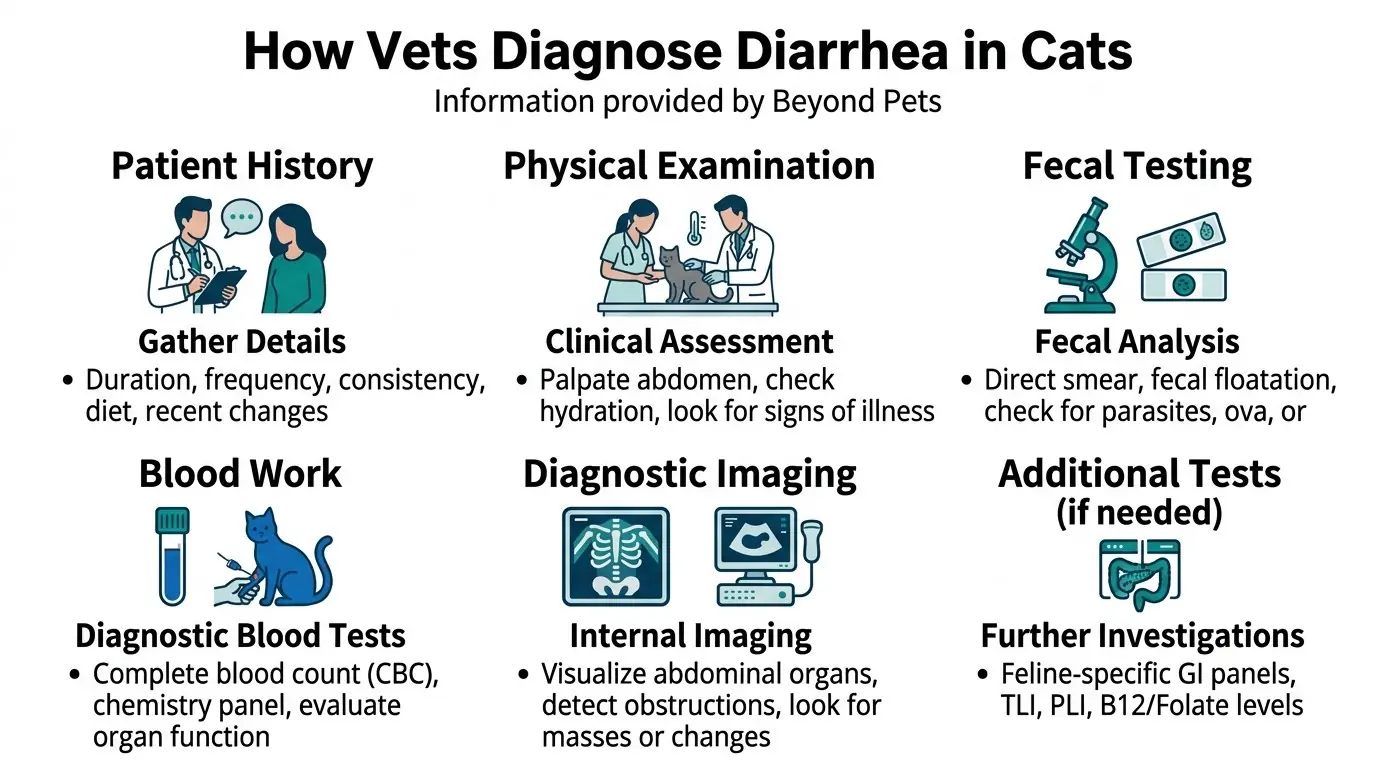
Achieving an accurate diagnosis for feline diarrhea requires a systematic, step-by-step investigative approach. Because the list of potential causes is so vast, veterinarians act as medical detectives, using a combination of detailed patient history, physical findings, and targeted laboratory diagnostics to peel back the layers of the mystery. The diagnostic pathway generally follows these standardized steps.
Physical Examination
The diagnostic process always begins with a comprehensive physical examination. During this evaluation, the veterinarian will scrutinize the cat’s overall body condition score and assess for signs of muscle wasting or recent weight loss, which heavily suggest small intestinal disease or hyperthyroidism. Hydration status is meticulously checked by evaluating skin turgor, mucous membrane moisture, and capillary refill time. The vet will perform deep abdominal palpation to feel for thickened bowel loops (highly suggestive of IBD or lymphoma), enlarged mesenteric lymph nodes, abnormal masses, or generalized abdominal pain. Finally, a thorough palpation of the neck is performed to detect a “thyroid slip,” an enlarged thyroid gland indicating hyperthyroidism.[5]
Fecal Analysis
Before jumping to complex diseases, standard parasitic testing is mandatory. Fecal analysis entails scrutinizing a prepared sample of the cat’s stool under a microscope. Vets utilize techniques like zinc-sulfate centrifugal fecal flotation to concentrate and identify the microscopic eggs of intestinal parasites like roundworms, hookworms, and whipworms, as well as the oocysts of protozoa like Coccidia. A direct fecal smear is evaluated for the presence of motile organisms, such as Giardia trophozoites, and to assess the general bacterial flora. Because parasites shed eggs intermittently, a single negative fecal float does not definitively rule out parasitism, and repeated testing or empirical therapeutic deworming is often pursued.[12]
Blood Tests
Blood tests provide a vital window into the cat’s systemic health and organ function. A Complete Blood Count (CBC) is performed to measure red blood cells, white blood cells, and platelets. Anemia may indicate chronic GI bleeding, while elevated eosinophils strongly suggest a heavy parasitic burden or an allergic/eosinophilic inflammatory response. The biochemical profile assesses the function of the liver and kidneys, evaluates blood sugar levels, and crucially measures total blood proteins (albumin and globulin). A drop in blood albumin (hypoalbuminemia) is a severe finding indicative of Protein-Losing Enteropathy, where the damaged gut leaks protein into the stool. Furthermore, specialized blood tests, such as a Total T4 to rule out hyperthyroidism, and a feline Pancreas-Specific Lipase (fPLI) to definitively diagnose pancreatitis, are often required. Testing fasting levels of gastrointestinal vitamins—specifically Cobalamin (Vitamin B12) and Folate—is essential, as severe deficiencies in these vitamins drastically hinder intestinal healing and directly perpetuate chronic diarrhea.[15]
Bacterial or Viral Testing
If infectious causes are heavily suspected—particularly in young, unvaccinated cats, or multi-cat households experiencing outbreaks—targeted bacterial and viral testing is employed. Modern veterinary medicine relies heavily on real-time Polymerase Chain Reaction (PCR) panels. These advanced molecular tests analyze a single fecal sample to detect the DNA or RNA of multiple specific pathogens simultaneously, including Feline Coronavirus, Feline Panleukopenia Virus, Salmonella, Campylobacter, Giardia, and the elusive Tritrichomonas foetus. Routine bacterial stool cultures are rarely performed for generalized diarrhea because the feline gut is normally teeming with billions of bacteria; however, cultures are necessary if highly resistant, atypical pathogenic strains are suspected. Furthermore, every cat with chronic diarrhea should be tested for FeLV and FIV via a rapid blood ELISA test.[13]
Imaging Studies
When blood and fecal testing do not yield a definitive answer, or if structural abnormalities are suspected, veterinarians turn to diagnostic imaging. Abdominal radiographs (X-rays) are excellent for identifying obvious physical obstructions (like an ingested foreign body), significant gas accumulation, or large abdominal tumors. However, to evaluate the actual layers of the intestinal wall, an abdominal ultrasound is vastly superior. A skilled ultrasonographer can measure the exact millimeter thickness of the stomach and intestinal walls, evaluate the loss of normal mucosal layering (a strong indicator of severe IBD or lymphoma), assess the size and reactivity of the intra-abdominal lymph nodes, and safely guide a needle for fine-needle aspiration (FNA) of suspicious masses or enlarged organs.[16]
Dietary Trials
For cats suffering from chronic, stable diarrhea where infectious and systemic diseases have been ruled out, a highly controlled dietary trial is the gold standard diagnostic tool for identifying food allergies or intolerances. This strict protocol involves feeding the cat a commercial hypoallergenic diet—either a “novel protein” diet containing a unique meat source the cat has never eaten (such as rabbit, venison, or duck), or a “hydrolyzed protein” diet, where the protein molecules have been scientifically broken down into pieces so small that the cat’s immune system physically cannot recognize them as allergens. This trial must be strictly adhered to for a minimum of 6 to 8 weeks, with absolutely no other treats or foods allowed. If the diarrhea resolves completely on the trial diet and returns upon reintroducing the old food, a definitive diagnosis of food-responsive enteropathy is achieved.[10]
Biopsy
In cases of severe, refractory chronic diarrhea—especially when an ultrasound reveals significant thickening of the intestinal walls and the clinician must definitively differentiate between Inflammatory Bowel Disease and Alimentary Lymphoma—a gastrointestinal biopsy is the ultimate diagnostic step. A biopsy can be obtained in two ways: via gastrointestinal endoscopy, where a camera is passed down the esophagus (or up the colon) to visually inspect the mucosal lining and pinch off tiny, superficial tissue samples; or via full-thickness surgical laparotomy, which involves an abdominal incision to surgically remove wedge samples of the entire intestinal wall layer. While endoscopy is minimally invasive and allows for rapid recovery, it cannot reach the jejunum and only samples the surface layer. Full-thickness biopsies are more invasive but provide vastly superior diagnostic yield for pathologists evaluating the tissue under a microscope.[6]
Treatments for Cats with Diarrhea
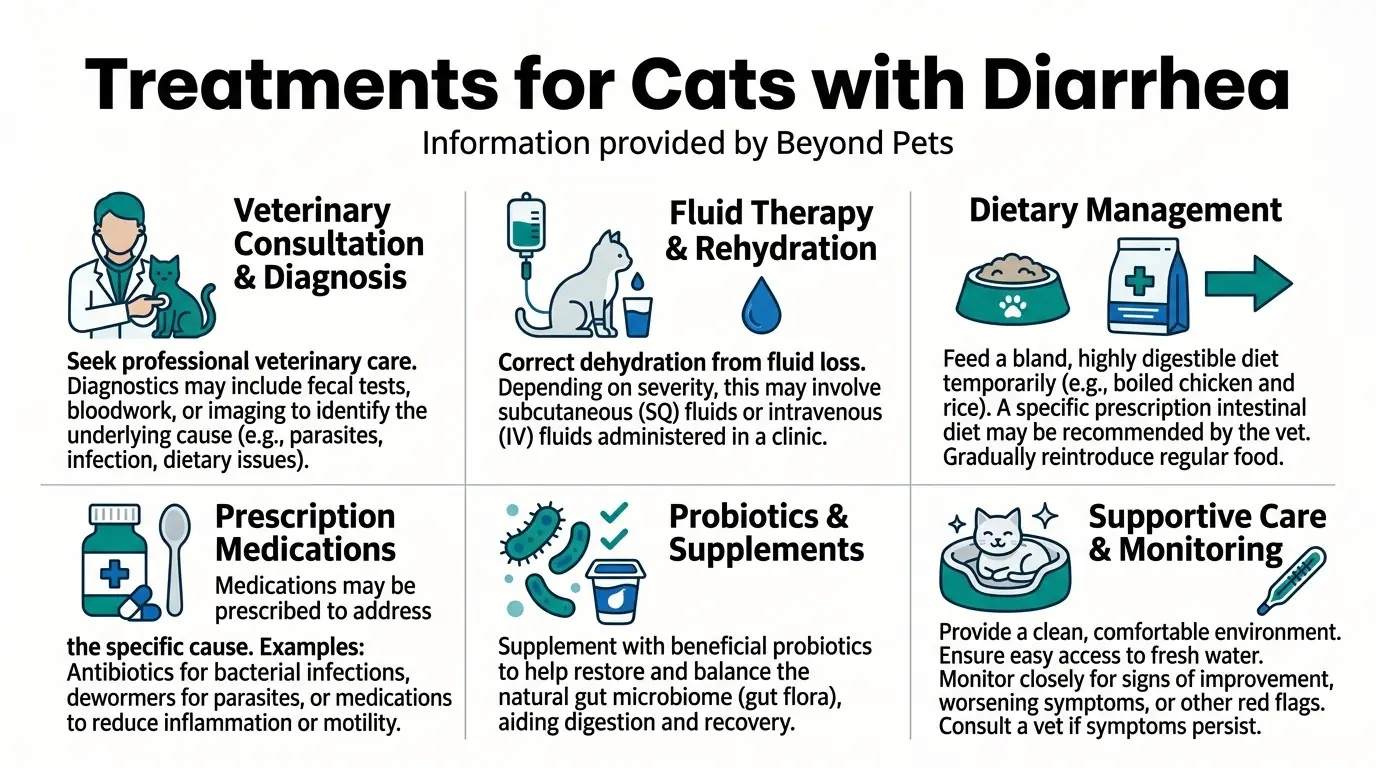
Because the term “diarrhea” encompasses such a massive spectrum of potential underlying diseases, there is no single “magic pill” that cures all cases. The medical management and treatment strategy must be specifically tailored to the definitive diagnosis, the severity of the clinical signs, and the overall stability of the patient. Treatment plans typically involve a multi-modal approach combining supportive care, nutritional adjustments, and targeted pharmaceuticals.
Hydration Therapy
The most immediate and life-threatening consequence of severe diarrhea is rapid, profound dehydration and the loss of critical electrolytes like potassium and chloride. Therefore, aggressive hydration therapy is often the very first step in treatment. For mild cases in stable cats, veterinarians may administer a bolus of balanced electrolyte fluids subcutaneously (under the skin at the scruff of the neck), which the body slowly absorbs over several hours. However, for cats suffering from acute, profuse diarrhea, or those displaying signs of hypovolemic shock or severe lethargy, intravenous (IV) fluid therapy in a hospital setting is mandatory. IV fluids allow veterinarians to rapidly restore circulating blood volume, correct dangerous acid-base imbalances, and supplement vital intravenous potassium directly into the bloodstream.[4]
Nutritional Management
Dietary modification is a cornerstone of managing both acute and chronic gastrointestinal disease. For an acute, uncomplicated bout of diarrhea, veterinarians often recommend a highly digestible, bland diet designed to minimize the workload on the inflamed gut. This may involve temporary feeding of boiled, unseasoned chicken breast and white rice, or the recommendation of therapeutic commercial gastrointestinal diets that are extremely low in fat and packed with highly bioavailable nutrients. For chronic large bowel diarrhea (colitis), diets heavily fortified with specific blends of soluble and insoluble fibers—such as psyllium husk—are utilized to absorb excess colonic water, bind bacterial toxins, and promote normal colonic motility. Conversely, cats diagnosed with food allergies will require lifelong management on strict hydrolyzed or novel protein diets.[9]
Pharmaceutical Intervention
Targeted medications are deployed based on the specific diagnostic findings. If intestinal parasites are confirmed or highly suspected, specific, broad-spectrum antiparasitic medications (such as a deworming medication or other targeted treatments) are administered. If a severe bacterial infection like Campylobacter is cultured, specific antibiotics are utilized. For cats diagnosed with Inflammatory Bowel Disease or small-cell Lymphoma, potent anti-inflammatory and immunosuppressive therapy is required. This typically involves the long-term administration of systemic corticosteroids (like an anti-inflammatory steroid), which actively suppress the inappropriate immune response attacking the gut wall. In cases of cancer, oral chemotherapeutic agents like a targeted prescription medication are frequently added to the regimen to halt the proliferation of malignant lymphocytes.[17]
Probiotics
The concept of modulating the feline gastrointestinal microbiome has revolutionized the treatment of diarrhea. Probiotics—highly concentrated supplements containing billions of beneficial live bacteria, such as specific strains of *Enterococcus faecium* or the beneficial yeast *Saccharomyces boulardii*—are extensively utilized. These beneficial organisms compete with pathogenic bacteria for attachment sites on the intestinal wall, alter the local pH to create an inhospitable environment for harmful microbes, and physically bind to bacterial enterotoxins. Furthermore, healthy gut flora ferments dietary fibers into Short-Chain Fatty Acids (SCFAs), particularly butyrate, which serves as the primary energy source for the cells lining the colon, rapidly promoting tissue healing and reducing inflammation.[18]
Additional Treatments
A comprehensive treatment plan often includes crucial adjunctive therapies to support total systemic recovery. A vital component for cats with chronic enteropathies or pancreatitis is the administration of Vitamin B12 (Cobalamin) injections. Because a diseased feline gut loses the physical ability to absorb B12 from food, systemic B12 depletion occurs rapidly, leading to severe anorexia, lethargy, and a failure of the intestinal crypt cells to regenerate. Weekly subcutaneous B12 injections bypass the broken digestive tract and are highly effective in reversing this decline. Additionally, powerful anti-emetics (like an anti-nausea medication) are used to stop concurrent nausea, and appetite stimulants (like a specific prescription medication) are employed to encourage caloric intake. In highly refractory cases of severe dysbiosis, advanced therapies like Fecal Microbiota Transplantation (FMT)—transferring the filtered stool microbiome of a healthy donor cat into the diseased cat’s colon—are becoming increasingly viable and successful treatment options. For sudden, catastrophic fluid loss, owners must seek immediate emergency care. If the diarrhea is accompanied by profound nausea, managing the vomiting in cats is equally critical to prevent life-threatening dehydration and aspiration pneumonia.
Prevention Tips for Diarrhea in Cats
While not every cause of gastrointestinal disease can be entirely prevented—particularly immune-mediated disorders and cancers—pet owners can take highly effective, proactive measures to drastically minimize their cat’s risk of developing acute infectious, parasitic, and diet-induced diarrhea. The foundation of prevention lies in consistency and excellent husbandry.
First and foremost, furnish a balanced, highly digestible, and species-appropriate diet. Cats are obligate carnivores, and their digestive systems are optimized for high-protein, moderate-fat, and low-carbohydrate nutritional profiles. Choose high-quality commercial diets that meet AAFCO standards and stick to them. Avoid offering rich, fatty human table scraps entirely, as these frequently trigger acute pancreatitis and severe osmotic diarrhea. If you must modify your cat’s diet, never do so abruptly. Always transition incrementally by blending the new food with the old food over a period of 7 to 14 days. This gradual shift allows the sensitive gut microbiome and digestive enzymes adequate time to adapt to the new macronutrient profile without sparking an inflammatory response.
Rigorous parasite prevention is non-negotiable. Administering broad-spectrum, veterinary-approved monthly preventatives protects your cat against common internal nematodes and external vectors like fleas (which transmit tapeworms). Keeping your cat strictly indoors is perhaps the single most effective preventative measure available. Indoor cats are shielded from hunting infected rodents, scavenging contaminated garbage, encountering the feces of shedding feral felines, and drinking from stagnant, Giardia-infested puddles. Furthermore, upholding impeccable hygiene within the home is vital. Litter boxes must be scooped daily and fully sanitized regularly to break the oral-fecal transmission cycle of protozoal and bacterial pathogens. Food and water dishes, particularly those holding wet food, should be washed daily with hot, soapy water to prevent the proliferation of harmful bacterial biofilms.
Finally, do not underestimate the profound impact of psychological stress on feline gastrointestinal health. Cats are highly sensitive creatures, and environmental stressors—such as moving to a new home, the introduction of a new pet or baby, loud construction noises, or simply a dirty litter box—can trigger neurogenic inflammation in the gut, leading to a condition known as stress colitis. Providing a stable, enriched environment with predictable routines, vertical resting spaces, and the use of synthetic feline appeasing pheromones (like Feliway) can significantly reduce anxiety. Routine veterinary wellness visits are essential. These annual or bi-annual exams allow your veterinarian to perform routine fecal screening and baseline blood work, catching subtle signs of organ dysfunction, endocrine disease, or low-grade inflammation well before they escalate into severe, intractable diarrhea. Always remember to consult your veterinarian before making any changes to your pet’s care, diet, or supplement regimen.
Frequently Asked Questions
Why does my cat have diarrhea but is acting perfectly normal?
It is quite common for a cat to experience mild, acute diarrhea while maintaining normal energy levels, a healthy appetite, and typical behavior. This scenario usually indicates a minor, localized disruption in the large intestine—often termed simple colitis. Causes can include a slight dietary indiscretion, a sudden change in cat food brands, mild stress, or a low-grade parasitic infection. Because the issue is isolated to the lower colon and the cat is still effectively absorbing nutrients and water in the upper GI tract, they do not feel systemically ill or lethargic. However, even if your cat is acting fine, diarrhea lasting longer than 48 hours should be evaluated by a veterinarian to ensure it does not progress into a chronic issue or lead to subclinical dehydration.
Is it safe to give my cat human anti-diarrheal medication?
No, it is incredibly dangerous to administer human over-the-counter anti-diarrheal medications to your cat without explicit veterinary instruction. Feline metabolism is vastly different from human metabolism. Many common human over-the-counter medications contain derivatives of compounds that are highly toxic to cats. Cats lack the specific liver enzymes required to break down these compounds, and administering them can rapidly cause fatal liver failure, severe gastric ulceration, and neurological collapse. Similarly, other common human anti-diarrheal medications can cause profound sedation, dangerous drops in heart rate, and severe intestinal paralysis (ileus) in felines. Always consult your veterinarian, who can provide safe, species-appropriate medications formulated specifically for cats.
How can I tell if my cat’s diarrhea is an emergency?
Diarrhea becomes a medical emergency when it is accompanied by systemic signs that indicate severe fluid loss, severe internal bleeding, or organ failure. You should seek immediate veterinary emergency care if the diarrhea is profuse, entirely liquid, or occurs simultaneously with severe vomiting, as this combination causes catastrophic dehydration within mere hours. Additionally, if you notice large volumes of bright red blood or black, tarry stools (melena), it points to significant gastrointestinal hemorrhage. Other critical red flags include profound lethargy, refusal to eat or drink for more than 24 hours, pale or white gums, a bloated/painful abdomen, or if the cat collapses. Young kittens and senior cats have very little physiological reserve, making any severe bout of diarrhea a highly time-sensitive emergency.
References
- Marks SL, et al. Enteropathogenic bacteria in dogs and cats: diagnosis, epidemiology, treatment, and control. J Vet Intern Med. 2011.
- Washabau RJ. Gastrointestinal System. Merck Veterinary Manual. 2022.
- Willard MD. Feline alimentary lymphoma. Vet Clin North Am Small Anim Pract. 2012.
- American Veterinary Medical Association (AVMA). Dehydration in Pets: Fluid Therapy. AVMA Guidelines. 2020.
- Washabau RJ, et al. Endoscopic, biopsy, and histopathologic guidelines for the evaluation of gastrointestinal inflammation in companion animals. J Vet Intern Med. 2010.
- Jergens AE. Feline idiopathic inflammatory bowel disease: what we know and what remains to be unraveled. J Feline Med Surg. 2012.
- Cornell Feline Health Center. Inflammatory Bowel Disease. Cornell University College of Veterinary Medicine. 2021.
- Trepanier L. Idiopathic inflammatory bowel disease in cats. Rational treatment selection. J Feline Med Surg. 2009.
- Cave N. Nutritional management of gastrointestinal diseases. Applied Veterinary Clinical Nutrition. 2012.
- Zoran DL. The carnivore connection to nutrition in cats. J Am Vet Med Assoc. 2002.
- Gruffydd-Jones T, et al. Feline coronavirus infection. J Feline Med Surg. 2009.
- Companion Animal Parasite Council (CAPC). Ascarid Guidelines for Cats. CAPC Vet Guidelines. 2022.
- Gookin JL, et al. Tritrichomonas foetus infection in cats. J Am Vet Med Assoc. 2004.
- Peterson ME. Diagnostic testing for feline hyperthyroidism. J Feline Med Surg. 2013.
- Ruaux CG. Cobalamin in companion animals: diagnostic marker, deficiency states and therapeutic implications. Vet J. 2013.
- Kiselow MA, et al. Outcome of cats with low-grade lymphocytic lymphoma. J Am Vet Med Assoc. 2008.
- Weese JS, et al. ACVIM consensus statement on therapeutic antimicrobial use in animals and antimicrobial resistance. J Vet Intern Med. 2015.
- Marsilio S, et al. The feline gastrointestinal microbiome. Vet Clin North Am Small Anim Pract. 2021.