



 March 10, 2023
 Phil Good, DVM
What is Liver Disease in Cats? A Guide to Hepatitis in Cats
This content was prepared with AI assistance and reviewed by a licensed professional for accuracy.
Introduction
When a cat owner notices their normally active and vibrant feline companion becoming lethargic, hiding under furniture, or losing weight despite previously having a hearty appetite, a cascade of worry naturally follows. In many cases, these subtle yet progressive clinical signs point toward an underlying issue with one of the body’s most critical organs: the liver. Understanding liver disease in cats, as well as specific inflammatory conditions like hepatitis in cats, is fundamental to recognizing the early warning signs and seeking timely, life-saving veterinary intervention. The liver is an astonishingly resilient and complex organ, responsible for a vast array of life-sustaining metabolic, digestive, and immunological processes.
Liver disease is not a single, isolated illness but rather a broad umbrella term that encompasses a multitude of conditions impacting the liver’s structural integrity and functional capacity. From acute toxic injuries and viral infections to chronic inflammatory states and congenital vascular anomalies, feline liver disease can manifest in remarkably different ways depending on the cat’s age, breed, and overall health status. When a cat’s liver is damaged, its ability to process essential nutrients, filter harmful toxins from the bloodstream, and produce vital proteins is severely compromised. This metabolic disruption can quickly lead to a systemic crisis, affecting everything from the brain’s cognitive function to the blood’s ability to clot properly.[1]
Hepatitis, which specifically refers to inflammation of the liver tissue, is one of the most common pathways through which liver disease develops. While hepatitis in cats can be triggered by bacterial infections or immune-mediated responses, it frequently occurs alongside inflammation of the biliary ducts, resulting in a complex condition known as cholangiohepatitis. The repercussions of these inflammatory diseases can severely affect a cat’s overall well-being, interrupting normal digestion, inducing severe nausea, and causing a dangerous accumulation of metabolic waste products in the bloodstream. If you notice any sudden or gradual shifts in your cat’s behavior, such as increased aggression, confusion, or profound lethargy, it may be an indicator that circulating toxins are beginning to affect their central nervous system.[2]
Despite the severity of these conditions, the feline liver possesses an almost miraculous capacity for cellular regeneration. Unlike many other major organs in the mammalian body, a liver that has sustained significant damage can often heal, regenerate new functional tissue, and return to near-normal operation—provided the underlying cause of the disease is rapidly identified and treated. Early detection through routine veterinary screening is the cornerstone of successful management. By understanding the intricate role the liver plays, recognizing the diverse array of liver disorders, and knowing the available diagnostic and treatment options, pet owners can work collaboratively with their veterinary team to ensure their feline companions continue to live comfortable, high-quality lives.
What Does the Liver Do?
To truly comprehend the devastating impact of liver disease, one must first understand the staggering workload the liver handles every single day. Situated in the cranial portion of the abdomen, nestled just behind the diaphragm, the feline liver is divided into six distinct lobes. It acts as the body’s primary chemical processing plant, receiving nutrient-rich blood directly from the gastrointestinal tract via the portal vein. As this blood flows through the microscopic functional units of the liver—known as hepatic lobules—the liver cells (hepatocytes) perform hundreds of distinct biochemical tasks that sustain the cat’s life.[3]
One of the liver’s most critical responsibilities is the meticulous metabolism of macronutrients. When a cat consumes a meal, the liver takes the raw materials—carbohydrates, proteins, and fats—and transforms them into usable cellular energy and structural building blocks. It is responsible for gluconeogenesis, the process of generating glucose from non-carbohydrate sources, which is particularly vital for cats as they are obligate carnivores that rely heavily on dietary protein rather than carbohydrates for energy. Furthermore, the liver regulates blood sugar levels by storing excess glucose as glycogen, releasing it back into the bloodstream during times of fasting or increased metabolic demand.[4]
Equally important is the liver’s role in synthesizing essential blood proteins. The liver manufactures albumin, a primary protein that maintains oncotic pressure, ensuring that fluid stays within the blood vessels rather than leaking into the surrounding tissues. It also produces nearly all of the coagulation factors required for normal blood clotting. Without a healthy liver, a cat is at severe risk of spontaneous internal bleeding or uncontrolled hemorrhage from minor injuries. Additionally, the liver acts as the body’s ultimate filtration and detoxification system. Specialized immune cells within the liver, called Kupffer cells, constantly scan the blood to engulf and destroy circulating bacteria, viruses, and cellular debris. Meanwhile, the hepatocytes neutralize harmful metabolic byproducts—such as ammonia, which is converted into urea—and metabolize drugs and environmental toxins so they can be safely excreted by the kidneys.[5]
Finally, the liver is the sole producer of bile, a complex greenish-yellow fluid that is essential for the digestion and absorption of dietary fats and fat-soluble vitamins (A, D, E, and K). Bile is synthesized by the hepatocytes, transported through a network of biliary ducts, and stored in the gallbladder before being released into the small intestine during a meal. The liver also serves as a critical storage reservoir for essential vitamins, minerals like iron and copper, and energy reserves. When any of these incredibly complex systems begin to fail due to cellular damage or structural blockage, the clinical consequences are rapid, widespread, and potentially life-threatening.[6]
Common Liver Disease in Cats
Because the liver performs such a wide variety of functions, it is susceptible to a diverse array of disease processes. Feline liver diseases are generally categorized based on their underlying pathology—whether the issue stems from fat accumulation, inflammation, bacterial infection, abnormal blood flow, or the growth of abnormal tissue. Identifying the precise type of liver disease is critical, as a misdiagnosis can lead to ineffective treatments and rapid deterioration of the patient. The most frequently encountered liver conditions in veterinary feline medicine include hepatic lipidosis, cholangitis complexes, vascular anomalies, and neoplastic disorders.[7]
Hepatic Lipidosis, colloquially known as fatty liver disease, is arguably the most common and uniquely feline liver disorder seen in veterinary practice. This highly dangerous condition typically develops when a cat experiences a period of prolonged anorexia—meaning they stop eating for several days. Because cats evolved as strict carnivores, their bodies are not highly efficient at metabolizing vast amounts of stored peripheral fat. When a cat starves, the body rapidly mobilizes fat stores and sends them to the liver to be converted into energy. However, the feline liver requires specific dietary proteins to process and export this fat. Without these proteins, the fat becomes trapped inside the hepatocytes. The liver swells significantly, turns a pale yellow color, and its normal cellular functions grind to a halt, leading to severe liver failure.[8]
Another highly prevalent condition is the Feline Cholangitis/Cholangiohepatitis Complex. Unlike primary hepatitis, which mainly affects the liver tissue itself, cholangitis begins as inflammation of the bile ducts. In cats, the anatomy of the pancreatic and biliary ducts is unique; they merge into a single common pathway before entering the small intestine. This anatomical quirk means that bacterial infections from the intestinal tract can easily travel backward up the duct, simultaneously infecting the liver and the pancreas. This interconnected inflammatory response is frequently referred to as “feline triaditis,” involving the liver, pancreas, and the inflammatory bowel. Cholangitis is generally divided into two main categories: neutrophilic (usually an acute bacterial infection requiring antibiotics) and lymphocytic (a chronic, likely immune-mediated condition requiring immunosuppressive therapy).[9]
In addition to inflammatory and metabolic conditions, cats can also suffer from Portosystemic Shunts (PSS) and liver tumors. A portosystemic shunt is an abnormal blood vessel that allows nutrient- and toxin-rich blood from the digestive tract to bypass the liver entirely and enter the systemic circulation. While dogs frequently have congenital shunts, cats can develop acquired shunts secondary to chronic liver disease and portal hypertension. When the blood bypasses the liver, toxins like ammonia are not neutralized, leading to severe neurological impairment. Liver tumors, though less common than in dogs, do occur in cats. These can be primary tumors, such as biliary cystadenomas or hepatocellular carcinomas, or metastatic cancers, with feline lymphoma being the most frequent malignancy to infiltrate the liver tissue.[10]
What Causes Liver Disease in Cats?
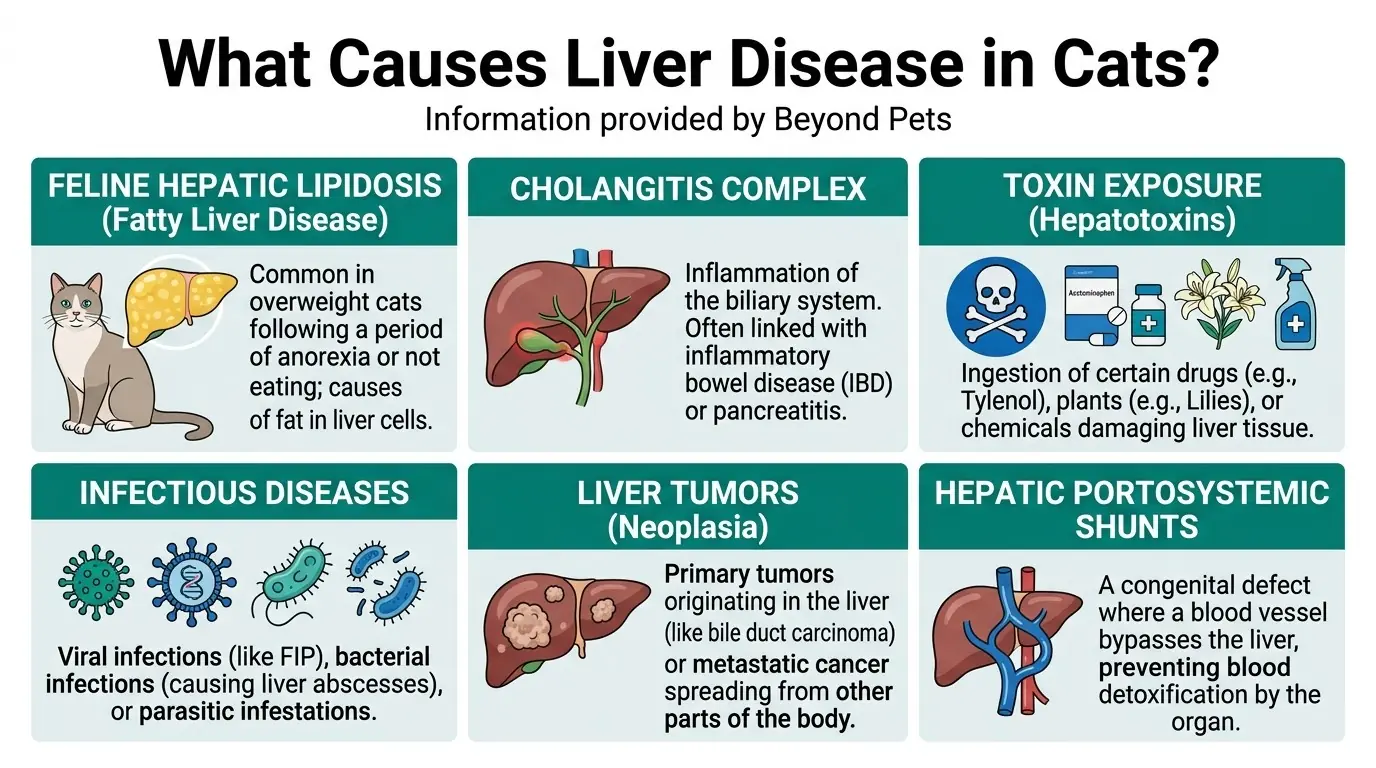
The etiology of feline liver disease is multifactorial, meaning that a wide variety of intrinsic and extrinsic factors can trigger hepatic dysfunction. Determining the exact cause is a critical step in the diagnostic puzzle, as it dictates the specific therapeutic approach required to halt the progression of the disease and support hepatocellular regeneration. Below, we explore the primary categories of causative agents that can severely damage a cat’s liver.
Infectious Diseases
Viral, bacterial, and parasitic infections represent a significant threat to feline hepatic health. The liver’s role as a blood filtration organ means it is constantly exposed to pathogens circulating within the bloodstream. Feline Infectious Peritonitis (FIP), a devastating viral disease caused by a mutated feline coronavirus, frequently causes pyogranulomatous inflammation within the liver, leading to profound organ damage and failure. Additionally, immunosuppressive retroviruses like feline immunodeficiency virus (FIV) and the feline leukemia virus (FeLV) significantly weaken the cat’s immune system. This systemic vulnerability allows opportunistic bacterial infections to take hold in the liver and paves the way for the development of hepatic lymphoma. Bacterial infections, particularly those ascending from the gastrointestinal tract, are the primary culprits behind acute neutrophilic cholangitis. Even certain systemic parasitic infections, such as Toxoplasmosis, can induce severe hepatic inflammation if left untreated.[11]
Toxic Substances
The feline liver is uniquely deficient in certain enzymatic pathways, particularly the glucuronidation pathway. This metabolic limitation makes cats extraordinarily sensitive to many drugs, chemicals, and plants that might be perfectly safe for humans or even dogs. Exposure to these toxic substances can cause acute, catastrophic liver necrosis. Acetaminophen (the active ingredient in Tylenol) is highly toxic to cats; even a minuscule fraction of a human pill can cause irreversible oxidative damage to the feline liver and red blood cells. Furthermore, certain common household plants, such as true lilies (Lilium species) and sago palms, contain powerful hepatotoxins. Other potential sources of toxicosis include environmental heavy metals, toxic cleaning agents, human prescription medications inadvertently dropped on the floor, and specific veterinary medications (such as certain oral sedatives or methimazole) that can trigger rare, idiosyncratic hepatotoxic reactions in susceptible individual cats.[12]
Fatty Liver Disease
As detailed earlier, hepatic lipidosis (fatty liver disease) is primarily caused by a sudden, prolonged cessation of eating. However, the root cause of this anorexia is often another underlying medical or environmental issue. Cats are notorious for their sensitivity to environmental stress; moving to a new home, the introduction of a new pet, a sudden change in diet, or boarding at a facility can induce stress-related fasting. Medically, underlying conditions such as severe dental disease, chronic kidney disease, inflammatory bowel disease, or cancer can cause a cat to feel too nauseous or painful to eat. Furthermore, a cat’s body condition score plays a massive role in their susceptibility. An overweight cat has a vast amount of peripheral fat ready to be mobilized if they stop eating. Consequently, obese felines are at an exponentially higher risk of developing severe, life-threatening hepatic lipidosis after just a few days of anorexia compared to cats of a lean, healthy weight.[13]
Inherent Disorders
Genetic predispositions and congenital anatomical defects also account for a notable percentage of liver disease cases in felines. Portosystemic shunts are frequently congenital, meaning the kitten is born with an anomalous blood vessel that fails to close properly after birth. Certain purebred cats, particularly Persians and Himalayans, have a statistically higher incidence of congenital portosystemic shunts compared to mixed-breed domestic shorthairs. Another inherited disorder is hepatic amyloidosis, a condition characterized by the abnormal deposition of a fibrous protein called amyloid within the liver tissue. Over time, these amyloid deposits crush the normal hepatocytes and cause the liver to become enlarged, incredibly fragile, and prone to spontaneous rupture and severe internal bleeding. Breeds such as the Abyssinian, Siamese, and Oriental Shorthair carry a known genetic predisposition to developing systemic amyloidosis, underscoring the importance of breed-specific knowledge in veterinary diagnostics.[14]
Symptoms of Liver Disease in Cats
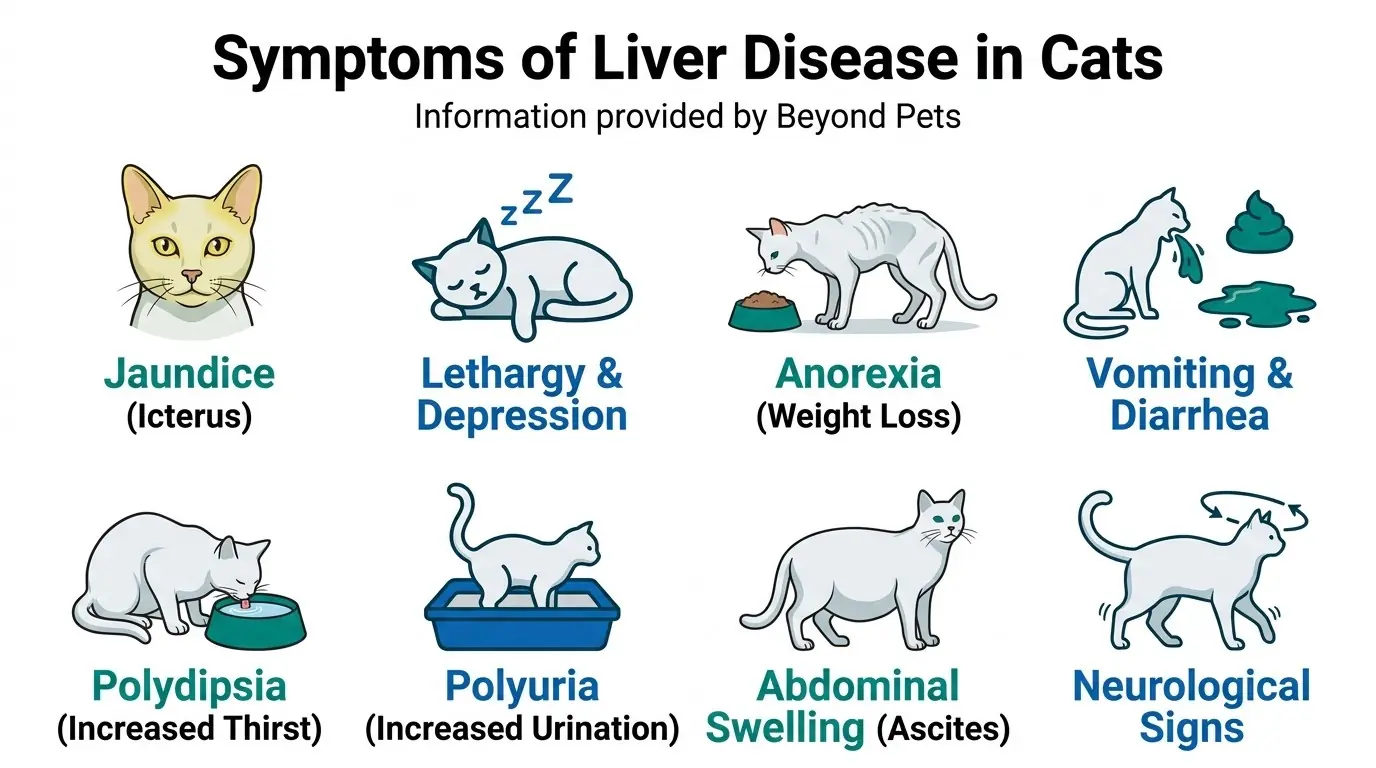
One of the most challenging aspects of diagnosing liver disease is that the feline liver has tremendous reserve capacity, meaning a cat may not show obvious outward signs of illness until over 70% of the liver’s functional mass is impaired. Furthermore, the clinical signs of liver disease are often insidious and non-specific, closely mimicking symptoms of other chronic illnesses like kidney disease or diabetes. Early detection relies heavily on a pet owner’s acute observation of subtle behavioral and physical changes.
The most iconic and specific symptom of advanced liver disease is jaundice, clinically referred to as icterus. Jaundice occurs when the liver fails to properly conjugate and excrete bilirubin, a yellow pigment produced during the normal breakdown of red blood cells. As bilirubin accumulates in the bloodstream, it begins to stain the body’s tissues. Cat owners may notice a distinct yellowing of the sclera (the whites of the eyes), the gums, the mucous membranes, and the inner flaps of the ears (pinnae). Alongside jaundice, profound gastrointestinal distress is incredibly common. A failing liver cannot process toxins or produce adequate bile, leading to severe nausea. This manifests as persistent vomiting and episodes of diarrhea, which rapidly deplete the cat’s fluid and electrolyte reserves.[15]
Metabolic disturbances also result in severe anorexia and unintended, rapid weight loss. Cats may approach their food bowl, sniff the food, and walk away—a behavior indicating severe nausea rather than a lack of hunger. Additionally, owners may notice their cat experiencing excessive thirst (polydipsia) and increased urination (polyuria). As the liver loses its ability to synthesize crucial blood proteins like albumin, fluid may begin to leak from the blood vessels into the abdominal cavity, a condition known as ascites. This results in a visibly distended, tight, and uncomfortable abdomen, often giving the cat a “pot-bellied” appearance despite overall muscle wasting.[16]
Finally, as toxins like ammonia bypass the failing liver and enter the brain, neurological symptoms known as hepatic encephalopathy can emerge. A cat suffering from this complication may exhibit bizarre behavioral changes, profound lethargy, disorientation, pacing, head pressing against walls, excessive drooling (ptyalism), and in severe cases, blindness, ataxia (uncoordinated walking), and grand mal seizures. The presence of any of these neurological signs indicates an absolute medical emergency requiring immediate hospitalization and aggressive stabilization.[17]
Diagnosis of Liver Disease in Cats
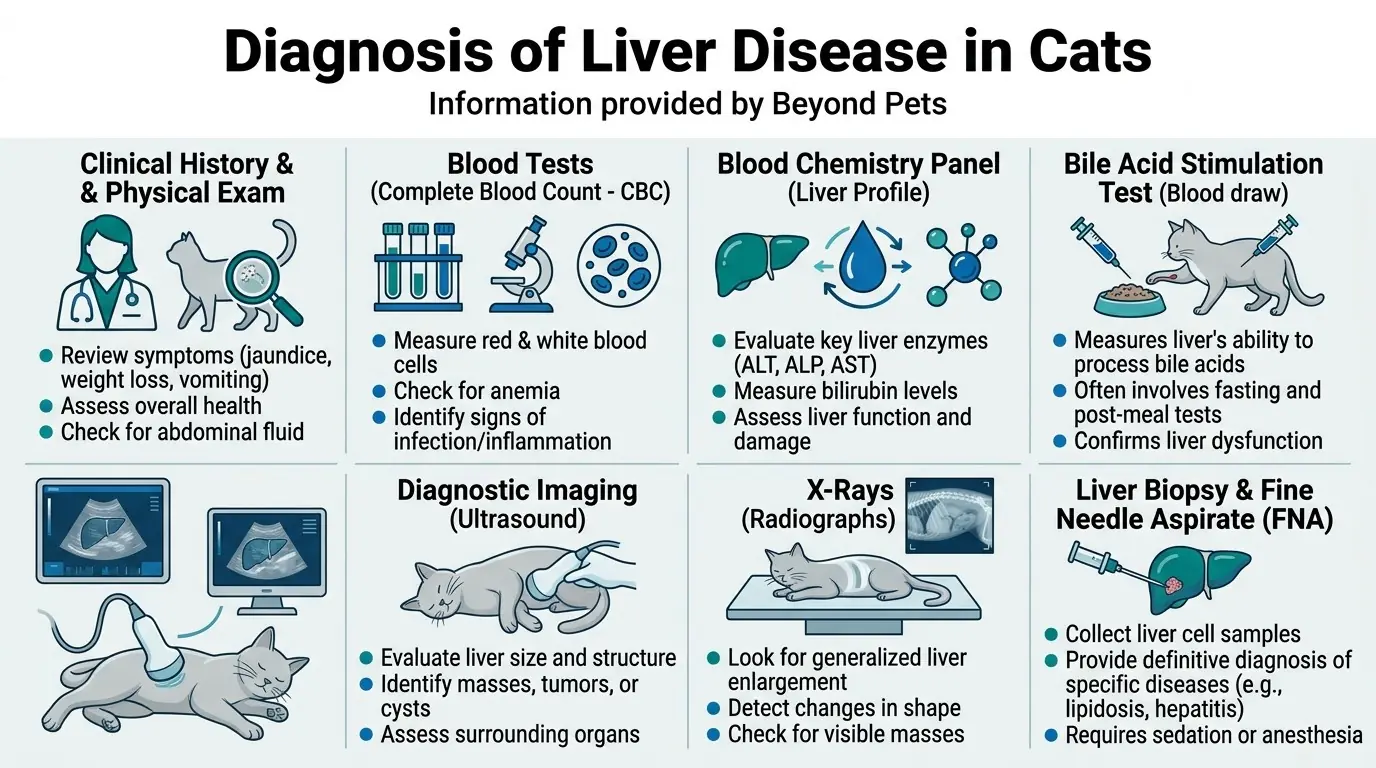
Because the clinical signs of liver disease are so variable, veterinarians must employ a comprehensive, step-wise diagnostic approach to determine the precise underlying cause. A thorough physical examination is the first step, during which the veterinarian will palpate the abdomen to check for liver enlargement (hepatomegaly), fluid accumulation (ascites), or abnormal masses. Following the physical exam, a combination of laboratory diagnostics and advanced imaging is utilized to evaluate both the functional capacity and the physical structure of the liver.[18]
Blood and Urine Tests
Routine blood chemistry panels and complete blood counts (CBC) are foundational to diagnosing hepatic disorders. The chemistry panel measures specific liver enzymes, primarily ALT (alanine aminotransferase) and AST (aspartate aminotransferase), which are known as leakage enzymes. When liver cells are damaged or die, these enzymes spill into the bloodstream, elevating their levels on the test results. The panel also measures ALP (alkaline phosphatase) and GGT (gamma-glutamyl transferase), which are inducible enzymes associated with the biliary tract. Elevations in ALP and GGT strongly suggest cholestasis, a condition where the flow of bile is obstructed or impaired. Additionally, the chemistry panel assesses total bilirubin, blood urea nitrogen (BUN), albumin, and cholesterol levels, all of which provide insight into the liver’s synthetic functions.[19]
To further evaluate hepatic function, a veterinarian may perform a paired serum bile acids test. This involves drawing a fasting blood sample, feeding the cat a small meal to stimulate gallbladder contraction, and drawing a second sample two hours later. In a healthy cat, bile acids released into the intestine are efficiently reabsorbed by the liver from the portal blood. If the liver is failing, or if a portosystemic shunt is present, bile acid levels in the blood will be markedly elevated. A urinalysis is equally critical; the presence of bilirubin in feline urine is always considered abnormal and is often an early indicator of liver disease before jaundice becomes visible to the naked eye. Coagulation panels (PT and aPTT) are also frequently run to ensure the cat’s blood can clot properly, an essential precaution before any invasive procedures are attempted.[20]
Imaging Examinations
While laboratory tests reveal that the liver is struggling, they cannot visually identify the structural cause of the dysfunction. Therefore, diagnostic imaging is paramount. Survey abdominal radiographs (X-rays) provide a two-dimensional view of the liver’s size, shape, and margins. Radiographs can easily detect an abnormally small liver (microhepatica), which is highly suspicious of a portosystemic shunt, or an enlarged liver, which could suggest hepatic lipidosis, severe inflammation, or a neoplastic mass. However, X-rays provide limited information regarding the internal architecture of the organ.[1]
Abdominal ultrasonography is widely considered the imaging modality of choice for feline liver disease. High-frequency sound waves create a detailed, real-time internal image of the liver parenchyma (tissue), the biliary tree, and the gallbladder. An experienced ultrasonographer can identify generalized changes in tissue echogenicity (brightness) associated with fat accumulation or diffuse cancer. They can also locate discrete nodules, tumors, cysts, or abscesses. Furthermore, ultrasound is crucial for evaluating the bile ducts for signs of obstruction, thickening, or the presence of gallstones (choleliths) and thickened biliary sludge. It also allows the veterinarian to evaluate the surrounding organs, such as the pancreas and intestines, checking for concurrent diseases like triaditis.[10]
Liver Biopsy
Despite the immense value of bloodwork and imaging, achieving a definitive diagnosis frequently requires obtaining a tissue sample for histopathological evaluation by a veterinary pathologist. This is considered the gold standard of diagnosis. Depending on the suspected condition, a veterinarian may first attempt a fine-needle aspiration (FNA) guided by ultrasound. During an FNA, a tiny needle is inserted into the liver to extract a small sample of cells. This minimally invasive technique is often sufficient to diagnose hepatic lipidosis or certain types of round-cell cancers like lymphoma. However, FNA is notoriously poor at accurately diagnosing complex inflammatory conditions, fibrosis, or specific architectural abnormalities.[12]
If the FNA is inconclusive, a true tissue biopsy is required. This can be achieved through several methods: a Tru-Cut needle biopsy under ultrasound guidance, a laparoscopic biopsy using a minimally invasive surgical camera, or a full surgical wedge biopsy via a traditional abdominal incision (laparotomy). Laparoscopic and surgical biopsies provide the highest quality tissue samples and allow the surgeon to directly visualize the entire liver, take samples from multiple lobes, and culture the bile to check for specific bacterial infections. Because the liver is a highly vascular organ and produces clotting factors, rigorous coagulation testing is mandatory before any biopsy procedure to prevent life-threatening post-operative hemorrhage.[2]
Treatment for Liver Disease in Cats
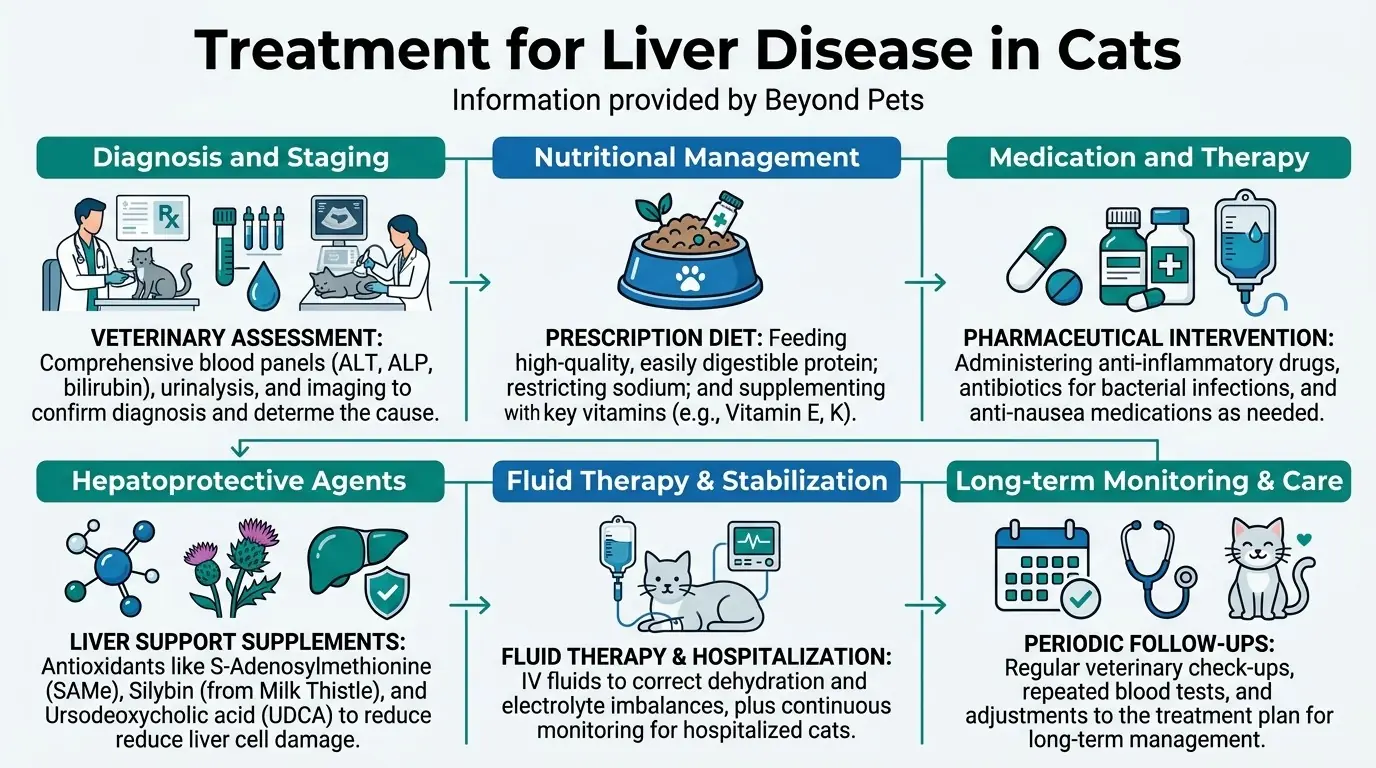
The therapeutic approach to feline liver disease must be as aggressive and multi-faceted as the organ it aims to heal. Because the liver’s functions are so deeply intertwined with the rest of the body’s systems, treatment is rarely limited to a single medication. Instead, veterinarians utilize a comprehensive management strategy tailored specifically to the underlying cause of the disease, the severity of the clinical signs, and the cat’s current metabolic state. The primary goals of therapy are to eliminate the causative agent, manage secondary clinical symptoms, provide targeted nutritional support, and create an optimal physiological environment for the liver cells to regenerate.
Nutritional Adjustments
Nutritional therapy is unequivocally the most critical component in the treatment of almost all feline liver diseases, but it is absolutely life-saving in cases of hepatic lipidosis. A failing liver requires immediate, high-quality energy and amino acids to halt the mobilization of peripheral fat and begin repairing cellular damage. However, severely ill cats are almost invariably completely anorexic. Force-feeding a nauseous cat with a syringe is highly stressful, risks aspiration pneumonia, and rarely delivers sufficient daily calories. Therefore, the placement of a temporary enteral feeding tube—such as a nasoesophageal (NE) tube or an esophagostomy (E-tube)—is standard medical practice. These tubes allow owners to painlessly deliver a nutritionally dense, easily digestible liquid diet directly into the cat’s digestive tract.[13]
The specific formulation of the diet depends on the diagnosis. Historically, protein-restricted diets were recommended for all liver diseases to reduce the workload on the organ. However, modern veterinary medicine recognizes that cats require high levels of high-quality dietary protein for cellular repair. Protein restriction is now only advised if the cat is actively showing signs of severe hepatic encephalopathy. Therapeutic hepatic diets are typically rich in highly digestible proteins, supplemented with essential amino acids like taurine, arginine, and L-carnitine, which help facilitate the transport of fats out of the liver. They are also fortified with water-soluble B-vitamins, which are rapidly depleted during liver disease, and specific antioxidants to combat cellular stress.[14]
Medical Intervention
Pharmacological therapy is tailored to target the specific disease process identified via diagnostics. For cats suffering from acute neutrophilic cholangitis or other bacterial infections of the biliary tree, long-term administration of broad-spectrum antibiotics—often selected based on bile culture and sensitivity testing—is required. If the cat is diagnosed with immune-mediated lymphocytic cholangitis, immunosuppressive drugs such as corticosteroids (prednisolone) are prescribed to halt the body’s attack on its own bile ducts. To improve the flow of bile and reduce toxic bile acid accumulation, veterinarians frequently prescribe a specialized choleretic medication known as ursodeoxycholic acid (Ursodiol), which alters the composition of bile to make it less toxic and more fluid.[15]
Hepatoprotective supplements play a massive role in medical management. S-adenosylmethionine (SAMe) and silybin (the active component of milk thistle) are potent antioxidants that boost the liver’s natural glutathione levels, protecting hepatocytes from ongoing oxidative damage and supporting cellular regeneration. Symptomatic medications are also crucial for maintaining the cat’s quality of life. Powerful anti-emetics (like maropitant) are used to suppress severe nausea, while gastroprotectants (like omeprazole) prevent stomach ulcers, a common complication of liver disease. If the cat exhibits signs of hepatic encephalopathy, medications such as lactulose (a synthetic sugar that traps ammonia in the colon) and specific antibiotics are used to reduce the production and absorption of neurotoxins from the intestinal tract.[8]
Fluid Therapy
Cats suffering from advanced liver disease invariably experience significant fluid deficits due to a combination of decreased water intake, persistent vomiting, and increased urinary output. Intravenous (IV) fluid therapy is an essential cornerstone of hospital stabilization. IV fluids not only restore necessary hydration but also flush circulating toxins from the bloodstream, supporting kidney function. Veterinarians carefully select specific crystalloid fluid formulations that are easily metabolized. Furthermore, liver disease often causes profound electrolyte imbalances, particularly hypokalemia (dangerously low blood potassium levels). Hypokalemia can paralyze the muscles, exacerbate severe weakness, and significantly worsen the neurological signs of hepatic encephalopathy. Potassium supplementation is routinely added to the IV fluids, and strict monitoring of electrolyte panels ensures the cat’s metabolic state remains stable during the critical early days of treatment.[16]
Surgical Procedure
While many liver diseases are managed medically, certain specific structural abnormalities absolutely require skilled surgical intervention. If a cat is diagnosed with a congenital extrahepatic portosystemic shunt, a specialized veterinary surgeon can place an ameroid constrictor ring around the abnormal vessel. This ring slowly swells over several weeks, gradually closing off the shunt and forcing the blood back through the normal hepatic pathways without causing a sudden, fatal spike in blood pressure. Surgical intervention is also required if a cat has a complete obstruction of the common bile duct due to a stricture, a dense gallstone, or a tumor. In these cases, a procedure such as a cholecystoduodenostomy may be performed to permanently reroute the flow of bile from the gallbladder directly into the small intestine. Finally, if a cat has a solitary, primary liver tumor confined to a single lobe (like a massive hepatocellular carcinoma), surgical resection (lobectomy) can occasionally be curative, provided the disease has not metastasized to the remaining lobes or lungs.[17]
Post-Treatment Recovery
The transition from intensive hospital care to at-home management is a delicate and critical phase in the recovery journey. When a cat is discharged, they often go home with an esophagostomy feeding tube still securely in place. Owners are thoroughly educated by the veterinary nursing staff on how to properly blend the prescribed therapeutic diet, warm it to body temperature, and administer meals slowly through the tube to prevent nausea. The tube also serves as a remarkably stress-free avenue for administering the complex regimen of oral medications, antibiotics, and hepatoprotective supplements required for ongoing recovery. Tube site care—keeping the bandage clean and monitoring the skin for infection—becomes a daily routine for the dedicated pet owner. Please remember to consult your veterinarian before making any changes to your pet’s care, especially regarding medication dosages or tube feeding volumes.[18]
Follow-up veterinary appointments are intensive and frequent during the first few months of recovery. The veterinarian will need to perform repeated blood tests every one to two weeks to monitor the downward trend of liver enzymes and bilirubin, ensuring the liver is actively regenerating and responding to therapy. They will also track the cat’s body weight, body condition score, and red blood cell counts. As the cat’s nausea subsides and the liver heals, they will naturally begin to show interest in eating solid food on their own. Once the cat is consistently consuming their full daily caloric requirement orally without vomiting, the feeding tube can be safely and easily removed during a brief outpatient visit. Even after clinical recovery, many cats will require long-term or lifelong dietary management and hepatoprotective supplements to prevent a relapse of inflammatory conditions.[19]
Complications of Liver Disease
When the liver begins to fail, the cascading effects impact virtually every other physiological system in the cat’s body. Recognizing and aggressively managing these secondary complications is vital, as the complications themselves are frequently the immediate cause of death rather than the primary liver disease. Understanding these severe secondary syndromes allows owners to identify sudden declines in their cat’s condition.
- Hepatic Encephalopathy (HE): This is a catastrophic neurological syndrome that occurs when the failing liver can no longer convert neurotoxic ammonia—a normal byproduct of protein digestion in the gut—into safe, excretable urea. The ammonia bypasses the liver, enters the systemic circulation, and crosses the blood-brain barrier. Inside the brain, it causes cellular swelling (cerebral edema) and disrupts neurotransmission. Cats with HE exhibit profound behavioral changes, aimless wandering, pressing their heads against walls for prolonged periods, severe drooling, blindness, and potentially fatal seizure activity. Management requires immediate lactulose enemas, IV fluids, and specific antibiotics to alter the gut microbiome and reduce ammonia production.[20]
- Ascites: As liver function declines, the organ’s ability to synthesize albumin plummets. Albumin is a critical protein that acts like a sponge, holding water within the blood vessels. When albumin levels drop precipitously (hypoalbuminemia), fluid leaks out of the vascular space and pools in the abdominal cavity, creating a distended, fluid-filled belly known as ascites. Additionally, scarring and inflammation within the liver increase vascular resistance (portal hypertension), forcing even more fluid out of the portal vein. Severe ascites can put immense pressure on the diaphragm, making it incredibly difficult for the cat to breathe. Veterinarians may need to perform a therapeutic abdominocentesis—using a needle to drain the fluid—to provide immediate respiratory relief.
- Coagulation Abnormalities: The liver is the sole manufacturing site for nearly all the body’s essential blood clotting factors, and it is responsible for the absorption of Vitamin K, a fat-soluble vitamin necessary for activating those factors. In advanced liver disease, or in cases of complete bile duct obstruction, Vitamin K cannot be absorbed, and the production of clotting proteins ceases. This leads to profound coagulopathies. A cat with this complication is at extreme risk of spontaneous, uncontrolled hemorrhage into the gastrointestinal tract, the chest cavity, or the brain. Even a minor bump or a routine blood draw can result in life-threatening bleeding. Pre-treating with Vitamin K injections or administering fresh frozen plasma transfusions is often necessary to stabilize these critical patients.[21]
- Gastric Ulceration: The liver normally metabolizes and clears gastrin, a hormone that stimulates stomach acid production, and histamine, which can also trigger acid release. When the liver fails to clear these substances, stomach acid production skyrockets, leading to severe, painful gastric and duodenal ulcers. These ulcers cause severe nausea, inappetence, and can bleed profusely into the digestive tract, resulting in dark, tarry stools (melena) and exacerbating anemia.
Prevention of Liver Disease in Cats
While it is impossible to prevent genetically inherited disorders or completely eliminate the risk of random neoplastic mutations, proactive pet owners can take several highly effective, evidence-based steps to drastically reduce the likelihood of their feline companion developing acquired liver diseases. Preventive medicine focuses on environmental management, rigorous nutritional standards, and routine veterinary screening.
Regular Veterinary Checkups
The silent, insidious nature of feline liver disease makes regular veterinary wellness examinations absolutely paramount. For adult cats, an annual comprehensive physical exam accompanied by a baseline wellness blood panel is strongly recommended. For senior cats (those over the age of seven), biannual testing is ideal. These routine blood panels can detect subtle, early elevations in liver enzymes like ALT and ALP months or even years before the cat exhibits visible clinical signs like jaundice or weight loss. Catching these enzymatic elevations early allows the veterinarian to intervene with dietary changes or hepatoprotective supplements before irreversible structural damage occurs to the liver tissue.[22]
Proper Diet and Nutrition
Feeding a high-quality, biologically appropriate, species-specific diet is the most effective way to prevent metabolic liver conditions. Cats require diets rich in animal-sourced proteins to maintain lean muscle mass and support healthy hepatic function. Perhaps the most critical preventive measure an owner can take is meticulous weight management. Obesity is an epidemic in domestic felines and is the single most significant risk factor for the development of fatal hepatic lipidosis. Owners should carefully measure their cat’s daily caloric intake, utilizing body condition scoring rather than simply relying on the feeding guidelines printed on commercial pet food bags, to ensure their cat maintains a lean, healthy silhouette. Avoid rapid, crash diets if your cat is overweight, as losing weight too quickly can paradoxically trigger the exact fatty liver crisis you are trying to avoid.
Prevent Exposure to Toxins
A safe, thoroughly pet-proofed home environment is essential to preventing acute toxic hepatopathy. Cat owners must be hyper-vigilant about the plants they bring into their homes; true lilies (including Easter lilies, Tiger lilies, and Stargazer lilies) and sago palms are highly hepatotoxic and nephrotoxic and should never be allowed inside a home with a cat. All human medications, particularly over-the-counter painkillers like acetaminophen, ibuprofen, and cold medications, must be securely locked away in cabinets. Accidental ingestion of a dropped pill is a surprisingly common emergency. Furthermore, owners should strictly follow veterinary guidance regarding the application of flea and tick preventatives, ensuring they never apply a canine-specific product (which often contains concentrated permethrins toxic to cats) to a feline.[18]
Regular Exercise
Encouraging regular, daily physical activity is crucial for maintaining your cat’s metabolic health, lean muscle mass, and ideal body weight. Indoor cats are highly susceptible to a sedentary lifestyle, which leads directly to obesity and increases the risk of hepatic lipidosis. Owners should engage their cats in interactive play using wand toys, laser pointers, or puzzle feeders that require the cat to physically work for their food. Regular exercise not only burns excess calories but also promotes healthy gastrointestinal motility and reduces stress, which in turn supports overall systemic and hepatic health.
Vaccinations and Parasite Prevention
Infectious diseases place a massive, unnecessary burden on the liver’s immune and filtration capacities. Ensuring your cat up-to-date on vaccinations and regular preventative treatments for parasites is a fundamental aspect of responsible pet ownership. Core vaccinations protect against severe systemic viruses that can compromise overall health. Furthermore, protecting your cat from exposure to environmental pathogens and testing them for retroviruses helps prevent many of the severe infectious diseases that can affect cats, thereby safeguarding the liver from devastating pyogranulomatous inflammation or opportunistic bacterial ascending infections. Discuss a tailored vaccination and parasite prevention protocol with your veterinarian based on your cat’s specific lifestyle and regional risks.[19]
Regular Hydration
Maintaining excellent hydration is critical for the proper function of all major organs, particularly the liver and kidneys. Water is the essential medium the liver uses to process chemicals and flush water-soluble toxins out of the body via the bloodstream. Cats are notoriously poor drinkers and often prefer running water over standing bowls. To encourage adequate fluid intake, owners should consider providing multiple clean water sources, utilizing circulating feline water fountains, and incorporating a significant proportion of high-moisture canned or wet food into the cat’s daily diet. Excellent hydration reduces the viscosity of bile, helping to prevent the formation of biliary sludge and gallstones that can lead to obstructive liver disease.
Frequently Asked Questions
Is liver disease in cats painful?
Yes, liver disease can cause significant discomfort and pain in cats. While the liver tissue itself does not have a high density of pain receptors, the capsule surrounding the organ does. When the liver swells rapidly due to inflammation, fat accumulation (hepatic lipidosis), or tumors, it stretches this highly sensitive capsule, causing severe abdominal pain. Additionally, secondary complications like gastric ulcers, pancreatitis (which often accompanies liver disease in triaditis), and the sheer physical pressure of fluid buildup (ascites) in the abdomen contribute to profound discomfort. Your veterinarian will rigorously assess your cat’s pain levels and prescribe safe, liver-friendly analgesic medications to keep them comfortable during their recovery.
How long can a cat live with liver disease?
The life expectancy of a cat diagnosed with liver disease is highly variable and depends entirely on the specific underlying cause, the severity of the organ damage at the time of diagnosis, and how aggressively the condition is treated. Acute conditions, such as severe hepatic lipidosis or toxic hepatopathy, can be fatal within days if untreated, but with intensive hospital care and prolonged feeding tube support, many cats achieve a complete clinical cure and go on to live normal lifespans. Chronic conditions, like lymphocytic cholangitis, may not be curable but can often be successfully managed for years with daily medication, prescription diets, and close veterinary monitoring, allowing the cat to enjoy an excellent quality of life.
What should I feed my cat with liver disease?
Nutrition is a critical pillar of treating liver disease, but the exact diet depends on your cat’s specific diagnosis. Generally, cats with liver disease require highly palatable, energy-dense therapeutic diets that are easily digestible. Unlike historical practices, modern veterinary medicine emphasizes feeding high-quality proteins to support cellular regeneration, unless the cat is actively suffering from severe neurological signs (hepatic encephalopathy), at which point a temporary protein restriction may be necessary. These prescription diets are also fortified with essential amino acids, antioxidants, and water-soluble vitamins. It is absolutely vital that you do not force a new diet on a sick cat if they refuse to eat it; achieving adequate caloric intake via a feeding tube with a blended veterinary diet is often the safest and most effective nutritional strategy.
Schedule a Veterinary Appointment
If you suspect your cat may be suffering from liver disease or exhibiting any of the symptoms mentioned above, early intervention is critical. Please contact your local clinic to schedule an appointment with a veterinarian. A thorough examination and timely diagnostic testing can be life-saving and ensure your feline companion receives the best possible care.
References
- Center, S. A. “Disorders of the Liver and Gallbladder in Cats.” Merck Veterinary Manual, 2022.
- Washabau, R. J., et al. “WSAVA Liver Standardization Group: Diagnosing Feline Liver Disease.” Journal of Small Animal Practice, 2021.
- Zoran, D. L. “Nutritional Management of Feline Hepatic Disease.” Veterinary Clinics of North America: Small Animal Practice, 2017.
- VCA Hospitals. “Cholangiohepatitis in Cats.” VCA Animal Hospitals, 2023.
- ASPCA. “Toxic and Non-Toxic Plants List for Cats.” ASPCA Animal Poison Control Center, 2024.
- Brain, P. H., et al. “Feline Cholangitis/Cholangiohepatitis Complex.” Veterinary Clinics of North America: Small Animal Practice, 2006.
- Cornell Feline Health Center. “Hepatic Lipidosis.” Cornell University College of Veterinary Medicine, 2021.
- Armstrong, P. J., and Blanchard, G. “Hepatic Lipidosis in Cats.” Veterinary Clinics of North America, 2009.
- AVMA. “Pet Obesity Resources.” American Veterinary Medical Association, 2023.
- Rutgers, H. C., et al. “Macronutrient Requirements for Cats with Liver Disease.” Journal of Veterinary Internal Medicine, 2018.
- PubMed. “The Role of Antioxidants in Feline Liver Disease.” Journal of Feline Medicine and Surgery, 2019.
- VCA Hospitals. “Portosystemic Shunts in Cats.” VCA Animal Hospitals, 2022.
- Center, S. A. “Hepatoprotectants and Liver Support for Cats.” Merck Veterinary Manual, 2023.
- WSAVA. “Global Nutrition Guidelines.” World Small Animal Veterinary Association, 2021.
- AAHA. “Fluid Therapy Guidelines for Dogs and Cats.” American Animal Hospital Association, 2013.
- Marks, S. L. “Gastrointestinal and Hepatic Complications in Felines.” Veterinary Information Network (VIN), 2020.
- Lidbury, J. A. “Diagnostic Utility of Liver Biopsy in Cats.” Journal of Veterinary Internal Medicine, 2016.
- ASPCA. “Household Hazards for Pets.” ASPCA Animal Poison Control Center, 2023.
- AAFP. “Feline Retrovirus Testing and Management Guidelines.” American Association of Feline Practitioners, 2020.
- CDC. “Zoonotic Diseases of Cats.” Centers for Disease Control and Prevention, 2022.
- WHO. “Guidelines for Zoonotic Disease Prevention.” World Health Organization, 2021.
- AAHA. “Vaccination Guidelines for Cats.” American Animal Hospital Association, 2020.