




 March 2, 2023
 Phil Good, DVM
What Is Aural Hematoma in Dogs?
This content was prepared with AI assistance and reviewed by a licensed professional for accuracy.
Introduction
When an aural hematoma in dogs develops, it typically presents as an alarming, rapidly expanding pocket of fluid within the delicate tissues of the pinna. For a dog owner, discovering that their pet has suddenly developed a heavily swollen ear flap can be a highly distressing experience. This condition is far more than a simple cosmetic blemish; it is a painful, structurally compromising event that signals an underlying, often chronic, veterinary health issue. The pinna, or ear flap, is a highly vascularized anatomical structure composed of a central layer of firm, fibroelastic cartilage sandwiched tightly between two thin layers of skin. A network of arterial and venous vessels, primarily branching from the great auricular artery, courses through the minute space between the cartilage and the skin. When these vessels rupture, blood rapidly pools in this confined space. Because there is virtually no subcutaneous fat or loose connective tissue to absorb the hemorrhage, the pressure builds, forcefully dissecting the skin away from the cartilage. The resulting fluid-filled pocket is known clinically as an aural hematoma.
The pathogenesis of this condition is intricately linked to mechanical trauma, usually self-inflicted. Dogs naturally shake their heads or scratch at their ears when experiencing severe outer ear irritation. The intense centrifugal force generated by a large dog vigorously shaking its head is more than enough to shear the capillary beds within the pinna. As the blood vessels snap, the enclosed space fills with fresh blood, serum, and eventually organizing fibrin. The immediate consequence is profound inflammation of the ear flap, leading to a heavy, pendulous, and incredibly tender ear. This localized pressure causes significant pain, prompting the dog to shake its head even more, which in turn exacerbates the bleeding in a vicious, self-perpetuating cycle. Understanding the anatomical and mechanical factors at play is essential for comprehending why this ear problem requires immediate and comprehensive veterinary intervention.[1]
Historically, veterinary professionals have observed that while any dog can develop a hematoma, breeds with pendulous, heavily furred ears—such as Cocker Spaniels, Basset Hounds, Golden Retrievers, and Poodles—are disproportionately affected. The sheer weight of a large, floppy ear exponentially increases the blunt force trauma applied to the ear flap when the dog violently shakes its head. Conversely, erect-eared breeds like German Shepherds or French Bulldogs are not entirely immune; the delicate cartilage in an erect ear can still fracture under the strain of intense scratching. Regardless of the breed, a swollen ear flap should never be ignored. If left without proper medical or surgical management, the pooled blood will eventually be reabsorbed by the body over a period of weeks or months. However, the subsequent inflammatory cascade will leave behind a dense network of highly contracted scar tissue. This fibrous scarring permanently crinkles and deforms the ear into a hardened, misshapen mass commonly referred to as “cauliflower ear.” Beyond the cosmetic disfigurement, a cauliflower ear often permanently narrows or blocks the opening to the external ear canal, predisposing the dog to a lifetime of untreatable, recurrent ear infections.[2]
Prompt diagnosis and intervention are critical to halting the bleeding, alleviating the dog’s acute pain, and preserving the functional anatomy of the ear. However, draining the fluid is only half the battle. Because an aural hematoma is almost always a secondary consequence of an underlying source of pruritus (itching) or pain, successfully treating the hematoma demands simultaneously identifying and resolving the root cause. Whether the initial trigger is a stubborn bacterial infection, an allergic flare-up, or a parasitic infestation, holistic management is the only way to ensure the hematoma does not immediately recur once the initial treatment is completed.[3]
What Causes Ear Hematomas in Dogs?
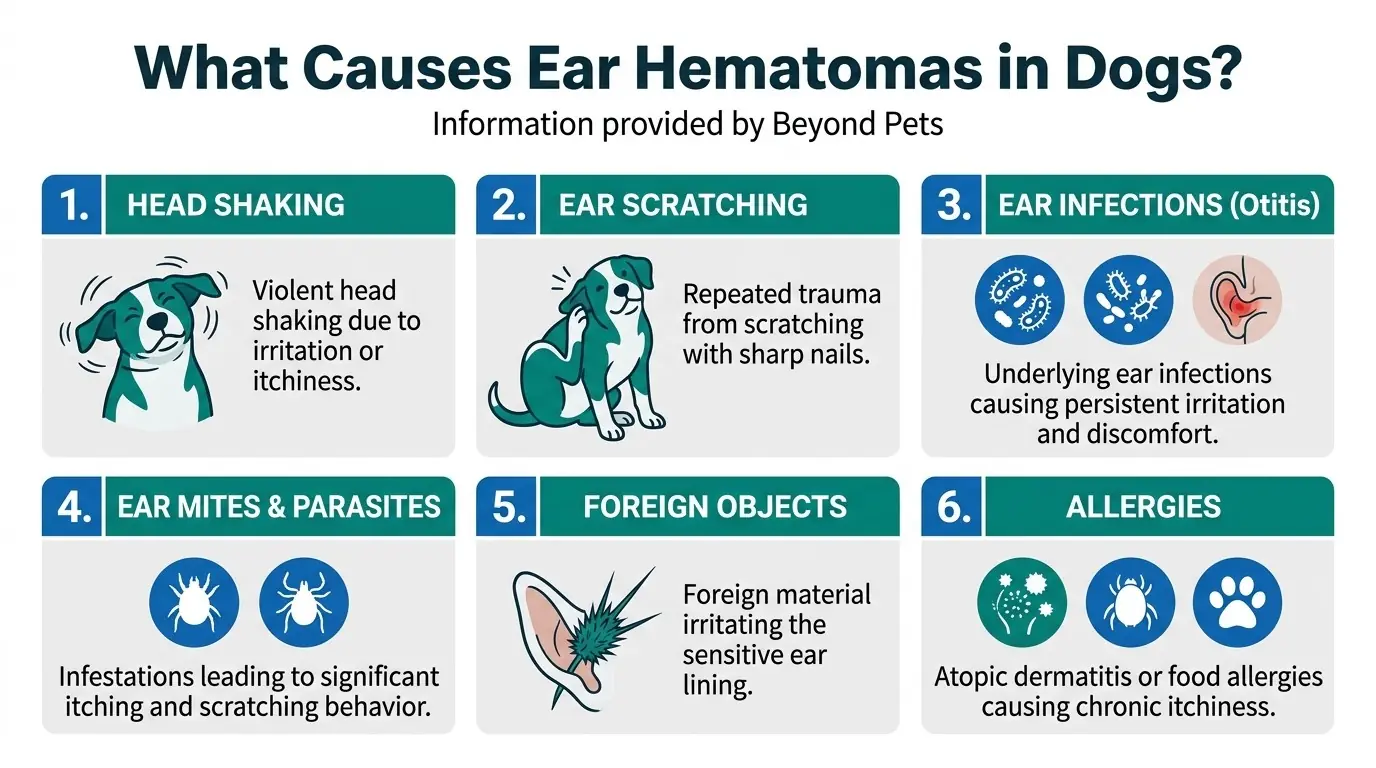
To effectively manage and prevent the recurrence of an aural hematoma, one must understand that the swelling itself is merely a symptom of a deeper, more systemic issue. In veterinary medicine, an aural hematoma is overwhelmingly recognized as a secondary complication tied to trauma to the ear. This trauma is rarely the result of an external accident, such as a dog bite or a blunt force injury; rather, it is almost exclusively self-inflicted. When a dog experiences severe discomfort, pruritus, or pain within the ear canal or on the pinna, their instinctive response is to vigorously scratch the ear with their hind claws or violently shake their head from side to side. The velocity of this head shaking causes the ear flap to slap forcefully against the dog’s own skull, generating enough concussive and sheer force to fracture the auricular cartilage and tear the internal blood vessels. Consequently, determining the underlying cause of the itch or pain is the paramount objective of the diagnostic process.[4]
By far, the most prevalent primary trigger for self-inflicted ear trauma is otitis externa—the clinical term for an infection or inflammation of the external ear canal. The canine ear canal is deep and L-shaped, creating a dark, warm, and often moist microenvironment that is highly susceptible to microbial overgrowth. When the normal, healthy ecosystem of the ear is disrupted, opportunistic pathogens rapidly colonize the epithelium. *Malassezia pachydermatis*, a commensal yeast species, is a frequent culprit, producing an intense, sweet-smelling, dark brown exudate that triggers severe itching. Bacterial infections, most commonly involving *Staphylococcus pseudintermedius* or *Pseudomonas aeruginosa*, cause purulent discharge, ulceration of the ear canal lining, and exquisite pain. The extreme discomfort associated with otitis externa practically guarantees that the dog will traumatize its own ear in an attempt to find relief.[5]
Allergic dermatological conditions represent the second major category of underlying causes. The skin lining the ear canal is continuous with the rest of the body’s integumentary system, meaning that any systemic allergic response will frequently manifest as severe ear inflammation. Dogs suffering from skin allergies—such as atopic dermatitis triggered by environmental allergens like pollen, dust mites, or mold spores—often present with chronic, recurrent ear issues before they show signs of generalized skin disease. Food hypersensitivities, particularly allergic reactions to common dietary proteins like chicken or beef, are notoriously linked to bilateral otitis externa and subsequent hematoma formation. Furthermore, dogs with uncontrolled flea allergies may experience such intense, whole-body pruritus that their frantic scratching damages the delicate blood vessels of the ear flaps. Managing these underlying hypersensitivities is crucial for long-term prevention.[6]
Parasitic infestations are another significant source of severe ear irritation, particularly in young puppies or dogs recently rescued from multi-pet environments. The most infamous of these parasites are ear mites: (*Otodectes cynotis*). These microscopic mites live on the surface of the ear canal, feeding on epidermal debris and tissue fluids. Their presence triggers a massive hypersensitivity reaction in the dog, leading to an accumulation of dry, crumbly, dark discharge resembling coffee grounds. The itching caused by an *Otodectes cynotis* infestation is remarkably intense, leading to immediate and violent head shaking that can quickly result in a bilateral aural hematoma. Other ectoparasites, such as *Demodex* or *Sarcoptes scabiei* (mange mites), can also affect the pinna, causing severe pruritus and self-mutilation.[7]
Beyond infections and allergies, physical foreign bodies frequently initiate the cascade of head shaking. Sporting and hunting dogs, or those that frequently run through tall grass and brush, are highly susceptible to picking up plant awns, such as foxtails or grass seeds. These sharply barbed plant materials can easily migrate down the L-shaped ear canal and lodge themselves against the tympanic membrane (eardrum). The presence of a sharp foreign object deep within the ear causes acute, agonizing pain, leading to frantic, non-stop head shaking until the object is removed under sedation by a veterinarian. Finally, in rare cases, aural hematomas can occur spontaneously in dogs suffering from underlying hemostatic or coagulation disorders. Conditions such as immune-mediated thrombocytopenia (ITP), where the dog’s immune system destroys its own blood-clotting platelets, can lead to spontaneous hemorrhage within the ear flap without any significant inciting trauma. Identifying these underlying systemic diseases through comprehensive blood testing is a vital component of a thorough veterinary workup.[8]
Symptoms of Canine Aural Hematomas
Recognizing the clinical signs of an aural hematoma is usually straightforward, as the physical changes to the dog’s ear are rapid and highly visible. The acute phase of hematoma formation is characterized by a sudden, dramatic swelling of the pinna. What was once a thin, pliable ear flap quickly transforms into a thick, heavy, fluid-filled balloon. On gentle palpation, the swelling feels fluctuant and spongy—often described by veterinarians as having a “fluid thrill.” Depending on the location and severity of the ruptured blood vessels, the swelling may be localized to a small, distinct pocket near the tip or base of the ear, or it may entirely engorge the entire concave surface of the pinna, completely occluding the external opening of the ear canal. The sheer weight of the accumulated blood often causes a normally erect ear to droop significantly, giving the dog an asymmetrical appearance.[9]
Because the skin of the ear flap is tightly bound to the underlying cartilage, the rapid accumulation of blood forcefully stretches the tissue, creating immense pressure. This pressure stimulates the abundant nerve endings in the pinna, making the condition exceptionally painful. Dogs with an acute aural hematoma will exhibit clear behavioral signs of distress. They will frequently hold their head tilted downward toward the affected side, attempting to relieve the tension and weight pulling on the base of the ear. You may notice your dog whining, groaning, or vocalizing sharply if you attempt to touch or pet their head. Lethargy, a reluctance to play, and a sudden loss of appetite are also common, as the dog’s focus is entirely consumed by the localized pain. Extensive redness, heat, and swelling that involves the ear cartilage and skin, is another telltale sign of this ear problem. The overlying skin may appear stretched, shiny, and erythematous (reddened) due to the underlying inflammatory response.[10]
If the acute swelling is ignored and veterinary treatment is not pursued, the hematoma will eventually enter a chronic phase. Over a period of weeks to months, the dog’s body will attempt to reabsorb the pooled serum and blood cells. However, this natural healing process is highly destructive to the architecture of the ear. The hemorrhage leaves behind a dense scaffold of fibrin, which organizes into thick, inflexible scar tissue. Furthermore, the separation of the skin from the cartilage deprives the cartilage of its blood supply, leading to ischemic necrosis (death of the cartilage cells). As the scar tissue contracts and the dead cartilage crumples, the ear flap becomes permanently thickened, hard, and grossly deformed. This resulting “cauliflower ear” is not merely a cosmetic issue; the hardened, contracted tissue can permanently narrow the ear canal opening, trapping moisture and debris inside, and predisposing the dog to a lifetime of severe, untreatable otitis externa. Early intervention is the only way to prevent this permanent architectural damage.[11]
Diagnosing Aural Hematomas in Your Dog
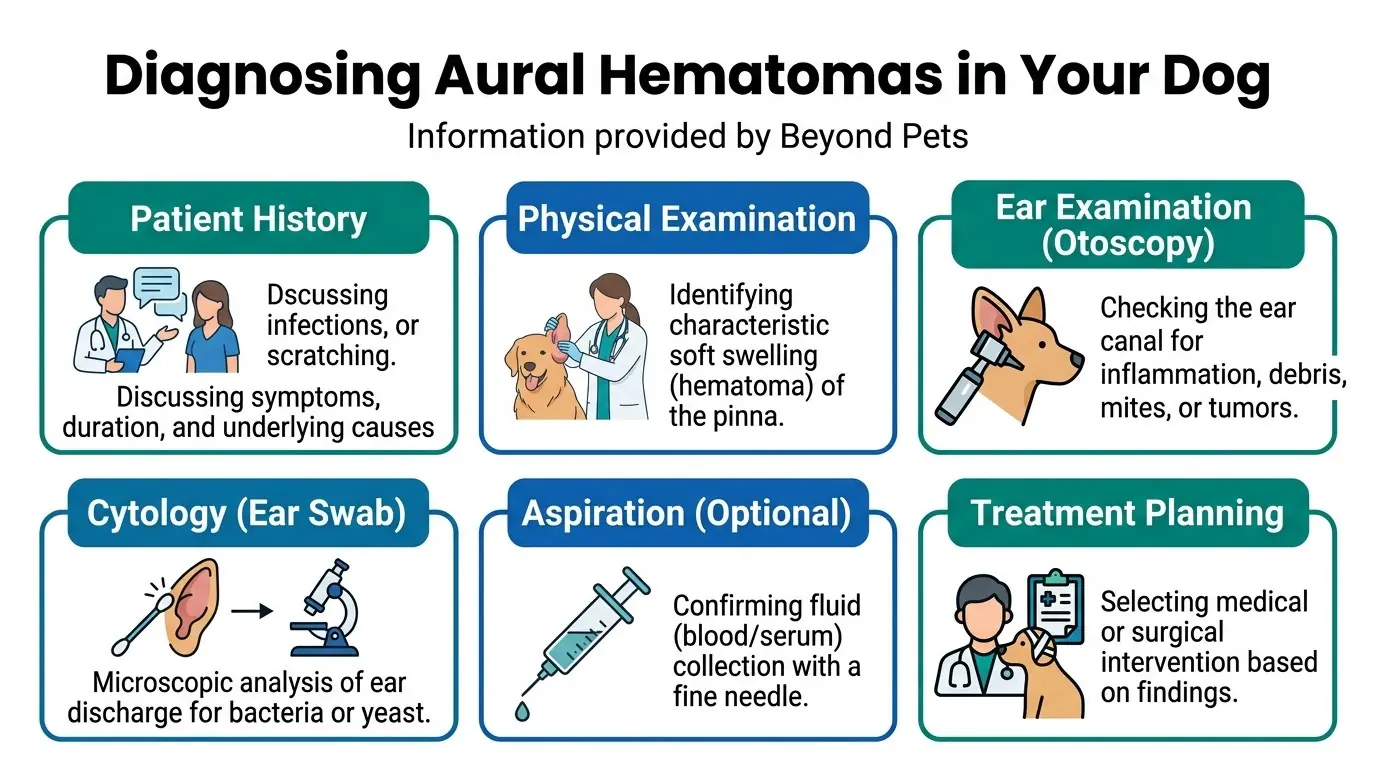
The diagnostic process for an aural hematoma goes far beyond simply confirming the presence of a fluid-filled pocket on the ear. While the gross appearance of a swollen pinna is typically enough to yield a presumptive diagnosis, a thorough veterinary evaluation is essential to assess the extent of the damage, rule out rare neoplastic (cancerous) causes of bleeding, and critically, identify the primary disease process that caused the dog to shake its head in the first place. Veterinarians utilize a multi-modal approach to build a comprehensive clinical picture of the dog’s overall aural and systemic health. Recognizing these health issues early on ensures that the subsequent treatment plan addresses both the symptom and the root cause.[12]
Physical Examination
The foundation of the diagnostic process is a meticulous and comprehensive physical examination. The veterinarian will begin by carefully inspecting the external surface of the pinna, noting the exact size, location, and tension of the hematoma. Palpation of the ear flap allows the clinician to gauge the dog’s pain level and differentiate the fluctuant swelling of a hematoma from the hard, nodular swelling of a tumor or the diffuse, warm thickening associated with severe cellulitis. Following the external exam, the veterinarian will perform a thorough otoscopic evaluation. Using an otoscope—a specialized handheld instrument with a light and magnifying lens—the vet will peer deep into both the affected and unaffected ear canals. This allows them to assess the health of the epithelial lining, identify the presence of foreign bodies like grass awns, visualize heavy mite infestations, and determine the volume and character of any exudate. Crucially, the vet will attempt to visualize the tympanic membrane (eardrum) to ensure it is intact and to check for signs of otitis media (middle ear infection). In dogs where the hematoma is so massive that it blocks the canal, the otoscopic exam may need to be delayed until the dog is sedated and the fluid is drained.[13]
Fine Needle Aspiration (FNA)
To definitively confirm that the swelling is indeed an accumulation of blood and not a purulent abscess, a seroma, or a cystic tumor, the veterinarian will typically perform a Fine Needle Aspiration (FNA). This is a minimally invasive diagnostic procedure performed in the exam room. The vet will use an alcohol wipe to rapidly disinfect a small area of the taut skin over the hematoma. A small-gauge needle (usually 20 or 22-gauge) attached to a sterile syringe is swiftly inserted into the pocket, and negative pressure is applied to aspirate a sample of the fluid. In the case of an aural hematoma, the extracted fluid is typically serosanguinous (a mixture of blood and clear serum) or frankly hemorrhagic. The vet will then expel a drop of this fluid onto a glass microscope slide, smear it, and stain it using a rapid cytological stain. Microscopic examination of the smear allows the veterinarian to evaluate the cellular composition of the fluid. The presence of red blood cells, macrophages, and a lack of degenerate neutrophils or intracellular bacteria confirms a sterile hematoma. Furthermore, the cytological evaluation is vital for ruling out underlying hemangiosarcoma (a cancer of the blood vessels) or mast cell tumors, which can occasionally present as hemorrhagic swellings on the pinna.[14]
Additional Diagnostic Tests
Because an aural hematoma is nearly always a symptom of an underlying dermatological or systemic issue, secondary diagnostic testing is a mandatory component of the clinical workup. The specific tests recommended by the veterinarian will be tailored to the individual dog’s history and physical exam findings. The most common and essential of these tests include:
- Ear Swab Cytology: If there is any discharge present in the ear canal, the vet will use a cotton-tipped applicator to collect a sample. This material is rolled onto a slide, heat-fixed, and stained for microscopic evaluation. Ear cytology is the gold standard for identifying the specific microorganisms driving the otitis externa. The vet will quantify the presence of yeast organisms (like *Malassezia*) and differentiate between coccoid (round) and rod-shaped bacteria. This immediate, in-house information dictates the selection of appropriate topical ear medications.[15]
- Bacterial Culture and Susceptibility: If the ear cytology reveals heavy populations of rod-shaped bacteria (highly suspicious for *Pseudomonas*), or if the dog has a history of chronic, treatment-resistant ear infections, a sample of the exudate will be sent to a commercial veterinary diagnostic laboratory. The lab will culture the bacteria and expose it to a panel of antibiotics to determine the Minimum Inhibitory Concentration (MIC). This susceptibility profile ensures that the veterinarian prescribes an antibiotic that will successfully eradicate the specific, potentially drug-resistant strain of bacteria causing the dog’s agony.
- Systemic Blood Work: In cases where the dog has recurring hematomas, signs of systemic illness, or no obvious underlying ear disease, a comprehensive blood panel is warranted. A Complete Blood Count (CBC) and serum biochemistry profile can identify underlying metabolic issues, such as hypothyroidism or hyperadrenocorticism (Cushing’s disease), both of which compromise the skin barrier and predispose dogs to chronic ear infections. Furthermore, if the vet suspects a bleeding disorder, they will order a coagulation profile (Prothrombin Time and Activated Partial Thromboplastin Time) and a platelet count to rule out spontaneous hemorrhage caused by immune-mediated thrombocytopenia or rodenticide toxicity.
Treatment for Ear Hematomas
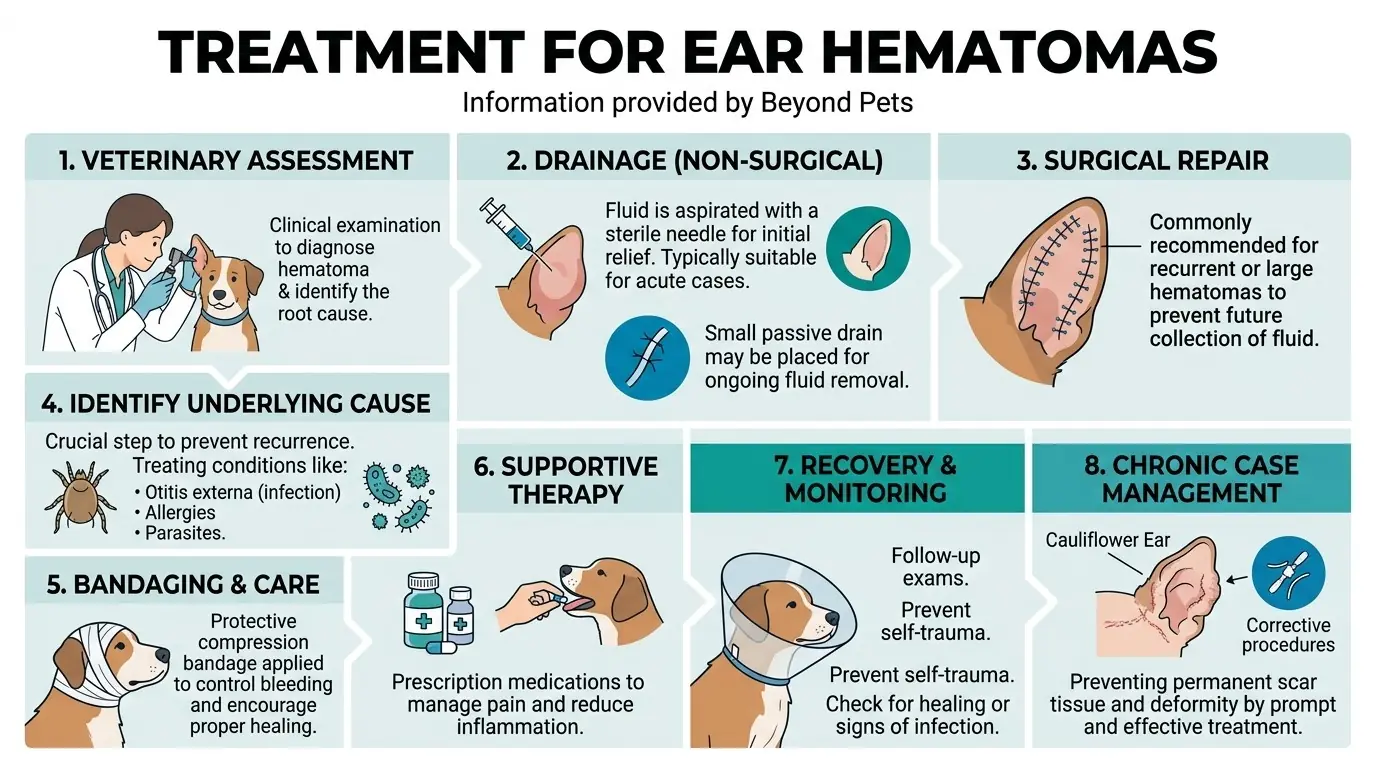
The primary objectives in treating an aural hematoma are to swiftly relieve the dog’s severe pain, permanently evacuate the accumulated blood, obliterate the empty space (dead space) between the cartilage and the skin to prevent the fluid from re-pooling, and preserve the natural cosmetic appearance of the ear flap. The specific treatment protocol selected by the veterinarian will depend heavily on the size and chronicity of the hematoma, the dog’s overall anesthetic risk, and the owner’s financial constraints. Treatments generally fall into two broad categories: conservative medical management for minor cases, and definitive surgical intervention for severe or recurrent cases.[16]
Minor Ear Hematomas
Conservative, non-surgical management is sometimes elected for small, acute hematomas, or in elderly dogs that are poor candidates for general anesthesia. This approach centers on a combination of fluid aspiration, dead-space compression, and potent pharmacological inflammation control. The veterinarian will use a large-gauge needle and a syringe to aspirate as much blood and serum from the pocket as physically possible. Once the fluid is evacuated, the vet will often administer an intralesional injection directly into the empty cavity. This injection typically consists of a long-acting prescription corticosteroid. The localized steroid serves to aggressively shut down the inflammatory cascade, reduce the permeability of the damaged blood vessels, and inhibit the further weeping of serum into the space. Alongside the localized treatment, oral systemic prescription corticosteroids may be prescribed by your veterinarian to manage concurrent allergic inflammation in the ear canal.[17]
To physically prevent the pocket from refilling with blood, the veterinarian will attempt to apply a comprehensive compression bandage. The ear flap is often folded back over the top of the dog’s head, resting on a soft pad of cast padding, and then securely wrapped using conforming gauze and elastic cohesive bandages (like Vetrap). This specialized “head wrap” provides constant, firm pressure, forcing the skin to remain in contact with the cartilage so that natural scar tissue can adhere the two layers back together. While medical management avoids the cost and risk of surgery, it is fraught with challenges. Head bandages are notoriously difficult to keep in place on an active dog, require frequent changing to prevent skin maceration or corneal ulcers (from the bandage rubbing the eye), and are highly uncomfortable for the patient. More importantly, conservative management carries a significantly higher failure and recurrence rate—often upwards of 50%—compared to surgical options. If the hematoma rapidly refills after aspiration, surgery becomes mandatory.[18]
Severe Ear Hematomas
For large, painful, or recurrent hematomas, surgical intervention is universally recognized as the gold standard of care. Surgery provides definitive drainage, aggressive obliteration of the dead space, and the highest probability of preventing recurrence and minimizing cosmetic deformity. The procedure is performed under deep sedation or full general anesthesia, ensuring the patient is completely pain-free. The pinna is clipped free of hair and prepared with an aseptic surgical scrub. The most traditional and reliable surgical technique is the incisional approach with mattress sutures. The veterinary surgeon uses a scalpel or an advanced surgical CO2 laser to make an incision along the concave (inner) surface of the ear flap, directly over the center of the swelling. Modern surgeons often prefer an S-shaped or a curvilinear incision over a straight, linear one; a curved incision is less prone to longitudinal scar contracture, which helps prevent the ear from curling as it heals.[19]
Through this incision, the surgeon meticulously evacuates the liquid blood, physically extracts any dense, organizing fibrin clots, and heavily lavages the internal pocket with sterile saline. Once the pocket is perfectly clean, the most crucial step of the surgery begins: the placement of “quilting” or “mattress” sutures. The surgeon passes heavy, non-absorbable monofilament suture material entirely through the ear flap—from the inner skin, through the cartilage, out the outer skin, and back again. Dozens of these sutures are placed in a staggered, grid-like pattern across the entire affected area. The purpose of these sutures is to mechanically tack the skin back onto the cartilage, eliminating the dead space so that fluid physically cannot accumulate. It is paramount that these sutures are placed parallel to the long axis of the ear; placing them perpendicularly risks ligating the major branches of the great auricular artery, which would lead to catastrophic ischemic necrosis of the ear tip. To prevent the sutures from cutting into the swollen skin under tension, surgeons frequently utilize stents—threading the suture through small pieces of sterile IV tubing, plastic buttons, or specialized foam pads before tying the knots.[20]
In addition to the quilting technique, some surgeons prefer placing an active closed-suction drain or a passive Penrose drain. An active drain involves inserting a modified butterfly catheter into the hematoma pocket, exiting through a small stab incision at the base of the ear, and attaching it to a negative-pressure vacutainer tube. This constant suction pulls the skin tight against the cartilage while continuously evacuating serum. Post-operatively, surgical patients are sent home with strict instructions to wear an Elizabethan collar (E-collar) 24/7 to prevent any self-trauma to the surgical site. Multimodal pain management, utilizing prescription anti-inflammatory medication and nerve-pain medication prescribed by your veterinarian, is prescribed to ensure the dog’s comfort during the critical first week of healing. Addressing the underlying ear infection with appropriate topical or oral antibiotics and antifungals is initiated immediately.
Home Remedies
It is vital for dog owners to understand that an aural hematoma is a significant medical event that cannot be cured with over-the-counter or at-home treatments. The internet is unfortunately rife with dangerous advice suggesting that owners can lance or drain the hematoma themselves using a sterilized sewing needle or a syringe. Attempting DIY drainage is an egregious mistake. The inside of a hematoma is a warm, nutrient-rich pool of blood—an ideal culture medium for bacteria. Puncturing this sterile pocket in a non-sterile home environment almost guarantees the introduction of highly aggressive, resistant bacteria, such as methicillin-resistant *Staphylococcus pseudintermedius* (MRSP). This turns a sterile blood blister into a massive, life-threatening abscess, leading to severe cartilage necrosis, systemic sepsis, and potentially the necessity of a total pinnectomy (amputation of the ear flap). Professional veterinary care is non-negotiable.[21]
However, while home remedies cannot cure the condition, certain supportive measures can be implemented at home to provide temporary palliative relief while you wait for your veterinary appointment, or as a complement to professional post-surgical care:
- Cold and Warm Compresses: In the very acute, initial stages of swelling, applying a cold compress (an ice pack securely wrapped in a thick towel) to the affected ear for 5 to 10 minutes can cause local vasoconstriction, potentially slowing the hemorrhage and providing a mild numbing effect. Later in the healing process, or post-surgery, a warm compress (a clean washcloth soaked in lukewarm water) can stimulate blood flow and aid the body’s natural macrophage activity in reabsorbing residual serum. Always ensure compresses are never applied directly to the skin to avoid thermal injury.
- Epsom Salt Soaks: If the veterinarian approves, gently wiping the external, un-incised areas of the pinna with a highly diluted, lukewarm Epsom salt solution can provide mild anti-inflammatory benefits to the superficial skin. However, this solution must never be introduced into the ear canal or allowed to enter a surgical incision.
- Preventing Further Trauma: The absolute most important at-home intervention is preventing the dog from continuing to scratch or shake their head. Immediately apply a properly fitted, rigid Elizabethan collar (cone of shame). Ensure the dog’s hind nails are trimmed short and filed smooth to minimize damage if they attempt to scratch the cone. Keeping the dog calm and confined to a quiet area reduces excitement and subsequent head shaking.
Recovery and Prevention of Ear Hematomas in Dogs
The recovery period following surgical treatment for an aural hematoma is a critical phase that demands diligent owner compliance. Healing is not instantaneous; the tissues of the pinna must undergo a complete cycle of inflammation, proliferation, and remodeling. Because cartilage is relatively avascular and heals slowly, the quilting sutures or stents must remain in place significantly longer than standard skin sutures—typically between 14 to 21 days. During this two-to-three-week window, the dog must wear a rigid E-collar at all times without exception. A single episode of vigorous scratching can rip the sutures through the healing cartilage, instantly undoing the surgeon’s meticulous work and causing a massive secondary hemorrhage. Owners must monitor the incision daily for signs of purulent discharge, excessive foul odor, or localized heat, which may indicate a secondary bacterial infection requiring a change in the antibiotic protocol. It is perfectly normal for some serosanguinous fluid to seep from the incision lines during the first few days; gently wiping this away with a sterile saline-soaked gauze pad will prevent crusting.[22]
Ultimately, the long-term success of the surgery and the prevention of future hematomas relies entirely on how effectively the underlying cause is managed. If the dog’s underlying otitis externa or allergic dermatitis is ignored, the dog will inevitably begin shaking its head again the moment the surgical site heals, almost guaranteeing the formation of a new hematoma on the opposite ear. Prevention requires a proactive, lifelong commitment to canine ear health. For dogs prone to recurrent infections, implementing a routine ear cleaning protocol is essential. Using a veterinary-approved, ceruminolytic (wax-dissolving), and drying ear flush once or twice a week helps maintain the microclimate of the ear canal, preventing the overgrowth of yeast and bacteria. Following baths or swimming, the ears must be thoroughly dried using cotton balls to eliminate trapped moisture. To ensure your pet remains healthy overall, it is crucial to recognize that an infectious disease affecting the systemic immune system can lower the skin’s natural defenses, paving the way for chronic otitis.
Furthermore, managing systemic allergies is a cornerstone of hematoma prevention. If the veterinarian suspects an underlying food allergy, executing a strict, 8-to-12-week prescription hypoallergenic diet trial (utilizing hydrolyzed proteins or novel protein sources) is mandatory to identify the offending allergen. For dogs suffering from environmental atopy, long-term pharmacological management may be required. Advanced prescription allergy medications are highly effective at blocking the neuropathic itch pathways, completely eliminating the dog’s urge to scratch. Routine preventative care is also non-negotiable; maintaining year-round, veterinary-prescribed flea, tick, and mite prevention stops parasitic infestations before they can establish a foothold in the ear canal. Always consult your veterinarian before making any changes to your pet’s care, diet, or medication regimen, as they can design a tailored preventative protocol that addresses your dog’s unique dermatological needs.
Frequently Asked Questions
Can a dog’s ear hematoma heal completely on its own without surgery?
While it is biologically possible for a small aural hematoma to eventually be reabsorbed by the dog’s body without surgical intervention, allowing it to heal “on its own” is highly discouraged in veterinary medicine. The natural reabsorption process takes weeks or even months, during which time the dog is forced to endure severe, unrelenting pain and pressure. Furthermore, as the pooled blood is slowly broken down by macrophages, it leaves behind a dense network of fibrin that organizes into tough scar tissue. This scarring causes the cartilage to buckle and the skin to contract, permanently deforming the ear into a crinkled, hardened mass known as a “cauliflower ear.” This deformity can permanently narrow the ear canal, trapping moisture and predisposing the dog to lifelong, recurrent, and severe ear infections. Therefore, prompt veterinary treatment is strongly recommended to alleviate suffering and preserve the functional anatomy of the ear.[23]
Is it possible to prevent my dog from ever developing an aural hematoma?
While you cannot guarantee a dog will never experience an ear issue, you can drastically reduce the risk of aural hematoma formation by proactively managing their overall ear and skin health. The most effective preventative strategy is the immediate and aggressive treatment of any underlying otitis externa (ear infections) or allergic skin disease. If you notice your dog scratching their ears, shaking their head, or if you detect a foul odor or redness in the ear canal, schedule a veterinary exam immediately before the head shaking leads to trauma. For breeds prone to ear issues, establishing a routine of weekly ear cleanings using a veterinary-approved drying flush helps prevent the microbial overgrowth that triggers the itch-scratch cycle. Additionally, while Vaccines are typically used to prevent infectious diseases like parvovirus and distemper, keeping your dog on rigorous, year-round prescription parasite prevention is the only way to effectively prevent infestations of highly irritating ear mites (*Otodectes cynotis*).
What is the typical cost associated with surgical treatment for an aural hematoma?
The cost of surgical intervention for an aural hematoma can vary significantly based on the severity of the condition, the specific surgical technique utilized (such as laser surgery vs. traditional scalpel, or active drain placement), the geographic location of the clinic, and whether the procedure is performed by a general practitioner or a board-certified veterinary surgeon. Generally, pet owners can expect the comprehensive cost—which includes the pre-anesthetic blood work, intravenous catheter placement, general anesthesia, surgical time, surgical materials (sutures, stents, drains), post-operative pain medications, and the necessary Elizabethan collar—to range anywhere from $400 to $1,200 or more. It is important to remember that attempting to cut costs with conservative medical management often results in hematoma recurrence, ultimately requiring surgery anyway and increasing the total cumulative cost. Your veterinarian will provide a detailed, itemized estimate specific to your dog’s clinical needs prior to proceeding with the operation.[24]
Get Professional Veterinary Help Today
Don’t let your dog suffer through the pain and discomfort of an aural hematoma or an underlying ear infection. Early intervention is the key to preserving their health and hearing.
References
- Merck Veterinary Manual. Hematoma of the Ear in Dogs. Merck & Co., Inc., 2023.
- VCA Animal Hospitals. Aural Hematoma in Dogs. VCA Hospitals, 2023.
- American Veterinary Medical Association (AVMA). Ear Infections and Aural Hematomas. AVMA, 2023.
- Journal of the American Animal Hospital Association. Pathogenesis of Canine Aural Hematomas. JAAHA, 2018.
- Cornell University College of Veterinary Medicine. Canine Ear Infections. Cornell University, 2022.
- ASPCA. Allergies in Dogs: Symptoms and Management. ASPCA, 2023.
- Veterinary Parasitology. Otodectes cynotis infestations in companion animals. Vet Parasitol, 2016.
- Journal of Veterinary Internal Medicine. Immune-mediated thrombocytopenia as a cause of spontaneous hemorrhage. JVIM, 2019.
- Veterinary Information Network (VIN). Aural Hematoma Guidelines. VIN, 2023.
- World Small Animal Veterinary Association (WSAVA). Global Dermatology Guidelines – Otitis. WSAVA, 2022.
- Veterinary Surgery. Long-term outcomes of untreated aural hematomas: Fibrosis and Contracture. Vet Surg, 2015.
- Merck Veterinary Manual. Wound Management and Emergency Care. Merck & Co., Inc., 2023.
- UC Davis School of Veterinary Medicine. Canine Ear Hematomas: Diagnosis and Treatment. UC Davis, 2023.
- Veterinary Clinical Pathology. Cytological evaluation of aural hematoma fluid in dogs. Vet Clin Pathol, 2017.
- Veterinary Dermatology. Diagnostic approach to otitis externa: Cytology and Culture. Vet Dermatol, 2018.
- American College of Veterinary Surgeons (ACVS). Aural Hematomas: Surgical Options. ACVS, 2023.
- Journal of Small Animal Practice. Efficacy of intralesional corticosteroids for aural hematomas. JSAP, 2019.
- Veterinary Surgery. Comparison of medical vs surgical management of canine aural hematomas. Vet Surg, 2020.
- VCA Animal Hospitals. Aural Hematoma Surgery in Dogs. VCA Hospitals, 2023.
- Clinician’s Brief. Surgical techniques for the management of aural hematomas. Clinician’s Brief, 2021.
- Centers for Disease Control and Prevention (CDC). Healthy Pets, Healthy People: Dogs and Zoonotic Risks. CDC, 2023.
- American Veterinary Medical Association (AVMA). Pain Management Guidelines for Dogs. AVMA, 2023.
- Veterinary Record. Pathological consequences of conservative management in aural hematomas. Vet Rec, 2016.
- Veterinary Information Network. Client Information: The Cost of Aural Hematoma Repair. VIN, 2023.