



 January 17, 2023
 Phil Good, DVM
Canine Arthritis – Diagnosis, Treatment, and Prevention
This content was prepared with AI assistance and reviewed by a licensed professional for accuracy.
Introduction
When our faithful companions begin to slow down, it can be a heart-wrenching experience. As a veterinary professional, I often see pet parents who are deeply concerned when their once-vigorous best friend hesitates before climbing stairs, struggles to rise from a comfortable bed, or no longer runs to the door with the same unbridled enthusiasm. The focus keyword of this comprehensive guide is understanding arthritis in dogs, a widespread and progressive joint condition that affects a massive percentage of the canine population. In fact, research indicates that a significant majority of older dogs—and a surprising number of young dogs—suffer from some degree of joint degeneration. Canine arthritis is not merely a single disease, but rather a complex syndrome characterized by the inflammation, degradation, and eventual loss of the protective cartilage that lines the ends of the bones within a diarthrodial joint. This progressive deterioration leads to a painful, debilitating cycle of inflammation, altered mobility, and a profoundly negative impact on a dog’s overall quality of life.[1]
To truly understand how this condition ravages a dog’s body, we must first look at the anatomy of a healthy canine joint. In a normal, well-functioning joint, the ends of the bones are covered by a smooth, highly specialized tissue called articular cartilage. This cartilage acts as a biological shock absorber, allowing the bones to glide seamlessly over one another without friction. The entire joint is encased in a fibrous joint capsule, which is lined by the synovial membrane. This membrane is responsible for producing synovial fluid, a viscous, nutrient-rich liquid that lubricates the joint and nourishes the cartilage, acting much like motor oil in a car’s engine. However, when the disease process of arthritis initiates, this delicate, perfectly balanced ecosystem is violently disrupted. The cartilage begins to fray, thin out, and degrade. The synovial fluid loses its viscosity and becomes thin and watery, failing to provide adequate lubrication. As the buffer deteriorates, the underlying subchondral bone is exposed, leading to excruciating bone-on-bone contact.[2]
The resulting friction from this unprotected contact causes severe pain, swelling, and a drastic loss of joint mobility. The body, in a desperate but ultimately flawed attempt to stabilize the failing joint, begins to produce abnormal bony growths known as osteophytes, or bone spurs. These bony proliferations further restrict movement and exacerbate the pain, locking the dog into a chronic cycle of discomfort and declining activity. While we frequently associate arthritis with senior pets, it is crucial to recognize that this condition can and does impact younger dogs. Factors such as genetic predispositions, poor conformation, early-life trauma, and immune system abnormalities can precipitate the early onset of joint disease. By understanding the underlying mechanics of canine arthritis, pet owners can better partner with their veterinarians to recognize the early warning signs, implement effective management strategies, and ultimately preserve their beloved companion’s comfort and mobility for as long as possible.[3]
Types of Arthritis in Dogs
Arthritis is an umbrella term that encompasses several distinct pathological processes affecting the joints. While they all ultimately result in joint pain and inflammation, the underlying causes, progression, and specific treatment protocols vary dramatically. Some dogs are genetically predisposed to develop joint issues early in life, while others acquire them through wear and tear, immune dysfunction, or infectious agents. Properly identifying the exact type of arthritis your dog is suffering from is the cornerstone of effective veterinary management. The following sections detail the most common forms of arthritis encountered in veterinary medicine.[4]
Osteoarthritis (Degenerative Joint Disease)
Osteoarthritis, frequently referred to in the veterinary community as Degenerative Joint Disease (DJD), is overwhelmingly the most common type of arthritis diagnosed in dogs. It is a chronic, slowly progressive condition that is classically characterized by the relentless degradation and loss of articular cartilage, accompanied by thickening of the joint capsule and the formation of new bone around the joint margins. At a cellular level, osteoarthritis involves a complex interplay of inflammatory mediators, including matrix metalloproteinases (MMPs) and cyclooxygenase (COX) enzymes, which break down the collagen matrix and proteoglycans that give cartilage its strength and elasticity. As the structural integrity of the cartilage fails, the joint loses its ability to absorb concussive forces, leading to a cascade of pain and dysfunction.[5]
This condition can be classified as either primary or secondary. Primary osteoarthritis, which is relatively rare in dogs compared to humans, occurs without an obvious underlying cause and is generally attributed to the natural aging process and simple mechanical wear and tear over a lifetime. Secondary osteoarthritis, on the other hand, is extremely common and occurs as a direct result of an underlying abnormality or triggering event that creates instability or abnormal biomechanical forces within the joint. For instance, developmental disorders, obesity, and joint injuries can also contribute to developing dog osteoarthritis. When a ligament tears or a bone fractures near a joint, the resulting structural instability places unnatural stress on the cartilage, accelerating its breakdown. Osteoarthritis most frequently targets the weight-bearing joints, including the hips, stifles (knees), elbows, and carpi (wrists), though it can also severely affect the vertebral column, leading to spinal discomfort and neurological deficits.[6]
Rheumatoid Arthritis
Unlike the mechanically driven degradation seen in osteoarthritis, rheumatoid arthritis in dogs is a systemic, immune-mediated disease. It is a relatively rare but devastatingly aggressive condition in which the dog’s own immune system suffers a catastrophic malfunction, mistakenly identifying the proteins within the synovial membrane of the joints as foreign invaders. In response, the immune system mounts a fierce and sustained attack, dispatching white blood cells and inflammatory cytokines to the joints. This massive inflammatory response causes the synovial membrane to become intensely inflamed, thickened, and highly vascularized, a state known as synovitis.[7]
Over time, this inflamed synovial tissue forms a destructive mass of cells called a pannus. The pannus aggressively invades the joint space, releasing enzymes that physically erode the articular cartilage and the underlying subchondral bone. Because of this erosive nature, rheumatoid arthritis can lead to complete joint destruction, severe deformity, and luxation (dislocation) of the affected joints. Small and toy breed dogs, such as Miniature Poodles, Shetland Sheepdogs, and Greyhounds, appear to have a higher predisposition to this condition. Diagnosis often relies on identifying specific autoantibodies in the blood, known as rheumatoid factor, alongside characteristic “punched-out” erosive lesions visible on radiographs. Treatment is highly specialized, typically requiring powerful, long-term immunosuppressive medications to halt the immune system’s self-destructive crusade, rather than simply relying on standard pain relievers.[8]
Septic Arthritis
Septic arthritis, sometimes called infectious arthritis, is a severe, acutely painful condition caused by the invasion of bacteria, or much less commonly, fungi or viruses, directly into the joint space. The joint environment is normally sterile, but microorganisms can gain entry through several routes. The most common route is hematogenous spread, where an infection originating elsewhere in the body—such as a severe dental infection, a urinary tract infection, or bacterial endocarditis—enters the bloodstream and seeds the joint. Alternatively, bacteria can be directly inoculated into the joint via a penetrating wound, such as a bite wound, a deep puncture, or occasionally as a complication of joint surgery or intra-articular injections.[9]
Once bacteria enter the nutrient-rich environment of the synovial fluid, they multiply rapidly. The body responds by flooding the joint with neutrophils (a type of white blood cell) to fight the infection. However, the resulting battle produces large amounts of purulent material (pus), and the enzymes released by both the dying bacteria and the active white blood cells are highly toxic to articular cartilage. Left untreated, septic arthritis can cause irreversible cartilage destruction within a matter of days. Dogs with septic arthritis typically present with severe, sudden-onset lameness, often completely refusing to bear weight on the affected limb. The joint will be visibly swollen, hot to the touch, and exquisitely painful. The dog may also show systemic signs of illness, including a high fever, lethargy, and anorexia. This condition is an absolute veterinary emergency requiring immediate joint fluid analysis, aggressive intravenous prescription antibiotics based on culture and sensitivity testing, and frequently, surgical flushing of the joint to remove the destructive purulent material.[10]
Immune-Mediated Polyarthritis
Immune-Mediated Polyarthritis (IMPA) is another form of inflammatory joint disease driven by a dysregulated immune response. However, unlike rheumatoid arthritis, IMPA is typically “non-erosive,” meaning it causes profound inflammation and pain but does not generally result in the aggressive bony destruction and joint deformities seen with the rheumatoid form. IMPA is characterized by the formation of antigen-antibody complexes (immune complexes) within the bloodstream, which then precipitate out and deposit in the microvasculature of the synovial membranes. This triggers an inflammatory cascade, drawing neutrophils into the joint space across multiple joints simultaneously—hence the term “polyarthritis.”[11]
IMPA is notoriously difficult to pinpoint because it can present as an idiopathic condition (having no identifiable underlying cause) or it can be secondary to an entirely different disease process occurring elsewhere in the body. Secondary IMPA can be triggered by chronic infections (such as tick-borne diseases like Lyme disease, Ehrlichiosis, or Anaplasmosis), severe gastrointestinal disease, systemic lupus erythematosus, specific medications, or even underlying neoplasia (cancer). Clinically, dogs with IMPA often present with a classical “shifting leg lameness,” where the dog appears lame on one leg one day, and a different leg the next. They frequently exhibit a stiff, stilted gait, reluctance to move, high fevers of unknown origin, lethargy, and swollen, painful joints, particularly the carpi (wrists) and tarsi (ankles). Accurate diagnosis requires arthrocentesis (joint tapping) to analyze the synovial fluid, which typically shows high numbers of non-degenerate neutrophils without bacteria. Treatment focuses heavily on identifying and resolving any underlying triggers, followed by the use of immunomodulatory or immunosuppressive drugs, primarily prescription steroid medications, to suppress the overactive immune response.[12]
Hip Dysplasia
Hip Dysplasia is one of the most widely recognized and frequently diagnosed orthopedic conditions in veterinary medicine, serving as a leading precursor to debilitating osteoarthritis in dogs. It is fundamentally a developmental, polygenically inherited condition, meaning it is passed down through multiple genes, though environmental factors play a massive role in its expression and severity. Hip dysplasia is characterized by an abnormal development of the coxofemoral (hip) joint. In a normal dog, the head of the femur (the “ball”) fits deeply and snugly into the acetabulum of the pelvis (the “socket”). In a dysplastic dog, there is a fundamental laxity, or looseness, in the joint capsule and surrounding ligaments. This laxity prevents the femoral head from seating properly, resulting in a shallow socket and a flattened femoral head.[13]
Because the joint components do not fit together harmoniously, every step the dog takes causes abnormal mechanical forces, microtrauma, and sheer stress across the articular cartilage. The body attempts to stabilize this loose joint by laying down new bone, leading to severe osteophyte formation and the rapid progression of secondary osteoarthritis. While famously prevalent in large and giant breed dogs—such as German Shepherds, Labrador Retrievers, Golden Retrievers, Rottweilers, and Saint Bernards—it can affect virtually any breed. The clinical signs of hip dysplasia can appear as early as four to six months of age in severe cases, presenting as a “bunny-hopping” gait, difficulty rising, reluctance to run or jump, and noticeable muscle atrophy in the hindquarters. Management of hip dysplasia is highly individualized, ranging from conservative medical management focusing on stringent weight control, specific physical rehabilitation protocols, and multimodal pain management, to advanced surgical interventions. Surgical options include Juvenile Pubic Symphysiodesis (JPS) in very young puppies, Triple or Double Pelvic Osteotomy (TPO/DPO) in growing dogs, and Total Hip Replacement (THR) or Femoral Head Ostectomy (FHO) in mature dogs suffering from end-stage secondary osteoarthritis.[14]
What Causes Canine Arthritis?
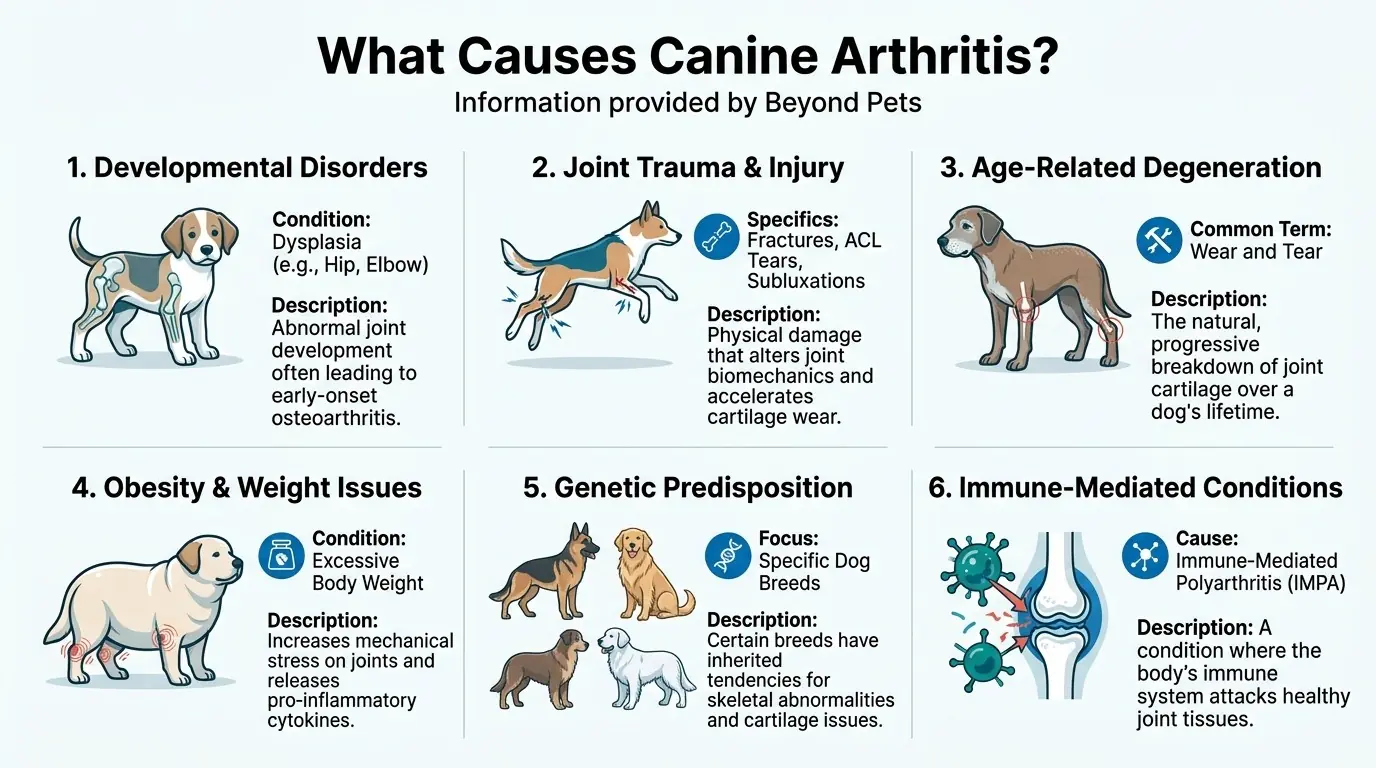
The etiology of canine arthritis is highly multifactorial, representing an intersection of genetics, environment, biomechanics, and age. Understanding the myriad causes of joint degeneration is essential for pet owners, as identifying risk factors early can allow for preventative interventions. Arthritis rarely develops from a single, isolated event; rather, it is usually the culmination of chronic stress, underlying anatomical anomalies, and physiological changes that overwhelm the joint’s natural ability to repair itself. One of the most significant causes of secondary osteoarthritis is developmental orthopedic disease, such as the previously discussed hip dysplasia, as well as elbow dysplasia and osteochondritis dissecans (OCD). These conditions create foundational instability or cartilage defects that invariably lead to arthritic changes over time. Additionally, systemic conditions, such as immune-mediated diseases or severe joint infections, can rapidly degrade joint health, leaving permanent arthritic changes in their wake. Below is a detailed exploration of the primary factors that contribute to the development of canine arthritis.[15]
- Age: Just as in humans, the passage of time takes a toll on canine anatomy. Natural wear and tear on a dog’s joint over years of walking, running, and playing leads to a gradual breakdown of the articular cartilage. As dogs age, the chondrocytes (cartilage cells) become less efficient at producing the vital proteoglycans and collagen matrix needed to maintain cartilage elasticity and thickness. Furthermore, the synovial fluid may diminish in volume and viscosity, reducing its lubricating capacity. Consequently, older dogs are significantly more prone to exhibiting clinical signs of degenerative joint disease.
- Obesity: This is arguably the single most critical, modifiable risk factor for canine arthritis. An overweight dog is exposed to higher stress on its joints with every single movement. Biomechanically, carrying excess adipose tissue multiplies the compressive forces placed on the appendicular skeleton, accelerating cartilage wear. However, obesity is not just a mechanical issue; it is a profound metabolic problem. Adipose tissue (fat) is biologically active, constantly secreting pro-inflammatory hormones and cytokines, known as adipokines, into the bloodstream. These systemic inflammatory mediators actively contribute to the degradation of joint tissue, meaning an overweight dog is suffering from both mechanical overload and chemical joint destruction simultaneously.
- Joint Infections or Diseases: Bacterial infections localized within a joint (septic arthritis) release potent enzymes and toxins that rapidly dissolve articular cartilage. Even after the infection is successfully treated with antibiotics, the structural damage inflicted upon the joint surfaces is permanent, inevitably setting the stage for chronic osteoarthritis. Additionally, systemic infectious diseases, most notably tick-borne illnesses like Lyme disease (caused by the spirochete Borrelia burgdorferi), can trigger profound inflammatory responses within the joints, causing severe acute pain and contributing to long-term joint degradation.
- Injury or Trauma: Any traumatic event that alters the biomechanical stability of a joint will lead to arthritis. The most common example in canine medicine is the rupture of the cranial cruciate ligament (CCL), the canine equivalent of the human ACL. When this ligament tears, the knee joint becomes grossly unstable, allowing the femur to slide abnormally against the tibia. This shearing force rapidly grinds away the menisci and articular cartilage, guaranteeing the rapid onset of osteoarthritis if not surgically stabilized. Similarly, intra-articular fractures, joint luxations, and severe sprains alter normal joint congruency and load-bearing, leading to focal areas of intense cartilage wear.
- Genetic Factors: Genetics play a monumental role in a dog’s orthopedic destiny. Many purebred dogs inherit specific conformations that predispose them to joint disease. For example, chondrodystrophic breeds (dogs with disproportionately short legs and long backs, such as Dachshunds and Basset Hounds) are genetically predisposed to intervertebral disc disease and specific types of appendicular arthritis due to their abnormal skeletal growth plates. Large and giant breeds carry genetic markers for hip and elbow dysplasia. Understanding a breed’s genetic predispositions allows veterinarians to screen for these issues early and implement proactive management strategies before severe arthritis takes hold.
- Poor Nutrition: The foundation of healthy cartilage, bone, and synovial fluid relies on a constant supply of essential macro and micronutrients. A diet that is deficient in balanced calcium and phosphorus, inappropriate in its caloric density during the critical growth phases of large breed puppies, or lacking in essential omega-3 fatty acids can profoundly impact joint development and maintenance. For instance, overfeeding a large breed puppy can cause them to grow too rapidly, leading to bone remodeling issues and developmental joint diseases that guarantee future arthritis. Pet owners must consult their veterinarian to ensure they are feeding a high-quality, scientifically formulated diet tailored to their dog’s specific life stage and breed size.
- Lack of Exercise (or Inappropriate Exercise): Maintaining joint health requires a delicate balance of physical activity. Regular, controlled, low-impact exercise is essential to maintain a healthy body weight, stimulate the production of synovial fluid, and build the supportive muscle mass that acts as a secondary shock absorber for the joints. Conversely, a completely sedentary lifestyle leads to profound muscle atrophy, joint stiffness, and weight gain, heavily exacerbating arthritic pain. On the other end of the spectrum, extreme, repetitive, high-impact exercise—such as relentless frisbee jumping on hard surfaces or forcing an immature puppy to run long distances—can induce microtrauma to the cartilage, accelerating the onset of degenerative joint disease. Finding the appropriate “Goldilocks” zone of exercise is a critical component of arthritis management.
Symptoms of Arthritis in Dogs
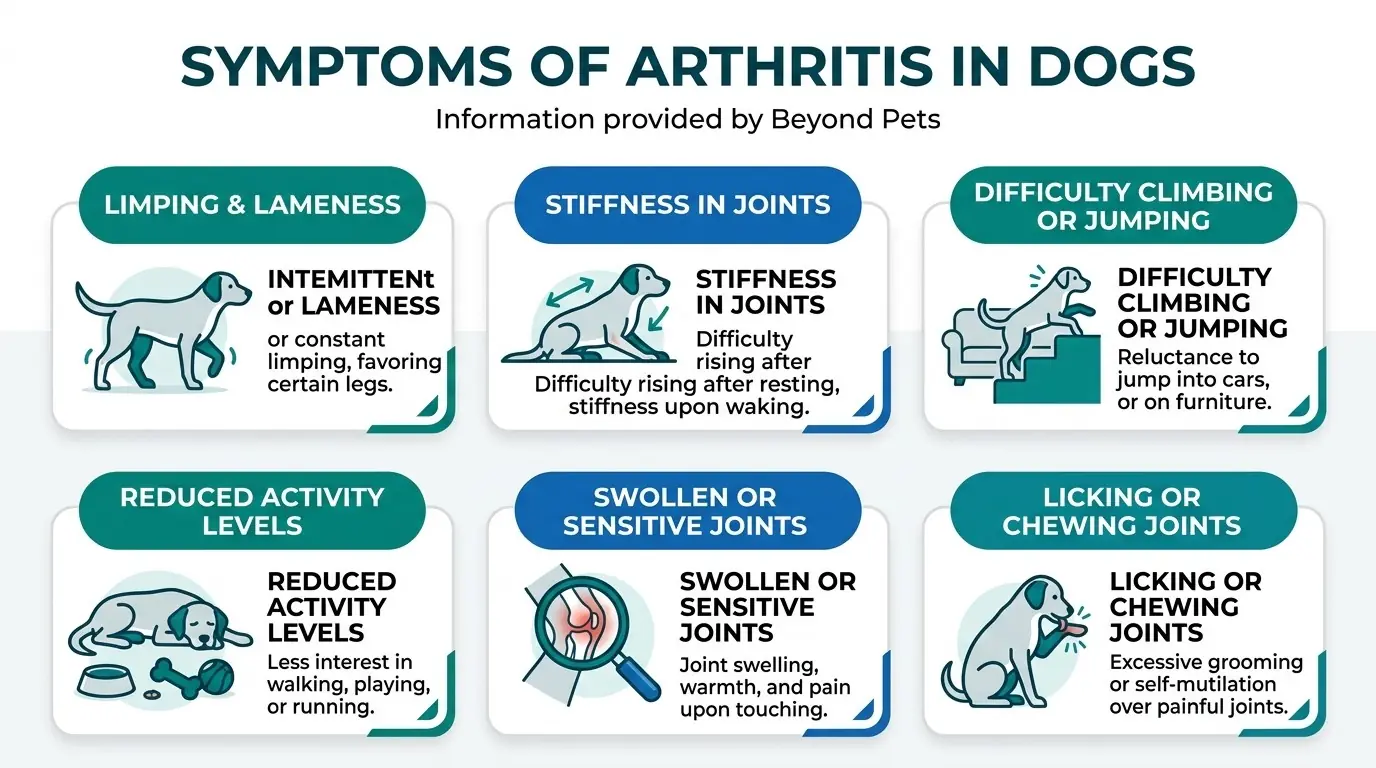
Canine arthritis is an insidious disease, often progressing silently for months or even years before obvious clinical signs become apparent. Dogs are inherently stoic creatures, hardwired by evolution to mask signs of pain and vulnerability. Therefore, recognizing the symptoms of arthritis requires a highly observant pet owner who is attuned to subtle changes in their dog’s behavior, routine, and mobility. The symptoms of arthritis are rarely constant; they tend to wax and wane, heavily influenced by factors such as the ambient weather (cold, damp days often exacerbate stiffness), the intensity of the previous day’s exercise, and the dog’s overall systemic health. Furthermore, chronic arthritis pain can lead to a neurological phenomenon known as “central sensitization” or “wind-up,” where the central nervous system becomes hyper-reactive, causing the dog to feel severe pain from stimuli that would normally be benign, such as a gentle touch or a light change in joint angle. Recognizing the multifaceted signs of arthritis is the first critical step in seeking veterinary intervention and restoring your pet’s quality of life.[16]
- Struggling with sitting or standing: You may notice your dog takes significantly longer to transition between positions. They may drag their hind legs slightly, rely heavily on their front legs to pull themselves up, or display a noticeable quiver in their limbs as they bear weight. This difficulty stems directly from the intense pain triggered when arthritic joints are loaded and taken through their range of motion.
- Hesitation or stiffness when rising from a resting position: This is arguably the hallmark symptom of canine osteoarthritis. After a period of inactivity, particularly upon waking in the morning, the synovial fluid within the joint thickens and the surrounding inflamed tissues stiffen. The dog will often take several stiff, stilted, and painful steps before they “warm up” and the joint fluid begins to circulate, easing the movement slightly.
- Showing signs of limping or favoring a certain limb: Lameness can range from a subtle, intermittent head-bob at a trot to completely carrying a limb and refusing to bear any weight. The lameness is a direct biomechanical offloading; the dog shifts its weight away from the painful joint to alleviate the pressure on the degraded cartilage.
- An apparent decrease in activity levels: A dog suffering from chronic joint pain will naturally self-regulate their activity. They may lose interest in their favorite toys, refuse to go for walks they once loved, trail behind on the leash, or simply choose to sleep for much larger portions of the day. This is not merely “slowing down due to old age”; it is a direct behavioral manifestation of chronic pain.
- Displaying discomfort when touched or petted: As mentioned, chronic arthritis can cause hyperalgesia (an exaggerated response to pain) and allodynia (pain from a non-painful stimulus). A dog with severe spinal or hip arthritis may flinch, vocalize, pull away, or even snap when petted over the lower back, hips, or specific limbs. This defensive behavior is a clear indicator of severe discomfort.
- Presence of swelling or warmth in the joints: While less apparent in deeply muscled areas like the hips, arthritis in the stifles (knees), elbows, and carpi (wrists) often presents with palpable joint effusion. The joint capsule becomes distended with excessive, inflammatory synovial fluid, and the surrounding tissues may feel warm to the touch due to increased blood flow associated with active inflammation.
- Experiencing weight gain or displaying a decreased appetite: The relationship between arthritis and weight is cyclical. The pain of arthritis leads to profound lethargy and a drastic reduction in caloric expenditure, quickly leading to weight gain if the diet is not adjusted. Conversely, severe, unrelenting pain can suppress the appetite entirely, leading to weight loss and muscle wasting.
- Undergoing changes in behavior: Chronic pain is exhausting and deeply stressful for a dog. This constant state of distress can manifest as significant mood alterations. A previously sociable dog may become withdrawn, hide in quiet areas, exhibit increased irritability toward other household pets, or display uncharacteristic aggression when approached, particularly by young children who may inadvertently bump into them.
- Finding difficulty in tackling stairs or jumping: The biomechanics of climbing stairs or jumping into a car require maximum joint flexion and massive propulsive force from the hind limbs. For a dog with arthritic hips, stifles, or a painful lower spine, these actions are excruciating. You may see them pace nervously at the bottom of the stairs, attempt to “bunny hop” up with both back legs simultaneously, or outright refuse to enter the vehicle.
- A noticeable muscle tone or mass decrease: When a dog chronically favors a painful limb, they cease to use the associated muscles effectively. This lack of use leads to rapid and profound disuse atrophy. A veterinarian can often visually identify severe arthritis simply by noting the drastic asymmetry in muscle mass; for example, one hind leg may be significantly thinner and weaker than the other due to a painful arthritic knee or hip.
Diagnosis of Arthritis in Dogs
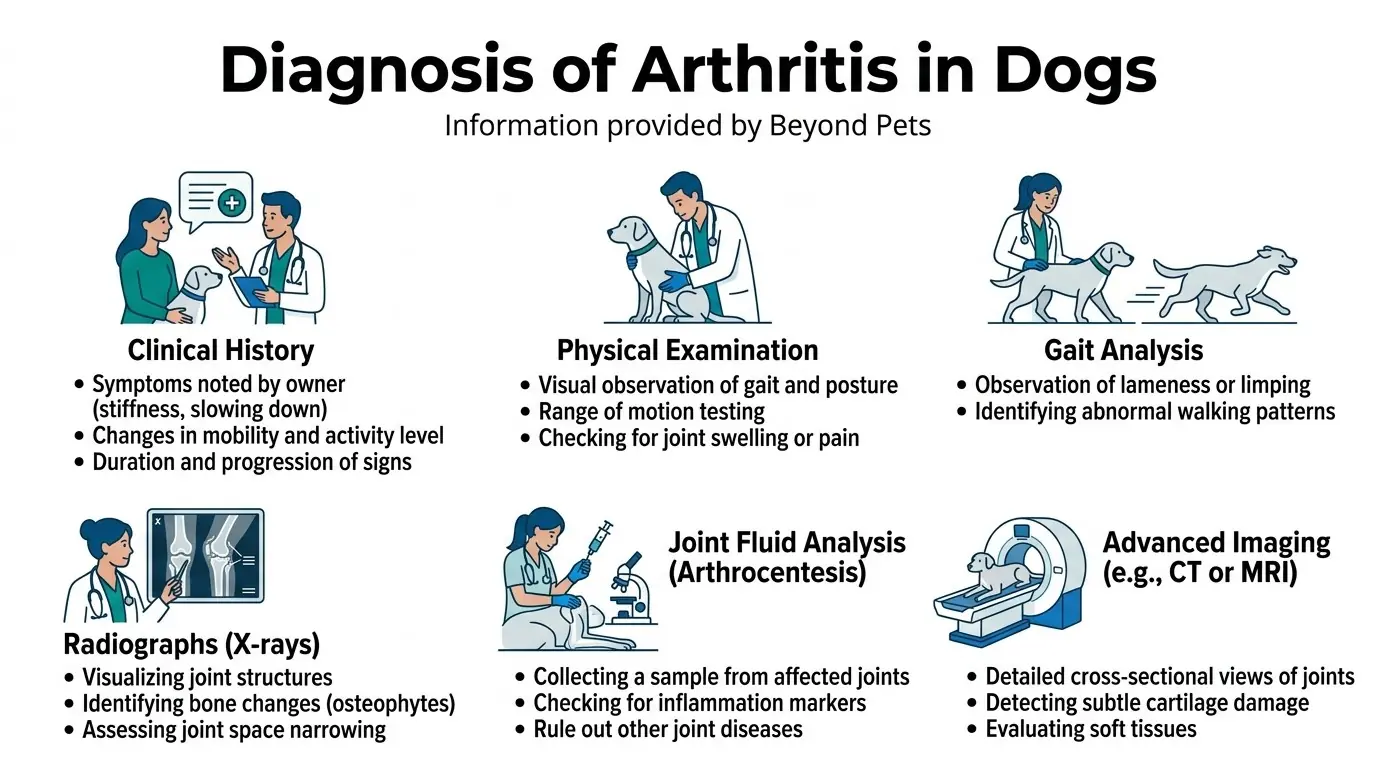
Diagnosing arthritis in dogs is a multifaceted process that extends far beyond simply taking an X-ray. Because arthritis can mimic other serious medical conditions—such as bone cancer (osteosarcoma), neurological deficits, soft tissue injuries, or tick-borne diseases—veterinarians must employ a comprehensive diagnostic approach. The goal is not only to confirm the presence of joint disease but to precisely identify the underlying cause, assess the severity of the structural damage, and establish a baseline to monitor the efficacy of future treatments. A thorough veterinary diagnostic workup requires a combination of detailed owner communication, precise physical assessments, and advanced imaging modalities to paint a complete picture of the dog’s orthopedic health.[17]
Physical Examination
A comprehensive physical and orthopedic examination is the crucial first step in evaluating a patient for arthritis. Your veterinarian will begin by observing the dog’s gait at a walk and a trot, carefully looking for subtle lameness, a shortened stride length, head bobbing, or circumduction (swinging the leg outward). Following the gait analysis, the vet will perform a meticulous hands-on examination. They will palpate the entire appendicular skeleton, assessing each joint for signs of swelling, joint effusion (fluid buildup), thickening of the joint capsule, and palpable heat. Crucially, the vet will put each joint through its full passive range of motion—flexion, extension, abduction, and adduction. During this process, they are feeling for “crepitus,” a distinct grinding, grating, or crunching sensation caused by the roughened, degraded cartilage surfaces rubbing against one another. They will also gauge the dog’s pain response at the extreme limits of flexion and extension, and measure muscle atrophy to determine the chronicity of the limb disuse. A neurological exam is also typically performed to ensure the mobility issues are indeed orthopedic and not stemming from a spinal cord or nerve lesion.[18]
History and Symptoms
The history provided by the pet owner is an invaluable piece of the diagnostic puzzle. Because dogs mask pain in the clinical setting due to adrenaline, your veterinarian relies heavily on your observations at home. The vet will ask highly detailed questions regarding the onset and progression of the symptoms: Did the lameness occur suddenly after a jump, or has it been a gradual decline over months? Is the stiffness worse in the morning or after heavy exercise? Do they struggle specifically with stairs, or getting up from slick floors? To standardize this information, many veterinarians employ validated clinical measurement instruments, such as the Canine Brief Pain Inventory (CBPI) or the Liverpool Osteoarthritis in Dogs (LOAD) questionnaire. These specific, scored questionnaires help quantify the severity of the dog’s pain and mobility impairment, providing a baseline metric that can be used to objectively measure whether a specific treatment plan is actually improving the dog’s quality of life over time. Providing videos of your dog struggling in their home environment is also incredibly helpful for the veterinary team.[19]
Radiographs (X-Rays)
Orthopedic radiographs (X-rays) are the gold standard imaging modality for visualizing the skeletal changes associated with arthritis. To obtain clear, diagnostic-quality images that accurately depict the joint structures without motion artifact, the dog must remain perfectly still, which almost universally requires sedation or light general anesthesia. On a radiograph, the veterinarian is looking for specific hallmarks of degenerative joint disease. These include the presence of osteophytes (bone spurs) around the joint margins, enthesiophytes (bony proliferations where ligaments and tendons attach to bone), subchondral sclerosis (a hardening and increased density of the bone immediately underlying the cartilage), and a narrowing or collapse of the visible joint space, which indicates that the invisible cartilage cushion has severely thinned or eroded away completely. However, it is a well-documented phenomenon in veterinary medicine that radiographic severity does not always correlate linearly with clinical pain. A dog may have horrific-looking X-rays but show mild clinical signs, or conversely, have relatively clean X-rays but suffer from profound, debilitating joint pain. Therefore, radiographs are always interpreted in conjunction with the clinical exam.[20]
Joint Fluid Analysis
In cases where the diagnosis is not straightforward, or if immune-mediated or infectious arthritis is suspected, your veterinarian will strongly recommend a joint fluid analysis, clinically known as arthrocentesis. This highly specialized procedure involves clipping and surgically prepping the skin over the affected joint, and carefully inserting a sterile needle directly into the joint capsule to aspirate a sample of synovial fluid. Normal synovial fluid is highly viscous, clear, and pale yellow, containing very few cells. In a dog with osteoarthritis, the fluid may be slightly increased in volume and slightly thinner, with a mild increase in mononuclear inflammatory cells. However, if the dog is suffering from immune-mediated polyarthritis, the fluid will be cloudy, thin, and packed with thousands of non-degenerate neutrophils. If the joint is septic (infected), the fluid will appear grossly purulent (pus-like), and microscopic cytology may reveal bacteria and severely degenerate white blood cells. A sample of this fluid is routinely sent to an external laboratory for comprehensive cytology and aerobic/anaerobic bacterial culture to guide precise treatment.[21]
Blood Tests
While blood tests cannot directly diagnose osteoarthritis, they are an absolutely critical component of the comprehensive diagnostic workup. A complete blood count (CBC), serum biochemistry profile, and urinalysis provide a deep view into the dog’s overall systemic health and internal organ function. This is vital for several reasons. First, it helps rule out other systemic conditions that could cause weakness, lethargy, or altered mobility, such as hypothyroidism, Cushing’s disease, or significant kidney disease. Second, if immune-mediated or tick-borne arthritis is suspected, specific serological tests (like a 4Dx snap test or tick titers) are required to identify the inciting infectious agent. Most importantly, because the vast majority of arthritic dogs will require long-term management with veterinary-prescribed anti-inflammatory medications, it is a non-negotiable standard of care to ensure the liver and kidneys are functioning perfectly before initiating these medications, as these organs are responsible for metabolizing and clearing the drugs from the body. Routine blood monitoring is required throughout the dog’s life while on these medications.[22]
Advanced Imaging
While standard radiographs are excellent for evaluating bone, they are entirely incapable of visualizing the critical soft tissue structures within a joint, such as the cartilage, menisci, ligaments, and the joint capsule itself. When the diagnosis remains elusive after radiographs, or when planning complex surgical interventions, veterinarians turn to advanced cross-sectional imaging modalities. Magnetic Resonance Imaging (MRI) is the premier tool for evaluating soft tissue injuries, capable of detecting subtle meniscal tears, cruciate ligament strains, and early inflammatory changes in the synovium long before bony changes appear on an X-ray. Computed Tomography (CT) scans provide incredibly detailed, 3D reconstructions of the skeletal anatomy, making them the diagnostic tool of choice for identifying complex developmental disorders like fragmented medial coronoid process (a component of elbow dysplasia) or intricate pelvic fractures that contribute to arthritis. Additionally, joint arthroscopy—inserting a tiny fiber-optic camera directly into the joint—allows the veterinary surgeon to visually inspect the cartilage surfaces and dynamically test the ligaments, offering both definitive diagnosis and the ability to perform minimally invasive surgical treatments simultaneously.[23]
Animal Physical Rehabilitation
The field of certified small animal physical rehabilitation has exploded in recent years, offering an incredibly powerful, non-pharmacological pillar of arthritis management. Owners of pets suffering from osteoarthritis (OA) often discover that their pets can greatly benefit from the expertise of a Certified Canine Rehabilitation Practitioner (CCRP) or Therapist (CCRT). Rehabilitation encompasses a multifaceted, heavily tailored approach to aiding an animal’s recovery from OA, focusing on reducing pain, restoring joint kinematics, increasing muscle mass, and improving overall cardiovascular fitness. This is achieved through a combination of manual therapies, such as passive range of motion (PROM) exercises, targeted joint mobilizations, and deep tissue massage to relieve compensatory muscle spasms.
Furthermore, rehabilitation practitioners utilize state-of-the-art therapeutic exercises designed specifically for pets with OA. A cornerstone of this therapy is the underwater treadmill. Aquatic exercises allow the arthritic dog to walk and build muscle against the resistance of the water, while the buoyancy of the water offloads up to 60% of their body weight, drastically reducing the painful concussive forces on their diseased joints. Land-based exercises might include cavalletti poles to improve proprioception and limb placement, balance boards to strengthen core musculature, and controlled incline walking. This active conditioning is vital because strong, well-developed muscles act as secondary shock absorbers, taking the physical burden off the failing cartilage and stabilizing the arthritic joints. When combined with appropriate pain relief medications, physical rehabilitation can dramatically alter the trajectory of a dog’s arthritis.[24]
Laser Treatment
Therapeutic laser treatment, scientifically referred to as photobiomodulation (PBM) therapy, has become a mainstream and highly effective modality in the multimodal management of canine arthritis. Laser therapy utilizes concentrated, specific wavelengths of light—typically in the red and near-infrared spectrum (around 800 to 1000 nanometers)—to penetrate deeply through the dog’s skin and soft tissues directly into the arthritic joint. At a cellular level, these photons of light are absorbed by a light-sensitive enzyme within the cell’s mitochondria called cytochrome c oxidase. This absorption triggers a profound cascade of beneficial photochemical reactions.
Primarily, it stimulates an massive increase in the production of adenosine triphosphate (ATP), the cellular fuel, accelerating tissue repair and cellular regeneration. Furthermore, photobiomodulation induces local vasodilation by promoting the release of nitric oxide, which dramatically increases blood flow to the inflamed joint, bringing oxygen and essential nutrients while flushing out accumulated inflammatory mediators. It also provides significant pain relief through complex mechanisms, including the inhibition of pain-signaling molecules like bradykinin and substance P, and the slowing of nerve conduction velocity in pain fibers. The treatment is completely painless, non-invasive, and well-tolerated by almost all dogs. Sessions typically last only a few minutes per joint, and while some acute conditions resolve quickly, chronic osteoarthritis generally requires a “loading phase” of multiple treatments per week, tapering down to a long-term maintenance schedule to postpone further joint degeneration and significantly enhance a dog’s ability to walk comfortably.[25]
Acupuncture
Acupuncture, a core component of Traditional Chinese Veterinary Medicine (TCVM) that has been practiced for thousands of years, is increasingly integrated into modern, evidence-based veterinary protocols to assist dogs with osteoarthritis. By inserting incredibly fine, sterile needles into highly specific, neurovascular-rich areas of the body known as acupuncture points, practitioners can trigger the body’s profound natural healing and pain-modulating mechanisms. Modern neurophysiological research indicates that stimulating these specific points activates A-delta and C nerve fibers, sending signals up the spinal cord to the brain. This stimulation prompts the central nervous system to release a cascade of powerful endogenous opioids, including beta-endorphins, enkephalins, and dynorphins, which act as the body’s natural, potent pain-relief hormones.
Beyond systemic pain relief, acupuncture profoundly affects the local tissue environment. It helps to ease tight, achy, and spastic muscles surrounding your pet’s arthritic joints through the release of myofascial trigger points. The micro-trauma of the needle insertion also induces a localized inflammatory response that leads to the release of vasoactive substances, thereby enhancing blood flow and promoting circulation to tissues that are chronically deprived of nutrients. By effectively reducing pain and mitigating localized inflammation, acupuncture can significantly reduce your pet’s reliance on chronic prescription anti-inflammatory medications, thereby minimizing the risk of pharmaceutical side effects. While acupuncture cannot reverse the structural damage of arthritic joints or cure the disease, regular sessions can considerably ease pain, improve joint mobility, and dramatically enhance your pet’s overall quality of life.[26]
Prescription Disease-Modifying Joint Injections
Prescription disease-modifying osteoarthritis drugs (DMOADs) are highly regarded, FDA-approved veterinary treatments. Unlike standard prescription anti-inflammatory medications, which primarily mask pain and reduce inflammation, these targeted therapies are engineered to actively intervene in the destructive cycle of osteoarthritis at the biochemical level. They treat osteoarthritis in dogs by mimicking the complex mucopolysaccharides found naturally in healthy articular cartilage. Once administered, these medications are remarkably drawn to inflamed, arthritic joints, where they penetrate the synovial fluid and bind directly to the degraded cartilage matrix.
Their mechanism of action is incredibly comprehensive. Primarily, they function by inhibiting the destructive catabolic enzymes—such as matrix metalloproteinases, elastase, and aggrecanase—that relentlessly degrade the joint cartilage and joint capsule during the arthritic process. Furthermore, they stimulate the chondrocytes (cartilage cells) to synthesize new collagen and proteoglycans, and encourage the synovial membrane to produce thicker, higher-quality, endogenous hyaluronic acid, thereby re-lubricating and cushioning the joint. These treatments are typically administered by your veterinarian following a rigorously tested schedule. Based on the dog’s response, veterinarians may adjust the long-term maintenance frequency. While this therapy is generally considered exceptionally safe and well-tolerated for dogs, its specific chemical structure means it shouldn’t be used in animals with known bleeding disorders or those receiving active anticoagulant therapy. As always, consult a veterinarian before commencing treatment with these prescription joint injections to ensure they are the appropriate choice for your specific pet.[27]
Supplements for Treating Arthritis in Dogs
In addition to pharmaceuticals and physical therapies, the integration of high-quality, scientifically-backed nutraceuticals is a vital component of a multimodal arthritis management plan. Many different supplements can be given to dogs with arthritis to help them feel better, protect remaining cartilage, and improve their overall quality of life by modulating inflammation at a nutritional level. However, the supplement market is largely unregulated, so it is imperative to choose products with clinical data supporting their efficacy. Some of the most commonly recommended and thoroughly researched accessories for treating arthritis in dogs include:
- Omega-3 fatty acids: The specific long-chain omega-3 fatty acids, Eicosapentaenoic acid (EPA) and Docosahexaenoic acid (DHA), derived primarily from cold-water marine fish oils, are perhaps the most robustly proven supplements for joint health. They work by competitively inhibiting the arachidonic acid cascade, shifting the body’s production of highly inflammatory prostaglandins (like PGE2) to significantly less inflammatory mediators (like PGE3). One landmark veterinary study has shown that giving therapeutic levels of omega-3 fatty acids to dogs with arthritis reduced their clinical symptoms and improved their weight-bearing capabilities by as much as 67%. Therefore, ensuring your dog gets enough highly concentrated EPA and DHA omega-3s through a prescription joint diet or a highly purified veterinary supplementation is an excellent, scientifically sound way to help him feel better overall.
- Glucosamine: Glucosamine is a naturally occurring amino sugar that acts as a fundamental biochemical precursor in the synthesis of glycosaminoglycans (GAGs), the massive, water-binding molecules that give articular cartilage its spongy, shock-absorbing properties. It has been shown to help relieve the symptoms of arthritis by providing the raw building blocks needed for cartilage repair and by exhibiting mild anti-inflammatory properties. Some clinical studies and vast anecdotal evidence have found it highly beneficial, sometimes proving more effective over the long term than relying solely on traditional prescription medications in treating this chronic condition without the associated organ toxicity. Therefore, giving your dog high-quality glucosamine supplements—particularly glucosamine hydrochloride—may be one of the best foundational ways to help him maintain joint health.
- Chondroitin sulfate: Chondroitin sulfate is another massive, naturally occurring structural component of cartilage. In a supplemental form, it works synergistically with glucosamine. While glucosamine provides the building blocks, chondroitin acts primarily as a protective agent. It has been shown to help relieve the symptoms of arthritis by actively inhibiting the destructive white blood cell enzymes that break down the cartilage matrix, and by reducing the formation of micro-clots in the microscopic blood vessels that supply the joint structures. Like glucosamine, studies have also found the combination highly effective, allowing many dogs to reduce their reliance on chronic prescription anti-inflammatory medications in treating this condition. Therefore, providing your dog with combined glucosamine and chondroitin supplements may be one of the best, most comprehensive ways to help him feel better and protect his remaining cartilage.
- Curcuminoid extract (Turmeric) and other emerging nutraceuticals: Curcuminoids are the highly active, biologically potent compounds found in turmeric. They have been extensively researched and have been shown to drastically improve inflammation and pain associated with arthritis by inhibiting the COX-2 and LOX inflammatory pathways, acting somewhat similarly to natural anti-inflammatories. However, standard turmeric is poorly absorbed by dogs; it must be formulated into a highly bioavailable extract to be effective. Other incredibly beneficial supplements include Avocado/Soybean Unsaponifiables (ASU), which protect cartilage from damage, Undenatured Type II Collagen (UC-II), which works via oral tolerance to stop the immune system from attacking joint proteins, and Green-Lipped Mussel extract, a powerhouse natural source of unique omega fatty acids and GAGs.
Environmental Support Around Your Home
Medical treatments and pharmaceuticals are only half the battle in managing a dog with severe osteoarthritis; the other half relies entirely on husbandry and environmental modification. Environmental support can significantly help dogs with arthritis by reducing the daily physical toll placed on their failing joints. A home designed for humans is inherently hazardous for an arthritic dog. Slippery hardwood floors require immense muscular effort to navigate, and jumping on and off furniture places catastrophic concussive force on compromised elbows, stifles, and spines. It is absolutely vital for pet parents to critically assess and modify the home environment to make it easier, safer, and less painful for your dog to move around. By implementing a few strategic changes, you can drastically reduce the occurrence of micro-injuries and vastly improve your dog’s daily comfort and confidence. For example:[28]
- Install ramps or steps: The act of jumping forces a dog to bear their entire body weight on their hind limbs for propulsion, and then absorb that massive impact entirely on their front limbs upon landing. For an arthritic dog, this is excruciating and physically damaging. Put in sturdy, non-slip ramps or gently graded pet steps to help your dog reach its favorite resting spots safely, like on the family couch or your bed, and absolutely use a ramp to assist them in and out of vehicles.
- Raise food and water bowls: Dogs with severe arthritis in their neck (cervical spine), shoulders, or elbows experience significant pain when they must deeply bow their heads and bear heavy weight on their front limbs to eat from bowls placed on the floor. Use a commercially available elevated feeder, a small shelf, or a sturdy box to raise them to chest height, so your dog can reach them comfortably and more easily without bending down and straining their forequarters.
- Orthopedic beds for dogs: Thin blankets or standard poly-fill beds quickly flatten to the floor, forcing the dog’s prominent, bony joints to press directly against the hard ground, leading to pressure sores, stiffness, and disrupted sleep due to pain. True orthopedic beds, constructed from high-density memory foam, actively relieve pressure on the inflamed joints and aching muscles by distributing the dog’s weight evenly, providing unparalleled, supportive comfort. Even young, healthy dogs who don’t necessarily need orthopedic mattresses for a specific clinical disorder can vastly benefit from the supportive comfort of an orthopedic bed. In addition, providing a warm, draft-free, and highly supportive place to rest can help your best friend sleep deeply, feel better upon waking, and potentially help prevent further degeneration and orthopedic injuries.
- Add carpeting for better traction: Hardwood, tile, and laminate floors are the arch-nemesis of an arthritic dog. When a dog slips, they instinctively tense their muscles and splay their legs, putting massive sheer stress on their fragile joint capsules and ligaments. Consider putting in extensive runners, wall-to-wall carpeting, or heavy, secure rugs with non-slip rubber backing along all of their main travel paths in the house to help your dog gain confident traction and stay perfectly steady on its feet.
- Assist your dog and maintain proper nail care: Sometimes, physical modifications aren’t enough, and you must become your dog’s physical mobility aid. Use specialized supportive lifting harnesses (like the Help ‘Em Up harness) to gently help your dog manage by carrying your pup up the stairs, supporting their hind end during walks, or safely lifting them into the car whenever possible. Furthermore, meticulously maintaining short nails is critical; overgrown nails alter the angle at which the paw strikes the ground, forcing the toes to splay and altering the entire biomechanical alignment of the leg, which drastically exacerbates arthritis pain up the entire limb.
Prevention for Arthritis in Dogs
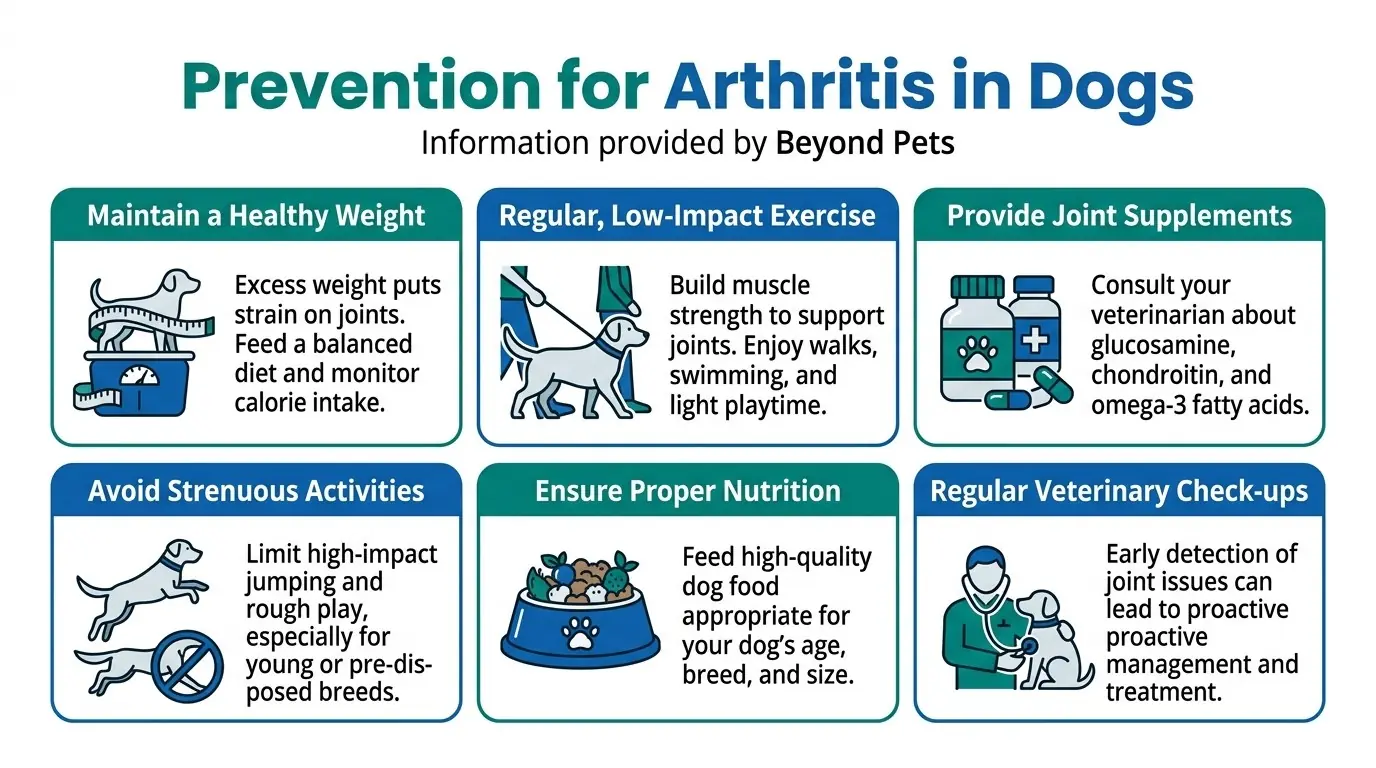
While we cannot entirely stop the hands of time or rewrite a dog’s genetic code, the progression and severity of canine arthritis can be profoundly influenced by proactive management early in life. There are many different types of arthritis, and while each ultimately requires a slightly different, specialized veterinary treatment plan, the foundational principles of prevention and delayed onset remain remarkably consistent across the board. The overarching goal is to minimize mechanical stress on the joints while maximizing the nutritional and muscular support structures surrounding those joints. By implementing a multifaceted lifestyle strategy from puppyhood through the senior years, pet owners can dramatically alter the trajectory of joint degeneration. However, there are several crucial, highly effective things you can do to help manage symptoms and prevent rapid deterioration. These include:[29]
- Exercise: Maintaining a highly consistent, low-impact exercise routine is paramount. Regular, controlled leash walks, swimming, and structured play sessions will help maintain optimal muscle strength, preserve joint mobility, and ensure overall cardiovascular fitness. Strong muscles are the best defense against joint wear, as they absorb the shock that would otherwise pound against the cartilage. Conversely, avoid the “weekend warrior” syndrome—letting a dog be sedentary all week and then forcing them into intense, exhausting physical exertion on the weekends—as this invites severe acute injury and chronic joint wear. Limit sedentary activities such as watching TV and playing computer games if possible, encouraging gentle, frequent movement instead.
- Diet and Weight Management: This cannot be overstated: keeping your dog exceptionally lean is the most powerful preventative measure available. A slim body condition score directly prevents mechanical joint overload. Furthermore, feeding a highly digestible, well-balanced diet rich in high-quality protein and potent anti-inflammatory omega-3 fatty acids will systematically support joint health at a cellular level. Avoiding low-quality commercial foods high in processed sugar, excessive carbohydrates, and starch will help reduce systemic, whole-body inflammation, creating a healthier environment for the joints to thrive.
- Lifestyle and Joint Protection: Limit physical and emotional stress by keeping your dog comfortably active, mentally stimulated, and physically busy, without pushing them past their limits. Try to keep his environment meticulously clean, safe, and free of environmental toxins or hazardous situations that invite slips, falls, and traumatic orthopedic injuries. Prevent young dogs from jumping off high surfaces or engaging in overly rough play that could damage developing growth plates.
- Routine Veterinary Care and Vaccinations: Preventative medicine is crucial. Make sure your dog gets all required vaccinations and stays current on high-quality flea and tick preventatives. Tick-borne diseases, such as Lyme disease, can cause severe, sudden, and highly destructive immune-mediated joint inflammation that can leave a legacy of permanent arthritic damage long after the infection is cleared. Regular veterinary exams allow for the early detection of joint issues before they become catastrophic.
- Early Intervention Supplements: Do not wait for your dog to be lame to start supporting their joints. Consider proactively using high-quality, scientifically validated glucosamine and chondroitin supplements, along with potent omega-3 fatty acids, early in life to provide the necessary biochemical precursors to help build up robust cartilage, ensure viscous synovial fluid, and strengthen the joints against the inevitable wear and tear of a happy, active life.
Dog Breeds That Can Benefit From Joint Supplements as Puppies
The concept of preventative joint care should ideally begin the day you bring your new puppy home, particularly if they belong to a breed known for orthopedic fragility. In breeds that have the genetic potential for severe developmental joint disease, it is highly recommended by veterinary specialists to start targeted joint supplements as early as eight weeks of age, alongside strict adherence to a slow-growth, large-breed puppy diet to prevent rapid bone spurts. These specific breeds and physical conformations are most commonly at incredibly high risk for common, debilitating joint issues across various parts of the skeletal anatomy:
- Hip and knee (Stifle): While absolutely any dog, from a tiny toy mix to a massive giant breed, can be affected by hip dysplasia or luxating patellas (slipping kneecaps), these specific breeds are seen most frequently in veterinary orthopedic practices:
- Toy breeds: Small dogs are notoriously prone to medial luxating patellas, a condition that inevitably causes severe knee arthritis. At-risk breeds include Miniature Poodles, Boston Terriers, Chihuahuas, Pugs (specifically for the knee), and Yorkshire Terriers.
- Medium to large breeds: These dogs frequently suffer from devastating hip dysplasia and cranial cruciate ligament disease. High-risk breeds include the American Staffordshire Terrier, the incredibly popular Labrador Retrievers, the Golden Retrievers, heavily muscled Boxers, stout American Bulldogs, English Bulldogs, the heavily sloped German Shepherds, and massive Mastiffs.
- Giant breeds: Carrying an immense amount of weight on rapidly growing skeletons makes giant breeds highly susceptible to early and severe osteoarthritis. Focus on Great Danes, and St. Bernards .
- Elbow (tends to be highly breed-specific): Elbow dysplasia is a heartbreaking developmental condition that causes severe front-leg lameness and massive arthritis early in life. The most affected breeds are English Bulldogs, chondrodystrophic breeds like Welsh Corgis, and Dachshunds, as well as large sporting breeds like Golden Retrievers and Labrador Retrievers.
- Shoulder (tends to be breed-specific): Shoulder issues, particularly Osteochondritis Dissecans (OCD) where a flap of cartilage fails to adhere to the underlying bone, predominantly strike rapidly growing large breeds such as Labradors and Golden Retrievers.
Frequently Asked Questions
How can I effectively manage my dog’s arthritis pain at home?
Managing your dog’s arthritis requires a comprehensive, multimodal approach under the strict guidance of a veterinary professional. Depending on the severity of the joint degeneration, your vet might suggest prescription anti-inflammatory medications, specialized nerve-pain medication prescribed by your veterinarian, or targeted joint injections. Your vet may also heavily prescribe physical therapy modalities to strengthen the supporting muscles, improve the restricted range of motion, and reduce compensatory muscle spasms. You should always follow your vet’s precise instructions carefully and never administer over-the-counter human pain medications, as these are highly toxic and frequently fatal to dogs. At home, you can utilize supportive orthopedic beds, lay down carpet runners to prevent slipping, install ramps to prevent jumping, and maintain strict weight control. Additionally, integrating high-quality omega-3 fatty acids, glucosamine/chondroitin, and specific veterinary-approved arthritis relief gels (ensuring your dog does not lick them off) can provide significant symptomatic relief and support long-term joint health.
Are there any serious side effects associated with arthritis medications?
Yes, while veterinary-prescribed anti-inflammatory medications are the cornerstone of controlling the severe inflammation and pain of canine osteoarthritis, they are not without potential risks. The most common side effects involve the gastrointestinal tract, as these drugs can sometimes irritate the stomach lining. In some instances, these anti-inflammatory medications might cause vomiting, a sudden decrease in appetite, or diarrhea in dogs. More severe, though less common, complications can involve liver or kidney toxicity, which is why your veterinarian requires baseline bloodwork before starting these medications and mandates regular blood testing to monitor organ function during long-term use. If you notice any signs of lethargy, dark or tarry stools, vomiting, or changes in drinking and urination habits while your dog is on arthritis medication, you must stop the drug immediately and contact your veterinary clinic. As always, consult your veterinarian before making any changes to your pet’s care or medication regimen.
Should I still walk or exercise my dog if they are diagnosed with severe arthritis?
Absolutely, but the type, duration, and intensity of the exercise must be drastically modified. Walking, in a controlled and deliberate manner, benefits almost all dogs with arthritis by preventing profound muscle atrophy, maintaining cardiovascular health, and keeping the joints lubricated through the stimulation of synovial fluid production. However, considering the specific activity level your dog can safely handle is absolutely essential, since too much high-impact activity or forced running can cause acute flare-ups and further irritate the structurally compromised joints. Please consult your veterinarian or a certified canine rehabilitation practitioner before you begin any new exercise routine, as they can help you design the best, highly customized plan for your dog. Swimming or hydrotherapy in an underwater treadmill is widely considered one of the best forms of exercise for arthritic dogs because it’s entirely low impact, utilizing the buoyancy of water to take the immense concussive pressure off the joints while still providing excellent physical resistance. Other strictly low-impact exercises, such as slow, deliberate walking on soft surfaces, gentle passive stretching, and targeted core-strengthening exercises on stability equipment, are also phenomenal ways to keep your dog fit and comfortable.
Schedule a Veterinary Appointment Today
If you notice any signs of joint stiffness, reluctance to play, or changes in your dog’s mobility, don’t wait for the symptoms to worsen. Early diagnosis and a comprehensive treatment plan can significantly improve your pet’s quality of life. Contact your local veterinary clinic today to schedule an appointment with a veterinarian and discuss the best approach for your furry friend’s joint health.
References
- Anderson, K. L., et al. “Prevalence, duration and risk factors for appendicular osteoarthritis in a UK dog population under primary veterinary care.” Scientific Reports, 2018.
- Johnston, S. A. “Osteoarthritis. Joint anatomy, physiology, and pathobiology.” The Veterinary Clinics of North America. Small Animal Practice, 1997.
- Rychel, J. K. “Diagnosis and treatment of osteoarthritis.” Topics in Companion Animal Medicine, 2010.
- Lascelles, B. D., et al. “Guidelines for safe and effective use of anti-inflammatory medications in dogs.” Veterinary Therapeutics, 2005.
- Pettitt, R. A., & German, A. J. “Investigation and management of canine osteoarthritis.” In Practice, 2015.
- Marshall, W. G., et al. “The effect of weight loss on lameness in obese dogs with osteoarthritis.” Veterinary Research Communications, 2010.
- Bennett, D., & May, C. “Joint diseases of dogs and cats.” Textbook of Veterinary Internal Medicine, 1995.
- Clements, D. N., et al. “Dog owner perceptions of canine osteoarthritis.” Veterinary Record, 2010.
- Marcellin-Little, D. J. “Septic arthritis in dogs.” The Veterinary Clinics of North America, 2005.
- Vandeweerd, J. M., et al. “Systematic review of efficacy of nutraceuticals to alleviate clinical signs of osteoarthritis.” Journal of Veterinary Internal Medicine, 2012.
- Rondeau, M. P., et al. “Immune-mediated polyarthritis in dogs: 43 cases.” Journal of the American Veterinary Medical Association, 2005.
- Colopy, S. A., et al. “Response to corticosteroids in dogs with idiopathic immune-mediated polyarthritis.” Journal of Veterinary Internal Medicine, 2015.
- Smith, G. K., et al. “Evaluation of risk factors for degenerative joint disease associated with hip dysplasia in German Shepherd Dogs.” JAVMA, 2001.
- Kealy, R. D., et al. “Effects of diet restriction on life span and age-related changes in dogs.” Journal of the American Veterinary Medical Association, 2002.
- Hedhammar, A., et al. “Overnutrition and skeletal disease. An experimental study in growing Great Dane dogs.” Cornell Veterinarian, 1974.
- Brown, D. C., et al. “Ability of the canine brief pain inventory to detect response to treatment in dogs with osteoarthritis.” JAVMA, 2008.
- Hielm-Björkman, A. K., et al. “Evaluating complementary therapies for canine osteoarthritis.” Evidence-Based Complementary and Alternative Medicine, 2009.
- Fox, S. M. “Chronic pain in small animal medicine.” Manson Publishing, 2010.
- Walton, M. B., et al. “Evaluation of construct and criterion validity for the ‘Liverpool Osteoarthritis in Dogs’ (LOAD) clinical metrology instrument.” PeerJ, 2013.
- Gordon, W. J., et al. “Correlation between radiographic severity of hip dysplasia and clinical status in dogs.” JAVMA, 2008.
- Parry, B. W. “Synovial fluid analysis.” Veterinary Clinics of North America: Small Animal Practice, 1999.
- Innes, J. F., et al. “Review of the safety and efficacy of long-term anti-inflammatory use in the treatment of canine osteoarthritis.” Veterinary Record, 2010.
- Cook, J. L., et al. “Minimally invasive approaches for joint diagnosis and treatment.” Veterinary Surgery, 2011.
- Millis, D. L., et al. “Canine Rehabilitation and Physical Therapy.” Elsevier Health Sciences, 2013.
- Chung, H., et al. “The nuts and bolts of low-level laser (light) therapy.” Annals of Biomedical Engineering, 2012.
- Habacher, G., et al. “Use of acupuncture for treating osteoarthritis pain in dogs.” JAVMA, 2006.
- Trotter, E. J., et al. “Disease-modifying osteoarthritis drugs in the treatment of canine osteoarthritis.” Veterinary Clinics of North America, 1998.
- Bland, S. D. “Canine osteoarthritis and treatments: a review.” Veterinary Science Development, 2015.
- Impellizeri, J. A., et al. “Effect of weight reduction on clinical signs of lameness in dogs with hip osteoarthritis.” JAVMA, 2000.
- Fritsch, D. A., et al. “A multicenter study of the effect of dietary supplementation with fish oil omega-3 fatty acids on prescription anti-inflammatory use in dogs with osteoarthritis.” JAVMA, 2010.