




 March 1, 2023
 Phil Good, DVM
What is Diabetes Mellitus in Dogs?
This content was prepared with AI assistance and reviewed by a licensed professional for accuracy.
Introduction
When pet parents notice their beloved companions drinking excessive amounts of water or losing weight despite a ravenous appetite, their first instinct is often a mix of confusion and concern. As a veterinarian, I frequently see these exact scenarios in the clinic. Understanding the nuances of diabetes mellitus in dogs is the first step toward regaining control over your pet’s health. Diabetes is a complex, chronic endocrine disorder that fundamentally alters how a dog’s body metabolizes glucose, which is the primary source of cellular energy. When left unmanaged, diabetic dogs can experience a cascade of systemic health issues, but with proactive veterinary care, these same dogs can lead incredibly full, vibrant, and normal lives.[1]
To truly grasp what diabetes mellitus entails, we must first look at the pancreas, a vital organ nestled near the stomach and small intestine. The pancreas serves a dual purpose: it produces digestive enzymes to break down food, and it houses specialized clusters of cells known as the Islets of Langerhans. Within these islets are the beta cells, which are exclusively responsible for synthesizing and secreting the blood-sugar regulating hormone. You can think of this blood-sugar hormone as a biological key. When a dog digests a meal, carbohydrates are broken down into glucose, which then enters the bloodstream. However, glucose cannot simply pass through cell membranes on its own. This hormone binds to specific cellular receptors, effectively unlocking the cell doors and allowing glucose to enter, where it is utilized for energy or stored for future use.[2]
In cases of diabetes mellitus in dogs, this delicate biological mechanism fails. The failure occurs either because the pancreas is completely unable to produce adequate blood-sugar hormone, or because the dog’s body cells have become remarkably resistant to the hormone that is circulating. Without this biological “key,” glucose remains trapped in the bloodstream, leading to a state known as hyperglycemia (dangerously high blood sugar). Meanwhile, because the body’s cells are completely deprived of their primary energy source, the dog essentially begins to starve at a cellular level, regardless of how much food they consume. This cellular starvation forces the liver to break down fat and muscle tissue for alternative energy, leading to the rapid and puzzling weight loss so characteristic of the disease.[3]
The prevalence of this condition has been steadily rising in the canine population over the last few decades, mirroring trends seen in human medicine. Estimates suggest that approximately one in every 300 adult dogs will develop diabetes during their lifetime. While an initial diagnosis can feel incredibly overwhelming for a pet parent, it is important to recognize that veterinary medicine has advanced significantly. We now possess highly sophisticated monitoring tools, specialized dietary formulas, and purified diabetes medications that make managing this condition more achievable than ever before. With dedication, education, and a strong partnership with your veterinary team, managing diabetes simply becomes a new daily routine rather than a life-limiting obstacle.[4]
Types of Diabetes Mellitus in Dogs
In both veterinary and human medicine, diabetes is typically categorized into different types based on the underlying physiological failure. However, the way diabetes presents in the canine population is distinctly different from both humans and felines. While humans frequently develop Type 2 diabetes (often linked to lifestyle factors and characterized by hormone resistance), dogs are almost exclusively prone to a condition that closely mirrors human Type 1 diabetes. Understanding the exact type of diabetes your dog is facing is crucial, as it dictates the entire therapeutic approach, the lifelong prognosis, and the likelihood of achieving remission. Let us deeply explore the primary manifestation of this disease in our canine companions.[5]
Hormone-Deficiency Diabetes (IDD)
Hormone-Deficiency Diabetes, commonly referred to as IDD, Type 1 diabetes, or medication-dependent diabetes, accounts for virtually all cases of naturally occurring diabetes mellitus in dogs. In a healthy dog, the pancreatic beta cells continuously monitor blood glucose levels and release precise amounts of the blood-sugar hormone to maintain perfect metabolic harmony. In a dog with IDD, these beta cells have been irreversibly destroyed or severely damaged. By the time a dog begins showing outward clinical signs of diabetes—such as excessive thirst or urination—it is estimated that 70 to 90 percent of their pancreatic beta cells have already been lost. Because the body is no longer capable of manufacturing its own blood-sugar hormone, these dogs will require lifelong, daily injections of exogenous (medical) diabetes medication to survive.[6]
The destruction of beta cells in IDD is most frequently the result of an immune-mediated process. For reasons that researchers are still unraveling, the dog’s own immune system misidentifies the pancreatic beta cells as foreign invaders and launches a targeted, progressive attack against them. This condition, known as immune-mediated insulitis, can quietly progress over months or even years before pushing the dog into a state of absolute hormone deficiency. Genetics play a massive role in this immune dysfunction, explaining why certain breeds are vastly overrepresented in diabetic populations. While IDD is an irreversible condition—meaning canine diabetes cannot be “cured” or managed through diet and exercise alone—it is highly treatable. Exogenous diabetes treatment replaces the missing hormone, restoring the body’s ability to utilize glucose and preventing the devastating consequences of cellular starvation.[7]
It is worth briefly noting the concept of Hormone-Resistance Diabetes (IRD), which is somewhat analogous to human Type 2 diabetes. While incredibly rare as a primary disease in dogs, secondary hormone resistance can complicate IDD or temporarily push a pre-diabetic dog over the edge into clinical illness. In a state of hormone resistance, the pancreas may still be producing the blood-sugar hormone, but the body’s tissues (such as muscle, fat, and liver cells) fail to respond to it appropriately. This is most often triggered by concurrent hormonal imbalances, severe obesity, or the administration of certain potent medications. However, even if a dog experiences severe hormone resistance, the continuous overworking of the pancreas eventually leads to beta cell exhaustion and death, ultimately resulting in the same absolute hormone deficiency seen in IDD. Therefore, regardless of how the disease originates, almost every diabetic dog will eventually require lifelong diabetes treatment.[8]
Causes of Diabetes Mellitus in Dogs
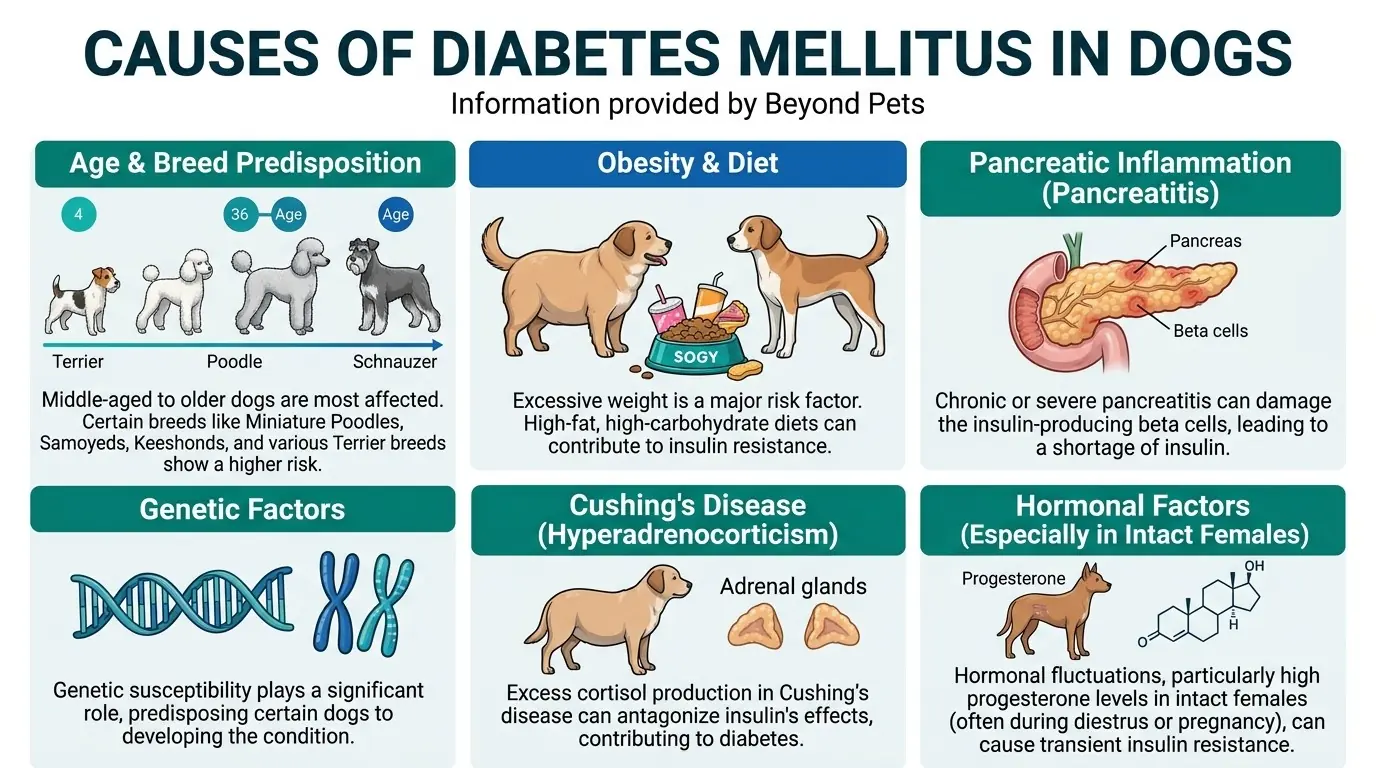
The exact cause of diabetes mellitus in dogs is multifactorial, meaning that it usually takes a combination of genetics, environmental triggers, and underlying health conditions to initiate the irreversible destruction of the pancreatic beta cells. Because the disease process is complex, veterinary researchers have spent decades attempting to map out the specific risk factors that predispose our canine companions to this life-altering condition. By identifying these triggers, we can not only better understand the disease but also take proactive steps to protect at-risk pets. The interplay between genetics, inflammation, hormones, and body condition forms the foundation of canine diabetes pathology.[9]
Genetics and breed predisposition represent some of the most significant risk factors. Just as certain human families have a higher incidence of autoimmune diseases, specific dog breeds carry genetic mutations that dramatically increase their susceptibility to immune-mediated beta cell destruction. Samoyeds, Keeshonds, Miniature Schnauzers, Miniature Poodles, Pugs, Toy Poodles, and various terrier breeds (such as the Australian Terrier and Cairn Terrier) are all known to have a higher-than-average risk. Interestingly, while these purebreds are genetically predisposed, mixed-breed dogs are also frequently diagnosed with the condition. The genetic markers associated with canine diabetes are highly complex, involving multiple genes that regulate the immune system’s ability to distinguish between self and non-self tissues.[10]
Chronic pancreatitis is another leading catalyst for the development of diabetes. The pancreas is an incredibly sensitive organ. When it becomes inflamed—a painful condition known as pancreatitis—the digestive enzymes it produces can activate prematurely, essentially causing the organ to digest itself. Severe or repeated bouts of pancreatitis cause extensive scarring and tissue necrosis (death) throughout the pancreas. If this inflammatory collateral damage wipes out the Islets of Langerhans where the beta cells reside, the dog will lose its ability to produce the blood-sugar hormone. Miniature Schnauzers, for example, are highly prone to hyperlipidemia (high levels of fat in the blood), which directly triggers chronic pancreatitis, thereby doubling their risk of subsequently developing diabetes.[11]
Hormonal fluctuations and concurrent endocrine diseases also play a massive role in precipitating clinical diabetes by inducing severe hormone resistance. When the body cells resist the hormone, the pancreas has to work overtime, eventually leading to beta cell failure. For example, dogs suffering from hyperadrenocorticism, commonly known as Cushing’s disease, have chronically elevated levels of cortisol. Cortisol is a stress hormone that actively antagonizes the effects of the blood-sugar hormone, preventing glucose from entering cells and keeping blood sugar artificially high. Treating the underlying Cushing’s disease is critical, as failing to do so will make the diabetes nearly impossible to regulate.[12]
Another major hormonal trigger occurs in unspayed female dogs during the diestrus phase of their reproductive cycle. Following a heat cycle, an intact female dog’s body produces high levels of progesterone for several weeks, regardless of whether she is pregnant. Progesterone stimulates the mammary glands to produce excessive amounts of growth hormone, which is one of the most potent hormone antagonists known in veterinary medicine. This progesterone-induced hormone resistance can quickly push a susceptible female dog into full-blown diabetes. In some rare cases, if the dog is spayed immediately upon diagnosis before the beta cells are completely exhausted, the diabetes may resolve, although most will eventually require lifelong diabetes medication regardless.[13]
Body condition and dietary management cannot be overlooked when discussing metabolic diseases. While feline diabetes is heavily driven by obesity, the link is slightly different in canines. However, Overweight dogs are more prone to hormone resistance, which places undue stress on the pancreas. Excessive adipose (fat) tissue is not just a storage depot; it is an active endocrine organ that secretes inflammatory cytokines that block hormone receptors. Furthermore, certain medications, particularly long-term or high-dose corticosteroids (like an anti-inflammatory steroid) recommended for allergies or immune diseases, artificially elevate blood glucose and induce profound hormone resistance. Veterinarians must always weigh the benefits of these medications against the risk of inducing iatrogenic (medically caused) diabetes.[14]
Symptoms of Diabetes Mellitus in Dogs
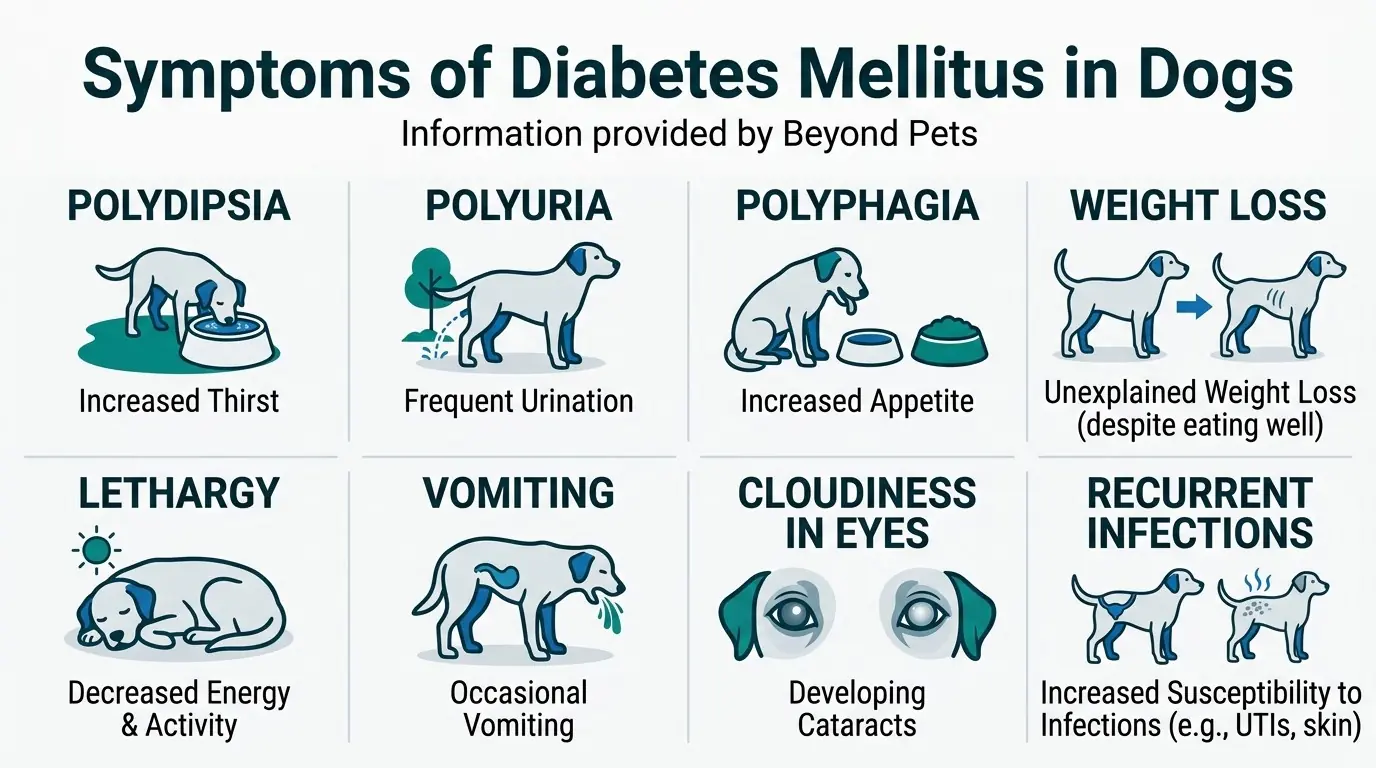
Recognizing the clinical signs of diabetes early can dramatically improve a dog’s prognosis and prevent the onset of life-threatening emergencies. Because diabetes is a systemic metabolic failure, the symptoms manifest in a highly predictable, albeit progressive, pattern. Pet parents are often the first to notice these subtle behavioral and physical changes, making at-home observation a crucial part of veterinary diagnostics. The hallmark symptoms of diabetes are intrinsically linked to the high levels of sugar circulating in the bloodstream and the simultaneous starvation of the body’s cells.[15]
The most commonly reported, and often the earliest, symptoms are polyuria (excessive urination) and polydipsia (excessive thirst), frequently abbreviated by veterinarians as PU/PD. To understand why this happens, we must look at the kidneys. The kidneys filter blood and reabsorb glucose so that this precious energy source is not lost in the urine. However, dogs have a “renal threshold” for glucose—usually around 180 to 220 mg/dL. When blood sugar levels exceed this threshold due to a lack of the blood-sugar hormone, the kidneys simply cannot reabsorb it all. The excess glucose spills over into the urine. Because glucose is highly osmotic, it pulls massive amounts of water with it into the urinary tract. This leads to the production of huge volumes of dilute urine. The dog begins urinating frequently, sometimes having accidents in the house. To compensate for this rapid fluid loss and avoid fatal dehydration, the dog develops an unquenchable thirst, often draining their water bowl multiple times a day or even seeking water from toilets and puddles.[16]
Simultaneously, pet parents often notice profound polyphagia (excessive hunger) coupled with paradoxical weight loss. This happens because, despite eating voraciously, the dog’s body cannot utilize the calories consumed. Without the blood-sugar hormone to unlock the cells, the glucose from their meals remains uselessly trapped in the bloodstream. The brain senses that the cells are starving and signals the dog to eat more. At the same time, the body enters a catabolic state, breaking down its own fat reserves and muscle tissue to generate alternative forms of energy. This results in a dog who is losing muscle mass, exhibiting a prominent spine and ribs, yet constantly begging for food.[17]
As the disease progresses unchecked, secondary complications begin to present as glaring symptoms. One of the most devastating and rapid changes is the development of diabetic cataracts. Due to an alternative metabolic pathway (the aldose reductase pathway), excess glucose in the eye is converted into sorbitol. Sorbitol acts like a sponge, pulling water into the lens of the eye, causing it to swell, disrupt its normal fiber arrangement, and turn rapidly opaque. A dog with previously clear eyes can develop blinding, dense white cataracts in a matter of weeks, leading to sudden blindness, clumsiness, and extreme anxiety.[18]
Other progressive symptoms include chronic lethargy, a dull and unkempt coat, and a high susceptibility to secondary infections, particularly chronic skin and urinary tract infections. Bacteria thrive in sugar-rich environments; therefore, urine laden with glucose becomes a perfect breeding ground for severe bacterial cystitis. In the most advanced, uncontrolled stages, dogs may develop Diabetic Ketoacidosis (DKA), a critical emergency characterized by severe vomiting, profound weakness, anorexia, rapid breathing, and a distinct sweet or acetone-like odor to the breath. DKA is fatal without immediate, intensive veterinary intervention.[19]
Diagnosing Diabetes Mellitus in Dogs
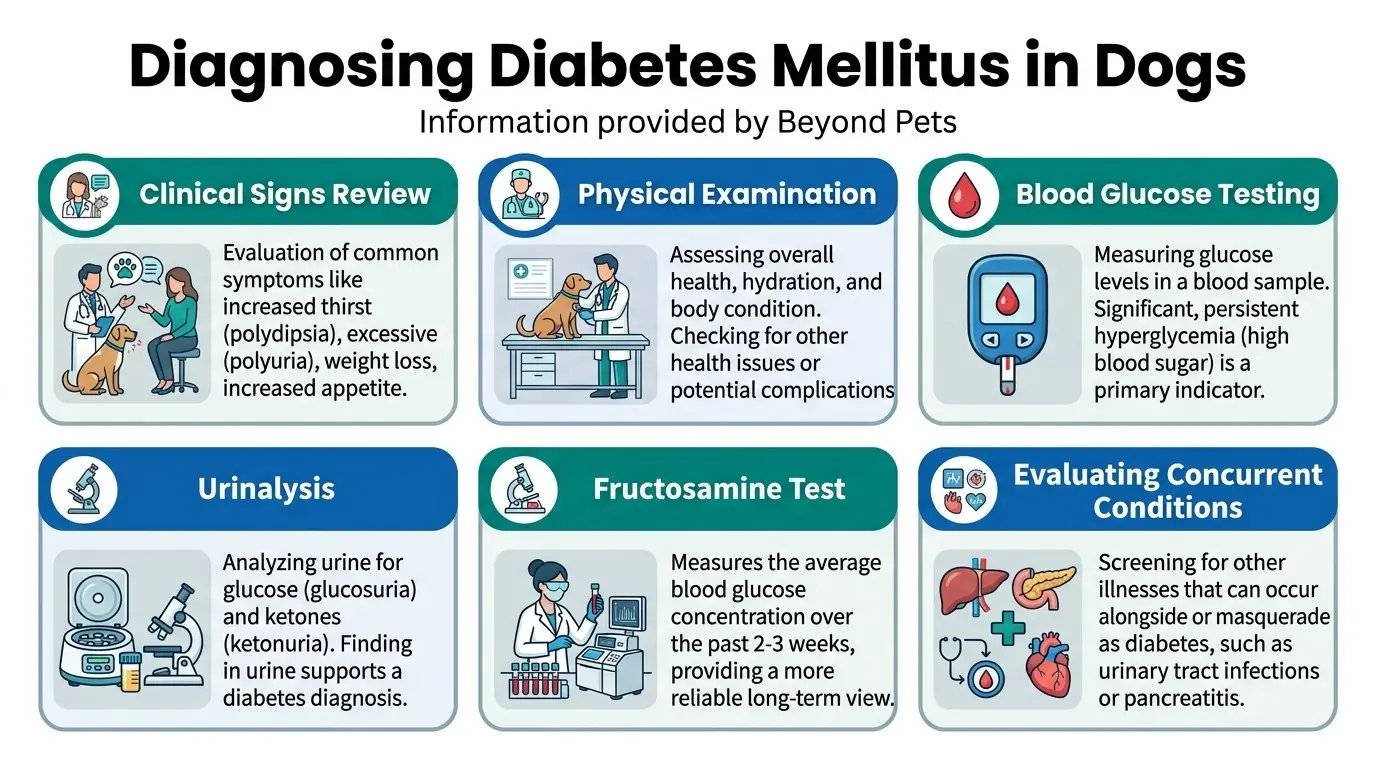
Arriving at a definitive diagnosis of diabetes mellitus is a straightforward process, but it requires a methodical approach by your veterinary team to assess the severity of the disease and rule out other conditions that mimic its symptoms. Diseases like chronic kidney failure, hyperadrenocorticism, and pyometra (a life-threatening uterine infection) can all cause identical symptoms of excessive drinking and urination. Therefore, a comprehensive diagnostic workup is imperative to tailor a safe and effective treatment plan for the individual patient.[20]
Blood Tests
The cornerstone of diagnosing diabetes mellitus involves comprehensive blood testing, specifically a complete blood count (CBC) and a serum biochemistry profile. The most immediate indicator is persistent fasting hyperglycemia—blood glucose levels that are exceptionally high even when the dog has not eaten for several hours. While a normal canine blood glucose level typically ranges between 75 and 120 mg/dL, diabetic dogs routinely present with fasting levels exceeding 300, 400, or even 500 mg/dL. The biochemistry panel also allows the veterinarian to evaluate the liver and kidneys. Elevated liver enzymes (such as ALT and ALP) are incredibly common in diabetic dogs due to hepatic lipidosis, a condition where the liver becomes overwhelmed and swollen with mobilized fat as the body desperately tries to create alternative energy sources.[21]
Urine Tests
Blood tests alone are insufficient for a complete diagnosis; they must always be paired with a comprehensive urinalysis. The presence of massive amounts of glucose in the urine (glucosuria) alongside high blood sugar is the definitive hallmark of diabetes mellitus. Furthermore, the veterinary team will use urine dipsticks to check for the presence of ketones (ketonuria). Ketones are toxic byproducts of rapid fat breakdown; their presence indicates that the dog is slipping into the dangerous metabolic state of ketoacidosis and requires far more aggressive, immediate treatment. Because diabetic dogs are highly prone to silent urinary tract infections (infections that show no outward signs like straining to urinate), a sterile urine sample is often cultured in a laboratory to check for bacterial growth. Treating an underlying UTI is vital, as the infection itself will cause severe hormone resistance.[22]
Physical Examination and Clinical Signs
A thorough, hands-on physical examination provides invaluable clues to the veterinarian and helps establish a baseline for future monitoring. The vet will palpate (feel) the abdomen, often noting hepatomegaly, which is an enlarged liver caused by fat accumulation. They will assess the dog’s body condition score, noting the loss of muscle mass along the spine and hindquarters, even if the dog maintains a layer of belly fat. The veterinarian will also perform a detailed ophthalmic exam using an ophthalmoscope to check the lenses for early cataract formation and to evaluate the retinas for signs of diabetic retinopathy. Additionally, they will assess the dog’s hydration status by checking the elasticity of the skin and the moisture of the gums, as the excessive urination associated with diabetes frequently leads to chronic, low-grade dehydration.[23]
Further Diagnostic Tests
Depending on the initial findings, further specialized diagnostic tests may be warranted to establish a complete picture of the dog’s health. One such test is the measurement of serum fructosamine. While a standard blood glucose test only provides a snapshot of the sugar levels at that exact second, fructosamine levels reflect the average blood glucose concentration over the preceding two to three weeks. Fructosamine is created when glucose irreversibly binds to blood proteins. This test is highly beneficial for confirming a diagnosis in dogs that might be experiencing temporary “stress hyperglycemia” (a sudden spike in blood sugar due to the anxiety of a vet visit), though this phenomenon is far more common in cats than dogs. Additionally, veterinarians may run a specific pancreatic blood test, such as a cPLI (canine Pancreatic Lipase Immunoreactivity), to rule out concurrent pancreatitis, or perform an abdominal ultrasound to visually inspect the pancreas, liver, and adrenal glands for tumors or structural abnormalities.[24]
Treatment of Diabetes Mellitus in Dogs
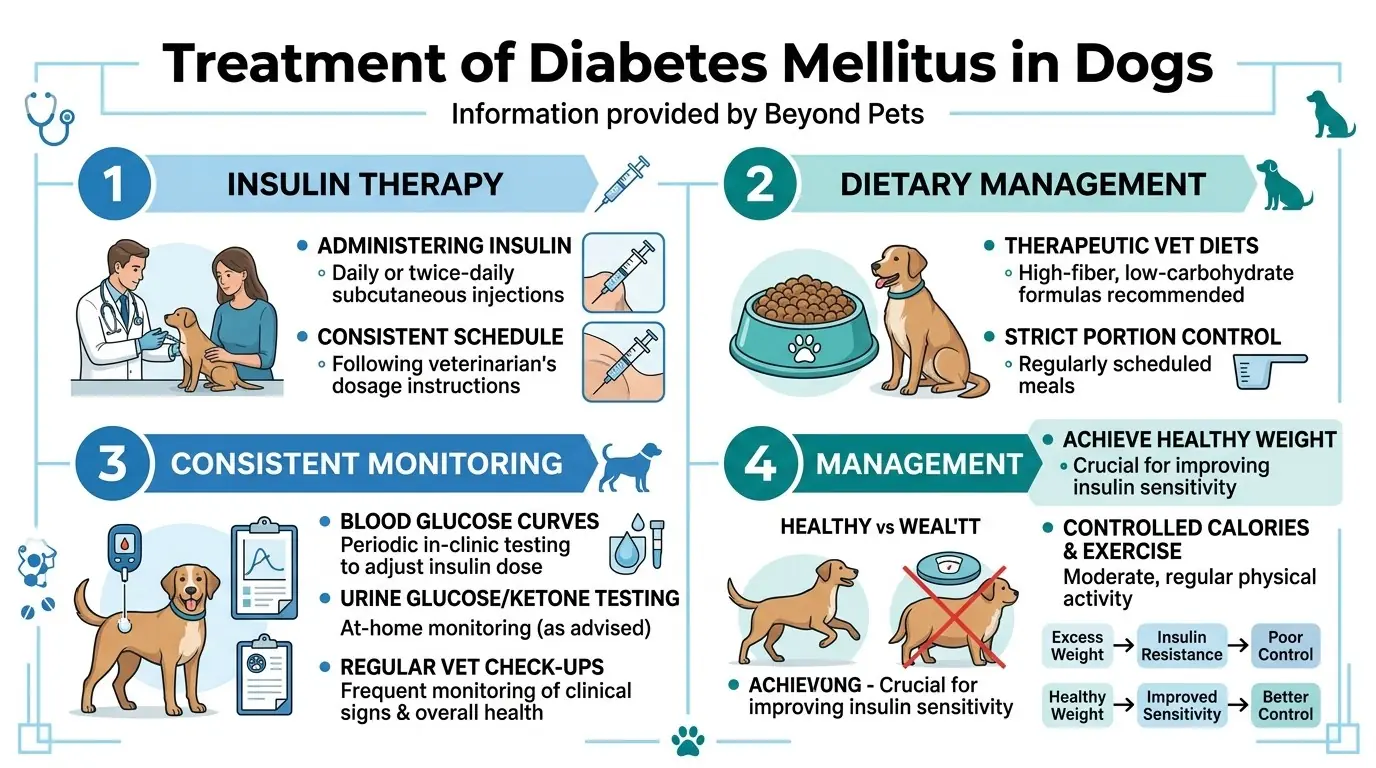
The successful management of canine diabetes requires a lifelong commitment, immense consistency, and a strong partnership between the pet owner and the veterinary team. Unlike humans with Type 2 diabetes who might manage their condition with oral medications or lifestyle changes alone, dogs with hormone-deficiency diabetes require a multi-modal approach. The treatment protocol encompasses daily hormone replacement, strict dietary regulation, managed physical activity, and vigilant home monitoring. While the diagnosis may initially seem daunting, most owners are pleasantly surprised by how quickly they adapt to the routine, ultimately restoring their dog’s vitality and quality of life.[25]
Medication-Based Therapy
Because the diabetic dog’s pancreas has irreversibly lost its ability to produce the blood-sugar hormone, exogenous (injectable) diabetes treatment is an absolute requirement for survival. Almost all diabetic dogs require injections twice daily, typically spaced 12 hours apart, administered via a tiny, ultra-fine needle just under the skin (subcutaneously). Veterinarians utilize various types of diabetes medication depending on the dog’s specific metabolic needs. Intermediate-acting diabetes medications, such as a standard diabetes medication (a specific medication) or porcine zinc diabetes medication (a veterinary diabetes medication), are the most commonly recommended first-line choices for dogs. These diabetes medications have a chemical structure that provides a steady, predictable release over a 10 to 14-hour period. In some cases, long-acting diabetes medications like a basal diabetes medication or another specific medication may be used.[26]
Proper handling and administration of diabetes medication are critical to treatment success. This diabetes medication is a fragile protein; vigorously shaking the vial can break the molecular bonds and render the medication useless. Instead, owners are taught to gently roll the vial between their palms to mix the suspension before drawing it into the syringe. It is also vital to use the correct syringe type—U-40 syringes for veterinary diabetes medication, and U-100 syringes for standard or human diabetes medications—as mixing them up can lead to fatal overdoses or severe underdosing. Injection sites should be rotated daily along the scruff, shoulders, and flanks to prevent the build-up of scar tissue, which can drastically impede the absorption of the diabetes medication into the bloodstream.[27]
Nutritional Management
Diabetes treatment alone cannot achieve metabolic stability without the foundation of a strict, highly regulated nutritional protocol. The primary goal of a diabetic diet is to minimize massive post-meal spikes in blood sugar. To achieve this, veterinarians typically recommend a diet formulated with high levels of complex carbohydrates and, most importantly, balanced dietary fiber. Fiber comes in two forms: soluble and insoluble. Insoluble fiber slows the rate at which the stomach empties and delays the digestion and absorption of complex carbohydrates in the intestines. This slow, trickling absorption of glucose perfectly matches the steady release profile of the injected diabetes medication, keeping blood sugar levels on an even keel throughout the day.[28]
Equally as important as what the dog eats is *when* the dog eats. Consistency is the golden rule of diabetic management. Dogs must be fed carefully measured, identical portions twice a day, perfectly synchronized with their diabetes medication injections. Semi-moist commercial dog foods and soft treats should be strictly avoided, as they are manufactured using simple sugars and propylene glycol (a carbohydrate derivative) that cause immediate, uncontrollable spikes in blood glucose. If treats are necessary for training or bonding, they must be low-calorie, high-protein, or high-fiber options, such as freeze-dried meats or specific diabetic veterinary treats, and they must be factored into the dog’s overall daily caloric intake.[29]
Consistent Exercise
Exercise plays a fascinating and vital role in the management of diabetes. Physical activity directly increases blood flow to skeletal muscles and drastically enhances the sensitivity of muscle cells to circulating diabetes medication. In fact, intense exercise can even trigger muscle cells to absorb glucose independent of the diabetes medication. While this sounds beneficial, it means that sudden, intense bursts of exercise can lead to a dangerous, rapid drop in blood sugar (hypoglycemia). Therefore, the key to exercising a diabetic dog is rigid consistency. A 30-minute moderate walk every single day is vastly superior, and much safer, than keeping the dog sedentary all week and taking them for an exhaustive three-hour hike on the weekend. Pet parents should always carry an emergency sugar source, such as a tube of Karo syrup or a specialized glucose paste, during walks in case the dog exhibits signs of weakness, trembling, or disorientation.[30]
Routine Health Surveillance
Managing diabetes is not a “set it and forget it” endeavor; it requires ongoing, routine health surveillance to ensure the diabetes medication dose remains appropriate as the dog’s body changes over time. Historically, the gold standard for monitoring has been the blood glucose curve. This involves the dog spending the day at the veterinary clinic (or the owner performing the test at home), where blood is drawn every two hours for a 12 to 24-hour period. By plotting these numbers on a graph, the veterinarian can see exactly when the diabetes medication reaches its peak effect (the nadir) and how long it lasts in the body, allowing for precise dosage adjustments. Adjusting a diabetes medication dose based on a single blood glucose reading is incredibly dangerous and is strongly discouraged.[31]
In recent years, the management of canine diabetes has been revolutionized by the use of Continuous Glucose Monitors (CGMs), such as the FreeStyle Libre. A veterinarian can painlessly attach a small sensor to the dog’s skin, usually on the back of the neck, which continuously measures the glucose levels in the interstitial fluid. Owners can then scan the sensor with their smartphone to get real-time glucose readings, trend arrows, and comprehensive 14-day graphs without ever having to prick their dog with a needle. This technology not only dramatically reduces the stress of monitoring but also provides a much clearer picture of what the dog’s blood sugar is doing in the comfort of their home environment. Fructosamine blood tests are also routinely used every few months to provide a broad overview of long-term glycemic control.[32]
Addressing Secondary Symptoms or Complications
Even with excellent management, diabetic dogs are susceptible to secondary complications that must be addressed swiftly to maintain their quality of life. The most prevalent complication is the development of bilateral diabetic cataracts. While cataracts lead to irreversible blindness, the condition can be surgically corrected by a board-certified veterinary ophthalmologist. The procedure, called phacoemulsification, involves breaking up the opaque lens and replacing it with an artificial synthetic lens, immediately restoring the dog’s vision. Because cataracts can cause severe, painful inflammation within the eye (lens-induced uveitis), dogs should be evaluated by an ophthalmologist as soon as cloudiness is noted.[33]
Another major area of concern is the high incidence of bacterial urinary tract infections. Owners should be vigilant for signs of straining or frequent small urinations, and veterinarians will often recommend routine urine cultures every six months. If a dog experiences an emergency complication like Diabetic Ketoacidosis (DKA) or severe hypoglycemia, immediate hospitalization is required. DKA is treated with intensive intravenous fluids, continuous fast-acting diabetes medication infusions, and careful correction of severe electrolyte imbalances. Ultimately, you should consult your veterinarian before making any changes to your pet’s care, particularly regarding diabetes medication dosages or dietary shifts, to avoid triggering these life-threatening emergencies.[34]
Prevention of Diabetes in Dogs
While the genetic and autoimmune factors that drive the destruction of the beta cells cannot be altered or entirely prevented, pet owners wield significant power in mitigating the environmental and lifestyle triggers that push a susceptible dog into full clinical diabetes. Taking a proactive approach to your dog’s daily care can vastly reduce the risk of hormone resistance, preserving the health of the pancreas for as long as possible. The foundations of prevention are rooted in excellent nutrition, reproductive management, and maintaining a lean body condition.[35]
One of the most definitive preventative measures for female dogs is having them spayed (ovariohysterectomy) at an appropriate age. Because the hormonal surges of diestrus directly cause profound hormone resistance and beta cell exhaustion, spaying removes the risk of progesterone-induced diabetes entirely. Furthermore, strict weight management is paramount. Feeding a balanced diet, carefully measuring portions, and ensuring your dog receives daily, vigorous exercise will prevent the accumulation of inflammatory adipose tissue. Avoiding highly processed, high-fat diets is also critical, as fatty meals are the primary trigger for acute and chronic pancreatitis, a disease that destroys the hormone-producing tissue.[36]
Lastly, establishing a consistent relationship with a veterinary team ensures that subtle changes in your pet’s health are caught early. Routine annual or bi-annual blood work for senior dogs can detect early signs of diabetes and other health conditions before they manifest as severe clinical illness. Pet parents must also be aware that certain factors may increase the risk of developing diabetes in dogs, such as obesity, genetic predisposition, and the use of certain medications like systemic steroids. If your dog requires steroid therapy for a chronic condition, your veterinarian will work to find the lowest effective dose or seek non-steroidal alternatives to protect their metabolic health.[37]
Frequently Asked Questions
How long can a dog live after being diagnosed with diabetes mellitus?
With dedicated care, precise diabetes medication administration, and consistent veterinary monitoring, a diabetic dog can live a remarkably normal, full lifespan. The prognosis largely depends on how early the disease is caught and how well it is managed. Most well-regulated dogs live for many years following their diagnosis, dying of natural old-age causes rather than diabetes itself. However, if the diabetes is left uncontrolled, the excessive sugar levels cause massive systemic damage over time. A serious complication for older, poorly regulated dogs is kidney failure, alongside an increased risk of liver disease and severe infections. Diligent daily management is the key to longevity.[38]
Will my diabetic dog eventually go blind?
It is an unfortunate reality that the majority of dogs with diabetes will eventually develop diabetic cataracts, often within the first year of diagnosis, regardless of how perfectly their blood sugar is controlled. This happens due to a unique metabolic pathway in the canine eye that converts excess glucose into a sugar alcohol called sorbitol, pulling water into the lens and causing rapid opacity. While this is one of the most distressing eye problems for owners to witness, blindness does not mean the end of a good quality of life. Dogs adapt to vision loss remarkably well using their acute senses of smell and hearing. Furthermore, veterinary ophthalmologists can perform cataract surgery to completely restore their vision, making this a highly treatable complication.[39]
Can canine diabetes be cured with oral pills instead of injections?
No, diabetes in dogs cannot be cured or managed with oral medications. Human oral diabetic drugs are designed for Type 2 diabetes; they work by stimulating a sluggish pancreas to release more blood-sugar hormone or by increasing the body’s sensitivity to existing blood-sugar hormone. Because dogs suffer from Hormone-Deficiency Diabetes (akin to human Type 1), their pancreatic beta cells have been permanently destroyed and there is no residual blood-sugar hormone for oral pills to stimulate. Exogenous diabetes medication injections are the only way to replace the missing hormone. While the prospect of giving daily injections is initially terrifying for most owners, the needles used are incredibly thin, and most dogs do not even feel the injection when it is given during mealtime.[40]
References
- American Veterinary Medical Association (AVMA). Diabetes in Pets. AVMA, 2023.
- Merck Veterinary Manual. Endocrine Function of the Pancreas. Merck & Co., 2022.
- Catchpole, B., et al. Canine diabetes mellitus: Can old dogs teach us new tricks? Diabetologia, 2015.
- American Animal Hospital Association (AAHA). AAHA Diabetes Management Guidelines for Dogs and Cats. AAHA, 2018.
- Behrend, E., et al. 2018 AAHA Diabetes Management Guidelines for Dogs and Cats. Journal of the American Animal Hospital Association, 2018.
- Cornell University Riney Canine Health Center. Managing Canine Diabetes. Cornell University, 2023.
- Nelson, R.W. Canine Diabetes Mellitus. In Canine and Feline Endocrinology, Elsevier, 2015.
- VCA Animal Hospitals. Diabetes Mellitus in Dogs. VCA Hospitals, 2021.
- Feldman, E.C. Pathophysiology of Diabetes Mellitus. Veterinary Information Network (VIN), 2008.
- Hess, R.S., et al. Breed distribution of dogs with diabetes mellitus admitted to a tertiary care facility. Journal of the American Veterinary Medical Association, 2000.
- Watson, P.J. Chronic pancreatitis in dogs. Topics in Companion Animal Medicine, 2012.
- Hess, R.S., et al. Concurrent disorders in dogs with diabetes mellitus. Journal of the American Veterinary Medical Association, 2000.
- Merck Veterinary Manual. Diabetes Mellitus in Dogs and Cats. Merck & Co., 2022.
- Kawasumi, M., et al. Hormone resistance in obese dogs. Veterinary Record, 2003.
- ASPCA. Common Dog Diseases: Diabetes. American Society for the Prevention of Cruelty to Animals, 2022.
- Rand, J.S. Pathogenesis of Canine Diabetes. Veterinary Clinics of North America: Small Animal Practice, 2013.
- Fleeman, L.M., & Rand, J.S. Management of Canine Diabetes. Veterinary Clinics of North America, 2001.
- Beam, S., et al. A retrospective cohort study on the development of cataracts in dogs with diabetes mellitus. Journal of the American Veterinary Medical Association, 1999.
- Hume, D.Z., et al. Retrospective study of risk factors for uncomplicated and complicated diabetes mellitus in dogs. Journal of Veterinary Internal Medicine, 2006.
- Feldman, E.C., & Nelson, R.W. Canine and Feline Endocrinology and Reproduction. Saunders, 2004.
- Ettinger, S.J., et al. Textbook of Veterinary Internal Medicine. Elsevier, 2017.
- McGuire, N.C., et al. Urinary tract infections in dogs with diabetes mellitus. Journal of the American Animal Hospital Association, 2002.
- Cornell University College of Veterinary Medicine. Ophthalmic Examination and Diabetic Cataracts. 2022.
- Loste, A., & Marca, M.C. Fructosamine and glycated hemoglobin in the assessment of glycaemic control in dogs. Veterinary Research, 2001.
- American Animal Hospital Association. Canine Diabetes: Management for Pet Owners. AAHA, 2020.
- Gilor, C., et al. Pharmacology of injectable diabetes medications in dogs and cats. Journal of Veterinary Internal Medicine, 2015.
- Merck Veterinary Manual. Diabetes Medication Therapy in Animals. Merck & Co., 2022.
- Graham, P.A., et al. Influence of a high-fibre diet on glycaemic control in dogs. Journal of Small Animal Practice, 2002.
- Kimmel, S.E., et al. Clinicopathological, nutritional, and metabolic characteristics of dogs with diabetes. Journal of the American Veterinary Medical Association, 2000.
- Mancini, S., et al. Exercise-induced physiological modifications in canine models. Veterinary Journal, 2011.
- Fleeman, L.M., & Rand, J.S. Evaluation of day-to-day variability of serial blood glucose concentration curves in diabetic dogs. Journal of the American Veterinary Medical Association, 2003.
- Corradini, S., et al. Use of a flash glucose monitoring system in dogs with diabetes mellitus. Journal of Veterinary Internal Medicine, 2016.
- Landry, M.P., et al. Phacoemulsification in dogs: A retrospective study. Veterinary Ophthalmology, 2018.
- Macintire, D.K. Treatment of diabetic ketoacidosis in dogs. Veterinary Clinics of North America, 2001.
- Centers for Disease Control and Prevention (CDC). Principles of Diabetes Prevention (Cross-species metabolic analysis). CDC, 2021.
- Fall, T., et al. Diabetes mellitus in a population of 180,000 insured dogs: incidence, survival, and breed distribution. Journal of Veterinary Internal Medicine, 2007.
- Mattin, M., et al. An epidemiological study of diabetes mellitus in dogs attending first opinion practice in the UK. Veterinary Record, 2014.
- O’Neill, D.G., et al. Epidemiology of Diabetes Mellitus among 193,435 Cats and Dogs. PLOS One, 2015.
- American College of Veterinary Ophthalmologists (ACVO). Diabetic Cataracts in Dogs. ACVO, 2022.
- Nelson, R.W. Oral hypoglycemic drugs and management of diabetes in dogs and cats. Veterinary Clinics of North America, 2001.