



 March 1, 2023
 Phil Good, DVM
Periodontal Disease in Dogs: Exploring Canine Gum Disease
This content was prepared with AI assistance and reviewed by a licensed professional for accuracy.
Introduction
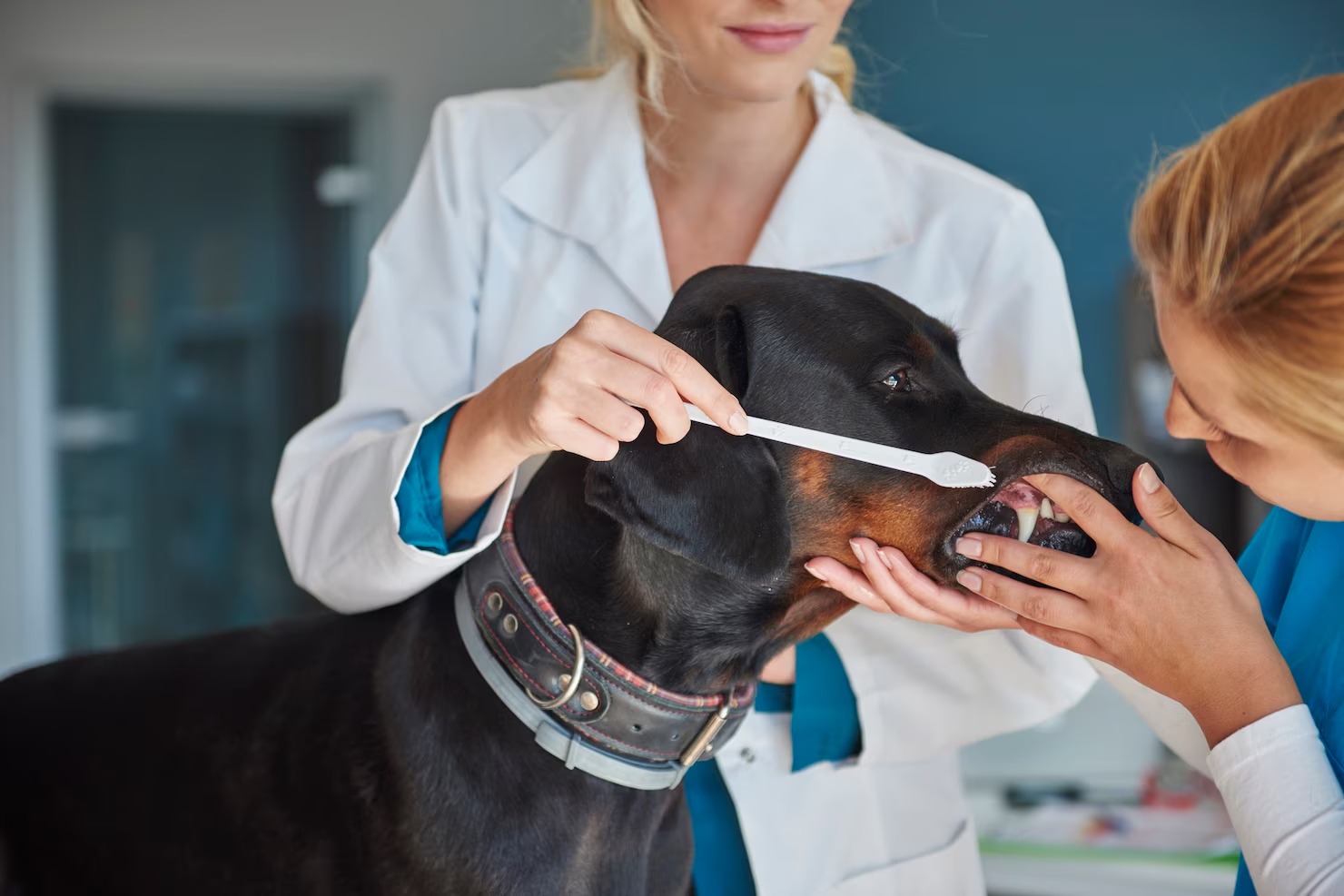
When it comes to maintaining the lifelong health of our canine companions, understanding Periodontal Disease in Dogs is absolutely essential. Often referred to simply as gum disease, this condition is far more than just a cosmetic issue or a cause of bad breath. It is a progressive, chronic, and highly destructive inflammatory condition that affects the deep structural tissues surrounding and supporting the dog’s teeth. Current epidemiological studies consistently demonstrate that periodontal disease is the single most common disease in dogs, affecting an estimated 80% to 90% of all dogs by the time they reach just three years of age.[1] Despite its overwhelming prevalence, it remains one of the most underdiagnosed and undertreated conditions in veterinary medicine, largely because dogs are masters at hiding oral pain and discomfort from their human families.
To fully grasp the severity of this condition, it is critical to understand the anatomy of the canine mouth. A dog’s tooth is not rigidly fused to the jawbone; rather, it is suspended in a highly specialized, shock-absorbing complex known as the periodontium. The periodontium consists of four distinct tissues: the gingiva (the visible pink gums), the cementum (a calcified substance covering the roots of the tooth), the periodontal ligament (a tough network of connective tissue fibers that anchors the tooth), and the alveolar bone (the bony socket that houses the tooth root).[2] Periodontal disease does not technically attack the tooth itself, like a cavity would. Instead, it systematically attacks and destroys these four foundational support structures. Once the supporting bone and ligaments are destroyed, the tooth becomes mobile, painful, and ultimately lost.
The progression of this disease is fundamentally driven by a complex interplay between a massive accumulation of oral bacteria and the dog’s own immune system. When plaque—a sticky, invisible biofilm composed of bacteria, saliva, and cellular debris—is allowed to remain on the teeth, the dog’s immune system recognizes these bacteria as foreign invaders. In an attempt to fight off the infection, the immune system dispatches white blood cells and inflammatory chemicals to the gums.[3] Ironically, it is this prolonged, intense inflammatory response that causes the majority of the collateral damage to the bone and supporting tissues. If the inflammation is not arrested through professional veterinary intervention and diligent home care, the localized infection can eventually evolve into a severe oral health problem in dogs, potentially spreading harmful bacteria throughout the bloodstream and threatening major vital organs.
Types of Periodontal Disease in Dogs
While the term “gum disease” is often used as a catch-all phrase by pet owners, veterinary dentistry recognizes distinct clinical classifications within the broader spectrum of periodontal disease. Understanding these variations is vital for accurate diagnosis, effective treatment planning, and prognostic evaluation. The disease process generally falls into three primary categories: gingivitis, periodontitis, and apical periodontitis. Each of these types represents a different pathological process, requires a different level of intervention, and carries a unique prognosis for the affected dog.[4]
1. Gingivitis: This is the initial, mildest, and crucially, the only entirely reversible type of periodontal disease. Gingivitis is strictly defined as inflammation that is confined entirely to the gingival soft tissue, without any destruction of the underlying bone, cementum, or periodontal ligament.[5] Clinically, gingivitis is characterized by an increase in blood flow to the gums, causing them to appear swollen, rounded, and bright red or purple rather than their healthy, coral-pink hue. The gums may also bleed easily when probed by a veterinarian or when the dog chews on a hard toy. At this stage, the biological attachment of the tooth to the bone remains 100% intact. Because there is no structural loss, a thorough professional cleaning to remove the offending plaque and tartar, followed by strict at-home dental care, can return the gums to a completely healthy, pristine state.
2. Periodontitis: If gingivitis is left untreated, the chronic inflammation eventually triggers a highly destructive phase known as periodontitis. This is the most prevalent form of significant dental disease seen in adult dogs. Unlike gingivitis, periodontitis involves the irreversible destruction of the deeper supportive tissues: the periodontal ligament and the alveolar bone.[6] As the immune system wages war against the bacterial biofilm migrating below the gumline, it inadvertently produces enzymes and cytokines that break down the bone and connective tissues. This tissue destruction creates abnormal spaces between the tooth root and the gums, known as periodontal pockets. These deep, oxygen-deprived pockets become the perfect breeding ground for highly aggressive, anaerobic bacteria. Once bone loss occurs in a dog, it cannot be naturally regrown. Therefore, the primary goal of treating periodontitis is no longer a cure, but rather the aggressive management and halting of further tissue destruction to save the remaining teeth.
3. Apical Periodontitis: Although it shares a similar name, apical periodontitis is a distinctly different pathological entity that is technically categorized under endodontic disease. The apex refers to the very tip of the tooth root deep within the jawbone. Apical periodontitis occurs when the internal living tissue of the tooth (the pulp) becomes infected, inflamed, and dies, usually as the result of a traumatic tooth fracture, severe blunt trauma, or deep tooth wear that exposes the root canal system.[7] The bacteria travel down the inside of the tooth and exit through the bottom of the root into the surrounding bone, creating a painful periapical abscess. While less common than plaque-induced periodontitis, apical periodontitis is incredibly painful, rapidly destructive to the jawbone, and frequently requires advanced treatments such as root canal therapy performed by a veterinary dental specialist, or complete surgical extraction of the affected tooth.
Causes of Gum Disease in Dogs
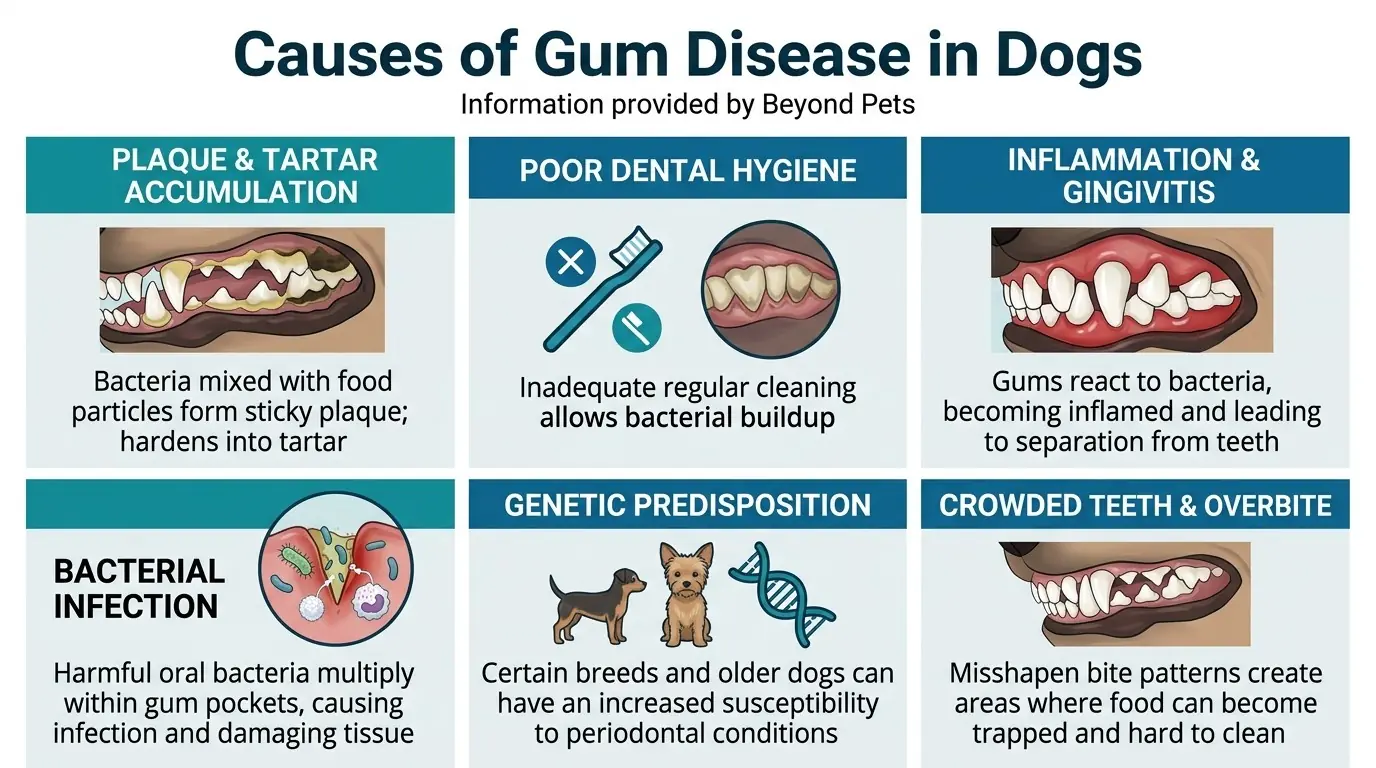
The etiology, or root cause, of periodontal disease in dogs is multifaceted, involving a dynamic interaction between bacterial colonization, environmental factors, genetic predispositions, and the host’s immune response. The fundamental trigger for all plaque-induced periodontal disease is the formation of dental plaque. Within minutes after a dog’s teeth are professionally cleaned, a microscopic layer of salivary glycoproteins, known as the acquired pellicle, coats the pristine enamel.[8] Within hours, naturally occurring oral bacteria adhere to this pellicle and begin to multiply, creating a highly organized, sticky biofilm known as plaque. If this plaque is not mechanically disrupted by brushing or specialized chewing, it begins to mature. Over the course of 48 to 72 hours, the soft plaque absorbs calcium and phosphorus from the dog’s saliva and mineralizes into dental calculus, commonly known as tartar. Tartar is porous, acting like a rough coral reef that provides an ideal surface for even more plaque to rapidly accumulate.
As the plaque thickens and encroaches upon the delicate gumline, the environment changes. The bacteria living near the surface of the gums are typically aerobic (requiring oxygen) and relatively harmless. However, as the plaque dives beneath the gumline into the gingival sulcus, the environment becomes oxygen-deprived. This triggers a dangerous microbial shift. The bacterial population transitions from benign, oxygen-loving bacteria to highly aggressive, motile, anaerobic bacteria, such as Porphyromonas and Treponema species.[9] These anaerobic bacteria release potent endotoxins and tissue-destroying enzymes that directly damage the gum tissue. Simultaneously, the dog’s immune system detects these toxins and rushes white blood cells to the area. The ensuing inflammatory battle is what ultimately leads to the destruction of the periodontal ligament and the resorption of the alveolar jawbone.
Beyond the microscopic bacterial processes, numerous physical and genetic risk factors heavily influence which dogs will develop severe disease and how quickly it will progress. Breed genetics and skull conformation play an enormous role. Small and toy breeds, such as Chihuahuas, Yorkshire Terriers, Dachshunds, and Poodles, are disproportionately affected by severe periodontal disease.[10] This is largely because their teeth are disproportionately large compared to their tiny jawbones, resulting in severe dental crowding. Crowded teeth lack the natural self-cleaning mechanisms of chewing, and they trap excessive amounts of food debris and plaque. Brachycephalic (flat-faced) breeds, like Pugs and Bulldogs, also face immense challenges because their shortened jaws cause their teeth to rotate at abnormal angles, creating deep, inaccessible crevices where bacteria thrive unchecked.
Age and dietary habits further compound these risks. As dogs age, their immune systems naturally become less robust, reducing their ability to fight off chronic oral infections. Additionally, years of microscopic wear and tear on the gums make the tissue more susceptible to bacterial invasion. Diet is also a contributing factor, though often misunderstood. While it is a common myth that all dry kibble cleans a dog’s teeth (most dogs swallow kibble whole or shatter it without any scraping action), feeding a diet consisting exclusively of soft, sticky, or canned foods can indeed accelerate the accumulation of plaque. Furthermore, dogs with compromised immune systems, or those suffering from chronic endocrine disorders such as diabetes mellitus, are at a significantly higher risk. The systemic inflammation associated with metabolic diseases alters the blood flow to the gums and changes the pH of the saliva, creating a perfect storm for rapid, aggressive periodontal destruction.[11]
Stage 1: Gingivitis
The progression of periodontal disease is universally classified by veterinary dentists into four distinct stages to standardize diagnosis and treatment protocols. Stage 1 is clinically defined as Gingivitis. During this initial phase, the disease process is entirely confined to the soft tissues of the gingiva. When examining the mouth, a veterinarian will note a distinct red line of inflammation along the margins where the gums meet the teeth. The gums may appear puffy due to localized edema, and the tiny blood vessels within the tissue become engorged. You may also notice an onset of halitosis, or bad breath, which is a direct byproduct of the sulfur compounds produced by the multiplying bacteria.[12]
Crucially, at Stage 1, there is zero loss of the structural attachment. The alveolar bone remains fully intact and completely surrounds the roots, and the periodontal ligament fibers remain firmly anchored. Because there is no permanent anatomical damage, Stage 1 is completely reversible. If a pet owner notices these early warning signs and immediately seeks professional veterinary intervention—which typically involves a thorough ultrasonic scaling and polishing under general anesthesia—the gums can fully recover. Following the professional cleaning, implementing a strict, daily home-care regimen of tooth brushing is absolutely required to prevent the plaque from rapidly returning and restarting the inflammatory cycle.
Stage 2: Early Periodontitis
If the warnings of Stage 1 are ignored, the disease inevitably progresses to Stage 2, known as Early Periodontitis. This stage marks a critical, irreversible turning point in the dog’s oral health: the beginning of actual structural tissue destruction. The aggressive bacteria have now successfully migrated below the gumline and have begun to dismantle the periodontal ligament and the top layer of the alveolar crest bone. By definition, Stage 2 is characterized by up to 25% attachment loss.[13] This means that up to a quarter of the supportive structures holding the tooth in place have been permanently destroyed.
Clinical signs at this stage become more pronounced. The halitosis becomes significantly more offensive, and thick, brown, concrete-like tartar is usually highly visible on the surface of the teeth, particularly on the large upper premolars and molars. The dog may begin to experience low-grade, chronic pain, which can manifest as a slight reluctance to chew on hard toys or a preference for chewing only on one side of their mouth. During a professional examination under anesthesia, the veterinarian will use a specialized, graduated periodontal probe to measure the depth of the sulcus. In Stage 2, these measurements reveal early pocket formation, typically measuring between 3 to 5 millimeters in a medium-sized dog. While the bone loss is permanent, aggressive professional treatment, including subgingival scaling and localized antibiotic application, can successfully halt the progression and save the affected teeth.
Stage 3: Moderate Periodontitis
Stage 3, Moderate Periodontitis, represents a state of advanced, deep-seated infection and significant structural compromise. At this juncture, the destruction of the periodontium has accelerated drastically, resulting in an attachment loss of between 25% and 50%. The deep periodontal pockets created by this bone loss now harbor massive colonies of destructive anaerobic bacteria, shielding them from the dog’s immune system and rendering systemic antibiotics largely ineffective.[14] The gums will exhibit severe recession, meaning they pull away from the crown, exposing the sensitive, porous root surfaces to the open air and oral cavity.
One of the hallmark features of Stage 3 in multi-rooted teeth (like the large carnassial teeth) is furcation exposure. The furcation is the area where the roots split apart. In a healthy mouth, this area is buried deep beneath solid bone. In Stage 3, the bone destruction is so severe that a veterinarian can pass a dental probe between the exposed roots. Teeth at this stage may begin to exhibit slight mobility due to the loss of their anchoring support. The dog is undoubtedly experiencing significant, chronic pain, though they will instinctually continue to eat to survive. Owners might notice increased drooling, blood tinged saliva on chew toys, or the dog frequently pawing at their muzzle. The prognosis for saving teeth at Stage 3 is heavily guarded and depends entirely on the owner’s willingness to pursue advanced periodontal surgery, such as open-flap curettage, and commit to flawless daily home care.
Stage 4: Advanced Periodontitis
The final and most devastating classification is Stage 4, Severe or Advanced Periodontitis. This stage is indicative of profound, unmitigated oral disease characterized by greater than 50% loss of the tooth’s supporting structures. The destruction of the alveolar bone is massive and completely irreversible. The deep periodontal pockets are overflowing with purulent material (pus), and the chronic infection may have begun to negatively impact the dog’s systemic health.[15] Teeth at this stage are typically highly mobile, held in place only by a few remaining, inflamed soft tissue fibers, or they may have already begun to spontaneously fall out.
The clinical manifestations of Stage 4 are severe and impossible to ignore. The breath will have a distinct, rotting, necrotic odor. The gums will be profoundly recessed, chronically bleeding, and highly sensitive to even the lightest touch. The pain associated with Stage 4 can cause profound behavioral changes; dogs may become lethargic, irritable, depressed, or aggressive when their head is approached. They may drop food from their mouth while trying to eat or refuse hard kibble entirely. In multi-rooted teeth, the furcation exposure is so extensive that a probe can pass entirely through from one side of the tooth to the other. Unfortunately, by the time a tooth reaches Stage 4, it is generally considered a lost cause. The standard of care is surgical extraction to permanently eliminate the source of the horrific pain and stop the systemic showering of bacteria into the dog’s bloodstream.
Diagnosis of Periodontal Disease in Dogs
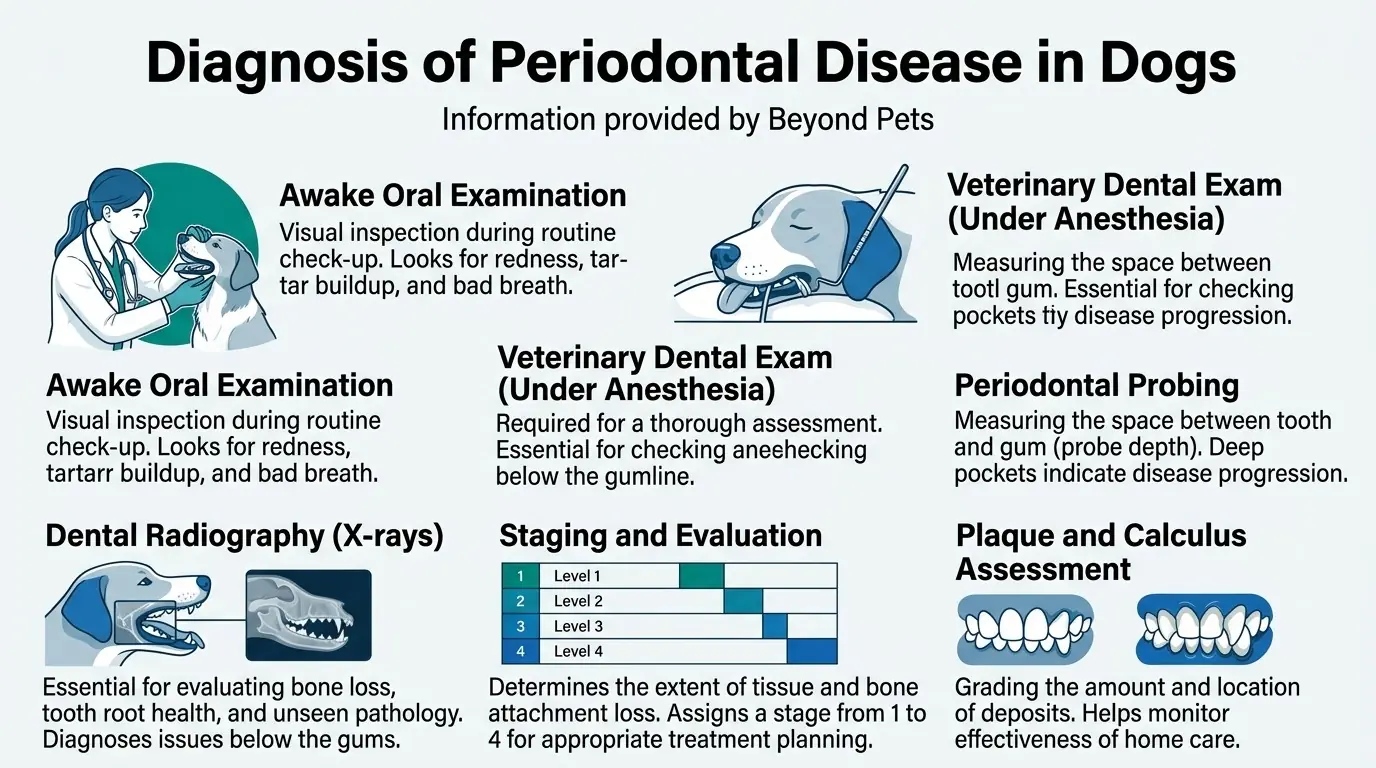
Accurately diagnosing and staging periodontal disease is a meticulous, multi-step process that requires far more than a simple visual inspection of the teeth while the dog is awake. In fact, a conscious oral examination is only the very first, superficial step in a comprehensive diagnostic workup. During a routine wellness visit, a veterinarian will lift the dog’s lips to perform a conscious visual assessment. They will evaluate the visible accumulation of supragingival (above the gumline) plaque and calculus, check for obvious signs of gingival inflammation, note the presence of halitosis, and look for gross abnormalities such as missing, fractured, or visibly loose teeth. While this awake exam is excellent for identifying the obvious presence of dental disease and justifying the need for a professional cleaning, it is fundamentally inadequate for determining the true severity of the condition. Because over 60% of a dog’s tooth structure—and the entirety of the critical periodontal ligament and alveolar bone—is hidden below the gumline, a true diagnosis must be made while the patient is under general anesthesia.[16]
Before any dog undergoes general anesthesia for a dental procedure, a thorough pre-anesthetic evaluation is mandatory. This begins with a comprehensive physical examination to assess the dog’s cardiovascular and respiratory health. Blood tests, including a complete blood count (CBC) and a serum biochemistry panel, are drawn to evaluate the function of the liver and kidneys, ensuring the organs can safely metabolize and excrete the anesthetic drugs. Additionally, these blood tests can help identify if the chronic oral infection has caused an elevation in white blood cells or triggered systemic inflammation. Advanced diagnostic imaging, such as a chest radiograph or an electrocardiogram (ECG), may also be recommended for senior dogs or those with a history of heart murmurs.
Once the patient is safely anesthetized, intubated, and stabilized, the actual diagnostic process begins. The cornerstone of veterinary dental diagnostics is the utilization of full-mouth intraoral radiography (dental X-rays). Standard body X-rays are virtually useless for evaluating teeth due to superimposition of the complex skull bones. Intraoral digital sensors are placed directly inside the dog’s mouth, capturing high-resolution, magnified images of the roots and surrounding jawbone.[17] These radiographs are the only definitive way to visually quantify the exact percentage of alveolar bone loss, identify hidden periapical abscesses, detect resorptive lesions, and reveal retained roots from previously fractured teeth. Without dental X-rays, a veterinarian is essentially operating blind.
Following the radiographs, the veterinarian performs a detailed, tooth-by-tooth periodontal charting. Using a calibrated, blunt-ended metal instrument known as a periodontal probe, the vet measures the depth of the gingival sulcus around every single tooth in multiple locations. In a healthy, medium-sized dog, a normal probing depth is between 1 and 3 millimeters. Any measurement deeper than 3 millimeters indicates a pathological periodontal pocket and active attachment loss. The veterinarian also uses a dental explorer to feel the surface of the enamel for defects and assesses each tooth for mobility and furcation exposure. Every finding—from missing teeth and pocket depths to gingival recession and bleeding indices—is meticulously recorded on a permanent anatomical dental chart, which serves as the precise roadmap for the subsequent treatment plan.
Treatment of Periodontal Disease in Dogs
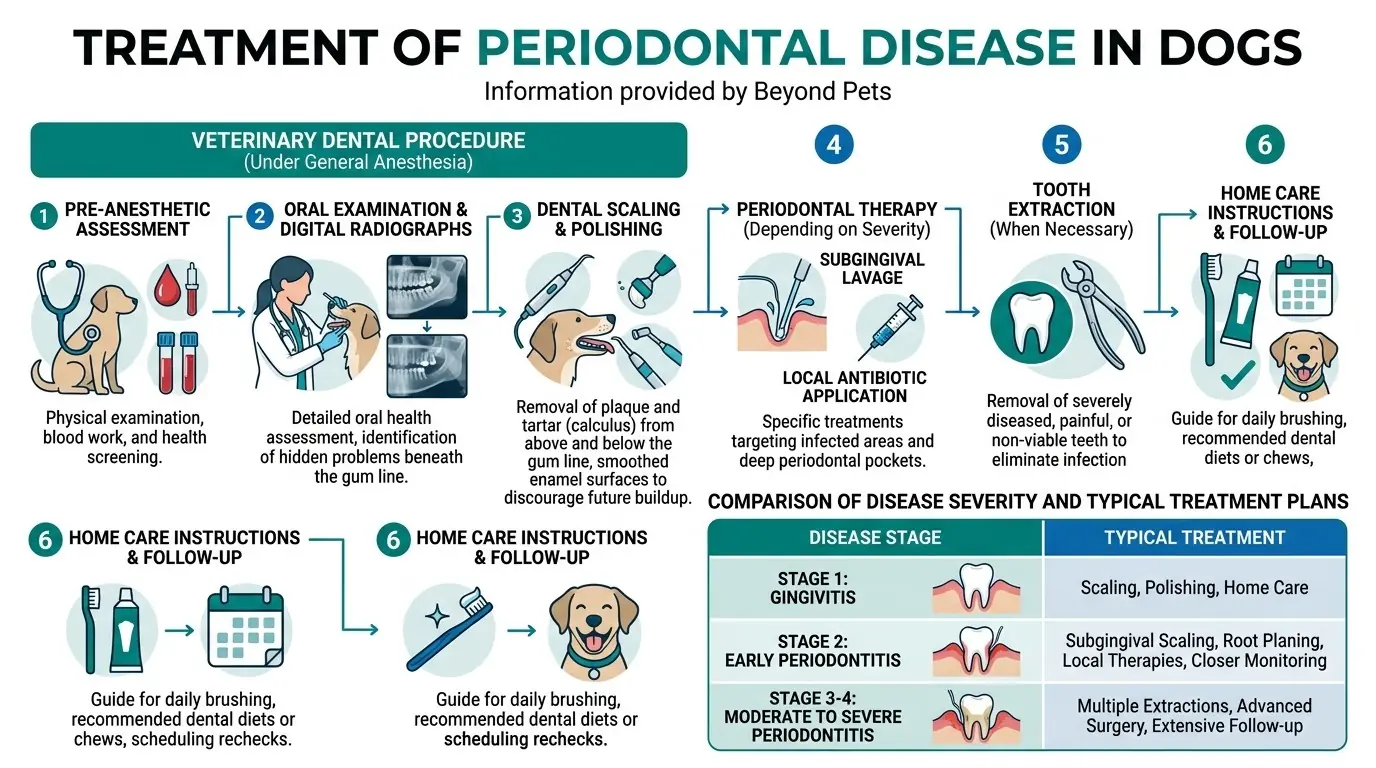
The treatment of periodontal disease in veterinary medicine is an intricate, highly customized process that must be tailored to the specific stage of the disease present on a tooth-by-tooth basis. Because a single dog may have healthy teeth, Stage 2 teeth, and Stage 4 teeth all within the same mouth, the treatment plan is often multifaceted. It is universally accepted within the veterinary community that all professional dental treatments must be performed under general anesthesia with a cuffed endotracheal tube in place.[18] This is not merely for the dog’s comfort; it is the only way to safely access the painful areas below the gumline, utilize sharp surgical instruments without sudden movement, and protect the dog’s airway from aspirating the massive volume of bacteria, water, and debris generated during the cleaning.
Addressing Stage 1 (Gingivitis)
When dealing with Stage 1 disease, the objective is complete reversal and restoration of oral health. The treatment process is commonly referred to as a COHAT (Comprehensive Oral Health Assessment and Treatment). The procedure begins with the application of an antibacterial chlorhexidine rinse to reduce the bacterial load in the mouth. Next, a specialized ultrasonic scaler is used to safely shatter and remove the gross deposits of calculus from the visible crown of the tooth. However, the most critical step is subgingival scaling—using delicate hand curettes to carefully scrape the plaque and microscopic tartar from the tooth surface that is hidden beneath the gumline. If this subgingival debris is not removed, the inflammation will persist. After scaling, the teeth are polished using a low-speed handpiece and a fine-grit prophy paste. This step smooths out any microscopic scratches created by the scaling instruments, making it much harder for new plaque to adhere to the slick surface. The procedure concludes with a thorough flushing of the gingival sulcus and, often, the application of a barrier sealant to delay plaque reattachment.
Managing Stage 2 (Early Periodontitis)
For teeth categorized as Stage 2, the standard cleaning and polishing are insufficient on their own because permanent pockets have begun to form. The treatment protocol escalates to include closed root planing and subgingival curettage. This involves passing specialized instruments deep into the 3 to 5-millimeter pockets to meticulously scrape the diseased, infected cementum off the root surface and remove the inflamed, necrotic tissue lining the inside of the gum pocket. Creating a clean, smooth, healthy root surface encourages the gums to reattach, thereby reducing the depth of the pocket. To aid in this healing process and combat the aggressive anaerobic bacteria residing in these spaces, veterinarians frequently apply localized antibiotic therapies, such as a doxycycline gel. This gel is directly injected into the cleaned periodontal pocket, where it hardens into a pliable matrix, slowly releasing high concentrations of antibiotics over several weeks to eradicate the infection and suppress tissue-destroying enzymes.[19]
Approach for Stage 3 (Moderate Periodontitis)
Treating Stage 3 periodontitis is highly complex and enters the realm of advanced periodontal surgery. Because the pockets are exceptionally deep (often exceeding 6 millimeters) and the bone loss is severe, closed root planing is physically impossible. A veterinarian cannot clean what they cannot see. To save these severely compromised teeth, the veterinarian must perform open-flap surgery. This involves using a scalpel to surgically incise the gum tissue and peel it back, exposing the diseased bone and the entire tooth root. The area is aggressively cleaned, infected bone is meticulously debrided, and the root is planed smooth. In highly specific cases, veterinary dental specialists may employ advanced regenerative techniques, such as placing bone graft particulate into the voids or using guided tissue regeneration membranes to stimulate the regrowth of bone and ligament fibers. Once the area is pristine, the gum flap is repositioned and sutured tightly around the tooth using fine, absorbable materials. If the owner is unable to commit to the stringent, daily home care required to maintain a tooth after flap surgery, the most humane and medically appropriate treatment for Stage 3 teeth is surgical extraction.
Intervention for Stage 4 (Advanced Periodontitis)
When a tooth reaches Stage 4, it is fundamentally non-salvageable. The destruction of the periodontium is so vast that no surgical or regenerative technique can restore function or eliminate the deeply entrenched infection. Leaving a Stage 4 tooth in the mouth constitutes chronic animal abuse, as it subjects the dog to unrelenting pain and continuous systemic bacterial exposure. The definitive, curative treatment is complete surgical extraction. This is a major oral surgery that involves elevating a mucoperiosteal flap, utilizing a high-speed surgical drill to remove the thin layer of buccal bone overlying the roots, and sectioning multi-rooted teeth into single-root segments. Each root is then carefully elevated and extracted. The empty, infected bony socket is aggressively flushed, debrided with a surgical burr to stimulate bleeding, and then the gum flap is sutured closed over the site to ensure rapid, pain-free healing. Exceptional pain management is critical during and after this procedure, utilizing a multimodal approach that includes regional nerve blocks (such as bupivacaine injections to completely numb the jaw), intraoperative opioids, and post-operative non-steroidal anti-inflammatory drugs (NSAIDs). Post-operative care involves feeding a soft diet and restricting chew toys until the surgical sites have fully healed.
Consequences of Untreated Periodontal Disease in Dogs
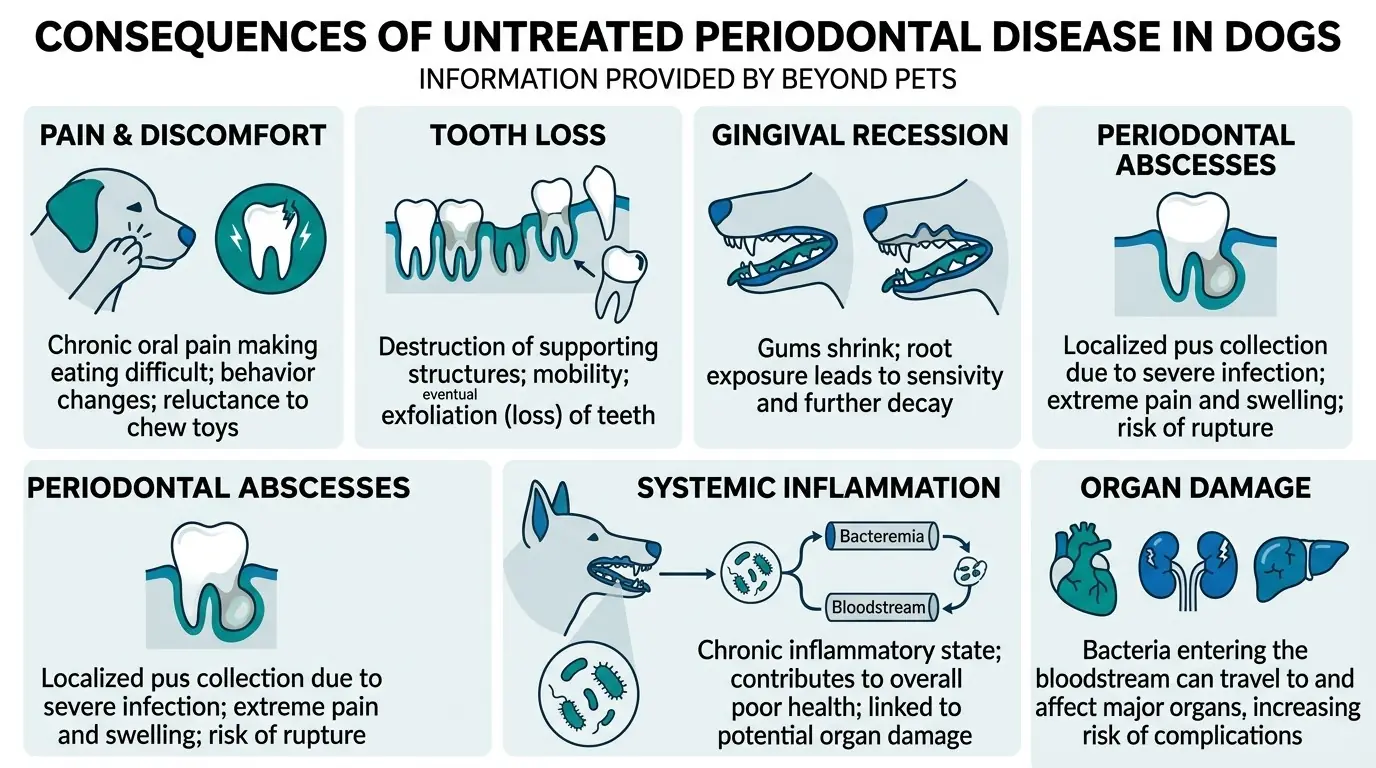
The decision to ignore or delay the treatment of periodontal disease carries grave consequences that extend far beyond bad breath or the loss of a few teeth. The mouth is highly vascularized, meaning it has an incredibly rich blood supply. When a dog with severe, untreated periodontal disease chews their food or plays with a toy, the pressure forces millions of highly aggressive, anaerobic bacteria from the infected gum pockets directly into the broken blood vessels of the mouth. This creates a dangerous phenomenon known as transient bacteremia—a daily showering of bacteria into the dog’s systemic circulation. As these bacteria travel through the bloodstream, they are filtered by the body’s major organs, inciting chronic inflammation and micro-infections that can drastically shorten a dog’s lifespan.
The systemic implications are profound. One of the most documented consequences is the development of microscopic abscesses and chronic inflammatory changes in the liver and kidneys. The kidneys, acting as the body’s primary filtration system, are particularly vulnerable. The constant bombardment of bacteria and circulating immune complexes damages the delicate filtering units (glomeruli), which can precipitate or worsen chronic kidney disease in older pets. Furthermore, the bacteria associated with periodontal disease have a high affinity for the endothelial lining of the cardiovascular system. They can attach to the valves of the heart, particularly the mitral valve, causing endocarditis—a life-threatening infection of the heart valves that leads to murmurs, heart enlargement, and eventually congestive heart failure.[20]
Locally within the skull, untreated periodontal disease can cause equally devastating complications. As the chronic infection silently eats away at the jawbone, it dramatically weakens the structural integrity of the mandible. In small breeds with disproportionately large teeth, such as Chihuahuas and Yorkies, the bone loss around the lower canine teeth or the first molars can be so severe that a simple act like jumping off a couch or chewing a tough treat can result in a sudden, excruciating pathologic jaw fracture. Treating a jaw that has broken due to rotting bone is a surgical nightmare, often requiring specialist intervention and wiring.
Another severe local consequence is the formation of an oronasal fistula. The roots of the upper canine teeth and premolars sit just millimeters below the nasal cavity. When periodontal disease destroys the thin plate of bone separating the mouth from the nose, a permanent hole (fistula) is created. Every time the dog eats or drinks, food, water, and bacteria are forced up into the nasal passages, causing chronic, purulent nasal discharge, sneezing fits, and severe aspiration pneumonia. Additionally, deep-seated infections of the upper molars can track upwards behind the eye, creating a retrobulbar abscess. This pressure behind the globe of the eye causes extreme pain, bulging of the eye (exophthalmos), and potential blindness if the optic nerve is damaged. The systemic and local destruction caused by this disease is exactly why proactive dental care is non-negotiable for responsible pet ownership.
Prevention of Periodontal Disease in Dogs
Because periodontal disease is driven by the daily accumulation of plaque, it is an entirely preventable condition. However, prevention requires a dedicated, daily commitment from the pet owner. There is no single “magic bullet” that will keep a dog’s teeth clean; rather, it requires a multimodal approach that combines meticulous home care with routine professional veterinary oversight. The ultimate goal of all preventative measures is to disrupt and remove the soft plaque biofilm before it has the 48 to 72 hours necessary to mineralize into impenetrable calculus.
Consistent Tooth Brushing
Without question, the absolute gold standard for preventing periodontal disease in dogs is daily mechanical tooth brushing. Just as it is for humans, the physical friction of soft bristles moving across the enamel is the most effective way to disrupt and sweep away the sticky plaque biofilm. To be effective, brushing must be performed ideally every day, or at a minimum, three times a week. It is crucial to use a toothbrush specifically designed for dogs, which features ultra-soft bristles and an angled head to reach the back molars. More importantly, pet owners must exclusively use veterinary-approved, enzymatic pet toothpaste. Human toothpaste is highly toxic to dogs; it contains high levels of fluoride which causes gastrointestinal upset, and frequently contains xylitol, an artificial sweetener that triggers a massive, fatal release of insulin leading to severe hypoglycemia and liver failure. When brushing, focus entirely on the outside (buccal) surfaces of the teeth, particularly where the tooth meets the gumline, as this is where plaque accumulation is heaviest.
Specially Formulated Diets and Treats
For owners who find daily brushing challenging, specially formulated dental diets and scientifically proven dental treats offer an excellent secondary line of defense. It is important to look for products that carry the Veterinary Oral Health Council (VOHC) Seal of Acceptance, which guarantees the product has undergone rigorous, independent clinical trials proving its efficacy in reducing plaque and tartar. Prescription dental diets, such as Hill’s t/d or Royal Canin Dental, work through a unique mechanical action. Unlike standard kibble that shatters immediately upon biting, these oversized, specialized kibbles are composed of an interwoven fiber matrix. The tooth must penetrate deeply into the kibble before it breaks, allowing the fibers to physically squeegee the plaque off the tooth surface. Additionally, high-quality dental chews often incorporate chemical anti-tartar agents, such as sodium hexametaphosphate, which binds to the calcium in the dog’s saliva, preventing it from mineralizing the plaque into hard calculus.
Dental Toys
Providing the right types of chew toys can assist in the mechanical removal of plaque and satisfy a dog’s natural instinct to gnaw. However, extreme caution must be exercised when selecting toys. A good rule of thumb in veterinary dentistry is the “kneecap test”—if hitting the toy against your own kneecap hurts, or if the toy does not indent when you press your thumbnail into it, it is too hard and will likely fracture your dog’s teeth. Avoid incredibly dense items like real animal bones, antlers, hard nylon bones, and cow hooves, as these are the leading causes of painful slab fractures of the upper carnassial teeth. Instead, opt for durable, flexible rubber toys, such as classic KONGs, or specially designed dental toys with pliable rubber nubs and grooves that massage the gums and gently scrape the teeth without risking enamel fracture. Always supervise your dog while they are chewing to prevent the ingestion of large pieces.
Regular Veterinary Visits
Even with impeccable home care, a dog’s mouth changes dynamically over time. Regular, comprehensive wellness examinations with your veterinarian are critical. These bi-annual or annual visits allow the doctor to perform a conscious oral exam, evaluate the effectiveness of your home care routine, and help identify early signs of disease before they escalate into irreversible structural damage. Your veterinarian will track the speed of tartar accumulation and monitor for subtle signs of gingival inflammation. Some owners attempt to use unapproved natural supplements or human oral rinses to cure gum disease, but these can severely disrupt the gut microbiome and cause diarrhea in dogs. Always rely on your veterinarian’s evidence-based recommendations for safe, effective preventative care.
Professional Dental Cleanings
The final, unavoidable pillar of prevention is the routine professional dental cleaning performed under general anesthesia. Home care and chewing only address the visible portion of the tooth; they do absolutely nothing to clean the deep sulcus below the gumline where periodontal disease actually begins and progresses. Anesthesia-free dental cleanings are widely condemned by veterinary dental colleges because they are purely cosmetic, incredibly stressful for the animal, and fail to diagnose or treat the subgingival disease, offering a false sense of security. A proper COHAT allows for full-mouth radiographs, meticulous subgingival scaling, and thorough polishing. Depending on the breed, genetics, and home care, dogs should receive their first professional cleaning between 1 and 3 years of age, and annually thereafter. Always consult your veterinarian before making any changes to your pet’s care, and work together to establish a proactive, lifelong dental health strategy.
Frequently Asked Questions
What is the most effective way to prevent my dog from developing periodontal disease?
The most effective, scientifically proven method for preventing periodontal disease is daily mechanical tooth brushing using a soft-bristled, dog-specific toothbrush and a veterinary-approved enzymatic toothpaste. Just like in humans, the friction from brushing physically disrupts and removes the sticky plaque biofilm before it has the 48 to 72 hours necessary to harden into tartar. While dental diets, water additives, and VOHC-approved chews are excellent supplemental aids, they cannot replace the thorough mechanical cleaning provided by daily brushing. If brushing daily is impossible, aim for a strict minimum of three times a week, and ensure your dog receives annual professional dental cleanings under general anesthesia to clean the critical areas below the gumline.
Why is general anesthesia absolutely necessary for a professional dental cleaning?
General anesthesia is non-negotiable for a safe, comprehensive, and pain-free dental cleaning for several critical reasons. First, periodontal disease occurs below the gumline. Scraping plaque and tartar from these deep, sensitive pockets is painful and impossible to do thoroughly on an awake, moving animal. Second, anesthesia allows the placement of an endotracheal tube, which protects the dog’s airway and lungs from aspirating the massive amounts of bacteria, water, and debris dislodged during the scaling process. Finally, anesthesia is required to take high-resolution intraoral radiographs (X-rays), which are absolutely essential for diagnosing the 60% of the tooth structure and bone health that is hidden beneath the gums. Anesthesia-free cleanings only provide a cosmetic improvement to the visible crown and ignore the actual disease process entirely.
Can severe gum disease affect my dog’s internal organs?
Yes, absolutely. Untreated periodontal disease is not just an oral problem; it is a serious systemic health threat. The mouth is highly vascular, and the chronic inflammation caused by severe gum disease creates tiny ruptures in the blood vessels. Every time your dog chews, millions of highly destructive oral bacteria are pushed directly into their bloodstream—a condition known as bacteremia. These circulating bacteria are filtered by the body’s major organs, primarily the kidneys, liver, and heart. Over time, this constant bacterial bombardment can cause microscopic abscesses in the liver, damage the delicate filtration systems of the kidneys leading to chronic kidney disease, and attach to the heart valves, causing life-threatening conditions like mitral valve endocarditis.
References
- American Veterinary Medical Association (AVMA). Pet Dental Care. AVMA.org, 2023.
- Reiter, A.M. Periodontal Disease in Small Animals. Merck Veterinary Manual, 2022.
- Niemiec, B.A. Veterinary Periodontology. Wiley-Blackwell, 2013.
- American Veterinary Dental College (AVDC). Stages of Periodontal Disease. AVDC.org, 2023.
- Stella, J.L., et al. A cross-sectional study to estimate prevalence of periodontal disease in a population of dogs. Journal of Veterinary Dentistry, 2018.
- WSAVA Global Dental Guidelines Committee. Global Dental Guidelines. Journal of Small Animal Practice, 2020.
- Harvey, C.E. Management of periodontal disease: understanding the options. Veterinary Clinics of North America: Small Animal Practice, 2005.
- Wallis, C., et al. Cross-sectional epidemiological study to determine the prevalence of periodontal disease in dogs. BMC Veterinary Research, 2021.
- Davis, E.R., et al. Canine Oral Microbiome. Veterinary Sciences, 2022.
- Stepaniuk, K. Periodontology. In Small Animal Dental, Oral and Maxillofacial Disease, 2011.
- Bellows, Jan, et al. 2019 AAHA Dental Care Guidelines for Dogs and Cats. Journal of the American Animal Hospital Association, 2019.
- Niemiec, B.A. Periodontal Pathology. Veterinary Clinics of North America: Small Animal Practice, 2008.
- Glickman, L.T., et al. Evaluation of the risk of endocarditis and other cardiovascular events on the basis of the severity of periodontal disease in dogs. Journal of the American Veterinary Medical Association, 2009.
- Pavlica, Z., et al. Periodontal Disease Burden and Pathological Changes in Organs of Dogs. Journal of Veterinary Dentistry, 2008.
- Rawlinson, J.T., et al. Association of periodontal disease and histologic lesions in multiple organs from 45 dogs. Journal of Veterinary Dentistry, 2021.
- Enlund, K.B., et al. Dog Owners’ Perspectives on Canine Dental Health—A Questionnaire Study in Sweden. Frontiers in Veterinary Science, 2020.
- VCA Hospitals. Periodontal Disease in Dogs. VCA Animal Hospitals, 2023.
- ASPCA. Dog Grooming and Dental Care Guidelines. ASPCA.org, 2023.
- Veterinary Oral Health Council (VOHC). Accepted Products for Dogs. VOHC.org, 2023.
- Quest, B.W. Oral health benefits of a daily dental chew in dogs. Journal of Veterinary Dentistry, 2013.