



 March 1, 2023
 Phil Good, DVM
What is Liver Disease in Dogs?
This content was prepared with AI assistance and reviewed by a licensed professional for accuracy.
Introduction
When discussing canine health, understanding the complexities of the internal organs is paramount. Simply put, liver disease in dogs is a broad and frequently complex diagnostic category that refers to any abnormality, inflammation, or damage affecting the hepatic system. Because the liver acts as the primary metabolic factory and central filtration system of the canine body, maintaining its health is absolutely essential. The condition known as liver disease in dogs can range from acute, sudden-onset damage to slow, progressive deterioration that ultimately results in liver failure. Recognizing the early, often subtle clinical signs—such as a slight decrease in appetite or intermittent lethargy—can mean the difference between a manageable condition and a fatal outcome. Early intervention is critical to preventing the onset of life-threatening complications like severe jaundice and irreversible scarring.
To fully appreciate the gravity of liver disease in dogs, one must first understand the profound anatomical and physiological responsibilities of the healthy canine liver. Situated in the cranial abdomen, just behind the diaphragm, the liver is divided into several distinct lobes. It receives a unique dual blood supply: oxygen-rich blood arrives via the hepatic artery, while nutrient-dense but potentially toxin-laden blood travels directly from the gastrointestinal tract and spleen via the portal vein. [1] This portal circulation ensures that the liver is the first organ to process ingested nutrients, filter out bacterial byproducts from the gut, and neutralize environmental toxins before they can enter systemic circulation. If liver disease in dogs disrupts this intricate vascular arrangement, the entire body suffers the toxic consequences. [2]
The metabolic duties of the liver are staggeringly diverse. It is responsible for the synthesis of vital proteins, including albumin, which maintains the oncotic pressure of the blood and prevents fluid from leaking into the abdominal cavity or peripheral tissues. Furthermore, the liver produces the majority of the blood clotting factors (such as Factors II, VII, IX, and X). Without these proteins, a dog becomes highly susceptible to spontaneous internal bleeding. In terms of energy regulation, the liver converts glucose into glycogen for storage, releasing it back into the bloodstream during periods of fasting to prevent fatal hypoglycemia. Additionally, the liver metabolizes fats and carbohydrates, processes endogenous waste products like ammonia (converting it into harmless urea for excretion by the kidneys), and produces bile, which is essential for the digestion and absorption of dietary fats and fat-soluble vitamins (A, D, E, and K). [3]
One of the most remarkable characteristics of the canine liver is its immense regenerative capacity and functional reserve. A healthy dog can lose up to 70 to 80 percent of its functional hepatic mass before demonstrating overt clinical signs of liver failure. [4] While this evolutionary adaptation protects the animal from minor toxic insults and transient infections, it simultaneously acts as a double-edged sword in veterinary medicine. Because the organ compensates so efficiently, early-stage liver disease often goes unnoticed by pet owners. By the time noticeable symptoms such as profound weight loss, fluid accumulation in the abdomen (ascites), or jaundice (a distinct yellowish discoloration of the skin, mucous membranes, and sclera of the eyes) appear, the underlying disease process is usually quite advanced. Therefore, understanding the nuances of liver disease in dogs is crucial for proactive healthcare and long-term disease management. [5]
Types of Liver Disease in Dogs
Because the liver is involved in so many distinct physiological pathways, it is susceptible to a wide variety of pathological insults. Liver disease in dogs is not a single, monolithic illness; rather, it is an umbrella term encompassing congenital malformations, infectious processes, toxic exposures, immune-mediated destruction, and neoplastic (cancerous) growths. [6] The specific type of liver disease dictates the clinical presentation, the required diagnostic workup, the long-term prognosis, and the appropriate therapeutic strategy. Veterinary specialists categorize these conditions based on their etiology, the specific structural components of the liver they affect (such as the hepatocytes, the biliary tree, or the vascular network), and whether the disease process is acute or chronic in nature. Below is a comprehensive breakdown of the most commonly diagnosed types of liver disease in the canine population.
Hepatitis
Hepatitis strictly translates to inflammation of the liver, and it represents one of the most common categories of liver disease in dogs. This inflammation can be classified as either acute or chronic, with vastly different clinical implications. Acute hepatitis is characterized by sudden, severe inflammation and hepatocellular necrosis (cell death). It is often triggered by an overwhelming infectious agent—such as Canine Adenovirus Type 1 (CAV-1), the virus responsible for Infectious Canine Hepatitis—or by the sudden ingestion of a massive dose of a hepatotoxin. In acute scenarios, the liver parenchyma is rapidly destroyed, triggering an intense systemic inflammatory response. [7] If the dog survives the initial acute crisis and the underlying cause is removed, the liver’s regenerative capacity can sometimes restore full function over time.
Conversely, chronic hepatitis in dogs is an insidious, progressive inflammatory condition that persists for months or years. According to consensus statements from veterinary internal medicine boards, chronic hepatitis is characterized histologically by the presence of inflammatory cells (lymphocytes, plasma cells, and macrophages), hepatocellular apoptosis, necrosis, and progressive fibrosis (scarring). [8] The etiology of chronic hepatitis is often elusive, leading to a diagnosis of idiopathic chronic hepatitis. However, in many cases, it is driven by immune-mediated mechanisms wherein the dog’s own immune system erroneously targets and destroys liver tissue. Furthermore, certain breeds, such as the Doberman Pinscher, English Springer Spaniel, and Cocker Spaniel, have a well-documented genetic predisposition to chronic hepatitis, suggesting a strong hereditary component to the disease’s pathogenesis. [9]
A specific and clinically significant subset of chronic hepatitis is copper-associated hepatopathy. In a healthy dog, dietary copper is metabolized by the liver and excreted into the bile. However, due to genetic mutations affecting copper transport proteins (most famously the COMMD1 gene mutation in Bedlington Terriers), some dogs accumulate toxic levels of copper within their hepatocytes. [10] This excess copper acts as a potent pro-oxidant, generating destructive reactive oxygen species via the Fenton reaction. The resulting oxidative stress causes progressive hepatocellular death, chronic inflammation, and eventually cirrhosis if the copper accumulation is not identified and medically chelated. Other breeds, such as Labrador Retrievers and Dalmatians, also show an increased incidence of copper-associated chronic hepatitis, making specialized liver biopsies an essential tool for an accurate diagnosis. [11]
Cirrhosis
Cirrhosis represents the irreversible, end-stage consequence of chronic liver disease in dogs. It is not a specific disease itself, but rather the morphological result of prolonged hepatocellular destruction, sustained inflammation, and the subsequent activation of hepatic stellate cells. In a healthy liver, stellate cells are quiescent and primarily store Vitamin A. However, when the liver is subjected to chronic injury, these cells transform into myofibroblasts and begin secreting massive amounts of collagen and other extracellular matrix proteins. [12] Over time, this uncontrolled fibrogenesis replaces functional hepatic parenchyma with dense, non-functional scar tissue, fundamentally distorting the normal microscopic architecture of the organ.
The architectural collapse seen in cirrhosis has devastating physiological consequences. The dense bands of fibrous tissue compress the intricate network of hepatic sinusoids, creating a severe physical resistance to the flow of blood arriving from the portal vein. This condition is known as portal hypertension. [13] As the blood pressure within the portal venous system skyrockets, fluid is mechanically forced out of the blood vessels and into the peritoneal cavity, resulting in profound ascites. Dogs with cirrhosis often present with a tightly distended, fluid-filled abdomen alongside severe muscle wasting. Furthermore, to bypass the high-pressure environment of the cirrhotic liver, the body may spontaneously generate new, abnormal blood vessels known as acquired portosystemic shunts. These shunts redirect toxin-laden blood directly into the systemic circulation, severely exacerbating systemic illness and precipitating neurological complications. [14]
Liver Shunt (Portosystemic Shunt)
A portosystemic shunt (PSS) is a severe vascular anomaly that drastically alters normal hepatic blood flow. In a healthy dog, the portal vein collects nutrient-rich, ammonia-laden, and potentially bacteria-filled blood from the stomach, intestines, pancreas, and spleen, delivering it directly to the liver for essential processing and detoxification. In a dog with a portosystemic shunt, an anomalous blood vessel completely bypasses the liver, shunting this unfiltered blood directly into the systemic venous circulation (typically the caudal vena cava or the azygous vein). [15] Because the liver is deprived of both its primary blood supply and the hepatotrophic factors (like insulin and glucagon) required for its growth and maintenance, the organ often becomes stunted and atrophied, a condition clinically termed microhepatica.
Portosystemic shunts can be broadly classified as either congenital or acquired. Congenital shunts are present at birth and are typically diagnosed in puppies or young adult dogs less than two years of age. They are further divided into extrahepatic shunts (occurring outside the liver), which are overwhelmingly seen in toy and small breeds such as Yorkshire Terriers, Maltese, and Pugs, and intrahepatic shunts (occurring within the liver parenchyma), which are more common in large breeds like Irish Wolfhounds and Golden Retrievers. [16] Dogs with congenital shunts often exhibit stunted growth, poor muscle development, and severe neurological signs following a high-protein meal. Acquired shunts, on the other hand, develop secondary to portal hypertension (often caused by end-stage cirrhosis) as the body attempts to decompress the engorged portal venous system. Treating acquired shunts surgically is contraindicated, whereas congenital shunts often respond exceptionally well to surgical attenuation. [17]
Hepatic Lipidosis (Fatty Liver Disease)
Hepatic lipidosis, commonly referred to as fatty liver disease, is characterized by the massive, pathological accumulation of triglycerides within the cytoplasm of hepatocytes. While this condition is famously recognized as a primary, life-threatening syndrome in domestic felines, it also occurs in the canine population, albeit typically under different clinical circumstances. In dogs, hepatic lipidosis is almost always a secondary manifestation of an underlying metabolic crisis, profound negative energy balance, or an endocrine disorder. [18] When a dog experiences prolonged anorexia or starvation, the body rapidly mobilizes fat stores from peripheral adipose tissue, sending a deluge of non-esterified fatty acids directly to the liver for energy conversion. If the rate of fatty acid influx overwhelms the liver’s capacity to oxidize them or package them into very-low-density lipoproteins (VLDLs) for export, the excess fat is deposited within the liver cells.
As the hepatocytes become engorged with fat vacuoles, they swell dramatically. This cellular swelling compresses the adjacent biliary canaliculi, leading to intrahepatic cholestasis (stoppage of bile flow), which subsequently results in profound jaundice and secondary liver dysfunction. In the canine world, hepatic lipidosis is frequently diagnosed in toy breed puppies that have experienced acute hypoglycemia and starvation, as well as in pregnant or lactating bitches facing extreme metabolic demands. [19] Furthermore, overweight adult dogs suffering from unmanaged diabetes mellitus are at a significantly elevated risk, as the lack of effective insulin signaling promotes rampant fat mobilization. Treatment must aggressively address the underlying metabolic derangement while providing meticulous nutritional support to reverse the fat accumulation and restore normal hepatocyte function. [20]
Liver Tumors
Neoplastic conditions affecting the liver represent a significant subset of liver disease in dogs, particularly in the aging canine population. Liver tumors are broadly categorized into two main groups: primary tumors, which originate from the tissues within the liver itself, and metastatic (secondary) tumors, which originate elsewhere in the body and spread to the liver via the bloodstream or lymphatic system. Primary liver tumors can arise from the hepatocytes, the biliary epithelium, or the neuroendocrine tissues. [21] Benign primary tumors, such as hepatocellular adenomas, are generally slow-growing, well-encapsulated masses that do not spread to distant organs. Often, they are discovered incidentally during routine abdominal ultrasound and, if they grow large enough to compress adjacent organs or carry a risk of rupture, they can be curative via surgical excision.
Malignant primary tumors, however, pose a much greater threat to the dog’s life. Hepatocellular carcinoma (HCC) is the most frequently diagnosed primary malignant liver tumor in dogs. [22] Interestingly, HCC in dogs often presents as a single, massive tumor occupying an entire liver lobe (most commonly the left lateral lobe). Despite being malignant, the “massive” form of HCC has a relatively low metastatic rate, and complete surgical removal of the affected liver lobe (liver lobectomy) can result in prolonged survival times and an excellent quality of life. Conversely, bile duct carcinomas (cholangiocarcinomas) are highly aggressive, frequently diffuse, and carry a very poor prognosis due to rapid metastasis. It is also crucial to recognize that the liver is one of the most common sites for metastatic disease. Cancers such as hemangiosarcoma (originating in the spleen or heart), lymphoma, and various gastrointestinal adenocarcinomas frequently spread to the liver, severely compromising its function and limiting treatment options to palliative chemotherapy and supportive care. [23]
Liver Failure
Liver failure is not a specific disease, but rather the devastating physiological endpoint that occurs when the liver loses its ability to perform its essential, life-sustaining functions. Because of the liver’s tremendous reserve capacity, failure implies that upwards of 75 to 80 percent of the functional hepatic mass has been critically compromised or destroyed. [24] This catastrophic decline in function can manifest as either Acute Liver Failure (ALF) or chronic end-stage liver failure. Acute liver failure is characterized by a rapid, precipitous decline in hepatic function occurring over a matter of days. It is often triggered by an overwhelming toxic insult (such as xylitol ingestion, toxic mushrooms, or heavy metal poisoning), acute infectious diseases, or profound ischemic events (lack of blood flow). In ALF, the sudden loss of the liver’s detoxifying and synthetic capabilities results in a systemic crisis, characterized by profound hypoglycemia, acute hepatic encephalopathy, and disseminated intravascular coagulation (DIC). [25]
Chronic liver failure, by contrast, is the terminal phase of long-standing, progressive liver diseases such as chronic hepatitis or cirrhosis. In these cases, the liver has slowly been replaced by scar tissue over months or years. The clinical presentation of chronic liver failure is characterized by the chronic consequences of hepatic insufficiency: severe ascites secondary to portal hypertension and hypoalbuminemia, profound muscle wasting due to altered protein metabolism, chronic gastrointestinal ulceration, and a persistent, deep yellow jaundice. [26] Whether acute or chronic, liver failure represents a true veterinary emergency. Without immediate, aggressive, round-the-clock intensive care—including plasma transfusions, intravenous glucose support, heavy antibiotic coverage, and advanced life support—the condition is rapidly fatal.
Fatty Infiltration
Fatty infiltration, medically referred to as vacuolar hepatopathy or hepatic steatosis, is a condition distinct from the acute, life-threatening nature of hepatic lipidosis, though the two conditions share some superficial histological similarities. In fatty infiltration, the hepatocytes become distended with clear vacuoles, which can contain lipids, glycogen, or water. [27] This cellular change is incredibly common in dogs and is most frequently observed as a secondary, reactive response to underlying endocrine diseases or prolonged exposure to specific medications. When the liver is chronically exposed to excessive levels of glucocorticoids—whether produced endogenously by the adrenal glands or administered exogenously as medical therapy—the hepatocytes accumulate massive amounts of glycogen, leading to a condition known specifically as steroid-induced vacuolar hepatopathy.
Other common underlying causes of fatty infiltration include diabetes mellitus, hypothyroidism, and chronic generalized stress or systemic illness. [28] Clinically, dogs with fatty infiltration often present with massively enlarged livers (hepatomegaly) and striking elevations in specific liver enzymes on blood tests, particularly Alkaline Phosphatase (ALP). Unlike acute liver failure or severe hepatitis, fatty infiltration is generally a benign, reversible condition provided the primary underlying cause can be identified and effectively managed. If a dog’s hyperadrenocorticism is successfully treated, or if prescription steroid medications are gradually tapered and discontinued, the hepatic vacuoles will slowly resolve, and the liver will return to its normal structural state without permanent scarring or loss of function. [29]
Hemochromatosis
Hemochromatosis represents a category of metabolic disorders characterized by the pathological, excessive accumulation of iron within the body’s tissues, with the liver being the primary site of abnormal storage. In human medicine, primary hemochromatosis is a well-known genetic disorder involving excessive dietary iron absorption. In canine veterinary medicine, true primary (genetic) hemochromatosis is considered exceedingly rare, though it has been sporadically documented in certain breeds. [30] Much more common in dogs is secondary iron overload, known as hemosiderosis, which occurs when iron accumulates in the liver as a bystander effect of other chronic disease processes. Secondary iron accumulation can result from chronic inflammatory hepatopathies, severe copper-associated liver disease, or multiple whole blood transfusions over a dog’s lifetime.
Regardless of whether the iron accumulation is primary or secondary, the presence of unbound, excess iron within the hepatocytes is highly toxic. Similar to the mechanism seen in copper toxicosis, free iron catalyzes the formation of highly reactive, tissue-damaging hydroxyl radicals via oxidative pathways. [31] This unrelenting oxidative stress directly damages the cellular membranes of the hepatocytes, mitochondrial DNA, and intracellular proteins. If left unchecked, this chronic microscopic injury leads to widespread hepatic inflammation, hepatocellular necrosis, and eventually, the irreversible architectural distortion characteristic of cirrhosis. Diagnosing iron overload requires a specialized liver biopsy with specific histochemical staining (such as Prussian Blue) to accurately quantify the severity and distribution of the iron deposits within the liver tissue.
Causes of Liver Disease in Dogs
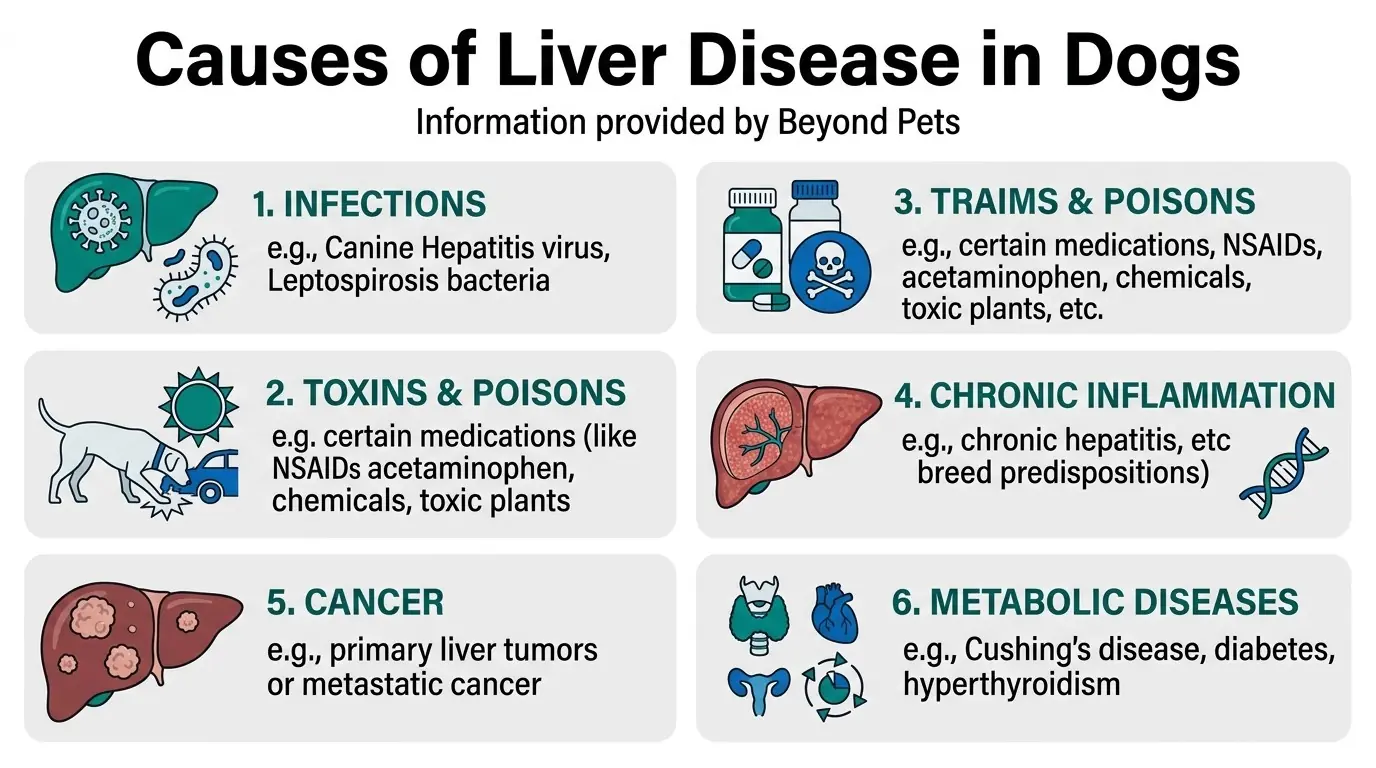
The etiology of liver disease in dogs is incredibly varied, reflecting the organ’s central role in processing everything that enters the animal’s body. Pinpointing the exact cause of the hepatic damage is the most critical step in formulating an effective, life-saving treatment plan. The causes can be broadly categorized into infectious, toxic, metabolic, genetic, and neoplastic origins. Below is an exhaustive look at the myriad factors that can trigger liver dysfunction in the canine patient. [32]
- Infectious Diseases: The liver is highly susceptible to invasion by various pathogens. Bacterial infections are a primary culprit, and diseases like canine hepatitis and leptospirosis are commonly associated with liver disorders in dogs. Leptospirosis, caused by a spirochete bacterium found in standing water contaminated by wildlife urine, aggressively attacks both the liver and kidneys, causing acute organ failure. [33] Viral infections, particularly Canine Adenovirus Type 1 (CAV-1), cause infectious canine hepatitis, a severe, highly contagious disease that causes massive hepatic necrosis. Fungal infections (like Histoplasmosis or Coccidioidomycosis) and parasitic infestations (such as liver flukes) can also invade the hepatic parenchyma, triggering intense granulomatous inflammation and progressive liver damage.
- Toxicity: The liver’s primary role as a detoxification center paradoxically makes it the organ most vulnerable to toxic injury. The ingestion of human medications, particularly non-steroidal anti-inflammatory drugs and over-the-counter pain relievers, can cause massive, rapid, and fatal hepatic necrosis in dogs. [34] Environmental toxins, including heavy metals, pesticides, rodenticides, and certain species of toxic plants (such as the Sago Palm), are profoundly hepatotoxic. Furthermore, dietary hazards like xylitol—an artificial sweetener commonly found in sugar-free gum, peanut butter, and baked goods—trigger a massive release of insulin followed by severe, often irreversible hepatic necrosis and failure within mere hours of ingestion. Mycotoxins, specifically aflatoxins found in moldy dog food, are another hidden but deadly cause of toxic liver failure. [35]
- Congenital Disorders: Many dogs are born with genetic structural abnormalities that fundamentally compromise liver function from day one. The most clinically significant of these are portosystemic shunts, where anomalous blood vessels allow the portal blood to completely bypass the hepatic filtration system. Without this blood flow, the liver cannot clear bloodborne toxins, leading to profound systemic illness and stunted growth in young puppies. Another congenital anomaly is hepatic microvascular dysplasia (MVD), a microscopic malformation of the liver’s blood vessels that causes similar, though often less severe, symptoms to macroscopic shunts. [36]
- Chronic Diseases: The liver is intimately connected to the endocrine and systemic metabolic networks. Consequently, liver disease is frequently a secondary result of conditions like diabetes, pancreatitis, or Cushing’s disease. In Cushing’s disease (Hyperadrenocorticism), the chronic overproduction of cortisol by the adrenal glands forces the liver to accumulate massive amounts of glycogen, leading to severe cellular swelling and hepatomegaly. Furthermore, systemic inflammatory states such as severe gastrointestinal disease or untreated dental disease can constantly shower the liver with bacteria and endotoxins via the portal vein, causing chronic reactive hepatitis. It is also well-documented that liver problems might also accompany kidney disease, as the failure of one major filtration organ severely increases the toxic and metabolic burden on the other, leading to a complex multi-organ failure syndrome. [37]
- Cancer: Neoplastic disease is a leading cause of liver failure, particularly in the geriatric dog population. Tumors can physically compress the biliary tree, obstruct blood flow, and relentlessly destroy functional liver tissue. Primary tumors (originating directly from the liver cells or bile ducts, such as hepatocellular carcinoma) and metastatic tumors (cancers that have spread from the spleen, lymph nodes, or intestinal tract) heavily compromise the organ’s ability to regenerate, ultimately leading to terminal organ failure. [38]
- Immune-Mediated Disease: In a poorly understood pathological process, the dog’s own immune system can lose self-tolerance and begin actively attacking the healthy cells of the liver. This immune-mediated hepatitis is characterized by the heavy infiltration of lymphocytes and plasma cells into the liver tissue. The chronic, unrelenting inflammation driven by the immune system gradually destroys the hepatocytes, replacing them with fibrous scar tissue, and eventually leading to end-stage cirrhosis if the immune response is not aggressively suppressed with targeted prescription therapies or other powerful immunosuppressive medications. [39]
- Age-Related Changes: While aging is not a disease in itself, the cumulative effects of a lifetime of metabolic work, minor toxic exposures, and oxidative stress inevitably degrade the liver’s efficiency. Older dogs naturally have a reduced population of healthy, functioning hepatocytes and a diminished capacity for rapid cellular regeneration. This age-related decline makes the geriatric liver significantly more susceptible to acute insults, rendering older dogs more likely to develop clinically significant liver disease from minor stresses that a younger dog’s liver would easily handle. [40]
- Breed Predisposition: Genetics play a massive role in the prevalence of specific hepatic disorders. Specific breeds have well-documented, inheritable metabolic defects. For example, Bedlington Terriers, West Highland White Terriers, and Labrador Retrievers possess genetic mutations that severely impair their ability to excrete dietary copper via the bile. [41] This leads to toxic copper accumulation, chronic inflammation, and premature liver failure. Similarly, small and toy breeds have a genetic predisposition for congenital portosystemic shunts, necessitating vigilance among breeders and owners alike.
- Nutrition: Chronic dietary mismanagement can significantly contribute to hepatic dysfunction. Diets that are excessively high in poor-quality fats or entirely lacking in essential antioxidants, specific amino acids, and vital trace minerals can impair the liver’s intricate enzymatic pathways. A lack of essential nutrients limits the liver’s ability to produce glutathione, the body’s primary intracellular antioxidant, leaving the liver vulnerable to severe oxidative damage from everyday metabolic processes. [42]
- Obesity: The epidemic of canine obesity is a major contributing factor to liver dysfunction. Excessive body fat creates a state of chronic, low-grade systemic inflammation and insulin resistance. In overweight dogs, the liver is constantly bombarded by mobilized fatty acids. If the dog experiences a sudden period of anorexia, this can trigger a massive influx of lipids into the liver, overwhelming its processing capabilities and resulting in severe, sometimes fatal, hepatic lipidosis. [43]
Because the liver is involved in digestion, heavy metal processing, systemic detoxification, and robust immune function, any compromise to its integrity has immediate, whole-body repercussions. Pet owners must remain vigilant. If your dog begins to display any concerning clinical signs, seeking immediate veterinary care is non-negotiable. Timely medical intervention can halt the progression of the disease and allow the liver’s natural regenerative abilities to take over.
Symptoms of Liver Disease in Dogs
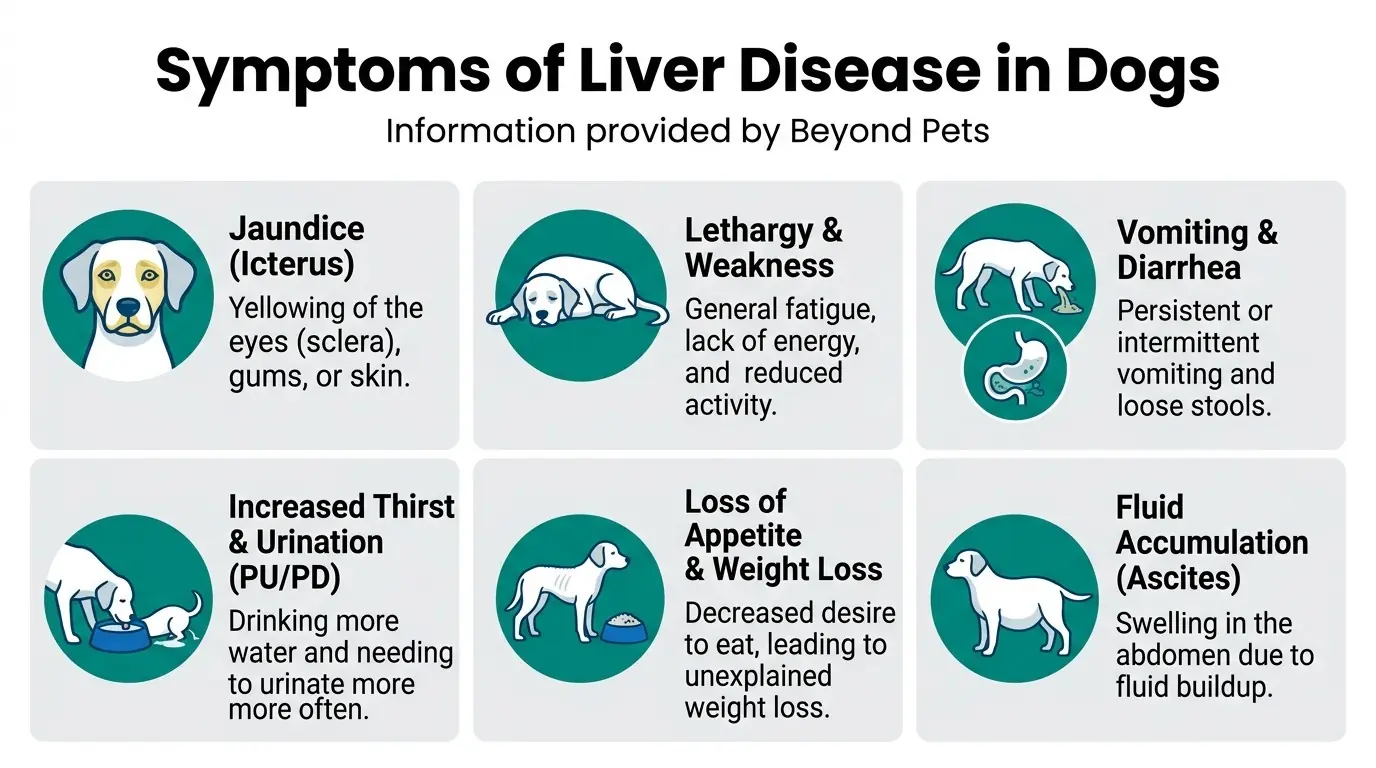
The clinical manifestations of liver disease in dogs are notoriously diverse, ranging from subtle, non-specific behavioral shifts to acute, multi-systemic collapse. Because the liver interfaces with nearly every organ system in the body, hepatic dysfunction can mimic a multitude of other illnesses, making early detection a significant challenge for pet owners. The liver’s massive functional reserve means that by the time overt, undeniable symptoms appear, the disease process is often quite advanced, underscoring the vital importance of recognizing the early warning signs. [44]
Gastrointestinal distress is frequently the first indicator that the liver is struggling. The liver produces bile, which is essential for proper digestion, and it processes the nutrients absorbed by the gut. When the liver is inflamed or failing, dogs typically experience a profound decrease in appetite (anorexia). This is often accompanied by intermittent, unexplained vomiting and chronic diarrhea. Because the liver cannot properly metabolize nutrients, pet owners will frequently notice rapid, unexplained weight loss and significant muscle wasting, particularly along the dog’s spine and hindquarters, even if the dog is still eating intermittently. Furthermore, gastrointestinal ulceration is a common complication of advanced liver disease, which can result in the dog vomiting blood (hematemesis) or passing black, tarry stools (melena) due to digested blood in the feces. [45]
Neurological symptoms are among the most distressing signs of advanced liver disease and are indicative of a severe complication known as hepatic encephalopathy (HE). When the liver fails to filter ammonia and other neurotoxins absorbed from the intestinal tract, these toxins bypass the liver and enter the systemic circulation, eventually crossing the blood-brain barrier. [46] This toxic accumulation disrupts normal brain function, leading to altered behavior, profound confusion, seemingly aimless pacing, and a classic symptom known as “head pressing,” where the dog compulsively presses its head against walls or furniture. In severe cases of HE, dogs may suffer from generalized seizures, sudden blindness, or slip into a deep, irreversible coma. These neurological deficits are often highly indicative of potential infectious diseases of the liver or the presence of a portosystemic shunt, and they frequently worsen shortly after the dog consumes a high-protein meal. Excessive drooling (ptyalism) is also a classic, early sign of nausea and hepatic encephalopathy.
Systemic and visual abnormalities provide highly specific clues pointing directly to hepatic failure. The most recognizable hallmark of liver disease is jaundice (icterus)—a distinct yellowing of the dog’s gums, the sclera (white part) of the eyes, the inner ear flaps, and the hairless skin of the abdomen. Jaundice occurs when the liver loses its ability to process and excrete bilirubin, a yellow pigment generated by the normal breakdown of red blood cells. [47] As bilirubin backs up into the bloodstream, it severely discolors the tissues. Because of the liver’s role in processing systemic toxins and maintaining metabolic balance, dogs can potentially cause eye problems, including severe uveitis (inflammation of the inner eye) and sudden corneal changes related to the systemic buildup of toxic metabolites. Furthermore, dogs with liver disease often exhibit elevated thirst levels (polydipsia) and an increased frequency of urination (polyuria). The urine itself often appears unusually dark in color, ranging from deep orange to brown, as the body desperately attempts to excrete the excess bilirubin through the kidneys. Conversely, the stool may become abnormally pale or gray-colored (acholic feces) because the bile pigments that normally give feces their brown color are no longer reaching the intestinal tract. [48]
Finally, end-stage liver disease triggers severe systemic complications, most notably ascites and profound coagulopathies. Ascites is the massive accumulation of fluid within the peritoneal cavity, leading to a tightly distended, “pot-bellied” appearance. This occurs due to a combination of portal hypertension and the liver’s failure to synthesize albumin, the protein responsible for holding fluid within the blood vessels. [49] Additionally, because the liver is the primary production site for blood clotting factors, hepatic failure results in dangerous bleeding disorders. Dogs may suffer from spontaneous nosebleeds (epistaxis), bloody urine or feces, pinpoint hemorrhages on their gums (petechiae), or prolonged, uncontrolled bleeding even from minor cuts or routine venipunctures. Accompanied by generalized lethargy or profound weakness, these symptoms severely hinder the ability to let your dog partake in regular activities. If your pet displays any combination of these clinical signs, immediate, comprehensive evaluation by a veterinarian is absolutely critical to accurately diagnose the underlying cause and initiate life-saving therapy.
Diagnosing Liver Disease in Dogs
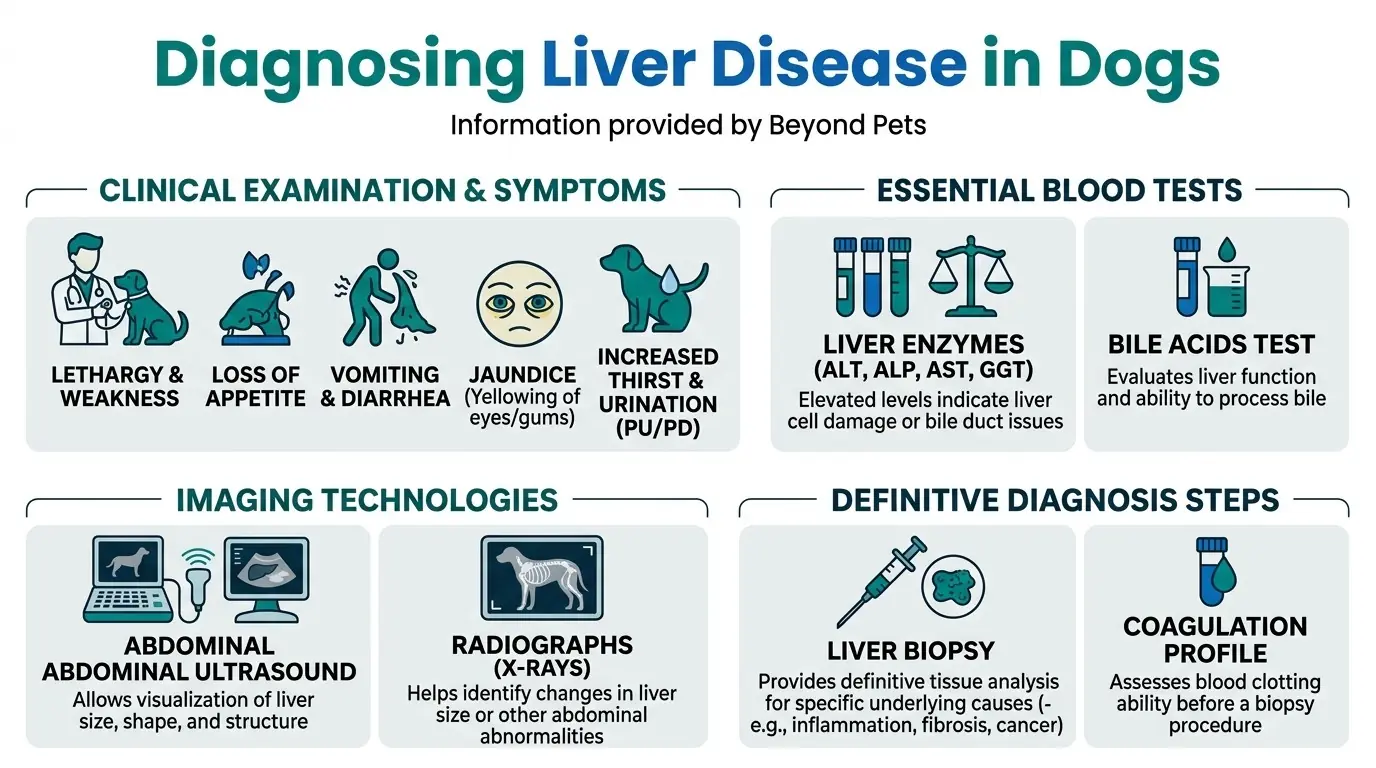
Diagnosing liver disease in dogs is a multifaceted, investigative process. Because the liver’s functions are so deeply intertwined with the rest of the body, a single test is rarely sufficient to definitively pinpoint the underlying pathology. Veterinarians must employ a logical, stepwise diagnostic approach, gathering clues from the patient’s history, interpreting complex biochemical data, visualizing the organ through advanced imaging, and ultimately examining the tissue at a microscopic level. [50] Here is an in-depth exploration of the diagnostic protocols utilized in modern veterinary medicine to evaluate hepatic health.
Initial Clinical Assessment and History Review
The diagnostic journey always begins with a meticulous clinical assessment and a comprehensive review of the dog’s medical history. During the physical examination, the veterinarian will carefully palpate the dog’s abdomen. They will assess the size, shape, and margins of the liver, checking for hepatomegaly (an enlarged, swollen liver that extends well beyond the rib cage) or microhepatica (an abnormally small liver often associated with shunts or severe cirrhosis). [51] The vet will also check for the presence of an abdominal fluid wave, which confirms ascites, and meticulously inspect the mucous membranes for any subtle hints of jaundice or petechial hemorrhages indicative of a clotting disorder.
Simultaneously, a deep dive into the patient’s history is vital. The veterinarian will ask probing questions about the dog’s exact diet, recent travel history, vaccination status, and potential exposure to environmental toxins like toxic plants, heavy metals, or rodenticides. A thorough review of all current and past medications is crucial, as many seemingly benign drugs (like certain arthritis medications or long-acting anti-seizure medication your vet will prescribe) can cause idiosyncratic hepatotoxicity. Furthermore, the dog’s breed and age provide immediate diagnostic context. For example, a young Yorkshire Terrier exhibiting neurological signs strongly suggests a congenital portosystemic shunt, whereas an older Labrador Retriever with weight loss might prompt a higher clinical suspicion for copper-associated hepatopathy or a primary hepatic neoplasia. While the physical exam and history cannot yield a definitive diagnosis alone, they are indispensable for determining the trajectory of the subsequent diagnostic workup. [52]
Blood Tests
Comprehensive blood profiling is the cornerstone of diagnosing and monitoring liver disease. A complete blood count (CBC) and a serum biochemistry panel provide a detailed biochemical snapshot of the liver’s integrity and functional capacity. Veterinarians closely evaluate specific “leakage enzymes,” namely Alanine Aminotransferase (ALT) and Aspartate Aminotransferase (AST). [53] These enzymes are normally contained within the cytoplasm of healthy hepatocytes. When liver cells are damaged, inflamed, or necrotic, they rupture and spill massive amounts of ALT and AST into the bloodstream, causing elevated values on the blood panel. Additionally, veterinarians assess “inducible enzymes,” specifically Alkaline Phosphatase (ALP) and Gamma-Glutamyl Transferase (GGT). Elevations in ALP and GGT strongly indicate cholestasis (stoppage of bile flow) or biliary tree disease, though ALP can also be elevated due to bone growth in puppies or exposure to systemic prescription steroid medications. [54]
While elevated enzymes indicate active liver damage, they do not necessarily reflect the liver’s functional capacity. To assess how well the liver is actually working, veterinarians look at specific functional markers on the blood panel. A failing liver will show decreased levels of Blood Urea Nitrogen (BUN), albumin, cholesterol, and glucose, as the organ loses its ability to synthesize and metabolize these vital compounds. [55] Furthermore, elevated systemic bilirubin confirms the liver’s inability to process and excrete red blood cell breakdown products. To specifically test liver function, veterinarians often perform a paired Bile Acids test. This involves drawing a fasting blood sample, feeding the dog a small, high-fat meal to stimulate gallbladder contraction, and drawing a second sample two hours later. If the liver is functioning normally, it will efficiently reclaim the bile acids from the bloodstream. Markedly elevated post-prandial bile acids definitively prove severe hepatic dysfunction or the presence of a portosystemic vascular shunt. Finally, checking blood clotting factors (PT and aPTT) is mandatory, as a damaged liver cannot produce the proteins required for normal coagulation. [56]
Imaging Procedures
To move from a biochemical suspicion to a structural understanding, veterinarians rely heavily on non-invasive imaging techniques. Abdominal radiography (X-rays) provides an excellent overview of the liver’s gross size and position. By evaluating the angle of the stomach (the gastric axis), veterinarians can determine if the liver is significantly enlarged (pushing the stomach backward) or abnormally small (allowing the stomach to fall forward). Radiographs can also identify the presence of mineralized gallstones or massive hepatic tumors. However, to evaluate the internal architecture of the liver, abdominal ultrasonography is the diagnostic modality of choice. [57]
Ultrasound provides a real-time, cross-sectional view of the hepatic parenchyma, the biliary tree, and the associated vasculature. A skilled ultrasonographer can assess the echogenicity of the liver, identifying diffuse changes like fatty infiltration (which appears hyper-reflective or “bright”) or severe congestion. Ultrasound is incredibly sensitive for detecting localized abnormalities such as hepatic cysts, abscesses, primary tumors, or metastatic nodules (often presenting as a “Swiss cheese” appearance). Furthermore, it allows for the precise evaluation of the gallbladder to check for biliary mucoceles or obstructions, and the use of Doppler technology can visualize abnormal blood flow, aiding significantly in the non-invasive diagnosis of portosystemic shunts. For complex surgical planning, especially concerning massive tumors or intricate intrahepatic shunts, advanced three-dimensional imaging via Computed Tomography (CT) or Magnetic Resonance Imaging (MRI) is increasingly utilized in specialty veterinary centers. [58]
Liver Biopsy
While blood tests identify damage and ultrasound visualizes structural changes, the definitive, gold-standard diagnosis for nearly all chronic liver diseases can only be achieved through a liver biopsy. A biopsy involves the extraction of a small sample of hepatic tissue for microscopic histopathological examination by a veterinary pathologist. [59] This procedure allows for the exact identification of the underlying cellular pathology, differentiating between autoimmune inflammation, infectious hepatitis, copper storage disease, severe fibrosis, or specific types of neoplasia. Depending on the dog’s stability and the suspected disease, a biopsy can be performed in several ways. Fine Needle Aspiration (FNA) is a minimally invasive technique guided by ultrasound, useful for diagnosing certain cancers or lipidosis, but it often yields insufficient tissue for diagnosing chronic inflammatory diseases.
For a more comprehensive tissue sample, a Tru-Cut needle biopsy can be performed via ultrasound guidance, providing a core sample of the liver architecture. However, the most diagnostic approach is a surgical wedge biopsy, obtained either via a traditional laparotomy (open abdominal surgery) or through minimally invasive laparoscopy. [60] The surgical approach allows the veterinarian to directly visualize the entire liver, inspect all the lobes, and obtain large, high-quality tissue samples from multiple areas. It is crucial to note that because the liver is a highly vascular organ responsible for producing clotting factors, severe hemorrhage is a significant risk during any biopsy procedure. Therefore, comprehensive coagulation testing (PT, aPTT, and platelet count) must be strictly evaluated and confirmed normal before a biopsy is ever attempted. Biopsy samples are routinely subjected to histopathology, specialized staining for copper and iron, and bacterial culture to ensure an accurate, targeted treatment plan. [61]
Urinalysis
Though often overshadowed by advanced blood panels, a complete urinalysis is an indispensable, non-invasive diagnostic tool in the evaluation of liver disease. Because the kidneys filter the blood, the composition of the urine offers vital clues about systemic metabolic derangements. The presence of bilirubin in the urine (bilirubinuria) is a critical finding. While a trace amount of bilirubin can be normal in highly concentrated urine from healthy male dogs, moderate to heavy bilirubinuria is a strong, early indicator of hepatic dysfunction, biliary obstruction, or a severe hemolytic event, often appearing in the urine before jaundice is visible in the patient’s tissues. [62]
Additionally, the urinalysis assesses the Urine Specific Gravity (USG), which measures the kidney’s ability to concentrate urine. Dogs with advanced liver disease often exhibit inappropriately dilute urine (isosthenuria) due to the liver’s inability to produce adequate urea, which is required by the kidneys to maintain normal concentrating gradients. Furthermore, the microscopic examination of urine sediment can reveal the presence of specific crystals. The identification of ammonium urate crystals is a classic hallmark of altered hepatic metabolism, strongly suggesting the presence of a portosystemic shunt or end-stage liver failure where the liver is failing to convert ammonia into urea. By providing insights into hydration status, kidney function, and the presence of abnormal metabolic byproducts, the urinalysis is essential for a complete diagnostic picture. [63]
Treatment Options for Liver Disease in Dogs
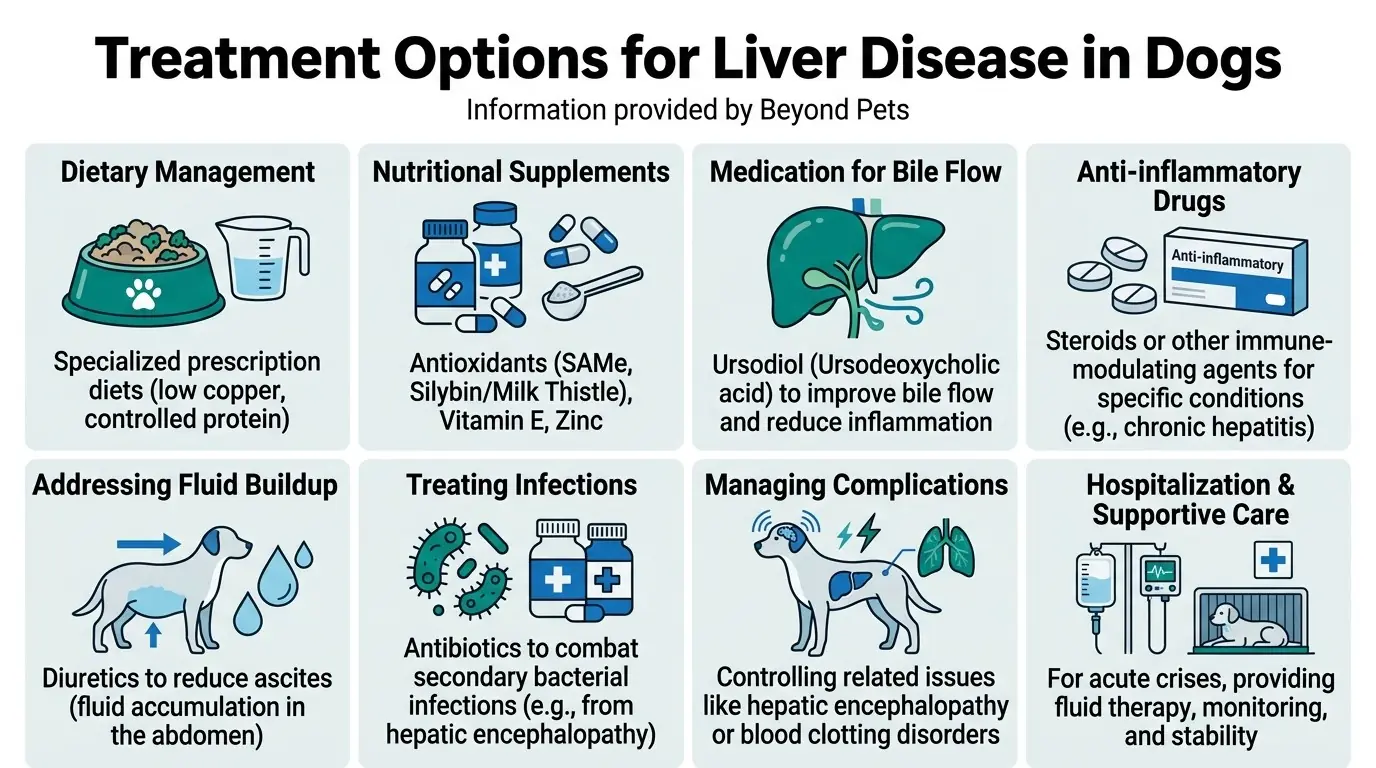
The therapeutic approach to liver disease in dogs is highly individualized, depending entirely on the definitive diagnosis, the severity of the clinical signs, and the specific underlying etiology. Because the liver processes all medications, formulating a safe and effective treatment protocol requires profound pharmacological precision. The overarching goals of treatment are to eliminate the primary causative agent (if possible), aggressively control hepatic inflammation, manage the life-threatening complications of liver failure, and provide the supportive environment necessary to allow the liver tissue to regenerate. [64]
Pharmaceutical Intervention
Pharmaceuticals form the front line defense in the medical management of hepatic dysfunction. If a bacterial infection like Leptospirosis is identified, targeted prescription antibiotic therapy is rapidly deployed to eliminate the pathogen and halt further organ destruction. For cases of immune-mediated chronic hepatitis, veterinarians must suppress the dog’s overactive immune system. This is typically achieved using systemic prescription steroid therapy, or alternative prescription immunosuppressive medications, which are carefully titrated to reduce liver inflammation while minimizing systemic side effects. [65]
When heavy metal toxicity is the culprit, specific chelating agents are required. In dogs diagnosed with copper-associated hepatopathy, specific prescription chelating medications are prescribed. These specialized drugs bind directly to the toxic copper stored within the hepatocytes, allowing it to be safely excreted through the kidneys. Furthermore, managing the profound nausea, vomiting, and gastric ulceration associated with liver disease is critical for patient comfort. Veterinarians routinely utilize potent prescription anti-nausea medications and gastroprotectants to soothe the gastrointestinal tract. For dogs suffering from hepatic encephalopathy, managing systemic ammonia levels is paramount. The administration of a prescription medical sugar is a cornerstone of therapy. This medication alters the pH of the colon, trapping neurotoxic ammonia in the gut and facilitating its rapid excretion via the feces, thereby resolving the neurological symptoms. This is often combined with specific oral prescription antibiotics to reduce the population of ammonia-producing bacteria in the intestines. [66]
Prescribed Diet
Nutritional management is not merely supportive; it is a primary, active medical intervention for dogs with compromised liver function. A precisely formulated, prescribed diet is essential to provide adequate calories to prevent dangerous catabolism (muscle breakdown) while simultaneously minimizing the metabolic workload on the failing organ. [67] One of the most critical aspects of a hepatic diet is protein modification. While the diet must contain enough high-biological-value protein to support liver regeneration, the protein must be exceptionally easy to digest. Often, proteins derived from dairy (cottage cheese) or soy are preferred over meat-based proteins, as they generate significantly less neurotoxic ammonia during the digestive process, thereby drastically reducing the risk of hepatic encephalopathy.
In addition to protein management, hepatic diets are specifically engineered to address the unique metabolic derangements of liver disease. They are typically highly restricted in dietary copper to prevent further toxic accumulation, particularly in susceptible breeds. To manage the massive fluid shifts and ascites associated with portal hypertension, the diets are strictly formulated to be low in sodium. Furthermore, they are fortified with easily digestible, highly concentrated complex carbohydrates to combat the severe hypoglycemia commonly seen in hepatic insufficiency. They also contain elevated levels of soluble fiber to help trap and excrete intestinal toxins, alongside heavy supplementation of essential fat-soluble vitamins (specifically Vitamin K to support blood clotting) and potent systemic antioxidants. Because a dog’s specific dietary requirements will fluctuate wildly depending on the exact stage and type of their liver disease, it is absolutely crucial to let a board-certified veterinarian or veterinary nutritionist guide any and all dietary changes. [68]
Surgical Interventions
While many hepatic conditions are managed medically, certain structural abnormalities, vascular anomalies, and localized disease processes absolutely necessitate definitive surgical intervention. Surgery on a dog with a compromised liver is inherently high-risk due to the potential for severe anesthetic complications and uncontrolled hemorrhage; therefore, it requires a highly skilled surgical team and meticulous preoperative stabilization. [69] Common and critical surgical procedures include:
- Liver biopsy: As discussed, obtaining a surgical wedge biopsy is often the only way to achieve a definitive diagnosis. This allows the surgeon to visually assess the entire organ and target specific lesions, providing the critical histopathological data needed to formulate a life-saving treatment plan.
- Liver lobectomy: If a dog is diagnosed with a massive, primary hepatocellular carcinoma confined to a single liver lobe, the complete surgical excision of that lobe (lobectomy) can be entirely curative. Remarkably, dogs can easily tolerate the removal of up to 70 percent of their hepatic mass, and the remaining healthy tissue will rapidly regenerate to compensate for the loss. [70]
- Shunt surgery: For puppies diagnosed with congenital portosystemic shunts, surgical attenuation is the gold standard of care. Surgeons isolate the abnormal bypassing blood vessel and place a specialized device around it—such as an ameroid constrictor or a cellophane band. These devices are designed to slowly and gradually close the anomalous vessel over several weeks. This slow closure is critical; it redirects blood flow back into the liver, allowing the stunted organ to regenerate, while avoiding a sudden, fatal spike in portal blood pressure (portal hypertension). [71]
- Gallbladder removal (Cholecystectomy): In severe cases of biliary tract disease, such as a ruptured gallbladder, obstructive gallstones, or a severe gallbladder mucocele (where the bile turns into a thick, immobile sludge), the complete surgical removal of the gallbladder becomes an immediate, life-saving necessity. [72]
Remember that the exact surgical intervention will rely completely on the specific type, location, and severity of the liver disease and must always be determined and executed by an experienced veterinarian or board-certified veterinary surgeon.
Hydration Management
Maintaining meticulous fluid and electrolyte balance is a cornerstone of managing both acute and chronic liver disease. Dogs suffering from severe hepatic dysfunction are highly prone to profound dehydration due to chronic vomiting, persistent diarrhea, and a complete lack of appetite. Furthermore, the massive fluid shifts associated with ascites pull vital fluid out of the systemic circulation, leaving the dog effectively dehydrated despite a swollen abdomen. [73] In the acute hospital setting, intravenous fluid therapy is critical to restore systemic hydration, support kidney perfusion, and flush toxins from the bloodstream. However, fluid choice is crucial; specific medical fluids containing lactate are often avoided in severe liver failure, as the damaged liver cannot metabolize the lactate, leading to dangerous lactic acidosis. Instead, customized fluids supplemented with intravenous glucose support (to combat hypoglycemia) and potassium (to correct hypokalemia, which worsens hepatic encephalopathy) are meticulously administered and monitored.
Supplements for Liver Support
Nutraceuticals and targeted supplements play a massive, scientifically validated role in the long-term management of canine liver disease. These compounds are designed to provide the liver with the raw materials it needs to repair cellular damage, reduce systemic oxidative stress, and optimize bile flow. [74] Essential supplements include:
- S-Adenosylmethionine (SAMe): This is a powerhouse molecule naturally produced by the liver. In diseased livers, SAMe production plummets. Supplementing SAMe is crucial as it acts as a direct precursor to glutathione, the body’s most potent intracellular antioxidant. It drastically promotes liver function by neutralizing free radicals and actively aiding in the repair, stabilization, and regeneration of damaged hepatocyte cell membranes. [75]
- Milk Thistle (Silymarin): Extensively researched and historically utilized for its remarkable hepatoprotective effects, the active extract of the milk thistle plant, silymarin, fosters liver health and function. It acts as a powerful free radical scavenger, inhibits the binding of toxins to the outer cell membranes of hepatocytes, and possesses significant anti-inflammatory and anti-fibrotic properties, helping to slow the progression of cirrhosis.
- Vitamins E and C: These are potent, synergistic antioxidants that help minimize the unrelenting oxidative stress occurring within the diseased liver tissue, protecting the cells from further necrosis. [76]
- Prescription Bile Acid Therapy: This involves a synthetic, hydrophilic (water-loving) bile acid. When administered, it alters the composition of the dog’s natural, potentially toxic bile acids. It stimulates the flow of bile (a choleretic effect), helps dissolve toxic bile sludges, and protects the delicate biliary epithelium from chronic inflammatory damage.
- Amino acids and Zinc: Specific amino acids, such as L-arginine and L-carnitine, are utilized to assist in complex detoxification pathways and cellular fat metabolism. Zinc supplementation is specifically utilized in copper storage diseases, as oral zinc competes with dietary copper for absorption in the intestines, effectively lowering the body’s overall copper burden. [77]
The success of the dog’s treatment will depend entirely on a customized, highly specific plan that meets its exact physiological needs. When determining the best course of action, the veterinarian will carefully consider the dog’s overall health, the exact stage and underlying cause of the liver disease, and other crucial factors like specific liver enzyme values and alkaline phosphatase levels. The owner must strictly stick to the prescribed treatment plan, administer all medications precisely, and closely observe the dog’s physical response, especially when treating the volatile phases of acute liver failure. Regular, ongoing check-ups with the vet are absolutely necessary to track biochemical progress and tweak the treatment dosages as the liver heals or the disease progresses. Always ensure your dog has access to appropriate hydration, but strictly follow your vet’s guidance on water intake if severe ascites is present.
Prevention of Liver Disease in Dogs
While congenital anomalies and certain hereditary, breed-specific conditions cannot be entirely prevented, a vast majority of acquired liver diseases in dogs can be thwarted through diligent, proactive veterinary care and responsible pet ownership. The liver is a remarkably resilient organ, but it requires a safe, balanced environment to function optimally over a dog’s lifetime. Preventing liver disease primarily revolves around maintaining robust general health, preventing exposure to known hepatotoxins, and adhering to frequent veterinarian consultations to catch subtle changes before they become catastrophic. [78] Here are several crucial strategies for protecting your dog’s hepatic health:
- Balanced Diet – To prevent common metabolic and toxic liver disorders in dogs, providing a balanced, highly nutritious, commercial or veterinary-approved diet suitable for their specific age, size, and breed is crucial. High-quality nutrition prevents the oxidative stress and vitamin deficiencies that can predispose the liver to injury. In addition, this practice supports a robust, responsive immune system and ensures proper, efficient liver function throughout the dog’s life. [79]
- Consistent Exercise and Weight Management – The canine obesity epidemic is a direct precursor to severe metabolic derangements. Regular, daily physical activity helps tightly manage your dog’s weight, mitigating the severe obesity risks that directly lead to conditions like hepatic lipidosis and insulin-resistant fatty liver changes. Keep your dog lean and active to reduce the metabolic burden on the hepatic system.
- Controlled Toxin Exposure – It is an absolute necessity to protect the liver by strictly minimizing your dog’s exposure to environmental toxins. This means meticulously dog-proofing your home and yard. Restrict access to toxic landscaping elements (like Sago Palms, certain mushrooms, and blue-green algae in ponds), secure all harsh cleaning chemicals and antifreeze, and be hyper-vigilant about highly toxic human foods, particularly xylitol-sweetened products, grapes, and macadamia nuts, as these can cause sudden, massive potential liver damage. [80]
- Routine Veterinary Care – Regular vet check-ups can identify potential health issues early, often months or years before overt clinical signs manifest, severely reducing the risk of chronic liver failure. Routine, annual or bi-annual blood tests (especially for senior dogs) and other advanced diagnostics can reliably detect subtle, asymptomatic abnormalities in liver enzymes and function tests before irreparable architectural scarring even emerges. Early detection is the single most effective tool in preventing end-stage cirrhosis. [81]
- Infectious Disease Control – Vaccinations and Parasite Management: Ensure your dog’s vaccinations are current and deworming is done regularly and on an appropriate schedule. Administering core vaccines protects against the devastating Canine Adenovirus Type 1 (Infectious Canine Hepatitis). Furthermore, depending on your geographic location and your dog’s lifestyle, vaccinating against Leptospirosis is heavily recommended. Certain infectious diseases and migrating intestinal parasites can directly invade and destroy hepatic tissue, contributing to severe liver disease, a condition in dogs that can lead to rapid, systemic health problems. [82]
- Hydration – Supply your dog with abundant, fresh, clean water consistently throughout the day. Adequate, flush hydration strongly supports kidney function, which works in tandem with the liver to process and excrete systemic waste, and directly aids vital intrahepatic metabolic processes and bile production.
- Alcohol and Certain Medications Avoidance – It goes without saying, but absolutely refrain from ever giving your dog alcohol, as canine livers lack the specific enzymes required to safely metabolize it, leading to acute, fatal toxicity. Furthermore, be exceptionally cautious about all medications. Never administer human over-the-counter pain medications. When overused or used over an extended period, even prescribed veterinary drugs (like certain pain medications or anti-seizure medications) can cause severe, idiosyncratic liver damage. Always consult your vet when giving any supplement or medication to your dog to prevent scenarios where the liver becomes overwhelmed, inflamed, and begins to scar, a classic sign of severe, irreversible damage. [83]
While implementing these comprehensive steps can dramatically diminish the risk of hepatic dysfunction, especially in mitigating the triggers for acute liver conditions, they cannot completely avert every genetic or age-related illness. Hence, maintaining a steady, proactive line of communication with your veterinary team is always recommended. Please remember, you must always consult your veterinarian before making any changes to your pet’s care, diet, or medication regimen to ensure the absolute best, scientifically sound care for your dog’s long-term health and well-being.
Frequently Asked Questions
What is the life expectancy of a dog with liver disease?
The prognosis and life expectancy for a dog diagnosed with liver disease vary wildly depending entirely on the specific underlying cause, the stage at which the disease was caught, and how aggressively it is treated. [84] For acute conditions, such as sudden toxic exposure or a bacterial infection like leptospirosis, prompt, aggressive veterinary hospitalization can lead to a complete, 100% recovery, allowing the dog to live a normal, full lifespan. Dogs with congenital portosystemic shunts that undergo successful surgical correction early in life also frequently enjoy a normal life expectancy. Conversely, chronic conditions like severe cirrhosis, end-stage chronic active hepatitis, or aggressive malignant liver tumors carry a much poorer prognosis. In these advanced scenarios, the liver damage is irreversible, and treatments are purely palliative. While dietary management and hepatoprotective medications can improve the dog’s quality of life and buy valuable time, the life expectancy may be reduced to a matter of months. Regular blood monitoring and strict adherence to a veterinary treatment plan are the best ways to maximize both the lifespan and the quality of life for a dog with a chronic hepatic condition.
Can a dog recover completely from liver failure?
Astonishingly, yes, a dog can completely recover from liver failure, but this depends entirely on whether the failure is acute or chronic in nature. The canine liver possesses an unparalleled, remarkable capacity for cellular regeneration. [85] If a dog suffers from Acute Liver Failure (ALF) due to a sudden, massive insult—such as xylitol toxicity or an acute infectious hepatitis—and they survive the initial, life-threatening systemic crisis through intensive emergency veterinary care, the liver can often regenerate its damaged tissue. Over several weeks to months, the hepatocytes can multiply and replace the necrotic areas, potentially restoring 100% of the organ’s normal function without permanent scarring. However, if the liver failure is the end-stage result of a chronic, long-standing disease process like cirrhosis or chronic autoimmune hepatitis, full recovery is physiologically impossible. In these chronic cases, the functional liver cells have been permanently replaced by thick, non-functional fibrous scar tissue. While medications and diet can manage the symptoms of chronic failure, the structural damage cannot be reversed, and the condition requires lifelong management.
Are specific dog breeds more prone to liver problems?
Yes, canine genetics play a massive, well-documented role in the predisposition to various forms of liver disease. [86] Bedlington Terriers, West Highland White Terriers, Doberman Pinschers, and Labrador Retrievers have a highly documented genetic predisposition to copper-associated chronic hepatopathy, a condition where the liver fails to excrete dietary copper, leading to toxic accumulation and chronic scarring. Doberman Pinschers and English Springer Spaniels are also highly susceptible to idiopathic chronic active hepatitis, often suspected to be an inherited immune-mediated disorder. When it comes to vascular anomalies, small and toy breeds—particularly Yorkshire Terriers, Maltese, Pugs, and Miniature Schnauzers—are significantly overrepresented in cases of congenital extrahepatic portosystemic shunts. Conversely, giant breeds like Irish Wolfhounds are more prone to intrahepatic shunts. If you own a breed with a known genetic predisposition to hepatic disorders, it is highly recommended to discuss proactive screening—such as routine bile acid tests or specialized genetic DNA testing—with your veterinarian to catch potential issues long before they cause irreversible organ damage.
Take Action for Your Dog’s Liver Health
If you suspect your dog is showing signs of liver disease or if you simply want to schedule a proactive wellness check, early intervention is critical. Don’t wait for symptoms to worsen—schedule an appointment with a veterinarian today to ensure your pet receives the comprehensive, individualized care they deserve.
References
- Merck Veterinary Manual. Hepatic Disease in Small Animals. Merck & Co., 2023.
- Center, S.A. Pathophysiology of Liver Disease in Dogs. Journal of Veterinary Internal Medicine, 2017.
- AVMA. Liver Disease in Dogs: Function and Anatomy. American Veterinary Medical Association, 2022.
- VCA Hospitals. Liver Disease in Dogs. VCA Animal Hospitals, 2023.
- Webster, C.R.L. ACVIM Consensus Statement on the Diagnosis and Treatment of Chronic Hepatitis in Dogs. Journal of Veterinary Internal Medicine, 2019.
- Merck Veterinary Manual. Hepatitis in Dogs. Merck & Co., 2023.
- Boomkens, S.Y., et al. Infectious Canine Hepatitis: CAV-1. Veterinary Pathology, 2006.
- Bexfield, N.H., et al. Chronic Hepatitis in Dogs. Veterinary Clinics of North America: Small Animal Practice, 2012.
- Fieten, H., et al. Copper-Associated Hepatitis in Doberman Pinschers and Labrador Retrievers. The Veterinary Journal, 2016.
- Forman, O.P., et al. COMMD1 Mutation in Bedlington Terriers with Copper Toxicosis. Mammalian Genome, 2005.
- VCA Hospitals. Copper-Associated Liver Disease in Dogs. VCA Animal Hospitals, 2021.
- Poldervaart, J.H., et al. Hepatic Fibrosis and Cirrhosis in Dogs. Journal of Veterinary Internal Medicine, 2001.
- Veterinary Information Network. Portal Hypertension in Dogs. VIN, 2018.
- Merck Veterinary Manual. Cirrhosis and Fibrosis in Animals. Merck & Co., 2022.
- VCA Hospitals. Portosystemic Shunt in Dogs. VCA Animal Hospitals, 2020.
- Tobias, K.M., et al. Congenital Portosystemic Shunts in Dogs. Journal of the American Veterinary Medical Association, 2013.
- Hunt, G.B., et al. Surgical Management of Acquired Portosystemic Shunts. Veterinary Surgery, 2003.
- Merck Veterinary Manual. Hepatic Lipidosis in Animals. Merck & Co., 2023.
- Watson, P.J. Hepatic Lipidosis in Dogs: Pathophysiology. Veterinary Record, 2001.
- Center, S.A. Feline and Canine Hepatic Lipidosis. Veterinary Clinics of North America, 2008.
- Colorado State University. Liver Cancer in Dogs. Flint Animal Cancer Center, 2022.
- Liptak, J.M., et al. Hepatocellular Carcinoma in Dogs. Journal of Veterinary Internal Medicine, 2009.
- VCA Hospitals. Liver Tumors in Dogs. VCA Animal Hospitals, 2022.
- Thawley, V. Acute Liver Failure in Dogs. Journal of Veterinary Emergency and Critical Care, 2006.
- Goggs, R. Disseminated Intravascular Coagulation in Dogs with Hepatic Failure. Veterinary Clinics of North America, 2011.
- Veterinary Information Network. Management of Chronic Liver Failure. VIN, 2019.
- Rutgers, H.C. Vacuolar Hepatopathy in Dogs. Journal of Veterinary Internal Medicine, 2007.
- Poldervaart, J.H. Hepatic Steatosis Secondary to Endocrinopathies. Veterinary Pathology, 2014.
- Merck Veterinary Manual. Steroid Hepatopathy in Animals. Merck & Co., 2022.
- Crawford, M.A. Hemochromatosis and Iron Overload in Dogs. Journal of the American Veterinary Medical Association, 1997.
- Speenthius, M., et al. Iron Storage Disease and Oxidative Stress. Veterinary Journal, 2004.
- AVMA. Canine Liver Disease: Causes and Risk Factors. American Veterinary Medical Association, 2021.
- CDC. Leptospirosis in Pets. Centers for Disease Control and Prevention, 2023.
- ASPCA. Toxic Plants and Pet Safety: Hepatotoxins. ASPCA Animal Poison Control Center, 2023.
- Dunayer, E.K. Hypoglycemia and Hepatic Failure Associated with Xylitol Ingestion in Dogs. Journal of the American Veterinary Medical Association, 2006.
- Center, S.A., et al. Hepatic Microvascular Dysplasia in Dogs. Journal of Veterinary Internal Medicine, 2002.
- Nelson, R.W. Canine Hyperadrenocorticism and Secondary Hepatopathy. Veterinary Clinics of North America, 2012.
- Hammer, A.S. Primary and Metastatic Liver Tumors in Dogs. Compendium on Continuing Education for the Practicing Veterinarian, 2005.
- Favier, R.P., et al. Immune-Mediated Hepatitis in Dogs. Veterinary Immunology and Immunopathology, 2011.
- Veterinary Information Network. The Geriatric Canine Liver. VIN, 2017.
- Hoffmann, G. Copper-Associated Liver Diseases in Dogs. Veterinary Clinics of North America, 2014.
- Fascetti, A.J. Nutritional Management of Canine Liver Disease. Journal of Veterinary Internal Medicine, 2006.
- Merck Veterinary Manual. Nutritional Management of Liver Disease. Merck & Co., 2023.
- VCA Hospitals. Testing and Symptoms of Liver Disease. VCA Animal Hospitals, 2022.
- Washabau, R.J. Gastrointestinal Manifestations of Hepatic Disease. Veterinary Clinics of North America, 2002.
- Maddison, J.E. Hepatic Encephalopathy in Dogs. Journal of Veterinary Internal Medicine, 2008.
- Rothuizen, J. Jaundice in Dogs and Cats. Veterinary Clinics of North America, 2013.
- Center, S.A. Interpretation of Liver Enzymes and Bilirubin. Veterinary Clinics of North America, 2009.
- Tams, T.R. Management of Ascites in Dogs. Compendium on Continuing Education for the Practicing Veterinarian, 2004.
- Merck Veterinary Manual. Diagnostic Evaluation of the Liver. Merck & Co., 2023.
- Ettinger, S.J. Physical Examination of the Hepatobiliary System. Textbook of Veterinary Internal Medicine, 2010.
- Veterinary Information Network. Diagnostic Approach to Liver Disease. VIN, 2016.
- Dirksen, K., et al. Biomarkers of Canine Liver Disease. Veterinary Clinics of North America, 2014.
- Center, S.A. Interpretation of Liver Enzymes. Veterinary Clinics of North America: Small Animal Practice, 2000.
- Gostnell, K., et al. Liver Function Tests in Dogs. Journal of Veterinary Internal Medicine, 2003.
- Bridgeman, C. Serum Bile Acids in Dogs. Journal of the American Veterinary Medical Association, 2007.
- Nyland, T.G., et al. Hepatic Ultrasonography in Dogs. Veterinary Clinics of North America, 2002.
- Specchi, S. Advanced Imaging of the Canine Liver (CT/MRI). Veterinary Radiology & Ultrasound, 2011.
- Rothuizen, J., et al. WSAVA Standards for Clinical and Histological Diagnosis of Canine Liver Disease. Saunders, 2006.
- Kemp, S.D., et al. Laparoscopic vs. Tru-Cut Liver Biopsy in Dogs. Veterinary Surgery, 2010.
- Willard, M.D. Complications of Liver Biopsy in Dogs. Journal of Veterinary Internal Medicine, 2009.
- Merck Veterinary Manual. Urinalysis in Animals. Merck & Co., 2023.
- Bartges, J.W. Ammonium Urate Urolithiasis and Hepatic Dysfunction. Veterinary Clinics of North America, 2001.
- Veterinary Information Network. Therapeutics in Canine Liver Disease. VIN, 2020.
- Favier, R.P. Immunosuppressive Therapy for Chronic Hepatitis in Dogs. The Veterinary Journal, 2016.
- Maddison, J.E. Pharmacologic Management of Hepatic Encephalopathy. Veterinary Clinics of North America, 2011.
- Marks, S.L. Nutritional Support of Dogs with Liver Disease. Veterinary Clinics of North America, 2014.
- AVMA. Dietary Management for Canine Liver Disease. American Veterinary Medical Association, 2022.
- Tobias, K.M. Surgical Principles of the Canine Liver. Veterinary Surgery, 2013.
- Liptak, J.M. Liver Lobectomy in Dogs with Hepatocellular Carcinoma. Journal of the American Veterinary Medical Association, 2011.
- Hunt, G.B. Attenuation of Portosystemic Shunts using Ameroid Constrictors. Journal of Veterinary Internal Medicine, 2002.
- Mehler, S.J. Cholecystectomy for Gallbladder Mucoceles in Dogs. Journal of the American Veterinary Medical Association, 2007.
- Mazzaferro, E.M. Fluid Therapy in Patients with Hepatic Disease. Journal of Veterinary Emergency and Critical Care, 2008.
- VCA Hospitals. SAMe and Milk Thistle in Dogs. VCA Animal Hospitals, 2021.
- Center, S.A., et al. S-Adenosylmethionine (SAMe) in Liver Disease. Journal of Veterinary Internal Medicine, 2006.
- Webb, C.B. Antioxidant Therapy in Canine Liver Disease. Veterinary Clinics of North America, 2011.
- Hoffmann, G. Zinc Therapy for Copper-Associated Liver Disease. The Veterinary Journal, 2009.
- Merck Veterinary Manual. Preventive Care for Hepatic Disease. Merck & Co., 2023.
- Zoran, D.L. Preventive Nutrition for Hepatobiliary Health. Veterinary Clinics of North America, 2016.
- ASPCA. Toxic Human Foods: Xylitol and Hepatotoxins. ASPCA Animal Poison Control Center, 2023.
- AVMA. The Importance of Routine Screening in Geriatric Dogs. American Veterinary Medical Association, 2021.
- Sykes, J.E. Infectious Hepatitis and Core Vaccinations. Journal of Veterinary Internal Medicine, 2012.
- Trepanier, L.A. Idiosyncratic Toxicity of NSAIDs and Anticonvulsants. Veterinary Clinics of North America, 2010.
- Bexfield, N.H. Prognostic Factors in Canine Chronic Hepatitis. Journal of Veterinary Internal Medicine, 2013.
- Michalopoulos, G.K. Liver Regeneration in Animals. Journal of Cellular Physiology, 2004.
- Fieten, H. Genetic Predispositions to Hepatic Disease in Dogs. The Veterinary Journal, 2016.