




 March 1, 2023
 Phil Good, DVM
What is Heart Disease in Dogs? A Guide to Heart Failure, Congenital Heart Defects, Hypertrophic Cardiomyopathies, and Every Canine Heart Condition
This content was prepared with AI assistance and reviewed by a licensed professional for accuracy.
When pet parents first hear us mention heart disease in dogs, it often triggers immediate anxiety and a cascade of questions. Understanding the intricacies of heart failure, the progressive and life-altering nature of congestive heart failure, the early origins of Congenital heart defects, the rare but significant breed predispositions to Hypertrophic cardiomyopathies, and what it truly means to manage a chronic Heart Condition is the very first step in empowering yourself to provide a heartworm preventive and champion your pet’s cardiovascular health. At Beyond Pets Animal Hospital, we understand that hearing a cardiac diagnosis can feel overwhelming, but modern veterinary cardiology has advanced tremendously. Armed with a comprehensive understanding of how the canine heart functions, fails, and can be medically supported, you and our veterinary team can work together to ensure your dog maintains a high quality of life for as long as possible.[1]
Introduction
The canine heart is a miraculous, tireless muscle responsible for sustaining life by pumping oxygenated blood, vital nutrients, and hormones to every tissue and organ system in the body, while simultaneously carrying away metabolic waste products. Structurally, the canine heart is divided into four distinct chambers: the right atrium and right ventricle, which handle deoxygenated blood returning from the body and pump it to the lungs, and the left atrium and left ventricle, which receive oxygen-rich blood from the lungs and forcefully propel it through the aorta to the rest of the body. To ensure that blood flows in a single, unidirectional path, the heart relies on a series of specialized, delicate valves—the tricuspid, pulmonic, mitral, and aortic valves. When any component of this complex cardiovascular system—be it the heart muscle (myocardium), the valves, the electrical conduction pathways, or the surrounding blood vessels—becomes structurally abnormal or functionally impaired, the animal is broadly diagnosed with heart disease.[2]
Heart disease in dogs is generally categorized into two primary classifications: congenital and acquired. Congenital heart disease refers to structural defects that are present at birth, resulting from abnormal embryonic development in utero. These conditions are typically diagnosed in puppies or young dogs during their initial veterinary wellness examinations. Conversely, acquired heart disease develops later in life, often as a result of chronic wear and tear on the cardiac tissues, genetic predispositions manifesting in adulthood, nutritional deficiencies, or secondary to infectious diseases. Acquired heart conditions account for the vast majority—approximately 95%—of all canine cardiac cases observed in general veterinary practice. Regardless of whether the condition is congenital or acquired, the ultimate consequence of untreated or progressive heart disease is a gradual decline in the heart’s pumping efficiency.[3]
As the heart’s pumping ability diminishes, the body initiates a series of complex compensatory mechanisms designed to maintain adequate blood pressure and vital organ perfusion. The sympathetic nervous system accelerates the heart rate, while the kidneys activate the renin-angiotensin-aldosterone system (RAAS) to conserve sodium and water, thereby expanding the circulating blood volume. While these mechanisms are highly effective in the short term, their chronic, unremitting activation eventually becomes maladaptive. The increased blood volume overwhelms the failing heart, leading to increased pressure within the cardiac chambers and adjacent blood vessels. This elevated pressure forces fluid to leak out of the vascular space and into the surrounding tissues or body cavities—a life-threatening syndrome known as congestive heart failure (CHF). Congestive heart failure is not a disease in and of itself, but rather the clinical endpoint of severe, unmanaged heart disease. Understanding this progression is essential for recognizing the subtle early warning signs of cardiac distress before the condition advances to a critical stage.[4]
Types of Heart Disease in Dogs
The term “heart disease” is an umbrella classification that encompasses a wide array of distinct medical conditions, each with its own unique pathophysiology, breed predispositions, diagnostic criteria, and targeted treatment protocols. Understanding the specific type of cardiac disease your dog is facing is paramount, as the management of a primary muscle disorder differs drastically from the treatment of a degenerative valve issue.[5]
Mitral Valve Disease (MVD)
Myxomatous Mitral Valve Disease (MMVD), also commonly referred to as degenerative mitral valve disease or endocardiosis, is the single most prevalent cardiac condition in dogs, accounting for approximately 75% to 80% of all canine heart disease cases. This condition predominantly afflicts small to medium-sized breeds as they reach their senior years. The Cavalier King Charles Spaniel is notoriously predisposed to this disease, often developing it at a significantly younger age and with greater severity than other breeds. Other frequently affected breeds include Miniature Poodles, Dachshunds, Chihuahuas, Pomeranians, and Terriers. The most common form of valvular heart disease in dogs is degenerative valve disease (DVM), which fundamentally alters the structural integrity of the heart’s most critical valve.[6]
The pathophysiology of MVD involves a chronic, progressive degeneration of the mitral valve leaflets, which separate the left atrium from the left ventricle. Over time, abnormal connective tissue (glycosaminoglycans) accumulates within the valve leaflets, causing them to become thickened, nodular, and structurally distorted. The delicate parachute-like strings (chordae tendineae) that anchor the valve can also stretch or rupture. Consequently, when the left ventricle contracts to pump blood out to the body, the diseased mitral valve fails to close completely. This allows a portion of the blood to flow backward—or regurgitate—into the left atrium. This turbulent backward flow of blood generates the classic “whooshing” sound known as a heart murmur, which is often the very first clinical indicator detected by a veterinarian.[7]
As the regurgitation worsens over months or years, the left atrium and left ventricle must physically enlarge (dilate) to accommodate the increasing volume of blood. The American College of Veterinary Internal Medicine (ACVIM) has established a highly specific staging system for MVD. Stage A includes dogs at high risk but with no current structural changes; Stage B1 involves a murmur but no heart enlargement; Stage B2 indicates significant heart enlargement requiring preventative medication; Stage C marks the onset of past or present congestive heart failure; and Stage D represents end-stage, refractory heart failure that is challenging to manage despite aggressive medical intervention.[8]
Dilated Cardiomyopathy (DCM)
Dilated Cardiomyopathy (DCM) is a primary disease of the cardiac muscle (myocardium) itself, characterized by a progressive weakening and thinning of the ventricular walls. Unlike MVD, which primarily affects small breeds, DCM is predominantly a disease of large and giant breed dogs. Doberman Pinschers, Great Danes, Irish Wolfhounds, Boxers, and Saint Bernards are among the most frequently affected. In a dog with DCM, the heart muscle loses its ability to contract forcefully—a condition known as systolic dysfunction. Because the heart cannot pump blood effectively, residual blood remains in the chambers after each beat, causing the heart to progressively balloon outward and enlarge globally. This severe dilation stretches the valve rings, often leading to secondary valvular regurgitation, and massively decreases the overall cardiac output.[9]
Historically, DCM was viewed almost exclusively as a genetic or idiopathic condition. However, the veterinary community has increasingly recognized the role of nutritional factors in the development of this devastating disease. Specifically, deficiencies in the amino acid taurine have been directly linked to reversible forms of DCM, particularly in breeds like the Golden Retriever and Cocker Spaniel. More recently, the United States Food and Drug Administration (FDA) launched extensive investigations into a potential link between DCM and certain non-traditional “BEG” diets—boutique, exotic protein, and grain-free formulations that rely heavily on legumes, peas, and lentils. It is hypothesized that these ingredients may interfere with the bioavailability or metabolism of essential cardiac nutrients. When diagnosed early through tools like echocardiography or Holter monitoring (which detects the dangerous arrhythmias that frequently accompany DCM), medical and dietary interventions can sometimes slow the progression of the disease or, in diet-associated cases, potentially reverse the myocardial damage entirely.[10]
Congenital Heart Disease
Congenital heart disease encompasses a variety of structural defects that arise during fetal development and are present the moment a puppy is born. While relatively uncommon compared to acquired conditions, congenital defects require immediate and precise veterinary attention. One of the most frequently encountered defects is Patent Ductus Arteriosus (PDA). In a developing fetus, the ductus arteriosus is a normal blood vessel that allows blood to bypass the non-functional lungs. Normally, this vessel closes shortly after birth. In puppies with a PDA, the vessel remains patent (open), causing oxygenated blood from the aorta to continuously shunt back into the pulmonary artery, severely overloading the left side of the heart and the lungs. A PDA produces a highly distinctive, continuous “machinery” murmur that our skilled veterinarians can identify easily. Fortunately, if diagnosed early, a PDA can often be permanently cured through specialized surgical or catheter-based interventions.[11]
Other significant congenital anomalies include Subaortic Stenosis (SAS) and Pulmonic Stenosis (PS). SAS, commonly seen in Golden Retrievers, Newfoundlands, and Boxers, involves an abnormal ridge of fibrous tissue located just below the aortic valve. This ridge acts as a stricture, forcing the left ventricle to pump against massive resistance to expel blood to the body, leading to severe thickening of the heart muscle (concentric hypertrophy) and placing the dog at high risk for sudden cardiac death. Pulmonic Stenosis is a similar narrowing, but it affects the pulmonic valve on the right side of the heart, predominantly impacting Bulldogs, French Bulldogs, and Terriers. Additionally, Ventricular Septal Defects (VSD)—holes in the muscular wall separating the left and right ventricles—can allow abnormal blood shunting that compromises cardiac efficiency. The severity of these congenital defects dictates whether they can be managed medically, corrected surgically, or if they carry a grave prognosis.[12]
Arrhythmias
The heart’s ability to beat in a coordinated, efficient manner relies entirely on an intricate, highly specialized internal electrical conduction system. The electrical impulse normally originates in the sinoatrial (SA) node—the heart’s natural pacemaker—travels through the atria, pauses briefly at the atrioventricular (AV) node, and then rapidly descends through the Bundle of His and Purkinje fibers to trigger a unified ventricular contraction. When this electrical pathway is disrupted by structural heart disease, systemic illness, tumors, or primary electrical faults, the resulting irregular heartbeat is known as an arrhythmia. Arrhythmias can manifest as abnormally fast heart rates (tachycardia), dangerously slow heart rates (bradycardia), or chaotic, disorganized beats.[13]
Atrial fibrillation (AFib) is a common and serious arrhythmia, frequently occurring secondary to the severe atrial enlargement seen in advanced DCM or MVD. In AFib, the atria no longer contract effectively; instead, they quiver chaotically, sending a rapid, irregular barrage of electrical signals to the ventricles. This uncoordinated rhythm severely compromises cardiac output and exacerbates heart failure. Ventricular premature complexes (VPCs) and ventricular tachycardia (VTach) are life-threatening arrhythmias originating in the lower chambers, famously associated with Arrhythmogenic Right Ventricular Cardiomyopathy (ARVC) in Boxers. Conversely, Sick Sinus Syndrome—often seen in Miniature Schnauzers—is characterized by profound bradycardia and prolonged pauses between heartbeats, frequently causing the dog to suddenly collapse or faint (syncope). Diagnosing and treating arrhythmias requires precise electrocardiographic (ECG) monitoring and the careful application of recommended antiarrhythmic medications or, in some cases, the surgical implantation of an artificial pacemaker.[14]
Heartworm Disease
While many heart conditions are intrinsic to the cardiovascular tissues themselves, heartworm disease is a severe, acquired condition caused entirely by an external parasite: the nematode Dirofilaria immitis. This devastating disease is transmitted exclusively through the bite of an infected mosquito, which injects microscopic heartworm larvae (microfilariae) into the dog’s bloodstream. Over the course of several months, these larvae migrate through the body’s tissues, eventually reaching the pulmonary arteries and the right ventricle of the heart, where they mature into adult worms capable of reaching a foot in length. The physical presence of these massive worms, combined with the severe inflammatory response they provoke, causes catastrophic damage to the cardiovascular system.[15]
The adult heartworms physically obstruct the pulmonary arteries and damage the delicate endothelial lining of the vessels. This leads to a condition known as pulmonary hypertension, wherein the right side of the heart must pump against extreme pressure to force blood into the lungs. The right ventricular muscle eventually hypertrophies and fails, leading to right-sided congestive heart failure (cor pulmonale), characterized by massive fluid accumulation in the abdomen (ascites). In severe cases involving a heavy worm burden, dogs may develop Caval Syndrome, a life-threatening emergency where a mass of worms physically blocks blood flow through the tricuspid valve, leading to rapid cardiovascular collapse and hemolysis. Due to the severe, often irreversible damage caused by this parasite, emphasizing rigorous prophylaxis is essential for all pet owners.[16]
Causes of Congestive Heart Failure in Dogs
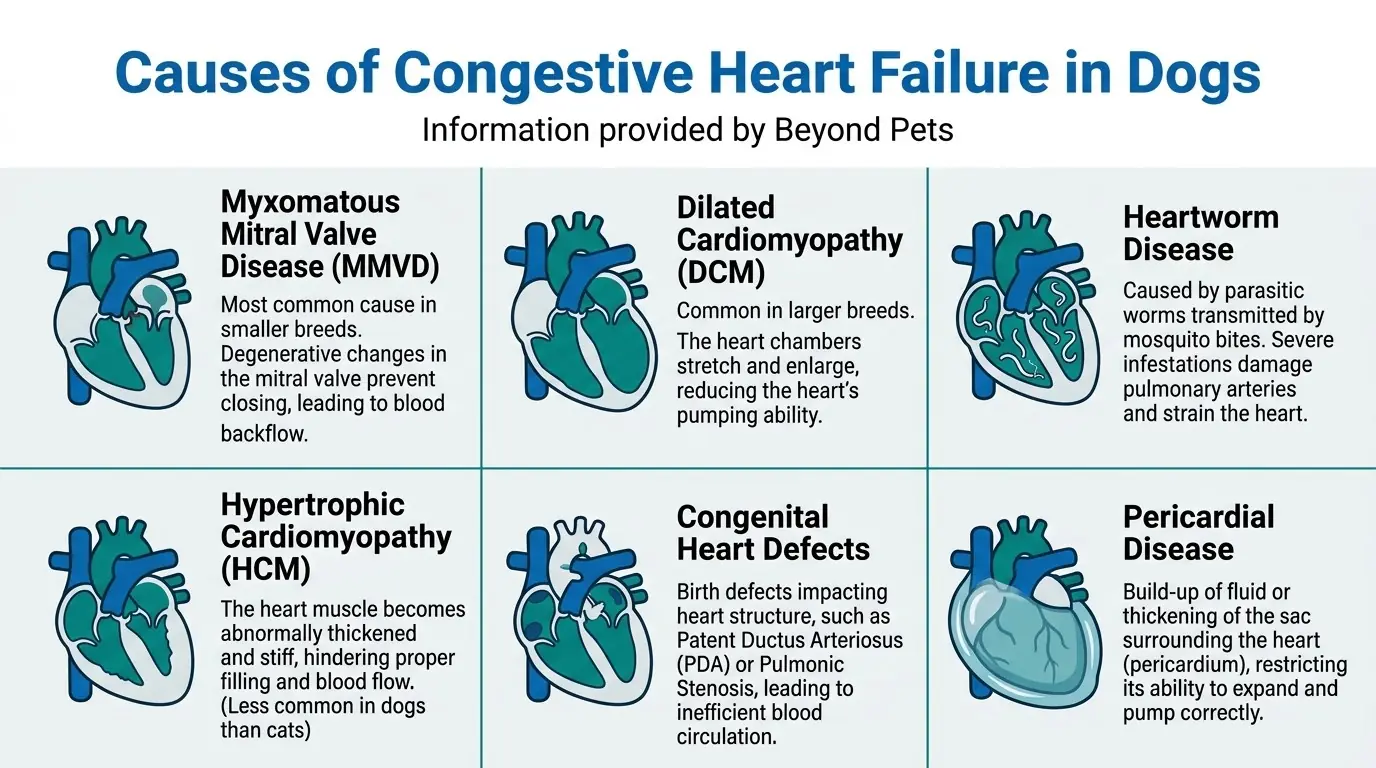
Congestive heart failure is the critical end-stage manifestation of advanced heart disease, occurring when the heart’s pumping capacity is so profoundly compromised that fluid begins to leak into the lungs, chest cavity, or abdomen. The journey from a healthy heart to terminal congestive heart failure is driven by a complex interplay of genetic predispositions, age-related tissue degeneration, chronic infectious processes, and systemic metabolic disorders. Understanding the root causes of canine heart disease helps veterinarians formulate targeted treatment plans and allows pet owners to make informed decisions regarding proactive screening and preventative care.[17]
Various factors can contribute to dog heart disease, from genetic predispositions to lifestyle influences, underlying conditions, or infections. Here’s an overview of potential triggers for a dog’s heart disease:
- Genetic Factors: Certain dog breeds are predisposed to particular types of heart disease due to their genetics. The role of heredity in canine cardiology cannot be overstated. For instance, breeds such as Boxers and Doberman Pinschers show a highly documented, familial susceptibility to dilated cardiomyopathy (DCM) and arrhythmogenic conditions. These breed-specific diseases are often linked to specific genetic mutations affecting the structural proteins within the cardiac muscle cells. In contrast, Cavalier King Charles Spaniels are overwhelmingly prone to myxomatous mitral valve disease (MMVD), often developing a prominent heart murmur by middle age. These genetic influences dictate structural or functional abnormalities that progressively diminish the heart’s efficiency over the dog’s lifespan, highlighting the critical importance of breed-specific echocardiographic screening programs.[18]
- Aging and Wear and Tear: Much like the mechanical components of a continuously running engine, the anatomical structures of the canine heart are subject to significant mechanical stress over millions of cardiac cycles. Older dogs, particularly senior and geriatric dogs, frequently develop acquired heart disease as they age. Over time, chronic hemodynamic stress causes alterations in the heart, such as the gradual thickening of the heart muscle to compensate for elevated blood pressure, or the progressive degeneration and nodular thickening of the atrioventricular heart valves. These age-related changes, often exacerbated by free radical damage and cellular senescence, gradually erode the heart’s functional reserves, eventually leading to scenarios where the heart simply cannot pump blood efficiently enough to meet the body’s metabolic demands.[19]
- Infections: Pathogenic infections, whether bacterial, viral, or parasitic, can inflict severe, irreversible damage upon the cardiovascular system. Bacterial endocarditis is a critical, life-threatening infection that directly affects the inner lining of the heart and the heart valves. Bacteria—often originating from severe periodontal disease, chronic skin infections, or urinary tract infections—enter the bloodstream, colonize the heart valves, and cause massive tissue destruction and sudden-onset regurgitation. Conversely, parasitic infections like heartworm disease, caused by worms residing in the pulmonary arteries and right ventricle, incite intense vascular inflammation and physical obstruction. Both types of infections fundamentally disrupt normal hemodynamics and can rapidly trigger fluid accumulation in the chest and abdomen.[20]
- Underlying Health Conditions: The cardiovascular system does not operate in isolation; it is deeply interconnected with the health of every other organ. Certain pre-existing systemic conditions can place immense secondary strain on the myocardium. Systemic hypertension (high blood pressure), often driven by chronic kidney disease, forces the left ventricle to pump against pathologically high resistance, leading to concentric hypertrophy and eventual failure. Similarly, chronic respiratory diseases, such as collapsing trachea or pulmonary fibrosis, increase the resistance within the pulmonary vasculature, placing excessive burden on the right side of the heart.[21]
- Endocrine Disorders: The intricate hormonal balance of the canine body heavily influences cardiac output, vascular tone, and heart rate. Specific endocrine disorders, such as severe hypothyroidism, can profoundly alter lipid metabolism, leading to atherosclerosis (though rare in dogs compared to humans) and a sluggish, weakened cardiac contraction. Hyperadrenocorticism, commonly known as Cushing’s disease, exposes the body to chronic, excessive levels of cortisol. This hypercortisolemia can induce systemic hypertension, increase the risk of devastating pulmonary thromboembolisms (blood clots in the lungs), and cause significant changes in circulating blood volume and metabolic demands, all of which substantially heighten a dog’s risk of developing secondary heart failure.[22]
While the presence of these risk factors does not guarantee a dog will experience a catastrophic cardiac event, they exponentially increase the baseline risk. The clinical onset of heart failure is almost always determined by a complex, multi-factorial interaction of genetic vulnerability, environmental stressors, dietary history, and the dog’s overall systemic health. Because compensatory mechanisms mask the decline in cardiac function for months or years, regular, comprehensive check-ups with our team are absolutely critical. Early detection through auscultation and advanced imaging allows for the implementation of medical management strategies that can significantly delay the onset of clinical congestive heart failure.[23]
Signs of Heart Condition in Dogs
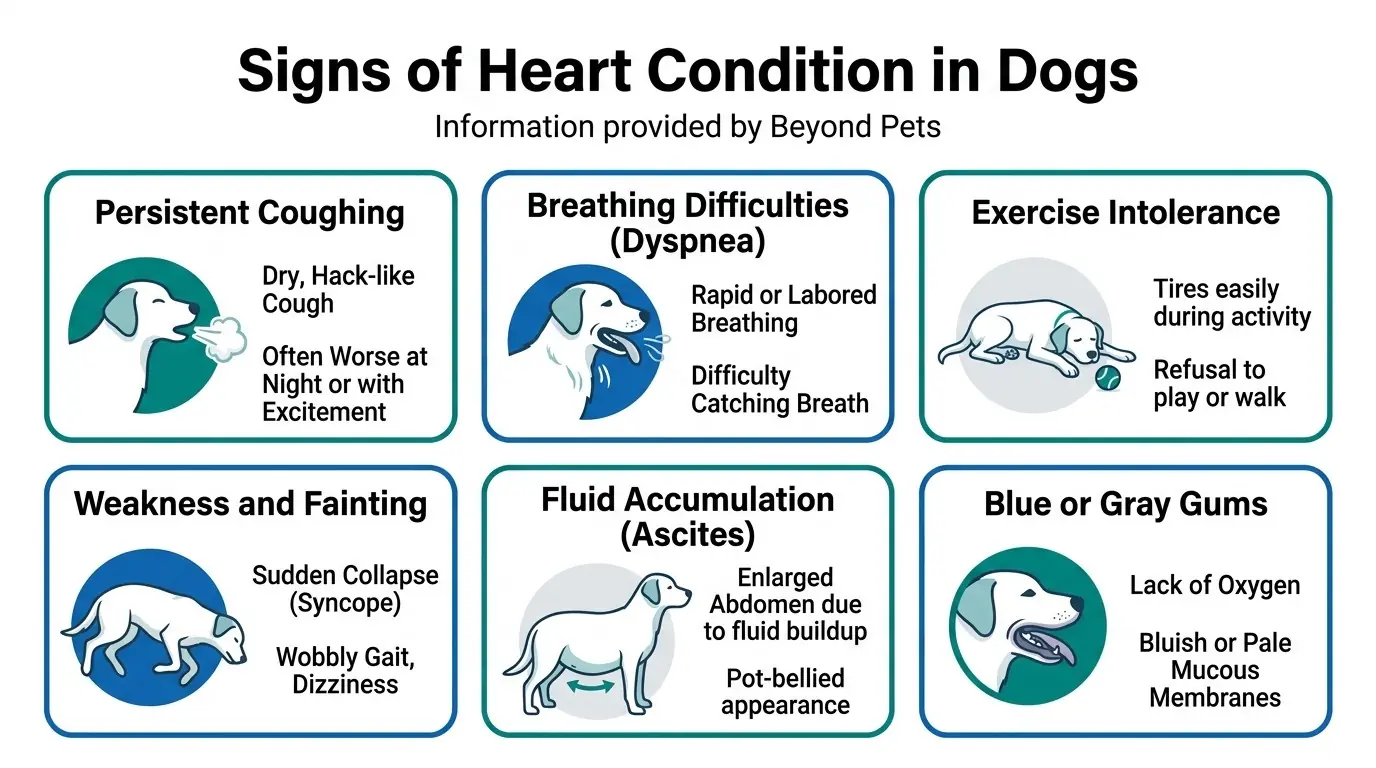
Recognizing the clinical signs of a heart condition in dogs requires vigilant observation, as the initial symptoms are often subtle, insidious, and easily mistaken for normal signs of aging. Because the cardiovascular system is equipped with powerful compensatory mechanisms, by the time a dog begins to exhibit overt clinical symptoms, the underlying heart disease has typically reached a relatively advanced stage. Furthermore, the specific symptoms displayed depend entirely on which side of the heart is primarily failing. Left-sided congestive heart failure predominantly affects the lungs, while right-sided heart failure leads to systemic fluid accumulation in the body cavities. Understanding this distinction is vital for pet parents to accurately report symptoms to their veterinary team.[24]
When the left side of the heart fails, pressure builds backward into the pulmonary veins, causing fluid to leak directly into the tiny air sacs of the lungs. This condition, known as pulmonary edema, heavily compromises oxygen exchange. A common symptom of heart disease in dogs is a persistent cough. This cough is typically described as a harsh, gagging, or “goose-honk” sound, and is most noticeable at night, early in the morning, or immediately following periods of physical exertion. Additionally, dogs experiencing left-sided failure will often exhibit tachypnea (an abnormally rapid resting respiratory rate of over 30 breaths per minute) and dyspnea (labored, difficult breathing). In severe cases, the dog may stand with its elbows abducted outward and its neck extended in a desperate attempt to draw in more oxygen, a posture indicating a critical medical emergency.[25]
Conversely, when the right side of the heart fails—often secondary to advanced left-sided failure, severe heartworm disease, or pulmonary hypertension—the backup of pressure affects the systemic venous circulation. This results in fluid leaking out of the blood vessels and accumulating within the abdominal cavity, a condition known as ascites. A dog with ascites will develop a distinctly distended, bloated, or “pot-bellied” appearance, despite a paradoxical loss of muscle mass elsewhere on the body. Furthermore, this fluid can accumulate in the pleural space (the cavity surrounding the lungs) or lead to significant hepatomegaly (enlargement of the liver), causing profound discomfort and a marked decrease in appetite.[26]
Beyond these specific signs of fluid accumulation, dogs suffering from any form of advanced cardiac disease will exhibit generalized symptoms of systemic circulatory failure. Exercise intolerance is a hallmark sign; a dog that once eagerly anticipated long hikes may suddenly refuse to walk further than the end of the driveway, or may need to sit and pant heavily after climbing a single flight of stairs. Generalized lethargy, weakness, and a dramatic loss of appetite (anorexia) are common. In some dogs, the heart disease triggers severe weight loss and muscle wasting, a metabolic syndrome known as cardiac cachexia. Additionally, if the brain experiences a sudden, temporary drop in oxygenated blood flow—often due to an underlying arrhythmia—the dog may experience episodes of syncope, which are sudden fainting spells or collapse events that owners frequently confuse with neurological seizures. Any combination of these symptoms warrants an immediate, comprehensive cardiovascular evaluation by our team.[27]
Diagnosing Heart Disease in Dogs
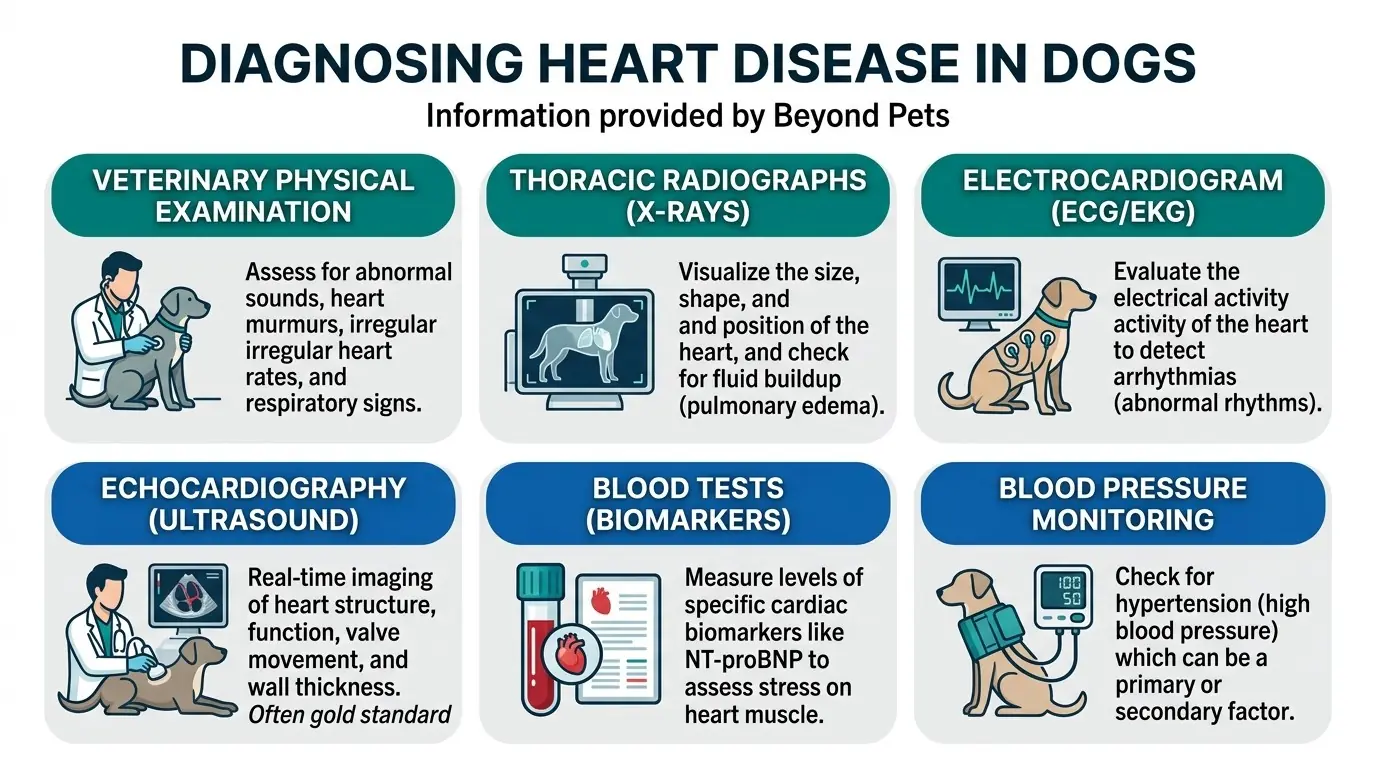
The definitive diagnosis of heart disease in dogs is rarely achieved through a single test; rather, it requires a multimodal, comprehensive approach combining a detailed patient history, thorough physical examination, and an array of sophisticated diagnostic imaging and laboratory modalities. For highly complex, advanced, or refractory cases, a referral to a board-certified veterinary cardiologist (a specialist who has completed extensive residency training specifically in cardiovascular medicine) is incredibly beneficial. These specialists possess the advanced expertise and specialized equipment necessary to accurately pinpoint the exact nature of the cardiac lesion, grade its severity, and design a highly customized, multi-drug therapeutic regimen tailored to the individual dog’s unique physiological needs.[28]
Initial Physical Examination
The diagnostic journey always begins with an exhaustive physical examination. The veterinarian will carefully assess the color of the dog’s mucous membranes and determine the capillary refill time, which provides immediate insight into peripheral tissue perfusion. The cornerstone of the cardiac exam is thoracic auscultation, utilizing a high-quality stethoscope. The veterinarian listens intently for abnormal heart sounds, such as muffled tones (which may indicate pericardial effusion), irregular rhythms, or “gallop” rhythms (extra heart sounds indicating a stiff, failing ventricle). Most importantly, the veterinarian listens for heart murmurs, grading them on an objective scale from Grade I (a very soft, localized murmur heard only in a quiet room) to Grade VI (a massive, exceptionally loud murmur that produces a physical vibration, or “thrill,” that can be felt through the dog’s chest wall). The specific location, timing, and intensity of the murmur offer crucial clues regarding which heart valve is malfunctioning.[29]
Blood and Urine Analysis
Comprehensive laboratory testing, including a complete blood count (CBC), serum biochemistry profile, and urinalysis, is absolutely vital. While these tests may not directly image the heart, they provide a holistic evaluation of the dog’s systemic health and organ function. The kidneys and the liver are heavily impacted by reduced cardiac output, so monitoring renal values (BUN, Creatinine) and hepatic enzymes is essential, especially since many cardiac medications rely on the kidneys for clearance. These panels also help identify underlying metabolic triggers or coexisting health issues. Furthermore, advanced cardiac biomarkers are increasingly utilized. The NT-proBNP (N-terminal pro-B-type natriuretic peptide) blood test measures a specific protein released by the heart muscle when it is excessively stretched or stressed. Elevated NT-proBNP levels strongly indicate the presence of significant cardiac disease and help differentiate cardiac-related coughing from primary respiratory diseases like chronic bronchitis.[30]
Chest Radiographs
Thoracic radiographs, or chest X-rays, remain a non-negotiable diagnostic tool in veterinary cardiology. They provide a critical two-dimensional visualization of the overall cardiac silhouette, the major intrathoracic blood vessels, and the pulmonary parenchyma. To objectively quantify heart size, veterinarians utilize the Vertebral Heart Scale (VHS) and the Vertebral Left Atrial Size (VLAS). These measurement techniques compare the dimensions of the heart on the radiograph to the length of the thoracic vertebrae, allowing for an accurate, standardized assessment of cardiomegaly (heart enlargement). Most crucially, radiographs are the only definitive, non-invasive method for definitively diagnosing left-sided congestive heart failure. The presence of pulmonary edema appears on an X-ray as a dense, opaque, “fluffy” pattern obscuring the normally air-filled, black lungs. Radiographs also excel at detecting right-sided failure complications, such as pleural effusion or a severely distended caudal vena cava.[31]
Electrocardiogram (EKG or ECG)
An Electrocardiogram (ECG or EKG) is an essential diagnostic test dedicated entirely to evaluating the electrical activity of the heart. By attaching specialized electrodes to the dog’s limbs and chest, the ECG machine records the electrical impulses as they travel through the myocardium, generating a visual tracing composed of distinct P, QRS, and T waves. The ECG is the absolute gold standard for diagnosing cardiac arrhythmias. It allows the veterinarian to precisely identify the origin of abnormal beats (atrial versus ventricular), determine the severity of conduction blocks, and monitor the efficacy of recommended antiarrhythmic medications. In cases involving intermittent arrhythmias—such as unexplained fainting spells—a 24-hour ambulatory Holter monitor can be fitted to the dog to record the heart’s electrical activity during normal daily routines.[32]
Echocardiography
Echocardiography, or a cardiac ultrasound, is arguably the most powerful and comprehensive non-invasive diagnostic tool available to veterinary cardiologists. Utilizing high-frequency sound waves, an echocardiogram provides a dynamic, real-time, cross-sectional view of the beating heart. It allows the clinician to directly visualize the internal architecture of the heart, precisely measuring the thickness of the ventricular walls, the internal dimensions of all four chambers, and the precise structural integrity of the valves. Crucial parameters, such as fractional shortening (the percentage change in left ventricular diameter during a contraction) and the left atrium-to-aorta ratio (LA:Ao), are calculated to objectively grade the severity of diseases like DCM and MMVD. Furthermore, color flow and spectral Doppler ultrasound capabilities allow the cardiologist to visually map the direction and velocity of blood flow, accurately quantifying the severity of valvular regurgitation or identifying the exact location of abnormal shunts associated with congenital defects.[33]
Cardiac Catheterization
Cardiac catheterization is an advanced, specialized, and minimally invasive surgical procedure typically performed by a board-certified cardiologist under full general anesthesia. During this procedure, a long, flexible catheter is carefully threaded through a peripheral blood vessel (usually the jugular or femoral vein) and guided directly into the chambers of the heart under continuous fluoroscopic (real-time X-ray) guidance. While less commonly used for basic diagnosis today due to the widespread availability of high-quality echocardiography, catheterization provides unparalleled accuracy for directly measuring intracardiac blood pressures and oxygen saturation levels. Moreover, cardiac catheterization has evolved heavily into an interventional therapeutic tool, allowing specialists to repair certain congenital defects—such as deploying specialized coils to occlude a Patent Ductus Arteriosus or utilizing high-pressure balloon catheters to stretch open stenotic valves—without the need for open-heart surgery.[34]
The specific selection, combination, and frequency of these diagnostic tests will be highly contingent upon the initial clinical symptoms your dog presents, the physical examination findings, and the specific type of cardiac disease suspected by your veterinarian. By meticulously piecing together the data from these diagnostics, the veterinarian can determine with absolute certainty if your dog has progressed to congestive heart failure and subsequently draft a highly targeted, comprehensive, and evidence-based treatment plan. This intensive diagnostic process underscores exactly why establishing a relationship with your Beyond Pets veterinarian and scheduling regular wellness exams to screen for silent heart disease is the most important step in maintaining your pet’s long-term health and longevity.[35]
Treatment for a Dog Heart Disease
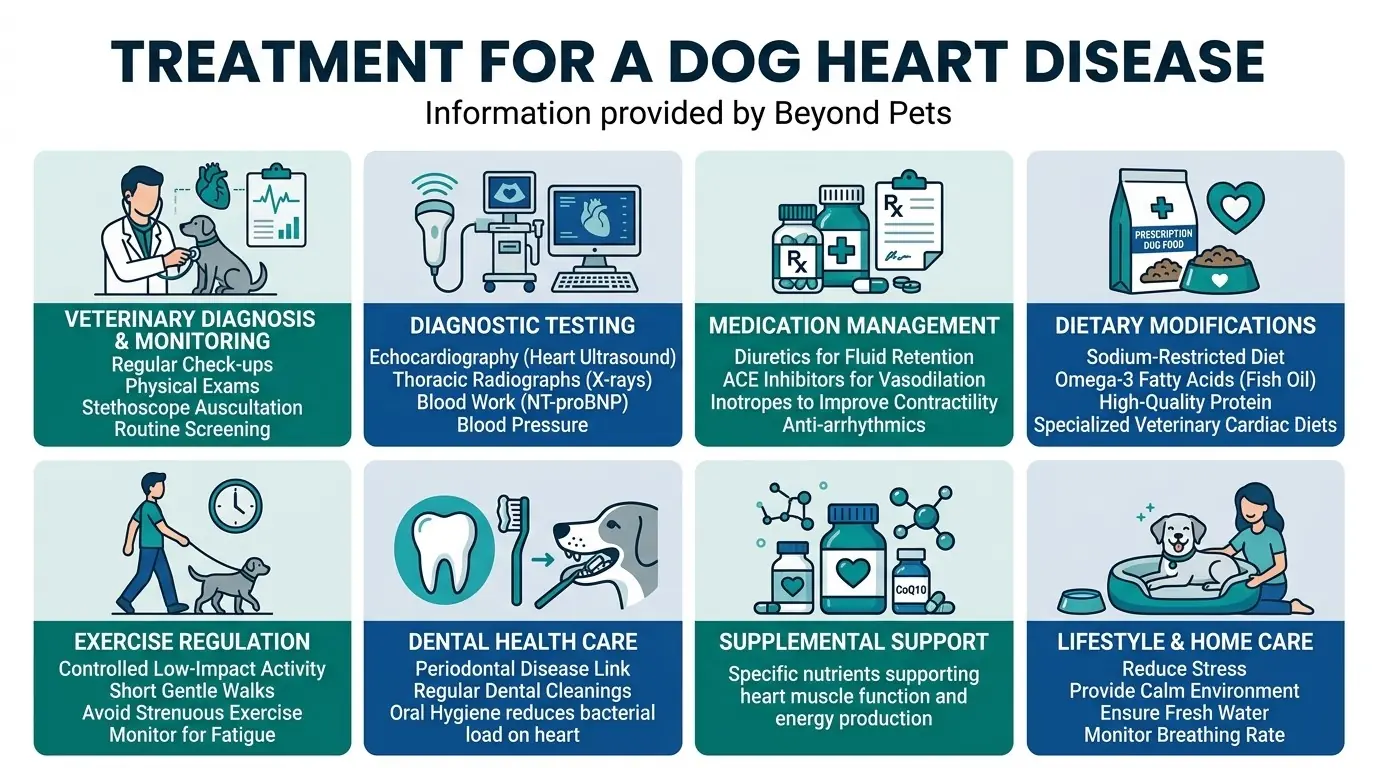
Heart disease in dogs is a complex, progressive medical issue; however, thanks to significant advancements in veterinary pharmacology and surgical techniques, board-certified veterinary cardiologists and general practitioners are incredibly adept at diagnosing, managing, and treating these conditions. While a definitive “cure” for acquired heart disease is rare, modern medicine allows us to drastically improve cardiac function and alleviate distressing symptoms.[36]
The long-term treatment strategy for canine heart disease relies heavily on the specific underlying diagnosis, the current stage of the disease, and the dog’s overall systemic health. Mild, asymptomatic conditions, such as ACVIM Stage B1 mitral valve disease, may only require careful, routine monitoring. Conversely, dogs diagnosed with advanced congestive heart failure require intensive, multi-modal medical intervention, and occasionally advanced surgical procedures. In almost all cases of advanced disease, veterinary cardiologists employ a highly synergistic combination of pharmaceutical therapies, strict dietary modifications, and lifestyle adjustments to dramatically decrease the heart’s workload, control fluid accumulation, and optimize overall cellular health.[37]
Medications
Pharmacological intervention forms the undisputed cornerstone of managing clinical heart disease in dogs. Cardiac pharmacology is complex, with different drug classes acting on completely distinct physiological pathways. Treatment protocols are frequently adjusted based on the dog’s dynamic response, kidney function, and blood pressure. The primary objectives of cardiac medications are to strengthen the myocardial contraction, alleviate fluid congestion, normalize irregular electrical rhythms, and blunt the harmful neurohormonal compensatory mechanisms (like the RAAS) that drive disease progression.[38]
Veterinarians typically utilize a specialized combination of the following major medication classes to treat advanced heart disease in dogs:
- Angiotensin-Converting Enzyme (ACE) Inhibitors: These crucial medications, such as specific cardiac medications, act as systemic vasodilators. They function by blocking the specific enzyme responsible for converting angiotensin I into angiotensin II, a highly potent hormone that causes profound constriction of the blood vessels. By blunting this neurohormonal pathway, ACE inhibitors effectively relax and dilate the arteries and veins. This significant reduction in vascular resistance—known clinically as decreasing the “afterload”—makes it dramatically easier for the weakened heart to pump blood forward through the body, thereby preserving myocardial energy and slowing the progression of cardiac remodeling.[39]
- Diuretics: Diuretics, most commonly a specific veterinary medication or newer, more potent targeted medications, are absolute lifesavers for dogs in active congestive heart failure. These powerful drugs act directly on the renal tubules in the kidneys, forcing the body to excrete excess sodium and water in the form of copious amounts of urine. By aggressively pulling this accumulated fluid out of the tissues, diuretics rapidly resolve life-threatening pulmonary edema (fluid in the lungs) and severe ascites (fluid in the abdomen). While highly effective at restoring normal breathing, their use requires careful monitoring of the dog’s hydration status, kidney values, and vital electrolyte levels, particularly potassium.[40]
- Positive Inotropes and Inodilators: A specific targeted medication is arguably the most revolutionary treatment introduced to veterinary cardiology in recent decades. It operates as an “inodilator”—providing two simultaneous, highly beneficial effects. First, it acts as a calcium sensitizer, which significantly increases the force of the heart muscle’s contractions (a positive inotropic effect) without increasing the muscle’s oxygen demand. Second, it acts as a phosphodiesterase III (PDE3) inhibitor, causing profound vasodilation that reduces the resistance the heart must pump against. Extensive clinical trials have proven that this cardiac medication vastly extends the lifespan and significantly improves the quality of life for dogs suffering from advanced MVD and DCM.[41]
- Aldosterone Antagonists: A certain veterinary medication is a unique, mild, potassium-sparing diuretic that is frequently added to the treatment protocol for dogs in advanced heart failure. Its primary benefit, however, lies in its ability to block the action of aldosterone, a hormone that promotes severe sodium retention and drives the formation of harmful, fibrotic scar tissue within the heart muscle itself. By mitigating this fibrosis, this targeted medication helps preserve the structural compliance of the myocardium over the long term.[42]
- Antiarrhythmics: For dogs suffering from dangerous electrical disturbances, highly specific antiarrhythmic drugs are essential. Specific antiarrhythmic medications are carefully selected based on the exact type and origin of the arrhythmia documented on an ECG. These complex drugs alter the flow of sodium, potassium, and calcium ions across the cardiac cell membranes, helping to suppress chaotic ectopic beats, slow dangerously rapid heart rates, and restore a coordinated, effective cardiac rhythm. Their use requires precise, ongoing ECG monitoring.[43]
- Beta-Blockers: Certain targeted medications bind directly to the beta-adrenergic receptors on the heart muscle, effectively shielding the heart from the constant, damaging bombardment of adrenaline and noradrenaline associated with chronic heart failure. By slowing the heart rate and reducing the force of contraction, beta-blockers decrease myocardial oxygen consumption and allow the ventricles more time to fill with blood between beats. They are particularly vital in managing hypertrophic conditions, subaortic stenosis, and certain types of chronic arrhythmias.[44]
Specialized Diets
While medications manipulate the heart’s hemodynamics, strict nutritional management provides the essential cellular fuel necessary to support a failing cardiovascular system. Dogs diagnosed with symptomatic heart disease derive immense, measurable benefits from clinically formulated cardiac diets. These highly specialized therapeutic diets are carefully balanced to avoid excesses that exacerbate heart failure while providing therapeutic levels of critical, heart-healthy nutrients. Here are the most vital aspects incorporated into a veterinary cardiac diet:
- Strict Sodium Restriction: In a dog with heart failure, the body’s compensatory mechanisms aggressively retain sodium and water. Feeding a standard, high-sodium commercial diet to a dog in heart failure is akin to throwing gasoline on a fire; it rapidly worsens fluid congestion. Cardiac diets feature carefully controlled, moderate-to-severe sodium restriction, which aids diuretic medications in preventing recurrent pulmonary edema and ascites.[45]
- High in Omega-3 Fatty Acids: Therapeutic supplementation with marine-sourced Omega-3 fatty acids, specifically EPA (eicosapentaenoic acid) and DHA (docosahexaenoic acid), is highly recommended. These potent, natural anti-inflammatories help reduce the production of inflammatory cytokines within the heart muscle, stabilize cardiac electrical activity (reducing the risk of sudden arrhythmias), and have been shown to help combat cardiac cachexia, the severe muscle wasting commonly seen in end-stage heart failure.[46]
- High-Quality, Moderate Protein: Unlike dogs in advanced renal failure, dogs with heart disease require highly digestible, high-quality protein to maintain their lean muscle mass and prevent cachexia. Unless concurrent severe kidney disease is present, protein restriction is generally avoided in cardiac patients.
- Added Taurine and L-Carnitine: These specific amino acids are critical components of cardiac cell metabolism and energy production. While healthy dogs synthesize adequate amounts internally, dogs with dilated cardiomyopathy—especially those on certain grain-free or boutique diets—may suffer from profound deficiencies. Supplementing taurine and L-carnitine can dramatically improve myocardial contractility in deficient dogs and is often considered a safe, supportive therapy for various cardiomyopathies.[47]
Weight Management
Maintaining a healthy weight is important for dogs diagnosed with any form of cardiac disease. Obesity is a massive detriment to a dog with a failing heart; the excess adipose tissue physically requires increased blood flow, which substantially increases the overall volume of blood the weakened heart must pump. Furthermore, the sheer physical mass of the fat within the chest and abdomen restricts the normal expansion of the lungs, exacerbating the respiratory distress associated with heart failure. Conversely, extreme weight loss and muscle wasting (cardiac cachexia) is an indicator of severe, uncompensated disease. Regular, highly controlled, low-impact exercise—always tailored specifically to the dog’s current tolerance level and strictly approved by the attending veterinarian—combined with a strictly measured, balanced diet, is essential for optimizing the dog’s body condition score and extending survival times.[48]
Surgery
While lifelong medical management is the standard protocol for acquired diseases like MMVD and DCM, surgery plays a highly critical, often curative role in treating specific structural and congenital cardiac conditions. Veterinary surgical interventions have advanced dramatically, with many specialized referral centers now offering minimally invasive interventional cardiology techniques. The specific type of surgical or interventional procedure recommended depends entirely on the precise anatomical nature of the defect. Here are a few of the more common, life-saving cardiac surgeries performed on dogs:
- Patent Ductus Arteriosus (PDA) Closure: This is one of the most successful interventions in veterinary cardiology. A PDA is a congenital defect where a fetal vessel connecting the aorta and pulmonary artery fails to close. Using minimally invasive fluoroscopic guidance, a cardiologist can navigate a catheter to the defect and deploy a specialized occlusion device, such as an Amplatz Canine Duct Occluder (ACDO), which permanently seals the vessel and essentially cures the puppy.[49]
- Pacemaker Implantation: For dogs suffering from severe, life-threatening bradyarrhythmias—such as complete third-degree Atrioventricular (AV) block or severe Sick Sinus Syndrome—medical therapy is often entirely ineffective. In these cases, a veterinary cardiologist can surgically implant an artificial cardiac pacemaker. A highly sensitive pacing lead is guided into the right ventricle, and the generator battery is placed under the skin of the neck. The pacemaker continuously monitors the heart and delivers a small electrical impulse to stimulate a contraction whenever the dog’s natural heart rate drops dangerously low, instantly curing syncope and restoring normal exercise tolerance.[50]
- Valve Surgery and Repair: Historically, open-heart surgery to replace or repair the mitral valve was considered too risky and prohibitively expensive for canine patients. However, specialized, highly advanced surgical centers now offer open-heart mitral valve repair procedures under cardiopulmonary bypass, which can dramatically reverse the disease. Additionally, new, minimally invasive devices—such as the V-Clamp system—are being deployed via catheter to physically clip the diseased mitral valve leaflets together, significantly reducing the volume of regurgitant blood without the need for traditional open-heart surgery.[51]
- Balloon Valvuloplasty for Stenosis: Dogs born with severe congenital Subaortic Stenosis (SAS) or Pulmonic Stenosis face extreme pressure gradients across their heart valves. Using interventional catheterization, a specialized balloon catheter is directed precisely across the narrowed, fibrotic valve. The balloon is then rapidly inflated under high pressure, forcibly stretching and tearing the stenotic tissue. This dramatically widens the opening, drastically reducing the resistance the heart must overcome, and significantly improving the dog’s long-term prognosis.[52]
- Pericardiectomy: In cases involving severe pericardial effusion—where excessive fluid rapidly accumulates within the rigid pericardial sac surrounding the heart, often due to idiopathic inflammation or bleeding tumors—the fluid physically crushes the heart, preventing it from filling with blood (a deadly condition known as cardiac tamponade). While periodic fluid drainage (pericardiocentesis) is a temporary fix, a surgical pericardiectomy involves permanently removing a large window of the pericardial sac, allowing any future fluid to safely drain into the larger chest cavity where it can be naturally reabsorbed, thereby preventing future episodes of tamponade.[53]
It is vital to recognize that any surgical intervention, especially those involving the cardiovascular system and prolonged general anesthesia, carries significant inherent risks. The decision to pursue advanced cardiac surgery must be made following an exhaustive, deeply informative consultation with a board-certified veterinary surgeon and a veterinary cardiologist. They will meticulously evaluate the dog’s overall systemic health, concurrent disease processes, and the specific echocardiographic parameters to provide an accurate assessment of the potential benefits versus the surgical risks. Please ensure you consult with us before making any changes to your pet’s care or pursuing advanced procedural options.[54]
Follow-Up Care
The diagnosis of heart disease initiates a lifelong, highly collaborative commitment between the pet owner and the veterinary team. Regular, meticulously scheduled veterinary check-ups are absolutely vital for dogs diagnosed with any stage of heart disease. Your veterinarian will need to monitor your dog’s progress consistently, assessing resting respiratory rates, conducting repeat bloodwork to monitor kidney function in response to diuretics, and performing follow-up echocardiograms to measure changes in heart chamber dimensions. The dynamic nature of heart failure means that medication dosages are rarely static; they will frequently require precise adjustments based on your dog’s changing physiological needs and response to therapy. By maintaining open lines of communication with our clinic and remaining vigilant at home, you can successfully navigate the complexities of managing chronic heart disease and ensure your dog enjoys the highest possible quality of life.[55]
Preventing Canine Heart Disease
While it is impossible to alter a dog’s fundamental genetic blueprint, preventing heart disease—or significantly delaying the onset and severity of acquired cardiac conditions—is heavily reliant upon proactive, consistent, and comprehensive lifelong veterinary care. A strong preventative strategy involves managing external environmental factors, ensuring optimal systemic health, and mitigating known risks that put secondary stress on the cardiovascular system.[56]
- Nutritious Diet: Feeding a highly researched, nutritionally complete, and strictly balanced diet backed by rigorous feeding trials (such as those meeting AAFCO standards) is crucial for lifelong heart health. Avoiding untested, fad-driven “boutique” diets that heavily rely on legumes or exotic proteins can help prevent diet-associated dilated cardiomyopathy. Ensuring adequate levels of essential nutrients, specifically the amino acids taurine and carnitine, provides the structural building blocks for a resilient myocardium.[57]
- Frequent Exercise: Consistent, breed-appropriate physical activity is vital for maintaining robust cardiovascular fitness, lowering resting heart rates, and promoting efficient systemic circulation. However, the intensity and duration of exercise must always be tailored to the individual dog’s age, physical structure, and current health status. Over-exercising a dog with undiagnosed structural heart disease can inadvertently trigger an acute crisis.
- Weight Management: As previously emphasized, obesity is a profound enemy of the cardiovascular system. Carrying excess weight forces the heart to work exponentially harder with every single beat and severely compromises lung expansion. Strictly regulating your dog’s caloric intake and preventing the accumulation of excess body fat is one of the single most effective preventative steps an owner can take to protect their dog’s heart.
- Routine Veterinary Examinations: The importance of the annual (or bi-annual for seniors) physical examination cannot be overstated. By detecting a subtle, low-grade heart murmur or noticing an irregular rhythm early on, veterinarians can initiate echocardiographic monitoring long before the onset of congestive heart failure. Early detection allows for the timely initiation of protective treatments like a specific veterinary medication or ACE inhibitors, which have been proven to significantly delay the onset of clinical symptoms.
- Heartworm Prevention: Heartworm disease can lead to severe heart conditions in dogs. The damage caused by Dirofilaria immitis is catastrophic, leading to severe right-sided heart failure and irreversible pulmonary vascular damage. Because this disease is entirely preventable, the strict, uninterrupted, year-round administration of veterinary-approved heartworm prophylactics is an absolute, non-negotiable requirement for every dog, regardless of their geographical location or primary lifestyle.[58]
- Oral Care: The link between severe dental disease and systemic organ damage is well-documented in veterinary medicine. Heavy accumulations of dental calculus harbor millions of virulent bacteria. During chewing, these bacteria can enter the bloodstream (bacteremia) and physically lodge onto the delicate leaflets of the heart valves, causing a destructive condition known as bacterial endocarditis. Maintaining rigorous dental hygiene through daily brushing and professional veterinary dental cleanings under anesthesia is a critical, proactive step in protecting the heart valves.
- Regulated Sodium Intake: While severe sodium restriction is reserved for dogs in active failure, avoiding excessive sodium intake in healthy, aging dogs is a wise preventative measure. High-sodium treats, table scraps, and processed human foods can contribute to systemic hypertension over time, subtly increasing the workload on the left ventricle.
- Avoid Exposure to Smoke and Environmental Pollutants: Just as in human medicine, chronic exposure to secondhand cigarette smoke and significant environmental air pollution can severely irritate the canine respiratory tract, leading to chronic bronchitis and increased pulmonary resistance, which ultimately places heavy secondary strain on the right side of the heart.
- Genetic Guidance and Screening: For pet owners actively involved in breeding, ethical stewardship requires rigorous genetic screening. Utilizing Holter monitors and echocardiograms to clear breeding stock of hereditary conditions like DCM, ARVC, and MMVD is essential. Removing affected individuals from the breeding pool is the only way to reduce the prevalence of genetic heart disease in future generations.
- Infectious Disease Prevention: Ensuring your dog is fully protected against severe viral pathogens is critical. While heart disease is not contagious, the severe systemic inflammation and myocardial damage caused by an infectious disease itself that can be prevented through vaccination is a serious concern. For instance, the highly contagious canine parvovirus can occasionally attack the rapidly dividing cells of the heart muscle in young puppies, leading to a fatal viral myocarditis. Maintaining a strict, veterinarian-approved vaccination protocol protects against these infectious diseases that can impact a dog’s overall cardiovascular integrity.[59]
Bear in mind that while rigorous adherence to these preventative measures can significantly diminish the overall risk, they cannot entirely negate the possibility of heart disease, particularly in dogs carrying a strong genetic predisposition. The canine body is complex, and acquired degenerative changes can still occur despite the most immaculate care. Therefore, consistent, vigilant veterinary oversight remains your strongest ally in ensuring the early detection, precise diagnosis, and successful long-term management of canine heart conditions.
Frequently Asked Questions
How long does a dog with heart disease live?
The life expectancy of a dog diagnosed with heart disease is highly variable and depends entirely on the exact type of disease, the stage at which it is diagnosed, and how aggressively it is managed. Dogs diagnosed early in the preclinical stages of Myxomatous Mitral Valve Disease (ACVIM Stage B1 or B2) can often live happily for many years before progressing to heart failure. However, once a dog enters active congestive heart failure (Stage C), the prognosis becomes more guarded. With meticulous medical management, optimized dosages of diuretics and a specific cardiac medication, and strict dietary control, many dogs with heart failure can enjoy a good quality of life for 6 to 18 months, and in some well-managed cases, even over two years. Conversely, rapidly progressing diseases like advanced Dilated Cardiomyopathy or severe, uncontrolled arrhythmias may carry a significantly shorter prognosis. Working closely with a veterinary cardiologist to tailor the treatment protocol is the best way to maximize both the lifespan and the daily comfort of your pet.[60]
What are the early signs of congestive heart failure in dogs?
Recognizing the earliest signs of congestive heart failure is critical for successful intervention. In left-sided failure, the most common early indicator is a subtle increase in the dog’s resting respiratory rate. Pet owners should learn to count their dog’s breaths while the dog is fast asleep; a sustained rate of over 30 breaths per minute is a major red flag indicating early fluid accumulation in the lungs. Other early signs include a persistent, dry, gagging cough (especially noticeable at night or after exercise), a sudden reluctance to go on walks, tiring much faster than usual during play, and generalized lethargy. In cases of right-sided failure, early signs might include a subtle, unexplained swelling of the abdomen (as fluid begins to pool), a decrease in appetite, and mild weight loss. If you observe any combination of these symptoms, immediate evaluation by a veterinarian, including chest X-rays, is necessary to determine if the heart is failing.[61]
What is causing heart problems in dog food?
Over the last several years, the FDA and veterinary cardiologists have identified a highly concerning link between certain non-traditional dog foods and the development of Dilated Cardiomyopathy (DCM), even in breeds not genetically predisposed to the disease. The diets under intense scrutiny are often marketed as “boutique,” “exotic-protein,” or “grain-free” (collectively referred to as BEG diets). The current veterinary consensus suggests that the high inclusion rates of pulses and legumes—specifically peas, lentils, chickpeas, and various potatoes—used as primary ingredients to replace standard grains may somehow interfere with the dog’s ability to absorb, synthesize, or utilize taurine and other essential amino acids necessary for maintaining a strong heart muscle. While the exact biochemical mechanism is still being actively researched, veterinarians strongly recommend feeding diets formulated by board-certified veterinary nutritionists and subjected to rigorous AAFCO feeding trials, particularly avoiding grain-free diets heavily reliant on legumes unless specifically recommended for a documented medical allergy.[62]
References
- American Veterinary Medical Association (AVMA). Canine Heart Disease Guidelines. AVMA, 2023.
- Merck Veterinary Manual. Heart Failure in Dogs: Cardiovascular System Anatomy. Merck & Co., 2022.
- VCA Animal Hospitals. Heart Disease and Failure in Dogs: Acquired vs Congenital. VCA, 2021.
- Keene, B. W., et al. ACVIM consensus guidelines for the diagnosis and treatment of myxomatous mitral valve disease in dogs. Journal of Veterinary Internal Medicine, 2019.
- Veterinary Information Network (VIN). Pathophysiology of Canine Heart Disease. VIN, 2020.
- Borgarelli, M., & Buchanan, J. W. Historical review, epidemiology and natural history of degenerative mitral valve disease. Journal of Veterinary Cardiology, 2012.
- Cornell University College of Veterinary Medicine. Mitral Valve Disease in Dogs. Cornell University, 2022.
- ACVIM Consensus Statement. Guidelines for the Diagnosis and Treatment of MMVD. Wiley, 2019.
- Merck Veterinary Manual. Dilated Cardiomyopathy in Dogs. Merck & Co., 2023.
- U.S. Food and Drug Administration (FDA). FDA Investigation into Potential Link between Certain Diets and Canine Dilated Cardiomyopathy. FDA, 2019.
- VCA Animal Hospitals. Patent Ductus Arteriosus (PDA) in Dogs. VCA, 2020.
- Bussadori, C., et al. Guidelines for the echocardiographic studies of suspected subaortic and pulmonic stenosis. Journal of Veterinary Cardiology, 2000.
- Merck Veterinary Manual. Arrhythmias in Dogs and Cats. Merck & Co., 2022.
- Meurs, K. M. Boxer dog cardiomyopathy: an update. Veterinary Clinics of North America: Small Animal Practice, 2004.
- American Heartworm Society. Current Canine Guidelines for the Diagnosis, Prevention, and Management of Heartworm Infection in Dogs. AHS, 2020.
- Centers for Disease Control and Prevention (CDC). Dirofilariasis FAQs. CDC, 2019.
- Texas A&M School of Veterinary Medicine. Understanding Canine Congestive Heart Failure. Texas A&M, 2021.
- AKC Canine Health Foundation. Canine Cardiology and Genetics. AKCCHF, 2022.
- Oyama, M. A., & Chittur, S. V. Genomic expression patterns of cardiac tissues from dogs with myocardial degeneration. American Journal of Veterinary Research, 2005.
- VCA Animal Hospitals. Bacterial Endocarditis in Dogs. VCA, 2021.
- Acierno, M. J., et al. ACVIM consensus statement: Guidelines for the identification, evaluation, and management of systemic hypertension in dogs and cats. Journal of Veterinary Internal Medicine, 2018.
- Merck Veterinary Manual. Hyperadrenocorticism in Dogs. Merck & Co., 2023.
- Tufts University Cummings School of Veterinary Medicine. HeartSmart: Heart Disease in Dogs. Tufts University, 2022.
- AVMA. Recognizing Signs of Internal Disease in Canines. AVMA, 2020.
- Schober, K. E., et al. Evaluation of resting and sleeping respiratory rates in dogs with cardiac disease. Journal of the American Veterinary Medical Association, 2010.
- Veterinary Information Network (VIN). Differentiating Right and Left Heart Failure. VIN, 2019.
- Freeman, L. M. Cachexia and sarcopenia: emerging syndromes of importance in dogs and cats. Journal of Veterinary Internal Medicine, 2012.
- American College of Veterinary Internal Medicine (ACVIM). What is a Veterinary Cardiologist? ACVIM, 2023.
- PennVet. Cardiology Diagnostics: The Cardiac Examination. University of Pennsylvania, 2021.
- Oyama, M. A., et al. Clinical utility of serum N-terminal pro-B-type natriuretic peptide concentration for identifying cardiac disease in dogs. American Journal of Veterinary Research, 2008.
- Buchanan, J. W., & Bücheler, J. Vertebral scale system to measure canine heart size in radiographs. Journal of the American Veterinary Medical Association, 1995.
- Merck Veterinary Manual. Electrocardiography in Animals. Merck & Co., 2022.
- Boon, J. A. Veterinary Echocardiography. Wiley-Blackwell, 2011.
- Cornell University College of Veterinary Medicine. Interventional Cardiology Procedures. Cornell University, 2021.
- VCA Animal Hospitals. Testing for Heart Disease in Dogs. VCA, 2022.
- AVMA. Advances in Treating Heart Disease in Dogs. AVMA News, 2016.
- Atkins, C., et al. Guidelines for the diagnosis and treatment of canine chronic valvular heart disease. Journal of Veterinary Internal Medicine, 2009.
- Veterinary Information Network (VIN). Pharmacology of Canine Heart Failure. VIN, 2020.
- COVE Study Group. Controlled clinical evaluation of an ACE inhibitor in dogs with heart failure. Journal of Veterinary Internal Medicine, 1995.
- Adin, D., et al. A prescription medication and a diuretic medication in dogs with heart failure. Journal of Veterinary Internal Medicine, 2017.
- Lombard, C. W., et al. Clinical efficacy of a heart medication versus an ACE inhibitor for the treatment of acquired atrioventricular valvular disease in dogs. JAAHA, 2006.
- Bernay, F., et al. Efficacy of a diuretic medication on survival in dogs with naturally occurring mitral valve regurgitation caused by myxomatous mitral valve disease. Journal of Veterinary Cardiology, 2010.
- Merck Veterinary Manual. Antiarrhythmic Drugs in Veterinary Medicine. Merck & Co., 2022.
- O’Grady, M. R., et al. Does beta-blockade delay the onset of heart failure in dogs with asymptomatic heart disease? Veterinary Clinics of North America, 1998.
- Tufts University. Nutrition and Heart Disease in Dogs. HeartSmart, 2021.
- Freeman, L. M., et al. Nutritional alterations and the effect of fish oil supplementation in dogs with heart failure. Journal of Veterinary Internal Medicine, 1998.
- Fascetti, A. J., et al. Taurine deficiency in dogs with dilated cardiomyopathy: 12 cases. Journal of the American Veterinary Medical Association, 2003.
- AVMA. Pet Obesity and Cardiovascular Strain. AVMA, 2021.
- Gordon, S. G., et al. Transarterial ductal occlusion using the Amplatz Canine Duct Occluder. Journal of Veterinary Cardiology, 2010.
- Moïse, N. S. Pacemaker therapy in veterinary medicine. Veterinary Clinics of North America: Small Animal Practice, 1999.
- Uechi, M., et al. Mitral valve repair under cardiopulmonary bypass in dogs with mitral valve disease. Veterinary Surgery, 2012.
- Meurs, K. M., et al. Balloon valvuloplasty for congenital aortic stenosis in the dog. Journal of Veterinary Internal Medicine, 2000.
- Merck Veterinary Manual. Pericardial Effusion and Cardiac Tamponade. Merck & Co., 2023.
- American College of Veterinary Surgeons (ACVS). Heart Surgery in Dogs. ACVS, 2020.
- VCA Animal Hospitals. Living With a Dog With Heart Disease. VCA, 2021.
- AVMA. Routine Care for Preventative Health. AVMA, 2022.
- Tufts University Cummings School. Diet-Associated Dilated Cardiomyopathy Update. Clinical Nutrition Service, 2018.
- American Heartworm Society. Heartworm Basics for Pet Owners. AHS, 2021.
- AVMA. Canine Vaccination Guidelines. AVMA, 2022.
- Borgarelli, M., et al. Survival characteristics and prognostic variables of dogs with mitral valve disease. Journal of Veterinary Internal Medicine, 2012.
- Merck Veterinary Manual. Diagnosing Heart Failure in Dogs. Merck & Co., 2023.
- FDA. Questions & Answers: FDA’s Work on Potential Causes of Non-Hereditary DCM in Dogs. FDA, 2020.