




 March 2, 2023
 Phil Good, DVM
Exploring Degenerative Mitral Valve Disease in Dogs
This content was prepared with AI assistance and reviewed by a licensed professional for accuracy.
Introduction
Every evening, Emma cherished her daily walks with Charlie, her devoted Cavalier King Charles Spaniel. Over time, however, she noticed that Charlie was becoming increasingly fatigued, lagging behind on their usual route, and experiencing shortness of breath during even mild physical exertion. Worried about her beloved companion’s sudden decline in stamina, Emma scheduled a comprehensive veterinary examination. After a careful clinical evaluation, auscultation, and advanced imaging, the veterinarian diagnosed Charlie with degenerative mitral valve disease, a highly prevalent and progressive valvular heart disease that affects millions of canine companions worldwide. This condition, often leading to Mitral valve insufficiency, is a profound diagnosis that requires dedicated medical management and a deep understanding of canine cardiology.
Degenerative mitral valve disease in dogs—frequently referred to in veterinary literature as myxomatous mitral valve disease (MMVD), endocardiosis, or chronic valvular disease—is the most commonly diagnosed cardiac condition in veterinary medicine. It accounts for approximately 75% of all heart disease cases evaluated in dogs. The condition is characterized by a structural deterioration of the mitral valve, which is situated between the left atrium and the left ventricle of the heart. In a healthy heart, this valve acts as a precise, one-way door that ensures oxygen-rich blood moves in a forward direction out to the body. However, when the valve undergoes degenerative changes, it becomes thickened, nodular, and incapable of forming a tight seal. This structural impairment leads to valvular insufficiency, meaning blood leaks backward—or regurgitates—into the left atrium every time the heart muscle contracts.[1]
As the regurgitation of blood persists and worsens over time, the canine heart must implement compensatory mechanisms to maintain adequate blood flow to the vital organs. The heart exerts significantly more effort to pump blood effectively, which inevitably precipitates cardiac remodeling and heart enlargement. This pathological enlargement, particularly of the left atrium and left ventricle, is a definitive marker of reduced cardiac function. If the condition progresses unchecked, the increased pressure within the left chambers of the heart transmits backward into the pulmonary veins, leading to fluid accumulation in the lungs—a life-threatening clinical state known as congestive heart failure accompanied by pulmonary edema. It is estimated that roughly 10 percent of all dogs will experience some form of heart disease during their lifetimes, and the overwhelming majority of these cases are driven by myxomatous mitral valve degeneration.[2]
This condition is highly prevalent in older, small-breed dogs, though it can occasionally affect larger breeds as well. Understanding the profound impact of this disease requires a thorough exploration of canine cardiac anatomy, the genetic and environmental factors contributing to the disease, the complex staging system utilized by veterinary cardiologists, and the myriad of diagnostic and therapeutic options available today. The American College of Veterinary Internal Medicine (ACVIM) has established rigorous consensus guidelines that categorize the disease into specific stages—ranging from Stage A (dogs at high risk but without current structural disease) to Stage D (dogs with end-stage, refractory heart failure).[3] By thoroughly understanding these stages, pet owners can work collaboratively with their veterinary healthcare team to implement proactive monitoring, optimize medical therapies, and ultimately preserve their dog’s quality of life for as long as possible.
What is Mitral Valve?
To fully grasp the complexities of degenerative mitral valve disease, one must first understand the intricate anatomy and physiological function of the canine heart. The heart is a muscular organ divided into four distinct chambers: the right atrium, the right ventricle, the left atrium, and the left ventricle. The right side of the heart is responsible for receiving deoxygenated blood from the body and pumping it to the lungs for oxygenation. Conversely, the left side of the heart receives oxygen-rich blood from the lungs and pumps it under high pressure to the rest of the body. The mitral valve—also known as the bicuspid valve due to its two primary leaflets—is a vital, dynamic component located specifically between the left atrium and the left ventricle.[4]
The mitral valve is not merely a simple flap of tissue; it is a complex, highly specialized apparatus. It consists of the fibrous annulus (the ring-like structure that attaches the valve to the heart muscle), the two valve leaflets (the anterior and posterior cusps), the chordae tendineae (often referred to as the “heartstrings”), and the papillary muscles that anchor these strings to the ventricular wall. During the cardiac cycle, the valve must perform a precise mechanical dance. When the heart is in its relaxation phase, known as diastole, the left atrium fills with oxygenated blood. As the atrium contracts, the mitral valve gracefully opens, allowing blood to flow unimpeded into the left ventricle.[5]
Once the left ventricle is filled with blood, the heart transitions into its contraction phase, known as systole. The powerful muscle of the left ventricle forcefully contracts to eject blood through the aortic valve and into the systemic circulation. During this high-pressure contraction, the mitral valve must snap shut tightly. The chordae tendineae act like the strings of a parachute, tensing up to prevent the valve leaflets from turning inside out or prolapsing backward into the left atrium. A healthy mitral valve ensures efficient, unidirectional blood circulation and maintains proper cardiac output, which is essential for delivering oxygen and essential nutrients to every cell in the dog’s body.[6]
When the delicate tissues of the mitral valve become damaged, thickened, or structurally compromised due to genetic predisposition or age-related degeneration, the valve loses its ability to function correctly. The edges of the leaflets fail to meet perfectly, creating a gap. This gap allows blood to shoot backward into the left atrium during ventricular contraction, creating turbulent blood flow that a veterinarian hears through a stethoscope as a heart murmur. This state of mitral insufficiency forces the heart into a cycle of volumetric overload, triggering a cascade of detrimental changes that compromise the heart’s ability to pump blood effectively and eventually result in severe, systemic health problems for the dog.[7]
Classifications of MVD in Dogs
Veterinary cardiologists classify mitral valve disorders in dogs based heavily on their origin, age of onset, and the underlying histopathological changes within the valve tissue. The two primary classifications of this condition are congenital mitral valve disease and acquired mitral valve disease. Differentiating between these two classifications is crucial, as they dictate the anticipated disease trajectory, the age at which the dog will exhibit clinical signs, and the overall long-term prognosis.[8]
Congenital Mitral Valve Disease
Congenital mitral valve disease is an inherent cardiac anomaly that is present from the moment the dog is born. This structural abnormality occurs due to errors or interruptions during the complex process of fetal cardiac development in the womb. Unlike the gradual wear-and-tear seen in older dogs, congenital cases present structural defects that are “built-in” to the dog’s anatomy. The most frequently diagnosed form of congenital mitral valve disease in veterinary medicine is mitral valve dysplasia. Dysplasia refers to the abnormal growth or development of tissues. In a dysplastic mitral valve, the valve leaflets may be abnormally thick, fused, shortened, or the chordae tendineae may be improperly attached to the ventricular wall.[9]
This improper formation leads to significant hemodynamic dysfunction early in the dog’s life. Congenital dysplasia can manifest primarily as a leaky valve (mitral insufficiency), a stubbornly narrowed opening that restricts forward blood flow (mitral stenosis), or a complex combination of both issues. Because the defect is present at birth, affected puppies often present to the veterinarian with a loud heart murmur during their initial pediatric examinations and vaccination appointments. Depending on the severity of the dysplasia, these young dogs may exhibit stunted growth, lethargy, or early signs of heart failure within the first few months to years of life. While relatively rare compared to its acquired counterpart, congenital mitral valve disease has a strong genetic component, and certain breeds—such as Bull Terriers, German Shepherds, Great Danes, Golden Retrievers, and Mastiffs—exhibit a heightened predisposition to these developmental cardiac errors.[10]
Acquired Mitral Valve Disease
Acquired mitral valve disease is vastly more common than congenital forms and develops progressively over time. This condition typically emerges in middle-aged to senior dogs, functioning as an insidious, age-related degenerative process rather than a developmental birth defect. The most ubiquitous form of acquired mitral valve disease is Degenerative Mitral Valve Disease (DMVD), which is also referred to interchangeably in the clinical setting as chronic valvular disease, myxomatous mitral valve disease, or endocardiosis. In cases of acquired DMVD, the valve leaflets undergo profound cellular and biochemical changes over several years. The normal, strong connective tissue of the valve (composed largely of organized collagen) is slowly replaced by a spongy, disorganized matrix of mucopolysaccharides (glycosaminoglycans).[11]
As this myxomatous degeneration progresses, the valve leaflets—which should be thin, translucent, and highly flexible—become visibly thickened, nodular, and distorted. Furthermore, the chordae tendineae may also undergo degenerative changes, rendering them stretched or brittle, which significantly increases the risk of them snapping under the immense pressure of the contracting left ventricle (a catastrophic event known as chordal rupture). When the cusps thicken and lose flexibility, they fail to coapt (close together) properly, causing the valve to leak and allowing a massive volume of blood to flow back into the left atrium. Acquired mitral valve disease is overwhelmingly prevalent in small breed dogs. Breeds notably overrepresented in veterinary cardiology clinics include the Cavalier King Charles Spaniel, Miniature and Toy Poodles, Dachshunds, Chihuahuas, Pomeranians, and Shih Tzus.[12]
While both congenital and acquired classifications of mitral valve diseases ultimately lead to a similar clinical endpoint—specifically heart chamber enlargement, significantly reduced forward cardiac function, and the onset of congestive heart failure—the severity, speed of progression, and specific therapeutic interventions can vary wildly depending on the underlying cause, the specific dog’s breed, and a myriad of other individual patient factors.
Causes of Mitral Valve Disease in Dogs
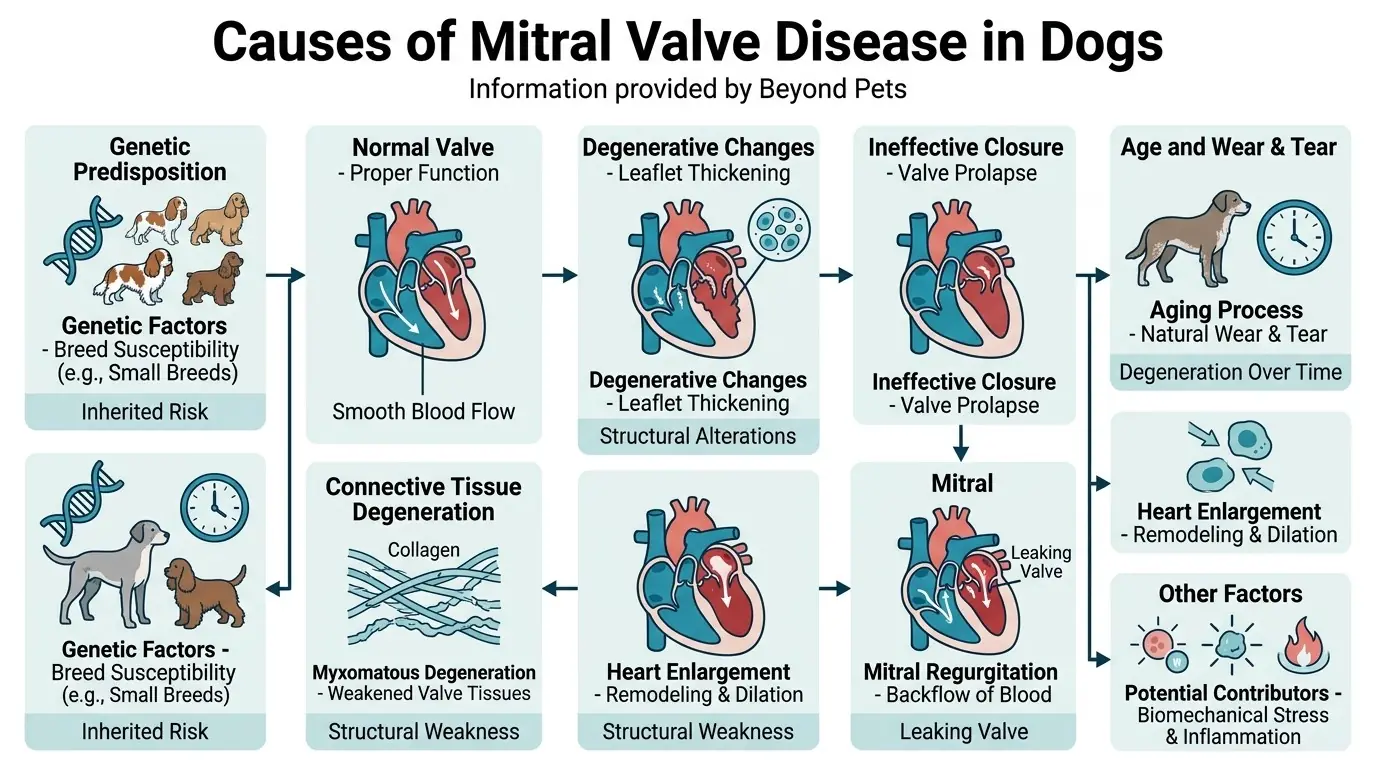
The underlying causes of Degenerative Mitral Valve Disease (DMVD) and other mitral valvular disorders in dogs are multifaceted and are intensely studied within the field of veterinary cardiology. Understanding the specific etiology—whether linked to cellular degeneration, genetic inheritance, atrial enlargement, or environmental stressors—provides vital insights for both dog owners and veterinarians. By pinpointing exact risk factors, clinicians can implement targeted screening protocols, formulate highly specific preventive measures, and establish long-term management strategies tailored to the dog’s overall cardiovascular health and heart size management. The causes are broadly divided into congenital genetic errors and acquired pathological processes.[13]
Congenital Causes
Congenital mitral valve disease originates strictly from birth, attributed directly to microscopic anomalies and gross anatomical errors in the mitral valve’s development during the embryonic and fetal stages of gestation. The heart is one of the first organs to form and function in the developing fetus, and the intricate partitioning of its chambers and the delicate sculpting of its valves require a highly orchestrated sequence of genetic signals. If a genetic mutation or an environmental teratogen disrupts these specific signaling pathways, the valve tissues may fail to separate completely, may grow excessively thick, or the chordae tendineae may attach in abnormal anatomical locations.[14]
Extensive veterinary research confirms that genetic influences and hereditary tendencies play the most significant role in congenital mitral valve disease. These defects are not merely random occurrences; they are frequently passed down through specific bloodlines. Certain large and giant breeds, including Bull Terriers, German Shepherds, Newfoundlands, and Golden Retrievers, are statistically much likelier to be born with abnormal valve structures, particularly abnormalities affecting the structure and mobility of the mitral valve leaflet. Responsible breeding programs often require rigorous echocardiographic screening of these breeds by board-certified cardiologists before utilizing them for reproduction to prevent the proliferation of these congenital defects.[15]
Acquired Causes
Acquired mitral valve disease, which encompasses the vast majority of valvular cases seen in primary veterinary practice, evolves insidiously due to a complex interplay of several different pathological processes:
- Degenerative cellular changes: Characterized as a progressive disease, age-related and genetically predisposed cellular deterioration causes the microscopic structure of the mitral valve to degenerate over time. Normal collagen bundles within the valve are degraded by specific enzymes (matrix metalloproteinases) and are replaced by abnormal, water-retaining molecules called glycosaminoglycans. This transformation results in a grossly thickened, nodular, and less flexible valve leaflet that curls at the edges. This specific type of degeneration is the predominant cause of DMVD, also referred to as chronic valvular disease or endocardiosis. The mechanical stress of the heart beating millions of times over a dog’s life exacerbates this structural fatigue.[16]
- Bacterial Infections: While distinct from degenerative endocardiosis, infectious agents—primarily virulent bacteria such as Staphylococcus or Streptococcus—can enter the bloodstream (often through severe dental disease, wounds, or surgical procedures) and colonize the heart valves. This leads to a severe condition known as infective endocarditis. The bacteria form large, destructive colonies called vegetations on the mitral valve. Such infections incite a massive inflammatory response that can rapidly and irreversibly impair valve structure, bore holes through the leaflets, and destroy the valve’s functionality, leading to acute and severe mitral valve disease.[17]
- Traumatic Injury: Although exceptionally rare compared to degenerative and infectious causes, severe blunt force trauma to the chest—such as being struck by a motor vehicle or suffering a high-altitude fall—can cause sudden and catastrophic internal damage to the heart. This trauma can result in a physical tear in the mitral valve leaflet or, more commonly, a sudden rupture of the chordae tendineae, instantly resulting in severe valve dysfunction and acute heart failure.[18]
- Systemic diseases: Certain profound systemic health conditions, including severe autoimmune disorders, circulating inflammatory mediators, and certain types of metastatic cancer, can prompt widespread vascular inflammation or direct damage to the mitral valve tissues, secondarily contributing to the development or rapid exacerbation of mitral valve disease.[19]
It is crucial to note that some dog breeds, specifically small and toy breeds such as Cavalier King Charles Spaniels, Poodles, Chihuahuas, and Dachshunds, harbor a deeply ingrained genetic predisposition that dramatically heightens their susceptibility to acquired mitral valve disease, particularly myxomatous degeneration. In Cavalier King Charles Spaniels, the disease is notoriously aggressive and often presents at a significantly younger age than in other breeds. Consequently, these specific populations are markedly more prone to progressive cardiovascular disease and life-threatening conditions like congestive heart failure as they enter their senior years.[20]
Symptoms of Mitral Valve Disease in Dogs
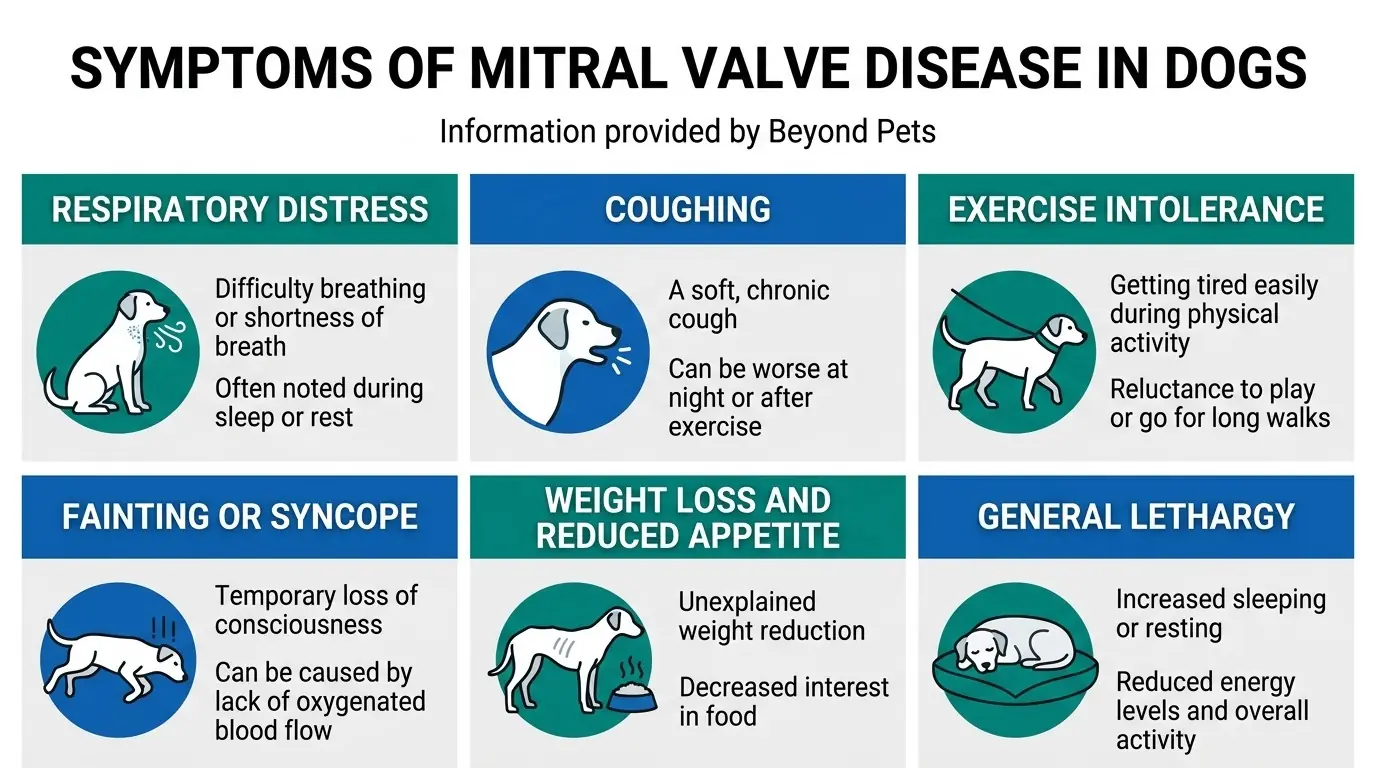
Degenerative Mitral Valve Disease (MVD) in dogs is an incredibly stealthy condition that manifests through a highly variable spectrum of clinical signs. Because the canine heart possesses remarkable compensatory abilities, it can often mask the structural dysfunction for several years. The severity, rapidness of progression, and specific combination of observed symptoms are entirely dependent upon the stage of the condition. For clarity and diagnostic precision, veterinary professionals segment these symptoms into mild (preclinical), intermittent, and severe (heart failure) stages.[21]
Mild MVD Symptoms
During the initial stages of MVD—classified by the ACVIM as Stage B1 and early Stage B2—many dogs will exhibit absolutely no outward, discernible symptoms to their owners. They eat normally, play energetically, and appear perfectly healthy. Nonetheless, the primary indicator of the disease during this phase is the detection of a heart murmur by a veterinarian during a routine wellness examination. A heart murmur is an abnormal “whooshing” sound created by the turbulent backflow of blood through the leaky mitral valve. As the leakage gradually increases, the left atrium begins to stretch and enlarge to accommodate the extra volume of blood.
In the latter part of this mild phase, deeply observant pet owners might note subtle behavioral shifts. Some dogs might present with sporadic coughing, especially after periods of intense exercise, periods of high excitement, or occasionally nocturnally. It is vital to recognize that this early cough is often mechanical in nature; the massively enlarged left atrium pushes upward and physically compresses the mainstem bronchus (the large airway leading to the lungs), triggering a dry, hacking cough. Other mild symptoms could encompass a minor, almost imperceptible decline in overall activity levels or a barely noticeable alteration in their resting breathing patterns. If an owner notices these subtle changes in a dog known to have a heart murmur, it strongly suggests the disease is slowly progressing.[22]
Intermittent MVD Symptoms
As the degenerative changes in the mitral valve advance and the volume of regurgitating blood increases, the heart’s compensatory mechanisms begin to reach their limits. Symptoms during this transitional phase become much more perceptible to the owner and may occur intermittently, significantly impacting the dog’s quality of life. This phase often indicates that the dog is hovering near the threshold of congestive heart failure.[23]
Dogs in this moderate stage might show distinct signs of respiratory distress, including dyspnea (labored breathing), shortness of breath during routine walks, rapid shallow breathing even while resting, and a markedly increased frequency and intensity of coughing fits. The dog may also experience profound fatigue, reluctance to play, or generalized weakness, particularly during physical exertion, indicating that the heart is struggling to provide adequate oxygenated blood to the exercising muscles. In addition to these respiratory and stamina issues, potential signs of systemic stress include noticeable weight loss, a reduced or highly capricious appetite, and a general decline in overall energy levels. At this juncture, the physiological strain on the body is immense, and the transition into full heart failure is imminent.[24]
Severe MVD Symptoms
During the advanced, late stages of mitral valve disease (ACVIM Stage C and Stage D), the heart simply can no longer manage the immense volume overload. The pressure within the left atrium becomes so extraordinarily high that it forces fluid out of the pulmonary capillaries and directly into the tiny air sacs of the lungs. This catastrophic event is known as pulmonary edema, and it is the hallmark of left-sided congestive heart failure. Dogs in this critical state present with severe, alarming symptoms that constitute an immediate medical emergency. They may experience:
- Severe, labored breathing (orthopnea), where the dog may stand with its elbows abducted outward and neck extended in a desperate attempt to expand its chest capacity, potentially indicative of secondary pulmonary hypertension.
- Frequent, terrifying episodes of fainting, collapsing, or sudden loss of consciousness (syncope). This occurs because the failing heart cannot pump enough blood to the brain, especially during moments of excitement or physical exertion, or because the stretched heart muscle has developed dangerous electrical arrhythmias.
- Cyanosis, a highly concerning clinical sign characterized by a bluish, gray, or intensely pale discoloration of the gums and mucous membranes, resulting directly from critically inadequate oxygen levels in the bloodstream.
- A noticeably swollen, distended, and fluid-filled abdomen (ascites). While MVD primarily affects the left side of the heart, late-stage disease often leads to elevated pressures in the lungs, which eventually causes the right side of the heart to fail as well, leading to fluid backing up into the abdominal cavity.
- A weak, thready, or excessively rapid pulse, reflecting the heart’s desperate, inefficient attempts to maintain systemic blood pressure.
These severe symptoms, which are the undeniable signs of congestive heart failure, necessitate immediate, aggressive veterinary intervention. Without swift pharmacological support, oxygen therapy, and close monitoring, this stage of the disease is rapidly life-threatening.[25]
Diagnosis of Mitral Valve Disease in Dogs
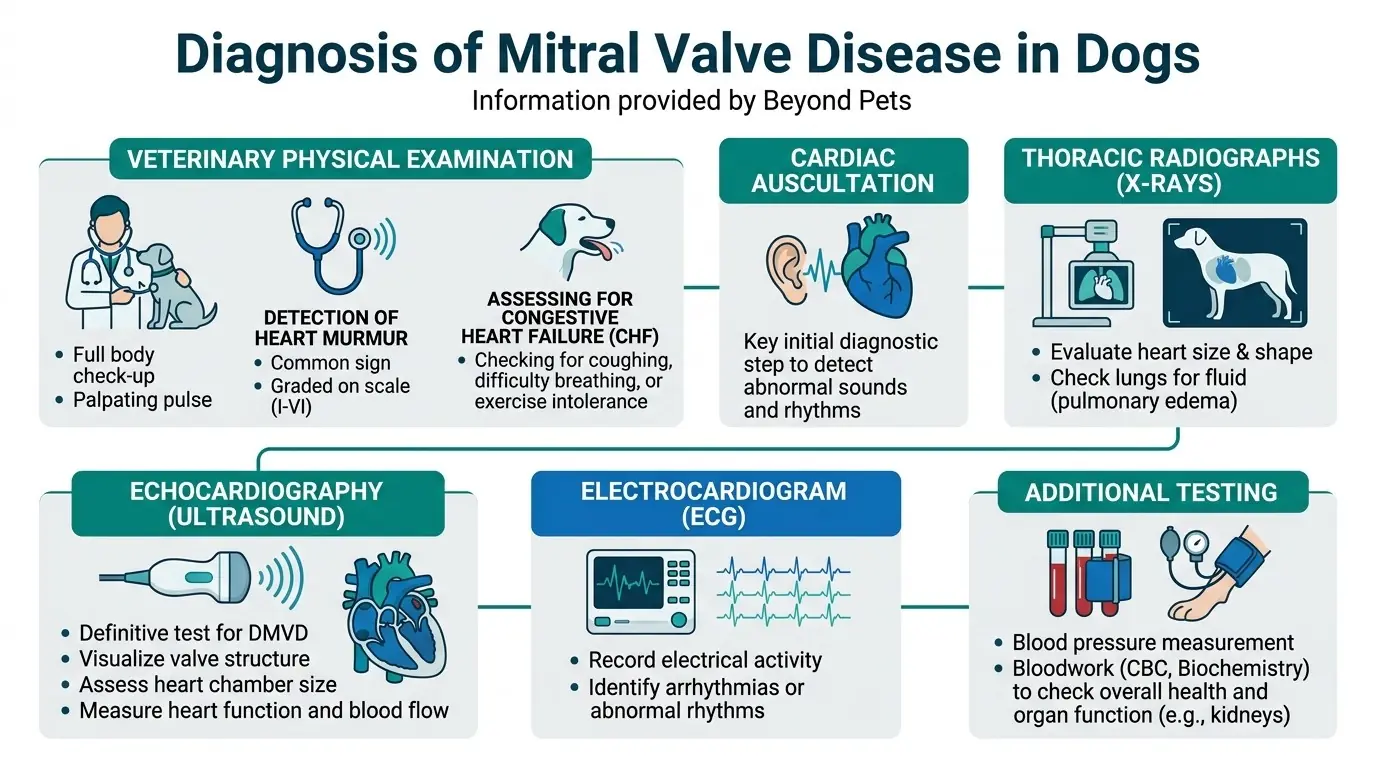
Diagnosing Degenerative Mitral Valve Disease (MVD) in dogs is not a matter of utilizing a single test, but rather involves a comprehensive, multi-modal evaluation. It requires a highly detailed clinical history, a meticulous physical examination, and a strategic battery of advanced diagnostic tests. The goal of this diagnostic workup is not just to confirm the presence of a leaky valve, but to precisely ascertain the severity of the condition, accurately stage the disease according to ACVIM guidelines, identify any concurrent arrhythmias or systemic issues, and devise a highly customized, suitable treatment plan. In the advanced field of veterinary medicine, the following diagnostic modalities are standard protocol:[26]
Physical Examination
A veterinarian initiates the diagnostic process with an in-depth, hands-on physical examination, which is arguably the most critical screening tool available. The clinician will thoroughly review the dog’s medical history, paying close attention to any owner reports of coughing, lethargy, or exercise intolerance. Subsequently, the vet employs a stethoscope to meticulously auscultate (listen to) the dog’s heart. They are listening for a specific type of sound: a left apical systolic heart murmur. The veterinarian will grade this murmur on a scale from I to VI based on its loudness and whether it produces a palpable vibration (a thrill) through the chest wall. While a loud murmur strongly suggests MVD, it is also essential to listen for unusual lung sounds, such as crackles or wheezes, which may indicate early pulmonary edema or airway compression. Additionally, the vet will assess the quality of the femoral pulses and examine the mucous membranes to ensure the condition has not progressed to the point where it is causing poor systemic perfusion, which could be potentially indicative of MVD or mitral valve regurgitation leading to poor cardiac output.[27]
Chest X-ray
Thoracic radiography (chest X-rays) plays a vital and irreplaceable role in the diagnosis and ongoing management of MVD. X-rays are the absolute best diagnostic tool for evaluating the lungs for the presence of fluid (pulmonary edema) and assessing the overall size and shape of the cardiac silhouette. By visualizing the dog’s heart and lungs, the veterinarian can perform specific objective measurements. They utilize a metric called the Vertebral Heart Scale (VHS) to mathematically determine if the heart is globally enlarged. Furthermore, a newer metric called the Vertebral Left Atrial Size (VLAS) is used specifically to measure the enlargement of the left atrium. An enlarged heart, particularly profound enlargement on the left side of the heart, including the left atrium and ventricle, strongly confirms advanced MVD. Additionally, the vet will diligently check for signs of venous congestion or fluid accumulation in the delicate lung tissue, which is the defining diagnostic criteria for diagnosing congestive heart failure resulting from MVD.[28]
Electrocardiogram (ECG)
The electrocardiogram (ECG), a completely non-invasive and painless procedure, utilizes specialized electrodes placed on the dog’s limbs to track and record the electrical activity of the dog’s heart. As the left atrium enlarges dramatically in response to the regurgitating blood, the physical stretching of the heart muscle disrupts the normal electrical conduction pathways. This test is crucial for identifying irregular heartbeats (arrhythmias) such as premature ventricular contractions (PVCs) or atrial fibrillation. The presence of atrial fibrillation is a major complication in dogs with severe MVD, as it severely compromises the heart’s pumping efficiency. The ECG can offer valuable insights into the disease progression, the severity of the condition, and whether specific anti-arrhythmic medications are required to stabilize the patient.[29]
Echocardiogram
The echocardiogram, a highly specialized cardiac ultrasound, is the absolute gold standard and an indispensable diagnostic tool for definitively confirming and staging MVD. Often performed by a board-certified veterinary cardiologist, this procedure employs high-frequency sound waves to generate a comprehensive, real-time, moving image of the dog’s heart. The echocardiogram allows the specialist to visually evaluate the precise anatomical structure and dynamic function of the mitral valve leaflets in incredible detail. Using advanced techniques like Color Flow Doppler, the cardiologist can actually see the turbulent jet of blood leaking backward into the atrium. The ultrasound provides exact, millimeter-accurate measurements of cardiac output, ventricular contractility, and the size of the heart chambers (specifically looking for a Left Atrial to Aortic Root ratio, or LA:Ao, greater than 1.6, which confirms significant enlargement). It definitively estimates the valve leakage’s severity and critically assesses the heart muscle’s overall function and forward-pumping capability.[30]
Blood and Urine Tests
Comprehensive blood and urine tests provide essential, baseline information about the dog’s overall systemic health status and help identify any concurrent, coexisting medical conditions that could complicate treatment. A complete blood count (CBC) checks for anemia or infection, while a comprehensive blood chemistry panel evaluates liver and kidney function. Because the life-saving medications used to treat heart failure (specifically diuretics and ACE inhibitors) are processed by and can put significant strain on the kidneys, ensuring normal renal function before initiating therapy is paramount. A urinalysis can disclose signs of potential kidney function problems or protein loss, which may be linked to the altered blood pressure dynamics of MVD. Furthermore, advanced cardiac biomarker tests, such as NT-proBNP (which measures a specific hormone released by overly stretched heart muscle cells), can provide a quantitative blood value to help determine the severity of heart strain and differentiate cardiac disease from primary respiratory issues.[31]
By skillfully combining these specific diagnostic tests with a thorough medical history and hands-on physical examination, veterinarians can accurately stage the disease according to the ACVIM guidelines, effectively determine the exact severity of MVD, and devise a highly customized, suitable treatment plan for the affected dog. For dogs identified in the preclinical phase (Stage B1 or B2) of myxomatous mitral valve disease, these tests are crucial for determining precisely when to intervene with medication. Based on groundbreaking veterinary studies like the EPIC trial, veterinarians will initiate specific drugs to delay the onset of heart failure, and later in the disease process, utilize diuretics and ACE inhibitors to manage the condition and prevent life-threatening fluid accumulation.[32]
Treatment for Degenerative Mitral Valve Disease in Dogs
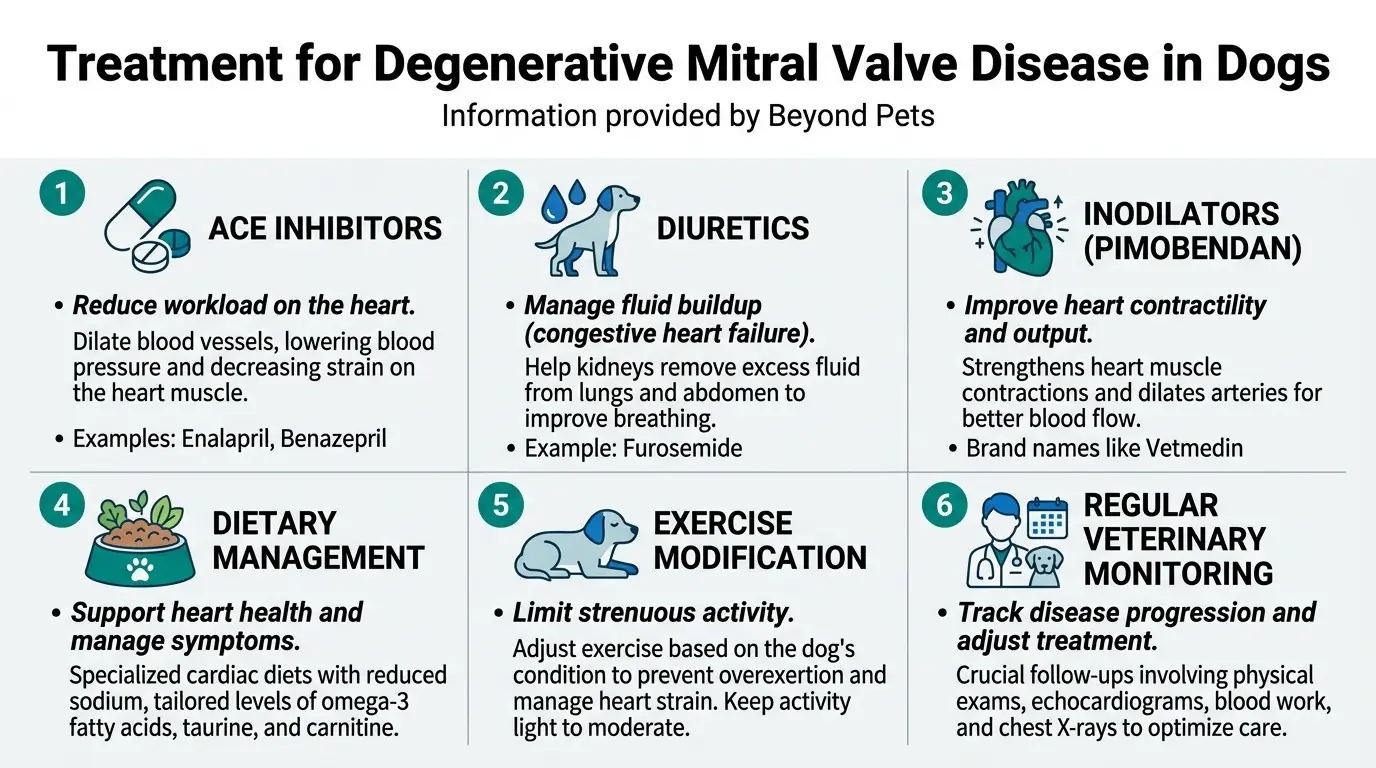
Addressing Degenerative Mitral Valve Disease (MVD) in dogs is a highly nuanced endeavor that entails employing various targeted strategies depending heavily on the precise stage and severity of the condition, the age of the dog, the owner’s financial capabilities, and the presence of any concurrent systemic health issues. Because there is currently no simple cure for the degenerative changes in the valve tissue, the primary aim of treatment in veterinary medicine is to alleviate uncomfortable symptoms, dramatically retard the progression of the structural heart disease, prevent or resolve pulmonary edema, and ultimately enhance and preserve the dog’s quality of life for as long as physiologically possible. Below is a detailed exploration of the standard, evidence-based treatment approaches for managing MVD in dogs:[33]
Medical Management
Medical management represents the absolute cornerstone of therapy for dogs suffering from MVD. The pharmacological approach is specifically tailored to the ACVIM stage of the disease. In preclinical Stage B2 (where the heart is significantly enlarged but the dog is not yet in heart failure), the groundbreaking EPIC study demonstrated that initiating a specific heart medication significantly delays the onset of congestive heart failure. Once a dog progresses to Stage C (active congestive heart failure), mild to moderate instances of MVD are aggressively treated with a multi-drug medical management protocol, often referred to as “quad therapy,” which typically includes administering a combination of the following medications:
- Diuretics (such as a standard diuretic medication or another prescription medication): These are the most critical, life-saving drugs for a dog in active heart failure. They act directly on the kidneys to rapidly eliminate surplus fluid from the body, thereby clearing fluid from the lungs, resolving pulmonary edema, and dramatically reducing the pressure and volumetric strain on the dog’s heart. Frequent bathroom breaks are required when a dog is on these medications.
- ACE inhibitors (such as specific veterinary ACE inhibitors): These medications block a specific hormonal pathway (the renin-angiotensin-aldosterone system) that the body inappropriately activates during heart failure. ACE inhibitors facilitate peripheral blood vessel relaxation, safely decrease systemic blood pressure, and significantly diminish the resistance the left ventricle must pump against, effectively lowering the heart’s workload.
- Positive inodilators (specifically a targeted heart medication): This remarkable medication serves a dual purpose. It acts as a positive inotrope to bolster the physical strength of the heart muscle contractions, and it acts as a vasodilator to open up blood vessels. Together, these actions elevate cardiac output and improve the forward flow of blood, reducing the amount of regurgitation.
- Aldosterone antagonists (such as a specific diuretic medication): While acting as a very mild diuretic, this diuretic medication is primarily used for its protective properties. It blocks aldosterone, a hormone that promotes harmful fibrous scarring (fibrosis) in the heart muscle. By blocking this, it helps preserve the elasticity of the heart muscle.
- Anti-arrhythmics and Beta-blockers: If the disease progresses to cause dangerous irregular heartbeats (like atrial fibrillation), medications such as specific prescription medications or beta-blockers may be introduced to carefully decelerate the chaotic heart rate, allow more time for the heart chambers to fill, and reduce the ultimate electrical strain on the heart. Calcium channel blockers may also be employed to assist in regulating electrical heart function and carefully controlling dangerous arrhythmias.[34]
Surgical Intervention
While the vast majority of canine patients are managed medically, surgical intervention might sometimes be necessary—and is increasingly becoming an option—to directly address the underlying mechanical problems and fundamentally enhance the dog’s forward heart function. Although surgery can be a highly successful, potentially curative treatment option for some dogs with MVD, it may only be suitable for a small subset of patients, particularly because it requires significant financial investment, extensive travel to specialized centers, and careful patient selection. Dogs with severe, end-stage heart failure or other significant internal health concerns may not survive the anesthesia.
A professional specialist in internal medicine or a board-certified veterinary cardiologist will meticulously assess the dog’s overall systemic health, exactly quantify the severity of the mitral regurgitation via transesophageal echocardiography, and weigh the potential anesthetic risks against the benefits of surgery to ascertain the most appropriate, ethical treatment plan for each individual case. Currently, there are two primary, highly specialized surgical options for dogs with MVD:[35]
- Mitral Valve Repair (Open Heart Surgery): In highly specialized, world-renowned veterinary cardiac centers (such as specific clinics in Japan, the UK, and limited university hospitals in the US), the mitral valve can be physically repaired while the dog is placed on a cardiopulmonary bypass machine. The surgeon meticulously repairs the valve by stitching the distorted valve leaflets, utilizing an annuloplasty ring to tighten the valve opening, or replacing/adjusting the ruptured or stretched chordae tendineae (the fibrous cords connecting the valve leaflets to the heart muscle) with artificial Gore-Tex sutures. This incredibly delicate surgery aims to completely restore the valve’s anatomical function, drastically reduce regurgitation, and permanently alleviate the clinical symptoms associated with MVD. However, open-heart mitral valve repair is technically demanding, prohibitively expensive for many, and only a handful of highly trained veterinary surgeons worldwide have the requisite team and experience to perform this complex surgery successfully.
- Transcatheter Edge-to-Edge Repair (The V-Clamp Procedure): A newer, less invasive alternative to open-heart surgery is the TEER procedure, which utilizes a specialized device often referred to as a V-Clamp. Instead of stopping the heart, the surgeon makes a small incision in the chest and, guided purely by real-time transesophageal ultrasound, inserts a specialized clamp directly into the beating heart. The clamp grasps the two flopping leaflets of the mitral valve and pins them together in the center, creating a double-orifice valve that significantly reduces the backward leakage of blood. While not a true valve replacement, this highly innovative procedure can be an incredibly effective treatment for reducing MVD symptoms without the massive trauma of cardiopulmonary bypass. The traditional concept of a full mitral valve replacement (removing the valve entirely and replacing it with a mechanical or porcine prosthetic) entails highly invasive procedures with a profoundly higher risk of fatal blood clots in dogs. Therefore, true mechanical replacement surgery is typically reserved for extreme cases or research settings and is functionally unavailable to the general public, whereas repair and clamping procedures are the preferred interventional routes.
Weight Management and Diet
Nutritional management is a profoundly critical yet often overlooked component of cardiovascular care. Maintaining a healthy weight and a balanced diet is crucial for dogs suffering with MVD, as excess adipose (fat) tissue places an immense, unnecessary metabolic and mechanical strain on the already compromised heart. Conversely, dogs in end-stage heart failure often suffer from cardiac cachexia, a dangerous, involuntary loss of lean muscle mass caused by systemic inflammation. A veterinarian may recommend a specific, highly customized therapeutic diet plan. These cardiac diets typically feature carefully calibrated, low-sodium options to help manage systemic blood pressure, minimize fluid retention, and significantly reduce the workload on the heart. Additionally, supplementation with high-quality Omega-3 fatty acids (EPA and DHA from fish oil) is routinely recommended to reduce inflammatory cytokines, stabilize the heart muscle’s electrical activity, and help combat cachexia.[36]
Exercise and Activity Restriction
The cardiovascular demands of physical activity must be carefully managed in a dog with valvular dysfunction. When a dog exercises, its heart rate naturally increases. In a dog with MVD, a faster heart rate means less time for the left ventricle to fill properly, and more frequent, forceful contractions that shoot blood backward through the leaky valve, severely exacerbating the regurgitation and pulmonary pressure. Therefore, it is absolutely essential to consult comprehensively with your veterinarian before continuing or starting any exercise program for your dog diagnosed with mitral valve disease (MVD). They can provide highly personalized, stage-specific recommendations based on your dog’s current condition, medication efficacy, and overall health. However, there are some firm general guidelines for exercising dogs with advanced MVD:[37]
- Low-impact, strictly controlled activities: Owners must transition their pets to low-impact, low-intensity exercises such as leisurely, slow-paced walks on a harness or gentle, controlled indoor playtime. It is imperative to avoid all high-intensity activities, long runs, fetching tennis balls, roughhousing, or anything that could cause sudden excitement, excessive panting, or undue strain on your dog’s heart.
- Short, frequent sessions: If the dog tolerates activity, break up the daily exercise sessions into much shorter, more frequent periods (e.g., three 10-minute walks) rather than engaging in long, strenuous activities like a single 30-minute hike. This gentle approach allows your dog to get essential mental stimulation and light physical activity without ever crossing the threshold into overexerting their cardiovascular system.
- Intensely monitor your dog: Pet owners must keep an eagle eye on their dog during any exercise. You must actively look for any early signs of fatigue, heavy panting, difficulty breathing, spontaneous coughing, or a sudden onset of weakness. If your dog shows any of these alarming symptoms, you must stop the activity immediately, carry the dog home if necessary, and consult your veterinarian promptly.
- Temperature awareness and gradual increases: Dogs with heart disease are exceptionally sensitive to heat and humidity. Exercise should only be permitted in cool, comfortable environments. If your dog has been medically stabilized and cleared by their veterinarian for light exercise, start incredibly slow and only gradually increase the duration and intensity of their activity. This cautious approach allows the dog’s medicated body to slowly adapt to the physical demands without triggering a congestive crisis.
Ultimately, dogs with MVD require lifelong, vigilant monitoring and regular follow-up visits (typically every 3 to 6 months) with their primary veterinarian or cardiologist. These visits, which involve repeat bloodwork to check kidney values and repeat echocardiograms to assess valve changes, are necessary to ascertain the continuing effectiveness of the recommended treatment plan and to adjust medication dosages precisely as the disease inevitably progresses. Early detection of any subtle changes in the dog’s clinical condition by the owner at home can help optimize the veterinary treatment strategy, avoid emergency hospitalizations, and profoundly improve the dog’s long-term prognosis.
Prevention of Mitral Valve Disease in Dogs
Preventing mitral valve disease (MVD) in dogs is a highly complex challenge. In reality, completely preventing the onset of the disease may not always be possible, particularly when it comes to the deep-seated congenital defects or the powerful genetic factors that drive the acquired myxomatous degeneration in highly predisposed breeds. There is no vaccine or single magic pill that prevents MVD. However, there are several highly effective, proactive steps that responsible pet owners and breeders can take to significantly reduce the severity of the risk of MVD, delay the onset of clinical symptoms, and robustly maintain their dog’s overall, lifelong heart health. Here are several essential, evidence-based preventive measures and lifestyle modifications to deeply consider:[38]
Regular Veterinary Checkups
The most powerful tool in managing MVD is early detection, and that relies entirely on consistent veterinary care. Regular, bi-annual veterinary wellness checkups, which must include comprehensive annual heart screenings via stethoscope auscultation, are absolutely crucial for the early detection and successful, long-term management of MVD. A skilled veterinarian can detect a Grade I or II heart murmur years before the dog ever shows a single outward symptom. For high-risk breeds, screening via echocardiogram by a cardiologist before breeding or around age 5 is highly recommended. This extreme diligence allows for timely, precise diagnosis and the immediate initiation of appropriate, stage-specific treatment plans (such as starting a heart medication in Stage B2), which has been clinically proven to profoundly slow disease progression, delay the onset of fatal heart failure, and significantly improve the dog’s overall quality of life.
Weight Management and Diet
The correlation between systemic health and cardiac function cannot be overstated. Maintaining a healthy weight is an absolute baseline requirement for overall heart health and longevity in dogs. Obesity creates a massive web of extra blood vessels that the heart must forcefully pump blood through, which can severely strain a compromised heart, exacerbate existing valvular leakage, and exponentially increase the risk of MVD rapidly progressing to fatal heart failure. Pet owners should work closely and honestly with their veterinarians to meticulously establish a balanced, highly nutritious diet that perfectly meets the dog’s caloric and nutritional needs without ever contributing to unhealthy weight gain. For dogs already diagnosed with early-stage disease or those heavily predisposed to heart issues, transitioning early to mild, low-sodium diets and avoiding high-salt treats (like cheese, deli meat, or human processed foods) may be highly beneficial in reducing overall vascular pressure.[39]
Regular Exercise
For dogs that have not yet developed clinical heart disease, regular, moderate, and consistent cardiovascular exercise is vital for maintaining a strong, efficient heart muscle, keeping blood vessels elastic, and preventing obesity. A strong heart is much better equipped to handle the initial stages of a leaky valve should it develop later in life. However, it is essential to deeply consult a veterinary professional to determine the exact appropriate activity level and duration for a dog that is highly predisposed to MVD by breed, or one that has been newly diagnosed with an asymptomatic murmur, to ensure the exercise is strengthening the heart rather than silently damaging it.
Avoid Breeding Dogs with Known MVD Risk
The most effective long-term strategy for eradicating MVD from the canine population lies in the hands of dedicated breeders. For purebred breeders, particularly those focused on Cavalier King Charles Spaniels, Dachshunds, and Poodles, it is an ethical imperative to avoid breeding any dogs with a known clinical history of early-onset MVD, those with a confirmed heart murmur, or those carrying a severe genetic predisposition for the disease. Responsible breed clubs enforce stringent cardiac testing protocols, requiring clearances from board-certified cardiologists before any dog is allowed to reproduce. By adhering to these strict breeding guidelines and utilizing advanced genetic screening tools where available, breeders help drastically reduce the risk of passing on the devastating mutated genes that cause this condition to future generations of puppies.[40]
Dental Care
The link between oral health and cardiovascular health is a profound reality in veterinary medicine. Exceptional, rigorous dental hygiene can significantly and directly contribute to overall heart health in dogs. The mouth is full of bacteria. When a dog has severe tartar buildup and gingivitis, these bacteria constantly shed directly into the dog’s bloodstream through the inflamed, bleeding gums. These circulating bacteria have a high affinity for the turbulent, sticky surfaces of an already degenerating mitral valve, where they can colonize and cause severe, rapid-onset bacterial endocarditis—a condition that can quickly destroy the valve entirely. Therefore, implementing a regimen of regular daily teeth brushing, scheduling professional veterinary dental cleanings under anesthesia, and keeping up with frequent oral health checkups can successfully help prevent severe periodontal disease, cutting off this dangerous bacterial pathway that has been conclusively linked to exacerbating severe heart conditions, including MVD.[41]
Monitor for Early Signs
Ultimately, the pet owner is the primary caregiver and the first line of defense. Pet owners must learn to deeply monitor their dogs for the absolute earliest, most subtle signs of MVD, such as a new, soft dry cough, sudden shortness of breath during regular activities, an unexplained increase in sleeping, or noticeable exercise intolerance. One of the most powerful at-home monitoring tools a veterinarian will teach an owner is how to track the dog’s Resting Respiratory Rate (RRR). By counting the number of breaths the dog takes per minute while completely asleep (normal is typically under 30 breaths per minute), an owner can detect the microscopic accumulation of fluid in the lungs days before a crisis occurs. Early detection of an elevating respiratory rate allows for rapid intervention and adjustment of diuretic medications, which can flawlessly help slow the progression of the disease, prevent emergency room visits, and maximize the dog’s quality of life. As always, consult your veterinarian before making any changes to your pet’s care, diet, or exercise routines.[42]
Frequently Asked Questions
How long will my dog live with mitral valve disease?
The lifespan of a dog diagnosed with mitral valve disease is highly variable and depends intrinsically on several crucial factors, including the exact ACVIM stage at which the disease was diagnosed, the speed of the structural degeneration, the specific medical treatments provided, the dog’s overall systemic health, and how well their unique physiology responds to cardiovascular medications. Mitral valve disease is, by definition, a chronic, progressive condition where the intricate valve separating the heart’s left atrium and left ventricle becomes mechanically compromised, leading to severe blood flow abnormalities and eventual volume overload of the heart. While providing a single, exact lifespan estimate is impossible without a detailed echocardiogram, dogs diagnosed in the very early, mild-to-moderate preclinical stages (Stage B1 or B2) may live completely asymptomatic lives for several years with appropriate, proactive medical management and regular, rigorous veterinary cardiac care. Treatment during these stages typically focuses entirely on closely monitoring the heart’s size, managing the systemic blood pressure, and utilizing a targeted heart medication to vastly slow down the progression of the disease and delay the onset of fluid accumulation. In the advanced stages of the disease (Stage C and D), when full congestive heart failure becomes active and severe, and the dog’s quality of life is significantly affected by coughing and breathing difficulties, the prognosis may be much more guarded, often measured in months rather than years. However, even in these challenging cases, with incredibly dedicated, around-the-clock nursing care, perfectly calibrated diuretic dosages, and constant medical monitoring, many dogs can live comfortably for an extended period, deeply enjoying their remaining time with their families.
What is the life expectancy of a dog with a heart murmur?
The life expectancy of a dog with a newly auscultated heart murmur can vary extremely widely because a murmur is not a disease itself; rather, it is a clinical symptom indicating abnormal, turbulent blood flow through the heart. The true life expectancy depends entirely on the underlying cause generating that murmur, the severity of the structural cardiac condition, and the dog’s overall baseline health. For instance, a very soft, low-grade murmur in a young, athletic dog might be an “innocent” or physiologic murmur that poses absolutely no threat to the dog’s lifespan and requires no medication whatsoever. Conversely, a loud, thrilling murmur in an older Cavalier King Charles Spaniel is highly indicative of advanced myxomatous mitral valve disease. If the murmur is caused by early-stage, slowly progressing degenerative valve disease, the dog might live completely normally for 3 to 5 years before any symptoms of heart failure even begin to manifest. However, if the murmur is the result of a sudden, catastrophic ruptured chordae tendineae, or rapidly advancing dilated cardiomyopathy, the life expectancy could be drastically shorter. Therefore, the absolute most critical step upon discovering a heart murmur is to have a board-certified veterinary cardiologist perform a comprehensive echocardiogram. This ultrasound will exactly identify the structural cause of the murmur, grade the severity of the leakage, and provide the veterinarian with the precise data needed to offer a realistic, highly specific prognosis for that individual dog.
Is exercise good for dogs with heart disease?
Exercise can have a complex array of both benefits and severe risks for dogs diagnosed with heart disease, and the absolute appropriateness, duration, and intensity of any exercise regimen will depend entirely on the specific cardiac condition, the ACVIM stage of the disease, and the severity of the structural heart changes. For dogs with early, stable, preclinical heart disease (where a murmur is present but the heart size remains relatively normal), light to carefully moderated exercise can be highly beneficial. It helps maintain essential skeletal muscle tone, beautifully supports overall systemic cardiovascular health, prevents obesity (which is terrible for the heart), and provides vital mental stimulation and happiness for the dog. However, as the disease progresses and the heart enlarges, the rules change drastically. It is an absolute requirement to consult with a veterinarian experienced in cardiology to meticulously determine the appropriate exercise boundaries for your specific dog. As the valve leaks more, an increased heart rate from exercise forces massive amounts of blood backward into the lungs, rapidly causing life-threatening pulmonary edema. In these moderate to severe cases, exercise must be strictly restricted or massively modified to short, slow, leash-walks only, to prevent lethal overexertion and sudden collapse. Dogs with heart disease may experience respiratory difficulties during even mild exertion, so it’s critically crucial to follow the strict, personalized guidance of your veterinarian to ensure the ultimate safety and well-being of your dog.
References
- Merck Veterinary Manual. Myxomatous Mitral Valve Disease in Dogs. Merck & Co., Inc., 2023.
- VCA Animal Hospitals. Mitral Valve Disease in Dogs. Mars Veterinary Health, 2022.
- Keene BW, et al. ACVIM consensus guidelines for the diagnosis and treatment of myxomatous mitral valve disease in dogs. Journal of Veterinary Internal Medicine, 2019.
- Cornell University College of Veterinary Medicine. Heart Disease Basics. Cornell University, 2021.
- Borgarelli M, Buchanan JW. Historical review, epidemiology and natural history of degenerative mitral valve disease. Journal of Veterinary Cardiology, 2012.
- American Veterinary Medical Association (AVMA). Heart Disease in Pets. AVMA, 2023.
- Fox PR. Pathology of myxomatous mitral valve disease in the dog. Journal of Veterinary Cardiology, 2012.
- Veterinary Information Network (VIN). Myxomatous Mitral Valve Disease (Endocardiosis) in Dogs. Veterinary Partner, 2020.
- Merck Veterinary Manual. Mitral Valve Dysplasia in Dogs. Merck & Co., Inc., 2023.
- Stern JA, et al. Congenital heart disease in dogs: A retrospective study. Journal of Veterinary Cardiology, 2019.
- Markby G, et al. Myxomatous mitral valve disease in dogs: Does breed matter? Journal of Veterinary Cardiology, 2017.
- CavalierHealth. Mitral Valve Disease in Cavalier King Charles Spaniels. CavalierHealth, 2023.
- Oyama MA. Advances in echocardiography for the diagnosis of myxomatous mitral valve disease. Veterinary Clinics of North America: Small Animal Practice, 2017.
- Parker HG, et al. Genetic basis of congenital heart defects in dogs. Frontiers in Veterinary Science, 2015.
- ASPCA. Common Dog Diseases: Heart Conditions. ASPCA Pet Care, 2021.
- Aupperle H, et al. Pathogenesis of myxomatous mitral valve disease in dogs. Journal of Veterinary Cardiology, 2017.
- Merck Veterinary Manual. Infective Endocarditis in Dogs. Merck & Co., Inc., 2023.
- Côté E. Acute presentation of chronic valvular disease in dogs. Journal of Veterinary Emergency and Critical Care, 2019.
- Rush JE. Systemic causes of secondary cardiac disease in small animals. Veterinary Clinics of North America, 2018.
- Lewis T, et al. Heritability of myxomatous mitral valve disease in Cavalier King Charles Spaniels. The Veterinary Journal, 2019.
- Tufts Cummings School of Veterinary Medicine. Canine Heart Disease. Tufts University HeartSmart, 2022.
- Ferasin L, et al. Coughing in dogs with mitral valve disease: Cardiac or respiratory? Journal of Veterinary Cardiology, 2015.
- Kittleson MD. The progression of myxomatous mitral valve disease. Journal of Veterinary Internal Medicine, 2016.
- Borgarelli M, et al. Survival characteristics and prognostic variables of dogs with mitral valve disease. Journal of Veterinary Internal Medicine, 2012.
- American Veterinary Medical Association (AVMA). Signs of Heart Disease in Dogs. AVMA, 2023.
- Ward JL, et al. Diagnostics in canine cardiovascular disease. Veterinary Clinics of North America, 2020.
- Côté E, et al. Assessment of murmurs in dogs. Compendium on Continuing Education for the Practicing Veterinarian, 2010.
- Malcolm EL, et al. Diagnostic value of the vertebral left atrial size in dogs with mitral valve disease. Journal of Veterinary Internal Medicine, 2018.
- Merck Veterinary Manual. Electrocardiography (ECG) in Dogs and Cats. Merck & Co., Inc., 2023.
- Chetboul V, et al. Echocardiographic assessment of mitral valve disease severity. Journal of Veterinary Cardiology, 2016.
- Oyama MA, et al. NT-proBNP as a diagnostic biomarker in canine heart disease. Veterinary Clinical Pathology, 2017.
- Boswood A, et al. Effect of a heart medication in Dogs with Preclinical Myxomatous Mitral Valve Disease and Cardiomegaly: The EPIC Study. Journal of Veterinary Internal Medicine, 2016.
- DeFrancesco TC. Management of acute congestive heart failure in dogs. Veterinary Clinics of North America: Small Animal Practice, 2019.
- Ames MK, et al. Pharmacologic management of canine congestive heart failure. Veterinary Clinics of North America, 2015.
- Uechi M, et al. Surgical repair of the mitral valve in dogs: Long-term outcomes. Journal of Veterinary Cardiology, 2020.
- Tufts Cummings School of Veterinary Medicine. Nutrition for Dogs with Heart Disease. Tufts University HeartSmart, 2023.
- Scansen BA. Exercise and activity guidelines for dogs with cardiac disease. Veterinary Clinics of North America, 2018.
- Borgarelli M, et al. Strategies to slow the progression of canine myxomatous mitral valve disease. Journal of Veterinary Cardiology, 2021.
- Merck Veterinary Manual. Nutritional Management of Cardiovascular Disease. Merck & Co., Inc., 2023.
- Merveille AC, et al. Genetic screening and breeding programs for canine cardiac disease. Veterinary Journal, 2018.
- Glickman LT, et al. Evaluation of the risk of endocarditis and other cardiovascular events on the basis of the severity of periodontal disease in dogs. Journal of the American Veterinary Medical Association, 2009.
- Porciello F, et al. Sleeping and resting respiratory rates in dogs with subclinical heart disease. Journal of the American Veterinary Medical Association, 2015.