



 March 2, 2023
 Phil Good, DVM
What is Diarrhea in Dogs?
This content was prepared with AI assistance and reviewed by a licensed professional for accuracy.
Introduction
Encountering diarrhea in dogs is one of the most common and universally dreaded experiences for any pet owner. Whether it happens as a sudden, urgent accident on the living room rug in the middle of the night or as a persistent, soft stool that lingers for weeks, it is a clinical sign that demands careful attention. It is crucial to understand that diarrhea itself is not a standalone disease; rather, it is a prominent symptom indicating an underlying disruption within the intricate environment of the canine gastrointestinal tract. This disruption can stem from something as benign as eating an unfamiliar treat to something as severe as a life-threatening viral infection or organ failure. Recognizing the nuances of your dog’s bowel habits is the first step in safeguarding their overall health and well-being.[1]
In veterinary medicine, diarrhea is defined as a significant alteration in the volume, frequency, or consistency of bowel movements. Normal canine feces should be well-formed, log-shaped, easy to pick up, and leave minimal residue on the ground. When the complex mechanisms of fluid absorption and secretion in the intestines fall out of balance, the result is loose, watery, or excessively frequent stools. The physiological mechanisms behind this symptom generally fall into four categories: osmotic diarrhea (where unabsorbed nutrients draw water into the bowel), secretory diarrhea (where bacterial toxins force the intestines to secrete excess fluid), exudative diarrhea (where inflammation leads to the leakage of blood, serum, and proteins), and dysmotility (where food moves too quickly or too slowly through the tract).[2]
The location of the disturbance within the digestive system dramatically influences the clinical presentation. The gastrointestinal tract is a massive immune organ; in fact, approximately 70 percent of a dog’s entire immune system—known as gut-associated lymphoid tissue (GALT)—resides within the intestinal walls. When this immune barrier is compromised, dogs may develop small bowel diarrhea, which typically produces large volumes of watery stool without an increase in frequency, or large bowel diarrhea, which results in frequent, urgent straining to pass small amounts of mucus- or blood-coated stool. Differentiating between these two origins is a critical diagnostic step that helps veterinarians pinpoint the exact cause of the gastrointestinal distress and formulate a targeted, effective treatment plan.[3]
Because the causes of intestinal upset are so varied, ranging from simple indiscretions to complex immune-mediated diseases, pet owners must be vigilant observers. Noting the exact color, consistency, frequency, and accompanying symptoms associated with the bowel movements can provide your veterinarian with invaluable clues. While many acute cases are self-limiting and resolve with minimal intervention, persistent or severe cases can rapidly lead to dangerous levels of dehydration and electrolyte imbalances, particularly in vulnerable populations such as young puppies, senior dogs, and those with pre-existing medical conditions.[4]
The Canine Digestive System
To fully comprehend why diarrhea occurs, one must first understand the remarkable anatomy and physiology of the canine digestive system. Digestion is a highly orchestrated physiological process that relies on a series of specialized organs, intricate nervous system feedback loops, and countless enzymatic reactions. Many factors affect how quickly or slowly food travels through a dog’s digestive system—a metric known as gastrointestinal transit time. These factors include the size of the meal, the macronutrient composition (such as fat and fiber content), the degree to which the dog chews the food, and the dog’s overall hydration status. Maintaining the health of this extensive system is absolutely essential for nutrient absorption, immune regulation, and overall vitality.[5]
The canine digestive system is essentially a continuous, muscular tube extending from the mouth to the anus, accompanied by several vital accessory organs. Each segment of this tract is specialized for a distinct phase of breaking down food, extracting life-sustaining nutrients, and safely expelling waste products. Here is a detailed, step-by-step guide to understanding the functional anatomy of your dog’s digestive tract:
- Mouth and Teeth: Digestion begins in the oral cavity. Unlike humans, dogs lack the digestive enzyme salivary amylase, meaning the chemical breakdown of carbohydrates does not begin in the mouth. Instead, a dog’s jaw and sharply pointed teeth are evolutionarily designed for grasping, tearing, and shearing meat rather than extensive grinding. Saliva, heavily produced by the parotid, mandibular, sublingual, and zygomatic glands, primarily serves to lubricate the food, allowing it to easily pass down the throat.[6]
- Esophagus: Once swallowed, the food bolus enters the esophagus, a highly muscular tube that serves as the conduit between the pharynx and the stomach. In dogs, the esophageal musculature is entirely striated muscle, which contracts in a coordinated, wave-like motion known as peristalsis. This powerful reflex actively propels food downward, allowing dogs to swallow successfully even when their heads are lowered to the ground. If the nerves controlling this tube fail, conditions like megaesophagus can occur, predisposing the dog to regurgitation and severe aspiration pneumonia.[7]
- Stomach: The canine stomach is a highly distensible, muscular sac where the bulk of initial chemical and mechanical digestion occurs. It features deep folds called rugae that allow it to expand significantly after a large meal. The stomach lining secretes potent gastric acids (hydrochloric acid) and proteolytic enzymes like pepsinogen. The highly acidic environment of a dog’s stomach (often resting at a pH of 1.5 to 2.0) is a crucial evolutionary defense mechanism, designed to destroy ingested environmental pathogens, bacteria, and bones. The stomach vigorously churns the food, transforming it into a thick, acidic liquid mixture known as chyme before slowly releasing it through the pyloric sphincter.[8]
- Small Intestine: Measuring approximately two and a half times the length of the dog’s body, the small intestine is the primary site for enzymatic digestion and nutrient absorption. It is divided into three distinct sections: the duodenum, the jejunum, and the ileum. The lining of the small intestine is covered in millions of microscopic, finger-like projections called villi, which are further covered in microvilli, creating an enormous surface area for absorbing amino acids, fatty acids, vitamins, and simple sugars directly into the bloodstream. When these delicate villi are damaged by viruses, bacteria, or inflammation, absorption halts, and the unabsorbed nutrients pull water into the gut, resulting in severe osmotic and secretory diarrhea.[9]
- Pancreas: Nestled alongside the duodenum, the pancreas is a critical dual-function organ. Its exocrine function involves manufacturing and secreting potent digestive enzymes—including amylase, lipase, and proteases (like trypsin)—into the small intestine to further break down carbohydrates, fats, and proteins. Additionally, the pancreas secretes bicarbonate to neutralize the highly acidic chyme exiting the stomach. Its endocrine function involves the secretion of insulin and glucagon directly into the bloodstream to meticulously regulate blood glucose levels. If the pancreas becomes inflamed, a severely painful condition known as pancreatitis develops, heavily disrupting digestion.[10]
- Liver: As the largest internal organ, the liver performs hundreds of critical physiological tasks. In the context of digestion, its primary role is the production of bile, a greenish-yellow fluid essential for the emulsification and absorption of dietary fats and fat-soluble vitamins (A, D, E, and K). Bile is stored and concentrated in the gallbladder before being released into the duodenum. The liver also acts as the body’s primary filtration system, metabolizing absorbed nutrients, detoxifying harmful chemicals, synthesizing crucial blood-clotting proteins, and storing glycogen for future energy needs.[11]
- Large Intestine (Colon): The large intestine, encompassing the cecum, colon, and rectum, is significantly shorter and wider than the small intestine. Its primary physiological duty is to absorb water, sodium, and chloride from the remaining indigestible food matter, transforming liquid waste into solid, formed feces. The colon is also home to an immensely complex and densely populated ecosystem of beneficial bacteria—the gut microbiome. These microbes ferment indigestible dietary fibers into short-chain fatty acids (SCFAs), such as butyrate, which serve as the primary energy source for the cells lining the colon. A healthy microbiome is absolutely vital; when it is disrupted (dysbiosis), colonic water absorption fails, leading to large bowel diarrhea.[12]
- Rectum and Anus: The rectum is the terminal, highly expandable segment of the large intestine that stores fully formed feces until the dog is ready to defecate. The anus consists of internal (involuntary) and external (voluntary) sphincter muscles that control the final expulsion of waste. Complex neurological signaling between the rectum and the brain dictates the urge to defecate, completing the digestive process.[13]
Every single anatomical component of the canine digestive system plays a non-negotiable role in maintaining a dog’s systemic health. Any disruptions to this finely tuned system—whether from an infectious disease, an inflammatory response, an anatomical blockage, or a toxic insult—can trigger a cascade of clinical signs including vomiting, dangerous weight loss, malabsorption, and severe diarrhea. Therefore, providing your dog with a highly digestible, biologically appropriate, balanced diet and maintaining strict preventative veterinary care protocols are paramount to preserving optimal digestive function.[14]
Types of Dog Diarrhea
Canine diarrhea is a symptom with an incredibly broad differential diagnosis list. To narrow down the potential causes, veterinarians generally categorize diarrhea based on two major parameters: its clinical duration (acute versus chronic) and its anatomical origin within the gastrointestinal tract (small bowel versus large bowel). Understanding these distinctions is fundamental to achieving an accurate diagnosis and implementing an effective therapeutic strategy.[15]
Acute Diarrhea
Acute diarrhea is defined as a sudden onset of loose, unformed stools that typically lasts anywhere from a few hours to fewer than 14 days. This is the most common presentation seen in general veterinary practice. Because dogs are naturally curious scavengers, acute diarrhea is frequently caused by dietary indiscretions—colloquially known as “garbage gut.” Eating spoiled food, raiding the trash can, or suddenly transitioning to a new brand of kibble without a proper weaning period can rapidly overwhelm the gut’s normal digestive capacity. In these cases, the stool consistency is generally loose, mushy, or entirely watery. The dog may exhibit signs of mild abdominal discomfort, excessive flatulence, or an increased urgency to go outside. While many bouts of acute diarrhea are self-limiting and will resolve with brief conservative management, it can also be the initial warning sign of life-threatening acute infections, sudden toxicosis, or acute hemorrhagic diarrhea syndrome (AHDS), which requires immediate, aggressive emergency intervention to prevent fatal hypovolemic shock.[16]
Chronic Diarrhea
Conversely, chronic diarrhea is defined as loose stool that persists continuously for more than three to four weeks, or diarrhea that recurrently waxes and wanes over an extended period. Chronic diarrhea is rarely self-limiting and almost always indicates a significant, persistent underlying systemic or gastrointestinal disease. The continuous loss of nutrients and fluids can lead to severe protein-losing enteropathy (PLE), extreme emaciation, and systemic immune suppression. Chronic diarrhea can be caused by a multitude of complex conditions, including chronic inflammatory bowel disease (IBD), gastrointestinal lymphoma, chronic exocrine pancreatic insufficiency (EPI), metabolic diseases like Addison’s disease, or deep-seated parasitic infections that have evaded initial deworming protocols. The stool consistency in chronic cases can fluctuate wildly from day to day, ranging from cow-patty softness to pure liquid, and is frequently accompanied by visible fat (steatorrhea), significant weight loss, a dull hair coat, and a chronic failure to thrive.[17]
In addition to duration, veterinarians meticulously evaluate whether the diarrhea originates from the small intestine or the large intestine. Small bowel diarrhea is characterized by an abnormally large volume of stool passed at a relatively normal or only slightly increased frequency (e.g., 2 to 4 times a day). Because the small intestine is responsible for absorbing the bulk of dietary nutrients, small bowel diarrhea is frequently associated with concurrent weight loss, significant nutritional deficiencies, and sometimes melena (dark, black, tarry stool indicative of digested blood). In stark contrast, large bowel diarrhea is characterized by the frequent, urgent passing of very small volumes of stool. Dogs with large bowel diarrhea will often posture and strain to defecate (tenesmus) long after the rectum is empty. The stool is highly likely to be coated in thick, jelly-like mucus and flecked with bright red, undigested blood (hematochezia), which occurs because the delicate lining of the inflamed colon bleeds easily. Weight loss is rare in large bowel diarrhea because nutrient absorption in the upper GI tract remains largely unaffected.[18]
Whether you are dealing with a sudden acute flare-up or managing a dog with long-standing chronic diarrhea, it is imperative to closely monitor their behavior and hydration. If an episode persists beyond 48 hours, if the dog is unable to hold down water, if the diarrhea is accompanied by profound lethargy and fever, or if you are caring for a very young puppy or a fragile senior dog, prompt veterinary evaluation is mandatory. Puppies, in particular, possess minimal physiological reserves and can succumb to dehydration and hypoglycemia from acute diarrhea within a matter of hours.[19]
What Causes Dog Diarrhea?
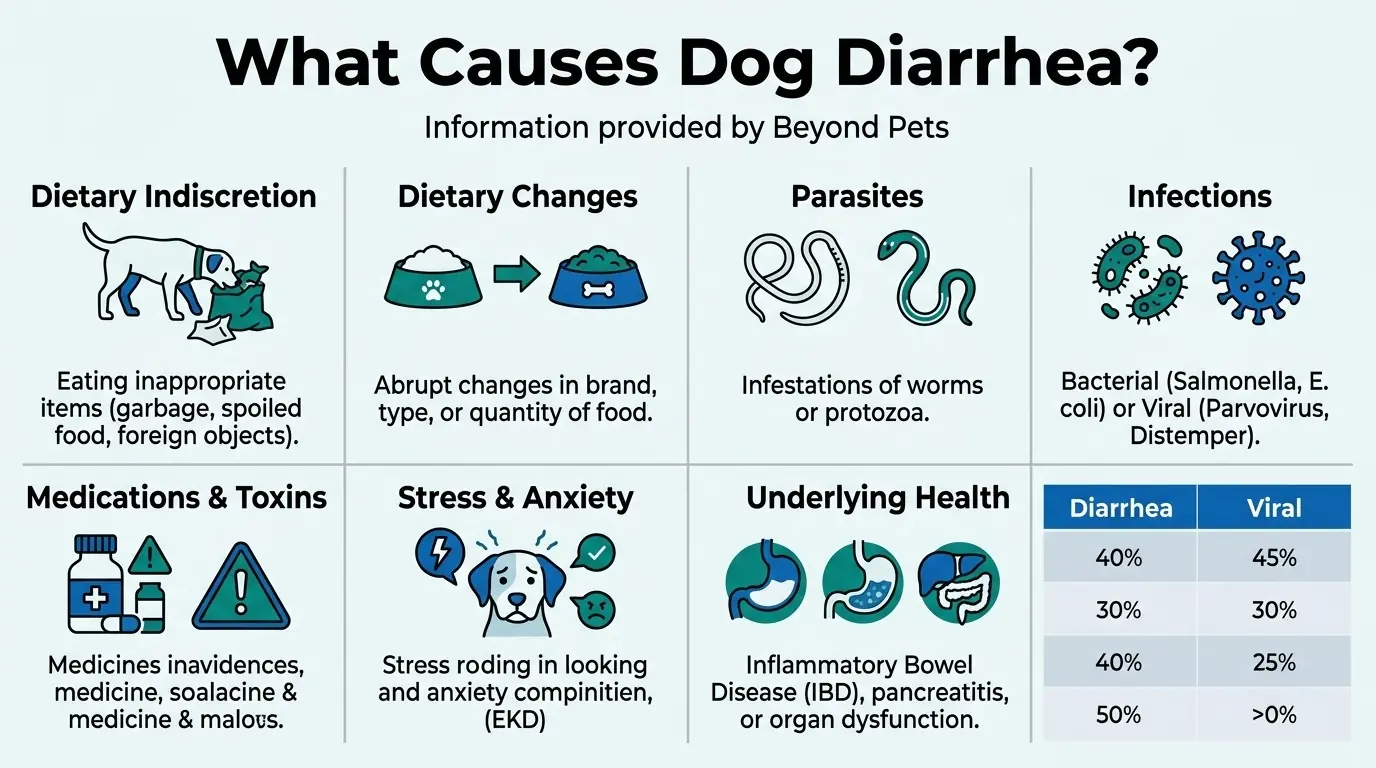
The canine gastrointestinal tract acts as the primary barrier between the dog’s internal bloodstream and the external environment. Consequently, it is exposed to an enormous array of antigens, pathogens, and physical irritants every single day. The list of potential triggers for canine diarrhea is exhaustive and spans across dietary factors, infectious biological agents, systemic medical diseases, and toxicological insults. Determining the exact etiology is crucial for prescribing the correct therapeutic intervention.[20]
Dietary Factors: The most frequent and easily correctable cause of diarrhea is a sudden alteration in the dog’s diet. The canine digestive tract adapts over time to secrete specific enzymes based on the composition of the dog’s daily food. A sudden shift to a new protein source, a higher fat content, or a different kibble brand forces the gut to process unfamiliar ingredients before it can adapt, leading to maldigestion and osmotic diarrhea. Furthermore, simple dietary indiscretion—such as consuming household garbage, rancid meat, dead animals found in the yard, compost, or excessive amounts of rich, fatty table scraps—can cause severe gastrointestinal inflammation. In addition to simple indiscretion, dogs might also be affected by food allergies or complex dietary intolerances. True food allergies involve an inappropriate immune system response (often IgE-mediated) to a specific dietary protein, such as chicken, beef, or dairy (like cottage cheese), leading to chronic mucosal inflammation and persistent loose stools. Food intolerances are non-immune reactions, such as lactose intolerance, where the dog simply lacks the lactase enzyme needed to break down milk sugars.[21]
Infectious Agents: A vast array of infectious microorganisms target the canine gut. Diarrhea caused by infectious agents can be highly contagious and requires strict hygiene management. These include:
- Bacterial Infections: Pathogenic bacteria such as Salmonella, Campylobacter, Escherichia coli, and Clostridium perfringens can overgrow in the gut, often secondary to eating contaminated raw meat or feces. These bacteria produce powerful enterotoxins that damage the intestinal lining, resulting in severe secretory diarrhea, often accompanied by systemic fever and sepsis.[22]
- Viral Infections: Viral enteritis is a major threat, with parvovirus being one of the most deadly. Canine parvovirus specifically attacks and destroys the rapidly dividing cells in the crypts of the intestinal villi, leading to catastrophic mucosal sloughing, severe bloody diarrhea, and profound immunosuppression. Other viral culprits include canine coronavirus, which typically causes milder diarrhea, and canine distemper virus, which affects multiple organ systems simultaneously.[23]
- Parasitic Infections: Puppies and adults alike frequently suffer from parasitic infections (like giardia, roundworms, hookworms, or whipworms), which disrupt absorption. Giardia and Coccidia are single-celled protozoa that cause significant malabsorption and chronic, watery, foul-smelling diarrhea. Macroscopic parasites like hookworms attach directly to the intestinal wall, feeding on blood and causing profound anemia alongside diarrhea, while whipworms specifically inhabit the cecum and colon, causing classic large bowel, mucus-laden diarrhea.[24]
Medical Conditions: Diarrhea is frequently a secondary symptom of a primary systemic or organ-specific disease. Certain chronic diseases heavily alter gut motility and mucosal integrity, including:
- Inflammatory Bowel Disease (IBD): An idiopathic, immune-mediated condition characterized by the chronic infiltration of inflammatory cells (lymphocytes, plasmacytes, or eosinophils) into the walls of the stomach and intestines. This thickening prevents normal nutrient absorption, leading to intractable chronic diarrhea and protein loss.[25]
- Pancreatitis and EPI: Acute or chronic inflammation of the pancreas (pancreatitis) leaks digestive enzymes into the abdominal cavity, causing extreme pain, vomiting, and diarrhea. Alternatively, Exocrine Pancreatic Insufficiency (EPI) occurs when the pancreas fails to produce any digestive enzymes at all, leaving food completely undigested. Dogs with EPI produce massive volumes of pale, greasy, foul-smelling diarrhea and lose weight rapidly despite a ravenous appetite.[26]
- Liver or Kidney Disease: Metabolic conditions, including kidney failure in dogs, can lead to uremic toxins accumulating in the bloodstream. These toxins cause severe ulceration of the gastrointestinal tract, resulting in vomiting and dark, melenic diarrhea. Similarly, liver failure leads to portal hypertension and a lack of bile, severely impairing fat digestion.[27]
- Neoplasia (Cancer): Gastrointestinal tumors, such as lymphoma, adenocarcinoma, or mast cell tumors, can physically obstruct the bowel or destroy the absorptive lining, leading to chronic, progressive diarrhea and systemic wasting.[28]
- Hormonal Imbalances, Stress, or Anxiety: Hypoadrenocorticism (Addison’s disease) often presents vaguely with intermittent vomiting and diarrhea, mimicking other GI diseases. Furthermore, acute stress—such as boarding, traveling, fireworks, or a new baby in the home—triggers the release of stress hormones like cortisol and adrenaline, which directly stimulate colonic motility, resulting in stress colitis.[29]
Other Triggers: Ingesting common human medications, particularly non-steroidal anti-inflammatory drugs (NSAIDs) like ibuprofen or naproxen, is highly toxic to dogs and rapidly causes deep bleeding ulcers in the stomach and intestines. Antibiotics frequently prescribed for other infections can wipe out the beneficial gut microbiome, causing antibiotic-responsive diarrhea. Physical blockages caused by ingesting foreign bodies (like toys, socks, or bones) can cause a unique situation where only liquid feces can squeeze past the obstruction. Finally, there are instances of idiopathic diarrhea, where despite exhaustive and expensive diagnostic testing, the exact etiology remains unknown, requiring empirical, symptomatic treatment. If your pet displays systemic signs alongside diarrhea, seek veterinary help immediately to definitively identify whether an internal parasite, a viral pathogen, or an acute toxicosis is responsible.[30]
Signs of Diarrhea in Dogs
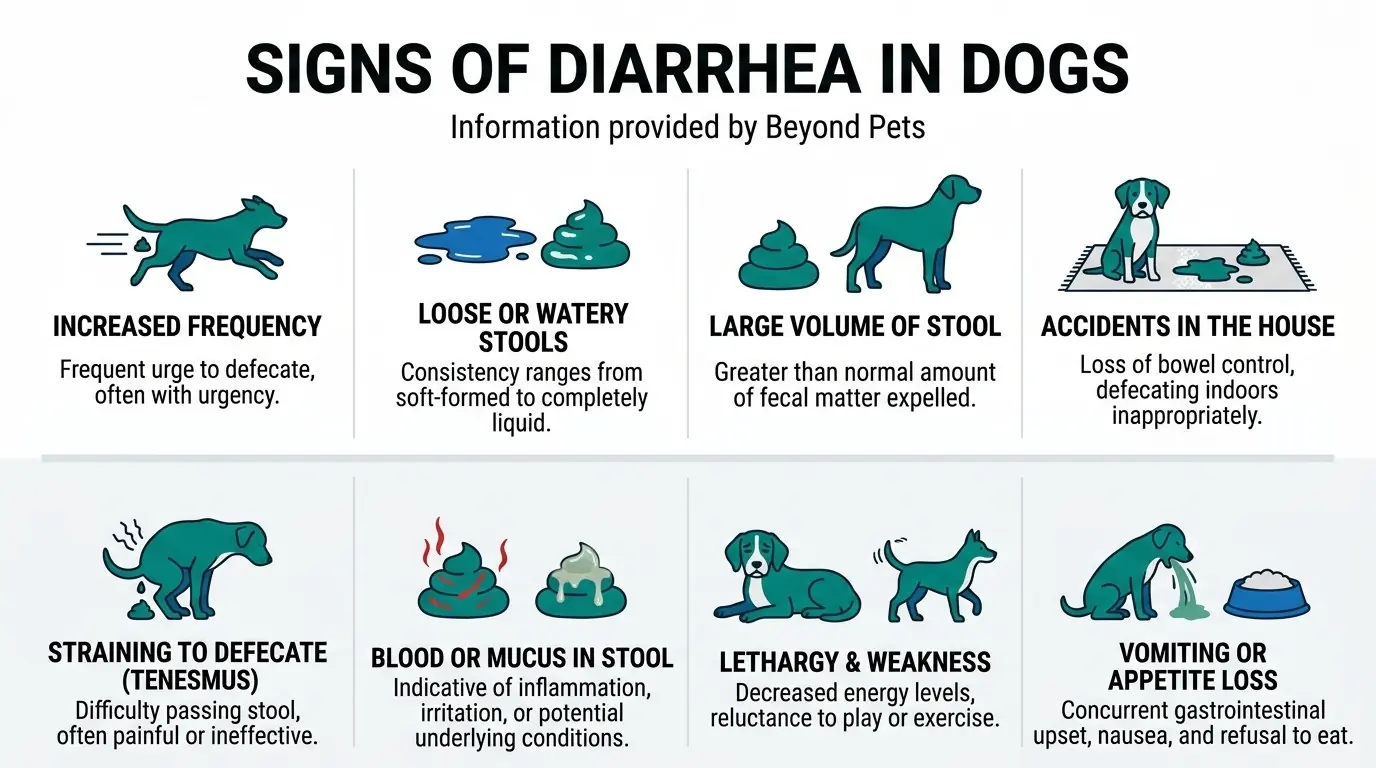
Dogs suffering from diarrhea often display various signs depending on the health issue’s exact location within the gastrointestinal tract, the chronicity of the condition, and the presence of concurrent systemic inflammation. The most obvious and hallmark symptom is, of course, the frequent passing of unformed, loose, or entirely watery stools. Veterinarians often use visual grading systems, such as the Purina Fecal Scoring System, to objectively quantify the severity of the diarrhea on a scale from 1 (hard, dry pellets) to 7 (watery liquid with no texture). However, diarrhea rarely occurs in a vacuum, and it is vital for owners to monitor for a constellation of accompanying clinical signs that indicate the true severity of the situation:[31]
- Augmented Stool Volume: A dramatic increase in the sheer quantity of feces produced per bowel movement, a classic hallmark of small intestinal malabsorption where fluid and nutrients are completely bypassed.
- Increased Frequency of Defecation: The need to eliminate waste much more frequently than the dog’s normal routine, often waking the owner multiple times throughout the night.
- Tenesmus and Urgency: An intense, uncontrollable urge to defecate, often resulting in prolonged squatting and straining. The dog may appear to be constipated because they are straining so hard, but this is actually due to severe colonic inflammation tricking the brain into thinking the rectum is full.
- Unexpected Indoor Accidents: Even the most perfectly house-trained dog may lose bowel control, resulting in unexpected, messy accidents inside the home. This is indicative of true fecal urgency and sphincter failure rather than behavioral regression.
- Detection of Blood or Mucus: The visual presence of blood is highly alarming. Hematochezia presents as streaks or drops of bright red blood, indicating bleeding in the lower colon or rectum. Conversely, melena presents as dark, tarry, black stool resembling coffee grounds, which indicates severe, potentially life-threatening bleeding higher up in the stomach or small intestine (where the blood has been digested). A jelly-like mucus coating usually indicates large bowel irritation.
- Concurrent Vomiting: It is not uncommon to see dog vomiting occur concurrently with loose stools, a combination known as gastroenteritis. This combination drastically accelerates the rate of fluid loss.
- Lethargy and Weakness: A profound state of fatigue, reluctance to go on walks, or general unresponsiveness. This often points to systemic involvement, pain, or significant electrolyte depletion.
- Anorexia or Hyporexia: A partial or complete loss of appetite, often due to nausea, abdominal cramping, or systemic fever.
- Unexplained Weight Loss: Seen predominantly in chronic small bowel diarrhea, severe weight loss occurs over weeks to months as the dog literally starves due to an inability to absorb calories, despite eating ravenously in some conditions like EPI.
- Dehydration: A critical secondary consequence of losing large amounts of water in the stool. Dehydration can be assessed at home by gently lifting the skin on the back of the neck (a delayed return to position indicates dehydration) or by checking the gums, which will feel dry, tacky, and pale rather than moist and pink.
- Abdominal Discomfort: Exhibiting signs of abdominal pain, such as adopting a “praying position” (front legs down, rear end up), crying when lifted, displaying a tense or bloated abdomen, or frequent lip smacking due to nausea.
Recognizing the difference between a dog that has simple diarrhea but remains bright, alert, and playful, versus a dog that is lethargic, vomiting, and passing blood is critical. If your dog exhibits multiple symptoms from the list above, particularly if the diarrhea persists for more than 24 to 48 hours, or if there are multiple explosive bouts of watery stool within a very short timeframe, it is imperative to contact your veterinarian immediately. Early intervention is far safer and much more cost-effective than waiting until the dog is in a state of hypovolemic crisis.[32]
Diagnosis of Canine Diarrhea and When Should You Take Your Dog to the Vet?
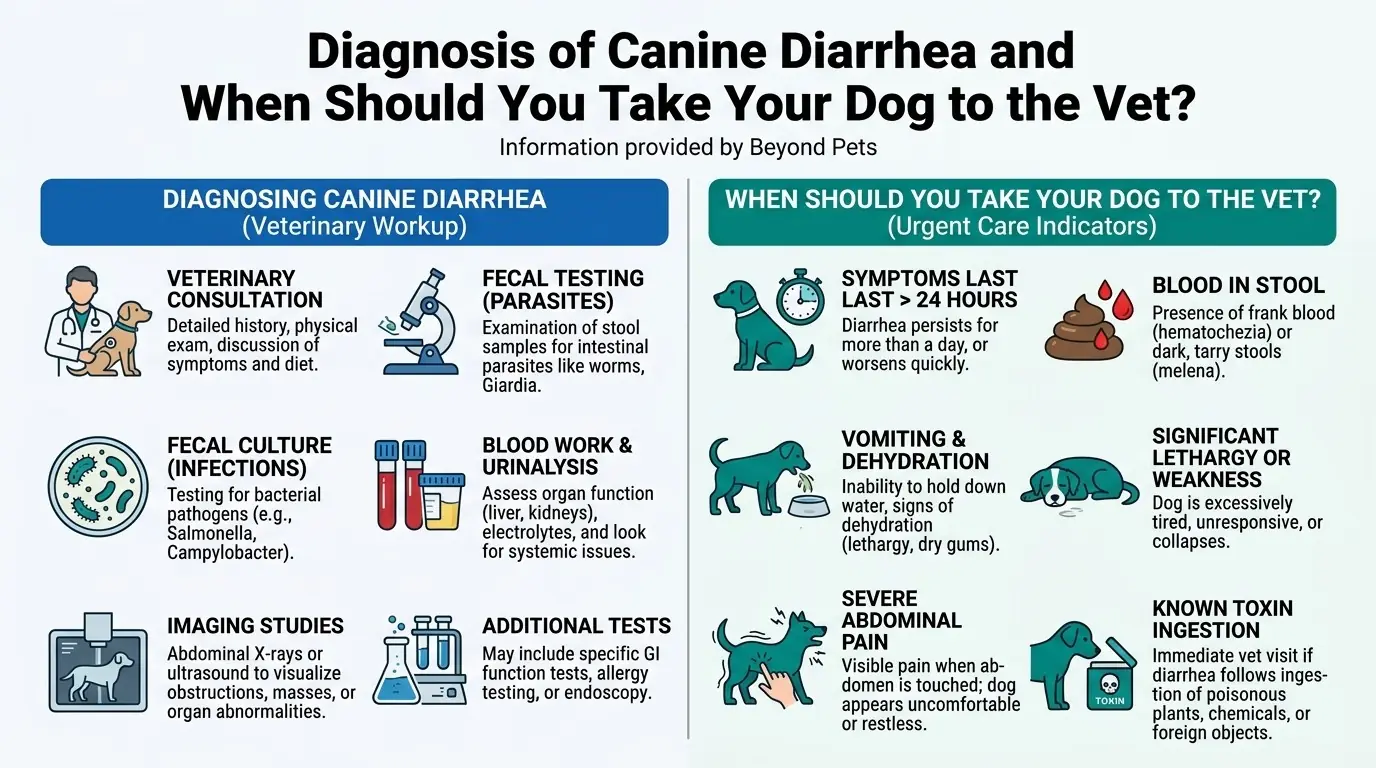
Diagnosing the precise underlying cause of diarrhea in dogs requires a systematic, investigative approach. Because the gastrointestinal tract is entirely internal, veterinarians cannot simply look at a dog and know why they have diarrhea. The diagnostic process relies on combining clinical history, physical findings, and specific, step-wise laboratory tests. Here is an overview of the diagnostic journey:
Detailed History and Physical Examination
The diagnostic process begins with an exhaustive clinical history. The veterinarian will ask highly specific questions: How long has the diarrhea been occurring? What is the exact consistency and color of the stool? Has the dog had access to garbage, table scraps, toxins, or new dog treats? Are there any other pets in the household showing similar signs? Is the dog current on their core vaccinations and broad-spectrum parasite preventatives? Following the history, a comprehensive physical examination is performed. The vet will assess the dog’s vital signs (temperature, pulse, and respiration), meticulously evaluate hydration status via capillary refill time and skin turgor, and perform deep abdominal palpation to check for organomegaly (enlarged organs), painful intestinal thickening, or palpable foreign bodies. A digital rectal examination may also be performed to assess the anal glands, check for rectal polyps, and obtain a fresh stool sample for immediate visual inspection.[33]
Examination of Fecal Matter
Analyzing the feces is non-negotiable and is universally the first laboratory test performed for any dog presenting with acute or chronic diarrhea. A standard fecal flotation (often using a zinc sulfate centrifugation technique) concentrates microscopic parasite eggs (ova) to identify roundworms, hookworms, and whipworms. A direct fecal smear involves looking at a thin layer of feces under a microscope to identify motile protozoa, excessive white blood cells, or pathogenic bacteria like Campylobacter. Furthermore, specific Enzyme-Linked Immunosorbent Assay (ELISA) tests are frequently run on the stool to detect the presence of Giardia antigens or the highly contagious Canine Parvovirus. In complex or refractory cases, advanced PCR (Polymerase Chain Reaction) fecal panels can be sent to outside laboratories to identify the DNA of hard-to-culture pathogens like Salmonella, Cryptosporidium, and Clostridium perfringens alpha and enterotoxins.[34]
Blood Analysis
While fecal tests evaluate the gut’s contents, blood tests evaluate the dog’s systemic response to the disease. A Complete Blood Count (CBC) quantifies red blood cells, white blood cells, and platelets. An elevated white blood cell count (leukocytosis) might suggest an active bacterial infection or severe inflammation, while a decreased count (leukopenia) is a classic, dangerous hallmark of Parvovirus. Anemia may indicate chronic internal bleeding from hookworms or gastric ulcers. A Serum Biochemistry Profile assesses internal organ function. It evaluates liver enzymes (ALT, ALP), kidney values (BUN, Creatinine), and crucial electrolyte balances (sodium, potassium, chloride) which are frequently deranged due to severe fluid loss. Additionally, blood protein levels (albumin and globulin) are scrutinized; dangerously low albumin levels strongly suggest a protein-losing enteropathy (PLE) or severe intestinal bleeding.[35]
Urinalysis
A complete urinalysis is often performed in conjunction with blood work. It helps differentiate whether an elevated BUN and creatinine are due to severe dehydration (prerenal azotemia, where the urine will be highly concentrated) or actual primary kidney disease (renal azotemia, where the kidneys fail to concentrate the urine). Furthermore, it can detect glucose or ketones, aiding in the diagnosis of concurrent metabolic conditions like diabetes mellitus, which can occasionally present with gastrointestinal signs.[36]
Radiographs or Ultrasound
When physical palpation reveals abdominal pain, or if the dog is vomiting alongside the diarrhea, diagnostic imaging becomes essential. Radiographs (X-rays) are excellent for identifying radiopaque foreign bodies (like rocks, bones, or metal objects), abnormal gas patterns suggestive of an intestinal obstruction, or a dangerous condition called intussusception (where the bowel telescopes in on itself). Contrast studies using barium can highlight transit delays. Abdominal ultrasonography is an immensely powerful, non-invasive tool that allows the veterinarian to look inside the abdominal organs. It can measure the exact thickness of the intestinal walls, identify loss of normal intestinal layering (highly suspicious for IBD or lymphoma), assess the pancreas for swelling indicative of pancreatitis, and evaluate local lymph nodes.[37]
Endoscopy or Colonoscopy
In cases of chronic diarrhea where non-invasive tests fail to yield a definitive diagnosis, advanced imaging via endoscopy or colonoscopy is indicated. Under general anesthesia, a flexible fiber-optic camera is passed through the mouth to visualize the stomach and upper small intestine (endoscopy), or through the rectum to visualize the colon and lower small intestine (colonoscopy). This procedure allows the veterinarian to visually inspect the mucosal lining for erosions, ulcerations, masses, or cobblestone texturing. Most importantly, specialized instruments are passed through the endoscope to pinch off full-thickness or mucosal biopsy samples. These tissue samples are sent to a veterinary pathologist for microscopic examination (histopathology), which is the gold standard for definitively diagnosing Inflammatory Bowel Disease (IBD), intestinal lymphangiectasia, and gastrointestinal cancers.[38]
Tests Tailored for Suspected Conditions
Veterinarians also utilize specialized, condition-specific blood tests. If EPI is suspected, a Trypsin-Like Immunoreactivity (TLI) test measures the amount of digestive enzymes entering the blood. A specific Canine Pancreatic Lipase Immunoreactivity (cPLI) test is the most sensitive diagnostic tool for diagnosing pancreatitis. If Addison’s disease is a concern, a baseline resting cortisol level or an ACTH stimulation test is performed to evaluate adrenal gland function. For chronic small bowel diarrhea, a Texas A&M Gastrointestinal Panel may be ordered to measure serum levels of Cobalamin (Vitamin B12) and Folate (Vitamin B9); abnormalities in these vitamins indicate specific regions of malabsorption and dysbiosis within the jejunum and ileum. Furthermore, if strict food allergies are suspected, your vet will prescribe an 8-to-12-week strict novel protein or hydrolyzed protein elimination diet trial to confirm the diagnosis. Remember that reaching a definitive diagnosis in complex chronic diarrhea cases can be an intricate puzzle requiring multiple tests. Always communicate openly with your veterinary team and never hesitate to visit an emergency animal hospital if your dog’s clinical signs rapidly deteriorate.[39]
Treatment for Diarrhea in Dogs
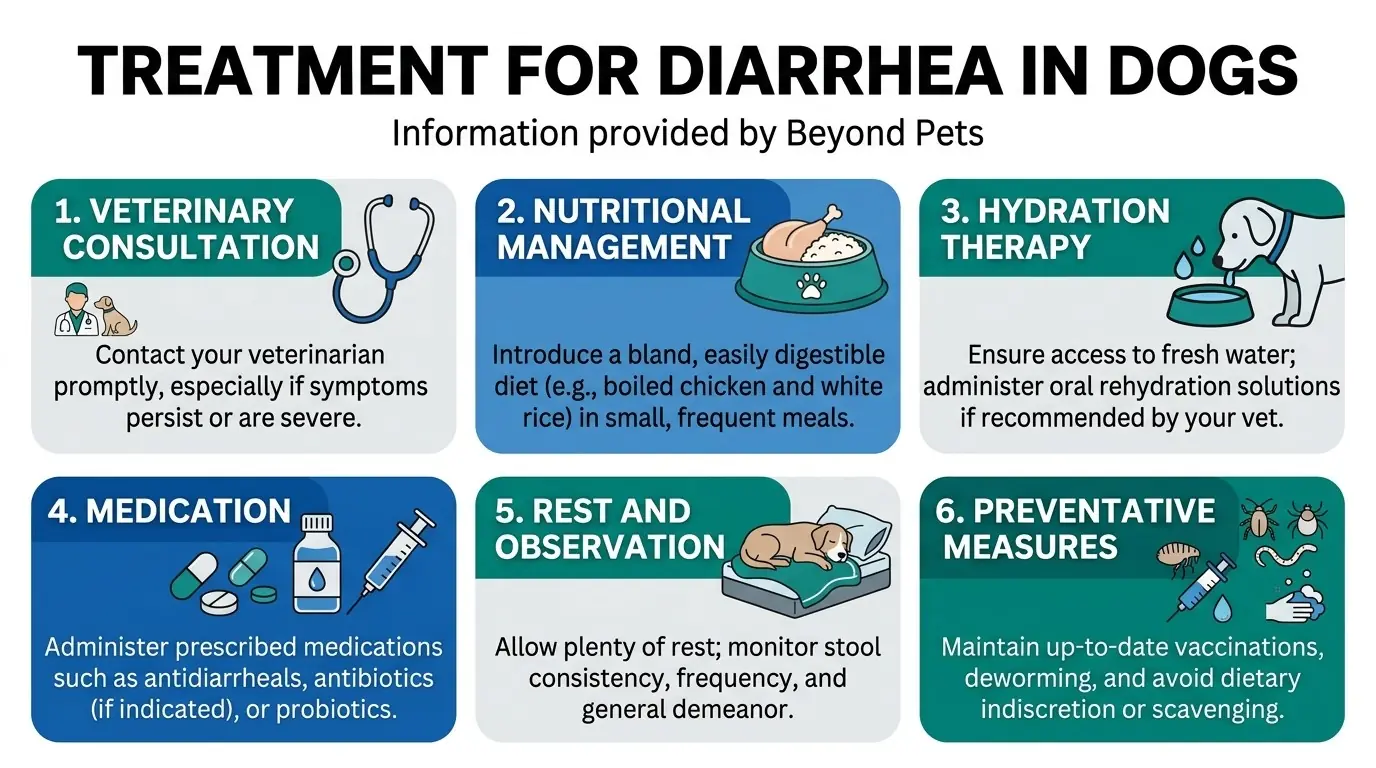
The successful therapeutic management of canine diarrhea relies entirely upon addressing the root cause, mitigating the severity of clinical signs, and aggressively correcting any secondary fluid and electrolyte deficits. The treatment protocol prescribed by your veterinarian will be specifically tailored to the dog’s diagnosis, ranging from simple supportive care at home to intensive, multi-day hospitalization. Here is a comprehensive look at standard veterinary treatment modalities:
- Diet Modifications: For the vast majority of acute, uncomplicated diarrhea cases, immediate dietary management is the cornerstone of therapy. Your veterinarian will likely recommend a short-term transition to a highly digestible, ultra-low-fat, bland diet. This minimizes the workload on the pancreas and allows the irritated intestinal microvilli to heal. Common home-cooked recommendations include boiled, skinless white chicken breast or lean ground turkey mixed with plain white rice or boiled potatoes. Alternatively, veterinarians prescribe specially formulated commercial therapeutic gastrointestinal diets (such as Hill’s i/d, Purina EN, or Royal Canin Gastrointestinal), which are optimized with precise levels of soluble fibers, prebiotics, and easily absorbable nutrients. Once the stool has normalized for several days, the dog’s regular diet is gradually reintroduced over a 5 to 7-day period to prevent relapse.
- Fasting: Historically, veterinarians routinely recommended withholding food for 12 to 24 hours to “rest the gut.” However, modern veterinary gastroenterology suggests that prolonged fasting can actually delay the regeneration of the intestinal lining (enterocytes), which rely on direct contact with food for their nutrition. Fasting may still be cautiously employed for adult dogs experiencing severe, acute vomiting alongside diarrhea, but it must be done under strict veterinary guidance. Fasting is absolutely contraindicated for young puppies, toy breeds, and dogs with metabolic diseases, as they can rapidly develop life-threatening hypoglycemia.
- Hydration Therapy: Fluid replacement is arguably the most critical component of treating severe diarrhea. If a dog has lost a significant amount of fluid, oral water intake alone is insufficient because the inflamed gut cannot absorb it. Your veterinarian will administer fluid therapy. Mild to moderate dehydration is often treated with subcutaneous (SubQ) fluids—an injection of a balanced electrolyte solution (like Lactated Ringer’s) deposited under the skin between the shoulder blades, which is slowly absorbed over several hours. Severe dehydration, hypovolemia, or diseases like Parvovirus require intravenous (IV) fluid therapy administered continuously through a catheter placed in the cephalic or saphenous vein, allowing for precise, rapid correction of fluid and electrolyte imbalances.
- Probiotics and Prebiotics: The administration of high-quality, canine-specific synbiotics (a combination of probiotics and prebiotics) is now a standard of care. Probiotics deliver massive doses of beneficial, live microorganisms (such as Enterococcus faecium, Bifidobacterium animalis, and the beneficial yeast Saccharomyces boulardii) that actively compete with pathogenic bacteria, modulate the local immune response, and help restore a healthy microbiome balance. Prebiotics (like fructooligosaccharides or psyllium) provide the necessary fibrous fuel for these beneficial bacteria to thrive and produce gut-healing short-chain fatty acids.
- Medications: The pharmaceutical approach depends heavily on the definitive diagnosis. Broad-spectrum empiric use of antibiotics for uncomplicated diarrhea is strongly discouraged today to prevent antibiotic resistance and severe microbiome dysbiosis. However, if specific bacterial pathogens are identified, or if the gut barrier is severely compromised (risking bacterial translocation into the bloodstream), targeted antibiotics like Tylosin or Metronidazole are carefully prescribed. Anti-diarrheal motility modifiers, while rarely used as a first-line treatment due to the risk of trapping toxins inside the bowel, may occasionally be utilized in specific, non-infectious chronic scenarios. If the diarrhea is caused by immune-mediated IBD, powerful immunosuppressive medications like oral Prednisone, Budesonide, or Cyclosporine are required to halt the body’s attack on its own intestines.
- Parasite Management: If fecal diagnostics reveal a parasitic burden, highly specific anthelmintic (deworming) protocols are initiated. Broad-spectrum dewormers like Fenbendazole are highly effective against roundworms, hookworms, and whipworms, and are also utilized extensively to treat stubborn Giardia infections. Coccidia infections require specific protozoal treatments such as Sulfadimethoxine or Ponazuril.
- Addressing Underlying Conditions: When diarrhea is merely a secondary clinical sign of a broader systemic disease, resolving the diarrhea is impossible without managing the primary illness. For example, a dog diagnosed with Addison’s disease will require lifelong mineralocorticoid and glucocorticoid hormone replacement therapy (such as DOCP injections). A dog suffering from Exocrine Pancreatic Insufficiency (EPI) requires pancreatic enzyme replacement powder to be mixed into every single meal for the remainder of their life.
Always contact your veterinarian if your dog is suffering from diarrhea that is exceptionally severe, contains large amounts of frank blood, lasts for multiple days, or is accompanied by other systemic symptoms like profound lethargy, severe abdominal pain, or anorexia. Emergency veterinary care is particularly crucial for pediatric, geriatric, and immunocompromised patients who simply cannot tolerate rapid fluid shifts. Please consult your veterinarian before making any changes to your pet’s care, especially regarding medication and diet.[40]
Resolving the Underlying Cause
The ultimate goal of any veterinary intervention is not merely to suppress the symptom, but to definitively identify and resolve the underlying pathogenesis. Utilizing over-the-counter anti-diarrheal medications formulated for humans can be exceptionally dangerous; for example, drugs containing bismuth subsalicylate can turn the stool black (masking true gastrointestinal bleeding) and can be toxic if overdosed, while loperamide (Imodium) can cause severe neurological toxicity in herding breeds carrying the MDR1 gene mutation. Furthermore, artificially stopping gut motility while a pathogenic bacteria like Salmonella is present allows the bacteria to proliferate uncontrollably and absorb massive amounts of endotoxins into the bloodstream. Therefore, it is imperative to allow your veterinarian to conduct the necessary diagnostic steps to uncover the root cause. Whether the solution involves a lifelong commitment to a strict, prescription hydrolyzed-protein diet to manage an underlying food allergy, or a targeted course of anthelminthics to eradicate a heavy hookworm burden, addressing the core issue is the only reliable way to achieve long-term resolution, particularly in complex cases of chronic diarrhea.[41]
Home Remedies for Dog Diarrhea
While severe, bloody, or chronic diarrhea mandates an immediate visit to a veterinary hospital, mild, uncomplicated acute diarrhea occurring in an otherwise bright, alert, and active adult dog can often be cautiously managed at home for the first 24 hours. The goal of home therapy is to gently soothe the irritated gastrointestinal mucosa and provide the gut microbiome an opportunity to naturally re-establish homeostasis. Before initiating any home remedies, you must ensure that serious, life-threatening causes—such as the ingestion of a toxic substance, a foreign body obstruction, or an active viral infection—have been confidently ruled out. Once it is established that the dog is simply experiencing a mild episode of dietary indiscretion, the following supportive strategies can be highly effective:[42]
- Modified Fasting: Allowing the gastrointestinal tract a brief period of physiological rest can be beneficial. For healthy adult dogs, withholding solid food for 12 to a maximum of 24 hours stops the mechanical irritation of digestion. During this absolute fast, you must ensure your dog has unrestricted access to fresh, clean water. Do not restrict water intake unless the dog is actively vomiting water immediately after drinking it. Modified fasting should never be applied to puppies under 6 months of age, diabetic dogs, or tiny toy breeds prone to acute hypoglycemia.
- Bland Diet Transition: Following a brief fast, the reintroduction of food must be gentle. Feeding a highly digestible, low-fat bland diet ensures that the compromised intestines do not have to work hard to extract nutrients. A classic home-prepared bland diet consists of boiling boneless, skinless chicken breast or extra-lean ground turkey, draining all residual fat, and mixing it with plain, boiled white rice in a 1:2 ratio (one part meat to two parts rice). White rice is preferred over brown rice because it is lower in insoluble fiber and easier to digest. Feed this mixture in small, frequent meals (4 to 6 times a day) rather than two large meals. As the stool begins to firm up over several days, slowly mix their regular, specially formulated dog kibble back into the bland diet in increasing increments to prevent an abrupt dietary shock.
- Pumpkin Supplementation: Plain, 100% pure canned pumpkin puree (absolutely not pumpkin pie filling, which contains toxic spices and dangerous amounts of sugar or xylitol) is an outstanding natural remedy. Pumpkin is exceptionally rich in soluble fiber. Soluble fiber dissolves in water to form a viscous gel within the intestinal tract, which slows down gastric emptying, absorbs excess fluid in the colon to physically firm up loose stools, and acts as a prebiotic substrate to feed the beneficial colonic bacteria. Adding one to two tablespoons of plain pumpkin to the bland diet can significantly expedite recovery.
- Veterinary-Specific Probiotics: The administration of a high-quality, clinically proven veterinary probiotic paste or powder is one of the safest and most effective home interventions. These supplements flood the gut with billions of colony-forming units (CFUs) of beneficial bacteria, which actively combat dysbiosis by lowering the colonic pH, outcompeting pathogenic bacteria for resources, and reducing local mucosal inflammation. Unlike human probiotics, canine-specific products are formulated to survive the highly acidic environment of the dog’s stomach.
- Aggressive Hydration Support: The primary danger of diarrhea is systemic dehydration caused by excessive fluid loss. Maintaining hydration is paramount. If your dog is reluctant to drink plain water from their bowl, you can encourage fluid intake by offering low-sodium, onion- and garlic-free chicken or beef broth. Alternatively, offering ice cubes to lick or freezing the broth into small popsicles can help hydrate a dog that is feeling nauseous. In cases of significant fluid loss, veterinary-specific oral electrolyte rehydration solutions may be necessary to replenish depleted sodium, potassium, and chloride stores.
Pet owners must remain exceptionally vigilant when employing home remedies. These interventions are strictly intended for the short-term management of mild, uncomplicated diarrhea. They are not appropriate substitutes for professional diagnostics and targeted medical treatments. If your dog experiences repeated, explosive episodes of diarrhea, if the stool turns black or visibly bloody, if the dog begins to vomit persistently, exhibits extreme lethargy, or if you suspect they have ingested a toxic human food or household chemical, abandon home care immediately. Your veterinarian will utilize physical exams and diagnostics to ensure your dog receives the life-saving care they need.[43]
Prevention of Diarrhea in Dogs
While it is practically impossible to protect a dog from every potential gastrointestinal upset throughout their lifetime, proactive management and strict adherence to preventative health protocols can drastically reduce the frequency and severity of diarrheal episodes. Preventing diarrhea involves a multifaceted approach that focuses on maintaining a robust immune system, fostering a stable gut microbiome, and minimizing exposure to known environmental and dietary hazards. Here are essential, evidence-based pet care strategies to help maintain your dog’s digestive health:[44]
- Consistent Veterinary Care and Vaccinations: Establishing a strong relationship with your veterinarian through annual or biannual wellness exams is critical. These visits allow for the early detection of underlying metabolic or systemic diseases before they manifest clinically. Furthermore, strictly adhering to your veterinarian’s recommended core vaccination schedule is the absolute best defense against devastating, highly contagious, diarrhea-causing viruses such as Canine Parvovirus and Canine Distemper.
- Stable, Highly Nutritious Diet: The canine gastrointestinal tract thrives on extreme dietary consistency. Provide your dog with a high-quality, balanced, and complete commercial diet appropriate for their specific life stage and breed size. Any necessary alterations to their food—whether switching brands, transitioning from puppy to adult formulas, or moving to a prescription diet—must be implemented exceptionally gradually. A proper dietary transition involves mixing the old food with the new food over a period of 7 to 10 days, slowly increasing the percentage of the new food to allow the gut microbiome and digestive enzymes adequate time to adapt without causing osmotic diarrhea.
- Strict Avoidance of Human Foods and Toxins: The canine digestive system is fundamentally unequipped to process rich, high-fat, heavily spiced human foods. Feeding table scraps is a primary trigger for acute gastroenteritis and life-threatening pancreatitis. Furthermore, numerous common human foods are highly toxic to dogs and cause severe gastrointestinal distress, organ failure, and death. Never allow your dog access to chocolate, grapes, raisins, onions, garlic, macadamia nuts, or any products sweetened with xylitol (birch sugar). Ensure all household trash cans have secure, locking lids to prevent dangerous scavenging behavior.
- Environmental Cleanliness: Maintaining a hygienic living environment significantly reduces your dog’s exposure to pathogenic bacteria and parasites. Frequently wash your dog’s bedding in hot water, sanitize their toys, and thoroughly clean their food and water bowls daily with hot, soapy water to prevent the buildup of bacterial biofilms. Promptly remove and properly dispose of all fecal matter from your yard to prevent the accumulation and environmental persistence of parasite eggs and infectious cysts.
- Access to Clean, Fresh Water: Adequate hydration is vital for normal gastrointestinal motility and mucosal health. Always ensure your dog has unrestricted access to clean, fresh water from multiple sources inside and outside the home. During periods of intense exercise or extreme heat, monitor their water intake closely to stave off dehydration, which can compromise intestinal blood flow and subsequently lead to mucosal sloughing and diarrhea.
- Comprehensive Parasite Management: Gastrointestinal parasites are a ubiquitous and entirely preventable cause of diarrhea. Administer broad-spectrum, veterinary-prescribed internal parasite control products exactly as directed, typically on a monthly basis year-round. Regular fecal screenings at your vet clinic will ensure these preventatives are effectively keeping your dog free of debilitating worm and protozoal infestations.
- Steer Clear of Contaminated Areas: Be highly observant when navigating public spaces. Prevent your dog from accessing areas known to be heavily contaminated with the feces of other animals, particularly standing water, drainage ditches, or muddy patches in communal dog parks, as these are prime breeding grounds for Giardia and Leptospirosis.
- Supervise During Walks: Dogs explore the world through their mouths. While out on walks or hikes, keep your dog on a leash and actively monitor their behavior to prevent them from ingesting things off the ground. Consuming random trash, rotting animal carcasses, unidentified mushrooms, toxic plants, or the feces of other animals (coprophagia) can quickly provoke severe gastrointestinal upset, bacterial toxicosis, or parasitic infection.
- Manage Psychological Stress: The gut-brain axis is a powerful physiological connection. Sudden, dramatic alterations in a dog’s environment, daily routine, or social structure can trigger massive releases of stress hormones, resulting in stress-induced colitis and diarrhea. Aim to keep sudden changes to an absolute minimum. When potentially stressful events are unavoidable—such as moving to a new home, enduring loud thunderstorms, or boarding at a kennel—introduce the changes as gradually as possible, provide a safe, quiet retreat, and consult your veterinarian about the prophylactic use of calming supplements, pheromone diffusers, or prescription anti-anxiety medications.
If your dog experiences a mild bout of diarrhea despite your best preventative efforts, they may successfully recover by resting the gut and consuming a highly digestible bland diet for a few days. However, you must always remember that while these preventative steps can successfully aid in thwarting many simple cases of acute diarrhea, they cannot prevent every complex illness or genetic predisposition from occurring. Therefore, if your dog develops significant diarrhea, it is always crucial to consult a veterinarian for a proper, accurate diagnosis and a safe, effective, medically sound treatment plan to ensure your beloved companion quickly returns to peak health.[45]
Frequently Asked Questions
How long does acute diarrhea usually last in dogs?
Acute diarrhea typically resolves on its own or with conservative dietary management within 24 to 48 hours. If the diarrhea is caused by a simple dietary indiscretion, such as eating a new treat, a brief period of fasting followed by a highly digestible bland diet is often enough to let the gastrointestinal tract heal. However, if the diarrhea persists for longer than two to three days, increases in severity, or if you notice other concerning clinical signs like vomiting, extreme lethargy, fever, or an inability to hold down water, you should schedule a veterinary appointment immediately. Prolonged diarrhea can rapidly lead to dangerous dehydration, especially in vulnerable puppies and senior dogs.
Can I give my dog over-the-counter human anti-diarrhea medications like Imodium?
Veterinarians strongly advise against administering human over-the-counter anti-diarrheal medications, such as Imodium (loperamide) or Pepto Bismol (bismuth subsalicylate), without explicit veterinary direction. These medications can be extremely dangerous. Imodium slows down gut motility, which can be disastrous if the dog’s diarrhea is caused by a bacterial infection, as it traps the harmful bacteria and their toxins inside the body. Furthermore, certain herding breeds possess an MDR1 genetic mutation that makes loperamide highly toxic to their neurological system. Pepto Bismol contains salicylates, which are chemically related to aspirin, and can cause gastric ulceration or toxicity in dogs. Always consult your vet for safe, canine-specific treatments.
Why does my dog’s stool have bright red blood or dark, tarry blood?
The presence of blood in a dog’s diarrhea is a serious symptom that points to bleeding somewhere along the digestive tract. Bright red, fresh-looking blood (hematochezia) usually indicates bleeding in the lower large intestine, rectum, or anus. This is frequently seen in cases of severe colitis, whipworm infections, or when straining bursts tiny rectal blood vessels. Conversely, dark, black, and tarry stool (melena) is a medical emergency. Melena indicates that significant bleeding has occurred higher up in the digestive tract, such as a bleeding stomach ulcer from NSAID toxicity or a severe small intestinal hookworm infection, and the blood has been digested as it passed through the system. Any sign of blood warrants prompt veterinary diagnostics.
References
- Merck Veterinary Manual. Overview of the Digestive System. Merck & Co., Inc., 2023.
- American Veterinary Medical Association (AVMA). Diarrhea in Pets. AVMA, 2023.
- VCA Animal Hospitals. Diarrhea in Dogs. VCA, 2022.
- Washabau RJ. Gastrointestinal physiology and disease. J Vet Intern Med. 2018.
- Cornell University College of Veterinary Medicine. Diarrhea in Dogs. Cornell, 2023.
- Merck Veterinary Manual. Introduction to Digestive Disorders of Dogs. Merck & Co., Inc., 2022.
- Marks SL. Enteric pathogens and acute infectious diarrhea. Vet Clin North Am Small Anim Pract. 2019.
- VCA Animal Hospitals. Megaesophagus in Dogs. VCA, 2021.
- Suchodolski JS. Diagnosis and interpretation of intestinal dysbiosis in dogs. Clin Lab Med. 2018.
- VCA Animal Hospitals. Pancreatitis in Dogs. VCA, 2022.
- Merck Veterinary Manual. Liver Disease in Dogs. Merck & Co., Inc., 2023.
- Barko PC, et al. The Gastrointestinal Microbiome: A Review. J Vet Intern Med. 2018.
- American Veterinary Medical Association (AVMA). Internal Parasites in Dogs. AVMA, 2023.
- German AJ. The growing problem of obesity in dogs and cats. J Nutr. 2019.
- Penn Vet. Gastroenterology and Digestive Diseases. University of Pennsylvania, 2023.
- Unterer S, et al. Acute hemorrhagic diarrhea syndrome in dogs. Vet Clin North Am Small Anim Pract. 2020.
- VCA Animal Hospitals. Inflammatory Bowel Disease in Dogs. VCA, 2022.
- Merck Veterinary Manual. Chronic Enteropathies in Small Animals. Merck & Co., Inc., 2023.
- American Veterinary Medical Association (AVMA). Canine Parvovirus. AVMA, 2023.
- Gaschen F. Chronic enteropathies in dogs: evaluation and management. Vet Clin North Am Small Anim Pract. 2018.
- VCA Animal Hospitals. Food Allergies in Dogs. VCA, 2022.
- Centers for Disease Control and Prevention (CDC). Salmonella Infection Linked to Dog Food. CDC, 2022.
- Decaro N, Buonavoglia C. Canine parvovirus—A review of epidemiological and diagnostic aspects. Vet Microbiol. 2019.
- Companion Animal Parasite Council (CAPC). Giardia Guidelines. CAPC, 2023.
- Jergens AE, Simpson KW. Inflammatory bowel disease in veterinary medicine. Front Biosci. 2020.
- Merck Veterinary Manual. Exocrine Pancreatic Insufficiency. Merck & Co., Inc., 2023.
- VCA Animal Hospitals. Acute Kidney Failure in Dogs. VCA, 2022.
- Vail DM. Gastrointestinal lymphoma in dogs. Vet Clin North Am Small Anim Pract. 2018.
- Merck Veterinary Manual. Addison Disease in Animals. Merck & Co., Inc., 2023.
- ASPCA. Toxic and Non-Toxic Plants and Medications. ASPCA, 2023.
- Purina Institute. Fecal Scoring System for Dogs. Purina, 2022.
- Hall EJ. Acute gastroenteritis in dogs. In Practice. 2019.
- American Animal Hospital Association (AAHA). Canine Life Stage Guidelines. AAHA, 2020.
- Lappko V. Diagnostic approach to chronic diarrhea in dogs. Vet Rec. 2018.
- VCA Animal Hospitals. Understanding Blood Work. VCA, 2021.
- Merck Veterinary Manual. Urinalysis Procedures. Merck & Co., Inc., 2023.
- Gaschen L. Ultrasonography of the gastrointestinal tract in dogs. Vet Clin North Am Small Anim Pract. 2020.
- World Small Animal Veterinary Association (WSAVA). Gastrointestinal Standardization Guidelines. WSAVA, 2021.
- Texas A&M University. Gastrointestinal Laboratory Testing Protocols. TAMU, 2023.
- Kathrani A. Dietary and medical management of chronic enteropathy in dogs. Vet Rec. 2021.
- VCA Animal Hospitals. Multidrug Resistance Mutation (MDR1). VCA, 2022.
- American Kennel Club (AKC). A Survival Guide for Dog Diarrhea. AKC, 2023.
- Schmitz S. Value of probiotics in canine gastroenterology. Vet Clin North Am Small Anim Pract. 2019.
- American Veterinary Medical Association (AVMA). Preventive Healthcare Guidelines for Dogs. AVMA, 2022.
- Pilla R, Suchodolski JS. The role of the canine gut microbiome in health and disease. Vet Clin North Am Small Anim Pract. 2020.