



 March 2, 2023
 Phil Good, DVM
What Are Common Dog Poisons?
This content was prepared with AI assistance and reviewed by a licensed professional for accuracy.
Introduction
Veterinary toxicology is a complex and highly critical field, primarily because dogs are naturally curious creatures equipped with an exceptional olfactory system and a propensity for scavenging. This indiscriminate eating behavior frequently leads them to ingest hazardous items, transforming an ordinary household into a landscape of potential dog poison hazards. Poison in dogs signs can range from mild gastrointestinal upset to rapidly progressive, life-threatening systemic failure. Consequently, recognizing a hazard to pets and understanding the mechanisms of poisonous substances is a paramount responsibility for every pet parent. The clinical reality is that exposure to toxins is one of the most common reasons for emergency veterinary visits worldwide[1].
When we discuss poison in dogs, we are referring to any substance—whether ingested, inhaled, absorbed through the skin, or injected—that disrupts normal physiological functions and induces toxicosis. The severity of the clinical presentation depends entirely on the specific toxin, the amount received, the route of exposure, and the individual dog’s size, age, and metabolic health. A substance that is entirely safe for human consumption, or even beneficial, can act as a potent poison in canines due to fundamental differences in hepatic enzymatic pathways and metabolic processing rates[2].
The ASPCA Animal Poison Control Center (APCC) handles hundreds of thousands of cases annually involving pets exposed to potentially fatal substances, highlighting the sheer volume and everyday reality of these emergencies[3]. From over-the-counter pain relievers and prescription antidepressants to seemingly innocuous pantry staples, the threats are pervasive. Prompt intervention is the absolute cornerstone of veterinary toxicology. Recognizing the early symptoms of poisoning in dogs and seeking immediate veterinary triage can definitively alter the prognosis. The critical “golden window” for decontamination—often within the first one to two hours post-ingestion—can mean the difference between a simple outpatient procedure and days of intensive, life-saving critical care[4].
Causes of Common Poison in Canines
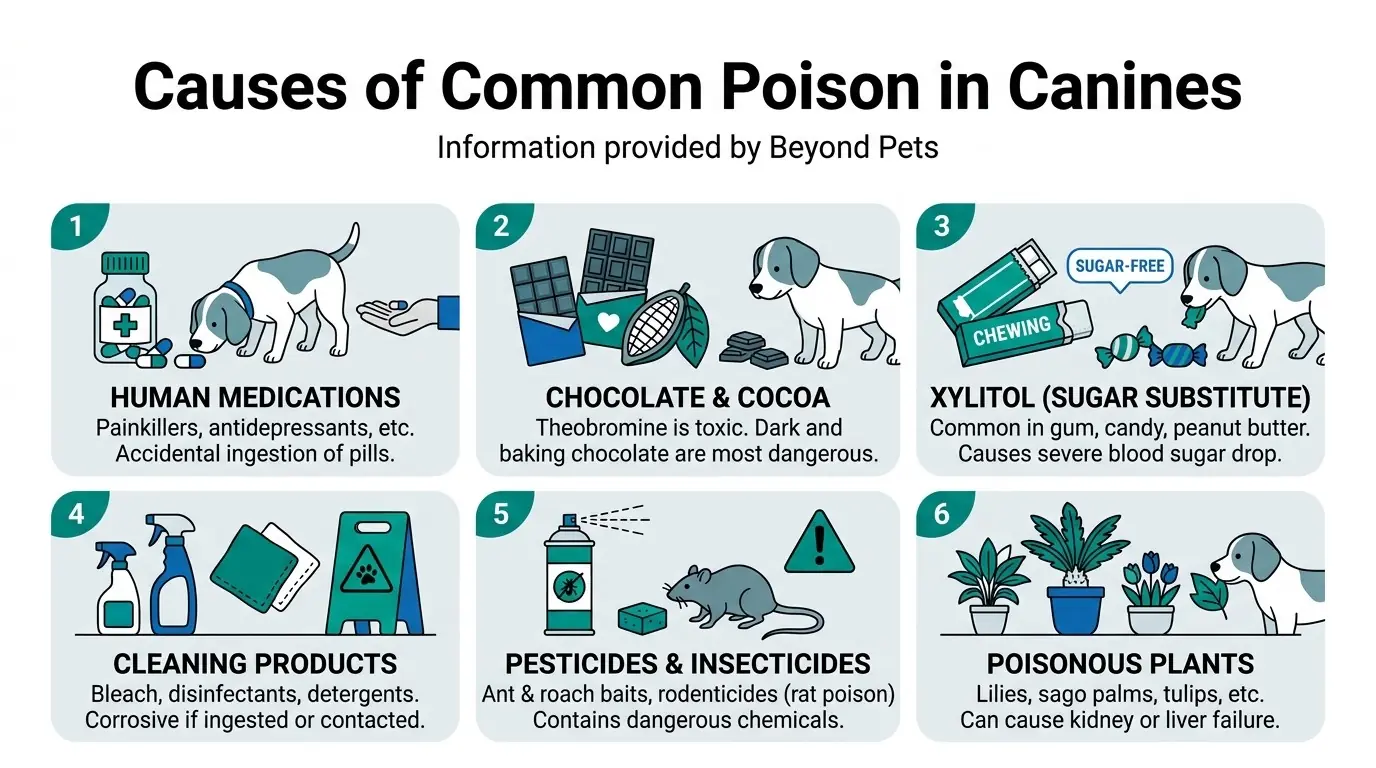
The underlying causes of poisoning in dogs are vast and multifaceted. Because dogs explore their environment primarily through taste and smell, they are highly susceptible to oral toxicosis. Furthermore, many toxic substances are formulated with flavorings or bases that are inherently palatable to canines, such as the sweet-tasting ethylene glycol found in antifreeze or the molasses-based bait used in rodenticides[5]. Understanding the specific categories of poisonous substances helps in identifying risks and mitigating exposure before a tragedy occurs.
Veterinary toxicologists generally classify these hazards into distinct categories based on their origin and their primary mechanism of action. These classifications encompass common household chemicals, human and veterinary medications, ornamental and wild plants, toxic human foods, and miscellaneous outdoor environmental hazards. By examining each category in clinical detail, pet owners can proactively secure their homes and recognize the immediate necessity of veterinary intervention when an exposure occurs.
Household chemicals
The modern home is filled with industrial-strength chemicals, cleaning agents, and automotive fluids that pose profound risks to pets. The pathophysiology of household chemical poisoning depends heavily on the chemical’s pH and concentration. For example, highly alkaline products—such as drain cleaners, oven cleaners, and specialized bleach formulations—cause severe liquefactive necrosis when ingested. This type of tissue damage essentially dissolves the mucosal lining of the esophagus and stomach, leading to deep, penetrating ulcers, severe strictures, and potential gastrointestinal perforation[6]. Conversely, highly acidic products, like certain toilet bowl cleaners and metal polishes, induce coagulative necrosis, which causes a superficial but highly painful eschar (scab) formation along the gastrointestinal tract.
One of the most notoriously lethal household chemicals is ethylene glycol, the primary active ingredient in automotive antifreeze and some de-icing agents. Ethylene glycol is extremely dangerous because it possesses a sweet taste that dogs find highly appealing. Once ingested, it is rapidly absorbed from the gastrointestinal tract and metabolized by the hepatic enzyme alcohol dehydrogenase. This metabolic process yields highly toxic metabolites, including glycoaldehyde, glycolic acid, and oxalic acid. The accumulation of glycolic acid causes profound metabolic acidosis, while oxalic acid binds with systemic calcium to form insoluble calcium oxalate crystals[7]. These crystals precipitate out into the renal tubules, causing catastrophic mechanical damage that leads to acute kidney injury (AKI) and anuric renal failure. The lethal dose for a dog is alarmingly small, making even a small puddle on the garage floor a life-threatening hazard[8].
Rodenticides, or rat and mouse baits, represent another massive category of household chemical poisoning. It is a common misconception among pet owners that all rat poisons work exactly the same way. In veterinary medicine, we classify rodenticides into three distinctly different and equally deadly primary types, each requiring a completely different treatment protocol. The first type includes anticoagulant rodenticides, which work by competitively inhibiting the enzyme vitamin K epoxide reductase. This depletes the body’s active supply of Vitamin K1, which is strictly required for the synthesis of coagulation factors II, VII, IX, and X in the liver[9]. Without these factors, the dog loses the ability to clot blood, leading to spontaneous, fatal internal hemorrhage anywhere from three to five days post-ingestion.
The second type of rodenticide is bromethalin, a potent neurotoxin. Bromethalin disrupts the body’s ability to produce cellular energy by uncoupling oxidative phosphorylation in the mitochondria of the central nervous system. This catastrophic failure of the cellular sodium-potassium pump leads to fluid retention within the nerve sheaths, resulting in severe cerebral edema (brain swelling), tremors, hyperesthesia, seizures, and frequently, death[10]. The third common rodenticide is cholecalciferol, which is essentially a concentrated synthetic dose of Vitamin D3. Ingestion of cholecalciferol causes massive, systemic absorption of dietary calcium from the gut and bone resorption, leading to profound, life-threatening hypercalcemia. This drastically elevated blood calcium level results in the calcification (hardening) of soft tissues, particularly the kidneys, heart, and gastrointestinal tract, rapidly leading to acute renal failure and cardiovascular collapse[11].
Medications
The ingestion of pharmaceuticals—both over-the-counter and prescription—is a leading cause of pet toxicity. Because dogs lack certain metabolic pathways found in humans, standard human medications are frequently lethal to canines. Many owners, in a misguided attempt to alleviate their pet’s pain, will administer drugs directly from their own medicine cabinets, unwittingly causing severe toxicosis.
Non-Steroidal Anti-Inflammatory Drugs (NSAIDs), such as over-the-counter human pain relievers and even excessive amounts of prescription canine-specific NSAIDs, pose a severe threat. These medications function by inhibiting cyclooxygenase (COX) enzymes, specifically COX-1 and COX-2. While inhibiting COX-2 provides pain relief and reduces inflammation, the inhibition of COX-1 is highly detrimental. COX-1 is responsible for producing beneficial prostaglandins that maintain the thick mucosal barrier of the stomach and ensure adequate blood flow to the kidneys[12]. When dogs ingest toxic amounts of NSAIDs, this protective mucosal barrier breaks down, leading to severe, bleeding gastric and duodenal ulcers. With larger exposures, the lack of renal blood flow causes acute renal papillary necrosis and subsequent kidney failure[13].
Over-the-counter human pain medication containing acetaminophen is another extremely dangerous hazard. Dogs, unlike humans, are fundamentally deficient in specific hepatic enzymes—namely glucuronyl transferase—required to safely metabolize acetaminophen. Consequently, the drug is metabolized via alternate cytochrome P450 pathways, producing a highly toxic intermediate metabolite known as NAPQI. NAPQI aggressively attacks red blood cells, causing oxidative damage that transforms normal hemoglobin into methemoglobin. Methemoglobin is incapable of carrying oxygen, leading to a state of systemic hypoxia characterized by muddy brown gums, rapid breathing, and severe lethargy[14]. In addition to this red blood cell destruction, NAPQI also causes profound, acute hepatic necrosis (liver failure).
Prescription human medications are equally hazardous. Antidepressants, specifically prescription Selective Serotonin Reuptake Inhibitors (SSRIs) and Serotonin-Norepinephrine Reuptake Inhibitors (SNRIs), can induce a life-threatening condition called serotonin syndrome when ingested in toxic amounts. This syndrome is characterized by a massive overstimulation of central and peripheral serotonin receptors, resulting in severe agitation, tachycardia (rapid heart rate), hypertension (high blood pressure), tremors, hyperthermia (dangerously high body temperature), and persistent seizures[15].
Medications utilized for the treatment of Attention Deficit Hyperactivity Disorder (ADHD) in humans, such as prescription stimulants, are also highly toxic. Because these are potent central nervous system stimulants, even a single dropped pill can cause severe clinical signs in a dog. Prescription stimulant toxicosis leads to extreme hyperactivity, pacing, panting, profound tachycardia, bounding pulses, severe hyperthermia, and fatal cardiac arrhythmias or status epilepticus if left untreated[16]. Prescription heart and blood pressure medications can cause profound bradycardia (slow heart rate) and hypotensive shock when ingested by dogs, requiring immediate and aggressive intravenous therapy to stabilize cardiovascular function.
Plants
The botanical world contains numerous species that produce complex secondary metabolites designed to deter herbivores. Unfortunately, these natural defense mechanisms act as potent poisons when ingested by dogs. While many plants cause mild self-limiting gastrointestinal distress, several species are capable of causing rapid, fatal organ failure.
The Sago Palm (Cycas revoluta) is an ornamental cycad frequently found in warm-climate landscaping and sold as indoor bonsai plants. It is one of the most deadly plants a dog can encounter. Every part of the sago palm is exceptionally toxic, with the highest concentration of toxins located in the seeds or “nuts.” The primary toxic principle is cycasin, a hepatotoxin that causes rapid, fulminant hepatic failure. Following ingestion, dogs typically present with severe vomiting, bloody diarrhea, and profound lethargy. Within 24 to 48 hours, they develop severe liver damage, icterus (jaundice), and profound coagulopathies due to the liver’s inability to produce clotting factors. The mortality rate for sago palm toxicosis is alarmingly high, often exceeding 50% even with aggressive, highly intensive medical intervention[17].
Another profound botanical threat is the Oleander plant (Nerium oleander). Oleander contains potent naturally occurring cardiac glycosides, primarily oleandrin, which are functionally similar to prescription cardiovascular medications. These glycosides work by inhibiting the sodium-potassium ATPase pump in myocardial cells, leading to a massive intracellular accumulation of calcium. This results in profound and frequently fatal cardiac arrhythmias, severe bradycardia, heart block, and secondary hyperkalemia. Ingestion of just a few leaves can be lethal to a dog[18].
Autumn Crocus (Colchicum autumnale) is highly toxic due to its colchicine content. Colchicine acts as an antimitotic poison, meaning it completely halts cell division. Because the cells lining the gastrointestinal tract divide rapidly, they are usually the first to be destroyed, leading to severe, bloody vomiting and diarrhea, rapidly followed by multi-organ failure, bone marrow suppression, and death[19].
It is also important to medically differentiate between species when discussing plant toxicities. For instance, while true lilies (Lilium species) and daylilies (Hemerocallis species) are acutely and famously nephrotoxic to cats—causing fatal renal failure from even minor exposures—dogs do not share this specific feline susceptibility. In dogs, lily ingestion generally only causes mild to moderate self-limiting gastrointestinal upset rather than kidney failure. However, other common garden plants like Azaleas and Rhododendrons (containing grayanotoxins that bind to sodium channels in muscle and nerve cells) pose a severe threat to dogs, leading to cardiovascular collapse, profound weakness, and potentially fatal arrhythmias[20].
Foods
Human dietary staples frequently contain compounds that are entirely benign to us but pose severe toxicological risks to canines. One of the most widely recognized hazards is Chocolate (contains theobromine). Chocolate toxicity is caused by methylxanthines, specifically theobromine and caffeine. These compounds act as competitive antagonists of cellular adenosine receptors and inhibit phosphodiesterase, leading to increased intracellular calcium and massive release of catecholamines (adrenaline). The clinical result is profound central nervous system stimulation and cardiovascular stress. The darker and more bitter the chocolate (such as baking chocolate and dark cocoa powder), the higher the concentration of theobromine. Symptoms begin with restlessness, panting, vomiting, and progress to severe tachycardia, premature ventricular contractions (PVCs), muscle tremors, and fatal status epilepticus with large ingestions[21].
Grapes, raisins, sultanas, and currants pose a unique and severe threat. For decades, the exact toxic principle within grapes remained a mystery to veterinary researchers. However, recent toxicological breakthroughs have identified tartaric acid and its salt, potassium bitartrate, as the likely toxic culprits responsible for grape toxicity in dogs[22]. Dogs appear to be uniquely sensitive to tartaric acid, which causes acute, idiosyncratic, and highly unpredictable acute kidney injury. Because the toxicity is idiosyncratic in nature, it is not strictly amount-dependent; some dogs can consume a handful of grapes with no ill effects, while others may experience catastrophic anuric renal failure after eating just one or two raisins. Therefore, any ingestion of grapes or raisins must be treated as a strict medical emergency.
Members of the Allium genus—which includes onions, garlic, leeks, and chives—contain toxic compounds known as organosulfoxides, which are chewed and metabolized into highly reactive oxidants like N-propyl disulfide. When a dog ingests these vegetables, whether raw, cooked, or powdered, these oxidants attack the lipid bilayer of canine erythrocytes (red blood cells). This oxidative damage causes the hemoglobin inside the cell to clump together, forming structures known as Heinz bodies. These damaged red blood cells become fragile and are rapidly destroyed by the spleen, leading to a profound condition known as Heinz body hemolytic anemia[23]. Symptoms, including pale gums, profound weakness, tachypnea, and reddish-brown urine, may not appear until several days after ingestion.
Xylitol, a sugar alcohol frequently used as a sweetener in sugar-free gum, candies, diabetic baking goods, and certain brands of peanut butter, is exceptionally dangerous to dogs. In humans, xylitol does not stimulate the release of insulin from the pancreas. However, in dogs, xylitol is absorbed rapidly and triggers a massive surge of insulin. This insulin spike pulls glucose out of the bloodstream and into the cells at a catastrophic rate, causing profound, life-threatening hypoglycemia (low blood sugar) within 30 to 60 minutes of ingestion. Dogs will present with acute weakness, ataxia, collapse, and hypoglycemic seizures. Furthermore, xylitol has been proven to cause severe, acute hepatic necrosis (liver failure), the mechanism of which is still not fully understood but carries a grave prognosis[24].
Macadamia nuts are another food uniquely toxic to dogs. While the specific toxic compound within the nut remains unidentified, ingestion leads to a characteristic syndrome involving profound weakness, particularly in the hind limbs (paresis), depression, vomiting, ataxia, tremors, and hyperthermia. Fortunately, while clinical signs can be alarming and severe, macadamia nut toxicity is rarely fatal with appropriate veterinary supportive care[25].
Outdoor hazards
The outdoor environment harbors insidious toxicological threats that dogs can encounter during normal daily activities like walking or swimming. One of the most rapidly fatal environmental hazards is exposure to Cyanobacteria, commonly known as blue-green algae. Cyanobacteria thrive in warm, stagnant, nutrient-rich bodies of freshwater. Under certain conditions, they experience rapid population explosions known as “blooms” and produce incredibly potent toxins, primarily microcystins and anatoxins. Microcystins are profound hepatotoxins that cause massive hepatic hemorrhage and liver failure, while anatoxins are potent neurotoxins that bind irreversibly to acetylcholine receptors, causing rigid muscle paralysis, respiratory arrest, and death. Clinical signs can begin within minutes of a dog swimming in or drinking from contaminated water, making cyanobacteria one of the most lethal toxins in veterinary medicine[26].
Metaldehyde, the active ingredient commonly used in slug and snail bait, is highly palatable to dogs and extremely toxic. Once ingested, metaldehyde easily crosses the blood-brain barrier and decreases the concentrations of serotonin, norepinephrine, and primarily GABA (an inhibitory neurotransmitter) in the brain. The profound loss of GABAergic inhibition results in intense, continuous muscle tremors, a clinical presentation often referred to in veterinary emergency rooms as “shake and bake” syndrome. The continuous, severe muscle contractions cause the dog’s core body temperature to rise to fatal levels, leading to cellular death, disseminated intravascular coagulation (DIC), and multiple organ failure[27].
Compost piles and rotting garbage present a significant risk due to the presence of tremorgenic mycotoxins. These toxins, such as roquefortine C and penitrem A, are produced by molds—specifically *Penicillium* species—growing on decomposing organic matter, particularly moldy dairy, bread, and nuts. Ingestion of these mycotoxins alters neurotransmitter release in the central nervous system, leading to severe hyperesthesia, fine to coarse whole-body tremors, rigidity, and generalized seizures.
Venomous wildlife, particularly snakes belonging to the Crotalidae family (pit vipers like rattlesnakes, copperheads, and cottonmouths), inject complex venoms containing a multitude of destructive enzymes. These enzymes, including metalloproteinases and hyaluronidases, cause massive localized tissue necrosis, breakdown of capillary beds, and profound disruption of the coagulation cascade. Envenomation results in immediate, excruciating pain, severe swelling, systemic hypotension (shock), and severe bleeding disorders that require rapid administration of specialized antivenin to neutralize the circulating venom components[28].
Symptoms of Poisoning in Dogs
The clinical presentation of a poisoned dog is entirely dependent upon the pharmacokinetics, mechanism of action, and ingested amount of the specific toxin. Because many toxins target specific organ systems, veterinarians generally categorize the symptoms of poisoning in dogs based on the primary bodily systems affected.
Gastrointestinal Symptoms: The most frequent early indicators of toxic exposure involve the digestive tract, as this is typically the first point of contact. Toxins acting as direct gastric irritants frequently trigger profound vomiting and profuse diarrhea. Depending on the severity of mucosal damage, owners may notice hematemesis (vomiting fresh, bright red blood or dark “coffee ground” digested blood) and melena (black, tarry stools indicating upper gastrointestinal bleeding). Hypersalivation (excessive drooling) and persistent anorexia are also hallmark signs of profound nausea and abdominal pain.
Neurological Symptoms: Neurotoxins, such as bromethalin, metaldehyde, or human psychiatric medications, deeply affect the central and peripheral nervous systems. Clinical signs include ataxia (drunken, uncoordinated gait), hyperesthesia (extreme sensitivity to touch, light, or sound), muscle fasciculations, and severe whole-body tremors. As the toxicosis progresses, dogs may suffer from generalized tonic-clonic seizures, altered mentation ranging from severe agitation to profound depression, and ultimately, unconsciousness or coma.
Cardiorespiratory Symptoms: Toxins that affect cardiovascular output and pulmonary function—like oleander, chocolate, or prescription blood pressure medications—can cause dramatic shifts in heart rate and respiratory effort. Dogs may present with profound tachycardia (an abnormally fast heart rate), bradycardia (an abnormally slow heart rate), or dangerous irregular rhythms such as premature ventricular contractions. Respiratory manifestations include tachypnea (rapid, shallow breathing), dyspnea (difficulty breathing or increased respiratory effort), and pale or cyanotic (blue-tinged) mucous membranes indicating severe systemic hypoxia.
Renal and Hepatic Symptoms: Toxins that destroy the kidneys (like grapes or ethylene glycol) or the liver (like sago palm or xylitol) often present with insidious signs that progress rapidly. Renal failure is characterized by initial polyuria (excessive urination) and polydipsia (excessive drinking), which rapidly transitions to oliguria (decreased urine production) and fatal anuria (complete lack of urine production) as the kidneys shut down. Hepatic failure presents clinically with icterus or jaundice—a distinct yellowing of the sclera (whites of the eyes), gums, and the non-pigmented skin of the abdomen or pinnae.
Hemostatic Symptoms: Anticoagulant rodenticides and certain severe liver toxins completely disrupt the blood’s ability to clot. Clinical signs of coagulopathy include spontaneous epistaxis (nosebleeds), bleeding from the gums, hematuria (blood in the urine), and the development of petechiae (pinpoint red spots) and ecchymoses (large, purplish bruises) on the hairless areas of the belly. These signs indicate severe internal hemorrhaging that is frequently fatal without immediate transfusions and specific antidotes.
Diagnosis of Dog Poisoning
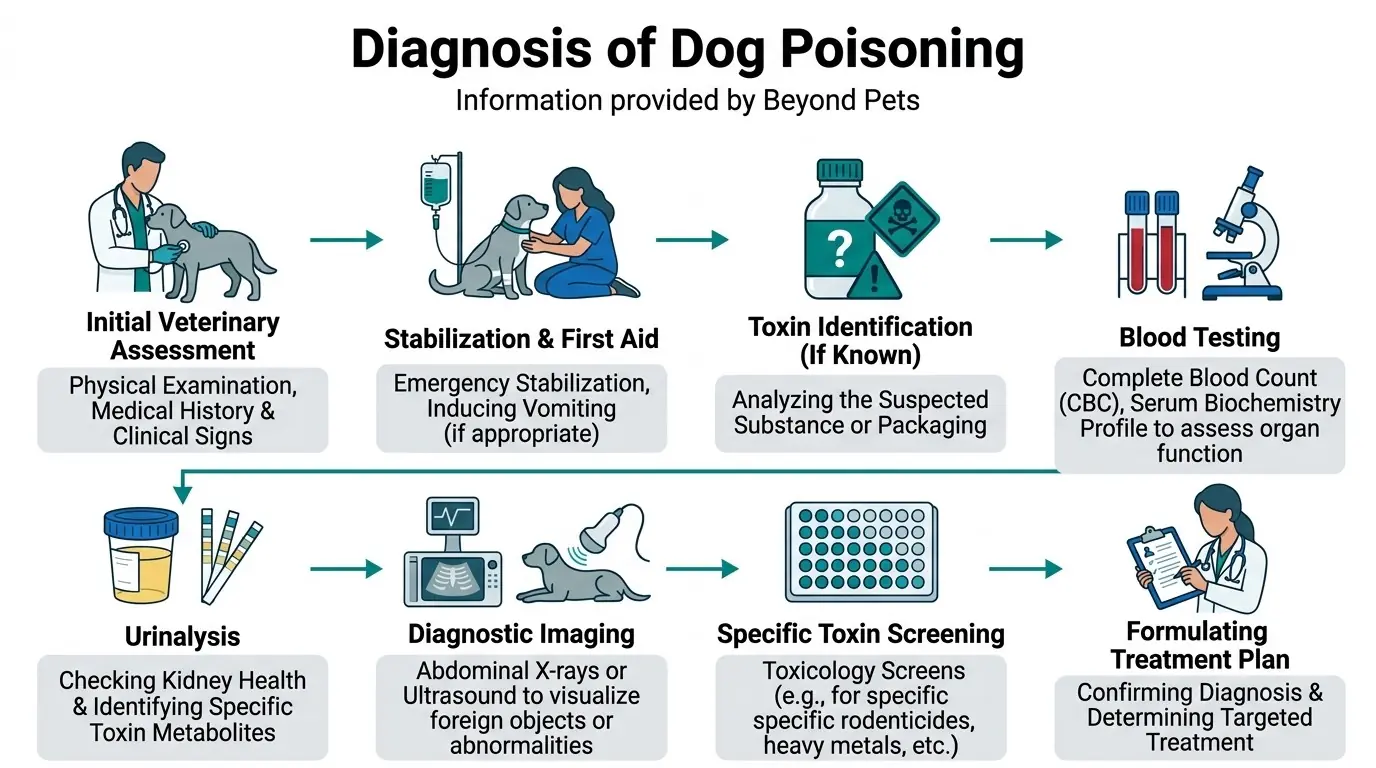
Arriving at an accurate and rapid diagnosis is critical in veterinary toxicology, as the window for successful decontamination and treatment is frequently very narrow. Diagnosis is an active, multi-step process that combines clinical suspicion, owner reporting, and advanced diagnostic testing.
Clinical Triage and History: The diagnostic process begins with rapid triage to assess the ABCs: Airway, Breathing, and Circulation. While the veterinary team stabilizes the patient, an exhaustive clinical history is obtained from the owner. Identifying the exact toxin is paramount. Veterinarians rely heavily on the owner to provide packaging, ingredient labels, and an accurate timeline of when the exposure occurred. Even details like the concentration of the active ingredient are critical for calculating toxicity risks[29].
Comprehensive Physical Examination: A meticulous physical examination is performed to identify toxidromes—constellations of clinical signs that point to a specific class of poisons. The veterinarian will assess pupillary light reflexes, evaluate the oral cavity for chemical burns or distinctive odors (like the garlic-like odor of some organophosphates), palpate the abdomen for pain or distension, and auscultate the heart and lungs for arrhythmias or fluid accumulation. Rectal temperature is taken to rule out hyperthermia caused by tremorgenic toxins or hypothermia resulting from shock.
Laboratory Diagnostics: Diagnostic bloodwork is the cornerstone of toxicological evaluation. A Complete Blood Count (CBC) evaluates red and white blood cells, identifying anomalies like severe anemia, thrombocytopenia (low platelets), or the presence of Heinz bodies. A comprehensive Serum Biochemistry Profile is essential for assessing organ function. The veterinarian will scrutinize renal parameters (BUN, Creatinine, Phosphorus), hepatic enzymes (ALT, AST, ALP), Total Bilirubin, resting blood glucose levels, and total serum calcium. A Urinalysis helps evaluate the specific gravity of the urine and check for the presence of casts or specific crystals, such as the calcium oxalate crystalluria seen with antifreeze poisoning. For suspected rodenticide cases, coagulation profiles—specifically Prothrombin Time (PT) and Activated Partial Thromboplastin Time (aPTT)—are assessed.
Advanced Imaging: Diagnostic imaging plays a crucial supporting role. Abdominal radiographs (X-rays) are frequently utilized to evaluate the stomach and intestines. This helps determine if there is heavy metal toxicity (such as lead, which is radiopaque) or to rule out foreign bodies that might be contributing to the poisoning. Abdominal ultrasound can further detail hepatic architecture, detect free fluid (effusion) resulting from bleeding or organ rupture, and evaluate the renal cortex.
Treatment for Common Poison in Dogs
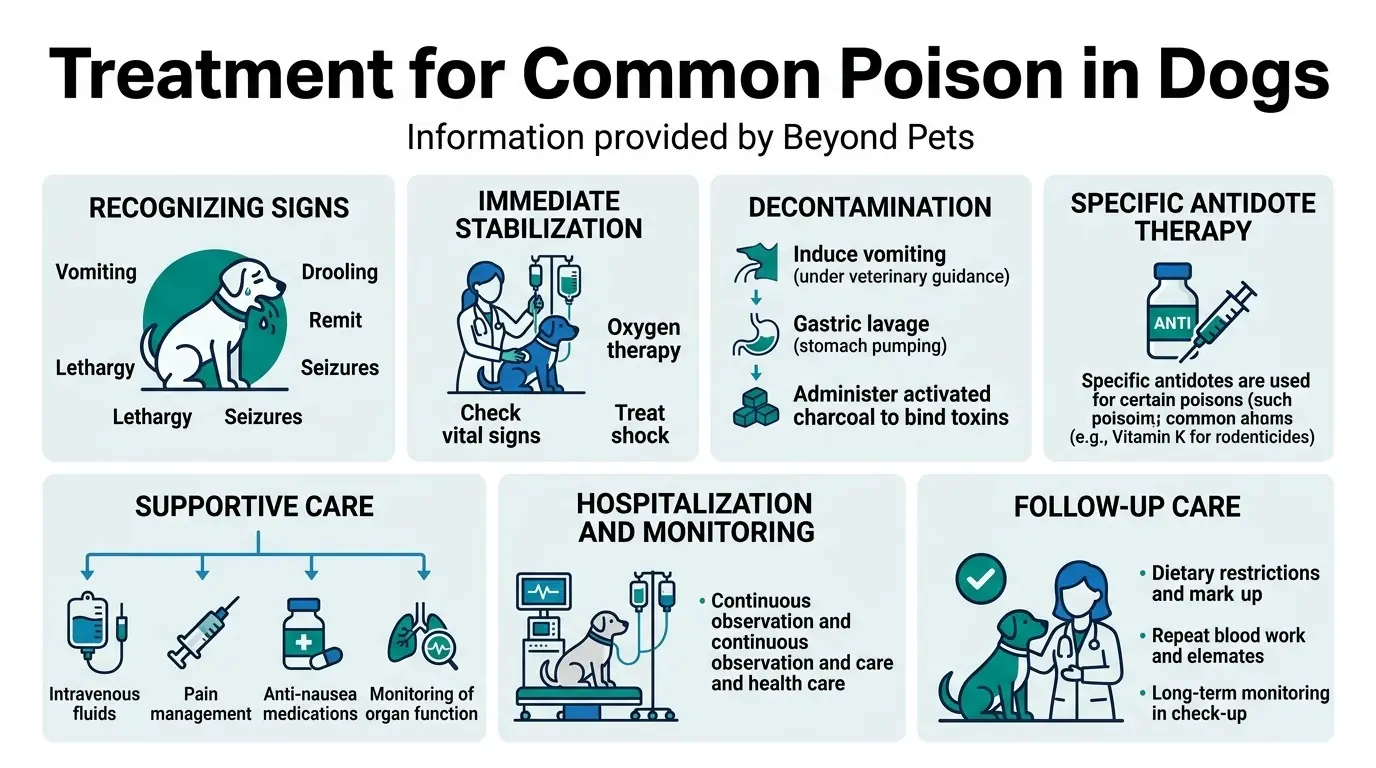
Treating poisoning in dogs requires a highly methodical, rapidly executed, and heavily monitored approach. Veterinary intervention is never a “wait and see” scenario; aggressive, proactive medical therapy is absolutely necessary to secure a positive prognosis.
Decontamination
The foremost priority is halting the systemic absorption of the toxin. If the ingestion occurred recently (typically within 1 to 2 hours) and the patient is neurologically stable, the veterinarian will induce emesis (vomiting). This is most effectively and safely accomplished using potent prescription emetic medications administered by your veterinarian[30]. Following emesis, oral administration of medical-grade activated charcoal is frequently utilized. Activated charcoal possesses an enormous surface area that binds physically to the toxin molecules within the gastrointestinal tract, trapping them so they are safely excreted in the feces rather than absorbed into the bloodstream. In cases where the toxin undergoes enterohepatic recirculation, multiple doses of activated charcoal are required. For massive ingestions or when emesis is strongly contraindicated (such as with caustic substances or deeply comatose patients), the veterinarian may perform a gastric lavage, physically pumping and flushing the stomach contents under general anesthesia with a cuffed endotracheal tube in place to protect the airway.
Supportive Care
Robust supportive care is necessary to maintain the patient’s physiological baseline while the body clears the toxin. This almost always involves the administration of aggressive intravenous (IV) crystalloid fluid therapy. IV fluids combat dehydration, correct profound acid-base derangements, support systemic blood pressure, and dramatically increase renal perfusion, which aids in flushing water-soluble toxins and their metabolites out through the urine (diuresis)[31]. Furthermore, strict thermoregulation is applied, utilizing active cooling measures for hyperthermic, seizing dogs or active warming support for those in hypovolemic shock.
Specific Antidotes
While definitive antidotes do not exist for every toxin, several specific reversal agents are incredibly effective when utilized correctly. Dogs poisoned by anticoagulant rodenticides require prolonged oral supplementation with prescription Vitamin K to bypass the inhibited enzymes and restore the liver’s ability to manufacture clotting factors[32]. In cases of ethylene glycol toxicity, the administration of a specialized prescription antidote or medical-grade ethanol competitively binds the alcohol dehydrogenase enzyme, preventing the creation of deadly calcium oxalate crystals. Acetaminophen toxicity is directly countered by the administration of a specialized neutralizing agent, which replenishes the liver’s depleted glutathione stores and neutralizes the toxic NAPQI metabolite. Severe envenomation from pit vipers requires the immediate intravenous administration of specialized antivenin to bind and neutralize the circulating venom proteins. In cases of severe toxicity involving lipophilic (fat-soluble) drugs like macrocyclic lactones, veterinarians may deploy Intravenous Lipid Emulsion (IVLE) therapy, which acts as a “lipid sink” in the bloodstream, pulling the toxin away from target organs and into the lipid droplets for safe processing[33].
Monitoring and Observation
Toxins frequently cause highly dynamic shifts in a patient’s condition, requiring intensive monitoring. Hospitalized patients are hooked up to continuous electrocardiogram (ECG) telemetry to instantly identify fatal arrhythmias. Direct or indirect blood pressure monitoring is utilized to detect hypotensive shock or dangerous hypertensive spikes. Serial bloodwork is drawn to monitor liver and kidney enzyme trends. Urine output (UOP) is strictly measured, often via an indwelling Foley urinary catheter, to catch the earliest signs of acute oliguric kidney failure.
Symptomatic Treatment
Veterinarians utilize a vast array of pharmaceuticals to directly counteract the clinical signs caused by the toxin. Powerful prescription anti-nausea medications are administered intravenously to halt intractable vomiting and prevent aspiration pneumonia. Prescription gastrointestinal protectants and mucosal bandages are used to treat and prevent severe ulceration. For neurotoxins causing seizures or tremors, aggressive anticonvulsant therapy is required, frequently involving emergency anti-seizure medication administered intravenously, followed by continuous rate infusions of anesthetics or long-acting anti-seizure medications your vet will prescribe[34]. Prescription muscle relaxants are critical for stopping the severe tremors associated with metaldehyde or compost toxicity.
Hospitalization
Severe toxicosis cannot be managed adequately at home. Depending on the biological half-life of the toxin and the severity of organ damage, dogs frequently require multi-day hospitalization in a 24-hour veterinary intensive care unit (ICU). This level of care ensures immediate access to life-saving medications, continuous administration of intravenous fluids, and the highly trained supervision of veterinary technicians and emergency veterinarians.
How to Prevent Your Dog From Getting Poisoned?
Preventing toxicosis is vastly safer, easier, and less expensive than treating it. Pet proofing your home requires a high level of vigilance and an understanding of your dog’s capabilities. Child-proof locks should be installed on all low-lying cabinets containing household cleaners, automotive fluids, and garden chemicals. Never underestimate a dog’s ability to chew through plastic containers to access palatable toxins like antifreeze or rodent baits.
When dealing with pharmaceuticals, extreme caution is necessary. Human medications should never be left on countertops or nightstands. A dropped pill is frequently consumed by a dog before it even hits the floor. Furthermore, you should never administer human over-the-counter medications to your pet without explicit veterinary approval, as human formulations are frequently fatal to canines. Be incredibly mindful of foods containing xylitol, and ensure that all chocolates, grapes, onions, and macadamia nuts are secured in high cabinets or locking pantries.
When landscaping, cross-reference any new plant purchases against the ASPCA’s comprehensive toxic plant list. Avoid using cocoa bean mulch, which contains theobromine, and utilize pet-safe alternatives to slug bait, insecticides, and rodenticides. Ensure that all household trash is secured in locking bins, particularly compost and food waste. When out walking, maintain strict supervision to ensure your dog does not scavenge unidentified mushrooms, discarded food, or dead rodents. Above all, be proactive in educating every member of the household about these profound risks, and always consult your veterinarian before making any changes to your pet’s care or diet.
Frequently Asked Questions
How do you get rid of a dog’s poison from his system?
Eliminating a poison from a dog’s system requires immediate, highly specific veterinary intervention based on the exact toxin ingested. Depending on the substance and the time elapsed, a veterinarian will typically begin decontamination by inducing emesis (vomiting) using specialized prescription emetic medications, followed by the administration of medical-grade activated charcoal to bind any remaining toxins in the gastrointestinal tract. If the toxin has already been absorbed into the bloodstream, aggressive intravenous fluid diuresis is utilized to help flush the metabolites through the kidneys. Never attempt to induce vomiting at home using hydrogen peroxide or other methods unless explicitly instructed by a veterinarian or poison control center, as doing so with certain caustic chemicals or in neurologically impaired dogs can cause fatal aspiration or severe tissue damage.
What fruits might dogs eat that are harmful to them?
While many fruits are safe for canines, several pose severe and potentially fatal risks. Grapes, raisins, sultanas, and currants are highly toxic to dogs; recent studies have linked the tartaric acid found in these fruits to the development of acute, idiosyncratic, anuric kidney failure, meaning even a small amount can be fatal to some dogs. Cherries pose a dual threat: the flesh can cause gastrointestinal upset, while the pits, stems, and leaves contain cyanogenic glycosides that can cause cyanide poisoning if crushed and consumed, alongside presenting a severe risk for intestinal blockage. Avocados contain a fungicidal toxin called persin, which primarily causes profound gastrointestinal distress (vomiting and diarrhea) in dogs, though the large pit itself represents a massive foreign body hazard that frequently requires surgical removal.
How long does it take for a dog to exhibit symptoms of poisoning?
The timeline for a dog to exhibit symptoms of poisoning is highly variable and depends entirely on the pharmacokinetics of the specific toxin, the amount ingested, and the route of exposure. Some toxins cause nearly immediate, catastrophic effects; for example, the neurotoxins in blue-green algae can cause fatal respiratory paralysis within 15 to 30 minutes of exposure, and xylitol can induce life-threatening hypoglycemic seizures within 30 to 60 minutes. Conversely, other highly lethal poisons act insidiously over time. Anticoagulant rodenticides deplete the body’s clotting factors slowly, meaning a dog may appear completely normal for three to five days before spontaneously bleeding to death internally. Therefore, you must never wait for clinical symptoms to appear before seeking veterinary care; immediate triage is required the moment an exposure is suspected.
Consult Your Veterinarian
If you suspect your dog has ingested a toxic substance, or if you have any questions about keeping your home safe from common hazards, do not wait. Prompt medical intervention is absolutely critical for a positive outcome. Schedule an appointment with a veterinarian today to ensure your pet receives the necessary care and professional guidance.
References
- ASPCA. Animal Poison Control Center: Top Toxins. ASPCA, 2023.
- Merck Veterinary Manual. Principles of Poisoning in Animals. Merck & Co., Inc., 2022.
- AVMA. Poison Pills for Pets: A Guide to Pet Toxicology. American Veterinary Medical Association, 2023.
- Gwaltney-Brant, S. Veterinary Toxicology Diagnostics. National Institutes of Health, 2020.
- Peterson, M. E. Toxicological Hazards of the Environment. Journal of Veterinary Emergency and Critical Care, 2011.
- VCA Hospitals. Corrosive Chemical Poisoning in Dogs. VCA Animal Hospitals, 2021.
- Merck Veterinary Manual. Ethylene Glycol Toxicity in Animals. Merck & Co., Inc., 2022.
- Veterinary Information Network (VIN). Ethylene Glycol Toxicosis. VIN Associates, 2020.
- Merck Veterinary Manual. Anticoagulant Rodenticide Poisoning. Merck & Co., Inc., 2022.
- VCA Hospitals. Bromethalin Rodenticide Toxicity in Dogs. VCA Animal Hospitals, 2021.
- Morrow, C. Cholecalciferol Poisoning in Dogs. Veterinary Medicine, 2001.
- Merck Veterinary Manual. NSAID Toxicity in Animals. Merck & Co., Inc., 2022.
- Veterinary Information Network (VIN). Ibuprofen and Naproxen Toxicity in Dogs. VIN, 2021.
- VCA Hospitals. Acetaminophen Toxicity in Dogs. VCA Animal Hospitals, 2022.
- Thomas, E. Serotonin Syndrome in Dogs. Journal of Veterinary Emergency and Critical Care, 2012.
- ASPCA. Toxic and Non-Toxic Plants Directory. ASPCA, 2023.
- VCA Hospitals. Sago Palm Toxicity in Dogs. VCA Animal Hospitals, 2021.
- Merck Veterinary Manual. Poisonous Plants: Houseplants and Ornamentals. Merck & Co., Inc., 2022.
- Bates, N. Colchicine Toxicity in Dogs. Veterinary Record, 2005.
- AVMA. Toxic Plants and Pets. American Veterinary Medical Association, 2023.
- Merck Veterinary Manual. Chocolate Toxicity in Animals. Merck & Co., Inc., 2022.
- Wegenast, C. Tartaric acid is the toxic principle in grapes and raisins. JAVMA, 2021.
- VCA Hospitals. Onion, Garlic, Chive, and Leek Toxicity. VCA Animal Hospitals, 2021.
- Merck Veterinary Manual. Xylitol Toxicity in Animals. Merck & Co., Inc., 2022.
- Hansen, S. Macadamia Nut Toxicity in Dogs. Veterinary Medicine, 2000.
- Merck Veterinary Manual. Algal Poisoning in Animals. Merck & Co., Inc., 2022.
- VCA Hospitals. Metaldehyde Slug and Snail Bait Toxicity. VCA Animal Hospitals, 2021.
- Merck Veterinary Manual. Snakebite Envenomation in Animals. Merck & Co., Inc., 2022.
- Means, C. Small Animal Toxicology Diagnostics. National Institutes of Health, 2017.
- FDA. FDA Approves Clevor (Ropinirole) for Dogs. Food and Drug Administration, 2020.
- Merck Veterinary Manual. Principles of Fluid Therapy. Merck & Co., Inc., 2022.
- Murphy, M. Antidotes in Veterinary Medicine. Journal of Veterinary Emergency and Critical Care, 2014.
- Veterinary Information Network. Intravenous Lipid Emulsion Therapy. VIN Associates, 2021.
- Merck Veterinary Manual. Anticonvulsant Pharmacology in Animals. Merck & Co., Inc., 2022.