




 March 3, 2023
 Phil Good, DVM
What are External Parasites in Dogs?
This content was prepared with AI assistance and reviewed by a licensed professional for accuracy.
Introduction
When considering the myriad of health conditions that can afflict our canine companions, External Parasites in Dogs rank among the most prevalent, frustrating, and medically significant issues encountered in veterinary medicine. The skin is the largest organ of the canine body, serving as a dynamic, complex, and highly specialized barrier against the harsh realities of the external environment. However, this robust physiological shield is frequently under siege by a diverse array of ectoparasites—organisms that live on or within the outermost layers of the host’s skin and hair coat. Understanding the intricate biology, life cycles, and pathogenic mechanisms of these organisms is not merely an academic exercise; it is a fundamental requirement for responsible, proactive pet ownership and essential for maintaining the long-term health and vitality of your dog [1].
When a pet owner witnesses their beloved companion suffering from the unremitting pruritus (the clinical term for severe, unrelenting itching) caused by an infestation, the psychological toll on both the animal and the household can be immense. Dogs may spend hours frantically scratching, chewing, and biting at their own skin, leading to severe self-trauma, profound sleep deprivation, and a significant deterioration in their overall quality of life [2]. The constant irritation triggers a cascade of inflammatory responses within the dermal layers, breaking down the skin’s natural defenses and creating an optimal environment for opportunistic bacteria and yeast to colonize and proliferate. What begins as a microscopic bite can rapidly escalate into a severe, generalized dermatological crisis requiring extensive medical intervention.
Furthermore, the threat posed by ectoparasites extends far beyond surface-level skin irritation. Many of these organisms are highly efficient vectors for a multitude of devastating systemic diseases. As they feed on the host’s blood or tissue fluids, they can seamlessly transmit pathogenic bacteria, protozoa, and helminths directly into the dog’s bloodstream [3]. The concept of “One Health”—which emphasizes the deep, inextricable interconnectedness of human, animal, and environmental health—highlights that pets harboring these parasites often serve as direct conduits, bringing disease-carrying vectors straight into our homes and placing human family members at substantial risk. Effective parasite control is, therefore, an issue of comprehensive household biosecurity.
In this comprehensive clinical guide, we will delve deeply into the complex world of external parasites. We will explore the specific taxonomic categories of these invaders, dissect their unique life cycles, and examine the precise mechanisms by which they inflict damage upon the canine host [6]. By detailing the clinical symptoms, the rigorous diagnostic protocols utilized by veterinary professionals, and the latest advancements in pharmacological treatments, this resource aims to equip you with the advanced knowledge necessary to protect your dog. Armed with this understanding, you can work collaboratively with your veterinarian to implement robust, year-round preventative strategies, ensuring your canine companion remains safe, comfortable, and free from the hidden dangers lurking in their environment.
Types of External Parasites
The vast ecosystem of the canine hair coat can play host to a wide variety of parasitic organisms. In veterinary dermatology, we typically categorize these ectoparasites based on their taxonomy, morphological characteristics, and distinct feeding behaviors. The most clinically significant categories include fleas, ticks, mites, lice, and various species of biting and parasitic flies. Each of these organisms has evolved highly specialized anatomical features and survival strategies designed to exploit the canine host, evade the dog’s immune system, and reproduce at astonishing rates [6]. Understanding the specific biology of each parasite is the crucial first step in effectively identifying, treating, and preventing an infestation.
Fleas
Fleas are arguably the most ubiquitous and historically significant ectoparasites affecting companion animals worldwide. While there are over 2,000 described species of fleas, the cat flea, scientifically known as Ctenocephalides felis, is paradoxically the most common species found infesting dogs across North America and Europe. These incredibly resilient organisms are laterally compressed, wingless insects, boasting a tough, chitinous exoskeleton that makes them exceptionally difficult to crush. Their most famous anatomical adaptation is their powerful hind legs, which contain a highly elastic protein called resilin. This evolutionary marvel allows a flea to accelerate faster than a space shuttle, leaping vast distances relative to their microscopic size to secure a host [1].
To truly comprehend the formidable nature of a flea infestation, one must understand their complex, holometabolous life cycle, which consists of four distinct developmental stages: the egg, the larva, the pupa, and the adult. The adult fleas you see scurrying through your dog’s fur represent a mere 5% of the total flea population. The remaining 95% exist as a hidden, developing reservoir scattered throughout your home and yard. Once a female flea secures a host and takes a blood meal, she can lay up to 50 eggs per day. These smooth, non-sticky eggs rapidly fall off the dog’s coat, cascading onto carpets, bedding, and furniture like microscopic salt grains [1].
Within a few days, these eggs hatch into completely blind, phototactic-negative larvae that actively burrow deep into carpets and crevices to escape the light. These larvae feed voraciously on organic debris and “flea dirt”—the partially digested, blood-rich feces excreted by the adult fleas living on the dog. After molting through several larval stages, the insect spins a sticky, impenetrable silken cocoon, entering the pupal stage. Within this protective casing, the pupa can remain dormant for up to an entire year in a state of suspended animation, patiently waiting for environmental cues—such as carbon dioxide, ambient warmth, and the physical vibrations of a passing host—to trigger an explosive emergence. This “pupal window” is the primary reason why flea infestations are notoriously difficult to eradicate and require sustained, multi-month treatment protocols [23].
When an adult flea bites a dog, it injects a complex cocktail of salivary proteins, enzymes, and anticoagulants to facilitate blood-feeding. In many dogs, the immune system mounts an aggressive, pathological response to these specific salivary antigens, leading to a condition known as Flea Allergy Dermatitis (FAD). This involves both an immediate Type I hypersensitivity (mediated by IgE antibodies) and a delayed Type IV cell-mediated hypersensitivity. For dogs with flea allergy, a single flea bite can trigger weeks of agonizing, full-body pruritus. The classic clinical presentation of FAD involves profound hair loss, severe erythema, and weeping crusts localized in the “flea triangle”—a region encompassing the lower back, the base of the tail, and the caudal thighs [2].
Beyond the severe dermatological trauma they inflict, fleas are potent biological vectors for a variety of infectious agents. When a pruritic dog attempts to relieve its itch by nibbling at its fur, it frequently ingests live adult fleas. If these fleas happen to be harboring the larval stage of the tapeworm Dipylidium caninum, the dog will subsequently develop an internal tapeworm infection, merging the threats of external and internal parasitism. Furthermore, fleas are known carriers of significant bacterial pathogens, including Bartonella henselae and various Rickettsia species. In cases of severe infestations, particularly in small puppies or geriatric dogs, the sheer volume of blood consumed by thousands of feeding fleas can lead to profound, life-threatening iron-deficiency anemia, necessitating emergency blood transfusions [1].
Ticks
Ticks represent an entirely different class of threat within the realm of external parasites. Unlike the highly mobile, six-legged insects that make up the flea population, ticks are eight-legged arachnids, placing them in the same taxonomic class as spiders and scorpions. In veterinary medicine, we primarily divide ticks into two distinct families: the Argasidae, or “soft ticks,” and the Ixodidae, or “hard ticks.” It is the hard ticks, characterized by the rigid, chitinous shield (the scutum) on their dorsal surface, that pose the most significant health risks to our canine companions. These highly evolved obligate hematophagous (blood-eating) parasites survive exclusively by consuming the blood of vertebrate hosts across every stage of their life cycle [5].
Ticks do not jump, fly, or drop out of the canopy of tall trees, a common misconception among pet owners. Instead, they rely on an ambush strategy known as “questing.” A hungry tick will climb to the apex of a blade of grass or the edge of a low-lying shrub, extending its front pair of legs into the air. Located on these front legs is a highly sophisticated sensory array known as Haller’s organ. This remarkable anatomical structure allows the tick to detect minute fluctuations in carbon dioxide, ambient heat, moisture, and the physical vibrations generated by an approaching dog. When the host brushes against the vegetation, the tick rapidly latches onto the fur, embarking on a journey to find a suitable feeding site, typically around the head, neck, ears, or interdigital spaces of the paws [4].
The feeding mechanism of the hard tick is a marvel of evolutionary biology and a primary reason why they are such effective disease vectors. Once a location is selected, the tick uses its chelicerae to cut a microscopic incision into the dog’s epidermis. It then inserts its hypostome—a barbed, harpoon-like feeding tube—deep into the dermal tissue. To secure itself for a blood meal that can last anywhere from three to fourteen days, the tick secretes a specialized, cement-like protein matrix that firmly anchors its mouthparts in place. Concurrently, it injects a complex mixture of pharmacologically active saliva containing potent analgesics, antihistamines, and immunosuppressants, ensuring the dog remains entirely unaware of the parasite’s presence while it feeds and engorges to many times its original size [5].
The clinical danger of ticks lies not in the negligible amount of blood they consume, but in the devastating pathogens they harbor within their midgut and salivary glands. Different tick species are endemic to specific geographical regions and act as vectors for specific infectious agents. For instance, the Deer tick (Ixodes scapularis) is the primary vector for Borrelia burgdorferi, the spirochete bacterium responsible for Lyme disease, as well as the agent causing Anaplasmosis. The American dog tick (Dermacentor variabilis) is notorious for transmitting Rickettsia rickettsii, the causative agent of the potentially fatal Rocky Mountain Spotted Fever. Meanwhile, the Lone Star tick (Amblyomma americanum) can transmit Ehrlichiosis, and the Brown dog tick (Rhipicephalus sanguineus) is unique in its ability to complete its entire life cycle indoors, leading to massive home infestations while transmitting Babesiosis, a parasite that aggressively destroys canine red blood cells [4].
The zoonotic implications of tick infestations cannot be overstated. When a dog traverses through tick-endemic habitats, such as dense woodlands, tall grassy meadows, or even suburban backyards intersecting with wildlife corridors, they act as a shuttle, transporting unattached ticks directly into the human environment. Many of the devastating tick-borne diseases can also affect humans, sharing the same epidemiological pathways. Consequently, implementing rigorous, highly efficacious tick control protocols for your dog is not merely a matter of veterinary care, but a critical component of safeguarding the overall health and safety of your entire human household [7].
Mites
While fleas and ticks are macroscopic parasites clearly visible to the naked eye, mites operate in a clandestine, microscopic realm, causing an array of severe dermatological conditions collectively referred to in veterinary medicine as “mange.” Mites are tiny arachnids that possess incredibly diverse life cycles and host interactions. Depending on the specific species, mites may live on the surface of the skin, burrow deep into the stratum corneum, or reside within the microenvironment of the hair follicles and sebaceous glands. The diagnosis and treatment of mite infestations require precise clinical skills, as the symptoms often mimic severe allergies or autoimmune dermatopathies [9].
One of the most complex and fascinating mite species is Demodex canis, the causative agent of demodectic mange. Unlike other ectoparasites, Demodex mites are actually considered a normal part of the canine skin flora. These cigar-shaped microscopic organisms live harmoniously in low numbers within the hair follicles of virtually all healthy dogs, having been passed from the mother to her nursing puppies during the first few days of life. Under normal circumstances, the dog’s immune system keeps the mite population tightly regulated. However, if the dog experiences a temporary or permanent state of immunosuppression—specifically a localized defect in T-lymphocyte function—the mites reproduce exponentially, overwhelming the hair follicles and leading to follicular rupture, profound alopecia, and severe secondary bacterial infections (furunculosis). Demodicosis is typically classified as either localized (affecting small patches, often on the face of puppies) or generalized (affecting large portions of the body), with the latter requiring aggressive, long-term medical management [8].
In stark contrast to the non-contagious nature of Demodex, Sarcoptes scabiei is the highly contagious, aggressively burrowing mite responsible for sarcoptic mange, commonly known as canine scabies. The pathogenesis of Sarcoptes involves the adult female mite tunneling deep into the epidermal layers to deposit her eggs and highly allergenic feces. This burrowing activity triggers an explosive Type IV delayed hypersensitivity reaction, resulting in some of the most intense, unremitting pruritus observed in veterinary dermatology. Dogs with sarcoptic mange exhibit self-mutilation, severe excoriations, and thick, yellowish crusts that classically distribute along the hairless margins of the body: the edges of the ear flaps (pinnae), the elbows, the hocks, and the ventral abdomen. A classic diagnostic indicator is the “pinnal-pedal reflex,” where vigorously rubbing the dog’s ear margin elicits an involuntary scratching motion with the hind leg. Furthermore, Sarcoptes poses a significant zoonotic risk, frequently causing a transient, highly itchy papular rash in human family members who have close contact with the infested dog [10].
The external ear canal of the dog provides a distinct microenvironment favored by another specific mite species. Ear Mites: Ear mites, most commonly Otodectes cynotis, commonly cause ear infections in dogs, particularly in young puppies or dogs arriving from crowded shelter environments. These surface-dwelling mites do not burrow; instead, they roam across the epithelial lining of the ear canal, feeding on epidermal debris and tissue fluids. Their presence incites a profound inflammatory response, leading to intense head shaking, frantic scratching at the ears, and the excessive production of a thick, dark, ceruminous exudate that closely resembles dry coffee grounds. Ear mites are highly contagious and can easily spread between dogs, as well as to household cats, through direct physical contact [11]. Failure to promptly treat ear mites can result in secondary bacterial or yeast (Malassezia) infections, self-inflicted aural hematomas from violent head shaking, and potential damage to the tympanic membrane.
Another notable surface-dwelling mite is Cheyletiella yasguri, frequently referred to by the highly descriptive colloquialism “walking dandruff.” These mites are unusually large, possessing prominent, hook-like mouthparts used to pierce the skin and feed on tissue fluids. As they move actively through the keratin layer of the host’s coat, they cause heavy scaling and exfoliation, creating the visual illusion that the dog’s dandruff is physically moving. Like Sarcoptes, Cheyletiella is highly transmissible between animals and carries a zoonotic potential, capable of causing localized dermatitis in susceptible humans [9].
Lice
While often associated with human schoolyards, lice also represent a specific category of ectoparasite in veterinary medicine, leading to a clinical condition known as pediculosis. Lice are dorsoventrally flattened, wingless insects that are exquisitely host-specific. This biological specialization means that the lice species infesting dogs cannot survive on humans, nor can human head lice infest dogs. Canine lice spend their entire life cycle on the host. The adult females cement their eggs, commonly referred to as “nits,” tightly to the individual hair shafts. These nits hatch into nymphs, which undergo simple metamorphosis to become mature, reproducing adults within a matter of weeks [12].
Canine pediculosis is relatively uncommon in healthy, well-nourished dogs that receive routine veterinary care and modern parasite preventatives. Lice infestations are typically viewed as an indicator of underlying neglect, severe malnutrition, or prolonged existence in overcrowded, unsanitary conditions such as hoarding situations or sub-standard breeding facilities. The transmission of lice relies almost entirely on direct, physical animal-to-animal contact, or through the sharing of heavily contaminated fomites such as grooming brushes, bedding, or transport crates [13].
In dogs, there are two distinct suborders of lice, differentiated by their anatomical structure and feeding mechanisms. The chewing or biting louse, Trichodectes canis, possesses a broad, blunt head designed for scraping the surface of the skin. It survives by feeding on epidermal debris, sebaceous secretions, and hair. Interestingly, much like the flea, Trichodectes canis can serve as an intermediate host for the canine tapeworm. Conversely, the sucking louse, Linognathus setosus, features a narrow, pointed head equipped with piercing mouthparts designed to penetrate the epidermis and feed directly on the dog’s blood and serum. In cases of severe, overwhelming infestations, the constant blood loss caused by thousands of feeding sucking lice can induce profound lethargy, hypoproteinemia, and clinically significant anemia, particularly in small puppies or debilitated adults [12].
Flies
The diverse order Diptera, encompassing various species of two-winged flies, contains several significant opportunistic and obligate parasites that can cause considerable morbidity in canine patients. While the common housefly is generally viewed as a mere nuisance, specific varieties of biting and parasitic flies are responsible for inflicting painful tissue damage, initiating severe allergic responses, and serving as critical vectors for life-threatening internal diseases [14]. Managing fly exposure is an often-overlooked aspect of maintaining canine health, particularly for dogs that spend significant portions of their day outdoors in rural, agricultural, or heavily wooded environments.
One of the most direct and visually disturbing fly-related conditions is myiasis, commonly known as fly strike or maggot infestation. This condition frequently begins when biting flies, such as the stable fly (Stomoxys calcitrans), aggressively target the dog. Stable flies have bayonet-like proboscises designed to tear into the skin and feed on pooling blood. They typically concentrate their attacks on the tips of the ear flaps (pinnae) and the bridge of the nose, leading to the formation of painful, hemorrhagic crusts. If these wounds are left untreated, or if a dog has preexisting open sores, matted feces in the perineal region, or severe dental disease with drooling, opportunistic blowflies will deposit their eggs into the compromised tissue. Within hours, these eggs hatch into necrophagous larvae (maggots) that rapidly consume the dying tissue, creating massive, deeply cavitating wounds that exude a foul odor and cause tremendous systemic toxicity and health issues in dogs. Untreated myiasis constitutes a dire veterinary emergency that can rapidly lead to shock and death [14].
Another fascinating and medically significant fly interaction involves the Cuterebra, commonly known as the botfly. The adult botfly does not bite; instead, it lays its eggs in the environment, typically near the entrances of rabbit or rodent burrows. When an inquisitive dog investigates these areas, the microscopic larvae latch onto the dog’s fur, utilizing the dog’s body heat as a trigger to hatch. The larvae then migrate into the body through a natural orifice or a tiny break in the skin, eventually settling in the subcutaneous tissues of the neck, face, or chest. As the larva grows into a large, grub-like parasite, it forms a distinct, firm nodule under the skin, complete with a visible central breathing pore (fistula). The extraction of a Cuterebra larva requires meticulous veterinary surgical precision; if the larva is accidentally crushed or ruptured during removal, it can trigger a massive, life-threatening anaphylactic reaction in the dog [14].
Finally, we must emphasize the role of the mosquito, a delicate but deadly member of the fly family. While mosquitoes are transient feeders, only remaining on the host long enough to secure a blood meal, they are the indispensable biological vectors for Dirofilaria immitis, the parasitic nematode responsible for canine heartworm disease. When a mosquito feeds on a heartworm-positive dog, it ingests microscopic microfilariae. These larvae develop within the mosquito’s gut over several weeks before migrating to the mouthparts, ready to be injected into a new canine host during the next blood meal. This intricate biological bridge highlights the profound interconnectedness of external vectors and devastating internal parasitism [15].
Causes of External Parasites in Dogs
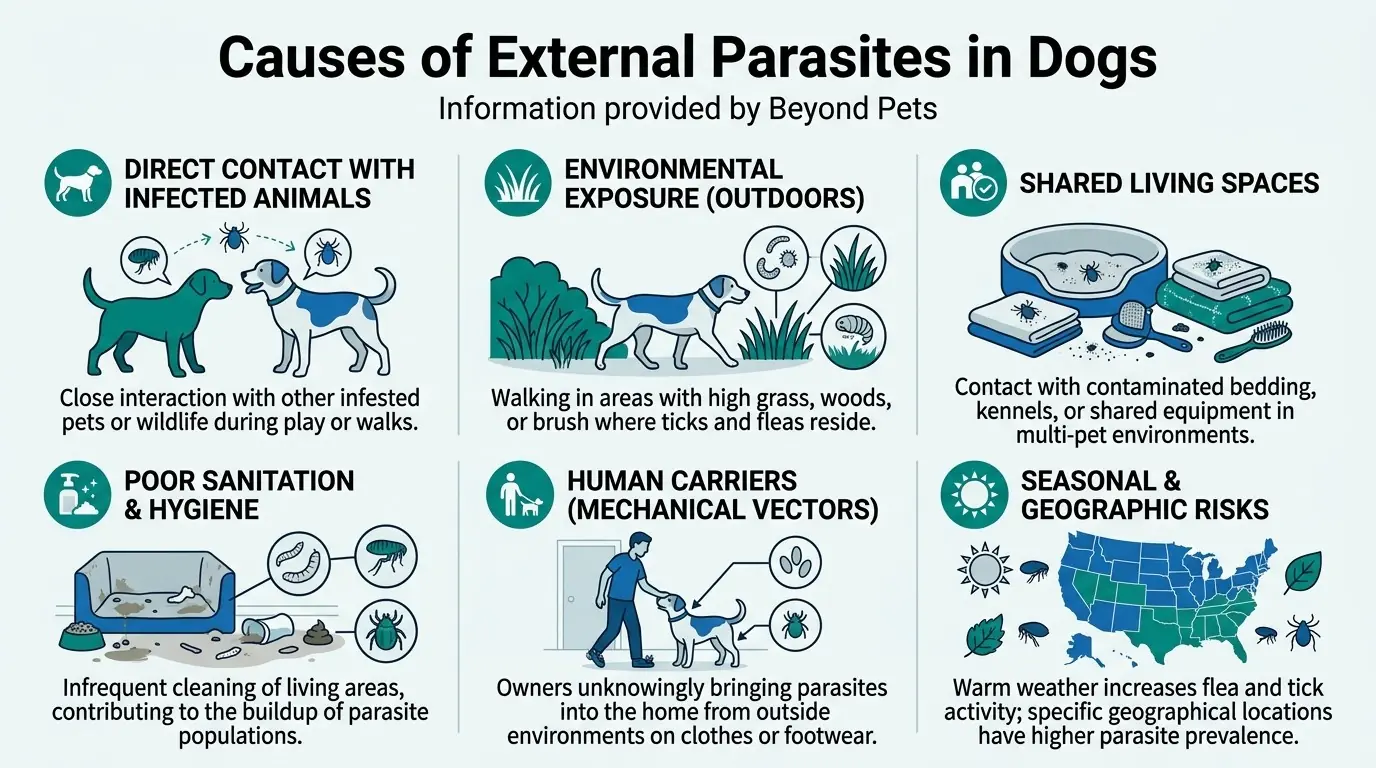
The acquisition of an external parasite infestation is rarely a spontaneous event; rather, it is the result of a complex interplay between environmental exposure, the specific biological life cycle of the parasite, the dog’s immunological competence, and the consistency of human-managed preventative care. Understanding the root causes and risk factors associated with ectoparasites is essential for implementing effective, long-term environmental and medical management strategies to protect your canine companion [1].
Environmental ubiquity and favorable climatic conditions are perhaps the most significant driving factors. Parasites such as fleas and ticks thrive in specific microclimates that offer optimal temperature and humidity. The dense underbrush of a forest, the tall grasses of a meadow, or the shaded, moisture-rich soil beneath a backyard deck all provide perfect breeding grounds. While spring and summer are traditionally viewed as “peak seasons” due to the accelerated reproductive rates of these organisms, modern veterinary epidemiology emphasizes that climate change, urban heat islands, and the artificial climate control of our homes have essentially rendered parasites a year-round threat. Ticks, for example, will actively quest for a host any time the ambient temperature rises above freezing, while fleas can continuously cycle through generations inside the consistent warmth of a centrally heated house [4].
The intersection of canine social behavior and high-density animal environments also plays a crucial role in the horizontal transmission of parasites. Dogs are highly social creatures, and public spaces such as dog parks, boarding kennels, doggy daycares, and grooming salons serve as major logistical hubs for the exchange of pests. A single heavily infested dog entering a communal play area can rapidly shed thousands of flea eggs or transfer highly contagious mites and lice to numerous other pets within minutes. Furthermore, just as dogs get intestinal worms from sniffing contaminated soil or feces left by wildlife, they acquire ticks and fleas from environments frequented by feral cats, raccoons, opossums, and deer, which act as unmanaged reservoirs for these parasitic populations.
Immunological vulnerability dictates the severity of an infestation once exposure occurs. A robust, fully mature canine immune system is often capable of mounting a defense that limits the proliferation of certain parasites, such as Demodex mites. However, neonates (puppies), geriatric dogs, and animals suffering from underlying systemic illnesses—such as hypothyroidism, hyperadrenocorticism (Cushing’s disease), or those undergoing immunosuppressive chemotherapy—exhibit a compromised skin barrier and diminished cellular immunity. These vulnerable patients are significantly more predisposed to catastrophic, rapidly generalizing infestations that a healthy adult dog might easily naturally suppress [8].
Ultimately, the most profound cause of sustained external parasite infestations in modern domestic dogs is the failure to maintain rigorous, consistent, year-round chemoprophylaxis. The veterinary pharmaceutical industry has developed incredibly efficacious preventative medications, yet gaps in coverage remain common. Owners often adopt an “on-again, off-again” approach, applying treatments only during the summer months or waiting until they visually confirm the presence of adult fleas or attached ticks. By the time a parasite is physically observed on the pet, the environmental infestation is already well-established, and the risk of pathogen transmission has already occurred. True prevention requires unbroken, continuous pharmacological protection to break the parasite’s life cycle before it can gain a foothold [23].
Symptoms of External Parasite in Dogs
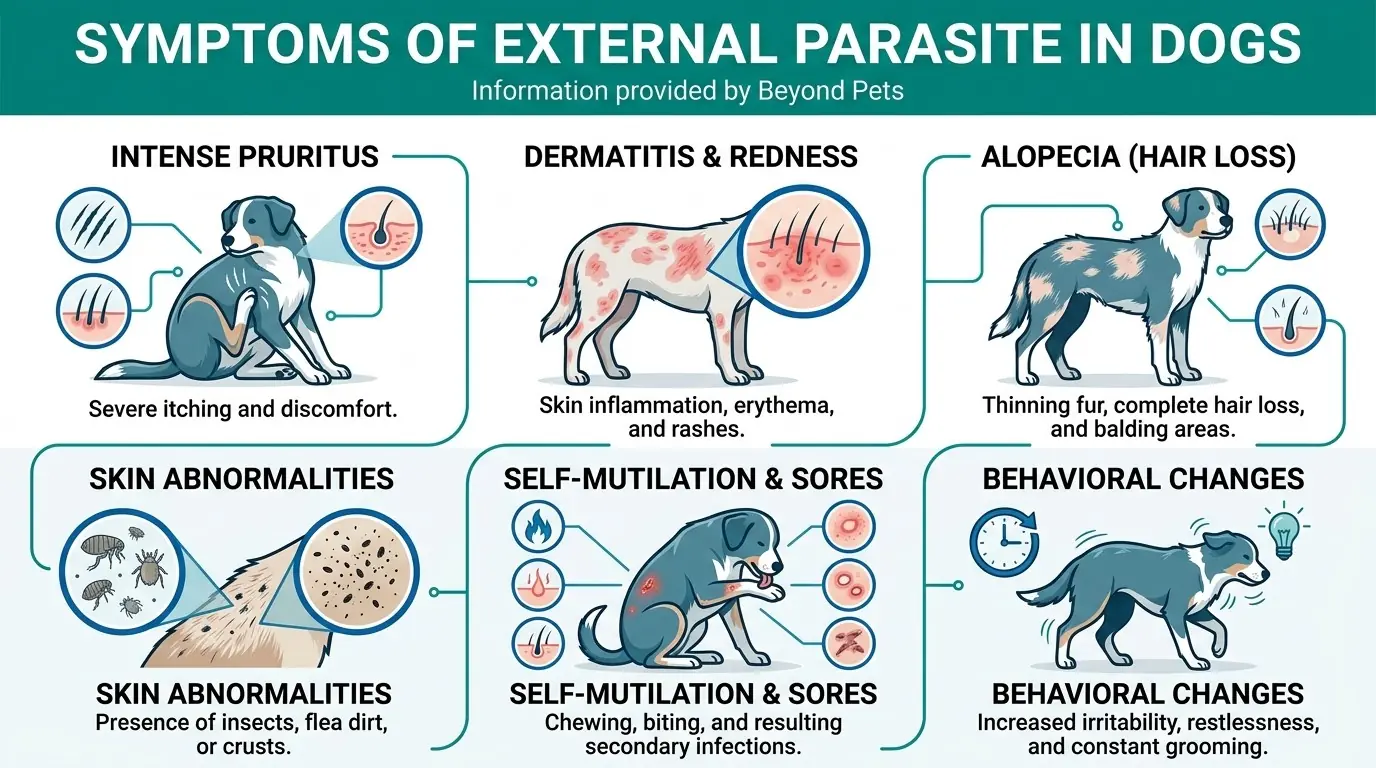
The clinical manifestations of an external parasite infestation are remarkably diverse, ranging from subtle behavioral changes to profound, life-threatening systemic collapse. Recognizing the early warning signs requires pet owners to be highly observant of their dog’s daily habits, dermatological appearance, and overall demeanor. The hallmark symptom that unites almost all ectoparasitic infestations is pruritus—the medical term for intense, unremitting itching. When a parasite bites, burrows, or simply crawls across the skin, it triggers a complex neurological and immunological cascade. Nerve endings in the dermis send distress signals to the brain, compelling the dog to scratch, bite, lick, and rub the affected areas in a desperate attempt to achieve relief [2].
This primary pruritus rapidly leads to a host of secondary dermatological changes as a result of self-trauma. As the dog aggressively attacks its own skin, the fragile epidermal barrier is physically destroyed. Owners will frequently observe excoriations (deep scratch marks), raw, weeping sores, and significant alopecia (hair loss). The pattern of this hair loss can often provide a diagnostic clue; for instance, flea allergy dermatitis typically presents with hair loss over the rump and base of the tail, while sarcoptic mange frequently targets the ear margins, elbows, and hocks. In chronic, long-standing infestations, the continuous inflammation and friction cause the skin to undergo pathological remodeling, resulting in lichenification (a severe thickening of the skin resembling elephant hide) and hyperpigmentation (a dark, almost black discoloration of the tissue) [9].
As the skin’s structural integrity is compromised, the dog becomes highly susceptible to secondary microbiological complications. The canine skin naturally harbors a resident population of commensal bacteria, most notably Staphylococcus pseudintermedius, as well as yeast organisms like Malassezia pachydermatis. When the skin is healthy, these microbes cause no harm. However, the microscopic wounds created by parasite bites and the dog’s own scratching provide an ideal portal of entry. This leads to the rapid onset of superficial or deep pyoderma (bacterial skin infection), characterized by the presence of pustules, foul-smelling purulent discharge, and a sharp escalation in the dog’s discomfort, often mimicking the presentation of an acute infectious disease.
Beyond the localized dermatological trauma, heavy parasitic burdens can induce severe systemic and hematological symptoms. Blood-sucking parasites, such as fleas, ticks, and sucking lice, can consume a staggering volume of the host’s blood. In vulnerable populations—particularly small-breed puppies, elderly dogs, or those with underlying conditions—this continuous expropriation of red blood cells leads to profound iron-deficiency anemia. Clinical signs of anemia include pale or stark white mucous membranes (gums), a rapid resting heart rate (tachycardia), extreme lethargy, exercise intolerance, and, in severe, untreated cases, hypovolemic shock and death [1].
Finally, the psychological and behavioral impact on the infested dog must be emphasized. The sheer, unyielding agony of thousands of microscopic bites, coupled with the systemic inflammatory response, fundamentally alters the dog’s quality of life. Dogs may become highly agitated, pacing restlessly throughout the night, unable to find a comfortable position to sleep. This chronic sleep deprivation and physical distress can lead to a noticeable decrease in appetite, sudden weight loss, and profound changes in temperament, including uncharacteristic irritability, depression, or even aggression when touched in painful areas [17].
Diagnosis of External Parasites in Dogs
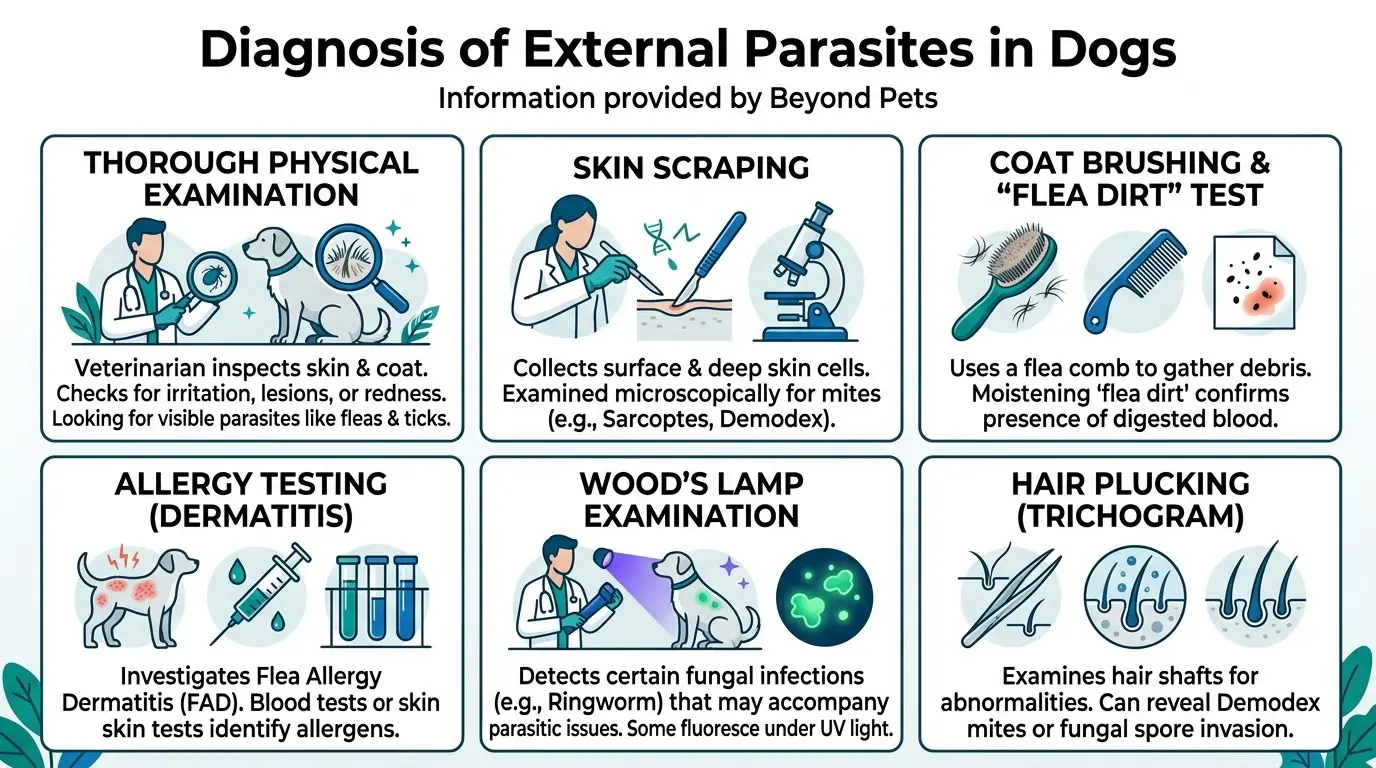
Achieving an accurate and definitive diagnosis of an external parasite infestation is the cornerstone of effective veterinary dermatological management. Because the clinical signs of parasitism—such as pruritus, alopecia, and erythema—are essentially identical to those seen in atopic dermatitis, food allergies, and primary endocrine disorders, the veterinarian must employ a rigorous, systematic diagnostic approach. This process begins with a comprehensive review of the patient’s medical history, including travel history, exposure to wildlife or communal dog facilities, the presence of pruritus in human household members, and a meticulous audit of the dog’s current parasite prevention regimen [6].
The physical examination serves as the initial diagnostic front line. The veterinarian will visually inspect the skin and hair coat, paying close attention to lesion distribution, which often hints at the underlying culprit. The use of a fine-toothed flea comb is a rapid and highly effective diagnostic tool. The veterinarian will aggressively comb through the fur, particularly around the lumbosacral region, collecting hair, dander, and debris onto a white paper towel. Even if live, rapidly moving adult fleas evade capture, the presence of dark, comma-shaped specks of “flea dirt” is pathognomonic for an active infestation. When a drop of water or rubbing alcohol is applied to this debris, the digested blood reconstitutes, creating a classic, spreading red halo that definitively confirms the presence of flea feces [2].
For microscopic parasites like mites, the skin scraping is the gold standard diagnostic procedure. However, the technique must be tailored to the specific suspected organism. To detect the deeply residing Demodex canis mites, the veterinarian must perform a deep skin scraping. This involves pinching a fold of the affected skin to extrude the mites from the depth of the hair follicles, and then using a dull scalpel blade covered in mineral oil to vigorously scrape the epidermis until capillary oozing—slight bleeding—is achieved. In contrast, superficial skin scrapings, which cover a broader surface area but do not draw blood, are utilized to capture surface-dwelling or superficially burrowing mites like Sarcoptes scabiei or Cheyletiella [9].
In cases where the skin is too ulcerated or sensitive to scrape, or when examining areas like the delicate interdigital webbing, alternative microscopic techniques are employed. A trichogram involves plucking individual hairs from the root using hemostats and examining the follicular bulbs under the microscope to identify Demodex mites or firmly attached lice nits. Acetate tape impression preparations involve firmly pressing clear cellular tape against the skin to collect surface debris, which is then stained and examined to identify surface mites, as well as to quantify the presence of secondary bacterial or yeast overgrowth that commonly complicates parasitic skin problems [6].
Furthermore, evaluating an ectoparasite infestation often requires looking beyond the skin to assess the systemic health of the patient. If an attached tick is found, or if the dog presents with vague signs of lethargy, fever, and joint pain, the veterinarian will frequently recommend serological testing, such as the widely utilized SNAP 4Dx Plus test. This specialized blood assay detects antibodies to major tick-borne pathogens, including Borrelia burgdorferi (Lyme disease), Ehrlichia, and Anaplasma, as well as screening for mosquito-borne heartworm antigens. A complete blood count (CBC) may also be run to quantify the severity of anemia or to look for an elevated eosinophil count, a type of white blood cell that frequently spikes in response to severe allergic and parasitic disease [4].
Treatment for External Parasites in Dogs
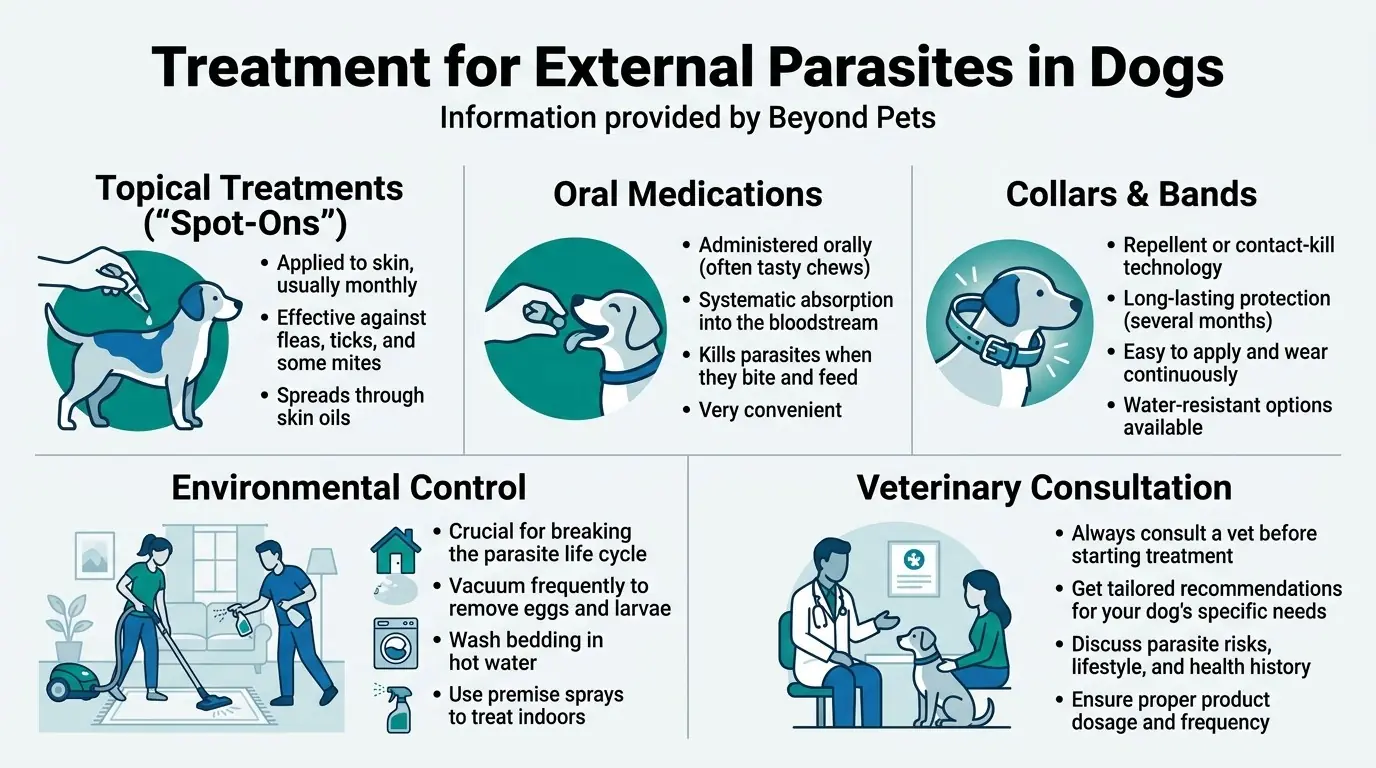
The therapeutic approach to external parasites has undergone a revolutionary transformation over the past two decades. We have transitioned from relying on toxic, environmentally hazardous organophosphate dips and sprays to utilizing highly sophisticated, targeted pharmacological agents that offer unprecedented safety and efficacy profiles. The modern treatment protocol for an infested dog is multimodal: it requires rapidly killing the adult parasites currently feeding on the host, managing the severe secondary inflammation and pruritus, treating any concurrent bacterial or fungal skin infections, and implementing a sustained chemical barrier to prevent immediate re-infestation from the environmental reservoir [20].
Topical Treatments
Topical “spot-on” treatments have long been a foundational pillar of veterinary ectoparasite control. These sophisticated formulations are designed to be applied directly to the skin, typically in a small volume concentrated at the base of the neck or between the shoulder blades, where the dog cannot easily reach to lick it off. Rather than entering the systemic bloodstream, the active pharmaceutical ingredients in these products are lipophilic, meaning they dissolve in oils. Upon application, the drug rapidly translocates across the entire surface of the dog’s body by utilizing the natural lipid layer of the epidermis and sequestering in the sebaceous (oil) glands. These glands then act as microscopic reservoirs, slowly and continuously releasing the medication back onto the skin and hair coat over the course of 30 days [20].
The pharmacological mechanisms of these topical agents are highly targeted to disrupt arthropod neurophysiology. For instance, fipronil works by blocking the GABA-gated chloride channels in the parasite’s central nervous system, leading to lethal hyperexcitability. Imidacloprid, a neonicotinoid, acts as an agonist on the post-synaptic nicotinic acetylcholine receptors, effectively paralyzing the insect. Selamectin, a member of the macrocyclic lactone class, stimulates the release of GABA, leading to flaccid paralysis and death of fleas, certain ticks, and various mites [20]. Because these pathways are either absent or structurally distinct in mammals, these drugs boast a very high safety margin for the canine host.
While spot-on treatments are highly effective, they do require meticulous application technique. Applying the product to the hair rather than directly onto the skin will severely inhibit its absorption and distribution. Furthermore, frequent, aggressive bathing with harsh detergent-based shampoos can strip the lipid layer and the sebaceous glands, prematurely reducing the efficacy of the topical barrier. It is also of paramount importance for multi-pet households to recognize that certain highly effective canine topical tick treatments, specifically those containing concentrated permethrin, are exquisitely toxic to cats. A cat that grooms a recently treated dog or accidentally receives a canine permethrin dose can suffer fatal neurological seizures within hours [20].
In addition to spot-on treatments, medicated shampoos and sprays still hold a niche role in the acute management of severe infestations. A thorough bathing with a specialized veterinary parasiticide shampoo can mechanically remove massive loads of flea dirt, flush out the hair follicles, and provide immediate, contact-kill relief for a severely distressed animal. However, because shampoos provide absolutely no residual protection once rinsed down the drain, they must be followed up with a long-acting topical or oral preventative to prevent the environmental pupal reservoir from instantly re-infesting the clean dog [1].
Oral Medications
The most profound advancement in the management of external parasites in modern veterinary history has been the introduction of the isoxazoline class of systemic oral medications. Drugs in this class, which include fluralaner (Bravecto), afoxolaner (NexGard), sarolaner (Simparica), and lotilaner (Credelio), have fundamentally shifted the paradigm of parasite control. Unlike topical medications that rely on surface distribution, these highly palatable, chewable tablets are ingested and rapidly absorbed through the canine gastrointestinal tract, entering the systemic circulation. The active drug binds tightly to plasma proteins and is distributed evenly throughout the body’s tissues, turning the dog’s blood and tissue fluids into a lethal meal for any feeding parasite [18].
The mechanism of action for the isoxazolines is brilliantly specific. They function as potent, non-competitive antagonists of the arthropod gamma-aminobutyric acid (GABA)-gated chloride channels and L-glutamate-gated chloride channels. By blocking the transmission of these crucial inhibitory neuronal signals, the drugs plunge the parasite’s central nervous system into a state of uncontrolled hyperexcitation, rapidly culminating in paralysis and death [19]. Because mammalian GABA receptors possess a vastly different molecular structure, the isoxazolines exhibit an extraordinary degree of selective toxicity, effectively neutralizing the parasite while remaining remarkably safe for the canine host [18].
The primary clinical benefit of these systemic oral medications lies in their astonishing speed of kill and their imperviousness to external factors. Because the drug is circulating within the bloodstream, its efficacy cannot be washed off by swimming, compromised by heavy rainfall, or scrubbed away during rigorous medicated bathing protocols required for secondary pyoderma. In rigorous laboratory studies, isoxazolines have demonstrated the ability to initiate the killing of attached ticks within hours of ingestion [21]. This rapid onset of action is a critical factor in preventing the transmission of dangerous vector-borne diseases, such as Lyme disease, which typically requires a tick to remain attached and actively feeding for 24 to 48 hours before the Borrelia bacteria can be successfully transferred to the host [4].
Furthermore, the off-label, extra-label, and newly approved uses of the isoxazoline class have revolutionized veterinary dermatology. Historically, treating deep follicular Demodex mite infestations required months of daily, toxic dips or massive daily doses of liquid ivermectin. Today, a single administration of an isoxazoline can often completely clear generalized demodicosis, profoundly simplifying the treatment protocol and dramatically improving owner compliance and patient outcomes. They are similarly highly efficacious against Sarcoptes and Otodectes mites, streamlining the eradication of previously stubborn, highly contagious infestations [19]. Additionally, rapid relief of pruritus associated with Flea Allergy Dermatitis has been significantly enhanced by combining parasite control with targeted anti-pruritic medications like oclacitinib (Apoquel), a Janus kinase 1 inhibitor that rapidly quells the inflammatory cytokine cascade [22].
Collars
While traditional, inexpensive flea collars found in supermarkets often rely on volatile, older-generation chemicals that simply off-gas into the air around the dog’s neck, modern veterinary parasite control collars represent a triumph of advanced polymer engineering. The most prominent example is the flumethrin and imidacloprid sustained-release matrix collar (e.g., Seresto). Rather than releasing a cloud of gas, these modern collars are constructed from a specialized, porous plastic matrix that safely traps the active pharmaceutical ingredients inside the structural polymer of the band [20].
As the collar rests against the dog’s skin, friction and the dog’s natural body heat facilitate the continuous, microscopic release of the lipid-soluble drugs onto the hair coat. Much like a topical spot-on, these molecules then distribute across the entire body utilizing the epidermal lipid layer. The true engineering marvel of these devices lies in their autoregulating concentration gradient. The collar only releases more medication when the concentration on the dog’s skin drops below a highly specific therapeutic threshold, ensuring a consistent, safe, and effective dose is maintained for an extended duration—often providing uninterrupted protection against both fleas and ticks for up to eight continuous months [20].
For these advanced collars to function correctly, proper application is absolutely critical. The collar must make direct, physical contact with the dog’s skin to transfer the lipid-soluble molecules. If it is applied too loosely, hanging like a jewelry necklace over a thick coat of fur, the active ingredients will never reach the epidermal lipid layer, rendering the device entirely ineffective. The collar should be snugly fitted, allowing just enough space to comfortably slip two fingers between the band and the dog’s neck. For owners who struggle with the monthly memory test of administering oral or topical preventatives, these sustained-release matrix collars offer a highly reliable, long-term solution for maintaining unbroken protection against external parasites [23].
External Parasites Prevention in Dogs
In the unending battle against external parasites, an ounce of prevention is truly worth a pound of cure. Eradicating a deeply entrenched household flea infestation or managing the lifelong, debilitating effects of a tick-borne pathogen like Lyme disease requires immense financial, emotional, and medical resources. Conversely, implementing a proactive, scientifically sound preventative strategy is straightforward, highly effective, and essential for the modern dog. The Companion Animal Parasite Council (CAPC), the leading authority on veterinary parasitology, explicitly mandates the administration of year-round, broad-spectrum parasite control for all companion animals, regardless of geographic location or perceived seasonal risk [16].
The concept of “flea and tick season” is a dangerous, antiquated myth that continues to fuel massive infestations. While parasite populations certainly boom during the humid summer months, the heavily insulated, climate-controlled environments of our modern homes provide the perfect, year-round incubator for flea pupae. Furthermore, species like the adult Deer tick are specifically adapted to quest for hosts on mild winter days when the temperature rises just above freezing. An owner who prematurely terminates preventative medication in the autumn leaves their dog entirely defenseless during these critical vulnerability windows. Unbroken, 12-month coverage is the only medically sound strategy to ensure total protection against both the physical trauma of parasites and the insidious diseases they transmit [23].
Effective prevention also requires a holistic, environmental approach, often referred to as Integrated Pest Management (IPM). Medical prophylaxis must be paired with diligent environmental hygiene to suppress the external parasite biomass surrounding the home. Inside the house, regular, aggressive vacuuming of carpets, rugs, and baseboards is essential; the physical vibration of the vacuum not only sucks up organic debris and flea eggs but also artificially stimulates the resilient flea pupae to emerge from their cocoons, making the newly hatched adults susceptible to chemical control. The vacuum bag or canister must be immediately emptied into an outdoor trash receptacle. Dog bedding, blankets, and soft toys should be washed frequently in the hottest water permissible to thermally destroy all life stages of parasitic organisms [1].
Outdoor environmental management is equally critical for reducing the localized tick and flea pressure on your property. This involves maintaining a manicured landscape: keeping the grass mowed short, aggressively pruning back dense, low-lying shrubs, and removing large piles of leaf litter and organic debris that provide the dark, humid microclimates required for parasite survival and reproduction. Creating a physical buffer zone—such as a three-foot-wide swath of dry wood chips or gravel—between your manicured lawn and the wild, wooded edge of your property can significantly deter the migration of questing ticks into the areas where your dog plays. Additionally, taking steps to secure your yard against feral animals, rodents, and deer will dramatically reduce the influx of new parasite populations acting as disease reservoirs [4].
The pharmacological aspect of prevention is a dynamic, continuous process. When a dog on a highly effective oral systemic preventative—such as an isoxazoline—enters a heavily infested environment, they essentially act as a biological “flea vacuum.” As the newly emerged adult fleas jump onto the treated dog and take a blood meal, they are rapidly killed by the circulating neurotoxin before they have the opportunity to lay a single egg. Over a period of three to four months, this mechanism will systematically exhaust and collapse the entire environmental population, provided there are no untreated “reservoir” animals in the home. Therefore, treating every single dog and cat in the household simultaneously is non-negotiable; a single untreated pet will serve as a continuous breeding ground, completely undermining the entire eradication effort [23].
Finally, the foundation of any robust preventative strategy is the relationship you maintain with your veterinary team. Annual or bi-annual wellness examinations allow your veterinarian to conduct comprehensive dermatological assessments, perform routine serological screening for vector-borne diseases, and adjust your dog’s preventative protocol based on emerging regional threats or changes in the dog’s health status. Because the pharmacological landscape is constantly evolving, and because individual dogs may have specific sensitivities or medical contraindications, you must consult your veterinarian before making any changes to your pet’s care. With expert guidance and unwavering consistency, you can confidently protect your dog from the unseen dangers of the parasitic world.
Frequently Asked Questions
What parasites can spread from dogs to humans?
Several canine external parasites carry significant zoonotic potential, meaning they can be transmitted to or adversely affect human health. While dog-specific lice and Demodex mites are not contagious to humans, other species pose a major risk. Sarcoptes scabiei, the mite responsible for sarcoptic mange, frequently burrows into human skin upon contact, causing an intensely pruritic, transient papular rash. Cheyletiella (walking dandruff) can also cause localized human dermatitis. Furthermore, fleas and ticks act as biological bridges; dogs bring these vectors into the human living space, exposing owners to flea-borne typhus, tapeworms, and devastating tick-borne illnesses such as Lyme disease, Rocky Mountain Spotted Fever, and Anaplasmosis [3].
How do you completely eradicate a home flea infestation?
Eradicating a deeply entrenched flea infestation requires a multi-pronged, sustained approach targeting all four life stages of the flea. First, every dog and cat in the household must be placed on a highly efficacious, veterinary-grade preventative (such as an oral isoxazoline or potent topical) for a minimum of three to four consecutive months. This turns the pets into “flea vacuums,” killing newly emerging adults before they can reproduce. Second, rigorous environmental control is mandatory: daily vacuuming of all carpets and upholstery to stimulate pupal emergence, followed immediately by emptying the canister outside. All pet bedding must be washed weekly in hot water. In severe cases, an environmental premise spray containing an Insect Growth Regulator (IGR) like methoprene or pyriproxyfen should be used to halt the development of eggs and larvae hidden deep in carpets and floorboards [1].
Can dogs survive severe parasitic infestations?
Yes, with prompt, aggressive veterinary intervention, the prognosis for dogs suffering from even severe external parasite infestations is generally excellent. Modern veterinary pharmacology, particularly the advent of the isoxazoline class of medications, allows for the rapid, safe elimination of massive flea, tick, and mite burdens that would have historically been exceedingly difficult to manage. However, survival and recovery depend heavily on addressing the secondary complications. Dogs suffering from profound blood loss due to fleas or ticks may require emergency blood transfusions and intensive care to stabilize hypovolemic shock. Severe secondary bacterial pyoderma resulting from parasitic trauma necessitates targeted antibiotic therapy, and immune-compromised patients may require underlying endocrine or nutritional support. Once the parasites are eradicated and the skin barrier is restored, most dogs return to a state of complete health and comfort, provided strict, life-long preventative measures are subsequently maintained [18].
References
- Companion Animal Parasite Council (CAPC). Fleas. CAPCvet.org, 2017.
- Dryden, M. W. Flea allergy dermatitis. PubMed, 1988.
- World Health Organization (WHO). Vector-borne diseases. WHO.int, 2020.
- Companion Animal Parasite Council (CAPC). Ticks. CAPCvet.org, 2022.
- Merck Veterinary Manual. Ticks of Dogs. Merck Sharp & Dohme Corp, 2022.
- Merck Veterinary Manual. Ectoparasiticides Used in Small Animals. Merck Sharp & Dohme Corp, 2023.
- Centers for Disease Control and Prevention (CDC). Tickborne Diseases of the United States. CDC.gov, 2022.
- Companion Animal Parasite Council (CAPC). Demodex spp. CAPCvet.org, 2020.
- Merck Veterinary Manual. Mange in Dogs and Cats. Merck Sharp & Dohme Corp, 2023.
- Centers for Disease Control and Prevention (CDC). Scabies. CDC.gov, 2023.
- Companion Animal Parasite Council (CAPC). Otodectes cynotis. CAPCvet.org, 2020.
- Merck Veterinary Manual. Lice in Dogs and Cats. Merck Sharp & Dohme Corp, 2023.
- Companion Animal Parasite Council (CAPC). Lice. CAPCvet.org, 2019.
- Merck Veterinary Manual. Fly Strike and Myiasis. Merck Sharp & Dohme Corp, 2022.
- Companion Animal Parasite Council (CAPC). Mosquitoes. CAPCvet.org, 2021.
- Companion Animal Parasite Council (CAPC). General Guidelines for Dogs and Cats. CAPCvet.org, 2025.
- Wuersch, K. et al. Immune dysregulation in flea allergy dermatitis. PubMed, 2006.
- Beugnet, F. et al. A comparative laboratory trial evaluating the immediate efficacy of fluralaner, afoxolaner, sarolaner and imidacloprid. PubMed, 2016.
- Kuntz, E. et al. Isoxazolines for treating canine demodicosis, sarcoptic mange, and lice infestation. PubMed, 2019.
- Merck Veterinary Manual. Pharmacology of Ectoparasiticides. Merck Sharp & Dohme Corp, 2023.
- Murphy, M. et al. Laboratory evaluations of the immediate and sustained effectiveness of lotilaner. PubMed, 2017.
- Fukuyama, T. et al. Oclacitinib is a selective Janus kinase 1 inhibitor with efficacy in a canine model of flea allergic dermatitis. PubMed, 2024.
- Companion Animal Parasite Council (CAPC). The Case for Year-Round Flea and Tick Control. CAPCvet.org, 2023.