



 March 3, 2023
 Phil Good, DVM
Flea Allergies in Dogs: Why Do They Happen?
This content was prepared with AI assistance and reviewed by a licensed professional for accuracy.
Introduction
When discussing the myriad of dermatological conditions that present in veterinary medicine, flea allergies in dogs stand out as one of the most frequently diagnosed, yet intensely frustrating, ailments affecting our canine companions. As a veterinarian, I often encounter distressed pet owners who are completely caught off guard by the severity of their dog’s sudden, frantic scratching. Fleas are bothersome tiny creatures that plague dogs, but for a dog with an active allergy, a single bite is no longer just a minor nuisance—it is the catalyst for a massive, cascading immune response that can severely compromise the animal’s quality of life.[1] Flea Allergy Dermatitis (FAD), clinically referred to as flea bite hypersensitivity, is the leading cause of allergic skin disease in domestic dogs globally. Epidemiological data indicates that the prevalence of this condition has steadily climbed, with a notable increase observed in veterinary clinics over the last decade.[2]
To truly understand how this condition takes hold, we must look deeply into the lifecycle of the primary culprit: the cat flea, scientifically known as Ctenocephalides felis. Despite its name, this ubiquitous parasite is the most common species of flea found feeding on domestic dogs in the United States.[3] The flea lifecycle consists of four distinct stages: egg, larva, pupa, and adult. The adult fleas representing the biting population on your dog account for a mere five percent of the total flea infestation. The remaining ninety-five percent exists as an invisible reservoir of eggs, larvae, and incredibly resilient pupae hidden deep within the fibers of your carpets, beneath baseboards, in the soil of your yard, and inside your pet’s bedding.[4] This “flea pyramid” explains why owners are often shocked by an allergy diagnosis when they rarely, if ever, see a live adult flea on their pet’s coat.
For an allergic dog, the threshold for a reaction is extraordinarily low. When an adult flea jumps onto a dog, it typically begins feeding within minutes. In order to access the blood meal, the flea’s specialized mouthparts pierce the dog’s epidermis, cannulating a dermal capillary. During this process, the flea injects a mixture of saliva that acts as an anticoagulant, a spreading agent, and a localized anesthetic.[5] While a non-allergic dog might experience a mild, localized itch that resolves quickly, a dog suffering from flea allergies experiences a systemic, hypersensitive explosion. The intense pruritus (itching) can lead to severe behavioral changes, sleep deprivation, and intense physiological stress. In some severe cases, the ingestion of fleas during frantic grooming can transmit the tapeworm Dipylidium caninum or cause severe gastrointestinal distress, which may lead an owner to a sudden veterinary visit because their dog is experiencing diarrhea or other systemic clinical signs.[6]
There are varying classifications of flea allergies, broadly categorized by the timeline and exact mechanism of the dog’s immune response. The most prominent is the classic flea bite hypersensitivity, which drives intense cutaneous manifestations. A less common, but acutely critical manifestation, is immune-mediated flea anaphylaxis, which involves a profound, sudden, and potentially life-threatening systemic drop in blood pressure, respiratory distress, and collapse upon massive flea exposure.[7] Regardless of the precise immunological pathway, strict, year-round prevention that targets multiple stages of the flea lifecycle remains the cornerstone of maintaining a healthy, comfortable dog.
Causes of Flea Allergy Dermatitis
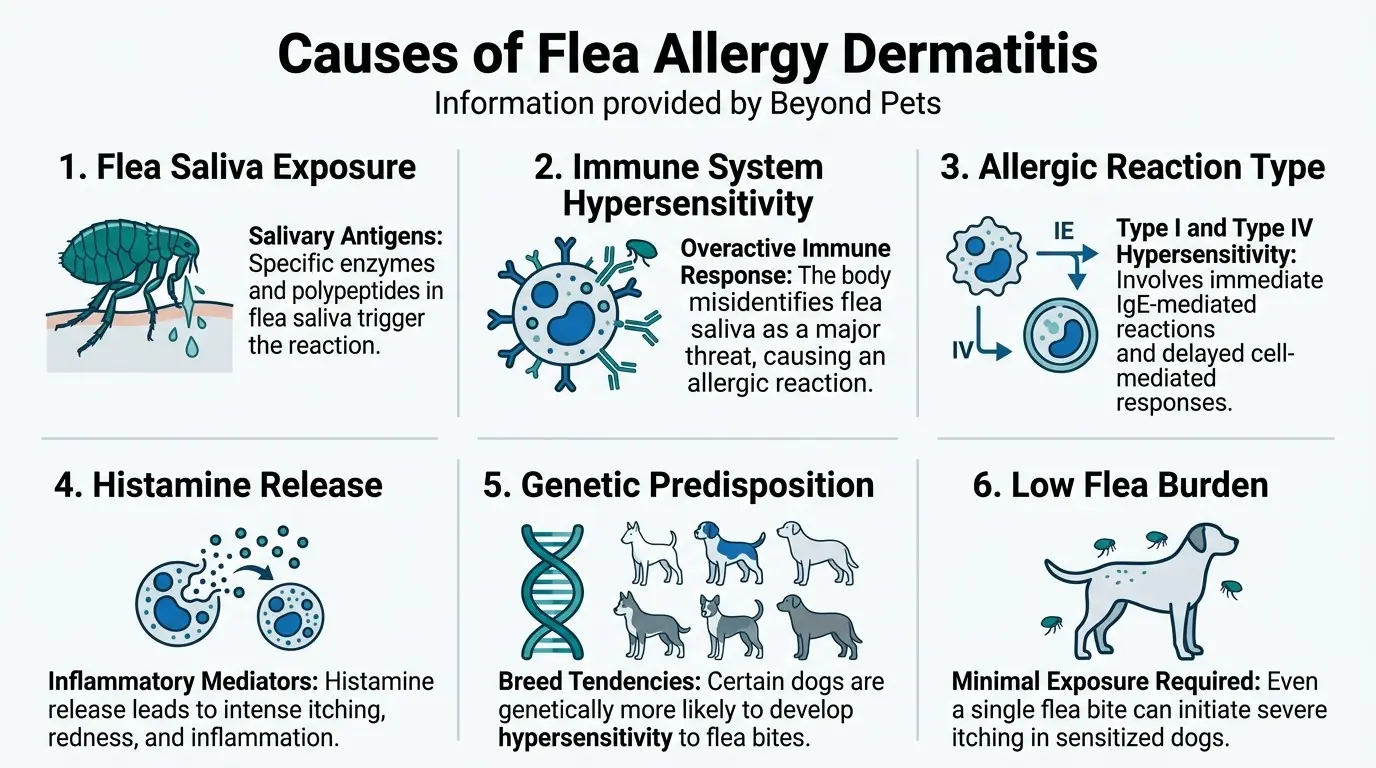
The root cause of Flea Allergy Dermatitis (FAD) is not the physical trauma of the insect bite itself, but rather a complex, multifaceted allergic reaction to the biochemical components found within the flea’s saliva. Veterinary dermatologists and immunologists have isolated and identified more than fifteen distinct antigens—primarily low molecular weight proteins, enzymes, and amino acids—present in the salivary secretions of Ctenocephalides felis.[8] The most frequently studied of these is the Cte f 1 antigen. When the flea injects these proteins into the dog’s dermal layer, they can act as haptens. Haptens are small molecules that elicit an immune response only when attached to a larger carrier protein in the dog’s skin, binding to the dermal collagen and triggering the dog’s defense mechanisms.[9]
In a dog genetically predisposed to allergies, the immune system inappropriately identifies these harmless salivary proteins as dangerous, invading pathogens. This misidentification sets off two distinct types of immunological hypersensitivity reactions. The first is a Type I, or immediate, hypersensitivity reaction. In this pathway, the initial exposure to flea saliva causes the dog’s B-lymphocytes to produce excessive amounts of Immunoglobulin E (IgE) antibodies.[10] These IgE molecules bind tightly to the surface of mast cells, which reside in high concentrations in the skin. Upon subsequent flea bites, the newly injected flea antigens bind to these pre-existing IgE molecules, creating a cross-link that causes the mast cell to instantly degranulate. This degranulation releases a massive wave of pro-inflammatory mediators, including histamine, tryptase, chymase, and various cytokines, resulting in immediate redness, swelling, and violent itching within minutes of the bite.[11]
The second reaction is a Type IV, or delayed, cell-mediated hypersensitivity response. Unlike the rapid IgE-mediated response, the Type IV reaction is governed by T-lymphocytes. Specialized cells in the epidermis, known as Langerhans cells, capture the flea antigen and present it to T-helper cells. This sets off a slower cascade of inflammatory cytokines that recruit eosinophils and macrophages to the site of the bite. This delayed response peaks roughly 24 to 72 hours after the initial flea bite, which perfectly explains why an allergic dog will continue to scratch and chew at themselves for days even after the offending flea has been completely removed or killed.[12]
A crucial clinical concept in understanding the causes of FAD is the “pruritic threshold.” Every dog has a certain tolerance level for allergic stimuli before clinical signs of itching become apparent. Dogs suffering from environmental sensitivities or food allergies are statistically more likely to also develop hypersensitivity to flea saliva. Their baseline level of inflammation is already elevated due to dietary or environmental allergens, putting them dangerously close to their pruritic threshold. Consequently, the addition of just one or two flea bites can tip the scales, pushing the dog’s immune system over the edge into a state of severe, uncontrollable clinical pruritus.[13] For these atopic patients, maintaining absolute, flawless control over the flea population is not just a matter of hygiene; it is a critical medical necessity to prevent total breakdown of the skin barrier.
Symptoms of Flea Allergy Dermatitis in Dogs
The clinical presentation of Flea Allergy Dermatitis is highly distinct, making it one of the more readily recognizable dermatological patterns in veterinary medicine. The cardinal symptom of FAD is extreme, relentless pruritus. The itching experienced by a dog with a flea allergy is often described as disproportionate to the number of fleas actually present on the body. A dog without an allergy might casually scratch an ear or flank if bitten, whereas a dog with FAD will suddenly drop to the ground, contort their body, and frantically gnaw at their skin in a desperate attempt to find relief. This severe itching initiates the “itch-scratch cycle,” a self-perpetuating loop where the mechanical trauma of scratching further damages the skin barrier, releasing more pro-inflammatory cytokines, which in turn causes more intense itching.[14]
In dogs, the lesions associated with FAD typically follow a highly specific anatomical distribution often referred to as the “flea triangle.” This area encompasses the caudal half of the dog’s body, specifically concentrating on the lumbosacral region (the lower back just above the tail), the tail base, the perineum, the caudal aspect of the rear thighs, and the ventral abdomen.[15] It is remarkably rare for a pure flea allergy to primarily affect the face, ears, or front paws, which are areas more commonly associated with other types of allergic skin disease. Because of this distribution, allergic dogs frequently display a classic “corn-cob” nibbling behavior, where they use their incisors to rapidly and repeatedly chew along their back and flanks, systematically breaking off their own hair shafts.[16]
The primary lesion caused directly by the flea bite is a small, erythematous (red) papule. However, because the dog almost immediately traumatizes the area through scratching, these primary lesions are rarely observed intact by the veterinarian. Instead, the clinician typically sees a range of secondary lesions caused by self-trauma. These include severe excoriations (scratches), widespread alopecia (hair loss), erythema (redness and inflammation), and the formation of acute moist dermatitis, commonly known to pet owners as “hot spots.” Hot spots are localized areas of severely inflamed, oozing, purulent skin that can develop in a matter of hours as the dog obsessively licks and chews a single spot.[17]
If the condition is allowed to persist chronically without appropriate medical intervention, the constant mechanical irritation and underlying inflammation lead to profound physiological changes in the architecture of the skin. The skin undergoes lichenification, a process where the epidermis becomes pathologically thickened, leathery, and deeply folded, often resembling the skin of an elephant. Simultaneously, the skin undergoes hyperpigmentation, turning dark brown or black due to the chronic stimulation of melanocytes.[18] Additionally, dogs suffering from chronic FAD often display severe behavioral changes. The constant discomfort, inability to sleep soundly, and systemic inflammation can lead to lethargy, irritability, loss of appetite, and a general decline in their overall quality of life. An accurate and rapid diagnosis is absolutely paramount to alleviate this profound suffering.
How is Flea Allergy Dermatitis Diagnosed?
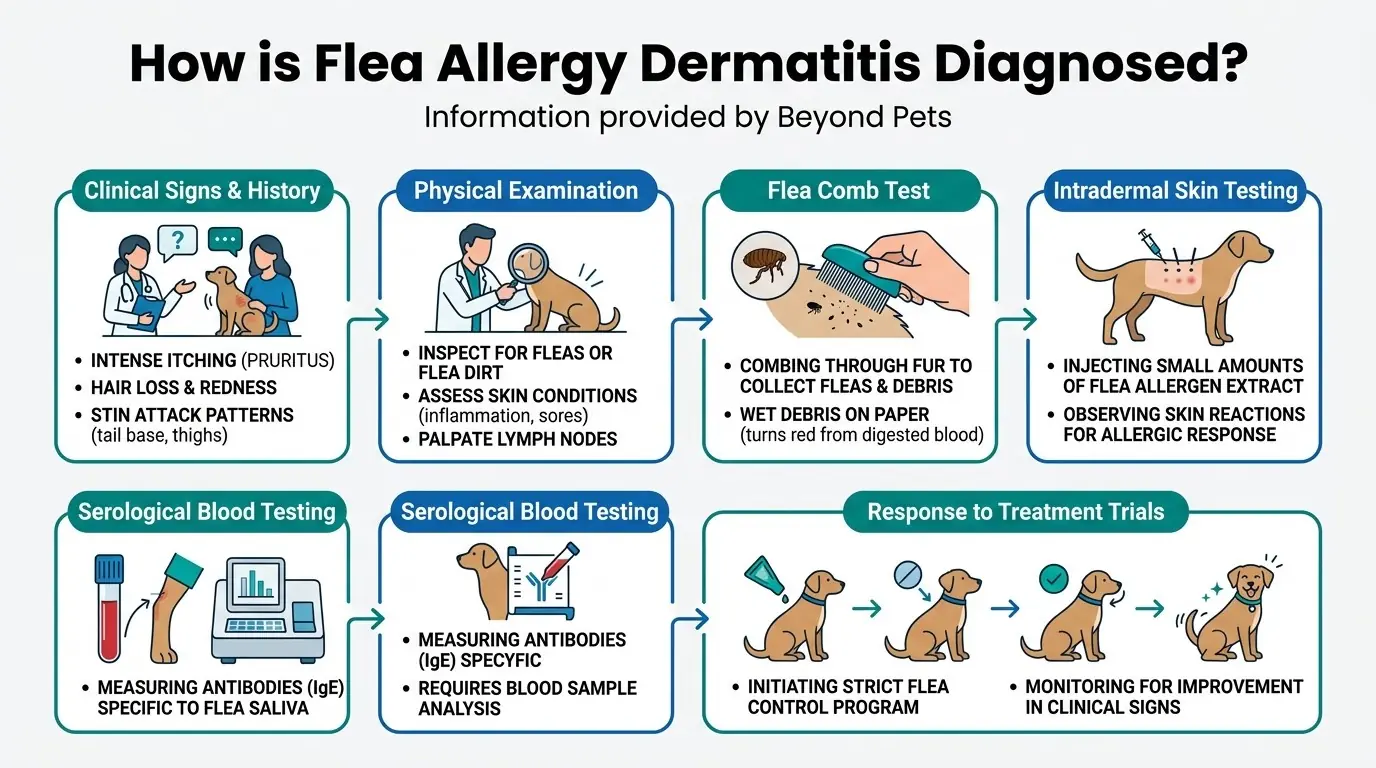
Diagnosing Flea Allergy Dermatitis is a clinical process that relies heavily on a detailed patient history, a thorough physical examination, and the identification of the characteristic lesion distribution. When a dog presents to the clinic with severe pruritus concentrated over the lumbosacral region, FAD is immediately placed at the very top of the differential diagnosis list. The first and most straightforward diagnostic step is the visual identification of adult fleas or their excrement on the dog’s body. Veterinarians utilize a fine-toothed flea comb, running it meticulously through the hair coat, particularly around the tail base and neck, ensuring the tines scrape gently against the skin. The objective is to trap live adult fleas or collect “flea dirt.”[19]
Flea dirt is the fecal matter of the adult flea, consisting almost entirely of partially digested host blood. To confirm that the dark specks collected from the dog are indeed flea feces and not just ordinary environmental soil, a simple, rapid diagnostic test is performed in the examination room. The debris is placed onto a white paper towel, and a few drops of water or rubbing alcohol are applied. If the specks are flea dirt, the water will reconstitute the dried blood, creating distinct, spreading reddish-brown halos on the paper towel. This definitive finding confirms an active flea infestation. However, the absence of visible fleas or flea dirt does not rule out FAD. Because highly allergic dogs are incredibly efficient at grooming, they often ingest the evidence, effectively washing away the fleas and feces through their obsessive licking.[20]
Differentiating FAD from other allergic skin diseases, such as atopic dermatitis or adverse food reactions, is a critical component of the diagnostic workup. Because a dog can suffer from multiple allergies concurrently, advanced diagnostic testing is sometimes warranted to isolate the specific immunological triggers. Intradermal allergy testing (IDT) is considered the gold standard by many veterinary dermatologists for confirming a type I hypersensitivity to flea salivary antigens. During this procedure, the lateral thorax of the dog is clipped, and minute amounts of purified flea antigen, alongside positive (histamine) and negative (saline) controls, are injected into the dermal layer. The injection sites are monitored for the formation of a wheal and flare reaction, indicating a positive allergic response.[21]
Alternatively, serological allergy testing can be performed by drawing a blood sample and submitting it to a laboratory to measure the levels of flea-specific IgE antibodies circulating in the dog’s bloodstream. While blood testing is less invasive than intradermal testing, it can occasionally yield false positives, requiring careful clinical correlation. In modern general practice, however, the most reliable and frequently utilized diagnostic tool is the therapeutic trial. The veterinarian administers an aggressive, rapid-kill oral adulticide and implements strict environmental control measures. If the dog’s severe pruritus and skin lesions resolve completely over the following thirty to sixty days, a definitive diagnosis of Flea Allergy Dermatitis is confirmed retrospectively based on the complete response to therapy.[22]
Diagnosing Secondary Skin Infections in Dogs
One of the most critical complications of Flea Allergy Dermatitis is the development of secondary skin infections, medically known as secondary pyoderma and Malassezia dermatitis. The canine epidermis normally acts as a formidable, impermeable barrier against environmental pathogens, fortified by natural lipid layers and antimicrobial peptides. However, when an allergic dog repeatedly bites, scratches, and excoriates their own skin to relieve the itch of a flea bite, this mechanical trauma creates micro-abrasions that severely compromise the stratum corneum (the outermost layer of the skin). This physical damage allows the normal, commensal microorganisms that permanently reside on the dog’s skin to opportunistically invade the deeper layers, proliferating rapidly in the warm, inflamed, exudative environment created by the allergy.[23]
The most common bacterial culprit is Staphylococcus pseudintermedius, a gram-positive bacterium that is a normal resident of the canine skin microbiome. When it overgrows, it causes a bacterial folliculitis or superficial pyoderma, characterized clinically by the eruption of pustules (pimples), erythematous papules, and circular lesions of peeling skin known as epidermal collarettes. Simultaneously, the yeast organism Malassezia pachydermatis often proliferates in the altered microclimate of the allergic skin. Malassezia dermatitis typically presents as intense erythema, severe pruritus, a greasy or waxy exudate, and a highly distinctive, pungent, musty odor that owners often liken to corn chips or stale bread.[1]
Accurate diagnosis of these secondary infections is non-negotiable for successful treatment, as anti-itch medications will fail to provide relief if an active, raging infection is left untreated. The cornerstone of dermatological diagnostics in these cases is skin cytology. The veterinarian will carefully collect cellular material from the surface of the skin lesions using clear acetate tape preparations, direct glass slide impressions, or fine-needle aspiration of intact pustules. The collected samples are then heat-fixed, stained with modified Wright-Giemsa stains (such as Diff-Quik), and examined under oil immersion using a high-powered light microscope.[3]
Under the microscope, the clinician evaluates the slides for the presence of inflammatory cells, predominantly degenerate neutrophils, and actively looks for the infectious agents. Staphylococcus pseudintermedius appears as distinct clusters of round, purple cocci bacteria, often seen phagocytized within the white blood cells. Malassezia pachydermatis is easily identifiable by its unique, footprint-like or peanut-shaped morphology. In chronic cases, or cases that have failed to respond to initial antibiotic therapy, the veterinarian may recommend collecting a sterile sample for bacterial culture and sensitivity testing. This specialized laboratory test identifies the specific strain of bacteria and determines exactly which antibiotics will be most effective at killing it, a crucial step in combating the rising threat of Methicillin-Resistant Staphylococcus pseudintermedius (MRSP) in veterinary medicine.[11]
Treating Flea Allergies in Dogs
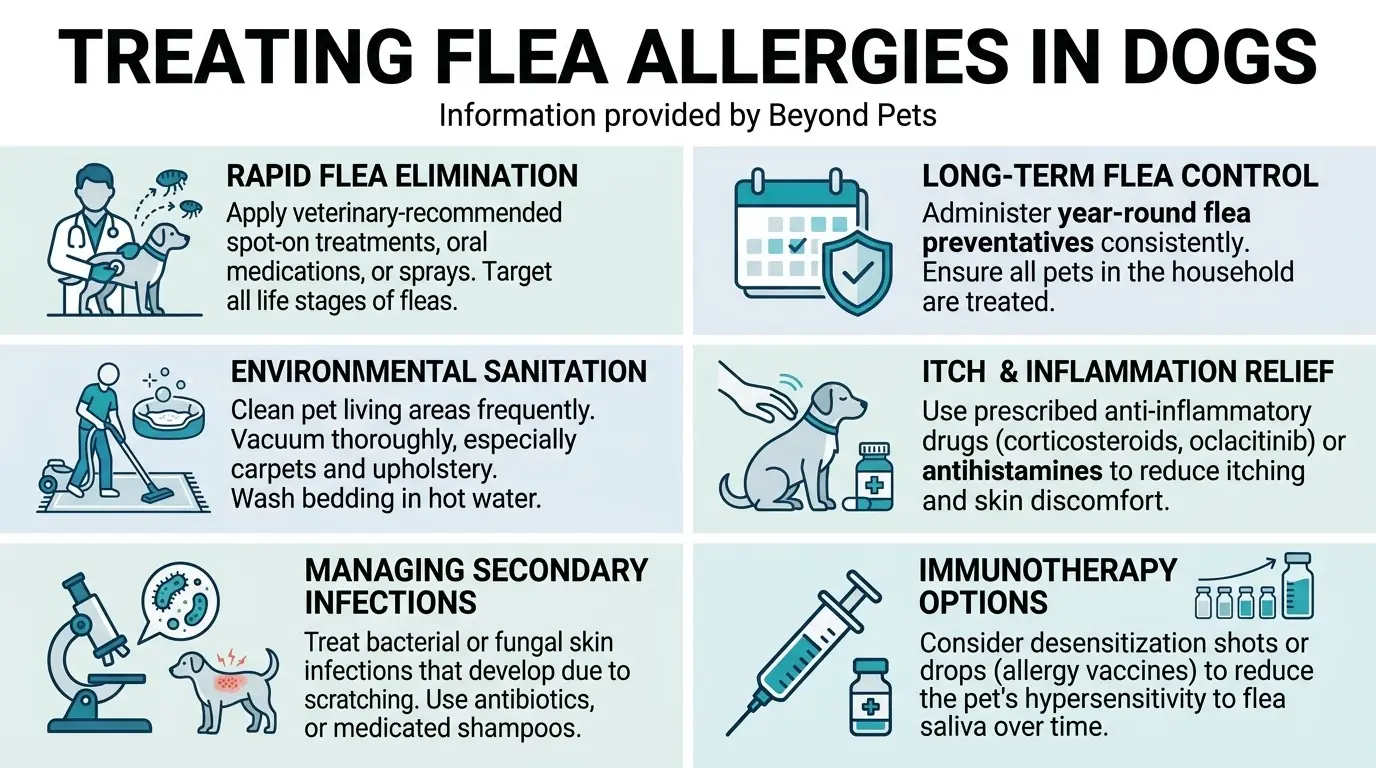
Effectively managing and treating Flea Allergy Dermatitis requires a comprehensive, multimodal approach. Because the allergic reaction is so severe, it is never sufficient to merely address one aspect of the disease. A successful, long-term treatment plan must achieve three distinct, non-negotiable goals: absolute eradication of the adult fleas currently feeding on the dog, stringent management of the dog’s intense clinical symptoms and secondary infections, and meticulous environmental control to prevent the massive reservoir of developing pupae from re-infesting the pet. Failure to address any single pillar of this triad will inevitably lead to a frustrating relapse of the allergic skin disease.[14]
Every dog is a unique clinical patient, and treatment protocols must be carefully tailored to their specific needs, factoring in their age, breed, concurrent medical conditions, and the severity of their dermatological lesions. The overarching objective is not merely to reduce the flea population, but to push flea exposure as close to absolute zero as scientifically possible, as a single bite can reignite the entire inflammatory cascade in a highly allergic individual.
Flea Control: Comb and Shampoo
The immediate first step in treating an acute flare-up of FAD is the rapid, physical removal and destruction of the adult fleas currently infesting the dog. Mechanical removal utilizing a high-quality flea comb is a safe, non-toxic, and highly effective adjunctive therapy. A true flea comb features finely spaced metal teeth that are designed to physically trap adult fleas, flea eggs, and flea dirt as they are drawn through the hair coat. When combing an allergic dog, it is crucial to continually dip the comb into a basin of hot, soapy water. The soap breaks the surface tension of the water, ensuring that the trapped fleas immediately sink and drown rather than jumping back onto the pet or into the environment.[19]
Topical therapy in the form of specialized bathing plays a supportive, but often misunderstood, role in flea management. Medicated flea shampoos, typically containing pyrethrins derived from chrysanthemum flowers, can provide rapid knockdown of adult fleas present on the coat at the exact moment of the bath. Furthermore, bathing the dog with soothing, hypoallergenic shampoos containing colloidal oatmeal or pramoxine can provide immediate, albeit temporary, relief from the severe pruritus. The bathing process also mechanically washes away the highly allergenic flea feces, dander, and environmental debris that contribute to the dog’s overall allergic load.[8]
However, it is vital for pet owners to understand the profound limitations of flea shampoos. While they kill the fleas on the dog during the bath, traditional flea shampoos offer absolutely zero residual efficacy. The moment the dog is rinsed and dried, they are immediately susceptible to being bitten by newly emerging fleas jumping from the contaminated environment. Therefore, while a flea comb and shampoo are excellent for immediate mechanical clearance and soothing irritated skin, they must be immediately followed by the administration of modern, prescription-grade systemic adulticides to provide the continuous, twenty-four-hour protection that an allergic dog absolutely requires.[4]
Managing Symptoms: Dealing with Miliary Dermatitis and Secondary Skin Infections
While the eradication of fleas is the ultimate goal, it takes time to clear an environmental infestation. In the interim, the dog’s profound suffering must be addressed immediately. In dogs, FAD often presents with generalized papular crusting dermatitis, which is the canine equivalent of feline miliary dermatitis. To rapidly extinguish the intense fire of pruritus, veterinarians rely on several powerful, targeted anti-inflammatory and immunomodulatory medications. For decades, systemic glucocorticoids, such as oral prednisone or injectable dexamethasone, were the primary tools used to forcefully suppress the immune system and halt the allergic reaction. While highly effective at stopping the itch, steroids come with a host of undesirable side effects, including profound polyuria (increased urination), polydipsia (excessive thirst), panting, and long-term immunosuppression, making them less ideal for long-term management.[16]
Fortunately, modern veterinary pharmacology has provided us with far superior, highly targeted therapies that interrupt the specific cellular pathways responsible for itching, without the widespread systemic side effects of steroids. Oclacitinib, marketed under the brand name Apoquel, is an oral Janus kinase (JAK) inhibitor that rapidly and specifically blocks the neural signaling of interleukin-31 (IL-31), the primary cytokine responsible for transmitting the sensation of itch to the canine brain. It provides relief within hours. Another revolutionary treatment is Lokivetmab, widely known as Cytopoint. This is a caninized monoclonal antibody administered via subcutaneous injection. It acts like a biological sponge, binding directly to circulating IL-31 in the bloodstream, neutralizing the itch signal for four to eight weeks per injection, providing massive relief for the highly allergic dog.[17]
Simultaneously, any diagnosed secondary skin infections must be treated aggressively to allow the epidermal barrier to heal. If a bacterial pyoderma is confirmed via cytology, a course of systemic, narrow-spectrum antibiotics, such as cephalexin or amoxicillin-clavulanate, is typically prescribed for a minimum of three to four weeks, extending past the point of clinical resolution. If Malassezia dermatitis is present, oral antifungals like ketoconazole, or topical antifungal therapies, are required. In modern dermatology, there is a strong push toward topical antimicrobial therapy to reduce systemic antibiotic use. Medicated shampoos, mousses, and sprays containing 4% chlorhexidine or miconazole are highly effective at killing surface bacteria and yeast, while physically repairing the damaged lipid barrier of the dog’s skin.[11]
Preventative Measures: Consistent Use of Flea Control Products
Once the acute flare-up is controlled, the absolute most critical phase of treating a flea allergic dog begins: unyielding, year-round prevention. For an allergic dog, missing a single dose of their monthly preventative can result in a massive dermatological relapse. The gold standard for modern flea control belongs to a class of systemic oral medications known as isoxazolines, which includes widely used drugs like fluralaner (Bravecto), afoxolaner (NexGard), sarolaner (Simparica), and lotilaner (Credelio). These medications selectively bind to the gamma-aminobutyric acid (GABA)-gated and glutamate-gated chloride channels in the flea’s nervous system, causing catastrophic hyperexcitation and rapid death.[14]
The true power of the isoxazoline class lies in their incredible speed of kill. They are absorbed rapidly into the dog’s bloodstream, and when a newly emerged flea jumps onto the dog and takes its first blood meal, the neurotoxin kills the flea within mere hours. This rapid mortality is critical for two reasons: it minimizes the total amount of allergenic saliva injected into the dog, and it kills the adult flea long before it has the opportunity to mate and lay eggs, completely severing the flea lifecycle at the source. Other highly effective systemic options include the spinosyn class, such as spinosad (Trifexis), which targets the nicotinic acetylcholine receptors, and macrocyclic lactones like selamectin (Revolution), which provide excellent topical systemic absorption.[15]
In addition to adulticides, many comprehensive preventative strategies incorporate Insect Growth Regulators (IGRs) or Insect Development Inhibitors (IDIs). Compounds such as methoprene, pyriproxyfen, and lufenuron do not kill adult fleas; instead, they mimic the flea’s natural juvenile hormones. When an adult female flea is exposed to an IGR, the chemical is incorporated into her eggs. The IGR prevents the egg from developing into a larva, or prevents the larva from successfully spinning its pupal cocoon, effectively sterilizing the environment and drastically reducing the future population burden. Using a product that combines a rapid-kill adulticide with an IGR provides the most robust defense against Flea Allergy Dermatitis.[19]
Diet and Supplements: Enhancing Skin Health
While pharmacological intervention is required to kill fleas and stop acute itching, enhancing the innate structural integrity of the dog’s skin barrier is a powerful adjunctive strategy for managing allergic skin disease. The canine epidermis relies on a complex matrix of ceramides, free fatty acids, and cholesterol to form a watertight, impenetrable barrier against environmental allergens. When a dog suffers from chronic allergies, this barrier is inherently defective, allowing allergens to penetrate deeper and moisture to escape, leading to dry, brittle, highly reactive skin. Veterinary dermatologists frequently recommend specific dietary changes and targeted nutritional supplements to fortify this crucial anatomical shield.[18]
The most scientifically supported supplements for dermatological health are high-quality, marine-derived Omega-3 fatty acids, specifically Eicosapentaenoic Acid (EPA) and Docosahexaenoic Acid (DHA). When administered at therapeutic dosages, these unique fatty acids are directly incorporated into the phospholipid bilayer of the dog’s cell membranes. They structurally compete with arachidonic acid, a highly inflammatory Omega-6 fatty acid. By shifting the metabolic pathway away from arachidonic acid, Omega-3s force the body to produce less inflammatory leukotrienes and prostaglandins, naturally down-regulating the systemic inflammatory response and raising the dog’s pruritic threshold.[10]
Furthermore, specialized prescription dermatological diets are formulated with precisely balanced ratios of Omega-3 and Omega-6 fatty acids, elevated levels of bioavailable zinc, vitamins A and E, and specific amino acids designed to promote optimal epidermal turnover and ceramide production. Some of these diets are also hydrolyzed, meaning the protein molecules are broken down into pieces so small that the immune system cannot recognize them, which is incredibly beneficial for dogs that suffer from concurrent food allergies alongside their flea hypersensitivity. By nourishing the skin from the inside out, we create a resilient, healthy barrier that is far less susceptible to the devastating effects of flea salivary antigens.[13]
How to Prevent Flea Allergies in Dogs
Preventing Flea Allergy Dermatitis requires an uncompromising, proactive strategy that addresses the dog, the household environment, and the surrounding outdoor areas. For a highly allergic dog, “good enough” flea control is simply not good enough. Absolute eradication of the environmental lifecycle is the only way to ensure the patient remains asymptomatic. The foundation of this strategy is the strict, uninterrupted, year-round administration of veterinary-approved flea preventative medications. Pet owners must resist the temptation to stop preventatives during the winter months, as central heating allows fleas to thrive indoors regardless of the freezing temperatures outside.[2]
Crucially, every single mammalian pet in the household—including indoor-only cats, ferrets, and other dogs—must be treated simultaneously with high-quality preventatives. An untreated indoor cat can easily serve as a silent biological incubator, shedding thousands of microscopic flea eggs into the carpets every week, which will eventually mature and bite the allergic dog. Furthermore, aggressive environmental management inside the home is vital. The mechanical action of a vacuum cleaner with a rotating beater bar is incredibly effective at lifting flea eggs and larvae from deep within carpet fibers. Even more importantly, the physical vibrations of the vacuum stimulate the dormant, chemical-resistant pupae to hatch into adult fleas, making them immediately susceptible to the chemical preventatives on the pets or premise sprays used in the home.[20]
Pet bedding, soft toys, and blankets should be washed weekly in water exceeding 140°F (60°C) to thermally destroy all lifecycle stages of the parasite. In cases of severe household infestation, the strategic use of indoor premise sprays containing a synergistic blend of an adulticide (like permethrin) and an Insect Growth Regulator (like methoprene) can dramatically accelerate the eradication process. It is important to treat under furniture, behind baseboards, and in dark closets, as flea larvae are negatively phototactic, meaning they actively crawl away from light to develop in the deepest, darkest crevices of the home.[4]
Outdoor environmental control focuses on the areas where the dog spends the most time resting, particularly shaded, moist areas under porches, dense bushes, and low-hanging trees. Flea larvae desiccate and die instantly in direct sunlight, so focusing efforts on shaded micro-environments is key. Clearing away leaf litter, organic debris, and stacked wood eliminates the humid environment larvae require to survive. Additionally, preventing access by wild urban fauna, such as opossums, raccoons, and feral cats, which act as massive delivery vehicles dropping fresh flea eggs into your yard, is a critical preventative step.[21]
Ultimately, managing Flea Allergy Dermatitis is a lifelong commitment that requires vigilance, education, and a strong partnership with your veterinary team. Because the pharmacological landscape of parasite control and allergy management is constantly evolving, and because individual dogs have vastly different medical needs, it is imperative that you always consult your veterinarian before making any changes to your pet’s care. With the correct combination of rapid-kill preventatives, environmental management, and targeted dermatological therapies, even the most severely allergic dog can live a incredibly comfortable, itch-free, and happy life.
Frequently Asked Questions
Can indoor dogs get flea allergies?
Absolutely. It is a common and dangerous misconception that dogs who spend the vast majority of their time indoors are immune to flea infestations and subsequent allergies. Fleas are incredibly opportunistic parasites. Adult fleas can easily be carried into the home on the clothing, shoes, or belongings of human family members. Furthermore, other household pets, such as indoor-outdoor cats, or visiting animals, can serve as carriers, bringing fleas into the home environment. Once inside, the climate-controlled environment of a modern house provides the perfect temperature and humidity for fleas to breed year-round. Therefore, strict, continuous flea prevention is medically necessary for all dogs, regardless of their indoor or outdoor lifestyle.
How long does it take for a flea bite to stop itching on a dog?
The duration of pruritus depends heavily on the dog’s individual immune system and the medical interventions deployed. In a non-allergic dog, the mild irritation from a flea bite usually resolves within 24 to 48 hours. However, in a dog suffering from Flea Allergy Dermatitis, the delayed Type IV hypersensitivity reaction means the intense itching can persist for up to two weeks after a single bite, even if the offending flea was killed immediately. To stop this prolonged suffering, veterinarians will utilize rapid-acting anti-pruritic medications, such as Oclacitinib (Apoquel) or Lokivetmab (Cytopoint), which can effectively neutralize the itch signaling within 4 to 24 hours, alongside therapies to heal any secondary bacterial or fungal skin infections.
Are natural flea repellents effective for dogs with flea allergies?
While natural or holistic remedies, such as essential oil sprays, garlic, or brewer’s yeast, are frequently marketed as alternatives to traditional medicine, they are emphatically not recommended for dogs with Flea Allergy Dermatitis. For a highly allergic dog, the threshold for a severe reaction is a single bite. Natural repellents do not provide the rapid, highly lethal speed-of-kill required to stop a flea from injecting its allergenic saliva, nor do they possess the residual efficacy to break the environmental lifecycle. Furthermore, certain essential oils can be highly toxic or irritating to a dog’s already inflamed skin. For dogs with FAD, veterinary-prescribed, rigorously tested systemic preventatives, such as the isoxazoline class, are the only clinically proven method to provide the absolute protection their compromised immune system requires.
References
- Merck Veterinary Manual. Flea Allergy Dermatitis in Dogs and Cats. Merck & Co., Inc., 2023.
- Companion Animal Parasite Council (CAPC). Flea Guidelines for Dogs and Cats. CAPC, 2023.
- American Veterinary Medical Association (AVMA). External Parasites. AVMA, 2022.
- VCA Animal Hospitals. Flea Allergy Dermatitis in Dogs. VCA, 2021.
- Rust, M. K. “Advances in the Control of Ctenocephalides felis (cat flea) on Cats and Dogs.” Trends in Parasitology, 2014.
- Carlotti, D. N., and Jacobs, D. E. “Therapy, Control and Prevention of Flea Allergy Dermatitis in Dogs and Cats.” Veterinary Dermatology, 2000.
- Cornell University College of Veterinary Medicine. Flea and Tick Prevention. Cornell University, 2022.
- Wilkerson, M. J. et al. “Diagnostic Characteristics of Flea Allergy Dermatitis in Dogs.” Veterinary Immunology and Immunopathology, 1999.
- Halliwell, R. E. “Flea Allergy Dermatitis: Immunopathogenesis and Immunomodulation.” Veterinary Immunology, 1997.
- Sousa, C. A. “Flea Allergy Dermatitis: Pathophysiology and Therapeutics.” Veterinary Clinics of North America: Small Animal Practice, 2015.
- Merck Veterinary Manual. Pyoderma in Dogs and Cats. Merck & Co., Inc., 2023.
- Bond, R. “Malassezia Dermatitis in Dogs.” Veterinary Dermatology, 2005.
- Olivry, T. et al. “Treatment of Canine Atopic Dermatitis.” Veterinary Record, 2009.
- Dryden, M. W. et al. “Efficacy of Isoxazolines for Flea Control.” Veterinary Parasitology, 2014.
- Blagburn, B. L. et al. “Efficacy of Spinosad against Ctenocephalides felis in Dogs.” Veterinary Therapeutics, 2008.
- Cosgrove, S. B. et al. “Efficacy and Safety of Oclacitinib for the Control of Pruritus.” Veterinary Dermatology, 2013.
- Michels, G. M. et al. “Lokivetmab for the Management of Canine Pruritus.” Veterinary Dermatology, 2016.
- Logas, D., and Kunkle, G. A. “Double-Blind Crossover Study with Marine Oil Supplementation.” Veterinary Dermatology, 1994.
- Palma, K. G. et al. “Insect Growth Regulators for Flea Control.” Journal of the American Veterinary Medical Association, 2000.
- UC Davis School of Veterinary Medicine. Flea Control and Environmental Management. UC Davis, 2018.
- Centers for Disease Control and Prevention (CDC). Getting Rid of Fleas. CDC, 2020.
- Marsella, R. “Allergy Testing in Veterinary Dermatology.” Veterinary Clinics of North America, 2005.
- Hillier, A. et al. “Guidelines for the Diagnosis and Antimicrobial Therapy of Canine Superficial Bacterial Folliculitis.” Veterinary Dermatology, 2010.