


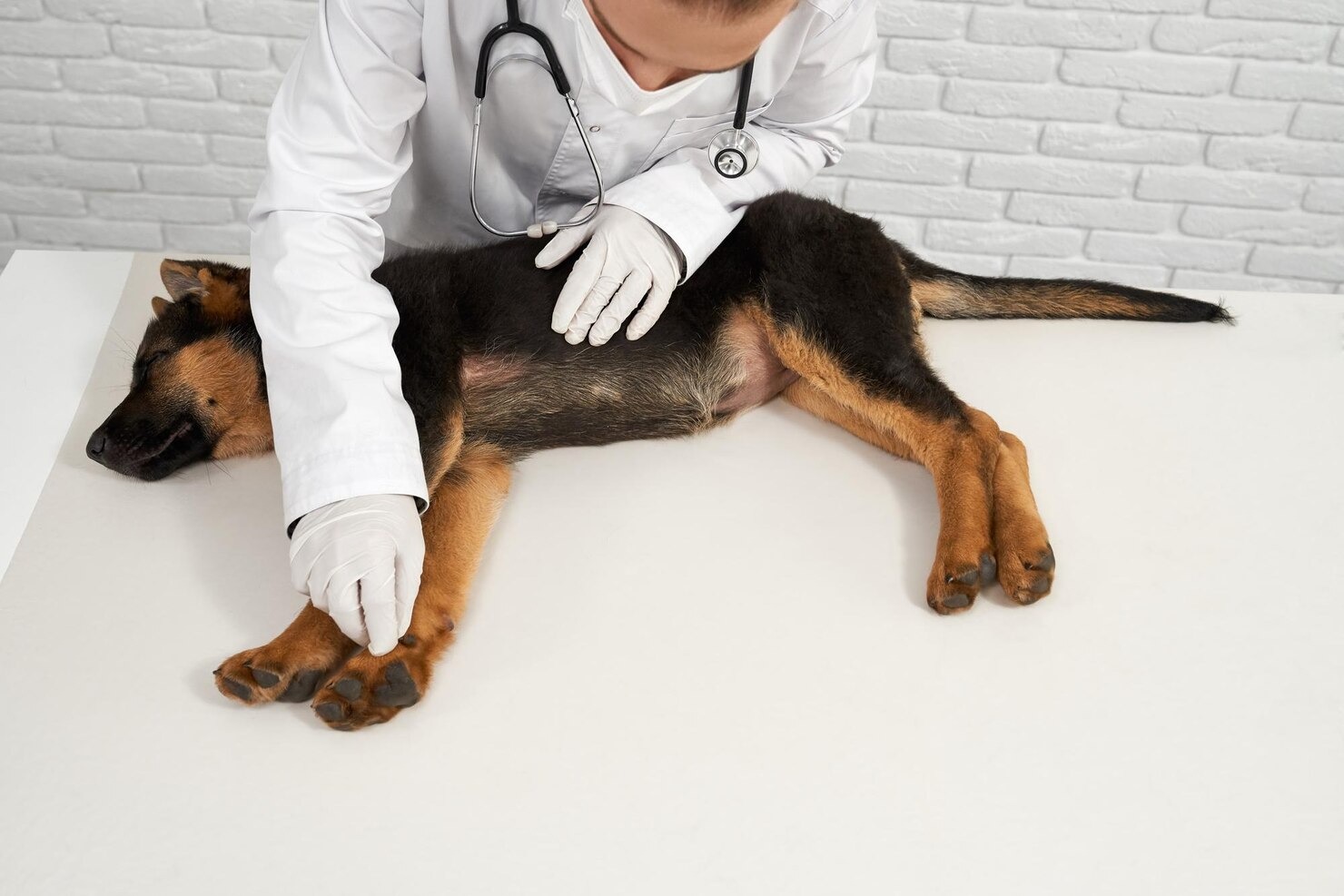

 March 3, 2023
 Phil Good, DVM
Common Emergencies in Dogs: Causes, Symptoms, Treatment
This content was prepared with AI assistance and reviewed by a licensed professional for accuracy.
Introduction
As a veterinary professional, I have witnessed firsthand how quickly a calm afternoon can turn into a critical, life-or-death situation for a beloved companion animal. Common Emergencies in Dogs, ranging from sudden, unexpected trauma in dogs to terrifying instances of choking in dogs, require immediate, decisive action. Whether a pet has been hit by a car, is experiencing acute suffocation, or has ingested a lethal toxin, the minutes following the incident—often referred to in emergency medicine as the “golden hour”—are absolutely critical for a successful clinical outcome. Being an educated pet owner is the most powerful tool you have in your arsenal. Understanding the physiological changes that occur during a crisis can significantly improve your pet’s prognosis and prevent permanent, irreversible damage to their vital organ systems. While chronic conditions like food allergies can cause long-term discomfort and immune system dysregulation, true medical emergencies demand an entirely different level of urgency and clinical intervention.
A medical emergency in veterinary medicine is broadly defined as any sudden illness, acute injury, or physiological decompensation that immediately threatens a dog’s life, organ function, or long-term systemic health. Dogs are masters at masking their pain, a biological remnant of their ancestral survival instincts. By the time a dog exhibits profound distress, their body has often already exhausted its compensatory mechanisms. This means that a “wait and see” approach is never appropriate when dealing with suspected critical care scenarios. When the body enters a state of shock—whether from massive blood loss, overwhelming systemic infection, or cardiac failure—cellular oxygen delivery is severely compromised. If left untreated, this cascade quickly leads to systemic inflammatory response syndrome (SIRS), multi-organ dysfunction syndrome (MODS), and ultimately, death. Recognizing the subtle and overt signs of decompensation can literally mean the difference between a successful resuscitation and a tragic loss.[1]
In the high-stakes environment of emergency veterinary medicine, preparation is your greatest asset. Knowing exactly where your nearest 24-hour emergency animal hospital is located, understanding basic canine first aid, and having the mental fortitude to transport your pet safely can streamline the triage process the moment you burst through the hospital doors. Our goal as emergency veterinarians is to stabilize the patient, diagnose the underlying pathology, and implement aggressive, targeted therapeutics. In the following comprehensive guide, we will explore the pathophysiology, clinical presentation, diagnostic approach, and life-saving treatments for the most prevalent canine medical emergencies, equipping you with the vital knowledge needed to protect your furry family member when seconds count.[2]
What are Some of the Common Emergencies in Dogs?
The landscape of veterinary emergency medicine is vast and multifaceted, encompassing a wide array of traumatic, toxicological, and spontaneous disease processes. Because dogs are naturally curious, highly active, and sometimes indiscriminate in what they consume or interact with, they are uniquely predisposed to specific types of critical emergencies. Categorizing these emergencies helps veterinarians anticipate the necessary diagnostic and therapeutic protocols even before the patient arrives at the clinic.
Severe Traumatic Injuries: Blunt force trauma and penetrating wounds represent a massive portion of emergency caseloads. This category includes injuries from car accidents, falls, animal attacks, or other accidents that result in fractures, dislocations, deep cuts, or puncture wounds. When a dog is struck by a vehicle, the external injuries—such as lacerations or obvious limb fractures—are often just the tip of the iceberg. The sheer kinetic energy transferred to the dog’s body frequently results in severe internal derangements. Pulmonary contusions (bruising of the lungs), pneumothorax (air in the chest cavity collapsing the lungs), diaphragmatic hernias, and hemoabdomen (bleeding into the abdominal cavity from a ruptured spleen or liver) are life-threatening internal injuries that require immediate surgical or intensive medical intervention. Similarly, bite wounds from other animals often cause a “tip of the iceberg” effect; the small puncture wound on the skin hides massive underlying crushing injuries, dead space formation, and severe muscle tearing, which rapidly become infected with anaerobic bacteria.[3]
Toxicological Emergencies: Toxic ingestions are an incredibly common and highly time-sensitive emergency. Accidental dog poisoning can occur from a myriad of household items, human pharmaceuticals, and dangerous foods. Xylitol, a common artificial sweetener found in sugar-free gums and peanut butters, causes a massive, rapid release of insulin in dogs, leading to profound, life-threatening hypoglycemia and subsequent acute hepatic necrosis (liver failure). Grapes and raisins contain an unknown toxic principle that aggressively targets the canine renal system, causing acute kidney injury (AKI) and anuric renal failure. Over-the-counter human non-steroidal anti-inflammatory drugs (NSAIDs) are highly toxic to dogs, causing severe gastric ulceration and catastrophic kidney damage. Rodenticides (rat poisons) are uniquely dangerous; some varieties act as vitamin K antagonists leading to fatal internal hemorrhaging, while others (like bromethalin) cause fatal cerebral edema, and cholecalciferol variants induce systemic hypercalcemia and acute organ mineralization. Rapid decontamination and administration of specific antidotes are required.[4]
Gastric Dilatation-Volvulus (GDV) / Bloat: Often simply referred to as “bloat,” GDV is one of the most terrifying and rapidly fatal conditions in veterinary medicine. It occurs predominantly in deep-chested, large breed dogs such as Great Danes, Standard Poodles, and German Shepherds. In a GDV scenario, the dog’s stomach rapidly fills with gas and fluid, distending like a balloon (dilatation). Tragically, the stomach then twists upon its own axis (volvulus). This twisting completely occludes the entrance and exit of the stomach, trapping the expanding gas. More devastatingly, the distended, rotated stomach severely compresses the caudal vena cava—the major blood vessel returning blood to the heart from the lower half of the body. This sudden drop in venous return causes catastrophic hypovolemic and distributive shock. The stomach tissue itself rapidly undergoes necrosis due to lost blood supply, and the lack of oxygenated blood to the heart frequently triggers dangerous cardiac arrhythmias, such as ventricular premature complexes (VPCs). Without immediate surgical decompression and derotation, GDV is uniformly fatal.[5]
Respiratory and Airway Crises: Any condition that compromises a dog’s ability to oxygenate its blood is an absolute, top-tier emergency. A foreign object lodged in the dog’s throat can obstruct the upper airway completely, preventing any air exchange. Common culprits include rubber balls, sticks, and large chunks of bone. Upper airway emergencies also include laryngeal paralysis, where the cartilage flaps of the larynx fail to open during inspiration, creating a severe bottleneck for airflow. Lower airway emergencies encompass severe asthma, acute pneumonia, or non-cardiogenic pulmonary edema (often seen after electrocution or near-drowning events). Respiratory distress rapidly leads to hypoxemia, cyanosis, and eventual cardiopulmonary arrest if aggressive oxygen therapy and airway management are not immediately instituted.[6]
Neurological Catastrophes: The central nervous system is highly sensitive to changes in oxygenation, blood pressure, and intracranial pressure. Status epilepticus—a condition where a dog experiences continuous seizure activity lasting longer than five minutes, or recurrent seizures without regaining consciousness in between—is a dire emergency. Prolonged muscular contractions during a seizure dramatically raise the body’s core temperature (hyperthermia), which can denature cellular proteins and lead to disseminated intravascular coagulation (DIC). Furthermore, prolonged seizures cause severe cerebral hypoxia, potentially leading to permanent brain damage. Other neurological emergencies include acute intervertebral disc disease (IVDD) in chondrodystrophic breeds like Dachshunds, where a herniated disc suddenly compresses the spinal cord, causing excruciating pain and acute paralysis. Time is of the essence in spinal cord compression to prevent irreversible loss of deep pain perception and permanent paralysis.[7]
Ophthalmic Emergencies: The eyes are incredibly delicate structures, and ocular emergencies can result in permanent blindness if not managed aggressively. Traumatic proptosis, where the eyeball is physically displaced forward out of the orbit (often seen in brachycephalic breeds after head trauma or scuffles), requires immediate surgical replacement to save the globe and optic nerve. Deep corneal ulcers or descemetoceles (where the ulcer reaches the deepest layer of the cornea) can spontaneously rupture, causing the eye to deflate and leading to irreparable damage. Acute glaucoma, characterized by a sudden, massive spike in intraocular pressure, is excruciatingly painful and can permanently destroy the optic nerve and retina within a matter of hours if pressure is not reduced medically or surgically. Infections affecting the eyes, if aggressive, can melt the cornea through the action of destructive bacterial enzymes, requiring emergency grafting surgery.[8]
Urogenital and Reproductive Emergencies: A blockage in the urinary tract is a life-threatening crisis that causes a rapidly fatal cascade of metabolic derangements. Most commonly caused by urinary stones (uroliths) or mucous plugs lodging in the narrow urethra, the inability to urinate causes the bladder to distend to the point of potential rupture. More critically, the kidneys can no longer excrete potassium and metabolic waste products. The resulting hyperkalemia (high blood potassium) is profoundly cardiotoxic and will cause the heart rate to drop dangerously low (bradycardia) before culminating in cardiac arrest. In intact female dogs, pyometra—a severe, pus-filled infection of the uterus—is a highly common emergency. The uterus can fill with toxic, bacteria-laden fluid, leading to severe sepsis, systemic inflammatory response, and endotoxic shock. Emergency ovariohysterectomy (spay) is typically required to remove the infected organ and save the patient’s life.[9]
Symptoms of Medical Emergencies in Dogs
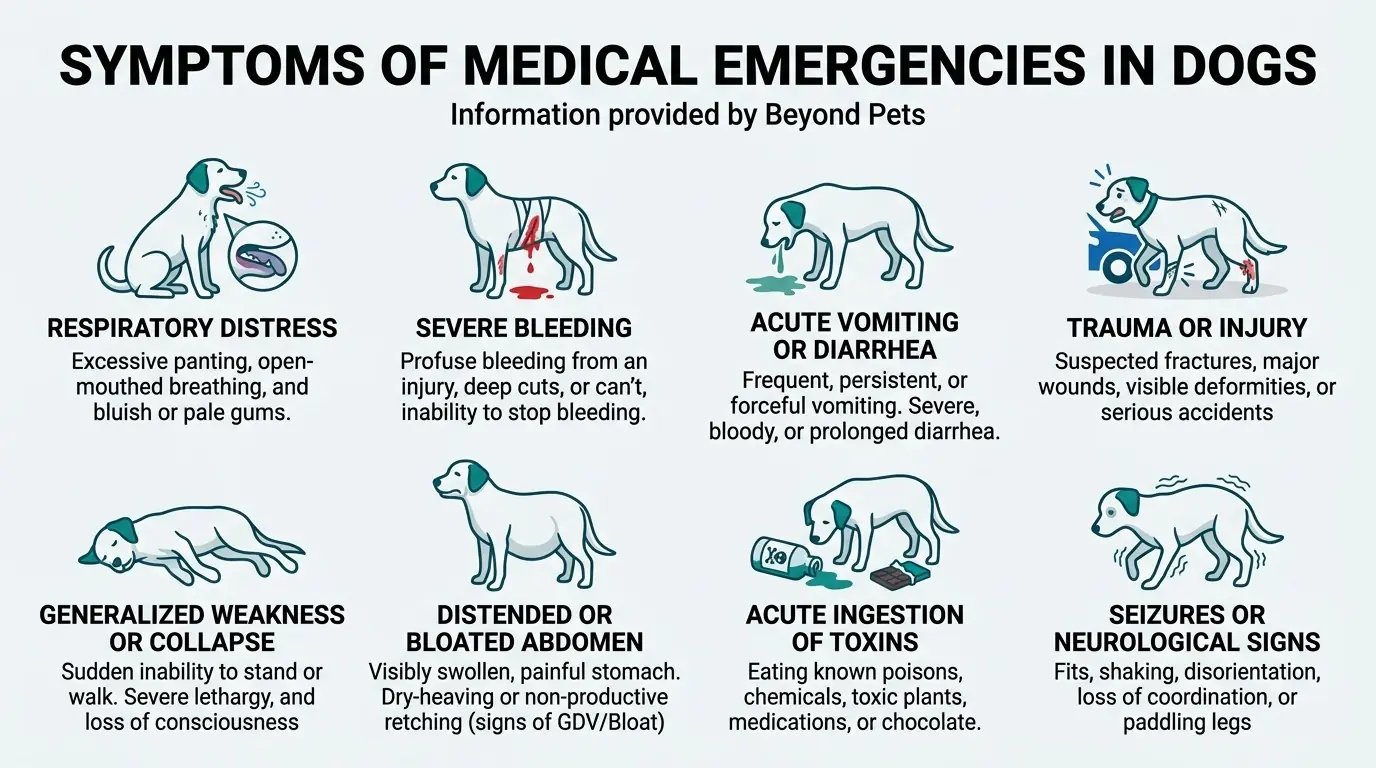
Identifying the clinical signs of a medical emergency requires vigilance and a basic understanding of canine anatomy and physiology. Because dogs cannot vocalize their symptoms, we must rely on objective, observable changes in their physical condition, behavior, and vital parameters. Knowing the signs and symptoms of these emergencies and seek immediate veterinary care if you suspect your dog is in distress is the cornerstone of responsible pet ownership. Symptoms can manifest rapidly and progressively worsen, often crossing multiple body systems simultaneously as the body’s compensatory mechanisms begin to fail.[10]
Cardiovascular Symptoms of Shock: When a dog is experiencing hypovolemic, distributive, or cardiogenic shock, their cardiovascular system is failing to deliver adequate oxygenated blood to the tissues. One of the most reliable indicators of poor perfusion is the color of the dog’s mucous membranes (gums). Normal gums should be a healthy, bubblegum pink. Pale, white, or gray gums indicate a severe lack of blood flow, often due to internal hemorrhage, severe anemia, or advanced shock. Brick-red gums suggest severe vasodilation, often seen in early heatstroke, sepsis, or carbon monoxide poisoning. Cyanotic (blue or purple) gums are an absolute dire warning sign indicating critical hypoxemia (lack of oxygen in the blood), requiring immediate, life-saving intervention. Capillary refill time (CRT)—the time it takes for color to return to the gums after applying firm pressure with your finger—should be less than two seconds. A prolonged CRT of three seconds or more is a clear indicator of cardiovascular collapse and poor peripheral perfusion. Additionally, a resting heart rate that is unusually high (tachycardia) or abnormally low (bradycardia) accompanying profound weakness indicates a failing circulatory system.[11]
Respiratory Distress (Dyspnea): Difficulty breathing is never a situation to monitor at home. Signs of severe respiratory distress include a dramatically increased respiratory rate (tachypnea) while resting, exaggerated abdominal effort during breathing, and paradoxically flared nostrils. Dogs experiencing severe air hunger will often adopt an orthopneic posture—they will refuse to lie down, stand with their front legs splayed wide apart (elbows abducted), and extend their neck fully forward in a desperate attempt to straighten the airway and maximize airflow. You may also hear harsh, abnormal respiratory noises such as stridor (a high-pitched wheezing on inspiration indicative of an upper airway obstruction) or stertor (a heavy snoring sound common in dogs with severe breathing difficulty and elongated soft palates). Any dog that is panting relentlessly, cannot settle, and has pale or blue gums is experiencing a suffocating crisis and must be transported to a hospital immediately.[12]
Gastrointestinal and Abdominal Crises: The gastrointestinal tract often reflects severe systemic illness. While a single episode of vomiting may not be life-threatening, persistent, intractable vomiting is a massive red flag. Vomitus that resembles coffee grounds indicates digested blood, pointing to severe gastric ulceration. Projectile vomiting or an inability to keep even water down suggests a complete intestinal obstruction. In cases of Gastric Dilatation-Volvulus (GDV), the hallmark symptom is unproductive retching—the dog repeatedly tries to vomit but produces nothing, or perhaps only a string of thick, white foam. This is coupled with a visibly distended, hard, tympanic (drum-like) abdomen and signs of profound restlessness and pain. Bloody diarrhea (hematochezia) or black, tarry stools (melena) are also indicators of severe intestinal hemorrhage or conditions like hemorrhagic gastroenteritis (HGE) or parvovirus infection. Dogs with severe cranial abdominal pain, such as acute pancreatitis or a ruptured gallbladder, will often adopt a “praying posture,” with their front end down on the ground and their hindquarters elevated, in an attempt to relieve pressure on their painful internal organs.[13]
Neurological Deficits and Altered Mentation: Changes in a dog’s mental status or neurological function are deeply alarming. Mentation is broadly categorized into normal, obtunded (dull and depressed, but arousable), stuporous (only responding to deep, painful stimuli), and comatose (completely unresponsive). A dog that suddenly becomes severely obtunded or uncoordinated (ataxic) may be suffering from hypoglycemia, hepatic encephalopathy, internal bleeding, or severe toxicity (such as marijuana or ethylene glycol ingestion). Uncontrolled, repetitive eye movements (nystagmus) combined with a severe head tilt and rolling behavior are classic signs of acute vestibular disease, which requires a veterinary assessment to rule out brain tumors or severe middle ear infections. Seizures—characterized by a sudden loss of consciousness, rigid muscle extension followed by violent paddling of the limbs, involuntary urination, and defecation—are unmistakable neurological emergencies. Furthermore, checking a dog’s pupils can provide insight into brain health; anisocoria, a condition where one pupil is markedly larger than the other, is a glaring warning sign of head trauma, increased intracranial pressure, or severe neurological lesions.[14]
Diagnosis of Common Emergencies in Dogs
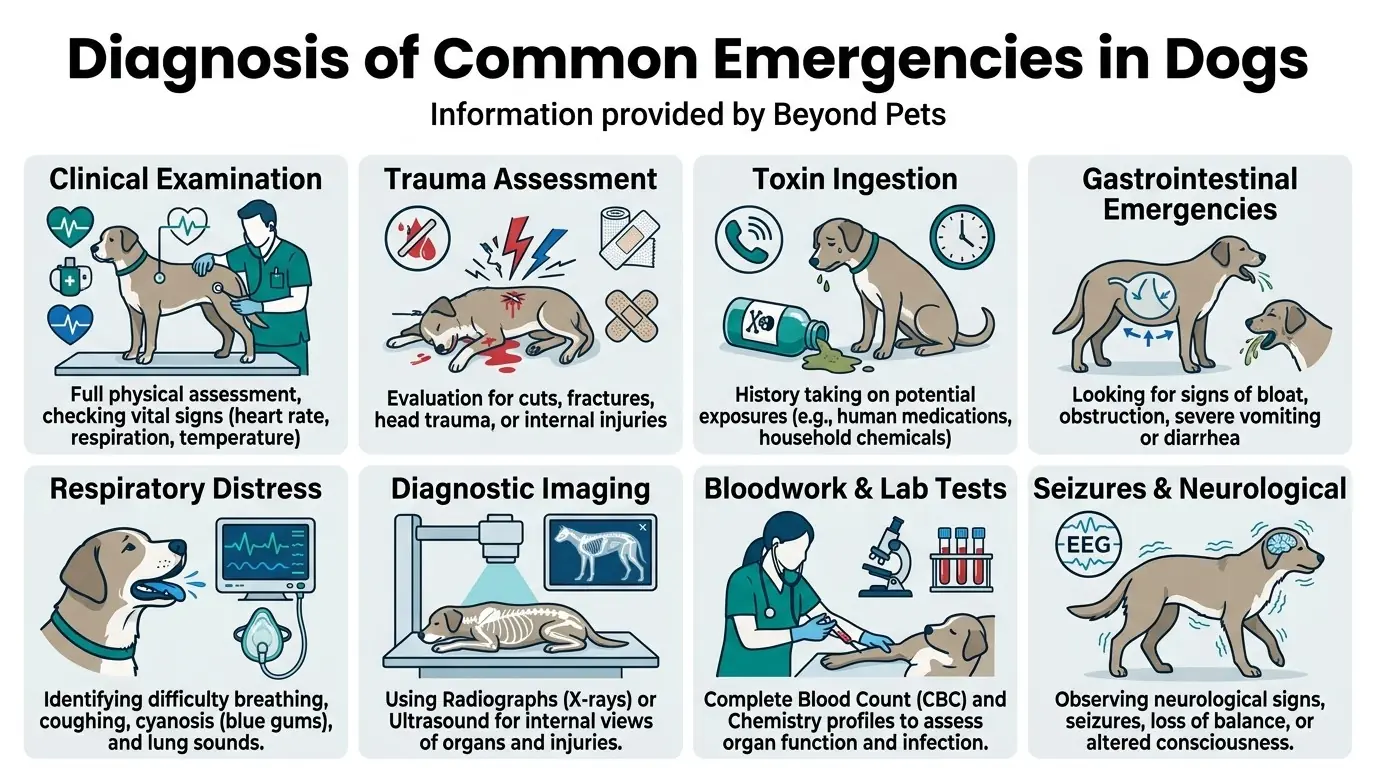
When a critically ill or injured dog arrives at a veterinary emergency hospital, the medical team immediately initiates a specialized protocol known as triage. Triage is the rapid assessment of patients to determine the absolute priority of their medical needs based on the severity of their condition. The primary survey follows the “ABC” protocol: Airway, Breathing, Circulation, and often a fourth component, Mentation. If any of these primary systems are failing, the veterinarian will immediately pause the diagnostic process to perform life-saving interventions, such as endotracheal intubation, emergency oxygen supplementation, or cardiopulmonary resuscitation (CPR). Only after the patient is deemed stable enough to survive the next few minutes does the formal diagnostic workup begin in earnest.[15]
Point-of-Care (POC) Testing: In emergency medicine, waiting 24 hours for lab results is not an option. Emergency clinicians rely heavily on rapid, point-of-care diagnostics to make immediate therapeutic decisions. The “Big Four” emergency blood parameters include Packed Cell Volume (PCV), Total Protein (TP), Blood Glucose, and Blood Urea Nitrogen (BUN). A rapid PCV and TP test can instantly identify severe anemia, acute blood loss, or profound dehydration. Blood glucose monitoring is critical; profound hypoglycemia can cause seizures and coma, while severe hyperglycemia with ketones indicates diabetic ketoacidosis (DKA). Another indispensable POC test is blood lactate measurement. Lactate is a byproduct of anaerobic cellular metabolism. Elevated blood lactate levels are a highly sensitive indicator of poor systemic tissue perfusion, shock, or severe localized tissue necrosis (such as a strangulated intestine or a twisted stomach in GDV). Tracking lactate clearance—measuring it repeatedly after administering IV fluids—helps the veterinarian determine if the patient is responding appropriately to resuscitation efforts. Furthermore, point-of-care blood gas analysis provides immediate feedback on the patient’s acid-base balance, identifying life-threatening conditions like severe metabolic acidosis or respiratory alkalosis.[16]
Advanced Diagnostic Imaging: Imaging is a cornerstone of emergency veterinary diagnostics. The utilization of rapid, focused ultrasound techniques has revolutionized veterinary ERs. The AFAST (Abdominal Focused Assessment with Sonography for Trauma) and TFAST (Thoracic FAST) scans are quick, non-invasive ultrasound examinations performed at the patient’s side. An AFAST scan allows the clinician to rapidly detect the presence of free fluid in the abdominal cavity, such as blood from a ruptured spleen (hemoabdomen), urine from a ruptured bladder (uroabdomen), or infected pus from a ruptured intestine (septic peritonitis). A TFAST scan assesses the chest cavity for pneumothorax (free air outside the lungs), pleural effusion (fluid compressing the lungs), or pericardial effusion (fluid accumulating in the sac around the heart, causing cardiac tamponade). If these scans reveal critical abnormalities, emergency surgery or life-saving procedures like thoracocentesis (using a needle to draw fluid/air off the chest) are performed immediately.[17]
Beyond rapid ultrasounds, traditional digital radiography (X-rays) remains crucial for diagnosing orthopedic fractures, intestinal blockages, GDV (classic “smurf hat” or “double bubble” appearance of the twisted stomach), and severe pneumonia. Electrocardiography (ECG) is utilized to monitor the electrical activity of the heart, immediately identifying dangerous, life-threatening arrhythmias like ventricular tachycardia or third-degree AV block that require prompt antiarrhythmic pharmaceutical intervention or external pacing. Finally, continuous blood pressure monitoring, utilizing either Doppler ultrasound techniques or oscillometric cuffs, is mandatory to ensure the patient’s circulatory system is generating enough force to deliver oxygenated blood to the brain and kidneys. A profound drop in blood pressure (hypotension) is a defining characteristic of uncompensated shock and demands aggressive fluid resuscitation or the use of vasopressor medications.[18]
Treatment for Medical Emergencies in Dogs
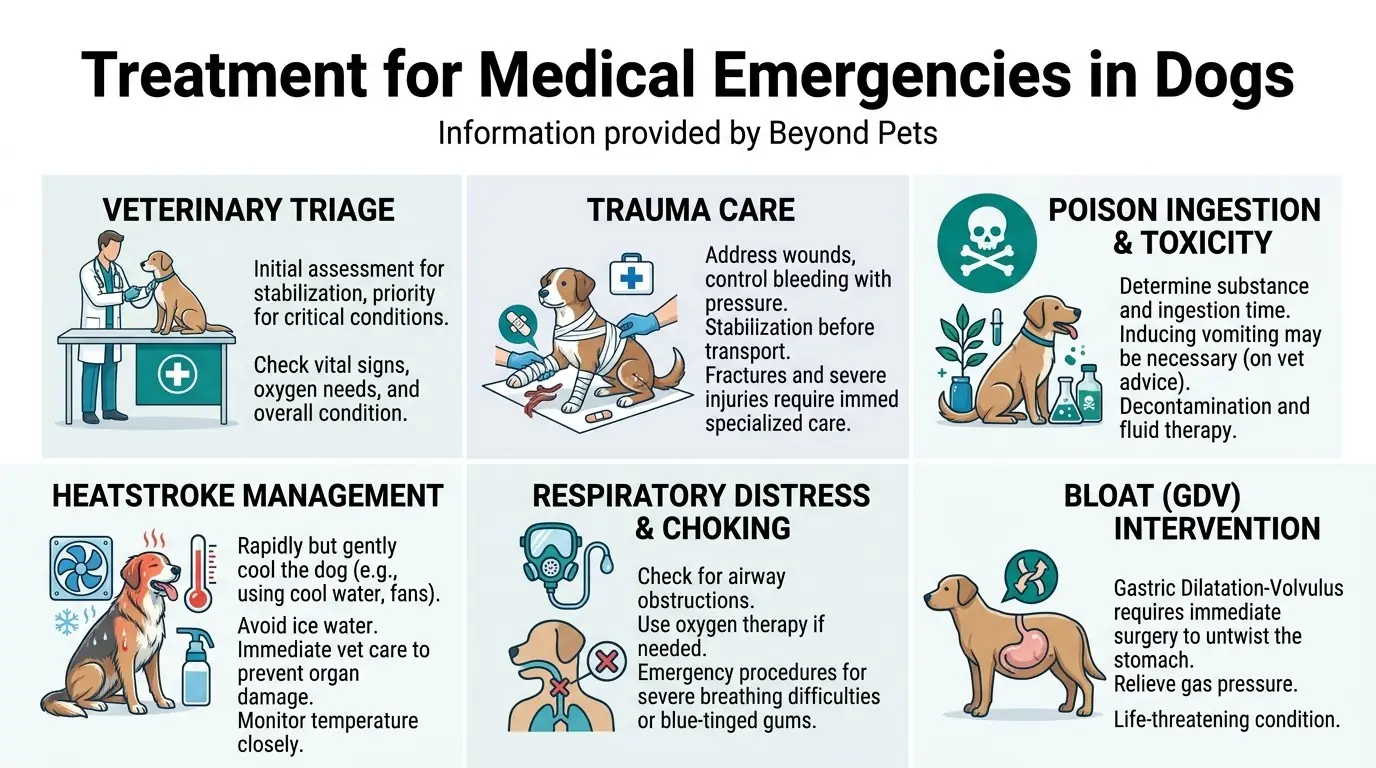
The therapeutic approach to veterinary emergencies is highly dynamic, aggressive, and individually tailored to the specific pathophysiology of the patient’s condition. The overarching goal of emergency therapy is to restore physiological homeostasis, support failing organ systems, alleviate severe pain, and definitively correct the underlying cause of the crisis. Treatment protocols often begin concurrently with the triage and diagnostic phases, emphasizing the fast-paced nature of critical care.
Fluid Resuscitation and Cardiovascular Support: One of the most fundamental treatments in the ER is intravenous fluid therapy. For dogs presenting in hypovolemic or distributive shock, rapidly restoring intravascular volume is paramount to re-establishing adequate blood pressure and tissue perfusion. Veterinarians typically utilize isotonic crystalloid solutions administered in rapid “shock boluses” to expand blood volume. In cases of severe head trauma where increasing fluid volume might dangerously elevate intracranial pressure, specialized intravenous fluids may be utilized; these concentrated solutions draw water out of swollen brain tissue and into the blood vessels, achieving rapid volume expansion while simultaneously reducing brain swelling. If a dog has suffered catastrophic blood loss or is experiencing a severe coagulopathy (such as from rat bait poisoning or immune-mediated hemolytic anemia), whole blood transfusions, packed red blood cells (pRBCs), or fresh frozen plasma (FFP) are administered to replace lost oxygen-carrying capacity and provide essential clotting factors.[19]
Oxygen Therapy and Airway Management: Ensuring adequate oxygen delivery to the tissues is a top priority. Dogs presenting with severe dyspnea, cyanosis, or trauma are immediately placed on supplemental oxygen. This can be achieved through flow-by oxygen tubing, oxygen-enriched incubation cages, or bilateral nasal prongs. In catastrophic airway emergencies—such as severe laryngeal paralysis, complete upper airway obstruction, or failure of the respiratory muscles—the dog will be heavily sedated or anesthetized, and an endotracheal tube will be placed directly into the trachea to secure the airway. These critical patients may be placed on a mechanical ventilator, a life-support machine that breathes for the dog until their lungs can heal from severe conditions like acute respiratory distress syndrome (ARDS) or severe pneumonia. If a foreign body is preventing intubation, an emergency tracheostomy (a surgical hole cut directly into the windpipe) may be performed to save the animal from imminent suffocation.[20]
Analgesia and Pharmacological Interventions: Emergency patients are frequently in agonizing pain from severe trauma, acute surgical abdomens, or inflammatory conditions. Effective pain management is not just a matter of compassion; untreated, severe pain causes profound physiological stress, elevates heart rates to dangerous levels, suppresses the immune system, and delays healing. Emergency veterinarians rely heavily on prescription pain medication administered intravenously for rapid, powerful pain relief. Depending on the diagnosis, a myriad of other medications may be deployed. Broad-spectrum, intravenous antibiotics are utilized for severe sepsis or peritonitis. Prescription anti-nausea medications are given to stop intractable vomiting and prevent aspiration pneumonia. Specific antidotes are administered for toxicities, such as Intravenous Lipid Emulsion (ILE) therapy for fat-soluble toxin ingestions, or antivenin for venomous snake bites. In cases of cardiac arrest, the veterinary team will follow the RECOVER (Reassessment Campaign on Veterinary Resuscitation) guidelines, performing high-quality chest compressions and administering life-saving emergency medications to restart the heart.[21]
Emergency Surgical Interventions: Many medical emergencies cannot be resolved with medications alone and require immediate surgical intervention to save the dog’s life. A classic example is the emergency exploratory laparotomy (ex-lap). In a GDV crisis, the surgeon must rapidly open the abdomen, manually untwist the stomach, assess the gastric and splenic tissues for necrosis (removing dead tissue if necessary), and perform a gastropexy—suturing the stomach wall to the abdominal muscle to prevent it from ever twisting again. If a dog has ingested a large object that is causing a complete bowel obstruction, an enterotomy (cutting into the intestine to remove the object) or a resection and anastomosis (removing a section of dead intestine and suturing the healthy ends back together) must be performed to prevent the bowel from rupturing and causing fatal peritonitis. Surgical intervention is also required for severe bleeding abdominal tumors, repairing deep traumatic lacerations, or managing severe ocular injuries. Post-operatively, these patients require intensive, round-the-clock monitoring in the ICU to manage pain, ensure adequate blood pressure, and monitor for complications such as infection or breakdown of surgical sites. A persistent cough post-surgery may indicate fluid accumulation or complications from intubation, requiring further evaluation.[22]
How to Prevent Emergencies in Dogs?
While the unpredictable nature of life means that not every emergency can be avoided, the vast majority of traumatic and toxicological crises in dogs are entirely preventable through proactive management, environmental control, and diligent veterinary care. As a pet owner, viewing your home and environment through the lens of potential hazards is the single most effective way to keep your dog out of the intensive care unit. Just like small mammals such as ferrets, dogs require a deeply controlled environment to prevent accidental ingestion of toxins and traumatic injuries.
Environmental Pet-Proofing and Toxin Management: The home is fraught with hidden dangers. Toxic human foods must be strictly guarded. Grapes, raisins, onions, garlic, macadamia nuts, chocolate, and anything containing xylitol should be completely inaccessible. Remember that food can cause severe illness or death in your pet if it contains toxic compounds or causes a severe gastrointestinal blockage. Furthermore, all human prescription medications, over-the-counter pain relievers, vitamins, and supplements must be stored in secure, elevated cabinets, not left on bedside tables or counters where a curious dog can reach them. Household chemicals, antifreeze (ethylene glycol), rodenticides, and insecticides must be locked away in heavy-duty bins. In the garage, ensure that no automotive fluids are leaking, as the sweet taste of antifreeze is highly alluring to dogs but causes fatal acute kidney failure with just a few licks. When planting a garden, ensure you are not introducing highly toxic flora such as sago palms, oleander, or lilies to the yard.[23]
Trauma Prevention and Leash Laws: The overwhelming majority of vehicular trauma cases occur when a dog is allowed to roam off-leash in an unsecured area. Even the most highly trained, obedient dog can be suddenly startled by a loud noise or enticed by a fleeing squirrel, overriding their training and sending them darting into active traffic. Strict adherence to leash laws and ensuring your yard has high, secure, dig-proof fencing are non-negotiable safety measures. When traveling in a vehicle, dogs should be secured using a crash-tested safety harness or a sturdy travel crate; loose dogs not only become dangerous projectiles during a collision but can also jump out of moving vehicle windows or bolt into traffic when a door is opened. Furthermore, providing adequate shelter and monitoring temperature extremes is vital. Do not leave your dog exposed during severely cold weather to prevent hypothermia and frostbite, and conversely, never leave a dog in a parked car during warm weather, as heatstroke can set in within minutes and is frequently fatal.[24]
Preventive Veterinary Care and Prophylactic Surgery: Routine veterinary check-ups play a massive role in emergency prevention. Annual bloodwork can catch early signs of metabolic diseases before they spiral into an acute crisis. Maintaining rigorous, year-round parasite control is essential. For instance, the most overlooked pet healthcare issue is fleas and heartworm disease. Heartworm infection can culminate in caval syndrome—a sudden, catastrophic failure of the right side of the heart. Keeping your pet on preventatives stops this deadly disease in its tracks. Additionally, routine deworming prevents severe infestations of tapeworms and other intestinal parasites that can cause severe anemia and malnutrition, while modern tick preventatives prevent them from getting ticks that transmit life-threatening illnesses like Lyme disease and Ehrlichiosis.
Surgical prevention is equally important. Elective spaying of female dogs completely eliminates the risk of pyometra, a life-threatening uterine infection, and drastically reduces the risk of malignant mammary tumors. For large, deep-chested breeds predisposed to bloat (like Great Danes), discussing a prophylactic gastropexy with your veterinarian during their spay or neuter surgery is a life-saving investment. This procedure permanently tacks the stomach to the abdominal wall, virtually eliminating the risk of gastric torsion. Ultimately, vigilant, preventative care is the bedrock of canine health; please consult your veterinarian before making any changes to your pet’s care regimen, and establish a clear plan for unexpected emergencies.
Frequently Asked Questions
When should I induce vomiting if my dog ate something toxic?
You should never induce vomiting without explicitly being instructed to do so by a licensed veterinarian or a professional animal poison control center. Certain toxins, such as caustic chemicals, bleach, or acidic batteries, cause severe burning and tissue damage; bringing them back up through the esophagus will cause devastating secondary burns and potential perforation. Additionally, if your dog is lethargic, obtunded, or having a seizure, inducing vomiting carries a massive risk of aspiration pneumonia, where the vomit is inhaled directly into the lungs. Always call the ASPCA Animal Poison Control Center or your emergency vet with the exact product details, quantity ingested, and time of ingestion to receive safe, medically sound triage instructions.
How do I perform basic CPR on a dog?
If your dog is completely unresponsive, has no heartbeat, and is not breathing, cardiopulmonary resuscitation (CPR) is required. Following the RECOVER guidelines, lay the dog on their right side on a firm surface. For medium to large dogs, place your hands over the widest part of their chest. For small dogs or keel-chested dogs, place your hands directly over the heart. Lock your elbows and compress the chest by 1/3 to 1/2 of its width at a rapid rate of 100 to 120 compressions per minute (to the beat of “Stayin’ Alive”). Ensure the chest fully recoils between each compression. If you can provide breaths, hold the dog’s muzzle tightly shut and breathe directly into their nostrils, providing two breaths for every 30 compressions. CPR should be performed continuously while someone else drives you immediately to the nearest veterinary emergency hospital.
What should I include in a canine first aid kit?
A well-stocked canine first aid kit is essential for stabilizing minor injuries before reaching the hospital. It should include sterile non-stick gauze pads, self-clinging bandage rolls (like Vetrap), standard adhesive tape, and bandage scissors. For wound cleaning, include a pet-safe antiseptic like dilute chlorhexidine solution (avoid rubbing alcohol or hydrogen peroxide, as they damage healthy tissue). You should also pack a digital rectal thermometer with water-based lubricant (normal canine temperature is 100.5°F to 102.5°F), tweezers or a tick-removal tool, a spare leash, and a properly fitted muzzle, as even the sweetest dog may bite when in severe pain. Most importantly, tape a card with the phone numbers and addresses of your primary veterinarian, the nearest 24-hour emergency clinic, and the Animal Poison Control Center to the outside of the kit.
Need to Speak with a Veterinarian?
If you have questions about emergency preparedness or your pet’s overall health, don’t wait for a crisis to occur. Establishing a baseline of care is essential for ensuring a long, happy life for your dog.
References
- American Veterinary Medical Association (AVMA). “Emergency Care for Your Pet.” avma.org, 2023.
- Merck Veterinary Manual. “Emergency Medicine and Critical Care.” Merck & Co., Inc., 2023.
- Simpson, S.A., et al. “Retrospective evaluation of vehicular trauma in dogs.” Journal of Veterinary Emergency and Critical Care, 2017.
- ASPCA Animal Poison Control Center. “Toxic and Non-Toxic Plants and Household Toxins.” aspca.org, 2024.
- American College of Veterinary Surgeons (ACVS). “Gastric Dilatation-Volvulus.” acvs.org, 2022.
- VCA Animal Hospitals. “Respiratory Distress in Dogs.” vcahospitals.com, 2023.
- Platt, S.R., et al. “Treatment of Status Epilepticus in Dogs.” Journal of Veterinary Internal Medicine, 2015.
- Merck Veterinary Manual. “Ophthalmologic Emergencies in Small Animals.” Merck & Co., Inc., 2023.
- Cornell University College of Veterinary Medicine. “Pyometra in Dogs.” cornell.edu, 2023.
- American Veterinary Medical Association (AVMA). “First Aid Basics.” avma.org, 2024.
- Silverstein, D.C. “Shock and Ischemia.” Small Animal Critical Care Medicine, 2015.
- Cornell University. “Brachycephalic Airway Syndrome.” cornell.edu, 2023.
- VCA Animal Hospitals. “Gastroenteritis in Dogs.” vcahospitals.com, 2023.
- Garosi, L.S. “Neurological Emergencies in Small Animal Practice.” Veterinary Clinics of North America, 2018.
- Mazzaferro, E.M. “Triage and Approach to the Acute Abdomen.” Clinical Techniques in Small Animal Practice, 2012.
- Merck Veterinary Manual. “Point-of-Care Blood Gas and Lactate Testing.” Merck & Co., 2023.
- Lisciandro, G.R. “Abdominal and Thoracic Focused Assessment with Sonography for Trauma (AFAST/TFAST).” JVECC, 2011.
- VCA Animal Hospitals. “Blood Pressure Monitoring in Dogs.” vcahospitals.com, 2023.
- Davis, H., et al. “AAHA/AAFP Fluid Therapy Guidelines for Dogs and Cats.” Journal of the American Animal Hospital Association, 2013.
- Merck Veterinary Manual. “Management of Respiratory Distress.” Merck & Co., 2023.
- RECOVER Initiative. “RECOVER CPR Guidelines.” Journal of Veterinary Emergency and Critical Care, 2012.
- American College of Veterinary Surgeons (ACVS). “Intestinal Obstruction and Foreign Body Surgery.” acvs.org, 2022.
- ASPCA. “Poison Prevention Tips for Pet Owners.” aspca.org, 2024.
- American Veterinary Medical Association (AVMA). “Pets in Vehicles.” avma.org, 2023.