



 March 9, 2023
 Phil Good, DVM
What is Coughing in Cats
This content was prepared with AI assistance and reviewed by a licensed professional for accuracy.
Introduction
As a veterinary professional, one of the most frequently misunderstood clinical signs I evaluate in practice is coughing in cats. By definition, a cough in cats is a sudden, forceful, and reflexive expulsion of air from the lungs, explicitly designed by the body to clear the airways of mucus, cellular debris, infectious agents, or foreign material. While pet parents often assume their feline companion is merely trying to dislodge a stubborn hairball, actual coughing is a primary indicator of lower airway irritation or disease. Unlike dogs, who routinely cough due to a wide variety of mild ailments or cardiac issues, coughing in felines is relatively uncommon and should always be treated as a potentially serious clinical symptom requiring prompt veterinary assessment.[1]
Understanding the underlying pathophysiology of feline respiratory distress is critical for proactive pet care. The respiratory tract of a cat is a delicate, highly sensitive system. When irritants enter the larynx, trachea, or deeper bronchi, mechanoreceptors and chemoreceptors are stimulated, sending rapid signals through the vagus nerve to the cough center in the brainstem. The brain then orchestrates a complex sequence: a deep inhalation, closure of the glottis, powerful contraction of the abdominal and intercostal muscles to build intrathoracic pressure, and finally, the explosive opening of the glottis to expel the offending agent.[2]
Because cats are masters at masking signs of illness, subtle changes in their breathing patterns or the sudden onset of a cough must never be ignored. If left unaddressed, chronic respiratory diseases can rapidly progress, leading to irreversible architectural damage within the lungs, such as bronchial fibrosis or emphysema. Conditions like feline allergic bronchitis and infectious pneumonia represent significant health threats that can dramatically compromise a cat’s ability to oxygenate their blood.[3] By recognizing the early signs of airway disease, pet parents can partner with their veterinary team to initiate diagnostics and interventions that preserve pulmonary function and ensure the long-term comfort of their beloved companion.
Common Causes of Coughing in Cats
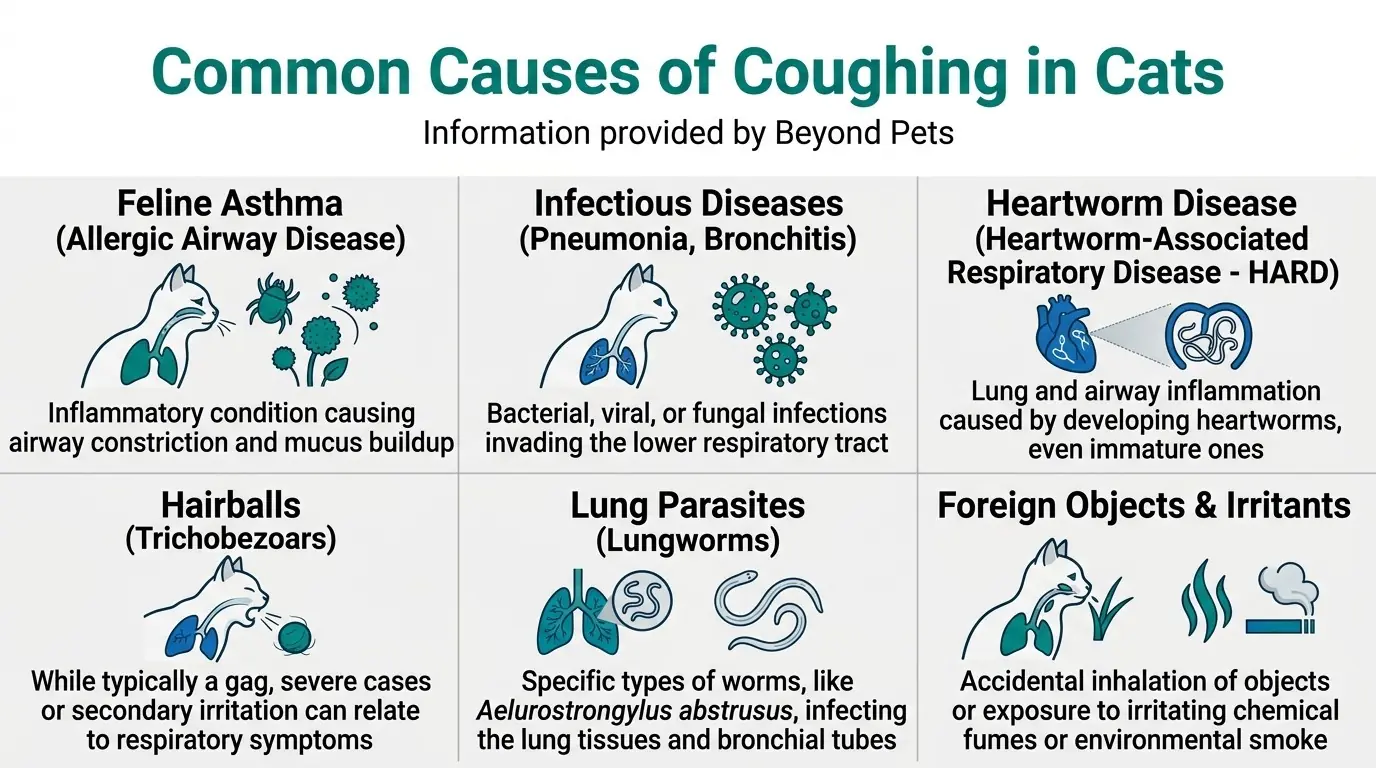
Determining the exact etiology of a feline cough requires a thorough understanding of the numerous internal and external factors that can impact the respiratory system. Just as humans suffer from seasonal sniffles and asthma, cats can be susceptible to allergies and immune-mediated conditions that trigger significant respiratory distress.[4] The most common culprits of lower airway disease in cats generally fall into several distinct categories: immune-mediated, infectious, parasitic, neoplastic, and environmental.
Feline Asthma, also known as feline allergic bronchitis, is arguably the most frequently diagnosed cause of chronic coughing in young to middle-aged cats. This condition shares striking similarities with human asthma. It is characterized by a Type I hypersensitivity reaction to inhaled environmental allergens, such as dust mites, pollen, mold spores, or household chemicals. When an asthmatic cat inhales these triggers, their immune system overreacts, leading to a massive influx of inflammatory cells, particularly eosinophils, into the airways. This cascade causes the smooth muscles surrounding the bronchi to spasm and constrict, the airway linings to swell with edema, and the local glands to produce excessive, thick mucus. The result is a narrowed, compromised airway that forces the cat to cough forcefully in a desperate attempt to clear the obstruction.[5]
Infectious agents are another leading cause of respiratory symptoms. Felines can contract a variety of upper and lower respiratory infections from viral, bacterial, and fungal pathogens. Viruses such as Feline Herpesvirus-1 (FHV-1) and Feline Calicivirus (FCV) are notorious for causing upper respiratory tract infections, which frequently present with sneezing, conjunctivitis, and thick nasal discharge. While these viruses primarily affect the upper airways, secondary bacterial infections from organisms like Bordetella bronchiseptica, Mycoplasma species, or Pasteurella multocida can migrate deeper into the lungs, resulting in life-threatening infectious pneumonia. Fungal pneumonias, caused by organisms such as Histoplasma capsulatum or Blastomyces dermatitidis, are less common but can be contracted if a cat inhales fungal spores from contaminated soil, leading to chronic, harsh coughing and systemic illness.[6]
Parasitic infections are heavily underdiagnosed in feline medicine but are a critical differential diagnosis for any coughing cat. Heartworm disease, transmitted by the bite of an infected mosquito, affects cats differently than dogs. Cats are atypical hosts for heartworms, meaning the worms rarely reach adulthood. However, the death of immature heartworms within the tiny pulmonary blood vessels triggers an intense, aggressive inflammatory response in the lungs known as Heartworm Associated Respiratory Disease (HARD). HARD frequently masquerades as feline asthma, causing severe coughing, wheezing, and acute respiratory distress. Additionally, lungworms, such as Aelurostrongylus abstrusus, can be contracted when cats hunt and ingest intermediate hosts like snails, slugs, or the rodents that eat them. These parasites migrate to the lung parenchyma, where they lay eggs, causing severe inflammation and persistent coughing.[7]
While cardiac issues are a primary cause of coughing in dogs, it is a clinical pearl in veterinary medicine that cats rarely cough due to heart disease. However, advanced cardiac conditions, such as hypertrophic cardiomyopathy (the most common heart disease in cats), can eventually lead to congestive heart failure. When a cat enters heart failure, fluid may accumulate within the lung tissue (pulmonary edema) or around the lungs in the chest cavity (pleural effusion). While this fluid buildup causes profound difficulty breathing and increased respiratory rates, it may occasionally trigger a soft, moist cough as the cat struggles to oxygenate.[8]
Other, less common causes must also be considered during a veterinary workup. Foreign Bodies: Cats are notoriously curious creatures, and it is not unheard of for a cat to accidentally inhale bits of plant material, like grass awns or foxtails, or small household objects. These foreign materials lodge in the trachea or bronchi, causing immediate, violent coughing fits and serving as a nidus for severe secondary bacterial infections.[9] Furthermore, cancer in cats is an unfortunate reality, particularly in senior felines. Primary pulmonary neoplasia, such as bronchogenic carcinoma, or metastatic cancers that have spread to the lungs from other organs (like mammary tumors or lymphoma), can invade the lung tissue and compress airways, leading to chronic, unresolving coughs.[10]
When Should You Worry About Cat Cough?
Distinguishing between a benign, occasional throat-clearing and a serious medical emergency is a vital skill for any cat owner. Because coughing in cats is inherently less common than in other species, a persistent or worsening cough should always be viewed with a high degree of clinical suspicion. You should be deeply concerned and seek immediate veterinary attention if your cat’s cough persists for more than 48 hours, increases in frequency, or manifests in prolonged, exhausting spasms that disrupt their ability to eat, sleep, or play.[11]
It is crucial to differentiate a true cough from a cat attempting to expel a hairball. When a cat hacks up a hairball, the action originates in the gastrointestinal tract. The cat will usually experience abdominal heaving, retching, and eventually produce a tubular mass of hair and stomach fluid. In contrast, a cat experiencing a true lower respiratory cough, particularly one suffering from an asthma attack, will often adopt a classic “orthopneic” posture. They will crouch low to the ground, extend their neck fully outward to straighten their airway, and exhibit a dry, hacking, or wheezing sound that rarely results in the production of any fluid or debris.[12]
There are several red-flag symptoms that, when accompanying a cough, indicate an absolute medical emergency. If your cat exhibits open-mouth breathing, panting, or cyanosis (a bluish or purplish tint to the gums and tongue, indicating a severe lack of oxygen), you must transport them to an emergency veterinary clinic immediately. Furthermore, an elevated resting respiratory rate is a critical indicator of pulmonary compromise. A healthy adult cat at rest or asleep should take fewer than 30 breaths per minute. If you count your cat’s resting respiratory rate and it consistently exceeds 35 to 40 breaths per minute, or if you notice exaggerated, forceful abdominal efforts to push air out of the lungs (dyspnea), their lower airways are significantly impaired. Additional signs of systemic illness, such as profound lethargy, anorexia, sudden weight loss, or an unexplained fever, further support the presence of a severe underlying condition such as infectious pneumonia, advanced heartworm disease, or neoplasia.[13]
Diagnosis of Feline Cough
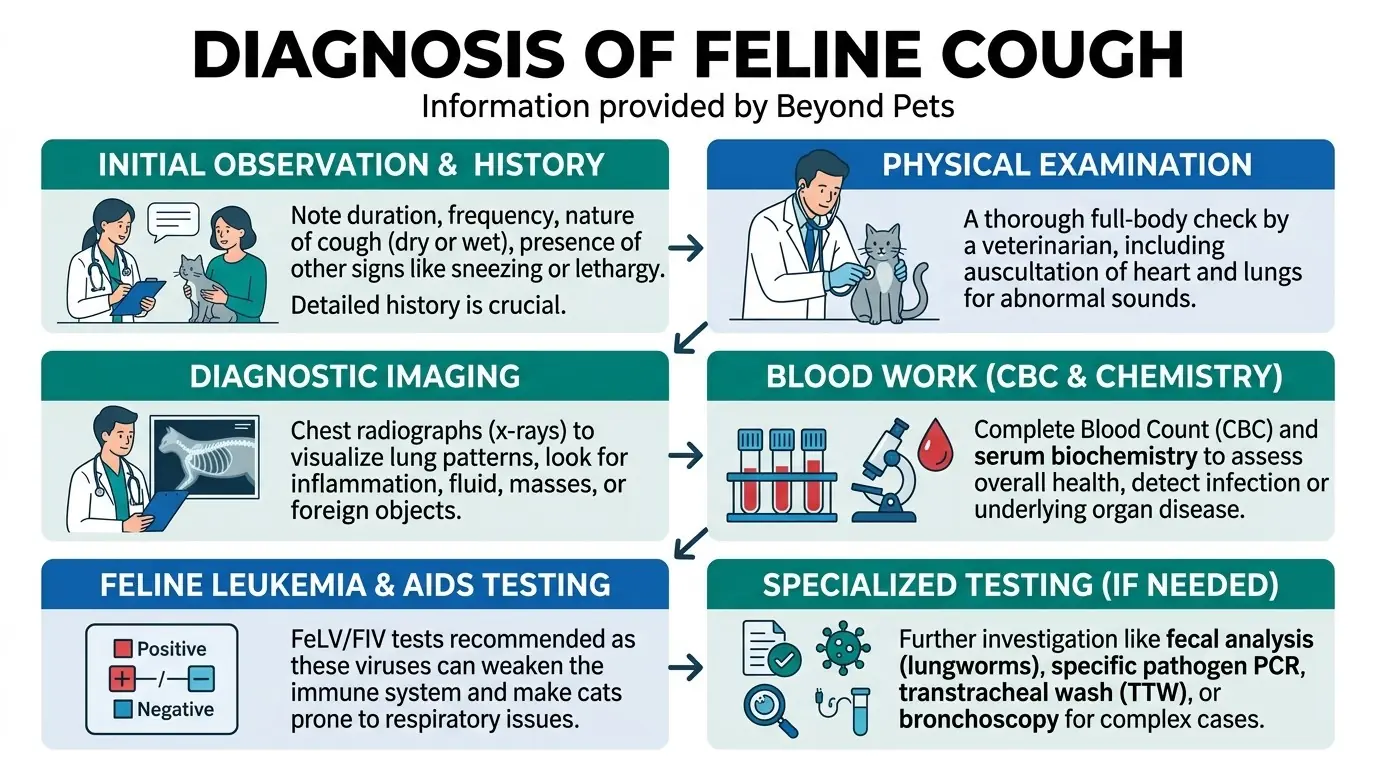
Arriving at an accurate diagnosis for a coughing cat is a meticulous process, as the clinical presentation of asthma, infectious bronchitis, and parasitic infections can be nearly identical. A comprehensive veterinary evaluation relies on a systematic, step-by-step diagnostic approach to rule out competing differentials and pinpoint the exact cause of the airway inflammation.[14]
The diagnostic journey begins with a detailed medical history and physical examination. Your veterinarian will ask extensively about the cat’s environment, including recent changes in cat litter brands, the use of aerosolized sprays, diffusers, or essential oils in the home, the cat’s access to the outdoors, their travel history, and their current preventative medication status. During the physical exam, the veterinarian will carefully auscultate (listen to) the heart and lungs using a stethoscope. They will listen for heart murmurs or gallop rhythms that might suggest underlying cardiomyopathy, as well as abnormal lung sounds such as crackles (indicating fluid or pneumonia) or wheezes (indicating narrowed airways characteristic of asthma).[15]
Following the physical exam, thoracic radiography (chest X-rays) is unequivocally the most important first-line diagnostic test for evaluating a coughing cat. High-quality digital X-rays allow the veterinary team to visualize the internal structure of the respiratory tract. In a cat with asthma or chronic bronchitis, the vet will look for a “bronchial pattern,” characterized by thickened airway walls that appear as “donuts” (cross-sections of airways) and “tram lines” (parallel lines of inflamed bronchi) on the film. If pneumonia is present, an “alveolar pattern” will show fluffy, cloud-like opacities where the tiny air sacs of the lungs have filled with fluid or pus. Radiographs are also vital for ruling out enlarged heart chambers, pleural effusion, and primary or metastatic lung tumors.[16]
Comprehensive laboratory testing forms the next tier of the diagnostic workup. A complete blood count (CBC) can reveal generalized inflammation or infection (indicated by an elevated white blood cell count). Specifically, the presence of peripheral eosinophilia—a high number of a specific type of white blood cell associated with allergic reactions and parasites—strongly supports a diagnosis of asthma or lungworm. A serum biochemistry panel evaluates the health of the kidneys and liver, which is essential before prescribing long-term medications. Due to the high prevalence of Heartworm Associated Respiratory Disease (HARD), specific feline heartworm antigen and antibody serology tests are routinely recommended for coughing cats, even those that live strictly indoors.[17]
If parasites are suspected, a specialized fecal test called a Baermann technique is performed. Standard fecal flotations often miss lungworm infections; the Baermann test utilizes gravity and warm water to isolate the live, motile larvae of Aelurostrongylus abstrusus that are coughed up, swallowed, and passed into the cat’s feces. If traditional testing does not yield a definitive diagnosis, advanced airway sampling may be required. Under deep sedation or general anesthesia, a veterinarian may perform a transtracheal wash (TTW) or a bronchoalveolar lavage (BAL). These procedures involve instilling a small amount of sterile saline deep into the lungs and immediately retrieving it to collect cells, bacteria, and microscopic debris from the lower airways. This fluid is then sent to a veterinary pathologist for cytologic evaluation and aerobic microbial culture, allowing for the precise identification of the inflammatory mechanism and the targeted selection of antibiotic therapies.[18]
Treatment for Cat Cough
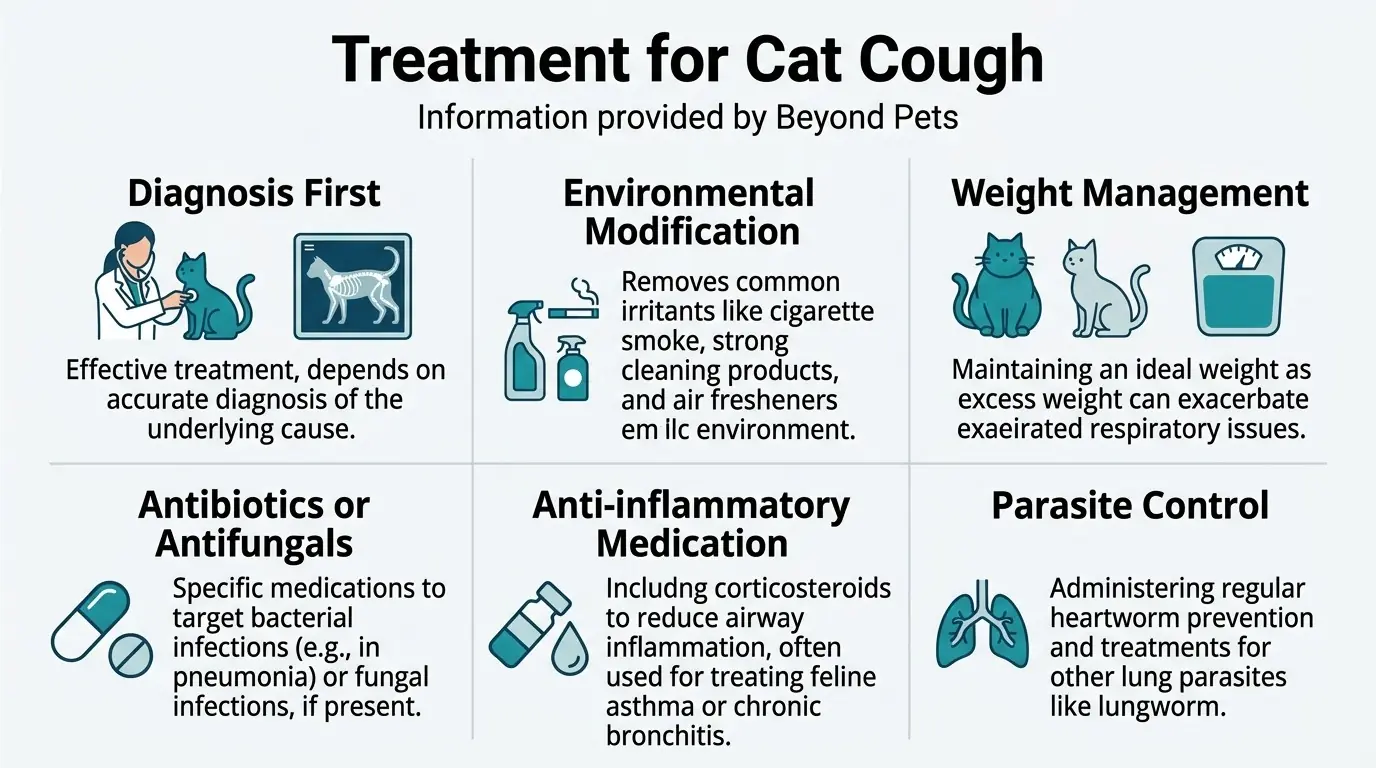
Because coughing is merely a clinical symptom and not a disease in itself, there is no universal “cough medicine” that will cure every feline patient. Addressing a cough in cats depends entirely on accurately identifying the root cause through the diagnostics outlined above. A multifaceted, tailored approach is required, blending acute crisis management with long-term maintenance strategies to ensure the patient’s respiratory system heals and remains functional.
Medication Administration
The specific pharmacologic agents prescribed will directly target the offending disease process. If the bronchoalveolar lavage culture reveals a bacterial pneumonia or a secondary bacterial infection complicating a viral upper respiratory tract infection, a prolonged course of targeted, broad-spectrum antibiotics prescribed by your veterinarian will be instituted. For parasitic infections, specifically feline lungworm, specialized anthelmintic (anti-parasitic) protocols utilizing prescription medications from your veterinarian are highly effective at eradicating the larvae. In cases of feline asthma, bronchodilators play a crucial role in acute management. Prescription bronchodilators work by relaxing the smooth muscles surrounding the bronchi, forcing the narrowed airways to dilate and allowing the cat to breathe more freely during an acute attack.[19]
Anti-Inflammatory Treatment
Inflammation is the driving force behind the vast majority of feline chronic respiratory diseases, particularly allergic asthma and chronic bronchitis. Therefore, aggressively suppressing this immune-mediated inflammation is the cornerstone of therapy. Corticosteroids are the primary anti-inflammatory drugs utilized in veterinary pulmonary medicine. Treatment often begins with systemic oral steroids prescribed by your veterinarian, given at a high dose to rapidly break the cycle of severe airway swelling. Once the clinical signs are controlled, the goal is to taper the systemic steroids to minimize adverse side effects (such as immunosuppression or the development of diabetes mellitus) and transition the cat to inhaled corticosteroid therapy. Using a feline-specific aerosol chamber, such as the AeroKat, pet owners can administer prescription inhaled steroids directly into the cat’s lungs. Inhaled steroids deliver high concentrations of anti-inflammatory medication precisely where it is needed—the pulmonary mucosa—while drastically reducing systemic absorption and long-term side effects.[20]
Symptomatic Relief
While human medicine frequently relies on cough syrups to quiet a persistent hack, symptomatic cough suppressants (antitussives) are used with extreme caution and hesitation in feline veterinary medicine. Coughing is the body’s natural, necessary defense mechanism for clearing inflammatory exudate, mucus plugs, and bacterial debris from the lungs. Suppressing this reflex in a cat with active pneumonia or severe bronchitis can lead to the dangerous retention of infected fluids, potentially resulting in lung lobe consolidation or systemic sepsis. In rare, highly specific instances—such as a dry, non-productive cough caused by a collapsing trachea (uncommon in cats) or terminal lung cancer where palliative comfort is the only goal—a veterinarian might prescribe a prescription cough suppressant from your veterinarian. However, these are strictly controlled medications and must only be used under direct veterinary supervision.[21]
Supportive Care
Supportive nursing care is paramount, particularly for cats hospitalized in acute respiratory distress. Oxygen therapy is frequently the first life-saving intervention implemented. Cats struggling to breathe are highly fragile; stress can easily push them into fatal respiratory failure. Therefore, they are often placed in a temperature-controlled, oxygen-enriched incubator to stabilize their blood oxygen saturation with minimal handling. Additionally, maintaining proper hydration via intravenous fluids is critical; dehydrated cats produce thick, viscous airway mucus that is impossible to cough up. Intravenous fluids help thin these secretions, making them easier for the cat to clear. At home, owners can provide environmental supportive care by using a cool-mist humidifier near the cat’s resting area or bringing the cat into a steamy bathroom for 10-15 minutes a day (nebulization therapy) to soothe irritated mucosal linings. Physical therapy techniques, such as gentle chest coupage (rhythmic tapping on the chest wall), can also help loosen deep respiratory secretions.[22]
Addressing Underlying Conditions
Long-term success relies on managing the specific underlying disease process. If the cough is a secondary symptom of a systemic issue, such as heart failure, managing the cardiac disease with prescription diuretics to clear pulmonary edema and medications to improve heart contractility is essential. For asthmatic cats, addressing the underlying condition means lifelong environmental management and immunotherapy if specific allergens are identified. For neoplastic conditions, consulting with a veterinary oncologist to discuss chemotherapy, radiation, or surgical excision of a primary lung tumor may be the appropriate path. Routine monitoring and follow-up thoracic radiographs are essential to evaluate the cat’s response to the initial treatment and make necessary pharmacologic adjustments.
Ultimately, a successful outcome requires a strong partnership with your veterinary team. Please consult your veterinarian before making any changes to your pet’s care, as altering medication dosages or stopping therapies abruptly can trigger a life-threatening relapse of respiratory distress.
Prevention of Kennel Cough in Felines
While “kennel cough” is a term most heavily associated with canine medicine, cats are highly susceptible to their own spectrum of highly contagious respiratory pathogens, including the exact same bacteria that causes kennel cough in dogs: Bordetella bronchiseptica. Preventing infectious coughing and chronic respiratory diseases in felines requires pet parents to be exceptionally proactive in managing their cat’s environment, immune health, and preventative care protocols.[23]
Core vaccinations are the foundation of respiratory disease prevention. Ensure your cat receives their routine FVRCP vaccine, which protects against Feline Viral Rhinotracheitis (Feline Herpesvirus-1) and Feline Calicivirus—the two leading viral causes of feline upper respiratory infections. For cats that are frequently boarded, attend cat shows, or live in dense cattery environments, a specific intranasal vaccine for feline Bordetella may also be recommended by your veterinarian. Rigorous adherence to these vaccine schedules is a critical form of care that can shield your cat from severe, life-altering infectious pneumonias. Furthermore, maintaining strict, year-round broad-spectrum parasite control is non-negotiable. Administering monthly preventatives that are effective against feline heartworm disease and lungworm larvae completely eliminates the risk of parasitic bronchitis and Heartworm Associated Respiratory Disease (HARD).
Environmental management is equally critical, particularly for preventing immune-mediated conditions like feline asthma. Keeping your cat indoors dramatically reduces their exposure to outdoor infectious agents, stray animals carrying retroviruses, and heavy outdoor allergens like seasonal pollens and agricultural dust. Within the home, air quality must be optimized. Feline respiratory tracts are highly sensitive to airborne irritants. Pet owners must strictly avoid smoking indoors, as secondhand smoke is a major trigger for feline lower airway disease. Additionally, the use of aerosolized cleaning sprays, heavy perfumes, incense, and essential oil diffusers (many of which are highly toxic to cats) should be completely eliminated from the cat’s living space. Switching to a dust-free, unscented cat litter can also significantly reduce the daily inhalation of particulate matter that aggravates delicate bronchial tissues.[24]
Finally, routine wellness examinations allow your veterinarian to auscultate your cat’s lungs annually, catching subtle respiratory changes or early heart murmurs long before the cat ever begins to cough. By combining rigorous preventative medicine with a pristine, stress-free indoor environment, pet parents can dramatically reduce the risk of their feline companions developing debilitating respiratory conditions.
Frequently Asked Questions
How can I tell if my cat is coughing or just trying to throw up a hairball?
Differentiating between a cough and a hairball can be challenging for pet owners. When a cat is coughing, they typically crouch low with their neck extended straight out, making a harsh, dry, hacking or wheezing sound without producing any material. In contrast, regurgitating a hairball involves abdominal heaving, loud retching, and the eventual expulsion of a tubular clump of fur and stomach fluid. It is important to note that if your cat is truly ill, cats may also show gastrointestinal issues such as vomiting alongside other signs of lethargy, making a veterinary evaluation essential to determine the exact cause.
Can strict indoor cats get respiratory parasites like lungworm or heartworm?
Yes, indoor cats are still at risk for respiratory parasites. Mosquitoes, which transmit heartworm disease, easily enter homes through open doors, window screens, or ventilation systems. Even a single bite from an infected mosquito can trigger Heartworm Associated Respiratory Disease (HARD) in a cat. Furthermore, indoor cats that hunt insects, mice, or small reptiles that find their way inside can contract lungworms if those prey animals serve as intermediate transport hosts. Year-round preventative medication is strongly recommended for all cats, regardless of their indoor/outdoor lifestyle.
Are there any safe home remedies I can give my coughing cat?
You should never administer human cough syrups, essential oils, or over-the-counter respiratory medications to a cat, as many of these are highly toxic and can be fatal. The only safe “home remedy” prior to seeing a veterinarian is supportive environmental care, such as placing a cool-mist humidifier near their bed or sitting with them in a steamy bathroom for 10 minutes to help moisten their airways. Because coughing in cats usually indicates a significant lower respiratory issue like asthma or pneumonia, immediate veterinary diagnostics and prescription therapies are required to safely resolve the condition.
Schedule an Appointment with Your Veterinarian
If you notice your cat coughing, especially if it is accompanied by other signs of respiratory distress or lethargy, prompt medical evaluation is essential. Do not wait for their symptoms to worsen. Please contact your primary care veterinarian to schedule an appointment so your feline friend can receive an accurate diagnosis and a safe, customized treatment plan.
References
- Merck Veterinary Manual. Routine Examination of the Respiratory System of Cats. Merck & Co., Inc., 2023.
- VCA Hospitals. Coughing in Cats. VCA Animal Hospitals, 2022.
- Trzil, J.E. Feline Asthma: Diagnostic and Treatment Update. Veterinary Clinics of North America: Small Animal Practice, 2020.
- Cornell University College of Veterinary Medicine. Feline Asthma: What You Need to Know. Cornell Feline Health Center, 2019.
- American Veterinary Medical Association (AVMA). Asthma in Cats. AVMA.org, 2023.
- Merck Veterinary Manual. Pneumonia in Cats. Merck & Co., Inc., 2023.
- Companion Animal Parasite Council (CAPC). Aelurostrongylus abstrusus (Feline Lungworm). CAPC Guidelines, 2022.
- VCA Hospitals. Cardiomyopathy (Hypertrophic) in Cats. VCA Animal Hospitals, 2021.
- Merck Veterinary Manual. Foreign Bodies in the Respiratory Tract of Cats. Merck & Co., Inc., 2023.
- Penn Vet. Respiratory Medicine and Endoscopy. University of Pennsylvania School of Veterinary Medicine, 2023.
- American Veterinary Medical Association (AVMA). 13 Animal Emergencies that Should Receive Immediate Veterinary Care. AVMA.org, 2023.
- ASPCA. Cat Hairballs. American Society for the Prevention of Cruelty to Animals, 2022.
- VCA Hospitals. Dyspnea or Respiratory Distress in Cats. VCA Animal Hospitals, 2022.
- Reinero, C.R. Advances in the Understanding of Pathogenesis, and Diagnostics and Therapeutics for Feline Allergic Asthma. Veterinary Journal, 2011.
- Merck Veterinary Manual. Physical Examination of the Respiratory System. Merck & Co., Inc., 2023.
- Veterinary Information Network (VIN). Feline Asthma. Veterinary Partner, 2021.
- American Heartworm Society. Current Feline Guidelines for the Diagnosis, Prevention, and Management of Heartworm Infection in Cats. 2020.
- Johnson, L.R. Airway Sampling: Techniques and Interpretation. Veterinary Clinics of North America: Small Animal Practice, 2012.
- VCA Hospitals. Theophylline. VCA Animal Hospitals, 2021.
- Veterinary Information Network (VIN). Inhalant Treatment for Feline Asthma. Veterinary Partner, 2020.
- Merck Veterinary Manual. Antitussives in Veterinary Medicine. Merck & Co., Inc., 2023.
- Cornell University College of Veterinary Medicine. Oxygen Therapy for Cats. Cornell Feline Health Center, 2022.
- VCA Hospitals. Bordetella Infection in Cats. VCA Animal Hospitals, 2022.
- ASPCA. Toxic and Non-Toxic Plants and Household Irritants. American Society for the Prevention of Cruelty to Animals, 2023.