



 March 9, 2023
 Phil Good, DVM
What is an Ear Infection in Cats?
This content was prepared with AI assistance and reviewed by a licensed professional for accuracy.
Introduction
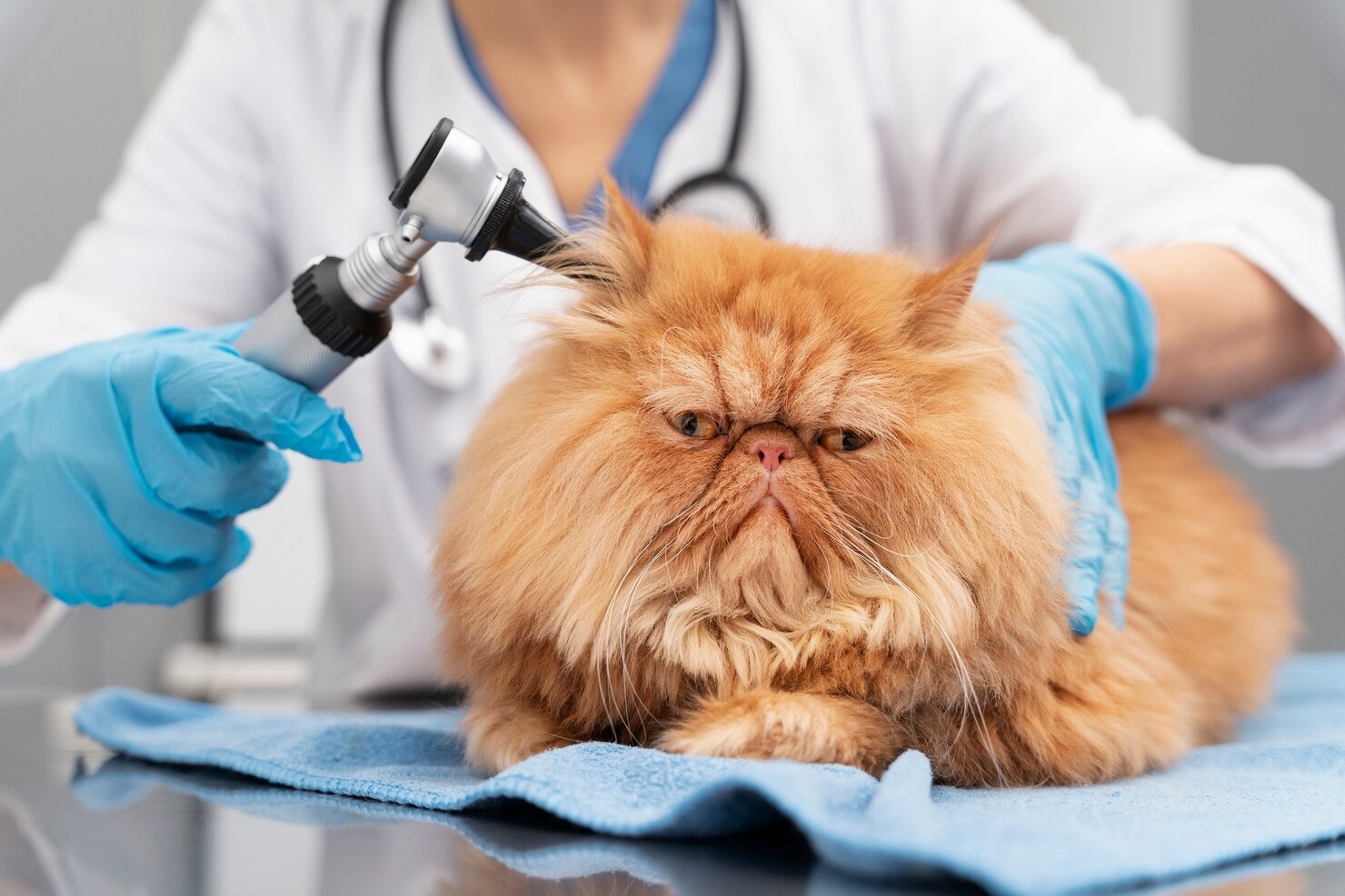
When Oliver, a deeply devoted cat owner, noticed his beloved Russian Blue, Leo, persistently shaking his head and scratching his ears, he immediately sensed that something was medically amiss. Concerned about Leo’s escalating discomfort and sudden reluctance to be petted around the head, Oliver brought him to the veterinarian for a comprehensive physical evaluation. The attending veterinarian quickly utilized an otoscope to examine the ear canal and diagnosed Leo with a severe ear infection in cats, noting that it was a combination of Otitis externa and early-stage Otitis media. While Oliver was surprised, the veterinarian explained that feline ear disease is a common issue faced by cats of all breeds, ages, and lifestyles. Understanding the fundamental anatomy and biological mechanisms behind these infections is the first step toward effective management and lasting relief for feline companions.[1]
Ear infections in cats, medically referred to as otitis, represent a highly complex and painful health issue that involves inflammation, excess moisture, and microbial overgrowth in one or more anatomical sections of a cat’s ear. Depending on the specific region affected by the inflammatory process, the condition is clinically categorized into three distinct classifications. Otitis externa impacts the external structures and the outer portion of the cat’s ear canal. Otitis media affects the middle ear compartment, a delicate space residing just behind the eardrum. Otitis interna, the deepest and most neurologically precarious form, impacts the inner ear structures responsible for both auditory processing and spatial balance. The clinical severity of this common ear problem can range from mild, temporary irritation to serious, systemic illness, and the timeline of the disease can present as either an acute flare-up or a relentless, chronic condition.[2]
Cats suffering from untreated or chronic ear infections experience a drastic decline in their overall quality of life. Due to the intense pain and constant pruritus (itching) associated with otitis, affected felines may become significantly less engaged in their environment, hiding under furniture, and remaining highly unlikely to play or interact with other household animals. To understand the gravity of ear health, it is important to address common misconceptions regarding feline hearing loss. For decades, a persistent myth suggested that outer ear infections or exposure to cold water could routinely transform into life-threatening deafness within days, particularly in white cats. Modern veterinary dermatology and genetics have thoroughly debunked this. While it is true that approximately 80 percent of white cats with blue eyes may show signs of permanent hearing loss, this is definitively caused by a congenital genetic mutation leading to the early death of cochlear melanocytes, not an infectious disease process or environmental temperature changes. However, a severe, untreated bacterial or fungal ear infection can still rupture the eardrum and permanently damage the auditory ossicles, leading to acquired conductive hearing loss that transforms a manageable condition into a permanent disability.[3]
The anatomical structure of a cat’s ear canal is fundamentally different from that of a human, and this biological design plays a major role in the development of infections. A feline ear canal is distinctly shaped like an ‘L’, consisting of a steep vertical drop that makes a sharp, near 90-degree turn into a horizontal tunnel ending at the eardrum. While this evolutionary design helps protect the delicate eardrum from direct external trauma, it is particularly conducive to trapping microscopic debris, wax, moisture, and infectious agents. Furthermore, the thick fur surrounding the base of the cat’s ear can harbor environmental dirt, pollen, and external parasites, further aggravating the microclimate of the ear canal. When the delicate balance of this microclimate is disrupted, severe or chronic ear infections can take root. If these infections are not aggressively and appropriately treated, they can inflict severe, irreversible damage to the delicate epithelial tissues of the ears, including the cartilage inside the ear flap. Therefore, it is absolutely crucial to seek immediate veterinary attention if you observe any clinical signs suggesting your cat may have an ear infection.[4]
Types of Ear Infections in Cats
In veterinary medicine, ear infections in cats are meticulously classified based on the specific anatomical compartment of the ear they affect. Because the feline ear is divided into three primary regions—the outer, middle, and inner ear—each type of infection comes with its own unique range of localized symptoms, diagnostic requirements, and potential systemic complications. Understanding these distinctions is vital for targeting the correct underlying pathology.[5]
Otitis Externa
Otitis externa in cats is clinically characterized by the severe inflammation, irritation, or active infection of the outer part of the cat’s ear canal. Anatomically, this area includes the soft tissues of the pinna (the visible ear flap), the vertical ear canal, and the horizontal ear canal, ending abruptly at the tympanic membrane (the eardrum). Because this area is directly exposed to the outside environment, otitis externa is by far the most frequently encountered type of ear infection in both domestic and feral cats. The epithelial lining of the outer ear contains specialized ceruminous glands that naturally produce earwax (cerumen) to trap dust and protect the skin. However, when the ear is inflamed, these glands overproduce wax, leading to a dark, moist, and nutrient-rich environment where bacteria and yeast thrive. The skin lining the canal may become severely thickened (lichenified), red (erythematous), and incredibly painful. If left untreated by a veterinary professional, the inflammatory mediators produced during otitis externa can weaken the tympanic membrane, causing it to rupture. This progressive failure allows the infection to spill into the deeper structures, transitioning into more serious conditions affecting the middle or inner ear. Therefore, a cat exhibiting any signs of an outer ear infection should receive prompt, comprehensive veterinary attention to halt the progression of the disease.[6]
Otitis Media
Otitis media in cats refers to the dangerous inflammation or infection of the middle ear, an air-filled anatomical compartment located just behind the tympanic membrane. The middle ear in felines is housed within a bony structure called the tympanic bulla. Uniquely, the feline tympanic bulla is divided into two separate compartments by a bony septum, making infections in this area incredibly difficult to clear without specialized veterinary intervention. This critical part of the ear contains three tiny, fragile bones—the malleus, incus, and stapes—that act as a mechanical bridge, transmitting sound vibrations from the eardrum directly to the inner ear. Otitis media most often arises when a chronic, unresolved infection or severe inflammation from the outer ear (otitis externa) literally eats through the eardrum, progressing inward. It can also result from a traumatic perforation in the eardrum that allows opportunistic bacteria to enter the middle ear space. In some instances, particularly in kittens and young adult cats, an infection can ascend backward from the back of the throat (pharynx) through the Eustachian tube and into the middle ear. Because sympathetic nerve fibers and the facial nerve (Cranial Nerve VII) run directly through the middle ear cavity, cats with otitis media often display unique neurological symptoms, such as drooping lips, inability to blink, or different sized pupils. Managing this condition requires systemic medications and, frequently, advanced imaging.[7]
Otitis Interna
Otitis interna in cats is the most advanced, complex, and dangerous classification of feline ear disease. It involves the severe inflammation or bacterial infection of the inner ear, which is encased deep within the dense petrous temporal bone of the skull. The inner ear contains two highly specialized, fluid-filled structures essential for a cat’s survival: the cochlea, which is the organ of hearing, and the vestibular apparatus (comprising the semicircular canals, utricle, and saccule), which serves as the biological gyroscope controlling balance, spatial orientation, and equilibrium. This condition almost invariably develops when an existing, deeply entrenched middle ear infection (otitis media) breaks through the oval or round window membranes and progresses into the inner ear structures. Because the inner ear connects directly to the brainstem via the vestibulocochlear nerve (Cranial Nerve VIII), the situation can be neurologically catastrophic and may lead to significant, life-threatening central nervous system complications, including meningitis or encephalitis.[8]
Clinically, otitis interna is considered an acute veterinary emergency and a highly serious medical condition due to its high potential to cause irreversible, permanent damage to a cat’s hearing and balance mechanisms if not treated with aggressive medical therapy immediately. Cats suffering from otitis interna may be entirely unable to stand, repeatedly rolling over in a continuous ‘alligator roll’, vomiting from severe vertigo, and exhibiting a rapid, involuntary flicking of the eyes known as pathological nystagmus. Because these symptoms mimic other severe brain diseases such as strokes or brain tumors, an accurate diagnosis is paramount. Therefore, any feline exhibiting signs of an inner ear infection, such as sudden lack of coordination or a profound head tilt, must receive immediate and intensive veterinary care to prevent permanent neurological deficits.[9]
What Causes Ear Infection in Cats?
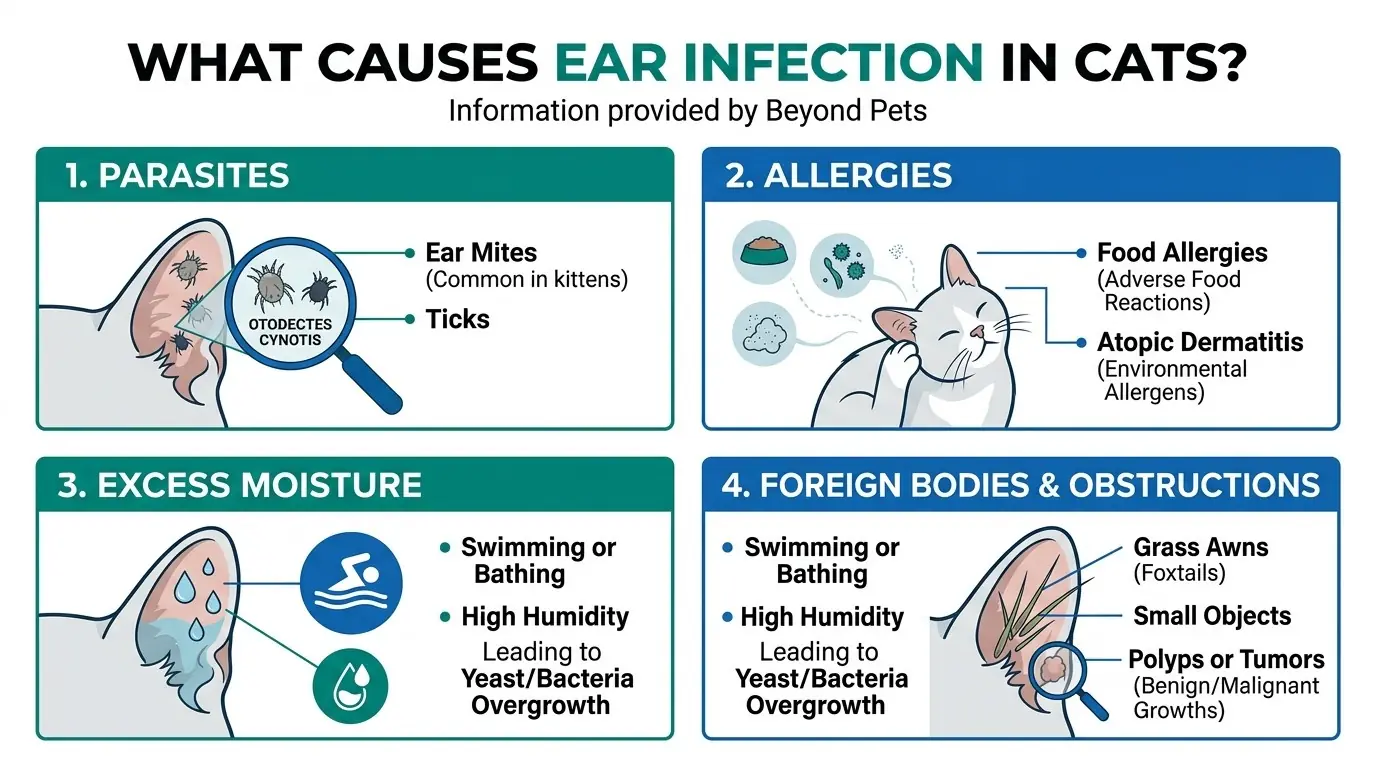
The etiology—or the underlying medical cause—of ear infections in cats is rarely a single, isolated event. Veterinary dermatologists typically utilize the “PSPP system” to categorize the complex web of factors that result in feline otitis. This system breaks causes down into Primary factors (which directly incite the inflammation), Secondary factors (the actual bacteria and yeast that overgrow), Predisposing factors (anatomical or environmental traits that increase risk), and Perpetuating factors (changes in the ear tissue, like scarring, that prevent healing). Understanding this multi-factorial approach highlights that ear infections in cats can result from a wide and diverse variety of causes.[10]
Bacterial Invasion
One of the primary and most destructive sources of cat ear problems is the invasion and subsequent overgrowth of pathogenic bacteria. In a healthy feline ear, a very small, balanced population of commensal bacteria lives on the surface of the skin without causing any disease. Although different harmless bacteria types can occupy the ear canal in trace amounts, they usually don’t cause clinical issues unless the cat’s local immune system is compromised, or changes in the ear’s internal environment (such as increased humidity, trapped heat, or excess cerumen production) promote exponential bacterial growth. When the ear’s normal defenses fail, opportunistic bacteria multiply rapidly. A bacterial infection most often leads to an acute, purulent outer ear infection characterized by significant pain and foul-smelling discharge. The most common bacterial culprits in veterinary medicine include *Staphylococcus pseudintermedius* (a gram-positive bacteria that often causes yellow, creamy discharge) and *Pseudomonas aeruginosa* (a highly resistant, gram-negative rod bacteria that produces a sweet-smelling, fluorescent green pus and frequently creates a protective ‘biofilm’ that shields it from routine antibiotics). Treating these specific bacterial invasions requires targeted antibiotic therapy based on cytological examination.[11]
Yeast Overgrowth
Yeast infections also heavily contribute to inflammatory ear disease in cats, functioning as a highly common secondary factor in the PSPP system. The predominant yeast organism found in feline ears is *Malassezia pachydermatis*, a lipophilic (fat-loving) fungus that feeds on the natural lipid-rich sebum produced by the cat’s ceruminous glands. While a certain, very low level of this yeast typically exists as part of the normal microbiome in a healthy cat’s ear, severe dermatological problems can ensue when yeast growth spirals completely out of control. This massive overgrowth typically happens when the ear environment becomes artificially warm, highly moist, and excessively oily, often due to underlying primary triggers like allergic reactions, immune suppression, or systemic hormonal imbalances. A Malassezia infection is visually distinct, leading to an outer ear infection that produces an abundance of dark brown, waxy discharge that carries a highly characteristic, pungent, musty odor often compared to old socks or fermented corn chips. Because yeast organisms cause intense pruritus, the cat will scratch violently, heavily damaging the ear tissue, which can quickly spread the inflammation to the middle ear if left untreated with appropriate antifungal medications.[12]
Ear Mite Infestation
Ear mites are incredibly resilient, small microscopic parasites prevalent in cats of all ages, but they are particularly notorious among kittens, cats that roam outdoors, or domestic cats that share living space with other poorly monitored, mite-infected pets. The specific species of ear mite that afflicts felines is known scientifically as *Otodectes cynotis*. Unlike burrowing mites (such as those that cause scabies), ear mites live entirely on the surface of the ear canal’s epithelium, where they feed voraciously on epidermal debris, tissue fluid, and earwax. An active Ear mite infestations can cause severe, driving irritation and massive inflammation in the ear canal as the cat develops an intense allergic hypersensitivity reaction to the saliva and fecal matter left behind by the mites. This results in an ear infection characterized by a dry, crumbly, dark discharge that closely resembles used coffee grounds. Ear mites are highly contagious and can spread exceptionally quickly from one animal to another through simple direct physical contact, making treating all animals in the household an absolute necessity.[13]
Foreign Bodies
Physical objects and environmental debris, such as grass seeds, plant awns (like foxtails), dead insects, or other particulate debris lodged deep in a cat’s ear canal, can lead to severe and sudden-onset ear infections. This specific situation is significantly more common in outdoor cats or cats that frequent tall grasses and wooded areas. When a foreign body enters the L-shaped ear canal, the cat’s natural reaction is to shake its head violently. Unfortunately, the barbs on many plant awns cause the debris to migrate even deeper into the horizontal canal, eventually resting directly against the fragile eardrum. The physical presence of the object causes immediate mechanical trauma to the lining of the ear, inciting a massive inflammatory response. The body attempts to flush the object out by producing excessive amounts of wax and fluid, which then becomes an ideal breeding ground for secondary bacterial and fungal infections. Removing these foreign bodies almost always requires heavy sedation or general anesthesia, as the ear is far too painful for the cat to tolerate extraction while awake.[14]
Allergic Reactions
Veterinary dermatology recognizes that allergies are arguably the most common underlying primary cause of recurrent, frustrating ear infections in companion animals. Cats allergic to certain foods (specifically proteins like chicken, beef, or dairy) or those suffering from feline atopic skin syndrome (environmental allergies triggered by airborne pollens, molds, or household dust mites) are substantially more prone to chronic ear infections. The allergic response initiates a systemic immune cascade that releases histamine and cytokines, which in turn alter the normal epidermal barrier of the skin. This systemic inflammation reduces the skin’s local immunity and alters the glandular function in the ear, causing an overproduction of abnormal earwax. This creates a highly vulnerable microenvironment, making it significantly easier for normal background populations of bacteria and yeast to multiply into a full-blown secondary infection. Until the primary allergic trigger is identified—often through strict, prescription hypoallergenic diet trials or environmental modifications—the ear infections will continuously relapse regardless of how many topical medications are applied.[15]
Growths
In certain complex clinical instances, structural abnormalities such as tissue tumors, cysts, or inflammatory polyps in the ear canal or middle ear can directly lead to unresolvable ear infections. Feline inflammatory polyps (also known as nasopharyngeal polyps) are benign but highly aggressive pink masses of tissue that typically originate in the mucous membrane of the middle ear or the Eustachian tube. These polyps are exceptionally common in young cats and kittens. As the polyp grows, it can rupture the eardrum from the inside out and completely obstruct the horizontal ear canal. Older cats, conversely, are more prone to malignant growths, such as ceruminous gland adenocarcinomas or squamous cell carcinomas. Any of these physical growths can mechanically block the ear canal, causing normal daily wax, shed skin cells, and cellular debris to accumulate behind the mass. This trapped debris stagnates, resulting in a deep, painful, and persistent infection that will never fully resolve until the underlying tumor or polyp is surgically removed by a skilled veterinary surgeon.[16]
Underlying Health Conditions
The health of a cat’s ear is a direct reflection of the cat’s overall systemic health. Certain severe, preexisting systemic health conditions, such as the feline immunodeficiency virus (FIV) or the highly contagious feline leukemia virus (FeLV), can make cats exceptionally more susceptible to aggressive ear infections. These viral conditions fundamentally weaken and suppress the cat’s innate and adaptive cellular immune system, making it drastically harder for their bodies to combat even mild, opportunistic microbial infections. In addition to retroviruses, systemic endocrine disorders such as diabetes mellitus can alter tissue glucose levels, providing an abundant food source for yeast organisms in the skin. Autoimmune diseases, such as pemphigus foliaceus, can cause blistering and crusting of the pinna, opening the door for severe bacterial colonization. When an adult cat presents with sudden, intractable ear infections, a comprehensive internal medicine workup, including blood panels and viral screening, is absolutely essential.[17]
Incorrect Ear Cleaning
Paradoxically, the very act of trying to prevent an ear infection can sometimes be the exact mechanism that causes one. In some cases, severe outer ear infections can directly result from incorrect, overly aggressive, or misguided ear cleaning methods instituted by well-meaning owners. Utilizing cotton-tipped swabs (Q-tips) is highly contraindicated in veterinary medicine. Because of the L-shape of the canal, a swab rarely extracts all the wax; instead, it acts like a ramrod, forcefully packing wax, debris, and bacteria tightly against the sensitive eardrum, creating an impenetrable plug of infection. Furthermore, utilizing harsh, non-veterinary household liquids like rubbing alcohol, witch hazel, or high-concentration hydrogen peroxide causes severe chemical trauma and maceration to the delicate epithelial cells of the ear canal. This chemical burning provides a massive foothold for pathogenic bacteria to invade the damaged tissue. Relying strictly on veterinary-formulated, pH-balanced ear cleansers is the only medically sound approach.[18]
Each of these detailed factors represents a common, scientifically documented cause of ear infections in cats, and understanding the complex interplay between them can help cat owners work in tandem with their veterinarian to prevent and treat the issue effectively, minimizing the risk of long-term tissue damage.
What Are the Signs of an Ear Infection in a Cat?
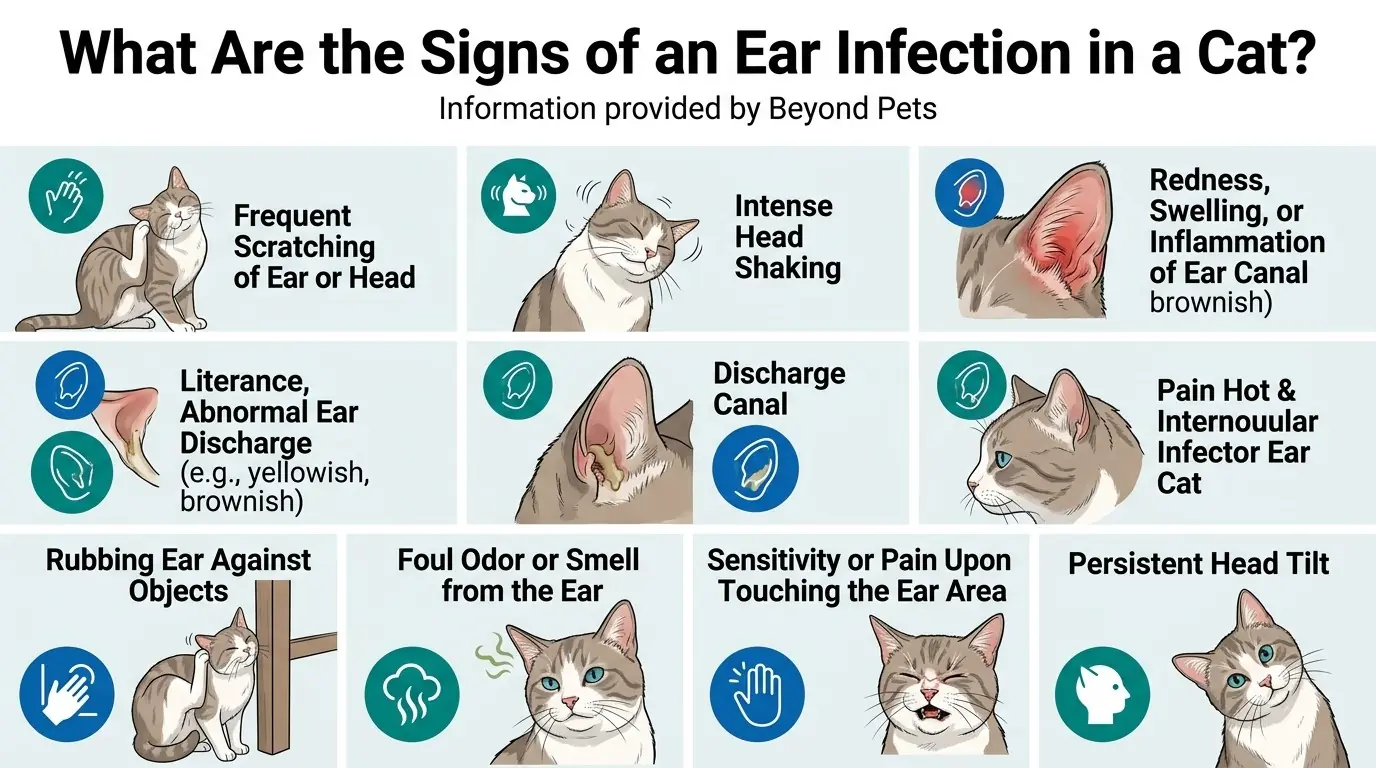
Because cats are naturally stoic animals that instinctually hide signs of pain and vulnerability to protect themselves from larger predators, recognizing the early clinical indicators of ear disease requires vigilant observation. A feline battling an active ear infection, also known medically as otitis, may demonstrate various overt and subtle symptoms as the disease progresses. These localized and systemic signs include:
- Intense Scratching: Cats suffering from a highly painful or pruritic ear infection may use constant, frantic scratching of the ears and head to indicate severe discomfort or itchiness. You may notice them vigorously rubbing the side of their face against furniture, carpets, or your legs. This self-trauma often leads to secondary bleeding, scabbing, and excoriations on the back of the ear flap, and can even cause an aural hematoma—a condition where a blood vessel bursts inside the ear flap, causing it to swell like a blood-filled balloon.[19]
- Inflammation and Swelling: Upon visual inspection, the pet’s inner ear flap (pinna) and the entrance to the canal might become deeply red (erythematous) and show distinct signs of swollen, thickened tissue (edema and lichenification). In chronic cases, the swelling can become so severe that the ear canal physically closes entirely, a process known as stenosis, preventing any medication from reaching the infection.[20]
- Ear Discharge: An active ear infection can often result in a noticeable, abnormal discharge (exudate) flowing from the affected ear. The physical characteristics of this discharge provide significant clues to the veterinarian: dark, dry, coffee-ground debris strongly suggests ear mites; thick, dark brown, waxy discharge usually points to Malassezia yeast; and liquid, purulent yellow or fluorescent green pus heavily indicates a severe pathogenic bacterial infection.[21]
- Offensive Smell: The presence of a strong, highly unpleasant odor radiating from the cat’s head or ear is often a definitive indicator of an ongoing infection. Healthy cat ears have virtually no smell. A yeasty, musty, or sweet-sour odor signifies fungal overgrowth, while a foul, rotting, or putrid smell is heavily associated with severe gram-negative bacterial infections or tissue necrosis.[22]
- Ear Pain: A cat with an infected ear often exhibits extreme signs of pain, particularly when the head or ear area is touched, petted, or manipulated. The cat may vocalize (hiss, growl, or cry out), flinch dramatically, or flatten its ears against its skull (a posture known as “airplane ears”). The pain can become so intense that the cat becomes completely head-shy and resistant to any normal physical affection.[23]
- Loss of Equilibrium: An ear infection that has successfully breached the eardrum and progressed into the inner ear (otitis interna) can drastically disrupt a cat’s delicate sense of balance. This neurological disruption causes them to stagger, walk in tight circles, exhibit a profound head tilt toward the infected side, or display unusual, uncoordinated movements resembling severe intoxication (vestibular ataxia).[24]
- Impaired Hearing: Significant hearing loss or profound deafness might occur in more severe or chronic cases of ear infections. This happens when the ear canal is entirely occluded by inflammatory tissue, when the tympanic membrane is thickened or ruptured, or when the delicate auditory ossicles in the middle ear are permanently damaged by inflammatory enzymes and bacterial toxins.[25]
- Behavioral Changes: Systemic changes in the cat’s typical daily behavior, such as significantly lessened activity, uncharacteristic hiding under furniture, decreased appetite due to pain when chewing, or sudden, unprovoked aggressive irritability, can also be major clinical signs of the severe stress and pain associated with a hidden ear infection.[26]
- Facial Paralysis: In the most severe cases of middle ear infections (otitis media), the deep infection may lead to Horner’s syndrome or facial paralysis. This occurs due to the anatomical proximity of the facial nerves and sympathetic nerve trunks that run directly through the infected middle ear cavity. Symptoms include a drooping upper lip, an inability to blink the eye on the affected side, a sunken eye (enophthalmos), and a protruding third eyelid.[27]
While these documented symptoms point strongly toward an acute or chronic ear infection, they can also signal other dangerous health conditions, such as neurological lesions, brain tumors, or severe dental disease. Therefore, it’s absolutely crucial to consult a licensed veterinarian immediately if your cat exhibits any of these symptoms. The vet can conduct appropriate, scientifically backed diagnostic tests to map the issue accurately and determine the safest, most effective pharmacological treatment strategy.
Diagnosis of Feline Ear Infections
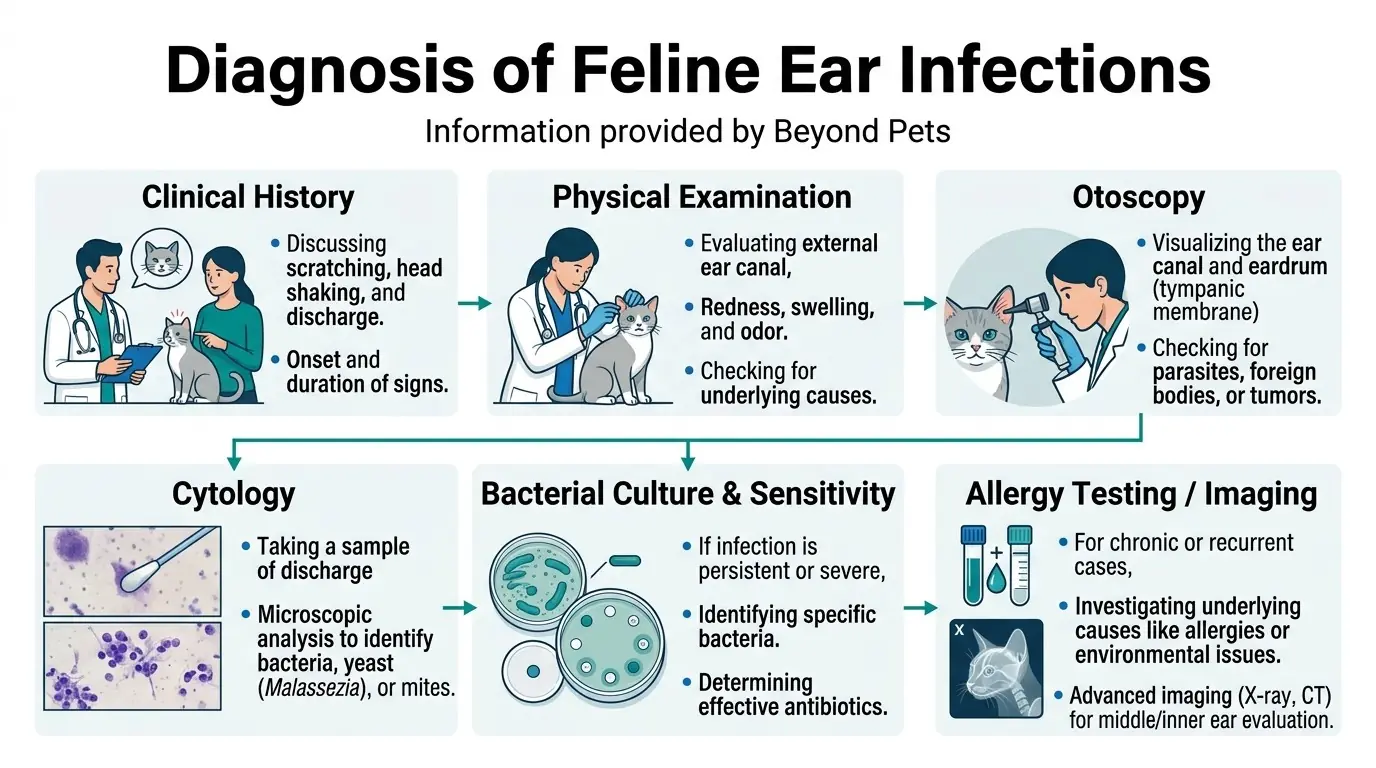
Diagnosing cat ear infections is not simply a matter of looking and guessing; it entails a rigorous, multi-step series of dermatological examinations and diagnostic tests executed by a qualified veterinarian. Because treating the wrong microorganism can cause the infection to worsen and build antibiotic resistance, the diagnostic process generally involves the following critical medical stages:[28]
Physical Evaluation
A comprehensive physical evaluation and thorough dermatological history usually mark the first step in diagnosing a cat ear infection. The veterinarian will assess the cat’s entire body for signs of concurrent skin disease, allergies, or systemic illness before focusing on the head. Using a specialized, handheld, illuminated magnifying instrument called an otoscope, the vet gently examines the complex inside of the cat’s ear. This instrument allows them to navigate the sharp turn of the L-shaped canal and visually assess the deeper horizontal ear canal and the delicate, semi-transparent eardrum (tympanic membrane). In instances of active infection, the vet is looking for clinical signs like severe redness (erythema), tissue swelling (hyperplasia), foreign plant material, the presence of creeping ear mites, or other distinct indications of pathological irritation. Crucially, the vet must determine if the eardrum is intact, bulging, or completely ruptured, as a ruptured eardrum radically changes which topical medications are safe to use—many routine ear formulas will cause permanent deafness if they enter the middle ear. In highly painful cases, this physical exam may require mild sedation to prevent extreme stress and allow for a safe, thorough evaluation without injuring the ear.[29]
Microscopic Review
Visual inspection alone cannot determine whether bacteria or yeast are causing the infection. To definitively pinpoint the biological nature of the microscopic infection—whether it is a gram-positive bacterial, gram-negative bacterial, fungal, or parasitic invasion—the vet must perform a cytology. The vet will gently insert a sterile cotton swab deep into the cat’s ear canal to collect a sample of the accumulated ear debris, wax, or purulent discharge. This sample is then carefully rolled onto a clean glass microscope slide, heat-fixed to adhere the cells, and processed through a specific three-step chemical staining process (typically Diff-Quik). Once stained, the vet places the slide under a high-powered microscope, often using a 100x oil-immersion lens. This microscopic review allows the vet to identify the exact types of epithelial cells, inflammatory white blood cells (neutrophils and macrophages), and pathogenic organisms present. Finding peanut-shaped organisms confirms a Malassezia yeast infection, while finding tiny purple spheres (cocci) or pink rods (bacilli) confirms a bacterial infection. This cytology fundamentally guides the vet in choosing the correct class of antimicrobial medication.[30]
Culture and Sensitivity Analysis
If the infection proves highly resistant to the initial round of medical treatment, if there are rod-shaped bacteria found on cytology, or if the vet suspects a severe middle ear infection, the vet will strongly suggest a specialized bacterial culture and antimicrobial sensitivity test. This advanced diagnostic test involves using a specialized sterile swab to collect a deep sample from the ear, which is then sent overnight to a veterinary microbiology laboratory. In the lab, technicians cultivate the specific bacteria or yeast from the sample on agar plates over several days to identify the exact genus and species of the organism (e.g., *Pseudomonas aeruginosa* or *Escherichia coli*). Once the bacteria are grown, the lab performs a sensitivity analysis, exposing the bacteria to small disks containing different veterinary antibiotics to determine the Minimum Inhibitory Concentration (MIC). This detailed report identifies exactly which specific class of medication will successfully kill the highly resistant bacteria, taking the guesswork out of chronic, frustrating cases and preventing the dangerous overuse of ineffective antibiotics.[31]
Additional Diagnostics
When dealing with cats that suffer from relentless, recurring, or severe neurological ear infections, standard topical diagnostics are not enough. Additional diagnostics, including skull X-rays, high-resolution Computed Tomography (CT) scans, or Magnetic Resonance Imaging (MRIs), may be utilized to accurately evaluate the infection’s spread deep into the bone and exclude any hidden underlying anatomical conditions. CT scans are considered the gold standard for evaluating the bony tympanic bulla; they can detect if the bulla is filled with soft tissue or fluid, or if the bone itself is being destroyed by osteomyelitis. These advanced imaging techniques are essential for identifying hidden inflammatory nasopharyngeal polyps, malignant neoplastic tumors, or congenital structural abnormalities within the ear canal or middle ear that might have worked their way into the surrounding tissues. Furthermore, systemic blood tests (CBC, biochemistry profile, and thyroid panels) are often run to look for the underlying immunosuppressive diseases discussed earlier.[32]
It’s incredibly important to get your cat evaluated by a veterinarian quickly and thoroughly, as left untreated, simple outer ear infections can aggressively lead to more severe, systemic issues, like permanently breaching the middle ear, infecting the skull bone, or, in some tragic cases, resulting in total, irreversible hearing loss and chronic pain. Cats with untreated ear infections are exponentially more likely to develop chronic, lifelong dermatological conditions than those whose infections are caught early, making early, accurate diagnostic testing and aggressive, targeted medical treatment absolutely crucial for their long-term well-being.[33]
Treatment for Feline Ear Infection
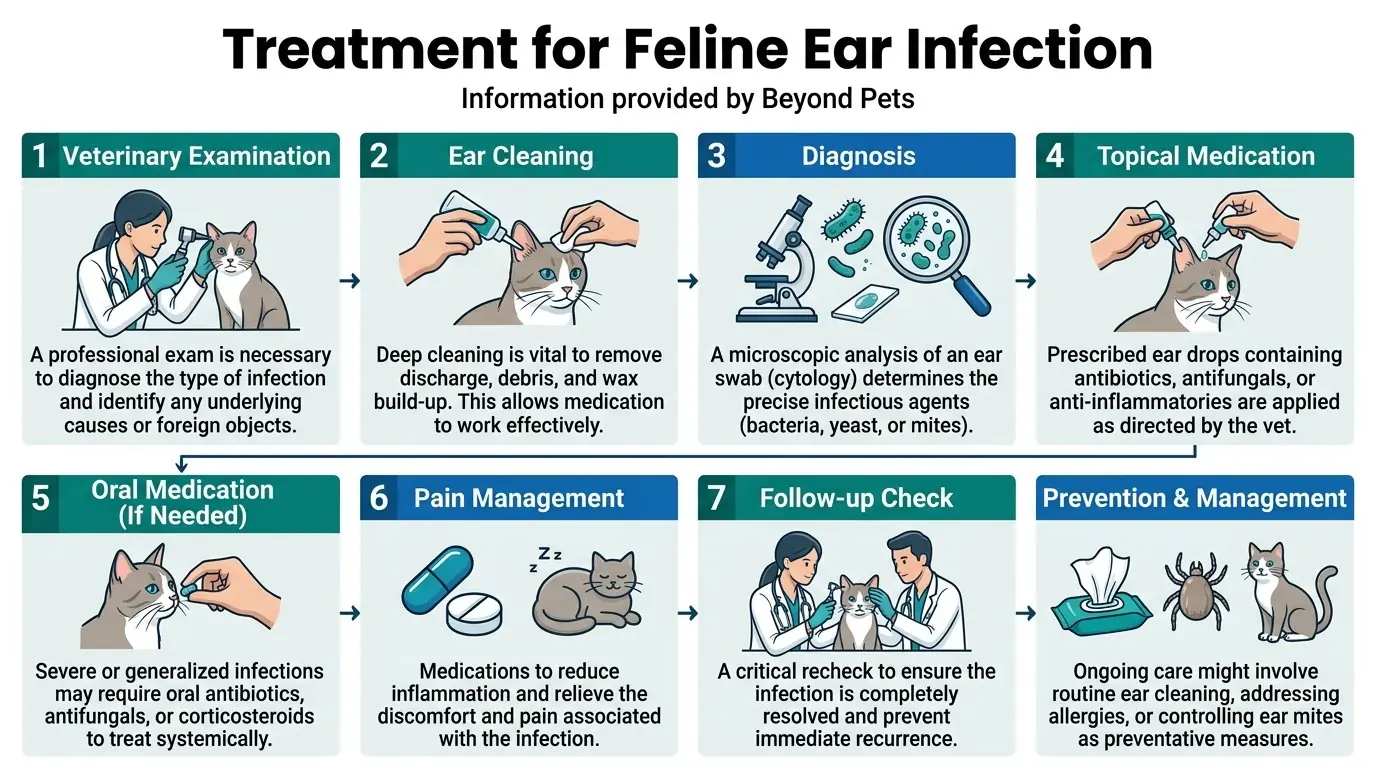
The medical protocol for treating ear infections in cats is highly individualized. Because otitis is a multifactorial disease, there is no single “magic ear drop” that cures every case. When treating ear infections in cats, board-certified dermatologists and general practice vets typically recommend a synergistic blend of treatments depending on the infection’s specific root cause, the exact organisms identified on cytology, the structural integrity of the eardrum, and the overall intensity of the clinical signs:
- Topical Treatments: Highly specialized prescription topical medications directly applied to the epithelial lining of the cat’s ear canal make up the foundation of these treatments. These complex topical formulations typically contain a combination of broad-spectrum antimicrobials to target and destroy pathogenic bacteria, potent antifungals to eradicate yeast, and strong anti-inflammatory medications to rapidly lessen painful swelling, reduce intense pruritus, and decrease wax production. In some cases, specific prescription parasite treatments are used to aggressively eradicate present ear mites. The benefit of topical therapy is that it delivers a massively high concentration of the medication directly to the site of the infection without heavily impacting the cat’s internal organs.[34]
- Oral Medications: While topical therapy is ideal for the outer canal, oral systemic medications such as broad-spectrum oral antibiotics or systemic antifungal treatments might become strictly necessary if the infection is incredibly severe, has caused significant swelling that prevents topical medications from entering, or has fundamentally reached the deeper, inaccessible compartments of the middle or inner ear. These internal medications can be particularly helpful and lifesaving if the cat aggressively resists topical treatment due to pain, or if the delicate eardrum has already ruptured, making many topical formulas highly dangerous (ototoxic) to the exposed inner ear structures.
- Analgesics: Because acute ear infections cause deep, throbbing neuropathic and inflammatory pain, if the ear infection is causing significant distress to the cat, a compassionate vet may prescribe systemic pain relievers to immediately alleviate the pet’s suffering. This often includes veterinary-specific non-steroidal anti-inflammatory drugs (NSAIDs) to reduce tissue inflammation, or nerve-pain medication prescribed by your veterinarian to specifically target the intense nerve pain and calm the cat’s severe anxiety surrounding head-handling.
- Parasite Treatments: If the diagnostic cytology confirms that the ear infections primarily result from microscopic ear mites, the vet will prescribe a targeted, highly effective medication to rapidly exterminate these parasites. Modern veterinary medicine frequently utilizes prescription parasite medications applied topically to the back of the cat’s neck. These advanced medications are absorbed through the skin into the bloodstream, effectively killing ear mites systemically while also providing essential, long-term protection against fleas, ticks, and intestinal parasites.
- Cleaning: The presence of massive amounts of pus and wax can physically inactivate certain antibiotics and shield bacteria. Therefore, your vet may also perform a deep, clinical flush of your cat’s ear canal during the appointment to completely remove any purulent debris or discharge. They may advise you on a specific, pH-balanced, ceruminolytic ear cleaner for gentle home use. To safely do this at home, gently lift the pinna (ear flap) vertically to straighten the L-shaped canal, and apply the prescribed cleaning solution directly to the ear canal until it pools at the top. Massage the base of the ear to create a squishing sound, allowing the fluid to break up the debris, then allow the cat to shake its head to physically expel the loosened material. Never use a cotton swab.
- Surgery: In the most severe, chronic, and medically unresolvable instances, or when the recurrent infection unequivocally arises from obstructive nasopharyngeal polyps or malignant tumors, advanced surgical intervention might be absolutely necessary. Surgical procedures range from a Ventral Bulla Osteotomy (VBO), which accesses and cleans out the middle ear from the underside of the neck (often used for polyps), to the highly complex Total Ear Canal Ablation with Bulla Osteotomy (TECA-BO). In a TECA-BO, the veterinary surgeon completely removes the entire diseased, calcified ear canal and cleans out the middle ear, permanently sealing the skin. While this procedure results in hearing loss, it definitively cures the infection and completely eliminates the cat’s chronic, lifelong pain.
Keep in mind that despite the widespread availability of some generic ear cleaners and holistic medications over the counter at local pet stores, it’s absolutely crucial and medically necessary to always consult your veterinarian before making any changes to your pet’s care or trying to treat an ear infection at home. This strict precaution is vital as certain over-the-counter medications, home remedies like alcohol or vinegar, and even some older prescription drugs could irreparably harm the delicate inner ear structures if the eardrum has quietly ruptured, leading to permanent neurological damage and deafness. Only a licensed veterinary professional has the tools and training to accurately identify the infection’s true cause, evaluate the eardrum’s integrity, and prescribe the safest, most effective pharmacological treatment.[35]
Early, aggressive treatment of these infections is absolutely essential since seemingly minor ear issues can rapidly lead to a severe emergency care situation if the infection breaches the blood-brain barrier or causes life-threatening vestibular disease. If your cat has a frustrating, recurring ear infection that is persistently making them uncomfortable, lethargic, or head-shy, do not hesitate to seek professional veterinary help to stop the cycle of pain.
Prevention for Ear Infection in Cats
While some cats possess genetic or anatomical predispositions that make them inherently prone to dermatological issues, completely preventing ear infections in cats is a highly achievable goal. It involves a dedicated combination of regular home care, vigilant monitoring, and maintaining a robust, healthy lifestyle that supports your cat’s systemic immune function. Here are some scientifically backed, proactive ways to significantly help prevent ear infections from disrupting your feline’s life:
- Regular Ear Checks: Proactive observation is the first line of defense. Incorporate ear inspections into your weekly grooming routine. Regularly inspect both of your cat’s ears under good lighting for any sudden abnormality, such as increased redness, tissue swelling, the appearance of dark or yellow discharge, or any faint foul odor. Catching the earliest stages of inflammation and seeking early veterinary detection can help aggressively prevent a minor irritation from developing into a severe, highly painful, or chronic deep tissue infection.
- Proper Ear Cleaning: For cats prone to wax buildup, regular, highly gentle cleaning can successfully help prevent the heavy accumulation of cerumen and environmental debris, which can rapidly lead to secondary yeast and bacterial infections. However, vigorous overcleaning or using inappropriate tools can severely irritate the epithelial lining of the ear, stripping it of its natural defensive lipids. Therefore, it’s absolutely essential to use only a veterinarian-recommended, pH-balanced ear cleaner specifically formulated for feline ears and strictly follow their specific instructions regarding the volume of liquid and frequency of cleaning.
- Control of Parasites: Because Otodectes cynotis is a leading cause of extreme aural inflammation in felines, maintaining a strict, year-round parasite prevention protocol is paramount. Regular, monthly use of a modern, broad-spectrum, veterinarian-recommended parasite prevention product can keep highly contagious ear mites permanently at bay, ensuring your cat’s ears remain entirely free of these devastating microscopic pests.
- Regular Vet Visits: Preventative veterinary medicine relies heavily on comprehensive annual or biannual examinations. Regular vet check-ups allow the veterinarian to look deep into the ear canal with an otoscope, helping to detect any hidden, subclinical health issues, including low-grade ear infections or early polyp formation, at an incredibly early stage before symptoms become obvious. Your vet can also safely give your cat a professional, deep ear flushing and cleaning if clinically needed, utilizing specialized equipment to remove impacted wax resting against the eardrum.
- Healthy Diet and Lifestyle: Systemic health dictates local skin health. Providing a highly balanced, species-appropriate diet rich in essential fatty acids (like Omega-3s from fish oil) and ensuring regular physical exercise can help drastically boost your cat’s innate immune system and improve the skin’s lipid barrier, making them systemically less susceptible to all forms of opportunistic infections.
- Avoid Exposure to Allergens: Because feline atopic skin syndrome and adverse food reactions are major primary drivers of chronic otitis, controlling the environment is key. If your cat has been diagnosed with specific allergies by a veterinary dermatologist, try to strictly limit their ongoing exposure to those known allergens. This may involve feeding a strict prescription hypoallergenic diet trials, utilizing HEPA air purifiers, or administering allergy-specific immunotherapy, as managing the systemic allergy is the only way to permanently prevent the secondary ear inflammation.
- Minimize Moisture: Yeast and bacteria thrive in hot, humid, aquatic environments. Keep your cat’s ears thoroughly dry, especially after intentional bathing, accidental exposure to heavy rain, or swimming (if your particular cat enjoys water). Excess trapped moisture can rapidly alter the ear canal’s delicate microclimate, creating an ideal, nutrient-rich breeding ground for aggressive bacteria and Malassezia yeast overgrowth.
Remember that every domestic cat is biologically unique, possessing a distinct immune system, anatomical conformation, and environmental risk profile. What preventative strategy works best will completely depend on your cat’s specific, individualized health situation, lifestyle, and genetic background. Establishing a strong relationship with your primary care vet ensures you can receive highly personalized, medically sound advice on permanently preventing ear infections in your feline companion, helping to keep cats and limit the potential for transmission of infectious agents within your household.
Frequently Asked Questions
How long does a cat ear infection last?
The exact duration of a cat’s ear infection can vary significantly based on multiple critical factors, including the precise underlying primary cause (such as allergies or mites), the specific genus of bacteria or yeast involved, the overall severity of the tissue inflammation, and the promptness and effectiveness of the medical treatment. With rapid diagnosis and proper, targeted veterinary care, most straightforward, acute outer ear infections (otitis externa) in cats can be completely resolved within two to three weeks of consistent daily treatment. This treatment typically involves professionally cleaning the ears and diligently administering the full prescribed course of topical treatment, like prescription ear medications containing targeted antimicrobials, antifungals, and anti-inflammatories. It is critically important to fully complete the entire prescribed treatment course, even if the cat appears visually better after a few days, to thoroughly eradicate every microscopic trace of the infection and dramatically minimize the risk of bacterial resistance or disease recurrence. However, chronic or deeply seated recurring ear infections—especially those involving the middle ear (otitis media) or underlying unmanaged allergies—may require extensive additional diagnostics like cultures or CT scans and demand weeks to months of intensive, ongoing medical management.
Can you put hydrogen peroxide in a cat’s ear?
Using hydrogen peroxide in a cat’s ear is strictly and universally not recommended in modern veterinary medicine, and it should never be attempted without explicit, direct veterinary guidance. While hydrogen peroxide is widely known as a household antiseptic with some basic antimicrobial properties, its chemical nature is incredibly harsh, oxidative, and highly cytotoxic (toxic to living cells). When poured into the confined space of a feline ear canal, it aggressively foams and expands, which can cause severe, painful chemical irritation, extreme inflammation, and physical trauma to the highly delicate, sensitive epithelial structures of a cat’s ear canal. Furthermore, if the cat’s eardrum is compromised or actively ruptured—a condition an owner cannot safely diagnose at home—the introduction of hydrogen peroxide into the middle ear will cause immediate, excruciating pain, profound ototoxicity, irreversible damage to the auditory ossicles, and potential permanent deafness. Using hydrogen peroxide or other harsh home remedies like rubbing alcohol without professional veterinary guidance inevitably leads to serious, painful complications. It is always best and safest to consult with a licensed veterinarian to obtain pH-balanced, veterinary-approved ear cleansers that safely break up wax without causing cellular damage or risking your cat’s hearing.
Are cat ear infections contagious?
Cat ear infections, in their most common bacterial and fungal forms, are typically not directly contagious between cats or other household pets. Most chronic or acute ear infections in felines are driven by complex factors that are entirely specific to the individual cat’s biology and immune system, such as unmanaged environmental allergies, adverse food reactions, unique anatomical conformations of the ear canal, or systemic underlying health conditions like feline immunodeficiency virus (FIV). These internal, primary disease factors are impossible to physically transmit from one cat to another. However, there is one highly notable and extremely common exception where ear disease is aggressively contagious: infections caused directly by microscopic parasites. If a heavy infestation of *Otodectes cynotis* (ear mites) is the primary inciting cause of the ear inflammation and secondary infection, those mites can spread rapidly and easily from one cat to another through simple close physical contact. Ear mites are profoundly contagious and can quickly sweep through a household, transmitting easily during routine social interactions, mutual grooming, or when cats share sleeping bedding. In such parasitic cases, it is an absolute medical necessity to treat all susceptible animals in the household simultaneously with veterinary-grade parasiticides to break the life cycle and prevent the mites from continuously re-infecting the pets.
Schedule a Veterinary Appointment
If your cat is displaying any signs of an ear infection or experiencing discomfort, prompt professional care is essential. Do not wait for symptoms to worsen or attempt home treatments that could cause permanent damage. Contact your veterinarian today to schedule an appointment for a comprehensive ear evaluation and a safe, effective, customized treatment plan for your feline companion.
References
- Merck Veterinary Manual. Otitis Externa in Animals. Merck & Co., Inc., 2023.
- American Veterinary Medical Association (AVMA). Ear Infections and Pets. AVMA, 2023.
- Strain, GM. Deafness in blue-eyed white cats: the pathogenic role of melanocytes. Vet Clin North Am Small Anim Pract., 2012.
- VCA Animal Hospitals. Ear Infections in Cats (Otitis Externa). Mars Veterinary Health, 2023.
- Cornell Feline Health Center. Feline Ear Disorders. Cornell University College of Veterinary Medicine, 2023.
- Gotthelf, LN. Diagnosis and treatment of otitis media in dogs and cats. Vet Clin North Am Small Anim Pract., 2004.
- Merck Veterinary Manual. Otitis Media and Interna in Animals. Merck & Co., Inc., 2023.
- VCA Animal Hospitals. Vestibular Disease in Cats. Mars Veterinary Health, 2023.
- Kent, M. Peripheral vestibular disease in the cat. J Feline Med Surg., 2010.
- Rosser, EJ. Causes of otitis externa. Vet Clin North Am Small Anim Pract., 2004.
- Pye, CC. Pseudomonas otitis in the dog and cat. Can Vet J., 2013.
- Merck Veterinary Manual. Malassezia Dermatitis in Dogs and Cats. Merck & Co., Inc., 2023.
- VCA Animal Hospitals. Ear Mites in Cats and Dogs. Mars Veterinary Health, 2023.
- Brennan, KE. Aural foreign bodies in dogs and cats. J Am Vet Med Assoc., 2004.
- Prost, C. Feline Atopic Dermatitis. Clin Dermatol., 2015.
- Veir, JK. Feline inflammatory polyps: historical, clinical, and PCR findings. J Feline Med Surg., 2002.
- Merck Veterinary Manual. Feline Leukemia Virus (FeLV). Merck & Co., Inc., 2023.
- Paterson, S. Ototoxicity of topical ear drops in dogs and cats. Vet Clin North Am Small Anim Pract., 2012.
- VCA Animal Hospitals. Aural Hematoma in Cats. Mars Veterinary Health, 2023.
- Angus, JC. Otic cytology in health and disease. Vet Clin North Am Small Anim Pract., 2004.
- Veterinary Information Network (VIN). Cytology of the Ear Canal. VIN, 2007.
- Morris, DO. Medical therapy of otitis externa and otitis media. Vet Clin North Am Small Anim Pract., 2004.
- ASPCA. Cat Ear Care. American Society for the Prevention of Cruelty to Animals, 2023.
- Garosi, LS. Vestibular disease in the cat. J Feline Med Surg., 2001.
- Merck Veterinary Manual. Deafness in Animals. Merck & Co., Inc., 2023.
- Harvey, RG. Ear Diseases of the Dog and Cat. Manson Publishing, 2001.
- Merck Veterinary Manual. Horner’s Syndrome in Animals. Merck & Co., Inc., 2023.
- Jacobson, LS. Diagnosis and medical treatment of otitis externa. Can Vet J., 2012.
- Cole, LK. Video-otoscopy in dogs and cats. Vet Clin North Am Small Anim Pract., 2004.
- Merck Veterinary Manual. Cytology Techniques. Merck & Co., Inc., 2023.
- Papich, MG. Antimicrobial susceptibility testing. Vet Clin North Am Small Anim Pract., 2001.
- Bischoff, MG. Computed tomography of the tympanic bulla in cats. Vet Radiol Ultrasound., 2008.
- World Health Organization (WHO). Antimicrobial Resistance. WHO, 2023.
- Nuttall, T. Successful management of otitis externa. In Pract., 2010.
- VCA Animal Hospitals. Total Ear Canal Ablation (TECA). Mars Veterinary Health, 2023.