



 March 9, 2023
 Phil Good, DVM
What is Heart Disease in Cats?
This content was prepared with AI assistance and reviewed by a licensed professional for accuracy.
Introduction
When discussing the spectrum of feline health issues, heart disease in cats remains one of the most critical and complex challenges in veterinary medicine. Whether a patient presents with Congenital heart defects noted at a first kitten visit or progressive Feline Heart Failure diagnosed in a senior feline, cardiovascular disorders carry profound implications for a cat’s longevity and quality of life. The feline heart, a highly efficient four-chambered muscular organ, is responsible for continuously pumping oxygenated blood from the lungs to the systemic circulation, while returning deoxygenated blood back for replenishment. When structural abnormalities, functional impairments, or electrical disturbances disrupt this delicate hemodynamic balance, heart disease develops[1].
In veterinary cardiology, feline heart disease is broadly categorized by its origin and underlying pathophysiology. Conditions can be primary, originating directly within the heart muscle itself, or secondary, arising from systemic illnesses that force the heart to chronically overwork. According to the American College of Veterinary Internal Medicine (ACVIM), cardiomyopathies—diseases of the heart muscle—are the most prevalent manifestation of heart disease in the feline population, affecting up to 15 percent of all domestic cats worldwide[2]. The clinical staging of these diseases typically ranges from Stage A (cats at high risk due to genetic predispositions) through Stage D (refractory congestive heart failure requiring advanced clinical intervention). This staging framework provides veterinarians with a standardized approach to monitoring and treating the progression of cardiovascular decline.
A unique and often frustrating characteristic of feline heart disease is the remarkable ability of cats to mask clinical signs. Unlike dogs or humans, who may exhibit coughing or obvious exercise intolerance early in the disease process, cats are notoriously stoic. They organically adapt to diminished cardiac output by subtly decreasing their activity levels, leading many pet owners to attribute these changes to normal aging. Consequently, a significant number of cats are not diagnosed until the disease has reached an advanced stage, such as the onset of congestive heart failure or a catastrophic thromboembolic event[3]. Early detection through vigilant veterinary screenings, paired with an understanding of the subtle behavioral shifts that accompany cardiac distress, is absolutely paramount in extending survival times and improving the overall prognosis for affected felines.
Types of Heart Diseases in Cats
The landscape of feline cardiovascular disease is diverse, encompassing a variety of structural, functional, and electrical disorders. Understanding the specific type of heart disease is the foundational step in formulating an effective, long-term management strategy. In clinical practice, veterinarians generally classify these disorders into two primary groups based on their origins: congenital anomalies, which are present at birth due to developmental defects in utero, and acquired or hereditary diseases, which typically manifest later in life due to genetic programming or systemic wear and tear[4]. Differentiating between these forms is crucial, as the hemodynamic consequences, progression rates, and therapeutic interventions differ drastically across categories.
Congenital Heart Diseases
Congenital heart diseases are structural malformations of the heart or its major associated vessels that occur during fetal embryogenesis. Although less common in the feline population than in dogs—affecting approximately 1 to 2 percent of all newborn kittens—these defects can lead to devastating early-life cardiopulmonary complications. The severity of a congenital defect ranges widely; some anomalies are mild enough to remain clinically silent throughout a cat’s life, while others induce profound volume or pressure overloads that rapidly precipitate fatal heart failure[5].
The most frequently encountered congenital anomaly in kittens is the Ventricular Septal Defect (VSD). This condition is characterized by a failure of the intraventricular septum to fully close during fetal development, leaving a communication hole between the high-pressure left ventricle and the lower-pressure right ventricle. Because blood follows the path of least resistance, oxygenated blood shunts abnormally from left to right during each contraction, forcefully recirculating back through the lungs. This continuous volume overload gradually stretches the left atrium and ventricle. Small VSDs often cause very loud, distinct murmurs but may never require treatment, whereas large defects can lead to catastrophic left-sided congestive heart failure and require intensive medical management[6].
Patent Ductus Arteriosus (PDA) is another notable congenital defect. The ductus arteriosus is a normal fetal blood vessel that allows blood to bypass the non-functioning fluid-filled lungs in utero. Typically, this vessel constricts and permanently seals within days of birth. When it remains “patent” or open, blood continuously shunts from the descending aorta into the pulmonary artery, creating a “machinery-like” continuous murmur. Without early surgical ligation or catheter-based occlusion, the relentless volume overload will almost universally result in fatal heart failure before the cat reaches maturity. Other notable, though rare, congenital defects include Tetralogy of Fallot, a complex cyanotic condition involving four concurrent heart anomalies, and outflow tract obstructions such as Aortic Stenosis and Pulmonic Stenosis, which force the heart to push against abnormally narrowed valves, leading to severe, concentric thickening of the heart muscle[7].
Hereditary Heart Diseases
Hereditary heart diseases, specifically the primary cardiomyopathies, dominate the landscape of adult feline cardiology. These are progressive diseases of the heart muscle that have a strong genetic foundation, though the clinical symptoms often do not appear until the cat reaches middle age. Hypertrophic Cardiomyopathy (HCM) is unequivocally the most common heart disease diagnosed in cats, accounting for roughly 60 to 70 percent of all feline cardiac cases. HCM is defined by an abnormal, inward thickening (concentric hypertrophy) of the left ventricular walls and the interventricular septum, occurring in the absence of other systemic causes like hypertension or hyperthyroidism[8].
This pathological thickening in HCM severely impairs diastolic function—the heart’s ability to relax and properly fill with blood between beats. As the muscular walls become rigid and the ventricular chamber shrinks, the left atrium is forced to contract against increasing resistance. Over time, the left atrium stretches and dilates massively. This structural distortion not only sets the stage for fluid to back up into the lungs (pulmonary edema) but also creates stagnant pools of blood within the enlarged atrium, drastically increasing the risk of deadly blood clots forming and subsequently dislodging into the systemic circulation[9].
Another historically significant hereditary condition is Dilated Cardiomyopathy (DCM). In stark contrast to the thick, stiff walls of HCM, DCM is characterized by flabby, remarkably thin ventricular walls that result in profound systolic dysfunction—a failure of the heart to contract with sufficient force. While idiopathic or genetic forms of DCM still exist in the modern feline population, the incidence plummeted dramatically in the late 1980s following the landmark discovery that a dietary deficiency in the amino acid taurine was a primary cause. Restrictive Cardiomyopathy (RCM) and Arrhythmogenic Right Ventricular Cardiomyopathy (ARVC) represent rarer hereditary forms. RCM involves the extensive replacement of normal heart muscle with rigid scar tissue (fibrosis), leading to severe biatrial enlargement, while ARVC involves the progressive infiltration of the right ventricle by fatty and fibrous tissue, triggering dangerous ventricular arrhythmias and right-sided heart failure[10].
Causes of Feline Heart Failure
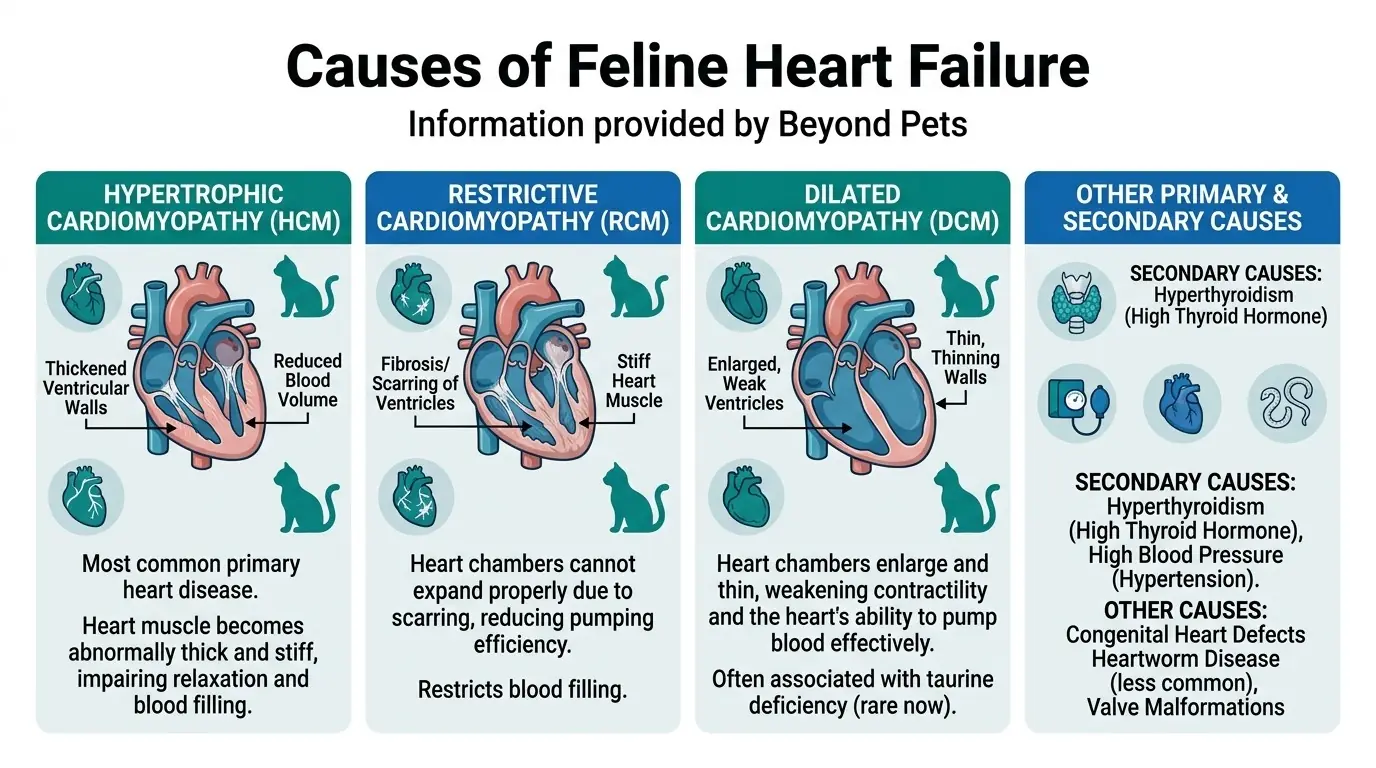
Feline heart failure is not a disease in itself, but rather a clinical syndrome representing the endpoint of severe cardiac dysfunction. It occurs when the heart’s compensatory mechanisms—such as the activation of the renin-angiotensin-aldosterone system (RAAS) and increased sympathetic nervous system tone—become overwhelmed and exhausted. Understanding the diverse catalysts that initiate this downward spiral is essential for proactive veterinary management. While idiopathic cardiomyopathies make up the bulk of cases, numerous extrinsic factors can cause, accelerate, or exacerbate the deterioration of the feline myocardium.
Genetic Factors
Certain cat breeds have a genetic predisposition to developing severe cardiomyopathies. The most thoroughly researched example is the mutation of the myosin-binding protein C3 (MYBPC3) gene, which has been definitively linked to the development of familial Hypertrophic Cardiomyopathy in Maine Coon and Ragdoll cats. This autosomal dominant genetic flaw disrupts the basic structural framework of the sarcomere—the fundamental contractile unit of the heart muscle cell. To compensate for the compromised contractile efficiency, the heart undergoes pathological hypertrophy. Furthermore, Sphynx, Persian, and British Shorthair cats also demonstrate an increased familial prevalence of HCM, strongly suggesting that undiscovered genetic anomalies continue to drive heart disease across various pedigrees[11].
Hyperthyroidism
Hyperthyroidism is a pervasive endocrine disorder in senior cats, characterized by functional adenomas of the thyroid gland that secrete massive, unregulated amounts of the hormones T3 and T4. These thyroid hormones have a profoundly toxic effect on the cardiovascular system. They drastically increase the body’s peripheral tissue metabolic rate, forcing the heart to pump a higher volume of blood to meet oxygen demands. Concurrently, high levels of thyroxine directly upregulate beta-adrenergic receptors on the heart muscle cells, making the heart hypersensitive to adrenaline. This continuous state of tachycardia and volume overload leads to thyrotoxic cardiomyopathy—a secondary form of hypertrophic heart disease that is entirely reversible if the underlying thyroid disease is swiftly and effectively treated[12].
Hypertension
Systemic hypertension, or chronically elevated blood pressure, is a frequent and highly damaging comorbidity in older felines, often arising secondary to chronic kidney disease (CKD) or endocrine imbalances. When systemic vascular resistance is consistently high, the left ventricle must generate significantly greater force to successfully eject blood into the aorta. This chronic increase in ventricular afterload acts much like heavy weightlifting for the heart muscle; the ventricular walls respond by undergoing concentric hypertrophy to distribute the wall stress. If the hypertension remains unmanaged, the hypertrophied muscle eventually outgrows its capillary blood supply, leading to microscopic myocardial infarctions, fibrosis, and eventual heart failure. Regular blood pressure screenings are therefore a critical component of feline geriatric care[13].
Age and Sex
Demographics play a notable role in the clinical presentation and progression of feline heart disease. While congenital anomalies are naturally diagnosed in juvenile kittens, the incidence of acquired cardiomyopathies and secondary heart diseases rises sharply as cats transition into their senior years. The aging process introduces progressive endothelial dysfunction, increased vascular stiffness, and a natural decline in myocyte elasticity. Furthermore, statistical analyses in veterinary cardiology consistently demonstrate a significant male predisposition for Hypertrophic Cardiomyopathy. Male cats not only develop HCM more frequently than their female counterparts, but they also tend to present with the disease at a significantly younger age and often suffer from a more rapid and aggressive clinical decline[14].
Nutritional Deficiencies
The metabolic requirement for specific amino acids makes cats uniquely vulnerable to diet-induced heart disease. Cats are obligate carnivores that lack the necessary enzymatic pathways to synthesize taurine in sufficient quantities from other sulfur-containing amino acids. Taurine is critically required for the normal regulation of intracellular calcium fluxes within the myocardium, which dictates the strength of heart muscle contractions. A prolonged dietary deficiency in taurine causes the heart muscle to weaken and stretch, culminating in Dilated Cardiomyopathy (DCM). While commercial cat foods have been heavily fortified with taurine since the late 1980s, the recent surge in popularity of unbalanced, homemade raw diets and boutique, exotic-ingredient pet foods has led to a concerning, albeit small, resurgence in cases of nutritionally mediated feline DCM[15].
Infections
Infectious agents, including viruses, bacteria, and protozoan parasites, can directly invade the cardiac tissues, leading to severe inflammatory heart disease known as myocarditis or endocarditis. Feline Infectious Peritonitis (FIP), caused by a virulent mutation of the feline enteric coronavirus, is infamous for triggering aggressive, systemic pyogranulomatous inflammation that can directly target the myocardium and the protective pericardial sac. Parasitic infections, such as Toxoplasma gondii, can encyst within the heart muscle, sparking intense immune responses and subsequent tissue necrosis. Additionally, bacterial agents like Bartonella species have been clinically implicated in causing destructive lesions on the heart valves (infective endocarditis), severely impairing valve function and precipitating acute volume-overload heart failure[16].
Symptoms of Heart Disease in Cats
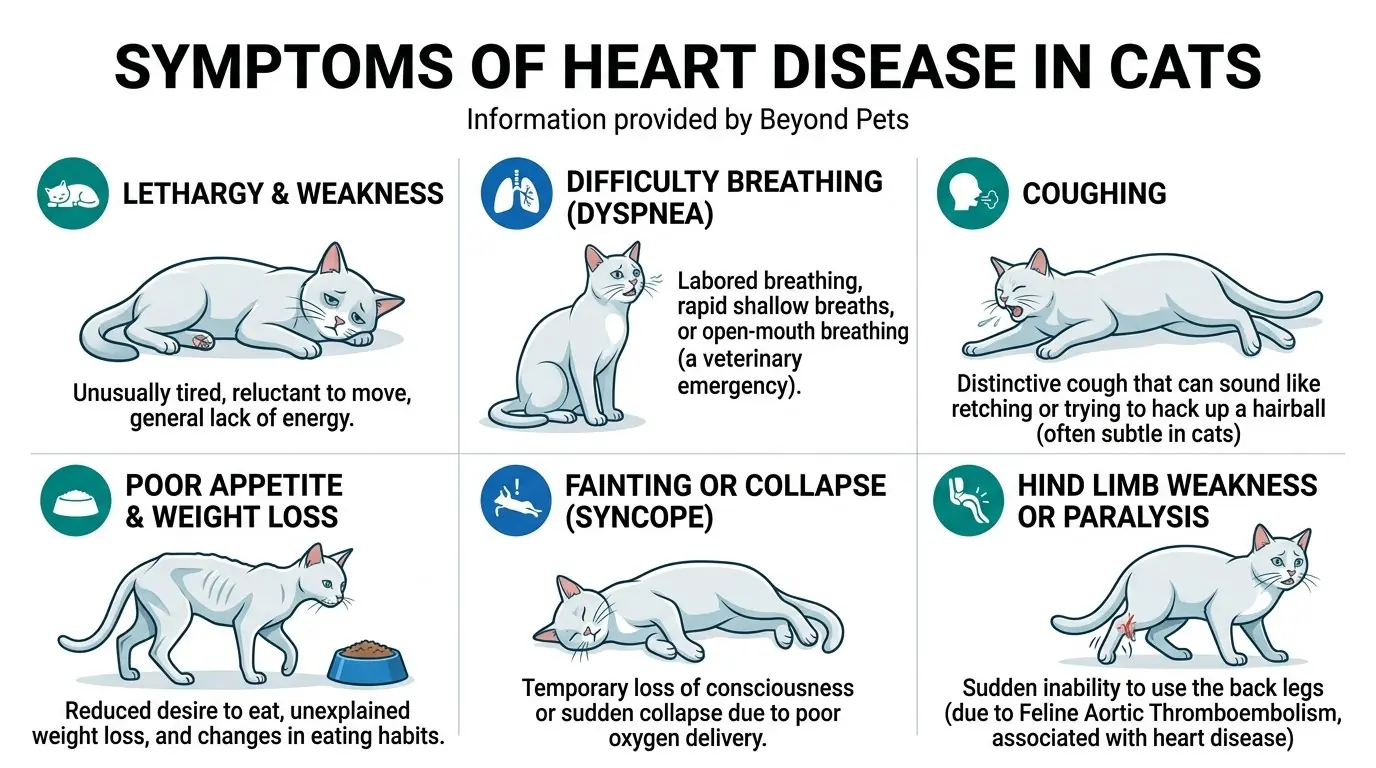
Identifying the clinical manifestations of heart disease in felines requires a keen eye, as cats have evolved as both predators and prey, making them incredibly adept at hiding physiological weakness. During the lengthy subclinical, or asymptomatic, phase of heart disease, the only indicators may be an abnormal heart sound detected solely through a veterinarian’s stethoscope. As the structural damage progresses and cardiac output begins to fall, the cat will imperceptibly reduce its physical activity. Owners may notice the cat sleeping more deeply, abandoning high perches they once favored, or displaying mild, generalized lethargy that is frequently dismissed as simple behavioral maturation.
When the heart’s compensatory mechanisms fail, congestive heart failure (CHF) ensues, categorized primarily by the side of the heart that is failing. Left-sided congestive heart failure results in fluid backing up into the pulmonary veins, leading to pulmonary edema—the dangerous accumulation of fluid directly inside the lung tissues. Cats in left-sided failure will exhibit progressive tachypnea (an abnormally rapid resting respiratory rate exceeding 30 breaths per minute), increased respiratory effort, and eventual dyspnea (difficulty breathing). In severe crises, cats will adopt an orthopneic posture, sitting with their elbows abducted outward and neck extended to maximize airway expansion. Open-mouth breathing or panting in a cat at rest is a dire medical emergency signaling catastrophic oxygen deprivation[17].
Right-sided congestive heart failure causes elevated pressures in the systemic venous circulation, forcing fluid out of the vessels and into body cavities. While dogs typically develop ascites (fluid in the abdomen), cats have a unique propensity to develop pleural effusion—the accumulation of fluid in the space between the lungs and the chest wall—during both right-sided and advanced left-sided failure. This fluid physically compresses the lungs from the outside, severely restricting their ability to expand. Additionally, cats with advanced disease often suffer from significant cardiac cachexia, a state of profound weight loss and muscle wasting driven by high levels of circulating inflammatory cytokines and a sharply decreased appetite.
One of the most agonizing and frequently fatal complications of feline heart disease is Feline Aortic Thromboembolism (FATE), colloquially known as a “saddle thrombus.” In cats with severely enlarged left atria, sluggish blood flow allows a massive blood clot to form. If this clot dislodges, it is pumped into the aorta, where it typically lodges at the iliac trifurcation, completely cutting off the arterial blood supply to the hind legs. This event is characterized by the sudden onset of excruciating pain, acute hind limb paralysis, absent femoral pulses, and cold, pale, or bluish paw pads. While this vascular catastrophe is alarming, Seizures are not a common symptom of heart disease in cats. Instead, cats may experience syncope—fainting spells triggered by transient cerebral hypoxia due to dangerous arrhythmias. Similarly, Vomiting is not a typical symptom of heart disease in cats, though in cases of severe abdominal effusion or medication intolerance, secondary gastrointestinal distress may occasionally be observed[18].
Diagnosis of Heart Disease in Cats
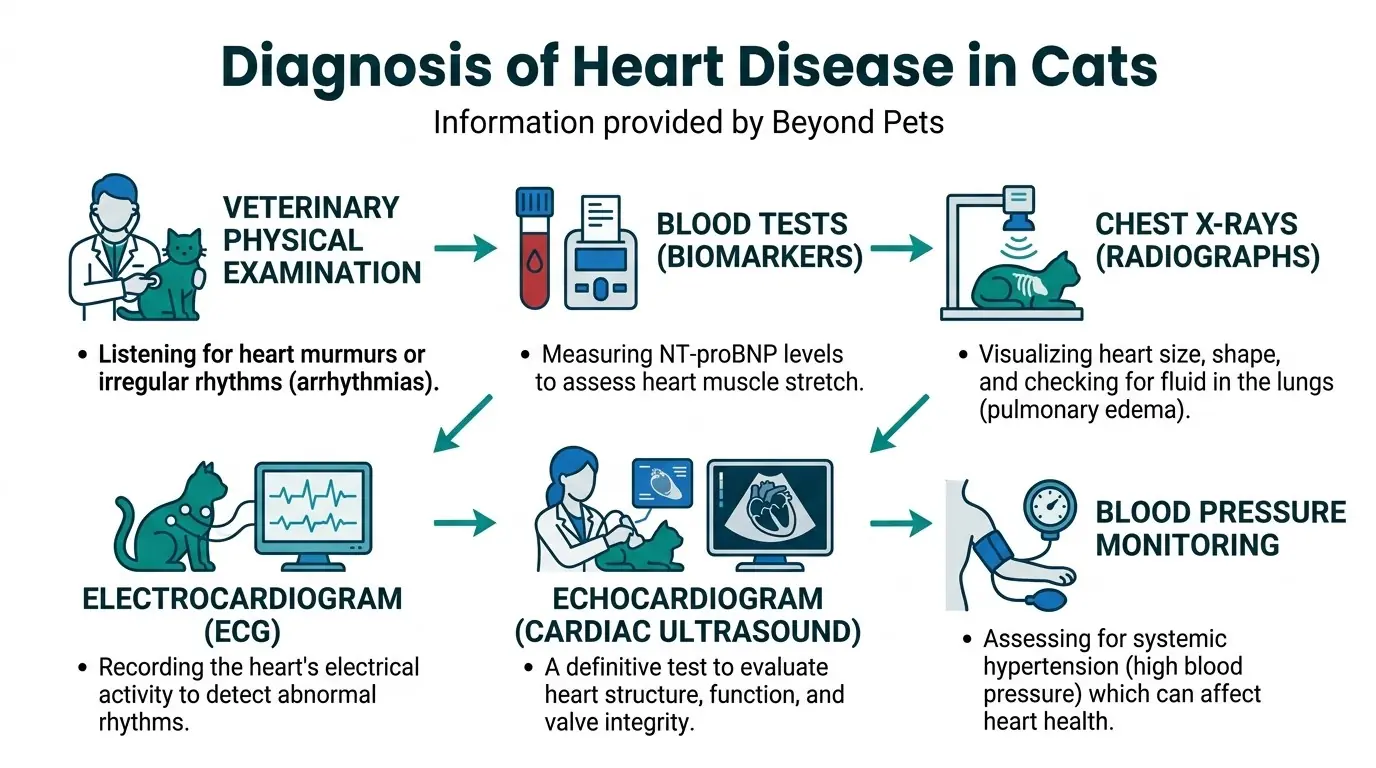
Because the outward symptoms of feline heart disease overlap significantly with primary respiratory diseases, asthma, and systemic illnesses, achieving an accurate diagnosis demands a multimodal, highly structured investigative approach. A definitive diagnosis is rarely achieved through a single test. Instead, the veterinary clinician must meticulously assemble a puzzle of physiological, electrical, and structural data to determine the exact phenotype of the cardiomyopathy and assess the functional status of the patient.
Physical Examination
The diagnostic journey begins with a comprehensive physical and cardiovascular examination. Cardiopulmonary auscultation remains the bedrock of initial detection. The veterinarian listens for cardiac murmurs, which are abnormal, whooshing sounds generated by turbulent, high-velocity blood flow passing through narrowed, incompetent, or malformed valves. Murmurs are graded on a scale of I to VI based on their intensity and are localized to determine their origin. In addition to murmurs, veterinarians carefully screen for a “gallop rhythm”—an abnormal third or fourth heart sound (S3 or S4) that creates a cadence resembling a galloping horse. A gallop rhythm in a cat is highly specific for severely impaired diastolic relaxation and elevated filling pressures, making it a red flag for advanced cardiomyopathy. The evaluation of femoral pulse quality and mucous membrane color provides further immediate clues regarding peripheral perfusion and systemic oxygenation[19].
Blood and Urine Tests
While standard laboratory panels cannot diagnose a structural heart defect, complete blood counts (CBC), serum biochemistry profiles, and urinalysis are indispensable prerequisites for safe cardiovascular management. These tests evaluate global organ function, ruling out comorbidities like chronic kidney disease or diabetes mellitus, which drastically alter treatment plans. Evaluating renal parameters—such as blood urea nitrogen (BUN), creatinine, and symmetric dimethylarginine (SDMA)—is particularly vital before initiating diuretic therapy, as aggressive fluid removal can rapidly unmask or exacerbate underlying kidney failure. Furthermore, a total thyroxine (T4) test is strictly mandatory in any cat over seven years of age presenting with a new murmur or tachycardia to rule out hyperthyroidism-induced cardiac changes.
Chest X-rays
Thoracic radiography (chest X-rays) remains an invaluable diagnostic tool, particularly for assessing the consequences of heart failure on the pulmonary system. Orthogonal views—typically right lateral and ventrodorsal projections—allow the clinician to assess the overall size, shape, and positioning of the cardiac silhouette. In cases of severe Hypertrophic Cardiomyopathy, massive left atrial enlargement can cause the heart to appear distinctly “valentine-shaped” on a ventrodorsal view. Crucially, radiographs are the definitive test for diagnosing congestive heart failure. They reveal the presence of pulmonary venous congestion, patchy alveolar infiltrates indicative of pulmonary edema, or the radiopaque fluid lines characteristic of pleural effusion, dictating immediate emergency therapies like thoracocentesis (chest tapping)[20].
Echocardiogram
The echocardiogram, a specialized cardiac ultrasound, serves as the definitive, gold-standard modality for diagnosing and classifying feline heart disease. This non-invasive, highly sophisticated imaging technique provides real-time, dynamic visualization of the heart’s interior structures and functional hemodynamics. By employing two-dimensional (2D) and M-mode (motion) imaging, a veterinary cardiologist can precisely measure the thickness of the ventricular walls, the dimensions of the atrial chambers, and calculate the fractional shortening to assess systolic contractility. Color flow and spectral Doppler interrogation evaluate the velocity and direction of blood flow, expertly quantifying valve leakage or outflow tract obstructions. In felines, particular attention is given to the Left Atrium to Aortic root ratio (LA:Ao) and the presence of Systolic Anterior Motion (SAM) of the mitral valve, a common complication in HCM where the valve gets sucked into the outflow tract, causing concurrent obstruction and severe mitral regurgitation[21].
Electrocardiogram (ECG)
While an echocardiogram details structure, the Electrocardiogram (ECG or EKG) provides a definitive map of the heart’s electrical conduction system. By attaching harmless electrodes to the cat’s limbs, the ECG traces the electrical impulses that trigger each heartbeat. This tool is absolutely essential for diagnosing and characterizing cardiac arrhythmias, such as premature ventricular complexes (VPCs), ventricular tachycardia, or atrial fibrillation—electrical storms that can cause sudden death or precipitous drops in blood pressure. If a cat has a history of unexplained syncope, an ambulatory Holter monitor may be fitted to record the heart’s electrical activity over a 24- to 48-hour period in the home environment.
Blood Pressure Measurement
Evaluating systemic blood pressure is a critical step in the cardiovascular workup, performed using specialized veterinary Doppler ultrasound or high-definition oscillometric equipment. Accurate measurement helps determine if the heart changes are a secondary response to systemic hypertension. Because cats are highly susceptible to stress-induced “white coat hypertension” in a clinical setting, repeated, gentle measurements must be taken in a quiet environment, allowing the cat to acclimate. Consistent systolic readings above 160 mmHg generally warrant investigation, while readings above 180 mmHg require immediate medical intervention to prevent hypertensive target organ damage, including retinal detachment, renal injury, and worsening myocardial hypertrophy.
Cardiac Biomarker Tests
The integration of cardiac biomarker testing has revolutionized the early detection and screening of feline heart disease. The most widely utilized test measures N-terminal pro-B-type natriuretic peptide (NT-proBNP), a hormone synthesized and released into the bloodstream by ventricular muscle cells in direct response to excessive stretching and wall stress. Elevated NT-proBNP levels can reliably differentiate cats suffering from cardiac-related respiratory distress from those with primary pulmonary issues, such as feline asthma. Another valuable biomarker, Cardiac Troponin I (cTnI), measures proteins released during active myocardial cell death or injury. These blood tests are highly effective screening tools for seemingly healthy cats possessing incidental murmurs, guiding the clinician on whether a costly referral for a full echocardiogram is urgently justified[22].
Treatment Options for Heart Disease in Cats
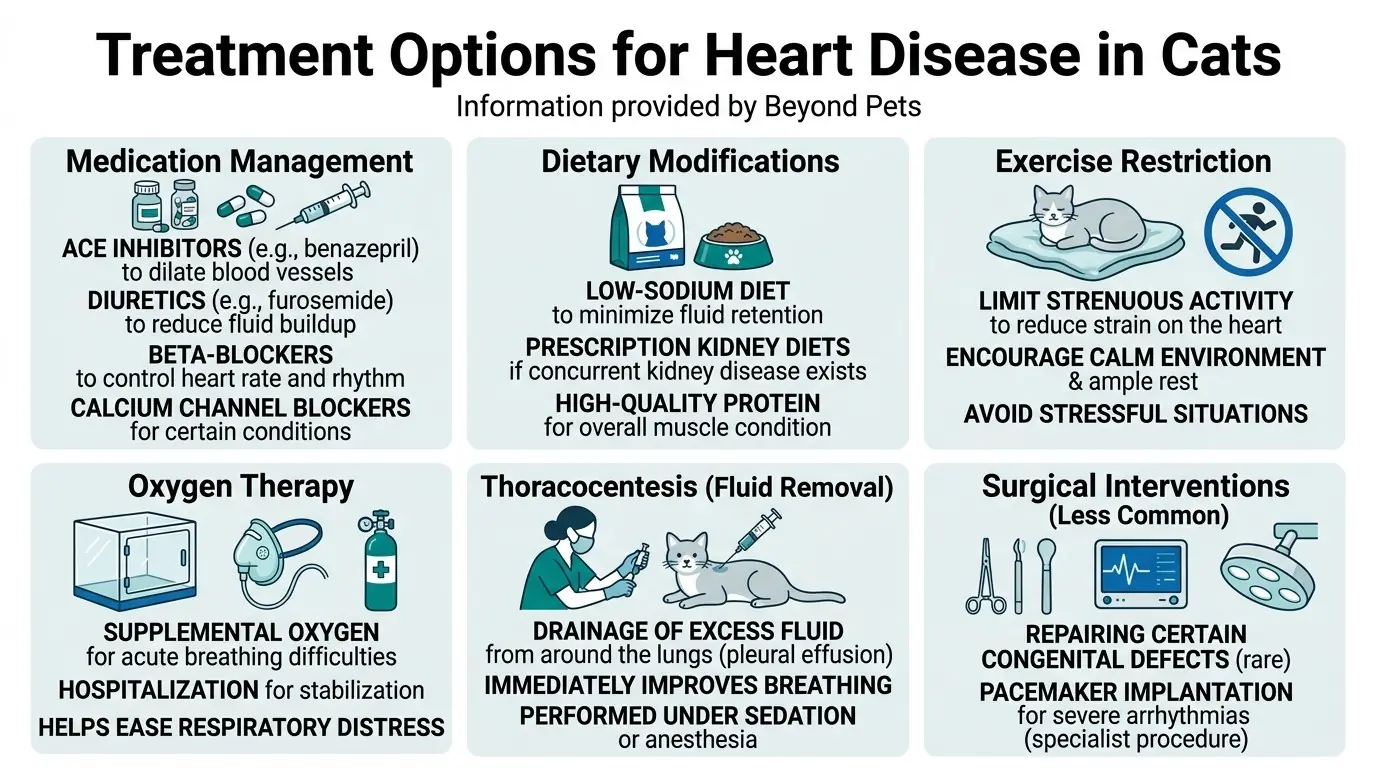
Because primary cardiomyopathies are progressive and largely irreversible, the treatment of feline heart disease focuses on meticulous palliative management. The overarching therapeutic goals are to relieve life-threatening congestion, optimize cardiac output, manage dangerous electrical arrhythmias, and aggressively prevent the formation of catastrophic blood clots. Therapy is never one-size-fits-all; protocols are highly individualized based on the specific type of cardiomyopathy, the exact stage of heart failure, and the presence of concurrent systemic illnesses. Effective management requires an ongoing, collaborative partnership between the pet owner, the primary care veterinarian, and often a board-certified veterinary cardiologist.
Pharmaceutical Treatment
Pharmacotherapy is the cornerstone of managing symptomatic feline heart disease, relying on a sophisticated orchestration of drug classes to modify the cardiovascular environment. Diuretics are the immediate first line of defense against congestive heart failure. A diuretic medication, a potent loop diuretic, works rapidly in the kidneys to excrete massive amounts of sodium and water, effectively draining pulmonary edema and relieving respiratory distress. In cases where cats become refractory to this diuretic medication, stronger loop diuretics like an advanced medication may be deployed. Another diuretic medication, a potassium-sparing diuretic and aldosterone antagonist, is often added to block the fibrotic effects of the RAAS pathway on the heart muscle, offering long-term protective benefits[23].
To address impaired myocardial function, positive inotropes and vasodilators are frequently utilized. A specific heart medication, categorized as an inodilator, sensitizes the heart muscle’s contractile proteins to calcium—thereby increasing the strength of contraction—while simultaneously dilating peripheral blood vessels to reduce the resistance against which the heart must pump. Although off-label for cats, numerous clinical trials have demonstrated this heart medication’s remarkable efficacy in improving survival times in cases of advanced systolic dysfunction or severe left atrial dilation. ACE inhibitors are also employed to blunt the systemic neurohormonal response, lowering blood pressure and reducing fluid retention.
In cats diagnosed with Hypertrophic Cardiomyopathy complicated by profound tachycardia or severe outflow tract obstructions, beta-blockers like a targeted medication are strategically recommended. This medication drastically slows the heart rate, prolonging the diastolic filling phase and allowing the stiff, thickened ventricles adequate time to relax and fill with blood. Perhaps most critically, antithrombotic therapy is strictly initiated in any cat showing moderate to severe left atrial enlargement to prevent Feline Aortic Thromboembolism. A specific antiplatelet medication has been proven through the landmark FAT CAT (Feline Arterial Thromboembolism) study to significantly delay the onset and recurrence of life-threatening saddle thrombi, outperforming traditional blood-thinning therapies[24].
Dietary Management
Nutritional intervention serves as a critical adjunctive therapy in comprehensive cardiovascular care. The primary goal of a cardiac diet is to manage systemic sodium levels, as excessive dietary sodium promotes severe fluid retention and dramatically increases blood volume, thereby overloading the failing heart. However, extreme sodium restriction is avoided, as it can prematurely trigger the RAAS pathway. Veterinary-formulated cardiac diets offer moderate sodium restriction alongside high-quality, easily digestible proteins to combat cardiac cachexia—the severe loss of lean muscle mass driven by heart failure. Additionally, these diets are often supplemented with high concentrations of Omega-3 fatty acids (specifically EPA and DHA from fish oils), which possess profound anti-inflammatory properties, help reduce oxidative stress on the myocardium, and may stabilize dangerous electrical arrhythmias. If a taurine deficiency is definitively diagnosed, immediate and robust oral supplementation is instituted.
Regular Monitoring
The dynamic nature of heart failure necessitates relentless and precise monitoring to adjust medication dosages and prevent clinical crises. In the clinic setting, this entails serial blood panels to evaluate renal values and electrolyte balances, as aggressive diuretic usage can rapidly lead to hypokalemia (low potassium) or kidney failure. Follow-up radiographs and abbreviated echocardiograms are scheduled to track changes in atrial size and effusion levels. At home, the pet owner plays the most crucial role by monitoring the cat’s Sleeping Respiratory Rate (SRR). A consistently rising resting respiratory rate—especially a rate exceeding 30 breaths per minute while the cat is deep in sleep—is the most sensitive and earliest indicator that fluid is beginning to accumulate in the lungs, signaling impending congestive heart failure long before overt distress occurs.
Surgical Intervention
While invasive thoracic surgery is rarely pursued for acquired cardiomyopathies in adult felines due to the high anesthetic risks and lack of definitive surgical cures, it remains a highly viable and life-saving option for specific congenital defects. Kittens diagnosed with a Patent Ductus Arteriosus (PDA) can undergo surgical ligation via a thoracotomy, or minimally invasive catheter-based procedures to deploy an occlusion device, offering a permanent, complete cure. Similarly, balloon valvuloplasty—a procedure involving the inflation of a high-pressure balloon catheter within a narrowed heart valve—can successfully stretch stenotic pulmonary valves, significantly reducing the pressure overload on the right ventricle. In rare cases of severe third-degree atrioventricular block, where the heart beats dangerously slowly, the surgical implantation of an artificial pacemaker can restore normal cardiac rhythms and eliminate syncopal episodes.
Supportive Care
During acute heart failure crises, intensive supportive care in a specialized veterinary facility is the difference between life and death. Cats presenting in profound respiratory distress are immediately placed into oxygen-enriched incubation cages, minimizing handling to lower fatal stress levels. If massive pleural effusion is present, the veterinarian will perform a therapeutic thoracocentesis—carefully passing a needle through the chest wall to manually siphon off the fluid compressing the lungs, providing instantaneous, life-saving respiratory relief. For chronic home care, owners must create a low-stress, highly accessible environment. This includes placing food, water, and low-entry litter boxes on a single floor to prevent the cat from undergoing the strenuous exertion of climbing stairs, thereby lowering the baseline metabolic demand on the failing heart.
How to Prevent Heart Disease in Cats?
While the primary genetic and hereditary cardiomyopathies that plague the feline population cannot be outright prevented, a proactive approach to overall wellness can dramatically delay the onset of symptoms, prevent secondary acquired heart diseases, and identify abnormalities early enough to intervene effectively. Prevention revolves around meticulous veterinary care, strategic nutritional choices, and the strict management of environmental risk factors.
Regular Veterinary Check-ups
The cornerstone of feline cardiovascular health is strict adherence to annual or semi-annual comprehensive wellness examinations. Because cats are masters of concealing clinical signs, the stethoscope remains the first line of defense. A routine exam allows the veterinarian to detect newly formed murmurs, subtle gallop rhythms, or unexplained tachycardias long before the cat enters congestive heart failure. For senior felines, these exams routinely incorporate comprehensive blood pressure screenings and thyroid panels, enabling the early detection and management of systemic hypertension and hyperthyroidism, thereby actively preventing the development of secondary, acquired hypertrophic changes to the heart muscle.
Balanced Diet
Providing a biologically appropriate, scientifically formulated diet is crucial in preventing nutrition-mediated cardiac dysfunction. To ensure adequate intake of critical amino acids, particularly taurine and L-carnitine, pet owners should feed commercial diets that strictly adhere to the guidelines set by the World Small Animal Veterinary Association (WSAVA) and the Association of American Feed Control Officials (AAFCO). Owners should exercise extreme caution with boutique, exotic protein, grain-free, or unbalanced homemade raw diets, as these have been repeatedly implicated in the development of dietary Dilated Cardiomyopathy. Any transition to home-prepared meals must be done under the strict supervision of a board-certified veterinary nutritionist.
Maintain a Healthy Weight
Feline obesity is a pervasive epidemic that places a massive, continuous mechanical burden on the cardiovascular system. Excess adipose (fat) tissue is highly biologically active, secreting inflammatory cytokines that promote systemic inflammation and vascular resistance. A heavier body mass forces the heart to work exponentially harder simply to perfuse the extensive network of fatty tissues, accelerating the exhaustion of the cardiac muscle. Pet owners must adhere to strict portion control, utilize digital scales to monitor weight trends, and aim for an optimal Body Condition Score (BCS) of 5 out of 9, actively preventing obesity-induced cardiac strain.
Regular Exercise
Encouraging daily, low-impact exercise builds cardiovascular endurance and promotes healthy systemic circulation in asymptomatic cats. Environmental enrichment utilizing wand toys, laser pointers, and interactive puzzle feeders stimulates the cat’s natural predatory drive, keeping them active and maintaining lean muscle mass. However, strict exercise moderation is required for cats already diagnosed with moderate to severe cardiomyopathy. These patients should never be forced to engage in strenuous activity or prolonged aerobic play, as acute spikes in heart rate can trigger dangerous arrhythmias or exhaust the limited cardiac reserve.
Avoid Known Risk Factors
In the realm of hereditary diseases, prevention relies heavily on responsible breeding practices. Breeders of high-risk pedigrees, such as Maine Coons, Ragdolls, and Sphynx cats, must utilize genetic swab tests to screen breeding stock for known MYBPC3 mutations. Furthermore, all breeding cats should undergo annual echocardiographic screenings by a board-certified veterinary cardiologist. Any cat displaying echocardiographic evidence of Hypertrophic Cardiomyopathy, or carrying the genetic mutation, must be immediately retired and removed from the breeding pool to halt the propagation of these devastating traits to future generations.
Regular Parasite Prevention
Heartworm disease, caused by the parasitic nematode *Dirofilaria immitis*, poses a severe and often fatal threat to the feline heart and pulmonary vasculature. Unlike dogs, cats are atypical hosts; even a tiny burden of one or two adult worms can cause catastrophic Heartworm Associated Respiratory Disease (HARD), leading to profound pulmonary hypertension and sudden death. Because mosquitoes are the vectors and easily infiltrate homes, even strictly indoor cats are at significant risk. Utilizing a monthly, veterinarian-recommended broad-spectrum topical or oral preventative is absolutely non-negotiable for safeguarding the feline cardiovascular system against this entirely preventable disease[25].
Limit Stress
Chronic physiological and emotional stress results in the sustained release of catecholamines (adrenaline and noradrenaline), which chronically elevate heart rate and vascular tone, exacerbating wear and tear on the heart muscle. By deeply understanding a cat’s behavior, owners can create a sanctuary environment. Utilizing synthetic feline facial pheromones (like Feliway), providing vertical escape spaces, ensuring an abundance of vital resources (litter boxes, water stations), and maintaining highly predictable daily routines drastically lower the cat’s baseline sympathetic nervous system activation, promoting long-term cardiovascular stability.
Avoid Exposure to Toxins
The feline cardiovascular system is highly sensitive to various environmental toxins and household human medications. Ingestion of cardiotoxic plants, such as oleander, lily of the valley, and yew, introduces deadly cardiac glycosides that cause fatal arrhythmias. Furthermore, accidental ingestion of human medications, particularly ADHD medications, asthma inhalers (containing specific medication), or certain antidepressants, can trigger massive tachycardic events, severe hypertension, and acute myocardial necrosis. Keeping all medications securely locked away and ensuring all indoor foliage is strictly pet-safe is vital for preventing acute toxic cardiogenic shock.
As always, please consult your veterinarian before making any changes to your pet’s care, especially regarding medication or dietary adjustments.
Frequently Asked Questions
References
- Luis Fuentes, V., et al. “ACVIM consensus statement guidelines for the classification, diagnosis, and management of cardiomyopathies in cats.” Journal of Veterinary Internal Medicine, 2020.
- Fox, P. R. “Hypertrophic cardiomyopathy. Clinical and pathologic correlates.” Journal of Veterinary Cardiology, 2003.
- Kittleson, M. D., et al. “Feline hypertrophic cardiomyopathy: a spontaneous large animal model of human HCM.” Circulation, 1999.
- Merck Veterinary Manual. “Congenital and Inherited Anomalies of the Cardiovascular System in Small Animals.” Merck & Co., Inc., 2022.
- Schober, K. E., et al. “Echocardiographic evaluation of left ventricular diastolic function in cats.” Journal of Veterinary Internal Medicine, 2001.
- Côté, E., et al. “Management of incidentally detected heart murmurs in dogs and cats.” Journal of Veterinary Cardiology, 2015.
- Veterinary Information Network (VIN). “Congenital Heart Defects in Dogs and Cats.” VIN Clinical Insights, 2018.
- Cornell Feline Health Center. “Hypertrophic Cardiomyopathy.” Cornell University College of Veterinary Medicine, 2019.
- Ferasin, L., et al. “Feline idiopathic cardiomyopathy: a retrospective study of 106 cats (1994-2001).” Journal of Feline Medicine and Surgery, 2003.
- Locatelli, C., et al. “Restrictive cardiomyopathy in cats: clinical, echocardiographic and pathologic findings.” Journal of Veterinary Cardiology, 2018.
- Meurs, K. M., et al. “A cardiac myosin binding protein C mutation in the Maine Coon cat with familial hypertrophic cardiomyopathy.” Human Molecular Genetics, 2005.
- Peterson, M. E. “Hyperthyroidism in cats: what’s causing this epidemic?” Journal of Feline Medicine and Surgery, 2012.
- Taylor, S. S., et al. “ISFM Consensus Guidelines on the Diagnosis and Management of Hypertension in Cats.” Journal of Feline Medicine and Surgery, 2017.
- Fox, P. R., et al. “Arrhythmogenic right ventricular cardiomyopathy in cats.” Journal of Veterinary Internal Medicine, 2000.
- Pion, P. D., et al. “Myocardial failure in cats associated with low plasma taurine: a reversible cardiomyopathy.” Science, 1987.
- Pedersen, N. C. “A review of feline infectious peritonitis virus infection: 1963-2008.” Journal of Feline Medicine and Surgery, 2009.
- Smith, S. A., et al. “Arterial thromboembolism in cats: acute crisis in 127 cases (1992-2001) and long-term management with low-dose aspirin in 24 cases.” Journal of Veterinary Internal Medicine, 2003.
- Willis, R. “Electrocardiography in the cat.” Journal of Feline Medicine and Surgery, 2004.
- Schober, K. E., et al. “Echocardiographic and electrocardiographic findings in cats with hyperthyroidism.” Journal of the American Veterinary Medical Association, 1999.
- Schober, K. E., et al. “Radiographic and echocardiographic assessment of left atrial size in 100 cats with acute left-sided congestive heart failure.” Veterinary Radiology & Ultrasound, 2010.
- DeFrancesco, T. C., et al. “Use of NT-proBNP to assess cardiac status in cats.” Journal of Veterinary Cardiology, 2011.
- Borgeat, K., et al. “The role of biomarkers in feline heart disease.” Journal of Feline Medicine and Surgery, 2015.
- Adin, D., et al. “A specific medication for the treatment of feline congestive heart failure: a retrospective study.” Journal of Veterinary Internal Medicine, 2021.
- Hogan, D. F., et al. “Secondary prevention of cardiogenic arterial thromboembolism in the cat: the double-blind, randomized, positive-controlled feline arterial thromboembolism; antiplatelet vs. traditional medication trial (FAT CAT).” Journal of Veterinary Cardiology, 2015.
- American Heartworm Society. “Current Feline Guidelines for the Prevention, Diagnosis, and Management of Heartworm Infection in Cats.” 2020.