



 March 10, 2023
 Phil Good, DVM
What is Feline Leukemia Virus (FeLV)?
This content was prepared with AI assistance and reviewed by a licensed professional for accuracy.
Introduction
Samantha had always been exceptionally vigilant about the health and happiness of her beloved cat, Bella. She carefully ensured that Bella received routine wellness exams, stayed current on her recommended core vaccinations, and enjoyed a nutritious, balanced diet. However, over the course of several weeks, Samantha noticed a distressing shift in Bella’s normal behavior. Once a vibrant and playful companion, Bella became unusually lethargic, spent most of the day hiding under the bed, and showed little to no interest in her meals. More alarmingly, she had lost a noticeable amount of weight and had completely stopped grooming her beautiful coat. Deeply concerned by these sudden changes, Samantha immediately scheduled an appointment with her local veterinarian for a thorough clinical examination. After a series of comprehensive diagnostic tests and bloodwork, the diagnosis came back as a devastating shock to Samantha: Bella had tested positive for feline leukemia.[1]
Feline Leukemia Virus (commonly abbreviated as FeLV) is a highly complex and formidable infectious viral agent that predominantly targets a feline’s blood cells and profoundly alters normal biological functions. At its core, FeLV is the leading infectious cause of cancer that affects cats’ white blood cells.[2] This microscopic pathogen belongs to a specific family of viruses known as Retroviridae. Retroviruses are unique because they carry their genetic blueprint in the form of RNA rather than DNA. When the virus enters a healthy feline cell, it utilizes a specialized enzyme called reverse transcriptase to convert its viral RNA into proviral DNA. This newly formed viral DNA is then permanently integrated into the cat’s own cellular genome using another enzyme called integrase. By hijacking the cat’s cellular machinery, the virus forces the body to act as a factory, endlessly replicating more viral particles.[3]
Because of this deeply invasive biological mechanism, FeLV creates severe, lifelong problems with the cat’s immune system. The feline leukemia virus can be broadly classified into various distinct viral subgroups—primarily FeLV-A, FeLV-B, FeLV-C, and FeLV-T.[4] Every cat that becomes naturally infected with the virus acquires the FeLV-A subgroup, which is responsible for the baseline immunosuppression and the horizontal transmission of the disease from one cat to another. As the virus replicates inside the cat’s body, it can mutate or recombine with dormant viral sequences already present in the feline DNA. This recombination leads to the development of the FeLV-B subgroup, which is heavily associated with the aggressive growth of tumors and malignant cancers. If the virus mutates into the FeLV-C subgroup, it typically attacks the bone marrow’s red blood cell precursors, leading to a profound, life-threatening aplastic anemia. Finally, the extremely rare FeLV-T subgroup aggressively targets and destroys specific white blood cells called T-lymphocytes, resulting in rapid and fatal immunodeficiency.[5]
According to the most recent diagnostic guidelines and epidemiological data provided by the American Association of Feline Practitioners (AAFP), the feline leukemia virus remains the second leading cause of mortality in cats worldwide, surpassed only by physical trauma such as vehicular accidents.[6] Although massive educational campaigns, rigorous testing protocols, and the widespread availability of preventative vaccines have successfully driven down the overall prevalence of FeLV over the past three decades, it continues to afflict roughly 2 to 3 percent of all healthy domestic cats in the United States. Alarmingly, in populations of sick, high-risk, or heavily exposed cats, the infection rate can surge as high as 30 percent. Without appropriate medical intervention, supportive management, and stress reduction, the progressive form of this viral infection is typically fatal, claiming the lives of the majority of persistently infected felines within two to three years of their initial diagnosis.[7]
For dedicated cat owners, cultivating a deep understanding of the precise onset, subtle clinical signs, and underlying mechanisms of feline leukemia is absolutely vital. Detecting the condition in its earliest stages allows for immediate veterinary intervention, which can dramatically alter the trajectory of the disease. While a definitive medical cure does not yet exist, modern veterinary science offers a wealth of management strategies. Managing a feline leukemia diagnosis involves carefully addressing the uncontrolled overproduction of abnormal white blood cells, mitigating the effects of secondary opportunistic infections, and aggressively bolstering the cat’s overall well-being.[8] Timely medical intervention and steadfast, ongoing care play an indispensable role in enhancing the day-to-day quality of life for an FeLV-positive cat and managing the systemic, multi-organ effects of the virus. Importantly, pet owners can find solace in the fact that FeLV is strictly species-specific; the virus poses absolutely zero risk of transmission to humans, dogs, or other non-feline household pets. However, because the virus courses heavily through the blood and bodily fluids of an infected cat, it poses an extreme, potentially lethal threat to any uninfected felines residing in the same household or neighborhood.[9]
How is Feline Leukemia Virus Transmitted?
Understanding the exact pathways by which this virus moves from host to host is the cornerstone of preventing its devastating spread. Feline Leukemia Virus is a highly contagious disease among cats, though it operates quite differently from highly resilient environmental pathogens like feline panleukopenia. The FeLV pathogen primarily requires close, prolonged, and direct physical interaction between a susceptible, non-infected cat and an FeLV-shedding carrier. Once a cat’s immune system is overwhelmed by the virus, the pathogen begins to replicate exponentially within the mucosal tissues, the salivary glands, and the bone marrow. As a result, actively infected felines continuously harbor and shed massive concentrations of infectious viral particles in their saliva, as well as in their nasal secretions, tears, urine, feces, and mother’s milk.[10]
One of the most biologically important characteristics of the feline leukemia virus is its extreme environmental fragility. Because FeLV is an enveloped virus—meaning its outer protective layer is made of a delicate lipid (fat) membrane—it is highly vulnerable to external environmental factors. The virus is rapidly deactivated by normal heat, dry air, ultraviolet sunlight, and ordinary household detergents or soaps. Typically, infectious FeLV particles die within just a few minutes to a couple of hours once they are deposited into a dry room-temperature setting. Consequently, indirect transmission—such as a human carrying the virus on their clothing, shoes, or hands from an infected cat to a healthy cat—is incredibly rare and generally not considered a significant clinical risk unless the transfer of fresh, wet saliva happens almost instantaneously.[11]
Because environmental persistence is negligible, direct horizontal transmission between cats is the driving force behind the FeLV epidemic. There are two primary categories of feline interaction that facilitate this horizontal spread: affiliative (friendly) behaviors and agonistic (aggressive) behaviors. In domestic settings, affiliative behaviors are the most common culprits. Cats that live harmoniously in multi-cat households frequently engage in mutual grooming, a social bonding activity known as allogrooming. Because saliva contains the highest concentration of the virus, an infected cat lovingly licking the face, ears, or body of a non-infected housemate deposits heavy viral loads directly onto the healthy cat’s mucous membranes. Similarly, close physical proximity during sleeping, sharing food and water bowls, and utilizing the same communal litter boxes allow for the continuous, repeated exchange of viral particles.[12]
Conversely, agonistic or aggressive behaviors play a massive role in transmitting the virus among outdoor, intact, or feral cat populations. When cats fight over territory or mating rights, deep bite wounds are frequently inflicted. Because an FeLV-positive cat’s saliva is laden with the virus, a deep puncture wound forcefully injects the infectious particles directly into the subcutaneous tissue and bloodstream of the victim, bypassing many of the body’s primary mucosal defense mechanisms. This highly efficient mode of transmission puts outdoor cats, particularly unneutered males who are biologically driven to roam and fight, at an exponentially increased risk of acquiring a progressive FeLV infection.[13]
It is crucial for pet owners to recognize that encountering the feline leukemia virus does not automatically guarantee a death sentence or even a permanent infection. The feline immune system is a robust and complex defense network, and a cat’s individual susceptibility depends heavily on its age, general health, genetic background, and the specific viral load it encounters. When an unvaccinated cat is exposed to FeLV, one of three distinct biological outcomes will occur. The first outcome is known as an abortive infection. In this highly favorable scenario, the cat’s cellular immune system recognizes the viral invader immediately, mounts a massive and effective defense, and completely neutralizes the virus before it can ever integrate into the cat’s bone marrow DNA. These cats clear the infection entirely, test negative on all clinical diagnostics, and develop lifelong immunity.[14]
The second potential outcome is a regressive infection. In this complex scenario, the virus successfully breaches the initial immune defenses and manages to integrate its proviral DNA into the cat’s cellular genome, effectively establishing a permanent foothold in the host. However, the cat’s immune system eventually rallies, actively suppressing the virus and halting large-scale viral replication. Cats with regressive infections do not continuously shed the virus in their saliva, meaning they are generally not contagious to other cats under normal social circumstances. They usually appear completely healthy and do not typically develop FeLV-associated diseases. However, because the proviral DNA remains permanently hidden in their stem cells, the virus can theoretically reactivate later in life if the cat suffers from severe immune suppression caused by extreme stress, prescription steroid medications, or other debilitating diseases.[1]
The third, and most devastating, outcome is a progressive infection. When a cat develops a progressive infection, its immune system entirely fails to mount an adequate defense against the invading pathogen. The feline leukemia virus ruthlessly infiltrates the bone marrow, the thymus, and the lymph nodes, integrating its DNA into the host and initiating uninhibited, rampant viral replication. Cats with a progressive infection become permanently viremic, meaning high levels of the virus circulate in their bloodstream for the rest of their lives. These felines shed immense quantities of the virus into their environment, serving as highly contagious carriers. Tragically, progressively infected cats are exceptionally susceptible to the full spectrum of FeLV-associated illnesses, including fatal immunosuppression and aggressive malignancies, and most will succumb to the disease within three years of diagnosis.[15]
Causes of Cat Leukemia
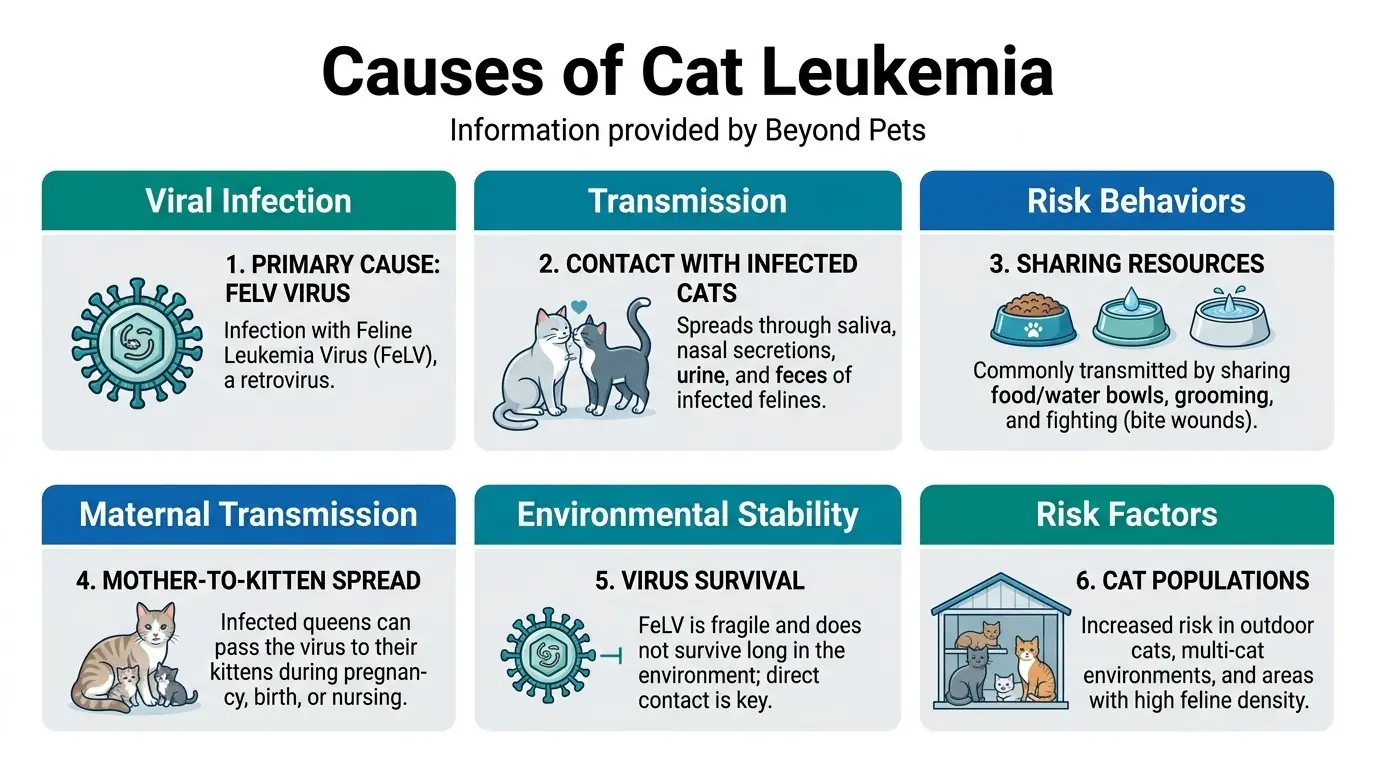
The fundamental cause of feline leukemia is the complex biological interaction between the domestic cat and the Retroviridae pathogen. Unlike some forms of human leukemia, which are primarily driven by spontaneous genetic mutations, inherited chromosomal abnormalities, or intense environmental toxin exposure, the vast majority of leukemias and blood cancers in the feline species are explicitly infectious in origin. When a cat’s immune defenses are breached, the feline leukemia virus operates as an insidious oncogenic (cancer-causing) trigger. It leads to a vast array of catastrophic health issues ranging from profound, non-regenerative anemia and systemic immune system collapse to the rapid development of deadly solid tumors and blood-based cancers. Let us explore the primary clinical routes through which healthy felines contract this virus and subsequently develop these complex disease states.[16]
Direct Contact with an Infected Cat
Because the feline leukemia virus possesses minimal environmental durability, direct, face-to-face social contact serves as the absolute primary vector for viral propagation. The epidemiological spread of FeLV is deeply intertwined with the natural social behaviors of the feline species. The virus targets the salivary glands of a progressively infected cat early in the disease course, transforming the cat’s mouth into a potent reservoir for infectious particles. When cats live in close quarters, such as in multi-cat residential households, crowded rescue shelters, or outdoor feral colonies, they naturally engage in behaviors that perfectly facilitate the transfer of this viral-laden saliva.[17]
Allogrooming, or mutual licking, is a primary affection-bonding mechanism among cats but serves as a highly efficient viral delivery system. When an infected cat meticulously grooms the face, head, and neck of a healthy companion, the infectious saliva is rubbed directly into the recipient’s eyes, nose, and mouth, allowing the virus to swiftly penetrate the mucosal barriers and enter the local lymphatic tissues. Similarly, direct nose-to-nose sniffing, sharing the same water bowl where saliva can linger briefly, or mutually utilizing a food dish all present clear, documented risks for viral transmission. While the theoretical risk of transmission via shared litter boxes exists—due to the presence of viral particles in the feces and urine of a progressively infected cat—it is significantly lower than salivary transmission due to the rapid desiccation of the virus in the highly absorbent environment of commercial cat litter.[18]
Beyond peaceful social interactions, aggressive territorial disputes serve as a highly dangerous vector. Bite wounds are an incredibly efficient method of disease transfer because the teeth of the aggressor act as biological needles, forcibly injecting the viral-rich saliva deep into the healthy cat’s vascular and subcutaneous tissues. This deep tissue inoculation bypasses the specialized immune cells that line the mouth and respiratory tract, giving the virus rapid, unfettered access to the systemic bloodstream. Consequently, veterinarians consistently view outdoor, roaming, unneutered male cats—who are statistically the most likely demographic to engage in violent territorial combat—as the highest-risk group for acquiring and propagating the feline leukemia virus.[19]
Vertical Transmission (Mother to Kitten)
While horizontal transmission via direct contact drives the spread of FeLV among adult cats, vertical transmission represents a devastating pathway that primarily affects the youngest and most vulnerable members of the feline population. Vertical transmission occurs when a progressively infected mother cat (the queen) passes the retrovirus directly to her biological offspring. This tragic viral transfer can occur during multiple distinct phases of the reproductive cycle, each carrying dire clinical consequences for the resulting litter.[20]
The first phase of vertical transmission occurs in utero, while the kittens are still developing within the mother’s womb. The feline leukemia virus is highly capable of breaching the placental barrier. When an actively viremic mother is pregnant, the virus aggressively crosses into the fetal blood supply, infecting the kittens during their most critical stages of embryological development. In many of these cases, the viral infection is so catastrophic to the developing fetal tissues that it leads to early embryonic death, mid-term fetal resorption, or late-stage spontaneous abortion. If the kittens somehow survive the pregnancy and are born alive, they are often critically ill, stunted, and referred to clinically as “fading kittens.”[8]
The second phase of vertical transmission occurs immediately after birth through the act of nursing. An FeLV-positive mother sheds enormous concentrations of the virus into her colostrum (the antibody-rich first milk) and her subsequent normal milk supply. As the newborn kittens nurse to survive, they ingest millions of viral particles directly into their naive, highly permeable gastrointestinal tracts. Because a newborn kitten’s immune system is vastly underdeveloped and lacks the ontogenic resistance found in mature adult cats, they are almost entirely incapable of mounting an abortive or regressive immune response. Consequently, nearly 100 percent of kittens born to and nursed by a progressively infected mother will develop a permanent, progressive FeLV infection, and the overwhelming majority will tragically succumb to fatal FeLV-associated diseases before reaching young adulthood.[10]
Blood Transfusion
A much rarer, yet clinically significant, cause of feline leukemia virus transmission occurs entirely within the walls of a veterinary hospital: iatrogenic transmission via an infected blood transfusion. In modern veterinary medicine, emergency blood transfusions are frequently utilized to save the lives of felines suffering from severe trauma, surgical blood loss, or severe immune-mediated anemias. If a cat receives whole blood, packed red blood cells, or plasma from a donor cat that harbors the feline leukemia virus, the recipient will be immediately and massively inoculated with the pathogen directly into their circulatory system.[9]
Because direct intravenous injection delivers an incredibly high viral load and bypasses all of the body’s external immune barriers, transfusion-induced FeLV infection almost invariably results in a permanent, progressive disease state. To prevent this tragic outcome, rigorous, non-negotiable infectious disease screening protocols are mandatory for all feline blood donor programs. Potential donor cats must be thoroughly tested using both point-of-care antigen screening tests and highly sensitive DNA-based laboratory tests. It is critically important to understand that a cat with a regressive FeLV infection will test negative on standard veterinary clinic antigen tests because they are not actively shedding the virus. However, their donated white blood cells still contain the dormant proviral DNA, which can rapidly reactivate and cause a fatal progressive infection once transfused into a sick, immunocompromised recipient. Therefore, only felines that are strictly confirmed negative via Polymerase Chain Reaction (PCR) testing are considered safe, viable blood donors.[1]
What Disease Does the FeLV Cause?
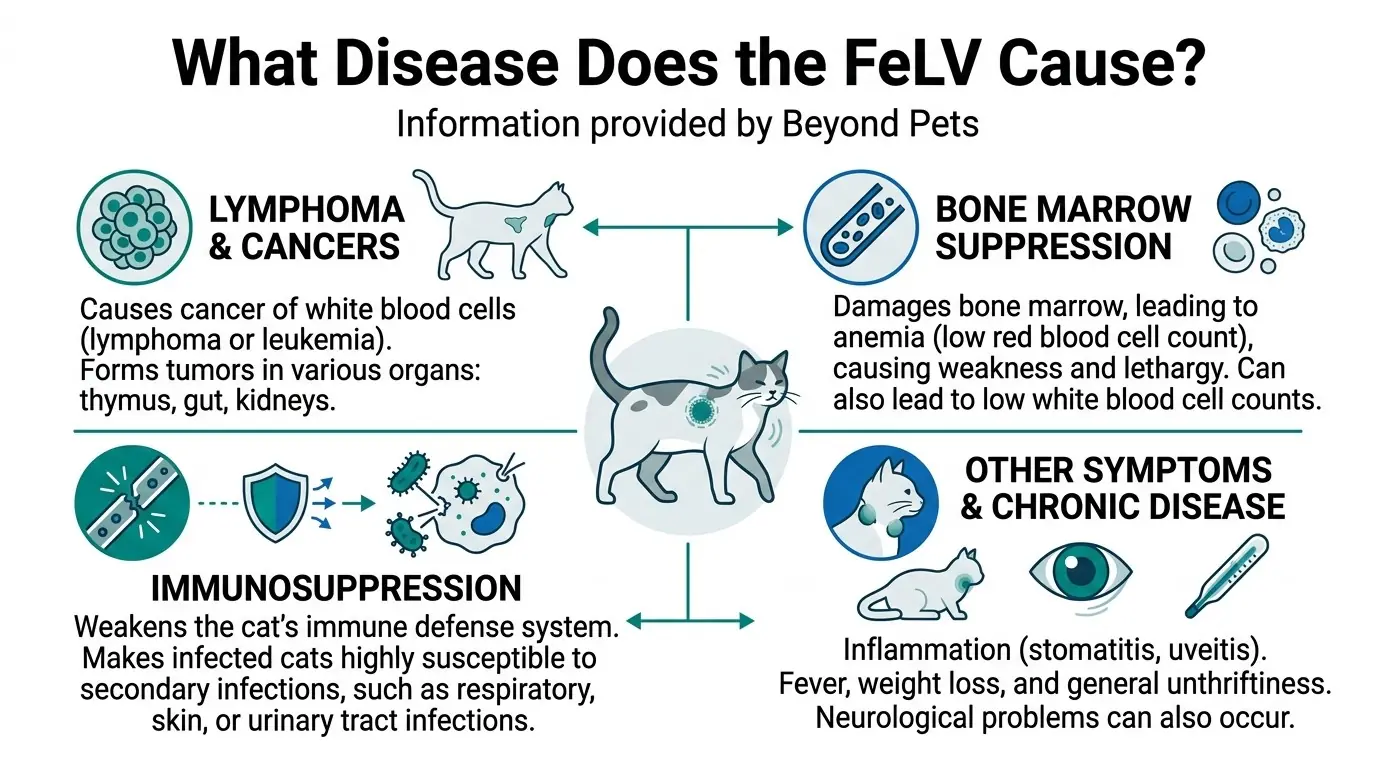
The feline leukemia virus is not a singular illness but rather a complex, systemic viral architect that actively dismantles the cat’s biological defenses and structural cellular integrity. Once the virus has firmly established a progressive infection within the bone marrow, it acts as a catalyst for a massive array of secondary, often fatal, medical conditions. The virus accomplishes this devastation through a variety of mechanisms, including direct cellular destruction, insertional mutagenesis, and the profound dysregulation of normal immunological responses. Understanding the full spectrum of diseases caused by FeLV is essential for grasping the true severity of this pathogen.[11]
Profound Immunosuppression: The most common, overarching, and deadly consequence of a progressive feline leukemia virus infection is severe, unyielding immunosuppression. The virus actively targets, invades, and destroys critical components of the feline immune architecture, including the thymus gland and specific subsets of white blood cells known as CD4+ and CD8+ T-lymphocytes. By decimating these crucial defense cells, the virus essentially strips away the cat’s natural armor. This virally induced immunodeficiency leaves the feline highly vulnerable to common environmental bacteria, protozoa, fungi, and other viruses that a healthy cat’s immune system would easily neutralize. FeLV-positive cats frequently suffer from chronic, severe, and recurrent opportunistic infections, such as feline infectious peritonitis (FIP), severe upper respiratory infections, cryptococcosis, and chronic toxoplasmosis. In many cases, it is these relentless secondary infections—rather than the virus itself—that ultimately claim the cat’s life.[12]
Severe Non-Regenerative Anemia: Another hallmark and highly fatal disease process directly driven by FeLV is profound anemia. The retrovirus aggressively infiltrates the cat’s bone marrow, the vital spongy tissue responsible for manufacturing the body’s entire blood supply. Once inside, the virus can directly infect and destroy the erythroid precursor cells—the specific stem cells that mature into oxygen-carrying red blood cells. This targeted destruction results in a severe non-regenerative anemia, a dire condition where the body’s circulating red blood cells naturally die off off but the virally damaged bone marrow is entirely incapable of producing new cells to replace them. As the red blood cell count plummets, the cat experiences critical oxygen deprivation to its vital organs, leading to profound weakness, extreme lethargy, pale white gums, and potentially fatal cardiac or respiratory failure. Additionally, FeLV can trigger immune-mediated hemolytic anemia, a chaotic state where the virus confuses the immune system into actively attacking and destroying the cat’s own healthy red blood cells.[13]
Neoplasia (Cancer and Leukemia): True to its namesake, the feline leukemia virus is undeniably the most significant infectious cause of cancer in cats. The virus induces malignancy through a fascinating but deadly biological process known as insertional mutagenesis. When the FeLV proviral DNA integrates itself into the host cat’s cellular genome, it frequently inserts itself directly next to a natural cellular oncogene, most notably the *c-myc* gene. This viral insertion disrupts the normal regulatory signals of the host DNA, essentially turning the *c-myc* oncogene permanently “on.” This causes the infected white blood cells to divide and multiply continuously and uncontrollably, resulting in massive, aggressive tumors. FeLV is the primary driving force behind lymphoma in cats, a devastating solid tumor cancer that affects the lymphatic system. In younger FeLV-positive cats, this often presents as mediastinal lymphoma, where massive tumors grow inside the chest cavity, compressing the lungs and heart. FeLV also directly causes true leukemia, which is a blood-borne cancer characterized by the massive, unregulated overproduction of malignant, non-functional white blood cells within the bone marrow itself. These cancerous cells rapidly crowd out the remaining healthy bone marrow tissue in a process called myelophthisis, further exacerbating the cat’s anemia and immune failure.[14]
Neurological and Gastrointestinal Disorders: Beyond the blood and immune system, FeLV can infiltrate other major organ systems with devastating effects. In the central and peripheral nervous systems, the virus can induce severe neurodegeneration. Specifically, the virus can attack the white matter of the spinal cord, leading to a condition known as FeLV-associated myelopathy. Cats suffering from this condition may exhibit profound behavioral shifts, uncoordinated walking (ataxia), partial paralysis of the hind limbs, unequal pupil sizes (anisocoria), hyperesthesia, and severe urinary or fecal incontinence. Furthermore, the virus frequently infiltrates the highly sensitive mucosal lining of the digestive tract. The resulting severe inflammation, known as FeLV-associated enteritis, means that cats with FeLV may develop gastrointestinal conditions like diarrhea, chronic bloody stools, complete loss of appetite, and rapid, dangerous weight loss. This severe malabsorption of vital nutrients accelerates the physical wasting (cachexia) that is so commonly seen in the final stages of the disease.[15]
Feline Leukemia Symptoms
The clinical presentation of a feline leukemia virus infection is notoriously unpredictable and can mimic a vast array of other feline medical conditions. This diagnostic ambiguity occurs because the retrovirus inherently attacks multiple different bodily systems, and the severity of the symptoms depends heavily on which specific organs or cellular pathways the virus has compromised. It is absolutely crucial for pet owners to understand that cats who become progressively infected with FeLV may remain entirely asymptomatic—showing absolutely no outward signs of illness—for months or even several years after their initial viral exposure. During this prolonged latent phase, the cat may appear perfectly healthy, playful, and vibrant, yet it is silently carrying a massive viral load and actively shedding the contagious pathogen to other susceptible felines in the environment.[16]
When the virus eventually overwhelms the host’s immune system, or when the insidious cellular damage finally reaches a critical breaking point, the asymptomatic phase abruptly ends. As the clinical disease surfaces, the symptoms can range from subtle behavioral shifts to acute, life-threatening crises. Because the virus fundamentally dismantles the immune system, many of the observable symptoms are not caused directly by the FeLV pathogen itself, but rather by the opportunistic secondary infections and aggressive cancerous tumors that the virus has allowed to flourish unchecked.[17]
Here is a detailed breakdown of the potential clinical signs that an adult cat may exhibit once a progressive FeLV infection begins taking its systemic toll:
- Profound Anorexia and Wasting: A severely diminished appetite that progresses to complete food refusal. This inevitably leads to gradual but relentless weight loss, ultimately resulting in severe muscle wasting and cachexia as the disease advances to its terminal stages.
- Deteriorating Coat Quality: The cat’s fur becomes noticeably dull, dry, matted, and unkempt due to a complete cessation of normal feline grooming behaviors, often driven by profound lethargy or severe oral pain.
- Peripheral Lymphadenopathy: Noticeably swollen, firm, and enlarged lymph nodes that can be felt under the cat’s jaw, behind the knees, or over the shoulders, indicating a massive, systemic immune struggle or the onset of multicentric lymphoma.
- Pyrexia (Persistent Fever): A chronic, low-grade to high-grade fever that refuses to respond permanently to standard veterinary fever-reducing medications or basic prescription antibiotics, driven by systemic inflammation and uncontrolled viral replication.
- Severe Pallor or Icterus: Extremely pale, almost paper-white gums and mucosal membranes resulting from critical, life-threatening anemia. Alternatively, the gums, ears, and whites of the eyes may turn a stark yellow color (icterus or jaundice) if the cat is suffering from immune-mediated hemolytic anemia or severe liver damage from hepatic lymphoma.
- Severe Oral Inflammation: Excruciatingly painful gum inflammation (gingivitis) and widespread mouth inflammation (stomatitis). FeLV-positive cats often develop severe oral ulcerations that make chewing and swallowing agonizing, leading to drooling, pawing at the mouth, and starvation.
- Chronic Secondary Infections: A relentless cycle of skin infections (recurrent deep pyodermas and non-healing abscesses), chronic urinary bladder infections, and severe upper respiratory tract infections characterized by chronic sneezing, thick green nasal discharge, and severe conjunctivitis.
- Gastrointestinal Distress: Constant, intractable diarrhea that fails to resolve with standard dietary changes or deworming medications, often accompanied by chronic vomiting and severe dehydration due to virally induced damage to the intestinal lining.
- Neurological Deficits: Unexplained seizures, sudden behavioral shifts, severe disorientation, partial paralysis of the limbs, dragging of the back legs, and profound difficulty navigating the home environment.
- Ocular Abnormalities: A wide variety of eye conditions, including severe uveitis (inflammation of the inner eye), chronic weeping, cloudiness of the cornea, or visible changes in the size and shape of the pupils.
- Reproductive Failure: In unspayed female cats, the virus can trigger sudden late-term kitten abortion, fetal resorption, or the heartbreaking delivery of stillborn or rapidly fading litters.
It is vital to recognize that a definitive FeLV diagnosis can never be determined solely based on observing these physical symptoms. Every single one of these clinical signs—from severe anemia and persistent diarrhea to painful stomatitis and sudden weight loss—can be easily attributed to dozens of other independent feline medical conditions, including chronic kidney disease, severe hyperthyroidism, Feline Immunodeficiency Virus (FIV), or unrelated bacterial sepsis. Therefore, if your cat shows any signs of illness, or if FeLV exposure is even remotely suspected, scheduling a comprehensive veterinary visit promptly is an absolute necessity. A diagnosis of FeLV must be confirmed via rigorous, specialized laboratory blood testing performed by a licensed veterinary professional.[18]
Diagnosis of Leukemia in Cats
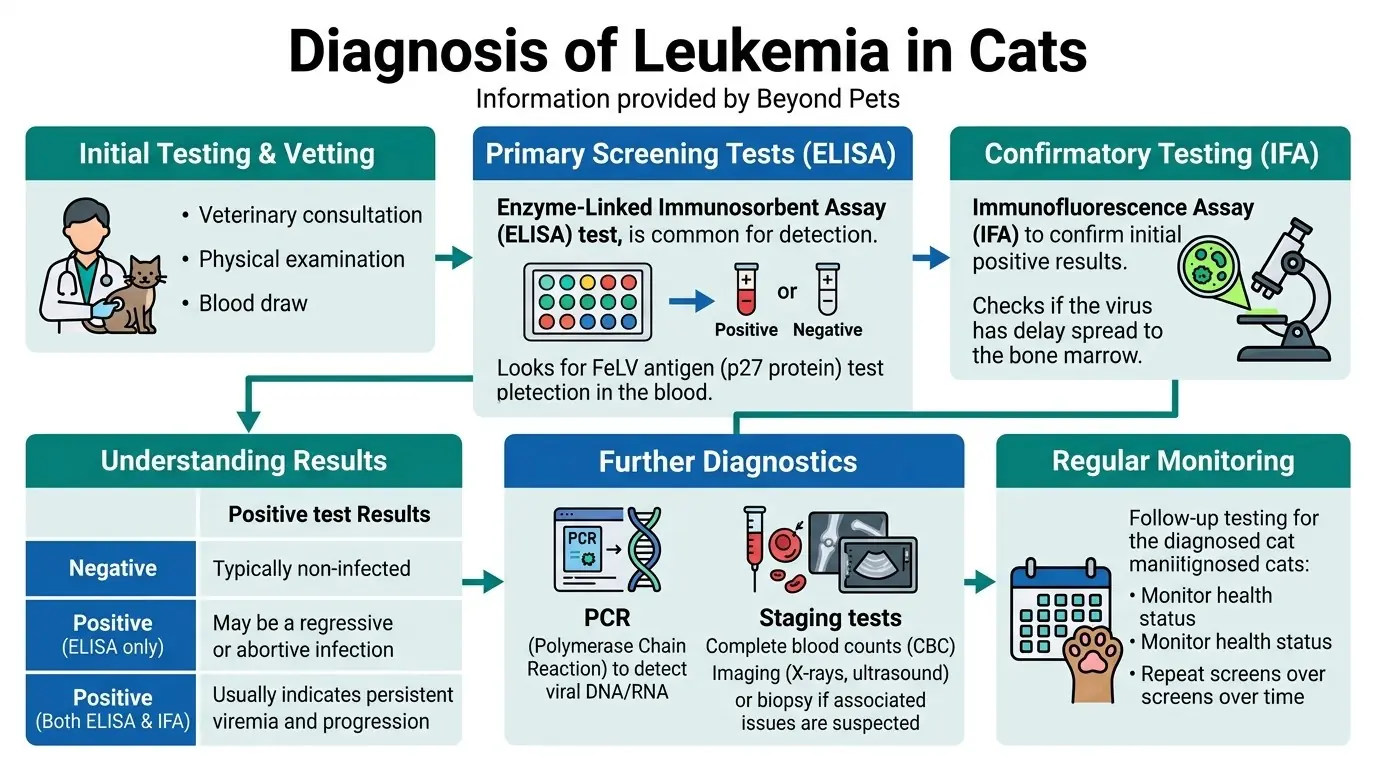
Because the clinical signs of the feline leukemia virus overlap so significantly with other serious feline illnesses, arriving at a definitive and accurate diagnosis requires a highly structured, multi-tiered approach. Modern veterinary medicine relies on a combination of clinical suspicion and highly advanced immunological and molecular diagnostic tests. According to the comprehensive testing algorithms established by the American Association of Feline Practitioners (AAFP), the process of diagnosing FeLV typically encompasses the following highly specific stages:[1]
Initial Clinical Assessment
The diagnostic journey begins with a meticulous and comprehensive physical evaluation of the cat, combined with a detailed review of its historical lifestyle factors. The veterinarian will carefully palpate the cat’s abdomen to check for enlarged organs or tumors, examine the mucosal membranes for pallor or jaundice, evaluate the oral cavity for severe stomatitis, and listen to the heart and lungs to detect any signs of fluid accumulation or chest masses (indicative of mediastinal lymphoma). The vet will also ask probing questions about the cat’s history: Does the cat have unsupervised outdoor access? Has it recently been in a fight or suffered a bite wound? Has it been living in a multi-cat hoarding situation or a crowded rescue shelter? What is its exact vaccination history? Following this assessment, the veterinarian will almost always recommend a Complete Blood Count (CBC) and a serum biochemistry panel. While these baseline tests cannot directly detect the FeLV virus, they provide critical clues by revealing hallmark FeLV complications, such as profound non-regenerative anemia, dangerously low white blood cell counts (leukopenia), or abnormal, circulating cancerous cells.[19]
FeLV-Specific Testing
To definitively ascertain a retroviral diagnosis, the veterinarian must conduct specialized blood tests specifically engineered to detect the physical presence of the feline leukemia virus. It is crucial to note that, unlike FIV tests which look for the cat’s antibody response, FeLV tests are designed to physically detect the actual viral antigen or the viral DNA itself. There are two primary preliminary blood tests utilized in standard veterinary practice:[20]
- ELISA (Enzyme-Linked Immunosorbent Assay): This is the gold-standard, first-line point-of-care test that is routinely carried out right in the veterinary clinic. The ELISA test utilizes highly specialized antibodies to bind to and detect a specific soluble viral core protein known as the p27 antigen. When a cat is actively infected, the virus produces massive quantities of this p27 protein, which circulates freely in the cat’s blood serum or plasma. A positive ELISA test indicates that the viral antigen is physically present in the cat’s bloodstream (a state known as viremia). Because it is exceptionally sensitive, the ELISA is the perfect initial screening tool. However, because some cats can successfully mount an immune response and clear the virus after a brief period of early primary viremia, a single positive ELISA test does not automatically mean the cat will be permanently infected or die from the disease.
- IFA (Indirect Immunofluorescent Antibody Assay): If an ELISA test returns a positive result, or if the clinical picture requires deeper investigation, the vet will draw a larger blood sample and send it to specialized external diagnostic laboratory for an IFA test. Unlike the ELISA, which detects free-floating viral proteins in the liquid portion of the blood, the IFA test is specifically designed to detect the p27 viral antigens hiding deep inside the cat’s intact white blood cells and platelets. Because white blood cells and platelets are manufactured exclusively inside the bone marrow, a positive IFA result provides definitive, undeniable proof that the feline leukemia virus has successfully breached the bone marrow defenses. Consequently, a positive IFA result almost universally signifies a progressive, terminal infection that will plague the cat for the remainder of its life.
Follow-Up Testing
The interpretation of feline leukemia diagnostic tests can sometimes be incredibly complex, particularly when dealing with discordant results. A discordant result occurs when a cat tests positive on the clinic’s ELISA test, but negative on the laboratory’s IFA test. Should a cat test positive for FeLV via the initial ELISA test but negative on the IFA, immediate panic is unwarranted. According to modern veterinary retrovirus guidelines, a mandatory re-test after a period of 30 to 60 days is strictly advised. This waiting period is critical because the cat’s immune system might currently be engaged in a massive cellular battle to combat and clear the virus from its system. If the cat successfully forces the virus into an abortive state, the subsequent re-test will be completely negative.[1]
In highly complex cases, or when attempting to identify a latent, regressive infection, veterinarians will deploy a third, highly advanced diagnostic tool known as PCR (Polymerase Chain Reaction) testing. A PCR test operates on a molecular genetic level; it does not look for the viral protein antigen, but rather actively searches the cat’s cellular genome for the integrated FeLV proviral DNA. PCR testing is exceptionally powerful because it can definitively identify cats that have a regressive infection—cats that test entirely negative on standard ELISA and IFA tests but still secretly harbor the dormant viral DNA within their stem cells.[2]
For cats that unfortunately test definitively positive for FeLV on both the ELISA and IFA tests, additional advanced diagnostic imaging (such as chest X-rays or abdominal ultrasounds) might be highly recommended to evaluate the cat’s overall health and pinpoint any hidden secondary infections, fluid accumulations, or cancerous internal tumors connected to the progressive FeLV infection. While it is undeniably crucial to understand that FeLV can lead to significant, life-limiting health issues, pet owners must remember that many cats that test positive for FeLV can still enjoy a good quality of life for several years with appropriate, dedicated medical care and rigorous monitoring. Therefore, all cats—regardless of age or apparent health status—should be tested, especially those that are highly at risk, newly adopted, or currently showing unexplained symptoms of illness.[3]
Treatment for Leukemia in Felines
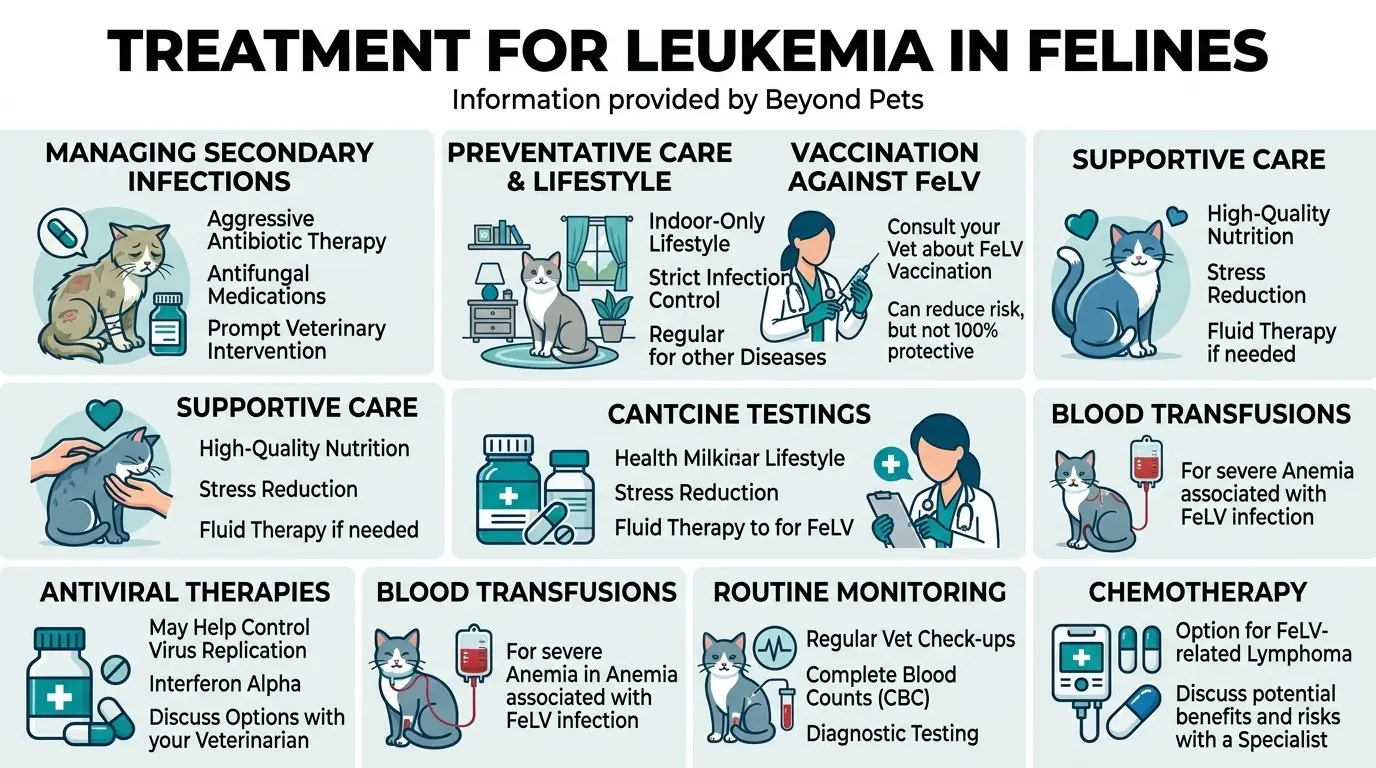
When a beloved pet receives a definitive diagnosis of a progressive feline leukemia infection, it is natural for an owner to feel an overwhelming sense of despair. It is true that, at present, there is absolutely no definitive medical cure capable of entirely eradicating the FeLV proviral DNA from a cat’s body. However, this sobering reality absolutely does not imply that FeLV-positive cats cannot receive extensive, compassionate, and highly effective restorative care. Modern veterinary medicine offers a broad arsenal of therapeutic strategies. The primary aim in managing FeLV-positive cats is not focused on an impossible cure, but rather on aggressively preserving their baseline health, preemptively preventing and rapidly managing any secondary opportunistic infections, halting viral replication as much as pharmacologically possible, and ensuring they enjoy an incredibly high, pain-free quality of life for as long as biologically possible.[4]
Essential Supportive Care
Providing impeccable, high-level supportive care is the absolute foundation of any long-term treatment plan for cats living with a progressive FeLV infection. This encompasses offering a highly digestible, well-balanced, premium diet specifically tailored to support optimal immune function. Because FeLV cats are profoundly immunocompromised, owners must strictly avoid feeding raw meat or unpasteurized dairy diets, as these foods frequently harbor dangerous bacteria like Salmonella or Listeria that an FeLV-positive cat simply cannot fight off. Furthermore, owners must ensure a constant supply of fresh water, create a peaceful, enriching, and highly comfortable indoor environment, and work diligently to reduce environmental stress to the absolute maximum extent possible, as stress hormones actively suppress the feline immune system. Rigorous, routine veterinary check-ups—scheduled at least twice a year, or every six months—are entirely pivotal. During these biannual exams, the veterinarian will perform comprehensive physicals, conduct routine bloodwork to monitor red and white blood cell counts, and closely track the affected cat’s health to catch any subtle changes before they erupt into major crises.[5]
Handling Secondary Health Issues
Because the retrovirus systematically dismantles the feline immune architecture, cats with a progressive FeLV infection are exceptionally prone to severe secondary infections and other debilitating health complications. A simple bacterial exposure that would cause a mild sniffle in a healthy cat can rapidly devolve into fatal, overwhelming pneumonia in an FeLV-positive patient. These massive secondary problems frequently manifest as severe, necrotizing dental disease and stomatitis, intractable respiratory infections, chronic skin pyodermas, and unyielding urinary tract infections. Your veterinarian must aggressively address these issues the moment they emerge. Treatment typically involves administering prolonged courses of potent prescription antibiotics—because the cat’s own immune system cannot assist in slowing the bacterial growth, the antibiotic must be strong enough to kill the bacteria outright. Treatment may also involve prescription anti-inflammatory medications, specialized topical therapies, and radical dental surgery (such as full-mouth tooth extractions) to provide permanent relief from the agonizing pain of chronic stomatitis.[6]
Antiviral Treatments
While the veterinary pharmacological industry has not yet developed a drug that cures the infection entirely, the careful use of specialized antiviral therapy can be highly beneficial in helping to suppress active viral replication and manage an overwhelming FeLV infection. In specific clinical cases, human prescription antiretroviral medications, specifically prescription nucleoside reverse transcriptase inhibitors, have been used off-label to control the severe symptoms associated with FeLV. These antiviral medications work by chemically mimicking a DNA building block; when the viral enzyme attempts to use it, the drug essentially breaks the DNA chain, halting the virus’s ability to replicate. Clinical studies show these treatments can significantly improve severe neurological signs and painful stomatitis. However, the use of this antiviral therapy is highly complex because it frequently leads to serious side effects, most notably causing severe, life-threatening damage to the bone marrow resulting in profound non-regenerative anemia. Therefore, its use necessitates meticulous, incredibly close monitoring of the cat’s blood counts by an experienced veterinarian. The efficacy and safety of other, newer human prescription integrase inhibitors in treating retroviral felines is still currently under intense clinical research and examination.[7]
Use of Immune Modulators
Because the core of the disease is profound immunodeficiency, certain specialized drugs, collectively known as immune modulators, can be employed in an attempt to artificially fortify and stimulate the cat’s failing immune system. One widely researched prescription treatment in Europe and select global markets is a specific feline immune-modulating injection. This powerful compound artificially mimics the body’s natural antiviral cytokine response, and clinical trials have demonstrated that it can significantly reduce mortality rates and improve the clinical scores of FeLV-positive cats when administered in rigorous, multi-week protocols. In the United States, another conditionally approved immunomodulatory treatment is a highly purified, prescription protein complex that works specifically to trigger the maturation and proliferation of CD4+ T-lymphocytes, helping to actively strengthen the cellular immune system in persistently FeLV-positive cats. Other supportive, plant-derived compounds have also been utilized, though definitive clinical proof of their widespread efficacy remains highly debated in the veterinary community.[8]
Prevention of FeLV Transmission
From a public health and epidemiological standpoint, FeLV is highly contagious and easily transmitted to other susceptible cats. Therefore, if your cat is definitively diagnosed as FeLV-positive, preventing the virus from spreading to the broader feline community is of the absolute utmost importance. As a responsible pet owner, this implies an unwavering commitment to keeping your FeLV-positive cat strictly indoors at all times, permanently preventing it from roaming, fighting, or having any direct physical interaction with uninfected neighborhood cats. Furthermore, if you reside in a multi-cat household, all other feline residents must be immediately and thoroughly tested for FeLV using both ELISA and PCR diagnostics. Any definitively uninfected cats sharing the home should be completely isolated from the positive cat—meaning separate food bowls, separate litter boxes, and separate living quarters—and they must receive the full FeLV vaccination series to provide them with the highest possible level of immunological protection.[9]
Palliative Care
Tragically, if the insidious progression of the feline leukemia virus has inevitably resulted in the development of aggressive malignancies like multicentric lymphoma or terminal bone marrow failure, the veterinary medical focus must compassionately shift toward intensive palliative care. The primary goal of palliative care is to aggressively manage devastating symptoms, completely alleviate any physical suffering, and maintain the cat’s highest possible quality of life during their final days or months. This end-of-life care might include the administration of prescription pain medication prescribed by your veterinarian, the use of powerful prescription appetite stimulants, the provision of intensive fluid therapy, and highly tailored nutritional support via feeding tubes. In cases of critical, life-threatening anemia, treatments such as prescription red blood cell stimulating therapies or emergency whole-blood transfusions can be utilized to rapidly stabilize the red blood cell count and make the cat physically comfortable. However, owners must maintain an open, honest, and highly empathetic dialogue with their veterinary team regarding the cat’s true quality of life. Looking after a cat dying from progressive FeLV can be emotionally devastating and incredibly demanding, but it is a vital final act of love. Always remember to consult your veterinarian before making any changes to your pet’s care, and trust their professional guidance when evaluating the incredibly difficult, compassionate decision of humane euthanasia.[10]
How to Prevent Feline Leukemia Virus Infections?
While veterinary science cannot yet offer a cure for a progressive retroviral infection, the profound tragedy of feline leukemia is that it is overwhelmingly, largely preventable. While it is true that it’s not always possible to completely prevent naturally occurring, spontaneous cancers—as diseases like lymphoma often arise from complex factors far beyond an owner’s control, like inherent genetics or random cellular mutations over time—you can absolutely take definitive, highly effective medical and lifestyle measures to completely mitigate your cat’s risk of ever encountering and contracting the leukemia virus. A comprehensive, proactive preventative strategy requires a combination of strict environmental management and modern immunological tools.[11]
- Vaccination and Consistent Testing: The cornerstone of prevention lies in the strategic use of modern veterinary biologics. By strictly vaccinating your cat against the Feline Leukemia Virus (FeLV) and maintaining a rigorous schedule of regular testing for both FeLV and the Feline Immunodeficiency Virus (FIV), you can proactively guard against the two major retroviruses definitively known to cause immune failure and raise lymphoma risk. The AAFP guidelines strictly recommend that every single kitten under one year of age receives the full, two-dose core FeLV vaccination series, as kittens possess immature immune systems and are extraordinarily vulnerable. For adult cats, the vaccine is considered “non-core” and should be administered annually or bi-annually based on a strict, individualized risk assessment. Modern vaccines—such as the highly advanced recombinant canarypox-vectored vaccines—do not contain any live FeLV virus and therefore absolutely cannot cause the disease, nor will they cause a false-positive result on a standard veterinary ELISA antigen test.
- Strict Indoor Lifestyle: The single most effective, non-medical intervention an owner can deploy is ensuring your cat stays permanently indoors. Keeping your feline companion safely inside your home effectively creates an impenetrable environmental barrier, drastically curtailing any possible exposure to FeLV, FIV, and countless other deadly outdoor pathogens. Indoor cats are completely shielded from aggressive territorial fights, infectious bite wounds, and exposure to viral-laden saliva from feral strays. Furthermore, indoor cats generally enjoy vastly extended lifespans due to significantly lower incidences of vehicular injuries, predator attacks, and exposure to highly toxic environmental elements.
- Steer Clear of Tobacco Smoke and Carcinogens: While unrelated to the infectious transmission of the virus itself, minimizing cellular stress is vital. Chronic, prolonged exposure to environmental airborne toxins, specifically secondhand tobacco smoke, has been definitively and scientifically linked with a massively heightened risk of developing deadly respiratory cancers and lymphoma in cats. If you or a family member smoke, strictly avoid doing so anywhere inside the home or around your cat, or highly consider giving the habit up entirely to protect your pet. Owners must aggressively aim to limit their cat’s overall contact with all other potential environmental carcinogens, including toxic household cleaning chemicals, heavy lawn pesticides, and industrial solvents.
- Offer a Premium, Nutritious Diet: A meticulously balanced, highly digestible, nutrient-rich diet serves as the foundational building block for your cat’s entire biological system, actively bolstering their overall health and optimizing their baseline immune function. While it is true that no specific food ingredient or boutique diet can magically avert a viral infection or cure cancer, providing optimal, species-appropriate nutrition ensures that your cat’s body and cellular defenses are functioning at their absolute peak capacity, giving them the best possible chance to mount an abortive immune response should they ever encounter a stray pathogen.
- Frequent, Rigorous Vet Check-ups: Regular, comprehensive wellness check-ups with your trusted veterinarian can facilitate the early, life-saving detection of retroviral infections, early-stage lymphoma, or other subtle health concerns when medical treatment is highly likely to be much more effective. Your vet can carefully evaluate your cat’s specific living situation and offer highly tailored, expert advice based on your cat’s exact needs, environmental exposure, and unique risk factors, ensuring critical, proactive care for your pet.
- Control Chronic Inflammation: The feline immune system operates on a delicate balance. If your cat suffers from a chronic, inflammatory medical condition—such as severe inflammatory bowel disease, chronic severe asthma, or uncontrolled dental stomatitis—it is imperative that you work closely with your vet to manage the condition effectively. Unregulated, massive chronic inflammation keeps the immune system locked in a state of chaotic overdrive, which could theoretically suppress the body’s ability to fight off a novel viral invader and elevate the baseline risk of cellular mutations leading to lymphoma.
It is profoundly important for every pet parent to remember that while implementing these highly proactive strategies can drastically, exponentially reduce the overall risk of viral exposure, they cannot completely eliminate the biological possibility of spontaneous, non-viral lymphoma. Neoplasia and cancer sadly remain one of the most prevalent and devastating causes of death in aging felines. However, cats that achieve early detection through routine bloodwork and receive swift, aggressive medical treatment inherently have a significantly better long-term prognosis, regardless of the specific type of lymphoma or retrovirus diagnosed. Always consult your trusted veterinary professional immediately if you observe any subtle changes in your senior cat’s health, daily routine, weight, or overall behavior.[12]
Frequently Asked Questions
How long can a cat live with feline leukemia?
The total life expectancy of a cat diagnosed with feline leukemia is entirely dependent on the specific type of infection they harbor. If a cat has successfully mounted an immune response resulting in a dormant, regressive infection, they will frequently live a completely normal, symptom-free lifespan, provided they do not encounter extreme stress that reactivates the virus. However, for felines suffering from an active, progressive FeLV infection—where the virus has successfully overtaken the bone marrow and the cat is constantly viremic—the prognosis is tragically much shorter. On average, the vast majority of progressively infected cats will unfortunately succumb to the devastating secondary infections, profound anemia, or aggressive virally induced cancers within two to three years of their initial diagnosis, despite receiving excellent supportive care.
How much does it cost to treat feline leukemia?
The overall financial cost of managing feline leukemia varies incredibly widely based on the exact stage of the disease, the specific secondary complications that arise, and the geographic location of your veterinary clinic. Basic, routine supportive care—which includes high-quality nutrition, strict indoor housing, and bi-annual wellness exams with standard bloodwork—may only cost a pet owner a few hundred dollars annually. However, because FeLV actively destroys the immune system, sudden, life-threatening medical crises are common. Managing severe, acute secondary infections with prolonged courses of potent prescription antibiotics, performing necessary dental extractions for severe stomatitis, administering expensive antiviral drugs or immune modulators, or executing emergency, life-saving blood transfusions for profound anemia can rapidly push emergency veterinary bills into the thousands of dollars. Furthermore, if the virus triggers the development of lymphoma, electing to pursue specialized veterinary chemotherapy protocols will significantly elevate the overall financial investment required for treatment.
Can a vaccinated cat get feline leukemia?
Yes, while modern veterinary vaccines are highly advanced and incredibly effective, it is a scientific reality that no vaccine available in medicine is 100 percent foolproof. A fully vaccinated cat can technically still contract the feline leukemia virus if they are exposed to an overwhelmingly massive viral load that entirely overrides their vaccine-induced immunological defenses—for instance, if an indoor vaccinated cat escapes and sustains a massive, deep tissue bite wound from a feral cat harboring a highly aggressive, progressive FeLV infection. However, the chances of this occurring are drastically, exponentially reduced by the vaccine. When administered correctly, the vaccine brilliantly primes the cat’s cellular immune system, significantly reducing the severity of the infection, dramatically shifting the odds toward the cat mounting a successful abortive immune response, and drastically minimizing the overall risk of the cat developing a fatal, permanent progressive infection.
Schedule a Veterinary Appointment
If you have any concerns about your cat’s health, or if you suspect they have been exposed to Feline Leukemia Virus, professional veterinary care is essential. Contact your clinic today to schedule an appointment with a veterinarian to ensure your pet receives the proper testing, diagnosis, and comprehensive care they need.
References
- Little, S., et al. “2020 AAFP Feline Retrovirus Testing and Management Guidelines.” Journal of Feline Medicine and Surgery, 2020.
- Merck Veterinary Manual. “Feline Leukemia Virus (FeLV).” Merck & Co., Inc., 2023.
- VCA Animal Hospitals. “Feline Leukemia Virus Disease Complex.” VCA Hospitals, 2023.
- Cornell Feline Health Center. “Feline Leukemia Virus.” Cornell University College of Veterinary Medicine, 2024.
- Hartmann, K. “Efficacy of Antiviral Chemotherapy for Retrovirus-Infected Cats.” Journal of Veterinary Internal Medicine, 2015.
- Sykes, J. E. “Feline Leukemia Virus Infection.” Canine and Feline Infectious Diseases, Elsevier, 2014.
- American Veterinary Medical Association (AVMA). “Feline Leukemia Virus.” AVMA, 2023.
- American Society for the Prevention of Cruelty to Animals (ASPCA). “Common Cat Diseases: Feline Leukemia.” ASPCA, 2023.
- Veterinary Information Network (VIN). “FeLV Testing and Discordant Results.” VIN, 2022.
- Levy, J., et al. “Feline Leukemia Virus Infection.” Infectious Disease Management in Animal Shelters, Wiley, 2021.
- Beatty, J. “Viral Causes of Feline Lymphoma.” Veterinary Clinics: Small Animal Practice, 2014.
- Willett, B. J., et al. “Feline Leukemia Virus: A Review.” Veterinary Immunology and Immunopathology, 2012.
- Hofmann-Lehmann, R., et al. “Feline Leukemia Virus Infection: Diagnostics and Prevention.” Veterinary Clinics of North America: Small Animal Practice, 2020.
- Gomez-Lucia, E., et al. “Immune Modulators in the Treatment of Feline Retroviruses.” Veterinary Sciences, 2018.
- Penn State Extension. “Understanding Feline Leukemia Virus.” Pennsylvania State University, 2022.
- World Health Organization (WHO) / OIE. “Guidelines on Retroviral Surveillance.” WHO/OIE, 2021.
- Centers for Disease Control and Prevention (CDC). “Information on Retroviruses and Zoonotic Potential.” CDC, 2022.
- Stuetzer, B., & Hartmann, K. “Feline Leukemia Virus Infection.” Viruses, 2014.
- Day, M. J., et al. “Vaccination Guidelines for the Dogs and Cats.” Journal of Small Animal Practice, WSAVA, 2016.
- Westman, M. E., et al. “Diagnosing Feline Leukemia Virus.” Journal of Feline Medicine and Surgery, 2019.