



 March 10, 2023
 Phil Good, DVM
What is Lymphoma in Cats?
This content was prepared with AI assistance and reviewed by a licensed professional for accuracy.
Introduction
When pet parents notice a decline in their companion’s health, receiving a cancer diagnosis can be an emotionally overwhelming experience. Among the many neoplastic diseases that can affect felines, cancer in cats is a broad category, but lymphoma in cats stands out as the most frequently diagnosed malignancy. Lymphoma, also known as lymphosarcoma, is a systemic cancer originating from lymphocytes. Lymphocytes are specialized white blood cells that form the foundation of the feline immune system, responsible for defending the body against infections, viruses, and foreign invaders. Because lymphocytes circulate freely through the bloodstream and the lymphatic system, a feline patient can develop this cancer almost anywhere in the body. When abnormal lymphocytes begin to divide and multiply uncontrollably, they cluster together to form solid tumors or infiltrate various organs, frequently resulting in enlarged lymph nodes, compromised organ function, and severe systemic illness.[1]
To fully comprehend the impact of lymphoma in cats, it is essential to understand the underlying mechanics of the lymphatic system. The lymphatic system is a complex network of vessels, nodes, and organs—including the spleen, thymus, and bone marrow—that works in tandem with the circulatory system. Its primary role is to filter bodily fluids, trap harmful pathogens, and produce immune cells. In a healthy cat, lymphocytes are highly regulated; they multiply when needed to fight an infection and undergo programmed cell death (apoptosis) once their job is complete. However, in a cat suffering from lymphoma, genetic mutations within the lymphocytes disrupt these regulatory mechanisms. The neoplastic (cancerous) cells refuse to die and continue to proliferate, crowding out healthy cells and consuming the body’s essential nutrients. This aggressive cellular behavior leads to the systemic symptoms often observed in feline patients, such as severe lethargy, muscle wasting (cachexia), and immune suppression.[2]
While a lymphoma diagnosis is undoubtedly serious, advancements in veterinary oncology have transformed how we understand and manage this disease. Decades ago, the prognosis for a cat with lymphoma was uniformly grim, largely due to the widespread prevalence of the Feline Leukemia Virus (FeLV), which aggressively drives tumor formation. However, thanks to the advent of highly effective FeLV vaccines and reliable diagnostic testing, the epidemiological landscape of feline lymphoma has shifted dramatically. Today, veterinarians encounter different subtypes of the disease—most notably gastrointestinal lymphoma—which often behave differently and respond to unique treatment protocols. Some forms of the disease, particularly low-grade small-cell lymphomas, can be managed as chronic illnesses for years, allowing cats to maintain an excellent quality of life. Understanding the specific type, grade, and stage of lymphoma is the critical first step in navigating this complex disease and determining the most compassionate and effective path forward for your beloved pet.[3]
Types of Lymphoma in Cats
Feline lymphoma is not a single, uniform disease; rather, it is a diverse group of cancers that behave differently depending on their anatomical location and their cellular characteristics. Veterinary oncologists typically classify lymphoma based on two primary factors: the anatomical site where the cancer is predominantly located, and the histologic grade of the tumor cells. The histologic grade refers to how the cells appear under a microscope. High-grade (large-cell) lymphomas consist of immature, rapidly dividing lymphoblasts that cause acute, severe symptoms and require aggressive treatment. Conversely, low-grade (small-cell) lymphomas consist of mature-appearing lymphocytes that divide slowly, leading to a more gradual onset of symptoms. Understanding these distinct classifications is vital, as they directly dictate the diagnostic approach, the chosen treatment protocols, and the overall prognosis for the feline patient.[4]
Multicentric Lymphoma
Multicentric lymphoma is characterized by the widespread involvement of multiple peripheral lymph nodes across the cat’s body. The term “multicentric” literally translates to “having multiple centers,” reflecting how the disease manifests simultaneously in various lymphatic hubs. In dogs, this is the most common form of lymphoma, typically presenting as sudden, painless swelling of the lymph nodes under the jaw, in front of the shoulders, or behind the knees. However, in felines, true multicentric lymphoma is considered relatively uncommon, accounting for only a small percentage of overall cases. When it does occur in cats, owners might feel firm, rubbery, enlarged lymph nodes while petting or grooming their companion.[5]
Because the lymphatic system is deeply interconnected with the bloodstream, multicentric lymphoma rarely remains confined to the peripheral nodes. It frequently infiltrates the liver, spleen, and bone marrow. As the bone marrow becomes compromised by malignant lymphocytes—a condition known as myelophthisis—the cat’s ability to produce healthy red blood cells, white blood cells, and platelets drops precipitously. This leads to profound anemia, an increased susceptibility to secondary infections, and potential bleeding disorders. Clinical signs of multicentric lymphoma in cats extend beyond palpable nodal enlargement; affected felines often exhibit profound lethargy, persistent fever of unknown origin, anorexia, and rapid weight loss. Due to the aggressive nature of this subtype, prompt staging and aggressive systemic chemotherapy are usually required to induce remission and restore the cat’s quality of life.[6]
Alimentary (Gastrointestinal) Lymphoma
Alimentary lymphoma, commonly referred to as gastrointestinal (GI) lymphoma, is currently the most prevalent form of the disease in the feline population, accounting for an estimated 50% to 70% of all feline lymphoma diagnoses. This dramatic increase in incidence over the past few decades inversely mirrors the decline of FeLV-associated mediastinal lymphomas. Alimentary lymphoma specifically targets the stomach, the small and large intestines, and the surrounding mesenteric lymph nodes located within the abdominal cavity. In advanced stages, the disease frequently metastasizes to the liver and spleen. The clinical presentation of GI lymphoma is heavily dependent on whether the cancer is classified as low-grade (small-cell) or high-grade (large-cell), as these two variants behave almost like entirely different diseases.[7]
Low-grade alimentary lymphoma is characterized by a slow, insidious infiltration of small, mature-appearing lymphocytes into the mucosal and submucosal layers of the intestinal wall. Because these cells multiply slowly, the onset of clinical signs is usually chronic and gradual. Cats may experience intermittent vomiting, chronic diarrhea, subtle changes in appetite, and progressive weight loss over weeks or months. This presentation is clinically indistinguishable from severe Inflammatory Bowel Disease (IBD), making accurate diagnosis challenging but crucial. Furthermore, the malignant infiltration blunts the intestinal villi—the microscopic structures responsible for nutrient absorption—leading to malabsorption and potentially severe vitamin B12 deficiencies. Left unchecked, the chronic protein loss through the gut can result in muscle wasting and generalized malnutrition.[8]
In stark contrast, high-grade alimentary lymphoma involves large, aggressive lymphoblasts that rapidly form discrete, bulky mass lesions within the gastrointestinal tract. These rapidly growing tumors can cause partial or complete blockages of the intestines, leading to acute, life-threatening emergencies. Cats with high-grade GI lymphoma often present with sudden and severe vomiting, profound anorexia, acute abdominal pain, and rapid physical collapse. In some instances, the tumor can erode entirely through the intestinal wall, causing an intestinal perforation that dumps bacteria and digestive contents into the sterile abdominal cavity. This results in septic peritonitis, a catastrophic complication with an exceptionally high mortality rate. Due to its aggressive biological behavior, high-grade GI lymphoma requires immediate, intensive intervention, often involving both surgical resection of the affected bowel segment and an aggressive multi-agent chemotherapy protocol.[9]
Mediastinal Lymphoma
Mediastinal lymphoma is a highly specific subtype of the disease that develops within the mediastinum, the central compartment of the thoracic cavity situated between the lungs. This anatomical space houses vital structures, including the heart, the major blood vessels (such as the aorta and vena cava), the trachea, the esophagus, and the thymus gland. Mediastinal lymphoma most commonly originates within the thymus or the mediastinal lymph nodes. Historically, this form of lymphoma was predominantly seen in young cats (typically under the age of three) and was heavily correlated with active Feline Leukemia Virus (FeLV) infections. While widespread vaccination has significantly reduced its incidence, mediastinal lymphoma remains a critical and potentially life-threatening diagnosis when it occurs.[10]
The clinical signs of mediastinal lymphoma are primarily respiratory and are directly related to the physical space the tumor occupies within the chest. As the malignant mass rapidly expands, it compresses the trachea and the lungs, preventing normal expansion during inhalation. Furthermore, the tumor frequently impairs normal lymphatic drainage within the chest, leading to a massive accumulation of fluid around the lungs—a condition known as pleural effusion. This fluid physically collapses the lung lobes, resulting in severe dyspnea (difficulty breathing), tachypnea (rapid, shallow breathing), open-mouth breathing, and a characteristic “tucked up” abdominal posture as the cat struggles for oxygen. In severe cases, the mass can also compress the esophagus, causing regurgitation and difficulty swallowing. Cats presenting with these symptoms require immediate, life-saving intervention, often including therapeutic thoracocentesis (draining the fluid from the chest) and oxygen therapy to stabilize them before diagnostic testing can even begin.[11]
Renal (Kidney) Lymphoma
Renal lymphoma is a unique and challenging variant of feline cancer that primarily targets the kidneys. While it can occur as a primary tumor, it often manifests as a component of multicentric disease. Unlike chronic kidney disease (CKD), which typically results in shrunken, fibrotic kidneys, renal lymphoma causes a bilateral infiltration of malignant lymphocytes that dramatically enlarges both kidneys (renomegaly). This aggressive cellular infiltration rapidly destroys the normal architectural structure of the nephrons—the microscopic functional units of the kidneys responsible for filtering toxins from the blood and concentrating urine. As the nephrons are decimated, the cat experiences acute renal failure, leading to a toxic build-up of waste products (uremia) within the bloodstream.[12]
The symptoms of renal lymphoma closely mirror those of traditional kidney failure, meaning your cat might show signs of kidney dysfunction. Pet parents frequently observe profound polyuria (excessive urination) and polydipsia (excessive drinking) as the kidneys lose their ability to conserve water. As uremia sets in, the cat may develop oral ulcers, uræmic breath (breath that smells like ammonia), severe nausea, persistent vomiting, and acute anorexia. Physical examination by a veterinarian often reveals markedly enlarged, irregular, and sometimes painful kidneys upon abdominal palpation. A particularly insidious aspect of feline renal lymphoma is its well-documented propensity to metastasize to the central nervous system (CNS). It is estimated that up to 40% of cats with renal lymphoma will eventually develop neurological involvement, which can manifest as sudden blindness, uncoordinated movements (ataxia), or seizures. Consequently, treatment protocols for renal lymphoma must often include chemotherapeutic agents capable of penetrating the blood-brain barrier.[13]
Extranodal Lymphoma
Extranodal lymphoma is a broad classification encompassing any lymphoma that originates in tissues outside of the traditional lymphatic system (lymph nodes, spleen, thymus, and bone marrow). Because lymphocytes travel throughout the entire body, they can undergo malignant transformation in virtually any organ. This unpredictability means that extranodal lymphoma can present with a vast and highly variable array of clinical symptoms, depending entirely on which organ system is under attack. The most frequently recognized sites for feline extranodal lymphoma include the nasal cavity, the central nervous system, the skin (cutaneous), and the eyes (ocular).[14]
When the disease infiltrates the delicate tissues of the upper respiratory tract, it is known as nasal lymphoma. Nasal lymphoma can cause symptoms such as nasal discharge, chronic sneezing, noisy breathing (stertor), epistaxis (nosebleeds), and sometimes visible facial deformities or swelling over the bridge of the nose. It is often misdiagnosed initially as a stubborn upper respiratory infection. Cutaneous lymphoma, on the other hand, primarily affects the skin in cats. It can present as solitary nodules, diffuse scaly plaques, ulcerated wounds that refuse to heal, or generalized severe itching and redness (erythema). Ocular lymphoma can cause profound inflammation within the eye (uveitis), changes in iris color, glaucoma, and irreversible blindness. Central nervous system (CNS) lymphoma, whether primary or metastatic, leads to devastating neurological deficits, including paralysis, behavioral changes, and continuous seizures. Treatment strategies for extranodal lymphomas are highly individualized; for example, localized nasal lymphoma may respond beautifully to targeted radiation therapy, whereas widespread cutaneous lymphoma requires systemic chemotherapy.[15]
Causes of Lymphoma in Cats
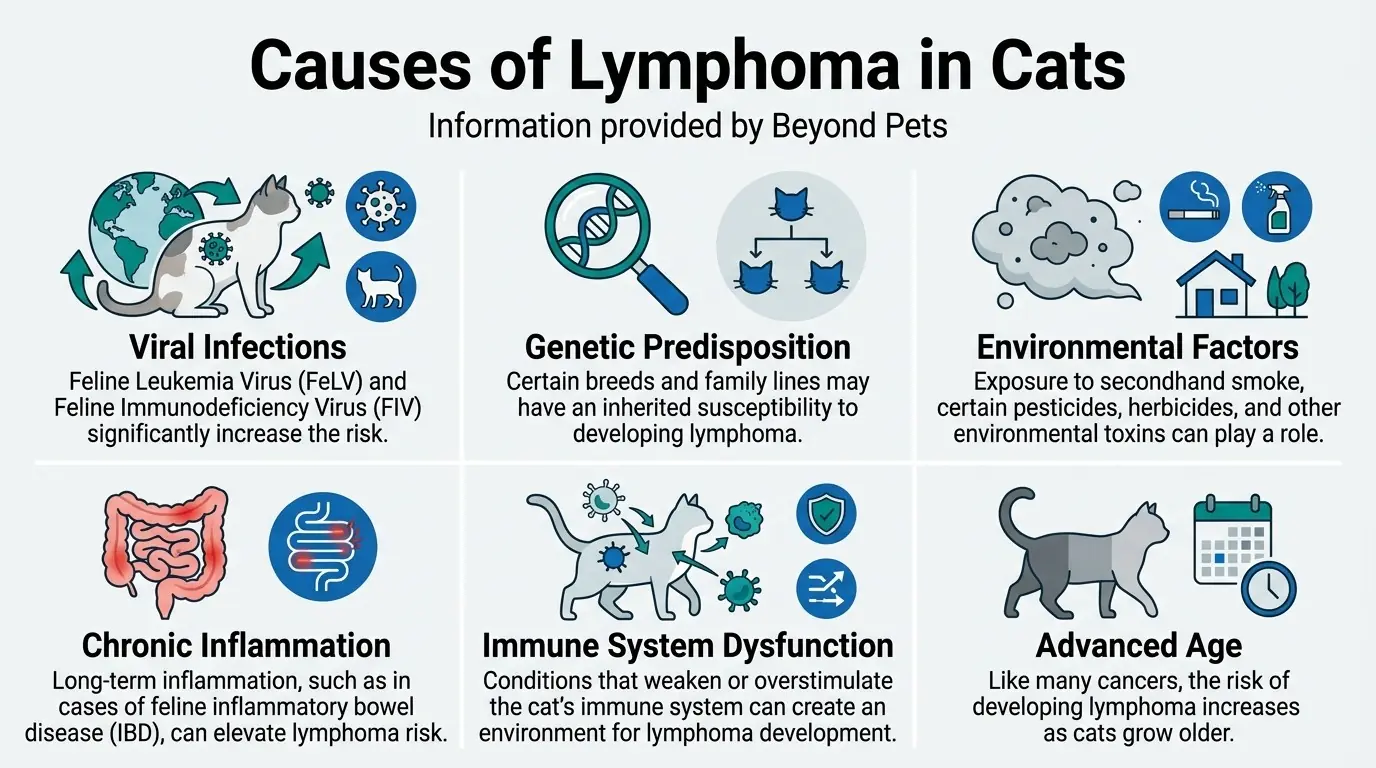
Lymphoma in cats is a multifactorial disease, meaning that a combination of genetic mutations, chronic environmental exposures, and infectious viral agents all conspire to cause normal immune cells to undergo malignant transformation. In a healthy feline body, cellular division is tightly controlled by complex genetic instructions. Tumor suppressor genes act as brakes, preventing cells from dividing out of control, while proto-oncogenes act as accelerators, promoting normal growth. When these genes are damaged or mutated, the brakes fail, the accelerators become stuck, and cancer develops. While researchers have not identified one single trigger that applies to all cases, extensive veterinary research has highlighted several critical risk factors that significantly elevate a cat’s chances of developing this devastating disease.[16]
1. Feline Leukemia Virus (FeLV) and Feline Immunodeficiency Virus (FIV)
The most profound and historically significant risk factors for feline lymphoma are retroviral infections. Feline Leukemia Virus (FeLV) is an aggressive retrovirus that directly integrates its own viral DNA into the genetic code of the host cat’s cells—a process known as insertional mutagenesis. If the virus happens to insert its DNA near a critical cellular oncogene, it forcefully activates that gene, plunging the cell into uncontrolled cancerous replication. Historically, up to 70% of cats diagnosed with lymphoma were FeLV-positive, and the virus was exceptionally notorious for causing massive mediastinal lymphomas in cats younger than three years old. Today, thanks to robust vaccination protocols and rigorous testing, FeLV-associated lymphoma is far less common, though it remains a vital consideration in unvaccinated or outdoor cats.[17]
While FeLV directly causes cancer through DNA manipulation, Feline Immunodeficiency Virus (FIV)—often compared to human HIV—promotes cancer through a different mechanism. FIV progressively destroys the cat’s immune system, specifically targeting and eliminating T-helper lymphocytes. A healthy immune system is essential not just for fighting infections, but also for identifying and destroying early, microscopic cancer cells through a process called immune surveillance. As FIV decimates the cat’s immune defenses, this surveillance mechanism collapses, allowing spontaneous mutations and cancerous cells to flourish unchecked. Furthermore, cats co-infected with both FeLV and FIV face a dramatically compounded risk, with their likelihood of developing lymphoma increasing exponentially compared to uninfected cats. Recognizing and managing these infectious diseases in cats is paramount to comprehensive cancer prevention.[18]
2. Genetic Factors
While infectious viruses dominate the conversation regarding feline lymphoma, emerging evidence strongly suggests an underlying genetic or hereditary predisposition in certain feline populations. Veterinary oncologists have documented that specific purebred cats, notably Siamese, Oriental Shorthairs, and Manx cats, exhibit a statistically significant higher risk of developing certain subtypes of lymphoma compared to domestic shorthair cats. For instance, young Siamese cats are highly overrepresented in cases of mediastinal lymphoma, even when they test completely negative for the Feline Leukemia Virus. This strongly implies that these breeds carry inherited genetic mutations—perhaps involving fragile chromosomal regions or inherently defective tumor suppressor genes—that make their lymphocytes more susceptible to malignant transformation. While true genetic screening for feline lymphoma is not yet commercially available, breeders and owners of these susceptible breeds should remain highly vigilant for early clinical signs.[19]
3. Environmental Factors
The environment in which a cat lives plays a surprisingly substantial role in their oncological health. One of the most thoroughly researched environmental risk factors is exposure to environmental tobacco smoke (secondhand smoke). Because cats are fastidious groomers, they do not merely inhale airborne carcinogens from cigarette smoke; these toxic chemical particles settle onto their fur and are subsequently ingested daily during grooming sessions. A landmark epidemiological study conducted by veterinary researchers at Tufts University demonstrated that cats living in households with smokers were more than twice as likely to develop malignant lymphoma—particularly the alimentary (gastrointestinal) subtype—compared to cats living in smoke-free environments. Furthermore, the risk increased significantly with both the duration of exposure and the number of smokers in the household. Other environmental carcinogens, including chronic exposure to certain household chemicals, herbicides, and pesticides used on lawns, are also subjects of ongoing investigation regarding their potential to induce DNA mutations in feline immune cells.[20]
4. Chronic Inflammation
In human and veterinary medicine alike, it is well-established that chronic inflammation is a powerful catalyst for cancer development. In felines, this connection is most evident in the relationship between Inflammatory Bowel Disease (IBD) and alimentary lymphoma. IBD is characterized by a persistent, inappropriate immune response in the gastrointestinal tract, often triggered by food allergies, bacterial imbalances, or parasitic infections. This chronic state of inflammation forces the local lymphocytes in the gut to constantly divide and remain highly active over a period of years. Every time a cell divides, there is a small risk of a DNA replication error. Over time, this rapid, relentless cellular turnover dramatically increases the statistical likelihood of a catastrophic genetic mutation occurring. Many veterinary pathologists believe there is a continuous spectrum of disease progression, where uncontrolled, chronic IBD eventually mutates and crosses the biological threshold to become low-grade, small-cell alimentary lymphoma. Therefore, aggressively managing and treating chronic inflammatory conditions is a crucial aspect of preventative health care in felines.[21]
Symptoms of Lymphoma in Cats
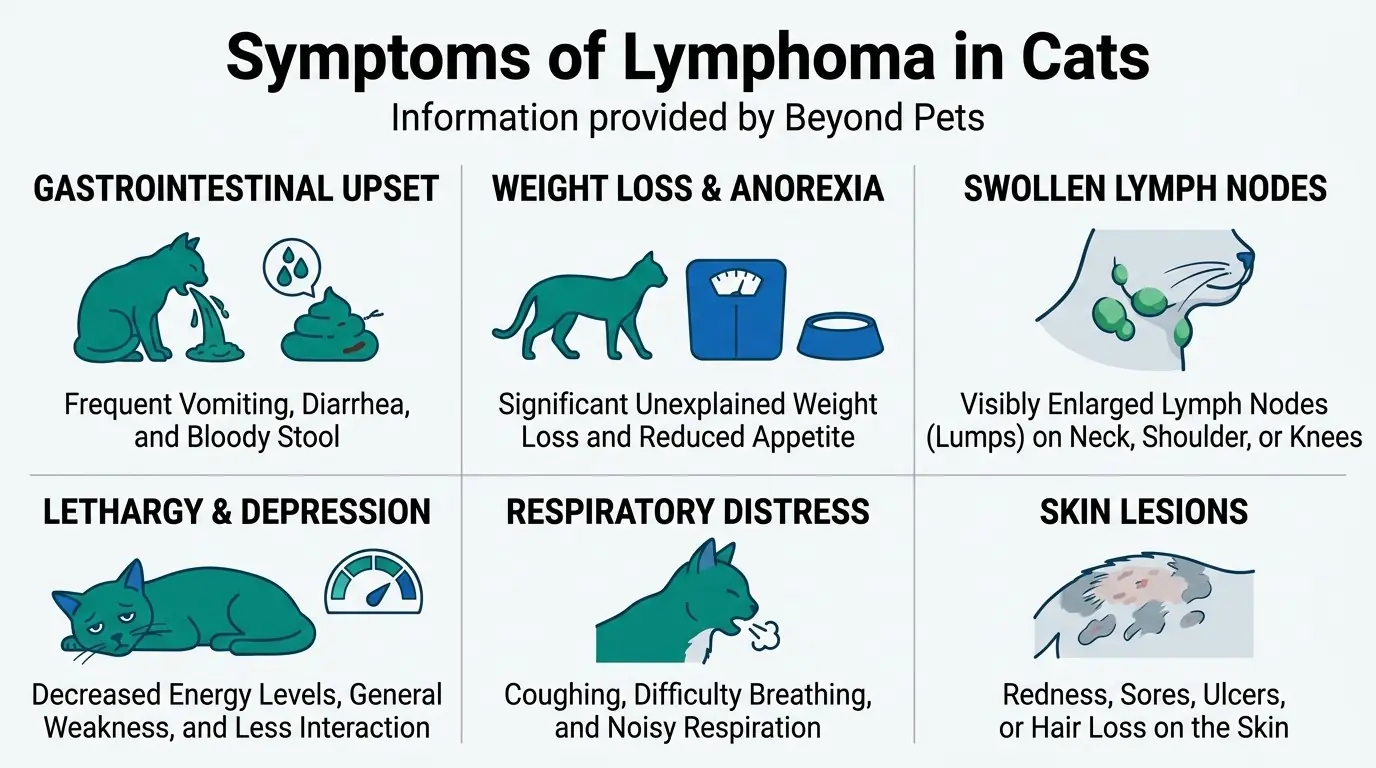
Because lymphocytes are present in almost every organ system, feline lymphoma is described as a “great imitator”—its clinical presentation can mimic a vast array of other metabolic or infectious diseases. The symptoms a pet parent observes will vary wildly depending on the specific organ infiltrated by the cancer cells, the speed at which the tumor is growing (its histologic grade), and the degree of systemic inflammation the cancer is producing. While some cats may present with sudden, catastrophic illness, others may simply seem to be “slowing down” over several months. Vigilant observation and early veterinary intervention are critical. Here is a comprehensive overview of the symptoms associated with feline lymphoma:[22]
- Profound Loss of Appetite (Anorexia): A near-universal symptom of systemic cancer is a sudden or gradual refusal to eat. The cancer releases circulating cytokines (inflammatory proteins) that heavily suppress the appetite center in the cat’s brain.
- Severe Weight Loss and Muscle Wasting (Cachexia): Even if the cat is eating marginally, the tumor acts as a metabolic parasite, consuming vast amounts of glucose and protein. This leads to cancer cachexia, where the cat loses significant muscle mass, especially noticeable over the spine and hindquarters.
- Persistent Lethargy and Depression: Cats battling the profound metabolic drain of lymphoma will often become withdrawn, sleep excessively, ignore favorite toys, and cease their normal grooming habits, resulting in a dull, unkempt coat.
- Chronic Vomiting and Diarrhea: In cases of alimentary (GI) lymphoma, the infiltration of the stomach and intestines leads to severe malabsorption, frequent vomiting (sometimes containing blood), and chronic diarrhea. Stools may become dark and tarry (melena) if there is active bleeding in the upper GI tract.
- Palpably Enlarged Lymph Nodes: In multicentric lymphoma, owners or veterinarians may feel firm, non-painful swellings under the jaw (mandibular nodes), in front of the shoulder blades (prescapular nodes), or behind the knees (popliteal nodes).
- Severe Respiratory Distress: Mediastinal lymphoma creates massive space-occupying lesions in the chest and induces pleural effusion. Cats will exhibit rapid, shallow breathing, open-mouth panting, coughing, and an inability to lie down comfortably.
- Increased Thirst (Polydipsia) and Urination (Polyuria): Renal lymphoma destroys the kidneys’ ability to concentrate urine. The cat will drink excessive amounts of water and flood the litter box in a desperate biological attempt to flush out circulating uremic toxins.
- Abdominal Distension: Lymphoma can cause massive enlargement of the liver (hepatomegaly) or the spleen (splenomegaly), leading to a visibly swollen, pot-bellied appearance. Fluid can also accumulate in the abdomen (ascites) due to low blood protein levels.
- Neurological Abnormalities: If the cancer invades the central nervous system, cats may exhibit sudden blindness, unequal pupil sizes (anisocoria), loss of balance (vestibular disease), behavioral changes, or acute seizures.
- Cutaneous Abnormalities: Skin lymphoma can present as raised, reddened plaques, ulcerated skin lesions that bleed and fail to heal, or diffuse, severe flaking and itching that resembles severe allergic dermatitis.
If you observe a combination of these signs, particularly progressive weight loss paired with lethargy, it is imperative to seek comprehensive veterinary diagnostics immediately. While these clinical signs strongly suggest a severe underlying pathology, they are not exclusive to lymphoma; conditions like hyperthyroidism, chronic kidney disease, or severe infections can present similarly. A definitive medical diagnosis is required to establish an effective treatment plan.[23]
Diagnosis of Feline Lymphoma
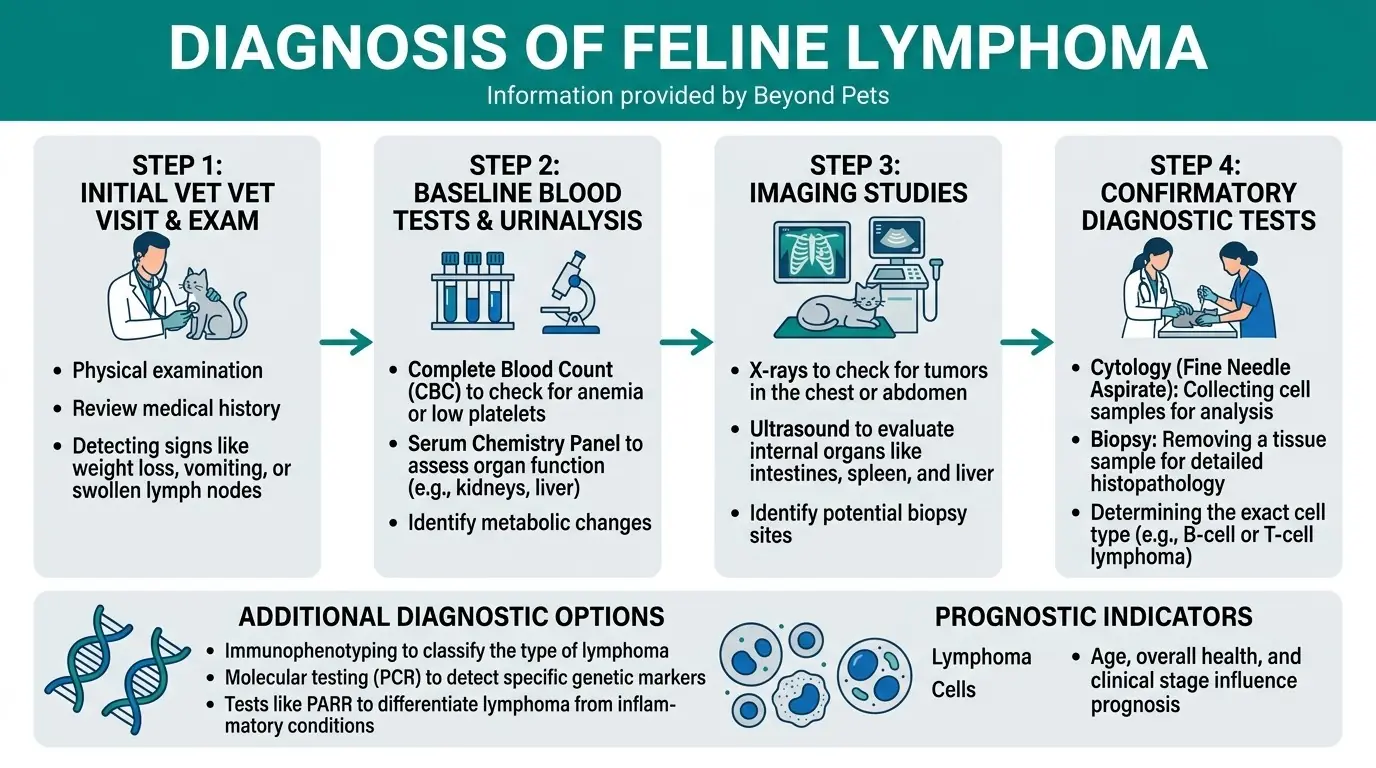
Reaching a definitive diagnosis of feline lymphoma—particularly distinguishing it from severe inflammatory conditions—is a complex, multi-step process that demands advanced clinical pathology and imaging. Because the treatment protocols and prognoses differ vastly between high-grade and low-grade lymphomas, simply diagnosing “cancer” is not enough. The veterinary team must precisely identify the specific subtype, determine whether the cancer is of B-cell or T-cell origin, and stage the disease to understand how far it has spread throughout the body. A thorough diagnostic workup is the cornerstone of effective veterinary oncology.[24]
Physical Examination
The diagnostic journey always begins with a meticulous physical examination. The veterinarian will carefully palpate the entire body, assessing the size, symmetry, and texture of the peripheral lymph nodes. During abdominal palpation, they will feel for thickened, rope-like loops of intestine (a hallmark of alimentary lymphoma), enlargement of the liver or spleen, or the presence of abnormally large, irregular kidneys. Careful thoracic auscultation with a stethoscope is vital; muffled heart and lung sounds strongly suggest the presence of a mediastinal mass or pleural effusion. The veterinarian will also examine the cat’s eyes for signs of uveitis and thoroughly check the oral cavity for pallor (pale gums indicating severe anemia) or jaundice (yellowing indicating liver compromise).[25]
Blood Tests
Comprehensive bloodwork provides critical insights into the cat’s systemic health and organ function. A Complete Blood Count (CBC) evaluates the red and white blood cells. Cats with lymphoma frequently exhibit non-regenerative anemia due to bone marrow suppression, or abnormal lymphocyte counts (either severe lymphopenia or a massive spike in circulating, atypical lymphocytes). The serum biochemistry profile evaluates organ health; elevations in blood urea nitrogen (BUN) and creatinine indicate renal lymphoma, while elevated liver enzymes (ALT, AST, ALP) suggest hepatic infiltration. Occasionally, high-grade lymphomas cause paraneoplastic syndromes, such as hypercalcemia (dangerously high blood calcium levels), which can cause fatal kidney damage if uncorrected. Furthermore, retroviral testing (ELISA or PCR) for Feline Leukemia Virus (FeLV) and Feline Immunodeficiency Virus (FIV) is mandatory, as a positive status dramatically alters the prognosis and treatment approach. Finally, specific gastrointestinal panels measuring serum vitamin B12 and folate are crucial, as profound B12 deficiency is a hallmark of intestinal malabsorption linked to GI lymphoma.[26]
Imaging Studies
Advanced diagnostic imaging allows the veterinary team to “see” inside the patient and identify the extent of neoplastic infiltration. Thoracic radiographs (chest X-rays) are essential for identifying mediastinal masses, enlarged sternal lymph nodes, or the presence of pleural effusion, while also checking for evidence of metastasis to the lung tissue. However, abdominal ultrasound is arguably the most powerful imaging tool for diagnosing feline lymphoma, particularly the alimentary subtype. A skilled ultrasonographer can measure the precise thickness of the intestinal walls and evaluate the microscopic wall layering. In healthy cats, the intestine has five distinct, identifiable layers. In cats with GI lymphoma, the malignant infiltration completely obliterates this normal architecture, replacing it with a thickened, uniformly hypoechoic (dark) band of tissue. Ultrasound also safely guides the veterinarian in taking precise, non-surgical cellular samples (aspirates) from enlarged organs or lymph nodes deep within the abdomen.[27]
Cytology and Histopathology
While imaging can highly suspect lymphoma, a definitive diagnosis requires examining the cells themselves. Cytology is often the first step, performed via Fine-Needle Aspiration (FNA). A small needle is guided into the enlarged lymph node, mass, or organ to extract a tiny sample of cells, which are then spread on a glass slide and reviewed by a board-certified veterinary clinical pathologist. If the sample reveals a massive, uniform population of large, immature lymphoblasts with multiple nucleoli, a diagnosis of high-grade lymphoma can be made rapidly and non-invasively. However, cytology struggles to diagnose low-grade small-cell lymphoma, because these cancer cells look microscopically identical to normal, reactive lymphocytes responding to severe inflammation (like IBD).[28]
When cytology is inconclusive, histopathology via a surgical biopsy becomes necessary. A biopsy involves removing a larger, solid piece of tissue, preserving its structural architecture. For gastrointestinal cases, this can be done via endoscopy (using a camera down the throat to take superficial mucosal pinches) or via an exploratory laparotomy (a full surgical opening of the abdomen to take full-thickness surgical biopsies of the intestine and liver). Full-thickness biopsies are considered the “gold standard” for diagnosing GI lymphoma, as they allow the pathologist to see exactly how deeply the cancer cells have invaded the intestinal wall, definitively differentiating between IBD and invasive lymphoma.[29]
Immunohistochemistry or PARR
When even standard histopathology struggles to definitively differentiate between severe inflammatory disease and early-stage low-grade lymphoma, veterinary oncologists turn to advanced molecular diagnostics. Immunohistochemistry (IHC) utilizes specialized fluorescent antibodies that bind to specific protein markers on the surface of the lymphocytes. This process determines whether the tumor consists of B-cells (using markers like CD79a or PAX5) or T-cells (using the CD3 marker). Knowing the cell origin is critical, as T-cell lymphomas generally carry a slightly more guarded prognosis than B-cell lymphomas in certain anatomical locations.[30]
The most advanced diagnostic tool available is PCR for Antigen Receptor Rearrangement (PARR). PARR evaluates the DNA of the lymphocyte population to determine clonality. In a normal inflammatory response (like IBD), the immune system produces millions of different lymphocytes, all with slightly different genetic codes, to fight various potential threats. This is a “polyclonal” population. However, cancer starts from a single mutated cell that clones itself endlessly. If the PARR test reveals that every single lymphocyte in the biopsy sample has the exact same genetic sequence, it confirms a “monoclonal” expansion, definitively proving that the disease is a malignant lymphoma rather than a benign inflammatory response. These advanced diagnostics represent the pinnacle of clinical pathology and are essential for tailoring highly specific treatment plans.[31]
Treatment for Lymphoma in Felines
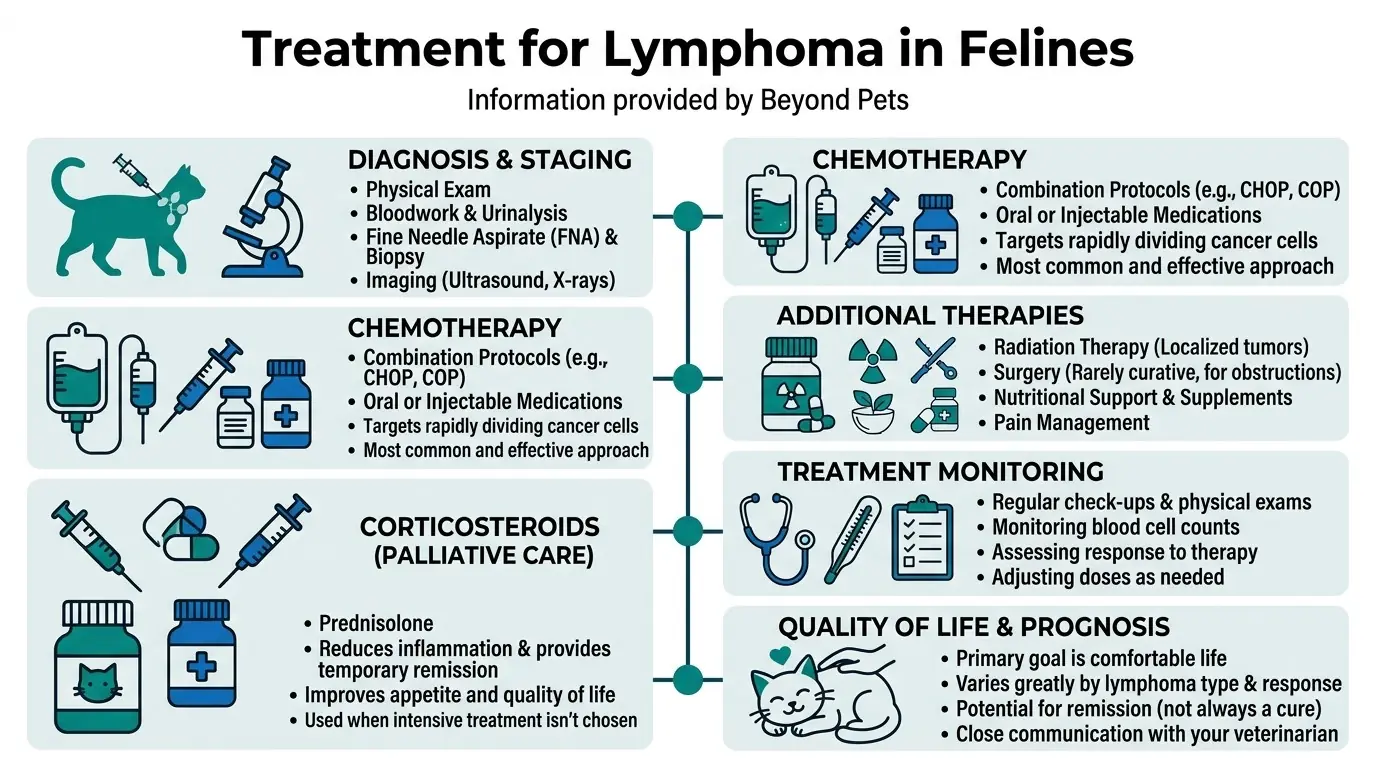
Receiving a lymphoma diagnosis is daunting, but it is critical to understand that feline lymphoma is often one of the most treatable forms of cancer in veterinary medicine. Because the disease is systemic—affecting cells that travel throughout the bloodstream and lymphatic vessels—localized treatments like surgery are rarely curative on their own. Instead, the foundation of lymphoma treatment relies on systemic medical interventions. The goal of treatment is to achieve a state of complete clinical remission, meaning that all physical symptoms vanish, and cancer cells are no longer detectable using standard diagnostic techniques. While treatment rarely provides a permanent “cure,” it can effectively transform a terminal crisis into a manageable chronic illness, granting the pet parent many months, or even years, of high-quality time with their companion. Treatment protocols are meticulously tailored based on the cat’s specific lymphoma subtype, overall health, and the owner’s financial and emotional capabilities.[32]
Chemotherapy Treatment
Chemotherapy remains the undisputed gold standard for treating feline lymphoma. While the word “chemotherapy” often evokes fear of severe side effects due to the human medical experience, it is vital to recognize that veterinary oncology operates on a fundamentally different philosophy. The primary goal in treating animals is maximizing their quality of life, not simply extending survival at the cost of immense suffering. As a result, veterinary chemotherapy dosages are carefully calculated to minimize toxicity. Cats, remarkably, tolerate chemotherapy exceedingly well compared to humans or even dogs. They rarely experience generalized hair loss (though they may lose their whiskers and their coat may thin slightly), and severe gastrointestinal side effects are uncommon. Approximately 50 to 70% of cats with lymphoma respond favorably to chemotherapy protocols and successfully enter remission.[33]
The specific chemotherapeutic approach heavily depends on the grade of the lymphoma. For low-grade (small-cell) alimentary lymphoma, the standard treatment is surprisingly gentle and often managed entirely at home. It typically involves a chemotherapy medication prescribed by your veterinarian for at-home administration, combined with a daily prescription corticosteroid. This protocol is highly successful, with up to 70-80% of cats achieving remission that can last anywhere from two to three years, effectively returning them to a normal lifespan. For high-grade (large-cell) lymphomas, more aggressive multi-agent protocols are required to combat the rapidly dividing tumor cells. Regular visits to a veterinary oncologist are necessary to administer advanced systemic chemotherapy medications and monitor the cat’s complete blood count (CBC) to ensure their bone marrow is safely tolerating the treatment.[34]
Radiation Therapy
While systemic chemotherapy treats the entire body, radiation therapy is utilized when the lymphoma is highly localized to one specific anatomical region that cannot be easily managed with drugs alone. Radiation therapy utilizes highly targeted beams of ionizing high-energy X-rays to physically smash the DNA within the cancer cells, destroying their ability to divide and causing targeted cellular death. In feline oncology, radiation is most commonly deployed for cases of localized nasal lymphoma, where it can rapidly shrink the obstructing tumor and restore normal breathing, or for solitary cutaneous (skin) lymphomas. It can be used as a standalone curative-intent therapy for localized disease, or integrated into a broader chemotherapy plan to rapidly reduce the size of massive mediastinal tumors that are actively compressing the airway. Advanced facilities utilize stereotactic radiation, which delivers massive, precise doses of radiation directly to the tumor while sparing the surrounding healthy tissue, significantly reducing side effects.[35]
Palliative Care
In scenarios where advanced chemotherapy is declined by the owner—whether due to financial constraints, geographical limitations, or the presence of concurrent severe terminal illnesses—veterinarians will pivot to dedicated palliative care. The singular focus of palliative care is aggressively managing clinical symptoms, eliminating pain, and maximizing the cat’s comfort for whatever time remains. The cornerstone of palliative therapy for feline lymphoma is the administration of high-dose prescription corticosteroids. Corticosteroids are remarkable drugs; they profoundly reduce systemic inflammation, stimulate a robust appetite, induce a sense of well-being, and surprisingly, they are directly cytotoxic (toxic) to lymphoma cells. Corticosteroid therapy alone can temporarily halt the growth of the cancer and provide a brief period of clinical remission lasting anywhere from one to three months.[36]
Beyond steroids, a comprehensive palliative care plan incorporates multiple supportive medications to address specific symptoms. Prescription anti-nausea medications are utilized to permanently suppress nausea and vomiting. Prescription pain medication prescribed by your veterinarian is administered to ensure the cat remains pain-free, particularly if the cancer has invaded the bone marrow or central nervous system. Prescription appetite stimulants help combat cancer-induced cachexia. Furthermore, cats suffering from GI lymphoma are routinely given veterinarian-administered vitamin B12 supplementation, as restoring B12 levels is essential for reversing chronic lethargy and improving digestive function. Palliative care is particularly crucial when managing a senior cat’s complex medical needs, ensuring their final chapters are lived with dignity and comfort. Always consult your veterinarian before making any changes to your pet’s care, particularly when navigating end-of-life decisions.[37]
Multidrug Protocols
For high-grade, aggressive lymphomas, utilizing a single chemotherapeutic agent is rarely effective, as the cancer cells rapidly mutate to develop drug resistance. Instead, veterinary oncologists deploy sophisticated multidrug protocols, alternating different classes of chemotherapy drugs to attack the cancer cells at various stages of their replication cycle. The most renowned and statistically successful approach for high-grade feline lymphoma is a standard multi-agent chemotherapy protocol. This approach utilizes a rotating schedule of several potent medications—such as alkylating agents, specialized antibiotics, plant alkaloids, and corticosteroids—to attack the cancer cells at various stages of their replication cycle. A standard multi-agent protocol involves regular veterinary visits for up to six months.[38]
Another frequently utilized approach is an alternative multi-agent protocol, which utilizes a different combination of these chemotherapy medications to avoid specific agents known to carry a unique risk of cumulative nephrotoxicity (kidney damage) in cats. If a feline patient eventually falls out of remission and the cancer returns (a relapse), the tumor has likely developed widespread resistance to the initial chemotherapy medications. In these critical situations, oncologists implement “rescue protocols.” Rescue protocols utilize entirely different families of chemotherapeutics, most commonly utilizing an alternative class of chemotherapy medications that effectively penetrates the blood-brain barrier, or a unique specialized enzyme treatment administered by your veterinarian that starves cancer cells of essential amino acids without suppressing the bone marrow. The continuous evolution of these protocols highlights the dynamic and adaptable nature of modern veterinary oncology.[39]
Prevention for Cat Lymphoma
While cancer is inherently unpredictable and cannot be entirely prevented due to the chaotic nature of genetic mutations, pet parents are not entirely powerless. Because several major risk factors for feline lymphoma have been definitively identified, implementing proactive healthcare and environmental management strategies can profoundly reduce your cat’s statistical risk of developing this devastating illness. Prevention is heavily focused on neutralizing infectious agents and minimizing exposure to known carcinogens.[40]
- Vaccination and Consistent Testing: The single most effective preventative measure against lymphoma is protecting your cat from retroviruses. Every kitten should be tested for Feline Leukemia Virus (FeLV) and Feline Immunodeficiency Virus (FIV). Cats that test negative should receive the highly effective FeLV vaccine series, especially if they spend any time outdoors or interact with cats of unknown health status. Maintaining this immunity through proper booster schedules is essential for long-term protection.
- Indoor Lifestyle: Transitioning your cat to an exclusively indoor lifestyle is a powerful preventative strategy. Indoor cats face a near-zero risk of contracting FeLV or FIV from neighborhood strays. Furthermore, keeping cats indoors protects them from vehicular trauma, predatory wildlife, and exposure to toxic industrial chemicals or rodenticides frequently found in outdoor environments.
- Steer Clear of Tobacco Smoke: The epidemiological link between secondhand smoke and feline gastrointestinal lymphoma is undeniable. Due to their rigorous grooming habits, cats ingest concentrated carcinogens that settle onto their fur. If you or someone in your household smokes, it is imperative to never smoke indoors or in confined spaces with the cat. Ideally, households with pets should strive to remain entirely smoke-free.
- Offer a Nutritious Diet: While there is no “miracle diet” that absolutely prevents cancer, feeding a high-quality, biologically appropriate, balanced diet is fundamental for maintaining robust immune function. High-quality proteins and appropriate levels of Omega-3 fatty acids help modulate systemic inflammation and keep the digestive tract healthy, which is particularly vital given the prevalence of alimentary lymphoma.
- Frequent Vet Check-ups: Geriatric cats (those over the age of seven) should undergo comprehensive veterinary examinations, including routine blood work and urinalysis, at least twice a year. Early detection of any anomaly—whether a slight drop in weight or a subtle thickening of the intestines felt during palpation—allows for immediate diagnostic intervention. Finding lymphoma early, before it has caused severe systemic debilitation, drastically improves the response to chemotherapy.
- Control Chronic Inflammation: Never ignore chronic vomiting or diarrhea. If your cat is diagnosed with Inflammatory Bowel Disease (IBD), work diligently with your veterinarian to achieve strict medical and dietary control over the condition. Leaving chronic gastrointestinal inflammation unchecked allows rapid cellular turnover to continue unabated, significantly increasing the risk that the benign inflammation will eventually mutate into malignant small-cell lymphoma.
Implementing these preventative strategies forms a robust shield against numerous health threats. However, should your companion ever face a diagnosis, remember that feline oncology is a rapidly advancing field characterized by compassion and innovation. Always consult your veterinarian before making any changes to your pet’s care, and work closely with specialized veterinary oncologists to explore every available avenue for your beloved pet.[41]
Frequently Asked Questions
Is it worth giving my cat chemotherapy?
The decision to pursue chemotherapy for a cat with lymphoma is deeply personal and depends heavily on the specific grade of the cancer and your pet’s overall vitality. Unlike human chemotherapy, which often aims for a complete cure at the cost of severe temporary suffering, veterinary chemotherapy is strictly designed to maximize quality of life and minimize toxicity. The dosages used are relatively low, meaning cats rarely lose their fur or suffer debilitating nausea. For cats diagnosed with low-grade small-cell alimentary lymphoma, the chemotherapy protocol is often managed with at-home medications, which can provide years of high-quality, symptom-free life. For high-grade lymphomas, aggressive protocols can successfully induce remission in a majority of patients, giving families many extra months of comfortable time together. However, if the cat is already in end-stage organ failure or suffers from other terminal diseases, palliative care may be a more compassionate choice. An open, honest discussion with a board-certified veterinary oncologist is crucial to setting realistic expectations and making an informed, loving decision.[42]
How long can a cat live with lymphoma on steroids?
Prescription corticosteroids are the cornerstone of palliative (comfort-focused) care for feline lymphoma. These drugs are incredibly beneficial; they reduce life-threatening inflammation, stimulate a strong appetite, and uniquely, they are directly toxic to lymphoma cells, temporarily forcing the cancer to retreat. When treating high-grade (aggressive) lymphoma exclusively with corticosteroid therapy (opting out of full chemotherapy), owners can generally expect a temporary remission or period of improved clinical health lasting anywhere from one to three months. Eventually, the rapidly mutating cancer cells will develop resistance to the steroids, and the disease will aggressively progress. Conversely, for low-grade small-cell lymphoma, corticosteroids are often permanently combined with an at-home chemotherapy medication prescribed by your veterinarian, and cats on this combined protocol frequently survive for two to three years. If using corticosteroid therapy alone as end-of-life hospice care, the primary focus is not on the length of survival, but on ensuring those final weeks or months are lived completely free of pain and nausea.[43]
What are the initial symptoms of feline lymphoma?
Because lymphocytes circulate throughout the entire body, the initial symptoms of feline lymphoma are notoriously vague and mimic many other common feline diseases. The most universally reported early warning signs are a progressive, unexplained loss of weight paired with a subtle decrease in appetite (anorexia). Owners often notice their cat feels “bony” along the spine despite having access to food. Profound lethargy is also common; a previously active cat may begin hiding in closets, sleeping excessively, and ignoring grooming habits, resulting in a dull, unkempt coat. If the lymphoma targets the gastrointestinal tract (the most common form), the cat will likely experience chronic vomiting, diarrhea, and potentially dark, tarry stools indicating internal bleeding. If the lymphoma attacks the chest cavity (mediastinal lymphoma), the cat will exhibit sudden, severe difficulty breathing, open-mouth panting, and an inability to lie down comfortably. Enlarged, firm, non-painful lumps felt under the jaw or behind the knees are hallmark signs of multicentric lymphoma. If you observe any combination of chronic weight loss, lethargy, or digestive upset, immediate veterinary diagnostics are essential.[44]
Concerned About Your Cat’s Health?
Early detection and tailored treatment are critical when managing complex conditions like feline lymphoma. Don’t wait if you notice any changes in your cat’s weight, appetite, or behavior.
References
- Merck Veterinary Manual. Lymphoma in Cats: Causes, Symptoms, and Treatment. Merck & Co., 2023.
- Cornell Feline Health Center. Feline Lymphoma: Understanding the Disease. Cornell University, 2022.
- VCA Animal Hospitals. Lymphoma in the Cat. VCA, 2023.
- Gieger, T. “Alimentary Lymphoma in Cats.” Veterinary Clinics of North America: Small Animal Practice, 2013.
- American Veterinary Medical Association (AVMA). Cancer in Pets. AVMA, 2023.
- Vail, D.M. “Feline Lymphoma and Leukemia.” Small Animal Clinical Oncology, 5th Edition, 2013.
- Barrs, V.R. “Feline Alimentary Lymphoma: 1. Classification, Risk Factors, and Clinical Signs.” Journal of Feline Medicine and Surgery, 2015.
- Fondacaro, J.V., et al. “Feline Gastrointestinal Lymphoma.” Compendium on Continuing Education for the Practicing Veterinarian, 2008.
- Kiupel, M., et al. “Diagnostic Algorithm for Feline Gastrointestinal Lymphoma.” Veterinary Pathology, 2015.
- Louwerens, M., et al. “Feline Lymphoma in the Post-Feline Leukemia Virus Era.” Journal of Veterinary Internal Medicine, 2005.
- Merck Veterinary Manual. Mediastinal Diseases in Small Animals. Merck & Co., 2023.
- Mooney, S.C., et al. “Renal Lymphoma in Cats: 28 Cases (1977-1984).” Journal of the American Veterinary Medical Association, 1987.
- Taylor, S.S., et al. “Feline Extranodal Lymphoma: Response to Chemotherapy and Survival.” Journal of Feline Medicine and Surgery, 2011.
- Milner, R.J., et al. “Survival Times for Cats with Extranodal Lymphoma.” Veterinary and Comparative Oncology, 2005.
- VCA Animal Hospitals. Nasal Tumors in Cats. VCA, 2023.
- Tzannes, S., et al. “Mutational Analysis of Tumor Suppressor Genes in Feline Lymphoma.” Research in Veterinary Science, 2008.
- Cornell Feline Health Center. Feline Leukemia Virus. Cornell University, 2022.
- AVMA. Feline Immunodeficiency Virus (FIV). AVMA, 2023.
- Louwerens, M., et al. “Breed Predispositions for Feline Lymphoma.” Journal of Feline Medicine and Surgery, 2012.
- Bertone, E.R., et al. “Environmental Tobacco Smoke and Risk of Malignant Lymphoma in Pet Cats.” American Journal of Epidemiology, 2002.
- Marsilio, S., et al. “Differentiation of Inflammatory Bowel Disease from Lymphoma in Cats.” Veterinary Clinics of North America, 2017.
- ASPCA. Common Cat Diseases and Symptoms. ASPCA, 2023.
- Goutal, C.M., et al. “Clinical Presentation of Feline Lymphoma.” Journal of Veterinary Internal Medicine, 2014.
- Russell, K.E., et al. “Diagnostic Algorithms for Feline Lymphoma.” Veterinary Pathology, 2013.
- Merck Veterinary Manual. Cytology of Lymph Nodes. Merck & Co., 2023.
- Simpson, K.W., et al. “Cobalamin Deficiency in Feline Gastrointestinal Disease.” Journal of Veterinary Internal Medicine, 2004.
- Penninck, D., et al. “Ultrasonographic Features of Feline Gastrointestinal Lymphoma.” Veterinary Radiology & Ultrasound, 2010.
- Moore, P.F., et al. “Canine and Feline Lymphoma Cytology.” Veterinary Clinics of North America, 2011.
- Evans, S.E., et al. “Comparison of Endoscopic and Surgical Biopsy for Diagnosis of Feline Alimentary Lymphoma.” Journal of Veterinary Internal Medicine, 2008.
- Patterson-Kane, J.C., et al. “Immunohistochemistry in Feline Lymphoma Diagnosis.” Veterinary Pathology, 2012.
- Moore, P.F., et al. “PCR for Antigen Receptor Rearrangements (PARR) in Feline Lymphoma.” Veterinary Pathology, 2010.
- VCA Animal Hospitals. Chemotherapy in Cats. VCA, 2023.
- Kristal, O., et al. “Toxicity of Chemotherapy in Feline Oncology Patients.” Journal of Veterinary Internal Medicine, 2005.
- Kiselow, M.A., et al. “Chlorambucil and Prednisolone for Treatment of Feline Small Cell Gastrointestinal Lymphoma.” Journal of the American Veterinary Medical Association, 2008.
- Mellanby, R.J., et al. “Radiation Therapy for Feline Nasal Lymphoma.” Veterinary Radiology & Ultrasound, 2004.
- Collette, S.A., et al. “Palliative Corticosteroid Therapy for Feline Lymphoma.” Journal of Feline Medicine and Surgery, 2013.
- American Animal Hospital Association (AAHA). End-of-Life Care Guidelines. AAHA, 2016.
- Simon, D., et al. “The CHOP Protocol for Feline High-Grade Lymphoma.” Veterinary and Comparative Oncology, 2002.
- Rau, S.E., et al. “Lomustine (CCNU) as a Rescue Therapy for Feline Lymphoma.” Journal of Veterinary Internal Medicine, 2009.
- Centers for Disease Control and Prevention (CDC). Healthy Pets, Healthy People: Cats. CDC, 2023.
- AVMA. Senior Pet Care FAQ. AVMA, 2023.
- Vail, D.M. “Quality of Life in Veterinary Oncology Patients.” Veterinary Clinics of North America, 2011.
- Hahn, K.A., et al. “Glucocorticoids in Veterinary Oncology.” Journal of the American Veterinary Medical Association, 2004.
- Cornell Feline Health Center. Feline Gastrointestinal Symptoms and Diagnostics. Cornell University, 2022.