



 March 11, 2023
 Phil Good, DVM
What is a Reverse Sneeze in Cats?
This content was prepared with AI assistance and reviewed by a licensed professional for accuracy.
Introduction
For many pet parents, hearing their feline companion suddenly make loud, rapid, snorting sounds can be a terrifying and anxiety-inducing experience. You might initially think your cat is choking on a toy, experiencing a severe asthma attack, or having an acute respiratory crisis that requires an immediate trip to the emergency room. However, what you are likely witnessing is a condition known as a Reverse Sneeze in Cats, a relatively common phenomenon where a cat sneezes backward to rapidly clear irritation from the back of their throat or deep within their nasal passages. While it looks and sounds incredibly distressing, this physiological event—clinically referred to as paroxysmal inspiratory respiration—is actually a protective and reflexive defense mechanism embedded within your cat’s respiratory system.[1]
To fully understand what is happening during a reverse sneezing episode, it is highly beneficial to look at the intricate anatomy of the feline upper respiratory tract. A cat’s respiratory system begins at the nares (nostrils) and extends through the nasal cavity, which contains complex, scroll-like bony structures called nasal turbinates. These turbinates are covered in a specialized mucosal lining consisting of ciliated pseudostratified columnar epithelium and numerous goblet cells that constantly produce protective mucus. The primary job of this mucosal lining is to warm, humidify, and filter the air your cat breathes before it ever reaches the delicate tissues of the lower lungs. Just past the nasal cavity is the nasopharynx, which sits right above the soft palate at the very back of the throat. When irritants bypass the initial filters of the front of the nose and settle in the nasopharynx, the body must find a way to expel them. A traditional forward sneeze pushes air violently out through the nostrils to clear the front of the nasal passages. In contrast, a reverse sneeze involves a sudden, powerful, and rapid inhalation of air designed to pull mucus or irritants backward from the nasopharynx down into the throat so they can be safely swallowed.[2]
Historically, there have been many widespread misconceptions about how feline respiratory allergies and irritants function within the body. Some outdated sources inaccurately claimed that when cats inhale foreign substances, these microscopic particles bypass all defenses and go straight into the bloodstream. This is a profound biological misunderstanding. In reality, inhaled allergens—such as pollen, mold spores, or dust mite dander—land directly on the sticky respiratory mucosa. Once trapped there, local immune cells known as mast cells, which are heavily coated in Immunoglobulin E (IgE) antibodies, recognize the foreign invader. These mast cells undergo a process called degranulation, releasing massive amounts of histamine and other inflammatory cytokines directly into the local tissue. This localized immune response causes immediate swelling, vasodilation, and an excessive production of mucus. The resulting inflammation severely tickles the highly sensitive mechanoreceptors located in the mucosal lining.[3]
When these mechanoreceptors are sufficiently irritated, they transmit rapid distress signals via the trigeminal nerve (Cranial Nerve V) and the glossopharyngeal nerve (Cranial Nerve IX) directly to the respiratory control centers located in the brainstem’s medulla oblongata. The brain then reflexively commands the diaphragm to contract forcefully while the glottis (the opening to the windpipe) remains partially closed. This creates a massive negative pressure vacuum in the upper airway, resulting in the characteristic honking or snorting sound of a reverse sneeze. Understanding this underlying anatomical and neurological pathway can help cat owners remain calm. By recognizing that reverse sneezing is a temporary, reflex-driven attempt to clear an irritated throat or nasal passage, pet owners can better identify the behavior and calmly reassure their feline companions during these startling but generally benign instances.[4]
What Causes Feline Reverse Sneezing?
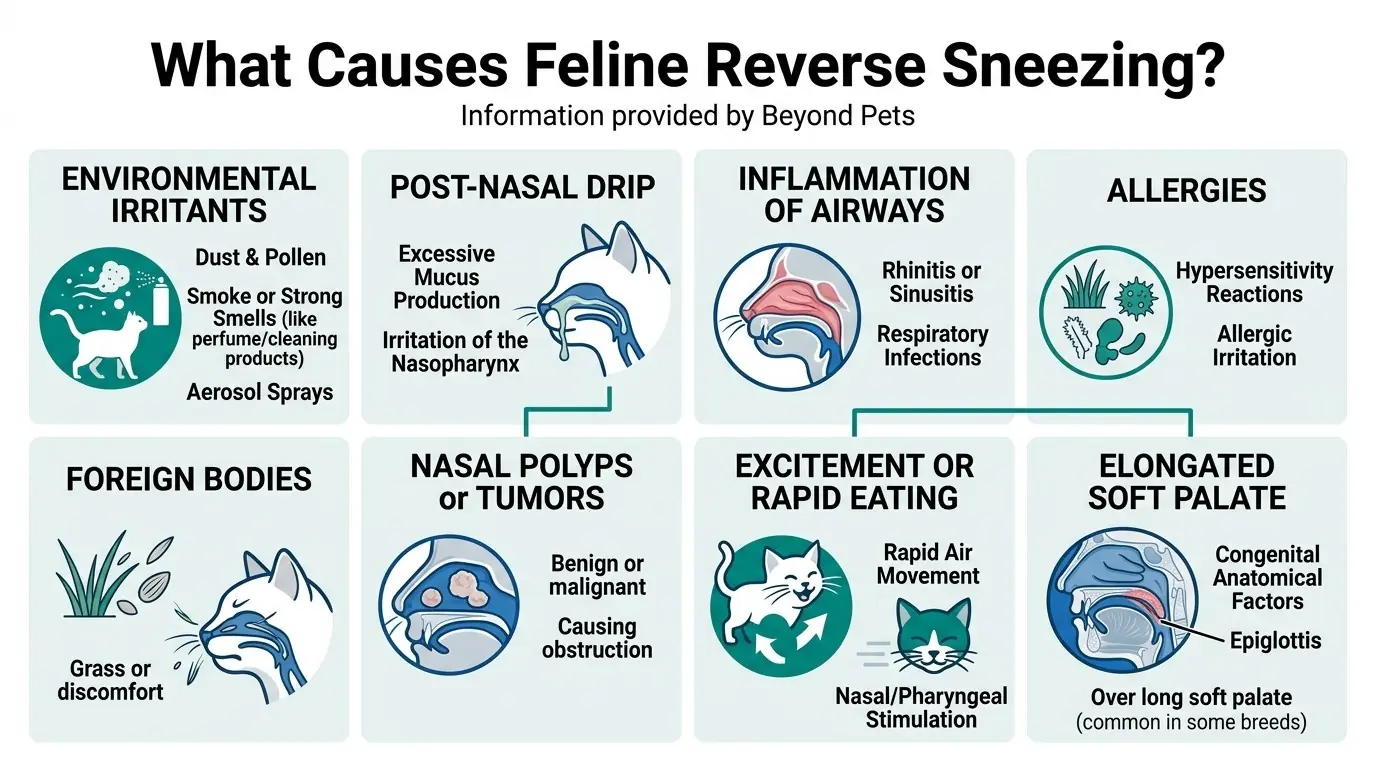
Reverse sneezing in cats, as previously noted, is a specific physiological event characterized by swift, forceful, and frequent inhalations through the nose. While the reflex itself is simple to understand mechanically, isolating the exact underlying cause of reverse sneezing in cats can sometimes remain clinically elusive. The nasal passages and nasopharynx are exposed to thousands of liters of air every day, making them vulnerable to a wide array of microscopic particles, pathogens, and structural anomalies. Comprehensive veterinary evaluations typically reveal that several distinct potential triggers can instigate these paroxysmal episodes.[5]
- Environmental irritants and allergens: By far the most common culprits for upper airway irritation in felines are environmental factors. Cats can frequently exhibit reverse sneezing episodes in direct response to microscopic irritants or volatile allergens present in their immediate indoor or outdoor surroundings. These irritants act exactly like seasonal allergies do in human beings. Common household triggers include airborne dust mites, seasonal tree and weed pollen, heavy household chemicals, aerosolized room fresheners, strong perfumes, and volatile organic compounds (VOCs) off-gassing from new carpets or furniture. Furthermore, fine particulate matter from dusty clay cat litters can be kicked up during regular bathroom use, creating a localized cloud of silica dust that the cat immediately inhales. Second-hand cigarette or vape smoke is another severe trigger that paralyzes the respiratory cilia, preventing the normal clearance of debris and provoking the reverse sneezing reflex as a compensatory mechanism.[6]
- Nasal mucus or post-nasal drip: An excessive accumulation of nasal mucus or a continuous post-nasal drip can heavily stimulate the reverse sneezing reflex. This excessive mucus production is frequently the secondary result of chronic upper respiratory infections (URIs). The Feline Upper Respiratory Disease Complex is primarily driven by two widespread viral pathogens: Feline Herpesvirus Type-1 (FHV-1) and Feline Calicivirus (FCV). Once a cat is infected with FHV-1, the virus often goes dormant in the trigeminal ganglion and can recrudesce during times of stress, causing chronic, low-grade mucosal inflammation and persistent post-nasal drip. Secondary bacterial invaders, such as Bordetella bronchiseptica or Chlamydia felis, can further complicate the clinical picture, turning clear mucus into thick, purulent discharge. The cat will reflexively attempt to clear this irritating post-nasal drip by aggressively inhaling through its nose.[7]
- Excitement or stress: Although less commonly discussed, intense behavioral states can directly impact respiratory mechanics. Some sensitive cats may display reverse sneezing episodes during acute periods of high excitement, vigorous play, or sudden environmental anxiety. From a physiological standpoint, elevated emotional states trigger the sympathetic nervous system, leading to tachycardia (rapid heart rate) and tachypnea (rapid breathing). This sudden increase in respiratory rate forces massive amounts of unhumidified air through the nasal passages, quickly drying out the delicate mucosal lining. A dry, irritated nasopharynx can spontaneously trigger the paroxysmal reflex. Once the cat calms down and normal salivary and mucosal moisture returns, the episodes generally cease.[8]
- Other causes: There is a wide spectrum of less common, but clinically significant, structural or infectious conditions that can trigger chronic episodes of reverse sneezing. Nasopharyngeal polyps—benign but obstructive inflammatory masses that originate in the middle ear or Eustachian tube and grow down into the back of the throat—are highly prevalent in young cats and kittens. As these polyps take up physical space in the airway, they create a constant sensation of irritation. Furthermore, parasitic infections such as nasal mites, though exceedingly rare in cats compared to dogs, can physically crawl within the turbinates. Neoplastic conditions, such as nasal lymphoma or adenocarcinomas, occur more frequently in senior felines. Additionally, an inquisitive cat exploring the garden may accidentally inhale a blade of grass, a foxtail, or a seed pod, lodging a foreign body in the nose. Finally, severe dental disease, particularly tooth root abscesses in the upper maxillary canine or premolar teeth, can erode the thin layer of bone separating the mouth from the nasal cavity, causing a highly irritating oronasal fistula.[9]
It is vital for cat owners to understand that an isolated incident of reverse sneezing is typically benign and self-limiting in cats, functioning much like a random bout of sneezing due to inhaling a speck of dust. The body simply recognizes a foreign particle and successfully eliminates it. However, if you observe your cat experiencing highly frequent, progressively worsening, or severely prolonged instances of reverse sneezing, veterinary attention is required. This is especially true if these paroxysmal episodes accompany other worrying clinical signs such as open-mouth breathing, lethargy, purulent nasal discharge, facial swelling, or an unexplained loss of appetite. In these scenarios, consulting a licensed veterinarian is strongly advisable for a thorough diagnostic evaluation to rule out obstructive masses, severe infections, or embedded foreign materials.[10]
Symptoms of Reverse Sneeze in Cats
Witnessing a respiratory event in your pet can cause immediate panic, largely because respiratory distress is universally frightening. However, learning to accurately identify the specific physical and auditory hallmarks of a reverse sneeze can save you unnecessary stress and prevent an unneeded midnight trip to the emergency clinic. Should your cat be experiencing a true reverse sneezing episode, you will observe a highly specific, repeatable sequence of signs, postures, and behaviors that are distinctly indicative of this exact condition. The common clinical symptoms of reverse sneezing in cats include the following manifestations:[11]
- Abrupt, frequent inhalations: The defining characteristic of a reverse sneezing episode is the sudden onset of abrupt, frequent, and highly forceful inhalations through the nostrils. Unlike a normal, forward sneeze where the cat explosively expels air out into the environment to clear the front of the nose, these reverse inhalations pull air powerfully inward. The mechanics of this involve the diaphragm contracting violently while the upper airway remains partially restricted. This creates a massive suction effect. Because the air is being pulled through a narrowed space, these inhalations can be quite loud and startling, often resembling a repetitive choking, snorting, or gasping sound that repeats every one to two seconds during the height of the episode.[12]
- Extension of the head and neck: Postural changes are incredibly consistent across almost all feline reverse sneezing episodes. During an attack, your cat will instinctively stop whatever they are doing, plant their feet firmly, and dramatically stretch out their head and neck forward and slightly downward. This is clinically referred to as an orthopneic posture. By extending the neck in this straight, rigid line, the cat is physically attempting to align their trachea and nasopharynx to reduce airway resistance. This anatomical straightening assists in opening the narrowed upper airways, smoothing out the turbulent airflow, and enhancing oxygen delivery while they work to clear the back of their throat.[13]
- Audible snorting sounds: The auditory component of reverse sneezing is what usually alerts the owner from another room. These episodes are always accompanied by loud, stertorous snorting or snuffling sounds. Stertor is a low-pitched, snoring-like noise that originates from the vibration of soft tissues in the upper airway, primarily the soft palate or excess pharyngeal tissue. As the cat rapidly and forcefully inhales, the negative pressure pulls the elongated or inflamed soft palate down into the airway, causing it to flutter wildly like a flag in a hurricane. You will notice your cat making these loud, honk-like or snort-like noises rhythmically with each aggressive inhalation.[14]
- Rigid body posture: Amid an active reverse sneezing episode, the cat requires immense core strength to forcefully contract their diaphragm repeatedly. Because of this high physical demand, your cat will maintain a very rigid, frozen body posture. Their body, torso, and limbs will remain relatively motionless to anchor their chest cavity. They will typically stand perfectly still with a wide-based stance, or they may bend slightly over with their elbows bowed out laterally to allow their chest to expand to its maximum capacity. They appear completely hyper-focused on the act of breathing and will usually ignore external stimuli, such as their owner calling their name or attempting to pet them, until the episode successfully resolves.[15]
- Brief duration: One of the most comforting facts about typical reverse sneezing episodes is their highly limited duration. They simply do not last very long. The vast majority of episodes will conclude in under thirty seconds, with almost all resolving entirely in less than a minute. Once the irritating particle has been successfully dislodged and swallowed, the reflex immediately shuts off. Your cat will likely swallow a few times, lick their lips, and then promptly return to their regular breathing pattern, completely unfazed, often immediately resuming grooming, eating, or playing as if the dramatic event never occurred.[16]
Despite how aggressive and uncomfortable these symptoms appear to an observer, it is crucial for pet parents to understand that an occasional bout of reverse sneezing is typically not a serious health threat to cats and does not warrant immediate, panic-driven concern. It is a functional physiological reflex doing exactly what it was designed by nature to do. However, reverse sneezing can sometimes visually mimic more dangerous conditions, such as a severe lower airway asthma attack or a life-threatening choking incident. If you’re uncertain whether your cat is experiencing a simple reverse sneeze, or if the frequency of these sneezing fits becomes a chronic, daily occurrence leading to legitimate concerns about their overall respiratory health, scheduling a comprehensive consultation with a veterinarian is highly advisable for a proper evaluation and clinical guidance.[17]
Diagnosis for Feline Reverse Sneezing
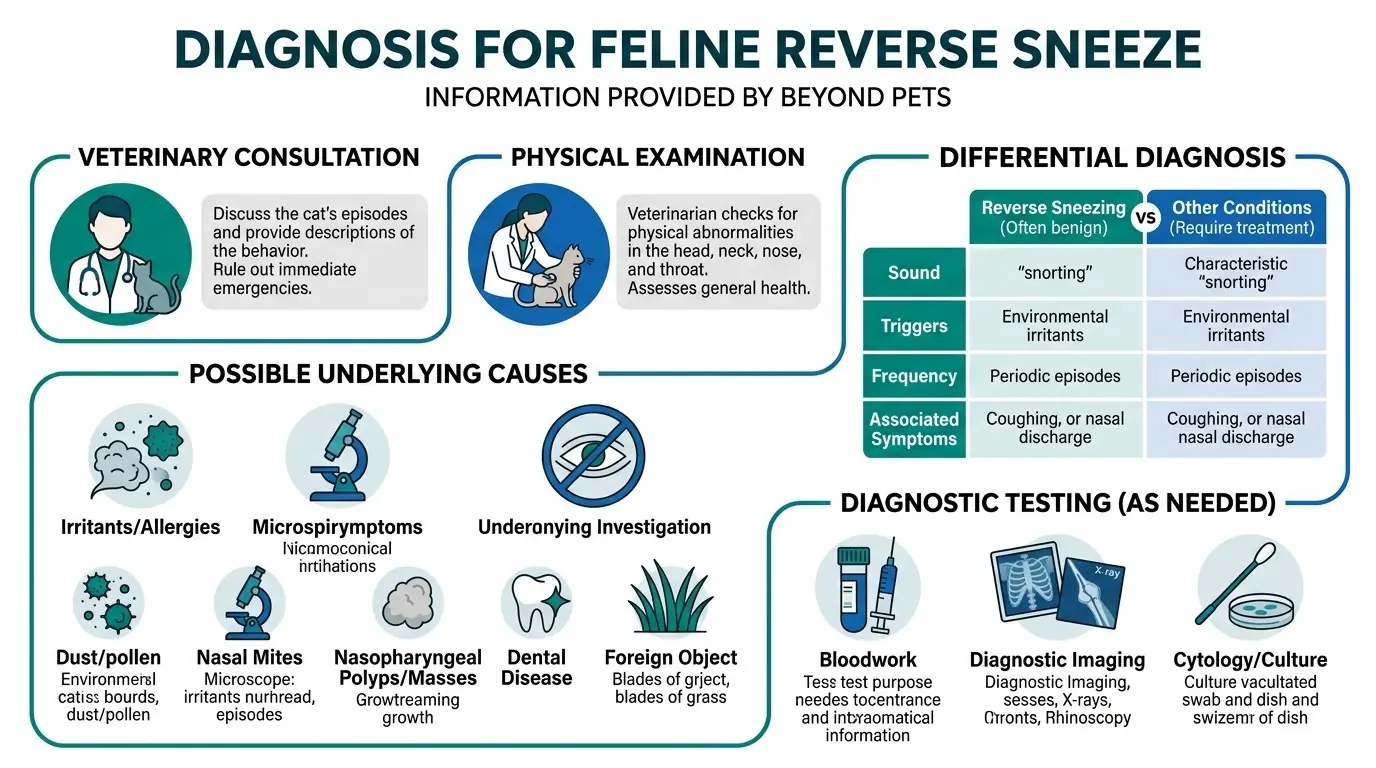
Diagnosing reverse sneezing in cats is an interesting clinical challenge because it primarily relies on observing characteristic clinical signs and thoroughly reviewing the patient’s history, rather than running a simple blood test. There is no specific serological marker or point-of-care diagnostic swab that simply reads “positive for reverse sneezing.” Nonetheless, because the sounds and postures of a reverse sneeze overlap heavily with more insidious diseases—such as feline asthma, lower airway bronchitis, collapsing trachea, or nasopharyngeal neoplasia—veterinarians must conduct highly systematic evaluations. The primary goal of diagnostics is to definitively exclude other dangerous, underlying respiratory conditions and validate the harmless diagnosis of reverse sneezing by a process of elimination. The following are the standard clinical methods and advanced modalities used by practitioners of veterinary medicine to properly evaluate cats presenting with paroxysmal inspiratory respiration:[18]
Full Physical Examination
The cornerstone of any veterinary diagnostic workup is a meticulous and comprehensive full physical examination from nose to tail. In the exam room, the veterinarian will carefully observe your cat’s resting breathing pattern, respiratory rate, and overall chest effort, checking for subtle signs of respiratory distress such as abdominal heaving or flared nostrils. Using a stethoscope, the doctor will perform thoracic auscultation, listening deeply to the lung fields for crackles (which might indicate fluid or pneumonia) or wheezes (which strongly suggest feline asthma). The vet will also palpate the cervical trachea to see if light pressure elicits a harsh, honking cough, which could point to infectious tracheobronchitis rather than a nasal issue. Furthermore, a detailed inspection of the face includes checking for facial asymmetry, ocular discharge, checking the retropharyngeal lymph nodes for reactive enlargement, and lifting the lips to assess for severe dental disease that could be pushing infection upward into the delicate respiratory tract.[19]
Thorough Medical History
A comprehensive and highly detailed medical history is an absolutely pivotal tool in correctly diagnosing reverse sneezing and uncovering its potential environmental triggers. Because the cat is almost never actively reverse sneezing while sitting on the exam table, the veterinarian relies heavily on the pet parent’s observations. You will be asked an extensive series of questions regarding your cat’s exact symptoms: when the episodes first started, their exact frequency, their duration in seconds, and any obvious triggers (such as sneezing right after using the litter box or when the furnace turns on). The vet will also ask about associated signs, such as whether the cat is vomiting, retching, or gagging. Crucial information about your cat’s general preventative health, previous URI history as a kitten, recent boarding or shelter exposure, and highly specific details regarding exposure to potential household respiratory irritants (like new perfumes, renovations, or a transition in litter brands) will heavily guide the diagnostic process.[20]
Video Evidence of an Episode
In modern veterinary medicine, smartphone technology has become one of the most powerful diagnostic tools available for intermittent conditions. Recording a clear, well-lit video of your cat during an active reverse sneezing episode can provide completely invaluable, undeniable insight for the veterinarian. Because the episodes are fleeting, catching one on tape allows the doctor to witness the highly specific breathing pattern, the exact stertorous auditory sounds, the orthopneic neck extension, and the abdominal effort your cat exhibits during the attack. This footage is particularly helpful in distinguishing the relatively benign reverse sneezing reflex from other highly critical respiratory conditions. For instance, a video clearly showing rapid inhalation and neck extension proves it is a reverse sneeze, whereas a video showing prolonged expiratory wheezing with a heavy abdominal push strongly points toward a feline asthma crisis requiring immediate medical intervention.[21]
Radiographic Imaging (X-rays)
In instances where the reverse sneezing is severe, chronic, or accompanied by other systemic symptoms, your vet will likely suggest conducting radiographic imaging of the chest and skull to thoroughly inspect the internal respiratory structures. Thoracic (chest) X-rays are the gold standard for evaluating the lower airways, helping to rule out feline asthma, chronic bronchitis, pneumonia, or cardiomegaly (an enlarged heart) that could be compressing the trachea. While an uncomplicated case of reverse sneezing typically does not yield any specific abnormal changes on chest X-rays, obtaining normal lung images is incredibly reassuring. Additionally, skull radiographs—specifically a tympanic bulla series—can be utilized to look closely at the bony structures of the middle ear and the nasal cavity. These specialized views help identify any bony destruction indicative of invasive tumors or highlight the presence of fluid-filled middle ear changes strongly associated with obstructive nasopharyngeal polyps.[22]
Examination of the Airway
If reverse sneezing episodes in your cat become overwhelmingly frequent, highly severe, or stubbornly persistent despite conservative environmental management, the veterinarian may recommend stepping up to more advanced, invasive procedures to visually examine the airway in real-time. Under heavy sedation or general anesthesia, the doctor can perform an oral pharyngeal exam, using a specialized dental mirror or spay hook to pull the soft palate forward and visually inspect the nasopharynx for obstructive polyps or trapped plant material. If deeper visualization is needed, rhinoscopy is performed. This procedure involves passing a tiny, rigid or flexible fiber-optic camera into the delicate nasal passages to meticulously check for physical obstructions, mucosal inflammation, fungal plaques, or deeply embedded foreign bodies. Advanced cross-sectional imaging, such as a CT scan, is often performed prior to rhinoscopy to map out the exact location of any lesions. Additionally, if lower airway disease is simultaneously suspected, a bronchoscopy might be performed to scrutinize the tracheal and bronchial lining. Infections such as heartworms primarily target the lower respiratory system of cats and can lead to symptoms such as coughing, asthma-like attacks, and severe exercise intolerance, rather than the upper respiratory reflex of reverse sneezing.[23]
By skillfully integrating all the gathered information from the comprehensive physical examination, the detailed medical history, the undeniable visual confirmation via owner-provided video episodes, and, when clinically necessary, advanced diagnostic imaging and scoping tests, veterinarians can highly accurately diagnose the precise cause of reverse sneezing in cats. It is absolutely vital to rule out all other potential, life-threatening respiratory conditions and verify that the clinical symptoms perfectly align with the characteristic physiological features of reverse sneezing, such as seeing your cat extend their necks and lock their posture during a brief, noisy episode.[24]
Treatment for Reverse Sneezing in Cat
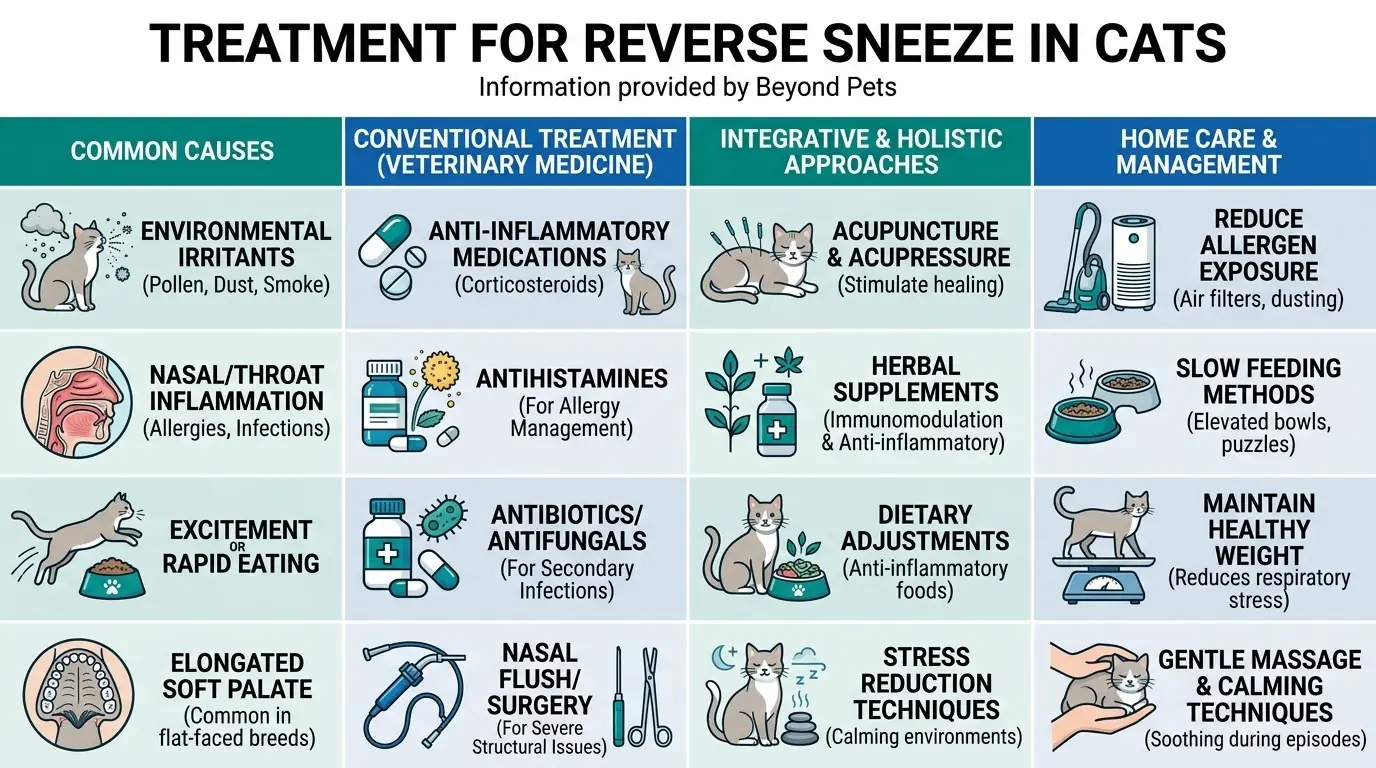
The therapeutic approach to feline reverse sneezing depends entirely on identifying the primary underlying etiology that is irritating the respiratory tract. Because reverse sneezing is technically a symptom and a reflex, rather than a standalone disease, attempting to suppress the reflex without addressing the root cause is rarely effective and generally not recommended. In most standard presentations, aggressive medical intervention is completely unnecessary. However, when the frequency or severity of the paroxysms dramatically impacts the cat’s quality of life or induces chronic anxiety in the household, targeted veterinary interventions become necessary. The treatment protocols can range from simple conservative monitoring to advanced surgical procedures.[25]
Reassurance and Observation
In the vast majority of mild, uncomplicated cases of reverse sneezing—where the episodes are highly infrequent, last only a few seconds, and are clearly not causing significant distress or systemic illness to the cat—veterinarians will heavily recommend a conservative, watchful waiting approach. They will prioritize client education, reassuring the anxious owner that an occasional bout of reverse sneezing is a completely normal, physiological, and self-limiting reflex, much like a human occasionally clearing their throat. Medical treatment is intentionally withheld to avoid unnecessary drug side effects. Furthermore, the veterinarian may provide practical advice on how to gently comfort and assist the cat during an active episode. A common, safe technique is for the owner to gently massage or stroke the cat’s throat area. This tactile stimulation encourages the cat to perform a hard swallow, which physically clears the irritation from the nasopharynx, instantly resets the soft palate, and abruptly stops the reverse sneezing spasm.[26]
Environmental Modifications
If detailed history-taking reveals that potential triggers for reverse sneezing are clearly linked to the home environment, such as repeated exposure to indoor irritants or seasonal allergens, veterinarians will strongly recommend making immediate and sustained environmental modifications. This is often the most highly effective, non-pharmaceutical treatment available. Recommendations usually include radically upgrading indoor air quality by utilizing high-efficiency particulate air (HEPA) purifiers in the rooms where the cat spends the most time. Owners are advised to transition away from heavily scented, dusty clay litters to low-dust alternatives like paper pellets, unscented clumping pine, or walnut shells. Furthermore, strict elimination of chemical aerosols, strongly scented candles, essential oil diffusers (which can be heavily toxic to feline livers), and indoor cigarette or vape smoke is absolutely mandatory. Minimizing exposure to these severe irritants allows the highly inflamed nasal mucosa time to heal naturally, drastically reducing the frequency of the sneezing fits.[27]
Antihistamines
In cases where environmental management alone is insufficient and the reverse sneezing is strongly suspected to be associated with chronic feline atopy (environmental allergies), your vet might recommend a trial of antihistamines. Antihistamine medications act as H1 receptor antagonists; they physically bind to the histamine receptors in the respiratory mucosa, blocking the inflammatory chemicals released by mast cells during an allergic reaction. This pharmacological blockade helps rapidly reduce the hypersensitivity response in the respiratory tract, drastically minimizing mucosal swelling, decreasing excess mucus production, and effectively lowering the frequency or severity of the paroxysmal episodes. Common veterinary-approved options may include specific antihistamine medications. However, it is vitally important to note that not all cats respond well or predictably to antihistamines, as feline allergic pathways are highly complex. Furthermore, human over-the-counter allergy formulations frequently contain highly toxic decongestant medications. Therefore, antihistamine use must strictly remain under direct, highly specific veterinary dosage and guidance.[28]
Steroids
If the reverse sneezing is severe, chronic, and highly suspected to be driven by significant, deeply entrenched eosinophilic or lymphocytic inflammation within the upper airways, your vet might recommend anti-inflammatory steroids. Corticosteroids are potent, systemic anti-inflammatory and immunosuppressive agents. By halting the inflammatory cascade at a cellular level, steroids can rapidly and effectively reduce soft tissue swelling, alleviate mucosal irritation, and completely eradicate the clinical symptoms of reverse sneezing. In feline medicine, a specific oral anti-inflammatory steroid is heavily favored over another anti-inflammatory steroid, as cats lack the hepatic enzymes to efficiently convert certain forms into their active state. While steroids provide near-miraculous rapid relief, their long-term, systemic use must be meticulously managed and carefully monitored via routine blood work due to a myriad of severe potential side effects, including iatrogenic diabetes mellitus, severe weight gain, and systemic immunosuppression. To mitigate these risks, veterinarians often taper the oral dose to the lowest possible effective amount, or transition the cat to highly localized, inhaled steroid therapies delivered via an aerosol chamber explicitly designed for feline faces.[29]
Surgery or Intervention
Surgical or advanced endoscopic intervention may become the absolute required course of action in rare, highly specific cases where permanent structural abnormalities, invasive foreign bodies, or large anatomical obstructions in the upper airway are definitively diagnosed as the root cause of the reverse sneezing. For example, if diagnostic imaging and an oral exam reveal the presence of obstructive nasopharyngeal polyps—which are highly common in young cats—surgical removal is absolutely necessary to permanently alleviate the symptoms. Depending on the size and root of the polyp, veterinarians may perform a simple traction avulsion (pulling the polyp out through the mouth) or a much more highly advanced procedure called a ventral bulla osteotomy to scrape the middle ear and prevent recurrence. Similarly, if a rhinoscopy identifies a firmly embedded plant awn or a localized fungal granuloma, endoscopic retrieval or laser tissue ablation will be performed. These highly specialized surgical interventions are typically reserved for the most severe, structurally complex, and persistently refractory cases.[30]
It is important to comprehensively note that the exact therapeutic treatment approach for reverse sneezing in cats will vary wildly depending on the precise underlying cause, the daily severity of the clinical symptoms, the cat’s age, and their specific biological response to initial, conservative treatments. Veterinarians will heavily customize and tailor the medical treatment plan to each individual cat, carefully considering their overall systemic health, concurrent disease processes, and specific environmental needs. Regular, scheduled follow-up veterinary visits will inevitably be necessary to closely monitor the cat’s clinical progress, assess the efficacy of recommended medications, and dynamically adjust the treatment plan to ensure optimal respiratory health and the highest possible quality of life for your feline companion.
Prevention for a Cat Reverse Sneeze
While it is biologically impossible to protect your cat from every single microscopic particle of dust or pollen in the air, implementing highly proactive, holistic household management strategies can drastically improve their long-term respiratory health. To help actively prevent or significantly minimize the frequency of distressing episodes of reverse sneezing in cats, dedicated pet owners should heavily consider implementing the following comprehensive environmental and medical protocols:[31]
Reduce Potential Triggers
The most highly effective preventative measure is to meticulously identify and aggressively reduce your cat’s daily exposure to potential environmental triggers that are known to irritate the respiratory mucosa and induce reverse sneezing episodes. These triggers are ubiquitous but manageable. They heavily include common household irritants such as airborne dust, second-hand cigarette or marijuana smoke, strong chemical odors, aggressive household cleaning solvents, aerosolized room fresheners, and heavily scented laundry detergents. Keep the cat’s indoor living environment exceptionally clean and free from excessive dust accumulation by utilizing vacuums equipped with true HEPA filters. Transition to natural, unscented, low-dust litters and place them in well-ventilated areas to prevent a concentrated cloud of silica dust from triggering a paroxysmal attack during elimination.[32]
Avoid Known Allergens
If your cat has undergone diagnostic testing or dietary trials and has clinically known, documented allergies that consistently trigger their reverse sneezing, taking strict measures to minimize their exposure to those specific allergens is absolutely critical. This complex avoidance strategy may involve transitioning them away from specific, highly allergenic protein sources in their commercial diet, aggressively managing indoor environmental allergens like seasonal tree pollen, pervasive dust mites, or damp basement mold, or completely throwing away certain heavily scented synthetic grooming products. You must consult extensively with your primary care veterinarian or a board-certified veterinary dermatologist to accurately identify these triggers through intradermal skin testing or serum IgE testing, allowing you to comprehensively manage your cat’s complex allergic pathways and prevent subsequent respiratory flare-ups.[33]
Minimize Stress
Because the feline autonomic nervous system is highly sensitive, chronic environmental stress and acute anxiety can frequently serve as powerful secondary triggers for reverse sneezing episodes in susceptible cats. When a cat is highly stressed, their respiratory rate increases, drawing dry, turbulent air across the sensitive nasopharyngeal mucosa, leading directly to irritation. It is imperative to proactively provide a highly calm, predictable, and remarkably stable environment for your cat, replete with plenty of high-value opportunities for safe relaxation, vertical climbing enrichment, and interactive predatory play. You can further minimize their daily exposure to highly stressful situations—such as loud noises, aggressive multi-pet household dynamics, or abrupt changes in their daily routine—by utilizing synthetic feline facial pheromone diffusers to chemically signal safety and drastically reduce their baseline anxiety levels, thereby indirectly preventing stress-induced respiratory paroxysms.[34]
Maintain a Healthy Weight
There is a massive, clinically proven correlation between excessive body condition scores and respiratory compromise in veterinary medicine. Obesity can exacerbate cat respiratory issues by mechanically restricting the physical expansion of the chest wall and pushing excessive intra-abdominal fat firmly up against the diaphragm, fundamentally altering normal breathing dynamics. Furthermore, excess adipose (fat) tissue acts as a highly active, pro-inflammatory endocrine organ that constantly secretes cytokines, creating a state of systemic, low-grade inflammation that makes the respiratory mucosa hypersensitive. This combination heavily increases the frequency and severe severity of reverse sneezing and asthma attacks. Ensure your cat maintains a highly optimal, lean, and healthy weight through strict portion control, feeding high-quality, high-protein nutrition, and engaging them in regular, cardiovascularly demanding daily exercise. Consult your veterinarian for highly specific mathematical guidance on caloric restriction, calculating a balanced diet, and designing a safe exercise regimen perfectly suitable for your cat’s age and metabolic needs.[35]
Regular Veterinary Care
Preventative medicine is the absolute bedrock of long-term feline health. You must diligently schedule regular, comprehensive annual or bi-annual wellness visits with your primary care veterinarian to closely monitor your cat’s overarching respiratory and systemic health. These regular check-ups allow for the incredibly early detection and highly successful medical management of any subtle, underlying conditions—such as mild gingivitis, low-grade viral rhinitis, or small aural polyps—that could eventually be contributing to reverse sneezing. Most importantly, maintaining an incredibly strict, up-to-date vaccination schedule, particularly with the core FVRCP vaccine, is absolutely critical. This specific vaccine provides robust, life-long protection against Feline Herpesvirus-1 and Feline Calicivirus, which are the two most devastating and highly prevalent viral agents responsible for causing the chronic upper respiratory damage that leads to lifelong reverse sneezing issues. Your veterinarian can expertly guide these targeted preventive measures specifically tailored to your cat’s unique biological needs.[36]
Avoid Irritants During Grooming
Finally, pet owners must be hyper-mindful of the specific topical grooming products, heavily scented dry shampoos, or leave-in conditioning sprays that frequently irritate a cat’s incredibly sensitive respiratory system. The feline olfactory system is exponentially more sensitive than a human’s, and aerosolized grooming chemicals can rapidly overwhelm their mucosal defenses. Always choose highly gentle, unscented, and strictly hypoallergenic grooming products formulated exclusively for felines. Completely avoid utilizing any strong artificial scents, harsh chemical detanglers, or aerosolized powders that could inadvertently be inhaled and immediately trigger a violent, paroxysmal reverse sneezing episode.[37]
While it may not be scientifically or practically possible to completely prevent reverse sneezing in absolutely all cats—due to the simple fact that the world is full of unpredictable dust and pollen—strictly adhering to these proactive, highly focused preventive measures can fundamentally help minimize both the overall frequency and the clinical severity of these episodes. Please remember to always consult your veterinarian before making any changes to your pet’s care, diet, or medical management to ensure that you are receiving the most personalized, accurate, and highly effective medical advice and guidance based exclusively on your cat’s specific physiological needs and current health condition.
Frequently Asked Questions
Is reverse sneezing painful?
No, reverse sneezing is not typically painful for cats. It is an involuntary, physiological reflex action caused by localized irritation or mild inflammation of the mucosal lining in the nasal passages or the nasopharynx (the back of the throat). Cats exhibit the reverse sneezing reflex as a highly practical mechanism to aggressively clear their upper airways of debris, mucus, or allergens, effectively relieving that localized tickling discomfort. While the intense physical posturing, loud honking sounds, and dramatic abdominal heaving may look incredibly concerning or painful to an observing pet owner, the episodes themselves do not inherently cause physical pain. They usually resolve completely on their own within less than a minute and do not cause any direct harm, tissue damage, or negative long-term physiological effects to your cat.
How long does reverse sneezing in cats last?
Typical reverse sneezing episodes in cats are incredibly brief and can heavily vary in their exact duration. The vast majority of these paroxysmal episodes last for only a few fleeting seconds, and almost always conclude entirely within a minute or two. Once the offending irritant is successfully pulled backward and safely swallowed, the reflexive spasm immediately breaks, and the cat returns to normal breathing instantly. However, the precise duration and frequency of these episodes can be highly influenced by external factors, such as the exact nature of the underlying cause, the individual cat’s biological sensitivity to allergens, or a persistent high concentration of environmental irritants in the home. If the reverse sneezing episodes become severely prolonged, last for several continuous minutes, or begin occurring multiple times a day on a chronic basis, it is highly advisable to immediately consult with a licensed veterinarian for a thorough clinical evaluation to rule out structural obstructions like polyps or tumors.
What’s the difference between regular and reverse sneezing in cats?
The primary clinical difference between a regular sneeze and a reverse sneeze lies entirely in the anatomical location of the irritation and the directional flow of the air. Regular sneezing in cats is a completely normal, outward-facing protective mechanism that helps explosively expel irritants—like a speck of dust or a viral droplet—from the very front of the nasal passages. It is characterized by a sudden, forceful expulsion of air out through the nose. On the other hand, a reverse sneeze is an inspiratory reflex designed to clear irritants situated much deeper in the respiratory tract, specifically in the nasopharynx or the back of the throat. It is characterized by extremely rapid, highly forceful inhalations of air inward, often accompanied by loud snorting or honking sounds and a dramatic, rigid extension of the neck. While a normal sneeze pushes things out, a reverse sneeze pulls things backward to be swallowed.
References
- Merck Veterinary Manual. Routine Examination of the Respiratory System in Cats. Merck & Co., Inc., 2023.
- VCA Animal Hospitals. Sneezing in Cats: Causes and Diagnostics. VCA, 2023.
- Foster, S. et al. “Feline Respiratory Anatomy and Allergic Pathogenesis.” Journal of Feline Medicine and Surgery, 2012.
- Cornell Feline Health Center. Feline Asthma and Respiratory Reflexes. Cornell University, 2022.
- PetMD Editorial. Reverse Sneezing in Cats: Causes and When to Worry. PetMD, 2024.
- ASPCA. Poisonous Household Products and Respiratory Irritants for Pets. ASPCA, 2023.
- Merck Veterinary Manual. Feline Respiratory Disease Complex. Merck & Co., Inc., 2023.
- Today’s Veterinary Practice. Feline Rhinitis and Upper Respiratory Disease. NAVC, 2023.
- Merck Veterinary Manual. Nasopharyngeal Polyps in Cats. Merck & Co., Inc., 2023.
- AVMA. Disease Risks and Clinical Signs in Cats. American Veterinary Medical Association, 2023.
- VCA Animal Hospitals. Nasopharyngeal Polyps and Upper Airway Symptoms in Cats. VCA, 2023.
- Johnson, L. “Diagnostic Approach to Respiratory Disease.” Veterinary Clinics of North America: Small Animal Practice, 2010.
- DVM360. Feline Nasopharyngeal Polyps and Orthopneic Posture. MultiMedia Healthcare, 2011.
- Gaskell, R. et al. “Feline Upper Respiratory Tract Pathogens.” Journal of Feline Medicine and Surgery, 2007.
- Vetster. Reverse Sneezing in Cats – Causes and Symptoms. Vetster Inc., 2022.
- Merck Veterinary Manual. Pharyngitis and Soft Palate Disorders in Cats. Merck & Co., Inc., 2023.
- Padrid, P. “Feline Respiratory Medicine.” Veterinary Clinics of North America, 2004.
- VCA Animal Hospitals. Chronic Upper Respiratory Tract Disease Diagnostics. VCA, 2023.
- AVMA. Importance of Regular Veterinary Care and Physical Exams. American Veterinary Medical Association, 2023.
- Cohn, L. “Feline Respiratory Disease: Diagnostics.” Journal of Veterinary Internal Medicine, 2014.
- Cornell Feline Health Center. Upper Respiratory Infections and Clinical Monitoring. Cornell University, 2023.
- Schoenborn, W. et al. “Radiographic Imaging of the Feline Thorax and Skull.” Veterinary Radiology & Ultrasound, 2006.
- VCA Animal Hospitals. Rhinoscopy in Veterinary Medicine. VCA, 2023.
- Merck Veterinary Manual. Computed Tomography in Animals. Merck & Co., Inc., 2023.
- Lappin, M. “Treatment Modalities for Feline Upper Respiratory Disease.” Journal of Feline Medicine and Surgery, 2017.
- PetMD. Sneezing and Respiratory Relief in Cats. PetMD, 2023.
- Environmental Protection Agency (EPA). Indoor Air Quality, Homes, and Pets. US EPA, 2023.
- Merck Veterinary Manual. Antihistamines for Respiratory Disease in Animals. Merck & Co., Inc., 2023.
- Plumb, D. “Corticosteroid Use in Feline Medicine.” Veterinary Pharmacology and Therapeutics, 2011.
- Donnelly, K. et al. “Feline Inflammatory Polyps and Ventral Bulla Osteotomy.” Compendium on Continuing Education for the Practicing Veterinarian, 2004.
- VCA Animal Hospitals. Feline Herpesvirus Infection Prevention. VCA, 2023.
- ASPCA. Managing Allergies and Triggers in Pets. ASPCA, 2023.
- Hobi, S. et al. “Clinical Signs and Diagnosis of Feline Atopy.” Veterinary Dermatology, 2015.
- Cornell Feline Health Center. Managing Stress and Environmental Enrichment. Cornell University, 2022.
- Laflamme, D. “Obesity in Cats and Respiratory Compromise.” Journal of Feline Medicine and Surgery, 2012.
- AVMA. Core Vaccination Guidelines for Cats. American Veterinary Medical Association, 2023.
- PetMD. Cat Grooming Mistakes and Respiratory Hazards. PetMD, 2023.