



 March 11, 2023
 Phil Good, DVM
What is Uveitis in Cats?
This content was prepared with AI assistance and reviewed by a licensed professional for accuracy.
Introduction
As a veterinary professional, I frequently evaluate cats presenting with subtle behavioral changes that quickly escalate into severe ocular distress, a common presentation for a complex eye problem in cats. When a normally curious and agile feline begins to exhibit pronounced lethargy, actively avoids brightly lit areas, and develops visible cloudiness or redness in their eyes, these clinical signs serve as an urgent warning. Often, these symptoms point toward a diagnosis of uveitis in cats, an inflammatory condition that can severely compromise feline ocular health and may serve as an early indicator of a more insidious systemic disease.[1] Uveitis is not merely a localized eye irritation; it is a complex pathophysiological process that requires immediate, comprehensive veterinary intervention to prevent permanent vision loss and to uncover potential underlying life-threatening illnesses.
The term uveitis specifically refers to the inflammation of the uveal tract, which is the heavily vascularized, pigmented middle layer of the mammalian eye. Because the uvea possesses an incredibly rich blood supply, it is uniquely vulnerable to systemic infectious agents, immune-mediated responses, and circulating toxins.[2] When the specialized protective mechanism known as the blood-aqueous barrier becomes compromised due to internal or external insults, inflammatory cells, proteins, and fluid leak into the normally clear chambers of the eye. This cellular infiltration disrupts the delicate balance required for clear vision, leading to profound discomfort, structural damage, and a cascade of secondary complications that can eventually necessitate surgical removal of the eye if left untreated.
Managing feline uveitis is a multifaceted clinical challenge that demands rigorous diagnostic investigation. It is rarely sufficient to simply treat the localized inflammation; veterinarians must diligently search for the root cause, which frequently involves a thorough systemic workup. The underlying etiologies are incredibly diverse, ranging from highly contagious viral pathogens to localized trauma or complex immune-mediated disorders.[3] By understanding the intricate mechanisms of this disease, recognizing the earliest clinical indicators, and pursuing targeted therapeutic strategies, we can successfully mitigate inflammation, protect the cat’s ocular structures, and significantly improve their overall prognosis and quality of life.
What is the Uvea?
To fully comprehend the severity of uveitis, it is crucial to understand the normal anatomy and physiological function of the uvea. The uveal tract, pronounced “oo-VEE-uh,” is essentially the vascular tunic or the middle layer of the globe of the eye, situated strategically between the tough, fibrous outer layer (composed of the clear cornea and the white sclera) and the delicate, light-sensitive inner neural layer known as the retina.[4] The uvea is fundamentally responsible for providing the majority of the blood supply and vital nutrients to the surrounding intraocular tissues, acting as the primary life-support system for the eye.
Anatomically, the uveal tract is divided into three distinct, continuous structures, each playing a highly specialized role in maintaining ocular homeostasis. The first structure is the iris, which is the visible, pigmented portion of the eye that gives a cat its distinct eye color. The iris functions similarly to the aperture of a camera; it contains smooth muscle fibers that continuously constrict and dilate the pupil to regulate the precise amount of light reaching the retina.[5] The second structure is the ciliary body, positioned immediately behind the iris. The ciliary body has two critical functions: it provides structural support and focusing ability for the lens via microscopic suspensory ligaments, and it actively secretes aqueous humor. Aqueous humor is the clear, nutrient-rich fluid that fills the anterior and posterior chambers of the front of the eye, providing oxygen and metabolic support to the avascular cornea and lens while maintaining the eye’s normal intraocular pressure (IOP).[6]
The third and most posterior segment of the uvea is the choroid. The choroid is an extensively vascularized, dark-pigmented tissue layer sandwiched directly between the sclera and the retina. Its primary function is to deliver oxygen and essential metabolic nutrients to the outer layers of the retina, making it indispensable for maintaining the cat’s vision. Additionally, the feline choroid contains a highly specialized reflective layer of cells called the tapetum lucidum, which dramatically enhances a cat’s ability to see in low-light environments by reflecting photons back through the photoreceptors a second time.[7]
When any segment of this vital vascular network becomes inflamed—a condition collectively termed uveitis—the physiological consequences are profound. The inflammation causes the tight junctions of the blood vessels within the uvea to break down. This breakdown destroys the blood-aqueous barrier, allowing white blood cells, large protein molecules, and inflammatory mediators to flood into the clear fluids of the eye.[8] This not only causes severe, deep-seated pain and localized swelling but also creates a toxic intraocular environment that can rapidly damage the lens, cornea, and optic nerve, making prompt therapeutic intervention absolutely essential.
Types of Uveitis in Cats
In veterinary ophthalmology, we classify feline uveitis based on the specific anatomical segment of the uveal tract that is primarily affected by the inflammatory process. This anatomical classification is not merely academic; it is highly clinically relevant because the location of the inflammation often correlates with specific underlying etiologies, dictates the observable clinical signs, and heavily influences our targeted treatment protocols.[9] Below are the primary classifications of uveitis observed in feline patients.
Anterior Uveitis
Anterior uveitis, clinically referred to as iridocyclitis, is by far the most commonly diagnosed form of uveitis in cats. This condition specifically involves inflammation of the anterior segments of the uveal tract: the iris and the ciliary body.[10] When inflammation is localized to the front of the eye, the clinical presentation is often dramatic and easily noticeable to observant pet owners. Classic symptoms include profound redness of the conjunctival tissues, severe blepharospasm (squinting) due to photophobia and pain, excessive tearing (epiphora), and a distinct cloudiness within the normally clear anterior chamber—a phenomenon known as aqueous flare, which is caused by suspended proteins and inflammatory cells scattering light. Additionally, the inflammatory mediators cause a spasm of the iris sphincter muscle, leading to miosis, or an abnormally constricted pupil. This type of uveitis is frequently associated with systemic viral infections, bacterial sepsis, immune-mediated diseases, or localized physical trauma.[11]
Posterior Uveitis
Posterior uveitis, known medically as choroiditis or chorioretinitis, specifically affects the structures located in the back portion of the eye, primarily the choroid. Because the choroid is intimately attached to the overlying retina, inflammation in this area almost invariably spreads to the retinal tissues, creating a combined chorioretinitis.[12] Unlike anterior uveitis, the signs of posterior uveitis are often subtle and may not be externally visible to the owner. The eye may appear perfectly normal from the outside, but the cat may present with signs of visual impairment, behavioral changes related to vision loss, or altered pupil reactivity. Diagnosis relies heavily on a thorough fundic examination using an indirect ophthalmoscope, where the veterinarian may observe retinal hemorrhages, inflammatory exudates, or localized areas of retinal detachment. Posterior uveitis is strongly correlated with systemic infectious diseases such as toxoplasmosis, deep fungal infections, or severe viral conditions like feline infectious peritonitis (FIP).[13]
Panuveitis
Panuveitis represents the most severe and anatomically comprehensive form of ocular inflammation. In cases of panuveitis, the inflammatory process is widespread, concurrently affecting the anterior uvea (iris and ciliary body) and the posterior uvea (choroid and retina).[14] This diffuse inflammation leads to a catastrophic breakdown of ocular defenses, presenting with intense redness, deep intraocular pain, complete corneal opacity, severe intraocular hemorrhage (hyphema), and often profound, rapid-onset blindness. Panuveitis typically indicates an overwhelming systemic insult. It is frequently triggered by aggressive infectious agents, severe blunt force trauma resulting in globe rupture, or end-stage systemic neoplasia. Cats suffering from panuveitis require aggressive, emergency veterinary stabilization to have any chance of preserving the eye.[15]
Granulomatous Uveitis
Granulomatous uveitis is a specific histopathological classification defined by the type of inflammatory cells infiltrating the eye. Rather than standard acute inflammatory cells like neutrophils, granulomatous uveitis is characterized by the accumulation of macrophages and epithelioid cells that clump together to form distinct nodules or granulomas within the uveal tissues.[16] These macroscopic nodules can often be seen visibly growing on the surface of the iris or manifesting as large, “mutton-fat” keratic precipitates stuck to the inner surface of the cornea. This specific cellular response is heavily indicative of chronic, immune-evading pathogens. It is considered a hallmark clinical sign of the dry form of Feline Infectious Peritonitis (FIP), as well as systemic mycobacterial infections and deep systemic mycoses such as cryptococcosis or blastomycosis.[17]
Lymphocytic Plasmacytic Uveitis
Lymphocytic plasmacytic uveitis describes an inflammatory response dominated by lymphocytes and plasma cells—the primary cells of the adaptive immune system. When a biopsy or aqueous fluid sample reveals this specific cellular profile, it strongly suggests an underlying immune-mediated or autoimmune etiology.[18] In these cases, the cat’s own immune system is inappropriately identifying the tissues of the uvea as foreign and mounting a sustained, chronic attack against them. This type of uveitis is often seen in cases of Feline Idiopathic Uveitis (where no infectious or neoplastic cause can be identified despite exhaustive testing) or in association with broader systemic autoimmune disorders like systemic lupus erythematosus (SLE) or immune-mediated polyarthritis. Management of this specific type of uveitis generally requires long-term, carefully monitored immunosuppressive therapy.[19]
What are the Causes of Uveitis in Cats?
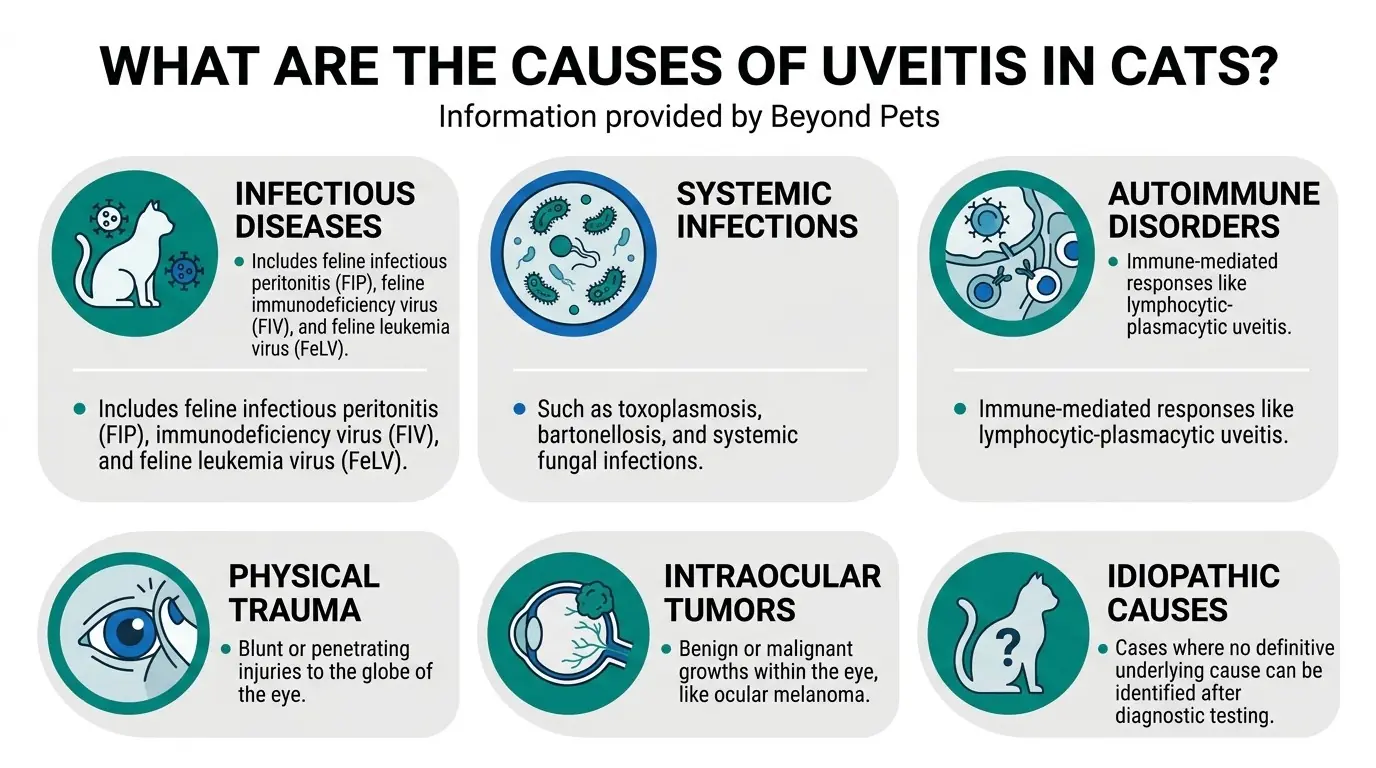
Identifying the root etiology of uveitis in a feline patient is comparable to solving a complex medical mystery. Because the uvea processes a massive volume of blood flow relative to its size, almost any systemic disease can establish a secondary foothold within the eye. The potential causes are incredibly varied and demand a rigorous, methodical diagnostic approach to ensure the correct primary disease is being treated. The primary etiologies are broadly categorized into infections, trauma, immune-mediated disorders, neoplasia, and systemic vascular diseases.[20]
1. Infections
Infectious pathogens represent the most common underlying cause of feline uveitis, and the list of potential culprits is extensive. Viral agents are highly prevalent. The feline leukemia virus (FeLV) and feline immunodeficiency virus (FIV) are notorious for causing profound immunosuppression, which not only directly incites lymphocytic uveal inflammation but also renders the cat highly susceptible to opportunistic secondary infections.[21] Feline Infectious Peritonitis (FIP), caused by a mutation of the feline enteric coronavirus, causes a devastating, immune-complex-mediated vasculitis that frequently results in severe, pyogranulomatous panuveitis. Feline Herpesvirus-1 (FHV-1), typically associated with upper respiratory infections and corneal ulceration, can also trigger anterior uveitis through both direct viral replication in the uveal tract and secondary immune-mediated responses.[1]
Beyond viruses, protozoan and bacterial pathogens are highly significant. Toxoplasma gondii, a ubiquitous protozoan parasite for which the cat is the definitive host, is a well-documented cause of both anterior and posterior uveitis; the parasite actively replicates within the tissues of the eye, causing severe cellular destruction and intense localized inflammation.[22] Bacterial infections, such as those caused by Bartonella henselae (the agent responsible for “cat scratch disease”), can induce chronic uveitis, particularly in immunocompromised felines. Furthermore, systemic fungal organisms, including Cryptococcus neoformans, Histoplasma capsulatum, and Coccidioides immitis, can disseminate through the bloodstream and deposit in the highly vascular choroid, leading to severe granulomatous chorioretinitis and secondary retinal detachment.[2]
2. Trauma and Injury
Physical trauma to the globe is a direct and frequent instigator of severe ocular inflammation. Penetrating injuries, such as a deep cat scratch to the cornea sustained during a territorial fight, or a puncture wound from a thorn, directly breach the protective outer layers of the eye. This introduces environmental bacteria directly into the sterile anterior chamber, leading to rapid, septic uveitis and potentially endophthalmitis.[4] Additionally, non-penetrating injuries must be taken seriously; blunt trauma can incite ocular inflammation through concussive shockwaves that rupture the delicate capillaries within the iris and ciliary body, resulting in immediate bleeding into the eye (hyphema) and subsequent inflammatory cascades.[5]
Furthermore, uveitis can occur as a secondary reflex response to severe surface damage. When a cat develops a deep corneal ulcer, the intense pain signals traveling along the trigeminal nerve trigger a complex axonal reflex. This reflex causes the release of potent inflammatory neuropeptides, such as substance P, directly into the anterior uvea. This localized release induces profound ciliary muscle spasms and breakdowns the blood-aqueous barrier, resulting in significant anterior uveitis even though the uveal tract itself has not been directly traumatized.[6]
3. Immune-Mediated Disorders
When extensive diagnostic testing rules out infectious agents, neoplasia, and physical trauma, veterinarians frequently diagnose immune-mediated or idiopathic uveitis. In these complex cases, the cat’s immune system experiences a severe dysregulation, misidentifying the proteins of its own uveal tract as foreign antigens and mounting a destructive, localized autoimmune response.[8]
A specific and severe form of immune-mediated inflammation is lens-induced uveitis. The proteins contained within the crystalline lens of the eye are isolated from the body’s immune system during early fetal development, meaning the immune system does not recognize them as “self.” If the lens capsule is acutely ruptured due to severe trauma (phacoclastic uveitis) or if lens proteins slowly leak out due to a rapidly progressing, hypermature cataract (phacolytic uveitis), the immune system reacts violently to these “foreign” proteins, triggering a massive, vision-threatening inflammatory response that requires immediate surgical or aggressive medical intervention to control.[10]
4. Neoplasia
Primary and secondary ocular tumors are significant contributors to uveitis, particularly in middle-aged to senior felines. As a tumor aggressively grows and expands within the tight, confined space of the globe, it physically compresses adjacent healthy tissues, induces necrosis, and causes secondary hemorrhage and profound inflammation.[12]
Primary ocular tumors, such as feline diffuse iris melanoma (FDIM), originate directly within the pigment cells (melanocytes) of the iris. As the melanoma progresses, it physically thickens the iris, alters its normal function, and incites chronic uveitis while simultaneously blocking the intraocular drainage pathways, leading to severe secondary glaucoma. Feline post-traumatic intraocular sarcoma is another highly aggressive primary tumor unique to cats, which can develop years after a seemingly healed ocular trauma, leading to relentless panuveitis. Secondary, or metastatic, tumors are also highly prevalent; Lymphoma is a common neoplastic cause of uveitis in cats. Malignant lymphocytes readily infiltrate the highly vascular uveal tract, presenting clinically as a rapidly progressive, bilateral uveitis accompanied by thickened, fleshy iris tissue and extensive cellular debris in the anterior chamber.[14]
5. Systemic Diseases
Beyond infectious and neoplastic conditions, several purely systemic, metabolic, or vascular diseases can manifest directly as uveitis. Systemic hypertension (high blood pressure) is incredibly common in senior felines, frequently occurring secondary to chronic kidney disease or hyperthyroidism.[16] The delicate, microscopic arterioles within the choroid and ciliary body are not designed to withstand sustained, abnormally high systemic arterial pressures. Eventually, these microscopic vessels undergo fibrinoid necrosis and catastrophically rupture. This results in massive intraocular hemorrhage (hyphema), exudative retinal detachment, and severe secondary inflammatory uveitis. Other metabolic conditions, such as hyperviscosity syndromes caused by multiple myeloma, can cause sluggish blood flow, hypoxia within the ocular vessels, and subsequent reactive inflammation. Any owner noticing a cat’s eye problems should understand that the eye acts as a critical window to the cat’s overall systemic cardiovascular and metabolic health.[18]
Symptoms of Cats with Uveitis
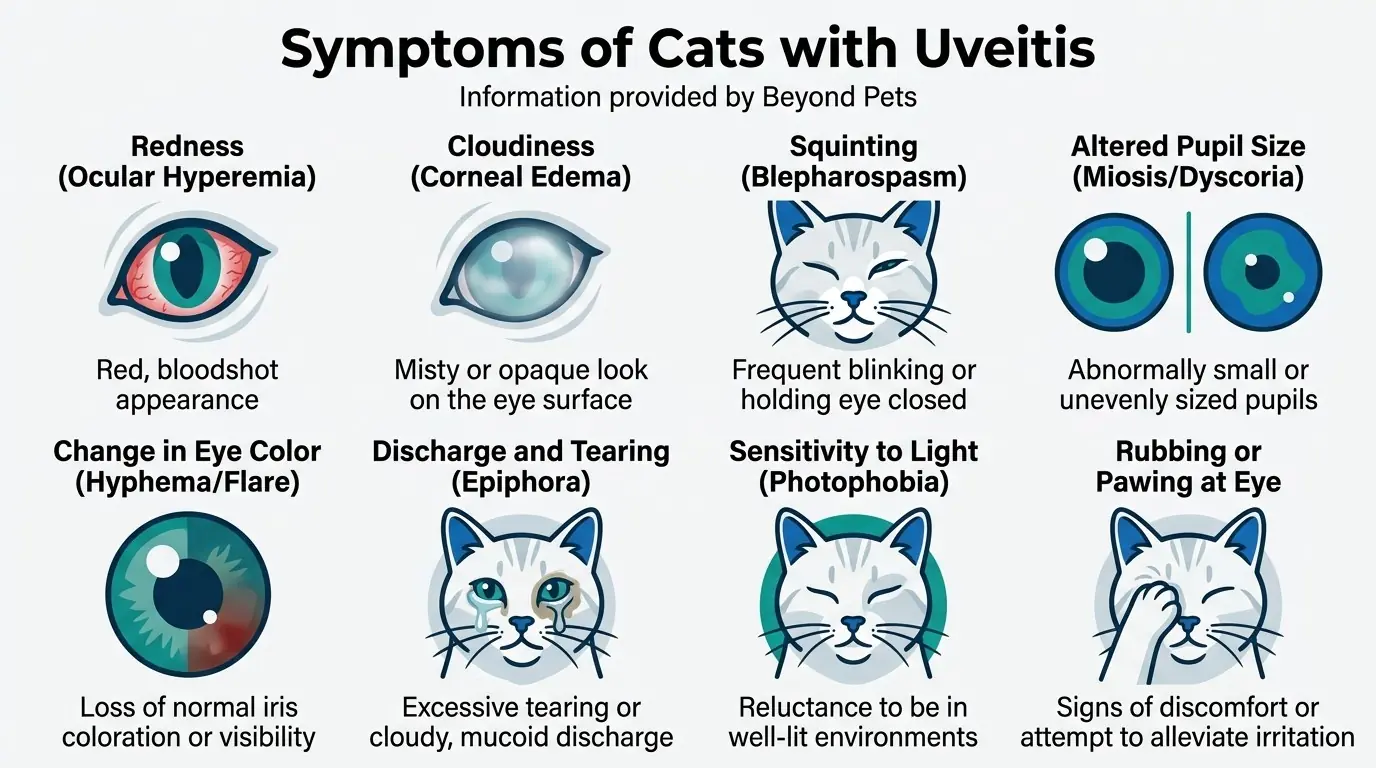
Recognizing the clinical signs of uveitis early is paramount for preserving your cat’s vision. Because feline uveitis can manifest across a spectrum of severity—ranging from a subtle, low-grade, chronic irritation to a highly acute, explosive, vision-threatening crisis—the observable symptoms can vary significantly. However, there are several hallmark clinical signs that indicate severe intraocular inflammation and should prompt an immediate veterinary evaluation.[20]
One of the most immediate and consistent indicators of uveitis is profound ocular discomfort and pain. Cats are notoriously adept at masking pain, but severe intraocular inflammation usually overrides their stoicism. You may observe pronounced blepharospasm, which is a reflexive, tight squinting or clamping shut of the eyelids. This is often accompanied by photophobia, meaning the cat will actively shy away from bright lights, hide in dark closets, or keep the affected eye closed when exposed to sunlight.[22] Epiphora, or excessive, watery tear production overflowing onto the face, is a common response to trigeminal nerve irritation caused by internal eye pain. Additionally, the eye may appear noticeably sunken into the orbit (enophthalmos), and the protective third eyelid (nictitating membrane) may passively elevate across the surface of the eye, giving the cat a distinct, systemic illness appearance.
Upon closer inspection of the globe itself, owners may notice profound redness. This is not just a mild surface irritation; uveitis causes deep ciliary flush, characterized by the engorgement of the straight, deep blood vessels running along the sclera. The normal, crystal-clear appearance of the eye will often change dramatically. The cornea may become cloudy or develop a bluish, hazy tint due to localized edema (fluid accumulation within the corneal layers). Internally, the breakdown of the blood-aqueous barrier allows proteins and inflammatory cells to leak into the anterior chamber, creating a murky, cloudy appearance known clinically as “aqueous flare.” In severe instances, actual pus (hypopyon) or bright red blood (hyphema) may visibly pool at the bottom of the eye.[1]
Changes to the size, shape, and reactivity of the pupil are also highly diagnostic. In acute anterior uveitis, the powerful inflammatory mediators, particularly prostaglandins, cause an intense, painful spasm of the iris sphincter muscle. This results in severe miosis, where the pupil of the affected eye becomes extremely tiny, pin-point, and completely unresponsive to changes in ambient light, especially when compared to the normal eye. Furthermore, inflammatory cells can form sticky adhesions (synechiae) between the iris and the underlying lens, leading to a permanently misshapen or irregular pupil. In chronic, long-standing cases, abnormal, delicate new blood vessels may grow across the surface of the iris, a pathological process known as rubeosis iridis, which strongly suggests severe, ongoing ischemia and impending secondary glaucoma.[3]
Diagnosing Uveitis in Felines
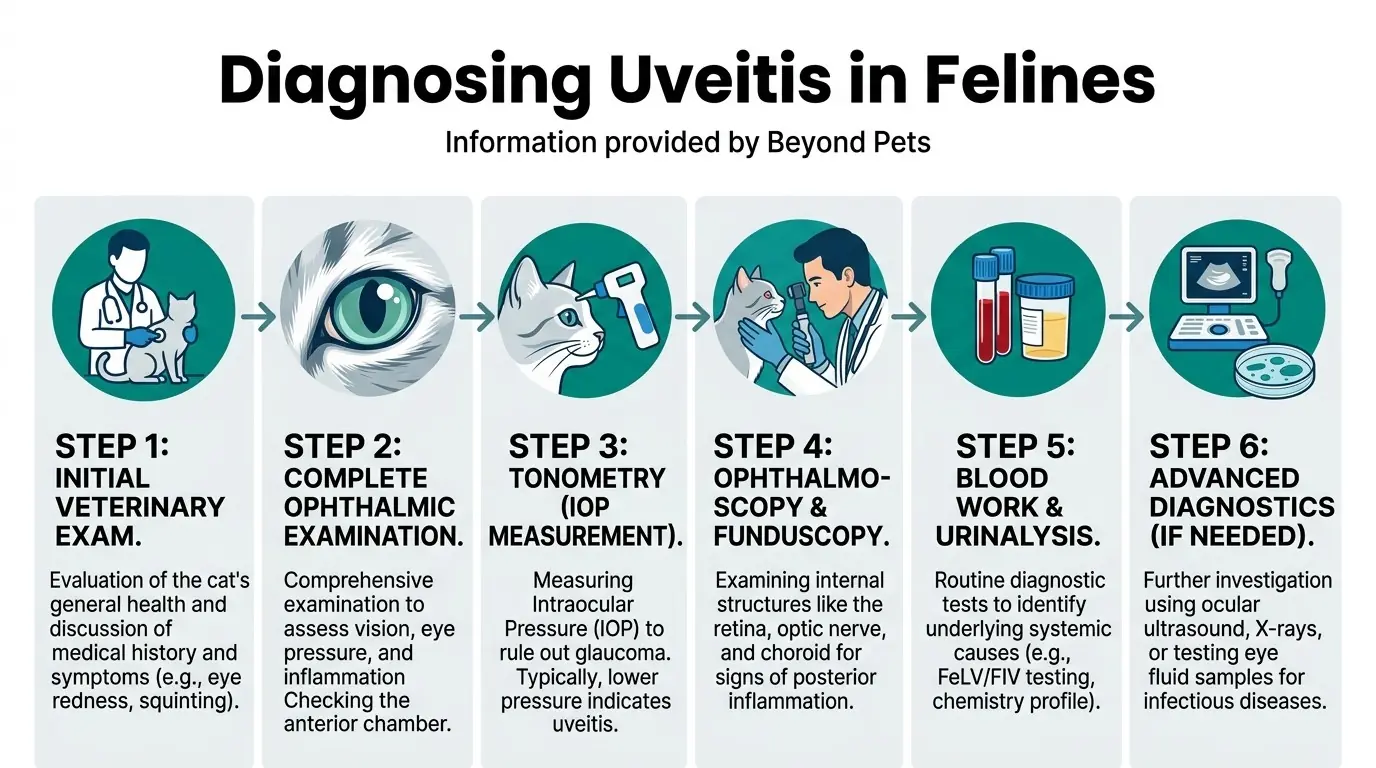
Diagnosing feline uveitis is not merely confirming that the eye is inflamed; it requires a rigorous, multi-tiered investigative process. In veterinary medicine, we operate under the principle that uveitis is a symptom of a broader disease process, not an isolated diagnosis in itself. A comprehensive diagnostic workup is absolutely essential to identify the root cause, determine the precise anatomical extent of the damage, and formulate a targeted, effective, and safe treatment protocol.[5]
Medical History and Physical Assessment:
The diagnostic process always begins with a meticulous medical history and a comprehensive nose-to-tail physical examination. The veterinary clinician will gather detailed information regarding the cat’s signalment (age, breed, sex), lifestyle (indoor strictly vs. outdoor roaming), geographic travel history, and complete vaccination status. We will inquire about the precise onset of ocular symptoms, any concurrent systemic signs such as anorexia, unexplained weight loss, chronic lethargy, respiratory distress, or localized neurological deficits. During the physical exam, the veterinarian will carefully palpate peripheral lymph nodes, listen for cardiac murmurs indicative of systemic hypertension, and evaluate the cat’s core body temperature, as these findings often provide critical clues pointing toward underlying systemic infectious or neoplastic diseases.[7]
Eye Examination:
The specialized ophthalmic examination is the cornerstone of diagnosing the extent of the uveitis. This begins with a neuro-ophthalmologic assessment, evaluating the menace response, pupillary light reflexes (PLR), and dazzle reflexes to assess the functional integrity of the retina and optic nerve. A slit-lamp biomicroscope is an essential instrument used by veterinarians to provide highly magnified, stereoscopic visualization of the anterior segment. This specialized tool allows the clinician to definitively identify and grade the severity of aqueous flare, detect microscopic inflammatory cells floating in the anterior chamber, observe mutton-fat keratic precipitates adhering to the corneal endothelium, and precisely evaluate the depth of the anterior chamber.[9]
Tonometry is an absolutely critical, non-negotiable step in the diagnostic process. Using an instrument like a Tono-Pen or rebound tonometer, the veterinarian measures the intraocular pressure (IOP). In acute, uncomplicated anterior uveitis, the IOP is typically abnormally low (hypotony) due to decreased aqueous humor production by the inflamed ciliary body and increased non-conventional drainage. However, if the inflammatory debris physically obstructs the iridocorneal drainage angle, the pressure can spike dangerously high, indicating the onset of secondary glaucoma. Gonioscopy may be performed using a specialized contact lens to directly visualize this drainage angle and assess the anatomical risk for impending glaucoma.[11]
Laboratory Analysis:
Because feline uveitis is so frequently a manifestation of systemic disease, a comprehensive systemic laboratory workup is strongly recommended in almost all cases. A Complete Blood Count (CBC) is performed to evaluate for anemia, profound leukocytosis indicating severe infection, or abnormal circulating lymphocytes suggestive of leukemia. A comprehensive serum biochemistry panel helps evaluate vital systemic organ function, looking specifically for markers of underlying renal disease, hepatic dysfunction, or significant electrolyte imbalances.[13] Urinalysis provides further insight into renal concentrating ability and helps rule out systemic causes. Crucially, targeted infectious disease titer testing is frequently warranted. Based on the cat’s clinical presentation and geographic risk factors, the veterinarian will often submit specialized serology or Polymerase Chain Reaction (PCR) panels specifically screening for FeLV, FIV, Toxoplasma gondii (evaluating both IgM and IgG titers), Bartonella species, and feline coronavirus (FIP) titers.[15]
Eye Imaging:
When severe opacity—such as dense corneal edema, severe cataract formation, or massive intraocular hemorrhage (hyphema)—precludes direct visual examination of the posterior segment of the eye, advanced ocular imaging becomes necessary. Ocular ultrasonography is an invaluable diagnostic modality in these cases. By placing a high-frequency ultrasound probe gently over the eyelids, the veterinarian can clearly visualize the internal structures of the globe. This allows for the definitive detection of concealed posterior segment diseases, including exudative retinal detachments, organized vitreal hemorrhages, primary ciliary body tumors, or structural luxation of the lens. Additionally, topical fluorescein staining of the cornea is routinely performed to definitively rule out the presence of superficial or deep corneal ulcerations, which profoundly alters the safety profile of certain topical medications, specifically corticosteroids.[17]
Cytological and Microbiological Examinations:
In complex, atypical, or highly refractory cases of uveitis where standard diagnostics fail to reveal a definitive cause, the veterinarian may recommend specialized sampling of the ocular fluids. Aqueouscentesis involves carefully inserting a tiny, specialized needle into the anterior chamber under heavy sedation or general anesthesia to aspirate a minute sample of the aqueous humor. This fluid can then be submitted to a specialized laboratory for rigorous cytological evaluation to differentiate between severe suppurative, pyogranulomatous, or distinct neoplastic (lymphoma) cellular infiltrates. Furthermore, the obtained fluid can be utilized for highly sensitive PCR testing to directly detect the DNA or RNA of elusive infectious organisms residing directly within the eye. If a severe bacterial infection is suspected, samples can be cultured to determine the exact pathogen and guide precise, targeted antibiotic therapy.[19]
Treatment for Uveitis in Cats
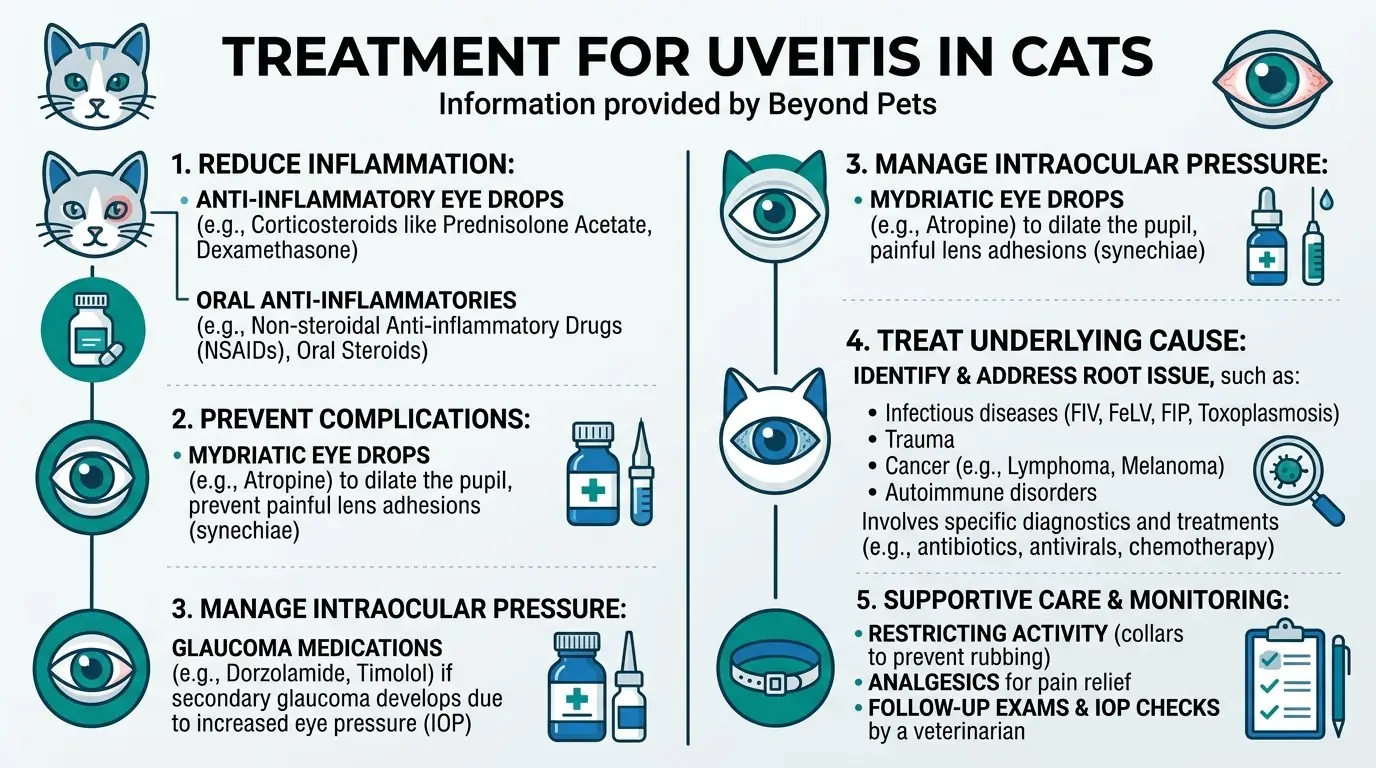
The therapeutic management of feline uveitis is highly complex and must be aggressively tailored to the individual patient. The overarching goals of therapy are straightforward yet challenging: aggressively suppress the destructive localized inflammation, provide profound analgesia to alleviate severe ocular pain, physically prevent vision-threatening structural complications (such as synechiae and secondary glaucoma), and definitively treat the underlying systemic etiology. A multimodal approach utilizing a combination of topical and systemic medications is almost always required to achieve these goals.[21]
Topical Remedies:
Topical therapy is the cornerstone of managing anterior uveitis, providing high concentrations of medication directly to the inflamed tissues while minimizing systemic side effects. Topical corticosteroids prescribed by your veterinarian are the most potent and frequently utilized anti-inflammatory agents. Specific prescription steroid eye drops are particularly favored in veterinary ophthalmology because their formulations allow them to effectively penetrate the intact corneal epithelium and achieve therapeutic concentrations directly within the anterior chamber. These steroids rapidly inhibit the inflammatory arachidonic acid cascade, reducing the breakdown of the blood-aqueous barrier. However, they are strictly contraindicated and actively dangerous if a corneal ulcer is present, as they rapidly delay healing and can lead to catastrophic corneal perforation.[2]
Prescription topical Nonsteroidal Anti-inflammatory Drugs (NSAIDs) are frequently used either as highly effective adjunct therapies to steroids or as alternative primary therapies in cases where corneal ulcers are present or steroids are otherwise contraindicated. Furthermore, prescription pupil-dilating eye drops are crucial for pain management. These medications act directly to paralyze the aggressively spasming ciliary muscle, providing profound relief from deep intraocular pain. Additionally, by forcing the pupil to widely dilate, these therapeutic drops dramatically reduce the risk of the iris permanently sticking to the lens (posterior synechiae), a complication that routinely leads to secondary glaucoma.[4]
Systemic Remedies:
Because the uvea is highly vascular, topical medications often cannot adequately reach the posterior segments of the eye (the choroid and retina). Therefore, systemic therapy is frequently required, especially for posterior uveitis, panuveitis, or when an underlying systemic disease is identified. Prescription oral corticosteroids are often utilized for their potent, broad-spectrum anti-inflammatory and immunosuppressive effects, particularly in immune-mediated conditions. Veterinary-approved prescription oral NSAIDs may be used for targeted inflammation and pain control, though they must never be administered concurrently with systemic steroids due to the severe risk of massive gastrointestinal ulceration and acute renal failure.[6]
If a specific infectious etiology is diagnosed, targeted systemic antimicrobial therapy is mandatory. For instance, specialized prescription antibiotics are specifically indicated for the treatment of toxoplasmosis, effectively crossing the blood-ocular barrier to combat the replicating protozoa. A targeted prescription antibiotic is the treatment of choice for Bartonella infections. In cases of chronic, severe immune-mediated uveitis that is refractory to standard steroid therapy, the veterinarian may transition the patient to specialized systemic immunosuppressive medications prescribed by your veterinarian, which require rigorous and frequent hematological monitoring.[8]
Pain Management Strategies:
Uveitis is recognized as an exquisitely painful condition, and comprehensive pain management is an ethical and medical imperative. While topical pupil-dilating drops provide significant relief from ciliary spasms, systemic analgesics are frequently required to achieve acceptable comfort levels. Prescription pain medication administered by your veterinarian is routinely utilized to provide potent, long-lasting systemic pain relief. Nerve-pain medication prescribed by your veterinarian is also frequently used as an adjunctive analgesic. It is highly effective at raising the overall pain threshold and provides the added benefit of mild sedation, which helps reduce the cat’s stress and anxiety during the crucial healing period.[10]
Supportive Measures:
Supportive care plays a vital role in the overall success of the treatment protocol. Environmental management is key; owners should place the cat in a dimly lit, quiet, and stress-free room, as photophobia will persist until the inflammation is thoroughly controlled. An Elizabethan collar (E-collar or recovery cone) is strongly recommended, and often mandatory, to prevent the cat from rubbing or aggressively scratching at the painful eye, which could easily cause severe self-inflicted corneal trauma or even catastrophic globe rupture. In cases where intraocular pressure begins to rise dangerously, the veterinarian will aggressively implement prescription systemic and topical anti-glaucoma medications to preserve the health of the optic nerve. Because treatment regimens are complex and the condition can change rapidly, frequent and rigorous follow-up examinations with your veterinarian are critical to monitor intraocular pressure, assess the response to therapy, and prevent long-term complications.
Always remember, ocular conditions can deteriorate rapidly; strongly consult your veterinarian before making any changes to your pet’s care.
Prevention of Feline Uveitis
While completely preventing every instance of uveitis is practically impossible due to the sheer variety of underlying genetic, immune-mediated, and spontaneous etiologies, proactive pet owners can implement comprehensive health management strategies to significantly mitigate the risk factors associated with this severe condition. Preventative ocular health is deeply intertwined with excellent systemic preventative medicine.
- Rigorous Veterinary Care: Maintaining a schedule of bi-annual or annual comprehensive wellness examinations is the most effective preventative measure. These routine visits allow your veterinarian to conduct thorough physical and ophthalmic examinations, catching subtle signs of systemic hypertension, early metabolic disease, or low-grade chronic infections before they escalate into vision-threatening ocular crises.[12]
- Strategic Vaccinations: Ensuring your cat adheres to a scientifically sound, tailored vaccination protocol is vital. Core vaccines provide critical, life-saving protection against viral pathogens heavily implicated in systemic disease and secondary uveitis, specifically the Feline Herpesvirus-1 (FHV-1) and feline calicivirus. For cats with lifestyle risks, vaccination against the Feline Leukemia Virus (FeLV) is strongly recommended to prevent profound immunosuppression.[14]
- Comprehensive Parasite Prevention: Consistent, year-round administration of veterinary-approved preventative medications is crucial. Protecting your cat from fleas, ticks, and internal parasites prevents the transmission of severe vector-borne diseases like Bartonellosis and mitigates the risk of immunosuppressive parasitic burdens that can leave the body vulnerable to agents causing uveitis.[16]
- Environmental Management and Trauma Avoidance: The most statistically effective way to prevent severe infectious diseases (like FIV, FeLV, and FIP) and devastating physical ocular injuries is to maintain your cat exclusively indoors. A strictly indoor lifestyle completely eliminates the risk of territorial fighting with feral cats, dramatically reduces exposure to infectious pathogens, prevents vehicular trauma, and minimizes the risk of penetrating injuries from environmental hazards. Minimizing trauma for your cat is paramount for long-term ocular health.[18]
- Dietary Safety and Toxoplasmosis Prevention: Because Toxoplasma gondii is a leading infectious cause of feline uveitis, dietary management is critical. Cats should never be fed raw or severely undercooked meats, which are primary vectors for Toxoplasma tissue cysts. Additionally, preventing your cat from hunting and consuming wild rodents and birds cuts off a primary route of parasitic infection.[20]
- Vigilant Observation: Finally, owners must remain vigilant observers of their cat’s normal anatomical baseline and behavioral patterns. Any abrupt changes in eye color, pupil size, visible cloudiness, or behavioral indicators of pain (squinting, hiding) warrant immediate emergency veterinary evaluation. Early, aggressive intervention is consistently the most critical factor in achieving a positive outcome and saving the cat’s vision.
Frequently Asked Questions
Can feline uveitis be completely cured?
Whether uveitis can be permanently cured depends entirely on the specific underlying etiology. If the uveitis is secondary to a highly treatable condition, such as a localized blunt trauma that has healed, or a specific, curable bacterial infection, the uveitis can often be completely resolved with targeted therapy. However, if the uveitis is caused by chronic, incurable viral infections (like FIV or FeLV), progressive systemic neoplasia, or complex immune-mediated diseases, the condition cannot be “cured.” Instead, it must be meticulously managed long-term with ongoing immunosuppressive or anti-inflammatory therapies to control painful flare-ups and prevent secondary blinding complications like glaucoma.
What are the severe consequences if uveitis is left untreated?
Untreated uveitis is a catastrophic condition for the eye and potentially the cat’s life. The unchecked, raging inflammation rapidly destroys the delicate internal structures of the globe. Inflammatory debris aggressively clogs the iridocorneal drainage angle, inevitably leading to secondary glaucoma—a highly painful condition where pressure destroys the optic nerve. It also causes the formation of severe, blinding cataracts, dense adhesions between the iris and lens (synechiae), and massive retinal detachments. Ultimately, untreated uveitis leads to permanent blindness, chronic, unmanageable pain, and often necessitates surgical enucleation (complete removal of the eye). Furthermore, ignoring the ocular signs means the underlying systemic disease—which could be fatal—remains undiagnosed and untreated.
How long does the healing process take for a cat suffering from uveitis?
The timeline for healing is highly variable and directly correlates with the root cause and the severity of the inflammation at the time of diagnosis. Mild, acute cases of anterior uveitis caused by a minor corneal abrasion may resolve fully within 10 to 14 days of aggressive, compliant topical therapy. Conversely, severe, chronic cases, particularly those involving immune-mediated disorders, deep fungal infections, or severe systemic viruses, may require several months of complex, shifting medical management. In many immune-mediated cases, the cat will require low-dose, lifelong maintenance therapy to prevent painful recurrence, necessitating frequent and ongoing re-evaluations by a veterinary ophthalmologist.
Protect Your Cat’s Ocular Health
Uveitis is a serious condition that requires prompt professional care. If you notice any signs of eye discomfort, redness, or behavioral changes in your cat, do not wait. Schedule an appointment with a veterinarian today to ensure your pet receives the comprehensive evaluation and targeted treatment they need.
References
- Merck Veterinary Manual. Uvea and Uveitis in Animals. Merck & Co., Inc., 2023.
- VCA Animal Hospitals. Uveitis in Cats. VCA Medical, 2022.
- Townsend, W. M. Feline uveitis: diagnosis and treatment. Journal of Feline Medicine and Surgery, 2012.
- American Veterinary Medical Association. Eye Problems in Pets. AVMA, 2023.
- Veterinary Information Network (VIN). Ocular Manifestations of Systemic Disease in Cats. VIN, 2021.
- Cornell University College of Veterinary Medicine. Toxoplasmosis in Cats. Cornell Feline Health Center, 2020.
- American College of Veterinary Ophthalmologists. Ophthalmic Disease Guidelines. ACVO, 2022.
- Today’s Veterinary Practice. Feline Anterior Uveitis: Diagnosis and Treatment. NAVC, 2021.
- DVM360. Uveitis: A red flag for systemic disease in cats. MultiMedia Healthcare, 2019.
- Naranjo, C. et al. Feline Ocular Lymphoma: Clinicopathological Features. Veterinary Ophthalmology, 2015.
- Colorado State University Veterinary Teaching Hospital. Veterinary Ophthalmology and Tonometry. CSU, 2023.
- English, R. V. et al. Ocular manifestations of feline immunodeficiency virus. Journal of the American Veterinary Medical Association, 1990.
- World Small Animal Veterinary Association. Infectious Causes of Uveitis in Dogs and Cats. WSAVA Congress Proceedings, 2015.
- Lappin, M. R. et al. Bartonella spp. antibodies and DNA in aqueous humor of cats with feline uveitis. Journal of Feline Medicine and Surgery, 2004.
- UC Davis School of Veterinary Medicine. Companion Animal Ophthalmology. UC Davis, 2023.
- ASPCA. Common Cat Diseases and Eye Health. ASPCA Animal Poison Control, 2022.
- Michigan State University Veterinary Diagnostic Laboratory. Systemic Fungal Diseases. MSU, 2021.
- Stiles, J. Ocular manifestations of feline infectious peritonitis. Veterinary Clinics of North America: Small Animal Practice, 2014.
- Clinician’s Brief. Topical Therapy for Anterior Uveitis. Brief Media, 2020.
- Gilger, B. C. Ocular Pharmacology. Veterinary Clinics of North America: Small Animal Practice, 2004.
- Merck Veterinary Manual. Anti-inflammatory Agents for the Eye. Merck & Co., Inc., 2023.
- Washington State University Veterinary Extension. Diagnostics in Feline Uveitis. WSU, 2022.