



 January 16, 2023
 Phil Good, DVM
What is Conjunctivitis in Dogs?
This content was prepared with AI assistance and reviewed by a licensed professional for accuracy.
Introduction
When an otherwise healthy and active pet suddenly develops a red, weeping eye, it can be a source of significant alarm for any pet owner. This common presentation is frequently diagnosed as conjunctivitis in dogs, an inflammatory condition that can affect a single eye or both simultaneously. Often referred to colloquially as “pink eye,” this clinical syndrome represents the inflammation of the conjunctiva, which is the delicate, highly vascularized mucous membrane that covers the anterior sclera (the white portion of the eye) and lines the interior surfaces of the eyelids. When exposed to infectious agents, allergens, or environmental irritants, the body’s immune response triggers a profound swelling of the conjunctiva, leading to visibly inflammed eyes and a spectrum of uncomfortable clinical signs.[1]
To fully grasp why this eye issue is a prevalent eye infection in dogs, it is essential to understand the anatomical structure and physiological role of the canine conjunctiva. The conjunctiva is divided into three contiguous sections: the palpebral conjunctiva, which lines the inner surface of the upper and lower eyelids; the bulbar conjunctiva, which drapes over the globe up to the edge of the cornea (the limbus); and the conjunctiva of the nictitating membrane, commonly known as the third eyelid.[2] This continuous mucous membrane serves as the first line of immunological defense for the eye. It is heavily populated with lymphoid tissue and specialized epithelial cells known as goblet cells. These goblet cells are responsible for producing the mucin layer of the tear film, which binds the aqueous tears to the hydrophobic surface of the cornea, preventing desiccation.[3]
Because the conjunctiva is constantly exposed to the external environment, it is highly susceptible to a wide array of insults. When irritated, the local blood vessels rapidly dilate (a process known as vasodilation or hyperemia), leading to the characteristic red appearance. Concurrently, increased vascular permeability allows fluid to leak into the surrounding tissues, causing marked tissue edema known as chemosis.[4] While conjunctivitis is rarely a life-threatening condition in its own right, it is a significant source of ocular morbidity and patient discomfort. More importantly, it is frequently not a primary standalone disease, but rather a glaring symptom of a deeper underlying ocular or systemic pathology. Prompt and accurate veterinary intervention is required to identify the root cause, alleviate discomfort, and prevent secondary complications that could permanently compromise the animal’s vision.[5]
Types of Conjunctivitis in Dogs
In veterinary ophthalmology, the inflammation of the conjunctiva is rarely treated as a single, uniform disease entity. Instead, it is classified based on the underlying etiology, chronicity, and the specific pathophysiological mechanisms driving the local immune response. Broadly, conjunctivitis is categorized into non-infectious causes—which heavily dominate canine presentations—and infectious causes, which are less common as primary issues but frequently present as secondary complications. Understanding these distinct classifications is paramount for developing a targeted, efficacious therapeutic plan.[6]
Allergic Conjunctivitis
Allergic conjunctivitis is an exceptionally common presentation in general veterinary practice, largely driven by a Type I hypersensitivity reaction to environmental antigens. Just as humans suffer from seasonal allergies and hay fever, dogs can develop intense hypersensitivities to a variety of aeroallergens, including tree and grass pollens, mold spores, house dust mites, and dander.[7] When a sensitized dog comes into contact with these microscopic particles, the allergens bind to immunoglobulin E (IgE) antibodies that are attached to the surface of mast cells heavily populated within the conjunctival stroma. This binding triggers the rapid degranulation of mast cells, releasing a cascade of preformed inflammatory mediators, most notably histamine, alongside newly synthesized prostaglandins and leukotrienes.[8]
The sudden release of histamine causes immediate and profound vasodilation, intense pruritus (itching), and significant serous (watery) discharge. Dogs suffering from allergic conjunctivitis often rub their faces incessantly against carpets, furniture, or their own paws, which can lead to secondary self-trauma and subsequent bacterial infections.[9] Furthermore, allergic conjunctivitis is rarely isolated to the eyes alone; it is frequently a component of canine atopic dermatitis. In many instances, the same systemic hypersensitivity that requires a dedicated protocol to protect a dog from fleas, ticks, and mites will also drive chronic, relapsing ocular inflammation. Food allergies and hypersensitivities to topical ophthalmic medications or shampoos can also trigger this intense allergic response, requiring a meticulous process of elimination to identify and manage the offending allergen.[10]
Bacterial Conjunctivitis
Unlike human or feline medicine, where highly contagious, primary bacterial conjunctivitis is rampant, primary bacterial conjunctivitis in adult dogs is considered a rare clinical entity. The canine conjunctival sac naturally harbors a robust population of commensal flora, predominantly consisting of Gram-positive aerobic bacteria such as *Staphylococcus epidermidis*, *Bacillus* species, and *Corynebacterium*, alongside occasional Gram-negative organisms.[11] These resident microbes generally exist in harmony with the host, outcompeting pathogenic invaders and maintaining ocular surface homeostasis.
However, when the normal local defense mechanisms are compromised—such as through a reduction in tear production, a break in the corneal epithelium, conformational eyelid abnormalities, or the administration of immunosuppressive topical medications—these commensal bacteria, or newly introduced opportunistic pathogens like *Streptococcus* or *Pseudomonas aeruginosa*, can rapidly multiply and invade the superficial conjunctival layers.[12] This opportunistic proliferation characterizes secondary bacterial conjunctivitis. The hallmark clinical sign of a bacterial overgrowth is the presence of copious, thick, yellow or green mucopurulent discharge. This discharge is formed by an accumulation of dead neutrophils, exfoliated epithelial cells, and bacterial debris. Because it is almost always secondary to another issue, simply treating the bacterial infection with antibiotics without identifying the primary inciting cause will invariably lead to a rapid relapse of clinical signs once the medication is discontinued.[13]
Viral Conjunctivitis
Viral conjunctivitis in canines is predominantly associated with specific, highly contagious systemic viral infections rather than isolated ocular pathogens. The conjunctiva, being a highly exposed mucous membrane with a rapid cellular turnover rate, is an ideal target for viral replication. One of the most devastating systemic viruses that heavily involves the ocular tissues is the canine distemper virus. This morbillivirus has a profound tropism for epithelial tissues across the body. When it infects the ocular surface, it destroys the goblet cells and the lacrimal gland tissues, leading to a catastrophic drop in tear production alongside severe purulent conjunctivitis, respiratory distress, and eventually, severe neurological decline.[14]
Other viral culprits include Canine Adenovirus Type 2 (CAV-2), which is a core component of the canine infectious respiratory disease complex (kennel cough), and Canine Herpesvirus-1 (CHV-1).[15] CHV-1 is particularly notorious for establishing lifelong latency in the trigeminal ganglia following the initial infection. During times of systemic stress, immunosuppression, or concurrent illness, the virus can recrudesce, traveling down the ophthalmic branch of the trigeminal nerve to cause acute bouts of conjunctivitis and dendritic corneal ulcers. Because these viruses often cause systemic manifestations, a dog presenting with viral conjunctivitis may also exhibit signs such as lethargy, coughing, sneezing, fever, or even severe gastrointestinal disturbances such as profuse vomiting or diarrhea in dogs. A comprehensive physical examination is critical to recognize these broader systemic disease patterns.[16]
Causes of Conjunctivitis in Dogs
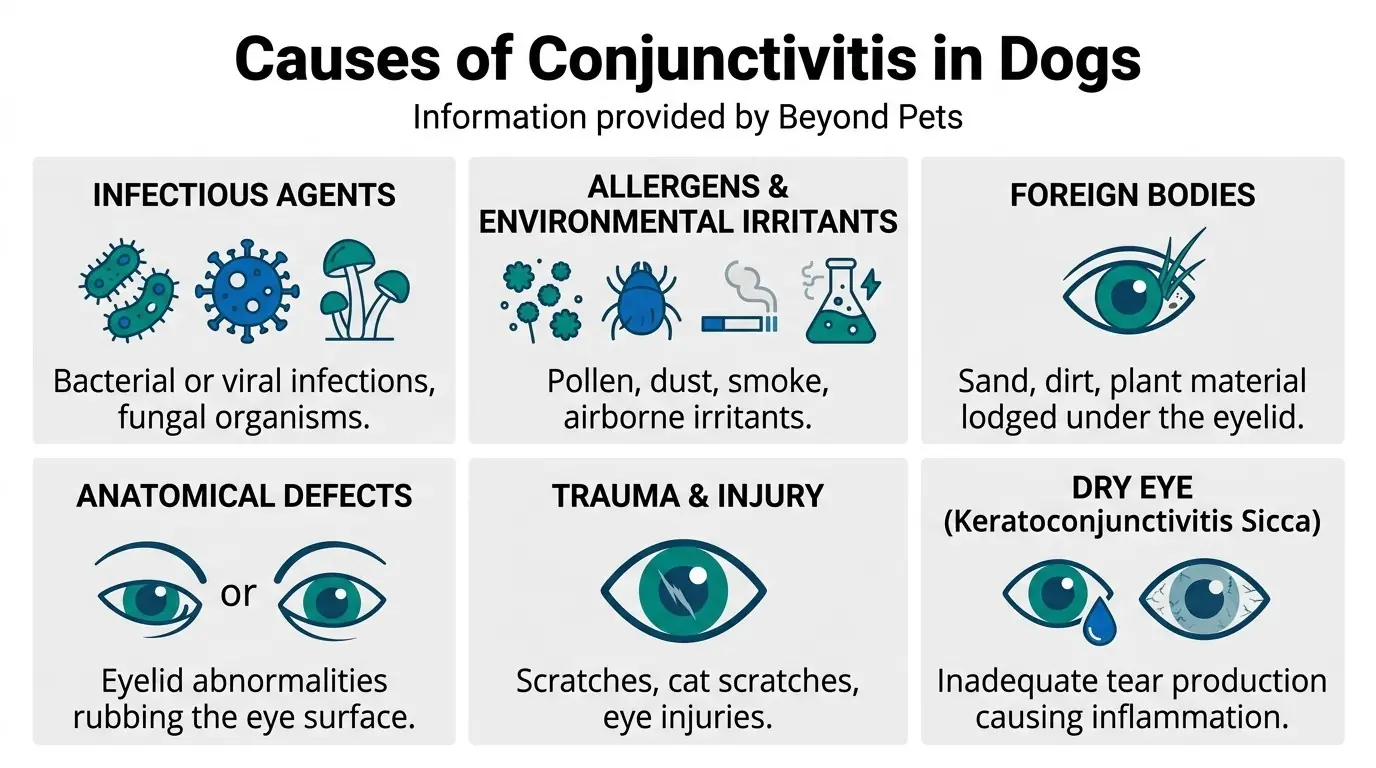
The manifestation of conjunctivitis is typically a clinical symptom pointing to an underlying primary condition that is altering the microenvironment of the ocular surface. A veterinarian must systematically evaluate the patient to identify the specific etiology out of a wide array of potential causative factors. The most prevalent causes of conjunctivitis in dogs include the following:
- Keratoconjunctivitis Sicca (Dry Eye): KCS is arguably the single most common cause of chronic, recurrent conjunctivitis in dogs. The tear film is composed of three vital layers: an inner mucin layer, a middle aqueous layer, and an outer lipid layer. In dogs with KCS, an immune-mediated destruction of the lacrimal and nictitans glands leads to a profound deficiency in the aqueous layer of the tear film. Without adequate aqueous tears to flush away debris and provide localized immune factors (such as IgA and lysozyme), the conjunctiva becomes fiercely inflamed, hyperemic, and covered in a thick, ropey, mucoid discharge. Left untreated, chronic KCS leads to severe corneal pigmentation, ulceration, and eventual blindness.[17]
- Anatomical and Conformational Abnormalities: The eyelids must sit perfectly flush against the globe to distribute the tear film evenly and protect the eye. In conditions such as entropion, the eyelid margins roll inward, causing the stiff, keratinized facial hairs to drag aggressively across the delicate conjunctiva and cornea with every blink. Conversely, ectropion involves a drooping or outward rolling of the lower eyelid, creating a “pocket” that collects dust, debris, and bacteria while exposing the conjunctiva to drying air currents. Both of these conformational defects cause severe, chronic mechanical irritation.[18]
- Brachycephalic Syndrome: Dogs with purposely bred short snouts and shallow eye sockets (such as Pugs, French Bulldogs, English Bulldogs, and Shih Tzus) are exceptionally prone to a multitude of ocular surface diseases. Their shallow orbits lead to exophthalmos (bulging eyes), which prevents the eyelids from closing fully during sleep—a condition known as lagophthalmos. This constant exposure dries out the central cornea and bulbar conjunctiva. Additionally, many of these breeds possess prominent nasal folds whose stiff hairs constantly abrade the medial aspect of the globe, leading to chronic mechanical conjunctivitis and pigmentary keratitis.[19]
- Aberrant Eyelash Growth: Normal eyelashes grow exclusively on the upper eyelid in dogs. However, several congenital anomalies can lead to aberrant hair growth that devastates the ocular surface. Distichiasis occurs when a second row of eyelashes emerges from the orifices of the meibomian glands, rubbing directly against the eye. Ectopic cilia are even more severe; these are hairs that grow straight through the palpebral conjunctiva, acting like tiny needles scratching the eye with every single blink. Trichiasis involves normally placed hairs (such as from the nasal fold) that are misdirected toward the globe.[20]
- Environmental Irritants and Chemical Toxins: Dogs are highly inquisitive creatures that explore the world with their noses, keeping their faces dangerously close to the ground. Exposure to strong chemical fumes, cigarette smoke, aerosol sprays, lawn chemicals, and excessive dust can easily strip the lipid layer of the tear film and induce a severe chemical or irritant conjunctivitis. In these instances, the inflammation is a direct physiological response to tissue toxicity rather than an immune-mediated or infectious process.[21]
Furthermore, an incredibly common and painful cause of acute, unilateral (one-sided) conjunctivitis is the sudden presence of a foreign body irritating your dog’s eye. Plant materials, such as grass seeds, foxtails, or tiny wood splinters, can easily become trapped in the deep conjunctival fornices or lodge firmly behind the third eyelid. Because the conjunctiva is rich in sensory nerve endings, a retained foreign body causes excruciating pain, blepharospasm (squinting), and rapid secondary bacterial infection. A thorough examination under topical anesthesia is often required to locate and safely extract these hidden offenders.[22]
Symptoms of Canine Conjunctivitis
The clinical presentation of conjunctivitis in dogs can be incredibly dramatic and deeply concerning to a pet owner. While the exact constellation of symptoms can vary based on the chronicity and specific etiology of the condition, there are several cardinal signs that universally indicate conjunctival inflammation. Recognizing these symptoms early and accurately describing them to the veterinary team can dramatically expedite the diagnostic process.[23] Common clinical signs encompass:
- Conjunctival Hyperemia: The most defining feature of the condition, presenting as a bright red, “bloodshot” appearance of the tissues lining the eyelids and covering the white of the eye. This is due to the intense engorgement of superficial blood vessels responding to local inflammatory cytokines.
- Chemosis: A remarkable swelling and edema of the conjunctival tissue itself. In severe cases, particularly associated with acute allergic reactions, the conjunctiva can swell so profoundly that it visibly bulges out from beneath the eyelids, resembling a gelatinous blister.
- Abnormal Ocular Discharge: The nature of the discharge provides critical clues to the underlying cause. Serous (clear, watery) discharge usually points to viral infections, allergies, or early mild irritation. Mucoid (thick, gray, ropey) discharge is a classic hallmark of KCS. Mucopurulent (thick, yellow, or greenish) discharge strongly suggests a secondary bacterial infection and an influx of neutrophils.
- Blepharospasm and Photophobia: An involuntary, spastic closure of the eyelids (squinting) accompanied by an extreme sensitivity to bright light. This indicates that the condition is painful and suggests secondary involvement of the cornea (such as an ulcer) or deeper intraocular structures.
- Pruritus and Periocular Excoriation: Intense itching leads dogs to furiously rub their faces on the ground or paw at their eyes. This self-trauma frequently leads to hair loss, scabbing, and bleeding in the periocular region.
- Follicular Hyperplasia: In chronic cases, the lymphoid follicles located on the posterior surface of the third eyelid and in the conjunctival fornices become enlarged and hyperplastic, giving the conjunctival surface a roughened, “cobblestone” appearance.
It is imperative for pet owners to understand that a red eye in a dog is never a condition that warrants a “wait and see” approach. The symptoms of simple conjunctivitis overlap identically with several sight-threatening emergencies, including acute glaucoma, severe anterior uveitis, and deep melting corneal ulcers. Delaying veterinary evaluation when a dog presents with a red, painful eye can rapidly lead to irreversible damage to the ocular structures, necessitating surgical enucleation (removal of the eye).[24]
How Do Vets Diagnose Conjunctivitis?
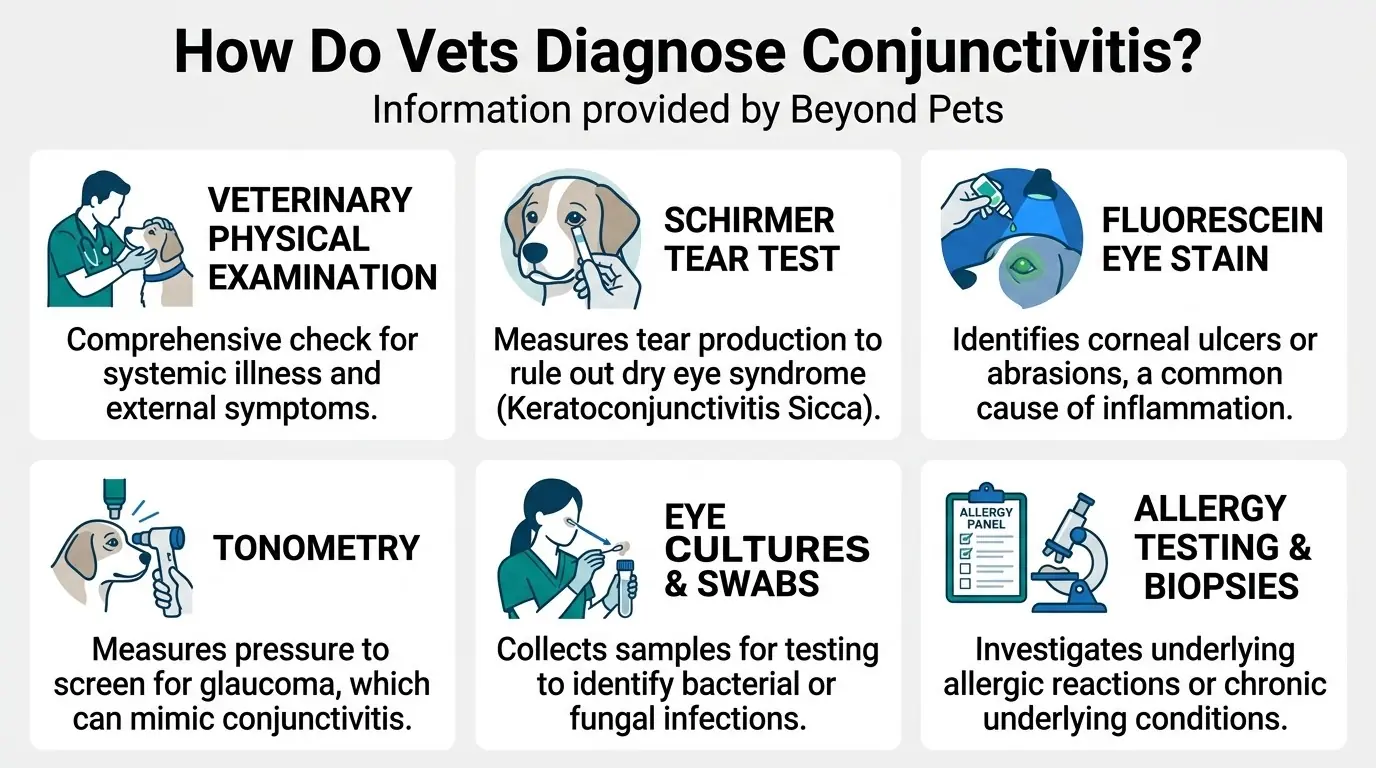
Achieving a definitive diagnosis for conjunctivitis requires far more than a simple visual inspection. Because the inflammation is almost always secondary to another issue, veterinarians employ a rigorous, standardized approach to ophthalmic examinations. This multi-step process ensures that the true primary etiology is identified, allowing for a targeted and effective treatment protocol rather than merely temporarily masking the symptoms.[25]
Medical History
The diagnostic journey begins with a comprehensive, detailed medical history. The veterinarian will ask an extensive series of questions to build a clinical picture. This includes establishing the exact timeline of the onset of symptoms, whether the condition affects one eye (unilateral) or both (bilateral), and the dog’s response to any over-the-counter or previously prescribed treatments. Crucial information also involves the dog’s lifestyle, recent travel history to areas endemic for specific fungal or tick-borne diseases, core vaccination status, and potential exposure to environmental allergens, new household chemicals, or heavily wooded areas where foreign bodies are prevalent.[26]
Physical Examination
Following the history, a thorough physical and neuro-ophthalmic examination is conducted. The veterinarian assesses the dog’s overall systemic health before narrowing the focus to the eyes. Using a focal light source, such as a Finoff transilluminator, and magnification (head loupes), the vet will evaluate the symmetry of the globe, the blink reflex (palpebral reflex), and the menace response. The architecture of the eyelids is meticulously scrutinized to rule out entropion, ectropion, and aberrant cilia. The veterinarian will carefully elevate the upper and lower eyelids and gently retropulse the globe to fully examine the palpebral surfaces, the deep fornices, and both the anterior and posterior surfaces of the nictitating membrane for lymphoid hyperplasia or hidden plant awns.[27]
Diagnostic Tests
The visual inspection forms the foundation of the exam, but specific, quantitative diagnostic tests are absolutely mandatory to confirm the underlying cause and rule out concurrent ocular diseases. The standard ophthalmic minimum database performed on any red eye includes:
- Schirmer Tear Test (STT): This critical test must be performed before putting any liquids or drops into the eye. A standardized strip of specialized filter paper is inserted into the ventral conjunctival fornix for precisely 60 seconds. It measures the basal and reflex aqueous tear production. A normal dog produces more than 15mm of tears per minute. Values below 15mm raise suspicion, and values below 10mm confirm a diagnosis of Keratoconjunctivitis Sicca (KCS), which fundamentally changes the entire treatment plan.[28]
- Fluorescein Staining: A sterile strip infused with fluorescein dye is touched to the conjunctiva and flushed with sterile saline. Under a cobalt blue light, this highly specialized dye is repelled by the lipid-rich, intact corneal epithelium but strongly binds to the underlying hydrophilic corneal stroma. The presence of a bright green, glowing spot instantly diagnoses a corneal ulcer or abrasion, which frequently accompanies conjunctivitis and dictates which medications are safe to use.[29]
- Tonometry (Intraocular Pressure Measurement): Utilizing an applanation (e.g., Tono-Pen) or rebound (e.g., TonoVet) tonometer, the veterinarian measures the fluid pressure inside the eye. Normal canine intraocular pressure is generally between 10 and 20 mmHg. A low pressure indicates anterior uveitis (internal inflammation), while a pressure exceeding 25-30 mmHg is diagnostic for glaucoma. Both of these deep-seated diseases present with a red eye and can cause secondary conjunctival injection.[30]
- Cytology and Culture: If the conjunctivitis is chronic, refractory to initial treatments, or accompanied by severe purulent discharge, the veterinarian may perform a conjunctival scraping using a specialized micro-spatula or cytobrush. The cells are rolled onto a glass slide, stained with a modified Wright-Giemsa stain, and examined under a microscope. A predominance of neutrophils confirms bacterial infection, eosinophils point to severe allergy, and lymphocytes indicate chronic immune-mediated disease. Bacterial culture and antibiotic susceptibility testing are reserved for severe, non-responsive bacterial infections to ensure the correct antibiotic is chosen.[31]
Treatment Options for Conjunctivitis in Dogs
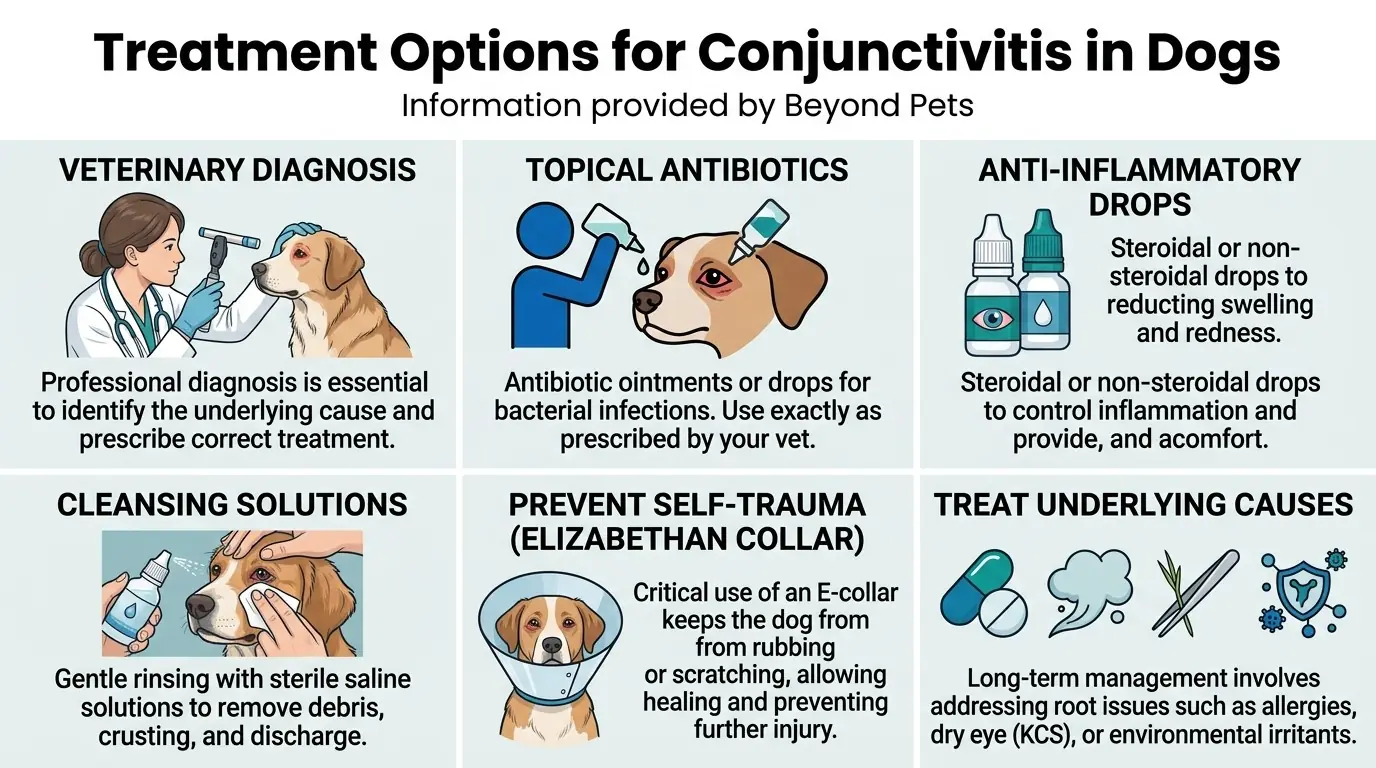
The therapeutic management of canine conjunctivitis is entirely dependent on the accurate identification of the primary cause. Because the pathophysiology of the condition varies so widely—from mechanical friction to immune-mediated destruction to primary infections—there is no single “magic drop” that cures all cases. Veterinarians must frequently utilize a multimodal approach, prescribing topical medications that target the inciting agent, reduce local inflammation, and protect the fragile ocular surface, while sometimes requiring concurrent surgical intervention to correct anatomical defects.[32]
Antibiotic Eye Drops or Ointments
Topical ophthalmic antibiotics are the cornerstone of treatment when a secondary bacterial overgrowth is confirmed by cytology or strongly suspected based on the presence of mucopurulent discharge. The choice of antibiotic depends on the suspected organisms and the integrity of the cornea. Triple antibiotic formulations containing bacitracin, neomycin, and polymyxin B (BNP) are frequently utilized as first-line, broad-spectrum bactericidal agents for uncomplicated conjunctivitis. They are excellent against the common Staphylococcal and Streptococcal flora. For more severe infections, or if a corneal ulcer is rapidly melting, veterinarians may prescribe potent fluoroquinolones such as ofloxacin or ciprofloxacin, which have excellent penetration into the ocular tissues and heavy activity against Pseudomonas. Pet owners must strictly adhere to the prescribed dosing frequency—often required every 4 to 6 hours—to maintain a high local concentration of the drug and prevent the development of resistant bacterial strains.[33]
Antiviral Medications
When specific viral etiologies, such as Canine Herpesvirus-1, are identified or strongly suspected (particularly in the presence of characteristic dendritic corneal ulcers), topical antiviral agents become necessary. Viruses are notoriously difficult to treat because they hijack the host’s cellular machinery to replicate. Topical virostatic agents like trifluridine, idoxuridine, or cidofovir work by inhibiting viral DNA polymerase. Because these medications are rapidly flushed from the ocular surface by tears and must act constantly to halt viral replication, the treatment frequency is exceptionally demanding, often requiring application every 2 to 4 hours during the initial acute phase. Systemic antivirals like famciclovir are also occasionally utilized in severe cases.[34]
Anti-inflammatory Medications
To swiftly alleviate the redness, profound swelling, and severe pruritus driving the patient’s discomfort, anti-inflammatory medications are frequently employed. These fall into two main categories: topical corticosteroids (such as dexamethasone, prednisolone acetate, or hydrocortisone) and topical non-steroidal anti-inflammatory drugs (NSAIDs) like diclofenac or flurbiprofen. Corticosteroids are incredibly potent, acting high up in the inflammatory cascade to inhibit phospholipase A2. They are unparalleled in treating severe allergic conjunctivitis and the profound inflammation associated with KCS. However, corticosteroids carry a monumental risk: if applied to an eye with a corneal ulcer, they will drastically suppress local immunity, promote collagenase activity, and cause the cornea to literally melt away, leading to global rupture within a matter of days. Therefore, a veterinarian will absolutely never prescribe a topical steroid without first performing a negative fluorescein dye test.[35]
Artificial Tears or Lubricating Eye Drops
Supportive care using highly viscous artificial tears, gels, and lubricating ointments is a universally beneficial adjunct therapy for nearly all forms of conjunctivitis. Modern veterinary ophthalmic lubricants are engineered to mimic the complex mucin and aqueous layers of the natural tear film. Products containing cross-linked hyaluronic acid, carbomer gels, or lipid-based ointments serve multiple crucial functions: they rapidly flush environmental allergens and cellular debris out of the conjunctival sac, physically coat exposed nerve endings to instantly reduce pain, and stabilize the tear film to protect the corneal epithelium from desiccation. For dogs suffering from physical irritants, lagophthalmos, or recovering from foreign body removal, aggressive lubrication is frequently the most soothing component of the therapeutic regimen.[36]
Antifungal Medications
While exceptionally rare in the general canine population, primary fungal conjunctivitis or keratomycosis can occur, particularly in agricultural working dogs, dogs with chronic immunosuppression, or those that have been treated with long-term topical corticosteroids and antibiotics. Fungal pathogens such as *Aspergillus*, *Fusarium*, or *Candida* can invade the conjunctival tissues. Diagnosis relies heavily on cytology and fungal culture. Treatment is often prolonged, difficult, and requires specific topical polyene antifungals (like natamycin) or azole antifungals (like voriconazole or miconazole). Because antifungal medications can be inherently irritating to the ocular surface, careful, frequent monitoring by a veterinary ophthalmologist is usually warranted.[37]
Prevention and Management of Conjunctivitis Diseases
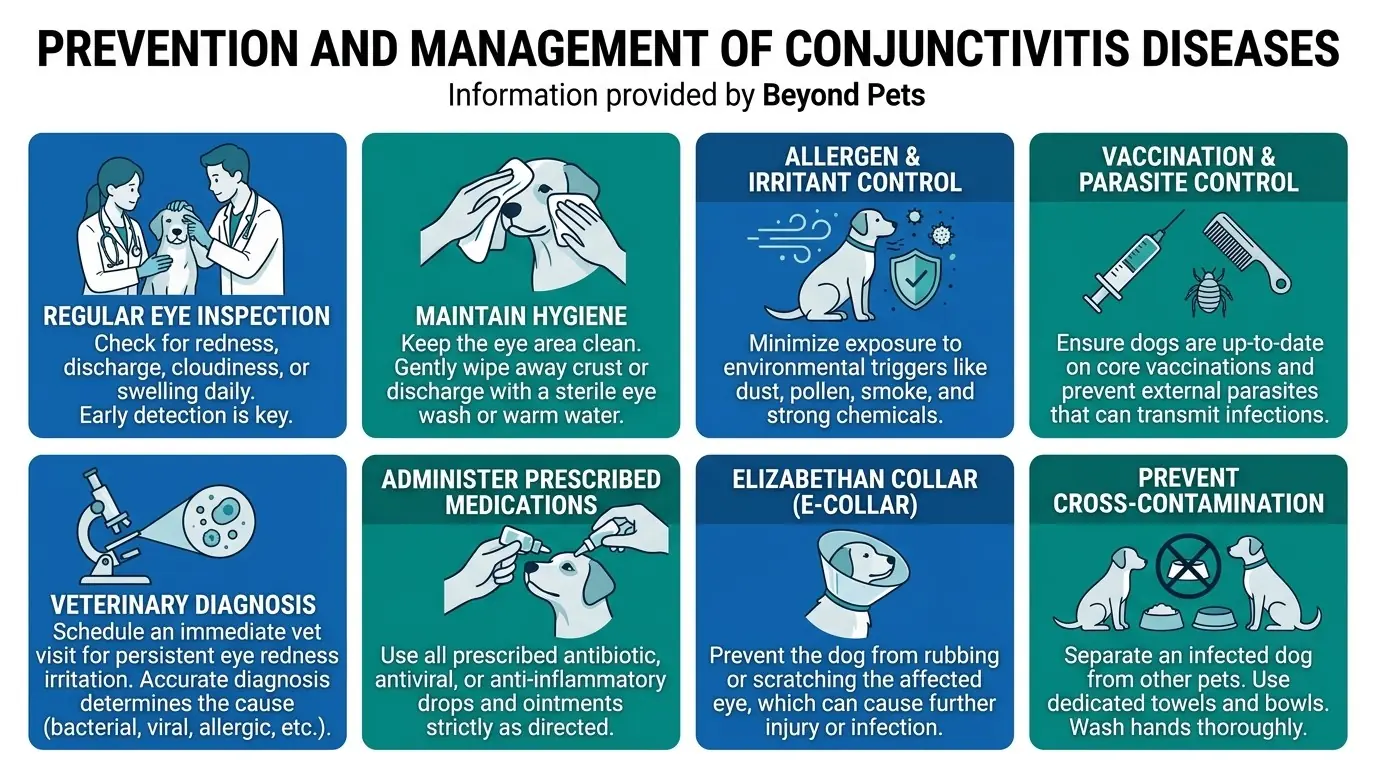
While not every case of conjunctivitis can be anticipated, pet owners can adopt a myriad of proactive management strategies to drastically reduce the frequency of inflammatory flare-ups, safeguard the integrity of the ocular surface, and ensure rapid, uncomplicated recovery when infections do arise. The most critical component of management is flawless adherence to the prescribed therapeutic protocol. When the veterinarian prescribes an antibiotic or anti-inflammatory drop for seven days, the course must be completed entirely, even if the eye appears visually normal after only two days. Premature cessation of topical therapy is the leading cause of bacterial resistance and rapid clinical relapse.[38] Always consult your veterinarian before making any changes to your pet’s care.
In addition to strict medication compliance, environmental and physical management is paramount. Dogs recovering from severe conjunctivitis, especially those displaying intense pruritus, must absolutely be fitted with a properly sized Elizabethan collar (E-collar or protective cone). It takes only a few seconds of vigorous rubbing against a carpet or scratching with a hind claw to turn a simple, healing conjunctivitis into a disastrous, deep, melting corneal ulcer. The periocular region must be kept meticulously clean. Owners of brachycephalic breeds, or breeds with excessive facial skin folds, must adopt a daily hygiene routine, gently wiping away debris and accumulated tears using sterile, damp cotton rounds. Utilizing a separate pad for each eye is essential to prevent the cross-contamination of flora from one eye to the other.[39]
Preventative care also extends to comprehensive systemic health management. Maintaining a robust, year-round regimen of ectoparasite control will prevent allergic reactions driven by insect bites. Keeping core vaccinations completely up to date—particularly against canine distemper and adenovirus—provides a robust immunologic shield against the most devastating systemic viral causes of ocular disease. Finally, scheduling routine biannual veterinary examinations allows for the early detection of subtle, creeping conditions like Keratoconjunctivitis Sicca or early-stage entropion long before they manifest as a severe, painful, and costly crisis of conjunctivitis.[40]
Frequently Asked Questions
How does conjunctivitis spread between dogs?
While primary bacterial and viral conjunctivitis can be contagious, it spreads largely through direct, nose-to-nose contact with an infected animal’s ocular or respiratory secretions. In environments with high population density, such as kennels or dog parks, pathogens like canine adenovirus or distemper can spread rapidly via aerosolized droplets or fomites (contaminated water bowls or shared toys). However, it is vital to remember that the vast majority of conjunctivitis cases in adult dogs are caused by non-contagious factors—such as dry eye, allergies, or physical eyelid abnormalities—which cannot be transmitted to other pets or humans.
How long will conjunctivitis last in canines?
The duration of a conjunctivitis episode is entirely dependent on the specific underlying etiology and how quickly targeted medical therapy is initiated. A simple, acute bacterial infection secondary to a mild irritant may completely resolve within 5 to 7 days of appropriate topical antibiotic therapy. Conversely, if the conjunctivitis is secondary to a chronic, incurable condition like immune-mediated Keratoconjunctivitis Sicca (Dry Eye) or a structural issue like uncorrected entropion, the inflammation can persist indefinitely. In these chronic cases, the condition is medically managed long-term rather than permanently cured, requiring lifelong daily medication to control symptoms.
Will conjunctivitis go away by itself?
In extremely rare cases, a very mild, transient conjunctivitis caused by a sudden, minor physical irritant (like a speck of dust that is quickly washed away by tears) might resolve independently within 24 to 48 hours. However, true medical conjunctivitis will not resolve without intervention. Because a red eye can indicate severe, sight-threatening diseases such as glaucoma, deep melting ulcers, or internal uveitis, adopting a “wait and see” approach is highly dangerous. Delaying professional veterinary assessment and appropriate pharmacological treatment frequently leads to severe worsening of the underlying condition, excruciating pain for the animal, and potentially irreversible blindness.
References
- Merck Veterinary Manual. Conjunctiva in Animals. Merck & Co., Inc., 2023.
- Maggs, D.J. Slatter’s Fundamentals of Veterinary Ophthalmology, 6th Edition. Elsevier, 2018.
- VCA Animal Hospitals. Conjunctivitis in Dogs. VCA Hospitals Inc., 2022.
- American Veterinary Medical Association (AVMA). Eye Disorders in Dogs. AVMA, 2023.
- Gelatt, K.N. Veterinary Ophthalmology, 6th Edition. John Wiley & Sons, 2021.
- Cornell University College of Veterinary Medicine. Canine Eye Care. Cornell University, 2022.
- Hendrix, D.V.H. Diseases and Surgery of the Canine Conjunctiva and Nictitating Membrane. Veterinary Clinics of North America, 2007.
- Moore, C.P. Immunology of the canine eye. Veterinary Ophthalmology, 1999.
- ASPCA. Common Dog Eye Problems. American Society for the Prevention of Cruelty to Animals, 2021.
- Giuliano, E.A. Diseases of the Canine Eyelids. Veterinary Clinics of North America, 2013.
- Veterinary Information Network (VIN). Canine Keratoconjunctivitis Sicca. VIN, 2020.
- Journal of the American Veterinary Medical Association. Prevalence of ocular disorders in dogs. JAVMA, 2018.
- Williams, D.L. Immunopathogenesis of keratoconjunctivitis sicca in the dog. Veterinary Clinics of North America, 2008.
- Centers for Disease Control and Prevention (CDC). Zoonotic potential and viral pathogens in canines. CDC, 2021.
- Ledbetter, E.C. Canine herpesvirus-1 ocular diseases. Veterinary Ophthalmology, 2005.
- World Health Organization (WHO). One Health and zoonoses. WHO, 2022.
- Kaswan, R.L. Efficacy of cyclosporine in KCS. Veterinary Ophthalmology, 2000.
- World Small Animal Veterinary Association (WSAVA). Vaccination Guidelines for Dogs. WSAVA, 2016.
- Companion Animal Parasite Council (CAPC). Flea and Tick prevention guidelines. CAPC, 2023.
- American College of Veterinary Ophthalmologists (ACVO). What is a Veterinary Ophthalmologist. ACVO, 2023.
- Spiess, B.M. Topical corticosteroids in veterinary ophthalmology. Veterinary Clinics of North America, 2011.
- Plummer, C.E. Diagnostic principles in veterinary ophthalmology. Veterinary Clinics of North America, 2006.
- Maggs, D.J. Slatter’s Fundamentals of Veterinary Ophthalmology, 6th Edition. Elsevier, 2018.
- VCA Animal Hospitals. Conjunctivitis in Dogs. VCA Hospitals Inc., 2022.
- Merck Veterinary Manual. Conjunctiva in Animals. Merck & Co., Inc., 2023.
- American Veterinary Medical Association (AVMA). Eye Disorders in Dogs. AVMA, 2023.
- Gelatt, K.N. Veterinary Ophthalmology, 6th Edition. John Wiley & Sons, 2021.
- Cornell University College of Veterinary Medicine. Canine Eye Care. Cornell University, 2022.
- Hendrix, D.V.H. Diseases and Surgery of the Canine Conjunctiva and Nictitating Membrane. Veterinary Clinics of North America, 2007.
- Moore, C.P. Immunology of the canine eye. Veterinary Ophthalmology, 1999.
- ASPCA. Common Dog Eye Problems. American Society for the Prevention of Cruelty to Animals, 2021.
- Giuliano, E.A. Diseases of the Canine Eyelids. Veterinary Clinics of North America, 2013.
- Veterinary Information Network (VIN). Canine Keratoconjunctivitis Sicca. VIN, 2020.
- Journal of the American Veterinary Medical Association. Prevalence of ocular disorders in dogs. JAVMA, 2018.
- Williams, D.L. Immunopathogenesis of keratoconjunctivitis sicca in the dog. Veterinary Clinics of North America, 2008.
- Centers for Disease Control and Prevention (CDC). Zoonotic potential and viral pathogens in canines. CDC, 2021.
- Ledbetter, E.C. Canine herpesvirus-1 ocular diseases. Veterinary Ophthalmology, 2005.
- World Health Organization (WHO). One Health and zoonoses. WHO, 2022.
- Kaswan, R.L. Efficacy of cyclosporine in KCS. Veterinary Ophthalmology, 2000.
- World Small Animal Veterinary Association (WSAVA). Vaccination Guidelines for Dogs. WSAVA, 2016.