



 March 2, 2023
 Phil Good, DVM
What is Vomiting in Dogs?
This content was prepared with AI assistance and reviewed by a licensed professional for accuracy.
Introduction
When you are a pet parent, few sounds are as instantly recognizable and universally dreaded as the rhythmic, heaving noise of a dog preparing to throw up. Experiencing vomiting in dogs can be an incredibly stressful and frightening ordeal, both for the anxious owner and the distressed pet. By definition, vomiting—medically referred to as emesis—is the forceful, active expulsion of stomach contents and sometimes material from the upper small intestine out through the mouth. While a single episode of dog vomit might simply mean your furry friend ate their dinner too quickly, it can also be the very first warning sign of a severe, potentially life-threatening systemic illness. Understanding the complex physiological mechanisms behind why a dog throws up is the crucial first step in knowing when to monitor them at home and when to rush to the veterinary emergency room. The overarching goal of this comprehensive guide is to empower you with the clinical knowledge necessary to make informed decisions about your pet’s gastrointestinal health.
To fully grasp the nuances of this common clinical sign, we must first look at the intricate neurological and physiological pathways that govern the digestive tract. Vomiting is not merely a stomach issue; it is a highly coordinated reflex orchestrated by the brain. Deep within the brainstem lies the emetic center, a cluster of neurons located in the medulla oblongata. This control center receives input from multiple sources throughout the body, including the gastrointestinal tract, the vestibular system (which controls balance), the higher cortical centers of the brain, and the Chemoreceptor Trigger Zone (CRTZ). The CRTZ is uniquely positioned outside the blood-brain barrier, allowing it to constantly sample the blood and cerebrospinal fluid for circulating toxins, drugs, or metabolic waste products. When any of these pathways detect an abnormality—be it a swallowed toy, a bacterial toxin, or the extreme dizziness of motion sickness—they send rapid, urgent signals to the emetic center, which then initiates the physical act of vomiting.[1]
The process of throwing up is generally divided into three distinct, observable stages: nausea, retching, and expulsion. Nausea is the prodromal or warning phase. During this time, you may notice your dog exhibiting subtle behavioral changes. They might pace anxiously, whine, drool excessively (hypersalivation), smack their lips, or swallow repeatedly. These signs indicate that the brain has received the signal that something is wrong and is preparing the body for emesis. The excessive drooling serves a specific biological purpose: the highly alkaline saliva coats the delicate lining of the esophagus and teeth, providing a temporary protective barrier against the harsh, acidic stomach contents that are about to be expelled. Recognizing these early signs of nausea can give you precious seconds to guide your dog to an easy-to-clean area before the actual vomiting begins.[2]
Following nausea comes the retching phase. Retching involves the simultaneous, intense contraction of the abdominal muscles and the muscles of inspiration (such as the diaphragm) against a closed glottis (the opening to the windpipe). This creates negative pressure within the chest cavity and positive pressure within the abdomen, effectively squeezing the stomach and forcing its contents upward into the esophagus. Unlike simple spitting out of food, retching involves a profound, full-body muscular effort that is physically exhausting for the dog. The final phase is expulsion, where the powerful pressure buildup culminates in the forceful ejection of the stomach contents out through the mouth. The resulting dog vomit may consist of undigested food, clear fluid, white foam, or yellowish-green bile, depending on how long it has been since the dog last ate and what exactly is causing the irritation.[3]
As a veterinary professional, I often emphasize to pet owners that vomiting itself is not a disease; rather, it is a clinical symptom of an underlying problem. The gastrointestinal tract of a dog begins at the oral cavity and extends down through the esophagus, stomach, small intestine, large intestine, and out through the rectum. An issue anywhere along this extensive pathway—or indeed, in completely separate organ systems like the kidneys or liver—can trigger the emetic reflex. By learning to observe the frequency, timing, volume, and appearance of your dog’s vomit, you become an invaluable part of the diagnostic team. This deep understanding will help you communicate effectively with your veterinarian, ensuring your cherished canine companion receives the most appropriate and rapid care possible.
What is the Difference Between Vomiting and Regurgitation
One of the most critical distinctions a pet owner must learn to make is telling the difference between true vomiting and a completely different physiological process called regurgitation. While both events result in food, fluid, or foam being expelled from the dog’s mouth, the underlying causes, the physical mechanisms, and the required medical treatments are vastly different. Confusing the two can lead to delays in accurate diagnosis and inappropriate therapies. When you contact your veterinary clinic, the very first question the triage nurse or doctor will likely ask is to describe exactly what the dog was doing just before and during the episode, as this helps pinpoint whether the issue originates in the stomach (vomiting) or the esophagus (regurgitation).[4]
Vomiting
As discussed, vomiting is an intensely active, forceful process that originates from the stomach and the upper portion of the small intestine. It is a reflex that requires significant muscular coordination and effort. Before a dog vomits, there is almost always a recognizable period of nausea. You will see the dog looking miserable, turning away from food, heavily drooling, lip-smacking, and perhaps seeking out a quiet corner to hide. This prodromal phase is a clear indicator that the brain is actively communicating with the gastrointestinal tract, preparing to evacuate offensive material. The dog is consciously aware of the impending discomfort and often exhibits signs of acute anxiety or distress.[5]
When the actual act of vomiting commences, the physical exertion is unmistakable. You will observe your dog’s abdomen heaving violently inward and outward. The dog typically adopts a specific posture: the head is lowered, the neck is extended, and the front legs may be spread slightly apart to brace the body. The powerful contractions of the diaphragm and abdominal musculature forcefully push the stomach contents up through the lower esophageal sphincter, through the length of the esophagus, past the upper esophageal sphincter, and out the mouth. Because the material has already reached the stomach, the expelled vomit often contains partially or fully digested food, and it usually has a highly acidic, sour smell. If the stomach was empty, the dog might vomit clear, frothy gastric juices or yellow-green bile that has refluxed backward from the duodenum (the first segment of the small intestine).[6]
The presence of bile is a definitive hallmark of true vomiting. Bile is produced by the liver, stored in the gallbladder, and released into the small intestine to help digest fats. Because bile enters the digestive tract below the stomach, its presence in the vomitus proves that the material originated from deep within the gastrointestinal system and was pushed forcefully upwards via a process called retroperistalsis. Vomiting can be triggered by a vast array of conditions, ranging from primary gastrointestinal diseases like severe gastroenteritis, stomach ulcers, or intestinal blockages, to secondary systemic issues such as kidney failure, liver disease, pancreatitis, or the ingestion of poisonous substances. It is a generalized distress signal from the body that requires careful medical investigation if it persists.[7]
Regurgitation
In stark contrast to the dramatic, whole-body effort of vomiting, Regurgitation is a surprisingly passive and effortless process. It typically occurs without any warning signs of nausea. A dog may be walking across the living room, playing, or even resting, and suddenly, with no abdominal heaving or prior drooling, they will simply lower their head and expel food or water. To the owner, it often looks as though the food just “fell out” of the dog’s mouth. The dog usually seems perfectly fine right before and right after the event, and may even immediately try to eat the regurgitated material again, much to the owner’s dismay.[8]
Regurgitation happens when food, water, or saliva never actually makes it all the way down into the stomach. Instead, the material becomes trapped or delayed within the esophagus—the muscular tube that connects the throat to the stomach. Because the material never enters the highly acidic environment of the stomach, regurgitated food is typically completely undigested. It often retains the exact shape of the kibble that was swallowed, or it may be bound together in a distinctive, sausage-like tubular shape that mirrors the internal contours of the esophagus. Furthermore, regurgitated material is almost always coated in a thick, slimy layer of saliva and mucus, but it will never contain yellow or green bile, and it generally lacks the harsh, sour odor of true stomach acid.[9]
The medical conditions that cause regurgitation are fundamentally different from those that cause vomiting. Regurgitation points specifically to esophageal dysfunction. One of the most common and serious causes is a condition known as megaesophagus, where the muscular walls of the esophagus become profoundly weak, dilated, and flaccid, losing their ability to propel food downward via normal peristaltic waves. Other causes include physical obstructions within the esophagus (such as a lodged bone or toy), esophageal strictures (scar tissue narrowing the tube), severe inflammation (esophagitis), or congenital abnormalities like vascular ring anomalies, where abnormal blood vessels physically constrict the esophagus from the outside. Regurgitation carries a very high risk of aspiration pneumonia, as the passively expelled material can easily be inhaled into the lungs, making it a critical symptom that requires immediate veterinary evaluation.[10]
Causes of Dog Vomiting
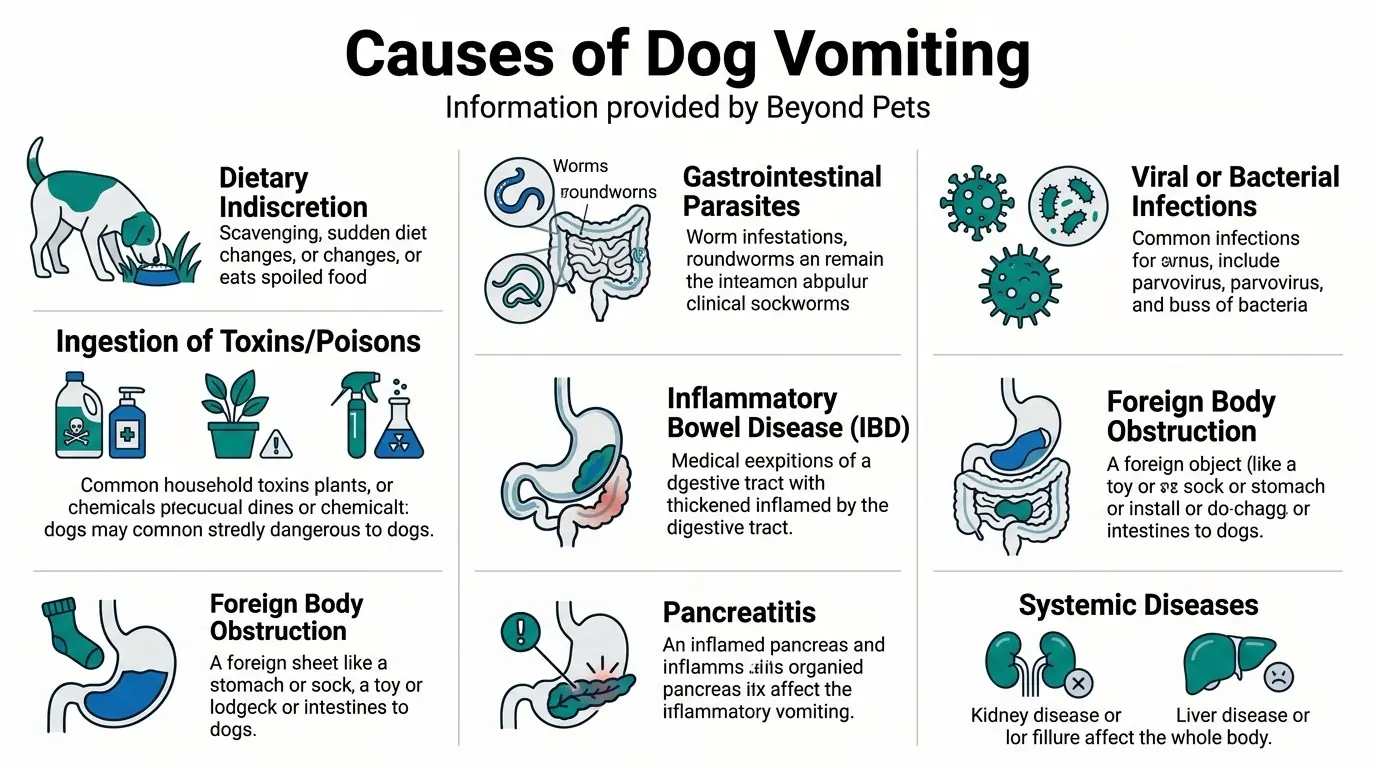
The list of potential causes for a dog throwing up is extraordinarily vast, making it one of the most challenging diagnostic puzzles in veterinary medicine. Because the emetic center in the brain can be stimulated by receptors located throughout the entire body, vomiting is considered a non-specific symptom. It tells us that something is wrong, but it does not immediately tell us where or what the problem is. Veterinarians generally categorize the causes of vomiting into two main groups: primary gastrointestinal causes (diseases directly affecting the stomach or intestines) and secondary or systemic causes (diseases of other organs that cause toxins or inflammatory mediators to circulate in the bloodstream). Understanding these categories highlights why a comprehensive medical workup is so often necessary.[11]
Dietary indiscretion is undoubtedly the single most common cause of acute, sudden-onset vomiting in dogs. Dogs are naturally curious scavengers that explore the world with their mouths. This often leads them to ingest inappropriate items, ranging from spoiled food found in the trash, to decaying animal carcasses in the yard, to heavily spiced human table scraps. The sudden influx of high-fat, unfamiliar, or bacterially contaminated food causes severe irritation to the delicate mucosal lining of the stomach and intestines, a condition broadly termed acute gastroenteritis. In many of these cases, the vomiting is the body’s appropriate and successful attempt to rid itself of the offending material before it can be absorbed or cause a deeper infection. While often self-limiting, severe dietary indiscretion can lead to profound dehydration if the dog cannot keep water down.[12]
A much more sinister and life-threatening primary GI cause is a mechanical obstruction. When a dog swallows an indigestible foreign body—such as a piece of a rubber toy, a pair of underwear, a corncob, or a rock—it can become firmly wedged within the stomach or the narrow lumen of the small intestine. Once a blockage occurs, food, water, and normal gastrointestinal secretions can no longer pass through the digestive tract. The intestines above the blockage become massively distended with gas and fluid, sending intense pain and stretch signals directly to the brain’s emetic center. Dogs with a complete obstruction will typically vomit continuously, unable to hold down even small sips of water. Without prompt surgical intervention to remove the object, the pressure can cut off the blood supply to the intestines, leading to tissue death, intestinal rupture, fatal peritonitis, and septic shock.[13]
Infectious diseases represent another major category of primary GI causes. Viral pathogens, most notably the highly contagious and deadly parvovirus, actively attack and destroy the rapidly dividing cells that line the intestinal crypts. This leads to the complete sloughing of the intestinal lining, resulting in intractable, bloody vomiting and profound hemorrhagic diarrhea. Other viral culprits include canine coronavirus and distemper virus. Bacterial infections, such as those caused by Salmonella, Campylobacter, or Clostridium perfringens, can produce potent enterotoxins that aggressively stimulate the gut’s nervous system, triggering severe emesis and fluid loss. Intestinal parasites, including roundworms, hookworms, whipworms, and the microscopic protozoa Giardia, cause chronic irritation, mucosal damage, and sometimes even physical blockage of the gut in severe puppy infestations.[14]
Systemic, or extra-gastrointestinal diseases, are a frequent and complex cause of vomiting, particularly in middle-aged to senior dogs. For instance, in cases of severe dog kidney failure, the kidneys lose their ability to filter metabolic waste products like blood urea nitrogen (BUN) and creatinine from the bloodstream. These retained uremic toxins circulate through the body and cross into the Chemoreceptor Trigger Zone in the brain, chemically stimulating the urge to vomit. Furthermore, high levels of uremic toxins cause deep, painful ulcers in the lining of the stomach itself (uremic gastritis), providing a double trigger for emesis. Similarly, acute or chronic liver disease, including hepatic failure or portosystemic shunts, prevents the liver from detoxifying the blood, allowing ammonia and other neurotoxins to trigger the emetic center.[15]
Acute pancreatitis is another notorious systemic cause of explosive, painful vomiting. The pancreas is an organ nestled adjacent to the stomach and small intestine, responsible for producing potent digestive enzymes. In a healthy dog, these enzymes remain inactive until they reach the gut. However, during an episode of pancreatitis—often triggered by the ingestion of a highly fatty meal—these enzymes activate prematurely inside the pancreas itself. This results in the organ effectively digesting its own tissue, causing massive, agonizing inflammation. The severe localized pain, coupled with the release of powerful inflammatory cytokines into the bloodstream, causes intense nausea and relentless vomiting. Dogs with pancreatitis often exhibit a classic “praying posture,” with their front end down and rear end up, desperately trying to relieve the intense abdominal pain.[16]
Endocrine and metabolic disorders can also manifest primarily as vomiting. Hypoadrenocorticism, commonly known as Addison’s disease, is a condition where the adrenal glands fail to produce adequate amounts of life-sustaining hormones, including cortisol and aldosterone. A lack of these hormones leads to catastrophic imbalances in blood electrolytes (specifically high potassium and low sodium), severe gastrointestinal ulceration, profound weakness, and cyclical vomiting. Because the symptoms of Addison’s disease can mimic so many other conditions, it is often referred to as “the great pretender” in veterinary medicine. Similarly, Diabetic Ketoacidosis (DKA), a severe complication of unregulated diabetes mellitus, causes the blood to become dangerously acidic, powerfully stimulating the brain’s emetic receptors.[17]
Toxicity is an emergency cause of vomiting that requires rapid action. Dogs are frequently exposed to human foods, medications, and household chemicals that are highly poisonous to them. Ingestion of toxic plants, human non-steroidal anti-inflammatory drugs (NSAIDs like ibuprofen or naproxen), chocolate, grapes, raisins, antifreeze (ethylene glycol), or rat poison can cause acute, severe vomiting. Some toxins, like the artificial sweetener xylitol (found in sugar-free gum and certain peanut butters), cause a massive release of insulin leading to life-threatening hypoglycemia and acute liver failure, with vomiting being one of the first clinical signs. If you suspect your pet has ingested any of these substances, contacting poison control immediately is crucial for survival.[18]
Finally, chronic inflammatory conditions, such as Inflammatory Bowel Disease (IBD) or suspected food sensitivities, are common causes of long-term, intermittent vomiting. In these cases, the dog’s own immune system abnormally reacts to normal dietary proteins or the natural bacterial flora of the gut, causing a dense infiltration of inflammatory white blood cells into the stomach and intestinal walls. This thickens the gut lining, impairs normal motility, decreases nutrient absorption, and leads to frequent vomiting and weight loss. Determining whether a true food allergy is causing your dog to vomit requires strict, prolonged dietary elimination trials. Other chronic causes can include gastric motility disorders (where the stomach empties too slowly) and gastrointestinal neoplasia (cancers such as lymphoma or adenocarcinoma).[19]
Diagnosis of Vomiting in Dogs
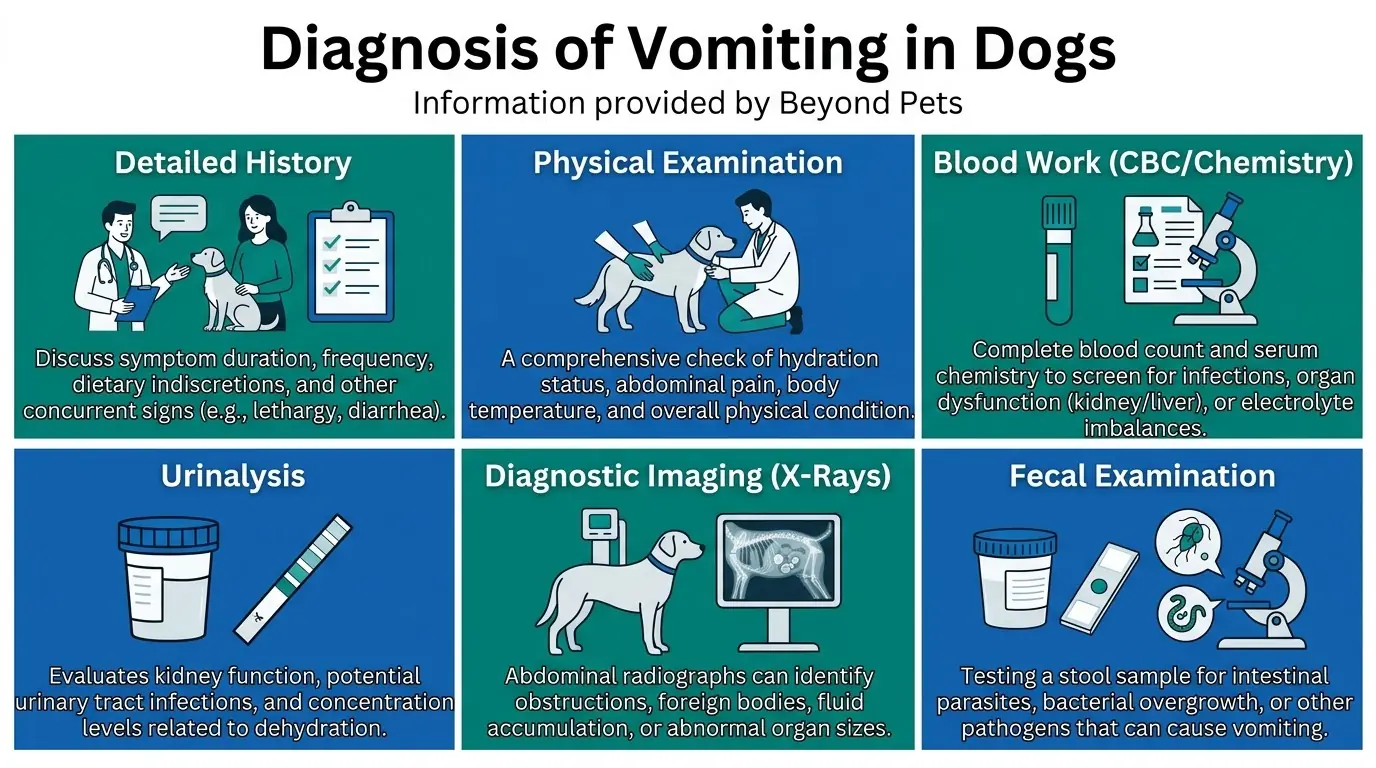
Because the list of potential causes for vomiting is so extensive, ranging from benign indiscretion to terminal illness, veterinarians must employ a highly systematic and logical diagnostic approach. Guessing the cause based solely on the appearance of the vomit is rarely effective and can be dangerous. Instead, your veterinarian will act like a medical detective, combining the clues provided by the dog’s history, the findings of a thorough hands-on physical examination, and the objective data gathered from laboratory bloodwork and advanced diagnostic imaging. This comprehensive workup is essential to pinpoint the exact root cause, formulate an effective treatment plan, and provide an accurate prognosis for your pet’s recovery.[20]
In-Depth History
The diagnostic process begins the moment you enter the consultation room. An exhaustive and highly detailed dog’s history is crucial to diagnosing any health issue, and vomiting is no exception. The veterinarian will ask a series of targeted questions to build a timeline and characterize the nature of the illness. They will want to know exactly when the vomiting started, how frequently it is occurring, and the precise relationship to meals (e.g., does it happen immediately after eating, or several hours later on an empty stomach?). You will be asked to describe the vomit in detail: is it mostly undigested food, clear fluid, thick white foam, yellow bile, or does it contain flecks of bright red blood or dark, digested blood that resembles coffee grounds? The character of the vomitus can provide strong hints about the location and severity of the disease process.[21]
Beyond the vomiting itself, the vet will delve into your dog’s daily life and environment. They will ask about your dog’s current diet, including the specific brand of kibble, any recent changes in flavor or formulation, the frequency of table scraps, and the types of treats offered. You will be questioned about the dog’s access to toxins, medications (both canine and human), garbage, household plants, and whether they have a known habit of chewing on toys or swallowing non-food items. The vet will also inquire about other systemic symptoms: is the dog exhibiting profound lethargy, showing signs of abdominal pain, drinking excessive amounts of water, urinating more than usual, or experiencing concurrent diarrhea? Gathering this comprehensive historical data helps the veterinarian narrow down the vast list of differential diagnoses before they even lay hands on the patient.[22]
Physical Evaluation
Following the history, the veterinarian will perform a meticulous nose-to-tail physical evaluation. This is not just a cursory glance; it is a vital hands-on assessment of the dog’s vital signs and overall systemic stability. The vet will evaluate the dog’s hydration status by assessing skin turgor (how quickly tented skin snaps back into place) and checking the mucous membranes of the gums to see if they are moist, sticky, or bone dry. The color of the gums is also critical: pale gums could indicate severe anemia from a bleeding stomach ulcer, while yellow (icteric) gums strongly point to advanced liver disease or destruction of red blood cells. The veterinarian will listen to the heart and lungs with a stethoscope to check for abnormal rhythms, murmurs, or the crackling sounds of aspiration pneumonia, which can occur if the dog accidentally inhaled vomit into its lungs.[23]
A major focus of the physical exam is a thorough abdominal palpation. The veterinarian will use their hands to gently but firmly press on the dog’s abdomen, feeling the stomach, intestines, liver margins, kidneys, and bladder. They are checking for multiple critical signs: localized or generalized abdominal pain, abnormal fluid accumulation (ascites), thickened loops of bowel, enlarged organs (organomegaly), or the distinct, firm shape of an intestinal mass or foreign body. In a dog with a severe obstruction or a twisted stomach (Bloat/GDV), the abdomen may be rigidly tense, bloated, and extremely painful to the touch. The physical exam may also include an oral examination, looking under the tongue for the presence of a linear foreign body (like a piece of string anchored in the mouth that extends down into the gut), and a rectal examination to check for the presence of severe diarrhea, fresh blood (hematochezia), or dark, tarry stool (melena) that indicates upper gastrointestinal bleeding.[24]
Laboratory Tests
While the history and physical exam provide vital clues, they cannot show what is happening at a cellular or biochemical level. Therefore, when a dog presents with acute severe vomiting, or chronic intermittent vomiting, a comprehensive panel of laboratory tests is almost always required. These diagnostics provide an objective, internal window into the function of the body’s major organs and the status of the immune system. The exact tests recommended will be tailored based on the initial clinical findings, but a standard baseline workup generally includes a Complete Blood Count (CBC), a biochemical profile, a urinalysis, and fecal testing. Understanding what these tests look for helps pet owners appreciate their critical importance in the diagnostic puzzle.[25]
- Complete Blood Count (CBC): The CBC is a foundational test that quantifies and evaluates the three main types of blood cells. It checks the red blood cells to determine if the dog is suffering from anemia (perhaps due to chronic bleeding from a stomach ulcer) or if the blood is overly concentrated due to severe dehydration from fluid loss. It provides a detailed breakdown of the white blood cells, the body’s primary defense mechanism. A high white blood cell count (leukocytosis) with an increased number of immature cells (a “left shift”) strongly indicates a severe, active bacterial infection or profound systemic inflammation, such as a ruptured intestine or severe pyometra. Conversely, a dangerously low white cell count is a classic hallmark of canine parvovirus. The CBC also measures platelets, which are essential for blood clotting.[14]
- Blood Chemistry Panel: This is a complex metabolic panel that measures enzymes, proteins, electrolytes, and metabolic waste products circulating in the blood serum. It is crucial for identifying systemic diseases. The panel assesses liver enzymes (like ALT, AST, and ALP) and bilirubin to detect liver inflammation, toxicity, or bile duct obstruction. It evaluates kidney function by measuring Blood Urea Nitrogen (BUN), Creatinine, and SDMA; significant elevations here clearly identify dog kidney failure as the trigger for the emesis. Crucially, the chemistry panel measures blood glucose to rule out diabetes or xylitol toxicity, and it analyzes critical electrolytes—sodium, potassium, and chloride. Severe vomiting often causes dangerous drops in potassium (hypokalemia) and chloride (hypochloremia), which must be corrected with targeted intravenous fluids for the dog to survive.[15]
- Urinalysis: A complete urinalysis is the indispensable companion to the blood chemistry panel. Evaluating the urine helps interpret the bloodwork accurately. For example, if the blood shows elevated kidney values, the specific gravity (concentration) of the urine tells the vet whether the kidneys have truly failed, or if the dog is simply severely dehydrated. The urinalysis checks for the presence of glucose and ketones, confirming a diagnosis of Diabetic Ketoacidosis. It also detects protein loss, crystals, red and white blood cells, and bacteria, helping to identify severe urinary tract infections or bladder stones that could be causing secondary systemic illness and vomiting.[25]
- Fecal Examination: Because gastrointestinal parasites are such a common cause of vomiting and diarrhea, particularly in puppies and young dogs, testing the stool is mandatory. A standard fecal flotation test mixes the stool with a special solution that causes the microscopic eggs of roundworms, hookworms, and whipworms to float to the top, where they can be identified under a microscope. Vets may also perform a direct fecal smear to look for bacterial overgrowth or fast-moving protozoa, and utilize advanced ELISA antigen tests to accurately detect hidden Giardia or Parvovirus infections that might not be visible on a standard float.[14]
- Pancreatic Tests: Because standard blood chemistry panels only provide indirect clues about pancreatic health, specific, highly sensitive tests are required to definitively diagnose pancreatitis. The most common and reliable test is the Canine Pancreas-Specific Lipase (cPLI) test. This test measures the exact amount of lipase enzyme originating solely from the pancreas. A significantly elevated cPLI strongly confirms active pancreatic inflammation and cellular destruction, providing a clear explanation for the dog’s agonizing abdominal pain and relentless vomiting.[16]
- Endocrine Testing: If a metabolic disorder is suspected based on the dog’s breed, history, or basic bloodwork (such as a classic lack of a stress leukogram or an abnormal sodium-to-potassium ratio), specific hormone testing is required. A baseline resting cortisol test can be used to screen for Addison’s disease; if it is low, a more comprehensive ACTH stimulation test is performed to confirm the life-threatening adrenal failure. Thyroid testing, though more commonly associated with regurgitation due to megaesophagus in dogs rather than active vomiting, may also be evaluated in complex, chronic cases.[17]
It is important to remember that the initial diagnostic testing is often an iterative process. A veterinarian may start with baseline bloodwork and abdominal radiographs. If those tests point toward a specific organ dysfunction, secondary, more specialized tests may then be recommended. Your veterinarian will carefully explain the rationale behind each recommended test, ensuring you understand exactly what information is being sought and how it will directly impact the medical decisions made for your vomiting dog. In emergency situations, rapid, point-of-care lab tests are often run in-house to provide life-saving data within minutes.[20]
Imaging
When the history, physical exam, and blood tests do not provide a definitive answer, or when a mechanical obstruction is highly suspected, diagnostic imaging becomes the next crucial step. Imaging modalities allow the veterinarian to peer inside the dog’s abdominal cavity in a non-invasive manner, visualizing the size, shape, position, and internal architecture of the digestive organs and surrounding structures. This is often the definitive step in distinguishing between a disease that can be treated with medication (like gastroenteritis) and a surgical emergency (like a swallowed rock). Different imaging technologies provide different types of information, and they are frequently used in combination for a complete diagnostic picture.[26]
- Radiographs (X-rays): Plain abdominal X-rays are usually the first-line imaging tool for a vomiting dog. They provide a broad, two-dimensional overview of the entire abdominal cavity. Radiographs are incredibly valuable for identifying radio-opaque foreign bodies, such as metal, bones, and dense rocks. They can reveal the presence of a twisted stomach (GDV) by showing a classic “double bubble” or “Smurf hat” gas pattern. Even if an object is radiolucent (like cloth or certain plastics) and doesn’t show up bright white on the film, the X-ray can still reveal the obstruction by showing a distinct pattern of massively dilated, gas-filled bowel loops stacked up behind the blockage. Barium contrast studies, where the dog swallows a safe, radio-opaque liquid that is tracked over time via sequential X-rays, can be used to outline the digestive tract, highlight non-opaque foreign bodies, or demonstrate delayed stomach emptying.[26]
- Ultrasound: While X-rays show the outline and gas patterns of the organs, an abdominal ultrasound provides real-time, highly detailed, cross-sectional views of the internal tissue architecture. Using high-frequency sound waves, a skilled ultrasonographer can look deep inside the walls of the stomach and intestines to measure their exact thickness and evaluate the distinct tissue layers. This makes ultrasound the gold standard for identifying soft tissue abnormalities, such as the thickened intestinal walls seen in severe Inflammatory Bowel Disease (IBD) or intestinal lymphoma. Ultrasound is exceptionally sensitive at detecting radiolucent linear foreign bodies (like string), identifying intussusceptions (where the bowel telescopes into itself), evaluating the pancreas for swelling, and locating enlarged abdominal lymph nodes. Furthermore, ultrasound can be used to safely guide a needle to aspirate fluid or obtain cellular samples from abnormal masses for cytologic evaluation without the need for surgery.[20]
- Computed Tomography (CT) or Magnetic Resonance Imaging (MRI): These advanced, cross-sectional imaging modalities generate highly detailed, three-dimensional maps of the dog’s anatomy. Because they require the animal to remain perfectly still inside a large machine, they mandate the use of full general anesthesia. Due to their high cost, limited availability, and anesthetic requirements, CT and MRI are not typically used as first-line diagnostics for acute vomiting. However, they become indispensable in complex, specialized cases. For instance, if a veterinarian suspects a brain tumor, severe vestibular disease, or central nervous system inflammation is the root cause of the vomiting, an MRI of the brain is the only way to visualize those structures. Similarly, a CT scan of the abdomen provides unparalleled detail for planning complex surgeries to remove extensive, invasive abdominal tumors or to map out complicated vascular anomalies affecting the liver.[20]
The choice of imaging depends heavily on the clinical presentation and the veterinarian’s index of suspicion. In a young, exuberant Labrador Retriever presenting with acute vomiting and a history of destroying toys, an X-ray to check for an obstruction is the immediate priority. In an older, weight-losing cat or dog with chronic, intermittent vomiting and normal bloodwork, an abdominal ultrasound to look for IBD or intestinal cancer is the most logical next step. Together, these imaging tools ensure that no internal stone is left unturned.[26]
Endoscopy or Biopsy
When non-invasive tests like bloodwork and ultrasound indicate chronic inflammation, suspicion of gastrointestinal cancer, or the presence of gastric ulcers, but cannot definitively name the exact cellular cause, advanced, invasive diagnostics are required. This is where gastrointestinal endoscopy and mucosal biopsy come into play. These procedures are typically reserved for stable patients suffering from chronic, intractable vomiting, weight loss, or chronic diarrhea that has failed to respond to basic symptomatic therapies, dietary changes, or empirical deworming trials. They represent the final, most definitive step in diagnosing complex mucosal diseases of the gut.[10]
Endoscopy: Gastrointestinal endoscopy is a highly specialized procedure performed under full general anesthesia. The veterinarian utilizes an endoscope—a long, highly flexible, fiber-optic tube equipped with a bright light source and a high-definition micro-camera at its tip. This sophisticated instrument is gently passed through the anesthetized dog’s mouth, down the esophagus, into the stomach, and threaded through the pyloric sphincter into the upper small intestine (duodenum). The camera projects a magnified, real-time, full-color video onto a monitor, allowing the veterinarian to visually inspect the delicate mucosal lining of the upper digestive tract. They are looking for visual evidence of disease: bright red erosions, deep, bleeding gastric ulcers, abnormal cobblestone textures indicative of severe chronic inflammation, strictures, or protruding, fleshy masses that could indicate polyps or tumors. Endoscopy is also highly therapeutic; it can be used to deploy tiny grasping forceps or snares to safely extract certain types of foreign objects (like a swallowed coin or a smooth ball) directly from the stomach, completely avoiding the need for an invasive surgical abdominal incision.[10]
Biopsy: While the visual inspection provided by the endoscope is invaluable, the most critical part of the procedure is obtaining tissue biopsies. Even a stomach lining that looks visually normal to the naked eye can harbor severe microscopic disease. Through a specialized channel within the endoscope, the veterinarian passes a long, flexible wire with tiny, sharp biopsy cups at the end. These cups are used to pinch off and remove multiple small, superficial pieces of the mucosal tissue lining the stomach and intestines. These precious tissue samples are then meticulously preserved in formalin and shipped to a specialized veterinary pathology laboratory. A board-certified veterinary pathologist will slice the tissue incredibly thin, stain it, and examine it under a high-powered microscope. The histopathology report details the exact type, severity, and depth of the cellular abnormalities. This microscopic data is the absolute gold standard—and often the only definitive way—to distinguish between severe Inflammatory Bowel Disease (which requires lifelong immunosuppressive steroids) and gastrointestinal lymphoma (which requires chemotherapy).[19]
While endoscopy and biopsy are minimally invasive compared to an open abdominal surgery (exploratory laparotomy), they do carry the inherent risks associated with general anesthesia. Furthermore, because the endoscope can only reach the stomach and the very first section of the small intestine (and sometimes the very end of the colon via colonoscopy), it cannot evaluate or biopsy the middle sections of the small intestine (the jejunum and ileum). If the disease process is localized entirely in that unreachable middle section, or if full-thickness tissue samples are required to diagnose diseases residing deep in the muscle layers of the gut, a traditional open surgical biopsy may be necessary instead. Your veterinarian or internal medicine specialist will weigh all these factors when recommending the safest and most diagnostic approach for your pet.[20]
Treatments for a Dog Throwing Up
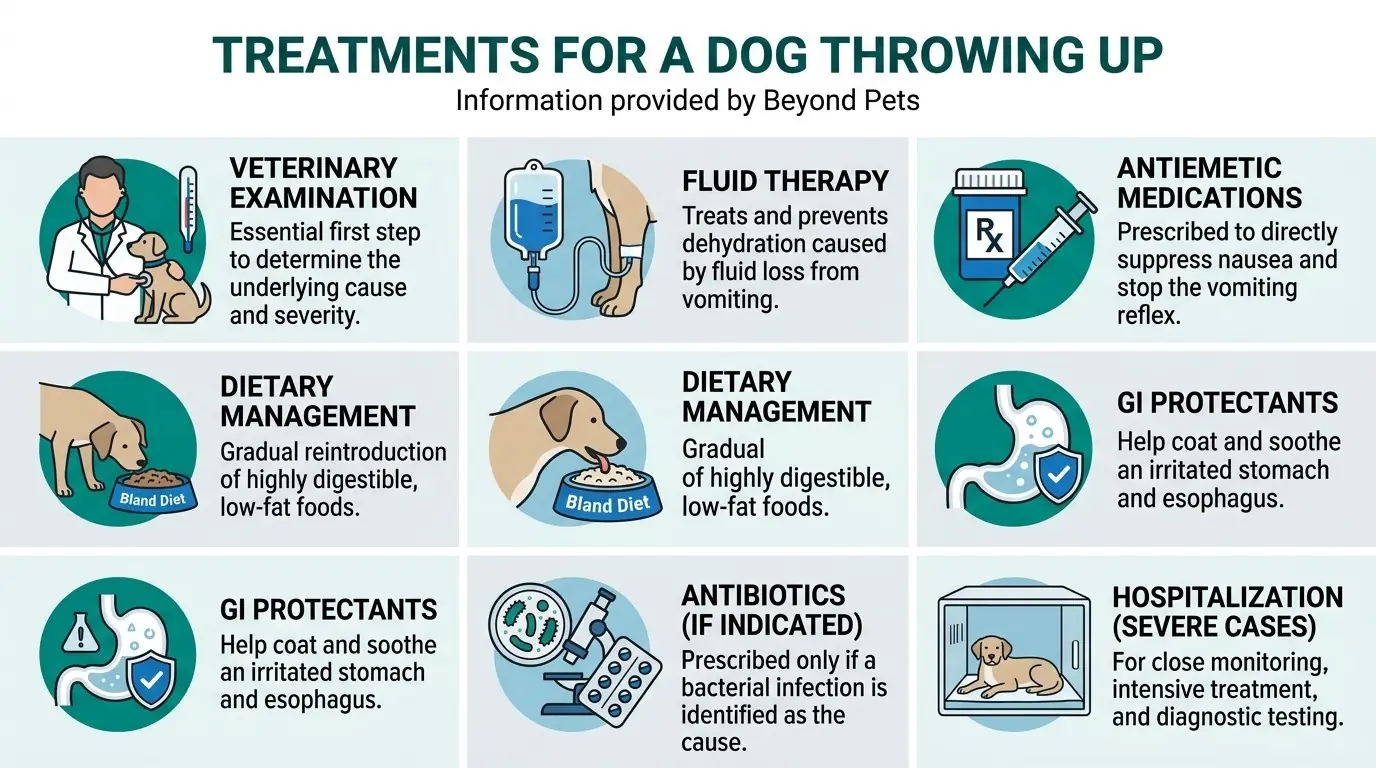
Because vomiting is a symptom of such a vast array of completely different medical conditions, there is no single “magic pill” that cures all cases. The medical treatment strategy for a vomiting dog must be highly customized, dictated entirely by the underlying root cause identified during the diagnostic workup, the severity of the clinical symptoms, and the overall physiological stability of the patient. Treatment can range from simple, at-home dietary management for a mild case of dietary indiscretion, to intensive, multi-day hospitalization in an ICU with intravenous fluids and potent injectable medications, to emergency life-saving surgical intervention. A successful treatment plan not only aims to stop the physical act of vomiting but also addresses the profound dehydration, electrolyte imbalances, and physical damage the vomiting has caused to the body.[22]
Dietary Changes
For mild, acute cases of vomiting—particularly those suspected to be caused by eating something agreeable or mild viral gastroenteritis—careful dietary management is often the cornerstone of the initial therapeutic approach. The goal is to provide the inflamed, overworked gastrointestinal tract with a period of physical rest, followed by the gradual reintroduction of highly digestible, non-irritating nutrients that will not trigger further emesis. Veterinarians employ several specific, staged dietary strategies to calm an upset stomach and promote mucosal healing.[30]
- Fasting: The first step in treating acute, non-obstructive vomiting is often a temporary withholding of all food, known as “nil per os” (NPO) or fasting. By keeping the stomach completely empty, you remove the physical stretch stimulus and the chemical digestive demands that can trigger the emetic reflex. In healthy adult dogs, a fast of 12 to 24 hours is typically recommended. During this period, it is vital to offer very small, frequent amounts of fresh water or ice cubes to maintain hydration without rapidly expanding the stomach, which could induce further vomiting. Crucial Note: Fasting is strictly contraindicated for very young puppies, toy breed dogs (like Chihuahuas or Yorkies), or dogs with certain metabolic diseases like diabetes. These fragile patients have very small glycogen reserves and can quickly develop life-threatening hypoglycemia (low blood sugar) if deprived of food, requiring immediate veterinary supervision and modified treatment plans.[27]
- Transition to a Gentle Diet: If the dog has successfully held down water and has not vomited for 12 to 24 hours, food can be carefully reintroduced. The key is to use a bland, highly digestible diet that is low in fat and low in complex fibers, as fat delays gastric emptying and requires significant digestive effort. A classic home-prepared bland diet consists of a lean protein source (like boiled, skinless white meat chicken, boiled extremely lean ground turkey, or boiled white fish) mixed with a simple, easily digestible carbohydrate (like plain boiled white rice or boiled, skinless potatoes). Plain canned pumpkin (not sugary pumpkin pie filling) can be added in small amounts to provide a gentle, soluble fiber that soothes the colon and helps firm up soft stools. This bland mixture should be fed exclusively until the dog’s stool returns to normal, at which point their regular kibble can be slowly mixed back in over a period of 5 to 7 days to avoid shocking the GI tract.[30]
- Opt for Regular, Modest Meals: Instead of feeding one or two large, heavy meals a day, the daily caloric requirement should be divided into four to six very small, frequent meals. A large volume of food physically stretches the stomach walls, activating mechanical receptors that send an immediate signal to the emetic center in the brain, triggering a purge. Small meals ensure the stomach remains relatively un-distended and can process and empty the food into the intestines rapidly and efficiently, preventing gastric overload.[27]
- Introduce a High-Fiber Diet: While acute gastroenteritis often requires low fiber, certain chronic conditions that cause vomiting, such as chronic colitis or specific motility disorders, may paradoxically benefit from a high-fiber diet. Complex, insoluble fibers can help normalize the transit time of food through the gut, physically bind to excess water and irritating bile acids, and promote strong, coordinated peristaltic contractions. Additionally, fermentable fibers act as prebiotics, feeding the beneficial bacteria in the colon, which in turn produce short-chain fatty acids that nourish and heal the cells lining the large intestine.[19]
- Experiment with a Hypoallergenic Diet: When a veterinarian strongly suspects that a chronic food allergy is causing your dog to vomit, a strict dietary elimination trial is the only definitive way to diagnose and treat the condition. Food allergies in dogs are typically immune reactions to the specific protein source in their diet, most commonly beef, dairy, chicken, or wheat. A hypoallergenic diet trial involves feeding the dog a novel protein source that they have never been exposed to before (such as venison, rabbit, duck, or kangaroo) paired with a novel carbohydrate. Alternatively, the vet may prescribe a hydrolyzed protein diet, where the protein molecules have been chemically broken down into pieces so microscopically small that the dog’s immune system can no longer recognize them as allergens. This strict diet must be fed exclusively—with zero other treats, flavored chews, or table scraps—for a minimum of 8 to 12 weeks to see if the vomiting and associated skin or ear issues resolve.[19]
- Try a Prescription Diet: For many systemic diseases that cause secondary vomiting, targeted nutritional therapy is a critical component of medical management. Prescription veterinary diets are meticulously formulated with precise macro and micronutrient profiles to support specific failing organs. For example, a dog vomiting due to chronic kidney disease requires a renal support diet that is highly restricted in phosphorus and contains heavily modified, high-quality proteins to minimize the buildup of uremic toxins. A dog vomiting from acute pancreatitis requires an ultra-low-fat diet to prevent stimulating the pancreas to release more destructive enzymes. These specialized diets are medical tools and are therefore only available with a valid prescription from your veterinarian.[15]
Pet owners must realize that sudden, arbitrary changes to a dog’s diet, even if well-intentioned, can severely disrupt the complex microbiome of the gut and actually worsen vomiting and diarrhea. Any transition between commercial diets should always be done gradually. More importantly, if your dog’s vomiting is violent, continuous, contains blood, or is accompanied by severe lethargy, attempting to treat the dog at home with a bland diet is dangerous; immediate veterinary intervention is required.[12]
Fluid Therapy
Of all the treatments provided in a veterinary hospital, fluid therapy is arguably the most critical, life-saving intervention for a dog presenting with severe, acute vomiting. The sheer physical act of vomiting results in massive, rapid losses of total body water. However, it is not just water that is lost; vomit contains massive quantities of vital, dissolved electrolytes—specifically sodium, chloride, and potassium. Furthermore, the loss of highly acidic gastric juices profoundly alters the dog’s delicate acid-base balance, often pushing the body into a dangerous state of metabolic alkalosis. Severe dehydration physically reduces the volume of circulating blood, leading to plummeting blood pressure, reduced oxygen delivery to vital organs, and eventually catastrophic hypovolemic shock and organ failure. Fluid therapy aggressively counteracts these life-threatening physiological cascades.[22]
The route of fluid administration depends on the severity of the dehydration and the underlying disease. In very mild cases of vomiting where the dog is only slightly dehydrated and is not actively losing further fluids, the veterinarian may administer subcutaneous (SQ) fluids. This involves using a needle to deposit a large pocket of sterile, balanced electrolyte solution under the loose skin at the back of the dog’s neck. The body slowly absorbs this fluid into the bloodstream over the course of several hours. SQ fluids are an excellent, cost-effective outpatient treatment for mild gastroenteritis. However, SQ fluids are entirely inadequate for a dog that is severely dehydrated, in shock, or suffering from a critical illness like parvovirus or acute pancreatitis, because the peripheral blood vessels are too constricted to effectively absorb the fluid pocket.[22]
For moderately to severely ill dogs, Intravenous (IV) fluid therapy is mandatory. An IV catheter is surgically placed directly into a vein (usually the cephalic vein in the front leg or the saphenous vein in the back leg), allowing the veterinary team to deliver large volumes of specific, tailored crystalloid fluids (like Lactated Ringer’s Solution or Plasmalyte) directly into the circulatory system. This immediately restores circulating blood volume, normalizes blood pressure, and flushes accumulating toxins out through the kidneys. IV fluid therapy also allows the veterinarian to directly supplement depleted electrolytes; for instance, adding concentrated potassium chloride to the IV bag to correct severe hypokalemia, a condition that causes profound muscle weakness and dangerous cardiac arrhythmias. Continuous IV fluids also provide a vital, patent access line for the administration of potent, fast-acting injectable medications.[22]
Antiemetic Medication
Antiemetics are highly targeted, powerful pharmaceutical drugs specifically designed to stop the physical act of vomiting. They are a cornerstone of symptomatic therapy, providing rapid, immense relief for the suffering dog. By halting the relentless vomiting, antiemetics prevent further devastating fluid and electrolyte loss, stop the painful physical trauma to the esophagus and stomach lining, and allow the dog to retain oral water, nutrients, and oral medications. These complex drugs achieve their effects by targeting and blocking specific chemical receptors and neurological pathways within the central nervous system (specifically the emetic center and the Chemoreceptor Trigger Zone) and the peripheral gastrointestinal tract.[2]
Modern veterinary medicine utilizes several classes of highly effective antiemetics, chosen based on the suspected cause of the vomiting. Maropitant citrate (widely known by the brand name Cerenia) is the most revolutionary and commonly utilized antiemetic in canine medicine today. It is a neurokinin-1 (NK1) receptor antagonist. It works by specifically binding to NK1 receptors in the brain, powerfully blocking the action of Substance P, a key neurotransmitter that drives the vomiting reflex. Maropitant is extraordinarily effective at stopping vomiting from almost any cause, whether it is gastroenteritis, pancreatitis, or severe motion sickness. Another important drug is Ondansetron (Zofran), a 5-HT3 serotonin receptor antagonist. It is exceptionally potent at blocking nausea and vomiting signals originating from severe gut inflammation, chemotherapy, or severe viral infections like parvovirus. Metoclopramide is an older drug that acts as a dopamine antagonist in the brain and also serves as a prokinetic in the gut, physically stimulating the stomach muscles to contract and push food forward into the intestines.[1]
It is absolutely vital to understand that antiemetics only treat the symptom (the vomiting); they do not cure the underlying disease causing the symptom. Furthermore, certain antiemetics can be dangerous if used inappropriately. For example, because metoclopramide strongly stimulates stomach contractions, administering it to a dog with a physical intestinal blockage (like a swallowed rock) can cause the forcefully contracting intestines to tear open, leading to fatal peritonitis. This is why human antiemetics should never be given to a dog without explicit veterinary direction. Additionally, if your dog is vomiting thick, dark material that looks like coffee grounds—a classic sign of digested blood from a severe gastric ulcer—masking the symptom with an antiemetic while ignoring the internal bleeding is extremely dangerous. In such cases, bringing the dog to the vet or contacting poison control immediately is crucial to prevent fatal blood loss or toxic shock.[18]
Gastroprotectants
When vomiting is severe, persistent, or caused by primary stomach pathology, the highly acidic contents of the stomach cause profound chemical burns and mechanical trauma to the delicate mucosal lining of the esophagus and the stomach itself. This leads to severe esophagitis, erosive gastritis, and the formation of deep, bleeding gastric ulcers. To combat this painful damage, promote rapid tissue healing, and prevent catastrophic internal hemorrhage, veterinarians employ a class of medications broadly known as gastroprotectants. These drugs operate via different mechanisms to either physically shield the injured tissue or aggressively decrease the production of stomach acid.[23]
One primary strategy is the use of powerful acid suppressants. Proton Pump Inhibitors (PPIs), such as Omeprazole or injectable Pantoprazole, are the most potent drugs in this class. They work by irreversibly binding to and disabling the specific cellular pumps (H+/K+ ATPases) within the stomach wall that physically secrete hydrochloric acid. By drastically lowering the acidity of the stomach environment, PPIs relieve the intense burning pain and create a more neutral, hospitable environment that allows ulcers to rapidly heal. Histamine-2 (H2) receptor antagonists, such as Famotidine (Pepcid), are another class of acid reducers. They block histamine, one of the chemical signals that normally stimulate acid secretion. While slightly less potent than PPIs, they are very fast-acting and highly effective for milder cases of gastric irritation.[23]
In addition to suppressing acid, veterinarians use physical barrier medications to directly protect the damaged mucosa. Sucralfate is a unique, highly effective medication that is administered orally as a liquid slurry. When it enters the acidic environment of the stomach, it chemically transforms into a thick, sticky, paste-like substance. This paste possesses a strong electrostatic charge that causes it to bind directly and firmly to the raw, exposed proteins of a bleeding stomach ulcer, effectively creating a physical, protective “Band-Aid” over the wound. This barrier prevents further erosion by acid, bile, and digestive enzymes, providing immediate, profound pain relief and shielding the ulcer as it heals. Because sucralfate coats the stomach so thoroughly, it can inhibit the absorption of other oral medications, so it must be carefully timed and administered separately from other life-saving drugs.[23]
Antibiotics or Antiparasitics
While an upset stomach might intuitively make an owner think of an infection, it is a crucial principle of modern veterinary medicine that antibiotics are generally not indicated for the vast majority of acute vomiting cases in dogs. Most cases of uncomplicated gastroenteritis are caused by dietary indiscretion or mild, self-limiting viruses that do not respond to antibacterial drugs. In fact, unnecessarily prescribing broad-spectrum antibiotics can actually worsen vomiting and cause diarrhea by decimating the beneficial, protective microbiome of the gut, leading to severe dysbiosis and the overgrowth of harmful, antibiotic-resistant bacteria. However, there are specific, serious scenarios where targeted antimicrobial and antiparasitic therapies are absolutely vital and life-saving.[14]
- Antibiotics: The use of systemic antibiotics is strictly reserved for vomiting dogs that show clear clinical evidence of a primary bacterial infection, severe sepsis, or a compromised intestinal barrier. If a vomiting dog presents with a high fever, a CBC showing a massive, active white blood cell response, or severe, bloody hemorrhagic diarrhea (which indicates the mucosal barrier of the gut has broken down, allowing gut bacteria to flood directly into the bloodstream), aggressive intravenous antibiotic therapy is necessary to prevent fatal septic shock. Drugs like injectable ampicillin, enrofloxacin, or metronidazole are often utilized in these critical, hospitalized cases. Metronidazole, in particular, is frequently used as it has both powerful antibacterial effects against harmful anaerobic gut bacteria and mild, generalized anti-inflammatory properties within the large intestine. When prescribed, it is imperative that the pet owner completes the entire, precise course of the antibiotic precisely as directed by the veterinarian, even if the dog appears to have completely recovered, to prevent disease relapse and the dangerous development of resistant bacterial strains.[14]
- Antiparasitics: If the diagnostic fecal examination reveals that a heavy burden of intestinal parasites is the root cause of the severe gastrointestinal irritation and vomiting, specific, targeted antiparasitic medications (anthelminthics) must be administered. The choice of drug is entirely dependent on the specific parasite identified under the microscope. For roundworms and hookworms, broad-spectrum dewormers containing pyrantel pamoate or fenbendazole are highly effective. If the persistent, foul-smelling diarrhea and vomiting are caused by the microscopic protozoan parasite Giardia, a prolonged course of fenbendazole, sometimes combined with metronidazole, is required to clear the stubborn cysts from the gut. Similarly, infections with Coccidia require specific sulfa-based antibiotics like sulfadimethoxine to inhibit the reproduction of the parasite. In puppies, overwhelming parasite burdens can cause physical intestinal blockages and massive blood loss, making rapid, aggressive deworming a critical life-saving intervention.[28]
Surgery
While aggressive medical management, fluid therapy, and potent pharmaceuticals resolve the vast majority of vomiting cases, there are critical, specific scenarios where conservative medical treatment is entirely futile, and emergency surgical intervention is the only possible way to save the dog’s life. Surgery is indicated when the diagnostic imaging definitively reveals an underlying physical, mechanical, or structural catastrophe within the abdominal cavity that physically prevents the passage of food, threatens the integrity of the intestinal walls, or involves a rapidly growing, obstructive mass. In these high-stakes emergencies, time is of the essence, as delays can lead to irreversible tissue death and fatal complications.[13]
The most common surgical emergency in a vomiting dog is the ingestion of an obstructive intestinal foreign body. If a dog swallows a peach pit, a large chunk of bone, or a rubber ball that becomes tightly wedged in the small intestine, it completely blocks the digestive tract. The veterinarian must perform an exploratory laparotomy (a large incision opening the abdominal cavity) to locate the blockage. They will then perform an enterotomy—a precise surgical incision directly into the intestinal wall—to extract the object. If the foreign body has been lodged for too long, the intense pressure and lack of blood flow may have caused the surrounding intestinal tissue to become necrotic (dead) or rupture. In these severe cases, the surgeon cannot simply remove the object; they must perform a resection and anastomosis (R&A). This complex procedure involves surgically amputating the entire dead, blackened section of the intestine and carefully suturing the two healthy, remaining ends back together to restore the continuity of the digestive tract.[13]
Another absolute, time-critical surgical emergency that presents with profound, unproductive retching (rather than productive vomiting) is Gastric Dilatation-Volvulus (GDV), commonly known as Bloat. This devastating condition primarily affects large, deep-chested breeds like Great Danes, Standard Poodles, and German Shepherds. In a GDV, the stomach rapidly fills with massive amounts of gas and then tragically twists completely over on itself along its short axis. This torsion seals off both the entrance and exit to the stomach, traps the gas inside, and catastrophicly cuts off the major blood vessels supplying the stomach and spleen. The dog will retch violently, attempting to vomit, but nothing will come up. Without immediate, emergency surgical intervention to physically untwist the stomach, remove the dying spleen if necessary, and permanently tack the stomach to the abdominal wall (a gastropexy) to prevent it from ever twisting again, the dog will rapidly die from cardiovascular shock and gastric necrosis. Surgery may also be required to remove obstructive, bleeding gastrointestinal tumors, correct congenital vascular anomalies, or take full-thickness surgical biopsies of the gut in complex diagnostic cases.[13]
Prevention for Vomiting in Dogs
While it is impossible to protect a dog from every single virus, metabolic disease, or random bout of nausea, a proactive, vigilant pet owner can significantly mitigate the environmental and dietary risks that lead to the most common causes of canine vomiting. Preventative veterinary medicine focuses on establishing a robust foundation of systemic health, implementing strict dietary discipline, and aggressively minimizing a dog’s exposure to known toxins and infectious pathogens. By integrating these common-sense, evidence-based practices into your daily routine, you can drastically reduce the number of stressful, expensive emergency trips to the veterinary hospital.[24]
- Consistent and Balanced Diet: The canine gastrointestinal tract, unlike the human digestive system, thrives on extreme consistency. A dog’s gut microbiome—the billions of beneficial bacteria that aid in digestion—adapts specifically to process the exact macro and micronutrients of their daily kibble. Abruptly switching brands, changing primary protein sources, or indulging the dog with heavy, fatty human table scraps causes massive disruption to this delicate bacterial balance, rapidly leading to severe dietary indiscretion, gastroenteritis, and vomiting. If you must transition your dog to a new food, it must be done with extreme patience. The new food should be slowly introduced over a minimum of 7 to 10 days, gradually mixing an increasing percentage of the new diet with the old diet to allow the gut bacteria to safely acclimate.[27]
- Frequent Vet Visits: Routine, comprehensive annual or bi-annual wellness examinations are the cornerstone of preventive veterinary care. These regular visits allow your veterinarian to establish a baseline of health and perform critical early-detection screenings, such as senior blood panels, which can identify silent, progressive conditions like chronic kidney disease, early liver dysfunction, or subclinical endocrine disorders long before they progress to the point of causing clinical vomiting. During these visits, routine fecal flotations and antigen tests are vital for identifying and treating silent, asymptomatic internal parasite infections before they multiply and trigger severe gastrointestinal distress.[24]
- Scrutinize Eating Habits: Environmental management is critical, especially for young puppies or breeds notorious for scavenging, like Labrador Retrievers or Beagles. You must actively “puppy-proof” your home and yard. Ensure all indoor and outdoor garbage cans have secure, locking, pet-proof lids. When walking your dog, remain highly vigilant to prevent them from rapidly consuming discarded food wrappers, decaying animal carcasses, or unknown organic matter. Never leave small, swallowable items like children’s toys, hair ties, socks, or underwear on the floor, as these are prime culprits for catastrophic, life-threatening intestinal obstructions that require emergency surgery.[13]
- Timely Vaccinations and Deworming: A robust, veterinarian-administered immunization protocol is your dog’s primary shield against deadly, vomiting-inducing viral pathogens. Vaccinations and Deworming: Ensuring your dog’s vaccinations and deworming are up-to-date can help avert diseases like the highly contagious, devastating Canine Parvovirus, Canine Distemper Virus, and Canine Coronavirus. These core vaccines prime the immune system to fight off the viruses before they can destroy the intestinal lining. Additionally, adhering to a strict, year-round, veterinarian-approved monthly preventative medication regimen for heartworms, fleas, ticks, and intestinal parasites ensures your dog is constantly protected from the chronic GI irritation and systemic illness caused by heavy parasitic burdens.[14]
- Stay Hydrated: Water is the fundamental necessity for all biological processes, including normal, healthy digestion and the efficient elimination of metabolic waste products. You must ensure your dog has unrestricted, constant access to multiple bowls of clean, fresh water, especially during the hot summer months, after vigorous exercise, or if they consume a strictly dry kibble diet. Profound dehydration concentrates the blood, severely impairs the blood flow to the stomach and intestines, disrupts the normal, protective mucus barrier of the gut, and can rapidly precipitate severe nausea and vomiting.[22]
- Regular Exercise: Consistent, moderate, daily physical exercise does more than keep a dog’s muscles toned and their weight under control; it actively stimulates the normal, healthy, rhythmic peristaltic contractions of the gastrointestinal tract. A sedentary lifestyle contributes to a sluggish, poorly motile bowel, which can lead to severe constipation, bacterial overgrowth, and subsequent nausea. Exercise also promotes cardiovascular health, ensuring strong, healthy blood flow to the digestive organs, supporting optimal nutrient absorption and cellular health.[24]
- Avoid Overindulgence: Allowing a dog to rapidly gorge on a massive quantity of food physically over-distends the delicate stomach wall. This extreme stretching activates mechanical stretch receptors that immediately signal the brain’s emetic center to violently purge the stomach contents to prevent a traumatic rupture. To prevent this, carefully measure your dog’s daily caloric intake using a standard measuring cup. If your dog is a frantic “gulper,” utilize specialized slow-feeder bowls, scatter their kibble in the grass, or employ food-dispensing puzzle toys to force them to eat slowly. Dividing their daily ration into three or four smaller meals, rather than one massive dinner, significantly reduces the mechanical stress on the stomach.[27]
- Manage Stress: The canine digestive tract is densely innervated by the enteric nervous system, which is in constant, rapid communication with the brain via the vagus nerve. Because of this powerful gut-brain axis, acute psychological stress, profound anxiety, or extreme fear can trigger immediate, severe physical symptoms, including stress-induced diarrhea and acute vomiting. Try to maintain a predictable, stable daily routine for your dog. When significant, unavoidable life changes occur—such as a major move to a new house, the introduction of a new baby or pet, or boarding at a kennel—implement stress-reduction strategies like pheromone diffusers, calming supplements, or behavioral modification training to protect their emotional and gastrointestinal health.[24]
It is vital to remember that while a single, isolated episode of vomiting in an otherwise bright, alert, and playful dog may simply be a minor stomach upset, recurrent, violent vomiting is a massive red flag. If your dog vomits multiple times in a day, cannot hold down water, or displays concurrent signs of systemic illness such as extreme lethargy, bloody diarrhea can be life-threatening for dogs, pale gums, abdominal pain, or a complete refusal to eat, you are facing a medical emergency. Do not attempt to wait it out or treat it with home remedies. Always consult your veterinarian before making any changes to your pet’s care to ensure they receive the accurate diagnosis and prompt, life-saving treatment they desperately need.
Frequently Asked Questions
Is vomiting serious?
The severity of vomiting in dogs covers an incredibly broad spectrum, ranging from completely benign to immediately life-threatening. A single, isolated episode of mild vomiting in a dog that is otherwise energetic, playful, and eating normally is usually not a cause for immediate panic; it is often just the body’s natural response to eating too fast or consuming a minor irritant. However, vomiting becomes profoundly serious and requires immediate, emergency veterinary intervention if it is forceful, continuous, or occurs multiple times within a 24-hour period. You should treat it as an absolute emergency if the vomit contains bright red blood, dark material resembling coffee grounds, or if the dog is concurrently exhibiting severe lethargy, abdominal pain, weakness, or profuse diarrhea. Chronic vomiting that persists intermittently over weeks or months, even if mild, is also a serious concern as it strongly points to underlying systemic diseases like chronic kidney failure, severe inflammatory bowel disease, or gastrointestinal cancer that require extensive diagnostic investigation.
What food cannot be given to dogs?
There is a vast and surprising array of common human foods that are highly toxic, and in some cases deadly, to dogs and must be strictly avoided. Chocolate is universally known to be toxic; it contains theobromine and caffeine, powerful stimulants that dogs cannot metabolize, leading to severe vomiting, uncontrollable tremors, cardiac arrhythmias, and fatal seizures. Grapes, raisins, and even currants are uniquely and highly toxic to the canine renal system; ingestion of even a tiny amount can precipitate acute, irreversible kidney failure and catastrophic vomiting. The Allium family, which includes all forms of onions, garlic, leeks, and chives (whether raw, cooked, or powdered), contain compounds that aggressively destroy a dog’s red blood cells, leading to profound, life-threatening hemolytic anemia. Additionally, you must completely avoid feeding dogs any foods containing xylitol (a common artificial sweetener in sugar-free gum and certain peanut butters that causes massive insulin release and fatal liver failure), alcohol, macadamia nuts, avocado, highly fatty table scraps (which trigger acute pancreatitis), and anything containing caffeine. Furthermore, cooked bones should never be given, as they become brittle, splinter easily, and can cause severe physical trauma, perforation, or obstruction of the gastrointestinal tract.
What can dogs eat for an upset stomach?
When a dog is recovering from a mild bout of acute gastroenteritis, and a veterinarian has confirmed that there is no serious underlying disease or mechanical obstruction, providing a highly digestible, bland diet is the cornerstone of at-home recovery. The absolute gold standard for a homemade bland diet is a simple mixture of boiled, skinless, boneless white chicken breast (or extremely lean, boiled ground turkey) combined with plain, boiled white rice. The key is that the food must be completely free of any added fats, oils, spices, or dairy, as these demand heavy digestive work and will rapidly re-trigger vomiting. Plain, cooked, mashed sweet potatoes or 100% pure canned pumpkin puree (ensuring it is not spiced pumpkin pie filling) can be added in small amounts; these provide gentle, soluble fiber that soothes the inflamed mucosal lining of the colon and helps firm up loose stools. It is crucial to feed this bland diet in very small, frequent portions—perhaps four to six tiny meals a day—rather than one large meal, to avoid physically over-stretching the sensitive, healing stomach. Once the dog’s vomiting has completely stopped and their stools have returned to a normal, firm consistency, you must gradually transition them back to their regular commercial diet over a period of 5 to 7 days by slowly mixing the kibble into the bland food.
References
- Merck Veterinary Manual. Vomiting in Animals. Merck & Co., Inc., 2023.
- VCA Hospitals. Vomiting in Dogs. VCA Animal Hospitals, 2023.
- ASPCA Animal Poison Control. Toxic and Non-Toxic Plants. ASPCA, 2023.
- VCA Hospitals. Regurgitation in Dogs. VCA Animal Hospitals, 2023.
- De la Puente-Redondo VA, et al. The antiemetic efficacy of maropitant (Cerenia) in the treatment of ongoing emesis caused by a wide range of underlying clinical aetiologies in canine patients in Europe. J Small Anim Pract. 2007.
- Cornell University College of Veterinary Medicine. Canine Parvovirus. Cornell Vet, 2023.
- American College of Veterinary Surgeons. Gastric Dilatation-Volvulus. ACVS, 2023.
- AVMA. Poisonous Plants for Pets. American Veterinary Medical Association, 2023.
- Merck Veterinary Manual. Pancreatitis in Dogs and Cats. Merck & Co., Inc., 2023.
- VCA Hospitals. Endoscopy in Dogs. VCA Animal Hospitals, 2023.
- Veterinary Information Network. Inflammatory Bowel Disease in Dogs. VIN, 2023.
- Willard MD, et al. Dietary indiscretion and gastroenteritis in dogs. J Am Vet Med Assoc. 2002.
- Hobday MM, et al. Linear versus non-linear gastrointestinal foreign bodies in 299 dogs. J Am Vet Med Assoc. 2010.
- VCA Hospitals. Internal Parasites in Dogs. VCA Animal Hospitals, 2023.
- Merck Veterinary Manual. Chronic Kidney Disease in Dogs and Cats. Merck & Co., Inc., 2023.
- AVMA. Vaccinations for your pet. American Veterinary Medical Association, 2023.
- ASPCA. People Foods to Avoid Feeding Your Pets. ASPCA, 2023.
- Marks SL. The use of metronidazole in the treatment of canine gastrointestinal disease. Vet Clin North Am Small Anim Pract. 2001.
- VCA Hospitals. Food Allergies in Dogs. VCA Animal Hospitals, 2023.
- Veterinary Information Network. Megaesophagus in Dogs. VIN, 2023.
- Cornell University. Leptospirosis in Dogs. Cornell Vet, 2023.
- VCA Hospitals. Intravenous Fluid Therapy in Dogs. VCA Animal Hospitals, 2023.
- Marks SL, et al. Efficacy of Omeprazole in the Treatment of Canine Gastric Ulceration. J Vet Intern Med. 2017.
- AVMA. Routine Preventive Care for Canines. American Veterinary Medical Association, 2023.
- VCA Hospitals. Urinalysis in Dogs. VCA Animal Hospitals, 2023.
- Merck Veterinary Manual. Radiography in Animals. Merck & Co., Inc., 2023.
- ASPCA. Xylitol Toxicity in Dogs. ASPCA, 2023.
- Veterinary Information Network. Bland Diets for Dogs. VIN, 2023.
- VCA Hospitals. Stomach Ulcers in Dogs. VCA Animal Hospitals, 2023.
- Sedlacek HS, et al. Use of ondansetron in the management of emesis in dogs. J Vet Pharmacol Ther. 2006.