




 March 4, 2023
 Phil Good, DVM
What are Common Genetic Diseases in Dogs?
This content was prepared with AI assistance and reviewed by a licensed professional for accuracy.
Introduction
When considering the long-term health and well-being of our beloved canine companions, understanding Genetic Diseases is one of the most critical responsibilities for pet owners and veterinary professionals alike. Throughout history, the domestic dog has undergone a remarkable evolutionary journey. From their early origins as wild wolves to the diverse array of modern breeds we see today, dogs have been selectively bred by humans to exhibit specific physical traits, temperaments, and working abilities. While this selective breeding has given us the incredible variety of the canine world—from the towering Great Dane to the diminutive Chihuahua—it has also inadvertently concentrated specific genetic mutations within closed gene pools.[1] As a result, certain breeds are now highly predisposed to specific inherited conditions that can significantly impact their quality of life, longevity, and overall health.
The concept of canine genetic disorders revolves around the principles of heredity. When breed standards were established during the Victorian era, breeders utilized closed studbooks, meaning that only dogs registered as a specific breed could be mated together.[2] This practice severely limited genetic diversity. Furthermore, phenomena such as the “popular sire effect”—where a single champion male is bred extensively—have caused hidden, recessive genetic mutations to spread rapidly throughout entire breed populations. When two dogs carrying the same recessive mutation are bred together, their puppies have a high likelihood of being born with or developing a genetic disease.[3] This reality can lead to profound emotional and financial challenges for unsuspecting pet owners who suddenly find themselves managing chronic, lifelong veterinary conditions.
However, it is a misconception that only purebred dogs suffer from these conditions. While purebred populations are generally at a higher risk due to genetic bottlenecks, mixed-breed dogs can also inherit defective genes from their parents. Because a mixed-breed dog carries DNA from multiple lineages, they may still be vulnerable to polygenic diseases—conditions caused by a combination of multiple genes and environmental factors.[4] Therefore, recognizing the potential for inherited illness is essential for all dog owners, regardless of their pet’s pedigree.
Advancements in veterinary genomic medicine over the past two decades have completely revolutionized our understanding of the canine genome. We can now identify the precise chromosomal locations of hundreds of disease-causing mutations.[5] This incredible scientific progress allows veterinarians and responsible breeders to implement proactive health screening, informed breeding practices, and early medical interventions. By comprehensively understanding the common genetic disorders in dogs, pet owners can make educated decisions regarding breed selection, recognize subtle clinical signs before a disease progresses, and collaborate effectively with their veterinary team to ensure their furry companions live the longest, healthiest lives possible.[6]
Causes of Genetic Disease in Dogs
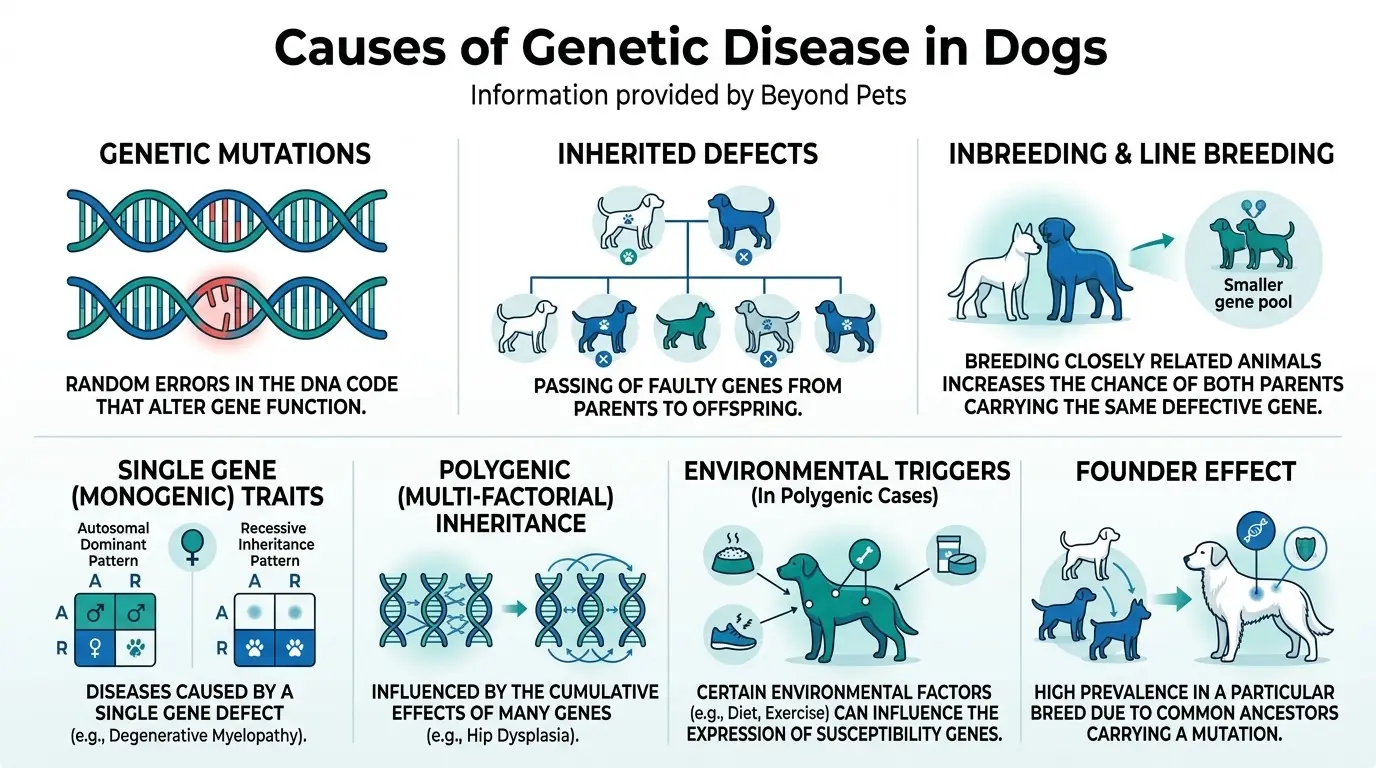
Genetic diseases in dogs are fundamentally caused by mutations—abnormalities or alterations within an individual dog’s deoxyribonucleic acid (DNA). DNA serves as the biological blueprint for every cellular process, protein structure, and physical trait in the body. When a mutation occurs in a crucial gene, it can disrupt normal physiological functions, leading to congenital defects present at birth or progressive diseases that manifest later in life.[7] These diseases are typically inherited in distinct patterns: autosomal recessive (requiring two copies of the mutated gene), autosomal dominant (requiring only one copy), X-linked (associated with the sex chromosomes), or polygenic (involving multiple genes interacting with environmental factors).[8]
To fully grasp the scope of canine inherited conditions, we must explore the specific genetic variants that affect various dog breeds. Below is an exhaustive look at some of the most prevalent and impactful genetic diseases in the canine world:
1. Hip Dysplasia: Canine hip dysplasia is a complex, polygenic developmental disorder characterized by abnormal growth and laxity (looseness) of the coxofemoral (hip) joint.[9] Rather than fitting snugly, the head of the femur (thigh bone) subluxates or partially dislocates from the acetabulum (pelvic socket). Over time, this constant grinding and instability lead to cartilage erosion, joint inflammation, and secondary osteoarthritis. While genetics dictate the underlying susceptibility, environmental factors such as rapid growth, excessive caloric intake, and over-exercising during puppyhood heavily influence the severity of the disease. It is exceedingly common in large and giant breeds, particularly German Shepherds, Labrador Retrievers, Golden Retrievers, and Saint Bernards, though it can affect any breed.[10]
2. Von Willebrand Disease (vWD): This is the most common inherited bleeding disorder in dogs. It is caused by a quantitative or qualitative deficiency in von Willebrand factor, a critical plasma glycoprotein required for normal platelet adhesion and blood clot formation at the site of vascular injury.[11] There are three types of vWD (Type I, II, and III), with Type I being the most prevalent. Affected dogs may experience prolonged bleeding from minor wounds, spontaneous nosebleeds (epistaxis), bleeding gums during teething, or severe hemorrhagic complications during routine surgeries like spaying or neutering. Doberman Pinschers, Scottish Terriers, Shetland Sheepdogs, and Standard Poodles are highly predisposed.[12]
3. Progressive Retinal Atrophy (PRA): PRA encompasses a broad group of inherited ocular diseases characterized by the bilateral, progressive degeneration of the retina’s photoreceptor cells.[13] The disease typically begins with the deterioration of rod cells, which are responsible for vision in low-light conditions, leading to night blindness (nyctalopia). As the disease advances, the cone cells also degenerate, resulting in complete day blindness. Because the condition is painless, owners may not notice the gradual vision loss until the dog begins bumping into objects in unfamiliar environments. This autosomal recessive condition frequently impacts Labrador Retrievers, Miniature Poodles, Cocker Spaniels, and Australian Cattle Dogs.[14]
4. Patellar Luxation: A luxating patella occurs when the dog’s kneecap (patella) intermittently or permanently slips out of the femoral groove (trochlea) during flexion and extension of the stifle (knee) joint. This orthopedic condition is primarily driven by inherited anatomical deformities, such as a shallow trochlear groove or abnormal alignment of the quadriceps muscle group.[15] Medial patellar luxation (where the kneecap slips to the inside of the leg) is exceptionally common in toy and small breeds like Yorkshire Terriers, Pomeranians, Chihuahuas, and French Bulldogs. Lateral luxation is less common but occurs more frequently in large and giant breeds. Over time, the constant friction can cause cartilage damage, tearing of the cruciate ligaments, and severe osteoarthritis.[16]
5. Idiopathic Epilepsy: Epilepsy is a chronic neurological disorder characterized by recurrent, unprovoked seizures resulting from sudden, abnormal bursts of electrical activity within the cerebral cortex. While seizures can be secondary to structural brain issues, toxins, or metabolic crises like kidney failure, idiopathic epilepsy is considered a primary genetic disorder where no underlying structural or metabolic cause can be identified.[17] It typically manifests in young adult dogs between one and five years of age. The mode of inheritance is complex and highly breed-dependent, with significant prevalence in Beagles, Border Collies, Australian Shepherds, Rottweilers, and Belgian Tervurens.[18]
6. Elbow Dysplasia: Canine elbow dysplasia is a blanket term for several inherited developmental abnormalities affecting the elbow joint, including Fragmented Coronoid Process (FCP), Ununited Anconeal Process (UAP), and Osteochondritis Dissecans (OCD) of the humeral condyle.[19] These conditions result from asynchronous growth between the radius and ulna bones, causing joint incongruity, severe focal stress on the cartilage, fragmentation of the bone, and rapid onset of debilitating arthritis. It is a leading cause of forelimb lameness in rapidly growing large-breed puppies, particularly Labrador Retrievers, Golden Retrievers, Bernese Mountain Dogs, and Rottweilers.[20]
7. Cranial Cruciate Ligament Disease: Unlike human ACL tears, which are typically acute traumatic sports injuries, canine cruciate ligament disease is primarily a chronic, degenerative, and often genetically mediated condition. Over time, the ligament matrix structurally weakens and begins to fray, leading to joint laxity, chronic inflammation, and eventual catastrophic tearing.[21] Genetic factors influencing the tibial plateau angle (the slope of the shin bone) and overall hindlimb conformation play a massive role in a dog’s susceptibility. Breeds with a high genetic predisposition include Newfoundlands, Mastiffs, Boxers, West Highland White Terriers, and Labrador Retrievers.[22]
8. Chondrodystrophy (CDDY) and Intervertebral Disc Disease (IVDD): Chondrodystrophy is a genetic trait that alters the normal development of cartilage, resulting in the characteristic short-legged, long-backed appearance of breeds like Dachshunds, Basset Hounds, Corgis, and French Bulldogs. This phenotype is caused by the insertion of an FGF4 retrogene.[23] Unfortunately, this same genetic mutation causes premature calcification and degeneration of the intervertebral discs within the spine. These brittle discs are highly prone to herniating or bursting upward into the spinal canal, compressing the spinal cord and causing a sudden, devastating Spinal Cord Injury:. This often results in excruciating pain, loss of motor function, and permanent paralysis of the hind limbs if not treated surgically.[24]
9. Degenerative Joint Disease (Osteoarthritis): While osteoarthritis is often viewed as a disease of old age, its roots in dogs are almost always genetic. Secondary osteoarthritis develops as a direct biological consequence of inherited joint disorders like hip and elbow dysplasia, patellar luxation, or osteochondritis dissecans. The abnormal joint biomechanics trigger a cascade of inflammatory cytokines that relentlessly break down the articular cartilage matrix, leading to chronic joint pain, stiffness, and loss of mobility.[25]
10. Hypothyroidism: Canine hypothyroidism is a common endocrine disorder resulting from the inadequate production of thyroid hormones (T3 and T4) by the thyroid gland. In dogs, this is most frequently caused by lymphocytic thyroiditis, an inherited, immune-mediated disease where the dog’s own immune system attacks and destroys the thyroid tissue.[26] Thyroid hormones govern the basal metabolic rate, so a deficiency leads to widespread systemic effects, including profound lethargy, unexplained weight gain, cold intolerance, and dermatological issues like symmetric hair loss (alopecia) and recurrent skin infections. Golden Retrievers, Doberman Pinschers, Irish Setters, and Cocker Spaniels possess a strong genetic predisposition to this condition.[27]
11. Diabetes Mellitus: Genetic variants strongly influence a dog’s risk of developing diabetes mellitus, a complex metabolic disease characterized by chronic hyperglycemia (high blood sugar). Canine diabetes most closely resembles human Type 1 diabetes, resulting from the irreversible immune-mediated destruction of the insulin-producing beta cells within the pancreas.[28] Without sufficient insulin, glucose cannot enter the body’s cells to be used for energy, causing sugar to build up in the bloodstream and spill into the urine. Breeds with a noted genetic vulnerability include Samoyeds, Miniature Schnauzers, Pugs, Siberian Huskies, and Australian Terriers.[29]
12. Inherited Cataracts: A cataract is defined as any opacity within the lens of the eye, which blocks light from reaching the retina and severely impairs vision. While cataracts can form secondary to metabolic diseases like diabetes, hereditary cataracts are a primary genetic defect. Certain gene mutations (such as HSF4 in Australian Shepherds) cause the lens proteins to denature and lose their transparency.[30] Hereditary cataracts can appear in puppies as young as a few weeks old (congenital) or develop later in adulthood. They frequently progress to complete blindness and can induce secondary blinding conditions like lens-induced uveitis and glaucoma. Breeds affected include Boston Terriers, Siberian Huskies, Staffordshire Bull Terriers, and French Bulldogs.[31]
13. Primary Glaucoma: Glaucoma is a devastating and painful ocular disease characterized by a sustained increase in intraocular pressure (IOP) that rapidly damages the optic nerve and retinal ganglion cells. Primary glaucoma is a genetic condition involving anatomical dysplasia of the iridocorneal angle—the microscopic drainage pathway within the eye.[32] When this drainage system fails, the fluid inside the eye builds up continuously, causing severe pain, migraines, and irreversible blindness, often within a matter of hours or days. Basset Hounds, Shiba Inus, Siberian Huskies, Cocker Spaniels, and various brachycephalic breeds are highly predisposed.[33]
14. Muscular Dystrophy: Canine muscular dystrophy represents a group of highly debilitating, inherited myopathies. The most well-known is Golden Retriever Muscular Dystrophy (GRMD), an X-linked recessive disorder homologous to human Duchenne Muscular Dystrophy.[34] The disease is caused by a profound deficiency of dystrophin, a crucial structural protein required to maintain the integrity of muscle cell membranes. Without dystrophin, muscle fibers undergo repeated cycles of necrosis and regeneration, eventually being replaced by rigid fibrotic scar tissue. Affected puppies exhibit severe muscle weakness, stunted growth, a stiff “bunny-hopping” gait, difficulty swallowing (dysphagia), and eventually succumb to cardiac or respiratory failure.[35]
15. Myxomatous Mitral Valve Disease: Often referred to as endocardiosis, this is the most common cardiac condition in dogs and is heavily influenced by polygenic inheritance. Over time, the delicate leaflets of the mitral valve—which separates the left atrium from the left ventricle—undergo progressive myxomatous degeneration.[36] They become thickened, nodular, and fail to close tightly, allowing blood to flow backward into the atrium during heart contraction (a mitral regurgitant murmur). This constant backward flow increases pressure in the heart, leading to progressive chamber enlargement and eventual congestive heart failure. The Cavalier King Charles Spaniel is overwhelmingly affected, often developing murmurs at a very young age, alongside breeds like the Dachshund, Whippet, and Toy Poodle.[37]
16. Brachycephalic Obstructive Airway Syndrome (BOAS): This is a complex, lifelong respiratory condition inextricably linked to the genetic selection for extreme facial traits—specifically, a shortened, flattened skull (brachycephaly).[38] While the bony skull has been selectively shortened, the soft tissues of the throat and palate have not, resulting in an abundance of tissue crowded into a tiny space. Dogs with BOAS suffer from a combination of stenotic nares (pinched nostrils), an elongated soft palate that blocks the windpipe, everted laryngeal saccules, and a hypoplastic (abnormally narrow) trachea. These anatomical defects cause severe, chronic airway resistance, making it profoundly difficult for the dog to breathe, pant, or regulate their body temperature. Pugs, English Bulldogs, French Bulldogs, and Boston Terriers are the poster children for this syndrome.[39]
17. Degenerative Myelopathy (DM): DM is a devastating, late-onset, progressive neurological disease of the spinal cord. It is caused by a specific genetic mutation in the SOD1 gene, making it the canine equivalent of human Amyotrophic Lateral Sclerosis (ALS or Lou Gehrig’s disease).[40] The disease causes the slow, painless demyelination and axonal degeneration of the spinal cord pathways responsible for conscious proprioception and motor control. It typically presents in older dogs as weakness and lack of coordination in the hind limbs, which inexorably progresses to complete paraplegia, urinary and fecal incontinence, and eventual respiratory paralysis. German Shepherds, Boxers, Pembroke Welsh Corgis, and Rhodesian Ridgebacks carry a high frequency of the SOD1 mutation.[41]
Symptoms of Canine Genetic Disorders
Because genetic diseases can impact virtually any organ system in the canine body, the clinical symptoms are incredibly diverse. Recognizing the early warning signs of these conditions is paramount for implementing timely medical interventions and preserving the animal’s quality of life. The clinical presentation of a genetic disorder can range from acute, life-threatening emergencies to subtle, chronic changes in a dog’s behavior or mobility. It is vital for owners to monitor their dog’s health and detect any early signs of illness, reporting them immediately to their veterinary professional.[42]
To fully understand the clinical picture, we must categorize these symptoms by the primary body systems they affect:
Orthopedic and Musculoskeletal Symptoms
Inherited conditions affecting the bones, joints, and ligaments frequently present with signs of chronic pain and mechanical dysfunction. Dogs with HD often show symptoms like limping, stiffness, difficulty getting up after lying down, reluctance to jump, and abnormal gait patterns. You may notice a characteristic “bunny-hopping” gait when the dog runs, where both hind legs move forward simultaneously to minimize the independent rotation of the painful hip joints.[43] In elbow dysplasia, the lameness is typically localized to the front legs and frequently worsens after exercise or long periods of rest. Dogs suffering from cranial cruciate ligament disease will often display a sudden, non-weight-bearing lameness in one hind leg, sitting with the affected leg splayed out to the side (the “sit test”). With chondrodystrophic breeds prone to spinal issues, owners might observe a hunched back, a tense abdomen, crying out when lifted, or a wobbly, uncoordinated walk indicating spinal cord compression. Muscle wasting (atrophy) over the hips or shoulders is a common secondary symptom in all chronic orthopedic diseases, as the dog subconsciously shifts weight away from the painful limbs.[44]
Neurological Symptoms
When a genetic disorder strikes the central or peripheral nervous system, the symptoms can be dramatic and deeply distressing for pet owners. In cases of idiopathic epilepsy, the hallmark symptom is the generalized tonic-clonic seizure. The dog will typically fall to their side, lose consciousness, paddle their limbs violently, champ their jaws, and often lose control of their bladder and bowels.[45] Prior to the seizure (the pre-ictal phase), the dog may appear anxious, clingy, or disoriented. In progressive conditions like degenerative myelopathy, the symptoms are vastly different; they begin insidiously as a slight scuffing of the hind toenails, crossing over of the back legs while walking, and a gradual loss of muscle mass, progressing painlessly toward total hind-end paralysis. It is critical to differentiate these genetic signs from infectious causes of neurological distress, such as canine distemper or tick-borne encephalitis, which require vastly different treatment protocols.[46]
Ophthalmic and Vision Symptoms
The eyes are incredibly sensitive organs, and genetic anomalies here quickly lead to recognizable deficits. In Progressive Retinal Atrophy (PRA), the earliest clinical sign is night blindness; the dog may refuse to go outside in the dark, hesitate on stairs, or bump into furniture when the lights are dim. As the retinas degenerate, the pupils may remain widely dilated, and a heightened “eyeshine” or tapetal reflection might be visible in photographs.[47] With hereditary cataracts, the clear lens of the eye becomes milky, white, or crushed-ice in appearance, physically blocking the dog’s vision. Acute symptoms of glaucoma include severe redness of the sclera (bloodshot eyes), a cloudy, bluish tint to the cornea (corneal edema), a dilated and unresponsive pupil, and obvious signs of extreme pain such as squinting, tearing, rubbing the face along the floor, and profound lethargy. If left untreated, the eye itself will visibly swell and bulge outward (buphthalmos).[48]
Cardiovascular and Respiratory Symptoms
Inherited heart diseases, such as myxomatous mitral valve disease or dilated cardiomyopathy, often remain clinically silent for years. The first indication is usually a heart murmur detected by a veterinarian during a routine wellness exam. As the heart begins to fail, clinical signs emerge, including exercise intolerance, a persistent, dry, hacking cough (especially at night or early morning), increased resting respiratory rate, fainting episodes (syncope), and a swollen, fluid-filled abdomen (ascites).[49] For respiratory genetics, dogs suffering from Brachycephalic Obstructive Airway Syndrome (BOAS) will exhibit noisy, labored breathing, constant snorting or snoring, gagging when swallowing food, and a severe inability to tolerate heat or exercise. In hot weather, these dogs are at immense risk of fatal hyperthermia (heat stroke) due to their compromised airways.[50]
Endocrine, Metabolic, and Systemic Symptoms
Genetic diseases that disrupt the endocrine system cause broad, systemic changes in the body. In diabetes mellitus, the classic triad of symptoms includes polyuria (excessive urination), polydipsia (excessive thirst), and polyphagia (ravenous appetite) accompanied by unexplained weight loss. The dog’s body is starving at a cellular level despite eating constantly.[51] Hypothyroidism presents with the opposite metabolic spectrum: profound sluggishness, mental dullness, tragic facial expressions, easy weight gain without increased food intake, and a sparse, dry, brittle coat that sheds excessively without regrowing. It is essential for veterinarians to rule out other metabolic conditions, such as Cushing’s disease, which can mimic some of these dermatological and urinary signs. Inherited bleeding disorders like von Willebrand disease may remain hidden until the dog suffers trauma or undergoes surgery, at which point uncontrollable hemorrhage becomes a life-threatening symptom.[52]
Diagnosis of Common Genetic Disorders in Dogs
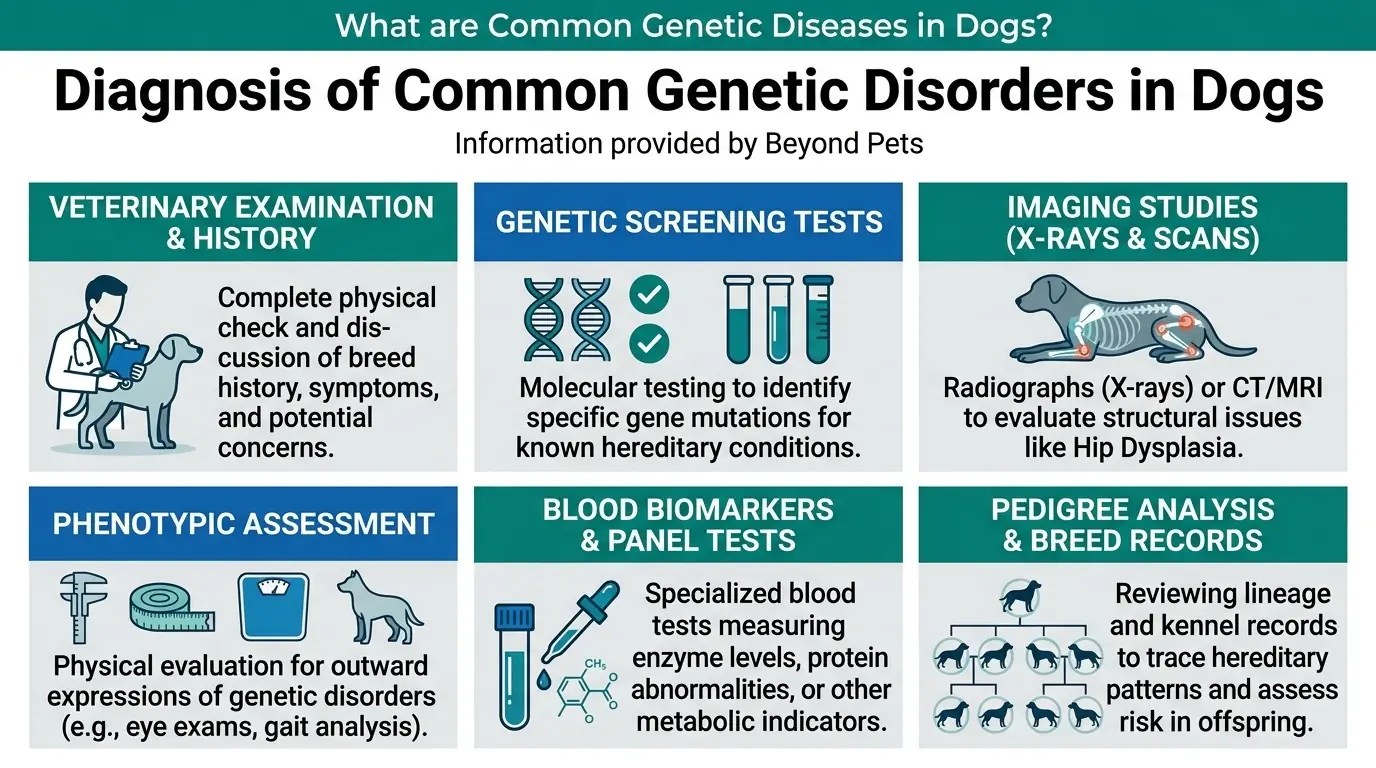
Diagnosing inherited conditions requires a systematic, multi-tiered approach that combines classic veterinary clinical skills with advanced, cutting-edge molecular technology. Because many genetic diseases share clinical signs with common diseases in dogs, the diagnostic workup must be exhaustive to ensure an accurate prognosis and treatment plan. A dog’s age, breed, gender, and vaccination history provide the initial framework for the veterinarian’s diagnostic investigation.[53]
Comprehensive Physical and Specialized Examinations
The diagnostic journey always begins with a thorough physical examination. The veterinarian will palpate the joints for effusion (fluid buildup), crepitus (grinding), and pain. Specialized orthopedic tests, such as the Ortolani maneuver, can detect hip laxity in young puppies, while the cranial drawer test assesses the integrity of the cruciate ligaments. A complete neurological exam evaluates cranial nerves, spinal reflexes, and conscious proprioception to localize lesions within the nervous system.[54] For ophthalmic diseases, veterinarians use a slit-lamp biomicroscope to examine the lens for cataracts, a tonometer to measure intraocular pressure for glaucoma, and an indirect ophthalmoscope to visualize the retina for signs of PRA. If an inherited cardiac condition is suspected, careful auscultation with a stethoscope maps the grade, point of maximum intensity, and timing of any heart murmurs.[55]
Clinical Pathology: Blood Work and Urinalysis
Laboratory diagnostics are critical for assessing the systemic impact of genetic diseases and ruling out acquired illnesses. A complete blood count (CBC) evaluates red and white blood cells, identifying underlying anemias or infections. The serum biochemistry profile measures organ function, detecting the elevated liver enzymes or kidney values that complicate the medical management of genetic diseases. Specific endocrine assays, such as a full thyroid panel (Total T4, Free T4, cTSH, and Thyroglobulin Autoantibodies), are required to definitively diagnose autoimmune hypothyroidism. Urinalysis evaluates the specific gravity, pH, and presence of glucose or ketones, serving as the primary diagnostic tool for diabetes mellitus and inherited renal dysplasias. Additionally, specialized coagulation profiles and precise assays for von Willebrand factor antigen (vWF:Ag) are utilized to diagnose and type inherited bleeding disorders.[56]
Advanced Diagnostic Imaging
When investigating structural genetic defects, imaging is indispensable. Digital radiography (X-rays) remains the gold standard for diagnosing orthopedic conditions. Specialized radiographic protocols, such as the Orthopedic Foundation for Animals (OFA) extended hip view or the PennHIP distraction index, are utilized to definitively diagnose and grade the severity of hip dysplasia.[57] Echocardiography (cardiac ultrasound) allows cardiologists to visualize the internal structures of the heart in real-time, measure the thickness of the contracting heart muscle, and use color Doppler to assess the severity of regurgitant blood flow in mitral valve disease. For complex neurological cases, such as IVDD or degenerative myelopathy, advanced cross-sectional imaging via Magnetic Resonance Imaging (MRI) or Computed Tomography (CT) is required to visualize the spinal cord, nerve roots, and intervertebral discs with pinpoint accuracy.[58]
Molecular Diagnostics and Genetic Testing
The absolute pinnacle of diagnosing inherited disorders lies in direct DNA testing. Using a simple buccal (cheek) swab or a whole blood sample, veterinary genetic laboratories extract the dog’s DNA and use Polymerase Chain Reaction (PCR) and microarray technology to sequence specific target genes.[59] These tests can definitively determine if a dog is “Clear” (possessing two normal copies of a gene), a “Carrier” (possessing one normal and one mutated copy, usually asymptomatic but capable of passing the gene to offspring), or “Affected/At-Risk” (possessing two mutated copies and highly likely to develop the disease). Breed-specific panels look for dozens of known mutations simultaneously, from the SOD1 gene in degenerative myelopathy to the PRCD gene in progressive retinal atrophy. This molecular precision removes all guesswork from the diagnostic process, empowering veterinarians to intervene proactively before clinical symptoms even appear.[60]
Treatment for Canine Genetic Disorders
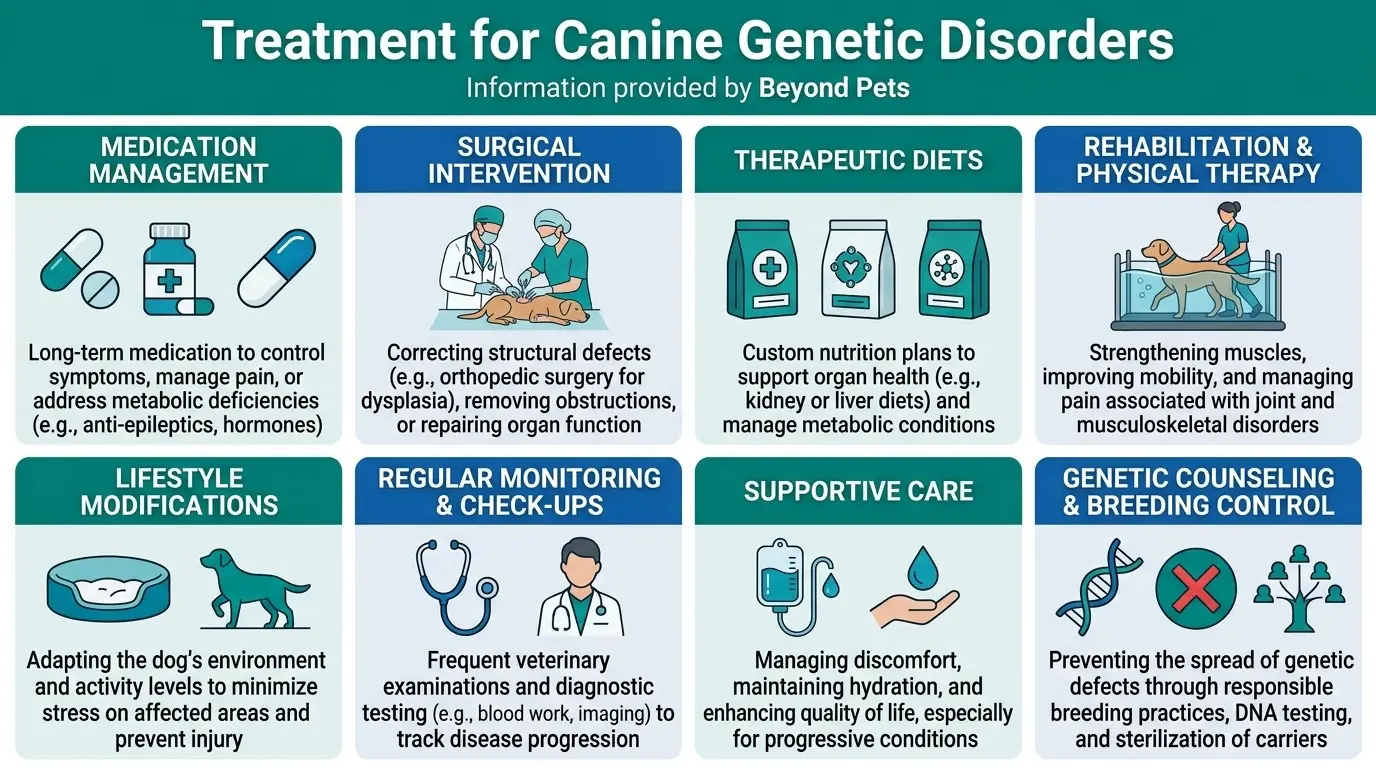
While the vast majority of genetic diseases cannot be completely “cured” because the defect exists within the dog’s fundamental DNA, modern veterinary medicine offers a robust arsenal of treatment options designed to manage symptoms, halt or slow disease progression, and dramatically enhance the patient’s quality of life. The treatment protocol must be highly individualized, considering the dog’s age, breed, disease severity, and the presence of any concurrent medical conditions.[61]
Targeted Pharmacological Management
Medical therapy is the cornerstone of managing many inherited disorders. For endocrine diseases, treatment involves lifelong hormone replacement or regulation. Hypothyroid dogs receive a daily oral prescription thyroid medication, while diabetic dogs require precise, twice-daily prescribed injectable treatments and rigorous blood glucose curve monitoring.[62] In cases of idiopathic epilepsy, long-acting anti-seizure medications your vet will prescribe are titrated to raise the brain’s seizure threshold, minimizing the frequency and severity of the neurological events. For dogs suffering from myxomatous mitral valve disease, prescription heart medications drastically improve the heart’s pumping efficiency, while other prescribed veterinary cardiology medications manage the fluid buildup associated with congestive heart failure. Orthopedic pain from secondary osteoarthritis is aggressively managed using prescription anti-inflammatory medications, nerve-pain medication prescribed by your veterinarian, and advanced prescription therapies that specifically neutralize nerve growth factor to eliminate joint pain.[63]
Nutritional Interventions and Dietary Management
Nutrition plays a surprisingly powerful role in managing genetic diseases. Specialized prescription diets are formulated to alter the disease’s clinical course. Diabetic dogs benefit from high-fiber, complex-carbohydrate diets that slow glucose absorption and prevent post-meal blood sugar spikes. Dogs with orthopedic conditions must be maintained at a lean, optimal body condition score, as adipose (fat) tissue secretes inflammatory adipokines that worsen arthritis, and excess weight places catastrophic stress on dysplastic joints. Joint-supportive diets enriched with extremely high levels of therapeutic Omega-3 fatty acids (EPA and DHA), glucosamine, and chondroitin sulfate actively reduce cartilage degradation and joint inflammation.[64]
Surgical Intervention and Correction
When anatomical defects are the primary issue, surgery is often the most definitive management strategy. For dogs with genetic musculoskeletal or neurological disorders, surgical techniques have advanced incredibly. Dogs with cranial cruciate ligament tears typically undergo a Tibial Plateau Leveling Osteotomy (TPLO), a complex orthopedic procedure that alters the biomechanical geometry of the knee to render the torn ligament unnecessary.[65] Severe hip dysplasia can be treated with a Total Hip Replacement (THR) or a Femoral Head Ostectomy (FHO) to eliminate bone-on-bone grinding. For brachycephalic dogs suffering from BOAS, early surgical intervention—widening the stenotic nares, shortening the elongated soft palate, and excising everted saccules—can literally save the dog’s life and restore their ability to breathe. In cases of IVDD where a disc has ruptured into the spinal canal, an emergency hemilaminectomy or ventral slot surgery is performed to meticulously remove the herniated disc material and decompress the spinal cord, often restoring the dog’s ability to walk. Inherited cataracts can be successfully resolved by veterinary ophthalmologists using phacoemulsification, identical to the cataract surgery performed in humans, replacing the clouded lens with a clear artificial intraocular lens.[66]
Physical Medicine, Rehabilitation, and Emerging Therapies
Post-operative recovery and the chronic management of musculoskeletal and neurological genetic diseases rely heavily on physical rehabilitation. Certified canine rehabilitation practitioners utilize underwater treadmills to build muscle mass while utilizing the buoyancy of water to reduce joint stress. Passive range of motion exercises, targeted therapeutic exercise courses, Class IV deep-tissue laser therapy, and acupuncture are widely used to modulate chronic pain, reduce tissue inflammation, and maintain joint flexibility. Looking toward the future, the fields of regenerative medicine and gene therapy hold incredible promise. Treatments utilizing intra-articular injections of Platelet-Rich Plasma (PRP) or mesenchymal stem cells are currently used to promote tissue healing in dysplastic joints. Furthermore, pioneering genetic research utilizing CRISPR-Cas9 technology and adeno-associated viral vectors is actively being explored in veterinary medicine to literally edit and repair the defective genes causing conditions like progressive retinal atrophy and muscular dystrophy at the cellular level.[67]
Prevention of Genetic Disorders in Dogs
The ultimate goal of veterinary medicine is to prevent suffering before it occurs. The prevention of canine genetic disorders is not a medical procedure performed in a clinic, but rather a collaborative, ethical endeavor undertaken by responsible breeders, educated pet owners, and veterinary professionals. Because we cannot alter the DNA of a puppy once it is conceived, disease prevention must happen at the population genetics level, carefully managing the breeding pool to phase out deleterious mutations while preserving the genetic diversity and vigor of the breed.[68]
The cornerstone of this preventative effort is rigorous pre-breeding health screening. Ethical, preservationist breeders do not rely merely on the physical appearance or championship titles of their breeding stock. Instead, they submit their dogs to exhaustive phenotypic and genotypic evaluations before any mating takes place. This includes obtaining OFA (Orthopedic Foundation for Animals) or PennHIP clearances to certify that the hips and elbows are free from dysplasia. It requires echocardiograms performed by board-certified veterinary cardiologists to rule out early, asymptomatic heart murmurs, and comprehensive eye exams by veterinary ophthalmologists to ensure the retinas and lenses are healthy. Crucially, breeders must utilize advanced DNA panel testing to identify carrier statuses for autosomal recessive traits. A responsible breeder will never mate two carriers of the same mutation, ensuring that no puppy in the resulting litter will ever be “affected” by the disease. Organizations like the Canine Health Information Center (CHIC) maintain public, transparent databases of these health clearances, allowing buyers to verify the genetic health of a puppy’s lineage.[69]
For prospective dog owners, prevention means arming yourself with knowledge. Before acquiring a new puppy, you must extensively research the specific diseases when choosing a dog breed in Australia and to work with responsible breeders who conduct health testing. Demand to see the verifiable health certificates of both the sire and the dam. Be deeply skeptical of breeders who claim their dogs are “vet checked” without providing specific genetic clearances, as a standard physical exam cannot detect a recessive genetic mutation. Additionally, owners must focus on environmental prevention to mitigate genetic risks. Keeping a large-breed puppy on an appropriate, slow-growth nutritional plane and preventing traumatic injuries and other concerns dogs face during their critical growth phases can drastically reduce the phenotypic expression of polygenic conditions like hip dysplasia.[70]
Finally, for the average pet owner who has already brought their mixed-breed or purebred companion home, spaying and neutering play a vital role in preventing the accidental transmission of unknown genetic defects to a new generation. Partner closely with your veterinary team, establish a routine of comprehensive annual or bi-annual wellness exams, and utilize proactive DNA health screening tools available for pet dogs today. As always, please consult your veterinarian before making any changes to your pet’s care, diet, or exercise routine. Through collaborative education, responsible breeding ethics, and proactive veterinary medicine, we can profoundly improve the genetic landscape of the canine world and secure a healthier, happier future for all our dogs.[71]
Frequently Asked Questions
Are genetic diseases more common in purebred dogs than mixed breeds?
Generally, purebred dogs are at a higher statistical risk for specific genetic diseases due to the historical practices of closed studbooks, selective breeding for specific aesthetic traits, and inbreeding, all of which reduce genetic diversity and concentrate deleterious mutations within a breed. For example, Dalmatians have a high, specific risk for urate urinary stones due to a fixed genetic mutation within their breed. However, it is a dangerous misconception that mixed-breed dogs are immune to inherited conditions. Mixed-breed dogs can and do inherit defective genes from their varied ancestry. They are particularly susceptible to widespread polygenic disorders, such as hip dysplasia, cranial cruciate ligament disease, and various cancers, which require multiple genes and environmental factors to manifest. Routine veterinary care and early health screening are essential for all dogs, regardless of their pedigree or breeding history.
Can a dog be a carrier of a genetic disease without showing any clinical symptoms?
Yes, absolutely. This phenomenon is central to the spread of autosomal recessive genetic disorders. A dog inherits two copies of every gene—one from the mother and one from the father. If a dog inherits one normal, healthy copy of a gene and one mutated, defective copy, the healthy gene typically provides enough normal function to completely mask the defect. This dog is perfectly healthy and will never show clinical symptoms of the disease, making them a “carrier.” However, if a breeder unknowingly mates two healthy carriers together, statistically, 25% of their puppies will inherit two mutated copies (one from each parent) and will be “affected,” suffering the full devastating impact of the disease. This is why DNA testing of breeding stock is the only reliable way to prevent the perpetuation of recessive genetic conditions.
How accurate are direct-to-consumer DNA tests for identifying canine genetic diseases?
Direct-to-consumer canine DNA tests (such as Embark or Wisdom Panel) have become incredibly sophisticated and offer high diagnostic accuracy for the specific genetic mutations they are programmed to detect. They use microarray technology to screen for hundreds of known disease variants simultaneously with an accuracy rate often exceeding 99%. However, it is crucial to understand the limitations of these tests. A “clear” result only means the dog does not have the specific mutation the lab tested for; it does not guarantee the dog will never develop the disease if the condition is polygenic or if the breed carries a novel, undiscovered mutation for that same illness. Furthermore, these tests cannot predict environmental impacts or the onset age of a disease. Therefore, DNA test results should always be interpreted in close consultation with a veterinarian or a veterinary geneticist to form a comprehensive, actionable health plan for your pet.
Schedule a Veterinary Appointment Today
If you have concerns about your dog’s genetic risks or have noticed any signs of inherited illness, proactive care is your best defense. Early detection can significantly improve your pet’s quality of life.
References
- Ostrander, E. A., & Wayne, R. K. “The canine genome.” Genome Research, 2005.
- American Veterinary Medical Association (AVMA). “Hereditary and Congenital Diseases in Dogs.” AVMA Press, 2022.
- Merck Veterinary Manual. “Genetics of Dogs.” Merck & Co., 2023.
- Bellumori, T. P., et al. “Prevalence of inherited disorders among mixed-breed and purebred dogs: 27,254 cases.” Journal of the American Veterinary Medical Association, 2013.
- Cornell University College of Veterinary Medicine. “Canine Genetics and Genomics.” Cornell Vet Press, 2023.
- Orthopedic Foundation for Animals (OFA). “Canine Health Information Center (CHIC) Guidelines.” OFA, 2024.
- VCA Animal Hospitals. “Genetics Basics – Modes of Inheritance in Dogs.” VCA Health Libraries, 2021.
- Farrell, L. L., et al. “The challenges of pedigree dog health: approaches to combating inherited disease.” Canine Genetics and Epidemiology, 2015.
- American College of Veterinary Surgeons (ACVS). “Canine Hip Dysplasia.” ACVS Fact Sheets, 2023.
- PennHIP. “The PennHIP Method for Diagnosing Canine Hip Dysplasia.” Antech Imaging Services, 2022.
- Cornell University. “Von Willebrand Disease in Dogs.” Animal Health Diagnostic Center, 2021.
- Brooks, M. B., et al. “Inherited bleeding disorders in dogs.” Veterinary Clinics of North America: Small Animal Practice, 2012.
- American College of Veterinary Ophthalmologists (ACVO). “Progressive Retinal Atrophy (PRA).” ACVO Guidelines, 2023.
- Downs, L. M., et al. “Genetic screening for PRA-associated mutations in multiple dog breeds.” Canine Genetics and Epidemiology, 2014.
- American College of Veterinary Surgeons (ACVS). “Patellar Luxation.” ACVS Fact Sheets, 2022.
- Roush, J. K. “Canine Patellar Luxation.” Veterinary Clinics of North America: Small Animal Practice, 2006.
- American College of Veterinary Internal Medicine (ACVIM). “Consensus Statement on the Management of Canine Idiopathic Epilepsy.” Journal of Veterinary Internal Medicine, 2015.
- Patterson, E. E. “Canine epilepsy: an underutilized model.” ILAR Journal, 2014.
- Orthopedic Foundation for Animals (OFA). “Elbow Dysplasia Overview.” OFA Disease Databases, 2023.
- Michelsen, J. “Canine elbow dysplasia: aetiopathogenesis and current treatment recommendations.” The Veterinary Journal, 2013.
- American College of Veterinary Surgeons (ACVS). “Cranial Cruciate Ligament Disease.” ACVS Fact Sheets, 2023.
- Griffon, D. J. “A review of the pathogenesis of canine cranial cruciate ligament disease as a basis for future preventive strategies.” Veterinary Surgery, 2010.
- UC Davis Veterinary Genetics Laboratory. “Chondrodystrophy (CDDY and IVDD Risk).” VGL Test Directory, 2023.
- Brown, E. A., et al. “FGF4 retrogene on CFA12 is responsible for chondrodystrophy and intervertebral disc disease in dogs.” PNAS, 2017.
- American College of Veterinary Surgeons (ACVS). “Osteoarthritis in Dogs.” ACVS Fact Sheets, 2023.
- Merck Veterinary Manual. “Hypothyroidism in Animals.” Merck & Co., 2022.
- Scott-Moncrieff, J. C. “Clinical signs and concurrent diseases of hypothyroidism in dogs and cats.” Veterinary Clinics of North America: Small Animal Practice, 2007.
- American Animal Hospital Association (AAHA). “Diabetes Management Guidelines for Dogs and Cats.” AAHA Press, 2018.
- Catchpole, B., et al. “Canine diabetes mellitus: from phenotype to genotype.” Journal of Small Animal Practice, 2013.
- American College of Veterinary Ophthalmologists (ACVO). “Cataracts in Dogs.” ACVO Guidelines, 2023.
- Mellersh, C. S., et al. “Mutation in HSF4 is associated with hereditary cataracts in the Australian Shepherd.” Veterinary Ophthalmology, 2006.
- American College of Veterinary Ophthalmologists (ACVO). “Canine Glaucoma.” ACVO Guidelines, 2023.
- Kuchtey, J., et al. “Mapping of the disease locus and identification of ADAMTS10 as a candidate gene in a canine model of primary open angle glaucoma.” PLoS Genetics, 2011.
- Kornegay, J. N., et al. “Golden retriever muscular dystrophy (GRMD): developing and maintaining a colony and physiological functional measurements.” Methods in Molecular Biology, 2012.
- Cornell University College of Veterinary Medicine. “Canine Muscular Dystrophy.” Cornell Vet Health, 2023.
- American College of Veterinary Internal Medicine (ACVIM). “Guidelines for the Diagnosis and Treatment of Canine Chronic Valvular Heart Disease.” Journal of Veterinary Internal Medicine, 2019.
- Borgarelli, M., & Buchanan, J. W. “Historical review, epidemiology and natural history of degenerative mitral valve disease.” Journal of Veterinary Cardiology, 2012.
- University of Cambridge Department of Veterinary Medicine. “Brachycephalic Obstructive Airway Syndrome (BOAS).” Cambridge BOAS Research Group, 2024.
- Packer, R. M., et al. “Impact of Facial Conformation on Canine Health: Brachycephalic Obstructive Airway Syndrome.” PLoS One, 2015.
- Orthopedic Foundation for Animals (OFA). “Degenerative Myelopathy.” OFA Disease Databases, 2023.
- Awano, T., et al. “Genome-wide association analysis reveals a SOD1 mutation in canine degenerative myelopathy that resembles amyotrophic lateral sclerosis.” PNAS, 2009.
- American Veterinary Medical Association (AVMA). “Senior Pet Care and Disease Detection.” AVMA Press, 2023.
- Merck Veterinary Manual. “Hip Dysplasia in Dogs.” Merck & Co., 2023.
- Lascelles, B. D., et al. “Measurement of chronic pain in companion animals: Discussions from the Pain in Animals Workshop (PAW).” The Veterinary Journal, 2019.
- VCA Animal Hospitals. “Seizures and Epilepsy in Dogs.” VCA Health Libraries, 2023.
- De Risio, L., et al. “International veterinary epilepsy task force consensus proposal: diagnostic approach to epilepsy in dogs.” BMC Veterinary Research, 2015.
- Merck Veterinary Manual. “Retinal Diseases in Dogs and Cats.” Merck & Co., 2022.
- Pumphrey, S. “Canine Glaucoma.” Veterinary Clinics of North America: Small Animal Practice, 2015.
- VCA Animal Hospitals. “Congestive Heart Failure in Dogs.” VCA Health Libraries, 2022.
- Fasanella, F. J., et al. “Brachycephalic airway obstructive syndrome in dogs: 90 cases (1991-2008).” Journal of the American Veterinary Medical Association, 2010.
- Merck Veterinary Manual. “Diabetes Mellitus in Dogs and Cats.” Merck & Co., 2023.
- Feldman, E. C., & Nelson, R. W. “Canine and Feline Endocrinology and Reproduction.” Saunders, 2004.
- American Animal Hospital Association (AAHA). “Preventive Healthcare Guidelines.” AAHA Press, 2021.
- Lorenz, M. D., et al. “Handbook of Veterinary Neurology.” Elsevier Saunders, 2011.
- Merck Veterinary Manual. “Physical Examination of the Cardiovascular System.” Merck & Co., 2023.
- Stockham, S. L., & Scott, M. A. “Fundamentals of Veterinary Clinical Pathology.” Wiley-Blackwell, 2008.
- Orthopedic Foundation for Animals (OFA). “Hip Screening Procedures.” OFA Protocols, 2023.
- Dennis, R. “Advanced imaging in veterinary neurology.” The Veterinary Journal, 2012.
- UC Davis Veterinary Genetics Laboratory. “Genetic Testing Services.” VGL Test Directory, 2024.
- Donner, J., et al. “Frequency and distribution of 152 genetic disease variants in over 100,000 mixed breed and purebred dogs.” PLoS Genetics, 2018.
- American Veterinary Medical Association (AVMA). “Genetics and Preventive Medicine.” AVMA Press, 2023.
- Behrend, E., et al. “2018 AAHA Diabetes Management Guidelines for Dogs and Cats.” Journal of the American Animal Hospital Association, 2018.
- Enomoto, M., et al. “Anti-nerve growth factor monoclonal antibodies for the control of pain in dogs and cats.” The Veterinary Record, 2019.
- Roush, J. K., et al. “Multicenter veterinary practice assessment of the effects of omega-3 fatty acids on osteoarthritis in dogs.” Journal of the American Veterinary Medical Association, 2010.
- American College of Veterinary Surgeons (ACVS). “Surgical Management of Cruciate Disease.” ACVS Fact Sheets, 2023.
- Fossum, T. W. “Small Animal Surgery, 4th Edition.” Mosby Elsevier, 2012.
- Mendell, J. R., et al. “Gene therapy for inherited muscle diseases.” Human Molecular Genetics, 2019.
- American Kennel Club (AKC). “Health Testing Requirements for Responsible Breeding.” AKC Breeder Programs, 2023.
- Orthopedic Foundation for Animals (OFA). “Canine Health Information Center (CHIC) Benefits.” OFA Databases, 2023.
- Smith, G. K., et al. “Evaluation of risk factors for degenerative joint disease associated with hip dysplasia in German Shepherd Dogs, Golden Retrievers, Labrador Retrievers, and Rottweilers.” Journal of the American Veterinary Medical Association, 2001.
- American Veterinary Medical Association (AVMA). “The Importance of Routine Veterinary Care.” AVMA Press, 2023.