



 April 24, 2023
 Phil Good, DVM
Inflammatory Brain Disease in Dogs: Causes, Symptoms, Diagnosis, Treatment, and Prevention
This content was prepared with AI assistance and reviewed by a licensed professional for accuracy.
Inflammatory Brain Disease in dogs, often referred to in veterinary medicine as canine meningoencephalitis or meningoencephalomyelitis, encompasses a complex group of potentially life-threatening neurological disorders characterized by severe inflammation of the brain, the spinal cord, and their protective outer membranes, which are known as the meninges. This severe inflammation can profoundly disrupt normal neurological function, leading to a wide array of devastating clinical signs ranging from sudden behavioral changes to intractable seizures and paralysis. While inflammatory brain diseases can theoretically affect dogs of absolutely any age, breed, gender, or genetic background, veterinary researchers have long observed that certain breeds—particularly small and toy breeds—are vastly more predisposed to specific, life-limiting forms of these conditions. Understanding the intricacies of inflammatory brain disease is essential for dog owners, as early recognition of the clinical signs and immediate veterinary intervention can drastically alter the prognosis and quality of life for the affected animal. This disease process is characterized by an invasion of inflammatory cells, such as lymphocytes, macrophages, and neutrophils, into the central nervous system (CNS), where they release cytokines and other inflammatory mediators that cause tissue edema, disrupt the protective blood-brain barrier, and ultimately lead to the necrosis (death) of healthy brain tissue. [1]
The central nervous system is traditionally shielded from the rest of the body’s immune system by the blood-brain barrier, a highly specialized and selective semipermeable border of endothelial cells that prevents solutes, pathogens, and circulating immune cells from randomly crossing into the brain. [2] However, in cases of inflammatory brain disease, this barrier is compromised. The breach allows for an influx of peripheral immune cells, which mistakenly identify the host’s own brain tissue as foreign (in the case of autoimmune or immune-mediated diseases) or mount an overwhelming and destructive response to an invading pathogen (in the case of infectious encephalitis). [3] The resulting inflammation causes swelling within the rigid confines of the skull, leading to increased intracranial pressure. This pressure, combined with localized tissue destruction, deprives neurons of vital oxygen and nutrients, leading to the clinical manifestations of central nervous system dysfunction. The severity, progression, and specific symptoms of inflammatory brain disease depend heavily on which specific regions of the central nervous system—such as the forebrain, the brainstem, the cerebellum, or the spinal cord—are most profoundly affected by the inflammatory infiltrates. [4]
Types of Inflammatory Brain Disease in Dogs
There are numerous specific types of inflammatory brain diseases that can affect the canine population, and veterinary neurologists generally categorize them into two main groups: infectious and non-infectious (often termed idiopathic or immune-mediated). The non-infectious forms are frequently grouped under the umbrella term “Meningoencephalomyelitis of Unknown Origin” (MUO), which serves as a clinical diagnosis when infectious causes have been comprehensively ruled out but histopathological confirmation via a brain biopsy is not safely feasible. [5] These diseases possess unique pathophysiological mechanisms, breed predispositions, imaging characteristics, and long-term treatment outcomes. Understanding these specific subtypes is critical for accurate prognostication and the development of a tailored therapeutic regimen.
Granulomatous Meningoencephalitis (GME)
Granulomatous Meningoencephalitis, or GME, is one of the most common and devastating chronic inflammatory diseases affecting the canine brain and spinal cord. It is predominantly observed in young to middle-aged small and medium-sized breeds, particularly Terriers, Poodles, and Dachshunds, though it can occur in any breed. [6] Histopathologically, GME is characterized by the formation of dense perivascular cuffs—thick layers of inflammatory cells, predominantly macrophages, lymphocytes, and plasma cells—that rapidly accumulate around the blood vessels within the white matter of the brain and spinal cord. As these cells multiply, they form granulomas, which act as space-occupying lesions that compress surrounding healthy nervous tissue and disrupt vital neural pathways. [7]
Veterinary neurologists clinically divide Granulomatous Meningoencephalitis into three distinct forms based on the location and extent of the inflammation: focal, disseminated, and ocular. [8] The focal form of GME presents similarly to a brain tumor, creating a single, localized mass of inflammatory tissue that causes specific neurological deficits based on its location, such as circling, head pressing, or localized weakness. The disseminated form is far more aggressive and widespread, involving multifocal lesions scattered throughout the brain, brainstem, and spinal cord. Dogs suffering from disseminated GME often present with a rapid, precipitous decline characterized by severe ataxia, intractable seizures, hyperesthesia (extreme sensitivity to touch), and profound alterations in consciousness, rapidly progressing to stupor or coma. [9] Finally, the ocular form is characterized by sudden, acute blindness due to severe inflammation of the optic nerves (optic neuritis), often presenting with dilated pupils that are unresponsive to light. Treatment for all forms of GME aggressively targets the immune system, requiring long-term administration of potent immunosuppressive medications, primarily high-dose corticosteroids paired with secondary chemotherapeutic agents, to rapidly halt the inflammatory cascade and prevent irreversible brain damage.
Necrotizing Encephalitis (NE)
Necrotizing Encephalitis (NE) represents a category of incredibly aggressive, progressive, and fatal inflammatory brain diseases that are strongly genetically linked to specific toy and small dog breeds. Necrotizing Encephalitis is further subdivided by veterinary pathologists into two distinct conditions based on the specific regions of the brain that are targeted and destroyed: Necrotizing Meningoencephalitis (NME) and Necrotizing Leukoencephalitis (NLE). [10] Necrotizing Meningoencephalitis is most famously known as “Pug Dog Encephalitis” due to its high prevalence in the breed, though it is also frequently diagnosed in Maltese dogs, Chihuahuas, and Shih Tzus. NME is characterized by profound, asymmetrical, immune-mediated destruction of both the gray matter (the cerebral cortex) and the underlying white matter of the forebrain. This massive tissue destruction leads to the formation of extensive cavitary lesions—literal holes within the brain tissue—resulting in severe forebrain signs such as cluster seizures, extreme behavioral alterations, dementia, pacing, and eventual blindness. [11] Genetic testing is now available for Pugs to identify specific Dog Leukocyte Antigen (DLA) class II markers that strongly predispose them to developing NME, allowing breeders to make informed decisions to reduce the prevalence of this heartbreaking disease. [12]
In contrast, Necrotizing Leukoencephalitis (NLE) primarily targets the deep white matter of the cerebrum and the brainstem, largely sparing the gray matter. This variant is most commonly documented in Yorkshire Terriers and French Bulldogs. [13] Because NLE severely affects the brainstem—the central relay station for the nervous system—dogs typically present with severe central vestibular signs, profound ataxia, tetraparesis (weakness in all four limbs), and multiple cranial nerve deficits, alongside the forebrain signs seen in NME. Both NME and NLE carry a heavily guarded to poor prognosis. The immune-mediated destruction of brain tissue is permanent, and while aggressive immunosuppressive therapy and supportive care can sometimes induce temporary remission or slow the progression of the disease, the ultimate outcome is generally fatal, necessitating intense quality-of-life discussions with a veterinary professional.
Steroid-Responsive Meningitis-Arteritis (SRMA)
Steroid-Responsive Meningitis-Arteritis (SRMA), historically referred to as “Beagle Pain Syndrome,” is a unique systemic inflammatory disease that primarily targets the meninges (the protective layers covering the central nervous system) and the associated meningeal arteries. [14] Unlike GME and NE, which directly destroy brain tissue, SRMA predominantly causes inflammation of the blood vessels (arteritis) supplying the nervous system. It is most frequently diagnosed in young to middle-aged medium and large breed dogs, with Beagles, Boxers, Bernese Mountain Dogs, and Nova Scotia Duck Tolling Retrievers showing a noted predisposition. The precise underlying trigger for SRMA remains poorly understood, but it is widely accepted to be an aberrant immune-mediated response characterized by the widespread deposition of immune complexes (specifically Immunoglobulin A, or IgA) within the walls of the meningeal blood vessels, leading to severe fibrinoid necrosis and intense local inflammation. [15]
The clinical presentation of SRMA is striking and primarily consists of excruciating, unrelenting neck pain. Affected dogs will typically display a rigid, stiff-necked posture, holding their head low to the ground and crying out in severe pain when the neck is manipulated or even when attempting to eat from a bowl. Additional classic symptoms include a characteristic “stilted” or stiff-legged gait, profound lethargy, anorexia, and a high, persistent fever that does not respond to standard antibiotic therapy. [16] Diagnostic testing often reveals a marked peripheral leukocytosis (high white blood cell count) and significant elevations in both serum and cerebrospinal fluid IgA levels. Unlike the guarded prognosis associated with MUO, the prognosis for dogs diagnosed with SRMA is generally excellent. As the name explicitly implies, the condition is highly responsive to immunosuppressive doses of corticosteroids. Most dogs show dramatic, almost miraculous clinical improvement within 24 to 48 hours of initiating steroid therapy, though a prolonged, carefully tapered treatment protocol spanning several months is required to prevent relapse. [17]
Encephalitis
Encephalitis is a broad, overarching medical term utilized to describe any active inflammation of the brain parenchyma itself. When the inflammation concurrently involves the surrounding meninges, the term meningoencephalitis is utilized, and if the spinal cord is also affected, it is termed meningoencephalomyelitis. [18] While immune-mediated diseases (like MUO) account for a vast majority of cases in specific breeds, encephalitis can also be triggered by a wide array of dangerous infectious organisms, exposure to toxic substances, or secondary to traumatic injuries. Symptoms can vary exceptionally widely depending on the anatomical location of the inflammation, the severity of tissue destruction, and the specific causative organism involved. Affected dogs may exhibit sudden onset seizures, profound lethargy, behavioral changes, head pressing, altered mentation, or severe uncoordination.
Another rare but notable subset of non-infectious encephalitis is Eosinophilic Meningoencephalitis, a condition most frequently observed in Golden Retrievers, Rottweilers, and certain hounds. [19] This condition is characterized by an abnormal infiltration of eosinophils (a specific type of white blood cell typically associated with parasitic infections or severe allergic reactions) into the central nervous system. While parasitic migration (such as aberrant Cuterebra or Baylisascaris larval migration) must be painstakingly ruled out, many cases are deemed idiopathic and immune-mediated, responding favorably to long-term corticosteroid therapy. Regardless of the specific cause, treating encephalitis demands immediate hospitalization, aggressive diagnostic workups, and targeted therapy addressing the underlying root cause of the intense brain inflammation, alongside meticulous supportive care to manage life-threatening symptoms such as cerebral edema and status epilepticus.
What are the Causes of Inflammatory Brain Disease in Dogs?
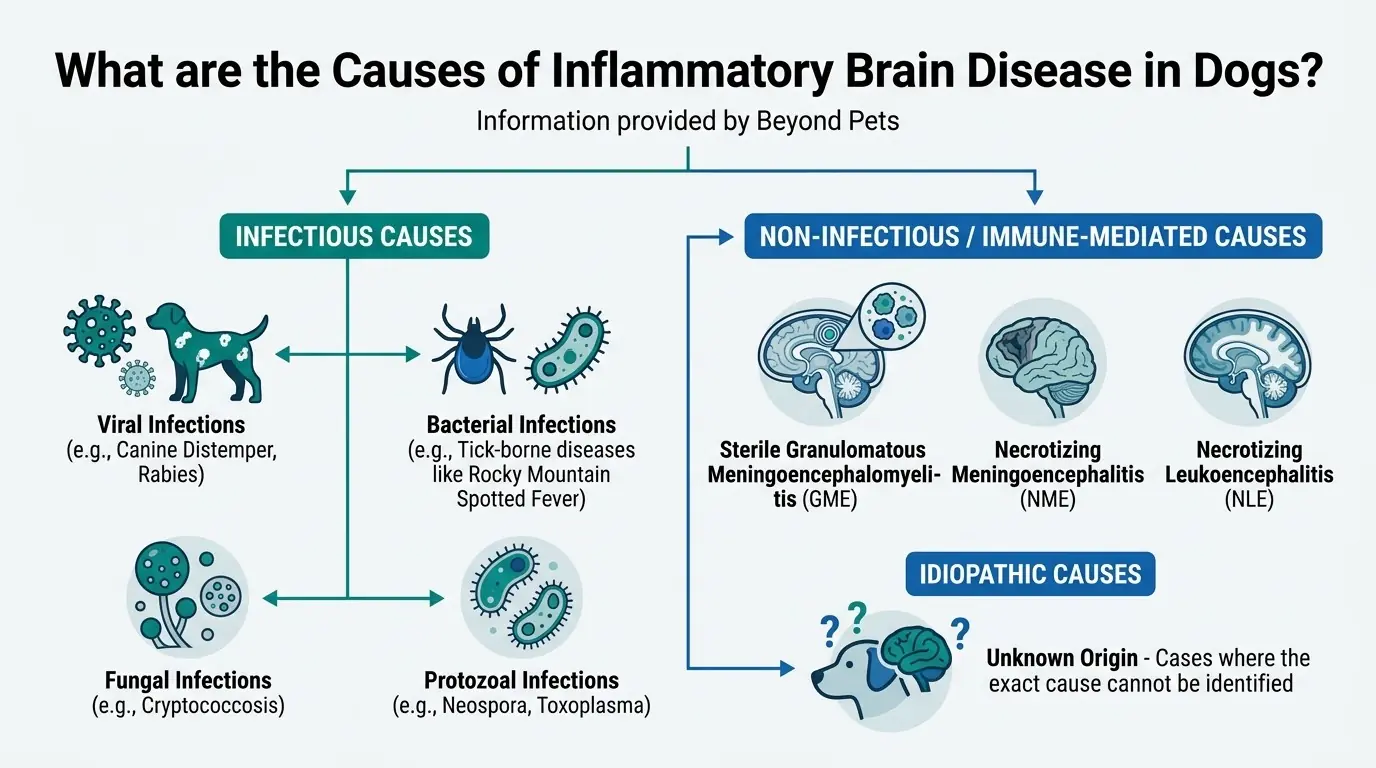
The specific causes of inflammatory brain disease in dogs are highly diverse, complex, and depend heavily on the distinct type of disease diagnosed by the veterinary neurologist. Generally, these causes are broadly classified into non-infectious (immune-mediated or genetic) and infectious origins. Understanding the exact etiology is absolutely paramount, as administering immunosuppressive medications to a dog suffering from an active infectious brain disease can be rapidly fatal, while failing to suppress the immune system in a dog with an autoimmune condition will result in permanent brain damage. [20] Below are the primary causes and contributing factors known to trigger inflammatory brain disease in the canine population:
- Autoimmune and Immune-Mediated Disorders: In many cases of MUO, the dog’s own immune system suffers a catastrophic malfunction, losing tolerance to its own tissues and launching a coordinated, destructive attack against healthy brain and spinal cord tissue. [21] This aberrant immune response leads to the massive influx of inflammatory cells, edema, and tissue necrosis seen in conditions like Granulomatous Meningoencephalitis (GME) and Steroid-Responsive Meningitis-Arteritis (SRMA). The exact trigger for this autoimmune cascade remains elusive but is believed to involve a complex interplay between genetic susceptibility and unknown environmental triggers that overstimulate the immune system.
- Idiopathic Causes: Despite exhaustive advanced diagnostic testing, including high-field MRI, extensive infectious disease titers, and comprehensive cerebrospinal fluid analysis, a significant percentage of cases yield no identifiable infectious, toxic, or neoplastic cause. These are classified as idiopathic inflammatory brain diseases. Necrotizing Meningoencephalitis (NME) and Necrotizing Leukoencephalitis (NLE) fall heavily into this category, representing severe, naturally occurring conditions of unknown origin that spontaneously arise and relentlessly destroy the central nervous system of affected small breed dogs. [22]
- Infectious Pathogens: A massive variety of microscopic organisms can aggressively invade the canine central nervous system, crossing the blood-brain barrier and causing severe infectious encephalitis. Viral causes are historically significant, most notably the canine distemper virus, a highly contagious pathogen that targets epithelial and nervous tissue, alongside the universally fatal Rabies virus. [23] Fungal infections, such as Cryptococcosis, Blastomycosis, Coccidioidomycosis, and Histoplasmosis, are geographically dependent and can cause severe granulomatous meningoencephalitis by disseminating through the bloodstream from primary pulmonary infections. Protozoal parasites, predominantly Toxoplasma gondii and Neospora caninum, form tissue cysts within the brain, triggering severe inflammation. Additionally, tick-borne pathogens, including Ehrlichia canis, Anaplasma, and the bacteria responsible for Rocky Mountain Spotted Fever (Rickettsia rickettsii), can cause severe vasculitis and secondary meningitis. Bacterial meningoencephalitis is comparatively rare but can occur due to the hematogenous spread of bacteria from endocarditis or via direct extension from severe, untreated inner ear infections (otitis interna). [24]
- Genetic Factors: There is an undeniable and heavily researched genetic component to several forms of inflammatory brain disease. The extreme breed predispositions seen in NME (Pugs, Maltese) and NLE (Yorkshire Terriers, French Bulldogs) strongly point to inherited genetic mutations affecting immune system regulation. Extensive veterinary research has identified specific variations in the Dog Leukocyte Antigen (DLA) class II region that significantly increase a Pug’s lifetime risk of developing NME, proving that genetics play a foundational role in the pathogenesis of these necrotizing conditions. [25]
- Trauma: Severe Head injuries or trauma, resulting from incidents such as vehicular accidents, high-impact falls, or malicious blunt force trauma, cause immediate primary mechanical damage to the brain parenchyma. This initial insult is rapidly followed by a complex secondary inflammatory cascade. The body attempts to repair the damaged tissue by flooding the area with inflammatory cytokines and immune cells, which can inadvertently lead to severe, life-threatening cerebral edema, increased intracranial pressure, and a secondary, non-infectious inflammatory meningoencephalitis. [26]
- Environmental Toxins and Toxicoses: While less common than immune-mediated or infectious causes, severe exposure to certain neurotoxins, heavy metals (such as lead poisoning), or highly toxic environmental chemicals can cause profound widespread inflammation, necrosis, and edema within the brain tissue, mimicking the clinical presentation of naturally occurring inflammatory brain diseases. [27]
It is crucial to recognize that diagnosing the exact underlying cause of inflammatory brain disease is an extraordinarily complex medical challenge requiring advanced diagnostic tools. Multiple factors, including genetics, environment, and immune status, often intertwine to precipitate the disease. Proper identification of the root cause is absolutely essential for formulating an effective, life-saving treatment plan. If your dog exhibits any sudden or progressive neurological abnormalities, it is imperative to seek emergency veterinary care immediately, as irreversible brain damage can occur within hours.
What are the Symptoms of Inflammatory Brain Disease in Dogs?
The clinical symptoms of inflammatory brain disease in dogs are incredibly varied and are dictated almost entirely by the precise anatomical location of the inflammatory lesions within the central nervous system, rather than the specific underlying cause. The brain is highly compartmentalized, and damage to distinct regions produces highly specific, observable neurological deficits. Because conditions like MUO often cause disseminated, multifocal lesions, affected dogs frequently present with a chaotic mixture of symptoms reflecting widespread brain damage. [28] Below is a comprehensive breakdown of the common symptoms, categorized by the region of the nervous system affected:
- Forebrain Symptoms (Cerebrum and Diencephalon): The forebrain is responsible for consciousness, behavior, learned training, and vision. Inflammation in this region (common in NME) causes profound cognitive and behavioral alterations. Dogs may exhibit sudden, uncharacteristic aggression, extreme lethargy, loss of house training, or failure to recognize familiar owners. They often exhibit compulsive pacing, circling incessantly in one direction, or pressing their heads rigidly against walls (head pressing). Seizures are a hallmark sign of forebrain inflammation, ranging from mild focal facial twitching to severe, life-threatening generalized tonic-clonic cluster seizures or status epilepticus. [29] Sudden, unexplained central blindness—where the eyes are physically healthy but the brain cannot process visual signals—is also common.
- Brainstem Symptoms: The brainstem serves as the vital relay station connecting the forebrain, cerebellum, and spinal cord, and it houses the crucial cranial nerves. Inflammation here (common in NLE) is often rapidly debilitating. Symptoms include severe alterations in consciousness, rapidly progressing from dullness to stupor or a comatose state. Dogs often display profound weakness in all four limbs (tetraparesis). Cranial nerve deficits are prominent, manifesting as facial paralysis (drooping of one side of the face), inability to swallow (absent gag reflex), abnormal resting eye positions (strabismus), or involuntary, rhythmic darting of the eyes (nystagmus). [30]
- Cerebellar Symptoms: The cerebellum coordinates fine motor movement and regulates balance. When inflamed, dogs exhibit profound ataxia (incoordination) without concurrent weakness. They often walk with a dramatically exaggerated, “goose-stepping” gait (hypermetria) and stand with a wide, broad-based stance to avoid falling over. Intention tremors—fine, rapid shaking of the head that worsens when the dog attempts a targeted movement, such as reaching for a food bowl—are a classic indicator of cerebellar disease. [31]
- Spinal Cord and Meningeal Symptoms: When the inflammation extends down the spinal cord (myelitis) or heavily involves the protective meninges (meningitis), symptoms are largely related to pain and motor dysfunction. Dogs may display severe, agonizing neck pain or back pain, holding themselves rigidly and crying out when moved. [32] They may exhibit partial or complete paralysis of the hind limbs (paraplegia) or all four limbs (tetraplegia), accompanied by a loss of deep pain sensation in severe cases.
- Systemic Symptoms: Because this is an intense inflammatory process, systemic signs of illness are frequently present. Dogs may run high, persistent fevers, exhibit generalized hyperesthesia (an extreme, painful sensitivity to normal touch across the body), suffer from severe lethargy, and completely lose their appetite (anorexia). [33]
If you observe any combination of these alarming neurological signs, it is absolutely critical to consult a veterinary professional immediately. Time is of the essence; inflammatory brain disease can progress from mild behavioral changes to fatal brain herniation in a matter of days or even hours. Aggressive, early intervention provides the only chance to halt the inflammatory cascade and preserve neurological function.
Diagnosis of Inflammatory Brain Disease in Dogs
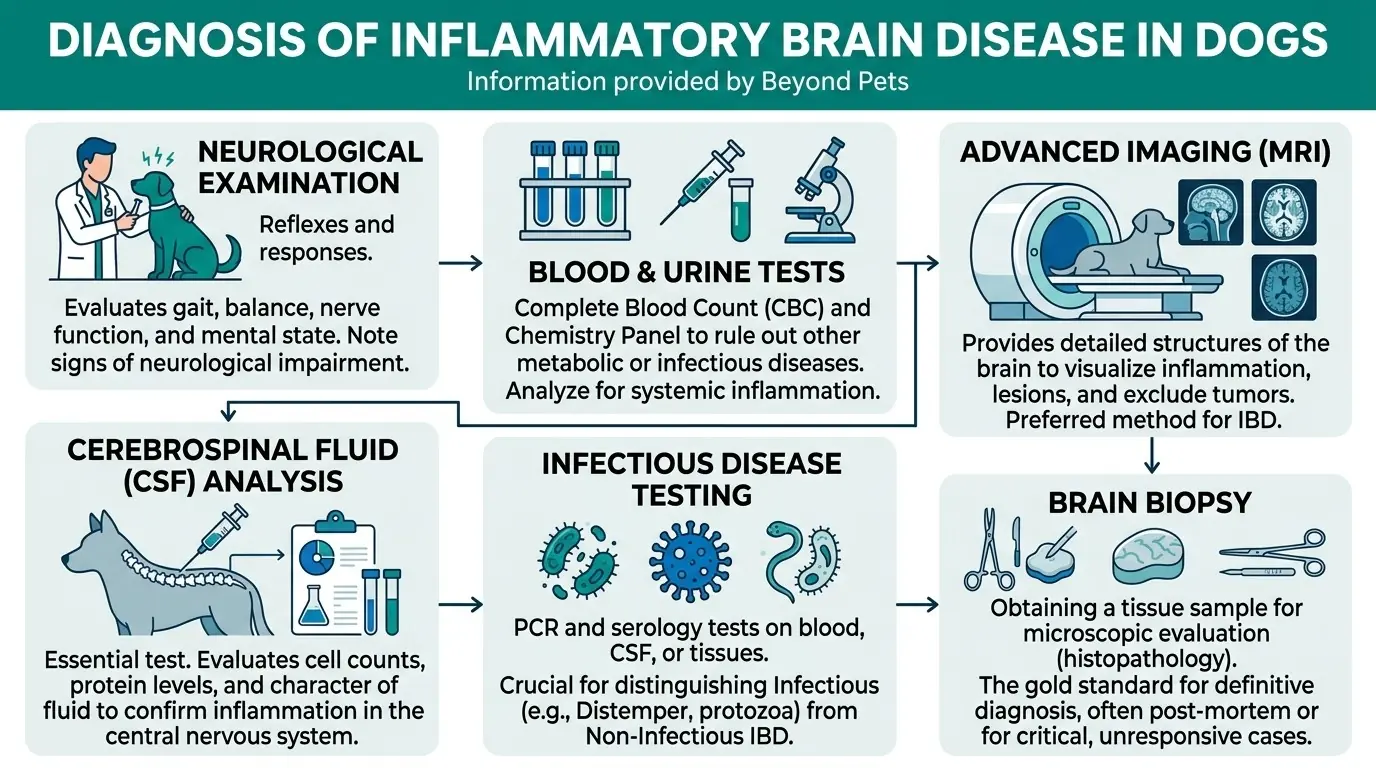
Reaching a definitive diagnosis of inflammatory brain disease in dogs is a highly complex, multi-step process that requires the advanced expertise of a board-certified veterinary neurologist. Because the clinical symptoms of IBD closely mimic those of severe brain tumors, congenital malformations (like hydrocephalus), and toxicities, neurologists must utilize a systematic process of elimination combined with advanced neuroimaging and fluid analysis. [34] The diagnostic workup is extensive and typically involves the following vital steps:
- Clinical History and Thorough Neurological Examination: The diagnostic journey begins with an exhaustive medical history, investigating the dog’s travel history, vaccination status, onset and progression of symptoms, and potential exposure to toxins. This is followed by a meticulous, hands-on neurological examination. The neurologist will systematically evaluate the dog’s cranial nerves, spinal reflexes, proprioception (awareness of paw placement), pain perception, and mental status. This exam does not diagnose the cause of the disease, but it allows the neurologist to “neuro-localize” the lesion, determining exactly which area of the nervous system (forebrain, brainstem, cerebellum, or spinal cord) is damaged. [35]
- Comprehensive Blood and Urine Testing: Before pursuing advanced imaging, a complete blood count (CBC), serum biochemistry profile, and urinalysis are performed. While these tests rarely diagnose inflammatory brain disease directly (except in cases showing marked leukocytosis like SRMA), they are critical for ruling out metabolic diseases that cause secondary neurological signs, such as hepatic encephalopathy from liver failure, severe hypoglycemia, or kidney disease. They also assess the dog’s overall health to ensure they can safely undergo prolonged general anesthesia for an MRI. [36]
- Infectious Disease Titers and PCR Panels: Because giving immunosuppressive medications to a dog with an active infection can be fatal, exhaustive infectious disease testing is mandatory. Blood and cerebrospinal fluid samples are evaluated via Polymerase Chain Reaction (PCR) and antibody titers for a wide array of pathogens, including Toxoplasma, Neospora, Canine Distemper Virus, Tick-borne diseases (Ehrlichia, Anaplasma, Rickettsia), and fungal antigens (like Cryptococcus). [37]
- Advanced Neuroimaging (MRI): Magnetic Resonance Imaging (MRI) is the undisputed gold standard for visualizing the canine brain and is absolutely required for a presumptive diagnosis of inflammatory brain disease. Unlike standard X-rays or CT scans, an MRI provides exquisitely detailed, high-resolution images of the soft brain tissue. Neurologists utilize different MRI sequences (T1, T2, FLAIR) to identify areas of edema, hemorrhage, and tissue necrosis. The administration of an intravenous contrast agent highlights areas where the blood-brain barrier has been compromised by inflammation, typically appearing as bright, hyperintense regions on the scan. MRI findings can differentiate the multifocal lesions of GME from the cavitary, necrotic holes seen in NME, and can confidently rule out large, solitary brain tumors. [38]
- Cerebrospinal Fluid (CSF) Analysis: Following the MRI, while the dog remains under anesthesia, a spinal tap (arthrocentesis) is performed to collect a sample of cerebrospinal fluid from the cisterna magna (base of the skull) or the lumbar spine. CSF analysis is the definitive test for confirming active central nervous system inflammation. In a healthy dog, CSF is crystal clear, contains very low protein, and has fewer than 5 white blood cells per microliter. In dogs with inflammatory brain disease, the fluid often shows profound pleocytosis (a massive increase in white blood cells, sometimes numbering in the thousands) and significantly elevated protein levels. The specific type of cells present—such as mononuclear cells (lymphocytes and macrophages) in GME, neutrophils in SRMA, or eosinophils in parasitic infections—provides vital clues to the underlying cause. [39]
- Brain Biopsy: It is important to note that the only way to achieve a 100% definitive, undeniable diagnosis of specific MUO subtypes (like GME or NME) is through a histopathological examination of the brain tissue itself via biopsy. However, because biopsying the brain carries immense risks of hemorrhage and neurological deterioration, it is rarely performed antemortem (while the dog is alive) outside of academic research settings. Therefore, most clinical diagnoses rely heavily on the combination of MRI and CSF findings. [40]
Navigating neurological disorders in dogs is complex, but securing a rapid, accurate diagnosis utilizing advanced imaging and fluid analysis is the critical first step toward instituting life-saving therapy.
How Do Vets Treat Inflammatory Brain Disease in Dogs?
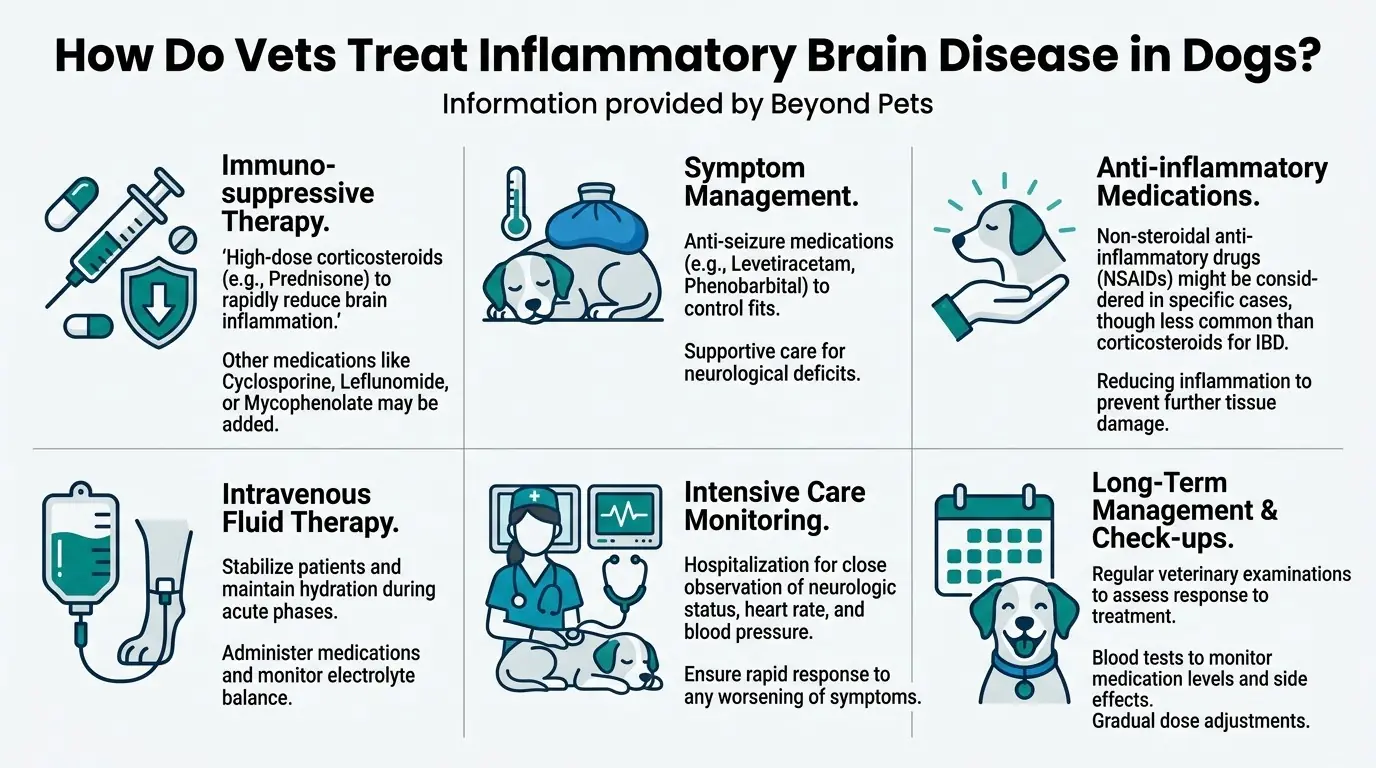
The treatment of inflammatory brain disease in dogs is aggressive, multifaceted, and highly tailored to the specific type of disease, the underlying cause, and the severity of the dog’s clinical signs. If the condition is determined to be immune-mediated (like GME, NME, or SRMA), the primary goal is rapid, profound suppression of the aberrant immune system to halt the destruction of brain tissue. If the disease is infectious, targeted antimicrobial therapy is paramount. In almost all cases, intensive supportive care and symptom management are required. [41] A comprehensive treatment protocol generally involves the following pillars:
- Acute Stabilization and Intracranial Pressure Management: Dogs presenting with severe inflammatory brain disease are often in critical condition, experiencing life-threatening cerebral edema (brain swelling). Emergency veterinarians prioritize stabilizing the patient by administering intravenous fluids, providing supplemental oxygen, and aggressively treating elevated intracranial pressure. Specific intravenous medications are utilized as osmotic diuretics to rapidly draw excess fluid out of the swollen brain tissue, preventing fatal brain herniation. [42]
- Immunosuppressive Corticosteroid Therapy: For immune-mediated conditions (MUO), high-dose prescription corticosteroids represent the absolute cornerstone of therapy. Steroids are remarkably potent anti-inflammatory agents that cross the blood-brain barrier effectively, rapidly reducing brain swelling and suppressing the immune attack. Initially given at high immunosuppressive doses, they are slowly and meticulously tapered over several months—often extending to a year or for the life of the dog—based on repeated neurological examinations and sometimes follow-up MRI/CSF analyses. Owners must be prepared to carefully monitor and manage the inevitable side effects of long-term steroid use, which include excessive thirst (polydipsia), increased urination (polyuria), ravenous appetite (polyphagia), muscle wasting, and an increased risk of secondary infections. [43]
- Second-Line Immunosuppressive and Chemotherapeutic Agents: Because long-term, high-dose steroid use causes severe systemic side effects, and because diseases like GME and NE are often refractory to steroids alone, veterinary neurologists frequently employ secondary, steroid-sparing immunosuppressive medications. The most commonly utilized agent is a specialized prescription chemotherapy drug that easily penetrates the central nervous system. It is often administered as a continuous intravenous infusion over 12 to 48 hours or via regular subcutaneous injections. Other powerful prescription oral immunomodulators are also utilized to inhibit immune activation. These medications require meticulous monitoring via regular blood work to ensure therapeutic levels are achieved and to monitor for potential bone marrow suppression or hepatotoxicity. [44]
- Anti-Epileptic Drugs (AEDs) for Seizure Control: Seizures are a devastating and frequent complication of forebrain inflammation. Each seizure causes further excitotoxic damage to the already inflamed brain. Therefore, aggressive anti-seizure therapy is mandatory. Veterinarians frequently prescribe fast-acting, well-tolerated anti-seizure medications alongside traditional, long-acting anticonvulsants. In cases of severe cluster seizures or status epilepticus, emergency anti-seizure medication administered intravenously is required to break the seizure cycle. [45]
- Targeted Antimicrobial, Antifungal, or Antiparasitic Therapy: If diagnostic testing definitively isolates an infectious pathogen, immunosuppressive therapy is halted (or minimized to control life-threatening swelling), and aggressive antimicrobial therapy begins. This may involve specific prescription antibiotics that cross the blood-brain barrier for bacterial and tick-borne diseases, long-term administration of prescription systemic antifungals for fungal meningoencephalitis, or specific anti-protozoal medications for Toxoplasma and Neospora. Treatment for infectious encephalitis often requires months of continuous medication. [46]
- Intensive Supportive and Nursing Care: The value of fastidious, dedicated nursing care cannot be overstated, particularly for dogs that are paralyzed, stuporous, or heavily sedated by anti-seizure medications. Supportive care involves maintaining strict hydration and nutrition, often via feeding tubes if the dog cannot swallow. Recumbent (bedridden) dogs must be turned every 4 to 6 hours to prevent the formation of painful decubital ulcers (bedsores) and to reduce the risk of pneumonia. Regular physical therapy and passive range of motion exercises are vital to prevent muscle contracture and preserve joint mobility. Additionally, paralyzed dogs may require manual expression of their bladder several times a day to prevent severe urinary tract infections. [47]
Treating inflammatory brain disease is a marathon, not a sprint. It requires immense dedication, significant financial commitment for regular re-checks, bloodwork, and potentially repeated imaging, and constant communication with your veterinary team. Always consult your veterinarian before making any changes to your pet’s care or adjusting medication dosages, as sudden cessation of immunosuppressive drugs can trigger a fatal disease relapse.
How to Prevent Inflammatory Brain Disease in Dogs
Preventing inflammatory brain disease in dogs presents a significant challenge, particularly because the majority of severe cases (like MUO, NME, and GME) are rooted in complex, unpredictable immune system dysfunction and deep-seated genetic predispositions. You cannot entirely prevent an autoimmune disease from manifesting if a dog is genetically programmed to develop it. However, implementing robust, proactive health measures can significantly reduce your dog’s risk of contracting the infectious forms of encephalitis and can help maintain a strong, balanced immune system, potentially mitigating environmental triggers.
- Adhere to Strict Vaccination Protocols: The absolute most effective method for preventing specific viral forms of inflammatory brain disease is maintaining a rigorous, vet-approved vaccination schedule. Ensuring your dog is fully protected against the fatal vaccinations to protect against infectious agents, particularly the core vaccines for Canine Distemper Virus and Rabies, is non-negotiable. Both of these viruses cause severe, untreatable, and uniformly fatal encephalitis. [48]
- Vigilant Parasite and Tick Prevention: Tick-borne diseases, such as Ehrlichiosis and Rocky Mountain Spotted Fever, can lead to severe secondary neurological inflammation. Administering continuous, year-round flea and tick preventatives, alongside utilizing heartworm preventatives to reduce your dog’s risk of systemic parasitic burdens, is vital. Inspect your dog thoroughly for ticks after any walks in wooded or grassy areas.
- Responsible Breeding Practices and Genetic Testing: For breeds heavily predisposed to necrotizing diseases, such as Pugs and Maltese, prevention lies entirely in responsible breeding. Breeders must utilize available genetic screening, such as the DLA marker test for Pug Dog Encephalitis, to identify carriers of the disease and remove them from the breeding pool, actively working to eradicate the condition from the breed line. [49]
- Routine Veterinary Health Screenings: Regular, comprehensive wellness exams allow your veterinarian to monitor your dog’s overall health and detect potential issues early. Identifying and treating severe systemic infections, such as deep inner ear infections or severe dental disease, prevents these localized infections from extending directly into the brain or spreading hematogenously (through the blood) to the central nervous system.
- Environmental Management and Toxin Avoidance: Ensure your dog’s environment is safe and free from accessible neurotoxins, poisonous plants, toxic chemicals, and heavy metals. Limit exposure to stagnant bodies of water in areas endemic for severe fungal pathogens like Blastomyces, and prevent your dog from hunting wildlife that may carry protozoal parasites like Toxoplasma.
While absolute prevention is impossible, combining proactive veterinary care, diligent parasite management, and responsible genetic awareness provides the best possible defense against the myriad causes of inflammatory brain disease.
Frequently Asked Questions
How long do dogs live with an inflammatory brain disease?
The life expectancy and overall prognosis for a dog diagnosed with inflammatory brain disease vary drastically and depend almost entirely on the specific type of disease, the severity of the neurological damage at the time of diagnosis, and how aggressively the animal responds to immunosuppressive therapy. For dogs diagnosed with Steroid-Responsive Meningitis-Arteritis (SRMA), the prognosis is generally excellent. With a properly managed, long-term tapering course of corticosteroids, most dogs enter complete clinical remission and go on to live a normal, full lifespan, though occasional relapses can occur requiring adjustments to their medication. [50]
Conversely, the prognosis for immune-mediated brain diseases (MUO), such as Granulomatous Meningoencephalitis (GME) and Necrotizing Encephalitis (NME/NLE), is significantly more guarded and often carries a poor long-term outlook. Historically, dogs treated with steroids alone often succumbed to the disease within weeks to months. However, modern veterinary medicine has vastly improved these odds. By utilizing aggressive combination protocols pairing steroids with specific secondary chemotherapeutic or immunomodulating agents, neurologists can often push these diseases into remission. Many dogs now survive for one to three years post-diagnosis with excellent quality of life, though the disease is ultimately progressive and fatal in most cases. A small percentage of dogs, unfortunately, possess a hyper-acute form of the disease that is refractory to all medications, leading to a rapid decline and death within days. [51]
Can a dog recover from brain inflammation?
Yes, a dog can certainly recover from brain inflammation, but the definition of “recovery” must be carefully managed and understood by the owner. If the brain inflammation is caused by a treatable infectious agent—such as a bacterial infection or certain protozoal infections like Toxoplasmosis—and it is caught early before permanent tissue necrosis occurs, complete and total recovery is possible following an extended course of appropriate antimicrobial medication. [52]
However, for dogs suffering from autoimmune inflammatory brain diseases like GME or NME, a true “cure” is rarely achieved. Instead, veterinary neurologists aim for “clinical remission,” a state where the active inflammation is successfully suppressed, symptoms resolve or stabilize, and the dog enjoys a high quality of life. Achieving and maintaining this remission typically requires lifelong administration of potent immunosuppressive medications. If medications are withdrawn prematurely or the immune system builds a tolerance to the drug, the inflammation will violently return (a relapse). Furthermore, any brain tissue that was actively destroyed (necrosed) prior to the start of treatment cannot regenerate; therefore, some dogs may recover from the active disease but be left with permanent, static neurological deficits, such as a mild head tilt or a slight visual impairment, which they generally adapt to quite well.
Does brain inflammation cause permanent damage in dogs?
Yes, prolonged or severe brain inflammation can absolutely cause devastating and permanent damage to a dog’s central nervous system. The brain is an incredibly sensitive, delicate organ encased within a rigid bony skull. When inflammation occurs, immune cells infiltrate the tissue, releasing toxic cytokines that break down the protective myelin sheaths of nerves and directly destroy neurons. Furthermore, the localized swelling (edema) dramatically increases intracranial pressure, which physically crushes brain tissue and cuts off vital blood flow, leading to ischemic necrosis (cell death due to lack of oxygen). [53]
Unlike skin or liver tissue, the central nervous system has a notoriously poor capacity for cellular regeneration. Once a neuron is destroyed by necrotizing inflammation or ischemia, it is gone forever. This is precisely why conditions like Necrotizing Meningoencephalitis, which literally dissolve gray and white matter to form cavities in the brain, carry such a poor prognosis. This reality highlights why immediate, emergency veterinary intervention is the single most critical factor in managing inflammatory brain disease. The faster aggressive immunosuppressive therapy or targeted antimicrobials are initiated, the more healthy brain tissue can be saved, drastically minimizing the extent of any permanent neurological deficits and maximizing the dog’s chances for a functional, happy life. [54]
Concerned About Your Pet’s Neurological Health?
If you notice any signs of neurological distress, behavioral changes, or suspect your dog may be suffering from an inflammatory brain disease, do not wait. Early diagnosis and intervention are critical to preserving their quality of life.
References
- Granger, N., et al. Meningoencephalomyelitis of unknown origin in dogs. Veterinary Journal, 2010.
- Merck Veterinary Manual. Meningitis, Encephalitis, and Encephalomyelitis in Animals. Merck & Co., Inc., 2023.
- Adamo, F., et al. Cyclosporine therapy for MUO in dogs. Journal of Veterinary Internal Medicine, 2013.
- VCA Animal Hospitals. Encephalitis and Meningitis in Dogs. VCA Hospitals, 2022.
- Schatzberg, S. J. Idiopathic granulomatous and necrotizing inflammatory disorders of the canine central nervous system. Veterinary Clinics of North America, 2006.
- Lowrie, M., et al. Cytosine arabinoside therapy for MUO. Veterinary Record, 2014.
- Veterinary Information Network. Granulomatous Meningoencephalitis. VIN, 2021.
- Cornelis, I., et al. Cerebrospinal fluid findings in canine MUO. Veterinary Journal, 2016.
- Cornelis, I., et al. Prognostic factors for dogs with inflammatory brain disease. Journal of Veterinary Internal Medicine, 2019.
- Higgins, R. J., et al. Necrotizing meningoencephalitis in five Chihuahua dogs. Veterinary Pathology, 2008.
- Flegel, T., et al. Necrotizing leukoencephalitis in Yorkshire Terriers. Journal of Veterinary Internal Medicine, 2010.
- Greer, K. A., et al. Pug Dog Encephalitis and DLA class II risk alleles. Canine Genetics and Epidemiology, 2018.
- Talarico, L. R., et al. MRI features of necrotizing encephalitis. Veterinary Radiology & Ultrasound, 2017.
- Lowrie, M., et al. Steroid-responsive meningitis-arteritis: a prospective study. Journal of Veterinary Internal Medicine, 2012.
- Maiolini, A., et al. IgA in cerebrospinal fluid and serum in SRMA. Journal of Veterinary Internal Medicine, 2017.
- Coates, J. R., et al. Procarbazine as adjunctive therapy for MUO. Journal of Veterinary Internal Medicine, 2015.
- American Veterinary Medical Association. Canine Distemper. AVMA, 2023.
- Dubey, J. P., et al. Toxoplasmosis in dogs. Veterinary Parasitology, 2014.
- Pfeffer, M., et al. Tick-borne encephalitis in dogs. Vector-Borne and Zoonotic Diseases, 2011.
- Sykes, J. E., et al. Cryptococcus meningoencephalitis in dogs. Journal of Veterinary Internal Medicine, 2016.
- Nessler, J., et al. Autoantibodies in canine meningoencephalomyelitis of unknown origin. Veterinary Immunology and Immunopathology, 2018.
- Merck Veterinary Manual. Brain, Spinal Cord, and Nerve Disorders of Dogs. Merck & Co., Inc., 2023.
- Troxel, M. T., et al. Medical management of canine status epilepticus. Compendium on Continuing Education for the Practicing Veterinarian, 2018.
- Smith, P. M., et al. Neurological manifestations of systemic infectious diseases. Veterinary Clinics of North America, 2019.
- Merial, A., et al. Histopathological diagnosis of canine CNS inflammatory diseases. Veterinary Pathology, 2006.
- Veterinary Information Network. Head Trauma in Dogs. VIN, 2020.
- Tipold, A., et al. Diagnosis and treatment of SRMA in dogs. Veterinary Record, 2012.
- Cherubini, G. B., et al. Magnetic resonance imaging of the canine brain. Veterinary Radiology & Ultrasound, 2017.
- Zarfoss, M., et al. Use of cytosine arabinoside for canine MUO. Journal of Veterinary Internal Medicine, 2014.
- Wong, M. A., et al. Efficacy of cyclosporine in the treatment of GME. Veterinary Medicine, 2013.
- Ebert, A., et al. Procarbazine therapy for meningoencephalomyelitis of unknown origin. Journal of Veterinary Internal Medicine, 2015.
- Tipold, A., et al. Analysis of cerebrospinal fluid in canine neurologic disease. Veterinary Clinics of North America, 2016.
- Behr, S., et al. Survival times of dogs with MUO. Journal of Veterinary Internal Medicine, 2017.
- Grellet, A., et al. Infectious causes of meningoencephalitis in dogs. Veterinary Microbiology, 2011.
- ASPCA. Common Dog Diseases and Neurological Conditions. ASPCA Pet Care, 2022.
- Sykes, J. E., et al. Diagnosis of protozoal encephalitis in dogs. Veterinary Parasitology, 2014.
- Malik, R., et al. Fungal meningoencephalitis in dogs and cats. Journal of Feline Medicine and Surgery, 2016.
- Schwab, S., et al. Genetic predisposition to necrotizing encephalitis in dogs. Canine Genetics and Epidemiology, 2018.
- Merck Veterinary Manual. Cerebrospinal Fluid Analysis in Animals. Merck & Co., Inc., 2023.
- Bismuth, C., et al. Long-term outcomes of dogs treated for meningoencephalomyelitis of unknown origin. Journal of Veterinary Internal Medicine, 2019.
- Granger, N., et al. Treatment protocols for MUO in dogs. Veterinary Journal, 2010.
- Platt, S. R., et al. Management of increased intracranial pressure in dogs. Compendium on Continuing Education, 2018.
- VCA Animal Hospitals. Corticosteroid Use in Dogs with Encephalitis. VCA Hospitals, 2022.
- Lowrie, M., et al. Efficacy of adjuvant chemotherapies in canine MUO. Veterinary Record, 2014.
- Merck Veterinary Manual. Management of Seizures in Dogs. Merck & Co., Inc., 2023.
- Grellet, A., et al. Antimicrobial therapy for canine infectious encephalitis. Veterinary Microbiology, 2011.
- Veterinary Information Network. Nursing Care for the Neurological Patient. VIN, 2021.
- American Veterinary Medical Association. Prevention of Infectious Neurological Diseases in Dogs. AVMA, 2023.
- Greer, K. A., et al. Breeding strategies to reduce the incidence of Pug Dog Encephalitis. Canine Genetics and Epidemiology, 2018.
- Lowrie, M., et al. Long-term prognosis for dogs with SRMA. Journal of Veterinary Internal Medicine, 2012.
- Cornelis, I., et al. Survival analysis of dogs with MUO treated with modern protocols. Journal of Veterinary Internal Medicine, 2019.
- Dubey, J. P., et al. Clinical recovery in dogs treated for Toxoplasma encephalitis. Veterinary Parasitology, 2014.
- Schatzberg, S. J. Pathophysiology of brain damage in canine meningoencephalitis. Veterinary Clinics of North America, 2006.
- Merck Veterinary Manual. Long-term Neurological Deficits in Brain Disease. Merck & Co., Inc., 2023.