



 April 24, 2023
 Phil Good, DVM
Neurological Disorders in Dogs: Causes, Symptoms, Treatment
This content was prepared with AI assistance and reviewed by a licensed professional for accuracy.
A diagnosis of a neurological condition can be one of the most overwhelming experiences a pet owner will ever face. When a beloved canine companion suddenly loses the ability to walk, experiences a seizure, or begins showing profound changes in behavior, the emotional toll is immediate and profound. Understanding Neurological Disorders in dogs is the critical first step toward navigating these complex medical challenges. As a veterinary professional, I cannot overstate the importance of recognizing the early warning signs of nervous system dysfunction. The canine nervous system is an extraordinary, intricate network responsible for governing every single action, thought, and autonomic process in your dog’s body. When disease, injury, or genetic predispositions disrupt this system, the consequences can be life-altering.[1]
Neurological disorders encompass a vast array of conditions that impact the brain, the spinal cord, and the peripheral nerves. These conditions can range from sudden-onset emergencies, such as acute spinal cord compression from a herniated disc, to insidious, slow-progressing degenerative diseases like Canine Cognitive Dysfunction or Degenerative Myelopathy.[2] The clinical manifestations are equally diverse. A dog might present with involuntary muscle tremors, profound weakness in the hind limbs, an uncoordinated, drunken gait known as ataxia, or a sudden loss of vision. Because the nervous system acts as the ultimate command center, any localized damage can produce systemic and highly visible symptoms. By understanding the pathophysiology of these diseases, pet owners are better equipped to partner with their veterinary team in pursuing accurate diagnostics, comprehensive treatment plans, and effective long-term management strategies.[3]
In this extensive clinical guide, we will explore the precise mechanics of the canine nervous system and delve deeply into the most common neurological disorders affecting our canine patients. We will examine the underlying etiologies—ranging from genetic mutations to infectious agents—and outline the most current, evidence-based diagnostic protocols utilized by veterinary neurologists. Furthermore, we will review the full spectrum of treatment options, including cutting-edge surgical interventions, advanced pharmacological management, and targeted physical rehabilitation therapies designed to maximize your dog’s quality of life.[4]
How Does a Dog’s Nervous System Work?
To fully grasp the impact of neurological disorders, one must first understand the breathtaking complexity of canine neuroanatomy and neurophysiology. A dog’s nervous system functions much like a highly advanced supercomputer, constantly receiving, processing, and transmitting massive amounts of data in fractions of a second. The functional unit of this system is the neuron, a highly specialized cell designed to transmit information via electrochemical gradients. Neurons communicate with one another across microscopic gaps called synapses, utilizing chemical messengers known as neurotransmitters.[5] The overall nervous system is structurally and functionally divided into two main branches: the Central Nervous System (CNS) and the Peripheral Nervous System (PNS).
- Central Nervous System (CNS): The CNS is the primary command and control center, comprised exclusively of the brain and the spinal cord. It is heavily protected by the bony structures of the skull and the vertebral column, enveloped by protective membranes known as the meninges, and bathed in cerebrospinal fluid (CSF) which provides buoyancy, nutrient transport, and shock absorption.[6]
- Cerebrum: This is the largest portion of the brain and is divided into two hemispheres. It is responsible for the highest levels of neurological function, including conscious thought, learning, memory, spatial awareness, sensory perception (such as vision and hearing), and the initiation of voluntary motor movements. Lesions in the cerebrum often result in altered mentation, behavioral changes, pacing, or seizures.[7]
- Cerebellum: Located at the caudal (rear) aspect of the brain, the cerebellum does not initiate movement but is entirely responsible for coordinating and fine-tuning it. It dictates the rate, range, and force of muscle contractions. When the cerebellum is damaged, dogs maintain normal strength but exhibit profound uncoordination, a high-stepping gait (hypermetria), and intention tremors that worsen when the dog attempts to focus on a task, such as eating from a bowl.[8]
- Brainstem: The brainstem connects the cerebrum and cerebellum to the spinal cord. It is the most primitive and vital region of the brain, housing the control centers for autonomic, involuntary life-sustaining functions such as respiration, heart rate, blood pressure, and the sleep-wake cycle. The brainstem is also the point of origin for the majority of the cranial nerves. Damage to this area is frequently life-threatening and can cause profound alterations in consciousness, ranging from stupor to coma.[9]
- Spinal Cord: Extending continuously from the brainstem, the spinal cord travels through the vertebral canal down to the lower back. It acts as the critical information highway, transmitting ascending sensory data from the body up to the brain, and descending motor commands from the brain down to the limbs and organs. The spinal cord is divided into specific functional segments: cervical (C1-C5), cervicothoracic (C6-T2), thoracolumbar (T3-L3), and lumbosacral (L4-S3). Localization of a spinal cord lesion by a veterinarian is based on which limbs exhibit Upper Motor Neuron (UMN) or Lower Motor Neuron (LMN) signs.[10]
- Peripheral Nervous System (PNS): The PNS consists of all the neural tissue outside the CNS, including the cranial nerves exiting the brainstem and the spinal nerves branching off the spinal cord to reach the distal extremities. The PNS acts as the interface between the dog’s internal command center and the external environment.[11]
- Somatic Nervous System: This division handles voluntary control of body movements. It carries sensory information from the skin and muscles (such as pain, temperature, and proprioception) to the CNS, and delivers motor instructions back to the skeletal muscles. When somatic nerves are damaged, dogs experience muscle weakness, loss of reflexes, and sensory deficits in specific dermatomes (skin regions).[12]
- Autonomic Nervous System (ANS): The ANS operates subconsciously, regulating involuntary visceral functions like gastrointestinal motility, pupil dilation, heart rhythm, and glandular secretion. It is further bifurcated into the sympathetic nervous system, which triggers the physiological “fight or flight” response during times of stress, and the parasympathetic nervous system, which governs “rest and digest” restorative processes.[13]
Optimal functioning of the nervous system relies heavily on the myelin sheath—a fatty, insulating layer that coats many nerve fibers, allowing electrical impulses to travel rapidly and efficiently along the axon. Demyelinating diseases strip away this insulation, severely impeding signal transmission and leading to profound neurological deficits. By understanding this intricate anatomy, it becomes clear why even microscopic damage to a specific region of the nervous system can lead to dramatic and specific clinical signs.[14]
Common Neurological Disorders in Dogs
Veterinary neurology encompasses dozens of specific diseases, but clinical practice is largely dominated by a core group of common neurological disorders. These conditions vary widely in their pathogenesis, age of onset, breed predilection, and long-term prognosis. Below is a comprehensive breakdown of the most frequently diagnosed neurological disorders in canine patients.
Epilepsy
Epilepsy is arguably the most recognizable neurological disorder in veterinary medicine, characterized by recurrent, unprovoked seizures. A seizure is a sudden, abnormal surge of electrical activity within the cerebral cortex of the brain. When this electrical storm occurs without a detectable underlying structural brain lesion or metabolic toxin, it is classified as idiopathic epilepsy. Idiopathic epilepsy is considered a genetic or inherited condition and is the common cause of seizures in dogs.[15] It frequently manifests in young to middle-aged dogs, typically between one and five years of age. Breeds with a known genetic predisposition include the Border Collie, Australian Shepherd, Labrador Retriever, Golden Retriever, Beagle, and German Shepherd.[16]
Seizures can be categorized as generalized or focal. Generalized seizures (formerly known as grand mal seizures) involve both cerebral hemispheres and result in a total loss of consciousness. The dog will fall to their side, experience stiffening of the limbs (tonic phase) followed by rhythmic paddling or jerking (clonic phase), and frequently lose control of their bladder and bowels. Focal seizures originate in a localized area of the brain and may present as episodic facial twitching, isolated limb tremors, or bizarre, repetitive behaviors like “fly-biting” without a loss of consciousness.[17] A typical seizure event consists of three distinct phases: the pre-ictal phase or aura (where the dog may act anxious, clingy, or hide), the ictus (the actual seizure activity), and the post-ictal phase (a period of recovery characterized by temporary blindness, confusion, pacing, or profound exhaustion that can last for hours or even days). If a dog experiences seizures that last longer than five minutes, or multiple seizures without fully regaining consciousness in between, they have entered status epilepticus—a critical, life-threatening emergency that requires immediate intravenous administration of emergency anti-seizure medication to prevent irreversible brain damage or death.[18]
Canine Degenerative Myelopathy (CDM)
Canine Degenerative Myelopathy (CDM) is an insidious, progressive neurodegenerative disease that primarily affects the white matter tracts of the spinal cord. It bears a striking clinical and histopathological resemblance to Amyotrophic Lateral Sclerosis (ALS), or Lou Gehrig’s disease, in humans.[19] The disease is strongly linked to a genetic mutation in the SOD1 (superoxide dismutase 1) gene. While it was historically associated almost exclusively with the German Shepherd Dog, widespread genetic testing has revealed its prevalence in numerous other breeds, including the Pembroke Welsh Corgi, Boxer, Rhodesian Ridgeback, and Chesapeake Bay Retriever.[20]
CDM typically strikes older dogs, usually between the ages of 8 and 14. Because it is a non-painful condition, the initial signs are often subtle and frequently misattributed to normal aging or osteoarthritis. The first clinical hallmark is usually proprioceptive ataxia in the hind limbs—the dog loses awareness of where their back feet are in space. This manifests as scuffing of the dorsal aspect of the rear toenails, knuckling over on the paws, and a swaying, uncoordinated gait.[21] As the white matter continues to degenerate, the disease relentlessly ascends the spinal cord. Over a period of six to twelve months, the hind limb weakness progresses to complete paraplegia. In the final, most devastating stages of the disease, the degeneration reaches the thoracic and cervical spinal cord segments, leading to forelimb weakness, swallowing difficulties, and ultimately, fatal respiratory muscle paralysis. Because there is currently no cure for CDM, a definitive diagnosis is often a diagnosis of exclusion combined with SOD1 genetic testing, and management focuses entirely on palliative care and physical rehabilitation to prolong mobility.[22]
Intervertebral Disc Disease (IVDD)
IVDD occurs when the cushioning discs between the vertebrae in the spine rupture or herniate, resulting in acute or chronic compression of the spinal cord. To understand IVDD, one must look at the anatomy of the intervertebral disc, which acts as a shock absorber. It consists of a tough, fibrous outer ring (the annulus fibrosus) and a soft, gelatinous inner core (the nucleus pulposus). In veterinary neurology, IVDD is broadly classified into two primary categories: Hansen Type I and Hansen Type II.[23]
Hansen Type I disc disease involves chondroid degeneration of the nucleus pulposus, causing it to calcify and harden prematurely. This hardened material can acutely burst through a tear in the annulus fibrosus, forcefully extruding into the spinal canal and contusing the spinal cord. This form of IVDD is extremely common in chondrodystrophic breeds (dogs selectively bred for short legs and long backs), such as the Dachshund, French Bulldog, Beagle, Basset Hound, and Shih Tzu, typically occurring between the ages of 3 and 6 years. The onset is usually sudden, resulting in severe pain, an arched back, and varying degrees of paralysis.[24]
Hansen Type II disc disease, conversely, is characterized by fibroid degeneration. Instead of an acute rupture, the annulus fibrosus hypertrophies and gradually bulges upward into the spinal canal, creating slow, progressive compression. This type is more frequently observed in large, non-chondrodystrophic breeds like the German Shepherd, Labrador Retriever, and Doberman Pinscher, usually presenting later in life (8 to 10 years of age). Clinical signs in both types depend entirely on the location of the herniation (cervical vs. thoracolumbar) and the severity of the compression, ranging from mild hyperesthesia (pain) to absolute paraplegia with the loss of deep pain perception—a true surgical emergency.[25]
Vestibular Disease
The vestibular system is the body’s internal gyroscope. Comprised of the inner ear structures, the vestibulocochlear nerve (Cranial Nerve VIII), and specific centers in the brainstem and cerebellum, it is responsible for maintaining balance, spatial orientation, and coordinating eye movements with head position. When this system fails, the dog experiences severe vertigo. Vestibular disease is categorized as either peripheral (affecting the inner ear or the nerve) or central (affecting the brain).[26]
Peripheral vestibular disease is far more common. It can be caused by severe inner ear infections (otitis interna), hypothyroidism, ototoxic medications, or it can be entirely idiopathic. “Old Dog” Idiopathic Vestibular Syndrome is a famous presentation where an older dog acutely develops profound vestibular signs with no identifiable underlying cause. The clinical signs are dramatic and often terrifying for pet owners, who frequently mistake the event for a stroke. Symptoms include a severe head tilt, debilitating ataxia (stumbling or rolling like an alligator), nausea, vomiting, and pathological nystagmus (rapid, involuntary, rhythmic flicking of the eyes).[27] Central vestibular disease, which carries a much more guarded prognosis, is usually caused by brain tumors, inflammatory brain disease, or cerebrovascular accidents (strokes). Central vestibular lesions often present with additional neurological deficits, such as altered mentation, proprioceptive deficits, or vertical nystagmus, which differentiate them from peripheral causes during a clinical exam.[28]
Encephalitis
Encephalitis refers to the inflammation of the brain parenchyma (the functional tissue of the brain). It is a severe, life-threatening condition that can dramatically alter a dog’s neurological status in a matter of days. The etiology of encephalitis is broadly divided into infectious and non-infectious (immune-mediated) causes. Infectious encephalitis can be triggered by a wide array of pathogens. Viral culprits include Rabies and the highly contagious canine distemper virus, which often leaves surviving dogs with permanent neurological tics known as myoclonus. Tick-borne bacteria (such as *Ehrlichia* and *Rickettsia*), systemic fungal infections (like Cryptococcosis or Coccidioidomycosis), and protozoal organisms (like *Toxoplasma* and *Neospora*) can all invade the central nervous system and incite severe inflammation.[29]
Non-infectious encephalitis occurs when the dog’s own immune system aberrantly attacks the brain tissue. These conditions are collectively known as Meningoencephalitis of Unknown Etiology (MUE) and include specific histopathological variants such as Necrotizing Meningoencephalitis (NME), which heavily affects Pugs and Maltese, and granulomatous meningoencephalitis (GME), a devastating condition that causes inflammatory granulomas to form throughout the white matter of the brain and spinal cord. Symptoms of encephalitis are varied but frequently include severe seizures, profound behavioral changes, blindness, circling, and rapid deterioration of consciousness.[30]
Meningitis
While encephalitis involves the brain tissue itself, meningitis is the localized inflammation of the meninges—the three protective membranes (the dura mater, arachnoid mater, and pia mater) that wrap around the brain and spinal cord. Meningitis rarely occurs in isolation; it is frequently concurrent with encephalitis, creating a condition known as meningoencephalitis. Like encephalitis, meningitis can be caused by infectious agents spreading hematogenously (through the blood) from other areas of the body, such as from an infected bite wound, severe dental disease, or a migrating parasite like the raccoon roundworm (*Baylisascaris procyonis*).[31]
However, the most commonly diagnosed form of meningitis in dogs is non-infectious: Steroid-Responsive Meningitis-Arteritis (SRMA). SRMA is an immune-mediated disease that predominantly affects young dogs (typically 6 to 18 months of age). Certain breeds, including the Beagle (where the disease was historically termed “Beagle Pain Syndrome”), Boxer, Bernese Mountain Dog, and Nova Scotia Duck Tolling Retriever, are highly overrepresented. The hallmark clinical sign of SRMA is excruciating cervical hyperesthesia (severe neck pain). Affected dogs will stand with a stiff, rigid neck, hold their head low, and cry out in pain if the neck is manipulated. They often exhibit a high fever, lethargy, and a stiff, stilted gait. Diagnosis requires cerebrospinal fluid (CSF) analysis, which typically reveals a massive influx of neutrophilic inflammatory cells.[32]
Cerebellar Hypoplasia
Cerebellar Hypoplasia is a congenital, developmental neurological disorder characterized by the incomplete or inadequate formation of the cerebellum. The cerebellum is the brain’s coordination center; therefore, dogs born with this condition exhibit profound difficulties with balance and motor control. In many cases, this underdevelopment occurs in utero due to a viral infection. If a pregnant dog is exposed to certain viruses (such as the canine parvovirus or feline panleukopenia virus in interspecies environments), the virus can cross the placenta and aggressively attack the rapidly dividing cells of the fetal cerebellum, particularly the vital Purkinje cells, arresting their development.[33]
Puppies born with cerebellar hypoplasia appear clinically normal until they begin attempting to stand and walk, usually around three to four weeks of age. At this point, the neurological deficits become glaringly obvious. Affected puppies display a wide-based stance, severe truncal sway, and hypermetria (an exaggerated, high-stepping gait). The most classic symptom is the intention tremor—a coarse shaking of the head and body that dramatically worsens when the puppy tries to perform a deliberate action, such as reaching for a toy or eating from a bowl, but completely disappears when the dog is relaxed or asleep. A specific genetic variant of this disorder, known as Dandy-Walker syndrome, has been documented in Toy Fox Terriers and involves not only cerebellar hypoplasia but also the formation of fluid-filled cysts in the brain. Crucially, cerebellar hypoplasia is a non-progressive condition. The damage is done before birth, meaning the symptoms will not worsen as the dog ages, and many affected dogs can adapt and live very happy lives with minor environmental modifications.[34]
Wobbler Syndrome
Wobbler Syndrome, medically designated as Cervical Spondylomyelopathy (CSM), is a debilitating neurological disease of the cervical (neck) spine. The condition causes chronic, often progressive compression of the cervical spinal cord and the descending nerve roots. The term “Wobbler” perfectly describes the clinical presentation: affected dogs develop a distinctive, disconnected, wobbly gait in their hind limbs, while their front limbs may take short, stiff, choppy steps—a phenomenon neurologists call the “two-engine gait.”[35]
Wobbler Syndrome predominantly strikes large and giant breed dogs, but it manifests in two distinct pathophysiological forms based on the breed. In young giant breeds, most notably the Great Dane (typically affected between 1 and 3 years of age), the compression is usually osseous. Abnormal, malformed bone growth around the articular facet joints of the cervical vertebrae physically encroaches on the spinal canal, creating static compression that is present regardless of the neck’s position. Conversely, in middle-aged to older large breeds, predominantly the Doberman Pinscher (typically affected between 5 and 8 years of age), the disease is disc-associated. Chronic degeneration of the intervertebral discs leads to bulging of the annulus fibrosus and hypertrophy of the associated spinal ligaments (such as the ligamentum flavum). This creates dynamic compression, meaning the pinching of the spinal cord worsens considerably when the dog extends or flexes their neck. Without intervention, Wobbler Syndrome can progress to severe tetraparesis (weakness in all four limbs) or absolute paralysis.[36]
Canine Cognitive Dysfunction (CCD)
Canine Cognitive Dysfunction (CCD), often referred to colloquially as “doggie dementia,” is an age-related neurodegenerative disorder that mirrors the pathology of Alzheimer’s disease in humans. As dogs enter their senior and geriatric years, their brains undergo profound physiological changes. There is a marked decrease in brain mass (cerebral atrophy), a reduction in necessary neurotransmitters, and a chronic accumulation of oxidative damage from free radicals. Most critically, senior dogs with CCD develop pathological accumulations of a sticky protein called beta-amyloid, which forms senile plaques within the cerebral cortex and hippocampus, effectively choking off normal neuronal function and memory retrieval.[37]
The clinical signs of CCD are progressive and can be categorized using the widely accepted acronym DISHAA: Disorientation (getting trapped behind furniture or staring blankly at walls), Interactions (decreased interest in petting or sudden irritability with family members), Sleep-wake cycle alterations (sleeping heavily all day but pacing, panting, or vocalizing all night), House-soiling (forgetting previous potty training and eliminating indoors without signaling), Activity level changes (decreased exploration or repetitive pacing), and Anxiety (newly developed phobias or extreme separation anxiety). Because these signs are insidious, many owners initially dismiss them as “just getting old.” However, CCD is a distinct medical pathology that requires targeted nutritional and pharmacological intervention to slow its devastating progression.[38]
Peripheral Neuropathies
While conditions like epilepsy and CCD affect the central nervous system, peripheral neuropathies involve the degradation or dysfunction of the peripheral nerves that branch out from the spinal cord to innervate the muscles, skin, and internal organs. These disorders disrupt the vital communication lines between the CNS and the rest of the body. Peripheral neuropathies can present as localized mononeuropathies (affecting a single nerve, such as a traumatic brachial plexus avulsion where the nerves to the front leg are torn from the spinal cord) or systemic polyneuropathies (affecting multiple nerves simultaneously).[39]
One of the most well-known acute polyneuropathies is Acute Idiopathic Polyradiculoneuritis, often referred to as Coonhound Paralysis. This is an immune-mediated disease where the dog’s immune system aggressively attacks the myelin sheaths of the ventral motor nerve roots. It is frequently triggered by a scratch or bite from a raccoon, though it can occur without any known exposure. Dogs develop a rapid, ascending flaccid paralysis that begins in the hind limbs and swiftly moves forward to paralyze all four legs, often resulting in a complete loss of spinal reflexes and profound muscle atrophy, though sensory perception and bladder control typically remain intact. Other causes of peripheral neuropathies include severe metabolic imbalances, such as diabetic neuropathy, which occurs in chronically unregulated diabetic dogs, and paraneoplastic neuropathies, where the presence of a distant cancer (like lymphoma or insulinoma) triggers immune-mediated nerve damage.[40]
What are the Causes of Canine Neurological Disorders?
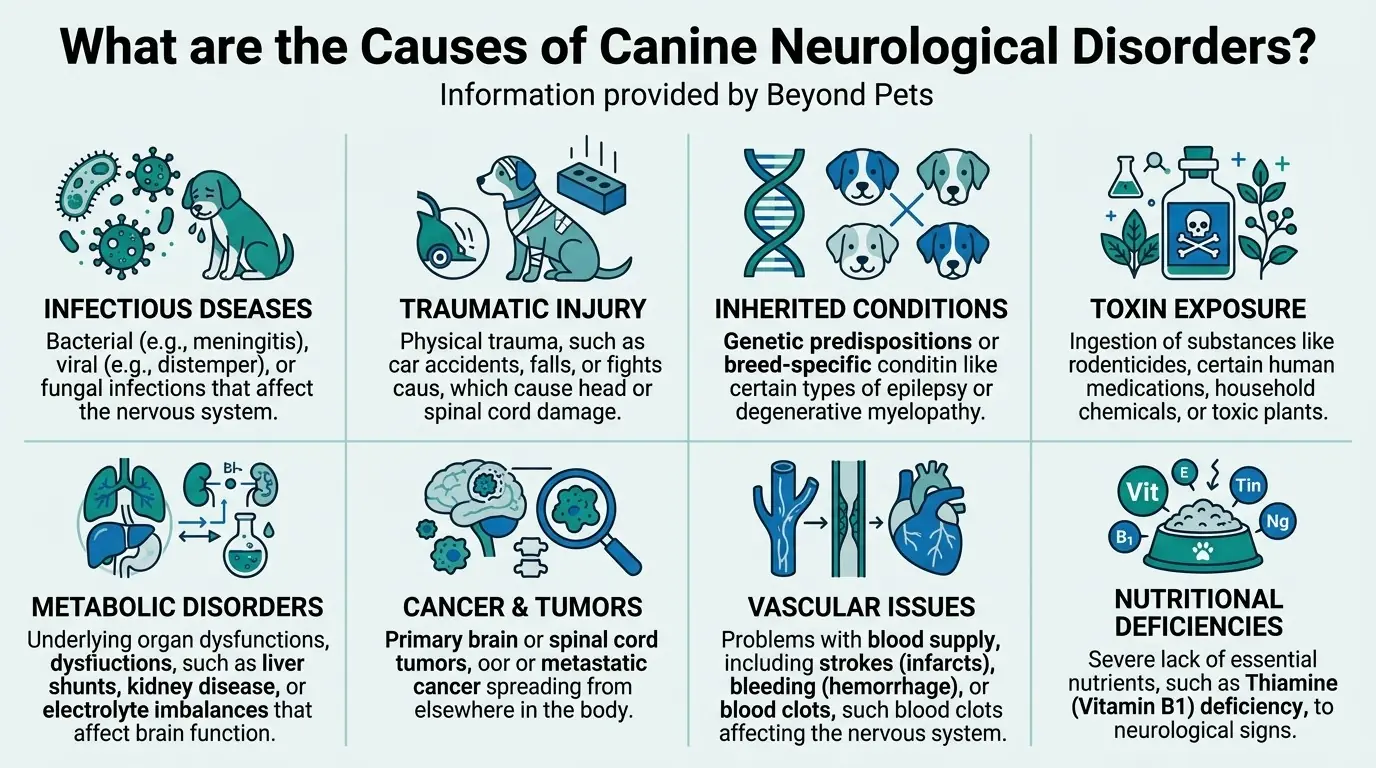
The etiology—or underlying cause—of canine neurological disorders is incredibly vast. The nervous system is a highly sensitive ecosystem; even minor disruptions in blood flow, nutrient availability, or immune regulation can yield catastrophic results. Healthcare professionals typically categorize the causes of neurological disorders using the medical acronym VITAMIN D (Vascular, Infectious/Inflammatory, Traumatic/Toxic, Anomalous, Metabolic, Idiopathic/Immune, Neoplastic, Degenerative).[41]
- Genetic and Anomalous Predispositions: Canine genetics play a massive role in neurology. Decades of selective breeding have inadvertently concentrated specific genetic mutations within certain breed pools. We see this with the SOD1 mutation driving Degenerative Myelopathy in Corgis, and the genetic predilection for idiopathic epilepsy in Belgian Tervurens and Beagles. Furthermore, anomalous developmental defects occurring in utero, such as congenital hydrocephalus (a buildup of cerebrospinal fluid within the ventricles of the brain, common in Chihuahuas and Yorkshire Terriers) or spina bifida, lead to lifelong neurological challenges.[42]
- Infectious Agents: The nervous system can be invaded by a host of pathogens. Viral infections like rabies uniformly cause fatal encephalomyelitis. Tick-borne bacterial infections, particularly Rocky Mountain Spotted Fever and Lyme disease, can cross the blood-brain barrier and cause profound neuroinflammation. Fungal spores inhaled from the environment (such as *Blastomyces* or *Cryptococcus*) can disseminate through the bloodstream to establish granulomas in the brain. Protozoal parasites like *Toxoplasma gondii* and *Neospora caninum* specifically target nervous and muscle tissue, causing severe descending paralysis in young puppies.[43]
- Trauma: The nervous tissue is exceptionally delicate and heals notoriously poorly. Blunt force trauma from vehicular accidents, high-altitude falls, or aggressive animal bite wounds can cause traumatic brain injury (TBI) or spinal cord severing. Trauma triggers a devastating secondary cascade of inflammation, hemorrhage, and free radical release that causes further necrosis of neural tissue long after the initial impact.[44]
- Toxins and Environmental Hazards: Dogs are notoriously indiscriminate eaters, making them highly susceptible to neurotoxins. Heavy metal poisoning (such as lead from old paint or zinc from ingested pennies) causes profound cerebral edema and seizures. Organophosphate pesticides, snail bait, certain poisonous plants (like sago palm), and even the accidental ingestion of human prescription medications (like those for ADHD or depression) can hyper-stimulate the nervous system, leading to intractable tremors, hyperthermia, and fatal status epilepticus.[45] While Fleas themselves do not directly cause neurological disorders in dogs, it is critical to note that fleas can transmit diseases and parasites, and ticks carry bacterial loads that can precipitate inflammatory meningitis.
- Autoimmune Disorders: In a healthy dog, the immune system defends against foreign invaders. In autoimmune neuro-pathologies, the immune system suffers a catastrophic misidentification, creating autoantibodies that attack the dog’s own neurological infrastructure. This is the underlying mechanism behind conditions like Steroid-Responsive Meningitis-Arteritis, Granulomatous Meningoencephalitis, and Myasthenia Gravis, an autoimmune disease that attacks the acetylcholine receptors at the neuromuscular junction, causing profound, episodic muscle weakness and Regurgitation or vomiting due to a secondary megaesophagus.[46]
- Metabolic Dysfunctions: The brain relies on a constant, uninterrupted supply of glucose and oxygen. Therefore, systemic metabolic failures quickly manifest as neurological emergencies. Severe hypoglycemia (low blood sugar), whether due to an insulin-secreting tumor (insulinoma) or fasting in a toy-breed puppy, starves the brain and induces seizures. Hepatic encephalopathy occurs when a failing liver (or a congenital portosystemic liver shunt) fails to filter ammonia from the bloodstream; the ammonia crosses into the brain, causing swelling, head-pressing, and dementia-like symptoms.[47]
- Neoplasia (Cancer): Tumors can arise primarily from the brain tissue itself (such as gliomas, astrocytomas, or meningiomas) or metastasize from distant cancers like hemangiosarcoma or melanoma. As a tumor expands within the rigid, unyielding confines of the skull, it increases intracranial pressure, compresses healthy brain tissue, and disrupts normal electrical pathways, inevitably leading to seizures, behavioral changes, and eventual herniation of the brainstem.[48]
- Vascular Events: Though less common in dogs than in humans, strokes do occur. Ischemic strokes happen when a blood clot lodges in a cerebral artery, starving a region of the brain of oxygen. Hemorrhagic strokes occur when a weakened blood vessel ruptures within the brain. A specific vascular event in dogs is a Fibrocartilaginous Embolism (FCE), where a microscopic piece of intervertebral disc material breaks off and blocks a blood vessel supplying the spinal cord, causing acute, usually asymmetrical, painless paralysis.[49]
Symptoms of Neurological Disorders in Dogs
Because the nervous system is ubiquitous throughout the body, the clinical symptoms of neurological disorders are incredibly diverse. The specific symptoms a dog exhibits are directly correlated with the precise neuroanatomical location of the lesion, rather than the disease itself. A tumor in the frontal lobe will look entirely different than a tumor in the lumbar spinal cord. Astute observation by the pet owner is the most vital component of the diagnostic process. If a neurological etiology is accompanied by a systemic issue, you may also see common symptoms of infection in dogs: a dog with an infection may have discharge from the eyes, respiratory infections can cause coughing or sneezing and nasal discharge, and Gastrointestinal infections may lead to vomiting or diarrhea in dogs. However, pure neurological symptoms generally fall into the following critical categories:[50]
- Altered Mentation and Consciousness: A healthy dog is bright, alert, and responsive (BAR). Neurological distress can alter this baseline. A dog may become “obtunded” (dull, interacting less with the environment), “stuporous” (only arousable by painful stimuli), or “comatose” (completely unconscious and unarousable). Sudden aggression in a previously docile dog, profound confusion, or failure to recognize familiar family members strongly suggest a forebrain lesion or Canine Cognitive Dysfunction.[51]
- Seizures and Tremors: Unprovoked seizure activity—whether a full-body grand mal convulsion with paddling and foaming at the mouth, or a focal seizure causing rhythmic twitching of a single facial muscle—is a hallmark of cerebral cortical dysfunction. Tremors, which are involuntary, rhythmic muscle oscillations, can indicate cerebellar disease (intention tremors), toxin exposure (such as toxicity from certain topical parasite treatments), or inflammatory diseases of the white matter.[52]
- Postural Abnormalities: How a dog holds their body at rest speaks volumes. A persistent head tilt (one ear held lower than the other) is the classic sign of vestibular disease. “Head pressing,” where a dog compulsively stands with their head pushed into a wall or corner, indicates severe forebrain disease, increased intracranial pressure, or hepatic encephalopathy. Specific rigid postures, such as Schiff-Sherrington posture (rigid, extended front legs with flaccid hind legs), point precisely to an acute, severe lesion in the thoracolumbar spinal cord.[53]
- Gait Deficits and Ataxia: Abnormalities in walking are categorized by neurologists. “Paresis” refers to muscle weakness (the dog can still move the limb but lacks strength), while “paralysis” or “plegia” means a complete loss of voluntary motor function. “Ataxia” refers to a lack of coordination without necessarily losing strength. Proprioceptive ataxia (often seen in spinal cord compression like IVDD) causes crossing over of the limbs and dragging the toes (knuckling). Cerebellar ataxia causes an exaggerated, goose-stepping gait. Vestibular ataxia causes the dog to lean, drift, or fall to one side.[54]
- Cranial Nerve Deficits: The twelve cranial nerves control the functions of the head and face. Damage here is highly localized. Symptoms include facial droop, an inability to blink, a dropped jaw, difficulty swallowing (dysphagia), laryngeal paralysis (causing a roaring sound when breathing), or sudden, unexplained blindness with dilated, unresponsive pupils. Abnormal eye movements, specifically nystagmus (the rapid flicking of the eyes side-to-side or up-and-down), are critical indicators of vestibular or brainstem pathology.[55]
- Loss of Nociception (Deep Pain): This is the most critical prognostic indicator in veterinary neurology. When a spinal cord compression (like a severe IVDD herniation) occurs, nerve functions are lost in a specific order: first proprioception, then voluntary motor control, then superficial pain, and finally, deep pain. If a paralyzed dog does not react (by vocalizing or trying to bite) when their toe bones are deeply pinched with hemostats, they have lost deep pain perception. This represents a catastrophic spinal cord injury requiring emergency surgical intervention within 12 to 24 hours to have any hope of functional recovery.[56]
How do Healthcare Professionals Typically Diagnose Neurological Disorders in Canines?

Diagnosing a neurological disorder is akin to solving a complex puzzle. It requires a systematic, highly structured approach to avoid jumping to conclusions based solely on the most visible symptom. The diagnostic process is broadly divided into neuroanatomical localization (determining where the problem is) and etiologic diagnosis (determining what is causing the problem). A board-certified veterinary neurologist or an experienced general practitioner will follow these rigorous steps:[57]
- Comprehensive Medical History: The diagnostic journey begins with an exhaustive interview. The veterinarian must determine the exact onset (acute vs. gradual), the progression (improving, static, or worsening), the dog’s travel history (which informs exposure to regional fungal or tick-borne diseases), vaccination status, and potential exposure to toxins. Video footage of intermittent events, such as seizures or unusual gaits, provided by the owner is invaluable, as the dog may not exhibit the behavior in the exam room.[58]
- The Neurological Examination: This hands-on, specialized exam is the cornerstone of veterinary neurology. It is designed to test every facet of the nervous system to pinpoint the exact location of the lesion.
- Postural Reactions: The vet will test conscious proprioception by flipping the dog’s paw upside down; a neurologically normal dog will instantly correct the paw placement. “Hopping” tests evaluate the dog’s ability to support weight and move a single limb when the others are lifted off the ground.
- Spinal Reflexes: Using a reflex hammer, the vet assesses the integrity of the reflex arcs. The patellar reflex (knee jerk) tests the femoral nerve and the L4-L6 spinal segments. The withdrawal reflex tests the sciatic nerve and L6-S1 segments. Decreased reflexes indicate Lower Motor Neuron (LMN) disease, while exaggerated, hyperactive reflexes indicate Upper Motor Neuron (UMN) disease further up the spinal cord.
- Cranial Nerve Assessment: The vet will check the menace response (flicking a hand toward the eye to elicit a blink) to test vision and facial nerve function. They will shine a bright light in the eyes to check pupillary light reflexes (PLR), and evaluate facial symmetry, jaw tone, and the gag reflex.
- Spinal Palpation: The veterinarian will systematically press along the vertebral column from the neck to the tail to localize areas of hyperesthesia (pain), muscle spasms, or structural deformities.[59]
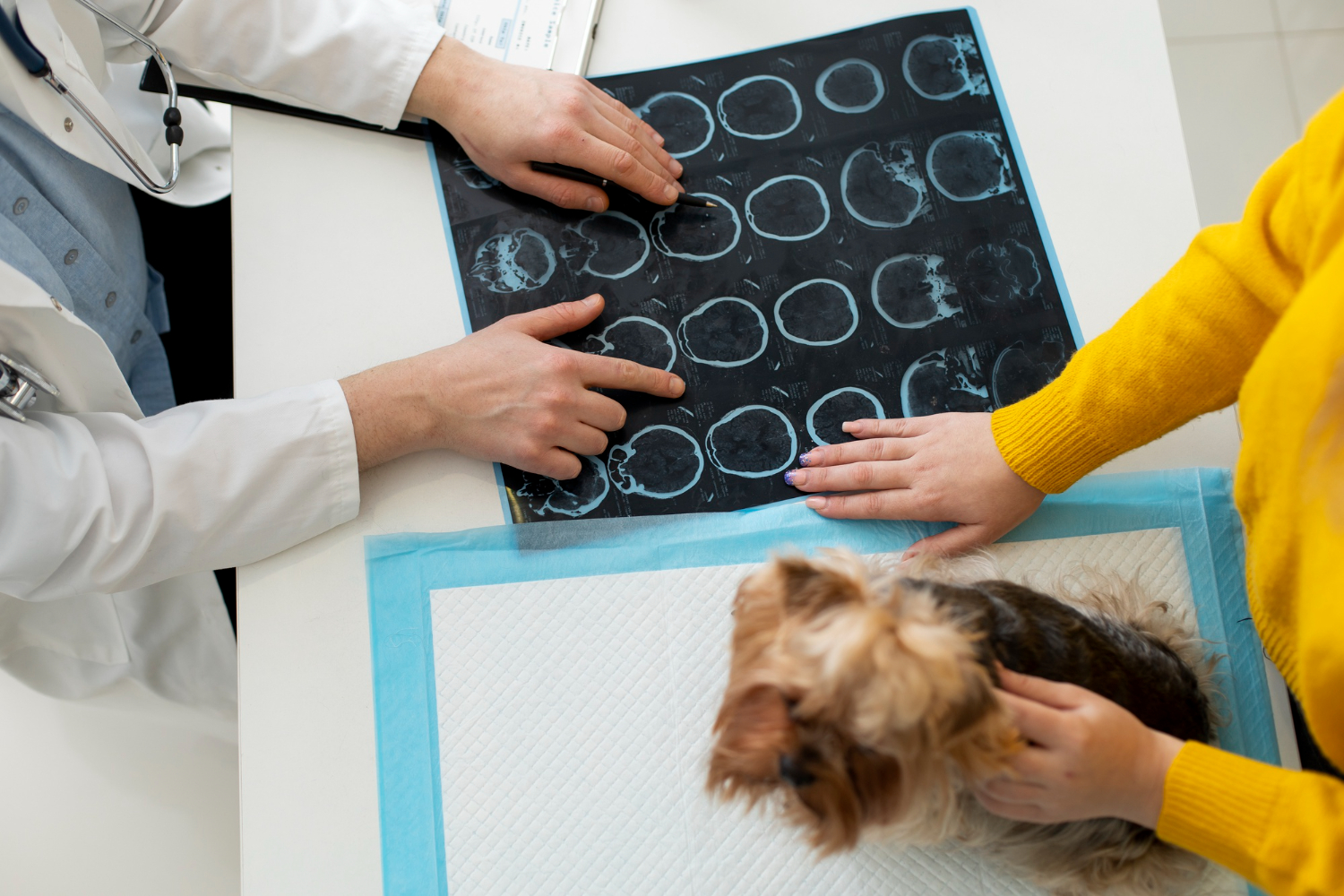
- Advanced Imaging Studies (MRI and CT): Standard X-rays are excellent for viewing bone fractures or gross spinal deformities, but they cannot see the brain, the spinal cord, or the nerve roots. To visualize the actual nervous tissue, advanced cross-sectional imaging is mandatory. Magnetic Resonance Imaging (MRI) is the gold standard in veterinary neurology. Using powerful magnetic fields and radio waves, an MRI provides exquisite, high-resolution detail of the brain parenchyma, identifying tumors, infarcts (strokes), inflammation, and intervertebral disc herniations. Computed Tomography (CT) utilizes X-rays to create 3D images and is highly effective for imaging complex bony abnormalities, fractures, or acute hemorrhage. Both procedures require the dog to be placed under general anesthesia to ensure absolute stillness.[60]
- Cerebrospinal Fluid (CSF) Analysis: Often performed in conjunction with an MRI, a CSF tap involves inserting a specialized spinal needle into the cerebellomedullary cistern (at the base of the skull) or the lumbar subarachnoid space to collect the fluid bathing the CNS. The fluid is analyzed for cell counts, protein levels, and infectious agents. A healthy CSF sample should be clear with virtually no cells. A high white blood cell count (pleocytosis) confirms active inflammation, distinguishing an infectious or immune-mediated encephalitis from a structural brain tumor.[61]
- Electrophysiological Testing (EMG and NCV): For dogs presenting with peripheral neuropathies or generalized muscle weakness, electromyography (EMG) and Nerve Conduction Velocity (NCV) testing are utilized. Fine needle electrodes are inserted into specific muscles to record spontaneous electrical activity. Abnormal electrical spikes on an EMG confirm denervation of the muscle. NCV measures how fast an electrical impulse travels along a nerve; slowed conduction speeds indicate damage to the nerve’s myelin sheath.[62]
- Systemic Laboratory Diagnostics: Because many neurological signs are secondary to metabolic diseases, a complete blood count (CBC), comprehensive serum biochemistry panel, and urinalysis are mandatory. Specific tests, such as bile acid stimulation tests (to rule out liver shunts), thyroid panels (for hypothyroid-induced neuropathy), and infectious disease PCR panels or serology titers (for toxoplasmosis, distemper, or tick-borne pathogens) are often required to finalize the etiologic diagnosis.[63]
What are the Treatment Options for Neurological Disorders in Dogs?
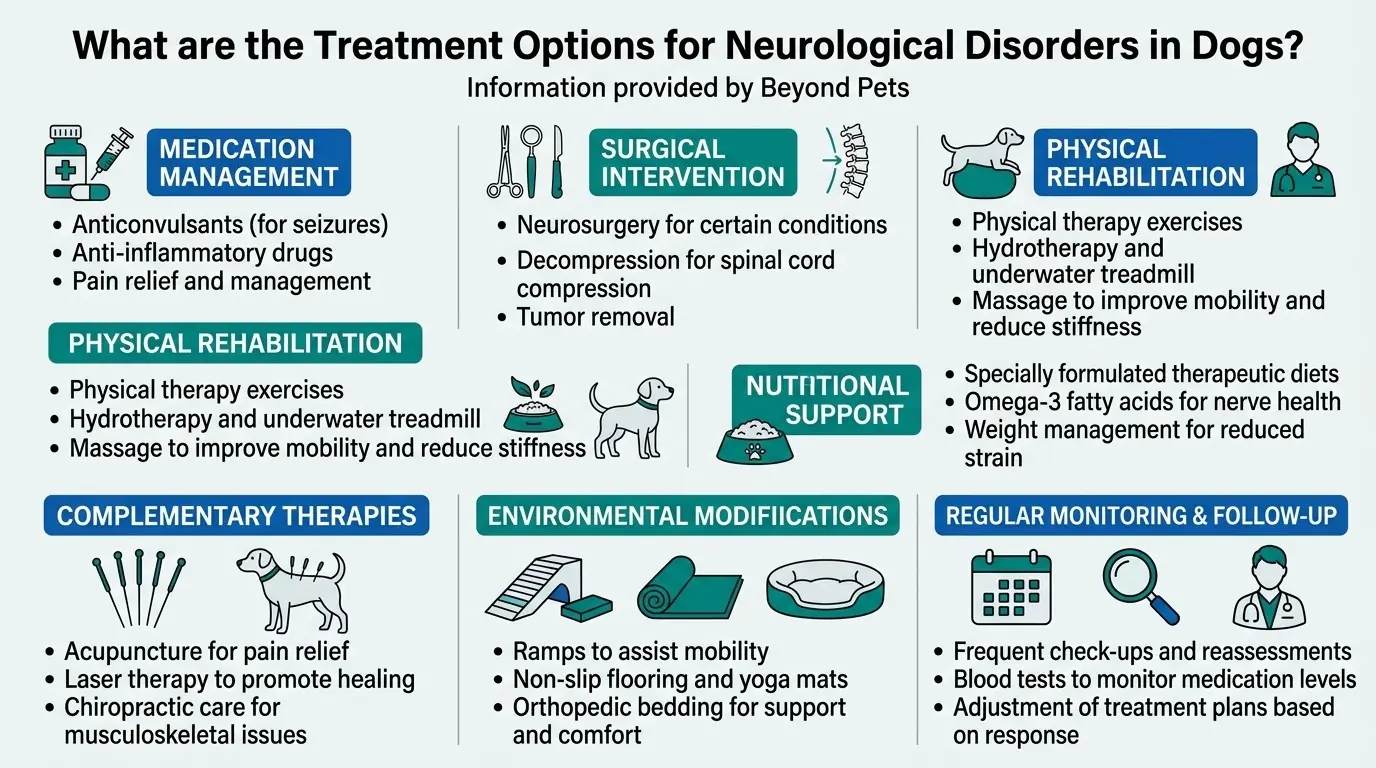
The therapeutic approach to neurological disorders has advanced exponentially over the last two decades. While some conditions remain incurable and require long-term palliative care, many devastating neurological emergencies can now be successfully treated, resulting in a return to full function. The treatment paradigm is highly customized, relying on a combination of medical management, precision surgery, and dedicated physical rehabilitation.[64]
Medication
Pharmacological intervention is the backbone of neurological therapy. For dogs suffering from idiopathic epilepsy, long-term anti-seizure medications are required to raise the seizure threshold in the brain. Traditional and newer-generation anti-seizure medications prescribed by your veterinarian offer excellent seizure control with fewer hepatic side effects. Finding the correct therapeutic protocol often requires months of therapeutic monitoring via blood tests.[65] Prescription anti-inflammatory medications are incredibly potent tools utilized to rapidly reduce life-threatening cerebral edema surrounding a brain tumor, or to suppress the aggressive immune response in diseases like Steroid-Responsive Meningitis-Arteritis (SRMA) and Granulomatous Meningoencephalitis (GME). For infectious encephalitides, specialized prescription antibiotics that cross the blood-brain barrier or systemic antifungal medications are deployed over many months. Neuropathic pain is specifically targeted using nerve-pain medications prescribed by your veterinarian, which modulate pain signals at the level of the spinal cord.[66]
Surgery
When there is a physical, structural compression of the nervous tissue, surgical decompression is frequently the only viable option to restore function and alleviate severe pain. In cases of acute Hansen Type I Intervertebral Disc Disease, a neurosurgeon will perform a hemilaminectomy—drilling a window through the vertebral bone to physically scoop out the extruded, calcified disc material that is crushing the spinal cord. For cervical disc herniations or Wobbler Syndrome, a ventral slot procedure (accessing the spine from the underside of the neck) is often utilized to remove the disc and stabilize the vertebrae using titanium pins and bone cement.[67] Advanced neurosurgical suites now allow for craniotomies to resect accessible brain tumors (like meningiomas) or the placement of ventriculoperitoneal shunts to drain excess cerebrospinal fluid in puppies born with severe hydrocephalus.[68]
Physical Therapy and Rehabilitation
Veterinary physical rehabilitation is no longer considered an optional luxury; it is a critical, medically necessary component of neurological recovery. Following spinal surgery, or during the management of degenerative conditions like CDM, the nervous system must be “retrained” to forge new neural pathways—a concept known as neuroplasticity. Certified Canine Rehabilitation Practitioners (CCRP) utilize an array of modalities. Underwater treadmill therapy utilizes the buoyancy of water to support the dog’s weight, allowing severely paretic dogs to practice the mechanics of walking without falling. Class IV Therapeutic Laser Therapy (photobiomodulation) applies specific wavelengths of light to the surgical site to increase cellular ATP production, vastly accelerating tissue healing and reducing inflammation. Passive Range of Motion (PROM) exercises, targeted stretching, and the use of physio-rolls and wobble boards help rebuild core strength, prevent muscle contracture, and stimulate conscious proprioception.[69]
Supportive Care
For a non-ambulatory, paralyzed dog, meticulous supportive nursing care is the difference between recovery and fatal complications. Dogs that cannot walk often lose the ability to voluntarily empty their bladder. Owners must be taught by veterinary staff how to perform manual bladder expression multiple times a day to prevent urinary retention, over-distension of the detrusor muscle, and severe, ascending urinary tract infections. Recumbent dogs must be turned every four to six hours and provided with orthopedic, high-density foam bedding to prevent the formation of decubital ulcers (pressure sores) over bony prominences like the hips and elbows, which can quickly become necrotic and infected. Proper hygiene, specifically preventing urine scald and fecal matting, is essential.[70]
Dietary Modifications
Nutrition plays a burgeoning, scientifically validated role in the management of canine neurological health. For senior dogs suffering from Canine Cognitive Dysfunction, prescription neuroprotective diets have proven highly efficacious. These diets are heavily fortified with Medium-Chain Triglycerides (MCTs), which provide the aging brain with an alternative energy source (ketones) when it loses the ability to metabolize glucose efficiently. Furthermore, high levels of antioxidants (Vitamin E, Vitamin C, selenium) and Omega-3 fatty acids (DHA and EPA) are utilized to combat oxidative stress, reduce neuro-inflammation, and protect cellular membranes. Dietary modifications are also critical for metabolic neurological conditions; for instance, dogs with hepatic encephalopathy require highly digestible, restricted-protein diets to minimize the production of neurotoxic ammonia.[71]
Alternative Therapies
Integrative veterinary medicine offers adjunctive therapies that can complement traditional allopathic treatments. Veterinary acupuncture, particularly electro-acupuncture (where a mild microcurrent is passed between the needles), has demonstrated significant clinical benefits in modulating neuropathic pain and stimulating nerve regeneration in dogs recovering from IVDD or peripheral neuropathies. While botanical and herbal medicines, as well as high-quality veterinary-approved supplements, are frequently discussed for seizure management and pain control, it is an absolute imperative that you consult your veterinarian before making any changes to your pet’s care. Many supplements can interfere with the metabolism of critical anti-seizure medications, leading to toxicosis or breakthrough seizures.[72]
Monitoring and Follow-Up Care
Neurological management is rarely a one-time fix; it is a long-term, dynamic commitment. Chronic conditions require vigilant monitoring. Dogs on anti-seizure medications require biannual blood draws to check liver function and ensure drug serum levels remain within the strict therapeutic window. Neurological exams must be repeated at regular intervals to assess whether a spinal cord injury is recovering or a brain tumor is expanding. Furthermore, open, honest communication between the veterinary team and the owner regarding the dog’s daily Quality of Life (QOL) is essential, particularly when managing terminal diseases like Degenerative Myelopathy.[73]
How Can You Help Your Canine Recover from and Manage Neurological Disorders?
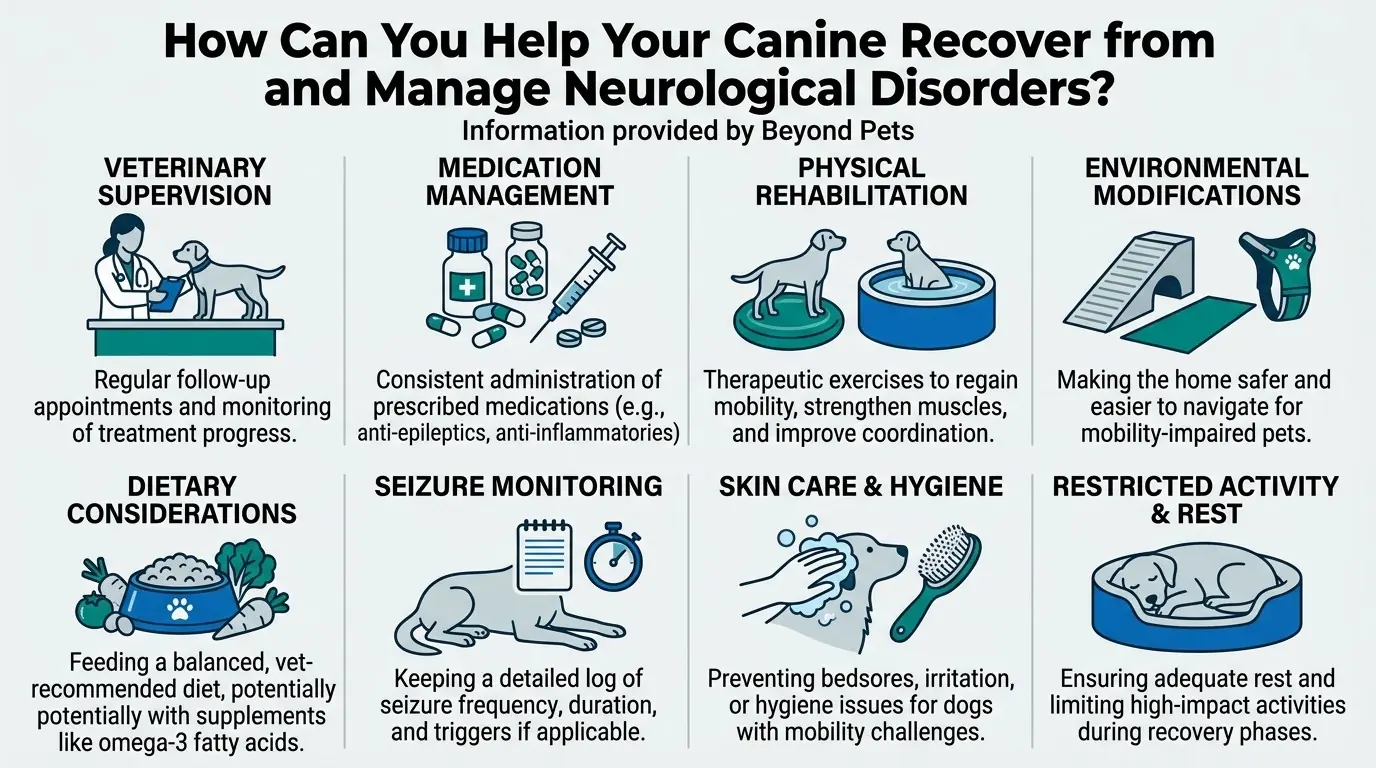
The journey to recovery from a severe neurological event, or the long-term management of a chronic neurodegenerative disease, is a marathon, not a sprint. The dedication, patience, and home-care provided by the pet owner are just as critical to the dog’s success as the skills of the veterinary neurologist. Creating a safe, supportive, and accessible environment at home is the immediate priority. For dogs struggling with ataxia or weakness, slick hardwood or tile floors present a massive slipping hazard, which can lead to disastrous secondary orthopedic injuries like cranial cruciate ligament tears. Laying down extensive networks of non-slip yoga mats, interlocking foam gym tiles, or rubber-backed runner rugs is essential to provide traction and confidence. Access to stairs must be strictly blocked with baby gates, as a tumbling fall could re-herniate a delicate intervertebral disc.[74]
Mobility assistance devices are indispensable tools for the neurological patient. Full-body lifting harnesses (such as the Help ‘Em Up Harness) allow owners to safely support their dog’s front and rear quarters without straining the owner’s back, facilitating bathroom trips and short physical therapy walks. For dogs with permanent paraplegia from severe IVDD or advanced Degenerative Myelopathy, custom-fitted canine wheelchairs (carts) can restore an incredible degree of independence, allowing the dog to run, play, and engage with their environment despite the loss of hind limb function.[75]
Beyond physical modifications, addressing the dog’s mental and emotional well-being is vital. Dogs facing sudden mobility loss or the confusion of Canine Cognitive Dysfunction frequently experience profound anxiety and frustration. Establishing strict, predictable daily routines for feeding, medication, and bathroom breaks provides a sense of security. Utilizing puzzle toys, lick mats, and scent-work games can provide vital mental enrichment and cognitive stimulation when physical exercise is restricted. Most importantly, remain a calm, positive presence for your dog. They are highly attuned to your emotional state, and offering steady reassurance during a frightening seizure or a difficult physical therapy session will bolster their resilience. Partner closely with your veterinary team, utilize specialized support groups, and advocate fiercely for your dog’s ongoing comfort and dignity.[76]
Frequently Asked Questions
Can a dog recover from neurological damage?
Yes, but the extent and likelihood of recovery depend entirely on the specific cause, severity, and duration of the neurological damage. The peripheral nervous system has a limited but robust capacity for regeneration; severed peripheral nerves can slowly regrow (at a rate of roughly 1 millimeter per day) if the protective nerve sheath remains intact. In the central nervous system (the brain and spinal cord), true cellular regeneration is exceptionally poor. However, the CNS possesses a remarkable ability known as neuroplasticity—the ability to rewire itself and forge new neural pathways to bypass damaged areas. Conditions caused by acute compression (like IVDD) or inflammation (like meningitis) have excellent recovery rates if treated aggressively and early, often with surgery or intensive prescription anti-inflammatory therapy. Conversely, neurodegenerative diseases like Degenerative Myelopathy or Canine Cognitive Dysfunction involve progressive cell death and are not reversible, meaning management focuses on slowing progression rather than achieving a cure.
Can blood tests detect neurological problems?
While a standard blood test cannot directly image a brain tumor or diagnose a herniated disc, comprehensive blood work is an absolutely mandatory step in any neurological workup. Blood tests are crucial for identifying systemic, metabolic, or infectious diseases that cause secondary neurological symptoms. For instance, a blood chemistry panel can reveal severe hypoglycemia (low blood sugar), which triggers seizures, or elevated liver enzymes and altered BUN levels, which point toward hepatic encephalopathy. Specific serology tests or PCR panels run on blood samples can detect antibodies or DNA from neurotropic infectious agents like Toxoplasma, Neospora, or tick-borne diseases (Ehrlichiosis, Lyme). Furthermore, blood tests are essential for establishing a baseline of organ function before prescribing potent anti-seizure or prescription pain medications, ensuring the dog’s liver and kidneys can safely metabolize the drugs.
Do prescription anti-inflammatory medications help with neurological disorders in dogs?
Prescription anti-inflammatory medications are incredibly powerful tools in veterinary neurology, but their use is highly specific and must be carefully managed. These medications are primarily utilized for their profound anti-inflammatory and immunosuppressive properties. They are the cornerstone of treatment for immune-mediated neurological diseases like Steroid-Responsive Meningitis-Arteritis (SRMA) and Granulomatous Meningoencephalitis (GME), where they suppress the immune system’s aberrant attack on the nervous tissue. They are also used to rapidly reduce peritumoral edema—the life-threatening swelling of brain tissue that occurs around a brain tumor. However, these therapies are contraindicated in certain situations. For example, intensive anti-inflammatory therapy is no longer recommended as the standard of care for acute spinal cord trauma (like IVDD) due to the high risk of severe gastrointestinal ulceration and a lack of proven long-term efficacy compared to surgical decompression. These prescription medications also carry significant side effects, including increased thirst, hunger, urination, and muscle wasting, requiring careful tapering under strict veterinary supervision.
Concerned About Your Dog’s Neurological Health?
If you notice any signs of a neurological disorder, don’t wait. Early diagnosis and intervention are critical for the best possible outcome.
Schedule an appointment with a veterinarian today to ensure your beloved companion receives the comprehensive care they deserve.
References
- Merck Veterinary Manual. The Neurologic Evaluation of Dogs. Merck & Co., Inc., 2023.
- Purina Institute. Canine Cognitive Dysfunction Syndrome. Nestlé Purina PetCare, 2023.
- Weir, M., Gollakner, R., Ruotsalo, K., Tant, M. Testing for Seizures. VCA Animal Hospitals, 2023.
- De Decker, S. et al. Outcome of medical and surgical treatment in dogs with cervical spondylomyelopathy: 104 cases (1988–2004). AVMA Journals, 2008.
- Merck Veterinary Manual. The Neurologic Examination of Animals – Nervous System. Merck & Co., Inc., 2023.
- Purina CA. Dog Cognitive Dysfunction Syndrome. Nestlé Purina, 2023.
- Barnes, C., Weir, M., Ward, E. Seizures in Dogs. VCA Animal Hospitals, 2023.
- Merck Veterinary Manual. Congenital and Inherited Cerebellar Disorders in Dogs and Cats. Merck & Co., Inc., 2023.
- VCA Animal Hospitals. Degenerative Disc Disease in Dogs. VCA, 2023.
- Merck Veterinary Manual. Congenital and Inherited Disorders of the Nervous System in Dogs. Merck & Co., Inc., 2023.
- Cornell University College of Veterinary Medicine. Degenerative myelopathy. Cornell University, 2023.
- VCA Animal Hospitals. Degenerative Myelopathy in Dogs. VCA, 2023.
- De Decker, S. et al. Osseous-associated cervical spondylomyelopathy in dogs: 27 cases (2000–2012). AVMA Journals, 2014.
- Braund, K. G. Encephalitis and meningitis. Vet Clin North Am Small Anim Pract. PubMed, 1980.
- Merck Veterinary Manual. Epilepsy in Small Animals. Merck & Co., Inc., 2023.
- VCA Animal Hospitals. Cervical Vertebral Instability (Wobbler Syndrome) in Dogs. VCA, 2023.
- Purina Institute. Cognitive Dysfunction Syndrome in dogs. Nestlé Purina PetCare, 2023.
- Radaelli, S. T. et al. Clinical presentation, treatment, and outcome of 24 dogs with bacterial meningitis or meningoencephalitis without empyema (2010‐2020). PMC, 2023.
- AVMA Journals. Chemotherapy-induced peripheral neuropathy in a dog. AVMA, 1991.
- Merck Veterinary Manual. Hypothyroidism in Animals. Merck & Co., Inc., 2023.
- Gregory, A. et al. Inherited neuroaxonal dystrophy in dogs causing lethal, fetal-onset motor system dysfunction and cerebellar hypoplasia. PMC, 2008.
- VCA Animal Hospitals. Meningitis in Dogs. VCA, 2023.
- VCA Animal Hospitals. Prevent progression of doggie dementia in your senior dog. VCA, 2023.
- Minor, K. et al. Canine models of Charcot-Marie-Tooth: MTMR2, MPZ, and SH3TC2 variants in Golden Retrievers with congenital hypomyelinating polyneuropathy. PMC, 2017.
- VCA Animal Hospitals. Cervical Intervertebral Disc Disease in Dogs. VCA, 2023.
- Lentz, W. J. Canine encephalitis, myelitis and meningitis. PubMed, 1946.
- VCA Animal Hospitals. Mental Stimulation for Senior Dogs. VCA, 2023.
- De Decker, S. et al. Radiographic vertebral canal and vertebral body ratios in Doberman Pinschers with and without clinical signs of caudal cervical spondylomyelopathy. AVMA Journals, 2011.
- Merck Veterinary Manual. Emergency Medicine in Animals. Merck & Co., Inc., 2023.
- AVMA Journals. Morphologic and morphometric magnetic resonance imaging features of Doberman Pinschers with and without clinical signs of cervical spondylomyelopathy. AVMA, 2004.
- Merck & Co., Inc. Prescription Antibiotic PI (Peripheral Neuropathies Warning). Merck, 2023.
- Platt, S. R. et al. Encephalitis and meningitis. PubMed, 2000.
- Veterinary Information Network (VIN). Neurology Necessities and Diagnostics. VIN, 2024.
- Merck Animal Health USA. Distemper in dogs and cats. Merck & Co., Inc., 2022.
- Purina Institute. Brain & Cognitive Disorders. Nestlé Purina PetCare, 2023.
- Vetlexicon. Polyradiculoneuropathies in Dogs (Canis). Vetlexicon, 2023.
- VCA Animal Specialty Group. Neurology. VCA, 2023.
- Merck Veterinary Manual. Cardiopulmonary Resuscitation in Animals. Merck & Co., Inc., 2023.
- Purina CA. Canine Cognitive Dysfunction Treatment. Nestlé Purina, 2023.
- Purina Institute. Therapeutic Nutrition for Canine Cognitive Dysfunction Syndrome. Nestlé Purina PetCare, 2023.
- Cornell University College of Veterinary Medicine. Degenerative myelopathy FAQ. Cornell University, 2023.
- VCA Animal Hospitals. Vestibular Disease in Dogs. VCA, 2023.
- AVMA. Canine Distemper. American Veterinary Medical Association, 2023.
- Purina CA. Senior Dog Health. Nestlé Purina, 2023.
- Merck Veterinary Manual. Epilepsy in Dogs. Merck & Co., Inc., 2023.
- VCA Animal Hospitals. Canine Cognitive Dysfunction Syndrome. VCA, 2023.
- Cornell University College of Veterinary Medicine. Epilepsy in Dogs. Cornell University, 2023.
- Merck Veterinary Manual. Meningitis and Encephalitis in Dogs. Merck & Co., Inc., 2023.
- VCA Animal Hospitals. Granulomatous Meningoencephalitis in Dogs. VCA, 2023.
- Purina Institute. Diagnosis of Cognitive Dysfunction Syndrome. Nestlé Purina PetCare, 2023.
- AVMA. Rabies and Your Pet. American Veterinary Medical Association, 2023.
- Purina CA. Brain Aging in Dogs. Nestlé Purina, 2023.
- Merck Veterinary Manual. Peripheral Neuropathies in Dogs. Merck & Co., Inc., 2023.
- VCA Animal Hospitals. Polyradiculoneuritis in Dogs. VCA, 2023.
- Purina Institute. The Impact of CDS. Nestlé Purina PetCare, 2023.
- Merck Veterinary Manual. Wobbler Syndrome in Dogs. Merck & Co., Inc., 2023.
- VCA Animal Hospitals. Cerebellar Hypoplasia in Dogs. VCA, 2023.
- Purina Institute. MCTs and Brain Health. Nestlé Purina PetCare, 2023.
- Cornell University College of Veterinary Medicine. Canine Cognitive Dysfunction. Cornell University, 2023.
- Merck Veterinary Manual. Vestibular Disease in Dogs. Merck & Co., Inc., 2023.
- Purina CA. Neurological Health in Dogs. Nestlé Purina, 2023.
- VCA Animal Hospitals. Intervertebral Disc Disease in Dogs. VCA, 2023.
- Merck Veterinary Manual. Degenerative Myelopathy in Dogs. Merck & Co., Inc., 2023.
- Purina Institute. DISHAA Assessment Tool. Nestlé Purina PetCare, 2023.
- Cornell University College of Veterinary Medicine. Wobbler Syndrome. Cornell University, 2023.
- VCA Animal Hospitals. Canine Distemper. VCA, 2023.
- Merck Veterinary Manual. Brain Tumors in Dogs. Merck & Co., Inc., 2023.
- Purina CA. Cognitive Health Supplements. Nestlé Purina, 2023.
- AVMA. Rabies. American Veterinary Medical Association, 2023.
- VCA Animal Hospitals. Fibrocartilaginous Embolism in Dogs. VCA, 2023.
- Merck Veterinary Manual. Spinal Cord Disorders in Dogs. Merck & Co., Inc., 2023.
- Purina Institute. Antioxidants and Brain Health. Nestlé Purina PetCare, 2023.
- Cornell University College of Veterinary Medicine. Vestibular Disease. Cornell University, 2023.
- VCA Animal Hospitals. Rabies in Dogs. VCA, 2023.
- Merck Veterinary Manual. Hydrocephalus in Dogs. Merck & Co., Inc., 2023.
- Purina CA. Senior Dog Mental Enrichment. Nestlé Purina, 2023.